
This roundtable examined literature created during the COVID-19 pandemic. The event featured discussions of works including "Fractured: Covid 19 -- Memento Mori vs. Memento Vivere," "2020: One City, Seven People, and the Year Everything Changed," and "The Quarantine Tapes." Panelists explored how writers engaged with pandemic experiences through their work.
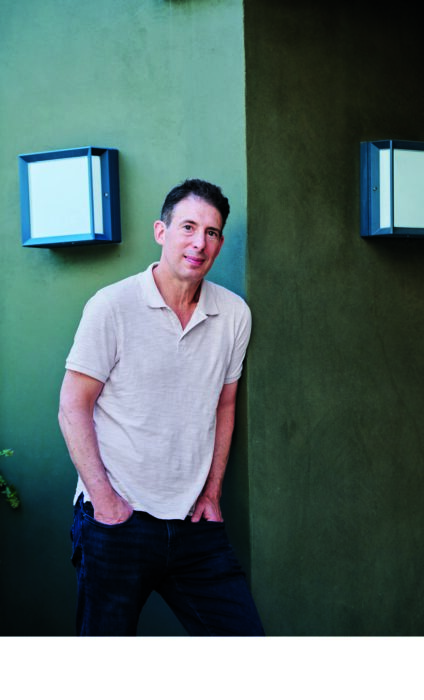
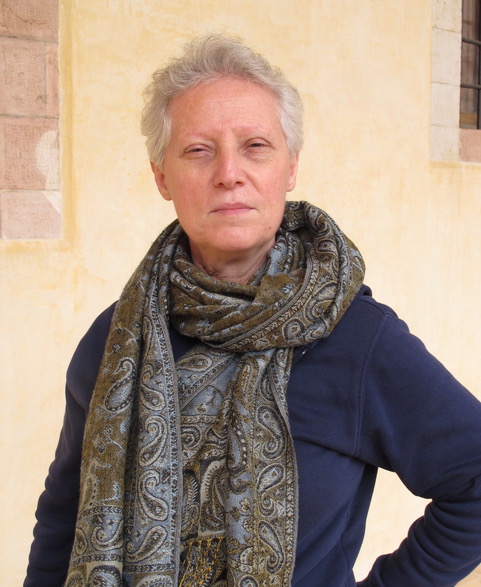
Speakers



Watch
Media
Related Roundtables


Transcript
This roundtable explores the intersection of the Covid-19 pandemic with literature, philosophy, and art. Eric Klinenberg frames the discussion around his book on the year 2020, while Maria Pisano presents her illustrated artist's journal documenting pandemic experiences through the voices of healthcare workers, nurses, and essential employees. Daphne Merkin offers a literary critic's perspective, arguing that the pandemic intensified existing tendencies rather than unifying people, and discusses her essays on topics ranging from optimism's dark side to the survival significance of cosmetics.
Simon Critchley provides historical and philosophical depth, tracing the literary tradition of plague narratives from Thucydides through Boccaccio to the present, noting how Thucydides deliberately juxtaposes Pericles's funeral oration celebrating Athenian democracy with his description of the plague devastating Athens, without commentary. He distinguishes between fear, which has a definite object, and anxiety, which is about nothing in particular, arguing that Covid occupied an unsettling space between the two. Richard Deming discusses how the pandemic created rare conditions where people could acknowledge loneliness without shame.
The conversation turns to the political dimensions of the pandemic experience, particularly the sense of abandonment many Americans felt under failed leadership, and the rapid fracturing of early solidarity into division. The panelists debate whether to orient toward history or the future, with Critchley arguing forcefully for historical engagement over hope, which he calls a passive emotion, in favor of courage grounded in understanding. An audience member who worked as a private-duty aide shares her firsthand experience of patient loss and the lack of support for frontline caregivers.
Show discussion topics
- 00:00:00 Welcome and introductions of the panelists, including a social scientist, philosophers, a literary critic, and a book artist.
- 00:05:13 Eric Klinenberg frames the discussion by surveying the audience about their pandemic experience and introduces his book about the year 2020.
- 00:14:58 Maria Pisano presents her artist's journal documenting the pandemic through illustrations and the voices of healthcare workers, reading testimony from frontline nurses.
- 00:28:22 Daphne Merkin reflects on her reading during the pandemic, arguing that Covid made people more of who they already were rather than bringing people together, and discusses her pieces on optimism, loneliness, and lipstick as survival.
- 00:44:09 Simon Critchley discusses the philosophy of death and plague throughout history, from Thucydides pairing democracy with plague to the Black Death's role in social upheaval.
- 00:58:30 Discussion of anxiety versus fear during the pandemic, the archaic nature of plague responses, and whether Covid revealed something fundamental about human fragility.
- 01:05:20 Richard Deming discusses loneliness as a theme in his work, how Covid created conditions where people could openly discuss isolation without shame.
- 01:19:00 The fracturing of pandemic solidarity into division, the failure of political leadership, and the experience of abandonment by American institutions.
- 01:32:44 Debate over whether to focus on history or the future, the meaning of courage versus hope, and whether the pandemic's lessons are being forgotten.
- 01:48:29 Audience questions about healthcare workers' trauma, the essential-expendable paradox, and whether systemic change is possible in the aftermath of Covid.
Show full transcript
00:00:00 it's you know usually more hi afternoon everyone welcome to um another wonderful Helix Center program today it's going to be on Co and literature and I'm sure it's going to be just a wonderful talk that we're all going to be uh pry to listening in on anyway I'm associate director of hel X my name is Gerald herwitz um our esteemed director edner sessan is elsewhere today I'm sure he'll be
00:00:32 listening in cyberspace somewhere I just want to make two quick announcements and then we'll get started uh we have another program scheduled for two weeks from now on the effects of media of the media and then starting that's the 14th um and two weeks Beyond 24th forgive me February 24th and then March 9th we will begin what we hope to be a five-part series on the senses and we're starting with touch on March 9th so that's really pretty exciting so with
00:01:04 no further Ado I want to introduce our esteemed board member and coordinator for this talk Ellen Gilbert hi thank [Music] you so as they say in the bids housekeeping but in this instance we're literally talking about housekeeping as in keeping the roof over our heads Helix is a nonprofit
00:01:35 organization we charge nothing as we continuously bring remarkable conversations to live and online audiences although we certainly incur expenses in doing so our website Helix center.org is a treasure Trove of recordings of previous roundtables it also features a donate button we do not offer tote bags we
00:02:05 offer great ideas your programs have detailed descriptions of each of our panelists work if I had to enumerate their many remarkable achievements we would never get to today's discussion so I will identify each of them briefly then we can go on to expand on their work with my first question which is to ask them to describe each what each of them has done in recent years especially as it relates
00:02:38 to covid today's participants Simon critchley and please is H is H Jonas professor of philosophy at the new school for social research in New York and a member of the board of directors at the Onasis Foundation Foundation Richard Deming teaches in the English Department at Yale University where he is director of creative writing
00:03:09 Eric kleinenberg is the Helen Gould Shepard professor in the social sciences and director of The Institute for public knowledge at New York University Daphne mkin is the author of several novels and writes cultural cultural criticism and book pieces for a variety of Publications including the New York Times book review the Atlantic Air Mail and the New York Review of Books Maria
00:03:39 Pisano is a book artist print maker curator and educator she publishes her work under the memory press imprint our panelist books are available for purchase on site today the online audience and those of you who want to purchase additional titles can can go to mcnali jaon that's one word mcnali jackson.com to learn more about Maria Pisano's work and to order her books
00:04:10 please visit her website Maria gazano docomo that Natalie Eve Garnet was unable to join us today since Eric's Pub date practically coincides with this event and because it provides a broad overview of the politics of the pandemic I'm going to ask him to speak first and then have everyone follow as the spirit moves you at about 4:00 I'll invite the audience
00:04:41 to ask questions then we can enjoy some book buying and Casual hanging out thank [Applause] you so just go okay we have very limited instructions here so we're going to wing it I'm going to speak for about 2 hours and then um since we're in a room um that's houses a lot of psychoanalysis and thinking about psychoanalysis I thought I'd begin with a a quick
00:05:13 question I'm a social scientist I think I'm the only social scientist on the panel we love to survey people so let me just ask in keeping with the psycho analytic Spirit and the survey research Spirit um could you raise your hand if you feel like you have fully processed what you experienced in the year 2020 and the pandemic you really thought about it worked worked it out with other people okay so two three can we admit that's a small number for a group of people who are used to
00:05:43 processing things for living um I got you the the idea that um drove me to write this book which comes out in two days about the year 2020 um is that this experience we've been through together together which may be one of the major experiences of our lives uh was overwhelming um more more than we're generally capable of processing um because so many things happened all at once at such a tremendous scale so for
00:06:17 me 2020 was about the pandemic of course but it was also about uh the murder of George Floyd uh and the movement for black lives it was about the assault on democracy remember that idea that 2020 was going to be the election of our lifetime we never go through anything like that again um it was about uh spike in violence especially here in the United States uh it was about the freef fall of the economy uh millions of people lost their jobs there was a moment where
00:06:48 millions of people had lost much of their savings um it was one of those ver vertiginous experiences where it it you know that Mark phrase everything solid melted into air all that solid melts into air it felt like that for the first time in my life it felt like everything was up for grabs and I think it was terrifying for many of us um people who are can't they can't get enough news turned off the radio stopped reading the newspaper um we were told to socially
00:07:21 distance um which was an ambiguous idea right to distance ourselves from other people one might have said what we needed at that moment was social solid it but we were told the distance and I think for many of us the impulse was to just get under the covers and that might have been an okay survival strategy but it also I think compounded the anxieties of that moment and I will confess that when I first learned about this new Corona virus that was moving from China through
00:07:52 the world I had a little bit of that Terror and a sense that maybe I just want to block the world out and get away make sure my family was okay come back when it was done but also I I'm a social scientist and much of my career has been motivated by this idea that um the crises reveal things uh when we look closely at a crisis we can see who we are we learn what we
00:08:23 value we we see whose lives matter right and and by implication we see whose lives don't and generally speaking what I think people in my world should do in A Moment Like This is throw ourselves into it and and look as closely as we can and so despite this impulse to hide uh very early in the in 2020 I decided that I was going to organize a team of researchers and start looking all over the world to see what was happening in
00:08:54 real time and I was very ambitious in the beginning I thought I would go everywhere and then it turned out out the pandemic made that impossible so I wound up narrowing my perview and instead decided to follow a set of people through the year I found a person in every burrow of New York if you're going to be trapped somewhere and you want to get a global view of what's Happening New York City is not the worst place to be right the the world is here and so I did this very unscientific thing which is I tried to think about you know what's the story of each
00:09:25 burough if I had to tell the story Manhattan or the Queens Staten Island um you left out Brooklyn Brooklyn every you don't have when you're hang out with writers you don't have to say Brooklyn because it's just there that's my theory of the case so um so I had someone from every bur and then I um I thought well what am I missing if I do this and first thing I I realized in the middle of the summer I was missing someone who was really about the black lives matter protests and I decided to find a person who made their life about
00:09:57 that and then I realized ized what I'm really missing is the story of someone who can't be interviewed because they died of Co so I found through the help of the MTA uh the family of a of a custodian in the subway system who died in the first weeks of the pandemic and so these Seven Central characters and and I and I tell their stories um in hope that they will speak to some part of the experience not just of the burough but also in in each of us and and and I found that was easier for me
00:10:29 to access some of my own anxieties and concerns experiences by looking closely at the stories of other people than it was in some ways even of asking myself their stories reminded me of things um and because I'm a sociologist and I think about things analytically I alternate between this these kind of narratives of the seven characters with uh chapters that try to answer questions like um how did masks become so contentious and controversial in the
00:11:00 United States when in most societies people just wore them like how did we invest such weight such political weight in this little piece of fabric which suddenly showed everyone which side you were on and wasn't really about health but your your position in the world or wh why is it that in most societies um rates of violence went plummeting down but in the United States the reverse happened so I wanted to answer those kinds of questions and so that that that's the structure of the book and I I guess I'm I'm going to stop but the the
00:11:32 the book is really an invitation for us at this moment it's come out of this year for a reason which is you know here we are again um making very similar decisions um right which team do we want to win the Super Bowl San Francisco uh right or or the Chiefs you remember that was the Super Bowl in 2020 it turns out but but no we have an enormous political decision that we have to make this year and it's feels to me like um we should process uh all of
00:12:03 these things that we went through because they have changed us then many ways it feels this like things are similar but there's something different about us we're we're more distrustful we're more divided we're a little more quick-tempered the things that kind of picked up and got under our skin in 2020 are are still with us in a repressed way today and so you know my hope for this conversation and for this book is that we can just start to talk thank you thank you
00:12:35 yeah okay I me to start okay well thank you for inviting me um Ellen and the center I truly appreciate it um my book is called um I'm a book artist um and my book is called fracture covid-19 momental Mor versus momental B I don't know if you want to pass this
00:13:06 around sure um okay so people get an idea so that's what I'm passing around is the journal and a few pages from the journal just a little blur so this arst books takes in a journey we're in a country we breakr in the co an 19 pandemic and it takes the book is three parts it's a journal um that basically details what happened to us from and I um chose a period from um it was Mark it
00:13:36 was early February um to the end of June um and it was a period that obviously upended our lives and there's personal um entries poetry I asked also five nurses to give me their firsters um reaction and what they went through and a clerk from um a store then the book is
00:14:08 combined with masks and pens so this makes an an ensemble um the 10 structures symbolically represent the seven human uh humanitarian followers of Front Line cenal workers in the form of an Embrace and a display in a protect Circle The Masks of death representing the response from our former president and government were inspired by edigar Allan's post story The Mask of the Red
00:14:38 Death and are accompanied by Dante seven deadly sins which are printed in front of the masks when exhibited the mass then behind menacing the tense as in the story of Prince Prince Prospero he is completely callous to all the people dying in the Red Death um and so inside he's invited all his friends to
00:15:09 come for a big party and they party for six months and then he decides to give a mask ball and the mask ball he gives in this um he he he decorates these seven rooms each with different colors and The Masks are designed in the same colors as the room and the last room has is black and it has uh a clock and the clock strikes and every time the clock the hour
00:15:40 strikes everybody is stops and is afraid uh and and basically thinking and then at midnight when clock strikes at midnight a figure comes through and an invited figure and the prince is extremely upset that an invited figure should dare come to the party and as the figure comes through the prince tries to stop him but he cannot and as he moves along to the SE to the last room the
00:16:11 Prince dies and so all the guests as they move on to that room they all die so the Red Death has come even to the prince from our govern the response for the pandemic was slow erroneous controversial and adver adversarial our present negated science he created mistrust in wearing masks and
00:16:41 vaccines he did not explain the nrna role in the development of the vaccine and its efficacy causing mistrust and resistance to the vaccine Grand standing he offered dangerous cures by passing the CDC recommendations Dr foui and other experts were demonized and minimized along with their families and were threatened with bodily harm the former president his staff were daily tested for the virus while Frontline and essential workers lacked the ability to
00:17:11 do so and remain unprotected FEMA and the military were initially sidelined and coordinating emergency preparations which is normally the way this is done and contracts were given to Loyal outsides Outsiders to proide masks which much and much needed equipment from hospitals with disasterous results they never delivered and all the money was lost FEMA was not tked until March 2020 by 6:30 2020 the US had 126 739
00:17:46 th000 death the highest in any nation in the world according to statistics if mask had been used sooner more than 30,000 people would still be alive the majority of debts were black Latinos and Native Americans due to the high to the highest percentage of being employed in the front line and service jobs and not being able to work from home hospitals were overwhelmed with the number of patients doctor nurses super staff were left to
00:18:17 care for the sick and dying inadequately protected putting themselves in the families in Heart Way In Harm's Way running out of space I think especially New York you saw by the the Javis Center and other Parks medical tents started to go up and that was that's my tents outside part of this book right yes that's what inspired could you speak a little bit to the process as as these things were unfolding were you working and
00:18:49 documenting and illustrating it as they happened so um as I think with everybody not knowing what was happening around this I kept on reading I kept on newspapers online type TV and every time every day you woke up to something for me anyway that made me angry and at some point I needed to do something or go crazy and
00:19:20 so I started yes doing this journal and then the journal went moved on as I what more I read the more I saw the more you know um and it just so happened that I read the mask of the Red Death again I don't know how it even happened um and I saw this parallel between what was happening in our government and between the prince prospal how he treated his people just letting them die outside his his castle and so and then when the tents went up
00:19:51 you know uh I was reading you know not only in New York but all around the world in Italy you know I'm from I'm from Italy so I see that here you have all these tents you know and these doctors putting their lives on the line and I'm saying you know I just can't accept the fact that our government is just not paying attention not you know caring not providing anything for these doctors and these nurses and these First Responders who are dying um and so that's what yeah you
00:20:24 know um the online audience can't see it but the book includes both photographs and illustrations and graphics and and it's very beautiful because Maria has vary the type face right so there's italic there's larger type face so for the for the for the voices of the First Responders I use blue and for the voices of the government I use red It's very effective yeah and so I do want to read
00:20:55 um the voice of one of the nurses she works on Memorial SL kering is that okay of course okay um I contracted the Corona virus early March when the terms social distancing and wearing a mask were new to all us to all of us I experienced fevers hallucinations and loss of taste and smell although I'm now fully recovered I still have an underlying anxiety will this happen again how will this change the way we work when develop
00:21:26 will a vaccine adequately prot protect this as an Avid Reader I am disappointed you're not surprised on my inability to read a book I cannot concentrate here's an attempt to explain the impact of Co an essential worker so here she is a nurse working with cancer patients and what is she saying she's not concerned about her she talks about other workers that were impacted the
00:21:58 Focus has been on healthcare workers on the front line of this crisis but the often overlooked true heroes are the essential workers that show up every day the cashiers and the grocery store the mailman ups and other delivered people who bring us our essential items such as food and cleaning products the sanitation worker the MTA workers all these essential workers are the people who make our world function even through a pandemic crisis sorry
00:22:29 thank you thank you okay I'm not finished you're not finished please continue yeah is my time up we're not timing okay by the way there's a really bad clicking sound can everyone hear this I am aware of that I hear it you Yeahs it's what someone's earrings are hitting the
00:23:01 mics oh I wondered what that was thank you I think this fell out of my ear okay me I think this fell out it's good thing I set my earrings out thank the First Responders did not scirt their responsibilities regardless of the Peril and place their lives on the line
00:23:32 to protect us they were not egotistical so serving they gave us hope showed us courage devotion Humanity honor integrity and truth and truth and this is what's on the on the tents these these words in contrast the seven mascs and the seven deadly sins committed by the former president and his henchmen and the seven deadly sins are from Dante Inferno lust gluty greed sloth Wrath eni and pride and these are also marked on the tents and The Masks are the same
00:24:02 color as the room um I'm basically um saying some of the stuff that you said how um we came to a point in our world where um placing we the government started placing blame for the pandemic on China Chinese people and immigrants without proof refor reinforcing fear hate and mistrust of the other creating a zero tolerance
00:24:35 policy and despicably separating IM IM immigrant children from their families in total more than 5,000 children were taken away from their parents and as of September 2023 more than a thousand children were still not United hateful speech after George Floy was killed and the demonstrators were complaining were demonstrating Against Racism they were labeled tugs by our president peaceful protest in leay
00:25:07 park in DC were violently attacked by the National Guard so that he could get a photo app in front of St John's Episcopal Church mocking religion and directly assaulting the First Amendment rights of freedom of assembly and freedom of speech he continuously distorted the truth lied and fosted environment where hate groups were given a voice and encouragement to act out Women rights and voting rights were attacked his main goal against Asylum
00:25:39 Seekers and immigrants was creating a beautiful wall along the southern borders with no money spare and as of 2020 the estimated cost was 33 million per mile monies that could be used for immigrants and their needs and to create more judges there was the environmental cost to create this wall was the destruction of the National Butterfly Center Rio Grande Valley National Wildlife Refuge Native American burial grounds and destruction of habitats from many
00:26:09 species living in the area it's getting too painful Mar I can't it is painful it is painful and this is just anymore yeah these are just some of no I'm just I'm at the end this is yeah this is just some of what happened in our country and we're still living through the results of that we sure are we certainly are okay yes we're no longer a country admir across the world today we're living with the consequences of Trump's Administration we're marred in controversy disc Discord and
00:26:43 hate he his appointment of three conservative Justice of the Supreme Court and 20 200 conservative Federal appeals court justice have changed that country the most egregious ruling was on June 24th 2022 in dubs vers jackon Women's Health Organization over turning 15 years of presidence of a ruling R Wade the book is interspersed with images of nature which was a place I think where we all could
00:27:15 relax could breathe could find some hope and I just want to read a final poem and then I'm done end of day I am spring on the waves manipulated by ocean currents lonely and marooned what can I grab to Anchor me the ocean a place I love to calm me embrace me hug me complete me now alien invasive thank you thank you thank you thank you
00:27:50 yes dney the books that have gotten me through the pandemic covid-19 betrayed America's Cult of curdled optimism FaceTime with lipstick tell us about it right um I think I'm going to sound like my usual somewhat contrarian somewhat pessimistic self before I say what was in these
00:28:22 pieces which is I do I mean personally I would like to leave Trump and all that surrounds him out of the covid discussion if only because Trump comes into every discussion over bearingly um my feeling during Co was
00:28:52 that Co did not particularly bring people together as I thought 9/11 did my sense was that people became more of themselves during Co if they were isolated they drew sort of Salvation from the isolation that Co naturally
00:29:25 provided if they were very social they obviously missed the social life of covid and tried to circumvent it via zoom and all those ways of doing it um I'm also not so sure I based this on a conversation I had two days ago with my a with my literary agent I
00:29:56 wanted to send him a book by a Hungarian journalist I thought it was supremely well written on Ukraine and he said I think people have forgotten Ukraine um that might sound brutal that might sound brutal but I do think as everyone has said about
00:30:26 Americans they have a particularly short memory um I'm not so sure Co has permeated the culture in a um significant sustained way I think at the very beginning there was I still remember
00:30:57 remember the Clapping when at the end of the day for the nurses I also think Co brought out less positive things like class distinctions I remember most of Co I was the only only resident in my building and it is and it's a if you want to call it a posh building it's not an UNP building and I
00:31:28 thought am I am I the only person who doesn't have a summer house um everyone got away I think people looked out as people tend to do but again as I said I'm not a particularly optimistic person I think people looked out primarily for their own how they would survive Co not how the group or the uh Civic
00:32:01 Society I will I um Ellen nicely mentioned these pieces I completely forgot because I'm busy writing a piece on Barbara str's 970 page Memoir for the New York Review of Books that's our next round table by um not that I understood why the New York Review of Books was interesed in it but they were hey um so I said
00:32:33 that in the beginning of covid um I said I thought it would bring out all my highminded reader readerly inclinations like my promises to myself to reread Anna Karenina um or first of all I felt panicky as I think a lot of people did and didn't read so much in the beginning and mainly read my beloved British
00:33:07 periodicals like TLS and the London review books um but I did eventually I wasn't in so inclined I can bu I have two broken arms not one so much for my Devotion to coming to this um very very grateful I was not particularly interested in Reading either about Donald Trump as I said
00:33:39 or Co itself I thought it was early to form conclusions about Co um I think there was a lot of sentimentality about Co which there usually is about so I found myself reading um historical book to take my mind off the S surreal which Co did feel surreal
00:34:11 present which is a book called say nothing a true story of murder in memory in Northern Ireland which is about the IRA by someone named Patrick Ren Keefe the New Yorker writer and was one of the best journalistic books I had read it's an examination of the intersection of politics and Trump no politics and
00:34:42 psychopathology and it takes on specifically Jerry Adams who was the influential F figure who helped negotiate the truths with England but according to this book is Beyond frightening and was involved in the murder of quite a few people mhm then I went on from there to read I always like books about
00:35:13 um especially if they're well written which many aren't about private life so I reread a book I adored called Mont talk which is by the Swiss writer Max frish um and it's about essentially his failed relationship with women and a relationship he has with a publicist um then the during
00:35:46 the third month of the pandemic when it was becoming increasingly clear that an an end was not in sight as quickly as was first envisioned I was feeling particularly sad about a writer friend of mine who I had had dinner with just at the beginning when people weren't totally sure about covid and another friend of mine had a
00:36:18 book party at um forgetting the name of a club the club I belong a club I belong to for writers Century Club Century club shows you how much I like it um and I had dinner with this writer named Patty Bosworth and 10 days later she died and that led me to read a book called a burning
00:36:49 um and I immediately warm to the opening line that you smell like smoke my mother said to me M and it's about a terrorist act that isn't really a terrorist act and then lastly although I'm not a lover of um fabulism I did read a book that I loved called the lost stle by someone named Max gross which is about a fictional stle
00:37:21 that was overlooked which could never have happened in real life and all these squabbling Jews and anywhere found it I think people you know in general read to or some people read to escape but they're different kinds of escapism so mine is a certain kind and then I um wrote a piece that I thought
00:37:54 American this one was for a very good online magazine called quette which is sort of contradictory which appeals to me and it was about the optimism of American culture um specifically what's his name the one who has a very famous book Norman Vincent
00:38:24 Peele um who was a big influence is that Trump has said positive thinking yeahh um you know when he said things like believe in yourself have faith in your abilities all with exclamation mark um and I talked to I did talk a little bit um contrary to what I said that it was
00:38:54 telling that Trump first instincts in the face of covid was that we should all go back to shopping malls by Easter um and that that kind of optimism blind optimism isn't only true obviously of trump theer Roosevelt widely admired for many things one British Diplomat said about him you must always remember that
00:39:25 the president is about six um and I of course invoked the UR pessimist Freud um who um when the German pacifist Arnold SW
00:39:56 wrote to Frey to say that he had discovered and derived a certain consolation from the discovery that the explanation of the pile of rues on which we and the dictators now live like rats is to be found in your work Freud wrote back I cannot imagine what consoling explanations you have discovered in my book thereby smashing any um and the
00:40:26 last piece I wrote was on a more um you could say frivolous level but I don't think it's only frivolous because we live in a society on which in which people I think it's called these days luus in which people's presentation matters a lot and I talked about teaching a class in Colombia over zoom and that one J out of the
00:40:58 blue um I talked about something called the lipstick effect which is came out of the the depression when more lipsticks were bought than ever before and then I talked about what really moved me and made me think specifically about women's obviously men seem somewhat relieved of this pressure um I saw an exhibit at Yad
00:41:32 bashem and it was the different exhibits there and it was about women women in the concentration camps and how they strove to survive with the balance of their femininity intact so there was a group of objects found in the concentration camps and these included a cracked mirrored compact a comb that looked as it had been carved out of a tree and a small
00:42:04 wooden stick with a job of color at the end that resembled a rudimentary lipstick and the Yad vem website said the following commentary looking good during the Holocaust also carried the meaning of life before selections women smear on their cheeks whatever remained of the Rouge Rouge that they had safeguarded with extreme care and shared it with their mothers and friends this
00:42:36 makeup became a lifesaver this led me to just to say that on Zoom you know I never bothered I think I wrote that I wore I don't think I wore pajamas but I wore a sweatshirt and you know never bothered at all um and it was an MFA class on the art of literary criticism and there were some some women in the class who you know were much more
00:43:08 put together and one day I don't know why perhaps because I wanted to present an aura of professionalism and not just wear my sweatshirt I decided to put on a some lipstick and then and then at the very end as I said I'm not quite sure what impulse seized me I finished by spraying on an unseasonably summery fragrance by
00:43:38 Tom Ford called naroli Pino AA as I was coming out of my bedroom my daughter sniffed me the air suspiciously you're not wearing perfume she said in a horror struck tone as though I had just committed Grand larsy for whom she asked continuing to sound appalled for myself I declared because I felt like it thank
00:44:09 [Applause] you so Simon in in um one of your New York Times the stone articles to philosophies is to learn how to die the subtitle is facing death can be a key to a Liberation and survival so I would love for you to talk about that and also if you could tell us about the quarantine tapes and at a distance if you could say a word about those okay well that was Paul Holden
00:44:40 Graver yeah but the um but but you had two interviews did yeah and a lot of um a lot of um a lot of podding a lot of poding was done um I podded I did a I was teaching um heiger being in time um it's a long story in 2020 and then the pandemic happened and I'd already started to record these things
00:45:11 and I be began to figure out a way of doing that home I I was here throughout in Brooklyn and um persisted I'd say I mean to to put the cat amongst the pigeons um Co was good for business the philosophy business um because everybody else was in the situation that we have been talking about for 3,000 years we
00:45:43 are experts in Social distancing from Socrates in his cell through to all the great books that have been produced in isolation and captivity um beuses constellations of philosophy and many others and the books which are responses to plague and War um and I've got yeah I wrote I wrote something in this is the New York Times
00:46:13 for you it was published as to philosophize to Le how to die my title was our fear our trembling our strength they didn't like that so I got the title that I got um I could talk about that a couple of things that come in mind is you can talk about other things well yeah but the the I I didn't write a book uh I didn't write a book um there's a a Twist in that tail but I I wrote a
00:46:45 book um which came out in [Music] 2019 um called tragedy the Greeks and us and uh when that came out that came out in paperback just as the pandemic uh great for sales right and the um one thing that you notice one phenomenon I noticed was plague Amnesia plague Amnesia right that there's a if we look at history we're very good at thinking about wars and and we forget plagues so
00:47:18 suddenly the Spanish Flu which was a kind of a detail of history that had been largely overlooked we're very good on the Great War but the Spanish Flu that accompanied it accompanied and killed huge amounts of people and which um we we seem to forget about plague and so the the tragedy book there's one scene in that um which is famous scene um inides inides is history of the
00:47:50 pelian wars uh suties does does this extraordinary thing um he'll often pair things he'll put one thing and another thing together and say nothing about the pairing just leave it like that there's this famous speech Pericles funeral ortion over the dead in the pipian wars um the great speech where we get
00:48:22 the description of Greek democracy Athenian a aian democracy Athenian democracy and why the Spartans don't have it they don't understand it and they're low lives because of that even though they're really good at land War they're not Athenians we have invented this extraordinary political form based on isonomia equality that's what makes Athenians special the
00:48:53 speech ends then we get a description of the city during plague and people are dying the water is polluted people have crowded into the cities because the Spartans are causing havoc in the countryside burning things burning Farms people Retreat into Athens it's overcrowded somewhere like other overcrowded areas on the earth at this point uh the Water Source becomes polluted people start to die and suties just gives a description
00:49:27 of the city in plague and that's placed alongside the description of democracy and just left like that democracy plague no comment no no kind of no kind of uh you know third order synthesis of that just let's just look at those two things together and I suppose plague is you know during Co I was thinking a lot about plague and um and what plague does and you know I was reading about the the
00:49:59 Justinian plague uh which wiped out you know it's very hard to get exact figures on this but maybe a third uh of the population of the entire world and decimated the huge empires of the day the Persians and the byzan byzantines and that led to a kind of extraordinary power vacuum into which what we now call uh Islam emerged and took over huge areas of of land there that story and there are wonderful
00:50:31 descriptions of that it's a wonderful book by procopius the secret history uh it's a kind of you know procopius was a senior administrator with Justinian and he tells all these salacious stories about Justinian being a such a an malicious ogre and uh and Theodora being a prostitute who allowed geese to lick her genitals for performance before she became empress
00:51:02 and it reveals all this stuff and there's also descriptions of uh Constantinople during the plague so there's a strange kind of forgetfulness of plague and what plague does the other one that came to mind in that period was obviously the you know what we call the black death which then obviously defines literature for in in the um in the Middle Ages and one thing that came I was you know um picachio um you know the rich people leave the city and they go and find
00:51:33 somewhere secure their version of The Hamptons and they tell each other stories and the poor are left to die what the population during the Black Death how much of it was decimated it's it's unclear but in in England a third to quer right which then caused had huge effects right because the poor were largely dead the laboring classes would you know were decimated so who was going to do the work and that then had the weird effect of then creating
00:52:06 extraordinary um I mean the the Surfs the vaines suddenly had power right and that led to the what's widely called The Peasants Revolt 1381 where you know for a moment um The Peasants uh Jack straw John Ball they basically they take over London they burn everything down they loot the Palaces they um the Palaces of John of G the savoo palace and so on and so forth and
00:52:37 they're they're burning and loosing and killing they still respect the king but they want equality end of property relations and a fair wage and the King Richard II agrees and and then he sticks it to them later on and the leaders are beheaded and killed so plague has all sorts of strange effects and the way we forget about plague is um is very peculiar it
00:53:08 seems to me and so I wonder about what our memory of Co will be will we just forget this just edit this out and say no now we've resumed and things are fine and there was this blip and it seemed very important at the time but we can't kind of hang on to it so it's important to go back to you what you what you were saying Maria to remember the thing that I remember in my you know I was in my apartment and uh you listening to the radio WNYC and um I live in Cobble Hill
00:53:42 and there was news that morning that 72 people had died in that in the previous seven days in Cobble Hill Nursing Home that's two blocks from where I live there was that point where they were emptying the hospitals you under kuo putting people into nursing homes and they were dying and you just think and that's that's somewhere I walked past I had walked past all the time I still walked past a lot and you think this was you can still feel that that death that sense of death there but it was
00:54:13 um and also I think about you know and you are you know obviously a psychoanalytically inclined crowd um I think about the uh the symptoms that we experienced during Co which I think we might choose to forget you know um in particular kind of hypochondria you know the feeling of being ill the feeling of being close to being or am I ill or am I not ill and
00:54:46 what do I do about that and how would I know and uh I and I think a lot of people experienced you you know weird somatic effects of what was going on I had the weirdest skin rashes and ECA and my body was I I remember looking at a few months it was it was a it was a disaster it was it was a hellscape of just rashers and stuff and and it was you know it was all in
00:55:17 here right and it was manifesting uh in terms of symptoms I think we we forget about that and it's good to remember those things and to remember what it was to be alone and scared and is there a I guess an upbeat upbeat message um I just wrote some things down here um the
00:55:50 um well I mean the kind of the Wiis philosophy good why was Co good for business um to philosophize is to learn how to die philosophy is an ass moriendi right um so the philosopher this is the version of things we get from Socrates all the way through to Mont through to the present uh can look death in the face face it
00:56:22 down accept that necessity that they their being is determined by mortality we are beings that die and to find a freedom in that and uh the line from Mont which I really like is that um um that slavery uh for Mont consists in slavery to the fear of death slavery to the fear of death and he who has learned
00:56:53 how to die Mont says has unlearned how to be a slave he has learned how to die has unlearned how to be a slave so I think there's something of that in Co that we we experienced ourselves at the very limit of ourselves and some people didn't make it it's important to remember those people that didn't make it and we all have people that we we know that are no longer here but we did something and we
00:57:23 we faced that the last thing I guess I'd say is that um because I was teaching you know the old Nazi heiger in this um there's a lot to say about that um but he makes a very good distinction between fear and anxiety in the psycho analysts have got things to say about this too fear is fear of something so let's say I'm scared of
00:57:59 bears and then lo and behold into the New York psych League Institute comes a huge grizzly bear and appears at that door just over there 7t tall rearing up I'm scared but the security staff here who trained expertly trained in the removal of bears managed to deal with the bear and lead him out into the street and take him back to the zoo at which point the fear disappears so fear has an
00:58:30 object you remove the object you remove the fear anxiety does not have an object anxiety is anxiety about nothing in particular that's the more difficult thing to to live with the weird thing about Co um is that Co was Co it was something but it was something mic scopically infinit accessibly small that we couldn't see like a bear in the doorway
00:59:01 it was a thing that we couldn't see and and were we scared of that or were we anxious about that good point I guess there's a there's a blurring there so I think in a sense that the CO as an experience is it's fear of a a virus a virus is a thing but the way that percolated the kind of invisibility of that virus means it has kind of be anxious it made us anxious and to remember that and the the just the fragility of you know the fragility of human
00:59:33 Affairs which somehow we imagine that we're free of in 2024 no Human Society has ever been free of such fragility that's what human beings do there is war there there are power struggles people people die people are taken captive they move they're just displaced it's it's horrible it's ad hoc chaotic power play and there's plague always
01:00:03 accompanies that and you know so to that extent is the last thing I'd say is that the I and I think this is good that I think the that covid revealed something archaic about us something very old about us that we we may think that you know we are here in whatever we might think about the world that we're in and the wonderful things that we've achieved or not um we are still deeply
01:00:35 archaic creatures and we carry those things kind of within us and uh Co was a way in which those things revived and that's not a bad thing you know uh it's not allog together a bad thing so those are some thoughts that came to me and [Music] um and I don't think I guess what came out H one more thing one more thing yeah
01:01:08 uh uh I had a CO romance and got married that was nice oh wow that was that was a great that was a that was that was wonderful and that you know that's so I thank Co for that um also the um in a sense the the the way in which it I'm very I'm very interested in in mysticism um for all sorts of reasons and I've been teaching a class
01:01:41 on mysticism off and on for 10 years or so and uh mysticism is often involved in a practice of withdrawal what's called anasis right with withraw and you Retreat from the world like St Anthony withdrew from the city the Manhattan of his day Alexandria into the desert into his cave and his cave taught him what he needed to learn and the
01:02:13 um that that so in a sense we we all became anchorites or anchoresses in the in in Co and uh there's something to that right so there's also a kind of um a spiritual Dimension to this isolation and withdrawal which also leads us back to archaic practices and traditions which we think we might be done with As Nice secular modern people but actually uh we have a lot to to learn from that
01:02:44 so I think there is also a I think also just in terms of if we if you think back to 2020 and what you actually experienced perceptually at different times right disturbances of the perceptual field hallucinations Visions it was very odd right time time time and time yeah what happened to time it seemed to like I was going to say one thing that you said Co was good for business good for business it was also good for the non
01:03:16 very non-b business field which was poetry was much more discussed during Co yes and its uses mhm I remember thinking I was going to ask you one question of the very many interesting things you said not quite sure can we hear can can we hear from Richard and then and then we'll oh we'll start the questions yes yes so Richard um there was a beautiful piece about your book which is called this Exquisite
01:03:47 loneliness what loners outcasts and the Misunderstood can teach us about Crea ity an American Scholar and um it's described as an interesting and far- ranging book and you are described as the bard of lonely endings but he also says this is a warm and hopeful book so tell us about tell us about that we need to hear about that
01:04:19 um uh yeah I mean I mean I kind of I feel St he impulsive by now I feel like all the questions are coming from me um but I are coming from me but I mean one of the things the questions that I have right now that that I hadn't quite thought about before which is what do we mean in this occasion by Co um because there is the very real um virus but but
01:04:49 also there is a way of thinking about it the way that Eric had set it up which is the the sort of catenation of of events that fill that time so which of these things when we say Co what are we talking about um and that was something that that is on my mind now um I this book that is about loneliness was written uh I started it the project before um Co started sweeping through um and it was because my own chronic
01:05:20 loneliness throughout my life and um it just it did give me the time to to focus on it but it was something that I was already working on and it did have this interesting effect that you know I could well you know get phone calls and uh you know talk outside with friends and and they would be talking about how lonely they are and I was like oh welcome to my world like this is where I've been my whole life in fact now it's kind of easy cuz you all know where I'm coming from
01:05:53 um and really that was kind of a there was kind of an effect there but it was also um what had spurred me to write it was um I had been writing a piece about um the film snc New York um which I think is one of the saddest movies ever made and it's starring Philip Seymour Hoffman who I I call the the Marlon Brando of loneliness I mean it's it's a through line through all his work I mean even the funny stuff you're like oh guy
01:06:24 let me give you a hug and um and so he was he was um you know a big figure in my mind and I write a lot about film and I was in the midst of writing this essay um and a friend of mine called and said you know the guy in that movie that you're writing about yeah he just died and he had died of an overdose alone in an apartment and uh since substance abuse had been part of my life and my history um the sense of the consequences
01:06:56 of loneliness came really at home and that's the thing that I wanted to Think Through what are the what are the consequences of loneliness and then um as I'm writing this book and and looking at I I wanted to also look at different figures for me it was largely people from where loneliness as a condition really becomes something that people are focusing on on a lot of folks from say the 1880s on and so I looked at Melanie Klein who you know wrote a very late and known to this audience very late essay
01:07:27 on loneliness super powerful I think one of her best um and she was asking uh on the tail end of a whole lot of grief um do you ever feel lonely and that's kind of the opening question that she asks that someone uh who works for her worked for a long time and she goes upstairs and just starts writing this essay about what is loneliness and I think that that was that was something that did fuel even though I'm not writing about the I didn't write about the the loneliness of covid that it was something that I could
01:08:00 ask and people um didn't feel the shame that so often attaches to talking about loneliness now it was okay cuz we're all in the same boat and and people didn't feel like it was a failure of character which was useful to me because I don't think you know this is one of the problems of loneliness is is that shame that attaches to it and so I've had plenty of people plenty of um therapists and psychoanalysts and and researchers
01:08:30 who've talked to me that that they it's actually easier often to get people who suffer from depression or substance abuse I have both so um represent in the house um um and uh we can talk about it because there's been so much research on the you know the biological and and the physiochemical foundations of these of these issues um whereas loneliness does
01:09:01 not get attached to those things so we can say oh I'm an alcoholic because I can look at you know histories I can look at the generations I can look at these things and say well it's not all my fault or I didn't choose to be this way necessarily whereas loneliness people feel like if they're saying they're lonely that it is something that it is their failure of character and very often that they've earned it but like I said said in this space I was able to uh talk to people in a way that they were much more open about um which helped me sort of think through who I
01:09:32 wanted to look at when I was looking at the the figures that I wanted to bring out and and look at and you know I also think that like at the foundation for me in thinking about loneliness and this is sort of some I think coming nicely off of what Simon was saying is that you know at our core at loneliness is is an is the existential condition I mean we are you know Melanie Klein you know I think brilliantly other people have worked on this too is that
01:10:05 that um subjectivity our sense of our own individuality comes to being when we are separating realizing that we're separate from our mother and that's where that Lo that's the separation and the isolation from that sense of I was once I was so uh in sync with another being being that I thought we weren't separate and so uh that is then this desire to get back to that kind of Garden of Eden yet we can't we never can and that was also something that came
01:10:36 out really I thought kind of interestingly um or useful for me terrible for my friends but the people who had the opposite of experience of Simons that in fact had um Co divorces or covid strains because I think that there that was the way that it showed for a lot of people not not the LI that in fact the the idea of soulmate is really just a sentimentality and that it is an ongoing conversation it is an ongoing struggle to be with another
01:11:07 because they're always separate at some level and so if you have this very busy day you touch in and you have the the commonalities but when people were kind of all day every day with each other they started to find that instead of the commonality or the shared bonds the differences which also make relationships important we need relationships because of difference but it became very clear uh that that we aren't that sentimental whole so again this was things that I wanted to look at and and you know the
01:11:38 one choice that really came out of um looking at like I wanted it to to sort of not speak directly to the the pandemic and the situation of it because I well I wanted to look at aegon Sheila the painter who died because of the great flu of 1918 uh as did his friend and um basically his mentor and best friend Gustaf climp and so did his wife uh newly married and and she had really
01:12:10 changed uh Sheila's life and she was pregnant and she died from uh the influenza outbreak and then a month later he too died and so this to me um was just just when he had kind of moved past his sense of being just the wild romantic painter and had found like new depth uh and not it wasn't solving all his issues but there was a new groundedness in his life that he hadn't
01:12:40 had because of his family life and so that was something that I really thought was important because I think also I wanted to look at that rather than necessarily go to a moment that we were experiencing because I think and this is you know you know sort of ongoing and throw out to everyone I think one of the real problems of thinking about covid and literature um and it may be different from say social uh social sciences is that we all generally had time to think about what we were all
01:13:15 processing and even though we didn't finish it most of us we were still doing it which makes it harder I think to be for me to be a writer to write about that period because I feel very much like everybody has such a deep take on it that it becomes kind of redundant and so a lot of the work that's kind of come out the literary work that's come out of it you know very quickly or films feel a dated and feel to me like already chewed we've already digested it the thing to
01:13:47 do with this is to find the future moment which we re we we can reflect back on it and get it in its entirety both in its its uh both in its texture and then its overview because ultimately that's I think where literature often steps in which is the very personal experience of a collective moment it is you know the poem is the Cry of the occasion that that wall Stevens tells us about and so what we need to do is find that moment that uh the individual cry
01:14:21 can speak for the moment but that that may take some time and digesting uh you know Eric's terrific book thinking about you know this this the the multiple factors that are happening in this one moment and bringing them together in order to separate them to see them better can I say um that fascinating they put so much on the table and um I want to talk a little bit about loneliness and isolation um solidarity um which was
01:14:52 also kind of evidence inent possibility um and um this question of what it was to go through something together so years ago I wrote a book called going solo about the fact that there's more people living alone in the world than ever before I think you maybe wrote about it at some point and um I was very attuned to this situation where millions of people were not just um hiding at home from this disease when
01:15:22 we had to socially distance they were home alone in in a and and to be alone meant something very different so early in the pandemic we started reaching out to people in that situation to have conversations about the experience this is in real time it was really striking um people who live alone develop techniques for dealing with that situation and for and and and for managing loneliness which is inevitable uh as a a kind
01:15:54 of threat um but what they kept returning to was this idea that uh they felt unlike at other times in their life that they were going through something with everyone else at the same time there was a way in which they felt that there was their experience was in sync with the experiences of other people around them and I'm not a psychoanalyst so I can't quite make sense of this as much as well as other people in the room but the they what they conveyed a sense of and this
01:16:25 is you know April May June of 2020 not that they felt lonely in this kind of conventional way we speak of loneliness they said they felt physically lonely they they longed for intimacy touch they said they felt unmowed in the world because they realized the extent to which their sense of themsel was anchored in interactions they had with familiar strangers kind of people in the neighborhood Hood who they see in a recurring way that just kind of
01:16:56 organized The Narrative of their life they said something else that I thought was really powerful which is that more more than loneliness what they felt was on their own this distinction between being alone and feeling lonely was really crucial for them it feels like it's important for this conversation as well that the the the the bit of feeling Al of feeling alone Was Here We Were In This Moment where everything was on the line where there was a kind of profound
01:17:26 insecurity like we all had the rash right because the stress right there was a rash somewhere in all of us and because because just it was too much to handle the stress of that moment and I think that's also probably why we don't want to talk about it and we do want to find other literature because who wants to live inside of that thing why not forget the pandemic or the but we felt as if in this moment of of need where we needed a hand and some some sense of security I think to be
01:17:58 American In This Moment was to feel abandoned in some in some crucial way to feel like it's it's it's on you to get through this and I actually have I really responded to you saying I don't want to bring Trump into this conversation because every time I found myself writing about Trump in this book I tried to cut it out as much as I could because we've just it it just everywhere and and it feels uninteresting in a way like it feels so important to say all the words that you said about what it
01:18:29 meant to live in America with Trump as the president when you needed some sense of coherence and a plan and a strategy and you have the president saying today I'm here to announce that the CDC has set a new guideline and all Americans should wear masks in public I mean personally I'm not going to do it you know I don't think you really need to I mean think about the chaos that that you know generates so but so I I I I don't want to dwell on Trump and at the same time to I think it's important for us to
01:19:00 to to recover our memory of what it felt like to be in that Vortex where there was no leadership there was no coherence well there's different different no I'm saying I brought him up because people look to him for yes yes for and he provided those nightly you know the the the structure and the order and the plan and that felt good to many people you know until until we realize that it also created this Duality because now what one thing that happened in America is that while other societies
01:19:31 developed that sense of solidarity and common purpose we started to split apart right it it was there with the masks but it was also at night do you watch Cuomo or do you watch Trump but then there was also um the the magical thinking which Trump had I I don't want to let the people in from the cruise ship because I like the numbers where they are and you can be shopping again in Easter but but it turns out that Cuomo decided he didn't want people in New York to know how many people were dying in the nursing homes like in
01:20:01 Cabell Hill so Cuomo and me and other Governors as well they just cooked the books they just changed the numbers so even the even the heroes had this I mean America was deeply dysfunctional and so I I I bring this up in the sense that um I I I just wrote this up at in the times last weekend about this question of loneliness because I think there's something that's still fundamentally off like I think the rash is still there um for for everyone
01:20:33 the collective rash is there and and it's been striking to me to see the Surgeon General um announced this campaign and I'm curious to know your thoughts about the sergeon general for the first time in American history said you know the big public health problem that I'm going to focus my energy on is the loneliness epidemic and and he's used this language of the loneliness epidemic and I've had lots of conversations you know with his office and occasionally with him and I've seen this happened and the it's like the solution to the problem he says
01:21:04 is uh put your phones in a separate room when you get into the house and if you're busy and your phone rings and you see that it's a person in your world to don't just send it to voicemail you know answer the phone and say Simon it's great to hear from you I'm really busy right now I'm in the middle of a panel actually but um but but let's talk later and I and I listen to the diagnosis of our Collective problem and I listen to the
01:21:34 remedy and I think that although I'm as convinced as anyone that loneliness is a massively significant issue and for me kind of a part of the modern condition and something that we all struggle with at different points in our life at some time like I think that diagnosis of the problem in the country now is wrong I think I think that what we're suffering now collectively not individually we might be suffering from loneliness I think the collective Peril is not that we're lonlier than we've ever been I don't believe that's true I think the collective Peril is that we were in this
01:22:07 moment where we could suddenly could see things and we realized there's no grown-ups in the room there there isn't a plan we we can't trust each other and and and and and I want to identify this as a peculiarly American experience as well in the in in this in this Abed piece you say that the result is a durable crisis in American Civic life and I was wondering why you use the word durable
01:22:40 it's an interesting word well I I I mean it was emerging before 2020 it's not like you know distrust and division uh started in 2020 but but I think it's been intensified and it's spr it's contagious like the virus and and I think our inability to see it to to kind of see how this has worked out in our Collective life is is really pathological and and and and and it's the thing it's the thing in in our
01:23:11 politics it's the thing that I fear and so obviously loneliness is a part of our political story we have rent tells us to think about loneliness and fascism we can't help but think about this moment in which we have the attack on democracy and the rise of authoritarianism around the world is being connected to something that's off in us so I again I'm I'm I'm serious about loneliness I take it I take it seriously I take the problem seriously doesn't England have a minister it does have a minister finding such a strange what
01:23:44 solution like sort of like um putting a label on the drawer and saying this is the prince ible and if you have trouble with loneliness um but it was interesting to me that there was that public acknowledgment also of a in many ways a morphous problem and that was a few years ago yeah yeah yeah yeah yeah what if you
01:24:14 email the minister of loneliness and you get in a way message de I haven't forgotten I I'm sorry I cut you off before you had a question for Simon if it's not too late and if it's aopo please no I was just interested when Simon was saying about archaic yeah why is it good for us to be reminded of
01:24:46 archaic presuming I know what you mean by AR it just interested me as an observation that we go back far we go back we yeah yeah things are much more Elemental yeah yeah but things are much deeper and I think we divide history up into these ridiculous categories like ancient Middle modern and uh postmodern and I
01:25:21 don't really believe of that think human beings Gather in social forms and they do rather similar things and lo and behold it's not just Homo sapiens that do that neander cells did that the denans did that various types of hominids do similar things too so the archaic is also an archaism about the species you know and what might connect us to other aspects of our
01:25:52 species I think it's really deep and um I think the great one of my great complaints about the world is that you know we're we're always told that we are at we are at an inflection point this is the most important election of our lifetimes everything hinges on what we do now and no no um at that point I get
01:26:22 very kind of vter Benjamin on that and say the future is not our concern that's the concern of ideologues and gurus Our concern is history angel of History faces backwards and you go back and you try and I think that's I think that's Freudian I think that's Freudian you go into the sedimented deep layers you try and do the archaeology down there and figure things out but we've just become so hooked on
01:26:55 short-term promises you know I looked at some of the stuff at the end of the summer um you know some of the promises made about Ai and right 30 40 years ago or about driverless cars 15 years ago we'll all we'll all be driving driverless cars in 2015 you know it's just going to happen and it didn't and so we we're we're Contin duped by this idea of the future which is always it's not next year it's got 10
01:27:28 years away and we have to decide what to do I think we we could be spend much better time dwelling on History it's it's it's it's somber in that way but I think it's also not optimistic but I think there's there is a one learns a lot from that you know I don't I if you're learning yeah aren't you hoping to extrapolate from that for the
01:27:59 future yeah but only by ignoring it I think leave the future to itself um I would love to know if people agree or and let's really try and understand huge historical movements and find parallels which illuminate our present okay so for example you the fact that you know most societies have had to deal with their Co right and it's been linked to their social and political forms of existence
01:28:29 intimately um what can we learn by looking at those periods so we're taking the word hope out of out of the equation here I think hope is a I'm with nature on this think hope is a is a calumny it's a it's a terrible terrible concept particularly blind hope and uh which is what you know some Paul's l in in Corinthians you know you I think you I think a much more important a much more useful concept Than Hope is courage
01:29:01 right courage you have courage you you learn you study history Society you learn these things and that gives you the courage to to move on Hope is something else hope is uh something that's it it it tortures people this is what you were talking about before learning how to die a good uh yeah yeah montain yeah so I'm I'm very I would love to know if people agree with that or not I'm sorry but I can you have courage
01:29:33 without hope yeah yeah yeah I think you can um so what are you looking forward to if the courage you know well I mean it would be courage is you know a a woman I was I knew back in the day Jillian Rose very good philosopher um had this line that she liked which is keep your mind in hell and despair not keep your mind in hell and despair
01:30:06 not like that's courage to a book yeah yeah that that's courage that's courage and the idea of hoping for the idea of which usually is usually based on some idea of History having a certain shape you know uh some great Arc you know um we were all delighted by those Obama speeches when he talked that way and I think we have learned the sober lesson of that at this point and I think it's
01:30:36 um the men can change the man cannot change and learn from history is that what we've learned I think we can but um I think we have to look look at how it happened it took the second world war to create socialized medicine in Britain so so so Trump said Trump said a fascinating thing the other day uh he said um he said he said are you better off now than
01:31:08 you were five years ago which is I think so fascinating because the the the line is supposed to be are you better off now than you were four years ago uh because that's when he was president that's when it ended but he said five years ago uh because he would like us not to draw on that memory he would like us to erase the past of 2020 like um you must think I'm an amazing pilot I
01:31:41 mean we took off it was it felt great to be soaring above the clouds we had an exhilarating time forget about the whole crash land part of that experience remember this this moment and and so like you just brought up the idea of you know world the the war as a lesson we would then draw upon to make policy decisions MH which involves a story that we tell about what happened
01:32:11 in the War and why it happened and what is to be extracted how do we learn about ourselves and how to protect each other MH the welfare states MH we want to we want to give to uh devastated countries not Pummel them so that the dark Tendencies don't emerge MH so so I so so here we are now I mean we we have enormous questions to answer about what what kind of world we want to make today forget about the past
01:32:44 and forget about the future but there's an art of living which I think we need to be focused on um this is probably not the last virus um I keep reading about this climate change thing um the weather yeah it's some something's getting hotter um uh there are places that have been democracies for some time that maybe won't be um I've been reading about
01:33:14 Israel and Gaza it seems like things are not good there so we I mean I don't want to say that this is the most important moment ever it's not I don't want to say that um this is the election of all elections it's not it's what but but I do think and I say this to my students I teach undergraduates and graduate students who you know in their teens and 20s as most of us do here and they feel the burden of this moment they feel the stress and the anxiety and we we could have a
01:33:45 separate panel on young people um which I hope you do have um and well all I can say is that uh it's terrifying to be in this moment in history in some way because you feel the pressure of all these things it's also in some ways an incredible privilege to be the people alive at a moment where it feels like we're going to be making decisions about which way to go on a number of these things and I guess one reason you know you asked this great question what do we mean by Co and clearly when I talk about Co I'm not
01:34:15 just talking about the disease born of the virus like it characterizes this moment and um in fact I don't think Co is in the title of my book it's TW like for me it's this extended moment and and I think it's so important for us to have a better diagnosis to face up to what we went through in this time and the ways in which these crises hit us the ways in which we responded and the nature of our response revealed something about us so like the fact that we all went to The
01:34:47 Hamptons and you know Daphne's home alone and and now alone Lely yeah so so there's something right so something that that revealed I mean for me one of the most revelatory moments the revelatory things that happened in 2020 is when everything was falling apart and the economy was crashing and we didn't know who would live and who would die we came up with this idea the only people who should go to work are the essential workers and it's an amazing I
01:35:18 mean I I don't know if you've written about this but like when I'm grow up to be a philosopher I want to write about what what happens in this thing like some people are essential there some people whose labor are essential is essential right and you know what I'm guessing none of us in this room turn out to be essential um uh right I mean so we have some medical doctors for maybe or health workers I don't know who was in the room but but some of us in this room most of us in the room were not essential and so there were health workers who were essential um and it was and custodians
01:35:49 and uh Subway drivers and and clerks and people who worked in agriculture and you would think that to say some someone is essential it's an honorific first we thank you we honor you and we did bang the pots and pans for the healthcare workers at 7 p.m. for a few months but then you would think we would formally recognize it with you know health care and masks and PPE and to make sure that those essential people really get all the
01:36:20 appreciation that they deserve and I think what happened is that in the United States to be called essential meant that you were deemed Expendable exactly to be essential was to be Expendable and and the overwhelming majority of the well disproportionately the people who are essential were low agage blacken Latino workers and it's like we got to the edge of this moral precipice and we said here's what here's where the real
01:36:52 value is and just at the moment when we were due for the Reckoning and therefore the policy lesson from World War II we said no let's forget about it let's go back let's go to The Hamptons and and and and I could tell you that story for thing after thing that we revealed about ourselves in this moment maybe you said dney we became more who we are so much got expressed and the reason I for me the reason I wrote
01:37:24 this I don't know if I want to call it literature but my literature of this 2020 book is because I think we have this resource where we can see you know who we who we really are like what what do we do and we could do that as our our families our cities our country we can compare what countries around the world did we can look at what happened in Queens and what happened in St like the story and queens the character and queens is a woman we haven't talked about this more positive side but one of the most amazing things that happened in 2020 is that neighborhoods around the world started these Mutual Aid networks
01:37:56 Mutual Aid socities talk about archaic in the in the absence of government help you I'm going to knock on my NE neighbor's door you need anything Richard you is there something so I I could use some help do you need anything and there are enormous numbers of people tens of thousands in the city who got involved in mutual Aid projects maybe millions of lives were affected around the world it's hard to know it's an amazing thing that we did that and we to remember that as part of the story but there's a lot of other things as well so my I guess my plea um uh here is
01:38:30 that we REM we take the time to reckon with this experience and to and and to think about what we could learn so that we know when the war is over here's what we should do the only thing I would say to all some of what you said is the question of collective narcissism all the question many of my friends ask
01:39:03 is was it always this bad or was it better I mean in the 50s they sat with a threat the Cold War sitting under desks a little I think we act in the 2000s a little bit
01:39:34 like the veryan I'm very young young parents act like there's a new discovery to um how to get your children to sleep how to breastfeed how to I don't know if the appalling of the world is it new the appalling of the world has existed always yeah me none of those
01:40:07 things were ever done before right breastfeeding kids and KN how to bring them up like this is all we've got to get it rightly discovered yes and I sometimes think we act like war is newly covered mhm partly cuz Americans are not used to living with war um racism at its worst is newly discovered how much of any of this is newly discovered but there's something
01:40:38 about our moment that allows for a kind of um I don't know if narcissism is the right word I understand your question I um so what I teach an undergraduate course at any way on the so Social Challenges of climate change one of the things that um I tell students is that they we are
01:41:09 actually in this kind of interesting pivotal moment where we're we're shifting from a geological era from the hollene which lasted about 11 or 12,000 years into the an iine which is new and we have you know levels of carbon dioxide in the atmosphere that we haven't had in you know since we've been recording it um and so there is something new about this climate that we're in I think
01:41:42 and I don't know what what that means for us but I think it means something really important um that that weighs on us and I and I think there's also something new which is the um the speed with which things move the pace at which a virus in China gets around the world then I was thinking of infant mortality yeah that's old that's what I mean yeah I think I I for me I guess I guess I mortality is a
01:42:15 fairly um triumphant oh bring it down you mean no I'm saying it's sort of in contradiction to yes there is there is climate change there is this but we all there there was infant enormous rate of infant mortality a little bit that's what I mean again by Collective narcissism I I think that's a totally fair point and I guess for me I
01:42:45 get I feel less I feel some I feel like it's important to identify the the the new threats that we don't know how to deal with like we're really scrambling to figure out this climate change stuff but I also think we need not ask the question of whether it's the worst ever or whether it's New or Old we we need to solve the problems that are shaping our lives at the moment and again just thinking about the young people I teach and learn
01:43:16 from there they're really challenging set of questions where people feel um IL equipped and and this has come up a little bit in this conversation but there is a skepticism about expertise that's important for us to deal with as well there's very little trust right and 2020 was also a story of that it didn't seem like the people who knew the most actually knew what to do and were
01:43:49 reeling from that experience we're reeling from that experience and the politics don't necessarily go in One Direction and The Emotions don't necessarily go in One Direction so I so you know I mean one could also say we're reeling from da do that there is no one fictive one truth that it is all fictive and subjective I'm saying there's an existential and narrative collapse yeah
01:44:19 aspect to all of this so I think this is a great I know there's a question but I just can I jump yeah yeah sure a different question so uh you know one thing that came out of this I think for me is also you know Daphne's like what did you read during covid like that to me is like that it becomes a system a symptom that's a aible text that would be really interesting to see what people read and where and when and what and one of the books I read
01:44:51 is uh was uh the world of yesterday Stefon um which was amazing I mean obsessed with Vienna and I was writing about Vienna so I had to read it and friends had always recommended it and I was just stunned by how it felt like it could have been written like three months before and and those of you who haven't read it um z um who was one of the biggest authors of his time um is having the just an absolute uh collapse
01:45:24 of the heart uh he's in Vienna he has to flee Vienna because of uh the Nazi regime and uh zag writes this very long Memoir about his life which isn't nostalgic what it is is he sets us up in in the introduction that he is so overwhelmed by what he realizes is H has been his lifelong illusion that history is Progressive that that we
01:45:54 are moving towards a complete self-consciousness of humanity that we will be the humans that we are that that that that all of culture the all the things that he had internalized and worked so hard to build and to build and Vienna the center of culture was in fact he realizes that is in fact not inevitable progress is not inevitable that it is simply one ideology amongst other possible
01:46:24 ideologies and he but not this is not it's a mid 19th century ideology absolutely and he he feels this absolutely why appears on the Brazilian flag exactly and then so and so he has this this uh basically collapse as he watches this and then writes the book and basically puts it in the in the post in Brazil and then kills himself himself so it's not a good ending but part of the thing one of the things he adds to this and why he feels it so keenly he
01:46:54 thinks that that this is an effect and I it goes to your question I think is that he says you know one of our problems is that is is Media like we can be in Vienna he says and we can learn about someone killing themselves and or being shot in China and know within 12 hours that that's happened I mean that sounded so quaint 12 hours we know in 60 seconds not one person but hundreds of thousands of people dying all of the time so part of the issue here is is perceptual but
01:47:26 that doesn't negate it we can't all those people were already dying but yes now Our obligation to the other is now is now also part of that crisis and one response and it's not a healthy response but it is a survival response it's to shut down and close off from it the other possibility is to find new reservoirs for compassion and that that's something we could say has been lost amongst the other things is the curriculum of compassion that we need to develop to implement these things so
01:47:58 they're not anecdotal but in fact standard yeah yes Simon you you had something to say and then we're going to open it up to well it's a it's a question to the audience really which is you here we are in the holy of holies New York psychoanalytic Society ghosts of an Chris and larstein C but all these great figures um Co in psychoanalysis covid and
01:48:29 psychoanalysis I'm very interested in knowing how it changed the relationship to patients transference and symptoms what showed up and was that different wow it was also good for business yeah yeah okay all right I'm I'm going to thank here's an opportunity for people to ask questions well I really don't
01:48:59 have a question I just want to add to what Mr Simon mentioned about Co being good for business yes the philosophy business while he was there I was just writing something um as a former nurses assistant at Wild Corel hospital um during the onset of Co I witnessed the rapid loss of life eventually resigned for personal reasons and also I was overwhelming seeing what I had to see on a daily basis sadly I
01:49:30 also experienced the Heartbreak of watching my Private Client succumb to covid at his home it was disheartening to realize that as a as private duty AIDS we lack support and resources despite our crucial role in providing private nursing duties often CNAs and Home El AES feel underappreciated on fairly labeled as merely performing The Dirty Work when in reality our contribution to healthcare is just as significant as any other healthare workers and my reason for saying this we
01:50:01 didn't have as private duties the resources or aligned to call up and say okay we just experienced our time passing could I get some counseling after being attached because we are private so it's like we go unrecognizable however amidst the challenges Co also presented opport unities the demand for private care skyrocketed due to the fair of Hospital admissions prompting me to established my own Home Companion Care LLC now with 15 staff members serving across all five
01:50:34 borrows I prioritize providing repat providing exceptional care tailored to each client's individual despite this the hardship Co brought some Silver Linings it acted as a catalyst for families to come closer together with individuals rediscovering the value of spending quality time with their loved ones while it's disheartening that it took such traumatic events to unite people it underscores our Collective resilience and capacity for growth so um
01:51:08 during covid I went out there we're well known all over five borrows myself and my staff and Co is really what pushed me to formulate my LS I'm no longer working in the hospital facilities and I'm enjoying it my staff is enjoying it the clients are enjoying it so yes that's a perfect example of how Co was good for business good for you right good [Applause]
01:51:38 for I that that was fantastic I'm so happy I'm so happy you shared that and and I want to bring in the other voices so just a really quick response but I literally just last week published an article and social science of medicine about the experience of nurses and it's a case against the use of the language of burnout which for me throws the onus of responsibility on the nursing staff itself great because the context of this is that there have been massive numbers of nurses around the country who left their jobs to do other things there's a
01:52:10 crisis in hospitals we have Hospital administrators and people experiencing this and the language that's used in the industry is burnout which is to say like well something was wrong with you because you just didn't have the fire you needed to keep it going and the much better I think way to think about this is that that there's there's moral injury that that hospitals as institutions failed to provide the resources that the staff that different levels needed to cope with this unprecedented situation and the real the
01:52:42 everpresent reality of death um in addition to one's own fears of cont of of of catching the virus so uh it's there was moral suffering there has been moral injury it's important for us to be able to talk about it in institutional terms and not just in terms of kind of what we have what we're capable of but that said it's amazing to hear that you've turned this into a great uh business opportunity so I hope I hope our Healthcare institutions are okay too I just want to add something I have um a
01:53:15 close friend whose daughter is a nurse and because there were no people he had no masks the mother went out to the community and asked them to make masks they made over a thousand masks and made them to the hospital the daughter worked then and the daughter was not allowed to use one mask because they didn't have enough for the doctors and she got sick very sick oh God and then eventually she you know uh quit and now he doing like you are private yeah I thought I saw some other hands also yes
01:53:47 please oh You' been watching you I think I think I think Lisa I think you have to use the mic because there's people on Zoom um I'm a child psychiatrist so I would I'm I'm looking at things through the lens of relationships and even back to Melanie Kine in the maternal relationship but I think the thing that made Co so uniquely different than other aspects of history is that not only did we begin to fear each other because of the politics we began to fear each other
01:54:19 because the nature of infectious disease is that I can get it from you and we were told that the only way not to get it from you was to stay 6 feet away was to stay home was to not go out I'm not sure and and I'm not sure that that language was used during the pandemic of 1917 because people weren't as aware of how infectious disease does its thing so I think when we're thinking even sociologically about why covid reflected
01:54:51 so much about us as humans and people not only is this sort of larger picture of the politics and even larger maybe you know relationships and we like it was every man for himself but we were told that we had to stay separated from each other and that we couldn't necessarily knock on the door of our neighbor because we could get sick if we do that and so that's the that that's another really I think unique aspect of the process of what happened can I I'll go even one step deeper than that which I think everything you said is totally
01:55:22 right and brilliantly insightful but here here's the other yeah well so the first words of the book a guy named Ben beer who was doing his Fellowship in card in uh Cardiology and what he said his wife um was recovering from uh cancer and she was immuno compromised she just had her whole immune system obliterated and she's young and he was very fearful but he was working in ERS and he said the thing that made this entire experience so
01:55:54 profoundly disturbing existentially disturbing personally and socially is our relationship to the world is the fundamental part of our organ of our relationship to the world is breathing we breathe in we we take in the place where we are we breathe out we become part of it that's the fundamental chemistry of life and what made being alive in this moment
01:56:24 so traumatic in a primordial way is the thing that keeps Us Alive the thing we need to live became the thing that was most likely to kill us to breathe and so our the fundamental chemistry of life changed and The Mask became difficult because it symbolized this break and then the next layer of now social distance and now quarantine we we put up these these
01:56:55 layers and in which we it's true my I have a I have a child who uh comes to these lectures sometimes and one of the first things that happen in my family is my child got sick at a temperature sweating at night exhausted super energetic exhausted you know can't get off the couch headach your parents this is the most terrifying thing no one knows who what's Co going to do who's going to catch it what who's
01:57:25 going to die who's going to live no one knows your parent you read the newspaper for advice put your kid in that room close the door slide things under the door give leave them a bowl of soup what parent is going to do that to their child right what who Who's Who is morly physically humanly capable of saying to your child we'll catch you in 7 days and so
01:57:58 suddenly we we know we of course you don't do any of that but how close do you get do you stay in the bed all and I think every one of us encountered situations like this right which which threatens the social fabric right and we've all now experienced that and I think when I asked before who's processed this I don't know where to begin so thank you for asking that
01:58:29 question was there another question here no yes all due respect to history and all that it can teach us I feel like um the future has gotten short trift in the sense that this is uh there's a couple of reasons why uh history won't help us with regard to uh the unprecedented
01:59:01 nature of this a couple of points one because of Transportation things are going to go faster to climate change the viruses will spread will spread more quickly because of the transportation and uh so there'll be more of these for sure not probably so the biologists tell us actually they told us about five or 10 years ago but beyond that um what we have is the sort of the other businesses that did well
01:59:31 besides Healthcare um from what I've heard is that there were record profits in all major corporations now the thing is that everything's very tightly connected systemically systematically I should say because of it information Technologies made sure that there there's better and better integration news travels faster uh calculations travel faster and so the problem that I see is that there's no incentive to change the system the
02:00:04 system has profited the people that usually profits that we know from history but it's done so more quickly and uh I think systemic change is needed in some radical way because the thing that everyone felt was that they had no toilet paper uh and after a few after just a few iterations of asking why it comes down to supply chain stuff and how basically information plus stuff gets distributed and it's very fragile
02:00:36 now is there an incentive to change that there should be but the idea that the same people keep profiting from the way the status quo makes it worrisome for me in a way that in the past was not as big of a worry because the speed of all these things happening was far far less the interconnectivity makes it much more crucial in a way that I don't know if we can learn from the past about that anyway that's my my question like what
02:01:07 do we do with that now you ask um I have I think this conversation could go on for a long time but we have to wrap things up and um I'm I'm so grateful to our panelists and to all of you who came today thank you and thank you books beautiful
02:01:48 books oh