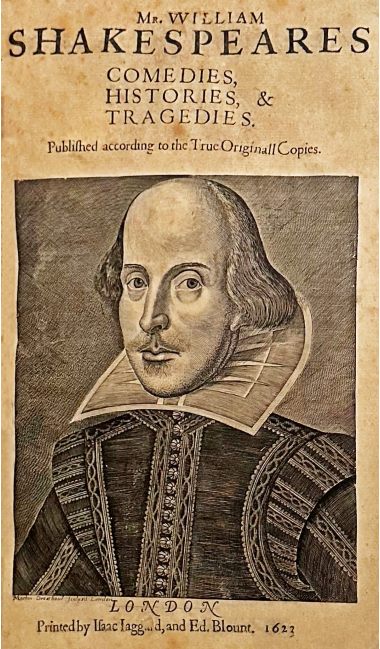
The date of this Round Table is not a coincidence: William Shakespeare was born on or about April 23, 1564, and he died on April 23, 1616. This is a particularly auspicious year for celebrating Shakespeare: 2023 is the 400th anniversary of the publication of the First Folio, the first collected printing of Shakespeare's plays and one of the most important books in all of English literature. Shakespeare's works remain as compelling as ever, and they are being envisioned in both traditional and often astonishingly new ways. In Boston, Chicago, Idaho, Kentucky, Lake Tahoe, Oregon, New York City and beyond, regional companies are gearing up for their annual sell-out summer Shakespeare festivals. The books and articles keep coming, and there is no end, it seems, to the new and different ways in which the Bard can be perceived: "All of Shakespeare's Plays Are About Race," declared a recent article in The Atlantic.
Speakers


Watch
Media
Related Roundtables


Transcript
This roundtable, held on Shakespeare's birthday, brought together scholars David Scott Kastan, Jeff Dolven, and Rhodri Lewis with theater director Carl Cofield and playwright Sophie McIntosh to discuss Shakespeare's enduring significance. The panelists shared deeply personal accounts of discovering Shakespeare, from Cofield's late awakening as a young Black man in the South who found connections between Shakespeare and hip-hop, to Kastan's accidental career path that began with a failed basketball ambition.
The panel swiftly dispatched the authorship question, noting that no one questioned Shakespeare's authorship until 1804 and that the denial reflects class-based snobbery rather than evidence. They emphasized that Shakespeare was not an especially learned playwright but rather an extraordinary reader and listener who transformed borrowed plots and characters through unmatched linguistic virtuosity. The discussion of Shakespeare's language centered on his ability to capture the process of thinking itself, with characters who listen to themselves speak and are surprised by what they hear.
The conversation explored Shakespeare's democratic appeal, his relevance to contemporary issues of race, consent, and social justice, and the remarkable elasticity of his texts for radical reinterpretation. The panelists considered how Shakespeare's plays put audiences on guard against the dangers of self-narrativization, as exemplified by King Lear's inability to see what is plainly before him, and reflected on what would be lost without Shakespeare: a less vivid, less flavorful cultural world with diminished emotional and moral vocabulary.
Show discussion topics
- 00:00:00 Opening remarks celebrating Shakespeare's 459th birthday and introduction of the distinguished panel of scholars and theater professionals.
- 00:09:21 Each panelist shares their personal relationship to Shakespeare, from late-life discovery to academic immersion, with emphasis on the power of his language.
- 00:23:56 The authorship question is addressed and dismissed, with the panel arguing the evidence overwhelmingly supports Shakespeare as author and the denial reflects intellectual snobbery.
- 00:27:07 Discussion of Shakespeare's reading habits, word invention myths, and his extraordinary ability to listen and absorb language rather than invent it from scratch.
- 00:32:53 Theater professionals discuss whether knowing the biographical author matters for performance, concluding the works stand independent of authorship debates.
- 00:38:00 Shakespeare's democratic appeal explored through the big tent metaphor, his plays speaking to all social classes, and the actor's trifecta of addressing self, gods, and audience.
- 00:42:43 Reimagining Shakespeare through contemporary productions including an Afrofuturistic Twelfth Night, gender-bent casting, and the elasticity of the text for radical reinterpretation.
- 00:46:52 Debate over reading versus performing Shakespeare, the instability of original texts, and how theatrical and literary encounters with the works complement each other.
- 00:58:17 Rhodri Lewis discusses his book on Hamlet and the vision of darkness, and his forthcoming work on Shakespeare's tragic art and exploration of the human condition.
- 01:08:17 Shakespeare's relevance today including themes of seeing versus looking, climate change parallels in King Lear, race in the plays, and questions of identity and indeterminacy.
Show full transcript
00:00:00 who proposed the idea and who essentially organized it thank you well thank you all for coming I don't know about you but a few days ago I got an email Thou Art invited to Shakespeare's birthday celebration
00:00:31 and it's from an organization in San Diego inviting me to celebrate Shakespeare's 459th birthday which is happening even as we speak it's 11 A.M to 1 30. Pacific time and they promise ambient live music a Renaissance dance Workshop fight choreography demonstration and workshop a puppet show featuring a scene from
00:01:01 Twelfth Night and for the grand finale we have a happy birthday sing-along and delicious cupcakes bring your family your your friends your cute pets and of course your sunscreen that's California for you I'm very glad you're here um before we get on with the program I just want to say one thing two weeks ago we had a program here
00:01:31 called life beyond Earth when and how will it be found today we're talking about Shakespeare I think the breadth of the conversations here are amazing is amazing you get it and the reason for this is Dr Edward nassessian and I just wanted to say thank you for him for his vision and tenacity in our unhurried search for wisdom and
00:02:04 his confidence in members of the executive board to pursue our passions and bring them here so thank you [Applause] this is from a recently published book called making history by Richard Cohn between 1500 and 1650 some 12 000 new words entered the English language and half are still in use today
00:02:35 at least 800 a phenomenal percentage are Shakespeare's personal coinage good riddance puke queasy excellent critical foul-mouthed are just a few let alone phrases such as better days strange bedfellows or sorry sight now here are numbers to make a Publisher's heart glad based on his plays Shakespeare had a vocabulary of
00:03:05 more than thirty thousand words as compared to Milton who's who only employs 8 000. some more numbers today four thousand new works on Shakespeare are published every year cone Point said this is not the outcome of post-400th anniversary enthusiasm in 1997 for instance four thousand seven hundred eighty books or articles on Shakespeare were
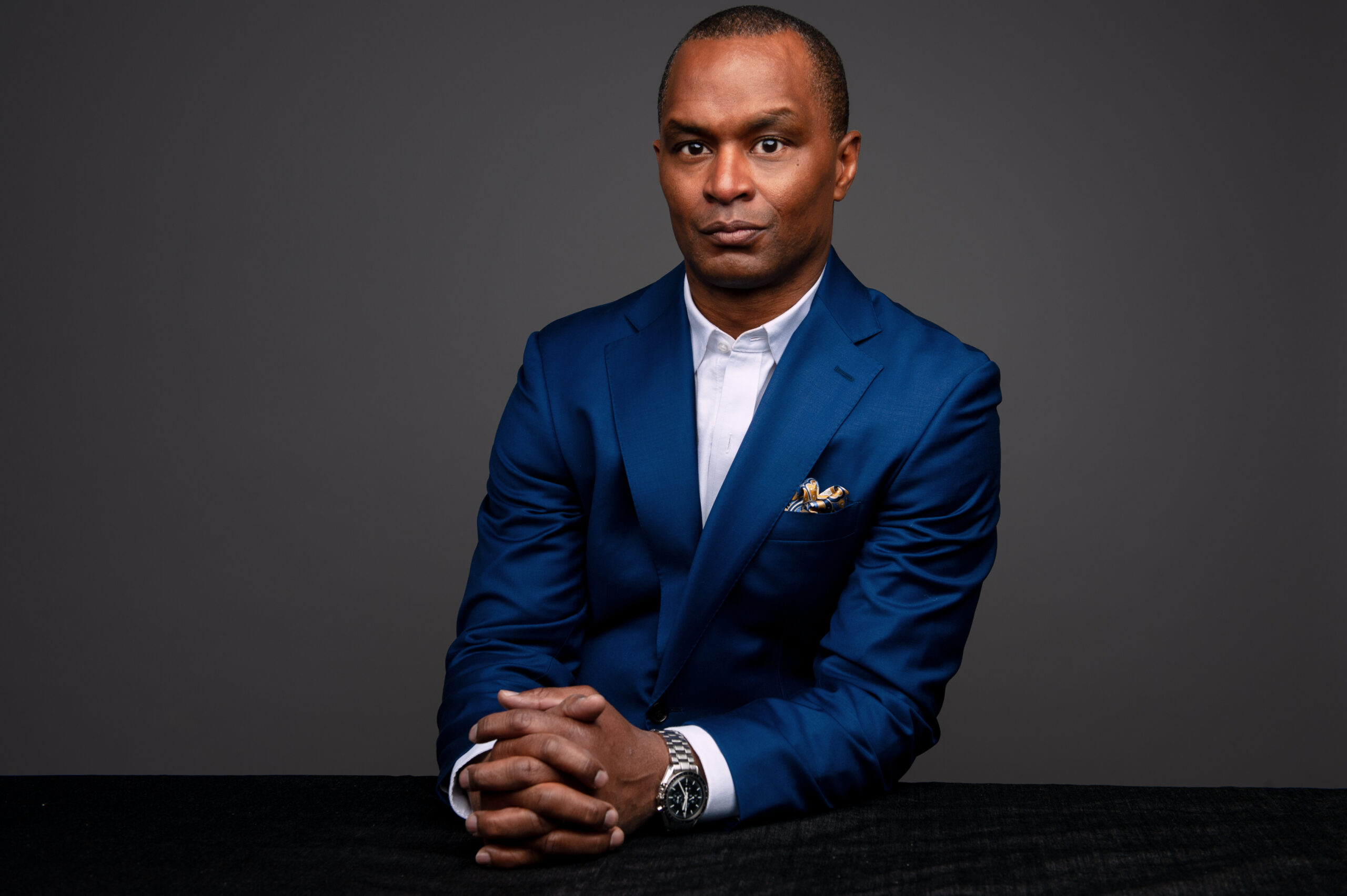
00:03:36 published 342 on Hamlet alone so to talk to talk about the enormity of this person we've assembled a remarkable panel and raise your hands please Carl Cofield is the chair of graduate acting at New York University he was appointed associate artistic director of the Off-Broadway award-winning classical theater of
00:04:06 Harlem in 2018 where he has directed Two New York Times critics picks sees the king and the bakai as well as Productions of Antigone Macbeth The Tempest and Dutchman his Regional credits include King Lear A Raisin in the Sun an afrofuturistic Twelfth Night at Yale rep and Henry IV at the Oregon Shakespeare Festival he directed The Princeton slavery plays
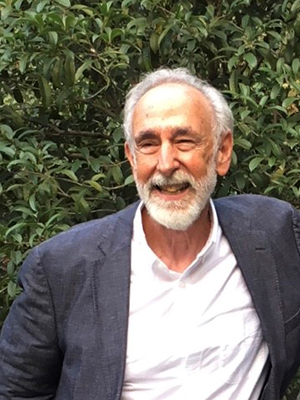
00:04:37 at McCarter Theater where he has also collaborated with seven distinguished playwrights Carl's Awards include an NAACP Theater award and an LA drama critic Circle award and he is also an actor Jeff Dalvin teaches poetry and Poetics at Princeton University where he was the founding director of Princeton's interdisciplinary doctoral program in the humanities
00:05:08 Jeff has written what he Jeff has what he describes as an abiding interest in the relations among Reading Writing teaching and learning he is the author of three books of criticism scenes of instruction a study of what Poets of the 16th century did and didn't learn from school senses of style about what you like and what you're like and the admittedly hasty
00:05:39 take care which he claims to have written in 24 hours he has published essays on Renaissance metrics the poet Edmund Spencer and Shakespeare's reading Jeff is also a poet who serves as an editor at large for cabinet magazine David Scott Caston is the George M bodman Emeritus professor of English at Yale University having previously taught both at both Colombia and Dartmouth colleges
00:06:11 among David's book books are wilts believe Shakespeare and religion Shakespeare and the book Shakespeare after Theory and Shakespeare and the shapes of time he is currently writing about Shakespeare and Rembrandt and a book that is tentatively titled reading paintings and seeing plays David served as general editor of the Arden Shakespeare the co-editor of the Bantam Shakespeare and was the series editor of
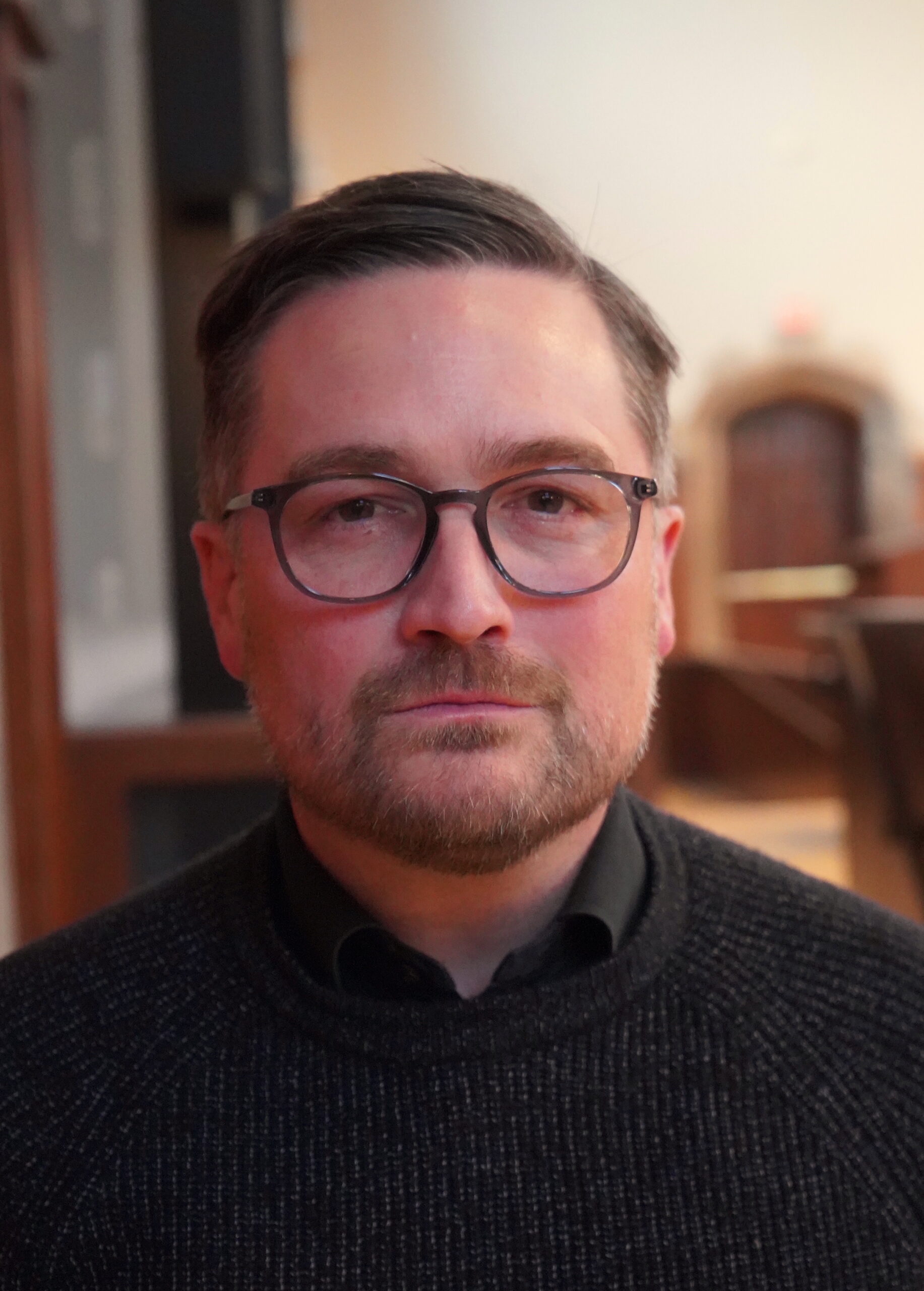
00:06:43 the Barnes in Noble Shakespeare his scholarly editions include Shakespeare's Henry IV part one Milton's Paradise Lost and Marlo's Dr Faustus and he has written widely on various aspects of early modern literature and culture rodery Lewis did I say it right you did thank you it was for many years professor of English literature at the University of Oxford and is now senior
00:07:14 research scholar and lecturer with rank of professor at Princeton University his books include language mind and nature artificial languages in England from bacon to lock Hamlet and the vision of darkness and the forthcoming Shakespeare's tragic art which is due early in 2024. his interests include literary cultural and intellectual history from about 1500 to the present and while he says that he has tended to
00:07:46 concentrate on the first three centuries at the moment he is working on a biography of Sir Frank kermode rodri's articles can be found in the times literary supplement Prospect and the Los Angeles Review of Books Sophie Macintosh is a new york-based playwright recent Productions of Sophie's work include the world premiere of mcbitches the college premiere of 11 months of nuclear summer at Notre Dame University
00:08:18 and Ipswich in the Boston theater map Boston theater Marathon Sophie's plays have also been developed by Pioneer Theater Company the 24-hour place the bechdel group and breaking and entering theater Collective Sophie is the co-founder and co-leader along with Nina goodheart of good Apple's Collective which Sophie describes as a developmental Orchard for
00:08:49 new theatrical Works Sophie's newest work City scrape will receive its Premiere by Good Apples Collective this coming week May Sophie's writing celebrates queer communities gives voice to women's experiences and lovingly riffs on the cynical sincerity of young adults the questions about Shakespeare are endless including of course whether or
00:09:21 not he actually wrote the plays attributed to him which I hope we'll discuss but not just that but what I'd like to suggest that we start with is if each of you would say something about what Shakespeare means to you all right in the order you principal well I I'll cannonball in and and I have
00:09:53 to preface it by saying my um Awakening to Shakespeare if you will came later in life uh for a long time I didn't think Shakespeare spoke to me uh I grew up in the South I was uh you know a young black man growing up in the South where um unfortunately the gifts that Shakespeare had deposits weren't Amplified but once I did and made the sort of connection where it spoke to me it unlocked a universe right so what it
00:10:24 means to me what Shakespeare means to me is I'm gonna put it in a little bit of contextual thing so the Greeks talk about the theater the etymology of the theater is the seeing place where we see and for me Shakespeare was a clear lens through which to see a Universe that up until that time I didn't realize so there's a tremendous set of gratitude one other one other one other uh
00:10:55 contextual thing I have to posit this in and say I grew up in the Golden Age of hip-hop why is that important because many of the the hip-hop Masters that we see today are doing what Shakespeare did and it's a sort of natural extension of that creating language using language double entender puns and using witticism to convey messages so once I was able to make those two connections and say wow there is a place for me at this Rich table that
00:11:27 Shakespeare has created get removed filters right so it removed barriers to entry for me so when I made that connection uh here again to continue to harp on that metaphor the Galaxy really expanded and claimed into like a 4D Vision as opposed to the old black and white TVs I dated myself but yes the Black Point TV with the little you know antenna thing that you had to mess around with that was like completely
00:11:57 Vivid well um right after I finished my first book in the bewilderment of of that condition having been working on it for a decade and not knowing what I was going to do next but not knowing if there was anything in me to do next I got an assignment from David Caston across the room I have a feeling somebody may have defaulted on the project of editing is brilliant Insight on my Hamlet or perhaps I was the very first choice but however it however it happened suddenly I had the opportunity
00:12:28 uh to work with him edit uh at an addition of Hamlet and prepare an introduction and I was living up near Columbia at the time and so I took myself away in the library and I spent three months uh just reading that play reading everything I could about that play but but most of all just reading that play and letting it circulate and recirculate in my mind and being absolutely absorbed by its totality in its economy uh and and that's a lot of what Shakespeare
00:12:59 means to me is the unique capacity of those plays not just in the time you might watch them um stage but the time you spend reading them to engross you and to provide a kind of total world of language the introduction that I wrote for that play was about the words part and like as they circulated in the mouth Hamlet amount of so many of the other characters I became just obsessed uh it
00:13:29 was a sort of Ideal World both of kind of emotional and intellectual commitment so Shakespeare has given that to me I think above all and as I've taught him later on in a greater sense that any one of those plays any one of those worlds is sort of lodged in a monthly inter and animated constellation world but perhaps we can talk about that by the way the introduction that Jeff wrote is spectacular and it's in there you're interested in cheap paperback Barnes and Noble Shakespeare series one of the
00:14:00 crazy things I've been involved with and it's Jeff as the brilliant critic he is but also the brilliant poet is and that sense of the play of words that you probably overlooked is really remarkable um I I have nothing high-minded to say my relationship to Shakespeare is all from failures in other areas uh I I wanted to be a basketball player I wasn't good enough um that that was my first failure and
00:14:31 then I went to graduate school only be because it was the one thing I thought I might be able to do reasonably well but I wanted to work on Modern poetry and I took my first class in graduate school at University of Chicago and I remember very as I started this story suddenly the nightmare returned there's probably something perfect for a psychoanalytic session um the very first class the professor gave out a poem by Jordan
00:15:02 Manley Hopkins the world is charged with the glory of God and He pointed at me and said Mr castan what does charged mean and I thought for a second I'd say well charge like an electrical charge no then he said Miss Smith what does charge mean and she said well like a Calvary unit charging across the hill no and he went around the room and asked all of us what charged me meant and we all said something and teaching them he said no
00:15:35 and never told us what charge meant so I decided that working in my own poetry was not going to work and then actually I'm so unhappy because this is the only thing I had written at Princeton an undergraduate uh thesis that what they were called then uh on Edwin Muir a very minor obscure Scottish poet from the witness and it was really I mean it was the one thing I was interested in and I had taken a Shakespeare course from a Princeton Shakespearean before
00:16:06 these wonderful Princeton shakespeareans Alan Downer who was a frustrated actor and mostly what he did was use the cloth you know he'd hold his hand like this and pretentiously say to be or not to be and it was just horrible um and then I was actually I'd been admitted to law school in that spring and I called the law school and say I think I made a terrible mistake could I reactivate my application and very nice
00:16:38 secretary said well certainly um and I said oh can I can I come now and he said no don't be ridiculous you can't show up in the middle of the term I said okay and since I had some kind of scholarship I just stayed in graduate school and on the bus going to the airport someone said I want you in the graduate program and I said yeah and I still remember you and I he said how was that term and I said yeah I'm fine and I said how was yours I said it was great I took this Shakespeare course so I filed that away and then when I had
00:17:11 to come back for the next term because the law school wouldn't have me mid-year I signed up for a Shakespeare class and so what Shakespeare means to me to answer a question it was uh Escape it was compensation for a failed basketball career and I've always thought of it as the playground it's it has and for me it's an erotic relationship in the sense of what's fun and what feels good rather than a kind
00:17:41 of ethical or high-minded one and both of you talked about language and that's really the space for me too and we'll talk more about it by the way Shakespeare didn't invent all those words right that'll I'll talk about later tell us about it yeah that's just wrong uh that's sentimentality which dominates so much of Shakespeare but that language is amazing and it's sort of it's welcoming and absorptive absorptive and it sort of allows you to do so much and maybe even too much which
00:18:14 is interesting like Milton have so many fewer words Milton's not nearly as accommodating but that's for another seminar yeah I will say um similarly to Carl I um originally found Shakespeare sort of inaccessible when I was younger I grew up in the midwest um you know we learned it in English class but I didn't really have much of a chance to see it aside from um I have an uncle who is an actor and I got to see him in um at the Milwaukee rap but I was so young when I saw it I didn't really
00:18:45 understand I actually had to get removed at intermission because I was crying to my mom I was like I don't understand what's happening why does he have yellow socks what is going on um and then I really got into it in college I was assigned as a student dramaturg to Macbeth um and I just sort of fell in love with that show I mean I think that that is speaking of accessibility probably one of the most in terms of you know there's it's on the shorter side there's a lot of violence it's more easy to follow so it did well at our college and I
00:19:17 just really fell in love with the depth of the legacy of it I think was the biggest thing for me just sort of the realization that wow people have been doing this saying these exact words for hundreds and hundreds of years like thousands of people have done this and just sort of inhabited this and I think that realization is really what made me fall in love with it and get into with the idea of it as as a playground as you said I just love that aspect of Shakespeare the most I think I think um yeah I'm not sure I know how I got
00:19:47 into Shakespeare to begin with but I mean to actually answer your question is hard I mean the curse and the blessing of being a professor of English literature is that you get to work on stuff you love uh and so you know DT gets overlaid on pleasure in all sorts of weird ways um and I guess one way of unpacking that in my case was that I mean for many years you know it's part of a job description that you know I kind of had to teach Shakespeare and I loved it and it was enjoyable but the kinds of things I
00:20:17 would do I was teaching was a sort of you know Traditions the traditions of interpretation I guess that had grown up around Shakespeare and you know you could file those under performance criticism you know in creative reinterpretation and I guess the history of teaching and that was all cool and very interesting but didn't really didn't really sort of speak to me in a way that made me think I had something new or particularly interesting to contribute and I remember having a
00:20:49 conversation with an old professor of mine in what must have been about 2007 2008 and outlining this scenario to him and he said so you know what are you what are you waiting for you should you should really write the kinds of things in which you're interested and so I sort of um dive back into the language dive back into the characterization the sort of collision if you like between the sort of vivid characterization and the sometimes puzzling
00:21:20 um I too have been that child not understanding what's going on the sometimes puzzling energies of the plot and I suppose what um interests me now most of all about Shakespeare is the the sort of facility and the tact and the skill with which he explores what it is to be a sort of human subject who doesn't quite have a story that fits who and what they are
00:21:51 and what they're doing I mean there's a sort of you know one of the lines I mean everyone quotes from endless lines from Hamlet but one of the lines everyone quotes most of all is you know this above all to thine own self be true and everyone knows and says well that's that's good helpful advice we can take home and you and make our own and help us improve ourselves but you know it's it's spoken by a sort of elderly glib you know um full um he's not a straightforward fool but
00:22:22 you know he is ultimately a fool and then you start thinking about the fact that he doesn't really know himself and that nobody else in the play knows themselves either but have these wonderful interesting creative languages which they fashion for themselves in the attempt to kind of half explore and half hide from that state and so I mean this may say more about me than just about Shakespeare but I think it says something about Shakespeare too um this is this is what you know um um
00:22:54 sort of keeps me um hacking what has kept me hacking away at him for for a good long while and I think it's sort of you know when we're talking about Shakespeare for all time or Shakespeare in the present age um you know it fits yeah you you remind me um there was an article a number of years ago I think Arnold Weinstein is here is that brown yeah and he wrote um an op-ed piece defending the humanities and he talked about
00:23:24 The Wonder of Shakespeare and he he described how he said to a colleague uh who who was an expert in Shakespeare how much do you know about Shakespeare and her answer was not as much as he knows about me that it was kind of this paleocon's answer that's a very good answer um should we get the question of authorship out of the way
00:23:56 yes he wrote the place yes okay he wrote the place I mean you know we we you know do we have any sort of super duper knocked down evidence no we have such an accumulation of data we do yes which really I mean if you want if we're thinking in terms of legal proofs I mean we are Beyond Reasonable Doubt is that scientific knowledge that you know can be demonstrated in the same way that you know the Newtonian motion of the planets can be no but it's more than good enough
00:24:27 seems to me it's worth remembering nobody ever suggested someone other than Shakespeare wrote the plays until 1804 and you think what a kind of massive conspiracy they would have had been and sustained over centuries two centuries if someone other than Shakespeare wrote the place I mean nobody it it's just such an interesting question the interesting question is why do people keep insisting on it yeah um and I'd suspect that as no one ever
00:24:57 so one one things I would say and I think that too academics would agree with this Shakespeare sort of becomes Shakespeare in the middle of the 18th century it's a very successful writer but it's not till the middle of 18th century that he becomes the kind of national poet and as a function of a work that's going on with France uh it's the battle for control of the new world that is a for sale or conquest and it it's like culture always is a battle it's a bullet in those in those Wars and
00:25:30 only then did it matter sort of who Shakespeare was he just was another very successful writer the best of the playwrights of that generation but it's worth I think the title of this session was Shakespeare forever it occurred to me as I was reading that um 1660 John Evelyn said something like I went to see a performance of Hamlet and it reminded me that those old plays produced disgust in this our refined age
00:26:04 I mean he was he wasn't forever then but by the middle of the 18th century suddenly he is the English national poet he's the reason why the world should be governed by Britain rather than France because he's Democratic uh myriad-minded multiple and then the only then did it matter who Shakespeare was and you say well how could this Glover's kid from the middle of nowhere write those amazing plays it has to be somebody who went to University it has to be somebody who's educated at court and it's really
00:26:35 a function of a culture war that was fought like 150 years later well how did he amass all that knowledge I read a lot of books actually we didn't read as many books as people think he read I mean if you read the kind of journals the three of us read it seems like he read everything there's a whole Journal called notes and queries which is the most boring Journal ever which I've published two pieces in um and it's a crazy one it's mostly things like oh well Shakespeare
00:27:07 something in Shakespeare can be found in some 14th century French manuscript and you're like how would he have ever seen that couldn't possibly have seen that but he he's read a few books better than anybody ever read them I mean whether you know starting with the Bible Plutarch Colin shed and a lot of prose fiction he read some poetry probably red certainly saw acted in a lot of other plays but he's not a learned playwright exactly uh he's you know he hit what I
00:27:39 assume it is copelia Khan who said that uh Arnold Weinstein that he knows more about me than I know about him um that that it you know and that's also about the language issue too he was a great listener I mean that in Shakespearean love which probably a lot of you saw is just you know there's great scenes where he just like listening to other people and those words just he often the OED will give him as the First Source the first printed source of a word but first of all the LED is almost all printed sources second of all they weren't
00:28:11 working off a database there was a bunch of smart victorians uh dutiful victorians who read literature and theology mainly and when you actually use more modern databases you find precursors of almost all of those words and then the fact that the word appears in print well boy was almost certainly spoken before right I mean it's just a totally unreliable census of trying to figure out where his creativity lies it's not
00:28:42 in inventing words it's amusing now man but and when he does invent them they're sort of obvious like he might very well be the first person who uses the word unkinged a pretty interesting word politically especially if you're thinking of anointed Kings but it's not that hard to get from King to unking you know you have any idea of how the language works you can do that but I also suspect it wasn't the first person to think of that either there's a moment in Henry IV part one
00:29:12 when Prince Howe was still spending too much time for his father's taste in East Chief Tavern boasts to a friend of his that he can uh I think you can drink spend time with the drawers with the of the tavern who are drawing the drink drink with any drawer and for an hour in his own language and this quizzitiveness this ability to go anywhere talk to anyone and find himself speaking their language as well as they speak it or perhaps even giving
00:29:44 it back to them sort of Fuller and more imaginatively that must be some little picture of Shakespeare's social gift okay I just want to go back very quickly to the Shakespeare's loading point because I think it's sort of important to clear it up I mean I think David's exactly right I mean he's not particularly birded it's just that he's more than learning enough to give people like us headaches because we actually have to jump through hoops to keep up with him because we didn't go through a sort of 16th century grammar school education where we were drilled in that in
00:30:15 Classics and um so you know we have to work but when you look at um you know how learned he was or how much stuff he'd read and how obscure it was compared to other poets and playwrights of his time many of whom didn't go to university um there's nothing particularly exceptional what's exceptional is what he does with it um and you know it's very very atypical there but no
00:30:45 there are some very powerful videos out there with Derek Jacoby and Mark rylance insisting that it could not it could not have been Shakespeare and and they they're very adamant how do you answer them they're wrong yeah I mean I've known mark for a long time we were on together when the globe was first being built in more I mean the Linda gloven
00:31:18 rebuild globe and March an old friend and he's a brilliant actor and so so why is why is is he so absolutely sure oh it's a kind of intellectual snobbery I don't know what to make of it I mean just I get it but I think first of all it doesn't matter uh and second of all they're wrong people believe all kinds of weird things oh yeah yeah you know there's a great I think my
00:31:50 favorite thing written about Shakespeare is Stanley caval's uh essay on King Lear which is about the puzzle of why it's not obvious to Lear that Cordelia loves it's obvious to everyone who reads the play that her the sort of fierceness of his response to his request for love her her nothing is a refusal to play love as a game because she needs it as a bond
00:32:20 um but that sort of basic argument that uh lear's skepticism and disbelief and Cordelia at that moment derives from his difficulty in accepting something that is manifestly obviously true I think applies in this case okay it was Shakespeare so everyone who doesn't think so you really have to ask them why lie down on the couch for us here because we have two theater professionals here would it make any difference between you
00:32:53 if the biographical Shakespeare we think didn't write the play would it make any difference oh that's interesting I mean coming from I mean as I said about like the legacy of it I think at this point the thing that has made Shakespeare Shakespeare is like where it stands in the cultural Consciousness and like how like present it is and how often it has been done so I think that like the Legacy it's built is its own of the work sort of independent of the author at this point in a way although you know the Shakespeare brand does do a lot for
00:33:23 them um all right yeah and I would add not to be glimped no it wouldn't I mean and to your point just listening to it I wonder if we'll have these sort of uh mythologies around Coltrane and these artists who really redefine what they're doing to such an extent that you know possibly years down the road people are like there's no way Duke Ellington created all of this music you know to to your point I don't know to satisfy
00:33:54 something within us to say there's no way someone else could be that brilliant but the Practical answer is no it wouldn't yeah at least from a practitioner point of view what is so beautiful to me though is the interpretation that it allows when you say a mark rylan's doing it I had the privilege of doing King Lear with Andre de Shields and putting Andre The Shield's Flair on King Lear it's something that I I think that Shakespeare would sit back and say um
00:34:25 you know I I I laid here again the murder of the metaphor some more I lay in a table but everyone can eat a different sort of thing and take and pluck different things that might you know satisfy their appetite so to me it doesn't matter it does not matter it matters in certain you know uh uh you know classrooms or certain salons that people can have this sort of discourse to me as a practitioner that's the
00:34:55 beauty of it the growlings can get one thing and the people from Court can get another thing but they all have this shared experience and walk away hopefully better and where we are now able to have a conversation and I do think as you said that that the commitment to an aristocratic Shakespeare which is what so many of the people who the deniers uh election no uh authorial deniers
00:35:25 um they that that satisfies something for them that's not true of Mark and I don't know sir Derek but I assume that's probably not but it is interesting that's where you want to locate it and your idea of that big table set for everybody is precisely with that aristocratic intelligence wooden offer and so that becomes in a way another kind of evidence that that's wrong it's awfully hard other than the fact mural Oxford was dead by the time
00:35:57 the late place or Shakespeare written but even without that it's it's not the temperament it's not the political imagination the social imagination that that person would add or that kind of person would likely have that seems from just further am I honestly go ahead I honestly think part of it is a lot of people um struggle with just the idea that he generated so much material in all of these complex in-depth plot lines but he really was just the most magnificent scrounger in the way that he sort of you
00:36:27 know sold these ideas like I remember when I was researching Macbeth in college like I was like oh he didn't necessarily come up with this he based it off of this history book that he read that was itself like largely fabricated in a lot of ways and he's sort of like stealing and interweaving this stuff it didn't all necessarily spring from the fount of his mind in that way now which respect to word you know he doesn't invent plots and he doesn't invent characters he writes those plots he writes those characters differently and that's good yeah but just going back to Carl's point
00:36:59 about the sort of big tent I mean in the preface to the sort of the big collected edition of his work 1623 so when the anniversary year for that matter the big failure which is not compiled by him because he's been dead for seven years but two of his buddies are the guys campanis and they explicitly say this these plays are for the most literate sort on this side to those who can butt spell the idea being there's something there for everyone and you know Shakespeare Shakespeare's big fear I think is talking down to the Groundlings
00:37:29 because you know he came up himself and you know the whole point is that these players speak to a whole range of different demographics well it seems interesting to me that you know Milton will say explicitly the rates for a fit audience though few and Shakespeare is writing for you don't care if they're fit or not but many you need bums on seats it's really simple if you're working in the theater and it has to yeah it's so not miltonic in the way it functions just to that point that
00:38:00 that's what excites me the most right to go back to the point of uh borrowing material for inspiration right when we look at the Greek amphitheaters that Shakespeare is known to have studied right you have the butcher sitting next to the general sitting next to the politician but they're all there having this experience in the theater I think that is some of the genius that Shakespeare is able to to um weave together so beautifully that it's
00:38:30 not exclusionary right that you have to have a certain palette an artistic palette but no you as a citizen yes you are entitled to this art so a more populous view which speaks to me you know especially when art now not to bring it to a 21st century Paradigm but you know not everyone has five hundred dollars to see the latest hot show yeah I think there's something really rewarding as a citizen that the artistic value is there for all of us you can get
00:39:02 what you get this person can get what they get but the experiences for all of us so not to bring us to a different tangent but I I when we went down that uh that hole that's one of the other Geniuses of Shakespeare not a a personal favorite of mine is when I'm working with actors about actually performing Shakespeare it's one of the times when the three elements of Shakespearean acting work the best for me Mark rylance and you know Judy
00:39:34 Dench and John Douglas Thompson all are able to embody this what I call it the trifecta so there are moments when I'm talking to myself and really interrogating my thought there's a moment where I turn to the gods and ask them how can this be but then Shakespeare realizes I'm not alone so I asked the audience member and so the really savvier actor can marry all three of those and take the audience Along on a ride and we don't
00:40:06 know where they are and that's what makes me lean forward as an audience member to say at what point are these shifts going to happen right so the boring lesser actor are our novice actor would be to be or not that is the question whether it is noble and so we're removing the audience yes the really Savvy act will say engaging the audience that's the question is it right right so we have this beautiful give and take where even
00:40:38 alone at my home when I read the word there's an element missing don't have the audience with me so that's a different uh more matter for us but is it more matter for me yeah and it's worth it's worth saying inflation of that that obviously he did he did read books he read it's kind of strange intensity and Imagination but if you if you find a book on stage in Shakespeare it's generally speaking objects some skepticism yeah suspicious
00:41:09 entertainment reading reading everyone is famous uh or the Tempest uh books which is so desperate to round or the book that's also about his Bible um you really can't find a book in Shakespeare's play that Shakespeare trusts
00:41:40 um [Music] which also makes me suspicious of the arguments you guys will know about whether Shakespeare imagined himself as a literary writer writing for readers and I think no I mean he you know for his two long two poems long narrative poems he writes early in his career he dedicates them I mean they are a literary and he there's
00:42:11 no evidence that any publication of Shakespeare did he see it through the Press um actually and the scripts didn't belong to him anyway they belonged to the acting company huh to reimagine Shakespeare like tell us about that oh boy I mean it was definitely had a lot to do with my experience in College of sort of encountering this world and sort of finding my way into it through
00:42:43 that process because I really when I was first sort of encountering Shakespeare I was like I don't know if this is for me I don't know if um I mean there just are so few in in you know in Macbeth when we did it you know there is really Lady Macbeth and then like one other female character um like her her night woman her attendant and then like you know we gender bent some of the things we do some of that but I was like I don't know if I'm gonna like this there's all these there's all these men and there's none and it's written in this heightened way and then like finding my way into it was through
00:43:15 the way the director interpreted it the way he was like you know like we're gonna make these character women and it's going to have connotations you know on just the world of the play but also you know like what it meant when it was written and like the way we cast it and the way we interpret it is just so rich and Vivid and I really feel that um I don't know something about Shakespeare perhaps because of its Legacy because of just how often it's been done really lends itself to being interpreted in all these radical fantastic ways like I think people feel like they have permission to just like completely mess around with and mess up
00:43:47 Shakespeare in a way that they don't take it yeah yeah in a lot of other ways and the text is so rich in nuanced that you can find new variations new Secrets new interpretations new meanings to the words depending on you know who is playing who and what they're doing and whether you're doing it in outer space or I do have a friend who's in outer space Romeo and Juliet in Boston right now and um I just love that because you just don't see that as much aside from you know with like the Greek Classics in in I mean you know obviously theaters
00:44:17 interpreted in lots of different ways but I think that Shakespeare people just love to get messy with it in a way from purists oh my gosh with with this play with with any play that you mess with and after Centric 12th night how did that go yeah it won't be for everyone and I don't think art should be it's you know uh I make the theater that the 13 year old version of myself wants to go to um because with Netflix and Amazon Prime
00:44:48 why would I leave my home when I can dial up whatever entertainment I want right there so it has to speak to me organically and so to you know couple off that here again I think the the playground is so rich and so the elasticity of the text right we've all been brought up in an era where the teaching method of Shakespeare is the text is so robust it can stand up to anything and if you're dramaturgically sound right you can put Romeo and Juliet in outer
00:45:20 space and so I of course being the Troublemaker that I was wanted to test that theory and to push those bounds so for me the world of Illyria all we know is a woman is basically baptized out of the sea when we first see her she is a new basically and so Shakespeare tells us that the world of Illyria the currency is wit and music and if you can have those two things you
00:45:51 can enter and go as you please Allah uh you know fascinating could be better than that so from those I sort of you know said what would the 13 year old version like to see the musical score that we created is definitely not like anything but the table or in the you know it was what the kids are listening to today so festi has a beat machine on him and he can use auto-tune and so I I think it was it was successful especially with actors like
00:46:22 Carrie young playing Viola um you're set up for for success but but Shakespeare was always played cut was always played revised was always played reset was always plays in different playing spaces I mean it has been always less I mean but let me ask the academics here for example um Iris Murdoch once said that she created a list of books that an education an educated person should have
00:46:52 read and she includes all of Shakespeare presumably she's talking about the the original texts if is is playing off it premised on knowing the on on doing the original text in other words you can't do jazz until you've studied classical music something like that one there I don't know original text I mean that's really the truth right we only have edited texts that somehow came into
00:47:23 print in ways well I'm saying the more yeah but but I think it's interesting that there's no real there there that you know what you know Iris murder because obviously brilliant in all kinds of ways um the man she writes badly um you know but it's a you know it's a kind of fantasy I mean Shakespeare plays a role in Western culture that is remarkable and your your point I mean there's no escaping from that I
00:47:53 mean if nothing else sees what everybody read it doesn't matter who that is Duke Ellington loved Shakespeare Luke Ellington loved Shakespeare his annotated copy of his Edition is in New York Public Library which is quite I don't know if you've ever looked at but it's really amazing uh you know he he whatever he means those texts in whatever form you've engaged them but there's they're no there's no original there so half the texts come from scripts that were in the
00:48:24 theater 18 of them were in this of the folio texts and those theatrical scripts have already been cut revised in different ways Maybe by him maybe by somebody else actors interpolations have been included or not um and then the ones that were printed before Mo uh a lot a lot of them exist in variant copies it's too boring to discuss but you know there's there's
00:48:54 just not uh an original text there they're early text but they show exactly what you two are talking about it existed in a theatrical world that responds the exigencies of theater and that encounter with the um with the texts even the classroom um is in you know a second contradictory relationship uh to what it's like to reimagine them to put them on the stage I had a great
00:49:27 um I think uh probably David and Roger I know 80 Nuttall who was a little Shakespearean at uh and many of you guys too writes amazingly about uh about Shakespeare Shakespeare The Thinker I had a class with him um in which he sent us home with a passage from Othello to do a scholarly annotation of some very tricky lines and it's the it's the moment when a fellow has just accepted the commission um to go to Cyprus to fight to Turks and
00:49:58 it's also you know at stake that he's just been married to Desdemona and the venetians need him but there are many who disapprove of this marriage uh his situation is tense Desdemona says I'm not I'm I'm not going to stay here in Venice while you go particularly on my wedding night uh and Othello says you know very well I'll you know I think she should go nor to comply with heat the young effects of my defunct and proper satisfaction
00:50:30 which means what exactly and so we went home and we did you know we we did uh elaborate losses of this um and brought them back for Professor not all's approval and variously kind of untangled it in front of him it probably means something like um I'll bring her but I'm not bringing her to comply with heat to comply with passion which is my defunct satisfaction I've put it aside as a man of war but it's proper because she is my wife very intricate little construction we worked it all out but how do you get this
00:51:00 across on stage and at some point that all tips back and says isn't you know isn't Othello such a commanding orator and some so many other circumstances isn't he confused or isn't he thinking too fast for his audience isn't this remember a dramatic situation in which enormous emotional pressure is concentrated on this figure and then you know the gloss just shatters as a project and you're you know you're back in the theater but you don't you don't I think you get to that reading of vaccine without having put yourself
00:51:32 to the test of the text so they they they're always fighting each other okay to that it kind of reminds me of um I know I think that like and I say this as someone who grew up with not a lot of access to being able to go see live plays and who did read a lot of plays um but also as a playwright the plays are written to be you know seen on stage and perhaps not necessarily read especially by people who don't make a habit out of reading plays so I know um I don't know I feel like a lot of kids all across America are sort of thrown into the deep end when the teacher like gives them the
00:52:03 Shakespeare text and they say read this and understand it and they don't really know how to read a play they don't really have the tools you know like this is what happens between the lines and the white space these are like King of Scotland yeah um and I think one of like the best things that my my English teacher did when I was in high school is one day she we were reading um Hamlet and she brought in paper crowns and she said you know we're going to read this in the classroom together like we are going to like perform it together and I think that was the first time it really made sense to me was doing it and speaking it
00:52:34 out loud and being oh my God like this is what the innuendo is like this is how how it lives outside of the page and that really activated it for me in that way yeah one of the things that's been fun for for me being in New York and around New York for most of my career was working with theater companies so you know John Douglas Thompson's an old friend and we've done stuff at theater for a new audience together and one of the things that a lot of directors will do is like early in the rehearsal they
00:53:04 would they would ask me to come in and just talk with the actors about the play and what was interesting to me is I would come in and you know say we'll be there for three or four hours and and I would talk to them a little bit what I thought and then I'd ask questions you know I'd open it to questions and I'd say 50 of the actors were interested in everything I knew about the play the other 50 of the actors couldn't have cared less what I knew about the play that their way into the character was so different than you know and I wish I
00:53:35 could say that the first 50 were better actors but it wasn't true I mean they're just you know the theater works on a different ecology somehow and for some people the stuff you know we know was really interesting and helped them think about the character and for others it was you know maybe interesting usually not and irrelevant to the way they formed a sense of what what's happening and stay and your point the white space is on the page the silence is on the
00:54:06 stage what what's going on that when the person the people who are not talking you know we're not good at talking about those things you guys are good about it and and apropos that for you to I was I was so interested to learn um how pragmatic Shakespeare was that that when he knew someone had to circle around the back of the stage or do something that it wasn't all flowery and and beautiful and pointed that there was
00:54:39 a certain amount of of filling in so that people people could move around that there were logistical motives to some of the things that he wrote and I think that I'm sure that shows up in the taxes when actor will say in production that just won't work and so then it gets Rewritten yes because he says oh you're right and I that that seems to me you know he's a practical whatever else he is he's a practical theater you know he's an actor he's a part owner of the company he wants these things to succeed
00:55:11 and he and he knows that they're gonna change in in the in probably every night of doing the play in say six months is going to be it's different they didn't do long runs of things but then three years later when you're pulling out of the Repertory you add some lines to make it current I mean you know fetishizing there's the psychoanalytic question why why has he become Marge Garber has a wonderful line and she says uh she
00:55:41 checked with the relationship Shakespeare as fetish and Shakespeare as phallus and I thought that's an urgent um yeah yeah right but but actually did you want to yeah I mean I want to Circle back to the um Iris Murdoch thing you meant um and I agree with everything everyone's been saying here because obviously the texts themselves that we think of as being stable and authorially centered and such are not really it's much more complicated than that
00:56:13 um but there's so many sort of butts that come along from that because when we think about theatrical tradition and what we actually mean is a series of attempts to give life to a printed text um so the relationship is always much more sort of you know mutually implicatory so to speak than than pure theatrical tradition having license to go wherever it might be saying yes I do think I do think it's not a question of um either all but sort of both end I mean one can and one should I think read
00:56:45 these texts but reading is not supposed to be a sort of singular act here and I mean I was just thinking it pops into my head listening to David just now as a as a famous essay by Vladimir naboko um called um what's it called it's called um goodreaders and good writers I think um and he has a little riff there we have many little riffs there but he has one little Riff on the difference between um Visual Arts sculpture and painting and arts that take place across a period of time such as novels or drama
00:57:15 um when you walk up to a sculpture or a painting you can instantly take in what's going on um I mean maybe not everything but you get a sense of what's in fact happening uh um whereas when you read a novel or go to a play you actually have to wait until the end to actually sort of figure out what the artistic form is here in a sense and so his point is always that there's no such thing as intelligent rereading as any intelligent re-reading um because you have to be coming back when you've decided what the whole shape
00:57:46 is because art that takes place in time is different from art that happens in one place as it were and I wonder whether you know we don't make a little bit too much of the stage page um theatrical tradition bookish tradition thing I mean both it seems to me are interesting for the for the same reason which is that they are art forms that require us to as it were finished them the first time when we haven't quite worked out who that funny Fame is
00:58:17 um which one was he married to again why is he with the English guy um whatever it might be that's always the question yeah it isn't it um and um yeah so yeah I mean I'm sort of I I suppose I'm just saying that I I'm speaking up a little bit for the book okay and speaking of the book I wanted to ask you you wrote um is it fair to say a controversial book about Hamlet and and that was almost
00:58:48 universally admired apart from those who really had it it was it was it was 2017 and um um it was a little it was sort of Against the Grain and I wondered what you've done with that how's it has it has the has it changed your mind has it strengthened your resolve about what you believe in Hamlet and certainly I'm afraid hasn't changed
00:59:19 um I mean I suppose I mean you might I mean don't give us the whole book yeah but if you can briefly if you completely tell us in division of Darkness and um Hamlet I mean in a sense was David's talked about um Shakespeare becoming live newly alive in the 18th century um and he mentioned Lots about um the sort of English or anti-french tradition another side of that was the Germans who also German Romantics and idealist who also wanted somebody who
00:59:50 wasn't French so Shakespeare is the guy and Hamlet seems to be the the guy who dramatized it's a character who dramatizes the dilemmas of the Modern Life um who's unable to choose between competing impulses within himself and he's therefore paradoxically because he's Royal uh um a sort of every man figure I mean we've all those of us who've been to Hamilton the theater which is probably most of us um or red hat we've all read a Hamilton in the in the printed page we've all thought something like that you know
01:00:20 particularly if you've like me being a teenage boy in your time you you you you've identify in some way or another um there'd been a lot of pushback against that in the sort of 1990s and early 2000s culminating in a brilliant book by a colleague from the University of Pennsylvania Margarita de grazia which she wonderlically titled Hamlet without Hamlet actually the play is a play about inheritance and land the The Moody teenager is is a sideshow we shouldn't be fixating ourselves on that and I
01:00:52 wanted to find a way of bringing bringing those two together because surely the character who speaks mostly in this play um matters um and should matter to us as readers or performers or writers about about Shakespearean tradition so anyway I set off to do that um and ended up writing a book in which I said that Shakespeare was very impatient with both uh um sort of humanism which is to say the educational ideologies of the 16th century and with religion and with
01:01:22 various other things and that the the sorts of truths small tea truths he believes in are those that can be relayed and focused upon through works of dramatic art which are intrinsically open open-ended and open to interpretation and such like and you know I sort of think that's right um basically one can argue and argue intelligently that it's that I'm wrong in various um sort of smaller areas but I think as a broad broad brush account that's right
01:01:54 so I have now um you didn't ask me to talk about this but I will um I'm just written a big book sort of trying to extend um the theory of tragedy that's implied in my what kind of work the tragedy does that's implied in the hamlet book across the tragedies as a whole um and I think one of the things I didn't wasn't able to do didn't have the space to do in the in the Hamilton division of Darkness was to talk about that for greater length and I hope that by doing so that by explaining
01:02:25 um you know what I actually take Shakespeare to have been doing and little side note here I don't think he was some sort of crazy nihilist on a bad day or something um but um but people will sort of get a get a fresher appreciation of the kinds of um you know really powerful work I think that Shakespeare can do not just for you know sort of Eggheads like me um but you know in the broader social
01:02:57 public and dramatic and and readily positions yes So speaking of the power of Shakespeare and getting back to your comment about how he became a national hero in in the 18th century and and his importance to all of us um comment on uh Walter Kaufman's suggestion that Shakespeare celebrates the riches of the world without God
01:03:33 um can we replace that's the wrong question okay tell me the right question he celebrates the rich World in which irrespective religious belief is a real thing yeah um but a conflicted thing that does not for sure it's not me talking um offer the kinds of fulfillment that Believers hope it will let's see supplements God right I mean I think what happens is dry dryden's the first person who ever
01:04:04 refers to Shakespeare's divine and then so there's a line from Dryden to Harold Bloom um talking about Shakespeare as secular scripture or something like that and it's metaphor if it means something reasonable it means yes he's very important in our culture and the way you were saying we don't know anything about what Shakespeare believes but as Rodriguez says he lived in a world where religion
01:04:36 was everywhere and in the language you say goodbye well that's God be with you right you can't get away from it you know God bless you said the atheist um it's just in the language the whole culture is sutured by religion it's not a world without out God what Shakespeare thought about God you don't know I mean uh you know what Rembrandt thinks about God is more visible in some in some way um but I you know it just does seem to
01:05:08 me that the wrong wrong question point taken also I will say Walter Kaufman was a first the only philosophy course I took at Princeton and he assigned 20 books of which he had written or edited all of them Walter Kaufman maybe he thought he was what else what else would you like to say about Shakespeare
01:05:40 foreign David's sort of move from thinking about God and Shakespeare to Shakespeare as God is an interesting one with respect to our our authorship question because he does he does occupy a singular position um and I think that's it's right that you know where Shakespeare and his play is God was a human problem
01:06:11 but one of the major human problems and so subject is interested anything and more than more than most questions um Stephen Greenland has a line about how Shakespeare's father was both a Protestant and a Catholic yes and and Shakespeare himself was neither and that's probably right but he has uh he has a he has a human interest in God talk and a god feeling um the what are culture sort of needs from this figure
01:06:42 and needs to hate about this figure often too that is sort of so uh canonically the center of um or the epitome of of artistic achievement is is a really deep challenging and maybe psychoanalytic question um and it's it's one that as a teacher I often try to sort of poke at by getting people to imitate Shakespeare see if you can write you know lines you can write us on it see if you can write a new line for fellow and often often people can can do that pretty well uh which is a
01:07:14 scandalous Discovery um that you can sound like Shakespeare but there's also uh a funny way and which I I find myself um drawn which um the recognition that there is something sort of extraordinary about this figure has a democratizing consequence that is that sort of all of us share this uh and all of us share a
01:07:47 certain kind of awe with respect to it and it can be a skeptical law it can be an awe that keeps trying to ask who else might have written this or what's you know what are the but that keeps confronting the fact that there's something that stands there's something that fascinates um I I that's uh I'm interested in that relationship between his divinity and our democracy that that's interesting it brings us to what does Shakespeare what can how can Shakespeare help us today
01:08:17 in this troubled world Carl had a good answer before yes they're bringing together and the equalizing yeah I think so I mean you know I'm gonna I'm gonna pound the table for the power of theater right I'm gonna pound the table because in our world where it's so easy to get siled in our own things theater is one of those true places where we can just come together next to our you know uh community members strangers even better and share
01:08:49 an experience and hopefully from that profound conversations can come and you know here again I I go back to the seeing looking versus seeing so when when Viola sees Sebastian right those moments of really seeing it's something that I think we're sorely missing now but Shakespeare is able to really see it's able to see and you know Lear is blind yes right he cannot see and I think that is something that I
01:09:20 think that I take away from from uh Shakespeare not only the ability to look and listen but to hear and see my wife would say you know critical thinking is is sorely lacking now right and I believe when we grapple with these texts and let them wash over us hopefully that's that's the takeaway for me being able to pinpoint lear's problem
01:09:52 you just really saw your daughter and were able to see your pride right we wouldn't be where we are um so I don't know what that and climate sorry anything about climate change well I mean listen don't don't get me started on on because I can extrapolate that from from the sheer themes of Lear right we're talking about homelessness right we're talking about mental illness massive storms massive storms so so it
01:10:24 is climate change which is which is something that is um I think goes to certain people's arguments to be like there's not one person who could have been this in touch with everything right and I think that gives them ammunition to sort of take pot shots at the genius but as we've all you know said it's pretty indisputable I mean Shakespeare is so um I don't know when I read it it just makes me think about you know people have always been
01:10:54 people we've always been sort of petty in the same ways and it's just so I mean not just that also you know Noble in these ways and um you know the same violence and luxury and greed and um but also hope and you know like genuine longing for connection and romance um has always been there and I am when I was an undergrad I stage managed for a friend who did her senior project on Shakespeare and what she would do is she would read chunks of monologues from different plays and then like intersperse between them would be like
01:11:25 this is how this relates to My Life as a 21 year old girl living in Wisconsin and it did like it all made sense it all tracked it all encapsulated like what she was feeling at that time and that was a huge um that was a big realization for me in that moment being like you know oh you know this work still just does really speak to each of us where we are at and this time I just think of another instance of displaced someone meaning something to someone there's a great Soviet production film of King lyric because it says
01:11:55 um that pivots around the scene that you were talking about on the heath uh when Lear is exposed to the elements uh and he says take physic pomp expose thyself to feel what wretches feel that thou might shake the super flux all of this you know all of your riches all your wealth shake the superflux to them and show the heavens more just um and uh for a for a communist reader of that play you know that's that's the lesson there are communist reader the
01:12:27 key they emphasized word would be show that the heavens aren't just but the shaking of the superflex is the Justice in its show I mean you may you know pretend depending and the imperative and and then you know but it's also because Shakespeare is is no ideologue he's not a communist anymore then he's a Catholic or a Protestant what happens to that resolve how Lear comes to that the desperation under which he can have that insight and then the way it sort of has dribbled Away by the end is among the place heart breaks but that and then
01:12:58 that line is echoed by cluster's line right I mean that you have two moments in Lear where someone says people who have too much should give some of it away to people have too little you think what a remarkable ethical social and and it's almost nobody in the 16th century who thinks like that I mean you know even Thomas Moore can talk about the common wealth but what he knows is that wealth is not held in common in any way at all I mean it is a remarkable
01:13:29 social imagination I mean and I think again and psychological imagination it's a moral imagination and that is why we care I don't you know there's not a body of work that's better that's richer built into there's always ambivalent about Shakespeare it actually says in that preface to samsonagonisties he he's talking about the classical tragedians that you've done and he says um that they're they're unequaled uh yet
01:14:01 you know he doesn't include Shakespeare but that's Milton building on what Carl was saying everybody else actually I'm thinking about Leah or any of the other tragedies might fit um what I think is is sort of most current now is the is is Shakespeare has always puts us on our guard against you know the sort of the ways in which we narrativize ourselves or our feelings or anything like that I mean Leah doesn't see what's going on in front of him with Cordelia because
01:14:32 essentially he's having a narrative strop and so he's imagined himself as a as a maligned father and so he just shuts down and stops paying attention and that's obviously bad for him but you know one can easily extrapolate that out and say these sort of the way in which you know in a sense our feelings play as false when we turn them into stories he's teaching us yeah it has consequences not just for you know our own well-being but you know big ones for politics and for Society at large and I think you know that that that's probably
01:15:04 always going to be current but it's certainly it certainly feels to me um like it said an awful lot to the situation in which we find ourselves in you know North America or in Europe right now elsewhere should we open it up to questions yes please feel free to come up and ask questions
01:15:34 okay is this on um I wanted to express my gratitude and birthday wishes to Shakespeare whether he didn't say cupcakes I'm really sorry whether he is the is the higher power or not um but on the front of our program today there's a quote from the Atlantic magazine that uh the perception that all of Shakespeare's plays are about race
01:16:05 and I wanted to ask Sophie Carl all of you your thoughts about that here's the article I don't know if you want to read it now but um but there are people who find who find um commentary on race in I you can you can rationalize anything
01:16:38 but yes so I've been I'm not going to turn to call to start with but there's a way in which they they are not not about race right because you you have you you can't play Othello at the moment it's played except in blackface I mean you know it's racialized in a practical material way Merchant of Venice Morocco says mislike not me for my
01:17:09 complexion now you could to say say that complexion might not simply mean that but it also means that at any moment so they certainly are about race are they only about race of course not but race was so I I grew up I'm the oldest person in this group I'm not sure congratulations and thank you um I grew up in a world where race wasn't obligatory in the conversation and it is
01:17:40 now in the academy and that's that's for clear in the theater too um but I don't know anybody I was a 60s kid I don't know anybody who ever taught a fellow who didn't say as people did say in the 50s and the 40s Othello is every man no nobody's said that from 1960 on there's the the Ridley Julius Caesar Edition where he talks about taking a Pullman car from
01:18:10 New York to Chicago in the noble head of the Pullman Porter like you know that much of the world has changed Shakespeare is about race and the way he's about a lot of things he's about women on a stage that has to cross-dress to play them he crossed this dress Kings right I mean that it was illegal to imagine the death of a king that's the definition of treason in England and yet he writes plays in which you imagine
01:18:41 the death of that's what you do um you know that otherness of the play Merchant of Venice Othello obvious examples but they're all over the place book of Sir Thomas Moore those alien conversations so you know I I think it at the moment because this had been sort of back burnered I guess for so long there's been this explosion of interest but it's always been there and it was there from the beginning I guess that
01:19:13 would be my point they can't they cannot not be about race okay any other thoughts on that I suppose just that it's it's uh he's passionately interested in Injustice um and oppression uh of all of all kinds um and so there's not only I think a very sort of real uh thrum of interest in race as a category uh through all the through all
01:19:44 the writing it's it's ideologically differently configured than how we encounter it but it's there um there's also I think this is sort of part of what makes these plays so amenable there's sort of an infinite fun of analogy um to the conditions of uh racial identity of a lot of different kinds I think about Fred moton writing on on um Blackness as a condition to which people who are identified as black have special but not exclusive access
01:20:15 um and that that feels like an auspice under which to think and to approach the force of race in Shakespeare yeah the only thing I would add and thanks for that question um I having not read the article so I might you know stray a little bit um I think it definitely it is front and center um but it's easy to get caught uh where we are in our moment in time right
01:20:45 now I think it it might have a a deeper connotation right because where we are uh the the conversation is more sensitive now about you know you can't do as a producer you we we can't do Taming of the Shrew right that's completely off limits to even go down that Pandora's Box because of what some of the themes are uh I think is sort of also present when we talk about race right we're at a global Reckoning around race and equity and
01:21:19 inclusion so I think that might be a more sensitive topic now than in Shakespeare's time where it was dramatic and it's always going to be the other is always more mysterious always more we don't know and these folks up here would tell me more about it but a lot of people didn't travel in Shakespeare's time right so we didn't have Commerce and uh exchange of ideas so to really think about somebody from over there is a is a wealth of sort of like
01:21:49 imagination oh oh and so our introduction to them Allah Shakespeare uh is is different than we we have now so I that that's the only thing I can add to it without having read the uh read the original article but um here again just growing up when I did hearing about Ira Aldridge right going through Europe as the first black actor to really gain maintain a a a a status
01:22:19 doing it but then also hearing what Patrick Stewart did at you know uh uh the Shakespeare Theater where they did the reverse of Othello right so Patrick Stewart played Othello and I believe oh I can't think of the actor who played Iago but they reversed the roles to see what that did to me as a audience member I'm interested in that it might not be successful right but I understand here again if it's dramaturgically sound and
01:22:50 that's the big thing are we doing it arbitrarily or is there something that someone is really trying to tease out through this massive reorganization to me is worth checking out that's a really interesting point I mean why don't you come stand here [Music] I think Sophie wants to say something no I'm just going to say that was an interesting point about um just like the re-conscious recontextualization of a lot of his work
01:23:21 in in you know this era when we are being more critical and more um you know paying more attention to these things especially around um like issues of consent in Shakespeare is such a wild rabbit hole to go down I mean just this idea you know like we're gonna end this play by you tricking this man into impregnating you and everyone's like happy about it and he's like yeah you know like good job like whoa you know so much of this is so different now um and I think it's worth exploring and yeah as long as we're like careful with
01:23:52 it I guess in the right ways thank you I guess I found myself becoming interested in the question of is Shakespeare Shakespeare but I think as you think about it more it just makes sense that he had to be the real person I think there are some Mysteries surrounding it that um you know the royalist thing I think doesn't make sense I'm not sure that there were very many Aristocrats that
01:24:23 even wrote at that with that ability in many cases um I think some of the mystery around it though is that having gone to Stratford upon Avon as a tourist they dug up his grave and they couldn't find him you know and you think well they found Richard III but they couldn't find Shakespeare um and I guess in a parking lot but I think part of it for me is thinking about um when I was in college I saw you know some someone had written out William shake a spear and I thought okay that
01:24:56 seems almost like a pseudonym to me that was the first time I thought of it because I thought you have William the Conqueror there are a lot of Royals that came out of this Norman you know conquest and really a lot of his plays about shaking a spear over England so that may have been his cleverness um but then I just thought you know maybe it is him I think the question I'm going to ask though is different because I've kind of moved on from that and then I started thinking I think he was gay
01:25:26 so that is probably my question like and I think it matters to me in the sense of is it a pseudonym what was he really like because I think that sort of changes your view you know if Shakespeare was a pseudonym and was a gay you know maybe a woman as we have many people in literature who are female or if he was gay it might have changed sort of how these love sonnets are interpreted and things like that anyway I think that's my question just you know regarding was he gay I
01:25:59 don't know if it matters anyway shall I have a go um but we don't know whether he was gay is of course the first point but he was certainly familiar with what one might euphemistically call the Dynamics of homorotic desire and he wrote about them very well um and I mean at some level that's not that unusual and the same is true of um many other many other poets I'm thinking of the of the sort of first half of the solids here mainly uh um but one could
01:26:31 also I suppose turn some motion to Venice or something like that for for perfectly interesting accounts of um same-sex desire but I mean we just don't know and I and I sort of I don't want to sound like I'm being kind of dismissive because that's an interesting question but it's it's less interesting to me than the the way in which um he actually goes about uh um um you know depicting um homosexual homerotic desire in in the novels the novels the sonnets and to
01:27:01 some extent the plays um and you know whether he kissed a boy I mean buff um okay um yeah a couple of things I have a question related to something Jeff talked about before but I just want to mention when in the discussion of race I agree with what David was saying that it's present throughout the plays not only in merchant than Othello but
01:27:33 caliban references to Indians from far away you know in many many senses even to the sense uh um it's going to make a globe comment that you know he's about the race to the top and the race to the bottom uh in many ways too and and speaking of bottom um you know uh the end of Midsummer has a bit of where Puck uh or is it Oberon who says we hope that your children are not born with any deformity you know
01:28:05 what you know that's a whole interesting subject unto itself um what I wanted to to to to ask uh Jeff um um I saw Andre do uh King Lear by the way it's an old friend and he was so brilliant but we're and and your comment about Othello where you had to gloss those lines I'm just curious from all of you um what's so astonishing to me at times is how he can write the thought process
01:28:36 not just the thought process from rhetoric you know of persuasion and all that he learned from that but the internal thought process where your mind is like leontes and Winters tell you know there are various examples I'm just one of examples that come to your mind where the thought process is so dense and yet he's able to fit that density and complexity into something iambically pentrammetrical you know somehow or other and you know it's those
01:29:07 I just wondered if any passages or sections or characters come to your minds in that regard because it's just I think that's just a source of astonishing genius it's not something you just overhear hearing somebody talk you got to get inside the mind and the process of thinking anyway thank you yeah there are so many so many registers in which you could answer that I think um but it is uh I think a a robust
01:29:38 cliche of response to Shakespeare an important one that's often identified with Harold Loom that he he writes characters who are listening to themselves speak and are surprised by what they hear themselves say and it goes a little bit to Roger what Audrey was saying about the relationship between the all at onceness of pictorial art and and the sort of cereal and and time-bound character of dramatic performance and and writing it's really happening in time for Shakespeare even in the sonnets that that time of year
01:30:09 thou mayest in me behold when yellow leaves or none or few to hang upon those bows would Shake against the cold and it's that it's that when yellow leaves or or none you know the speaker is precipitated into a despair that's further darker than he meant to be yeah and so he corrects that at the end of the line to few and you're hearing him think observation and question is a good one
01:30:39 um that's why he's a good teacher um but those kind of examples but also I I was thinking about coming to the psychoanalytic Institute thinking about Freudian slips you know there are at least two um you know Hamlet starts with the rugged purists their Canyon beast and I'm not so he begins with Puris but I got that wrong and you wonder where did hurricaneian Beast come from um which you give lots of interesting answers to and the other is the The Willow Song right where Desmond is
01:31:11 saying she sings his scorn I approve and then oh no that's that's not it you know something has bubbled up from somewhere and he he does he thinks about thinking I mean he understands the complexity of the way a senate sentence gets generated and what might interrupt it uh and it's that thinking about thinking that and that is what makes them different say than Ben Johnson who doesn't think about
01:31:42 thinking he thinks about a lot of other things but that isn't the way his brain works and you know his observations are gone all right yeah I don't know whether I have a completely good example of it but I think the first time he Nails it is um Juliet in in the family too when when she sort of trying to sort of pluck her courage up and starts worrying about everything coming to life and then it sort of collapses into desperate and metricality for the
01:32:12 last three lines so I mean I think not you know chronology is a is a mugs game um with Shakespeare because we can never quite be sure when things happened but I'm going to call that the first time he did it and it's a skill that he will refine much more when we get to the sort of big name famous tragedies more famous tragedies um and their soliloquies but that Juliet on her own I think is a great case study in how that gets done for the first time I mean one of the things that fascinates me is how active he makes thinking like it's interesting
01:32:43 to watch on stage because you can see like beat by beat the decision-making processes as these characters talk themselves into you know oftentimes making not great decisions um and that was that was one of a great strength of his um you know uh Macbeth is my will always be my home base just because that was my entryway in and I always loved you know like is this a dagger I see before me you know really you know you know lady Mac has talked to him as much as he can he has to talk himself the rest of the way into it and I just I've always really loved how you know captivating it is to watch these characters make this
01:33:15 Arc of these decisions that will upend their lives it's very juicy first I wanted to thank all of you for your time today this was really awesome um you know the title of this conversation is Shakespeare forever um which leads me to wonder how you might imagine if Shakespeare had chosen never to be uh what that would have looked like if we never had Shakespeare and how you imagined that deficit those
01:33:49 ripples of loss that we might have had okay wow it's great I'd be out of a job that's a good point yeah I think it would be just a lot um I I hate to go back to this word again but it'd be a lot less Vivid right it would be more in that sort of
01:34:19 you know black and white you know we're still able to watch TV right the stories were there before but I think uh in this beautiful gumbo that we all live in the spice is added to it you just can't you know it's it's like having an authentic meal with the true spices rather than the store-bought variant I mean the story about bearing you'll eat but it won't be a satisfying without Shakespeare and then by virtue
01:34:50 of that I'm gonna put put this in context my friends and I when when I was a thousand years ago when we wrote with quills in in undergraduate we would always debate Prince or Michael Jackson right and that would be our oh but but this and my thing was Michael Jackson was always the greatest entertainer but Prince's influence and spawned so many other things and I would say Shakespeare's like that so from Shakespeare people are able to rip and people are
01:35:22 able to communicate cross art forms so when we go back to Duke Ellington and he creates his you know Midsummer Suites in response to reading Shakespeare that's why I just think it would be just a lot less um flavorful there's a line in Mansfield Park where somebody says we all speak Shakespeare um and there is a way in which our sort of emotional moral vocabularies have been shaped by Shakespeare I mean but I
01:35:54 totally agree I mean we probably wouldn't be all that different but we'd be less good at being us and gumbo feels like a really good food comes interesting starting with the table but it's it's such a mix and you know one of the things that I think Shakespeare gave us is a tremendous impurity um uh high and low uh sort of religious ritual and stage play in popular culture and
01:36:26 aristocratic ceremony and I mean just to think sort of narrowly about European culture of a couple or three centuries after that you know it might have been a much more neoclassical Affair a much more sort of decorous and rule-bound Affair if there hadn't been this which gets back to the Seven Years War I mean in that weird way I mean you read what voltaire's says about Shakespeare and it's exactly that that Aristotelian world of Moya play is what the rest of the world was doing
01:36:58 I mean I think that's exactly right and that's what produced the reaction it's really interesting to read French criticism of Shakespeare at that period and it's exactly the gumbo quality I mean you guys got there ahead of me I was going to say sort of half tongue-in-cheek that we don't have to wonder we can just look at France to find out what happens or French literature which isn't so bad let's face it um but yeah it does um they they they they they you know French drama certainly of the long 18th
01:37:29 century relax a very great deal of that which we can find in Shakespeare um so so yeah no we would just endorsing all of that basically I went uh English boarding school uh Friends School uh we you know studied [Music] Victory go and then I go to England and
01:38:02 we have a class three days a week and the class is called the English class and every day the teacher walks in who for me at that time was very old and you kind of steps in and starts by saying Shakespeare plays and for a year we had Shakespeare please and I said after the first two three months don't this English have any other writers
01:38:33 a couple any other questions well thank you all yes I thought it was some of the conversation of course reminds me of Suzanne Langer saying that um the artist has some notion of the life of feeling and that's what's invoked in in in in the work of art my
01:39:03 question is I and I'm not sure if I read this in the Atlantic article or somewhere else but they were talking about and this is more of a maybe a specific Hamlet question they were saying that of the tragedies Hamlet is the one where the explanation of who he is is not on the table of the narrative it is not explained it's the only one and by doing so it thrusts the audience member into the same kind of quandary of indecision that Hamlet is experiencing uh and and somehow it's This brilliant
01:39:35 manipulation that draws the audience into the play of also being able to make a decision is this reasonable the way he is is it not reasonable who is this guy really because it's never explained and I wonder what you guys feel about that and are there other instances of that in other plays where we're grabbed into the play It's almost like actors in the play should I play yeah no yes I mean I think I think the opening the opening scene of
01:40:05 Hamlet is Brie I mean opening lines I mean who's there now you stand and unfold yourself you know it's pitch black we're on the battlements of some Castle on the shore of the Baltic no one knows what's going on and you know you're sort of 30 lines in and you've even worked out who's asking the question and who's answering it um and it's it's just you know such a bold and extraordinary opening because you in the audience whether you are you know um you know one of the sort of people who might have seen the early Hamlet Play Because Shakespeare adapted one we're almost certain
01:40:36 um or whether you're coming to it fresh you just don't know what's going on you don't know and then yes we we the prince eventually turns it up and we eventually learn that he's called Hamlet and we eventually get some of the backstory but you know we're sort of way into the sort of beginning of scene two before we've even sort of got the dramatis Persona relatively clear in our head and this is one of Shakespeare's favorite tricks he starts Macbeth that way Othello is a better example we don't learn a fellow's name until the Duke speaks it you know a
01:41:06 good sort of 10-15 minutes into the action with where Iago has been kind of beginning to weave his deeply unpleasant spell uh um and yeah we are we are left wandering and that that's sort of the the threat of indeterminacy the threat of potentially over interpreting is I think something Shakespeare I mean it sounds like I'm being too clever for my own good but some Shakespeare is trying to dramatize that that sort of the the ease and the difficulty with which we
01:41:37 can figure out what's going on in us if he never he never spells it out in a way that Ben Johnson exactly exactly exactly and that's the world they all live in as well the sort of the point I think um and it's sort of you know Clarity is uncertainty is is something you could only fake essentially that opening yeah Hamlet's obvious but as you said they all are Leo opens with that strange conversation and then in Leo the line is who is it who can tell me who I am you
01:42:08 know your shadow um now that that is you know as you were saying that I mean that's the question and your point I love your little tripartite sense of who's being addressed um and good actors play with that in that uncertainty but that that who who are these people um and then finally who the hell are we yeah that is the question
01:42:40 [Applause] thank you