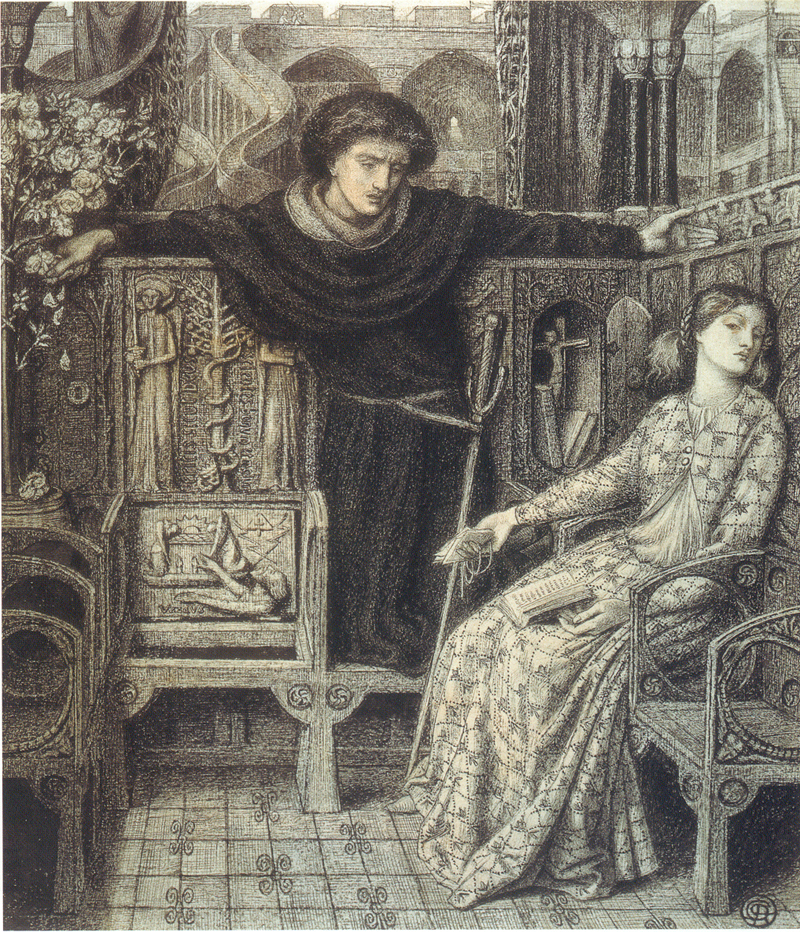
The event explores how empathy -- derived from Greek "pathos" meaning "to endure" -- functions through fiction. Coined in 1909 by psychologist Edward Bradford Titchner as a translation of German "Einfuhlung," empathy represents an emotional strategy to "feel into" others and resolve internal conflicts. The roundtable examines how fictional narratives shape our understanding of intimate human experiences including love, death, friendship, loss, and fear through imaginary characters we encounter in beloved books.
Speakers
Watch
Media
Related Roundtables


Transcript
This roundtable brings together scholars from neuroscience, literature, philosophy, and psychoanalysis to investigate the relationship between empathy and fiction. The discussion begins by tracing the historical evolution of the concept of empathy, noting its origins in aesthetics and its subsequent adoption by psychology and neuroscience. Panelists debate whether empathy is fundamentally a cognitive, emotional, or embodied phenomenon, and how different disciplines define it in conflicting ways.
A central thread of the conversation concerns fiction's unique capacity to generate empathic experience. Panelists argue that literary works by writers like Dante, Virginia Woolf, and Shakespeare create encounters with subjective otherness that nonfiction cannot replicate. However, the group also interrogates the assumption that reading great literature necessarily makes people more empathic, citing examples of brilliant writers who were personally cruel or indifferent.
The discussion extends to the neuroscience of empathy, including mirror neurons, oxytocin, and imitation in infants, before turning to broader questions about whether empathy cultivated through fiction can translate into real-world moral and social change. The panelists conclude with reflections on the cultural and historical variability of empathic imagination and its limits as a tool for understanding across deep divides of experience.
Show discussion topics
- 00:00:01 Introduction of panelists from neuroscience, literature, philosophy, and psychoanalysis to discuss empathy and fiction.
- 00:10:51 Defining empathy: historical evolution of the concept and how its meaning differs across disciplines and languages.
- 00:21:31 Dante and literary exile as a vehicle for empathic engagement, and how fiction creates encounters with otherness.
- 00:32:08 The unique power of fiction versus nonfiction to convey subjective experience, using Virginia Woolf as an example.
- 00:42:54 How narrative and storytelling are fundamental to human cognition and the construction of empathic understanding.
- 00:53:37 The relationship between imitation, mirror neurons, and empathy, from infant mimicry to adult social cognition.
- 01:04:17 Whether great literature necessarily produces empathy, and examples of brilliant writers who lacked personal empathy.
- 01:15:01 The neuroscience of empathy: oxytocin, hormonal mechanisms, and biological substrates of prosocial behavior.
- 01:26:07 Whether fiction and narrative tools can change minds and beliefs, and the limits of empathy as a force for social change.
- 01:36:52 Historical shifts in empathic imagination, the role of prayer and contemplation, and how cultural contexts shape empathic capacity.
Show full transcript
00:00:01 like no Alberto [Music] I'm Edward nurse essien director of the
00:00:34 helix Center today's today's program on empathy was suggested to us by Alberto Manuel and through a discussion with Beverly Zabriskie we put this roundtable together so Beverly is going to who's a member of the executive committee of the center will introduce the speakers
00:01:04 members the participants at the round table I just want to tell you that the next round table which will be the last for this year is on mathematics and other realities it was proposed by Harold Arms Parker who is a physicist from Zurich and that will be the last one for 2019 and we Lourdes looking forward to 2020 Waverly
00:01:39 [Music] [Music]
00:02:27 Center emerged full-blown out of the imagination of decision and we're very proud we were able to continue this ability to bring together the sort of CP snow and we are trying to get and this is our sort of World Series team on the humanities side so I'm terribly grateful to all of you for coming and I just want to say a few
00:02:57 words about each of you but just in general I tried to add up the number of prizes and the number of volumes published by this group and it became too long to even begin to mention it's an astonishingly distinguished group so I'm going to start with Siri here I first met Siri when we did an interview together at the Rubin Museum when there was Young's red book exhibit and in that
00:03:31 she spoke as an author but also a person who has tremendous knowledge of neuro psychoanalysis and she spoke of her own experience also her own mind-body experience and there's nothing so enlightening as to hear one person speak in the most irrefutable way about what it is to be a human being with both a mind and body and her list of awards is
00:04:03 enormous and what book of yours would you most like us to know about I'm going to ask each of you that question oh my god in this group maybe it's a book the big title is a women looking at men looking at women but inside that book there's a 200 page essay on the mind-body problem called delusions of certainty I highly recommend it
00:04:38 and yeah Lee is the author of six books including two story collections a thousand years of good prayers gold boy emerald girl and three novels and she's also been chosen by the New Yorker is one of the 20 fiction writers under 40 to watch are you still under 40 and one of your books would you most want this
00:05:08 group to be uh-huh where reasons and yes wonderful potato so I've just met today yan li and i've also just met today personal everett who's a distinguished professor of English at the University of Southern California he's come here today to be part of this program from Southern California thank you it's an
00:05:39 author of 30 books mostly novels he's won numerous awards honors and fellowships the most recent being the distinguished Achievement Award from the Western literature Association in 2018 as he puts it if you do a thing long enough that just happens I haven't noticed that here are a few of his titles glyph erasure so much blue and Percival Everett by Virgil Russell and I
00:06:10 am NOT Sidney Poitier but we're glad you're you and we're glad you're here and Joe is a friend oh so sorry I recommend the next one what's the title I'm the telephone Oh excellent thank you Joe is a dear friend he's a professor of
00:06:40 comparative literature at Bard and he's the author of romantic Europe and the ghosts of Italy and he received the scag Leone prize for Italian studies he's written several books on poetry and cinema and the aesthetics of the Italian art film and he also wrote a book about our shared ancestry the to Italy's an Italian family in Italy and an Italian family here and he also wrote was what
00:07:15 is probably I think an archetypal version of what it's like to use an author to develop empathy for oneself when he wrote the book what Dante taught me about grief healing and the mysteries of love so welcome I recommend that one and then L Baird show this began with Alberto we wanted Alberto to come back ever since he did the program on the library a few years ago and he is one he
00:07:46 Alberto gets surprised a month and he's always traveling around the world receiving one and he up until I think five years ago Alberto lived in France and then came moved here to New York which is our great gain and then he went to be the director of the Argentine National Library which he did until this past year now he's here living in New York and he didn't list any of his book
00:08:18 so I had to look them up the ones I didn't know about the last one was called monsters Dracula Alice Superman and other literary friends fabulous monsters so I'll read them again Jack EULA Alice Superman and other literary friends and his own drawings are throughout the book and now that you see him you will recognize his drawings of himself packing my library which was about packing the 40,000 volumes in his
00:08:48 library in France and bringing them to the Western Hemisphere a reader on reading a history of reading the library at night and there is now a traveling exhibit that Alberto has done of a virtual reality with rubella Podge of the nine great library nine great libraries of the world including his own yes I love that phrase so it's gone around the world we're hoping it will
00:09:19 come to New York so welcome all and I'm really looking forward to this okay we're supposed to start everyone does do we have any kind of agreement about what empathy is or maybe just when you use the word how you use it I think it's a good way to begin my sense is that there's always I always define empathy against or in conjunction with sympathy
00:09:49 and the way I think about it I don't know what the technical definition is you can all help me is that sympathy is a sort of sharing of pain sympathy as sympathy and that empathy was a kind of an imagining of or sort of seeing yourself in the place of sort of things so almost less visceral than sympathy and a little more intellectual and emphasis more in the imagination but that was just my you know working definition before I got this invitation
00:10:19 I can say I don't often have sympathy for my characters but I do have empathy all the time for my characters especially bad ones you know have characters who try to murder people who I've characters who try to steal babies and I think it's hard to be sympathetic but I always think it's important to be empathetic but is that the you're feeling with and in them I feel
00:10:51 in them I live in them right so it's a different definition already that's why this is interesting I love you like yeah yeah in English the term begins as a translational fine feeling it does sir so it's a recent term but yes it conveys the idea that you were talking about go into the character it was aesthetics it's Robert Fischer so it's I'm feeling and it's quite late mm-hmm and it's
00:11:24 about feeling one's way into a work of art which was later I think it's in the little squib about this translated into empathy by Tichenor mm-hmm yeah yeah it's also associated with the idea of abstraction with wind Beurling yeah but and elaborate what early 20th century 1908 dissertation by um I don't remember
00:11:55 his first name Worthing who who was attempting to write a treatise on the on the universal Beauty give it the the impossibility of it and it became a bit of a of a what would you call it on a motto for the abstract expressionist and trying to get to to a feeling
00:12:31 it hasn't been translated and I worked at it really hard my understanding is that the empathy is comes about with the near abstraction of the feeling yeah this is see how many definitions we have already yeah III think I make a distinction myself between for lack of a better term maybe a judgmental empathy and emotional empathy the emotional actually being
00:13:03 feeling what other people are feeling but the other one nearly being able to stand in their the place and understand their perspective I think that's a very important distinction judgmental and emotional empathy because um from the point of view of a reader the empathy you feel with characters is initially an emotional empathy if you feel that empathy and then it becomes judgmental
00:13:34 you you you love the character well a Percival has a novel that's very powerful called the water cure were a father tortures the man who killed the tortured his daughter and you can understand the character you feel empathy for the character emotional
00:14:05 empathy because you say if somebody that leads to one of my children of course I would go there and then you become judgmental but I think that's a weaker wave of really direct judgment is not empathy I mean I think let's make decisions here I mean that's what's important how can a judgement be empathy no it's not it's empathy that's detrimental it's not the same thing and empathy can be
00:14:36 judgmental if you say I'm very formed of Little Red Riding Hood but she should have obeyed her mother and no but I think those are two distinct things that we have to separate in other words so for example well I think if we want to be rigorous I think there's a rigorous distinction that can be made and that distinction is so if it's about feeling as the other say in a work of fiction
00:15:06 while you are swept up in the work of fiction as Josh boule says you know the eye of the text becomes one's internal eye which i think is an avenue to empathy in order to make the judgment you have to in some way withdraw from the text I I don't think so I think that when you for whatever better word identify with the character you do it
00:15:38 emotionally and almost immediately or simultaneously you are judging yourself as that character so I don't I wouldn't separate them in such neat distinctions at least for me I don't know wonder if there's a difference between readers and writers and I don't think a writer ever judges the reader can come in with that judgment I feel that certain writers should judge but I I think if you're
00:16:11 from a writer's point of view if you judge doesn't mean you right away you lose this empathy for your characters it's not necessarily - judgment yeah it's an understanding of perspective right and that is a judgment but it's not giving preference to any thinking about that that action or that situation maybe the thing about empathy
00:16:43 that I find troubling as I'm looking through the world is his I wonder if the subjects for whom I'm to feel empathy as a as a good person have a certain responsibility and do I have that the thief or I don't want it you know boy bubbles I will say John
00:17:14 Dillinger right do I have empathy for for a murderer and that's moment well if I can feel what he's feeling that I'm afraid and even if I can put myself into his shoes and imagine what he's doing then I should be afraid so is there a possibility for empathy in that place well take an easier example like crime and punishment crime punishment is a great example of entering inside press
00:17:47 Kournikova and of horrifying acts it's I mean I have empathy for s critical which is rather frightening but at the same time do you think that you would act like that so you don't know I'm saying I think that I think that again I do say actually that that the those experiences
00:18:19 me as you say come right one after another or even on top of each other or even be a kind of mixed experience but I do I don't think that we could call the that feeling in if we want to do I'm food I'm food Oh is entering in there's a beautiful work by Edith Stein called on empathy where she talks about empathy as a foreign experience but while you're there you take the place of the subject
00:18:50 in real empathy and then you have to come back use the example of of joeys book which moved me very much in the dark forest and in a dark way in a dark wood but takes as his model the Divine Comedy and Joe in losing his wife speaks of Dante losing Beatrice and finding
00:19:22 Beatrice and the empathy that he feels with that story I feel in his book why going to the source in Dante I feel empathy with everything that's happening but my empathy with dentists Beatrice is judgmental because I find her a cold unfeeling woman who who I'm not supposed
00:19:54 to judge because I'm not supposed to understand the Justice of God so there are so many levels I don't think that there is a cut-off point in what the reader feels and what the reader judges and what the reader then reflects back to the reader the saying this is by except for the grace of God go I this
00:20:27 is what we how we identify with certain characters don't you think you know now that you brought up the book I think the one thing I could say is where it seems like you're to it at logger and heads is that you are emphasizing that feeling in and you say that can't happen with judgment because judgment is a kind of establishes a distance and Alberto's saying well do we have to separate them necessarily that you know one can read
00:20:58 feel one once one's way into a text and also while one's doing so doesn't necessarily have to suspend judgment I guess what I would say in the case of you know reading my story into this character Dante what I learned afterwards I had studied Dante for decades really and you know that written heavily footnoted stuff on him and whatnot but I found that empathy could actually be a cognitive journey because I felt when I heard Dante's
00:21:31 voice and it was more less be reaching more of the loss of Florence because he went into exile so he had lost his hometown and wandered through Italy the last 20 years the poem came alive to me when I could there's a passage in Paradiso when he says should it ever come to pass that this sacred poem to which heaven and earth have set their hand basically would get me back to Florence then I will take the laurel crown as poet and hearing that voice empathizing with the poem for the first
00:22:04 time rather than seeing as an object of study brought me I think scholarly insights and even the canto he's business famous so he zags the Kent of Ulysses right in Inferno which was so influential for Primo levy helped him keep his humanity in Auschwitz when I I had studied that can't afford ecce debt only after my late wife's death and going back to my hometown as I needed my family's help to raise my we our
00:22:35 daughter I sensed that same sense of Ulysses not being able to go back to Ithaca and so that was an empathetic thing that to me brought this great cognitive insight you saw it so I kind of without work to in the sense that one can read oneself in and invest in something and at the same time it doesn't have to have that suspension of judgment no I'm not saying I'm not saying that it's just feeling and one
00:23:07 doesn't have judgments thoughts or that certainly doesn't generate all kinds of intellectual activity I think it does and I think then you know I'm sorry to bring the science into it but for example if you look at what you think of as possibly forms of pre personal empathy in a phenomenon such as mirror neurons that almost everybody has heard of I think it's was founded macaque monkeys in the early 90s where a monkey
00:23:42 grasping a banana the same neurons are firing as the monkey who's watching right so it's action perception this also appears to be present in human beings it is something that may become conscious in something like mirror-touch synesthesia where you look at someone else being touched and you have a sensation yourself so motor sensory forms of empathy
00:24:13 exist without that intellectual ingredient the mirror-touch synesthesia thinking about oh geez what does it mean to feel this or that it's a motor sensory response so that's what I'm I'm trying to make certain distinct distinctions like that now that motor sensory response was considered very important in the 19th century when I'm futon was being discussed lips for
00:24:44 example all of these different German theorists they were interested in the motor sensory responses usually to visual art no disagree what you say is important in terms of the relationship that readers or writers have with literature the physical learning or the mirror learning and Society of empathy in the sense of feeling other people's
00:25:15 suffering and needs and opinions and do you think that literature has is a better gateway to learning these things then then the actual being in society it's a good question you know when you mentioned that the monkeys there's a shared experience that's necessary for
00:25:46 that empathy the one monkey has to know about food yeah and and so if you ask me to feel empathy for someone um during their homicidal act I have no experience okay and so I don't think it's possible for me to have anything other than a cognitive sort of empathy toward toward that person I I can see why you might have wanted to kill this person but it's a bad thing as a novelist well I have a character who does a horrific thing in
00:26:18 the the character that you mentioned who torches the the man whom he believes he hadn't believed yeah that's worse he's not sure if the if the murderer of his daughter certainly as soon as I I imagined him I imagined him doing something wrong no it's not that I imagined him doing something that I would or would not do he's doing a bad thing um and that's never divorced from
00:26:51 my thinking about him or his action that doesn't mean I don't have feelings for what he's doing when you're ready look don't remind me that you as a writer you don't have that relationship to your characters because our person said you know you felt he was doing something wrong and I think maybe for my experience you know one of my biggest fears growing up was had I been born in
00:27:24 cultural revolution would I become one of the teenagers who would be the teacher to death and I always thought I could you know there's no reason to say no absolute nuts so I wrote this character who kick the pregnant mother you know deformed the baby I I I think at least in the writing part of it I felt I could be that person I when he said frightening it was it's what was one of the most frightening experiences
00:27:54 empathy can be frightening yes yes I was gonna ask I think it might be an important distinction to draw as to whether any important human emotions don't always partake of judgment of some sort like it like I think we're trying to draw out this idea that within the the feeling is already falls within a context that involves judgment at some level maybe not moral judgment like oh you should go to jail but some sort of value judgment of some sort also do you think that what restraints us from
00:28:29 acting out our feeling of empathy for a character that is doing things that are judged horrible do you think that in the feeling of empathy itself or as you were suggesting it comes later as something separate it's judgment when when I when I look at the drastically code am i seeing someone who acts in a way that I
00:29:01 think is justifiable yeah I think maybe going to child development will help a little bit right so that there's a certain moment you know and its various depending on the researchers when the idea of empathy as possible but very early on in human life infants will imitate the faces of adults there are certain infant researchers who believe that empathy arrives much
00:29:31 earlier or that children get a sense of you know relationality to the other the Mugler usually much earlier so the question then again is obviously an infant is not making any judgments does that mean that very young children infants are incapable of empathy I don't think so and in fact one year olds now this is you know in some of the research seem to have very empathetic responses
00:30:04 but they may not be saying oh this is a good thing that I'm patting mom because she's crying but is there not a difference between those physical learnings and the ones that come through the relationship to fiction and art in general well well yeah you know I think if you think about this as a literature professor this I think about this all the time and I'm kind of of two minds of
00:30:35 it on it on the one hand it strikes me is if you ask the question it suggests a priori that literature has kind of lost its place as a cultural value in itself because you're asking can we instrumentalize it a bit is it gonna make us better it would you your brain on Jane Austen is that gonna make you a better person but again I realized we live in the real world and we have to answer those questions you know for the ancient Greeks it was this idea of catharsis so if you did see something you did see a murderous display on stage
00:31:07 somehow it was supposed to cleanse you of those similar things so it didn't have that kind of socially amount I'm sorry socially social valence today I think you know in terms of just as literature breed empathy the way I look at it is like I think of Aristotle's definition he says history tells us what happened it gives us a something concrete something real but it's
00:31:37 contingent and epic poetry and we can extrapolate from that literature gives us these universals it's like you said in your talk at Bard everybody non-policy right errors they're not true Dante Dante right there they're not necessarily true but they're there's somehow real like I think of literature's creating these real situations out of the make-believe that of course we can empathize with them by
00:32:08 analogy you know take for example Virginia wolves to the lighthouse it's make it's fiction right but to me what will tell you more about a woman's experience in the 1920s what will help you empathize more boys experience for me the empathy was at the very beginning when the mother promises to take him to the lighthouse ins of the father says mother said say if it doesn't rain and the father says it would rain I thought
00:32:45 that that was so true because it pops up so many times somebody who looks at that negative side and just dis mandals that whole illusion that you have created but you were talking about Aristotle let's be a little pedantic here every study uses the word empathy audience no I curse Isis but it uses the word empathy and but was just once and he uses it to
00:33:17 indicate an imitation he talks about a coward and when the coward reads about soldiers escaping the coward will feel this in his dreams and he says it's an artist it's very similar to what we are saying that it reflects on in our own psyche but we still have been solved with a judgment it's very interesting to make the distinction
00:33:49 that you may be pen and words I think try to make between human experience in the world and what happens when we read a work of fiction and how it's different and I think you know there's something I like to call it the esthetic frame whatever you want that there's a safety involved in dangerous experiences in fiction that allows us an exit but it also allows us an expansion of
00:34:19 consciousness not possible in the real world because I would not have coffee with rest cornica right so you know i would save myself that experience but in literature you don't have to but that is that is the extraordinary instrument that we have invented as a species to survive which is the imagination that allows us to have an experience before having they experience not having an experience at all and also i think that
00:34:50 literature in the in the or these works and yours organizes that chaotic fragmentation of reality were in order to make sense of what surrounds us every day what we experience every day we need to turn it into a story that we tell ourselves but it's better when we read it in the brontosauruses that kind of our culture
00:35:21 also conditions us in our reception yeah apart and and one of the things that I find distressing now is if the voyeuristic young sighting of consuming art and we see it all the time we see it all but whenever there's a film it's based on a true story yeah selling device it's not at your station
00:35:52 it's all made of and it can be good or bad but if it's a country of the lines that writers used to have this is not face the most egregious example of this I once got a book that was a novel and you know the editor had sent a little note out the novel was about a rape and in the letter it said and just so you know the author of the novel actually
00:36:23 was raped and she will is allowing you know she's going to talk about the actual rape in relation to the fictional rape and I remember I listened it might have been a wonderful book but I just put it down and this is you know what was Simone violet Vale said 75% of our life is imagination and fiction and
00:36:53 obviously I'm you know by by necessity I'm aligned with this position as a teacher of books of literature and I want them to you know permeate the world and people to be read out constantly but I think for example of my mom right she's an immigrant from southern Italy great school education very intelligent woman but she's not a reader never has been she's a deeply empathetic person now just 1/2 - in other words I wonder what literary people if they're they
00:37:24 back themselves into a hole if they push the literature makes you more empathetic model no it makes you know it has the possibility of ranking you but if you go that way it's easier than experiencing all this that surrounds us in the world during it I hear you so I guess what I'm saying is there is another way to frame or contextualize the literature expands empathy argument you meant expansion of consciousness and I mean
00:37:55 you know and I'm now thinking out loud because I don't know what that frame would be but I just worry about a kind of you know there's a tendency in literary criticism now with the neuro criticism where they're sort of finding what your brain does as you read a certain book I think it's fascinating it's wonderful but I also feel like it's part of the dominant you know the scientific discourse is always gonna take precedence over the humanistic one and kind of now it's even starting to drive it far in the middle if she were
00:38:40 the personal average practice would make a better bet they say no I know but these are I think these are great points actually so we don't want to say which by the way in some of these studies there's Keith Oatley I don't know if you know who yes a person who's sort of gone the farthest right making the argument that reading literature makes you more empathetic they've done empirical studies etc etc if you look at some of
00:39:12 those studies I think methodologically there are some fudgie stuff in there and is empathy if we're talking about feeling in or feeling as always the best stick or it certainly isn't enough for no better survey it would be dogmatic about this we as readers have a certain experience
00:39:43 which is individual it's not not collective it's not the same from one reader to the other so I trust my experience with literature and I know that throughout my childhood where I didn't have a relationship with any any other human beings except one nanny until when I was 8 I knew the world they new adventures and death and love and betrayal and I knew all these things from stories and so I trust that I hear that I guess my thinking is I do
00:40:14 think there are some things some contemporary issues that literature really does reading more and reading better really does affect for example one's ability to detect fake news I think I really think that the more it was like seriously the more you because literature is a fundamentally active processing verbal information imagining out from that and sort of it really it tones critical thinking alone as creative imagine thinking so I do think that one can essentially index that the more one reads the more one is exposed
00:40:46 to literature they're less likely one is to be susceptible to fake news so you know that I would go on a limb on scientifically I'm wondering you know how to sort of contextualize the rubric of empathy within something that is you know more aligned with what reading is and what writing is which is processing stories and narratives and you know working with language that's that's my question it's just that literature gives us the
00:41:18 words to say what we experience and that is enough I did this experiment with a class one time when you say you know the teacher gave them the words to say things but oftentimes young students will just say things about themselves of course so I give them an assignment I said you know this is going to be an assignment you do not write yours about
00:41:50 yourself write about something else and he's an inanimate object it turned out the backpack is talking about them so there good readers finger at you and say this is you or this is not tell me are we you know sometimes maybe reading or thinking of the after narrowing down themselves of course we're reading stories all the
00:42:22 time and and not just on pages we look out our window and we see two people we don't know having a discussion and we read their body language via the facial expressions and when they look at the at the unlock side door in their house then you start reading the situation differently that's a that's it's like it's a constant thing that we we do what we don't have in that situation is access to the interior worlds of those
00:42:54 people and that's why literature does absolutely right that's right because we're creating narratives I mean out of that situation all the time you see someone go into a store and she comes out with the bag we haven't seen anything inside the store but we link the events and create a narrative out of it I want to reframe this just a bit because actually sort of psycho dynamically empathy is quite neutral it
00:43:26 can be used in a positive sense or a negative sense and the best example of that was a German film the lives of others whereas Stasi agent is incredible as a torturer because he can feel right into someone and certainly people who were analysts and therapists know how careful one has to be by even just echoing something one has said to you because it could go straight in like an arrow not a bomb and then at the end of
00:43:59 the film he's developed positive empathy for the people that he was originally torturing and then comes to their rescue but it's very neutral and can be a fair very dangerous weapon and I don't want to politicize things but but yes before Alberto meant I mean when Oberto first mentioned this theme right after that Obama put out his list of his what he was reading this year and he said the point was to develop empathy through
00:44:30 reading for others that we don't know but we know that people in power can use empathy in a very negative and destructive way so I don't want to sentimentalize the word but wouldn't it be actually if you're torturing someone then if you were having empathy you would be also feeling the torture no you see that's what but you feel and that would usually fall into psychopathic
00:45:10 actually if you looking at the research on this torturers people you know they would not fall into the empathetic category because they couldn't be feeling they can be reading the other very well but but if you're actually experiencing say in the heat of study that you're experiencing some form of pain along with your victim that's what
00:45:41 you're arguing no I'm saying that you can get turned on by it that aggression is a very large turn-on and sadism is I just want to keep keep it real here those right no sadism is when you have an erotic response to the others pain and the erotic response you were reading then as empathy no no I'm sorry I just
00:46:13 want to get it straight I'm just suggesting that we have to keep in mind the purpose and the motivation for empathy and if one knows how to feel into somebody else's pain one can use that as a weapon and that there is a kind of you could call it erotic or not but there is a turn-on there's a whole turn on that happens and I think that's what we're
00:46:43 seeing in our society now I just listened to a program on NPR today of an ice agent and what they were going through as they were turning people away at the border so we just have to be very aware of what we use our capacity to feel into other people's experience what about people who don't experience empathy yeah the reason I'm asking is you know I'm raising a child who some Asperger you know on autism spectrum
00:47:15 he's very articulating he said I feel sympathetic about a lot of things but I just don't feel empathy mm-hmm and I just wonder what about people who don't feel empathy and you do it do they train themselves by reading or do they learn I think people the research on this on psychopathy and then autism which is very different but the the research on psychopathy is all over the place they know that there's that guilt and empathy
00:47:47 seem to go together but having no empathy also means having no guilt and the reasons are everything from neural networks to you know being raised in a certain way to you know it's just endless nobody knows but ants SP can be used as a tool I'm referring to what everybody said about torture and the during the
00:48:19 datura dictatorship in Argentina France and their torches specialists from the war of volunteers towards in thena to train the military in torture and the documents were published and so one of the things was that the torture has to feel and they used the word empathy for the victim in order to know what will hurt the victim most because sometimes it's not a physical pain and so they I
00:48:53 won't give you examples because they're horrible but it wasn't a question of empathy in order to feel that person's pain it was empathy in order to know that person's pain and norm were to direct the needle so what is the difference between yawning I'm feeling yeah I mean in a way very good question it is but could part of it be back to the start of our conversation when one is sympathetic toward someone one shares
00:49:25 the think that word has the word sharing built into it empathy doesn't I agree I think your rhyming empathy is a neutral it it happens and it can be used for good or ill but sympathy seems different maybe sympathy is that sharing of pain that sort of would harness the potentially negative applications of empathy it also has a certain connotation sympathy of arrogance of
00:49:57 superciliousness I feel sympathy towards what you are doing but I can't even own it I can't condone it so I put myself in in in the position of excusing or not what you're doing but from a higher level instead empathy goes into the character goes into the person that you're facing no yeah I agree
00:50:29 it's a feeling yes that's what I think the usual definition even for knowing it's not knowing I think I know England to me a feeling as well that becomes an epistemological to people who are in that in the same accident and they both lost children in this an accident does it make sense to say that one feels sympathetic to the other when they were
00:51:00 experiencing the same thing would one ever say that what one person say together I feel sympathy for you no no I can't imagine that but neither can I imagine the use of the word empathy and then that circumstance so but obviously both we're talking about two people who would be capable but either but and will you find that some very interesting situation what would you call that feeling between these people well that
00:51:31 shared experience I don't have a word for there is a there's an PR news a few years ago about the two girls in Wisconsin point in Wisconsin they were they were they weren't they cut school and they were lying down on the on the train track just having a conversation and they both fell asleep when the train came and cut off her legs and that's a situation where they said did the two girls were teenagers they said only we
00:52:03 know each other not what we experienced so it's not even I feel the pain in my leg work but it's actually we know what we we know each other they said yeah well maybe it a way to answer the question would be through an analogy of fictional analogy is that the scene in Othello early on a fellow who's this great general but he's like in his 40s which was really hold back that wasn't the new 20 right
00:52:34 it was like being 60 today or something huh and he's married desdemona that you know the most eligible woman in all of Venice in this the Senators can't handle this that there's this great general but he's a more he's a foreigner right he's not of the Italian aristocracy and they call him to account and they say Othello what you know what potion did you give Desdemona how did you bewitch her and he says basically I told her my life story
00:53:05 and to hear it what does Damona seriously inclined Thor the stories we told her story so that's an example of a story a fictional construct eliciting a he uses the word compassion is that a sympathetic to me that's a sympathetic reaction a sharing you know to harp on the the rule of the word and what other than an empathy it's so powerful and he says that's the only witchcraft that I
00:53:37 used okay yeah yeah along those lines I wanted to ask about the sort of interface between imitation which does come up in some of the neuro neuroscience studies but everyone knows what imitation is on the one hand how does that interface with empathy and I think it's also gets to the question of knowing versus feeling right I'm thinking of people who were of autism let's say an hour IDEO savants and they could play these gorgeous you know Bach fuse with with what appears to be great feeling and I defy any of you to
00:54:10 say they are having the feeling and not having the feeling that's quite confusing but imitation is somehow interrelated with empathize fictional example / excellences Don Quixote imitates the heroes of the normals of chivalry he is red and he does it very well it's the world that's not prepared like trying to identify a speech act and the story that I'm
00:54:42 reminded of is the philosophers old joke about the parent where the the plumber comes to the door and he knocks no one is at home with the parent says who is it in the plural responds the plumber he knocks again the parrot says who is it he responds again until he the man that's so worked up he banks in the door the door crashes and he falls down dead of a harlot the family comes home and and they look on the play say who is it
00:55:15 and the parrot says I mean the imitation thing I think this is a great question actually I mean Darwin talks about it and in his book about emotions in human beings and animals and how there's a mimicry that's part of certainly mammalian experience and that's you know
00:55:46 I mentioned the babies imitating faces and then that response seems to go away actually with maturity and in certain neurological patients there's chronic imitation as well it's as if there's some form of disinhibition that has happened through the injury and people just start imitating the doctor for example if they're in conversation with a doctor so you know what is the connection between these imitative responses or if you're reading a book the thing that John Dewey calls
00:56:19 I love the organic clicks he talks about that when you're reading poetry and you know either the sounds or the music or the meanings of the words create these you know moments of excitement or Suzanne Langer is another great philosopher I think about experiencing art not just as say these judgments or thoughts our intellectual experiences but also as rhythmic experiences that
00:56:50 are very much embodied and that through that embodiment there are meanings attached to that I mean poetry I mean Dante talked about us a great example of music being part of the experience of walking with Dante which is very much a walk necessarily don't think we should disassociate intellect from feelings I think you know I think but I'm saying that that we can never lost talk about rhythm and music as part of the
00:57:23 experience that is connected to empathy well certainly yeah but also absolutely inextricably connected to one's intellect as well I don't know I mean you can you can separate feelings yeah I think what you're saying is very important in your introduction of the word compassion because to me what you get through literature is a kind of enlightenment at the same time as as empathy you get enlightened about people's lives I've just read a series
00:57:55 of novels that I'll take place in Eastern Europe and I would never have a sense of what it is like to live there unless I had read these these books so I I think enlightenment and empathy and literature go together that's a great point you know I was reading this really totally off-the-wall Italian right 1/4 C amount of hot day who had you know all sorts of fascist associations but he wrote this book the Kremlin ball and you
00:58:27 know growing up during the the Cold War we we grew up with like this idea of the evil empire right that that there was communism versus democracy and and we all know that of course there have been so many historical of it but it's hard to forget the original intent of it work there was a scene where he describes the workers coming home and for the first time being able to go to the theater and this image of these workers streaming out of the trams and in Moscow and go to the
00:58:59 theater extreme from the factory you know we of course know that historical experiment built terribly but just that image is like rescued like you said it's rescued from time in literature it's not it's you know whether it was I think it was a fictionalized account with based in fact but where else would you get that but we go back to what we were saying was based on in fact mother part is in a wonderful example of somebody who tells a story that you think is real
00:59:30 because you feel it is real but he makes stuff up in the skin where he's talking about the American occupation of Naples the the the key scene is where they are all starving and they start eating the fish in the aquarium the famous aquarium of Naples and the last this is the mermaid research on a slab er to the table so he makes you feel the empathy
01:00:03 for a time and a people an historical situation creating fictions not giving you the the number of people who died or that kind of fact effectively mr. percival does why just yeah so a question I would have for all of you is I I think that was beautifully put I'm Alberto if a society reads less and we are reading less you know all the the
01:00:36 statistics show and I think it's 30% less the last 10 years you know the average American reads 17 minutes a day and spends a combined six hours something like that on television and social media what that if what effect will that have I mean is there will that somehow work against our capacity for things like compassion or use the word enlightenment Beverly what what would be you know if we could even speak of it in terms of empathy or just I'd love to hear your thoughts on what will happen if a
01:01:08 society continues to engage with literature less and less as ours is well you know a million populous is pretty new worse this question of can't we be better leaves of grass what Nellie and Bible Ontario sure and I'm paraphrasing Whitman which is okay because it's with
01:01:38 me he's right if you want a better society produce better people and I think that's what we that's our opportunity not that we can't be nostalgic for fine better people this is what we know we're capable but we have every generation has a fake nostalgia for something that never happened yeah we think before we read everybody had
01:02:09 books but when we really think of what happened in my class in high school we were to two monologues and the others were busy with soccer and all sorts of other things we weren't a community of readers the tiny percentage of readers every society since the invention of off writing and as you say we hope that maybe those readers can contribute to
01:02:39 make better people but the evidence now it's not happening I think also every generation has faith panic yes you know I read there's this letter e be white in 1930s he saw the first television set and he really panicked he said this thing this machine is going to destroy culture technology of the book was a
01:03:13 terrifying technology the Train and you see it's you know these moral panics moral panics about the novel in the 18th century that you know one-handed reading everyone that was the terror thank you young women we're gonna go into their boudoirs you know literate girls and get off on these romance stories and that's way of slaves were forbidden to learn to read absolutely absolutely that was a
01:03:45 terrifying prospect gotten that freedom thing no well what are they asking about this idea that maybe some good writers not mate perhaps all are particularly strong and having empathy and then what's the relationship between that and sort of just general creativity because it seems there are some writers who write imagine worlds that they've never experienced and are so wonderful and portraying it
01:04:17 and so is a relation I don't think that there's a relationship with between good literature and great empathy some of the best writers in the world were horrible people who would kick children in the street now I was wondering whether some writers may benefit from being so empathic I know not all I think that stands in the readers yes the differences with readers yeah I'm a different reader from day to day so so I
01:04:51 can never look before I'm looking to finish a novel I can have this I do that I'm going to address these feelings on but I'm a moving target but when I think of everyone who's going to read it it's going to mean something different to all to know my father six readers and and and it's it's not my job to set them up for anything
01:05:22 oh yeah whatever good night it's my job to create a world know that way of the day I hope but you raise an interesting point because today there are many readers who say one can only imagine a world one should only write about a world that one has lived yes love for that that that's that that whole I'm lazy my true story then you wouldn't read the Bible right
01:05:52 you wouldn't read much anyways I leave a sort of Meral I know it might be house walking up the stairs and writing I mean I wouldn't you know yes it's about I think it does expand their experience as Beverly was saying we carry these you become fat what's books after a while right and it's interesting that apparently those little studies have mentioned the only studies that
01:06:24 nonfiction does not have the same effect as fiction this is a sort of interesting thing and also guys there was a gender difference now I don't mean us here at this table first up what I mean is that in the general populace men avoid fiction they had lower fantasy levels and you know there was like a whole I
01:06:55 read a book with one hand majority of women whenever you in the literature science it's reversed right so I do the two kinds of talks one for literary audience ones for like neurologists neuroscience people and then it's reversed it's about eighty percent men now we live in a culture that has divided these two I mean
01:07:27 speaking of the helix Center and I think it's certainly a problem for boys if they grew up thinking that reading novels or poems are a force for sissies and that that's a losing proposition for the culture I thought of a question but it's perhaps too personal you said that your son is autistic does he read he
01:07:59 does and how does he read is really interesting because he was in middle school a couple years ago he was reading Anna Karenina I was amazing he chose the book himself and I specifically asked him about how he felt about each of the characters for instance he really liked stiva I said what you were another person and he really he liked everybody
01:08:32 because it's not in these words everybody is having so much trouble in life yeah and I think I don't think I think he does Express he doesn't really have the ability to feel empathy but he sees these things would you say that he doesn't have that ability or he doesn't know how to put it into words I think that's the expression expressive language is part of it yes he found sympathetically
01:09:05 [Music] but it's interesting when you say the boys are you know are more push more into the science and stem and and I have noticed like like why a priest and then the students who come in often the boys are from stamp you know they they take a writing class they take literature class with the with the idea that you know
01:09:36 they cannot really make a living by really nor writing they still have to go back to be their engineers yeah that's the reality they face yeah but a Princeton those guys are not frightened of feeling effeminate if they read a novel but I think there's something a little deeper I mean as a woman novelist there are two of us here that people that this happens to me all the time when you sign books if men come up they
01:10:07 say I don't read fiction but my wife but would you sign the book to her and I've been pondering this for years now and first of all I think why didn't your wife come number one number two you know again when you read you have to submit yourself to the text to the authority of the text that's part of the joy for me
01:10:39 anyway it's a form of opening yourself to this other voice an internal narrator that takes over your own yours is gone and that voice is there and that passionate submission is hard for men who are invested in the idea of masculinity and those particular hierarchies what is a part of experiencing our experience in art is is venue and and and and also circumstance
01:11:13 I was I don't give a lot of readings or early on I get I was I was reading in Maryland and a man came up to me and he was obviously interested in the fact that I had written a book uh-huh and and his and his question he was trying to process it he was a contractor I lent him talking to him and he was trying to process this he wasn't familiar with novels and and this question was did you type all of this yourself this was
01:11:47 necessary for him to understand the art in some level I said well yes sir I did and that and that was that was good for him [Music] so it's not only of what's in a novel it's what surrounds it not only I mean I think that's really maybe that's well that's right so that I think these if you want to talk about power structures or perceptions they're all part of our
01:12:17 reading experience and I know in my life that there have been moments when I've been open to a text and moments when I've been closed and I've had to go back at another moment in my life then suddenly I'm able to get it you know I've changed the text is the same but it's true that certain people are not just met and certain women are not able to submit to the text you just give them so it was an anecdote Edward was
01:12:51 signing books a man came up to her and said would you sign this for my wife and she said what about you big boy but again in our culture the way we read and approach fiction in that naive way it really happened a woman asked me
01:13:25 about a nom I have a novel in which the main character's head is severed from his body in the first scene it's sewn back on and the novel proceeds it's a love story but the this woman came up to Mina and she's again trying to process is this autobiographic well I know that there are many in the
01:13:57 room who would love to ask some questions if you're open to this and we know we all have fabulous stories to tell but I ask that we limit ourselves to real questions and not declarations or narratives so and remember you will be on the internet forever that's a little bit of witness intimidation I think yes and please do come up to the
01:14:30 mic chemistry of empathy where are you
01:15:01 where am I do we have it and can we exhibit it other are there other oxytocin people are I don't even know how to spell it yeah so it's son it's a hormone that's been associated with trust and the thing is it's also been associated with schadenfreude and and other emotions so the early ideas about oxytocin as the
01:15:34 trust drug it's it's there in pregnancy lactation at birth and so there was this idea of that and it's true if you if people inhale hexa Tosun most people get more trusting I mean there are pyramid studies that said suggest this but it's also a lot more complicated than that you might imagine it's not the trust love my God in our water also for
01:16:09 example there's something that interests me a lot that borderline patients it's a personality disorder psychiatric disorder if you give oxytocin to controls and borderline patients the borderline patients have exactly the opposite response there are about 3 at least 3 papers that I've read on that know what is the opposite response they get them upset tense and anxious and of
01:16:40 course this may be related to earlier attachment issues that are probably part of what we think of as borderline personality disorders so it's it's complicated what it has to do with empathy earlier I was talking about I think attachment questions are important to think of in terms of empathy and and the development of the individual person so but that's about the chemistry I have a question about so
01:17:26 based on the discussion my understanding is sympathy is feeling sorry sharing fulfilling why empathy is fueling into feeling as someone so I have two questions is it correct then that empathy is more powerful to motivate action because you feel as someone and then the second question is in the thought experiment if we humanity has to choose between the two which one should we have and why
01:18:06 [Music] hi great question um I don't know if one has to choose between the two in fact I as a writer I I imagine that they work in tandem the sympathy and empathy are necessarily part of the same the same thing which is
01:18:37 an attempt to tease a really ordinary word understand someone's perspective and then there's in their situation and as you point out why we want to understand that can be very different I might want to understand it so I can know how to get to you but I might also want to understand it so that I know how to feel and I think you know I'm thinking of literature there's the ending of To Kill a Mockingbird when scowl walks back to boo Radleys house
01:19:10 and it's like literally the first time she's been on his porch and looked out into the world from his perspective right and her dad had said never judge someone until you walked a mile in his shoes so that to me is this seamless blending of empathy and sympathy she's imagining life as Boo Radley and she feels she says it made me sad that we've never given him anything so she's sympathetic towards him so I think that you know the at its best the tool working in tandem and some stories can
01:19:42 just capture that blend so so it's perfectly I think I wonder sometimes we do use sympathy as a shortcut so not to push ourselves to of you and pathetic because as about our Bertelsen we say I feel sympathetic about the situation which it just ends the discussion okay but when someone say someone loses someone you don't say I send my deepest empathise no I mean you
01:20:13 really feel I send my deepest it that I don't see the dismissiveness of it I to me it's an immersion in someone else's to me it's compassion that term earlier yes but you know you could sign that sympathy card as a politician yeah who is for a racer who wants to express that and be acknowledged for expressing it and that's different from someone who is feeling sympathetic but also empathetic thinking about right the right velocity interesting that you also write
01:20:44 condolences because you are saying bones all there is to feel pain with you that is I think a more interesting emotion I [Music] think people have too much empathy you know that doctors for example the psychiatrists I have a seminar in narrative psychiatry at Weill Cornell and these psychiatric residents we talked a lot about empathy and how to
01:21:14 manage empathy because you know if you're feeling really what the patient is feeling then you kind of go to pieces and in order to not go to pieces you have to have certain defenses that will help you manage the relation that's each one sense of being a reader and not this psych class yes that's right so I get that as a reader we can feel
01:21:45 empathy about the characterization or a book or a screenplay I'm winning as writers are you conscious of creating empathy or are you just creating something creative and do you give it any thought in your work well you know average intelligence then and I but I know that I can I don't believe that but I I can tell a story whether whether someone has an empathetic response to
01:22:18 that story I can't control in fact that's the only reason I write is because I cannot control what a story does when I release it and it's instructive to me and and some of the response to the work allows me to understand my own empathetic feelings about about the work so it's sort of not only is any novel a work in progress always I I say that it says so am i the writer and then in relation to that work
01:22:51 but as a writer and as a good writer you know consciously or unconsciously that this detail that you will add will do something you call it empathy or whatever but it will create a different response in the reader that is to say when when Dante has himself as a pilgrim trip on the stone or when Pinocchio
01:23:22 realizes that his father his soul is sure to buy his coat to buy him a school book that detail does more than advance the plot let's say you're talking about my attitude toward the reader know creating empathy in the reader that is to say by putting that detail in if you are a good writer you know that the reader at this point will shed it here
01:23:54 that's that's my ability I feel empathy toward the reader and to get at the reader yeah and and not necessarily my empathy or sympathetic feelings toward my carrot oh yes yes and that's that's more technical technical mechanical and and and I run from it like crazy because because in that way as writers we are manipulating the story but also as I as
01:24:28 I said before every reader is different and to to to address my understanding of my empathetic feelings toward one reader it's to maybe miss everyone else yeah so yes on a very very rudimentary level that has to be present but but you have to know how to balance it Oscar Wilde said that you have to have a heart of stone not to laugh at the death of Little Nell writing is full of
01:25:03 contradictions you have to write what's inside you but you have to keep it at arm's length so that it doesn't become you yeah and and that's difficult and that and that happens well sometimes it happens if the stars are kind of yes is a social justice warrior who believes that human beings live by your ristic rule the thumbs and we live by stories
01:25:35 and we don't make rational decisions we make emotional decisions and as is the human race is heading off the cliff and you people as writers want to and change the direction of humanity tell them new stories and these tools of empathy and so forth and what are your thoughts in terms of how do you reach people who have kind set in their ways about what they
01:26:07 believe the world is can you use these tools to actually change people's minds you know as I heard your thing I remember earlier you personal you said you had five or six readers oh there's a famous Italian writer Alessandro Manzoni who said ma Vindi Cinque Latorre my 25 readers so he had four hundred percent more manzoni was wrote this essay once
01:26:39 with someone criticized writers of doing something they said only writers of genius should use this device and Manzoni said if someone really gonna stop themselves and say am i or am I not achievements and that question sort of reminds me that a little bit in that you know I don't know if a writer can really ask him or herself how I'm gonna shape the world you know that the that trying so hard just to get the story right they're trying to kind of tell in a convincing way to try and use language
01:27:09 in a certain way i that layer of instrumentality in my experience my small experience has never really entered into I don't think writers can know whether you know everyone thought someone will come up and say something about this really had a big made a big impression on me or whatever but if we turn around and think about the books that have changed us right that have reoriented in some important way our
01:27:41 vision of the world so that certainly has happened to me I think it's probably having to everyone if you had to choose one which would it be oh god you know well it's funny because you mentioned little know out there too but that I read what I was 13 David Copperfield and Wuthering Heights that scared the life out of me because you know it was completely amoral sue yeah just to the a moral point because you mentioned you're a social justice warrior and I think that's you know
01:28:11 beautifully put I guess what I would say is there you know I think of Sartre at the end of his life where he had dead in his life to social justice warrior and he was all about engaged literature but he ended his life obsessed with globe air and he would repeat passages of Madame Bovary he wrote this biography the easy date of his family were you know making fun really of Baudelaires there's not an upper layer of that flow bears lack of social engagement but to
01:28:42 me that that's the space that literature also has a social thrust it's not necessarily in an engaging socio political issues but in changing the lives of readers in this dimension that is both in and of not of this world in other words that if we instrumentalize if we pegged literature too much to socio-political theme we lose that space of the bovary's of the weathering Heights that are you know that they can
01:29:12 change people in a different way there there are two novels that come to mind reading powers decided to write about climate change by writing fiction and the overstory and here's a 700 page novel on the destruction of the forests and I cannot tell you how many people I know who have read that an army Toph Ghosh does the same thing he writes about climate change through his novels whether it was the glass palace or now the gun warrior I think was this last one you know so so I think there is a
01:29:45 way in which you get into people who will pay attention if you put persons into the tale then they wouldn't necessarily read nonfiction on it oh that's okay I was also going to say that there is a important distinction between instruction and just exhibiting the complexity yeah exhibiting ambiguity yeah obviously important in fiction thank you thank you for a very evocative discussion this is a follow-up question
01:30:16 about about obsession yesterday many of us spend several hours watching television it's also to follow up on television now a young woman sat there young by my studies and aroused many different emotions yeah she was both attacked and praised and for for 30 years of work she described a situation where she was sacked in a fairly public
01:30:49 way a couple of months ago did that allows empathy did that arouse sympathy what did that arouse and what are we gonna do about it depends on who you are yes if you watch that science fiction Channel Fox News this is obviously an
01:31:22 intelligent and engaged in person and and don't venture toward anything like like empathy because one you may not be capable of it and and and two it raises too many questions that you're not capable of answering so so sadly you can't argue with people who won't look and that's where we stand and let's go
01:31:55 that reminds me of the earlier point worried I said my sense is that people are reading less today that this is kind of part of a larger crisis about our social relation to literature and the consensus and the group seem to be the opposite that this is kind of a constant that readers are always a kind of self-selecting minority and yet I also think that it's if we look at history history is not always there are periods of cultural decline you know in other words it's very hard as they say to catch a falling knife and know exactly
01:32:27 where one stands but we can't I also think it's dangerous to have a neutral attitude that this is just the way the world you know perhaps our weakening engagement with literature as part of a general lower public discourse and that there is a connection between the two that that's sort of you know my my stance on it where it's it's impossible to pretend we don't live in an age where if false narratives are prevalent and you know I always tell my students fake news is the opposite of literature literature tells
01:32:59 you it's make-believe and it sort of brings you to the truth whereas fake news pretends it's real and it's just trying to manipulate you and and so you know I guess unless less likely to kind of see this as just business as usual I do think there is a connection between but I think there is there is a side that's business as usual because the readers have always been in minority and choosing between the circus
01:33:30 and a reading of poetry most of the Romans went to the surface but what is constant and has to remain constant as well is the fight for culture for those better people that Whitman wanted and the fact that the decline is constant or steady doesn't mean that we should give up in at words the Testaments the
01:34:05 character of aunt Lydia is exactly the danger with which we are faced the the woman who has been fighting for her rights for women's rights for what she feels is just and at a certain point feels that the social pressure is so great that she just gives in and becomes part of the energy that's the danger
01:34:37 that's where I came from as you know literature doesn't always do good things nature but is it literature in other words well yeah yeah I think you know we had they're caught later and try right these are books did you read these books back way too actually I think these books probably have done more harm than good to come in his countries right but are we so arrogant
01:35:08 to say they're not literature yeah because there is some good I mean we were in my lessons in Argentina we were flooded with these bad translations of Russian novels and and and some were very good the thus was iron-forged and the the flowing of the dawn and so on and you're consuming propaganda or not
01:35:47 and thinking is always better than not thinking that's a Belgian proverb if you when you when we read our history and depth maybe things aren't worse than they ever were but they feel like it because we were experiencing exactly but some things are really different I don't know if a soundbite is better than real thinking I suspect that it is that a
01:36:21 soundbite is not as good as real thing but I give my students or I challenge them to go watch one of our debates and then go read the the Douglas Lincoln debates and tell me how they are alike I was just gonna bring up something of this point because I'm I'm in the art world and there was a time when after the Abstract Expressionists that pop art came out and then there was the philosophy of that art and life for one
01:36:52 and it began to undermine a certain zeitgeist came out and also the thought of the continual prayer rather than the arrested time in the past and so not today I see so many people there's so many stories of fake news news autobiographies confessions that they feel literature is all around them so I just wondered how some of you felt with this on rush I know in the art world we suffer also from something of that art has been categorized into political and feminists and all kinds of
01:37:24 categories that really come from the media in the news world rather than the assimilation in time of interior experience and so I'm just curious to know how you feel about this continual storytelling of the of the media and everywhere in terms of the fiction world which i think is and has does have some problems maybe in the countries that are less advanced with media you're getting some interesting stories I mean there are things coming out sometimes they're
01:37:55 from Afghanistan or other places where is still a Bartok tradition no I think this is a very good point and we were really talking about it earlier about you know fictions and this is here too this is not just propaganda various kinds but fictions that reassure the reader with conventions that they already know right movies are like this all the time you watch a movie so what is that giving
01:38:28 to the viewer or to the reader it's giving what's already known so it's a kind of repetition which then I think is not terribly helpful heart is always complex art and art that that that presents problems it's always played second fiddle to folk music perhaps the
01:39:02 you but anything becomes too but it brings people to art I don't I don't really like television shows but it would be great if on the television show we had a hero who wasn't a superhero but a thinking you and and as and maybe as an artist it it's a failure of mind that I haven't tried to produce one but it's always the case that we will be fighting against the easier things to consume and consume
01:39:33 them to I think maybe just as individual we just have to push back a little you know I just have to use this example because I wrote the novel where a mother had a conversation with that son who committed suicide and died so they talked you know across the border between death and life and my publisher said can we publish as a memoir because it's more attractive you know in the way
01:40:08 they came from my life and nothing in this book happened in real life I could not talk to a data son but that's what what's the easiest way to so you know when math literacy came about I mean you're absolutely right these what was really hot translations of anti-clerical French pornography into English they sold like hotcakes right so nuns having sex and you know it was that was really big hot stuff you
01:40:40 know and when you look at the numbers you know what Middlemarch for example salt it's not that many it was a big success so you're absolutely right that there's a minority of what we we like to here think of as serious readers but and I think that majority is essential I you know I I guess I hold on to the idea of literature as a category it's the books that our culture values over time is separate from all this the noise that's swirling around if you
01:41:12 think of a book like on brave new world by Aldous Huxley right where everyone's happy it's a dystopia they're doing drugs having sex and they're there's some and books are banned right that's the the world leaders don't want people reading books they don't want them they see it as a threat and I really think said this as melancholy making that the least complex emotions at least a complex thought and I think there is a
01:41:43 connection between in a really profound way between great literature and a sense of freedom last question um I wonder if we could go back to the beginning I do have a question but I I want to make a suggestion about the question the question is going to be whether the panelists would agree or disagree and if disagree why with the following distinction which is that empathy may
01:42:14 have more to do with imagination than sympathy does and I would think of empathy as primarily the ability to imagine the feelings of another which is less viscerally involving than sympathy and therefore more constructive in some situations and if we do think of it that way might it explain some of these issues that we are struggling with such as the wish for or the the the way
01:42:49 people are drawn to emotional engagement in sound bites and tweets and so on with a diminution of the ability to imagine something different and other also might it contribute to the differences between men and women in terms of responses to fiction where many times eat men who are very comfortable with not being stared stereotypically male are nevertheless less interested in fiction and might
01:43:21 that have something to do with differences in comfort with imagining yeah it's again it's like what so the roots of the word imagination come from image and so that would go back to a form of mental imagery I think if you want to take the roots so to imagine
01:43:51 probably is reliant also on memory another form of mental imagery right you can't really imagine unless you've experienced something and you have mental imagery to to use so then the question is imagination a cognitive function with emotion attached you're probably unconscious forms of imagination you know how much fun Helmholtz talked about unconscious
01:44:23 inference as part of a way to predict what's going to happen I'm just throwing out a few things I don't have the whole answer is imagination more about this kind of cognitive function or well I will remove the word image only because so much of it is is language and and I don't I don't I mean I suppose we could
01:44:54 continue to use it but so how that privileges of sight seeing the scenes seems to disregard the fact that we don't think without language well once we reach the mirror stage you know I I this whole thing about I'm interested
01:45:26 in this thing about what you said about and I've seen it myself in bookstores people more women reading than alpha see that it's tables I ride and and it's always girls tables I don't see any boys but it's it's in my personal life I don't encounter those differences and so
01:45:56 it's interesting for me to hear them and when I imagine what you're saying then I'm calling on stereotypic images of the culture that allow me to understand it and I'm not quite comfortable with with that I don't know what it means yes but that was the imaginary about girl feet the utopias that we we try to
01:46:30 imagine and never worked like like Cleveland this is this is about this isn't really a question but it is so in my world I'm an actor so actors have to use imagination all the time but the imagination comes from words so if I play Lady Macbeth which I have I'm
01:47:00 not I haven't experienced murder I've never murdered anyone if I'm doing Tracy Letts August Osage County then I have to know this woman who was drugged out of her mind alcoholic with her children who she's destroying but she loves and doesn't want to lose so there is within us I believe we are born with or without empathy and it would be very difficult to be an actor if one didn't have it wasn't born with empathy because you
01:47:32 wouldn't know how to get the imagine your imagination to work with the words I mean you have Shakespeare so he's given you that and when he wrote he certainly wrote a tragedy or a comedy and the universality is because he is able to make us think things that we have all felt somewhere in our lives and that's why his plays endured but it is it for me that it isn't really a question of words or
01:48:04 imagination or sympathy or empathy it's that it's a marriage of all of those things coming together and and also the experience of living raising a child losing a child a child not speaking to you for years and you don't know how to get back and ask for forgiveness you don't know how to you you don't know how to talk to each other so we read and we have brilliant people like yourselves helping us and then when you go to the
01:48:36 theatre and we read a great book I hope part of what we do is that it does change us so but it to me it's all it's a filigree so thank you so much you we're all so compelling you had to stay here willingly and happily and gladly and gratefully for the whole afternoon so thank you for really a brilliant conversation
01:49:12 [Applause] [Music]