
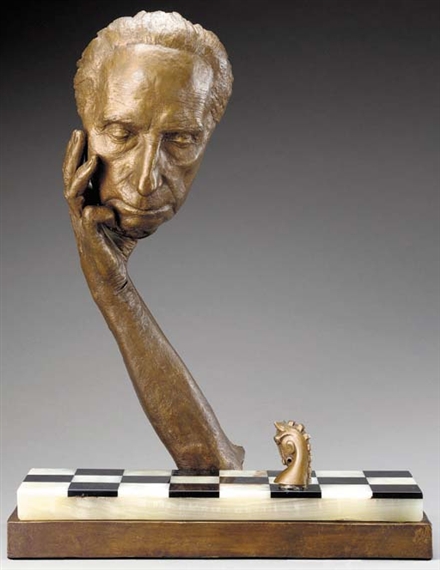
The roundtable examines touch as fundamental to sensation and sentience. It explores how sentience itself derives from feeling, and investigates the physical and neurological mechanisms behind tactile sensation. The discussion bridges scientific understanding with philosophical inquiry, examining how mechanical force creates neuro-electrochemical reactions at the skin's interface. Participants explore the transition from sensation to perception and consciousness, referencing Marcel Duchamp's concept of the "infra-thin" -- the boundary where sensation emerges -- and its poetic implications.
Speakers





Watch
Media
Related Roundtables

Transcript
This roundtable examines touch as the foundational sense, bringing together roboticist Tapomayukh Bhattacharjee, comparative literature scholar Andrea Gadberry, philosopher Pascal Massie, neuroscientist Yalda Moayedi, and journalist Sushma Subramanian. The conversation opens with Massie unpacking the ambiguity in calling touch the ur-sense, a term that means both primitive and primordial in German. The philosophical tradition has simultaneously denigrated touch as the lowest sense associated with base pleasures and recognized it as the most fundamental, since it provides the basic distinction between inner and outer experience on which all other senses depend.
The panel explores touch from remarkably diverse angles. Bhattacharjee describes the enormous challenge of giving robots a sense of touch, noting that what humans do effortlessly, like feeling for keys in a pocket, requires extraordinarily complex engineering. Moayedi explains that touch is carried by many different types of neurons encoding force, vibration, temperature, and texture simultaneously, making it far more complex than commonly appreciated. Gadberry examines the social and cultural dimensions of touch, from ancient taboos on touching the sacred to modern questions about who gets to touch whom and why.
A recurring theme is the gap between materialistic and poetic understandings of touch. The panel discusses prosthetic limbs with touch-enabled technology, where users report not just functional improvement but a restored sense of being present in the world. Gadberry reads a Francis Ponge poem about snails to illustrate how poetry captures dimensions of touch that scientific description cannot. The discussion extends to human-robot interaction research showing that people's responses to robot touch depend heavily on perceived intention, the connection between touch deprivation and psychological harm as documented in Romanian orphanages, and the development of haptic technology for virtual reality.
Show discussion topics
- 00:00:28 Introduction of the roundtable as the first in a five-part series on the senses, with panelists from robotics, philosophy, literature, neuroscience, and journalism.
- 00:07:52 Pascal Massie introduces the philosophical tradition's ambivalent treatment of touch as both the lowest and most fundamental sense, exploring the dual meaning of ur-sense as primitive and primordial.
- 00:11:04 Tapomayukh Bhattacharjee discusses the centrality of touch for robotics and daily living tasks, noting that without touch, even simple activities like picking up objects become extremely difficult.
- 00:15:14 Discussion of Aristotle's paradox that touch is both morally suspect as the sense of bodily pleasure and yet foundational to human intelligence through our physical vulnerability.
- 00:21:29 Andrea Gadberry explores the social and cultural dimensions of touch, including taboos on touching, who gets to be touched, and Freud's observation that the taboo on touching is among the oldest.
- 00:30:55 Human-robot interaction research on how people perceive robot touch, revealing that intention and warmth matter as much as the physical sensation itself.
- 00:36:07 Philosophical discussion of touch as a common sense that unifies all other senses, providing data about the world that no other individual sense can match.
- 00:46:29 Yalda Moayedi discusses the neuroscience of oral sensation and the over-representation of the mouth in the somatosensory cortex, bridging scientific and poetic perspectives on touch.
- 00:55:21 Andrea Gadberry reads a snail poem and leads discussion of how poetry and art access inner dimensions of touch that scientific approaches cannot fully capture.
- 01:11:32 Audience questions and discussion of touch deprivation, touch and autism spectrum disorder, self-touch, cultural differences in touch language, and haptic technology in virtual reality.
Show full transcript
00:00:28 uh uh I am at session and this is the first of a series of found five round taes on the census that was organiz suggested and organized by Jerry Horwitz who is the associate director of the center I will just tell you about the next program and Jerry will then take over so the next one is on touch and I mean on taste and the people who will
00:00:58 be I come sit closer I can't speak any louder without yelling uh I think he increased the is it better now gloud that yeah so uh the people who will be participating in that Round Table of who we have so far are Paul
00:01:32 Breslin who is a geneticist and biologist from roders uh we have um Gerald levenson who's professor of philosophy from the University of Maryland we have John McCade who's a journalist science writer and uh who's written on food food science and then we have Nils noren who's an internationally known chef and educator so that's it from me Jerry will take
00:02:05 over thank you Ed um I'm eager to hear this uh conversation we're about to start out and and I want to introduce the participants of course so first tapam mayuk barari is an assistant professor in the department of computer science at Cornell University where he directs the M prise lab he completes his PhD in robotics from the Georgia Institute of Technology and was an NIH Ruth L
00:02:36 kirstein NRS post-doctoral research associate in computer science and engineering at the University of Washington he wants to enable robots to assist people with Mobility limitations and activities of daily living he work his work spans the fields of human robotic uh human robot interaction haptic perception which of course is relevant here and robot manipulation and focuses on addressing the fundamental research questions on how to leverage Robot World physical interactions and
00:03:08 unstructured human environments to perform relevant activities of daily living Andrea gadbury is associate professor of comparative literature at New York University her first book cartisian Poetics the art of thinking from the University of Chicago press appeared in 2020 she is currently at work on two new book projects one on early modern rationalism and literary causality and a second
00:03:38 tentatively entitled notes on clapping wonderful Pascal Massi was educated in France at the EOL normal Superior agre agregation agregation and completed his PhD at Vanderbilt University he is currently associate professor at Miami University in Ohio his work focuses on Ancient and medieval philosophy as well as contemporary Continental philosophy he is the author of contingency time and
00:04:10 possibility an essay on Aristotle and dun scotus lexian press he proposes a revision of the prevailing interpretation of the history of modal logic According to which scotus rejected the principle of plenitude attributed to Aristotle and replaced the ancient dionic theory of possibilities with a synchronic one thereby contributing to a quote possible World semantics yala Moretti is an assistant professor at the pain Research Center in
00:04:42 the department of molecular pathobiology at New York University College of Dentistry her research focuses on the biology of Sentry neurons that inate the oral cavity and upper Airways investigating how information from these neurons guides oral function such as flavor perception feeding mechanics Airway protection and vocalization Dr moti earned her PS BS from the University of Texas at Austin and our PhD in Neuroscience from Balor
00:05:14 college and last but not least sushma subam Manan is the author of quote how to feel the science of and meaning of touch unquote a book that explores the scientific physical emotional and cultural aspects of touch and that aims to reconnect readers to what is arguably our most important sense her other journalistic writings which focus on scientific research inquiries that affect our day-to-day experience of Life
00:05:44 have appeared in the Atlantic the New York Times Scientific American discover L and many others she also teaches journalism as an associate professor at the University of Mary Washington in Virginia and with that I think we'll get started can everyone hear me oh let me see okay am I audible to everybody
00:06:19 no okay okay there we go okay so look when we decided um all of us together I I I did spearhead this uh series to some degree but we uh collectively at Helix thought it would be such a fascinating uh series to uh have people come and talk about the senses in general and first of all it's so interesting to
00:06:49 think that why do we have the particular order we have we go from taste I'm sorry uh touch to taste the smell to hearing and vision and of course that's an interesting topic why that why that sequence but there's such an important um opportunity here because we so much value multidisciplinary interactions to talk about a subject that's so fundamental I mean what is more fundamental than our sense of touch
00:07:20 and yet it's very deep and it there's so much more to it than I think I hate to say it meets the eye so um if any anyone wants to start off and give their own thought about the what why touch is mysterious and so interesting please do okay I can start by uh commenting on what you just said about the the hierarchy that you have proposed in the story of Western F there is fundamental
00:07:52 tendency to to have D things in terms of hierarchies so intellection is superior to sensation but within sensation the sense of touch is the lowest one whereas sight is the highest one uh as you know one was saying I understand in many languages is I see video right uh you see and people understand this as hierarchical and that's particularly interesting to me because the way you have phrase it for us is not just touch
00:08:25 but touch as the sense that's our right we're supposed to talk about Tash as the or sense and there's something quite interesting about the way you phrased it the prefix in German so it's or um has an ambivalence or is both what is primitive to the Primitive sense and what is a proper uh what is a primodial
00:08:59 and normally when you have a term that contains an ambiguity the tendency at least for the philosophers is to try to clarify which stance we are using and turn the ambiguous term into a non-ambiguous term make it univocal rather than pural but I think that with respect to the question of touch we need to maintain the ambiguity because at the core of the issue as I see it uh we are dealing with a sense that is both understood by the very same at least
00:09:30 philosophical tradition as primitive and primordial um I'd love to build on that because I agree so much about maintaining the ambiguity of touch and we were told not to prepare but nonetheless on the subway I was thinking about um about how it might be useful to think about touch as at once a common sense there's no one who doesn't experience being touched everyone is differently embodied some of us are more sensitive than others but we might even
00:10:01 think about touch as a six sense to the extent that it's a common sense in a way that Vision might not be one might lose their sense of smell or or never have had it um so I was thinking about uh touch as common sense on the one hand and I think you mentioned something like why is touch so mysterious and and to me that felt like an invitation to think about how it's not only a common sense with both its pejorative and its Democratic capacity but also an uncommon
00:10:33 one so we can imagine the the sensation of being touched without a present material cause um we can imagine action at a distance where touch actually becomes something quite spooky um and I know some of you in disciplines where you imagine Conjuring touch for um limbs that are absent might have more to say about that in a scientific Direction but so I wonder if we might think about touch's uh Dimension not just as the first sense as the prompt has it but also opening up maybe onto being um a
00:11:04 two for one uh a first sense and and also a sixth I can build up on this actually so in my line of work so I work in the area of Robotics to help people with Mobility disabilities to do different tasks so let's say feeding or dressing so let's consider the term like the the work dressing like like how when I got up in the morning and I dressed I can dress myself I can put this button in this hole I can dress myself without looking
00:11:35 using proception and touch right and so in the line of these kinds of fundamental activities I truly think Touch Is Fundamental without touch it's very difficult to do these activities there is in fact like around 20 years back there was this experiment by Roland Johansson where he basically anesthesized the the uh basically the fingers and ask people to do a very simple task like light up a match stick and they had full visual sense and it it
00:12:05 was taking them a long time to even pick up a match stick and then light it right so Touch Is Fundamental but it's also mysterious because the social aspects of touch as you're saying like let's say if a robot were to touch something how do you how do you perceive that that's like whole another it's much goes much deeper I think also people don't um so just jump real quick I think people are surprised by how this they are also how much it's a part of Consciousness to not have their fingertips working properly
00:12:35 yeah and I just love to add to that so I like this idea that it's both sensed and or the first sens and the last one or the sixth one because like vestibular s or sorry propri reception is Al is completely unconscious right we don't know that it's we're using it until it's gone but that is a fundamental part of how we experience touch and how we um go through our lives but what I wanted to say was you know I when I think about why it's so hard to or why touch has been so mysterious for so long is um we touch with every part of our body both
00:13:06 internally and externally and so while we see with our eyes and um taste with our tongue and smell through our nose and hear through our ears we're also touching with those with those areas as well um and so we touch in every part of our skin and all all of our internal experiences touch and we use it in a lot of ways that you would never think about and so I think that that makes it especially hard to understand how we touch and um all the um intricacies of it right and I also think that um you
00:13:38 know there are three components that I think of when I'm you know considering something tou it's not just that feeling on the surface of your skin right but there's also this proception you know knowledge of where your body is in space and then also there has to be movement right all of those three things are involved in uh you know giving us a sense of of touch very different from other senses right where there's usually just one perceptual capacity um but going back to your idea of the hierarchy it being um historically considered a
00:14:11 low base Common Sense also there's this argument that um in in humans it could be that touch is the most developed right it's our it's our um unique sensitivity that that makes us such a I guess cognitively Advanced spee Absolut yeah absolutely you can see the this ambivalence in aristal particularly because on the one hand the sense of touch is so if you look at for instance at the E ethical text not the Thea but
00:14:43 the nikan ethics I is going to say that he's going to present a hierarchy of the sensors and insist that the sensors such as sight and hearing are higher morally speaking because you cannot have an excess of sensation an excess of pleasure uh however okay well done I should have back should back up a little bit the problem is that sensation is not just access to the world cognitive access to the world the point is that
00:15:14 sensation is also connected to pleasure this is why it shows up the question of sensus reappears in ethical text and the the problem for Aristotle is to say well say the sense of sight the sense of hearing there is no possibility of excess however taste and touch that lead to excess and a possibility of living a lower form of life you you you live the life of excess of sensory
00:15:46 pleasures and as a sign of deprivation you're depraved on the other end the same thinker is going to tell you that there's a connection between the sense of touch which is highly developed Ved must developed as he says in human beings and intelligence uh surprisingly uh that sounds contradictory and this is why I was talking about the Dual sense of in the prefix in German um the reason why I think that there is a connection is the
00:16:17 following uh we are extremely sensitive to the sense of Touch compared to many other animals we have F fur or carass or shells or things like this that protects them which makes us extremely vulnerable right it doesn't take a big blow to actually knock you down uh contrary to other animals who would probably deal with it more easily and this is because not of extreme sensitivity but our
00:16:48 fragility that we have to develop practical intelligence foris the the the intelligence of you know like uh uus for instance isos cunning cunning I think is the translation U because precisely as a human being is more fragile than many other species I wonder if you might share something about considering these issues
00:17:20 how much does that influence what you're trying to do in terms of engineering of this sure so basically I think of this as to be able to like robots you can think of like they have a it's like an embod there's an embodiment right and with this embodiment we are trying to do different tasks so let's say even this simple task of picking up this bottle like opening this and then drinking right and all of these things now this involves manipulation of these
00:17:51 objects and so the idea the way we think of using touch is basically how to be able to do these tasks I I need to get a sense of the environment around me and to do that to perceive that there are different ways we can use Touch at least from engineering sense so we divide this into active and passive touch so let me give you an example so let's say I close my eyes and I'm touching this now it's it's a very local sense like in Vision I immediately look at like you know entire thing right local sense I do this but
00:18:22 now if I actively combine this with proception I can feel the shape if I press this I can feel that it's deformable right and then when I pick it up based on the weight I can adapt continuously I'm adapting the force that I'm applying so that it does not slip off right so there is this very interesting vision of Active touch and also passive Touch where is not you know let's let's say I'm just speaking of the weight or something like that right so we try to think of in nuring sense how
00:18:52 can we give this sense of touch to robots that we can do both active and passive touch so that the robots can get a sense of their surroundings and once they have sense of their surroundings they can actually do tasks to help the humans um I can go deep into the engineering side of things if you're interested but yeah that is their common touch sense a little bit isn't it in a way you're saying you're trying to build up something so that robots can not only manipulate things with touch we're calling a touch but they have a sense of
00:19:24 what they're doing exactly so weic getting the meaning out of the sensory signals which is perception of the sensory signals M yeah one thing that is exemplary about a sense of touch is precisely this reversal between activity and passivity when I when I touch an object I am immediately touched by it my activity is also receptivity at the same time the activity of a receptivity uh and this um this this is
00:19:56 quite important I think because one of of the characteristic I think of touch that's go to go back to what you are saying actually uh you mention indeed the fact that all the other senses are centralized in the face sight hearing taste smell but we touch with our whole body our whole body is sensitive and so the the sense of touch is really the sense of embodiment primar and uh it is the condition of possibility of
00:20:26 distinguishing inner outer inside outside which on which Distinction on which all the other sensors depend right and so um I have talked to some people who have been involved in experiments with prosthetic limbs you know people who are trying to regain certain abilities um with prosthesis in in labs and um so of course what they're helped out by devices that help them
00:20:58 pick up a water bottle right but but what they describe isn't just you know this is good for practical use you know they say that when they have their prosthetic limb enabled with touch they again feel like themselves again right it's it's about that P that feeling of embodiment personalization um so it's much deeper right than just gaining an ability This Thread also makes me want to think about the individual versus the collective dimensions of t so on the one hand the
00:21:29 strong sense of personal identity the person who's touching and being touched on the other an entry into a social field and here I want to think a little bit about um the generative atmology of of touching um which if we trace it all the way back up um gives us cognates like contact contagion as well as a range of of meanings that include the sense of Simply being affected um and of course we might also want to think about how touch plays out
00:21:59 not just within hierarchies of philosophy but social hierarchies who's who's touchable and why um and uh of course this is the right room to say that um Freud tells us that the taboo on touching is among the the very first um so I wonder if we might also think about the collective Dimensions oh absolutely I think that um you know when you think about people who can be touched versus people who cannot be touched of course when we're children
00:22:30 we receive more touch than at any other point in our lives if we're raised properly um that's the case uh but then after that um you know who gets to be touched is defined by Society right like men um typically don't receive as much touch as women um you know except in the context of sports we have create all these false reasons not to touch creating this also craving that people have for social
00:23:01 connectedness and um and it's really just socially imposed right there's no real reason uh why we should be doing that yeah and not to mention people who are turned off like are hurt by touch or like are very hyp sensitive to touch and don't like to be like where it becomes painful or obstructive and I think Pascal's comment lets us name violence too um one of the vulnerabilities is the form of touch called violence um it's it's not just tender tenderness or Aros um it's also
00:23:33 like our mortality on the line it's a it's a kind of intimacy whether or not it's a violent intimacy or or an affectionate one right and it's it's amazing how much this all gets built out all of it right from this one fun what we're thinking is a fundamental sense um yeah it's really now now I like this uh topic of the sort of excess that Pascal mentioned that people become uh
00:24:04 overindulgent with touch and taste let's say more than the other senses and the other I guess poll to that is the idea of pain which I know is another interesting sort of form of excess and touch I wonder if you you I think have a lot to say about that topic well actually I have a quick question for you which I don't know I've always wondered is Pain part of touch right that's they're part of the same system
00:24:34 and they interact with each other a lot in the neural processing but generally carried by different types of neurons but they there's a lot of central interactions that where one inhibits the other usually touch inhibits pain um they may become part of each other but yeah I mean there are people who uh there are a lot of ways that you experience joy out of pain as well like when you eat spicy spicy foods it's like a joyful type of pain right um or if you're like scratching itch and um things like that and so that's like ways
00:25:06 that uh pain becomes pleasurable I guess and there's um you know the thought is that there's reason the reasons behind that is that you have all these endorphin rushes and Pleasures that happen in your brain from the pain being released or being occurring there are there individuals who don't don't have the pain fibers that I think transmit many types of pain not all but I wonder about just excess of any sensation tends to be described as painful and are do
00:25:38 those fit together I mean there was a great essay um by jacqu Dar da about um uh called MIM and he he also writes a lot on touch but in this in this piece about um this piece called mimique he describes tickling and uh like there's a scene um in a piece by m May where someone comes very close to being like tickled to death and so like the path from pleasure into pain um is in its most like astonishing uh in in that in that
00:26:10 moment part part of our fragility also another version of it being fragile right well I think also in addition to being able to experience these bodily Sensations like taste and touch in excess there's also this feeling about them that they're they're so connected to the body and that you know humans we what's Superior is our minds and like you know being able to see or hear we can do that as a distance so those are superior forms of sensing um for that reason which is unfortunate
00:26:40 because this embodied sense of ourselves that we get through touch is such has such a deep form of meaning you can't Poss uh possibly like rationalize without also being able to experience those bodily Sensations associated with touch so we I mean it's just part of this Mind Body dichotomy in general that we um that we we receive through Society right this belief that we we have to kind of separate from our bodies or you know Elevate just exist in our
00:27:13 minds and why might that be I mean why might there be this wish to separate ourselves from our bodies um which is separating ourselves from the sense of touch I mean anyone have any thoughts about that I'm not sure I have a great answer to that question but I have a couple thoughts um the first makes me think I think that Pascal's comment about the um the excess that's already baked into the problem of touch like we we might choose not to pay attention to the the way that we're being touched by The Chair by a
00:27:45 gust of air and so on but but it's there in in a in abundance if we turn our attention to it and I'm also just thinking about um you you Ed the word belief um um in in is this me am I is this my microphone that's Whispering as well um this will be for the the hearing panel but at any rate um this made me want to think the question of belief made me want to think about how we conjure and think about the problem of touch in language and that made me think about a religious tradition where
00:28:17 language becomes touchable where word becomes flesh as a matter of course and of course um if you've seen the artworks that depict this or if you you um know this tradition you probably know uh of the story where on his way to the resurrection Christ turns to Mary magdalin who's about to like touch His Garment and says no may tangra do not touch me um and so I think there's something about that sort of like um Primal like prohibition that on the one hand is every day um most of us have
00:28:50 said it children probably say it as soon as they have access to language but that's also linked up with with the fine um with someone who has uh who opens up onto an idea of especially efficacious language language that can become like sensible to say do not touch me because T is protected yes there's a protective Dimension to the sense of touch and even in a social way when they
00:29:21 say they're Untouchable The Untouchables are people who are pushed away for some reason in order to protect us from yeah or or they're the sacred like I think it occupies both poles like the Divine that can't be touched maybe can't even be beheld or seen and then um the most the most ab and taboo on the other so historically I will say that the way that we um or at least in Christianity the way that it's practiced has changed significantly over time in
00:29:52 in sensory way ways so there's this historian constant Classen who's just looked at things like you know in the Middle Ages how did people um pray right they would kneel on the floor and they would you know to move their bodies or they um would sometimes hold relics in their mouths um and over time the way we pray has changed to be mostly in our minds right privately uh having some kind of p uh you know a personal
00:30:24 relationship with the Divine that other people people cannot see just it exists in the Mind's Eye um but to go back to the question of like you know why is it that we separate the Mind and Body in this way I think that's just the way that we have been taught to Value scientific thinking right that we should eliminate human intuition right and um and and consider only what is objective and that in a large part means silencing
00:30:55 what we can sense through our own body IES there is this um in my field like in human robot interaction physical human robot there is there are these studies that were done which is on the um perception of touch like social effective touch basically right and so um and basically there was a there was a paper that was what was doing it was just wiping a person's arm like imagine it's a subtask of bed bathing right and users were asked how
00:31:27 do you feel to be touched by a robot um and the same thing that you you brought up what what ultimately came out the Insight that came out is that intention is also very important so if the robot was saying I'm touching you to wipe off your arm that's perceived differently it is connected to language and intention and everything and you're saying I'm touching you to comfort you and how people perceived like Tech accepted the robot to do that particular task changed based on what they understood about the
00:31:58 intention of the touch itself and it's so it's like it's a very like layer deep uh just not just the act of touch on the on the on the flip side of that like how you touch also gives your intention like if you go like this yes you know without saying anything someone's going to know that you're trying to wipe something off whereas you're like going with a soft stroke then you know that they're trying to comfort you or love you so and similarly like if you're tapping like this you're trying to get attention if you're going like this you might be comforting yes and want like you know touch is not just about forces right so
00:32:29 it has been found in effective touch that you know and we have seen this in robot like if I make the artificial skin on a robot a little bit warm people start feeling you know it's more effective Comfort than others so it's very interesting can you say more about the intention of the other person and the reason why I ask is thinking of the Mind Body link it seems to me that there's something really interesting in the moment where a body even if artificial touches and I want to know what's going on in the other person's mind so can can you say a little bit more about that
00:33:00 yeah so basically so what um what happened so in the the idea was that if it's also connected to trust in a robot especially because it was a robot I'm not sure if these results will translate to a human versus human touch but when a robot was touching the person what we found what they found was that it is definitely relevant on what kind of active active uh you know uh like the
00:33:31 touch that you were doing whether you were stroking and things like that but it's also a function of like how comfortable you feel not only the area of the touch itself but also um whether I know why you were touching me and sometimes it the action itself clarifies that you know okay I'm I'm you are about to do this task but this int becomes clear sometimes when the robot tells okay I'm going to touch you to do this
00:34:03 and then the person assumes that okay this robot is what we understood basically they understood the robot is purely a functional thing is going to do help me do this task that's great the moment they said that they going to comfort then lots of other aspects came into like what does comfort mean is it just function of touch that they are doing is it how they're stroking and all of those things and that's when even the embodiment can do I want to be touched by a robot to feel comfortable or do I want to be touched by a human so that became too deep and and so they said you know I would rather be touched by a
00:34:33 human than a robot so that's basically the thing functional part was different than that it's interesting because there you know there are the skin is inated by different types of neurons that have like sense different types of forces and frequencies of of stroking and so there are neurons that are kind of tuned to those like more effective ranges of stroking and those are kind of helped convey that that sense of pleasure taking apart we're sort of deconstructing the very idea of what
00:35:05 touches you see it's it's got a lot of different qualities and aspects I think we tend to think of it on first blush as being it's one thing it's touch everyone knows what Touch Is Right but it's hot and cold it's soft it's involves in ttention there and I think we're hearing a lot of comment a lot of the comments you're about sort of the awareness of the person who's being touched and I'm really interested in how much touch then is somehow it's unified even though
00:35:35 there are all these different let's say fibers that are uh you know transmitting the information and ideas that are attached to the information what about that like touch somehow being a unifying having a unifying quality yeah that's this good question and I want to go back to something that you mentioned when you were talking about the common sense um sensus communist so there is this idea um in
00:36:07 the philosophical tradition that all our senses are connected that there is a a common senseis communist um which unifies the data and the common sense has three characteristic the first one is that it perceive things that can be perceived by different senses for instance plurality multiplicity or Singularity can be touched if I put free grains of sound in your hand you can or some uh
00:36:40 maybe not sound that's a bad bad example but uh marbles okay you can test touch it and say oh that's free you can see free Etc uh but another characteristic of the Common Sense is that the common sense most importantly is that by virtue of which I do not just sense what I sense but I sense that I sense there is a reflexivity that is built in uh later on the the the stoics are even going to
00:37:11 talk about the common sense as an inner touch touching from within that is shared by all the the senses so all the different senses are like specification of this fundamental common sense which is associated typically with the sense of touch and that unifies all the senses and if you think about it like this one of the characteristic of the other senses is that they are specialized site is primarily about
00:37:42 colors hearings about sounds etc etc but the data you get from touching are going to give you wealth of information rough smooth hot cold wet Drive the shape the form Etc it gives you more data than more than the other senses a wealth of information so shushma you mentioned earlier this the use of prothesis and
00:38:14 how when they work effectively the person who's relying on them actually feels it becomes part of them right it's all incorporated into their self-consciousness I guess or their Consciousness so um is that because it's a human being or is that something we we think that eventually robots might achieve I think we're pretty far from robots achieving a humanlike sense of touch actually when you think about our the way that our our sense of touch works it
00:38:45 is so sophisticated right we think of it as this base sense but how how difficult is it to program a robot to feel in a pocket for the keys pull them out right it's enormously complicated and we can do we can figure how to do that within our first year of life right um it's it's pretty amazing um so I don't I don't know about you know robots having a humanlike sense of touch but even if even when the very primitive sense of touch that we're able to give them if we
00:39:17 were able to work with them in factories if they were safer to work with in factories I do think that there's this um divide right between the and the robot that would start to fade um you know if we saw them not just as like tools but more like our co-workers right which is what I think giving them the sense of touch would enable and I will follow up on this actually to the way currently in State ofthe art like we are giving robots the sense of touch is very
00:39:49 different from how it works on the human I I'll give you a very high level thing I mean of course you are the expert on on how this works but like you know uh in human touch like you have you have all these different corpal like masoner corpal Markel Sals like they have all of pacinian corpal they each of them have different roles some sense you know light touch some uh you know deep pressure some sense skin stretch some things like that the in robots The Way
00:40:19 We are giving this sense of touch to robots basically I would broadly is very different from this like broadly I would categorize this into four different types so let's say one kind of sensing is resistive sensing what that what does that mean basically let's say I have this uh this this this sweater that I'm wearing like it's a sleeve now if this becomes a resistive cloth and it is sandwiched between two conductive truck it's basically a resistor when I
00:40:52 touch it pushes right like it gets compressed and that resistance is mapped to force using a calibration function and now what we do is just like in our monitor we have pixels we call them taxels tactile pixels so it's made of a bunch of taxel and we distribute them according to you know you know this just noticeable difference like basically how sensitive spatial resolution wise a particular area is in a human body or in
00:41:22 a robot that we want versus how less like you know this is this goes back to the idea of the humanus which is you know our lips our fingertips are much more sensitive especially compared to our back of elbow like if you touch very nearby you won't feel that they are different touch so we distribute them in that way similarly we have capacitive similar to how your phone works your um we have piso Electric magnetic so the way we are doing this touch is basically from the what we want to do from the
00:41:52 application standpoint we want to sense Force we want to sense warmth or something how do we do this technologically even and and it it's very different from how you know we do this in like how human like works so it's very different but the end goal is that yeah yeah I was just going to say that it's kind of beat me to it but that it's enormously like touch is enormously complicated like it feels you know something that we take for granted because it's so easy to do but just how the neurons in and cells in the skin and
00:42:23 code touch is just in these um from the peripheral sense they they all encode all these different features that you wouldn't think about of like you know the magnitude of the force the vibration frequency the different um uh the the duration of touch the um movement all these different things um and that comes together in the central nervous system to kind of you know bring out these other properties um and they coal us together to make the um the Symphony of touch I guess I would say um and and so
00:42:53 it's uh that's what why I think why it's made it so difficult to make robots that are um are can mimic human touch because it's so much more complicated to get all those things together in one system yeah that our body does naturally close it's so interesting to hear this humans robots thread um because our prompt opens with us um inviting us to think about how it's a capacity that we share with animals so I'm especially
00:43:24 curious if the scientists and the group um have thoughts about animal touch on the one hand and I think this thread also did a really good job of letting us ask the question where like where is touch like you let us think about how it's localized or its privileged locations um and of course there's a famous philosophical tradition that wants us to think about how we think with our hands um so I'd love to hear your thoughts on this thread well I think you know the it's it varies by animals some animals have used touch
00:43:55 very little but things like animals like rodents like they have a huge their face is enormously represented and they use their whiskers and all their hairs on the body to feel touch and you can you know they can feel just like the slightest movements on their hairs and the same with I think dogs and cats um you'll notice that if you just touch them very lightly on their skin or on their hairs they can feel that and so it it it varies enormously between species I don't know if you've seen that animal the star noosed mole which has that star and the but it uses that organ to uh
00:44:26 because it's looking for food underground so it uses this extremely sensitive organ to feel where it can find food you know so yeah it the variety of ways of touching in animals is pretty amazing and also like using electromagnetic sensing as well right I guess you could consider that part of an animal sense of touch which we do not have dogs also at least seem to be interested in what what our attentions
00:44:56 are when we touch them and I think you may have all tried to reach out to a dog to Pat it and the dog make go like this and then you try to reassure it that you know this was meant to be a caress right have you heard of uh this robot called parro so it's actually a therapeutic tool the only thing it does it cannot do any of these things that I was telling you the only thing is it's it looks like a what is the animal like is a dog like some like some pet and only thing it does is people you just do different
00:45:27 kinds of you know Strokes different kinds of effective things and it it reacts in different way it's there is no intelligence it's pre-programmed but apparently it is in many um older care Elder Care Homes and things like that and it's really making them like reduce stress app there are studies apparently I haven't I haven't I haven't seen that but um I've read the I haven't read the papers but it reduces stress and things like that and just to your point robot roboticist are trying to always get these kinds of Inspirations
00:45:59 even though there is a gap of in huge gap in the what we can do in technology wise and what is there in biologically we have robots with whiskers we have robots with hair to feel motion and things like that um to sense all of those things but it the the the whisker is basically just like an antenna that touches and then you you know feel so yeah yeah it's amazing and I would also argue as humans that we're not just um that our hands aren't aren't the P the only primary place we feel touch it's
00:46:29 also the mouth and so the mouth is enormously over represented um in in humans um what's come to mind for me is this this sort of dichotomy between looking things in a sort of reductionistic materialistic way where we try to divide touch into its several or multiple components and how that may we may then construct touch artificially and then on the other hand this gigantic Gap that we're describing in including the unification of our Consciousness and
00:47:04 I I also encourage people to think about this idea like this is there's something poetic about that there's something non-materialistic and more interpretive about the way touch works so I wonder if people want to take that topic up well there's this huge huge connection between the language of that we use for touch and emotion and you know some people have suspected that like our the form of our language comes from these bodily feelings like you know stress for
00:47:34 instance what is stress besides maybe like General shakiness of the body which we first learn maybe when our you know mothers were holding us and uh you know they were on the phone waiting for someone to pick up for too long right that it that um those feelings those emotions that we have are first first experienced as touch Sensations right I'm also just thinking about your comment which I think lets us think about the mouth as the place where we
00:48:05 touch language um and I'm wondering if the group would be open to like a little snippet of a snail poem that I brought with me okay thank you so I was just um I just thought that this this will let us think this isn't the full thing this is from a a poem by the French poet Francis P um whose dates are 1899 to 1988 and it's a Pros poem but I just thought this group would like it um and this is the snail speaking at the same time I'm glued to
00:48:36 the Earth always touching it always progressing though slowly and always capable of pulling loose from the soil into myself I don't care the slightest kick May roll me anywhere I can always get up again onto my single foot and reglue myself to the dirt where Fate has planted me and that's my pantry the Earth the most common of foods Joy to the snail but they leave their proud slime on everything they touch a silver a silvery Trail follows them and maybe
00:49:08 this points the way for the beaks of birds that love to eat them I there's the rub to be or not to be that is the question such vanity but that's the danger they face and I just I love these snails I know it's a little wacky but I love these snails but I also love that they're that when they t they leave a slime and this makes me think of of our own saliva and the trace and the trail that we leave in language when we talk and we write about something like touch
00:49:39 interesting and and that certainly goes beyond the sort of scci scientistic way of thinking about what is touch and doesn't that bring something more to the conversation though right I mean it's not uh is that bridge is science capable of dealing with that is The Enlightenment capable of dealing with these thoughts or ideas talking about what you were mentioning earlier as the question of the limits of
00:50:09 reductionism um there is a in the old tradition uh we say premodern tradition the treaties on the soul there's hundreds of treaties on the so that were written for centuries there is a the idea often repeated that there is a difference between nutrition the nutritive soul which is shared by plants and the sensitive Soul which is shared by animals and humans of course uh and the difference is that nutrition in Plants occurs without
00:50:40 desire uh it is only t a contact contact UM contact of the roots with the nutrients in the soil that does it uh but the plants although it feds itself doesn't desire to to to to to be fed it just purely mechanical when it comes to touch however then we have the the the the sensitive Soul the sentient soul of of your animals and here uh in instead of just contact you have touching that
00:51:12 is say there is an experience that expresses a desire desire for food the most basic form of Desire that they can think of it was a desire for food and this is not explainable by purely mechanical uh processes so this premodern tradition in many ways is in fundamental disagreement with modernity by modernity I mean I'm thinking about theart uh the mechanization of of the body uh as you
00:51:42 know what happened in the 17th century is that the mechanistic approach to biology uh rejected the idea that there was a soul that could animate uh the living being and that all was explainable in terms of mechanics so reductionism of biology to chemistry chemistry to physics um and and the lower level explains the the upper level uh but for the premodern on the contrary there is a there is a threshold between
00:52:14 the plant that has contact but does not touch and the animal that can touch and experiences its its activity i' would say they plants can touch a little off topic but yeah they PL oh so there are some recent papers on um The mechan receptors and in plants and that they use them for for guiding the yeah well but that it goes to the also the related topic of motion
00:52:44 and movement right which we brought up before as also another aspect of touch right because animals not as plants are a little bit less mobile certainly than animals and that may also relate to our ability to have animals ability to have desire isn't it isn't that right well I think that the the difference here is what you know plants have do have the sense of touch and I you know I don't know this is this is um actual actually the way that it works but I think that
00:53:16 there's this belief that animals they have self-aware touch I think that's that's the difference um in German the word for touch I think is something like thein which and the root of that means to stir and I think that that's a nice way of thinking about being moved and of course like when we say that we we touched we're talking about being moved so I think there's like a nice sort of linkage between the metaphoric and social senses and then um the sensory ones that we're talking about yeah how
00:53:47 much is manipulation part of touch right that's another there there was there's a seminal paper by lman Katy in 80s where basically they said there's they cannot it's very connected because exploration these are like exploration is an inherent way of you use Touch to perceive the world exploration plus touch which is Active touch which we were talking about before right so motion is very important yeah we've probably all seen these
00:54:18 references to octopuses and how one how how they appear to be sensient in some important way and of course if I don't know about all the rest of you but they have a lot of ways to touch right with all their arms there's so much touching and the suctions and such and is it interesting that they're felt to be more aware than other similar beasts yeah they need writing so that they can
00:54:49 pass down that information you know they're also covered with the their tentacles are also covered with chemos sensor so they're like tasting or smelling at the same time that they're touching it's it's interesting to imagine what role that plays in their ability to synthesize their experience and create a sense of the world right that's a little bit more Rich than let's say plants y so what do you think about this idea
00:55:21 that um what you all think about this idea that there's something um there is something sort of uh that poetry gets at in terms of touch that let's say inner touch which many poets I think in they may describe it differently but there's a sense they're trying to engage your inner touch with poetry I mean is that does that seem coherent with what we've been talking about here I mean I think it depends it
00:55:51 depends on the poet but um I do think that one of the the things that your question opens up for us is thinking about how language how art more generally um tries to make uh experiences that are ineffable or mundane for that matter sayable um and and feelable like you've probably had the the experience of watching a movie or getting a surprising phone call you were far away from the screen or just you know no one has landlines anymore but but maybe some of us still do but at
00:56:23 any rate um you're not the imity is not that it touches you but you feel a physical effect and I think something there is something about uh about the poetic among other faculties that lets us imagine um touch is not relying upon the most intimate of proximities but maybe happening at Great distances sometimes we feel the most touched metaphorically speaking from a text message from someone far away and the only thing we're touching is is the phone um and yet there is a sense of um an inner quality nonetheless and that's
00:56:55 where I think that um the spooky sense that I brought up in the beginning The Sixth Sense comes a little bit more into view in its ordinary capacity with uh the work of art and the inner feeling of exaltation or surprise boredom that might arise and reading something on the one hand and then the world of um superstitions or just slightly paranormal experiences where the person who's touched or um in the lineage of like the evil eye more um you know
00:57:27 there's a tradition of healing too that calls upon touch as a as a capacity so I think it's um very porous even though at times it might seem far away um from the the world of octopi tentacles and measured experience well as you were saying earlier um to see is is understood to be to mean I understand right I see means I understand to touch
00:57:58 means like if I I'm touched I feel I feel right it's a different part of the mind that um is evoked through the sense of touch um and just so much of language is trying to give um give words to to things that we understand purely physically at first right so reaching for the skies that's something that we do with our bodies but it is meant to also associate with uh you know something that our minds do when they're
00:58:29 reaching and so I think that's kind of how poetry gets us to connect with these like these feelings that we have in our bodies that are also translated into emotions right so all of it um you know all of it is connected I have a question actually so um have is there a connection between because different cultures see touch in different ways yeah has it somehow affected um how the language uh you know
00:59:00 evolved for in in these different cultures about language for touch very good question in in English and in French you say I was touched by something so emotionally you see something so I saw that s scene and was touching I very much touched by uh it's not true in every language uh like in Armen you don't say I was touched by and I don't know is there a
00:59:32 connection with the in the culture itself like how so I think there is a culture and language difference in terms of how you describe the uh effect of touch interesting certainly there are cultural differences in how you're taught to use touch right like one of the first things you learn about politeness when you're very young is don't touch just look right uh um but also just how you're supposed to touch people around you um you know all of that is highly dependent on culture
01:00:03 um that makes me want to just uh use another uh related word for touch which is tact which names this problem the one of politeness that's culturally and historically contingent on the one hand and then the tactile on the other um I don't like I don't think that our Fates are in atmology but I do think it's important to think about as as your comment about different Christian practices brought up like how our experiences of touch and the languages we use for them are both historically and culturally contingent um I've been
01:00:34 working on this little or it's become a lot bigger but um I became interested in clapping as a thing that would not that hasn't been theorized um so I like I had a funny experience where um I gave a very boring committee report and my colleagues applauded so natural U naturally asked my therapist like I talked about this and I was thinking about I was like okay I'm going to I'm going to do some research and I'm going to find a psychoanalytic theory of
01:01:04 clapping but there is none um and a lot of people have stuff to say about touch and children learn how to clap roughly before or during um like the the phase of development uh known as the mirror phase but no one maybe someone in this room will tell me later like no one wants to talk about clapping which is fine it's beenal like you know it's an ordinary achievement our hands do a lot of things um but you know clapping the thing that children's do children do is
01:01:35 nearly Universal independent of culture Applause is not um and and that I think like opens up an interesting set of questions to your like cultural and linguistic um conundrum and uh you know in ancient Greece the god kotos like invents clapping there's an ancient Egyptian goddess named haor who's both a goddess of clapping and of fertility um so like you know it's like it's uh I think that there's still a lot a lot more to be researched about touch
01:02:07 and its faculties but also a lot more to be said even though all of us everyone in this room can say something about touch just to back up to the um to your point before I think about hearing touch or like having language ofok touch I think that this gets into to how not just touch touch as part of as one sense but asata sensation as a whole that like we have all these internal senses of um that are referred to as interor reception of like pain and um all these
01:02:37 other feelings inside of your guts and that the your language can really evoke those different types of um those different types of uh emotions that are felt in your gut and then um I guess touched in your gut or that are released in your gut um as a sense and then taken in emotionally yeah I think that's really lovely and it makes me think about like the the snail leaves this like Silver Trail and so your comments make me want to think about how we like we have to communicate in a language of of the body in order to to communicate
01:03:08 our sense of Terror or whatever our snail leaves like a a silvery Trail it's beautiful it Glitters the the language invokes Aran or money as well as silver so so I think I agree with that and think that that's very suggestive I'd like to go back oh sorry sorry I saw your bio before our round table today and saw the thing about clapping and I saw um I I started noticing my n nine-month-old clapping intuitively
01:03:39 um you know listening to music and being so excited about it that she's clapping and I was like I wonder if that's just something that babies do and then we encourage them right by clapping with them right I don't that was my theory of clapping I will tell you that um animal only do it in captivity so I'm like oh what like what is the human not just the Laughing animal but the Clapping one I think isn't there a role in in other words some of the Clapping like you said about your colleagues that's like a
01:04:10 formality show but there are other times where it's a way of expressing the intensity of the emotion it's a way of discharging that emotion like I think you're describing that the music does something and you yeah I think it's a way of being like being rhythmically present uh like having a sort of like synchronized experience and I think also it might be a way of managing aggression when we're clapping we're not beating someone up uh and maybe maybe when I tell my colleagues to like send on their report
01:04:41 by a certain date give my like um injunction the Applause is both a socially lit way of giving me feedback and and Subterranean style another message really boring talk you said you gave right it was so can I just ask if When Animals clap in captivity are they just trying to get attention or what is it they learn it so there is like there is um and here I'm going to step out of my disciplinary lean to say there is a a swamp gorilla that does a single clap so
01:05:13 like there are animals that are capable but like the the kind of clapping that your 9-month-old does um animals only like great apes only do in captivity when someone has taught them um in a sort of imitative way I'd like to go back to the question we we we mentioned in pesting a bit earlier which is a connection between the senses and the the aesthetic Dimension uh the Arts uh when it comes to the form of Arts uh we seem to have a
01:05:45 relatively clear distinction between Visual Arts certainly painting obviously uh uh music for hearing and when it come to taste you could think maybe if we consider cooking as a form of art why not they could they could count uh as far as smell is concerned you could consider maybe perfumes making perfumes as a sort of form of art maybe you less her art but doesn't matter when it come to touch however I don't have an immediate art
01:06:18 form that I can think of that I would associate with it however I have heard of some contemporary sculptures who have invite who actually do invite their their the people who go to the exhibit to actually touch their their work uh some some some sculptures I think would be horrified letting the the the public touch their work but some some sculptures say no no no you have to touch it she want to understand it you must touch it you must put it in your
01:06:50 hand you must feel it you must stroke it that maybe the the only case I can think of in which I would see uh a connection not an obvious one right don't try to do this at the local Museum you're going to be troubled but I can see a possible connection between the sense of touch and an artistic expression I think in like in paintings especially they the texture of the paint can often um evoke those feelings in you too and so you don't you can't you're not supposed to physically touch the
01:07:20 paintings but but you can sense what they would feel like or think about what they'd feel like when you see these very textur paintings like and that's the language for it too like the painter touches up the painting yeah there're also Fiber Arts right that are focused on touch right um but that's I think considered like folk art right we don't take it as seriously as a visual art I mean well first of all I have to bookmark something that you said bcal for future uh round tables because Tapo
01:07:55 had asked whether there's some connection between touch and touchability and culture and of course your accent and your reference to food and perfume maybe think oh there is a culture there's a cultural connection there right for sure in both instances but those are different senses um I I don't like to leave this feeling that I think is often expressed that there is this gulf between let's say the humanities and science or between Romanticism and the Enlightenment with
01:08:27 regard to connecting a materialistic way of looking at things with a more poetic way I I I really think it's a challenge to all of us to try to understand this and keep going because uh it's such a rich such a rich topic I think that I guess what I'm thinking about with uh Poetics is that it's it's that common sense that I think we feel poetry might touch right or touch in us and and um I have to feel that with enough time these
01:08:57 other efforts to understand touch and to create touch might eventually get us to that sort of I don't know whether people think that's impossible or I'd be interested in your thoughts about that I think like our colleagues in Quantum um I think would be able to square the circle for us because I think that um and maybe you know more about this than I do but when I think about entanglement or the old problem of action at a distance recast in in explaining um the world that we live in through a science that no longer um relies on
01:09:29 mechanism like I think that that like there's nothing more poetic than the like the spooky universe that Quantum gives us so and I think I'm I felt very moved by your description of like the mouth as the um the mouth with the hand as primary locy of touch and I think you know the hand is what what writes and what holds and what cradles and the tongue and the the mouth like where we where we say like words of affection where we vocalize poetry so I it is a
01:10:00 different there are different disciplines but I I don't I don't experience it as um a rift exactly I think just throughout time there you know artists have kind of picked up on things that scientists haven't in a lot of different fields and so we have I think we have a lot to learn from each other to try and explain why we find things really beautiful or really moving but I think it's you know not a huge leap from to from understanding how to give robots the sense of touch to
01:10:31 questioning you know um the role of touch in our understanding of humanity right that that those this is very connected because even though let's say first we focus on the functional aspects of doing things ultimately the role of robots is to be in human society and help humans do different things and that is impossible without understanding that other part right so it's always the the the those social aspects of touch and other aspects of touch and how people
01:11:02 perceive touch not just mechanically mechanistically but also like it's it's very very important to technology acceptance one topic we've not touched on which I think relates to what we're all talking about just now is the idea that touch this I guess is evoked when you think about babies putting things in their mouth and it's sort of a way of distinguishing their own body from the outside world um is this idea both of presence and as of identity that I think
01:11:32 is a strong component of what touch provides I don't know the underlying principles behind but I have seen my baby do this all the time all the time putting things in their mouth to perceive the world um yeah so that's definitely something that they rely on a lot but also also um stimulating the outs outside of our bodies also um helps us to gain a deeper understanding of ourselves and this can be seen in
01:12:04 research on patients who have anorexia um who become very disembodied right as a result of their illness um they lose connections to their inter reception right so their hunger cues they're they become less aware of them and they see themselves more and more just um but as an object and when they are massaged gently right um you know they're they're
01:12:36 very precise about the way that they're touched um in these studies you know with this certain amount of pressure at this certain amount of speed right it has to be a loving touch um and when they are stimulated in that way they do it helps them to regain their their sense of of hunger their sense of their internal bodily cues um so isn't this also connected to the development in general because I know I mean again I'm not an expert in this but I I was that
01:13:06 touching early stages of development is also connected with autism spectrum disorder and everything like how you process touch hyper sensitivity versus hyposensitivity and things like that so like because you know even though it may go to the you know like the sensory cortex but it's connected to the motor cortex and all other things and how they interact exchange information so yeah it's very interesting yes there's there's a lot of beautiful work on that on that specifically that if in at least
01:13:36 the animal models of autism spectrum disorder that you have these deficits in um touch sensation either hypers sensitivity or hyposensitivity and that um correcting those can correct some of the behavior I noticed in the daycare my son now goes to daycare they have this thing called sensory table and the sensory table every kid just goes and then touches different things I think this is a part of that right so is touching different from grains to bigger things to deformable things and devop senses which
01:14:07 is I've had the experience and the the pleasure of treating some patients with autism on the Spectrum and I've I found um again I'm not an expert on this this dichotomy but I've observed it that um I think the most more common sense about people on the spectrums they don't like to be touched and I guess we think well there's some they don't have they have a deficient endorphin response or something else goes wrong that's sort of a easy way to describe it but um there are some other patients who artistic who
01:14:39 like to be touched a lot yeah and they love to hug and touch all the time and it's really interesting how those two different polls exist in that group I believe it was Temple grandon who invented A Squeeze Box so she could be um you know touched in the way that she wanted and a way she could control so it was predictable and I guess we could just add on to this the the or another uh story and the development of our relationships to touch also has to do
01:15:10 with self touch and how we understand our bodies um and so here I'm thinking both about like the taboo uh around all the like taboos around um uh self-touch and then and then the self touch we do all the time in public and clapping but um like this you know along the the vertical axis but like you know like the experience of of children discovering their own bodies of the Awakening into sexuality and how that is embodied and elicited by touch I think is also a part of the story and um
01:15:44 yeah when we touch ourselves we're an object and a and a and a perceiver at the same time right because if you touch your feet for example you feel your foot in your hand and you feel your hand on your foot and it does create I have to imagine some sort of boundary that is represented in the brain in some way well um I wonder this was really fascinating there's so many different aspects I wonder if there we can open up
01:16:15 maybe the the floor for some questions from the audience anyone has please yes please do yeah it's the it's it's for the audio pick up yeah for the for the so I'm just curious you didn't make a distinction between touching and feeling so I would love to hear your thoughts on that I mean like I feel the fabric versus touching it as thanks well there is a reason I called my book on touch how to feel because it does have those two meanings at once and
01:16:48 there's also um this really in interesting form of synesthesia called touch emotion synesthesia where if you like one of um I I talked to one of the first people who was found to have that form of synesthesia and she described like she puts on a silk dress and she forgets everything else she just feels the pleasure of that dress she can you know anything bad that happened that day it's gone right um so those those um
01:17:18 there's such a strong connection between those two and I think for all of us like there's this theory of you know where does synesthesia come from um and it could be that we all have these relationships to our senses that as we get older those connections get pruned right and we just maintain the ones that are most useful to us and so we do understand something like having a rough day right as you know being connected to a texture of roughness right of like
01:17:49 having something working against you and also that emotional feeling right so there are ways that we all do that um but um for some people that connection is is much deeper right so I I think that there is a very strong connection between touching and feeling and I'll quickly add on to this there's there was this at least from the robotic standpoint there was this work that was done maybe 10 years back or so called haptic adjectives so the idea was uh
01:18:21 they basically have had many people come and touch different kinds of textures softness hardness and then they asked people to describe what they felt like using some adjective and then they wanted to connect uh the the physical Fe like physical touching like the sense to to the words they Ed to describe it and they found like around 54 different objectives or something like that but again I I don't know how exhaustive that study was but people are thinking about
01:18:53 it even from the stand there's also a great book called touching Feeling by um Eve Cedric that some people in the room might know and and the place where she or one of the places that she locates the Collision of those two concepts is in affect like the embodied experience of emotion but I I like your provocation um that we think about how we might separate these Concepts even even as touching seems to blur so much yeah hi um in the realm of U polite
01:19:25 society and people touching other people um you know so much of the conversation is in taboos like when not to do it why you wouldn't very very complicated obviously and I'm just wondering if has any thought been given or research done on the need to be touched again in the context of society um yeah I mean you could even you know can your skin even you know can you measure the need to be touched I don't know but it just seems
01:19:57 that so much of the discussion is about when not to when in fact uh you know there perfectly good reasons and safe reasons and and appropriate reasons why someone would just yearn to be touched so if you could comment on that so this particular thing actually came up a lot during covid so there's a lot of work that has started basically what happened was during Co when people are not allowed to meet each other face to face they were just discussing via Zoom or
01:20:27 something else um people started feeling anxiety and things like that like and there's some work where um they were okay touch is necessary you need to feel touch um and some there were some uh there are some researchers who developed um embodiments where you could touch like basically you can communicate touch remotely basically you are touching something something here and then you like that you can feel and if you touch that another object there you can feel
01:20:59 by because this will uh this will uh mimic how this is changing and that seemed again this is not a huge sample size but where people actually felt like they are more connected uh so this has gotten a lot of traction after covid especially I would say list in robotics I'll add to that sorry I'll just add to that too there um there is like a classical example from history of like um I think uh Soviet or orphanages Russian or Ukrainian orphanages no no I was going to say
01:21:31 something different but that um there were children that were left without um without being like reared basically without being touched at all Romanian okay and that they ended up having these terrible like their through their life course had um incredible mental health issues throughout the rest of their lives from being deprived that from early an early age so they're very yeah serious consequences to not having touch early in our lives right we just have this huge need for socialization and touch when we're really young is assurance
01:22:02 that someone else is there to protect us right which is um when we don't have any other abilities to take care of ourselves it's it's vitally important but there's actually been a lot of um research in the past 10 years on skin hunger in adults so for a variety of reasons people are receiving l touch um you know fewer people getting married more people living alone and a lot of different types of tabos around who we
01:22:32 can touch and so that's associated with lots of um psychological issues you know anxiety depression um and uh and so yeah there's not really a solution for it um but it is a a growing issue for sure I just I think one of you had commented as we are more and more taken over by texting as a form of communication the thought that you actually holding this
01:23:03 in your hand yeah reading someone's text is very powerful yeah yeah I hadn't thought of that before yeah and I think about all the like the online apps that try to like there's a at my institution there's a job search site called handshake like that like it does feel like there's this like compensatory effort um and I do think that um contact UM is is not exclusively tactile um but I'm still I'm still quite taken with your um the thing you said about like
01:23:34 guessing intention and that made me want to think about like the how how the infant navigates the experience of being touched and and learning how to like exist in the world and to be embodied and to imagine eventually what's in the mind of someone else as they enter into language um and I think your question lets us think about the afterlife of that um potentially in the absence uh of desired touch but also in the field of Desire thank you I think there is um if
01:24:06 I may go back to the point that you mentioning uh and obviously you know more about this thing than me that's this is outside of my area but I know that in development of virtual reality um there is a possibility of extending the realm of sensation quite significantly uh so far virtual reality is essentially audio visual primarily audio visual you have a mask like this and you hear sounds and so but I've been told that they are developments so I think it's a glove to
01:24:37 start with I don't think you can buy it yet it's probably in research and development um it's probably cost Fortune which allows you in virtual reality to touch say the the the door knob and you feel the pressure of turning the knob and the idea is that the next stage would be like a like a full body like a a wet suit if you want as scuba divers use that would allow you to feel the sense of touch throughout
01:25:08 your body absolutely yeah in PR there's a lot of development in haptics getting haptics in PR yeah yeah yeah uh hi yeah so I'm just a medium for the questions coming from the internet um so I just have one from a purple icon person they don't have a username so thank you purple icon if you're still watching it's Prince uh it's prince prince prince touched me wants to give this uh message so they were asking
01:25:38 about uh touch developing infants aside from social applications I asked could you please flesh out that question they said infants seem to need to be totally touched for security so I guess talking about touch and security or any other uh reasons uh infants seem like you know develop touch in in that way so well there are those famous harlo Reese's monkeys that were exposed or not exposed to a soft ter Tower uh and how differently they develop based on on
01:26:09 that upbringing yeah and in in just station touches the first sents to really develop and you think about them in the womb um as I do a lot right now you know they're they get a little bit of light and they get a little bit of sound they get a little bit of taste but what they're feeling all the time is like your body next to them and that like feeling your heartbeat and feeling like the warmth of their mother and every everything else they respond to touch in the in the womb and so I think that personally I think that's probably a big part of it that they're cast out
01:26:41 into this world where everything feels different on their skin and so they need to have that um the warmth and the I think it also sells a lot of Linens H it sells a lot Linens the comfort of the bed in in the W well sure please I um know a young first of all I'm touched by this presentation um I know a young lady who um spent the first
01:27:12 11 months of her life alone in a crib as an orphan and no one really interacted with her and she's struggled and I also know now a granddaughter who we all hold and she's coming along very very well already uh she's not even one week old and she can write no I'm kidding but but she's done she's done very very well and I'm wondering do we do enough talking about this studying
01:27:44 talking to mothers and fathers about how effective this is and how to because I don't understand touch and I'm really fascinated by this I guess there are 800 million things in my finger alone and I my mind processes all that but do we do enough really talking to families and educating them on how important this is that's just my question I don't think we do we don't TR train parents in that but um but part of it is intuitive right just um this and and and also just the
01:28:17 natural way we feed our babies right is holding them close in psychoanalytic uh views of childhood development uh touch is very important and the mother touching the child other touching the child and the deprivation from touch are are considered important uh psychological either positive or negative
01:28:51 but well I I think that U sort of wraps up a really fascinating conversation I I was touched also and uh I don't know if there are any other puns or jokes we can make about that I'll think of something one I hope we stay in touch hold on I think we need to like all clap for ourselves thank you thank you all for your attention Okay take carek you sorry I had to thank you so much