
The roundtable explores how aging and mortality intersect with poetic expression. It addresses several key questions: "What is the relationship between dementia and language?" and "How does aging change the experience of reading and writing poetry?" Participants examine "the distinction between lived experience and the lyrical" and consider whether "poetry help us as we age." The event opens with historical literary references -- Shakespeare's meditation on aging ("Upon those boughs which shake against the cold") and Henry James's phrase "the distinguished thing."
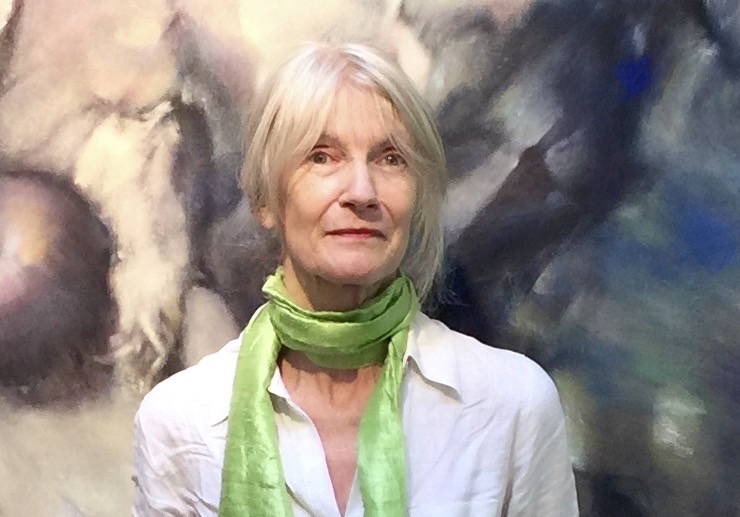
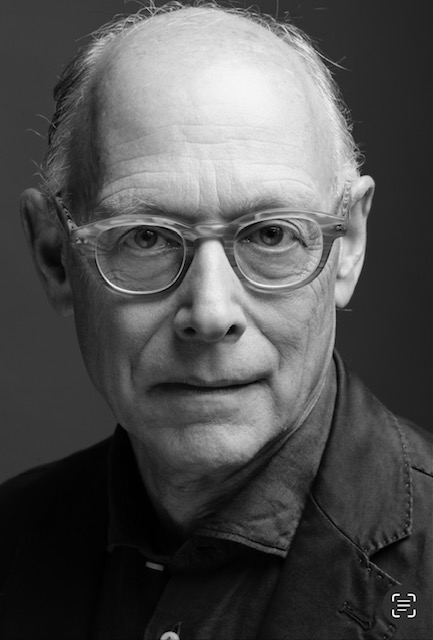
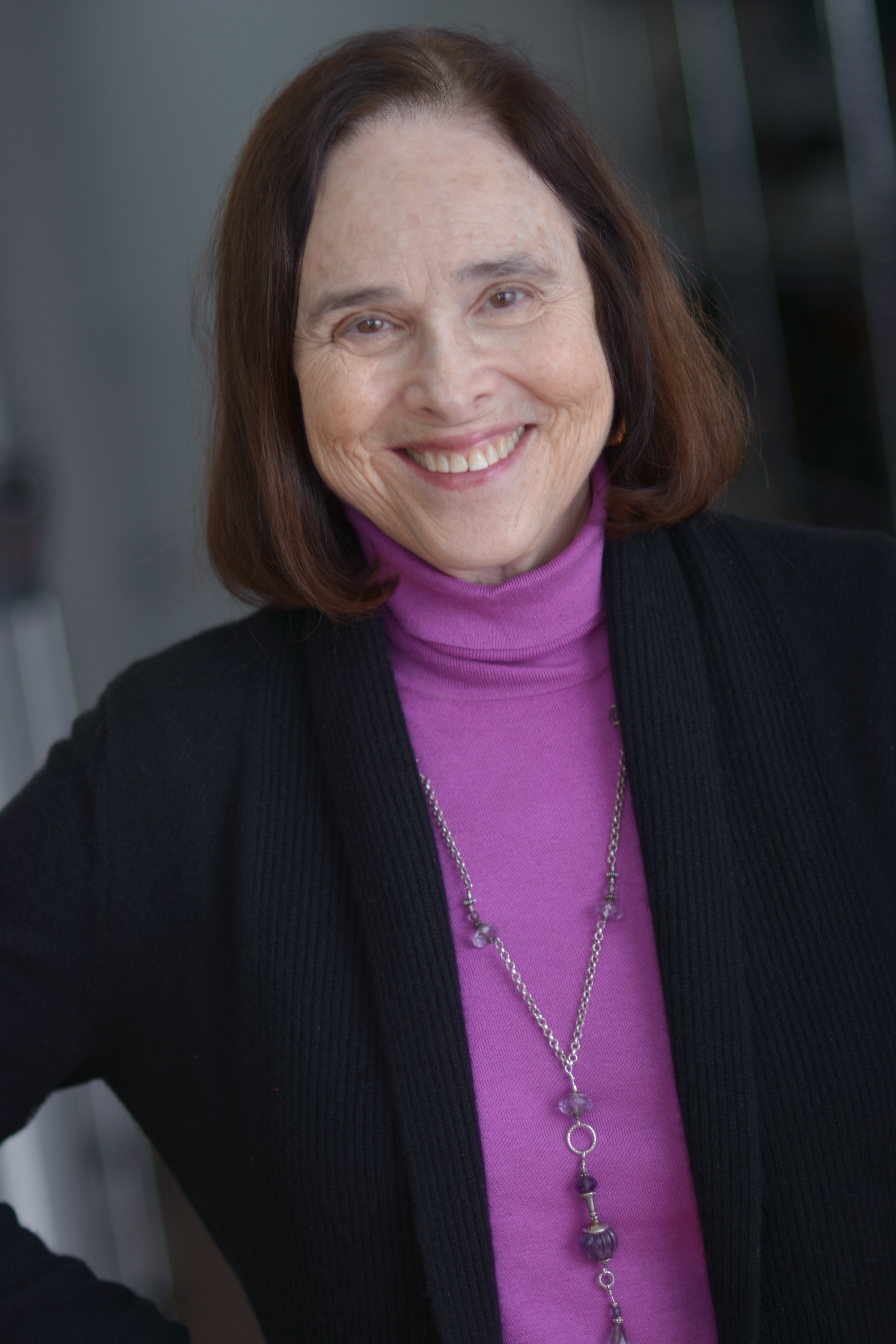
Speakers


Watch
Media
Related Roundtables


Transcript
This roundtable brings together poets, a literary critic, and a geriatric psychiatrist to explore how aging and mortality intersect with poetic expression. The conversation is grounded in deeply personal experience: Wendy Sloan and Rachel Hadas both cared for husbands through progressive neurodegenerative diseases, and their poems about that experience are read aloud with devastating effect. James Marcus discusses his biography of Emerson, who spent his last decade struggling with dementia in the public eye, his vocabulary shrinking word by word as friends made excuses about his declining cognition.
The panel traces the literary tradition of aging poetry from Sappho's lament about skin and hair to Keats's celebration of autumn's music, from the Homeric myth of Tithonus granted immortality but not eternal youth to Stanley Kunitz writing about desire at age 65. Geriatric psychiatrist Caitlin Snow provides clinical context about the social hierarchies of aging, the various forms of dementia, and research showing a U-shaped curve of happiness across the lifespan. The conversation addresses whether language is truly lost in dementia or merely inaccessible, how poetic form can provide structure for expressing the chaos of cognitive decline, and the particular suitability of poetry for the loneliness of caregiving. An audience member pointedly observes that the discussion has tilted heavily toward dementia rather than the broader experience of aging, prompting reflection on the wisdom and contentment that can emerge in later life.
Show discussion topics
- 00:00:12 Introduction of panelists including poets, a literary critic, a geriatric psychiatrist, and a translator, with each sharing their connection to the topic of aging.
- 00:07:04 James Marcus discusses his book on Emerson, who suffered from dementia in his last decade and was one of the earliest public figures observed struggling with cognitive decline.
- 00:11:24 Rachel Hadas and Wendy Sloan share personal experiences caring for husbands with neurodegenerative diseases and how poetry became a survival tool during caregiving.
- 00:15:03 Hadas reads ancient Greek poems on aging by Sappho and from the Homeric Hymns, establishing that anxiety about aging and loss of beauty is an ancient literary theme.
- 00:19:44 Caitlin Snow discusses the social hierarchies of aging, how older adults experience exclusion and invisibility, and the quiet tragedies of cognitive decline.
- 00:22:52 Discussion of Dylan Thomas's 'Do Not Go Gentle' and Stanley Kunitz's poetry, questioning whether rage or acceptance better serves the aging person.
- 00:30:46 Wendy Sloan reads poems about her husband's progressive aphasia, including the haunting ghazal 'Word' about his vocabulary reducing to a single name.
- 00:36:32 Discussion of whether language is truly lost in dementia or merely inaccessible, with the example of Emerson continuing to read despite being unable to write.
- 00:49:40 Owen Lewis reads from his persona sequence on dementia, exploring the terrifying loss of identity, and James Marcus shares the story of his father's hospital confabulations.
- 01:02:10 Discussion of caregiving literature, the loneliness of caregivers, and how poetic form provides structure for expressing the unstructured chaos of dementia care, with audience reflections on aging beyond dementia.
Show full transcript
00:00:12 uh I think we can start I'm am uh edner Cassian director of the heing center uh today's program on poetry in aging or aging and poetry was uh proposed by a member of the Helix uh executive board and Marie LaVine who's herself a poet poet and uh she will take over after I uh mention
00:00:44 the programs we are having for the next few months so the next program we have in uh the last third week of November is going to be on the on otherness after that in on January 11 it will be why war on February 20 February 15 it would be death and literature though it may be death without literature we don't we have still
00:01:16 debating and then after that March 8th will be function of art on March 22nd would be music and mind on April 5th science and spirituality on four April 19 mindfulness on uh May 10 neurodiversity and on May 24 we don't have a title for it yet but it will involve the writer Robert
00:01:48 waler uh so that's it and Marie will take over oh no you can talk oh I can talk great I don't have to get up okay um I just heard a big squeak okay so I'm anarie LaVine and I'm member of the committee and um at The Healing Center and I put together this round table at
00:02:19 the suggestion of Dr Lewis called The Poetry of Aging which brings together poets psychoanalysts critics and translators to consider questions that seem more more compelling than ever in our aging Society um I'm going to introduce our guests in alphabetical order with abbreviated biographies the the more complete versions are on your programs and then we'll get to the program itself so would you each put your hand up when I mention your name so as to identify yourself to the audience
00:02:49 I'm going to start with you because you're right across from me okay fair enough okay well no I shouldn't do that because it's alphabetical order no we'll do that later all right Rachel Hadis uh is a poet essayist and translator and a professor of English at ruter University she's the author of many books including most recently ghost guest her newest collection 44 pastorals is forthcoming and her poem poem Voyage is included in the best American Poetry of 2024 she's also the author of a book
00:03:22 called Strange Relation subtitled A Memoir of marriage dementia and poetry Owen Lewis um is the author of three collections of poetry and three chatbooks most recently knock knock in 2024 his poetry and literary essays have appeared in numerous journals he's professor of Psychiatry at Columbia University in the department of medical Humanities and ethics and Adjunct professor of Psychiatry at Einstein School of Medicine in both departments he teaches
00:03:54 applications of narrative medicine James Marcus is the author most recently of glad to the brink of fear a portrait of Ralph Waldo Emerson a book that I hope he'll speak about today he has translated seven books from the Italian and his essays and criticism have appeared in the New Yorker the times literary supplement the nation and many other Publications he's also the former editor of Harper's magazine and currently teaches at nyu's Arthur L Carter journalism
00:04:26 Institute Wendy Sloan is a poet translator essayist and retired labor law attorney her work has appeared widely in journals and anthologies and her collection of poems Sunday mornings at the cafe mediterraneum appeared from Kelsey books in 2016 uh Wendy's collaborative work amichia um was launched in March at the Rosenbach Museum and library in Philadelphia it is an imagined
00:04:57 friendship book of Baroque Italian artists um timia gesi and giovana cson catlyn snow is a geriatric psychiatrist with a private practice in New York City she received her medical degree from while Cornell medicine and completed her General Psychiatry residency and geriatric Psychiatry fellowship at New York Presbyterian Hospital while Cornell medicine prior to starting her private practice she worked
00:05:27 as a full-time assistant professor of clinical Psychiatry and attending psychiatrist at this institution she's also provided Consultation Services as the Jer sorry as a geriatric psychiatrist on New York City elder abuse centers Queen's enhanced multidisciplinary team in addition she received an executive master of Business Administration from Columbia business school and that's that's the interest so um I I thought um we would start by each
00:06:02 of us saying something about say something about your work or what you're working on um and and how you came to be can you please raise your voice I can't it's the it's it's up to well I could raise it can I raise it does that happen does that work work so the sound is no good back there well it depends what direction um yeah I just take it off then and just talk came to be you know interested in this subject and I'll just
00:06:34 uh I'll just start with you are we starting with me is that all right no no that's totally fine um let's see let let me put it this way I mean I I came to be interested in the subject of our conversation today through a couple of different angles um one of them is that I I went through the quite common experience of having a a parent become become demented really right at the end of his life he didn't experience
00:07:04 a long trajectory it was really in the last few weeks of his life and um I wrote about that I published a long essay about really the last I would say six or eight weeks of my father's life in the New Yorker in 2019 and had a lot of occasion to to think about this topic the other reason though is that I published a book this year as Amry mentioned about Ral Aldo Emerson um Emerson died in 1882 to and for the last 10 years of his life he clearly was suffering from some kind of dementia quite possibly Alzheimer's that um
00:07:37 diagnosis did not exist of course at that point it did not exist till 1906 um but Emerson certainly had some form of it and in addition to that because he was a celebrity throughout much of his adult life um and specifically a celebrity who uh traveled the the Lys lecture circuit in this country he was observed quite a lot by large public wrestling with these cognitive problems to a much greater extent than say you know an older person sitting by the Hearth at home would have been and so he often is um cited as sort
00:08:11 of one of the earliest dementia suffers in the spotlight and so there is a an entire chapter in my book devoted to his um struggles with that with that illness and the ways in which it's transformed some of his thinking in really quite fascinating ways so that's what I'll say for now thank you Kaitlyn hi so I will say I have um lost my voice as of this morning so I will try to project and do my best um I have always I started
00:08:44 working with older adults actually when I was in Middle School um and went to Medical had the idea that I wanted to go to medical school to work with older adults um and and initially thought it would be in medicine and then was very drawn to psychiatry I'm from a family of psychiatrists so it wasn't a shock to many but um that's kind of how I wound up in geriatric Psychiatry and I really um have continued to be so drawn to it because of the you know there are so many things
00:09:14 that older adults experience that are you know very similar so it's a real chapter of life where there are themes that so commonly emerge but then watching each individual face those in different ways and has been extraordinary and being able to be a small part of those stories especially in New York where you encounter some of the most incredible people um has continued to make my work very interesting okay Wendy I'm Wendy Sloan
00:09:48 um I'm I write poetry so of course I have uh an interest in uh language I was an English major um and uh I'm aging so so I'm now um interested in aging poetry or poetry of Aging or whatever but um more specifically uh in terms of today um my companion of 55 years um my husband Jonathan Chason had um was diagnosed
00:10:21 about 10 years ago with um frontal temporal Dementia or degeneration which is what Bruce Willis now has brought to public uh Consciousness uh he passed away in May so I you know I went through about a decade of um dealing with relating to him as he lost the ability to speak he had primary Progressive Aphasia uh very common with um and with
00:10:52 a lot of um brain damage issues um and uh and I written a series of poems about uh his Decline and some specifically about uh his relationship to language as it changed I'm Rachel Hadis I'll speak loudly I took off this contraption because I cannot deal with it but I'll try to be audible am I Audible and um I've been a poet for my most of my life
00:11:24 I like Wendy am aging it's very unusual very few people age but a couple of and uh my late husband who taught music at Colombia was diagnosed in late 04 early 05 in his early 60s with what was never clearly diagnosed until a brain autopsy which is not unusual um but with 2020 hindsight he began to show symptoms around 1999 and he died in
00:11:55 2011 and knowing zero about neuro degenerative diseases my parents both died rather young and fully alert um I learn it was a steep learning curve but I learned a lot I was teaching at ruter all the time which was a blessing because there was so much verbal interchange in the classroom and I was involved with support groups and was somewhat able to help Wendy and another person in the audience because I feel like I've become a de facto advisor but it's it's an extraordinarily difficult
00:12:26 path uh I think I got more interested in poetry about dementia but a great deal of wonderful poetry has been written just about aging so I'm happy to talk about both I don't want to take too much time but obviously our society is aging and I would love to learn more from Caitlyn about exactly what she does um but happy to learn from everybody hi everyone um Owen Lewis um poet and a psychiatrist um I want to
00:12:57 thank Ed and and Marie for organizing this and just personally being here at New York psychoanalytic I um have to remember my father-in-law Jerry Enis who gave so much of his life to this institution so um how did I get interested in this quite by surprise I found myself beginning well I I should back up you know as one a ages one forgets a word or
00:13:31 has to look a little longer for the word misplacing things and I began to dwell on that like what if what if what if and I I think you know what one loves motivates poetry but what one fears sometimes motivates poetry and what emerged was um my last book knock knock which is a persona sequence of poems um
00:14:02 that follows a character into his dementia and loss of identity um it quite surprised me that I was writing about it but um there it is and I began to think more about the Poetry of aging and read more and um so so I got you well I think you many of us not you two are thinking about aging in in general we've begun to think
00:14:33 I've begun to think about it um so uh well we should be talking about poetry as well I was going to say at any point if anyone would like to read a poem um their own or someone else's that would be great um as well as we can talk about the Poetry of Aging also anybody have anything any anything come to mind who wants do you want to go first what you want to go first yeah sure I I'll I
00:15:03 wanted to say that James's book on Emerson which I haven't finished is the best book on Emerson I've ever read hands down very much I appreciate that um I have a chapter in my Memoir and I will not read the whole chapter I'm going to give a little background and read two poems from it but a fairly recently discovered poem by safo we've all heard of her um short pursue the beautiful gifts of the Violet Muses you children and the high song loving liar my skin was soft before
00:15:35 but now old age claims it my hair's gone from black to white my spirit has grown heavy my knees can't hold me though once they could dance light as fawns I often groan but what can I do being an ageless human is not possible for they say Rosy armed Dawn in love went to the ends of the Earth holding tonus beautiful and young but in time gray old age seized him too even with an immortal
00:16:06 wife Greek poetry really emphasizes physical Beauty but also mortality and does everybody know the story of tonus I don't know if Freud ever talks about it but the goddess of dawn fell in love with a mortal called tonus and she requested and received immortality for him so he could be her lover forever but but she forgot to ask for Eternal youth whoops and
00:16:36 this this is from the homeric hymn to Aphrodite and it's just pretty short and there are many many translations the homeric hymns are religious poems from about the sth century before the Common Era they're not by Homer and the context is that aphrodite has fallen in love with a mortal man who uh she wants to make sure she doesn't make the same mistake that AOS made but there was a lot of that going around clearly falling in love with the
00:17:07 Mortal a lot of that so too golden thron AOS abducted tonus one of your own race The Mortals who resemble the Immortals she went to ask Cronan Lord of dark clouds that he should be immortal and live forever and Zeus nodded ascent and fulfilled her wish Mighty AOS was too foolish to think of asking youth for him and strip him of banful old age indeed so long as much coveted youth was his he took his Delight in early born golden
00:17:37 thron AOS and dwelt by the stream of ocean at the ends of the Earth and this is what's really interesting as he ages she deals with it in different ways but when the first gray hairs began to flow down from his comly head and Noble chin Mighty AOS did refrain from his bed though she kept him in her house and tampered him with food and Ambrosia and Gifts of fine clothing very pretty interesting um but when detested old age weighed heavy on him and he could move
00:18:09 or lift none of his limbs this is the counsel that to her seemed best in her heart she placed him in a chamber and shut its shining doors oh that's nice and that word placed you know one of the euphemisms you learn is placement right so I thought this is really remarkable and I Tennison has a beautiful poem called tonus where tonus mournfully says I'm getting older and older and that's where Aldis Huxley got the title of his
00:18:41 novel after many a summer dies the swan he's saying everything in nature dies but I can't and then the wonderful poet a Stallings has a poem called tonus where AOS is speaking like a person visiting their loved one in an institution and leaving and then I have a poem of the same title I won't even go into that now but I'll start with that this is a very old topic but I think that our our time is particularly squeamish about old age and
00:19:13 we are aging and people are living a lot longer and more healthily than they used to but there are unforeseen problems I think I'd leave it at that giving you a little historical background are those translations you were reading Rachel are they paraphrases or the translation of safo is by Diane reyer and the translation from the homeric him to Aphrodite is by apostos aasis there there many translations yeah sure I will respond for a second I I I
00:19:44 loved those poems but I think I talk about this all the time where there's a shift in social hierarchies as people get older where often social worth is contingent on level of functioning and so this what you were talking about of this what if what if it's also will I lose all of my relationships will I have a place at the table will I remain relevant to the people that love will I remain recognizable to myself to those around me and there's this often I hear
00:20:15 about and see either a fear of or an actual return to exclusivity that people experienced earlier in life where all of a sudden you know they're not part of the conversation people are making decisions on their behalf and there's an invisibility to it that's terrifying and there are these quiet tragedies that they encounter in their day-to-day life when they experience you know something about their age difficulty getting up pain growning a me you know what you
00:20:47 described which is so typical you know a slower speed or a name loss and it feels like Terror that's interesting so a return to Childhood in a c in a certain way but you know I do you know exclusivity happens you know in all different times and places in life but I think there is you know more of it in childhood you see it so much it's you know kids I have young children it's they're always very you know quick to
00:21:18 say who they want to play with and who they don't and they tell each other but then you know later in life I you know have a wonderful um person who I'm treating who um had a you know what she described as a a real trauma of going to her weekly kasta game and there were it was a a number of people and there was no seat for her and she had this realization and she you know does have a slowing of her processing but a realization of who she imagined to be
00:21:50 her friends no longer wanted to play with her but there are so many moments like this that come up and that wasn't an accident or it was I I don't you know it's I get that she saw the other thing about memory is they're not you know fixed fact-based accounts so it was her perception but there wasn't a you know come sit with us we'll team up right you know there was uh you know we have our groups we got here early we took our seats what what
00:22:21 exactly do you mean by exclusivities in social groups so me being excluded being excluded oh okay all right I was a little confused by that yeah seems kind of yeah well um I was thinking some some of my you know the poems that immediately come to mind are of course Dylan Thomas do not go gently into that good night and um that's of course the
00:22:52 son urging the father to fight against the inevitable uh I was wondering if you if you if you all thought I there is in second stanza the wise men at their end no dark is right but he still wants his father to fight um I was just wondering whether you thought that was good advice for the father I think a lot of people do rage against the dying of the life yeah that poem feels not that relevant I'm not
00:23:23 sure there are people who dislike that poem because I can would like to know how the father feels well that's what I'm saying yeah what what is it for the father yeah we don't know no of course not and and and and Thomas knows that dark is right at the end but he's still he still feel it's about it's about Dylan Thomas it's not about his father really um and the other poem I like very much is Stanley CIT one of your favorites right it's called touch me
00:23:55 it's not about terrible really old age but um no I have it here you well I know you can read it too but I but the two um the parts that I think of are the end of the poem is touch me remind me who I am which could apply of course at any age and um the other is what makes the engine go desire desire desire right and I thought that's also ageless but for someone at 65 to write it I think he was
00:24:27 about 65 somewhere between 65 and 70 is is great I think yeah but I mean because cits I think live to be 99 or 100 years old 100 and was writing maybe not right at the end but very close to the end of his life uh and I think that also raises the interesting question of what age and increasing in Inc capacity gradual let's say incapacity will do to a poet to the writing of poetry um you know and Yates
00:24:57 as well is another great example of someone he didn't live to be as old as CIT but um who lived long enough to write very eloquently about old age um I actually just lost a very good friend not a poet but an amazing fiction writer Lori seagull and she was 96 and she was writing almost until the moment of her death and it's it's quite unusual actually to have someone uh be cogent enough and at the top of their game into their mid90s to be right
00:25:28 writing about that experience cuz there are a limited number of counts of that experience written by people who are in the middle of it um but I mean Yates and cits are other wonderful felt he was aging he didn't know he was going to live to 100 no of course of course he was he was pretty good almost at the end even yeah but I'm not saying he wasn't sufficiently old enough at 65 to write about I'm just saying that's that's how he felt yeah yeah there's an unusual poem written by a poet that is not that
00:25:59 well known now Walter Savage Lander who was an Victorian literatur and I'm not sure how old he was but he did have dementia at the end of his life but he wrote a poem about having dementia and this is in a wonderful Anthology that Harold Bloom edited called till I end my song A Gathering of last poems and many of them are by people who I think were mentally fine yeah or maybe they weren't even that old but they were looking ahead to death but I I won't read the whole Lander poem it's called memory but
00:26:30 he's he's complaining that um memory has left him but he still wants to write poems and then he says at the end a blessing W thou oh Oblivion If thy stream carried only weeds away but Vernal and autumnal flowers alike it hurries down to Wither on the Strand that's so terrific if only I could lose my bad memories I keep the good ones but I'm losing all of them mhm and then there are writers like Iris Murdoch and maybe Agatha Christie who probably had
00:27:02 undiagnosed dementia and it shows in their late work I can't think of any poets like that but I'm sure there are well I think Iris Murdo was it was diagnosed as some form of Dimension oh it was but I think people said oh that's why her last book doesn't make sense yeah I mean and then there's a case of let's say someone like William duning I mean there's a whole big argument going on oh yeah to to the to this moment about whether that that the paintings that emerged from the the end
00:27:33 of his life when he he did struggle with dementia um to what extent are those paintings evidence of some kind of impairment the counterargument being that much of his uh genius as a painter by then uh inhered in a kind of muscle memory almost and that of course he could still paint without a sort of executive function um and I'm bringing up these examples not because they they don't uh close the argument they they open the argument any way he did paint till the end as far as I know yeah and um I'm sure the paintings were in some
00:28:04 way influenced by what was going on but you know they weren't anyless but I wonder if there's muscle memory with poetry I think there is I think there must be don't you think so I don't know with writing poetry you know I I I don't know if any of you knew um py pen um she only published two I know who she was um her husband was Arthur Penn the the filmmaker and he was a social worker um worked a lot actually in writing and um family
00:28:37 systems towards the end she became quite uh she had lost significant memory you could hardly talk with her and yet she continued in her writing to be able to write some truly magnificent poems yeah I'm I'm sorry I didn't bring any of her poems but they weren't specifically about aging because it was about her grandchildren her life but very
00:29:10 Vivid and such a command of language in her writing and yet not in in conversation so interesting that's very interesting it was really remarkable well different probably different parts of your brain surprising it sort of like reminds me of you know stroke victims who may be completely a aphasic for speech do retain the ability to recall
00:29:45 lyrics When singing and also the ability to curse and it made me wonder but her poetry was coming from that part that remembers the lyrics of singing because that's interesting I also Imagine That writing is so much it require so much precision and then poetry also so much creativity and maybe when she wasn't confronted with the you know being in front of
00:30:15 somebody else and the speed and you know having to defer social norms and all of the other noises she could kind of play and be creative and be precise and access something you know talking about singing um this being such a wonderful fall day um I thinking of pitas to Autumn and I I just want to read the last stanza um where are the songs of spring
00:30:46 I where are they think not of them thou Hast thy music too actually I don't even need to read more of that thou has thy music too which I I think she was remembering the music but I think that's the wonderful thing of poetry that it it celebrates the music of a stage of Life yeah I don't I I'd like to read a poem or two about my husband this um though it seems to me there's a big difference
00:31:18 between remembering a song or lyric and actually being able to compose it but that which I'm sort of surprised that somebody could comp I don't know how she did it it was truly remarkable okay well this one is on that subject exactly Jonathan lost but to song can I reach you anymore you rarely say a word but let me strike your favorite score and suddenly you'll be heard singing with a voice so strong so
00:31:48 sure so loud so clear as though your former self long gone were truly holy here and will you sing when Winter's furs rattle the window pane still sing when February stirs the maple sap again if you were to endure the while to meet another spring I will be here to catch your smile and wait to hear you sing so that was a situation where he and his he was in speech therapy up until the time he he died and uh of
00:32:22 course they use well not of course but if you're familiar with the kind of therapy they do with people with the fasia they they use a lot of Song and people remember songs that they learned when they were children are able to sing them are able to sing them you know for or parts of them um and that's a way they kind of help people hang on to some language for for as long as possible I have another one that's on another subject Rachel asked me to read it's kind of
00:32:53 um well I'll read it to this this was earlier in in the progress I of his U but still at a point where he was no longer saying more than a word or two it's called word then came the year you kept repeating Wendy till you had but a single greeting Wendy your world reduced to just one proper noun for anyone you chanced on meeting Wendy each thing you
00:33:24 saw each thing you touched for every phrase you were complete ing Wendy though I was pleased that you still knew my name alone this soon proved self-defeating Wendy being the only way you had of naming being that is a form of cheating Wendy and everyone else to get by all day your sole response incessant bleeding Wendy and when you stopped you'd know more names at
00:33:54 all now I could shake you plead in in treating Wendy so beautiful it's another phase we went through kind of a sad phase but his speech therapist who actually came to his his memorial um mentions it a lot she says remember that time when he used to just say your name all the time for everything everything was Wendy so I don't know what the psychiatrists have to say about
00:34:24 that but right I what I I have to say is I agree they're beautiful poems and you know beautiful about you know the experience and the relationship and you know how you related to it in you know what I imagine was all of these series of losses for you and you know also access and how connected you are than I'm I just have a question asked out of complete ignorance um so Aphasia
00:34:56 means inability to speak as far as I or to respond verbally but there something but our thoughts going on inside that they cannot speak that's the question and I remember when um relatively early on I asked his uh his his doctor who was a um neuros psychi neuros psychiatrist who actually specializes in FTD his name's um Dr huy he's now at brown but he was at Colombia at the time
00:35:29 uh and you know we went to visit him in person at that time we saw him in person Jonathan was able to you know walk around go places function better but he he already wasn't speaking really well and then you know we went through the whole session he really wasn't able to participate um in terms of speaking and then towards the end he said something like kind of right on point like okay let's get out of here something like this and and I said to Dr huie now see that he does
00:36:00 that all of a sudden he'll say something right on point and and does he like he knows what he's doing does he know what he's doing Dr you he said nobody knows nobody knows what's going on in his mind really there's just it's impossible to say but I mean it does seem that uh a very frequent characteristic of dementia is simply the the loss of vocabulary you know the shrinking of vocabularies is very common now now whether some of that vocabulary remains inside but somehow cannot be accessed is
00:36:32 a different question but you know first of all I have a 92y old mother and I particularly in in the last year or two I very much observed this much more groping for language um which were use of workarounds and you know when I was doing my research on Emerson and I spent 10 years on and off writing the book you know you do become very intimate with that person after that many years of uh deep immersion and their journals their Diaries and and their life and you know and in the accounts of of his going
00:37:03 through the early stages of dementia everything was so recognizable and so contemporary in the sense that he his vocabulary started to shrink he started to use the workarounds that are so recognizable to anybody who has dealt with uh an aging parent or even observing it in themselves you know he he called his his dressing gown the red chandelier he called the umbrella uh the thing that is taken in a way which made me feel like oh so people have been stealing umbrellas for centuries now that's not a new development um and all
00:37:35 of it was so familiar you know and this was someone going through this you know in 1870 or so um but obviously for a writer uh the en the you know the encroaching loss of language is a tragedy on on another level on top of what it would be for anybody else um and that was you know what seemed to me tragic in in you know in intense study of this person's life that someone who lived for language and was undoubtedly one of the amazing voices in American culture had
00:38:07 his primary currency being taken away really unlike on a word by word basis um the thing that makes me wonder aresh whether a lot more of the vocabulary remained inside but could not be articulated anymore is that he couldn't write at all in the last decade of his life um but he continued to read and I and I had a really interesting experience when I was doing an event for the book at the conquered free public library and one of the people uh came up to me and said um you know we have um
00:38:40 the his his record of the stuff he took out of the library um during the last few years of his life and they printed it out because of course it's all in their database it's very pecul peculiar to get a computer print out of the stuff the person took out of the library in 1870 and there were novels by Dickens novels by Elizabeth gasal some um biographies and I was fascinated to think that this person who um really had to limit his public appearances and was quite Frank about his inability to to speak with other human beings now could
00:39:12 still read um and I don't know what that says ultimately about you know what what vocabulary still remained inside but clearly something did um unless he was content to sort of read through the book in a much more groping way with a with a lower level of understanding but still a pleasure at what he was getting from it um um do you know how old he was when he wrote Terminus that's a wonderful he was in is that in there yeah I was going to ask you that he was in his 60s and he read that poem to his very shocked son Edward Emerson in a New York City hotel
00:39:43 room and he was about to embark on another tour of the Midwest another speaking tour and his son was rather shocked uh it's a poem about about getting old and was he all right at that time still yes this was still pretty early in this C I mean he he he he did not have the ear marks of dementia yet but he sensed in himself an ebbing of his powers certainly of his creative powers and so uh his I mean he was still in the midst of a very busy lecture career but he shared this poem with his son who whose basic you know I think
00:40:14 reaction was what do you mean dad you know you're about to to to do your 30 city rockar tour of the Midwest um but he sensed it in himself a kind of mental shutting down and there are many very touching lines in that poem actually just to begin it begins it is time to be old to take in sail the god of bounds who sets to seiz the shore came to me in his fatal rounds and said no more right I mean and we're living in a time when people are very reluctant often to retire from public life or from whatever
00:40:47 they're doing right this is a wonderful poem in that sense right Caitlyn is there any research that would indicate what whether language is actually preserved and inaccessible um or it's actually lost I mean it's a question of access as as James asked or is it a question of actually loss of Lang is there any research that highlights that you know there's it's there's just when we say dementia it's such an umbrella term and
00:41:18 Alzheimer's is the most common but it is every different thing so there are certainly you know people who have experienced strokes and they one part of the brain and not another so they have you know they're able to comprehend but not express and then there's every variety of it so there's you know I think to your what Your Nur psychiatrist said is often the case we don't know you know I get the question all the time with you know caregivers is this how they've always felt about me is this
00:41:48 their personality coming out if someone's expressing aggression or you know dislike or is it a symptom of dementia we don't know you know usually I say it's probably a symptom of dementia if it's negative but you know um so no specific research that I know of um to speak to that but certainly there would be types of dementing illnesses where somebody could comprehend read but be unable to express or
00:42:19 write and I would imagine also there are some psychological implications to that where you know you could this is you know of course we have no idea but if you're a writer and that's your profession and you decide you no longer write at the level that you are used to or would like to you may still you may still be able to write but opt to just read you mentioned Dickens I mean um there are characters in Dickens who
00:42:50 clearly have one form of Dementia or another even though the language wasn't there for there's a character in David Copperfield who's obsessively writing what's called a memorial he keeps writing a memo to the government about King Charles I First's head being cut off and he can't seem to stop and they give him money to Jingle in his pocket so he feels prosperous and David who's a child asks his aunt who's the caregiver is Mr Dick at all mad you know so this 10-year-old child recognized said and
00:43:21 there's other characters in Dickens um and I think when I began to be teaching in my my husband was clearly ailing with something I felt as if I was recognizing here and there in what I was reading examples that went way back of this kind of altered Behavior oh yes I mean certainly always been there and I mean in the case of Emerson again because he was such a public figure um you know there were many many explanations for his changing
00:43:51 affect and you know many friends said he's withdrawn into sort of a platonic Wonderland and I realistic Wonderland and or into a he's he's retrogressed in a way into kind of beautiful childhood um because in some sense they didn't have the language or the diagnosis yet um I mean also life expect expectancy was shorter then so many fewer people survived into the age where there would be a large population to observe so um there were many excuses made and interpretations made of someone who was dealing with that and and and obviously
00:44:22 in Dickens too just that you were kind of a you were a colorful eccentric in a way and um that wasn't so bad in the sense that no one was mistreating that character they were in a sense accommodating that character's reality um but again in the case of Emerson and his family who took care of him knew what was going on and they dealt with again the very familiar phenomena of like the Lost wallet you know and the lost watch and Emerson saying somewhat heartbreakingly to his wife near the end
00:44:53 of his life uh who was my best friend oh right I uh and you know his wife would say to him it was it was Henry David thorough and he would say all right um and that's very touching and very heartbreaking to read about but um a lot of these experiences obviously have to do with the uh environment you're in and how you are being accommodated by the people who love you or don't and then you don't know is he has he forgotten thorough or has he forgotten his name that's a very good question or you know but there's different you know different
00:45:24 kinds of Dementia of course different kinds of brain damage to different parts of the brain as as Caitlyn was saying and I think there's also just the brain shrinks with age isn't that that so to a certain extent or to a certain extent yeah and and more so with other psychiatric illnesses but more so when you have psychiatric illnesses yeah okay when you look at depictions of dementia not named um in literature you also see side by side caregiving modes yes I me
00:45:56 this eccentric and David Copperfield is living with a relative of his who's very protective and then there's another less benign demented lady who will sort of more a Tourette's thing I mean she she screams out inappropriate things but she lives with her nephew so you get to see how these things work or I mean King Lear had some good caregivers and some bad caregivers so you know I think it's it's it's very much luck of the draw and it's tragic when when you know there's there is not a sympathetic party there obviously
00:46:30 I often see that as well with caregivers where the premorbid relationship has to support the extent of the sacrifice and they have to have sufficient resources and a sense of mission and if those things don't all line up it can be extraordinary in terms of the burden and intensity of the experience and I mean the case of my father's difficulties I mentioned before you know he was he was a scientist who
00:47:01 was diabolically devoted to his career and running his lab and and he was cachent really until the he died in ' 89 he was coent until the last let's say two months of his life uh in retrospect it seems that he may have had a subdural hematoma that was accounting for some of his cognitive problems um he began to hallucinate uh there was some well I don't know exactly where the dividing line between hallucinating and confabulation is but he would recount experiences that actually had their own uh sometimes sad poignant poetry to them
00:47:34 I mean once he had already been well he was eventually admitted to a hospital because of these hallucinations and things like that um there was a a happy hope that they could um relieve the subdural hematoma which he had started to fall down a lot and basically the theory was maybe he had fallen down and struck his head and that there was a swelling in there that was now exerting some pressure on the brain brain and of course you know we always hoped that there was a mechanical fix right and they did indeed do a procedure to to
00:48:05 with a drainage and that did not solve the problem but while he was in the hospital we you know went there one morning and he said um a a man in a brown suit came to visit me uh at my bedside and it it had been an upsetting encounter because the man in the brown suit had insisted that he was my father and my father was Disturbed by it and I think actually was experiencing some uncertainty as well what if that was what if that guy was him um and it was such a pant expression
00:48:36 of confusion about identity and and and and I think an anticipation of loss of self um but it was a poetic expression of that at the same time and he had he had a few of them along with the rather more common you know mild paranoia of I'm being held prisoner in the hospital everybody here is is an impostor I need you to fetch the director of the hospital so I can fill an in on what's going on and because I was new to this in other words because this whole experience had been accelerated into a
00:49:08 very short space and I was not a veteran I didn't yet understand that you had to meet people where they were in a case like this um and I said to him Dad we we you're being taken care of here these are good people and I can't fetch uh the director and he said my own own son won't do this favor to me and sadly that was really the last coion conversation that we had you know that and it was very difficult that loss of identity I I think is a very frightening
00:49:40 aspect um I mean as I've observed patients through dementia and sort of imagine the trajectory um the way I worked with it in my book when the character's daughter leaves him in a care home she says don't take off your name tag and he's he wants to follow so exactly that every time he imaginatively sends
00:50:10 his shirt to the laundry he leaves the name tag on and the name tag is progressively um obliterated well finally he meets another woman uh woman um and when he says who are you she points to her name tag and there's no name tag left but it concludes but they become good friends you know recognizing that there's something that can happen even even without identity there's a
00:50:43 some preservation but I think that's a very Terri what what you were talking about with your father very terrifying aspect um who are we you know once and he wouldn't have articulated that way but clearly this great fear was coming to the surface right and that another person could be him yes you know in in his confabulation um and you wouldn't fix that what kind of son were you you couldn't fix that right I mean no what a burden you know
00:51:13 you don't get a do over unfortunately but I mean you know but I mean now I have a 92-year-old mother and I understand much better how to deal with her sort of confusions and memory lapses and again confabulations that are quite fascinating sometimes as narratives even though I know that she is simply make she is putting in a stop Gap to try to explain a reality that she cannot grasp rationally uh and they're sometimes very inventive and have a poetry of their own absolutely but um you know I don't know what to extent
00:51:44 she is nervous about the loss of herself but yeah that's a that's a live one for for not just for an artist but for for a human being but Caitlyn this Hospital induced psychosis they have a different name for it now well but it's a specific a lot of people get that in the in when they're institutionalized or hospitalized right they the paranoia that I I was mentioning right and then they get better afterwards or they so delirium delirium right from from Dementia in in terms of it's an acute
00:52:16 confusional state that often gets better although some people have more of a terminal delirium where you know in their last weeks to months they are they remain delirious um but yes it is distinct from demena but you know shares many qualities yeah my my in-laws were very um anti-authoritarian personalities and every time they were hospitalized they totally wigged out especially by father-in-law I mean remember he was like you know he would be sitting there with him and they actually had to
00:52:47 restrain him they had a person guarding him they had him tied up and you'd go visit him and he'd say hey um got a knife and then you you'd talk a little while longer then you'd say hey um got a match that was just but he always recovered when he came home so it's just you know almost it was almost funny because was so it's so so typical of his basic anti-authoritarian personality just couldn't deal with institutions at all
00:53:18 you you make me wonder does a sense of humor survive any of the stuff we're talking about or is that well he didn't he wasn't being funny he didn't have he didn't have dementia he just became he had delirium when he was hospitalized noncompliant and he was very non-compliant he try to escape I'm asking because like I mean I don't know but my grandmother had oh she had some Parkinson's and she'd had a series of little strokes and but she she was a
00:53:49 little bit I mean she said she was in a wheelchair but she was perfectly healthy and she you know she she knew about six Lin languages and she started saying things in all of those languages at once you know the sentence would start in one language and move the only person who could understand her was my mother uh but she but what she was saying what made perfect sense it was just in in in three or four or five six languages and she had she her personality changed and she began to make cracks about people
00:54:20 now this is a woman who would not she you were not allowed to say anything negative about anybody during her lifetime but when this happened she started to make cracks about they were humorous she developed a sense of humor right so like that the and I'm sure the psychiatrist this like lowering of inhibitions what do they call that not being able to control aing of indivis for sure but but you know but it made sense you know if you were willing to go there with her it was it was
00:54:51 not what makes sense this is sort of off the topic of poetry but everybody knows that caregiving for somebody who is suffering from one of these diseases especially at home is terribly difficult and there's a tremendous secondary literature about caregiving probably more than about these diseases I I don't know how much progress is being made toward more toward diagnosis than toward cure I think unfortunately so there's a book someone was recommending to me whose
00:55:22 partner has Alzheimer's called contented dementia and the idea is keep the person contented by agreeing with everything they say and meeting them where they are and I just wanted to say that's extremely difficult and there's it won't work all the time someone and uh he's extremely contented when he comes to see me every two three months his family wants in come surpr to come and see me and he says I said how things
00:55:56 everything is fine uh if I don't say anything I can't figure out how much remembers doesn't remember what he do what he doesn't what I notice is he has very little uh of of his old caring so if I ask about his wife ask about few years ago yeah he had a wife to passed away if I ask about children
00:56:27 they're fine everybody is fine and if I dig he he has more memory than shows otherwise all he will show is everything is fine I'm fine gu that's good he looks completely contented there somebody taking care of him they K him sits down watches TV and he's happy does he have a diagnosis I mean you know what it's supposed to be just
00:56:58 has no specific no specific di 90 years old oh it's quite old but there isn't I mean some people get agitation impulsivity yeah some people become very violent and I you know I I have a question for the two of you um given that you were thrust into character taking roles um and you mentioned a
00:57:30 literature about caregiving how about I know there's a huge literature in poetry on caregiving was there anything you particularly learned from poems on caregivers poems on caregivers when you mentioned narrative medicine which I sort of got catapulted into that field as well and I think writing as a caregiver no matter what you write is going to be therapeutic it's always good
00:58:01 and sharing and support groups I believe in all that the the the only answer that comes to mind is metaphor and simil or helpful because it's very hard to talk about otherwise this invisible Insidious disease so I mean KFI has a poem called walls about I wasn't paying attention but they were building walls outside my house and I doubt if he wrote it with dementia in mind but you begin to read things differently right and um I found
00:58:32 that very helpful um Shakespeare one of Shakespeare's sonnets begins why did thou promise such a beest day and make me travel forth without my cloak and it's it's not a meteorological gripe it's the things the weather the emotional weather change and I know that you can begin a day with a person with dementia and think this is going to be a good day or they're maybe a little better than they were yesterday that that's not the case and I think poetry tells the truth I mean distinguishing between poems written by carbers who
00:59:04 were struggling and great poems I don't mean careers never write great poems but you know if you look at the cannon of poetry there's a lot that's applicable I think yeah if that answers your question no but I just wondered any anything particularly jump out um no I don't have anything tell trth well if you can right or as Emily dick said tell it out of slant there is option b option b SL
00:59:34 tell it out a SL you have you have a friend who yeah I mean I I was thinking just now I mean I have a friend named Dasha Kipper she wrote a book called Travelers in unimaginable lands and and that is a book that is very much about the psychic and neurological strains of being a long-term caregiver just lent it to someone in the yeah I mean it's a it's a remarkable book I mean she worked both training caregivers um and sometimes directly with with um you know Alzheimer's patients so really her focuses on the caregiver and a lot of
01:00:05 her argument in the book is the way in which the human brain is not set up to deal with some of the psychic strains that come about from intense long-term caregivers I think she was caregiving for her own mother as well that comes up um she wasn't caregiving for her own mother but she spent a uh a year caregiving she moved in with a 97y old man when she was in her 20s who was very very late stage and she wrote a remarkable piece about it which um appeared in um The American Scholar and
01:00:38 then eventually it led to this book but um the book is quite fascinating specifically about the um again psychic and almost neurological strains undergone by caregivers she's not so much discussing I mean you you learn what is going on in each case and some of them are quite St strange and colorful and inventive um challenges for a caregiver but it's really about what happens to the brain of the caregiver um
01:01:08 floundering and trying to adjust to like a 247 reality that your your brain is not designed to cope with it's a very good book it's wonderful it's called travelers to unimaginable lands Dasha Kipper k i r excellent book I was recommending it to anarie and I think it's kind of a a Curative for books with titles like contented Dementia or the first book on Alzheimer's I found when I began to look had a really cheerful title the 36-hour
01:01:39 day okay oh good I want to that yeah yeah that's no her book is very it's not sort of a howto or manual but it is a it is a kind of meditation by very knowledgeable person on um the challenges of the mental challenges of coping for a caregiver there's many examples drawn from literature and obvious from from literature literature and then obviously from the scientific literature um some of some interesting caregiving poetry then think about Martha rhods night mother um ellenor
01:02:10 Watson I forget the title of of her book but about caring for her mother um Gail Thomas poet who lives in Northampton very very moving accounts of of the struggle and and the fears yeah I'm not familiar with that um well three come to I only remember the title Martha rhod's night mother but um
01:02:40 Ellen Dory Watson I I could Google her titles has a wonderful book about her mother's dementia and Gail Thomas um it's interesting her her book is is a sequence of sonnets um and I think she needed to find some structure um or what was so unstructured in that experience and and the Sonet
01:03:12 course they get a little scrappy but um uh did that for her in that I think the other thing to answer your earlier question ow is that poetry allows us to speak to no one in particular almost like a prayer MH and my husband became very unresponsive in every way was extremely lonely so you needed to speak so not only did I write a poem about loneliness but I I I thought who are my poems too and you know indeed who are we writing for when we write poems so in
01:03:42 that sense poetry is very well calculated to the role of a caregiver right do you have that PO um I I probably have a lot more than one I the loneliness one I was interested to learn that through a narrative medicine conference I went to you know the conference at the University of Iowa yes okay so I met there a um a a doctor who was a bush physician in Australia and
01:04:12 apparently his group of doctors used poetry to blow off steam to to vent about their difficult patients and then I learned that also some doctors um or some judges in Australia put my lonely poem on their website I thought there must be a lot of loneliness in Australia and of course there's loneliness everywhere and so if you're speaking the truth about something that's difficult it's going to apply to different people of course so it's okay loneliness love costs anxiety Joy has a
01:04:46 price The Fragile Edge and Smoky smell of limits loneliness lacks any such suggestion of an end it is forever and plentiful Beyond imagining whatever realm it comes from boasts a supply not only infinite but constantly increasing this is one resource we need not fear will be depleted nor nor do we need to doubt that anyone who once has tasted loneliness will ever forget its special
01:05:18 Savor now that's a pretty Grim poem and it was written at a time when I was lonelier than I am now but did think about it at the time that loneliness seems inexhaustible when you're lonely it goes with you it travels with you so and I think caregivers are Lonely by definition one thing I've been thinking about as I've been listening to everyone is just how poetry is a place to find companionship and oh yeah you know to if
01:05:49 there isn't access to the outside world or social ties in the way we once had it that you know you can really look to literature and art but you know I would say that so is painting so is making music or writing all those things I'm not you know if I'm painting it's not for someone it's to see actually it's to find out how I feel or think that's really um I know that's been said before about a lot of things but more than poetry although poetry has
01:06:21 done that too but there you know there's a Boston based photographer I believe her name is Olivia Parker and she documented her husband's Alzheimer's with remarkable series of photographs I mean he was a businessman and then she would have a series of photographs of the paper clips he brought home or the Post-it notes and you know each one became more illegible and and um I think you're absolutely right I mean if I had been a musician or a carpenter or whatever instead of a poet I hope I
01:06:52 would have found some other Outlet I do think po poetry is well suited to the loneliness and the verbal blockage of a lot of kinds of Dementia you want to share your story and Wendy Wendy's Wendy poem is so terrific because she uses the form of a gazal or a huzzle which repeats the end word over and over so she's able to use a poetic form in this very eloquent way yeah thank you no no I
01:07:22 mean as you say it's it's language and poetry is paradoxically matched to De to dementia as a topic simply because dementia often is the subtraction and sometimes what seems like the extinction of language in the person who's suffering um we're creating a new a new language it seems like a nonsense language to us but yeah no of course of course or speaking the multiple languages at once as you were alluding to before but but
01:07:54 mentioning the form I I didn't pick up that it was a guzzle but um you know that tension between form and formlessness and using at times somewhat received forms and watching them break down recouping them I mean is is is one way in which I think poetry can capture yeah this moving in and out of organization right
01:08:27 and and structure um when you started it you probably didn't the guzzle probably emerged as you were writing that PO absolutely not no you went right into it huh yeah I I thought you know the repetitive nature of the form would be the perfect vehicle for expressing what I had to say MH I write
01:08:57 a lot in form mhm in fact almost exclusively um and which form it is just you know obviously has a lot to do with what I'm trying to do you know what I'm trying to accomplish what I'm trying to say but what's so wonderful about that home the form doesn't hit you on the head you know you just listen to it as the poem and it's a discovery afterwards that that in fact
01:09:27 you were writing in a form and I think that's that's the most wonderful use of a form the engine the form is still the engine yeah the form can be said about um cesas he said it's like riding a bicycle downhill the pedals push your feet you've got the end words and then all you have to do is fill in the line and that that's easier when you're dealing with a difficult subject but he often rode downhill about the bicycle I mean he he was he was also a great master of formlessness of a Kind
01:09:59 so um yeah but the point remains yes everybody should know that a periodical that's now 20 years old called Belleview literary review which was started by Daniel Offrey who's a physici um is really dedicated to poetry non-fiction Pros whether by caregivers or by patients or by doctors and you know some of it frankly is kind of undigested trauma but even even undigested trauma I believe is a good thing for the person to write it's
01:10:30 better than nothing um you know I think Philip Lin who was very negative said um or someone said even the most negative poem is a very good thing to do Lin said that I think I think so and he also said start aresh aresh aresh so he he saw the value of renewal as well but he was quite a negative man yes of course but it's better than taking a gun and shooting somebody because you feel angry i' say it's 10 times better yes we threatening to do so yeah I mean in a way because we we sort of touched on
01:11:02 this whole idea of the self earlier like I would be interested in backing up the conversation a little bit because I mean to to return to my I think one reason I I spent all those years in the company of emberson aside from him being a fascinating person is that he was fascinated with the idea of the self and what it was and in fact came out of an immersion uh in a a philosophical tradition that included German idealism on one side and uh the British empiricists like Hume and lock and Barkley on the other side all of whom
01:11:34 were wrestling quite energetically with what what the self was and arguing with each other about it and um to some extent wondering was the self a kind of self-created Illusion and did the outside world exist and I think all of these questions actually were sources of great fascination for Emerson but also sources of anxiety as a young man he studied all these people someone like Barkley for example you know who who basically said the world out there is
01:12:05 only created in in a Consciousness created by God but but essentially when you turn away it's not there except that it is sustained by God's uh perception of it um I think these were sources of great anxiety to Emerson um and stemmed partly from philosop philosophical curiosity but also from an intense sense of loneliness that he felt as a human being being and what that led to was a kind of bifurcated path of saying um on one hand we're all individuals I mean his his great doctrine of
01:12:36 individualism which he made a kind of American Credo uh and that we were alone in that sense we were self-propelled self-reliant human beings but uh I think as a compensatory thing and as a form of comforting he imagined this thing called the overs Soul which was a communal Consciousness that we were all part of so we were all essentially alone and essentially connected at the same time and um for me that ties into thinking about what happens when in some sense the self
01:13:07 begins to leech away or bleed away and of course many people thinking about Alzheimer's would not say that would say there is the the self is still in there but the access to it has waned in a very terrible and sad way and uh I think even in Dasha Kipper's book that we discussed briefly before she touched on some arguments in the literature that perhaps personality and self are more dispersed through the body and not simply exclusively in the parts of the brain where we say they are no I I think
01:13:39 that's right it's in the body I mean as in the cit's poem the engine is desire desire desire that's a felt State um it brought to mind a brief poem by Alicia ostriker M which which I want to read called thirsting which kind of touches on on the same um theme where is where is self right um so it's
01:14:10 called yes so thirsting Alicia ostriker it's not that the old are wise but that we thirst for the wisdom we had at 20 when we understood everything when our brains bubbled with tingling Insight percolating up from our brilliant genitals when our music rang like a golden seed shooting down all the lies
01:14:42 in the world oh then we knew the truth then we sparkled like Micah in Granite and now we stand on the shore of an ocean that rises and Rises but is too salty to drink nice I think that's just such a marvelous and you know notice that metaphor is thirsty and salty right I'm going to read a um a
01:15:13 villain speaking of form called the boat and we all know the expression we're in the same boat so this is trying to be honest about what it's like living with somebody who's become well antisocial would be an understatement all day I bustle in and out while you're at home no far away all night we sail in the same boat I think of trying to invite friends whom we no longer see all day I'm busy in and out for you the hours accumulate or fly by
01:15:45 maybe don't ask me at night we sail in the same boat the ties That Bind have grown too tight entangled you sit peacefully I squirm and struggle to get out angry impatient or contrite I stir the pot of poetry at night we idle in our boat to lose a self without a fight you barely have a word to say my mind's revolving in and out nights we sail
01:16:15 blindly in our boat and I don't think it's fair that I said to lose a self without a fight there might have been a terrible fight right there was just no audible fight so I would I would revise that poem or I would criticize that poem but so I think um there must be questions from the audience questions um this this would be a good time any questions microphone there because
01:16:46 otherwise we cannot hi I'm sorry actually I just had two very brief comments long comments are horrible one I find it really interesting that so much of the discussion was about dementia when the description of the program beforehand it was only one of about four aspects I mean just sitting here one would have thought it's a program on dementia and that's not a criticism but I find that very interesting and the other quick comment
01:17:18 is the discussion on music and people who are lost in case anybody hasn't seen it there's a wonderful Oliver sax video and if you just Google Oliver sax video Henry music it's a guy who's totally into himself and what happens when music from his past is played it's delightful thank you you know thank you for that question I mean I realized we did drift in that direction and what hasn't
01:17:50 been tapped really is the wisdom that actually can emerge with age and and and celebrating that wisdom and and celebrating perspective and celebrating lived history and and knowing what that and and there's so many poems that um do celebrate that um but I do appreciate I don't think it's just a binary between and celebration no no it's it's not but I'm just U there
01:18:23 many things in in between but I'm I'm just just the experience of Aging if you're not do right yes no agreed I noticed this happening as I was inviting people or or people were backing out and I was inviting other people that everyone's connection to aging seemed to be dementia and I was I told Rachel and I mentioned it to um Caitlyn but that's the way it went you know so wasn't CRI no it's okay but but there's you know I
01:18:53 I want to to say the the first poem in my book um is an imaginative um exploration but it it the title is how I started to use a cane you know and imagining you know what it is to to need a cane to work walk with and and how many other canes that that we reach for so you're right this this was this just how it
01:19:26 went but thank you for that comment one thing I would just add based on that comment um it's a wise comment in that the actual incidence of dementia I don't have exact numbers but you know before the 70s is low you know 2.5 is area and then in in the 70s up to 80s you get to you know a 5 to 10% prevalence but still fairly low and then you know in the later 80s and 90s you get up to 15 to 20% so it's not the majority of how people age um and then one other thing I
01:19:59 would add to kind of support what you were saying there are a number of cohort studies that show a u shape of happiness and it speaks to your poem also where you know youth it's like the height of happiness and then in midlife there's a decline and then it comes back up and so in older age often you know it's just so they talk about that the UB Bend curve of Happiness I'm too about that I think in some oh go ahead goad anyone
01:20:30 else wants to make ask a question or make a comment hello yes so it's a very basic question and maybe like one person who feels the most passionately could answer um but I figured I'd ask so I'm the right old age of 26 um and so there's still a lot of ways that I can take advice or try to take advice and forget
01:21:00 about it but what did it go out oh no um but just like a question if like if anyone feels something strongly that when they were young like or 26 um wish that they had done or if you and I don't even know if it's like if it makes sense to like think about that or like you know how that works but if anyone has any just thoughts on what 26y old could do AIT
01:21:31 of what are you doing what am I doing well right now so I'm a software engineer um and I've been working really hard but I'm taking a little bit of a break from work and I'm trying to just focus on my friends and read um yeah and trying to get my life in order and also learn about the world I will I will answer first of all when you the fact that you asked that question makes me not worried about you you were doing the right things um so that's the first thing the study that I
01:22:03 like the most about this is called the grant study and it looks at a group of men who um graduated Harvard in 1938 to 1940 and it's a longitudinal study that's followed them you know for 75 plus years and tries to speak to what contributes a longevity to a meaningful happiness life and the lessons fortunately are really you know warm connected relationships you know will
01:22:33 help tremendously with that um finding meaning in work over seeking recognition or money helps with longevity and aging so it's really love over power recognition money and you will likely get those other things if you focus on relationships and and and the I I forget whose L long-term cohort this was but among the other aspects of things um associated
01:23:05 with contentment in old age was good relationships with your siblings so that's something you could concentrate good relationships I'll Focus Less on learning about this specific topic even though I still like to do it and I'll focus more on my friends great amazing also as a former employed don't don't work for Amazon yeah no I okay well done I will say one other thing find something productive and meaningful to
01:23:35 do and do it well whatever it is um anyone else an who asked that wonderful question and made made those comments sent me a great quote from Edith Wharton's Memoir which she wrote laan Life called a backward glance MH and she I'll just read the second paragraph but it does have a lot to do with wisdom and how to live well and how to age well and I think it's um I think dementia is a big attention grabber I mean it has been for
01:24:06 us and because it's so so challenging in so many ways so I think there's not enough attention devoted to either how to age better or what the old people have to offer Wharton writes in spite of illness in spite even of the Archen enemy sorrow one can remain alive long past the usual date of disintegration I wonder what that would be um if one is unafraid of change insatiable in intellectual curiosity interested in big things and happy in small ways in the
01:24:38 course of sorting and setting down of my memories I've learned that these advantages are usually independent of one's merits and that I probably owe my happy old age to the ancestor who accidentally endowed me with these qualities you know she's sort of saying I have good brain chemistry maybe I have good DNA um I mean I think that one of the things that's frightening is we can't really control how we will age we can control it much more medically than we used to be able to but people used to
01:25:08 say about my husband oh he was so bright he was so brilliant yeah how could he get demented so I think there is a lot of wisdom in old age you see that in a a piece I wrote before Biden stepped down in the summer um just s ed edifice and edifice of Colonus who's A Very Old Man about to die explains to thusius that if you're mortal you can't help getting old sort of what safos says in the poem I
01:25:39 read at the beginning I feel like we've kind of lost sight of that I love that line you can't be an ageless human being being an ageless human is not possible I wish she'd said human being but yeah that's right that's a wonderful oh yeah absolutely it is but you know it also implies in a way that we are all trying to be that ageless human um and you know what what is the negotiation in ourselves
01:26:11 between giving over to accepting that we're not an ageless that we can't be that ageless human being and still you know cit's desire desire desire or oy Striker thirst thirst right you know the these things are very real still well the gods ate nectar and Ambrosia and the word Ambrosia goes back to the Greek word for Mortal it means something like immortality food that's what they
01:26:42 consumed hey imortal can we get some yeah I was just thinking what're selling it on the internet be right be dietary supplement so any supplements that you can recommend Kaitlin there're always ones of the day do cross word puzzles are there any more God I hate cross
01:27:16 puzzles thank you all I'm go
01:28:00 you lat yes looking forward to uh I don't know if I have your address I'm looking forward to it too also ar oh okay great neighbors okay and I I I can ask I don't think I have yours but I'll just email I look forward to see you see you
01:28:31 tonight yes that will be a pleasure oh yeah right I do okay so well thank you for steering the vehicle