
The roundtable explores stress as a universal human experience woven into language, thought, and emotion. It examines how stress manifests from various sources -- achievement, loss, change -- and its profound effects on brain development, cellular function, and aging. The discussion addresses both individual coping strategies and societal approaches to reducing stress through activism and justice initiatives.
Speakers



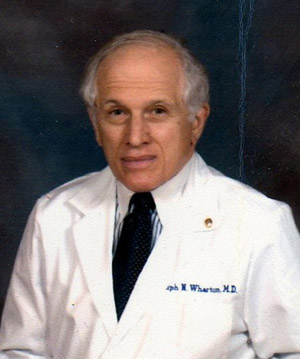
Watch
Media
Related Roundtables


Transcript
This roundtable brought together psychiatrists Charles Marmar and Ralph Wharton, psychologist Ben Bernstein, and diversity and inclusion executive Allison Avery to examine stress from biological, clinical, social justice, and performance perspectives. Marmar provided a framework distinguishing three levels of stressors and explained Bruce McEwen's influential concept that while humans are designed to tolerate stress through allostatic responses, each adaptation carries a metabolic and psychological cost that can accumulate to system breakdown.
A central tension in the discussion was between individual and systemic stress. Bernstein demonstrated how test anxiety is a manageable stress response rather than an inherent property of the stressor, showing that simple breathing techniques can dramatically improve performance. Avery broadened the conversation to address how racism, discrimination, and structural inequity create disproportionate chronic stress for marginalized communities, noting the CDC's 2021 declaration of racism as a serious public health threat. She described how corporations are beginning to address social stress through new policies including protest days, mourning time, and targeted support for affected communities.
The panel explored fascinating edge cases of stress response including identical twins with radically different reactions to similar relationship losses, the paradox of heroism creating subsequent PTSD, and the role of peritraumatic dissociation as the strongest predictor of pathological stress reactions. The discussion of prenatal stress transmission and its potential role in the origins of serious psychiatric illness pointed toward conditions of pregnancy as perhaps the most impactful point of intervention for health equity. The panel concluded by affirming the importance of cooperation, self-care, and the recognition that humans are fundamentally herd animals designed to survive through mutual care.
Show discussion topics
- 00:00:08 Introductions and Ralph Wharton's historical overview of stress research from Walter Cannon's homeostasis through Hans Selye's stress theory to contemporary social readjustment scales.
- 00:12:22 Charles Marmar distinguishes three categories of stressors: normal everyday stress, stressful life events, and catastrophic stressors leading to PTSD, and explains Bruce McEwen's concept of allostatic load.
- 00:20:39 Ben Bernstein demonstrates how test-taking stress is a response rather than inherent to the stressor, showing breathing techniques can raise SAT scores by 200 points.
- 00:26:22 Allison Avery addresses how stress disproportionately impacts communities of color, women, and marginalized groups, and how corporations are beginning to address social stress through new policies.
- 00:32:08 Stories of extreme stress responses including a Congressional Medal of Honor winner who killed three enemies with a shovel and Captain Sullenberger's post-traumatic stress after his heroic Hudson River landing.
- 00:36:46 Research on prenatal stress transmission through the placenta and its potential effects on fetal brain development, with implications for understanding origins of schizophrenia and autism.
- 00:41:02 Discussion of heroism narratives and empathy, questioning whether stories of heroic stress responses inadvertently diminish empathy for those overwhelmed by stress.
- 00:48:22 The competitive culture's impact on children's stress from early ages, including a fifth-grader afraid to say she doesn't understand and the damaging self-label of not being a good test taker.
- 00:58:07 Peritraumatic dissociation as the strongest predictor of pathological stress reactions, illustrated by the dentist who drank for years but insisted he was not stressed, just needed to relax.
- 01:13:23 Audience questions on faith and stress resilience, ethical imperatives to respond to stressful events, physical exercise as stress management, and moving from competitive to cooperative culture.
Show full transcript
00:00:08 good afternoon good afternoon everyone welcome to helix center for our may 1 2021 uh round table today we have a very interesting group of folks that help us understand and talk a little bit about the concept of stress which of course is uh is in the air these days for various reasons that we'll be we'll be going into a lot of that so i think without no further ado i'll start to introduce our panel today uh and i'll i'm jerry hurwitz i'm
00:00:40 associate director of the helix center and a psychiatrist practicing psychiatrist in new york city so first alison avery is the vice president of inclusion and community at dow jones a leading global diversity equity and inclusion efforts she has expertise as both a practitioner and strategist organizational culture learning and development she has held senior diversity equity and inclusion
00:01:11 and people team roles at skaden arps slate maker and phlom nyu langone health and hospital systems and the nyu school of medicine as the first director of diversity and inclusion in an advisory capacity allison was a principal consultant with work working mothers media partnering with global 500 companies on cultural change strategies there's much more to say but out in the interest of time i'm going to move on to our next panelist ben
00:01:43 bernstein ben bernstein is the psychologist educator and author with an expertise on performance and test stress an honors graduate of bowdoin college bernstein received his doctorate in applied psychology from the university of toronto and later a master's degree in music composition from mills college an educator for the last 50 years bernstein has taught at every level of educational system trained in london in the progressive british infant schools in the late
00:02:14 60s he has received major grants from the american and canadian governments for his work charles murmur charles marmer is lucius n la tower professor and chair of the department of psychiatry at nyu lancome health and is director of the nyu langone health for precision medicine for in alcohol and use disorder alcohol use disorder and ptsd dr marmer's major research interests are
00:02:45 post-traumatic stress disorder prairie traumatic dissociation peritraumatic distress vietnam veterans police officers iraq and afghanistan veterans risk factors mri mrs fmri acoustic startle cortisol hpa axis catecholamine and so on and so forth and lastly ralph warden [Music] ralph wharton is a professor of
00:03:15 psychiatry at columbia university college of physicians and surgeons his work is focused on the clinical use of psychotropic medicines alone and in conjunction with psychotherapy or psychoanalysis his clinical research and the use of lithium carbonate in the effect of psychosis was noted in the special sesquicentennial issue of the american general psychiatry and was republished there as one of its best in 150 years as a publication he has published numerous other papers on diverse topics in psychiatry including the use of methylphenidate electrical stimulation
00:03:47 of the brain and phantom limb pain professor wharton was honored as the president of the society of practitioners at the columbia medical center and was practitioner of the year in 2010. he's a founding member of the international society for the study of paint and has presented many papers on this subject we are also going to have his co-moderator today beverly zabriskie who many of you know is on the executive board of helix center and is also a practicing jungian
00:04:17 psychiatrist psycho psychoanalyst sorry so here we go um dr ward would you care to introduce the topic for us and we'll get things get things going you have to unmute [Music] okay so it's a pleasure to be here and beverly's done a wonderful job in organizing this panel of experienced people veterans of
00:04:48 all kinds of stresses themselves uh i'll give a little brief history about the use of the term we can start with walter cannon who in the late 30s uh determined some studies about home use basis about how the body regulates itself and then go on to hans celia who published the first books using the term stress and
00:05:20 having done his work in canada he determined that the term was lure stress because there were only male doctors in doing these studies at that time so blur stress has been adopted around the world stress has a variety of meanings in every culture and looking up some of the definition of the words even in china the word stress is used but the symbol also is crisis so we can say stress
00:05:51 is a crisis and one level of another but he was interested in how people adapted to stress one of the landmark studies was done by philip hensch who was a professor of medicine at the mayo clinic who noted that pregnant women who had arthritis had their arthritis improve and he studied and discovered that during the stress of pregnancy when arthritis improved
00:06:22 the adrenal glands turned out more cortisone and that won him along with the name kendall the nobel prize understanding the internal response to bodily stress of all kinds but the first stress was that of pregnancy also other stress studies were done by a fellow named norbert weiner who was one of the beginners of use of computers
00:06:52 and he determined and studied people who had chronic stress which is different than acute stress which results as a as a result of having tb so he did some studies uh most importantly thereafter the doctor who was the uh physician for all of the american navy uh developed what he called the srrs scale which was the social readjustment
00:07:23 rating scales and what he did was in the navy if you would get promoted you started out with the pt to go to a battleship uh uh destroy a battleship aircraft carrier submarine and even though you were getting promoted with an advancement in pay and status every family was stressed by promotion and his scale goes on now today and in fact in the 1980s just to give
00:07:53 another update a little bit time magazine published uh article with a picture of a doctor in front saying that was the era of stress the 80s was a year of stress of course there are other people like paul ekman who dealt with facial expressions of stress and then uh stephen j gould wrote a book called a wonderful life as if we were stress-free which uh we're obviously not and even stephen
00:08:26 pinker another who wrote a book about our better angels that we could live with stress and go off to heaven the most important thing i think in terms of studies that i've done and charlie marmer has done is about how the adrenal gland helps us adapt the stress and on a hormonal basis it's simple to talk about glucocorticoids and mineral corticoids which is the body's response to stress but nevertheless the use of the term
00:08:59 is dependent on who's using it whether it's a psychologist a psychoanalyst a surgeon we all use stress kind of loosely and the problem for today is the stress obviously of the pandemic i don't think there's anybody who isn't aware of that stress and the stress of isolation in addition to the fear of illness so in terms of the demand for work on this
00:09:29 subject everybody in this panel has a point of view my experience as you've alluded to in the introduction jerry was in patient care at a hospital and in hospital stress if you're having an amputation or if you're having a heart transplant the stresses are unique and indescribably highly individualized so it's hard to have a feel theory of
00:10:00 stress and the other question would be even in terms of my last point about the cold pressure test there are people in new york who go into the water and cold water and presumably and there's some latest theory that cold exposure can perhaps immunize your distress so people repeatedly go in the cold water seem to have a lesser stress response on the other hand if you're an eskimo
00:10:30 and you move from alaska to california you lose that you deal with the stresses in california so that would be my introductory comments thank you i think that um one of the things that appealed to me with this topic was how stress really traverses such a huge sort of vertical column of scientific and sociological issues
00:11:19 stress in a lot of us and how do we deal with it and how it's different from just a challenge it was really ralph's organization the nathaniel wharton fund webinar that stimulated the idea and desire to have this program on stress so ralph your your group is doing just wonderful work of study on it and one of the uh features of the pandemic era i think is that it is really and also the black lives matter movement
00:11:50 is that it's really shown that we have not only individual stresses but group stresses and so i'm hoping we can get a little bit into that what is the individual experience of stress and what is it some identity issue or group issue that stimulates stress as well i'm happy to jump into the discussion thank you ed and jerry and
00:12:22 the panel for inviting me and ralph for uh your scholarly historical review i thought maybe ralph i would just jump on at the end of that review and talk about just briefly some very contemporary ideas of stress uh the first thing to say is that as someone who's spent my life studying survivors of catastrophic stress uh that we have to sharply differentiate between
00:12:53 stressor and stress response this problem was first addressed in mechanical engineering before it was in human psychology so to take the example of a bridge a very strong bridge built according to the most advanced structural principles can with withstand enormous repeated stressors and maintain structural integrity a structure like a bridge which is
00:13:24 weakened may be taken down by relatively minor stresses that the same is true in the balance between stress and coping in humans and animals that there's a balance between stressors and stress response vulnerability and resilience so it's a very very complicated area so we have to just differentiate between the stressor and the stress response second in humans in human psychology and psychiatry
00:13:54 we now consider two broad classes of stressors maybe three one normal stresses of everyday life that lead to adaptive responses and growth second stressful life events ralph which you briefly alluded to but include uh promotions demotions life transitions marriages divorces losses economic fortunes made and lost
00:14:24 changes in homes where we live these are captured in stressful life measures and we know in general if people are exposed to too many of these otherwise somewhat normative stressful life events that they're more prone to physical illness and to psychiatric problems of stress anxiety and depression when people have a prolonged abnormal reaction to one of these more everyday life stressors we call it an adjustment
00:14:56 disorder either a predominantly anxious reaction or predominantly a dysthymic depressive reaction and the third group are catastrophic stressors such as sudden death of a family member sexual assault the most extreme aspects of structural racism war military service police service domestic violence
00:15:27 uh physical sexual and emotional abuse of children and so on and these lead can lead in some vulnerable people to acute and chronic post-traumatic stress disorder so there are three very broad dimensions of stress normal stress stress related to everyday life experiences which and changes and catastrophic stressors any of these can be single or repeated the final thing is a couple of the ideas of bruce mckeon
00:15:59 who is one of the most uh important contributors to the psychobiology of strassy bruce unfortunately recently passed away but was a highly distinguished professor at rockefeller university and a friend and and bruce has contributed many things to the stressed literature a few of his ideas which i think are very important first bruce asked the question which is the organ the human organ of stress response and his conclusion was while the entire
00:16:31 body responds to stress as you mentioned jerry beginning at the cellular level all the way up to the society level bruce regarded the brain as the primary organ of stress for three reasons first the brain interprets the significance and relative threat of stressful experience and stressors only become unmanageable and pathologic when they're perceived to be threatening and unmanageable so for the first thing is the brain the
00:17:03 brain gets to say whether this stressful experience is dangerous or not if a dangerous signal is registered cognitively the brain second mobilizes multiple body defense systems uh changes the distribution of blood flow changes immune functioning to protect you if you bleed changes endocrine functioning to protect you if you're infected changes the immune system and many other changes so first the brain interprets the stress
00:17:34 second it directs the neuroendocrine neuroimmunological and and other systems that are mobilized to try to allow for a successful adaptation distress and the third reason mcewen said that the brain is the primary organ of stress is that the brain itself is profoundly changed by repetitive unmanageable stress the brain is remodeled neuroanatomically in terms of
00:18:06 neural connectivity and in terms of neurotransmitters and when stress is and unmanageable it predisposes to a variety of conditions especially chronic depression so uh the final idea of mcewens which i found particularly interesting and bruce devoted a great deal of his professional life to this idea is that we are all as the human is a very rugged organism and designed to tolerate stress
00:18:37 so that when stress occurs there's a response he called an alloplastic response meaning an adaptive biological psychological and cognitive response to stress to adapt to it mcewen's view of this however was there's a cost to be paid for allostasis and with each adjustment we make to a stressor there is a metabolic and psychological cost and if there are too many of these the
00:19:07 system breaks down and that uh leads to another stop allostatic uh driven collapse in the functioning of the organism so i thought i think ralph just to kind of take your story to the the current laboratory level that is that those are some of the clinical and neurobiological aspects of stress one last observation from our work and others on traumatic stress although it is normal to have a robust
00:19:38 cortisol glucocorticoid response to an acute stressor and that's a healthy response among individuals who fail to mount an adequate cortisol response to stress as in measured in their in their plasma or urine or saliva or other cortisol measures they are very prone to getting to psychiatric difficulty if they can't effectively mount an adequate cortisol response to stress they end up having
00:20:08 runaway adrenaline reactions and are prone to post traumatic stress so i'll i'll leave it at that point um thanks i would love to jump in here and um weave together what ralph talked about when charlie talked about particularly starting with the difference between the stress or and the stress response so um a lot of people i deal with are test takers from board surgeons who have to take from uh er surgeons who have to take a
00:20:39 national board exam to high school students who have to take the s.a.t and um invariably people come to me and they say dr b stress a test stress me out and i show them a piece of paper like this let me just say that this piece of paper with these four layers on it are actually like jumping up the table and choking you and then they laugh and um what i'm pointing out to them is the test is a piece of paper with with print on it it's it is not doing
00:21:09 anything so what then we do is we look at what their stress response is and one of the things that i've seen and i think this is really pertinent to what we're talking about on a very basic level is that watching how much thousands of people take tests one of the first things that they do when they open the test booklet and they start to read the first item is that they gasp and they start holding their breath so the signals as you all know that the brain is getting is that there's something really
00:21:40 dire going on here and they continue doing that for three hours which is one reason why people are so exhausted so that stress response builds the exam gets harder they have more difficulty of dealing with it you know i've trained people i've trained high school kids to raise their sat scores 200 points by regularizing their breath through the course of the test so the point about this is that the stress response is where you know i put all of my energy is training people how to what i call stay
00:22:12 connected because my sense is is that when people are faced with a stressor one of the the things that that engenders a bigger bigger stress response is the way that they they disconnect either in the body they freeze or in the mind they tell themselves i can't handle this or in the spirit they are like um they get completely distracted they can't stay on task so you know putting all this together i'm i'm a long-term student of
00:22:42 all the eastern arts of meditation particularly the vedic scriptures and they're it's all about being in the present staying in the present how do we get back to the present when i give a talk to an audience and i talk about their breath i see people roll their eyes like oh he's going to talk about breathing oh my god you know i've heard all about breathing right i gave a talk at nyu one of the students came up to me in the break and it's like really irate i've i i've done the breathing thing
00:23:12 well you know if you've done the breathing thing you'd be dead and we're all doing the breathing thing but these basic these basic skills of of responding to stress life had is stress full it's stress was just filled with tests big test little tests the whole world is involved with one my wife and i are supposed to leave for india in two weeks you know us government has just clamped that down we have friends there who have friends who are family that are dying in droves now it's how we
00:23:43 how we respond to these situations that really is what i feel what we really need to educate people about how to respond much better than learning about tangents and and um quadratic equations and things like that which can all be helpful but life skills are really where it's at and i think this combination just want to show one other thing quickly and um i'm gonna i asked if i could just show one slide here because i think this also helps um let's see here it is
00:24:16 so ralph mentioned a lot about history in the early part of the 20th century two psychologists named jerkeys and dodson studied how stress affects performance except they talked about it as arousal but we can't really use the word arousal in the same way they did because it's now conflated with a lot of other life experiences but this is so helpful and i show this to everyone that i work with and they found it's a bell curve too little stress
00:24:46 performance goes down too much stress performance goes down and then there's just the right amount of stress which is per individual by the way and everybody's optimal level is different where you actually are at an optimal level of performance and this is not about what's happening to you it's about how you're responding to stress response to the situation and when you can keep your stress level at a more optimal level you get inspired creative work and you can really work much better with others so i thought
00:25:17 this is an also an important thing athletes call that the zone when athletes talk about it they talk about like oh now man i got into the zone as if it's magical or miss evolve or it's not it's actually state of consciousness which you can affect by by being trained and training yourself to become aware when your stress response is building and then to use specific tools to get you back so i hope that that adds to the conversation
00:25:51 allison okay thanks beverly i think it was time for me to jump in as well so thanks hello everyone glad to be here as well um and one of the things that was not mentioned in my introduction that i will just uh illuminate is is how i know beverly zimbriski and the the way is that i both have a hat in working in organizations as well as corporations really looking at diversity equity and inclusion as well as um culminating the my psychoanalytic training as a jungian psychoanalyst so i had a private
00:26:22 practice as a psychoanalyst for nine and a half years and i'm finishing the arc of that so i'm always very interested in as we spoke about the the intra-psychic all the way up to the organizational level given both fields of work that i have done and so stress is something that obviously as we talked about it it exists i liked the the framing of the intracellular level all the way up to the global level and everywhere in between and so in in my work i really am looking at did
00:26:52 you mention as it relates intrapsychically but the bulk recently in my organizational roles has been on an individual interpersonal team as well as department and org level and looking at how primarily stressors disproportionately impact different communities and affinity groups and and we know that in the united states women report higher rates of stress in their lives than men mothers report higher rates than fathers people of color report higher rates of stress than white people these are all
00:27:22 due to factors like stress of racism discrimination and all the isms that that we can kind of list as well as historical antecedents of inequity and so in in april the cdc actually came out and claimed racism a serious public health threat and and that speaks to something that charles was mentioning related to the catastrophic dimensions is that a lot of stress can be mitigated through condition setting and so how do we take seriously what are some of these elements from research in creating
00:27:53 conditions that ameliorate and mitigate certain stressors that actually are disproportionately experienced by varying communities and that's something that i'm really interested in because that manifests very clearly in the workplace so how do these social stress situations of the disproportionate impact of covet on communities of color the disproportionate impact of stress and just from iran discrimination as well as witnessing a violence and secondary trauma and the impact of stress caused by poverty how does that disproportionately impact
00:28:24 communities and all of that gets brought into the workplace which undermines people's ability to to thrive to have impact to perform at their highest level so how do we set different types of conditions in order to address and redress that is something that is a big arc and focus of my work and so when looking at one of the great benefits of having the research that everyone has gone through as well as the cdc coming out and articulating the the severe um you know inequality that is engendered
00:28:56 through racism but also noting that racism is considered a serious public health threat that directly affects the well-being of millions of americans and so it directly affects the the health of the entire nation is that it creates a level and degree of seriousness which i have seen change over the course of the past year and that's been something from from stress being thought about as a general well-being to also social stress and how it exists on levels to be taken at a different degree of seriousness within the
00:29:27 workplace and in corporations than i have forthwith and what i mean by that is putting in things in place like social support systems for employees actually giving days off to participate in protests that's something a lot of corporations did taking day offs in order to mourn police killings uh for communities of color who were disproportionately impacted or felt as though that was a secondary trauma and needed time in order to mourn that was something a lot of institutions and organizations were creating
00:29:59 also different celebratory events to highlight and lift up the difference of impact so there's kind of the global impact of covet at large but how do we talk about the context and the specificity felt by different affinity groups and populations and hold and balance the both particular as well as the overarching context is something that a lot of organizations and corporations have been doing that has really led to a different experience of employee well-being and and and holding a lot of
00:30:33 sessions dealing specifically with social stress addressing that social stress as a result of discrimination or structural racism and having candid conversations is something that i have not seen in my tenure within diversity equity inclusion work for the past 15 years in such a way that the seriousness of both the stress and stressors and the seriousness of employee well-being is at a different level that is actually changing policy practice engagement
00:31:05 and corporate um structure so that's something that i'm bringing from a kind of organization and structural level of of the value that i think we're at and being able to take racism conditions around stress and the actual existence and reality of stress as something serious that we might need to be proactive in set conditions for so so that's something that i'm i'm been thrilled about the impetus with
00:31:36 regard to that but also that is something new that i've seen emerge as a result of coveted as a result of consciousness around structural racism that has allowed for a difference in um setting conditions more intentionally i i'd like to mention one individual stress or a man who survived stress in the military i met a congressional medal of honor winner the man was about five foot three maybe weighed 130 pounds
00:32:08 and i very much wanted to meet him since it was unique in my military meet this fellow and i asked him about winning the congressional medal of honor he was a sergeant at the time he unwittingly led a group of men about 50 or 60 men into an ambush and the ambush was in korea and they were being raked by a machine gun three people running a machine gun swinging it back and forth all the men are on the ground in the midst of this situation three
00:32:41 men managing the gun this guy stands up rushes ahead and kills three people with a shovel and i looked at this guy and i could not believe that what he did he acted in this way under stress to save his men and won a congressional medal of honor the second kind of stress that i would mention was a man named schullenberger who landed the airplane in the hudson river uh saved
00:33:11 all those lives everybody did their right thing and he did exactly the right thing and had a post-traumatic stress response he did find a letter to the ama he did the right thing on automatic pirate the way presumably this guy did who killed three people we won't call that automatic but at any rate he saved all those lives but afterwards he had a tremendous stress when he realized how he reacted on the other hand in korea a lot of soldiers
00:33:42 ever fired their guns they found them dead so some soldiers did something heroic or hero and other people ran away so that's part of the fight or flight but the most important thing i would mention is the last is the studies we're doing now some research about women during pregnancy being stressed and we're doing some studies on eegs and fmri's and newborns up to two years old and the question is when the mother is stressed during pregnancy how much of her stress
00:34:13 gets through the placenta how does it affect cortical development and whether some people if the mother has been starving as many mothers did in the netherlands or the nazis were invading they didn't eat properly and so they had a lot of children who were very vulnerable then they had most mothers in spite of the stress they're under managed to develop a newborn but we don't know and we're trying to figure out how stress might be transmitted through the placenta we know the blood goes through some immunological things
00:34:44 but neurologically we don't know so we're doing some studies on to some people will have built-in resilience or built-in fight or flight the third thing as it was mentioned is free some people fight flight or freeze so these reactions are so diverse and these are individual social situations not the group things that allison is talking about which is a different realm of experience i think that's incredible ralph uh
00:35:15 both both of your vanettes vignettes really resonate with my lifelong experience first on the military side i also have the experience of for many years consulting with nasa and the russian space administration and as you can imagine they have very specialized training techniques to try to train the astronauts and cosmonauts to be able to tolerate enormous sudden stress and maintain cognitive control the most famous of
00:35:46 course is the apollo 13 mission in which swaggart was quoted of saying houston we have a problem which was not an exact quote said something like houston um we're having a problem here but the problem was that in about 90 seconds his crew was going to be incinerated into molecules because of an error in the reentry trajectory and they were remarkably able to maintain
00:36:16 cognitive control in the face of imminent catastrophic death and make an aversive move that speaks to their selection and training so that's it's very very interesting to study to study super stress resilient groups like navy seals astronauts and cosmonauts and try to learn from them how we can all cope with stress better second i'm very interested in the work you're doing ralph with pregnant mothers and would like to
00:36:46 contact you after this program because we're starting a similar project at nyu i'd love to collaborate with you but allison to come to one of the issues when we looked uh with fritz francois and others at nyu and areas uh where we can make a difference in structural racism and medicine we decided in psychiatry that probably the most profound point of entry uh to to uh act against structural
00:37:18 racism even more profound than making accessible empathic care available to all people including all groups of color is actually conditions of pregnancy because because of we we know enough from animal models and some human studies in the work you're beginning to do ralph that stress during particularly during the second and third trimester of pregnancy is
00:37:49 profoundly dangerous to the developing to the mother of course and we know that for example black young mothers have multiple times the rates of death and morbidity mortality related to pregnancy nationally and even higher in the new york city area so of course adverse conditions during pregnancy are huge risk factors for maternal mortality and morbidity but something that has not been studied
00:38:21 yet well enough and ralph i'm delighted to hear that your group is beginning this is to look at the impact on the developing fetal brain particularly during the second and third trimester of pregnancy of severe high levels of stress as well as other problems such as nutritional deficiencies exposure to bad air bad water bad food and other conditions because it the the data currently suggests that the origins of most very serious
00:38:55 psychiatric illnesses particularly schizophrenia and autism probably have their origins at the time the brain is organizing itself during the second and third trimester of pregnancy not during teenage years which has been considered to be the prodrome for psychosis but backing all the way up to pregnancy and that high levels of stress which are pro-inflammatory may disorganize neural circuitry and and and molecular organization
00:39:28 and favor towards the development of the lifelong risks of psychosis so if we from my perspective ralph if we were to change one thing in medicine and especially in consultation liaison medicine and psychiatry it would be to focus on conditions of pregnancies and bring health equity to all young mothers because their lives are at stake and their children's entire development is at stake
00:40:00 i wanted to jump in and go back and tie into this topic about pregnancy one of the nice things about touching with a topic is it's something that about half the population might have or almost half the population might have experience with uh it's interesting the stories of heroism we just heard and i i love hearing those two i always have you know they are sort of uh i don't know what you'd say they're heartwarming they're inspiring but of course um it's interesting that they also push us away from the people
00:40:32 and the experiences where stress overwhelm the person let's say they do not have such a heroic outcome right and i think i wonder if that has a negative impact socially in that when people don't want to think about a horrible experience let's say being in the hospital racism being the victim of racism they don't want to think about those things but they don't want to put themselves in the place of those people who are experiencing those things that makes them feel nervous they go to these stories of heroism you
00:41:02 know and they there's this a little bit of a tendency to say oh come on buck up you could deal with it why you know i know this story about this guy does something great and i love the stories and i think they're important and we can learn a lot just as charles was saying we can learn a lot about those people who do heroic things when they're under pressure but i'm i'm curious about that the way stories of heroism move us away from empathizing with you know things in the moment one one last thing just to i'll try to keep it brief but ralph's
00:41:32 comment about the hospital at the very outset about how people are stressed during the hospital a lot of folks who have not been in a hospital don't know what that's like and it is real and you could just go in for a minor thing it doesn't have to be an amputation yes of amputation is highly stressful but a lot of folks the moment they're in the hospital they are stressed to the gills it could be for the removal of a cyst you know or something like that and but a lot of folks don't experience that unless they've had it unless they know someone has gone through it or they've gone through it themselves i think the same thing
00:42:03 applies to racism i mean being a victim of racism i think people don't really put themselves in the in the position to empathize with those folks they don't get how much yeah not only does it suck it's terrible but it's stressful and it could hurt your health and i think that's why the cdc's uh new policy or not is so important so i was interested in that sort of heroism and empathy sort of angle of things well the best reason case since you mentioned jerry is this young woman the teenager
00:42:34 who is witnessing the death of floyd she will suffer a lot now that's vicarious suffering so she was stressed because of what she didn't do and that would live with her for a long time i was mostly empathic of course with mr floyd but with that teenager who witnessed it and made the whole case work she will suffer for a lot i worry about that teenage kid who took the movie and so vicarious suffering is another dimension of stress
00:43:05 so and i had a patient who was having an amputation and the spouse was more upset than the patient so vicarious suffering is another dimension of our humanity and is a tremendous problem with these racial issues that we see and a lot of people and also witnessing murder so not just the guilt but also murder isn't in and of itself uh yeah just wanted to make sure that so that that will live with that child for a long time i was mostly considered
00:43:36 as much concerned about the whole situation but that child will live with that memory and these are some of the other nations so i i just want to say something briefly about the question so is the public health threat so that's what the cdc said is racism being one of the most um italian public health threats but to the idea of heroism and condition or context and and and does that deflect from some some aspects and and what came to mind firstly with that idea is
00:44:08 is also who we cite in heroist in in a heroism way and who we reference as engaging in a hair in in a heroic act i think that also changes and creates a different empathic uh spectrum of the way that we think of heroes and so i think that it's a great point of the examples we gave but but there's also examples of heroism as it relates to specific context that ralph was just talking about and and those examples of thinking about
00:44:40 different contexts of heroism based on what the stressors are the situations the social determinants are i think is critical but i think there's been an over-index or can be an over-indexing that we see through a lot of research around a singular representation of what heroic acts look like who they're done by and and how we then align to that in our concept of what the heroic is and means and i think that so so i think it's a good question about does that matter the heroic versus the
00:45:11 empathic but i think it also really deeply matters who we tee up and what types of examples and stories we are giving about the heroic as well and so you know with that like i think of the different pressures and stressors that someone like stacy abrams has in death threats you know that endured in being a public figure and and her reaction to me was a heroic pivot from a loss of an election to really sustained effort around a singular goal
00:45:43 and and it was a herculean lift that then had a great outcome but i saw that as an example of a heroic move based on the social pressure history structural dimensions and barriers and challenges as well as active threats of violence that she endured given her role and what she's been able to do with it and translate into so so i think we need to be conscientious around around those because that actually helps me in in creating the variation of how we
00:46:14 define and who we think of as heroic also changes our empathic ability to connect to different people folks and stories in understanding what different pressures look like the context of different social structures what people have had to overcome in a particular way that we can identify with as well as deem heroic so i think that's just going to put that subjectivity out there to how we even define heroism
00:46:51 well i'll tell another story with an opening uh about attitudes about stress we did a study on the sherpas who carry these loads up the mountains and we did some testing because we were stunned at least i was stunned to see what they could do in the cold and bearing these loads and we had a little testing machine not like a written test but this was a test of heat and coal sensitivity
00:47:21 which my colleague brought actually to the himalayas to test the sherpas and their tolerance for pain was extraordinary both with heat and cold and we asked them you know well do you feel anything but that's life there was an acceptance of distress an interpretation of the stress that you were saying socially or a test exam so the as uh charlie was mentioning before the social
00:47:51 context becomes extremely important and these that's life they said you know pain and their stoicism was remarkable so some people remind you it reminds me i was going to ask ben what he thinks about this i mean i it's been my observation that sort of test-taking and the college prep that whole you know that whole domain has progressed in a way where i think a lot of students don't they sort of expect to be stressed they go
00:48:22 into these situations thinking this is going to be a stressful situation yeah and absolutely but um i think it uh the history of it goes to things that we're talking about regarding um acts of heroism and models and um and it just makes me think about the competitive nature of our culture how deeply competitive everything is and how one has to rise to the top and how there is a top and how you have to and um it just uh so it
00:48:52 starts at a very early age i mean i had a kid once who um was going to middle school had to be interviewed for the middle school and had to pass a math test and she she wouldn't speak and and so they brought the parents brought the kid to me and she wouldn't speak and she couldn't she wouldn't do math and you know through just having her do some drawings and releasing all the pressure around um around this she had an older brother by the way who was trying to get into an
00:49:22 eastern prep school and his father the way he trained him for the interview was to stand behind doorways and when they could pass through the doorway the father would jump out and ask him a question so um the poor so this little girl i just gave her some crayons and she would like to draw she would rhyme and that led into telling me stories about this dinosaur family and the brother and the mother and the father and then it all led to her being just telling me that she was afraid to ask a question you know she was afraid to say she didn't understand
00:49:52 something so you know the pressure builds up so early on this was a kid in what fifth grade she was afraid she couldn't speak up and say i don't understand and i had to coach the teacher the parents everybody involved with this kid to encourage her just to say i don't understand so i'm team and they're like i want to have a hair salon and i want to do this and i want to do that and um they weren't interested in the work that i was doing related to testing they just wanted to make money and when we got into the work
00:50:23 i said well we're gonna i'm gonna train you with this stuff there they started to really light up in other words we got we went deeper into who they are and what they're interested in in getting away from all this competition so um you know by the time people get to high school one of the things that they say is when they're having a problem with tests is they say i'm not a good test taker that's a very unfortunate label to pin on yourself right because life is filled with tests daily daily
00:50:55 i'm not a good test taker and um i think that i just want to come back to something i said earlier as related to what we're all talking about which is is that i think how we address training students i'll use that or educating students into life is so much more important than a lot of the subject stuff that we lay on them which they're bored to tears with and don't get engaged with and then they
00:51:25 just end up feeling stressed because there's no real connection that they have so yeah it is a big problem um and uh i've just seen kids drop off the map particularly in our neighborhood you know they they drop out of high school they just lose it they're not interested and and you know i think we're losing um i think we're losing a significant uh proportion of national treasure and all these kids nobody knows what they could really turn into you know what's inside of them that
00:51:55 really wants to be cultivated wants to grow just because they didn't have the same conditions i had that's no reason that they shouldn't be able to flourish but the stress of performing the stress of being on top the stress of in some way being a hero is is considerable i just want to say something else about that because it has another connotation sports stars can be very wonderful models for kids you know nba stars and football stars and both both genders because these are
00:52:28 people who have really worked to achieve something and they can see that if they have a dream and they really work for it they can achieve it so that way handling the stress of having to perform is a different story because you're building something from the inside i think that's really what i'm trying to get to here to build from the inside the sense of resilience this sense of possibility charlie's bringing up about the apollo astronauts those guys are trained to stay very present into every single moment that they have to deal with
00:52:58 boom boom boom they are not flipping to the past they're not going into the future they are present and that's really the key i think in all of this because but let me just that's the great equalizer for all of us is that we're all in the present and and as related to what allison's been talking about we're all in this together so let let's get it you know i mean a last point about this um we spent we just spent a lot of time in india in fact we're going to be moving there in about a year and one of the people that i study with there uh has
00:53:30 puts it very simply he says you're either living in an eye world or a we world well we're all living in a we world and the people who think we're living in an eye world are really um stressing the rest of us out we just had a president for four years as a perfect example of that so yeah and would you think and and this goes back also to what allison said and what everyone has been saying that the girl who took the photo the
00:54:00 video ralph she was so present in the moment and she had the presence to do what needed to be done and she is heroic will that help her balance out the feeling of trauma of what she saw so then you see well allison's shaking her head vigorously and i'd like to hear what what she has to say about this but she i i don't know it i mean i know her
00:54:30 from the media but if she should be absolutely um lauded if that's the right word for for her act what she did that she was present that she stood there that she took it in uh and what whatever help she's getting i mean it makes me want to now find out what kind of help has been offered to her to deal with the trauma because as allison said she watched a death in the making and um so yeah i mean i think your point is great beverly that that
00:55:00 that should be that should be um highlighted in some way [Music] oh totally yeah i think so i think that she you know uh a rewarding presence um uh as a as a way of living as a way of contributing as a way of being connected sure i would think that could that could help her considerably allison i would i
00:55:30 was wondering what you were thinking about this well yes i would think she would be uh getting a lot of social and emotional support the fact that she felt guilty fear that she didn't do more but she was helpless to do more and that's one of the struggles of many women who are not assertive but fortunately we have uh merkell and other women who have outspoken in the heroic way so i didn't
00:56:02 mean to to uh cavalier about ignoring the courage of women including rosa parks or whatever so i think there are enough heroes to go around not to intimidate people but to set examples of possibility when they're feeling more vulnerable and whether uh there was a person who had a special foundation to present heroic acts to high school students and went around talking to give
00:56:34 the models of heroic women and men there's a special foundation that did this around high schools talking about heroes of the past of both genders and i think that's the thing potentially will help people uh develop courage and resilience and imagination that's the one that i was just saying the one thing i was going to quickly say in response to ben when he mentioned the nasa pilots is that you know what is important is i think this may also apply to in some instances
00:57:05 to the military but i know it applies to the nasa people they put a value on that presence of mind that's part of their culture this young woman who did have a presence of mine she was she was a victim of it in a sense because she stumbled upon this crime that was going on right so with in her case we have to rip and i am in favor of this retrospectively saying look what a hero you were and that may ameliorate some of the stress she feels afterwards some of the
00:57:36 symptomatology she may be exposed to if you say wow you're a hero it doesn't guarantee she won't i mean uh ralph you mentioned sully who you know was part of the was a pilot and he knows he's supposed to have presence of mine and he did incredibly well and yet he still has some ptsd symptoms so i think having a culture that values that presence of mind really is helpful and also retrospectively giving awards and saying wow that was amazing that also helps but it doesn't completely prevent let's say a stress response if it did we
00:58:07 wouldn't really have so much ptsd in some of the soldiers and people who are heroes at war but one thing that charles said and and has been in discussion i just want to ask something about he said that stress has to do with the brain what i wanted to ask and i could ask this question in many ways the simplest way is to say what's the connection between stress and awareness of stress why
00:58:40 is it there are stresses that we can go experience but not be aware of [Music] you see that what they are going through is stressful you ask them and they say oh no i don't find this stressful and then it takes work to get them to understand that it's stressful i i think one aspect of that is that some people under high stress are prone to dissociation
00:59:15 and when they dissociate they disconnect mentally emotionally and physically from the experience and they don't register it in the normal way in consciousness so it takes a lot of work to help them to break through the dissociation connect with the experience engage with it emotionally and deal with the memory traces which are actually there so the association is a very important thing we found if you had to predict one measure one thing after severely
00:59:48 extreme stressful life experience that predicts whether someone will go on to develop a pathological stress reaction it's peritraumatic dissociation they disconnect they depersonalize they derealize they take distance from it they tell you oh i ran out of the world trade center and my best friend was just killed and i thought i was going to die but i'm not too upset doctor because i thought i was in a movie it didn't feel real to me it took some time to help that person connect
01:00:20 so it dissociation is very important i i wanted to also get back to something that allison was saying about heroes and i love your example of stacey abrams she's really heroic in very much the same way that the the male heroes were talking about heroic we could take michelle obama we could take other incredible figures that are heroic uh one of the difficult things if we're going to be
01:00:50 if we're going to have honest and difficult conversations about this though we have to ask the question what do these heroic figures have in common and what up opportunities to some other people not have one thing they have in common we found in our research is high education and high academic achievement stacey abrams has multiple degrees including a law degree from yale michelle obama has a law degree i think from harvard but the astronauts and cosmonauts are
01:01:24 and navy seals are selected because they have masters and doctoral degrees in aeronautical engineering and by and large they've come from relatively stable family backgrounds with educated parents affectionate stable attachment figures in early childhood and enormous encouragement to become high achievers and they've learned to control their emotions in that context and so one aspect of structural racism that must be profoundly addressed is
01:01:56 creating equal opportunity for everyone to have those kinds of learning experiences because they don't just buy you a ticket onto wall street or a top law firm or to be a professor at yale they buy you the capacity to manage extreme emotion and be able to think clearly that's where we're talking about conditions what are the conditions that allow for it to generous burn it's not nothing's a guarantee but there are conditions that have been substantiated as far as being able to
01:02:28 evoke different types of emotional capacity reactions to stress availability for thriving to move from a surviving framework into one of flourishing and thriving and we have very clear and specific conditions that do allow for that which we can you know effect on on much more of a societal sort of national policy meant it creates a mandate for that knowing those conditions and then it becomes about sort of individualized contextual elements but there are some really clear conditions that either evoke a flourishing
01:03:01 dimension for all folks in society around equity or deprive that and that's one of the consequences when ben was talking about the consequences too of this level of inequity it does not allow for not just individual thriving but also the value of thriving for large swaths of the society in how that builds different communities but also innovation also transforming kind of nation states it it we all suffer you know from an individual all the way to a global level from not creating conditions for
01:03:33 flourishing so i'm going to pick up on something you just said elsa and something charlie brought up about uh dissociation a story of for about 15 15 years i traveled the country as a speaker for the american dental association dentists were known at one time to have the highest suicide rate of health care professionals and um there's a lot of reasons why and they're really good reasons um uh i sat on a committee called the
01:04:03 well-being committee which was a kind of net safety net for dentists who were caught um in the midst of their addiction either to drugs or alcohol or whatever and but it was to save their license so they had to come into treatment this guy was sent to me after he had eight weeks at betty ford which was preceded by a family intervention which was receded by years and years of drinking and when he came he sat down in my office and he looked at me he says i don't know why i'm here and i said okay well you know i started
01:04:34 to and then he just had no he didn't have a clue and i asked him to tell me the story he admitted he drank i asked him to tell me to start how the drinking started well you know i got out of dental school 250 thousand dollar debt two kids right away building his own house building a bar in the basement of his house he liked to drink a little bit and it went on and on and on and you know and i said finally i said to him well look you know we know there's an association very close association between stress and addiction and he stopped me
01:05:04 called me said i wasn't stressed i said well what do you call it he said i just needed to relax so how's that for dissociation charlie yeah so so um i don't know there was another point elsa that you were making it'll come back to me but um yeah i just think about this oh yeah i know what it is i think we're so many of us get dissociated when it's not happening to us personally individually it's not hurting us
01:05:35 after 9 11 talk radio went on and on and i was listening and one show a guy got on from somewhere i think in the midwest and he said i don't know what the big deal is about this you know world trade and it occurred to me what he's really saying is a plane didn't fly into my house what's the big deal yeah and i think that's how unfortunately that goes back to the eye world and the wii world that we don't think about ourselves as members of a huge collective that has so many differences and
01:06:06 um ways that we can learn from each other and give to each other and and um challenge each other it's it's just fighting fighting fighting fighting and so um yeah i want to go back to uh ralph's introductory comments again because he made this important distinction between a stressor or maybe it was charlie who said this i'm sorry there'd been a stressor and stress and um in some ways you know a stressor becomes stress when we we apply a certain meaning to the
01:06:37 stressor not always because you're just describing cases where it's unconscious but the point i wanted to make is that if one of the meetings is a story that unfolds and there's a heroic act that occurred or another version where the person's a passive victim and is traumatized by it those stories all have meaning there are narratives and they have a meaning to them dissociation is almost a case where it has no meaning you know the event had no meaning right and it's interesting that uh how much dissociation comes into play when people
01:07:08 do not have access to narratives that make sense of any kind of narrative it could be something about their own personal life and what they're going through with their families and their loved ones or it could be at a societal level if there's no narrative for it or one that appeals to them they might not have a narrative and they may dissociate yeah i think the operative phrase there uh jerry is one that appeals to them because um you know i don't like that story i'm not gonna i'm not gonna connect with it
01:07:41 um i'm wondering about the stresses we choose rather than the stresses that we're chosen for and how do we as individuals get to know enough about what our own stress capacities are i mean one can have a a pretty stressful life and choose to do many things and then you choose one too many and then you can't really function so how do we get to know what
01:08:12 that is do we have to keep a little stress computer stress counter well i'll tell you a story beverly as i've taken care of a pair of twin boys and twin girls and these boys look alike and every time i see my roommate now which twin am i seeing today and one of them suffered a loss of of a girlfriend but it was an important first relationship
01:08:44 and a little talk with him modest use of the antidepressants he did very well and the identical twin brother two or three years later he comes in with the same story a similar story that lost the girl a friend it was in college it was a couple years later now that well they're twins they're the same they've had the same parenting they happened to play music together and they were uh known as musical twins they called the mirror images was the name of their
01:09:15 electronic guitar so they were that close the second twin responded to nothing i did the same thing i tried to have other things i finally had to hospitalize him and give him some est because he could not get over the loss now so in terms of learning or genetics we're all different so a sibling who has or maybe you have a you know someone has a sibling we've been through a stress so
01:09:45 this vicarious learning wrong emotional learning is a highly idiosyncratic response and i learned that many times is that each person who responds the stress was common but their reactions couldn't be more different even though they were identical twins so every human being is an experiment in genetics you got sixty percent from your mother and forty percent from your father disaster but the mix of genes
01:10:16 gives everybody different skills talents or perhaps stress responses which you don't know but i was struck by that early on in my career so it's hard to make we know something about hormones the differences in hormones we can measure them but there's an interior sense that's very hard to discern and say okay we started you had to deal with it and when these soldiers at west point are all taught how to shoot a gun yet election number never never fire a gun so it's it's a mystery i would say uh bevelling about
01:10:46 i i've had some people who are in the performing arts some patients in the performing arts and one of the uh anticipations that helps them to get through in practice as they need to practice is they imagine the applause of the audience but then if the audience doesn't applaud to the same value of what was in their imagination there's a kind of collapse it's almost like anticipatory mirror neuron phenomena [Music]
01:11:17 so i i wonder ben if you you know you you focusing on performing artists and some of your practice if you have had examples of something like that where the person's performance is as they imagined but the response is not yeah so um i have and um i just work hard to get them into the performance not into the imagined response you know like actually it is a lot with opera singers so over
01:11:48 the years i've worked a lot with opera singers and you know you're singing in front of 5 000 people with 120 piece orchestra and you know when people are going to applaud or when they're quieter but um the key and all that is what what i do is i just get them really into what they're seeing into the music into the um into the the shape and the emotion so they're actually in that experience they're not doing that experience for the results so the key the key teaching in
01:12:19 the whole bhagavad-gita is chapter 2 shloka 47 don't be attached to the fruits of your action and you have to act so i mean to me that's about presence it's about you you be in the present we don't know how people are going to react we don't know what other people are thinking but we know that we can really put ourselves fully into what we're doing and the more fully we can we can be engaged in what we're and certainly in the performing arts the way that works is that the more you're in it the more
01:12:51 the audience is in it this is just the phenomena i discovered this early on when i kept falling asleep by the second act you know of any operator they went to why because the singers were fabulous but they weren't relating to anything that they were really singing or to each other and when we get them to do that it's actually electric and that's when we feel it so you know that goes into this other thing we're talking about about the group response and the individual response and how you know theater is a community event
01:13:23 everything is on some level in that way so um yeah imagining the response is um it's like with athletes same thing you know get them off the gold medal get them on to what is the technique where they may be having a little bit of problem that they have to really work through and then when you work then they play their best so um to question and answer
01:13:53 can i just ask dr marmar one question do you see that when you're dealing with the history of some of your patients that they anticipated positive response from their parents that they didn't get ever and that that creates a kind of chronic stress it's a great question beverly i think that kind of experience uh either they didn't get the response that
01:14:23 they expected or they got an unempathic response uh really can have lifelong effects on their stress resilience and their ability to flexibly cope with stresses when they're older especially major stresses and losses so it's it's very it's very important i think that a person's ability to manage stress is as uh as ralph mentioned partly
01:14:53 genetic and it's partly based in secure early empathic attachments and the the combination of those who in all of the people that i have had the privilege of working with the men and women who've been unusually stressed resilient they've been blessed with three things a family history which is relatively free from psychiatric problems
01:15:24 a very close empathic and loving early attachment figures and high education and the opposite of those three things leaves you with an achilles heel i just also before we go to question and answer period i want to respond just sort of as a public service announcement beverly asked the question about how do we know because some people like to take on stressful roles
01:15:54 how do we know when we're about to burn out i think that's an important question to try to respond to and uh you know from my point of view and i'd be happy to hear what other panelists here think but i would say that uh one of them was part of the story i think been told which is watching your consumption of alcohol and other substances now some of the number of legal substances is increasing so and the illegal ones have always been there so we have to keep an eye on the quantity and the frequency of use sleep quality of course is very
01:16:25 important um i always ask patients how they're sleeping every session almost the second thing i ask them and just generally if they're feeling irritable uh etc those sorts of things of course are important markers and unfortunately a lot of people look away from them even though they're occurring but that would be that for me how to avoid turning a hard job into one that causes burnout i don't know feather people have other ideas about that so so i'll just say this is something
01:16:55 that i that i wanted to read because i think it's something that i go back to as far as helping me with the the endless things that i could keep doing and drive myself into um you know performative acts of of uh job demands as well as personal demands so to beverly's point um and so i wanted to read from audra lorde the activist and um feminist from her 1988 essay a burst of light which is often quoted but she was facing terminal illness at this time
01:17:26 and she kind of coined the frame and term around self-care which has now been obviously turned into a wellness meme but prior she was she was conceptualizing this concept of self-care as caring for myself is not self-indulgence it is self-preservation and that is an act of political warfare i had to examine in my dreams as well as in my immune function tests the devastating effects of over extension and that has forced me to
01:17:56 consciously jettison the myth of omnipotence of believing or loosely asserting that i can do anything along with any dangerous illusion of immortality neither of these unscrutinized defenses is a solid base for either political activism or personal struggle but in their place another kind of power is growing tempered and enduring grounded within the realities of what i am in fact doing an open-eyed assessment and appreciation
01:18:28 of what i can do and accomplish using who i am and who i most wish myself to be and so i i go back to that when i want to do 50 million and one things to get a little bit grounded and engage in self-care as an act of um resistance so that's a recommendation from my end okay well i think with that maybe we can open up the floor to some of the questions and we have from our audience alex you want
01:18:59 to yeah i'll start off y'all go ahead so this is from youtube under the name google user so i don't know what their real name is but google user thank you so they wrote it seems to me that stress is a contemporary term for anxiety or anguish it is a widely used term in psychoanalytic literature am i correct on that if that is so then i believe freud made it very clear that anguish is independent of external reality which accepting is itself quite anguishing anguish seems to be a consequence of the position the
01:19:29 subject takes in face of his or her own desire regardless of external reality so what are your thoughts on that [Music] well i would uh say one brief comment and that is that life is always accompanied by losses we say you should be a good loser but that doesn't exist nobody's a good loser nobody likes to lose whether you're
01:20:00 losing your health you're losing a friend you're losing money and and the question is uh i think in terms of lack of a better word acceptance that in life everybody loses and that people as beverly was mentioned who who had a life of roses all along and suddenly some catastrophe hits and they're not prepared so sometimes a loss early on that you master can give you a kind of immunity against
01:20:31 future losses and if there's a sense of acceptance that not everybody wins the scholarship the nobel prize whatever and that you win in life if you have loyalty you have friends and that's more important in terms of helping you deal with losses to have a circle of friends who help you get through the losses so anguish you want to call it anguishes response i would say a loss and we all lose at some point
01:21:11 okay so i'll go on to the next one um so this was from dave oh also from youtube and they asked uh what about the angle of faith with regards to stress in particular how does that affect an individual's perspective on the things in life that happen so a wonderful question it's about faith right if i heard you correctly so we have studied the role of faith and religious belief in resilience and vulnerability to
01:21:42 traumatic stress and what what we found which may be not not unexpected is that it can be a double age sword for some people their deep faith and their sense of acceptance and the sense that loss or injury or setbacks are god's will and it's part of a deeper scheme that we don't fully understand can be very protective we've also found some people who feel that bad things should not
01:22:14 or could not happen to good people so that if misfortune strikes them that they must have had been imperfect in their faith and their religious practice and they suffered tremendous anguish and guilt which is unrealistic because of that so religion can be a source of great solace unfortunately can be for some people a source of great pain in the face of stress
01:22:48 right the other thing i would say add to what charlie said is that we do associate faith with religion but faith without that association can be faith in that what's happening is happening for the purpose of me and us to grow to a better place and that um that every we all of our experiences are contributing but potentially attributing to uh contributing to our growth
01:23:20 if we have faith in that we can look at our experience as educative as an opportunity for opening more for growing more for being more connected to each other um so it's uh it's not i i'm not crazy about the phrase you know the universe is telling me i don't know what that means but i am um quite uh believing from experience both
01:23:50 personally and clinically that that faith that what what's coming is something that i need to pay attention to that i can grow from and when i do that you know my making my my bit to make the world a better place i will say the importance to that in faith communities and what faith communities can do if you don't suffer let's say aspects of exclusion based on any identity but faith communities can really enrich a sense of solidarity a sense of social support which is critical
01:24:20 to um enduring stress and stressors so as far as that relates it's it's really quite important it also depends what you have faith in if it's in a false prophet or a cult leader or someone who you know promises you that if you identify with them you're going to be first in the world and that's a quite dangerous faith and i think we've suffered that tremendously personally and societally
01:24:56 okay you're go into the next one okay um this is from elizabeth mannis thank you elizabeth she wrote is there anything for ben bernstein to say about ways that we worlders can shield themselves from the actions of and or possibly the influence of eye worlders well thank you elizabeth for that question i i i'm sure we all have come through four years of that um with the last administration um you know the way i see it is is that the
01:25:26 chain chinese book of changes i think it's i don't remember what hexagram it is but they say the best way to combat evil and i'm going to use evil in a large sense of the word the best way to combat evil is to make energetic progress in the good so you know fighting that doesn't uh do produce much except more resistance more tension but actually putting one's energies into what is uh contributing to others what is fulfilling of one's purpose in life
01:25:57 that's the way to do it i mean that's the way to to to shield yourself and as alison just said the faith communities and finding the community of people that um are like-minded and that are self-supportive who want to do that so it's a really good question and something that we have to uh but we have to deal with a lot but trying to convince the other person it doesn't so it doesn't go too far
01:26:27 right okay next question all right so next one that's what make sure okay so next one is from an anonymous viewer uh from the zoom audience and they wrote related to the audrey lord quote do we sometimes feel an ethical or religious imperative to react to certain stressful events that not doing so makes us a selfish or bad person
01:26:58 can you read the last part again so do we sometimes feel an ethical or religious imperative to react to certain stressful events but not doing so makes us a selfish or bad person anyone i mean um so well i mean i i hear in the question
01:27:29 that that's the juxtaposition of of not reacting and then folding into bad person so i hear a a kind of response to um the what would i say the um kind of personalistic um good bad dynamic in the reaction to a specific event or not and i i actually wouldn't put those two things in contrast and that that's not my
01:28:01 impression from the quote i think that you know we all have uh the position the need the desire and the um ethical mandate depending on where we sit in our perspective to respond to certain instances that move and affect and impact us and i think that that's really important to to listen to and i don't i don't think i i wouldn't juxtapose it into a kind of
01:28:33 good person bad person um dichotomy because i think that that creates or establishes um you're either the answer is yes or no and things are i think much more complex than nuance from that so so i would just encourage the decoupling of reaction to an event and and bad person versus curiosity around what moves me what do i have a reaction to what is my impact in the world
01:29:04 what do i want to accomplish and and using that as far as who i wish myself to become because when we put the dynamic of kind of good person bad person it can shut down exploration curiosity reflection and engagement and so that would be my concern with that splitting or that comparison that conflation of reacting versus good person bad person and so then you're in a in in that vacillation then either it's either yes or no versus
01:29:34 what are some of the creative and reflective solutions reasons and reactions to the event at hand so that's kind of my my response to that question that's interesting i would just add i would agree with you allison it shouldn't be set up as morally good and bad the the deeper question though may be given that uh there is an enormous amount of suffering
01:30:05 in the world there is an enormous amount of injustice in the world and we want to contribute uh and and given that the the we world is the world we want not the high world but i would also be careful about splitting the me the we in the eye world too much man because in order to be able to contribute to others and care for others and have the energy and resources and love and interest and thought to be able to contribute it does require a lot of
01:30:37 self-care and self-management which is about the eye world and you know there's that old saying you know put on your own oxygen mask before assisting others and if you don't do that you may not be able to function very effectively so i think it's important not to set up self-care and self healthy self gratification as being bad or selfish at the time when there is a moral imperative to help each other uh just it's a it's
01:31:08 something to think about i think i think also we we spoke a little bit earlier about uh the potential for let's say post-traumatic stress symptoms deriving from inaction you know i should have done this and i didn't and then feeling guilty about it and if you put that together with a charlie's comment earlier about religious the the two-edged sword that religion can can provide if if a person uh let's say is inactive and they regret it later and they have some remorse over it
01:31:40 let's say there's nothing wrong with that so call yourself a bad person typically in that context means you're kind of beating yourself up about it and that could lead to symptoms and not to any kind of resolution or growth personal growth so yes you could think i should have done more than i did that may be fully appropriate but i think it's important not to think of yourself as a bad person in a sort of overly moralistic sense that could be corrosive it's not helpful to further growth i agree jerriann often in my care for
01:32:11 trauma survivors who feel very deeply that they fail to act in some way to prevent harm or catastrophe to others whether it's their crew mates or it's their family or their community or someone else often that does derive from certain omnipotent ideas and fantasies that we have the ability to foretell what's going to happen and prevent bad things when we often don't so people carry around in them enormous
01:32:43 sense of guilty responsibility for things that realistically they could not have known and could not have prevented i i would add to that having seen a number of um concentration camps survivors and why did they survive should they done something more and one of the things occasionally i say not too often that life is lived forward because i quote uh i think it's from
01:33:14 nietzsche and but we learn about life backward and the question is whether you can develop a forgettery as long as as important as memory so you move on to the next issue and because if the next thing happens what would you do the next time that you can't change the path but you can change the future and i think that's the question for some reflection about your indecision is that whether to act or not okay yes but you got to live forward and
01:33:45 what do you want to do the next time okay um another question yeah if we have two more is that okay thank you that's good okay all right so linda thorson on youtube wrote so do any of you associate physical exercise or stress relief in a highly effective way the answer is absolutely yes that one of the best stress management
01:34:17 tools we have is moderate daily aerobic exercise yeah we all exercise our next when that question came through right yeah no yeah total totally great i know when i haven't done it and moderate daily moderate and daily are the key words there i think i know when i haven't done it and i feel like it's very it's very important it uh it's it's very powerful and may be equally powerful to meditation medication or other
01:34:50 approaches so yes the the uh it's rest and exercise are hugely important in stress management my survival of the aspects of the pandemic to my peloton i mean this might be information but it really helped me deeply i think having to take a dip in cold water every morning oh i don't know i started to do that with like somebody told me like turn on
01:35:21 the cold shower at the end and i thought i'll forget that but i started to do it and you know what i love it it's actually i look forward to it it wakes me up in a really good way there's an author named wim hof i've never read anything by him but apparently that's what he uh he recommends i just wanted to look back to something charlie said though about the eye and because i thought it was really apt and i think it's connected to this question too that we do have to take care of ourselves in order to really make a full contribution you know i traveled around the country talking to large audiences of healthcare professionals
01:35:52 and i would look out in the audience and so many of those people who are sure dedicated professionals look so unhealthy yeah and i thought to myself my goodness you know you people are coming to you for what you can give them but it's really you're giving it to them from you and the more you can be healthy the more you become what they want and then you can really help them so i think it's a great point that you meet charlie i appreciate it yeah i remember you remember the old story huh and
01:36:23 how how can you tell the shoemaker in the village the person with holes in their shoes no time to care for themselves to go back to the other question about exercise i think a study i think was done at sloan kettering where they would say that a sedentary lifestyle is equal to a pack and a half of cigarettes a day we are two-legged creatures and you say you use it or you lose it so the exercise is essential i think there's a minimal
01:36:54 amount that every human being must do every day otherwise you're going to get into all kinds of healthcare problems so the exercise question you learn that in school they have gym regularly during high school and elementary school and there's a reason for that because you have to learn to exercise some every day doesn't that be seven days a week that certainly should be four to five well the other thing too is that those of us who make our living sitting in a chair or a desk most of the day we need to get up and move around you know i mean when we're on the screen
01:37:25 all day first of all it's putting a tremendous tax on our sympathetic nervous system because we're only using our foveal vision which is directly hardwired to the sympathetic nervous system we've got to get up and move occasionally in between i'm saying this so i hear it myself all right after this get up and stretch okay we have one last question yeah last one then we could all do jumping jacks after if we want uh but uh this is from carla johnson thank you carla she wrote are there any initiatives to move from
01:37:56 our competitive culture to a cooperative one as one solution to chronic systems sorry to chronic systemic stress a great that's a great question uh uh one one thing i've learned as a chair of a large department of psychiatry and uh which in a environment which is very competitive in which our my faculty need to be able to perform highly
01:38:28 we've tried something a little different which is a blend of the two rather than move from a competitive to a cooperative culture we said how do we need to cooperate together to support each other to be maximally competitive how do we form the right teams with the right chemistry with the right mix of skills so everyone can help each other to be successful so we can enjoy the congeniality and support of that
01:39:00 but at the same time we can perform like hell so that that was the kind of compromise we struck between competition and cooperation i would echo uh what you're saying charlie and i think one of the side effects but benefits of the play is that it forces us to cooperate now the cooperation in the scientific community i would say is unparalleled they changed the rules about practicing in one state
01:39:30 doctors can move their ridiculous rules about doctors and nurses but more important even in the basic science fields that drug companies have cooperated i was on a international phone call between berlin london paris new york california and all of a sudden there was a guy from poland the guy was brilliant but we would never heard of this guy if there wasn't the zoom and the cooperation and i think the plague whether they're banging the thin parts in italy to cooperate and say
01:40:00 we want to take care of our doctors and nurses i think side effects will plague not that we have to lose millions of lives to learn this but i think one of the benefits of the plague certainly in the medical field in the nursing field and scientific research is people learn to cooperate and in fact most the scientific papers these days are made by teams of people it's not one man discovering something in the garage and all scientific ventures and all business ventures require teamwork
01:40:33 and what charlie is saying about the team at nyu we certainly make uh do that in fact one of my jokes is in texas where they're so rich in medical research they have separate buildings for everything and in colombia we're in a narrow island in fact columbia was known that president lee barger took over he said this is one of the densest research universities in the country we're all crowded on the other end of manhattan so you're going to be good then you have to cooperate with your neighbors and how big the neighborhood is depends
01:41:04 on your review is it just columbia or is it columbia and cornell and we emerged a lot of medical mergers failed but by and large i think the pandemic has forced most of us that we have to cooperate to survive it's it's an existential threat well also it's good to remember that the human is a herd animal and we were never designed to survive as individuals we were designed to survive by caring
01:41:36 and loving each other we're all part of that herd that's right the the other thing that i would emphasize sometimes superficially but to point out that superficial differences like skin color is one gene basically we all have a common genetic aspect and we all came out of africa together so i think in terms of recognizing genetics and what charlie is saying is
01:42:08 where herd species is exactly that so i think this is the benefit and wittingly of this pandemic well i think that's a nice spot at which to stop because it's a high point i think and uh i want to thank thank everybody for uh collaborating and cooperating in this great little round table today and i i'm looking forward to uh collaborating with you all sometime in the future
01:42:39 so i think gratitude is also one of the most wonderful refreshing emotions and so i would really like to express how much gratitude i have to each and all of you for joining us with this today and making it such a rich program thank you thank you beverly thank you very much a real pleasure beverly thank you thank [Music] you
01:43:10 [Music] [Music] yes
01:43:57 you