
This question is nearly always posed rhetorically, as in: there is no 'good' reason for war, is there? But responses to Why War? that grasp it literally are surely also called for. At the very least, merely insisting on war's moral vacuity has sadly failed to drive it to extinction. Writing two centuries ago Clausewitz claimed that 'war is the continuation of policy by other means'. This phrase concisely frames the problem this panel intends to address. What really are the reasons for war? Definitionally, aggression is at its root. And yet aggression, both predatory and defensive, is a natural state, a form of behavior and a motivating force not limited to humanity. Does humankind express uniquely a surplus of destructiveness and sadism? If the answer to this question is yes, what then might account for this excess beyond Nature's provision? A psychological response to this puzzle came in Freud's writings, but especially in Civilization and Its Discontents. Here Freud describes how social organization requires the repression of our inborn instincts, but the ensuing and unavoidable conflicts arising between individuals and groups simmer and ultimately boil over. Aggression then erupts in its destructive mode; push comes to shove comes to grenade, and so forth. Psychoanalysts following along Freud's path, among them Marcuse, Fromm, and Fanon, expanded his analysis into the sociological realm. According to these theorists it is a 'sickness' in the social structure – economic, racist, imperialist – that leads to greater frustrations and greater aggression; that social oppression and not simple psychological repression is what causes that excess of destruction beyond what we find in the animal world. Our previous roundtable, Otherness, introduced another important element in this discussion. Xenophobia and nationalism seem to evolve and grow like weeds, both across the globe and as a constant strain within history. What role do nationalism and tribalism play in the indelible history of war? Most importantly, from among these reasons for war what might we address to bring an end to the sort of pain and suffering that is too horrid to contemplate without an injury to our souls?
Speakers




Watch
Media
Related Roundtables



Transcript
This interdisciplinary roundtable on why war brings together a national security scholar, anthropologist, neurobiologist, psychiatrist specializing in PTSD, psychoanalyst, and journalist to examine the roots of human warfare from biological, psychological, historical, and political perspectives. The conversation begins with the Einstein-Freud exchange on war and moves through neuroscientific research on aggression circuits in animal models, showing how dopamine reinforcement and the intertwining of aggression and sexual behavior circuits may illuminate the biological substrates of combat motivation.
The anthropologist challenges popular narratives about innate human violence by presenting evidence that early hominids were prey rather than predators, while the psychiatrist discusses the complex psychology of combat veterans who experienced both excitement and trauma in battle. The panel debates Steven Pinker's thesis that violence has declined over human history and examines how media manipulation, political ideology, and geopolitical calculation drive modern conflicts. Contemporary examples including the Ukraine war and questions about whether women in power would reduce warfare are discussed. The conversation reveals deep tensions between biological explanations of aggression and the cultural, political, and psychological forces that channel or restrain it.
Show discussion topics
- 00:00:00 Introduction to the roundtable and upcoming Helix Center programming, with overview of the interdisciplinary panel on war.
- 00:09:26 The Einstein-Freud correspondence on why war, its intellectual significance, and the scale of destruction in World War II.
- 00:18:56 Neurobiology of aggression in animal models, defining aggression as social behavior and examining brain circuits underlying aggressive responses.
- 00:28:25 The question of necessary versus unnecessary wars, media's role in shaping public support, and the decision-making processes that lead to war.
- 00:33:09 Anthropological evidence on warfare in early humans and other primates, challenging the narrative that violence is innate to human nature.
- 00:42:40 Maternal aggression in animal models and how motivation and context dramatically alter aggressive behavior and neural circuits.
- 00:47:26 The psychology of combat: sexual excitement in killing, revenge as a motivator, and the long-term adaptive and adverse consequences for combat veterans.
- 00:55:16 The neuroscience of aggression escalation, dopamine's role in reinforcing aggressive behavior, and how aggression and sexual circuits are intertwined in the brain.
- 01:11:09 Historical trends in warfare and Steven Pinker's thesis that violence has declined, debated against evidence of ongoing conflicts worldwide.
- 01:25:24 Audience questions on whether humans are inherently more peaceful than other animals, and discussion of contemporary conflicts including Ukraine and geopolitical strategy.
Show full transcript
00:00:00 for the our first inaugural 2025 uh round table on why war and before I get started I'm the associate director here Dr herwitz Gerald herwitz and uh I just want to say a quick word or two about upcoming uh panels uh the next panel which was scheduled for February is currently tended we're not sure it's going to go through so we're going to keep you posted about that uh uh in April uh
00:00:30 round table on spirituality and science will be ongoing and we're looking forward to having a really spirited round in the back that I feel uh with no further Ado let me announce our esteemed uh participants today uh the two of our participants will be on Zoom so the audience can see them up there in the screen and I'm sure it's provided somehow through um through uh YouTube uh the first partip though is
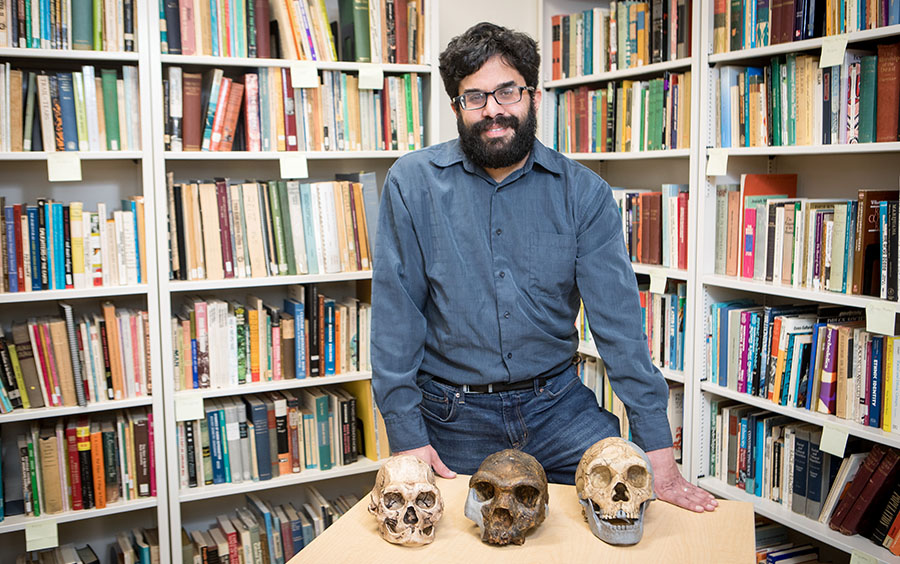
00:01:00 not listed in our brochure because he's uh volunteered to be a late participant and we're very excited to have him here and I'll tell you who he is first that is Mark hle who received his PhD in anthropology at the University of Wisconsin Madison in 2014 and was a post-doctoral researcher at the University of noain from 2014 to 2017 where he worked on a project on the evolution of human symbolic thought that in intersect that intersecting with
00:01:31 Scholars from philosophy theology psychology and other related disciplines he is currently an assistant professor at the Appalachian State University in North Carolina Mark has published on various topics in palean anthropology such as the morphology of early hom and man mandal the process by which our ancestors became human pedagogy and college and the role of War and Peace and human evolution his first book written with Nam Kim emergent Warfare in our
00:02:03 evolutionary past which published in 2018 there's much more to read on each of these participants I'm going to uh try to keep it short please refer to um our online or to the brochures for more uh details about their bios um our other remote participant is d d Lynn who's professor of the the department of Psychiatry and Department of Neuroscience and Physiology at New York University grman school of medicine and has studied the neural mechanisms underlying the generation of social
00:02:35 behaviors especially aggression and parental behaviors for the last 20 years her studies investigate the neural circuits driving and modulating those behaviors as well as the neuroplasticity in the circuits that alter the behaviors based on social experiences and reproductive States her Works have resulted in the identification of her 10 molecularly distinct neural populations essential for aggression social avoidance parental care infanticide sexual receptivity and
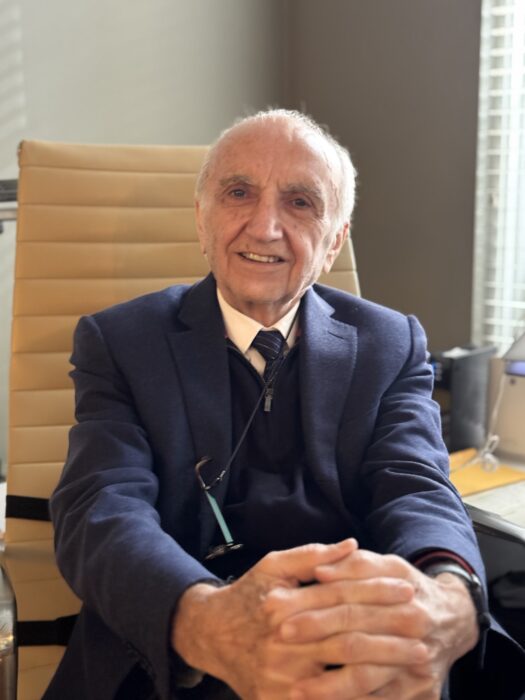
00:03:08 pre defense okay now it's for the participants in our room here today first we have Charles mmer is the who is the Peter H shub professor and chair of the Department of Psychiatry at NYU grman school of medicine and Lango and health he also directs the center for precision medicine and out alol use disorders and PTSD and serves as executive director of the Steven a coven military family center prior to joining
00:03:39 NYU in 29 Dr mmer was the vice chair of Psychiatry UCSF and led the PTSD research program at the San Francisco VA Medical Center Dr marmer earned his a Bachelor of Science an MD from the University of Manitoba and completed a psychiatric residency and a fellowship in neuroarm Colley at the University of Toronto he further specialized in traumatic stress and grief at University of California San Francisco and internationally recognized expert in PTSD Dr M's
00:04:11 Advanced understanding of PTA biology treatment and prevention through studies on risk factors biomarkers neuroimaging Psychotherapy and psycho phac and and pharmacotherapy our director here at the elix is on the panel today and that's Dr Edward nessian and he's clinical professor of Psychiatry at Wild Cornell Medical Center Medical College training and supervising psychoanalyst at the New York psychotic Institute distinguished L member of the American Psychiatric
00:04:43 association and corresponding member of society psychoanalytic in in Paris he is co-founder and first co-editor of the Journal of neuros psychoanalysis co-editor of the textbook of psychoanalysis and of controversies and contemporary psychoanalysis he has published papers on a variety of psychoanalytic subjects and his current interest is reassessing the fundamental tenant of psychoanalytic theory co-founder of the phop center and a past member of the Paris Institute he is the
00:05:15 founder and current director of The Healing Center for inter interdisciplinary studies Joe pinin has been an adjunct journalist Professor NYU since 2008 and was a full-time associate professor at hre University from 2011 to 2019 where he was voted teacher of the year in 2017 with a 40-year career in broadcast journalism pinin held senior executive roles at CBS News Fox News and tundo NBC
00:05:47 News earning Emmy and p uh pulk awards for his work in 1999 parent and treated t as Executive Vice President of news and information programming under leadership the network earned an Emmy for its 9911 coverage and critical praise for reporting on the Iraq War previously pinin served as president of Fox News from 95 to 96 where he helped establish the Network's foundation and launched Fox News Sunday at CBS News
00:06:18 pinin was vice president and assistant to the president um overseeing programs like 60 minutes and the CBS Evening News last but not least Richard K Bass is the Leo a shiin professor of War and Peace studies and Meritus at in the Columbia University political science department and School of International public affairs an adjunct senior fellow at the Council on Foreign Relations he works on International politics and US
00:06:48 national security policy for many years he was director of the Saltzman Institute of War and Peace studies and the international security policy program of Columbia B was previously a senior fellow at the Brookings Institute and taught at Harvard and John John's Hopkins Nitza school of advanced International Studies he also served uh on the staff The Original US Senate intelligence committee which was the church committee and the National Security Council and was commissioner of the national Commission on terrorism and
00:07:19 member of ADV ADV advisory panels for the director of Central Intelligence he's author of six books American Force enemies of intelligence military Readiness nuclear blackmail and nuclear balance surprise attack and soldiers Statesmen and Cold War crises co-author or editor of four other books and author of numerous articles on US foreign policy strategic intelligence and Military Affairs okay that's a lot to swallow but anyway wonderfully you get a sense of
00:07:51 how wonderfully broad this group of of participants is and with that we'll get underway uh I'll start so the round table was suggested by Charlie and uh then he he wanted a round table on war and uh then of course comes to my mind Freud's response to Einstein's
00:08:22 question uh the intellectual Committee of the uh League of Nations wanted to put some intellectuals together dealing with the one particular question so uh they asked Einstein to uh choose somebody with whom he would communicate on a subject and Einstein uh decided to select Freud and
00:08:56 um chose the subject why War so he wrote to Freud and wrote a brief essay of couple pages and Freud responded after a couple months of thinking about it with a much longer I think it's 10 12 pages of a essay about why War which may come up during the discussion but that's the background so so just a historical note
00:09:26 in Reading why War I recommend everyone one read why War the exchange between Einstein and Freud for two reasons it's intellectually very important and is somewhat foundational to what we'll talk about today but more interesting it's a direct window into each of them and their relationship and how they treat each other as the two eminent scientists of their time in physics and in Psychology it's very interesting and when Freud
00:09:58 accepts Einstein's invitation he says in the introduction to his letter to Einstein I will do my best to add to what you've already suggested about the problems of war and he concludes by saying if in the end I disappoint you in my response I ask in advance for your forgiveness it's not easy to respond to Albert Einstein's questions it was it's an amazing and
00:10:28 beautiful EXP exchange to read separate from the issues we'll talk about today so who wants to go ahead uh well they given the opacus and the participants there's a an obvious uh uh proper focus on the sort of psychological psychiatric human motivation dimensions of the question um but I think it's also interesting to think how they
00:11:00 intersect with or depend on other uh levels of analysis to explain why Wars happen at one time rather than another um the motivation of the individual is one source of causes the uh structure organization of governments is another and uh in my business we focus especially on a third level and that's the Anarchy of the International System the simple fact that when there's a
00:11:31 conflict of interest and either side wants to concede there's nothing to stop them from trying to resolve the question by force um so I think all of these levels can interact in different complicated ways and untangling it's why we keep why we keep having these sorts of sessions is it possible to put together something that would manage it so now there would be no war I mean the League of Nations didn't work NATO really doesn't work I'm just curious given human
00:12:02 nature well part of the motivation for addressing this question is at least the unconscious if not conscious hope that there's a solution that makes War obsolete um and uh I think most people who spend their lives studying the problem tend to be pessimistic about that possibility but uh one solution in theory would be a stable world government uh although some would say
00:12:34 then uh if you didn't have international Wars you just have Civil War uh within a world government uh but uh while one can be pessimistic about the question I think we have to still keep trying if not to to unrealistically figure out how to abolish War but at least to figure out ways of combining policies to reduce the number the intensity of the wars yeah it's a
00:13:07 wonderful point and to go back to the exchange between Einstein and Freud the one thing both agreed upon was that the only definitive solution would be a world body which held responsibility for governing conflicts and to which the nations of the world would would secede Authority and follow their dictates and both said that was highly unlikely that was when they did this in 193 that that may work until that that
00:13:41 head body started fighting between themselves right then it won't hold anymore which is why you know we it's not like people I mean there are situations where people want to actually have War but most of the time people would prefer not to have War but it keeps fa and we keep getting into yeah war and it's also interesting to think of the historical context of their Exchange in the early 1930s a few years
00:14:12 later World War II broke out World War II killed 73 million combatants and civilians that is 3% of every person living on P planet Earth died in World War II and that's not even counting the even greater number whose lives were ruined even though they survived for Generations perhaps since said 1932 there have been more than 30 Global Wars and more than 100 million people have
00:14:43 died since this question was first raised we have the uh Four Horsemen of the Apocalypse uh I wonder whether in each case the best bet we have is to sort of mitigate them minimize them right push them back is not going to be then the poverty of famine completely ever perhaps for war but I wonder if that is another another way to look at it incrementally that is be interesting to hear from our guests who are virtual uh on their perspective on are
00:15:16 we based on from an anthropological perspective and based uh which is extremely interesting and thank you I read your papers on this they're very instructive and da is a wonderful friend and colleague she's a professor in my department she is Freud would have loved to know D linnn because Freud would have been a postto in dul ly's lab because because daulin
00:15:48 has developed our deep understanding of the neural substrate of the end she owns the neurobiology of the end so we have to ask both of them from their perspectives I I can go first I guess I'd rather hear other people talk me going on Zoom I'm in uh the mountains of North Carolina where it's been snowing for the last 16 hours so I'm kind of uh stuck here right now but yeah I I think it's so interesting right because
00:16:20 Anthropologist sort of approach this question very very differently we want to know about the evolutionary you know origins of Warfare when did it begin how did it begin why did it begin and our debates sort of I kind of I haven't read it in a while but the um Einstein for thing like it's sort of similar to what we debate now is like my colleagues get up in arms about what's the first evidence of Warfare when do we begin you know become interpersonal violence become more sort of collective at the same time like there
00:16:50 were anthropologists in the 50s arguing about this too who were like oh we're innately violent or we're innately warlike or we're innately peace where sort of my take is we're inate the human and there's various ways you're going to respond to this kind stuff right I mean I'm not a psychologist but my assumption being that for a long time had the capacity to be violent but also the capacity to be peaceful and then we sort of have to tease that stuff apart so a lot of the anthropological thinking
00:17:23 here has become well is war something that happens only once we have state level societies right is it a response to living in large groups or is it that living in large groups actually decreases War because the state prevents violence I think if you come up with the answer for that you would I wouldn't be at Appalachia State University might be at Harvard or Yale but I do think that that's sort of the interesting that's kind of what I've been thinking about is like how do we manage this and also why is it to allude
00:17:55 to you all's questions you know why is it that people today especially have very pessimistic view of human behavior why is it that we think we not we're always going to be [Music] violent great should I should I jump in here oh yes please D all right okay yeah so um so first of all thanks for the opportunity and and I have to say I don't think about a war that much uh I usually think about it from a many a
00:18:26 very um uh small creature um is mice that's the subject we study um and that's what we you know do all our experiments on so uh generally so my lab has a a very strong focus on aggression which I think probably a lot of people can see the link between aggression and violence and War ultimately um but it's very interesting whenever I talk um to people outside of a neuroscience um so
00:18:56 because when I see when I see aggression typically I consider it as a social behaviors as I study social behavior including aggression so aggression is a part of actually the natural behavior repor of the animals and it is an social involving social interaction so I generally consider it a part of the social behavior rather than an antisocial Behavior so which is generally in a human society any of the aggression is bad but for mice for rence aggression we
00:19:29 consider it as an innate behavior by innate it is a actually a very largely hardwired Behavior I have to say um by that I mean that the circuit the neuros circuits that controlling this behavior is very much developmentally wired so there are already structures all in the brains that was just ready to go to drive those behaviors so we can demonstrate that by showing that in naive animals that has never had any
00:20:01 experience of aggression but if we activating certain parts of the brain especially in the hypothalamus then we can induce those behaviors so towards proper targets or improper targets um mice actually mice generally especially male mice they only attack male Intruders they don't attack female that's called the resident intrud um and to talk about that actually another interesting thing about human you know uh you may think human highly aggressive I actually think a human very peaceful beings so we are in
00:20:34 this room and is discussing might they wouldn't do that so you have a mouse and in a cage and you put another male Mouse in they will fight they will fight to the death actually so in that sense you know humans are in fact I consider it evolutionized to be not very aggressive um so then yes so as I said in the moue they are those are circuits especially in the hypothalamus and then into the mid brains a lot of effort to trying to
00:21:05 understand where those circuits are located and those circuits they are just developmentally you know with the molecular programming and transcription factors that they are planned they have been planned to be there and they ready to go and that's critical what triggers them what triggers them that's a very good question so what triggers them for example the region we study um in hypothalamus and the main trigger for doer cells to activate those cells are
00:21:37 actually male cues another cons specific male cues we can show that those cells and even when they're not involved in aggression but U when you have another male Intruder comes in the specific cues about that male is can drive those cells to become activated and then there is a lot flexibility in those cells I said well you know they are hardwired but in fact not old animals they show aggression in The Identical ways some
00:22:08 animals are very ready to attack other animals they will never attack and there are actually a lot of the difference we can trace back to the properties of those cells and those cells the properties and how they wide together how efficient the circuit is to go from sensing this que to drive the motor output largely depending on how efficient the circuit is and the efficiency of this circuit actually can change with animal's experience our recent study showed that if the animal
00:22:40 wins the fight there is this um plasticity happening and it potentiate the connections among the circuit it also increase how easily the cell can get excited and with the repeat winging the cells get super excitable so very easily you trigger it very minor input then the cell will fire and when they fire the consequence of it is the animal will uh exhibit aggressive behaviors that they
00:23:10 will attack so as the animal we found that as the animal Wings a lot they were initially you know very selective in what kind of a Target they will attack but as they become super Wingers then they will actually has this very generalized aggression they think that they're the they can take on any Target even animals that's much bigger than they are you know they clearly don't have a physical Advantage so there is a lot in those circuits we study but uh
00:23:40 one thing I do want to say you know in our in our resident chuday which is our shortbox cage that we just putting another mouse but in some circumstance we're trying to understand you know how the environment might be changing on the aggression levels in some experiments and also Alo in the literatures they are experiments that were trying to put animals like a 10 animals into an big larger Arenas and understand how the aggression goes so there are two things about aggression which I kind of feel
00:24:12 like somewhat relatable to human behaviors one is the resource okay depends on the size of the Arena um when the size is smaller then the animals wouldn't be able to establish a territory so they kind of have to together and establish a hierarchy and they share the resource and aggression generally is very high at the beginning when they are trying to figure out who is the stronger animals and once the territory once the hierarchy is
00:24:43 established then the aggression level become much lower you know and then that's when things gets stable when there is disturbance in this hierarchy structure is when the alpha Gods moved away then you will see old animals start to fight for the alpha position again so the aggression level will trans goes up until the structure was being reestablished so that's kind of like instability in the society can increase
00:25:13 aggression and the other is the size of the Arena you know when the arena is small they have to establish a hierarchy but when the arena become really big then everybody carve out a little area to become their territory and then the aggression also really reduced unless you know others invade your territory and then there will be fights otherwise individuals just can live peacefully and having their own little space so that's kind of like you know in a way I can think of human behaviors a bit uh in
00:25:44 terms of if there's a lot of space there's not a lot of competition a lot of resource then generally the need to compete for resources lower and um the need for U fighting proberbly War and also is um is less so that's kind of my my little thoughts uh from my uh you know study on the little mice but I have to say that all these circuits we study in the hypothalamus is conserved across
00:26:14 the mananan species in in fact across the vertebrae species they're existing in reptiles in fish um they existing in U in mice in primates um cats dog human all of us so there's no reason to think that we don't have those structures so we we absolutely do y several of these interesting points I think relate to a flip side of the the question we're talking about and I think one might as well ask why not war in the
00:26:47 sense that if you think of the overwhelming history of human evolution uh I don't think people would find anything surprising about uh the presid prence of violence uh but war is a very highly organized Collective activity uh which uh I'm I'm not a scientist in this area but probably you you don't see in very many species of the animal kingdom is distinct from more individualized aggression uh but in
00:27:21 Civilization as it were the last several thousand years uh some mechanism have developed that for one reason or another have limited uh that kind of pervasive uh survival of the fittest darwinian pattern of of life so matching the logic of evolution on the uh uh the action of the uh human motivation uh and and other factors and
00:27:52 how that's changed with uh mechanisms for restraining War uh I think is uh in some ways the heart of the question in in your experience from the there's some Wars that are considered that were U let's say necessary and then there are Wars that after the fact you say uh we that that war should not have happened or should not have we should not if it's the person the the country that is admitting
00:28:25 not they shouldn't have done the war so we shouldn't have G G what what makes for the difference and what why um I mean I've read not so long ago for example that the Iraq War was not necessary uh so what then motivated the war if it wasn't necessary well I think uh almost anybody
00:28:56 who starts a war thinks it's necessary NE maybe necessary for reasons we would consider wrong reasons or stupid reasons or immoral reasons but for whatever reasons they thought it was necessary and uh in most cases whoever loses the War uh probably thinks it was unnecessary uh for for obvious reasons uh and well the latter case I me one thing we often don't think about but has a certain perverse logic to it is
00:29:28 that um as said it's the defender who starts the war for example uh why do we say that World War II in Europe began in September 1939 because Germany invaded Poland right but why do we never say that it began in March 1939 when Germany invaded Czechoslovakia because in September the polls fought in March the checks did not
00:29:58 uh there's always almost always a way to avoid war and that's for one party to give the other what it demands and in a conflict of interest you either get both sides or one side realizing it can't win or both sides realizing they have more to gain from a compromise or they can't agree and the only way to resolve it is by force but then one of them has to be miscalculating one of them has to think they're better off going to war than than giving up uh and if they lose then
00:30:31 they miscalculated so they thought it was necessary but it turned out it wasn't you're talking about Iraq 2 right the second Iraq war in which the reasons were given were not accurate I mean the government misled I think the public on what the situation was uh but the public was supportive went in and found out Saddam Hussein did not not have anything to do with 911 uh but the goal of the US government
00:31:05 was to get rid of Saddam Hussein uh so it was mischaracterized as link to 911 uh it was it necessary I I don't think so but uh but it was built up and that actually hurt The credibility of Bush's standing in the uh in the world uh because the the his government his people misled everybody to think this was the source of terrorism when it wasn't so that's where it gets off the mark and
00:31:36 information is managed of course and information is given to the public that supports the government who who's gaining in that well the government was putting out a position that uh the US government was putting out a position that he was involved and they were pushing that forward through Congress and they even got C and pal to go make speeches before the United Nation based on inaccurate information so that's really what uh that's information's a
00:32:06 major factor in driving of course War how things are positioned including the bush administration's position that Iraq was harboring weapons of mass destruction right which was not the case did they believe it and that's what made them anxious and they went for into war yeah I think there were had several motives uh the one they used mainly to justify it in public was uh the mistaken judgment about weapons of mass destruction for which there was what
00:32:36 seemed before the fact overwhelming circumstantial evidence turned out to be turned out to be wrong um but I think basically Bush uh with the hubris of the post Cold War era thought he could do a good deed at low cost that he'd overthrow this monster Saddam Hussein remake and democratize the Middle East and uh it wouldn't cost very much it'd be like the first Gulf War we' we'd be greeted as liberators well miscalculated that's
00:33:09 right can I just jump in real quick I Richard I think was Richard who pointed out like what do we know about war and other animals just to do my due diligence as the Anthropologist in the room right this is a huge problem we have because you know animal behaviorists will say oh ants do war or spiders do War because they're using it as an analogy what what they see but I think for the evolutionary anthropology question it comes like is that really War I mean chimp very famously chimpanzees will occasionally go on what we call raing parties and if you can go
00:33:42 on YouTube and watch they get together they they don't how they communicate we don't know and they go out and they spot other chimps that are not in their group and they will kill them and it does people have argued why that happens right is it they're hungry and they're I mean chimps will hunt colubus monkeys as well but sometimes it seems like they're just killing them you know because they want them gone and like folks have argued well maybe they're trying to make it seems like the chimpanzees will only
00:34:12 go on these rating parties when they know that um the enemy chimps nearby are out they can outnumber them there's more of the them than there are of the other group so they maybe make some some calculations but again I think the question you all are getting at is like is that war you know I don't know we don't know why chimps do it and the sort of super secret we have as for climatology primatology is that the chimps have been pushed into small regions where humans don't live right now so going back to D's question about
00:34:43 like you know how um resource allocation works here right that's also the problem is like what we know about animal behavior is affected by humans watching them so I think it's a really interesting question that we just don't know um the origins of War are so sort of murky because the archaeological record is so incomplete if that makes sense very interesting points from the primates I wanted to respond to something da said which was that in
00:35:15 larger groups rodents will be aggressive they have a cir neuros circuitry of aggression it's easily triggered we share fundamentally the same conserved neural Pathways that rodents have in aggression so while rodents don't sit around and have roundtables our our our our quote unquote primitive brains or at least the Machinery the deeper brain structures which serve sexuality attachment
00:35:47 parenting and aggression are virtually identical in humans as in as in rodents so that's something we have to take very serious seriously that we are rodents with a high powerered prefrontal cortex that's who we are next question is you mentioned that aggression will be Unleashed until there's a point in a group of rodents in which a stable hierarchy of control and dominance is established that is a very
00:36:20 interesting observation one of the things that Freud talked about in why War uh was the period called Pax Romana you recall that there was a period of approximately 230 years from the turn of the Millennium till about 200 a with the death of Emperor Marcus aurelus in which there was 200 years of Peace in the Roman Empire it was a time
00:36:53 of great cultural flourishing of construction of Road build building of poetry of advancement of Medical Science astronomy everything else and almost no war and conflicts and the pathway to that period of Pax Romana was through Relentless Roman aggression until they completely dominated the entire Roman Empire so that ironically the pathway to
00:37:25 peace was not through the establishment of a collective governing agency it was through pure hierarchical dominance that is to say the pathway to peace was through War but that's a governing agency right maybe for bad reasons or or not uh why have why has there not been a war between the United States and Mexico since the 1840s when we did have a war I I suspect it's not because the Mexicans
00:37:56 think it was quite right for them to lose almost half their country to the United States I imagine part of it the Mexicans realize there's nothing we can do about it correct so why fight yeah so maybe I just jump in a little bit also about uh you know just the nature of aggression as I said it is a u social behaviors uh I'm not implying it will be um the same feature will be extrapolated to the war but uh in fact
00:38:26 ultimately you know as a part of the behaviors that the animal is uh is encouraged to express in a sense because that is a way for them to secure resource defending territories and secure the mating opportunities uh so one thing we realize is that actually winning a fight is very rewarding um to the animals uh intrinsically so the the animals that they are they are willing tool voluntarily seek the opportunity um
00:39:00 to express such behaviors uh if they allowed to without anything else and if when we record from um their uh dopamine signals um in the nuclear Compass which is the region that's famous for addictions because of the all the reinforcement being called a pleasure chemicals um but you know it's a it's it's a function is much more complicated than that but generally in that area what we found is that a positive experience will increase the dopamine release such as food and sexual
00:39:32 behaviors um and a negative experiences such as a f shock uh will decrease the dopamine release and guess what when the animal win a fight the dopamine nicely increased uh in their areas so and that's sufficient to reinforce that behaviors as well as the contacts the animals is within so there is this Behavior Paradigm which you can um show that when the animal is winning a fight in a particular area then they establish
00:40:03 a preference um for the areas suggesting that this is actually a rewarding experience to the animal so of course when the animal lose a fight then it's not rewarding at all so when the animal got defeated then we found that this dopamine chemical is reduced so and the animal learn from those experience and once the animal lose a fight they will actually learned that this is an opponent that's a superior opponent and we I should avoid it so next time when
00:40:36 the animal is encounter this opponent again instead of their natural tendency to approach the opponent they will quickly um avoid that opponent and there is uh neuroplasticity in the brain so we uh now have some understanding of what has happened to cause the animals to go from this approach behaviors engaging the fight versus avoiding this aggressor so there is this balance you know even though in a way this is can help you
00:41:07 secure resource but when the chance of losing the fight is very high the animal learn to avoid it so that's kind of also in a situation basically a fight is costly and is risky and the animal need to do risk assessment to determine whether this is a wor of all effect and in situations you know we manipulate a certain part of the brain which learned that the animal once they lose the fight those brain activities will actually increase when they encounter the grass
00:41:37 again so to tell the animal don't but if we reduce activity in those brain areas then the animal do not have that information which will result them to continue to engage in the fight and what happen What happen is they were actually being defeated more so basically when you engaging a fight that's a disad Advantage it as in the animal world which is probably not surprising then they will incur more severe consequence than if they just stay away from that conflict you know there is a lot of
00:42:09 again I can see kind of a lot of talking about why Mexican was not trying to fight the United States um but if it's a fight you know you're going to lose at least for the little mouse they know that it's better to stay away instead of trying to uh continue to fight there are situations that might as well continue to fight even though it is not a fail fight that is something we call a maternal aggression so when the moms then they become moms they will actually
00:42:40 protecting the youngs and they will take a much bigger Target that they will normally not fight and they will not really have you know a good chance of a winning but when you have a precious Goose where you have a very strong motivation then moms will do it will fight and when they fight really viciously and willfully and under certain conditions um they will be able to drive away intrs in the basic way is
00:43:11 it more than just the fight flight response in its fundamental way what do You observe they are so flight and fight you it it captures the two reactions of the animal to another opponent so but you know but the classical flight and the fighter they actually probably not all talking about the cons specific the flight is more against a predator when you have a real much bigger threat that was not
00:43:42 something U within U your ability of a fight against so then that will be the flight and yeah in fact in that context the probably it's all about Predator when the Predator is imminent then they will actually fight uh rather than flight but if they could they will try to flight um but in in humans you you you can see a lot of now I'm not talking about war I'm just talking about regular fighting that be most of the time behind it is some degree of anxiety that
00:44:14 triggers triggers the aggressive response and then you have a fight yes and so I'm I'm I'm wondering to what degree triggering of the of fear is foundational to a lot of expression of aggression now war is much more complicated because obviously there are a lot more motives for it but uh not in expression of aggression can be
00:44:47 triggered or is triggered with something you know with that Basic self-protective Instinct yeah very good question so um what I can tell you is that in a fight that the aggressor is one of the animal is a clearly um a dominant animal so in the case that when we do our experiment if the animals body weight is differ by 20% usually the bigger the heavy animals
00:45:18 has a much bigger advantage over the small animals so under those conditions um the big animals is if guarantee to win um then the stress passway was not activated so they do not need to be stressed in order to fight so the animals as I mentioned that the dopamine is released the fight itself experience winning is sufficiently rewarding experience for the animal to express
00:45:50 that behaviors without the need to defend or feeling anxious but in the case with a female it's a different situations so in that case part of the defense is you know there is a whole circuit changes the aggression circuit was being highly um boosted during the maternal period in order for the animals to be able to express it so usually the an anxiety in fact we are uh right now
00:46:23 looking at the relationship between anxiety and aggression so I think it's a kind of a U-shaped relationship which means that under normal conditions actually uh we think that the more anxious animals tend to be less aggressive at least in our hands under normal conditions the anxiety is something that actually decrease aggression um but under conditions that's highly angiogenic then it can again start to boost aggression so there is this sort of
00:46:54 phot simple linear relationship between these two things am I did I understand you to mean that sometimes aggression is expressed just for the fun of it in mice yes yes is yes and important to say in our careful psychological studies of Warf Fighters including I did a lifetime study of a representative sample of every man and every woman who fought in the Vietnam War and follow
00:47:26 them from for 50 years to look at the adverse consequences and the Adaptive consequences among the intense War Fighters those in battles in which they dominated expressed high levels of sexual excitement in the context of killing but my theory about that has been that uh the sexual excitement is used
00:47:57 to counter the more yeah the fear and so sex becomes a kind of a uh calming drug for Fighting Fear I think it can serve multiple purposes but I wouldn't underestimate the excitement separate from the fear and this has been known in tribal Warfare in other in small group
00:48:27 Warfare in the preparation for war where the group is reasonably confident that they're dominant there's a high level of excitement and interest in conquest and killing and that's not necessarily defensive against fear it is unfortunately the pleasure of killing I was just going to mention that you know I think in extrapolating from animal studies to humans one of the things that is really importantly differing is that humans have a much more their the stimula that can cause
00:49:00 aggression is more abstra can be more abstract you know Charles you were mentioning having a larger prefrontal cortex so the sorts of stimuli that we count as being a potential cause for aggression is much greater and mean you have to know that what uh weapons of mass destruction mean I mean you can't tell them I you better watch out you know they've got bomb U but we know what that means and we don't have to see the same Mouse over and over again to know I don't want to fight him I might see someone similar to that Mouse in size or
00:49:31 whatever in some other aspect so I think that the increase in abstraction in what can count as a cause for for fighting um by the way also to including Justice we haven't talked about that also I mean we might think of uh mice mice mothers protecting your young as an act of of acting enacting Justice in some way supporting someone who's weaker than they are so we we also expand those sorts of categories um I I think that's
00:50:01 an important distinction it maybe accounts for some of the ambiguities that occur in human aggression that don't occur among mice so one thing that di is saying is that the more successful the animal is in dominant aggressive behavior the more rewarding that experience is the more rewarding it is through dopamine endorphins and other pleasure chemicals the more likely they are to further engage in human
00:50:32 Warfare people go humans at least our V my Vietnam veterans told me they engaged in killing for three primary reasons the first reason was they believed it was their patriotic responsibility to defend their country so they engaged they believe those especially the Vietnam veterans who volunteered for the war as opposed oppos to being drafted actually many of them believe they were doing the right thing to serve their country
00:51:04 second reason is in the situation there is a high level of excitement as well as fear in the battle situation and in third because we investigated the Meli Massacre and other atrocities and what we found is that it's normal not abnormal for war fighters in very difficult battle situations where they take losses to engage in atrocities that is not a they are not cyclopaths going to war
00:51:36 these were not bad people who had lives of a of of uh uh unempathic aggressive behavior necessarily in their development they were people of normal War witnessed the brutal death of their comrades in war and in became so enraged and so vengeful that they went and killed anyone in their sight women children civilians everybody in killings
00:52:07 Brees so killing in war occurs for altruistic reasons of serving one's country for the excitement and pleasure of killing and especially for Revenge killing among humans I don't know if you see the an analog so those in animal mods but where the prefrontal cortex gets in with the lyic system that's what you get this interacts with other uh
00:52:37 physical problems too uh sleep deprivation uh prolonged high stress of prolonged combat uh and all of these things feed into the uh the Revenge acts that uh go with atrocities and drugs yeah and levels of training too uh highly trained troops are uh a little bit less prone to it than poorly trained ones there's a lot of variables that enter in that I think facilitate the phenomenon you're talking about I
00:53:07 totally agree with you but the most shocking finding from that study of which there were many what what we went into the study thinking that the commission of atrocities would be a horrible but rare event in War onethird of the participants that we surveyed and we surveyed them for five six seven hours over on several occasions so we really got to have very honest and deep conversations with them
00:53:39 onethird of Vietnam veterans who served in the war zone 3 million America American men and women admitted to committing or witnessing an atrocity yeah yeah this by the way I think is one among many reasons that uh policy makers can more blly decide to go to war uh when they don't experience the uh
00:54:13 concatenation of problems you've mentioned that make uh what they think of as unnatural and atypical really typical they delegate their Wars too other people they live back in capitals right and now with the and they hardly ever send their own kids to fight them too and now with AI and all that uh they can be at a distance and uh most of Americans won't necessarily feel the impact one of the things about the Iraq
00:54:44 war in Afghanistan is most of the citizens had no idea what the consequences were let alone for the soldiers for the country I mean they really didn't feel it they just went on with their normal lives yeah so one thing I may add because Charlie mentioned uh the aggression and uh the sexual arousal aspects of it so I just want to add a little bit um from a a neurobiological point uh the
00:55:16 aggression and the sexual um Behavior circuits are very intertwined um in the brain so it's probably not by accident because because of these are both engaging C specifics of a different sex but there is a lot of sharan shared um features of male and females so when the brain process informations so there is a a lot of shared Pathways to process those informations and uh many of the brain regions they contain cells that
00:55:46 actually are activated by uh some cells in the same regions are involved in aggressive behavior some cells involved in sexual behaviors and some cells actually involved in both and a lot of the uh they they express the hormone receptors sex hormone receptors um so which actually making there is a lot of a cross talk between these two circuits u in fact one of the most effective way uh to trying to increase aggression and in the laboratory uh mice is to give
00:56:18 them a sexual experience that actually helps to increase the aggression level on of the male mice and usually the male mice that's uh very good and aggressive they tend to also be very good to engaging sexual behaviors so there is definitely a lot of a cross talk at the biological levels between these two behaviors and and the other phenomena in U in aggression again in the case with mice is that there is this called a priming effect and which is that if you have engaged in an an aggressive event
00:56:52 then the the the brain circuit that the circuit is at this elevated the state and when there is another uh Target in sight the animals is much uh faster engaging the aggressive interaction again because of the aggression circuit has been primed but this is a very well unknown phenomena um so it just you know kind of partly uh related to uh some of the phenomenas Chari has uh I just mentioned I think that's really
00:57:24 interesting to hear that um I thinking from an anthropological perspective again I don't know how much this gets cited outside of anthropology but in the 1980s there was this huge study done about theano M aan Mame are people in Brazil like we live in the rainforest and what what happened is an anthropologist argue that uh amongst theame the men who killed somebody else who have had you know committed murder in Warfare uh they had a higher Fitness they had more
00:57:54 kids and this was taken to suggest that well War exists because well if you kill someone else you will have more kids and it gets cited a lot the problem with this U that came out later is yes it seems like so the men who killed had more kids but also you have more kids as you get older and as you get older you're more likely to have engaged in more it's a very it seems to be a place where there's a lot of violence it's more likely to have killed just CU you're you're getting older and also the the
00:58:25 headsmen of of this um group are more likely to have um kids just because of of their position and authority and the headsman are more likely to have kill so I think it's just sort of interesting to sort of tease apart these differences like you point out how hard it is to do with mice with humans you can't like do these kind of natural studies so we have this this issue of like well what does it mean to be what I guess what I'm trying to say is that for the majority of humans existence we were living in small scale
00:58:55 societ right we're not living in sort of like these large state level societies and then thinking about why does war exist I think partly you have to we have to think about the fact that the way we live now is only in the last couple thousand years like you know farming is only 10,000 years old for the rest of the millions of years that humans were on the planet or our ancestors we were living in these sort of very different um societies so it's really hard to know like what our natural tendencies are
00:59:28 yeah actually that reminds me of um few studies on the mice again so which is that they basically it was a long time ago it was this book called a mice over so in a book they were trying to do an experiment which is basically have a a barn and they put a a lot of male female mice into this barn and see how the mice will just naturally distribute so it turned out that there's there are three groups of a mice at the end so there's one group of mice the males able to
01:00:00 secure their territory so they give like a little hubs uh Huts so the males able to have their own Hut and usually they will be able to have one or two females to live with them and then they will patrolling their areas and be very effective in gar of other um mice trying to invade and those mice are the most successful reproductively so they are offsprings that tend to be able to um you know Prevail and then the second group of mice they are the males and the
01:00:32 females they will tend to live together um and those males still have access to the females but The Offspring tend to not survive very well because in this crowded sort of a uh communal living conditions and then there's a thir group of males which actually they just live by themselves they trying to skirt out during the daytime or when everybody is sleeping you know they're at bottom of the society and that they have no access to the females so they will never have offsprings so that's kind of in a way is
01:01:03 a natural selection you know the animals with more ability to defend their territory which typically means higher aggression levels of higher fighting ability I will say it's actually in the eological there's a term called resource holding potentials so when they have higher resource holding potentials then they will be able to reproduce more effectively which in a way is you know um how select that kind of a trait on evolutionary on for that species so so usually in fact the aggression from The
01:01:34 evolutionary point it was a eological point it was considered a part of the reproductive behaviors um they are kind of together because the main purpose of it is actually um to trying to uh reproduce uh to securing the mate securing the resources securing the territory all of that is needed and to protect the pup at the end of the day yeah wow that's incredible well the idea that male mice get 's say a reward via dopamine U uh is
01:02:07 one level in which they're rewarded but then also if they get that more mating going on that's like another level and and I'm interested in the comment Mark made about the the the the people where the men also had that same sort of thing they were rewarded they were considered leaders and had more mating opportunities um in our culture we have this sort of myth of the hero going back to Homer where the warriors were
01:02:39 venerated because of their prowess and that's another level again like a more abstract level of reward that our Warriors used to uh Garner and we know starting often it's often common even with Vietnam that the idea of these people people being wonderful Heroes started to get eroded somewhat and now sort of almost turned in the opposite direction what effect has that had on the way Wars go on and how Warriors return
01:03:14 incredible I I it's very difficult to first of all that was a very elegant experiment you just described that you very interesting very Prof found actually the the translation of that to Human Society is complex but for sure there's Echoes of it in the way you're describing I I had a funny experience after suggested we do this some I was thinking about you know I was thinking about
01:03:46 Martin Luther King's comment that the that the Arc of History bends slowly but it bends towards Justice very beautiful deep savan we hope it's true we don't know precisely if it's true I would the question one of the questions for us as a group is does the Arc of history or what we call civilization Bend towards the diminishment or the increase of War over time I I'm not sure it's a very
01:04:17 complicated problem but I have one of my wonderful grandchildren Noah is an excellent athlete but he's he's 13 years old he's early adolescent boy very aggressive very excellent baseball player and very into his Bay Area sports and I was asking him about something about about the NFL playoffs this year and he said don't mention the Kansas City Chiefs to me I I hate I hate the
01:04:49 Kansas City Chiefs now I've never heard him actually say that he hated anything before he's a kind and generally very loving boy but he actually literally hates the Kansas City Chiefs because they took the 49ers out of one of the playoffs and he Bears a a vengeful Grudge about this the question is what is that behavior is that just tribalism is sports the new Roman form is this
01:05:21 tribalism and the deeper question is as we move up if we are through levels from less developed more primitive ways of organizing civilization hopefully towards more Humane collaborative and empathic ways of organizing civilization do we ever leave the earlier levels are they deeply embedded in our
01:05:53 biology psychology and culture culture and if so is civilization like a Russian stacking doll that is to say inside it are all of the earlier developmental phases which included tribalism hunting other tribes killing them and then engaging in cannibalism to assert the domination of the tribe that's part of our history but is
01:06:25 it part of our presence in the sense that as we move from one level of cultural or psychological development to a harand that we bring all the others with us there's lots of reasons to believe from psychoanalysis and from ego psychology to believe that for every developmental level that we go through as human psychosexual development uh personality development that we bring all the other
01:06:55 with us and that they under specific circumstances can all be reactivated so the question is is the civilization we've built is it a stable strong and thick and durable structure or is the is the is civilization a thinly layered human construction that can be easily blown up under the right circumstances and we quickly regress to much more more primitive forms of behavior certainly in
01:07:28 Warfare it's the latter because people of normal Social Development will engage in very primitive aggressive and so and sexual behaviors that they would never otherwise do so it's just a question how durable is the civilization we're building or is the is the deep brain the misol liic brain sitting in there as a thermonuclear po itial always ready to blow up our our beautiful
01:08:00 structures well there's a lot of literature debating this question uh and sort of to oversimplify it two ends you have the pessimists who say really history is a cycle and we have ups and downs but yeah we always eventually come back to the bad stuff uh others who say no you know there's sort of a theological process where Society liberalizes mature uh recognizes uh better ways of doing things and yes there are ups and downs
01:08:31 but uh uh the the trend is up and there's controversy about how to measure the uh incidence and intensity of War to try to answer the question um and I don't think there's any consensus yet but um the the basic problem it seems to me that you can try to find institutional solutions to uh where possible but the basic problem is what to do about conflicts of
01:09:04 interest when neither side is willing to concede in a system either an international system which is anarch in this just in the sense there's no world government or a national system where the government is very weak or divided I think most people until fairly recently thought the United States was sort of a a beacon on the hill of uh stable functioning society that had bad problems for a while but we had a civil war and got rid of slavery and then bad problems for a while and we had civil
01:09:36 rights legislation and things were suddenly getting better uh and I think in the last few years people have had their doubts that that it's not regressing that another civil war isn't Beyond imagination is it because the people who are some people anywhere are trying to divide uh and uh bring out the worst about the other one demonize other people that's polarization that's how to
01:10:06 get ahead polarization is polarization means neither side can see a compromise that can work and without compromise you it's hard to see how a democracy functions but it's we them and those guys are demons they're evil they're terrible well maybe that that grows on the debate but a lot of it is just a conflict of interest over beliefs and material interests but some people aren't getting
01:10:37 all the information they're only getting silent information that's a growing problem we don't all watch Walter cronite at the same time anymore thank you very much well in your impression uh are we having less Wars than 500 years ago in other words it seems to me but maybe that was very uh kind of a small Sample When I was a student and we were studying history yeah 500 years ago we were
01:11:09 studying history I was there with you that that that history was mostly about wars uh well who knows what our history is going to look like to people 500 years later uh uh uh there's a lot of controversy about how to answer the question empirically um I think certainly in the Western World the answer looks like yes a lot less war than before you go back 500 years and Europe was the bloodiest uh
01:11:41 region of the world uh but the Western world is only uh you know a fairly small part of the world uh and most of the wars going on these days you don't hear about they're on page 17 of the New York times uh there were a lot of them but CNN doesn't go to Sudan very often uh yeah I mean this was the point of a h like one of Stephen pinker's new books right was that war better angels of our
01:12:11 nature angs of our nature yeah he's like well look there's the the state has mitigated this and the enlightenment makes it that we're we're living the most Peaceable era now and I'll say I don't really think that you could know that right um certainly maybe you know in his book he doesn't really get to other kinds of violence right just looking at like interpersonal violence but violence in general has probably increased or at least is very different way and like you point out I think Joe's point is really Salient too
01:12:42 is that like people want to use the data that psychiatrist anthropologists that we create to drive their own narrative right so they want to say yes I'm just thinking I I read a lot of sort of the Popular Science books about this topic and they'll say like oh well we know humans are innately violent so we shouldn't be surprised that this happens but I'm not sure we do know that so one thing I will say I want to say about you know the point whether uh
01:13:13 a little bit about how inly violent we are and whether we build on the civilization uh with a sing layer in this in the core that was uh pretty hard to wire to uh execute certain behaviors um I mean I I think one thing which is very fundamentally different between the animal and the human is that um for Animals if they engage a fight and they win a fight there is no consequence there is no punishment uh for human societies I
01:13:44 think that's a very different stories and uh I never I didn't do that experiment but I assure you I I I imagine if I did do that experiment if for every single fight the animal initiate he will the animal will receive a fo shock a punishment then my gases very quickly the animal will stop fighting so there is a consequence but for the mice they Wing they win that's how they uh secure resource and the generator is a positive outcome
01:14:16 associated with it so it's being reinforced um but for humans it's very different because when we in the normal societies when we engage in if engaging aggressive actions as a mean to secure resource then there is going to be better consequence so that I think will deter in the normal conditions um you know this kind of negative reinforcement learnings um but in the war conditions I can imagine this is a situation that
01:14:48 this punishment is being lifted um it's just you know my naive uh thinking of those situations see why there is this suddenly kind of emergence of this bad human Natures um yeah so but I do want to say that the human aggression and animal aggression are very different and I actually I say with study aggression I never say study anger because I don't know what is the emotional state of the animal whether they're angry at all or not and the the
01:15:22 thing that trigger aggression in rodents and many species are very clear so what the cells are you know hard wired to respond to but for humans the thing that trigger make us angry or trigger our aggression could be so different so diverse and the way we express aggression is also very diverse it could be all verbal right so so that you know that layers of difference which is very difficult to study in nonhuman species
01:15:52 but that really fundamentally I think even though we do have those in the course but I think there is a lot of elaboration and other systems um that change our behaviors a control our Behavior moderate our behaviors okay it's true but I think that's definitely true when we think about angry confrontations between individuals groups perhaps even Nations but with regard to your question I was
01:16:22 thinking is the situation any different from the Roman Empire I don't think so I don't think as civilization as a society that we've evolved beyond the Romans had a clear idea and it was world domination of the world as they knew it and they were able to successfully do that and they secured peace because for the reason you mention which is their opponents were very reluctant to take them on it was too dangerous to go along
01:16:56 than to confront and die now World War II was staked out on that same principle it was a open competition at least on the part of the uh of the Third Reich to achieve world domination and would have done so if they could have done so militarily and if you think about the conflicts now between America the Western world Russia China whatever the great Powers
01:17:29 they would maneuver probably for world domination but they're constrained by nuclear threat I don't think they're constrained by civilization or empathy or deeper understanding they're constrained by mutually assured destruction the deepest fear in international relations is mutually assured destruction in nuclear conflict it has been the only thing I think that has prevented for example a nuclear
01:18:00 confrontation between the west and Russia during the height of the Cold War that Russia was a rational state is a rational State actor to that extent and would not engage in an exchange of nuclear weapons and back down during the time of the Cuban crisis for that reason although they didn't want to the threat was too great so it seems to me the only thing that has actually constrained world war in our time is the existence
01:18:31 of nuclear weapons which guarantee mutually assured destruction so I I in that respect I don't think the psychology or the level of maturity of the civilization of our world is any different from the world during Roman times zero okay um I just want to raise one other question maybe we can touch on before we open up for some uh for the audience to ask questions so the following up on
01:19:03 your comment Charles and then I think interesting comment that that you D you made earlier about the ways in which she doesn't consider and correct me if I'm wrong in paraphrasing does not consider aggression in mice anyway as being um antisocial or necessarily antisocial it could be usocial and it functions in a sort of proper way um here we've heard examples of how different Sovereign sovereignties have uh perhaps through gaining a monopoly on
01:19:34 violence the Roman Empire for example that they created a px Romana on account of that sort of Monopoly of violence you know you said well the International International body would have a difficult time uh attaining that sort of Monopoly and violence and there would be interessing Wars and Civil Wars and such I'm wondering beyond the idea and I think the somewhat novel idea for me that aggression can actually stop depression it's sort of seems a bit euphemistic but maybe it happens or utopian but um what other process we
01:20:07 haven't maybe talked on touched on so far might be pro peace like other than in insisting on violence or maintaining order through violence with the threat of well just before we go into that very difficult question since we started with Einstein and Freud Einstein famously said that you cannot prepare for War and Peace at the same time uh Ronald Reagan said that that was
01:20:37 wrong and actually demonstrated that it was wrong that Einstein was incorrect about that because he actually managed the threat of the Soviet Union by simultaneously preparing for War and Peace and his strategy was to outspend the Soviet Union he understood that they could not compete with America on guns and butter at the same time and he competed with them to the point where he drove the Soviet Union into near
01:21:10 bankruptcy and capitulation by a massive arms buildup and a massive domestic buildup of Interest industry guns and butter at the same time preparing for War and Peace simultaneously and the Russians could not compete they they were they could prepare they could compete on weapons at the expense of a starving population so they capitulated so Ronald Reagan actually disproved what Einstein thought about that just a
01:21:41 historical footnote I don't know if you agree with that well Einstein also famously wrote letter to Franklin Roosevelt before American entry into World War II uh calling Roosevelt's attention to the need for uh an atomic bomb program um and I don't know if it's apocryphal or not but I always remember the quotation attributed to Einstein when asked about why uh people couldn't work out peace better uh he said because politics is
01:22:12 harder than [Laughter] physics the a lot of the problem at least you know in the discipline I come from uh is the balance of power and estimating it because in an anarchic International System uh nobody can enforce the law except the parties themselves uh and if there's a gross imbalance of power then the weaker if
01:22:43 they're sensible concede to the stronger well for for little Hiatus after uh about 1989 in the Cold War we had about a Dozen Years uh of American Primacy where the we thought of the cold Wars bipolar with two roughly equal Powers contending with each other and and the uh the Soviets collapsed in part I would say because garbatov had naive faith in the
01:23:14 liberal vision of uh uh various peaceful ways of enforcing Global cooperation so he essentially surrendered uh Reagan just collected his concessions and pocketed them uh and I think that's part of the reason that gorbachov is so widely hated in Russia today uh but uh a less clear balance of power is
01:23:45 emerging now so I think that's what makes uh the current situation more dangerous and and getting more so than it was for a dozen plus years years after the Cold War Putin's trying to win back what gach gave up yeah Putin said the dissolution of the Soviet Union was the greatest tragedy in history uh and you I would say the problem is not that Putin is an evil uh self-conscious aggressor although that's the way he looks from this end is that he believes he's
01:24:17 completely justified in restoring Russia's greatness and in restoring the wrongful separation of Ukraine and so on he grew up in Leningrad and he's felt terrible about what happened but he also miscalculated I think if he'd known on February 22nd 2022 that he was going to get into a threeyear long War instead of just taking over Ukraine the way Bush thought we would take over Iraq in 2003 uh he probably wouldn't have done
01:24:51 it but the in in Asia this is where the question is is uh the biggest now because Chinese Chinese power is uh roughly rivaling American and nobody's sure sort of how much either is a little ahead of the other and that's a situation right from his calculation we're going to go for Taiwan at some point yeah okay well on that cheery note um we never promis You a Rose gu
01:25:24 I was waiting to do that experiment to see if D's right about us being more peaceful than mice throw a piece of cheese here in the middle of the table but um I wonder if anyone from the audience has a question they want to seem there different reasons for one is wanting to be sour to the other people um but one that wasn't mention is um religious wars that things need going
01:25:55 to war someone just because of what the other side believes um nothing material about it I wonder if that's just an excuse or it really is the religion they go to war for other reasons but they say it's for religion great question it's a wonderful question we haven't talked much about racism religious Prejudice or xenophobia which are all
01:26:26 ideology which are all obviously related and related to your important question well I think part of the answer is that uh certain movements have a vision of the way Society should be organized that they believe is absolute uh the only moral course the way God wants things uh and they're not very interested in the idea that other people think differently and they have to find some compromise which is an idea
01:26:59 the latter idea I think that's more common rooted in in the American political tradition although it's uh faltered recently um so I I mean the idea that there's one religion or one ideology that should be instituted in the United States and never challenged is alien to most people but in a lot of other societies it seems natural and once you believe that that God wants things this way how can you argue
01:27:30 against it uh the professor put it this way at one point he said do we bring along with us and so on and we surely do and I would use the word natural rather than just primitive we bring along Evolution with us there's no escaping it because we are part and parcel of nature I would very much disagree that the human animal is any different at at bot from uh any
01:28:03 other creature my go-to is Stanley Cub's brilliant opening of 2001 Space Odyssey I don't know whether you remember it it's not about space it's called the dawn of man if you remember and it's a fight over the water hole between the two groups of monkey men human evolving from I think he got it and that's that's the way it is yeah and we can try our best and we should try our best it's
01:28:35 what civilization found a fun fact to control to Abol but we can't and we won't because we're part of Mother Nature and Mother Nature has decreed for Les for reasons we don't know that we are the way we are that's that's my mark you you had a resp yeah I I mean yeah I think that 2001 and beginning is fun to watch I mentioned to my students and they have never seen them really old um but relevant to this
01:29:08 discussion right where that um scene came from is Stanley kuri right that was getting it from uh Robert arery Robert arery was a playright in like I think the 19 40s 50s 60s lost his job and then went become a journalist and hung out with an anthropologist in South Africa who is studying some of the early humans ostes like these bip apes and this guy Raymond Dart who Robert Ary was hanging out with Raymond Dart had this hypothesis he said that humans are born
01:29:40 in violence we are innately violent innately aggressive and what made us human is our intensity to violence and his argument was well look at all of these bones I'm finding at these sights of these osines these sort of bipes that are closer to humans than anything else they're violent we see the bones are broken they're Twisted in half so he argued that osines were killing other osines and that violence is what sort of drove humans to sort of be successful we now know that austr the
01:30:13 aans were not killing each other they were being killed by the leopards and the heners and their bones are breaking because of that so I just think it's really interesting how that sort of narrative became so popular that um you know Robert arrey sort of argued based on the status that that we should see humans as innately violent because that's what he who he was hanging out with at the time and just jumping for a second um about again I want to kind of provide a
01:30:45 little bit sort of a um hope for humans because I think as some fun fact so the hypothalamus which is the critical region so for driving all this innate behaviors including aggression in mice it's about 20% of the brain mass um and in humans it's a04 4% so we have developed a massive massive additional structures um to
01:31:18 control that and interestingly so the the hypothalamus which is is the region we think those behaviors are kind of a u the the aggressive motivation we consider that's where it reside and it needs to drive another structur called the mid brains to get it executed so for the humans in fact there is a lot of direct projections from the prefrontal cortex just to the my braines
01:31:48 so interestingly prontal cortest doesn't go to the hypothalamus doesn't go to those m space that much but it goes to the motor output so basically there is a way that you can feel this urge but you don't execute it that's I think how in humans you can actually stop it much better controlled than in the rodents so so yeah so in a sense yes I think we all have this uh structures and the cells that drive us to respond to
01:32:21 certain cues and then and express those behaviors but in the humans there is actually a lot more cognitive controls um for the final expression so we may still feel the urge but we don't have to act on it because of those controls I wasn't going to say anything but uh and was going to fight my impulse to say make this comment but I'm going to make it now anyway uh namely but isn't it possible that that's we've adapted to the point where we can now get packed so much closer together you know that we're
01:32:52 that trend where which is towards you sociality uh means the humans getting packed closer together and Liv in close very tyght communities like we do here in New York and then eventually we reach our limit and violence breaks out again there a possible scenario well yes and the only other thing I would would say it is an enormous evolutionary accomplishment to have all of these complex prefrontal cortical regulatory mechanisms which
01:33:24 directly or indirectly control amyd activity hippocampal activity hypothalamic activity thalamic activity and so on however the one thing to be careful about is the ability of prefrontal cortical circuitry to manage aggressive impulsive behavior Can quickly be taken offline under certain emotional circum cumstances such as in war and with these
01:33:57 atrocities I saw in which people who ordinarily would have had very excellent inhibitory control over Prim I will call them primitive let's call them basic sexual and aggressive impulses for a time being in this state they were in of upset because of the death of their friends and combat Lo virtually lost all executive ative control of those impulses so um I was wondering if
01:34:30 because we didn't seem to get much answer about what could be a pro peace action I was wondering if the U committed and Equitable sharing of resources among nations might be something like that and then I was also curious about we talked about Mutual uh assured destruction what about some of these conflicts that have sort of been nibbling around the edge of that like Ukraine currently or even Vietnam where you had the two sides in sort of proxy fight well I mean
01:35:03 Russia is doesn't have a proxy for Russia in aggress in the Ukraine so what are your thoughts on both of those are goad yeah many ideologies and political movements have promoted the redistribution of resources uh more equitably throughout the world but that means you have to take them away from some people and give them to other people and the people you
01:35:34 take them away from very often uh don't agree uh so I think it's pretty hard to get around that basic problem that uh most of us uh are very Humane in some ways but very selfish about about others so I personally wouldn't hold that much hope for a sort of global socialism that would solve the problem uh that doesn't mean there aren't other mechanisms or
01:36:05 institutions that can be promoted that help uh personally I I don't think the United Nations amounts to much in producing peace but it doesn't hurt for the most part it helps it helps around the edges uh peacekeeping missions and things like that are are useful and there are other things of that sort that can can improve the situation um so you know related to the points you were making earlier there are things that can be done but the barriers
01:36:38 to seeing them as a general solution or permanent solution are very high they have been historically and for good reason it seems the conditions for a general piece or a general cohesive agreement to work together rather than fight with each other occur perhaps under two circumstances for humans broadly one is under great mutually agreed upon threat the Mexico America
01:37:09 situation larger through the nuclear that we might agree to give up Warfare because we realize that we will all die in Warfare that is a possibility the other would be that we there's an alien invasion right and in which case for the first time we're all on the same team and it's team Earth against team Galaxy Galaxy X except for the ones who would sell out to the aliens yeah they'll be the collaborators
01:37:41 of course but but but that's how tribal battles go right I mean xenophobia the way the way to overcome xenop phobia is for everyone to have a common enemy unfortunately rather than everyone to love each other which is would be PR the Kansas City Chiefs May yeah but then once yeah go ahead but then once you defeat the common enemy the problem comes back uh the the United
01:38:12 States Britain and and the Soviet Union were allies from 1941 to 45 uh but it only took a couple years after uh Berlin fell uh for that to fall apart I was I confess asking a question about other things that might protect us from fighting other than threats of fighting and uh I I thought people might mention religion and it did come up ultimately but I think not in the right everyone shakes her head because I think there
01:38:42 was a time in which just like we used to think our Warriors Were Heroes people thought religion was a was a movement towards peace and now we think it causes Wars as often as it quells them um I think what Richard was talking about earlier about um religious tolerance which is part of the you know the the original ideals of our country I think do make a difference and uh promoting that in some way and then that falls under the umbrella of just education you know but that may be weak tea but I
01:39:14 think really just tolerance is an important thing and maybe the UN what it might do is at least stand in for that uh ideal of Tolerance right which is important to remote um my question was about deescalation of conflicts but uh and also the use of AI in I know it's being used widely in designing weapons but I'm wondering if you are aware of any cases in which is being used to to deescalate
01:39:45 complex and Al lastly uh Trump is talking about talking to Putin and I know people were upset that Eli must talk to Putin supposedly can you imagine a conversation in which Putin would agree to deescalate his war with the Ukraine great question he gets a an estate in Monaco that's protected and he gets all the money in the world and maybe help the escalate uh I don't
01:40:17 know uh he's got so much on the line uh in terms of his own country and he feels so strongly about as I understand it from what I read about the fact that he's trying to put together what was once the great Soviet Union and he's got so many people behind him on that uh the only thing that could take him off the rails if he does run out of money and right now he's got alliances he's been able to maneuver North Korea getting some help in other places so I don't
01:40:49 know I assume there's going to be some compromise at some point to bring the Ukrainian War to the end and I assume it'll be around everybody benefiting somehow uh in an unstated way uh and people not benefiting will be the ukrainians because they'll end up with a widely damaged country and Putin will uh will simply go on is what I think will happen ultimately but I don't know I'm
01:41:21 not an expert thank you any others it's it's a great question it's a wonderful question I don't know Trump's engagement with quote unquote dictators is one of the great interesting enigmatic things of modern history and on the surface of it people have often a very reflexive negative reaction to it that he identifies as a kind
01:41:52 of dictator like figure himself and he uh but it it's probably much more complicated than that and it it's pretty clear that the liberal Democratic response has been ineffective the question will then become can a response from Trump's team be more effective I think we at least should be open to the possibility I agree with you on that point thank you
01:42:24 after that question mine it was to address a very tiny piece of civilization in the answer to the question about development and how boys and men develop their testosterone and their fighting ability it's classic understanding in at least in the western civilization that boys do R and Tumble play which they engag years old as soon as a little boy is able to run around and grab Daddy and try to control it daddy engages in rough the T of play in
01:42:55 which the daddy always is bigger stronger and therefore has to learn to modify his aggression in order for the boy to develop neurot typically according to our understanding development the attritions know this psychiatrist psychist know this the rough and tble play is essential for the boy to learn how to deal with his proceptive ability his strength his father's strength and they could do R and Tumble play up to the point where Dad can't just easily cave in and the boy knows he could be the over power
01:43:27 father that they have psychological du and then they stopped doing the rough and play and the boy lives on the playground where it it's more dangerous but he still has learned through this Ruble play how to manage his own skills how to know whether he's assertive enough aggressive enough and what's more like Mexico and the United States so it applies in a greater sense more abstractly to Mexico United States version of civilization but and my other
01:43:57 question is in terms of mice it's fascinating that mice will continue and learn from killing that they should be more killing and there's no um consequence to that whereas the rough and T play of mankind Lally men women have a different system oos do prevents them from engaging but but what what does what does it mean that mice do what they do they keep killing and yet humans
01:44:28 are civilized according to our developmental theories because men have had Dr T of play and have learned how to manage their bodies and the thank you so I couldn't I couldn't hear the question fully uh but I think a a part of it is about uh the the developmental progression as well as um the the mice uh they uh they feing they
01:44:59 they killing and getting reward without punishment so one thing I do want to clarify is that uh it's not killing it it is winning okay uh and uh in the wild often that does not involve in killing because the loser would just run away so in a confined situation which in the lab we do not let it happen uh but in a confined situation that in order to take the entire territory they could uh they
01:45:30 could uh killing usy that happens accidentally when the mice being grouped together but was not intentionally um they were supposed to be cage mates at some points they might uh become aggressive so um so but in the in the in the normal conditions that they will just have a winner have a loser and the loser will uh run away so it will not involving deaths of a specific and in most of the white animal conflicts That's How It Ends basically
01:46:01 the loser Retreat um so on that and the development of aggression on in a in a my actually they don't do much of a play fighting but the rats do do that U just like humans uh like in the adolescence period of time they will have sort of on fighting but it's more of not causing an injury but more kind of a press practice that skill each time each say for for the mice they don't do that but interestingly there is a learning curve on for the mice as an adult and for most
01:46:33 of the mice that their aggression will increase as they kind of um uh get exposed get uh do this uh uh practice more so initially they will be kind of a clumsy uh and not very effective um but then as they engaging those AC more than they refine their motor skills and become more efficient on in doing those so there is some sort of even though we consider it's an innate
01:47:03 behaviors and the circuit is all wide up but the circuit is not very efficient um at the beginning so it requires some of sort of learning curve which is not being taught it's kind of a self-learning curve um but for the aggression to um become matured um in a sense thank you time for one more question um I don't remember who brought up Sten Pinker but it's veter anges for nature is very interesting book and you could question the whole premise that
01:47:34 the world's becoming less violent which is his basic premise um and you know it's well anyway it's it's not a uh a priori that seems completely wrong but if you read the book it's somewhat convincing but but the reason I bring it up is because of the reasons he did why the world is in his view becoming less high and there are basically three reasons one is the increasing organization of society the larger and larger political groupings which you
01:48:05 could see I mean I think to a certain extent that's inevitable because of technological progress because there are things that can't be done on the small that we all want to do so that's number one so you don't have all these small groups fighting with each other the second one is not religious toleration but the of techn the death of women Bel and the third is the liberation of women okay something that no none of our male PS men but women are different from
01:48:38 [Laughter] men that's okay but we have yet to see evidence that uh women in charge of governments under the pressures of uh political conflict will necessarily produce policies different from men not individual not the women who get who rise to be prime minister we haven't tried the experiment where the Government consists completely I mean women who anybody who
01:49:09 Rises to be prime minister is an unusual person with a lot of aggression and power and yeah well that that may be too but the possibility is also that women in power even if they are different from Men uh face face circumstances that historically have pushed Nations into the use of force it's possible until do I I Endor that thesis um especially if I want to go home and enjoy my evening
01:49:40 tonight can can I say a quick thing about the aggression sorry uh yeah it just occurs to me hasn't uh mentioned the sexual dimorphism of aggression which is actually uh at the neuros circuit levels it is actually very dimorphic and uh uh in the areas charging in charge of aggression most critical for aggression in the females there're about uh 50% less cells fewer cells in comparison to uh the males in
01:50:11 mice okay in mice I have no idea how it goes in in humans or the species but in mice uh male mice that area is about twice as big um and in terms of also I mentioned that the dopamine release during aggression in mice again that actually only applies to the mes so in the females there's no do so during the maternal aggression I mean males females in my only ual aggression during maternal period in protecting the young
01:50:41 and there is no dopamine release and they can that behavior cannot be reinforced so it is very much just uh changes with their lactation period um based on the needs of the young but they will not become more and more aggressive just because they win so there is some very uh clear differences uh between male and female aggression behaviors and that's indeed there is a biological uh explanation to it at the neuros circular
01:51:12 level yeah it's also really interesting because you brought this up that sexual dimorphism really reduces over human evolutionary time like in the ostop the males and fos are pretty different it's kind of easy to recognize for modern humans it's actually really hard temp human homos sapiens to know is that skull you look at male or female unless you have a a good really good sample set or unless you know you're friending Anthropologist studying a well-known conditions I think it's really the idea that over time we become less dimorphic and maybe more Peaceable
01:51:44 is actually I think a really good hypothesis it's possible I mean the sexualism again this is aggression is a behavior that under reproduction selection pressure so the uh the difference in aggression level between men and Ma females generally uh differs also based on the size difference for species that has male has much bigger size than the females which in theise is the case then the aggression level tend to be high there are species the female is bigger than the male and they are actually more aggressive um than the
01:52:16 males so it's it's all you know originally selection uh uh pressures whether the males are in the in the seat to compete U for the mating opportunities and if so there will be more size difference and there's more difference in their aggression levels and for in fact I think they are uh uh I a read the interesting paper saying that monog species tend to be like the male female size tend to be more similar and in those cases the aggression level tend
01:52:47 to be more similar the male female will both has um Take On The Intruders and will defend on the home but in the uh palus Po in the species that has a lot of female you know what I mean yeah so then the size difference will be much bigger and then the males will be a lot more aggressive than the females so you know we humanizing that Spectrum yeah we can argue about it well I'm pleased to say that um put an end to
01:53:17 this conversation I'm going to have to threaten someone through a fight this been really very stimulating and really interesting I want to thank everyone in the panel including our remote participants and to see next time she great oh she great she's great thank you thank you hi thank you yeah she's one of my faculty that may win a Nobel Prize I don't
01:53:50 hate you hate all all football so which sport do you love so which sport do you love then which sports do you love oh then you're you're not tribal yeah you should get get involved with football meeting
01:54:34 a h
01:55:51 know
01:56:21 e
01:56:51 for e
01:57:51 e e
01:58:51 AR e
01:59:51 e e
02:00:40 it thank you enjoyed it a lot than yeah yeah
02:01:11 is creation e
02:02:16 so
02:02:50 well that was a good one that
02:03:50 e
02:04:20 e e
02:04:56 great