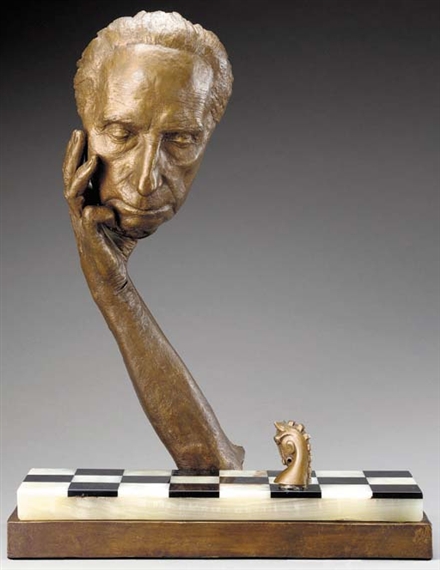
The roundtable explores philosophical positions on consciousness through three main perspectives. Panpsychism posits that "consciousness is a property of all matter, large and small, simple and complex." Eliminativism argues consciousness and phenomenal experience are illusory. The third approach, 4E Cognition (extended, embedded, embodied, enacted), proposes minds exist as "a dynamic amalgam of the world, our bodies, and our brains," extending beyond brain-centered models.
Speakers




Watch
Media
Related Roundtables


Transcript
This roundtable brings together philosophers, a theater scholar, and a digital humanities professor to examine three competing frameworks for understanding consciousness: panpsychism (consciousness as a universal property of matter), eliminativism (consciousness as illusory), and 4E cognition (consciousness as extended, embedded, embodied, and enacted). The discussion is anchored by Paul Boghossian's careful distinctions between different senses of consciousness, particularly the hard problem of phenomenal experience, which he argues resists reduction to physical processes.
Amy Cook provides a compelling perspective from theater studies, arguing that 4E cognition helps explain how audiences understand characters and narratives through embodied, environmentally situated cognition rather than purely brain-based processing. Barbara Montero pushes back on strong versions of 4E cognition, asking whether the connection between body and mind is merely causal or genuinely constitutive. The panelists debate locked-in syndrome, the role of proprioception in dance and acting, and whether self-consciousness can be both individual and collective.
The conversation extends to questions about free will, AI consciousness, the moral significance of suffering, and humanity's place in the cosmos. A recurring theme is the tension between reductive scientific approaches to consciousness and the irreducible quality of subjective experience that makes the hard problem so persistent.
Show discussion topics
- 00:00:01 Welcome remarks and introductions of the five panelists and their backgrounds in philosophy, cognitive science, theater, and digital humanities.
- 00:06:20 Framing the discussion around eliminativism, panpsychism, and 4E cognition as competing views of consciousness studies.
- 00:07:52 Amy Cook explains how 4E cognition (extended, embedded, embodied, enacted) helps explain the experience of watching theatrical performance and understanding characters.
- 00:14:37 Paul Boghossian clarifies key distinctions between different meanings of consciousness, including phenomenal consciousness and the hard problem of experience.
- 00:23:01 Debate over whether 4E cognition requires a constitutive or merely causal connection between body and mind, with examples of pain and embodied experience.
- 00:38:10 Discussion of cognitive archaeology, the stability of human cognitive architecture over 200,000 years, and how artifacts and culture shape consciousness.
- 00:50:13 Whether AI and large language models could be conscious, the moral significance of suffering, and different approaches to acting as windows into consciousness.
- 01:03:15 Audience questions on the distinction between living organisms and machines, the relationship between life and consciousness, and whether consciousness is a factual or conceptual matter.
- 01:14:37 Discussion of free will, its relationship to consciousness, and whether quantum indeterminacy provides room for free agency.
- 01:30:14 Exploration of how consciousness relates to temporality and duration, the role of time perception in 4E cognition, and cosmic perspectives on consciousness and the universe's self-awareness.
Show full transcript
00:00:01 Hi, I'm Ednner Sessian, director of the center. Uh, welcome to today's pro program on uh, come out wherever you are in search of consciousness. Um, I will just announce the next two programs. We had to postpone the program which was on mindfulness in October. So the next one at at least for now is going to be November 2nd on poetry of aging and then on November 16 on
00:00:33 otherness. Uh Jerry Harowitz who is the co-director associate director of the center will introduce the participants on today's round table. Good afternoon everybody. Um happy end of summer. Uh let me get to um introducing our esteemed panel. And if you want to please raise your hand when I mention your name. Uh Catalyn Balog is
00:01:05 a philosopher of mine interested in the nature of mind, self-consciousness, subjectivity and value as well as the history of these concepts. She writes both scholarly articles and essays for a general audience. Her scholarly work has been mostly on consciousness and the mindbody problem with a recent focus on illusionism which I know will come up today. I hope will come up today. Her public-f facing work has appeared in the New York Times and in the magazine three quarks daily.
00:01:36 Recently she has been writing mostly on themes connected to the changes in our concept of mind since the enlightenment and scientific revolution. She came to the US from Budapest, Hungary in 1989 to study philosophy and got her PhD at Ruters. Since 2010, she has been teaching at Rutgers University in Newark. Before that, she taught at Yale for 10 years. Currently, she is on leave for the fall of 2024 at the Institute for Advanced Study at the Central European UN University in
00:02:08 Budapest and has an NE grant for the year of 2025 to complete her book, What is Left of the Mind. Paul Begoian is Silver Professor of Philosophy at NYU and director of its global institute for advanced study. He earned a PhD in philosophy from Princeton University and a BSc in physics from Trent University. Elected to the American American Academy of Arts and Sciences in 2012. His research
00:02:38 interests are primarily in epistemology, the philosophy of mind, and the philosophy of language. He has written on a wide range of topics including naturalism, self-nowledge, a priori knowledge, analytic truth, moral realism and relativism, aesthetics and the concept of genocide. He is the author of fear of knowledge against relativism and constructivism which is Oxford Press 2006 which has been translated into 13 languages.
00:03:10 Amy Cook is the vice provost of academic affairs at Stony Brook University and professor of English. Most recently, she published Shadow Play, loss and performativity in the drama review about art, mourning and 4E cognition. Her scholarship integrates research from the cognitive sciences into theater and performance with particular attention to Shakespeare. She has published Shakespearean Futures: Casting the Bodies of Tomorrow on Shakespeare's
00:03:42 stages today, Cambridge Element Press. Building Character: The Art and Science of Casting, Shakespearean Neuropplay: Reinvigorating the Study of Dramatic Text and Performance Through Cognitive Science, and co-edited with Ronda Blair, Theater, Performance, and Cognition: Languages, Bodies, and Ecologies. John Hunter is professor and director of the comparative and digital humanities program at Bucknell University in Pennsylvania. His teaching focuses on
00:04:14 the cultural effects of digital networks, computing, robotics, and artificial intelligence and with an special interest in how these processes are represented in cinema and television. He began his career as a literature scholar, edited and edited the Blackwell Anthology, Renaissance Literature, an anthology of poetry and pros 2009 and flirtation and courtship in 18th century literature in 2022. is his current scholarship work
00:04:44 investigates the effects of cell phones on cinematic and television narrative and builds on the film search engine, a searchable database of feature films that allows both verbal and visual prompts. Barbara Montero is professor of philosophy at the University of Notre Dame. Her research concerns two notions of body. Body as the physical or material substance of the world and body as the moving breathing flesh and blood instrument we use when we walk, run,
00:05:19 okay, walk, run, dance or play, forgive me. On one side of this bifurcation comprises her work on physicalism, dualism, and naturalism. Topics woven into her Guggenheim Fellowship research on actual world metaphysics, which is metaphysics focusing on what the world is actually like rather than what is hypothetically possible. The other comprises her work on propriception, aesthetics, and the role of consciousness in expert action. The latter of which is the focus of her 2016
00:05:49 book, Thought in Action, Expertise and the Conscious Mind. And in collaboration with psychologist John Toner, the first author, and Aiden Moran, her 2022 book, Continuous Improvement: Intertwining Mind and Body and Athletic Expertise. Her research has been supported by the National Endowment for the Humanities, the American Council of Learned Societies, the American Society for Aesthetics, and the New York University Center for Ballet and the Arts, the Foundation for Individual Rights and
00:06:20 Expression, and the University of Cambridge New Directions in the Study of Mind initiative. So, do we just Is this on? Yeah. Yeah. Okay. Uh I just wanted to say just to quickly get things underway. Um one of the things that motivated me to try to curate this wonderful panel of discussions is that consciousness and consciousness studies have been so much
00:06:51 in the news these days and it may be getting a little bit um well from my perspective it's there's a little bit too much of it uh without going into enough detail. And here we have two competing um views of consciousness studies. Eliminativism on the one hand and for cognition. They're odd bed fellows, but I thought it was interesting to bring them up because they're kind of not so well known by the general public and they're somewhat counterintuitive, which
00:07:21 I think is a wonderful combination. So, with that, I'd like to intro I'd like to get you started. Um I I would sort of like to um hear from you two about uh how you understand these concepts because I think of a pans psychism and eliminativism is very sort of philosophically technical. But I'd be interested to hear from someone outside of philosophy how you're understanding
00:07:52 pansychism, eliminativism, maybe the 4E cognition. Yeah. Well, do you want to go? That's a great question and partially because um that is not the way I came to to it. For me, it comes from looking at the phenomenon of bodies telling stories on stage. why why we do it, what we get out of it, what happens, why do we feel moved, why how is it we understand that the character that comes on in the first act moaning about his dead father is the
00:08:25 same character that jumps into a grave four acts later. Like how do we keep track of that? How do we So it comes from really trying to understand the experience um of of seeing performance and also the what is it we make of it. So, so I've found my way to fory cognition partially through um making sense of of the phenomenon, the real life phenomenon that we clearly do understand to some degree. We clearly do enjoy to some
00:08:56 degree and I would argue is useful. So that those those things have been the fore cognition stuff has helped explain it. um and as well as to some degree through that consciousness. I do think that we get to consciousness uh through through stories, but I don't come at it from understanding those two things. In fact, I've done a little bit of just sort of background research to make sure that I could represent those two things well. But but that's very
00:09:26 true. I did. It's not that I went through philosophy to those two things and then combined it with Shakespeare. it was coming from a research question about performance and then through that different theories of cognition that would make allow me to say something interesting about this phenomenon that we've done for millennia and yet um you know obviously it's it's not related to you know it doesn't have any other purpose it doesn't have any obvious purpose so let me ask one question to see if I'm
00:09:57 like connecting with that but um so would you say that in looking at the watching the play Hamlet that part of what's going on in our minds that these characters on stage that's part of our cognition. Would you that's how that would be how a philosopher might understand the extended mind that it's those characters that one character is part of our mind. Well, I think of art as uh tool use as and stories as tool
00:10:28 use that we learn to think with and through these things. Um I think one of the things that in order to understand a performance we have to understand that the the the characters are both characters and actors and you know there's a varying range of reality to it and I do think we understand both at the same time and that that experience of knowing that it's Kenneth Brana and also Henry 5 um is allows us to construct a rich notion of of consciousness of of
00:10:59 our own self and and and of other other beings. Interesting. John, so I came at this um also not a philosopher through studying memory um and how it's represented and understood as an epistemological category rather than as a um in a philosophical sense. And I think of the four E, the two that I'm interested in most are uh extended and enacted. So I thought when I looked at what all of you all do, the part of
00:11:31 my work that might be most interesting to this audience is um cognitive archaeology and what um archaeologists have started to do to think of material things as tools. Exactly in the terms that Amy just used as tools with which and through which we think. Um, and just to put out a little I hope harmless provocation, many of us think that what goes on inside the mind is very very different from what we do with things in the
00:12:02 world. But there is a sort of school of scholars that would see that as a representational difference and not an onlogical difference. That is to say, there's no um binary strong difference between thinking something and using a tool, using something, a material object in the world that we've represented it as opposite, but it doesn't have to be. And I guess the second thing and this is from my work on digital culture is we
00:12:34 are confronted with the notion of artificial or machinic intelligence which of course is not the same thing as consciousness. Um but on my way walking up here I pass the Apple store and the slogan is hello Apple intelligence. Um which is interesting and scary in a number of ways but but There are there's another group of scholars in robotics and artificial intelligence who are starting to argue
00:13:05 that we need less anthropocentric notions of what intelligence is that human intelligence might not be the only model and that might have repercussions for consciousness too. So that's yeah well it brings up so many things but um to connect it to eliminativism one thing I've thought about is well intelligence might be a good candidate for at least practical reasons because
00:13:35 it's used in a lot of not very good ways and um thinking back in Benet he never intended did the IQ test to test high intelligence. It was just for people who had severe deficits. And so it's interesting though when I look at right all the research in artificial intelligence well they're looking for I mean right maybe to deanthroporphize
00:14:06 it entirely would be a good thing but well maybe humans don't even if humans don't even have intelligence do we need to focus so much on whether the machine has something like a human intelligence or it's a question I've considered Um I don't know if you guys have thoughts on that. You know, one of the one of the things that makes discussion about these topics difficult is just um
00:14:37 making sure that everybody has the same notions in mind. So consciousness for example is I mean we use this in a wide variety of ways and it shows up in some of the 4E talk and so on. But um you know the thing that philosophers worry about a lot the thing that they think there is a hard problem about reconciling it with physicalism and so on is a very very specific thing in a way a very slim thing in a way a thing that doesn't connect with intelligence
00:15:07 and with skill and so on. It could even be for those who believe in it and think it's real uh epiphenomenal as we say that is causally inert and yet uh the the puzzle is that it's clearly seems to exist and is very hard to explain. So the thing that I mean is phenomenal consciousness. So you know we use consciousness in so many different ways. Sometimes it could mean self-consciousness, an ability to
00:15:39 represent one's oneself and one's thoughts. It could mean consciousness of things outside and awareness of objects and so on through perception. But really the strangely the key thing is a tickle, right? The all of all of the mind body problem could just be stated in terms of the possibility of a tickle or an an orange expanse. And this when you focus on that, it seems to me the cartisian view that's very opposed to
00:16:10 the fores and all of that is clearly the the most compelling uh thing because it doesn't seem as though there are any big external preconditions. I mean there there might be as a matter of law but metaphysically speaking for something to experience a state that there is something that it's like to be in that state and that's it. It doesn't connect with skill. It doesn't connect with belief. It doesn't
00:16:40 connect with cognition. It doesn't connect with any of that. Um so that's one thing that it would be nice to calibrate amongst ourselves. Um yeah. So um um it's good that you brought up the question of phenomenal consciousness because that's that's what is at issue in in what is in what um uh what's normally what's called illusionism. You know this new
00:17:10 kid on the block about the mind body problem. Um and um I would I would argue with you a little bit about your you know the way that you presented this um partially agreeing I agree with you that the cartisian picture is very intuitive and very you know um seems the right view that um that this strange thing about our minds that we are conscious in Tom Nagel's memorable
00:17:44 phrase that there is something it's like to have an experience, to perceive the world, to feel, to be in a mood. Even some people say to think is there is something something. It's like um that that this feature of it is is both what we know most intimately about our minds, but at the same time um it seems from a scientific point of view the hardest to explain. So, so we we made big strides
00:18:16 in terms of neuroscience and cognitive science and so on to explain various aspects of the mind and and that's you know part of a general program and general turn towards physicalism in the 20th century that we are trying to do that. Um but but it you know that it that hit a snag you know that program hit a snag with with explaining phenomenal consciousness. You know this what it's like character. Um because it just seems
00:18:48 like there is a you know there is no clear explanation in terms of what the brain does of why this feels you know like you know I'm you know why why it feels like I'm slightly you know too hot in this room for example there's no explanation you know somebody could look in my brain and see all sorts of stuff but but there doesn't seem to be any idea of what what it could possibly be that would explain
00:19:18 this and so so that is for for you know a strike for the cartisian view but but on the other hand I think that the the physicalist has a very good answer to all of these questions about why it is that there's a gap between how we understand phenomenal consciousness and how we understand the brain or how we conceive of phenomenal consciousness and how we conceive of the brain. You know there are these gaps between that but but the physicalist has a very good
00:19:49 story to explain you know to say that this is not because there is some metaphysical gap am I am I reverbing here there's something yeah um so it's not because there is some metaphysical gap between the phenomenal and and the physical but because we have some very special concepts that we can apply to our own conscious states because you know our conscious states
00:20:20 are such that we can be aware of that. I mean that was that was Daycart's you know one of Decart's central point about the mind that we are aware of our own minds. The kito was based on this idea that that there's really nothing that we are so certain about then that we are conscious when we are reflecting on our our conscious states. Um and and that's because we have a very special way of being able to think about these states, you know, introspectively.
00:20:53 When we introspect, our reflection includes these states themselves. And that's a very different way of thinking than, you know, any kind of scientific way of thinking about stuff. any any um uh any way in which science from the third person point of view tries to understand reality in terms of physical functional structural concepts none of this um connects with this introspective way in which we think. So so the physicalist has a has an answer.
00:21:24 Yes. Let me just clarify that when I said um that cartisianism was the implausible view I didn't mean in the sense that I mean Decart of course was an anti-hysicalist. I didn't mean that aspect of it. Although I also think that it's not true that physicalism has a good reply but but put that to one side. I just meant this this idea that we now believe consciousness to be constitutively connected to the four E to embodiment to inaction and so on and so forth. I think
00:21:57 that is something that when we're focused just on phenomenal consciousness doesn't seem immediately compelling. Um it it would be for example if we're trying to understand propositional attitudes like intention and attempt and so forth. These are things that are clearly connected to uh the body to uh space to uh various other notions. But when we just consider phenomenal consciousness in and of itself, it it could be that deep down it
00:22:28 is so connected. But it's not notionally connected in this way. That is it's just the the reflection on the phenomenon doesn't reveal its connections to these other things. In fact, it doesn't reveal as Karti was emphasizing a connection to any functional notion or cognition notion or intelligence and so on. Um and and it is that feature of consciousness that has proven to be most intractable for the physical sciences to explain.
00:23:01 Well, what I'm thinking about is um you know this focus on this little tiny feeling of a tickle or something and what to me is your rich discussion of theater and poetry and and I mean it's sometimes a question this idea of there's a conscious feeling of pain you know that philosophers get really hung up on but I think it's there's something okay maybe it's thought of as really the
00:23:32 most difficult or something but it's also maybe somehow not that interesting I don't know to the a broader uh we become interested in the puzzles that arise oh thinking about it um but you know it sort of is yeah it's not that rich of an interest is not interesting or particular studying it studying just this feeling rather than studying of all its connections to theater or other other
00:24:05 things, poetry. Um, yeah. So, I'm wondering I mean, yeah. Did was that did that did you connect to any of what was just said? Well, I think the one thing I would say is that um it all depends on how you sort of slice the experience. So if you're if you're interested in in I mean the interested in in one particular phenomenon and explaining that phenomenon um there's a way in which you can sort of divide up the information
00:24:38 into um object and perception or mediation or methodology and I think um in in some sit so something like pain um pain is an experience that is incredibly different. It's not objective the pain you experience and it has not it doesn't necessarily correlate all the time to the to the n to the amount of damage that's been done. Right? I mean so the research on people who have serious
00:25:08 life-threatening illnesses or you know wounds and don't feel anything until they get to the hospital and they're capable of recognizing the relationship between the wound and I'm in trouble. So it's the story about the pain that actually generates the experience of pain. Whereas if you ask them how much pain are you in when they're on the sort of battlefield, it's it's not it's not nearly what it is once they start telling the story. So so so I guess the only thing I would say is that I don't think we these these things are breakupable into into the this
00:25:41 phenomenon because it's always embedded in a system. And the only other thing I wanted to say is I think fore cognition um has gotten kind of lumped into being a singular entity and I mean my understanding is that it's basically there are four E and they are sort of separate and that they are range. So I think there's fairly substantial evidence that cognition is embodied. Um and there's research from all sorts of um areas of of the sciences. Um there
00:26:12 are people who then there's evidence that it's embedded meaning that the way you think or how you know the what you're capable of thinking is is is also embedded in a situation and and and then extended is is a farther step that um that it is extended into the environment that the co that that which we call cognition is um excellence sort of expertise in movement or engagement. So um and it is extended into the
00:26:43 environment meaning that you use the environment to scaffold um your things that we would call intelligent um and enacted means that it's actually comes from the behavior the the sort of interaction of those things and there are a lot of people who who are good up to at least you know the the third or the fourth E and then you you get um some some division so I think it's important to to recognize that that it's not necessar necessarily a unit an un unitary thing and that there it's it's un unstabled it's unstable research
00:27:16 right it's a it's still being discussed but the idea to me um that we we think with and through our bodies and because of our bodies I find sort of hard to argue against anymore just because of um I I don't I've never I've never seen something that is disembodied our brain is in the body and we so it's um we think because of our body. We know that we think differently when
00:27:46 we're hungry. We know that that all of our language is is conceptual and conceptual related to our bodies. So um you know we we describe the um being in a in a good mood as being I'm up today versus down. Mhm. So I I just think I just want to say that as a way of sort of saying that these are divisions of ways we understand that the that which we think of as cognition to break it out of this computer in the brain that then sends
00:28:16 directions to the body that it's actually um a unitary system. What would you say about locked in syndrome where someone's supposedly having thoughts but they're completely paralyzed and can't move? Um well, one explanation I I heard is that there's still there's still um I think what I would say is that first of all, locked in is not usually from birth. Um I think you'd have a very different situation if you had someone
00:28:47 from birth. Those who are um have pretty serious paralysis still are moving their eyes. So there's there's still a certain or else it wouldn't have any knowledge that they are in you know having any thoughts but maybe what if they you know is it conceivable that even if they weren't moving their eyes but you'd say since they were moving since birth they were able to develop some concepts I would say that they're intelligently operating their system is
00:29:19 based on their their their physical self. They are not think they are not thinking the same way someone who has a body that is moving around the space. They're not experiencing their space as something that they can act on in the same way that we do. So the way they perceive the water bottle over there is very different than you would perceive it because you can reach it. So I I I think I I uh I hear you saying and I I agree with you if that's what
00:29:51 you're saying. um resisting a little bit Berber's suggestion to say that um that for cognition you know requires you know to to adhere to um for for cognition says that our cognition takes place not just in the brain but also in the body. I think that what you're saying is that's not the thesis you are primarily interested in,
00:30:21 but you're interested in all the ways in which cognition really is um influenced and and suffused and and uh and and interestingly, you know, intermingles with with our bodily presence in the world. And you know I I completely you know wholeheartedly I think that's that's a a totally um valid approach and but but somebody might might ask so who is the opponent
00:30:52 for that kind of view? A lot of people who think that cognition takes place in the brain could go along with that. Um, here is how I see that it makes a difference, you know, to to be explicit about the importance of the body, the importance of movement in space and so on. is that that our our metaphysics uh always gives us pictures, you know, images that that we we sort of then go
00:31:25 by in terms of thinking about ourselves, you know, especially when the metaphysics is about the self or cognition, you know, something so strong to the self and and some some sort of Cartesian view in which the soul is separate from the body and and it's it's distinct and and it's almost like it's somewhere else. Although Decart doesn't think that the soul is anywhere but but it it might give rise to this idea that we are isolated from the body and and
00:31:56 the and the thinker is just in this you know little bubble in which it is thinking and and so on. And so you you tend to forget about the embodiment and and what what um you know significance it has for thought. Um same thing you know if even if you're not cartisian but but you are like say like um a repres you know physicalist representationalist who say say it's all you know cognition all takes place in the brain. Um, you
00:32:28 might think of the brain and the body be and and I think that there is actually I actually discovered that philosophers are uniquely prone to forget about their bodies and I don't know what why that is exactly but but for example for example when you ask about proprioception whe whether whether people think that that's a conscious sense most philosophers say no no that's not which is shocking I
00:32:59 think um but but it's a sign of something and and maybe maybe it's a it's a it's a professional you know hazard you know that that that we you know philosophers may tend to think about the mind as like really isolated from the body. So, so four recognition you know is is brings to the four this you know this this intermingling of the body and the mind that's of course is very central. Yeah. But I mean the the intermingling
00:33:32 can take one of at least two forms. Um there's the causal thesis that certain changes in the body affect changes in the mind. Um that's that's not in dispute. Uh obviously everybody has to recognize that when you do certain things to the body you feel sensation. And so the case maybe it's true that um you know when you're in a state of wounded you're in a state of shock you don't feel anything but then when you allow yourself to start talking about it
00:34:03 suddenly the sensation comes on. So that would be at least until somebody strengthens it just a causal thesis about the way in which the body uh things affecting the body affect the kind of sensation the intensity of the sensation that you experience. Um um and in fact the fact that there is such an interaction at the causal level is what sets the problem for for the mind body problem. the the the the more controversial thesis is that you can't
00:34:34 actually understand the one without understanding the other. So some more constitutive thesis either a conceptual thesis or a metaphysical thesis that says you know this notion of a sensation um is tied up with something bodily in such a way that if you didn't understand the one you would not understand the other in the way in which you know you would not understand what a triangle is unless you understood that it has three sides. That kind of
00:35:04 tightness connection that doesn't seem to be there. Um and uh so uh one of the things that uh we need to sift through as people mention various examples of this kind of intermingling is whether it can all be accommodated in a causal reading which is not in dispute or need something stronger. Yeah, I would definitely disagree with the weaker claim, right? I definitely believe that um what we have historically looked at thinking in the sort of cartisian way.
00:35:36 Um and that seems to me to be sort of incomplete and less interesting than understanding thought as something that is um maximizing what one can do in one's environment. Yeah. Well, again, you know, the the question is is it I mean, so thought is uh not not necessarily what people are talking about when they talk about phenomenal consciousness. Um though you might think thoughts do have a phenomenology, but the really important
00:36:08 thing about thoughts is first of all their representational character, the way they represent things outside themselves and then the way in which they connect with reasoning and with action. Uh so so very that that that would be one very good explanation for why you're inclined to the stronger thesis because it might very well apply to thoughts. But in the case of sensations, sensations are supposed to be different. There seem to be exa their nature seems to be exhausted by what it's like to have them. There is no representation necessarily. Nothing is
00:36:38 no reference outside of itself. There's just this sensation. So of course sometimes some of them have a location, some of them don't. Um, so but and to Barbara's interesting question, you know, one of the things is well, if you say it's that slim, it's not so much why do we study it, it's like what is it? Why is it important? Exactly. Yeah. And and the the answer is that, you know, it's not of course just a tickle or a pain or there's the colors, the smells,
00:37:09 uh the touch and so on. And when you imagine and as we can because now we have these very sophisticated machines that can do all kinds of things functionally speaking very very sophisticated intelligence systems that are as we might put it dark on the inside because they lack their huge array of sensation that we enjoy. That's a very I mean that I think it's very clear what the
00:37:39 importance is. It's it's not necessarily an importance of um achieving something but of being the kinds of conscious creatures that we are. So I I completely you want to um I was going to suggest supposedly though we think about human beings in cultures rather than just as monads as individuals. Um, cognitive archaeologists spend a lot of
00:38:10 time thinking about the fact that our cognitive architecture has been more or less the same for 200,000 years as human as our species. But it's only in the last 25,000 years that you have um there was a big leap in terms of the artifacts that we use and our technologies that have affected the our patterns of thought, the way we think. And so they ask questions like, well, if there was no change in our neuroanatomy,
00:38:41 then maybe it was interactions with the world, with our artifacts, with our um systems of memory, of art of it's different in every culture. So that um it is about how we think as individuals, but maybe our life in groups conditions that as well. It's more than just um what we are at the level of the tickle. The the other thing I would ask is h how is it that we know for sure the
00:39:13 sequencing of events? In other words, we we perceive the hands coming towards us and as we know most people start, you know, reacting when the hands start coming to us and then we experience the tickle and then, you know, we lose control in some way. Um, that is what it seems to us. But I don't know why we we trust that how that that process seems actually is. I don't think I don't think we really can know um if our story of an
00:39:48 experience or a sensation or a phenomenon is actually what it is. Well, tickle is an interesting example actually to for you because it's not just the sensation because you can't tickle yourself. say someone else tickles me, I feel it in a certain but the very same like touching if I were to do it to myself, it doesn't produce the tickle. So it is an interesting case
00:40:18 where there is lots of cognitive penetration where thinking about what's happening really influences how it feels. It's hard to get just the raw feel out of that. Yeah. Could be a causal claim, but um Karti, you wanted to say something. Yeah. So, so connecting to what you're saying is that that um so, so saying that that consciousness is slim or insignificant, I I think, you know, to my mind um this
00:40:51 couldn't be farther from the truth is uh it's it's so very central to everything in our life that has to do with meaning, with value, is you there there wouldn't be value if if we were unable to react you know uh effectively to things by suffering by pain or by joy and and uh and elation there wouldn't be value. Um and and so
00:41:22 for for the longest time, people thought that this this was really how we understand ourselves, how we understand each other through our experience, through what it's like to go through life and experience each other and and the world and and so on and and so forth. Uh and it's only um this this idea of illusionism, which now we get to illusionism. So, so illusionism is is the the doctrine which got some
00:41:54 exposure lately and and which I think is is not an entirely positive development is that um that we are not conscious that there is really nothing it's like to go through life and so I mean it's so astonishingly crazy, you know, on on the face of it, this idea that, you know, one doesn't even know what to to say. But but, you
00:42:25 know, the reason I started taking it somewhat seriously recently is that I I um I wrote something about it and and then I was invited at NYU at a seminar to talk to students about illusionism. And I go in there with the idea that well this is such a crazy view we will just sit around and we laugh about it and and but but before the class I was asking students so how many people feel sympathetic or you know tending towards it and every single hand went up.
00:42:58 Yeah. Every single you know and this grad student graduate students. So so I thought uh oh something is something is going on. I'm very surprised maybe just at NYU I don't know but but I started worrying that this is um this is more than just uh you know one more crazy view you know philosophers are well known for coming up with crazy views so what's new but it's not just one more crazy view but I started
00:43:28 feeling that this is somehow expresses the tidegeist a little more than you know is comfortable and and um And and it has to do with with the idea that that we start thinking of ourselves not from from our own experience from the point of view of of our own you know inner world but but we start to shift focus to think about ourselves as objects in the world. You know, think about it in not
00:43:59 necessarily scientific terms, but the science science inspires that that we now think, oh, we have brains, we have neurons, and they fire and and and there's representation because of various information and causal connections and so on. And and we start think, oh, that's all there is. And and that's what the illusion is. I mean it's it goes you know it would be too long to explain why you know what their reasons are for going for this crazy view but I think that the fact that they do is is interesting in itself.
00:44:31 Um, yeah. Well, I was going to ask um based on your cognitive archae archaeological perspective or work um um couldn't we one thing we have no evidence for is whether or not or the to the degree to which or the experience of consciousness 25,000 years ago. We don't we we have some evidence that certainly um the way people thought of themselves a couple thousand years ago was was different. So I'm curious also is there
00:45:02 a historical element to this um either on sort of larger time scales or smaller time scales because one of the things I do think you can track in our art our artifacts to some degree um shifts in in perceptions of self and and other and there are periods where um you can perceive a shift in the in the art that's created ated and the art that's engaged with and and so I wonder if
00:45:34 we're also dehistoricizing a a phenomenon that that has that we we haven't recognized different historical markers for certainly um if you are you know if you are pre the sort of cave drawings and you are um you know you you I just don't believe you would have the same experience of consciousness I yeah in other words to just sum it up a little bit content pretentiously, but consciousness is just a sto a story we've told about ourselves,
00:46:05 right? I I was thinking about the eliminative. One reason I think it's getting more prominent is it's a kind of amplification of the free will debate that many many most people think that they have free will or perceive themselves as having free will. This panel knows very very well. There's a robust neuroscientific and philosophical debate about that and intelligent views on both sid like worthwhile views on both sides. And I
00:46:35 think to to your point Kati that if if people have gotten to a point where if we can't trust that we've got free will well then the next step is if free will is just an adaptive illusion which is what Ramoni Kahal described it as. It's we don't have it but in Darwinian terms it's good for our species to think that we do. maybe consciousness is in the same category and I that's not my position but I think that gets to the why could this possibly have taken off. Um well I think I think there's a little bit of a difference in in terms of you
00:47:06 know uh we we do probably have some some sort of uh intuition that we are free in the way that uh you know that that people used to think we are free. It's called libertarian freedom where we have the ability to act independently of what went on before and what's happening in the physical world. But you know but to say well this is really just an illusion because science discovered that you know everything can be explained in physical
00:47:37 terms but that happens in in the physical world and our bodies are physical and therefore you know there is no room for independent mental action. Um, that's might be surprising and deflating and upsetting, but it's not like paradoxical and oh, I just don't even understand what it is. But, but I don't think that it's easy to understand when somebody says there is nothing it's like to feel pain really. I mean, what does that mean even? But isn't it again sort of definitional
00:48:09 because it depends on what you're calling pain? I mean, again, I go back to the sequence. Do we call it pain and then say that's what it's like to feel pain or do we feel something and say oh that must be pain. I mean it seems self Yeah. Um well imagine you know some creature and by the way they um some creature that suddenly feel feels a sensation for the first time. they suddenly their attention is gripped by the fact that they don't know it's some
00:48:40 sensation they've never felt before and they they focus their attention on that and say I'm calling that jack or pain or whatever. I mean it it very much seems as though we can do that just focus on the what its likeness of the thing without even caring what the underlying physical basis is or any of the surrounding facts or what causes it what will remedy it. No, just this thing. And that's the that's the sort of inner light as it were that uh that's that's
00:49:11 characteristic of of of being a conscious uh a conscious being. And and that's again why um you know I think you're absolutely right that there there there is a very important notion of self-consciousness or consciousness of self-conception of self and that that has evolved over time uh in ways that are probably very hard to to explain. But you see how much more sophisticated phenomenon that is than than this what it's likeness aspect that is peeled off
00:49:43 from uh from many of its surrounding surrounding facts. Um and uh so you know what people say well you know as I say to come back to what's the importance of this phenomenal field that not necessarily connected to functional ability to intelligence to cognition to conceptions of self and so on and you know you can see the the answer is that um you know when we worry about whether we need to treat an intelligent system
00:50:13 as a moral as having a moral status to me the most important question is does is it capable of suffering? Is it capable of and that's that's a sensation notion. I there are richer notions of suffering. But you know if you have a large language model or maybe even one that's attached to to an ability to act in the world and move around and so on. You know, the question whether I may just pull the plug on this thing is going to depend on whether it is
00:50:44 enjoying conscious states of elation, suffering, pain, and so on. If it's if it's all dark inside and it's just a very very able intelligent system, it seems to me that the objections to pulling the plug would be much less. Um but you know even before you have to consider that kind of important potential moral dilemma there's the very fact that people these days are entirely preoccupied it seems to be with whether
00:51:14 these these large mind models are conscious and every so often one of the say Eureka I'm convinced that there's that they're sensient right and so that's on I think that's on everyone's mind and it's compelling maybe that is what makes drama compelling. We want to know how they're feeling. Right? I'm I'm reminded and I'll just quickly want to throw up this idea there's I from what I understand a little I understand about theater that there are sort of these let's say there's a spectrum of ways in which
00:51:45 actors are encouraged to act. One is through this the method acting where they're supposed to really get into that subjective state and then there's the more just read the lines approach and everything else will happen. I doesn't that touch on the same issue and peak the same curiosity? Oh, I wouldn't you're more of an expert, but I wouldn't uh characterize them as that just the read the lines. The other one would be you don't lose yourself in the character. Correct me if I'm wrong. Because then you don't have you your
00:52:17 ability to think rationally about how your your words are maybe affecting the audio infecting you know your ability to think rationally about everything you're doing can be lost. I mean if you lose yourself in the character you yeah you can't um engage enough thinking to be so I would I would take issue with the other but yes okay but the point of yeah there's this way the actor might feel the conscious the experience of um act what's interesting to me is that what
00:52:48 we've considered good acting has radically changed in 2,000 years um and the way actors go about performing performing a role has changed radically in 2,000 years. Um, but we we we do have evidence of spectators being moved as one at the same place. We have evidence of spectators laughing at the same place. We have so we have act re evidence of actors, you know, getting involved. We, you know, there riots like theater has
00:53:20 been profoundly impactful politically, ideologically, socially, emotionally. Um and yet they the way it's been done and what counts as theater changes so much. So um you know what's le so the experience of the actor is definitely interesting and if I could bring myself to write a book on that it would probably sell better because because actors are desperate um to find out how to crack the code and I I don't have that answer but but what's interesting to me is the experience of the spectator that that there are different styles of
00:53:51 acting that are also interested in in creating different um experiences in the audience and this is I have no certainly I don't real evidence of um of correlation or causation for this. But I do think that the there was a a very long period where experiencing the idea of an actor the method period which goes from sort of late 19th century basically through now in terms if you think about movies um is
00:54:21 very much interested in the idea that there's an inside to the character to the person to the human it's very much it's deeply entwined with with Freud and psychology and all of those things and that's one that's very deeply in involved in the individual the individual experience the individual psychology the individual story narrative and consciousness um and I see theater that was very different in Shakespeare's time which is um and very different in other earlier times um but there's a a there is now I
00:54:52 think in some theater um a very different experience the audience is not asked to care about the internal psychology of the characters the the we are asked to think about humans in an evol evolving story um which to me is is a different it's focusing us on a different part of the issue. It's a different categorization of what counts um what we need to focus on what what matters rather than the individual. It's more um uh sort of the nature of the
00:55:24 group really and I don't know if I mean again I have no evidence of coralaria but I'm I'm curious about um about your students who um who are amendable to that. I I do think there is a perception or an experience of um being interested in who we are as a as a group, as a species, how we engage together as a team, for example, what can be accomplished not by a sole genius, but by a group working together toward a goal. and that that's not um
00:55:56 approached in in in a strict focus on one individual and their experience of a phenomenon. But it it to me it is it's it's a it's about what is it that you're looking at and what are you excluding from from your petri dish when you're looking at it. But I I wonder if if it's really if it's really a a great um like contrast between a group of people within their lives versus a group of
00:56:27 people who are together and acting together for a goal. I'm I'm not sure if it's if if the contrast really works for me. I'm not sure I understand your point yet. I think it's the I mean I'm not saying that there isn't an experience of being by yourself in a room and smelling perfume um or you know whatever rubbing your cat. We we pet we don't rub. Sorry. But um
00:56:57 I that certainly I'm not challenging that and that does that is a phenomenon that is interesting. But I I but but there's a different experience of intelligence of of of experience of um of phenomenon when you perceive yourself so completely um pulled into a group activity like in raves or on teams. There are all these experiences we have where we we voluntarily seek out experiences of of
00:57:28 losing our our individuality and and experiencing the group in a way that that is um I think useful which is sort of what's most important to me but also um valuable and beautiful and and how we do big things. Would you say that it's an embodied I can I sort of was thinking that there's an embodied experience of seeing an actor and sort of feeling in your body that
00:58:00 there's inner psychology because inner psychology often has you understand you know anger by like feelings a sort of expression on your face or something. So I understand that as embodied and then I was trying to I guess there is also though maybe an embodied I was having a little bit of trouble more with that but there is an embodied feeling of being part of a group too somehow even though it's not just in your bo Yeah. If you could, how do you see that embodiment of
00:58:30 being feeling the group of being the seeing the group feeling the group action or force? Um, I think it has more to do with a slight blurring of one's experience of one's own body as sort of discreet and unique. So, you know, if you're and I'm not a team athlete, but um but you know, I've or um or you know, again, raves or other experiences, you
00:59:01 um the goal is to move the ball and if everyone's moving the ball, you're part of that or certainly, you know, I mean, all of those places where we work together as a team and I think part of that is the joy of losing um a strict attention on the individual. Yeah, that's people have worked on uh the idea of joint intention. It's a very interesting notion where it can't be reduced to the intentions of the individual. There's somehow some kind of
00:59:33 joint emergent thing that happens and there are some wonderful examples just of yeah, you know, just going for a walk together for example is is that kind of dance that um involves calibrating yourself to what's going on. But it's it can't be broken down into my intention and your intention to do something. So there is that and a very interesting phenomenon too. Then yeah um in terms of performance I have thought about and wrote written about um
01:00:06 the experience of watching people on stage and one thing I was interested in which might connect to some of your interests but um is how would someone who is quadriplegic or paraplegic uh experience certain types of movement and dance and Um, it's difficult to know because there's so many factors of why someone who has suffered an injury might not enjoy watching someone else move or might so it's difficult to know but I
01:00:37 found I thought it was an interesting question. I contacted Jonathan Cole who has this fascinating book still lives right. So and we wrote about it. We were you know he we don't know but there does seem to be something you know missing often in the experience of watching movement if you are no longer able to move. So yeah, there's been an extraordinary amount of research in dance and and sort of um cognition partially because um uh
01:01:11 you well I don't I don't know why there has been um but um but it it is true that people who have a history of dancing themselves um have a different experience of watching dance. their expertise um and their physical history of having done those things shifts how they experience it. Um and there's diff really interesting work about the ways in which um dancers use marking as as a mechanism to so so the argument is that
01:01:41 um to memorize a dance you know you would think you would just do it over and over again but dancers don't do that they mark it they sort of go and you know and and and that is actually improves it not because because it's duplicating but it's because it's shortening it into chunks. and gestures that they can repeat, but that actually facilitates memorization even though they're omitting large parts of the details and stuff. Yeah. Well, there's something about that too. I know from my own case is that
01:02:12 when you're doing something fully physically out, there is a bo you're you learn it just with your body and that's fine except if you like start to think about it and it's not in your conscious mind and then you can blank out. So not it's important to go over it to put it actually into consciousness so that you don't you don't rely exclusively on body memory which is not always reliable. So
01:02:42 yeah. Um yeah. Well, I don't know. Um I can't imagine what all of you are um experiencing right now. [Laughter] Like that's another topic we didn't get into how difficult it is to know. Anyway, um I think it's been a really fabulous conversation. I wonder if anyone in the audience might have a question that we want to present to the panelists. And if you do, please step up to the microphone.
01:03:15 Yeah. Um, I wonder what people think about the difference between a living organism and a physical machine is. It seems to me all these debates about consciousness, free will, whether AIs are going to kill us or not, all depend on whether there's a difference. What is life? And as far as I've found out, no one knows what life is. and scientists have tried to recreate it from basic chemicals. There's something special now. There's the religious view. There's some people think we're a simulation from some
01:03:47 smarter intelligence. So, it seems like unless you understand what life is, all these other questions are just guessing nothing. Yeah. Philosophers often try to say, "Oh, well, life we can just understand. It's a it's we can understand it mechanically. It's certain processes. It's being able to reproduce and some type of movement. But I I think you're right. We don't have a definition. We don't really
01:04:18 understand it fully. And it's important that we can't create it. I mean, that's quite significant. Um yeah but in terms of separating um or or or making a distinction between consciousness in living beings and the potential consciousness in machines is you know you don't have to understand life exactly to know that that humans are conscious right I mean humans knew that
01:04:49 way before they they had any science or bi allergy or anything like that. So we know that that we are conscious. We know that um other humans are conscious. You know the the interesting question is you know what do we do with that? What do we do with that question if machines could be conscious? And that's a very complicated thing and that might might require that we have you know if if there is an answer to that and I'm very skeptical that that even in principle there could be but but some people who
01:05:20 are optimistic they think that that the answer will come through a better understanding of you know neuroscience and human minds themselves. Do the path which panelists think that AI is going to be conscious or not? And what do you think is going to happen? Sorry. Does anyone on the panel think AI go out to language matters or become conscious? Well, I would say that I think this is maybe in line with maybe some of the things you say that
01:05:51 maybe it it will depend in part on whether we start thinking of them as conscious. I mean we think that there is some like okay we know what it is. philosophers think that and there's either there's a matter of fact this is or this is not but you know the our language influences our how we think about things and at some point if everyone started thinking of AI as conscious
01:06:21 well it's you know then it's then we would say it's conscious then therefore it's conscious but if everybody thought that some people are witches Then some people would be witches. Well, I mean we'd have a different the concept will have evolved in a certain way. So that every I mean it's a ridiculous example. We don't see that as happening. But um well I'm a little bit puzzled by what you said about humans know about
01:06:52 conscious. Humans don't know about conscious till a certain point in life. a one-year-old or a two-year-old doesn't say, "Oh, gee, my friend is conscious, right? That's the way we are, right? We are the way we are." And so therefore, in terms of the internet or the AI at some point, it may be the way we are. And so therefore, we can then intellectually say, gee, AI is conscious. M but it's not
01:07:24 it's not the idea that is makes us conscious. It's the fact that we are conscious. You I think your question about are LLM going to be conscious? I'm very confident in answering no because large language models don't know anything. Um they're just they just rearrange words and patterns. Um, but I think to your point that these sorts of definitions can move through time as Amy was pointing out and culturally. Um, if you show a group of
01:07:55 and I've had this experience, show a group of 19year-olds a movie that was considered really really scary like The Thing, which was made in the 1980s. I remember seeing it on first run and it was terrifying. I was absolutely came out of the theater quaking. It's John Carpenter. It's a classic. show it to 19 year olds today, but because it doesn't have digital special effects, they'll laugh at it. Um, because you can see the goop and the wires and all the things. But at its moment, and this is to your point about the historicity of acting, in its
01:08:27 moment, it was very, very scary. And my 19-year-old sophomores were wetting themselves laughing. So even very powerful experiences like terror, never mind these definitional things like a witch can be historicized and acculturated and they can be felt very differently and not you know and consciousness might to your point Barbara might [Music] the other thing is that uh there is a connection between not
01:08:59 connection it's essentially continuity between emotion and consciousness in other words emotion is a very important part of book. So one of the uh things to to deal with is you can make AI be very very very very very smart cognitively more smart than we are obviously but can it have emotion? That's the question. Well, is it is it a qu is that
01:09:29 is that a matter of fact? We most philosophers will say it's a factual matter, but or is it like do you know does something really fly? In English, we'll say airplanes fly and birds fly. In some other languages, they don't talk about airplanes as flying. So, you know, we could spend a lot of time debating, do airplanes really fly or do they not? Well, some languages speak of them as flying, some don't. It's, you know, and then there Yeah. So, is consciousness,
01:10:01 why is consciousness different than that is the question? Well, in the case of flying, uh, I mean, there are cases of ambiguities, right? I mean, the word that's used for one not some people use it with one concept in mind, another concept. Maybe the difference there is supposed to be that it's it's not self-generated flying. You know, birds fly because they, as it were, can generate their own flying, but in the case of a plane, somebody has to fly it. Um, but I mean, unless
01:10:31 they don't fly in some they're not flying it because planes don't fly in that language. So, we're not fly. They're not flying at all. Glasses. That's right. Good. Exactly. That's what you're saying. Many many words in different languages that are very different and they don't have that connectivity. But uh but the crucial question is which question are you asking not what language are you speaking right and um the languages and the cultures display different concepts that it's not just the language it's not just the word it's the it's the concept
01:11:02 so this is where we get into this is where we get into some some heavyduty uh controversy because um I mean this idea of historicizing a concept is something that many philosophers myself included would find um not the happiest way of talking about things let's say because uh you you know when I'm asking if if I there is there are there are of course vaguenesses and
01:11:33 indeterminacies and so on in everything that I use but if I could I can ask a particular question now for example is this table conscious or is an LLM going to be conscious is any conscious are any of them conscious now and I mean to be asking a very specific thing. If I'm doing it right, I mean to be asking very specific thing, namely is it capable of this kind of phenomenal experience. Now you can say look over time we may end up asking a somewhat different question. We may end up asking is it
01:12:04 capable of phenomenal experience plus a certain kind of intelligence or we may just focus on the intelligence and leave the phenomenal experience to one side. Terrific, you can do that. But that wasn't the question I was asking. and I can really zero in on the question I'm asking and keep it fixed. You may end up asking different things, but you know that's that's not an answer to the original question. We can zero in as philosophers, but we know what we're talking about. It's hard to make anyone outside of philosophy
01:12:34 ever understand that issue. We think we're getting at something clearly, but I feel that it's often not. That would be a answer different. Um it makes one question whether we're deliluding ourselves as an illusion that we're sort think what we're we really understand something. Let me ask you this. You brought up trees or you brought up like other things being conscious? So um so rather than large language models or AI um is a
01:13:04 tree conscious in your mind? So the the thing the thing that we we all need to say is that um you know part of the way in which this notion of phenomenal consciousness is so hard is that it doesn't have a marker. There is no mark that you can look for that tells you oh when this thing is there then the thing is conscious and so this problem trees even rocks I mean pans psychism is mentioned pansychism is
01:13:34 the view and you're driven to it sounds like a crazy view at first that everything is conscious right even rocks electrons muons nutrinos and so forth and large language models of course there is as it were a version of the mind body problem that crops up even on those views But um so the the the difficulty isn't that we don't know what we are asking. The difficulty is that precisely because this thing seems so special and aloof, it doesn't have constitutive connections
01:14:05 to things by which we can notice its presence. And the further point which is absolutely trivial and shocking at the same time which is that any sensation that you experience is necessarily your sensation. So you can't as it were you know you might think well let me try to see if I can experience your sensation and therefore know that you're sensing something but no it would just be my sensation. And so uh there is a very big
01:14:36 issue about how we're going to recognize consciousness somewhere else. We do it amongst ourselves because we all look so similar as well. Well, is that is that why I was about to ask that question? Well, I grant you ascribe consciousness to others although we can't experience it and I guess ultimately will artificial intelligence somehow pull up to that to that limit where we think maybe perhaps but the fact that we all you know grew up together and know each other there's no question for thousands of years makes us
01:15:06 I think grant that consciousness more freely. I I think it might be another argument against developing developing very advanced AI that this problem that that we're just not going to know if they're conscious. I mean, you know, the film AI, right, where there's this very um h humanlook child, you can't help but interact with it as you would with with a human child. Um question. Yeah, question. Um
01:15:38 that's sort of an embodiment of being a little nervous about asking a question. So that but based on what you said um that there is an embodiment aspect that all of our bodies are bodied with environmentally related connections. So that what you just said about you can't experience somebody else's experience even though from the outside someone might make comparisons or do some kind of research. But my thinking is that that goes back to this and probably is not the right thing to
01:16:09 bring up here, but free will versus not free will because I come from the background of trying my best to understand the neuroscience of infants experience and how they're wired emotions before they're cognitive, before there's milization of the brain, before they can speak and understand. Just as Eddie said, their first year or so is only about internalizing and representing and embodying the mother. And the complexity of that, not to minimize it, it's very complex. But it seems to me it is all wired. That if you
01:16:41 took a diagram of the billions of neurons, you would see where the emotions are and where the thoughts are and where consciousness evolves. and that it's basically Darwinian because the only way I can understand it is that survival of the fittest or the most useful is what leads us to finally being able to be conscious as well as unconscious because I'm also Freudian and that that is still all wired and that's the only way to understand how we evolve differently and yet the same. So,
01:17:11 for example, the idea of being in shock when you've been hurt and not recognizing your feelings until you're in the hospital is Darwinian. You need to be in shock so that the body shuts down as much as it can to preserve you. It's preserving the fittest person, the person who doesn't recognize that they're hurt, who is in shock, will make it to the hospital. The person who's lying there screaming because they're bleeding is probably going to die because whatever that need is for us to survive is is neurobiologically
01:17:43 monitored so that we do what we need to do because we don't have a choice. So I keep coming back to this question of what is a choice and it doesn't bother me that I don't have free will but I've discussed this with Eddie a million times and I know he does. So it it I love to hear your your view of how it isn't mentally representing ourselves within the neurological picture that we have that's explains consciousness and how we're all
01:18:14 different and yet the same. I think it's a big puzzle. Um, I mean, if if free will means doing something for a reason and not being caused to do it and we have this full causal picture of our actions, it's really it's hard to reconcile those two positions. So, I mean, I think it's a challenge. Um, yeah. Um though I think this came up a little bit earlier that um there is there there is a kind of epistemic
01:18:45 difference it seems between our experience of our own free will and our experience of our consciousness or in the phenomenal sense. Um we experience our will for sure but whether we experience it free character is a is it looks that's a posit which we have not been able to make good on. Uh it would I mean it would be I I I I wouldn't know how to tell a story about myself that didn't somehow
01:19:17 in incorporate some notion of free will. And of course there's a very big difference between um you know uh instinctual reactions that are built in for survival purposes versus choices that we make on a daily basis that aren't predetermined in that way. But um but but illusionism about consciousness is is a much more implausible view because we seem to be very directly acquainted with the fact that we do have sensations. We do have experiences that
01:19:48 feel a certain way as opposed to the freedom of the of the will which is a much more yeah very fair abstract notion. I I would no Oh, just to to your point about, you know, if we could just look inside and see the wiring as I think that um I'm not sure that would teach us very much. Um I mean there there have been a lot a lot of work done on studying what brains do in different activities and we still can't determine or or see see the
01:20:19 material substrates or differences between a conscious and a non-concious living thing. Yeah. No, absolutely. Just to the for the speaker. Yeah. No, absolutely. So, it's I don't think seeing the wiring or would would help, right? Not all or hasn't so far. I just think that we don't know enough. There's a lot of evidence of show emotions, show reactions, show differences. The brain can show
01:20:52 autistic child space or chair. Mhm. Nobody's put it all together. Oh, we saying is that that the brain is wired and described in many fMRIs well enough to understand that certain things that
01:21:22 we know we feel like a child who doesn't know the difference between his mother and a chair is is a feeling state. But you can actually visualize that on fMRI. You show a neurotypical person a mother and then the brain lights up in an area where we understand that's mother and you show someone a piece of furniture, a chair, the brain lights up in a completely different area of the brain that recognizes objects. You take a autistic person and you show them a picture of the mother and the part of the brain that lights up chair lights up
01:21:53 chair as well for mother as the chair which is amazing because that is a representation of how we experience these children's understanding of the world. They don't understand their mothers because the wiring that they have as infants doesn't connect to the wiring of relationship mother self feelings. They don't have the brain power to register those differences between things and people and they become very attached to things like a rattle and then their iPad.
01:22:25 Nowadays, they don't go through the truck phase and all the other phases autistic kids went through. They just go directly from a rattle or something concrete that lights up concrete. And I can be attached to that because it never changes. It's completely predictable. I mean, it involves lots of emotions that enable us to understand why they're emotionally so different and and those emotions are wired. So, I think I think a lot there's a lot of misunderstanding of what it means to think about wires as if we don't have brain neurons for
01:22:57 emotions and feeling states and consciousness or lack of consciousness or fright that is so frightening that it obliterates consciousness. So it's all to me internally embodied in our brain and our nervous system including the parasympathetic nervous system and motor nervous system. So I you haven't convinced me otherwise yet. Okay. Yes. Um very interesting conversation.
01:23:28 Um I just want to refer to um the suggestion that someone with paralysis doesn't experience things as well as um someone without paralysis. So I knew a woman who lived in an iron lung as a result of um polio for a couple of decades. And she learned to um draw paint with her teeth and I noticed and it really never occurred to me. just like came to me now that I remember her her she was excellent. She was sort of published in
01:23:59 a way but her art had no depth. It was like two-dimensional and I remember I had been an art major so I kind of thought she was really good. There's no depth and I realized she had no depth in her life other than what was surrounding her. Oh my goodness. That's such an interesting example. Yeah. Yeah. I mean kind of like you know anyway but the question I have is you know there's a term self-awareness which is generally a positive uh description of someone but then there's self-conscious which kind of can cause anxiety and physical
01:24:32 things and I wonder how that connects being self-conscious as opposed to you lose yourself in the group that kind of that dichotomy kind of makes it a a bigger conversation I would because self-consciousness is is demon you can demonstrate the result of that in a negative way as opposed to self-awareness which is which is a good thing. So I wondered if you had a quick um you know comment on that self-consciousness versus with the
01:25:02 group. Yeah that's really interesting. I mean I guess I would say that when we talk about self-conscious we do usually mean it in the negative way like to be self-conscious. I mean maybe I'm just foregrounding my own neurosis but is is to suddenly be assessing one's uh experience in a group and that can be um destabilizing or unpleasant as opposed to being cons being conscious um either of oneself or of the group which which doesn't quite have the same um uh
01:25:34 con sense to me. Um but I but I do think that part of the pleasure of of being in a group is that one's own individual thing ma existence matters a little bit less and and some of their some of that self-consciousness or self-awareness is sort of um diffused a little bit but I don't I mean I don't have any evidence for that it's just my experience volunteer work too
01:26:05 yeah except I would say I I mean strictly speaking I mean you are still selfconc I mean you are still conscious of yourself but the negative veilance that is being self-conscious um may be lessened. It's a wonderful example of the way in which these this bits of language are ambiguous you know they just can be used to state different things. So self-conscious in one sense just means you have an awareness of your own experience and phenomenal character. In another sense, it's this idea that, you
01:26:35 know, you're overly aware of how you're present in a social setting and that's sort of ending up destabilizing you. So, but the language the the language itself is used in multiple ways and you have to be very careful about which particular thing you mean to to be using it to say, I think. Hi. Um I'm sorry I didn't I forget your name but I'm interested in this directly to you because you have a background in physics as well as philosophy and um I'm interested about the nature of free
01:27:05 will. I um I used to go to a meetup group and the way the guy who led the group was he he thought there was no free will because his argument was okay things are a certain way. You have all these molecules and atoms and anytime in the future it's all determined by what happened before it. Um, and what I'm thinking is I sat in one of these um, round tables where you try to integrate psychology and quantum mechanics and I thought that was it was really absurd. But the general feeling was that um, we
01:27:37 have to agree upon what we're talking about and like it could come to a consensus to integrate those two things. But what what I'm saying is that for free will I mean isn't it ultimately an issue of quantum mechanics because quantum mechanics is nondeterministic. So you can't really say things were here and now they're here because everything that happened to it led up to that point. It's at at the quantum mechanical level things there's unpredictability. So ultimately doesn't quantum mechanics say that say that there's um no free
01:28:10 will. Well, doesn't it say that doesn't say that there's um you know that there's well that that it's not deterministic. And if it's not deterministic, is that free will or not? You're absolutely right. So that um I mean the the issue is the issue is typically posed by saying suppose the world is deterministic. So that there is a big bang and then every future state of the world is determined by that initial condition plus the laws then if we are of course just made up of purely physical material
01:28:41 then you know everything that we do is already determined at the time of the big bang. So in what sense could we have free will? And people say well maybe you could find it in quantum mechanics because of quantum mechanics um there it it let's let's stipulate without getting into many discussions about the nature of quantum mechanics that it's not deterministic that there's only a certain probability that a certain state will will occur as opposed to it being 100% certain given the boundary conditions. Well, that
01:29:11 doesn't look like free will either because, you know, so so there's a probability that I'll do something as opposed to it being 100% certain. But where was I in all of this? I mean, the the problem of free will is finding a role for something that we call the self, intervening in the course of nature and actually making something happen. Now that turns out, I mean it it's it would be a terrible thing to have to give up on this entirely. But really, I don't think there is anything
01:29:43 else that's worthy of the of the label free will. Uh than something like agent causation basically. Uh and and you don't get that just because you have indeterminism. Oh, that's the think of yourself as acting randomly. Well, that's not free either. Somehow free has to be an action that you choose. You have to have the agency. You have to have the agency. Yeah. So, thank you, John.
01:30:14 Go on. Yeah. Go for it. Um, so I'm I remember reading about 4E consciousness that it's extended, embedded. What are the other embodied and enacted and enacted? Okay. But I thought, oh, this is a terrible idea because there's someone's going to find more E. There's going to be five E and six E. Well, there you go. So, but I did think that the conversation around fore tends to gravitate toward um notions of
01:30:45 consciousness that are spatialized, that I'm extended into my environment, that I'm um embedded in this place, that I'm moving through and touching the water ball and so on, but it doesn't it doesn't seem to capture um the sort of temporal quality of consciousness that seems extremely important. I was I was thinking if you if I were to add a fifth E, it would be uh an event that consciousness is something like an event because it requires a sort of conscious pneummonic ability to take in perception
01:31:17 to have something move through time and accumulate in a kind of inscriptive way what's happening in one's environment. So, um I wonder if if uh anyone has any thoughts on the the I don't know it's it's almost hard to define event event in the same way that you could consciousness like what is an event exactly. It's something that happens in time we know but I feel like that might also answer the question of the locked in syndrome that that that person is every bit as much in time as people that are moving through the
01:31:48 world and so on. Interesting. I think one thing just to sort of that you can say initially is um to Paul's point about having a self and consciousness, you certainly can't have that without time. Um that that duration is absolutely essential for that. And whether or not one would add that to this sort of um outside the mind element of consciousness is a slightly different qu excuse me a slightly different question. But certainly for free will in
01:32:19 the self there has to be this temporal dimension. There has to be a sense of dur um duration. Um I don't know what do others think about adding well again I go back to um time and event is is is part is is never not there. So it is true that um there are often in times in these conversations um arguments that we need to add emotion or empathy and I'm always sort of yelling loudly against such things but
01:32:50 because again it goes back to like what we're talking about is this thing that we call co cognition um cognition suggests just um it's a way of def um breaking down what we talk about as cognition. And so they're all they're all sort of different. You can believe one and not the other. So it's not that cognition necessarily is all four, but certainly cognition the the idea of time duration as um he was
01:33:20 saying is is is is part of that that we are thinking in time in this moment. That's why it's embedded and and potentially extended in in in the environment that the notion that our experience of time is is how we experience something and and that an experience of time is also um embodied. So there's really interesting research about um and I'm going to get it wrong, but basically if there if you if you say to someone we've moved the meeting ahead two weeks um there it's ambiguity about
01:33:52 whether or not that means it's going to be two weeks later or two weeks earlier. And so if you pull people in any given room, you know, they they they will they will say, okay, the meeting is then therefore going to be on, you know, the 4th of October versus whatever. Um, but if you ask people in an airport who just got off a trip, they will more often than like not than not say that it is um that it's in the future. So that they
01:34:23 experience themselves moving in time and therefore that shifts how they understand that experience. And I was just thinking about this because I've been on a number of planes in the last week and I always get confused going to the airport about whether I need to go to arrivals or departures because I can't get past the fact that I am arriving at the airport. So I'm always driving up to arrivals. I'm like wait a minute but I'm departing from the airport but that's not my experience in my body at that time. So what I'm saying is that our our all of our thinking is is always um man is is
01:34:58 um I don't want to say embedded but uh infused with concepts of time and and our experience of whether time is going slowly or quickly and all that's definitely embedded in in a in a certainly in an embedded an embodied and embedded definition of cognition and I would argue probably for extended and enacted as well but one example from neuroscience that's interesting here there are people who lose the ability because of brain damage to form long-term memories and so they they experience the same day over and over and over again. And I certainly
01:35:29 would not want to call these people anything other than conscious. Um, and they they have a will and they have intentions and but they're cut off for purely physiological reasons from this sense of duration. So, not really. I mean, they have a day. Sure. They are. No, they are in time, but it's it's a very um eccentric experience of time. Would you think they have a degraded consciousness at all?
01:35:59 Does they have a degraded like sense of time? Does it sort of go along with degraded consciousness? Would you think I wouldn't want to use that adjective? Yeah. I mean, it's sort of a negative. You don't want to say that of anyone for you knowing. It's a negative comment. You only have 10 seconds of memory. It's a limiting by limiting. Yeah, limited. There is some deficit. Something's some They do have something wrong. Yeah.
01:36:34 How you guys doing? It's really nice to be here experience this uh conversation. Um it's going to be hard for me to explain but uh I had this idea that uh there's a there's a microcosm and there's the macrocosm. And I feel like everything on a large scale like as if you look in the universe, universe is always creating um chemicals, stars, everything that basically encompasses us as human beings. And someone once said that human beings are a concept of the
01:37:05 universe experience itself. Um so I always thought that was fascinating and the idea of like what conscious really is. Um, and I was wondering if if our minds were like antennas that tuned into maybe like a cosmic consciousness. Um, and if there was any uh issues with development or things like that that we there like and like with like a satellite or something like that, if you're receiving u information but there's something wrong with that
01:37:35 mechanically, it won't do it correctly. So, I was wondering maybe the human mind was more like that antenna that if there was an issue, it's not 100% like efficient and it's not receiving those signals the proper way. Um, so I wonder I wonder what your ideas were because you were talking about pan psychism. Is that correct? Pakism when everything there's consciousness in everything and I was wondering because if it's animated and we could perceive it it's a lot easier to try to explain it especially when it comes with language and things
01:38:06 like that and our idea of how we understand that language but how do you guys feel about on a cosmic level like on a universal kind of or even I was thinking about this guy uh I think his name is J Jason Pollock artist Jackson Jackson Pollock that's correct and I feel like what he did made me think about the maybe I don't know if that's what he was doing in particular because you have these models where if you see the universe on a big level or you break down the brain and neurons on a small level, it almost looks the same. And I thought about his artwork and I thought
01:38:36 that maybe that had something to do with maybe what he was thinking when he was doing that art. Um, so I was just wondering if you guys had any thoughts about that or just like really deep one night just how you know thinking about stuff like that. So thank you. The only thing I would say and um I I I don't know I would say that whether or not Pollock was thinking about that. I would pause it or I would be curious to think that maybe the reason why we found it profoundly important at that time was
01:39:07 because of how it sort of resonated with other ideas. So, in other words, I think um you know, like I think about um Monae um and that at the time, of course, it made people crazy as did Jackson Pollock's artwork at his time, but because it shifted the concept of perception because you had to recognize that he was painting it as he saw it. You had to look at it from a certain perspective and it called attention to your perception. um it wasn't out there
01:39:38 in the waterlies were not as you expected them. You had to shift your perception and then you understood yourself as perceiver in looking at the waterlies. Whereas normally there they would is oh there's a mountain and there there's Margaret down the street with her you know whatever jewelry but with Monae suddenly it was how I'm looking at this changes what it is. Um, and so I that's that would be my only contribution about thinking about Jackson Pollock is not that that what he was thinking of
01:40:08 because I think mostly he was just drunk but um I I think that but but that it was resonating and it was powerful to us and along with other abstract things because of how it shifted our conception of of our our role and our perception of and our experience in the world. Mhm. I think also this um line of thinking where it doesn't have to subscribe to pansychism um still opens up the sort of reasonable
01:40:39 hope or understanding that the universe allows for consciousness and these are sort of you know it's it's hopeful to look at it that way because otherwise we despair and we'll never really understand it. I think Mhm. there is that there is the you know on one way of looking at it. So you know we start out with this very cold uh universe vast without any consciousness in it and clearly it kind of evolved to the point where it has these conscious creatures in it and then
01:41:12 they're trying to understand themselves and then they're trying to understand the universe and the relation to it. So it's it is like the universe trying to come to understand itself and so to that extent you can make sense of this idea of a cosmic consciousness. I mean we are after all part of the universe and here we are trying to understand it and ourselves. So but it's it's also like a a huge um process of deflation of our understanding of our our place in the universe that has been going on. you
01:41:44 know, with with all these discoveries of how vast the universe is and how now now, of course, we we would like to find either you become a panist and think, oh, it's all sused with consciousness, so we are not so alone or hoping that well maybe life is really ubiquitous and and there are other places where there is life because all of a sudden our place in the universe became like very lonely and um and frightening and
01:42:15 insignificant compared to that that view of the ordered cosmos of which the humans are in the center of and central importance and so on that that's all gone and now we are just these little creatures in a very vast universe and it's a little scary. Well, I can't imagine anything that we could say after that. Thank you all for listening to this excellent panel and thank you panelists
01:42:46 for a great conversation. [Applause]