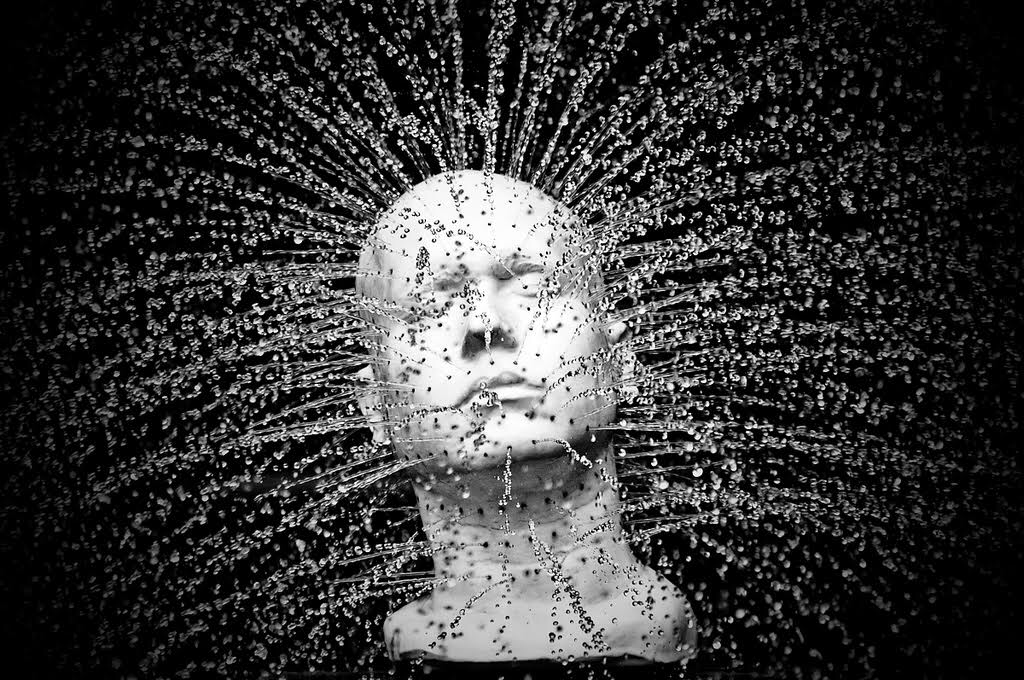
The roundtable traces humanity's evolving understanding of mind from ancient philosophy through contemporary science. Beginning with "Xenophanes' 6th c. BCE theory of divine intellection imbuing, comprehending, and organizing the cosmos" through modern cognitive science, panelists explore how advances in brain science, computer science, mathematics, physics, and psychology have shaped our conception of mind. The discussion examines whether metaphysics and theology should inform future understanding of consciousness.
Speakers


Watch
Media
Related Roundtables

Transcript
This roundtable examines the relationship between mind and brain from historical, scientific, and philosophical perspectives. Panelists including neuroscientists, philosophers, and psychiatrists debate whether the mind can be reduced to brain activity, and what the implications are for understanding consciousness, mental illness, and human behavior. A central tension runs through the discussion between those who see neuroscience as progressively explaining the mind and those who argue that subjective experience poses irreducible philosophical challenges.
The conversation critically examines the track record of neuroscience in delivering on its promises, particularly in psychiatry, where the push for biomarkers and single-molecule explanations of mental illness has largely failed. Panelists discuss the confusion between explanation, understanding, and prediction, and argue that different levels of analysis from molecular to psychological to social each contribute something essential. The discussion also addresses the cultural influence of neuroscience, legal questions about free will and responsibility, and pragmatic reasons for maintaining an open stance toward the hard problem of consciousness.
Show discussion topics
- 00:00:00 Introduction of panelists including neuroscientists, philosophers, and psychiatrists discussing the mind-body problem.
- 00:05:11 The fragmentation of mind sciences into specialties and the challenge of interdisciplinary dialogue about consciousness.
- 00:10:26 Philosophical analysis of what it means to seek the 'basis' of mind and whether physicalism or materialism can be clearly defined.
- 00:20:57 Cognitive neuroscience as psychology plus imaging, and debates about reductionism across levels of analysis from physics to biology to mind.
- 00:31:27 The cultural impact of neuroscience and whether brain-based explanations have been oversold to the public.
- 00:41:57 Distinctions between explanation, understanding, causation, and prediction in the philosophy of science applied to the mind.
- 00:52:29 The problem of subjectivity and whether consciousness deserves special philosophical status beyond other biological phenomena.
- 01:02:57 New technologies enabling research beyond sensorimotor systems into higher cognitive functions and their neural basis.
- 01:13:27 Critique of the single-gene, single-molecule approach to mental illness and the failures of reductionist psychiatry.
- 01:18:41 Legal and ethical dimensions of neuroscience, including free will and criminal responsibility.
Show full transcript
00:00:00 I met nurses in the director of the center today's program mindmatters my mother's past present and future and the participants are please raise your hand when I call your name Jon Krakauer's who is professor of neurology at neuroscience and Jon at Johns Hopkins University jonathan Kramnik who is Maynard Mack professor of English at
00:00:30 Yale University George McCrory was director DeWitt Wallace Institute for the history of psychiatry at and professor at Weill Cornell Ken Miller professor of Neuroscience at Columbia University and Barbara Montero professor of philosophy at the University of New York they are aware that they just start spontaneously the conversation and we'll see where they end up thank you maybe we
00:01:01 could just begin by saying something about the perspective that we bring to the question one of the interesting and attractive features of this afternoon for me at least is that I am sitting with people who are bringing expertise from a variety of different disciplines and none of them my own so I'd be curious to know there's simply how you all approach this issue which is for me a literary and cultural question though I'm always excited to think about
00:01:32 questions of mind consciousness and mental life from an interdisciplinary perspective and bringing into account developments in neuroscience cognitive science and philosophy for now I will pass the torch off so in understanding the mind are you looking at in literature are you looking does the literary story reveal the nature of the mind or is the art does
00:02:03 the author of the literary story have insight or who's inside are you you know benefiting from that I kind of focus on questions of the representation of mental life and works of literature yeah and how it's changed to exchange or how it took shape in a particular moment in time and what exciting things about working in my particular historical field which is the 18th century is that
00:02:34 at that moment in time literary writers were in pretty close dialogue with scientists and philosophers as part of the emergence of empiricism and all kinds of work into the nature of cognition the nature of men representation perception and other kinds of questions in and around mental life that have you know pose problems that people are still interested in addressing sounds interesting and so to me that side of it is simple I think how
00:03:05 consciousness arises from me is not simple in effect I don't even see how you can approach that as a question but but obvious to me that this piece of meat that evolved is what has is the basis of our mind I guess I approached it from two vantage points which is that I'm a working psychiatrist and and that does no doubt informs on my perspective
00:03:36 but my work has been in the history of ideas so I would really take off and away from your point of view and say one of the things that intrigued me and made me write my last book was the the notion that we've been living with this problem for many many years with centuries and that to think of it as an insoluble problem it was fine but not as interesting as a problem that in a way it's own history how the political history had a scientific history have a philosophic history and that it impacted
00:04:07 us as we couldn't solve it and move forward to different iterations of ways of thinking about it so I really look at it in a way much like you do I was interested in in what happens once we take let's say I don't think it's quite innocent to say it's a it comes from the meat but then all the difficult problems as you say come after the meat dessert we don't know what mystery ideas Sean
00:04:40 yeah I always try to teach them so how I would feel being audience and I think topics like this is so amorphous abstracted so how does one get some concreteness on it I would imagine the other people think mind means thought freewill consciousness the construction of culture that's time that's what people I think mean by mind I mean it's a sort of slightly human self-absorbed
00:05:11 idea that that's what's making us create all the specialties that we represent and then there's what you know ken just said that you need the neuroscientist and we don't inner science we don't talk about the mind we talk about the brain so the mind is what psychologists and cognitive so neuroscientist talked about and it's what we all consider that as I said the creator of all the things we care about and then the neuroscientist talk about brain and then we get this tedious thing how we gonna bridge the
00:05:42 brain in the mind and and the answer to that is they're not and what do I mean by that it means that and I'll give you a little a tiny little anecdote Ken probably knows this Jamelia does anyone know what Jamelia research campuses it's a big campus for neuroscience and they just decided that they're gonna switch directions and do something they call mechanistic cognitive neuroscience mechanistic cognitive neuroscience meaning that
00:06:14 they're going to spend 15 years to do the bridge between the brain of a fruit fly and cognition gonna try and operationally define what could possibly be the bridge between mind and brain and the way they're gonna do it because they're gonna have to come up with some operational definition or cognition I think we can have a seat for the second where we agree that we're going to talk about cognition right thought we will
00:06:45 contradict that's it cognition now it depending on how your operation mind cognition you can decide we are going to have a scientific theory of the mind that is neuro scientific not psychological and just the last point I want to make is that it's extremely important that all the interesting work on the mind today in my view has been psychological not near a scientific way in in philosophy we talk about functionalist explorations versus
00:07:16 reductionist mechanistic explanations if you say to somebody why is that woman crying there in the corner and you say is because she's sad because she lost a loved one that is a perfectly adequate explanation to say it's because circuits in our head are misfiring or dopamine levels are low is not an adequate explanation okay now anyone who says oh and you know and there are molecules at the moment oxytocin is very big at the moment
00:07:46 dopamine was really big and these molecules get this totemic meaning that we think are bridging and they're not okay so as soon as we move away from causal bridges between the brain and the mind and decide the kind of war we want to do I think you have to be perfectly happy with saying the woman is sad a never talked about Dobey okay and any attempt to think that you'll explain away the notion of sadness by some
00:08:16 reduced circuit or molecular based explanation with a philosophical aporia it's a non place and that I think is rather than that and I think many people the audience really hope that the neuroscientist will solve the mind it's a non-starter okay well it's interesting for me to hear different perspectives on this my work is very interdisciplinary so I take into consideration literature
00:08:50 that's why I was interested in how you you know think about it because I've looked Shakespeare and said well you know how did he understand the mind which is different how the characters sometimes seem to see the springs of action so and I look at neuroscience and psychology and common sense I've even conducted an experiment and and then my own case to introspection I
00:09:21 use that to and I mix it all together and see what comes out so well so one thing I can said with certainly the brain is the basis of the mind and when you know one sense you will say yeah but what I'm one question I'm interested in what it means to be the basis of something else so because it seems to me from different perspectives
00:09:53 you can see different you could say in a different context someone might say our socialization is the basis of the mind because that's what makes us who we are or you could in a different context our DNA or so um yes so there's so one thing so my work tends to like focus on some very well I have a variety of areas of
00:10:26 research but in my most strictly focusing on the mind and the mind-body problem focus is on the meaning of that what can we mean when we were looking for the basis and also the question of well what is that base so we all want to be somehow materialists our physicalist but what does that mean and somehow is there like I mean is we think about the
00:10:59 problem of reducing the mind to the brain but you know we have introduced chemistry either to physics so what is there something special about the mind and its relation to the lower level features that it's somehow we merge us out of our is based on or is may be reducible so as opposed to other there's of stratifications of nature or is it just do we have the same problems throughout are they just different perspectives we take on reality so those
00:11:32 are some of my thoughts it's just that you're not the question why is this woman crying is not asked so this is a question of like is this about what what people are interested in when they pose a question or what kind of answer they want yeah continent some context it might be relevant brilliant I would say in the neurologists office maybe it's someone crying all the time non-stop maybe you need to figure that out so it might be ending on your content what I'm just trying to say is if these conversations never ends but they should in other
00:12:04 words it's annoying what I'm saying is is that yeah you know it's philosophy explanation and understanding and causality have different meanings yeah physicists have understood notions of emergence and Adyar that behavior and complexity for ages neuroscientists in particular and I say is that have a kind of philosophical sophomoric way of speaking right where because they're sophisticated with their tools and their
00:12:35 techniques they think by inheritance they're also intelligent about talking about these things and they're not what I'm saying is that it's not lots of people have dealt with these problems of levels of analysis you know as you said physics chemistry biology in the phase transition these signs complexity I mean you know it I think it gets down to you or that the you know the book that we're writing I think the title I'm you've been using right now is what does
00:13:06 neuroscience want to know and I think many of the audience are asking why is that woman sad but what the answer to sound like something like dopamine and what I'm saying is as long as you're in that trap they are asking a question that's never gonna yield the kind of answer you feel like it's like the number 42 I mentioned I'm a Hitchhiker's Guide to the galaxy what's the meaning in about 40 - no that's not very satisfying I want
00:13:36 something that felt like my question right and the problem is is that we have a feeling on the Austral question and we demand that the answer have the same feel as the question and it will not alright and as long as we accept that we're fine you can do causal neurology yes you can treat Parkinson's and depression and Stroke that's causal work that's where the levels matter but if you're asking understanding explanation of why is this person a good cook it's because they salt well it's because they
00:14:06 leave recipes right it's because they have a nap and you notice what those explanations for why I cook is good all on Daniel Dennett's intentional level of cooking if you said they're good cook they've got really good spatial working memory right well they have good selective spatial attention no no longer explaining right there that poor boy you're doing is talking about the perhaps necessary but not sufficient cognitive capacity that you require to be a good composer as well so to me it's
00:14:39 all a bit of a non question but we like because we all would like the feeling of an answer that we're never going to get I I completely agree with you but I'm much more curious rather than bored by the question because in fact the non question becomes a culture as you know the NI mhm now demands that studies about sadness have biomarkers you cannot get a grant at the National Institute of Mental Health it's effective and so these problems we have this capacity to sometimes manage
00:15:10 better in the 19th century Julian Jackson said exactly what you said we're gonna basically defer psychic causality and we're gonna look for neural causality and look to start to do the same with the thing with psychology everyone who's mixing mind and brain in a mash of nonsense he said we're just gonna look for psychological causality the problem is some fields and some people like psychiatrists and their patients walk into a situation where they're demanded it seems like there is a great deal of pressure to think on both sides and to prematurely integrate
00:15:43 those integrations have been usually disastrous and presently I think we're in the midst of another chapter in that with the recent ni MH demand that everyone's gonna have to make up a biomarker for every study they do you will not be able to do a clinical study on sadness yeah so I mean that sounds right to me and also I think there's something that's been historically perplexing about the relationship between physical matter and cognition or the mind in the brain over a long span of time so there's something at least in the curiosity or the fat or
00:16:14 the fetish that you're describing John that has cultural significance if not also political significant and there's a reason I think why we find the virus you know we started off in this way and even though with the possible exception of Ken like it seems like no one here really is committed to a kind of program of reduction and yet you know it's what bugs you even though none of us really actually are committed to sand it to explaining in the way that you're afraid of genuinely believe oh but if you can
00:16:48 understand heading direction through a ring a tractor and a fly's brain that you will then be able to extrapolate from that to other forms of cognition they really do believe that right and it's now look if they could explain in an argument you know ken just said I believe one day well that's the religion if I'm I'm content right but but if you're going to come up with a framework as to how that extrapolate I mean if you were to say look here's an ant yeah one
00:17:20 little ad and I'm going to be so intelligent that I will actually infer ant colonies and termite mounds from that one ant good luck you never would all right I'm inclined to agree with everything you're saying and unfortunately neuroscience say we study the atom because you've got great tools we can go deep into the ants brain we will infer termite mounds which is what cognition would be in an ant colony is frozen for a server it's an emergent behavior when you have thousands of ants right
00:17:50 so now we're gonna work out that how that thousands of ants work and there are coarse-grain descriptions of complex systems like ant colonies that are very explanatory but they're not single and right and you substitute ants for neurons and you can see the problem right and yet neuroscientists hate this kind of argument because they're deeply in love with the reduction is worthy and it's good work by the way I think at the level of the work ants are interesting
00:18:21 neurons are interesting parts of neurons are interesting right but the idea that if you studying studying studying by some magical nonlinear extracted extrapolate Ori moment you'll have this new thing it's never happened I've never seen it that's the problem I don't agree that it's an insoluble in principle separation between the physical and the mental that will never get there and just as one you know simple example you know
00:18:53 that John would know very well but you know we have we have the experience that to see this cup and to reach for this cup and to know it's a cup and to be able to reach for it is the same thing well from study of the brain we now know it's not the same if there's one system that I use to say that's a cup and it's it's a rat sort of round and a cylinder in to describe its shape and there's a completely different system that I use to form my hands to reach for nowhere to reach in and be able to pick it up and
00:19:24 those are two separate systems in lesion one or losing the other separately so that's a very tiny example of where knowing something about the brain gives us some new insight into the mind that we just wouldn't get by introspection you know I think that doesn't go very far into our daily life but it's an example of how understanding how the real thing works is going to piece by piece little by little over a very very long time going to revise our underst well actually let me ask you though what what what have we learned about the mind
00:19:54 by knowing that there's that that the action of reaching for a cup and of gazing at a cup are served by two different systems we've learned about the underlying neural architecture of each and how their distinctive end I mean just do it this is the crux of the matter to be clear yeah well what Ken is talking about is a form of modularity of process right exactly okay now
00:20:25 psychologists you have the stern bird and many others who have worried about the the decomposition into components right of what seems like the unified brain you know what so now that that's not implementational level work in other words showing that there's dissociation of modules showing that the seemingly unified brain mind is actually made up of these competing subsystems right it's incredibly interesting and but that's psychology right right and then
00:20:57 cognitive neuroscience is sort of psychology of us imaging right but I think for the benefit of the audience actually we might want to clarify that what we're talking about here is still actually below any level of consciousness yeah so so this is about a mental process a cognitive process in which these two modules are distinct from each other but one can't introspect on that at all so that this is in some sense what I was asking I think many people in the audience would when they hear questions of mind are interested in
00:21:29 some something that is available to introspection is conscious right and I think and I think it's very important I'm sure okay I can't I would take the view I think that and I think Dan Dennett I was usually we don't equate introspection yes in certain circumstances self-report is useful in psychology right but it's a dangerous thing based science on whether it's cognitive neuroscience with its computational modules or whether it's
00:22:01 neuroscience where you actually talk about implementational circuit right I think they're both ways to study the brain I think the bridge as I said between the brain and mind is an ocean of cognition the best way to go after cognition I think it's psychological experiments sometimes those psychological experiments benefit from some self-report but I think it's very important that I do I do not take the view that the introspective route alone even I think numbers the order to care about freewill consciousness thinking would I think
00:22:31 prefer cognitive neuroscience to introspect the one thing I disagree is this isn't the the the dissociate I just talked about it's not just psychology without we discovered that by understanding how the you know how to separate brain systems process things and how when your lesion one of them you lose one faculty in psychology neuro the neuro part no you're right I'm just saying that if you had area a in area B and they dissociated it's fascinating but unless it you care that it was dorsal stream versus ventral stream it
00:23:03 could have been occipital cortex could have been temporal quarter it's the dissociation that's interesting not the exact anatomical location of it at the current time couldn't you have them couldn't the the cognitive dissociation be at some level of explanatory removed from the neuro why would occur in different forms of neuro location well the point is we discover it by studying the brain we don't discover it by studying the mind without studying the brain right it seems to be
00:23:38 that on the one hand we have the limits epistemologically of neural reduction is on which you made the case were very clearly and on the other we do have the limits of self-report and which are obvious for the people who are in in the lab doing is do we not need a new model of science to understand the mind are we not stuck between bad I I thinks well one thing I've found recently and I'm just the recent project
00:24:08 but I've been writing about the fact that we seem to forget the sensation of pain and there's quite a large psychology and some neuroscience on this and looking at it it's interesting how so much of the neuroscience is still in really I mean because what else can we do but maybe there's a way to think about moving forward into something else but has to speak in terms in behavioral
00:24:38 terms so about the two components of pain there's the this there is a distinction and maybe a dissociation though it doesn't it's not clear that there's ever been a full dissociation between the feeling of pain and your emotional reaction but both are described in terms of behavior they're identified in behavior so it's very difficult just I think to get it would be nice I in in my paper I suggest you know that the this the literature on
00:25:09 memory of pain is also very confusing because it is hard to identify this sensory component outside of behavioral terms so it would be nice I think for the science to move forward for the neuroscience to move forward to allow for neuroscientists to feel a little bit more free about not needing to identify everything behavior really of course now how do you do this study you know you have to find some thing that goes on but
00:25:45 then this is where I think maybe first introspection and the neuroscience the fMRI it's gonna have to work hand in hand because maybe okay we're not going to be able to see some behavior that a subject in a study is going to events but we're going to have to take their word for it that they are remembering a sensation but it's it and we'll look at what's going on in the brain at that point so I feel that in moving forward and
00:26:16 then just in looking at that research I wanted to suggest that it would be nice to have a way to get subjects to identify a conscious component of what's going on versus well what I found in the literature was the a distinction between remembered pain and known pain but the poor subjects in these studies there's a like a 500 word description of making this distinction and I'm sure that's very difficult for any search to read
00:26:47 and really understand so I thought here I thought it was a place where philosophers who like to think a lot about this subjectivity and what they call qualia and consciousness could help out in trying to create a protocol to offer to subjects and studies for them to try to identify get different conscious different ascott aspects of their mind the conscious consciousness so in looking at what's good the court you know what we see is correlated with
00:27:19 activity in the brain so in that I mean that seemed to make clear in the pain if it even certain the engine is gonna correlations well which are not explanations I mean just to get to your question right I mean there's the Morea logical and a fallacy you know PMS hacker Wittgenstein you talked about you know wings don't fly birds do okay the amygdala does not feel pain people do all right so soon
00:27:49 now lots of again neuroscientists don't understand that logical fallacy right they think that paths feel rather than the yeah digression of the path so there you could say we don't need the difference is just because there's a philosophical misunderstanding but on the other hand we do lack in complexity science a bridging hypotheses it is true that it's difficult to come up with if I were to ask you do you understand New York City
00:28:19 I could ask everyone in this room what does that question mean do I understand in New York City so to understand the mind is as stupid as that question right right do you understand New York City what you can answer that sentence I beg to differ no one's ever asked me that question before I've been asked the question if I understand the mind a million times that's just why I'm just saying it's nobody coming finish why do the neuroscientists keep making the same mistake it's not because they don't understand the problems it's because
00:28:51 there's a great deal of pressure on them social political human blessed you make that leap and so for a hundred fifty years they keep going off the same cliff people keep asking them but what about the thing that I think organizes my day every day and that's got to be related to these grey matters that you're talking about in these neurons but how is it related and again and again the pressure of answering that question exactly what I'm saying the seduction I know it's a seduction but why don't we just get over it now as we can make I
00:29:21 what I'm saying is we can have very important causal connections made causality matters right but just like explaining ant colonies and weather and cities you can't do it right I am completely but I'll tell you the answer that's just the answer is that the reason we don't get over is you won't get grants yeah but that's why yeah but that's not a very but that's got a very intellectual position to take tell my friends in their labs I'm gonna I'm gonna like I'm not gonna
00:29:52 be always like not interrupt just because I'm a woman so I'm gonna interrupt a little bit so I want it and also I want to bring up somewhere where I think Jonathan can add okay I would say things are even worse or maybe more complicated than John has just pointed out with explanation I mean I would say it's partly a sociological linguistic fact that we say people think instead of the brain and I think it could I mean we
00:30:24 could change I'm very always influenced by Chomsky on his thoughts about this and he often points out well you know in English we say birds fly and airplanes fly but you know in some other languages airplanes don't fly no you know and so it's you know well in English and maybe today in most languages we talk about people as thinking and not the brain but you know that could change I mean it's interesting you see also I mean I notice in my writing night I don't want an
00:30:56 argument to state something but a lot of people say you know so maybe arguments are now state so it might be somehow also just a social fact also I'm not sure I mean I'm willing to say there's some flexibility in what we take as a fact of the matter in this case I think it's very much a social fact but also you with an interesting history I mean the mind-body problem goes all the way
00:31:27 back and people have written interesting things about it for a very long time and and it affected our culture in recent years in ways that are you know I guess good and bad and certainly and our and our Arts in ways that are interesting there's good novels have been written about you know brain based counselor behavior and in psychology Ian McEwan Saturday is a lovely novel the science is wrong no doubt but but is preoccupied with you know the
00:31:58 problem of reducing the experience to to to the brain but also actually I think even in everyday speech again going way back you will pick up phrases like you know my brain hurts or something like that when you're talking about like a having to think really hard about a problem the notion that the brain is the seat of the mind and is involved in cognition has been you know obvious in one way or another for people for a very long time and and there's all sorts of kind of like folk cultural ways of making the connections pretty quick and
00:32:30 none of that I think poses any problems for your fundamental irritation with your own discipline though I think that it's actually quite compatible with it there's in the sense that they're not doing any explanatory work but it's a but it's part of the culture in which people will refer to the brain as a kind of chunky way of talking about you know the mind yeah I mean if you're just you know in an article wrote last year you know involved information that word involved doesn't it work it's just a
00:33:00 correlation or better causal link right and then no one doubts right in other words if you're doing causal work the manipulative interventional work that's great science right we'd you know but it's it's gonna be more difficult when you say hey how does the how does the brain lead to the mind and I'm gonna lose you and you go up thank you I'm not going to worry about that again I've had my aha moment it's a nice compressed sentence has been uttered you know I've understood just the way if you say how
00:33:33 does a car engine work I think I know how condom works I want there to be a way to say how the brain needs to the mind or what I'm saying it's not going to ever sound like the way you're being told how a car engine works there and you just have and I'm just saying that most people I think intuitive better than the reductionist alright again I agree entirely with that I also think that there are cultural reasons and political reasons along the lines of
00:34:04 which order suggesting as to why this convert now in 2018 seems so pressing at least and in my experience over the last decade universities and funding agencies and and and everything else have been preoccupied with two things in particular neurological reduction and what you might call kind of data or computational reduction so the money is in either you know kind of information systems and studying you're using
00:34:35 computers to sort of provide numbers for things or it is and as you suggest the gorge and you know giving up putting a like a squiggly F in front of something or Chris generally using the word neuron and that's an interesting sociological question yeah there's a wonderful book of it in anyone's interested called neuro or published by Princeton University Press think about five years ago by two writers where they very very they beautifully outlined the sociology of the neuro fad right and and they very much link it to what they call the neuro
00:35:06 molecular view of the mind which very much came on the heels of molecular biology and molecular genetics so the hubris was that we've told DNA where makes RNA makes protein we're gonna do this for Nerissa complete failure obviously but nevertheless it was very compelling the Caltech story the mary mckay wrote a history of Caltech and how linus pauling said that we studied proteins we would extrapolate from proteins so this has happened over and over again this sort of extrapolation
00:35:38 hubris right and now the current one isn't neurons it's not genes its circuits yes this nauseating word that you hear over and over again work with light so it kind of a neuro term as well yeah it's just that there's underlying this good work there's this additional strange totemic view that this will be what gets us to the promised land right right in his bizarre so i I get I get to
00:36:10 where I don't quite know what we're talking about about well I think it's what people people really wanted to know whether the things that we talked about as mind will ever be sub explained okay so so to address what it's about no I'm saying not at the level of not at the level of neural circuits so there's this there's different things there so for example let me to understand New York City in its totality yeah no but we
00:36:41 can understand a lot and we can understand more and more and we can understand why you know why are the traffic patterns the way they are we can understand the forces that lead to that we can there's a lot you can understand without saying that you ever grasp the whole thing I think to me you're saying that when you look at work on cities for example Jeffrey West the former president in Santa Fe Institute has written a wonderful book which I highly recommend called scale where he talks about how the complexity of cities arises complexity science does have ways
00:37:15 of producing explanations about aggregate behavior but it is non reductionist science what I'm saying is when you talk about complexity you can find reduced forms of explanation to discuss complex systems okay but no one's going to talk about galaxy formation by talking about particle physics right it's a different discipline but all I'm saying is is you of course you can study cities the Santa Fe Institute's been studying cities for ages but what they wouldn't say is to
00:37:47 understand cities study one family there's of course there's many many levels and the very bottom level doesn't give a good explanation of the top level and that's what my neuroscientists think I don't think so I I don't see that myself I think in popular culture and popular writing there's a lot of that I don't see it really in neuroscientist myself but but just to say another thing so you were talking about you know what people want to know is the mind they
00:38:18 experience their consciousness from my point of view that's you know literally the tip of the iceberg Oakland and the you know the iceberg being all the stuff that goes on in the brain it's not literally the tip of the iceberg oh [Laughter] and the reason why that matters is because what we experience you know has
00:38:49 a lot of structure that we don't understand that we try to get at by introspection by meditation by all kinds of means but a lot of that structure comes from all the stuff that's beneath the surface and not conscious and so I don't to me to understand the mind to understand the conscious mind is a tiny piece of that and it's not the central question really although for ourselves personally we'd like that's what we'd like to know because that's what we experience but right but we're not going to understand that without understanding this huge amount of substructure and all
00:39:21 the many many many levels from the bottom to the top that's a very very long project but it's not that we're never going to get any insight I mean now the one thing that I would sort of agree with or maybe I don't know if you're saying this John but I don't think we're ever going to have a scientific explanation of why the operations of the brain and the mind and all of their structure that leads us to act in the way we act why that's accompanied by subjective experience why that's why we have a conscious
00:39:51 experience why we're not zombies that Holston right level question I don't think that's a scientific question I don't think we're ever gonna answer that we experience that when our mind does these things they enter consciousness we have a subjective awareness of them but if you take away the subjective awareness part and just take all of the processing all of the all of the things that go on by which our brain is associating ideas and understanding things about the world and leading us to act in certain ways then I don't see why
00:40:22 we can't ultimately understand that in terms of the brain you know for example I mean it the problem is we're at such an early stage I mean you know at the time of Aristotle if you wanted to understand my water felt wet you know you really didn't have the means so somebody could say we're never going to understand that in physical terms well now we we you know anyway you can describe the property of witness we have an explanation in terms of quantum mechanics and and atoms and hydrogen bonds we have explanations of why it has all the properties of wetness but in Aristotle's time that was totally out of
00:40:53 reach but it didn't mean it was out of reach in principle but I think we're an aerosol star in terms of no just just one I don't agree actually about the subjective experience but I actually feel that's a red herring I think as Vicki shine again pointed out it's amazing that you decide to move your arm it goes up it's amazing you get touched and you feel there so I actually think like Nikolas Humphrey has written that actually knowing where your limits in space when you close your eye is probably on the way to subjective conscious experience and he may give an ugly argument of that kind what I'm
00:41:25 saying is that you keep using the word understand and what I'm saying can is you remove causal relations from that word what does it mean no don't use understand to display an understanding leads do is that causality it's getting a deeper back to that word I'm not saying it's but what does it even its causality if you know what I'm saying is
00:41:57 that in the philosophy of science in the words explain and understand and cause are not the same thing or predict like when a sycamore leaf is dropped we know the physics of the movement of a sycamore but it's extremely difficult to predict what its trajectory is going to be right and similarly you can have conversations where you can predict but not understand things okay all I'm saying is the problem here is that you're using the word understanding when you say why is that woman crying it's because she's sad that's an explanation
00:42:29 and you've got I now understand why she's crying causality is not in there in the scientific sense all I'm saying is is it understanding isn't synonymous with causality and as soon as one goes off for a scientist like I'm going off to you and to remove any causal sounding words from your sentences you're left bereft right and that's what I'm saying is what's so difficult about this said to me it's a matter of these things I mean it's very
00:42:59 very complicated structure underlying it and the more underlying insight it's not again it's not it's not a total understanding but you gain insight the more you understand the structure underneath the surface I mean a body of correlations is not nothing I think that's what you mean you gain more and more and more correlations they aren't close and I think also um perhaps not at all so that there's a kind of implied level of priority if you use the image of you know an iceberg and everything that lies below it or the interest and
00:43:30 kind of digging deeper to get to what's seeming more real at some more fundamental level and I think part of perhaps what you're suggesting John is that that there's that's a kind of mistake because we the the because there's this hard to figure out any kind of causality and so therefore it's actually not more fundamental you can't do completion cause his pockets and pockets but you can also say that you know then whatever event lets that this poor woman had in her life before she started crying had some causal
00:44:02 relationship to her crying in a way that we could say is you know we could understand in some scientific fashion perhaps though not just in terms we wouldn't be in the language of neuroscience at being the language of psychology or sociology events in one's life that have an effect on your emotions right that's not outside of science I don't think is it no I'm just a science is not neuroscience oh I I'm right I'm just saying that there are as you know as general intentional levels they're words that do explain them that mean things and what I'm saying is that
00:44:33 if you want it to sound like an explanation or understanding by dropping down to what the is doing good correlational calls will work right and wanted to also give you along with its correlational causal truth right the feeling of exploration understanding in addition when you subtract away the correlational causality we don't have a way of doing no and I agree entirely so me you could say that in some ways that there's a just a dependency relationship between these levels of explanation you can't have one without the other we're not going to have crying people who have no brains right nevertheless there that the
00:45:08 explanation that's going to be set that's going to satisfy the question of whether why is this when the crying is simply not going to be done that's some lower level of dependency that needs to be there but it doesn't do any explanatory calls the work right it doesn't right yeah it's and I don't have tension I don't claim any of the answer I'm just saying I don't think we should fool ourselves with these words right use them well philosophers of science have spent a lot of time arguing about what it means to be an explanation and to have understanding and they've come
00:45:39 to know answers on this and see happen or no understanding but some of them like Nathan salmon he did argue that an explanation is just providing a cause bossman frostin one of my favorite he says an explanation is an answer to and why questions are here so it's sort of a social thing also when we stop sort of asking the question maybe we have the explanation now can I wanted to say you're just really not you know being
00:46:11 bold enough I would say I mean another I am another thing that boss Vaughn frost and says that I like to quote quite often so Hanna okay he says there are no science Stoppers and I really believe that I mean well yes from our perspective now consciousness subjective experience that's beyond the Ken but you know why who knows I mean how can we net our point really I mean there have been such
00:46:43 major turnovers in science but we couldn't have predicted at all in the past maybe in the future we will stop you know wondering why consciousness why are we subjective and it will just be something that seemed somehow we've come up with some psychologically satisfying answer to it now of course there's the other certain science toppers do exist in terms of grant money you know maybe it's not reasonable to be giving a lot of money
00:47:14 right now to the neuro scientists studying subjectivity because we're nowhere close enough but in principle what's while I sort of say absolutely not isn't it useful to leave open except for maybe economic reasons okay I don't think is really the most important question to worry about but the reason I say that is what science duh I mean we we start with subjective experience of
00:47:46 an objective world what science does is it isolates the things that are objectively reproducible objectively definable operationally definable and so you can I believe conscience science the consciousness neuroscience is a real field because but it has to do with understanding what brain processes and what brain systems are are active in what ways when you are versus are not conscious when you do versus don't consciously perceive something it's it's knowing you know ultimately hopefully we
00:48:18 will completely be able to say by observing you know the brain whether someone was conscious of a certain thing or not I think that's totally in reach what I don't think is in reach is to say why there's a subjective experience associated with it because all that science can talk about is the objective processes of life or how or how do you get from these objective processes to the subjective experience why you know what science can do maybe that's what it can do today but come on look at what
00:48:49 and what Aristotle would have said all this was what science can do he would have really had a much different you know none of what we are doing today what if he said but I mean your diction is difficult especially about the future I think we might some day you have an explanation that that makes us satisfied and stop worrying about it you know so that to say when when this subsystem of the brain acts and that you know in this way it makes the brain imagine that it's experiencing something and that's
00:49:19 consciousness you know and you could imagine that we will tell ourselves a story that will satisfy ourselves and we'll be 100% correlated with when you're conscious and when you're not that's different from saying why why dead matter has a subjective experience that's just it we can get a satisfying explanation but that's a different issue I think it's an important one though I think it might seem term illogical and not that interesting but but what's happened over time was when neuroscience says that's not a scientific question and subjectivity and consciousness have gotten that treatment it ends up
00:49:50 flipping over into mysticism and religion usually there's a great deal of pressure for it to flip over into religion and mysticism so I think it's easy to say this is part of the natural world we probably need a different way of thinking about science and different technological kind of advances to be able to master this but the problems don't go away and one of the central problems subjectivity is if you think of it as an epiphenomena it's not very interesting but if you think of intention and top-down regulation as critical to human behavior and to expand it outward to the
00:50:22 ant you know calling to political life to life liberty and the pursuit of happiness if you think all of that is critical then you don't want to want to walk away from it as potentially open to reliable and valid knowledge aka science it's only you know any objective process mr. Damon intentionality yeah any any objective presence you can put a name on I think we can investigate it's just why that objective process is not you know
00:50:54 look when a computer program is complete complicated as we can make it today I think we all feel confident does not have any subjective experience a car engine I think we all feel confident does not have any subjective experience so you keep adding more and more and more complexity of the matter and and at some point the matter has subjective experience I think we can talk about all the complexity of the matter all the processing that does we can talk about which of them are associated with subjective experience but the fact that you know the dead meat acquires subjective experience how do you that's
00:51:28 a fact it's a phenomena that's why I I think I recognize recognizing there's a paradox how do we have an objective scientific subjectivity i I feel a real problem I just I mean there's a lot more that's concerning about understanding the link between mind and brain then this old sore of subjectivity and consciousness I mean because unfortunately I mean I think one has to distinguish it's extremely important to distinguish between making statements
00:51:58 about science never getting somewhere I think you're totally right and at no point was I trying to say that versus logical conceptual errors that are being made and being mistaken for lack of scientific progress and all I'm saying is they're not the same there's a lot of logical conceptual error in the way we think about these questions that is invariant to how far we are along in terms of our technologies and our techniques of course we don't know and actually when it comes to the
00:52:29 subjectivity I argument that's actually what I don't think it's such a big deal I think it's a big deal because of us posing it we give special status to subjectivity over pain / proprioception but that's cultural I actually think this obsession with content subjectivity there's a cultural bias more than a difference in kind and I just what I hope this is a complex discussion that understanding things like language pain movement attention
00:53:01 all of those are difficult to know what the right level of analysis is right do we do a psychological modules do we do circuits to be do neuron I'm trying to say that all those areas that aren't the sexy area of consciousness of subjectivity are all still in play in terms of we're not we're not sure what the level of granularity is to do the work right that's what I'm saying it's true in all areas even movement right and oh and what I'm saying is at the moment in neuroscience we've got this
00:53:32 reductionist turn where we feel like if we can play God on small circuits which we can it's remarkable we can do now on small circuit we are like gods right has led to a kind in my view premature belief that this is going to be extrapolated to be as good as what our current psychological functional explanation is look like right so here that's the point understand what you're saying now the
00:54:03 the complaint or the concern about reduction reducing subjectivity is for you at least less of a concern or is a red herring in the way of actually what you're really worried about which is reducing and being kind of a sort of neurological greediness at other levels of the mind which aren't even conscious sexually that's correct and it's and what we're really dealing with is how are we going to do neuroscience versus psychology one is
00:54:34 functional one is mechanistic and that's a genuinely difficult bridging question and that's true across the board right and I think that there's a tendency to believe that we will even for complex cognitive phenomena be able to explain away some of our functional with lower-level ones right and at the current time that has not succeeded now whether there's some breakthrough we shall see but that's nice but that's so now we're
00:55:04 agreeing because as I said we're you know we're centuries or millennia away from those kind of connections but that's different from saying in principle that can't be done which is what I thought you wasn't saying Prince what I'm saying I want to distinguish between what is still open to being discovered versus what is a illogical kind of framework to begin with that needs to just be dismantled a little bit it's it's like that's saying one day will understand the ether there is no ether right and what I'm saying is we
00:55:35 just I want to say that there are lots of philosophical logical mistakes at work today which by the way the Myriah logical fallacy that hacker talks about the Varys tatl with the one who first came up with the idea that it's not the idea that the part is doing what the whole is doing Aristotle was the first one to point that out and he's correct up until this day wings don't fly birds do you could say the heart doesn't my
00:56:10 blood a person does know I think we all feel comfortable saying the heart pumps blood you could say you know the brain doesn't think the person does well that's because we identify the person with with with what the brain does so in that sense we feel more comfortable saying the person thinks but do you make the low you wouldn't feel the thing yeah without pain sensors in your peripheral you wouldn't so are they feeling pain in your skin that's not that's not the question no I'm saying we don't consider your skin is feeling pain we don't what do you do
00:56:41 when you burn your hand such a skin feeling pain right because we're very subject to this very illogical Pharisee which our study first pointed out yes there's an importance to that because we start with saying it's my I just burned my finger my finger is therefore hurting and out of that observation comes a series of other development and progress that gets us to the point where you can say this
00:57:13 part this circuits and this and that got us to the fact that now I'm perceiving there is a there is a in terms of worrying about subjectivity and consciousness there is again at the end just as there is again about understanding any of the interesting facts and causalities that we gathered along the way when I'm saying is the answers aren't of the form of the original question why is the government
00:57:46 interest in the part well it's it's it's well there was a leader Thomas so who was the head of the NI mhm and he had a very narrow view I think he would have benefited from a conversation with you about the epistemological neuroscience and he felt that we were wasting our time looking for correlations wasting our time doing clinical research that didn't have clear biomarkers or neural circuits these were the two these are the two big terms and so he mandated kind of from the top down that any grant
00:58:16 that would be coming to the NIH must make a claim about a biomarker or a neural circuit that was underlying it in a causal manner now in psychiatry we have none so that puts researchers in a rather strange position they have to make something up mister insult of dr. ensel has gone to Google where no doubt he's doing very well he's not that you heal he left Google already you left the company yeah okay but the NIH to this date we don't know they have a new director we'll see if they they continue
00:58:47 with us whether they do or not it is you know a really made manifest the way science we can become epistemologically unsound and ideological essentially this was essentially ideology wasn't science and it's it's really happen hamper research the irony was the great victory of Tom Insel Zen IMH came out as he was on his way out the door was a five-year study that showed that early intervention with
00:59:19 young people who were psychotic with psychotherapy and family support and medication lead led to better outcomes it was a study that could not have been done with a biomarker or a neural circuit so his greatest victory actually seemed to imply that he should not have made these decisions but it's presently the the law of the land at the NIH as far as I understand maybe I'll say if it's okay okay I mean I also in my
00:59:50 research I also and I'm writing a book really why we need to move beyond this problem actually of just the subjectivity and consciousness actually so mind without matter we don't need to be thinking now about that relationship but I just have to say something about this still this idea that there's this insuperable problem about science is objective and the consciousness is subjective well you know no one also as
01:00:21 philosophers no philosopher has been able to explain what that means to say science is objective it's very difficult to say what that exactly means so it's not it sounds like there's a problem but it's not clear what that problem is at all if there is a problem so I wouldn't take that as a ok we're never gonna get there because we have science as objective and if we don't really know what that means I mean just to defend can a little bit
01:00:53 about just so you don't think I'm anti Circuit I mean these are several issues if you look at the Sheratons work on the stretch reflex so in other words shanked and at the end of the 19th early 20th century was very interested in the loop between the sensation and the reef that the you know the nature that everyone says and we do have a mechanistic understanding that goes beyond correlation or causation I mean when you talk about understanding in science it's about this object pushing on that object and moving it it's about interaction
01:01:25 between things although not in physics because they don't even talk about cars well well that well I mean quantum mechanics is a causal to degree but that's not true at the the Mezo level they do right so in other words what I'm saying is is you can say and it change and did that this is a stimulus it hits the 1a afferent it goes and it makes a mono synaptic connection to the motor neuron which then innovates the muscle and that is really nice it's it's just the kind of work that we like and then you look at a movements there's a very famous engineer at Hopkins called David
01:01:56 Robinson who beautifully integrated eye movements with the circuitry underlying them in the brainstem and a mathematical model there was an isomorphic click between the model the anatomy and the behavior so there are beautiful successes in neuroscience where you do get the perfect link between the circuit the behavior and a computational model the problem is is can we repeat that success when it comes to what we all call the mind or cognition when I mentioned Genelia at the beginning of
01:02:27 this session they say look what if we find the cognitive primitive that is the equivalent of the stretch reflex or an eye movement but it's not about the sensory motor will move those out it's about that decision in between right that it's a it's the cognitive decision that is invariant to whether you decide to pick on the articles you saw it you smelled it you can use your mouth you can use your hand the decision is invariant to the sensory stimulus and to the effector and if we could just understand the cognitive equivalent of the stretch reflex we're on our way
01:02:57 right and we have the technology now Sherrington didn't have and David Robinson didn't have we can move beyond the sensorimotor that's what's going on and what I'm saying is is there's a possibility just like we're seeing with deep mind we don't know what all those synaptic weights are doing but when it gets to cognition of the form we're interested in it won't be that clicky little isomorphic feeling that eye movements and stretch reflex house that's the big dilemma is will we be able to extrapolate because even for the
01:03:29 stretch reflex we haven't been able to extrapolate to motor cortex we still don't know a motor cortex does and we've got stretch reflex for a hundred years right so I'm just voicing a little bit of skepticism about the simple version and then scaling it up but but again it's there's a question of in principle is it you know impossible or is it we just way premature and you know just as another example I mean you know memory as so so we that's a psychological
01:03:59 process and from neuro psychology but the neuro was critical we've discovered it breaks up into pieces right there's the episodic memory and there's the short-term working memory and there's the short term and long term episodic memory and the ways those that psychology that's neuro psycho but we didn't and that's separate from procedural not a they don't have agreement about no but we knew we never knew any of those things separated until there was hm right so and until there was a guy who lost his ability to make new episodic memories though as though
01:04:32 also I think we can't talk about that research after you have you read the journalists book about the research on HM yeah Dunne is like I mean you're talking about you know the ethics of all was done I'm just talking about the results but I think we can maybe simply yeah well even there but my point was that a psychological process starts to break up into pieces we were not aware of that
01:05:04 give us insight and that's never gonna stop we're never gonna stop breaking it up into pieces that are we didn't know about and they're gonna give us insight into how it works and give us more and more power to manipulate our disagreement now and neuropsychological decomposition into modules is not the same as circuit implementation or neuroscience they're not related well okay but that's your third cousins
01:05:35 microphone for asking any questions that you may have no boy in principle should there be limits to what we can know evolution obviously you know a monkey can't know answer these questions yeah and if you think in evolution our brains have evolved to deal with everyday life I'm assuming the evolution hasn't stopped us something species have come along with
01:06:05 babies bigger than ours can't figure out why so why to me that there's questions for ya yeah but the answer well that's a good question I mean I would say we shouldn't take there to be in principle science stoppers why say you can't do it it's not useful psychologically no from a from a psychological perspective like since we don't know we so so yes of course our brains are a certain size we have
01:06:36 certain resources they're going to be limits but why say we can't right now we're at a point where we can't because in the past we've seen so many times where scientists have said oh we've figured it all out now this is uh or you know this is something we can never figure out and we have after times no questions there are practical reasons so maybe pray know this is why maybe it's a
01:07:07 argument since some people want the money and they're trying to argue for it so that you know that's a reasonable argument but I don't think we are can predict the future well enough given how much science has changed in the past it's going to change in the future too I think to say this is one area where it's we're absolutely certain will not make progress so I think there's another no one said that there's another answer which is that this isn't just about pure
01:07:39 science it's about pragmatic problems you know as a psychiatrist if someone comes to me and I take the epistemological centers that we've been talking about today I'd say never no idea I have no idea almost anything at this level of certainty and causal certainty and yet here is a person who needs help so I have to try to think in a very dirty way from a scientific point of view about what's pragmatically and what you know what's pragmatically effective what kind of correlations exist what things like my experience have shown me
01:08:11 that give me some sort of dirty attempt to try to help this person so I think that's just one experience I think there's a whole array of other pragmatic reasons why saying this isn't unanswerable leads to it doesn't have to lead to fake answers it can lead to hypotheses that you know are not confirmed that are working hypotheses that help you work through a problem yeah why would someone study consciousness for instance I don't see there's any sort of human knowledge
01:08:43 benefit that's for me that's an obvious one where we're not gonna have an answer about what neural processes happen when you are and aren't conscious but certain kinds of answers I think well of course and also I mean why study consciousness I mean there's several different ways in which one can study consciousness anew since consciousness is actually available for introspection it is something we all experience because it is experience it certainly is available
01:09:15 for all kinds of investigation and explanation of a gist of a different sort then then you might have with respect to its you know neural substructure so then why do it well because actually it's the world in which we all live I mean it was something we that we all care deeply about because it's it's all right something we are intimately familiar with from waking up to going to sleep so so certain jettisoning consciousness as if it's irrelevant seems to basically leave
01:09:46 behind the entire world and you know who don't like who'd want to do that so like you know it could be out there as the science of correlations like you were describing you know the whole neural garlic problem program which i think is you know been underway for a while now and Gore could be some other form of phenomenological science where actually you really look hard and you know on your on your own experiences and those are the reports of others and also you don't know what type of spin-offs it might have with pure
01:10:17 research now you don't really know what these correlations would do you don't know what type of and if people are motivated if there's some people that are interested well then they'll probably work really hard and maybe you know do some do some good research okay I have a wonderful scientist MIT Harvard Emory Brown who've done some fascinating work on you know the differences between being under anesthesia and versus being asleep for example and being sedated and doing that what Ken was talking about
01:10:48 very interesting differences in the subcomponent neuroanatomy physiological processes reversal in your sleep sedated or and anesthesia of different kinds it says wonderful basic work being done in hospitals where patients are being put under anesthesia is in fact every Browns work to me if some of the nicest works showing how you can do in parallel mechanistic modular work and work this going to be important for patients the the the problem was translation I mean the wonderful paper that came out last
01:11:19 year by you need us and joiner at how little of what the NIH has funded has translated and one of the reason they put forward is because it's this horrible reductionist neuro molecular program the way that I solve disease one molecule at a time one gene at a time and actually if you notice now many people considerably they're sanguine now about what they think this is going to lead to the former head of the NIH and blanking on his name now he was interviewed recently about Thomas Ince
01:11:49 all know I mean he was saying you know we've got hundreds and hundreds of genes associated with all these things we have got the slightest clue what to do about it now comes to things like diabetes hypertension stroke heart disease and you know obesity cigarette smoking opioid addiction know these chronic lifelong conditions that require behavioral intervention we're very bad because we want a delta function we want to pill for a surgery or a zap the idea
01:12:23 and just for you to understand the absurdity of it if I had said to you take this pill sir swallow it and you'll be an expert pianist take this pill and you don't need to go to college all four years of college have been compressed into this pill you lightly go just something nonsensical about that but once you get to medicine switch you being healthy and taking a pill to be an expert violinist or pin it but take this pill and will cure your multiple sclerosis you're outside that suddenly makes more sense hmm
01:12:54 right it's it's great right so so what I'm saying is it's gonna turn out that we're gonna have to do a lot more human behavioral modular work the mouse models of Alzheimer's I'm not against them mm-hmm why do you think there'll be pharmacological interventions I do Mouse studies but again you're totally correct that there is an equivalent fallacy in medicine of a reductionist kind just like there is in neuroscience right that
01:13:27 we're going to solve diseases one drug one molecule one gene at a time and if you look at these papers by unities and others it's in for the most part a failure now I'm gonna get into lots of trouble saying that but I'm just quoting them you know sort of pie-in-the-sky translational outcome of studying consciousness through neuroscience of course would have to do with end-of-life issues whether what a patient's in a coma so you need to you know how I mean
01:14:00 issues here do we is this over is there anything worth living for you know is is if there is subjective consciousness does that make life leonis that's a very complicated thing to think about that requires a lot of interdisciplinary thought but that could be you know in principle a possible translational issue if this is a question that sam harris addresses I think in the book consciousness the
01:14:31 building her hold me to that if we can never understand this subject or if it's a long way off Never Say Never either even wait pattern you you want to go by how could we be responsible for our actions I'm not sure if I actually see the connections to be honest I mean um yeah your questions the perfect question mm-hmm because it's exact question
01:15:03 because it's exactly the way not to think about these things we're talking about social psychological being we call to you okay when we talk about you know is the brain deterministic or you know where where does that choice live neroli that's a whole nother level that i don't think we have any good clear answers it doesn't it doesn't I mean when we talk it's a practical matter we talk about people being responsible in part because
01:15:35 we're either trying to you know cause interventions to change their behavior or cause interventions to lock them away so they don't bother us again or we're doing things in the human world on the basis of morality and responsibility and the fact that things are have physical causes is it a whole completely different level Jonathan I'm sure could talk about this far better I mean it's more 19th century than 18th century but this sort of medicalization of you know
01:16:06 behavioral States I mean you know homosexuality for example it went from being a legal issue to being the most medicalized issue everyone had a theory about this right and I'm saying that the equivalent of this medicalization of things that shouldn't be medicalised I think in a way Neurosci is doing the same thing it's it's walking over areas it should not be trespassing on okay I need to say
01:16:37 something because I I would say it's not the exact wrong question I think there is an issue here and I do think as society in courts of law and it does sometimes we do take away responsibilities when we find an underlying physical cause and I think this is something that it's a very you know I mean we can't I think we're not going to always say it's just the person we always have free will but it's a very delicate balance and we have to think about it carefully and you know just
01:17:09 make sure that I mean yeah I sometimes we do take it away mom I don't know if it's always a mistake it makes sense I think to take it away it's no different in kind from the you know the question am I responsible if my childhood experience you know let me down this path question so many issues yeah it's a similar we don't have a solution but one way or the other it's complicated it
01:17:40 depends in part of the to go to back to bus to hustle and Rossum's language like what question you're asking so there's a like for example they they just sure gone and can read the article today or yesterday's times about the brain of the shooter in Las Vegas they went they sliced it dice to entertain you know and they came up with that no knots we can't tell anything was different about this brain that would explain but I know my point in the Attic my point is
01:18:11 both to kind of yet another example of neuro mania but also but also because if because if you think about what they were asking it was not if we actually found some sort of underlying you know abnormality that would explain the recent you know that would explain the atrocity that we had then therefore excuse him for it in retrospect it's more like would this provide an account of the you know the change in behavior that led up to a matroska t that he would if he had survived still be put in jail for I think that's a reasonable question
01:18:41 that's a it's a question different however from a legal question and I think sometimes they often get confused and I think that especially when you bring in something as you know as as difficult as free will talk it then just becomes a mess yeah and we would love to keep them separated it's much easier to say the moral political social world is dominated by notions of free will we need to operate that way and we work at the level of biological determinism that doesn't really correspond to that and so will this will go over here and that'll
01:19:12 go over there but then if you want to think of a field forensic psychiatry is when the to mix and you know the someone is going to be making decisions about whether someone had intentionality and free will and and civilized societies since the seventeenth century have said you know if your start raving mad and you commit a crime that's gonna be different than otherwise you know I think embarassingly some of these studies are like I mean these people go to eat at Chinese restaurants too much they think you opened the brain it's
01:19:42 gonna be like a fortune cookie and inside I wanted to kill a lot of people but they never find it like that and just to get to the notion of explanation so you can get some sense you know fred is a teetotaler why his father was an alcoholic ah yes he responded by be a teetotaler Jim is an alcoholic his father with an alcoholic
01:20:19 we can create these pseudo explanations right at any level right and it's very tempting we live by them and and and what I'm saying is as I think I had the demonstrate their nonsense right but we we like them and we now have a new kind of nonsensical explanation like that which is neuro mania right we like to have this new addition to these pseudo explanations
01:20:50 that as you say we live by you know from at least from the literary sort of history of science and philosophy perspective that I would have I I don't think I said anything like consciousness is in the brain I think I would just you know would say that consciousness requires for our species requires a brain but is embodied and is about you know interacting with the world and in other kinds of creatures like you know the famous octopus for example it's a
01:21:22 much more of a whole body phenomena and and arguably is out there in the world too if you take the kind of pants I kissed take on the on the hard problem which i think is very attractive and interesting so why not it's taken saying that I just find it something kind of cool about it so I so yeah so I you know at least for our for us it's like it requires the brain that's all I would say but I'm sure these folks would
01:21:53 disagree I mean brain is a particular organization of neurons and the nervous system it slime molds have a nervous system to that you know and plants have certain codes of memory and they have it through physical processes in their cells that you know don't correspond to neurons but it's their own system so it's lots of ways of building memories out of out of and ours gets organized into brains the embodiment is a one of those very slippery very cool subjects right now and the antique lots written famously
01:22:24 about this but I think one way to think about it is Denis Noble talks about top-down causality when it comes to the heartbeat so you can take a cardiac cell and it will start beating in the right medium and then you say what's the cause of the heartbeat now you can look at the ion channels in that myocardial cell and go oh look those ion channels it's through the flow of ions through those channels that need to a change in the membrane of the heart cell but then you
01:22:56 have to go well if those ion channels were just floating around alone there'd be no heartbeat they have to be embedded in a heart cell so then where do you point to the heartbeat what's the cause of the hobby the whole thing is the heartbeat there is no thing that you can point out which is more fundamental part B you need the whole thing right and that's what embodiment is is that you can't avoid being trans level when you talk about the heartbeat the membranes not doing it alone the ion channels are
01:23:27 not doing it alone the ions aren't doing it alone it's the whole thing so that's really what embodiment is is that you you need the whole thing in its organizational structure to do the thing that you're seeing in its totality right and that's I think the reasonable way of thinking about embodiment it again ended up having a sort of hokey slightly holistic thing that's attached to it but that that's separate okay thank you
01:23:59 [Applause]