
The event explores how humans have always relied on distributed knowledge through social contracts. It examines mass delusions and our collective intuition, questioning what we should believe versus what remains unverifiable. The roundtable addresses how internet technology -- as an "impersonal cloud-mind" -- changes our ability to distinguish internal from external knowledge and whether it creates an illusion of understanding. Key questions include whether collective knowledge transcends individual limitations, whether more information necessarily produces wisdom, and whether we're moving toward a human-machine partnership previously confined to science fiction.
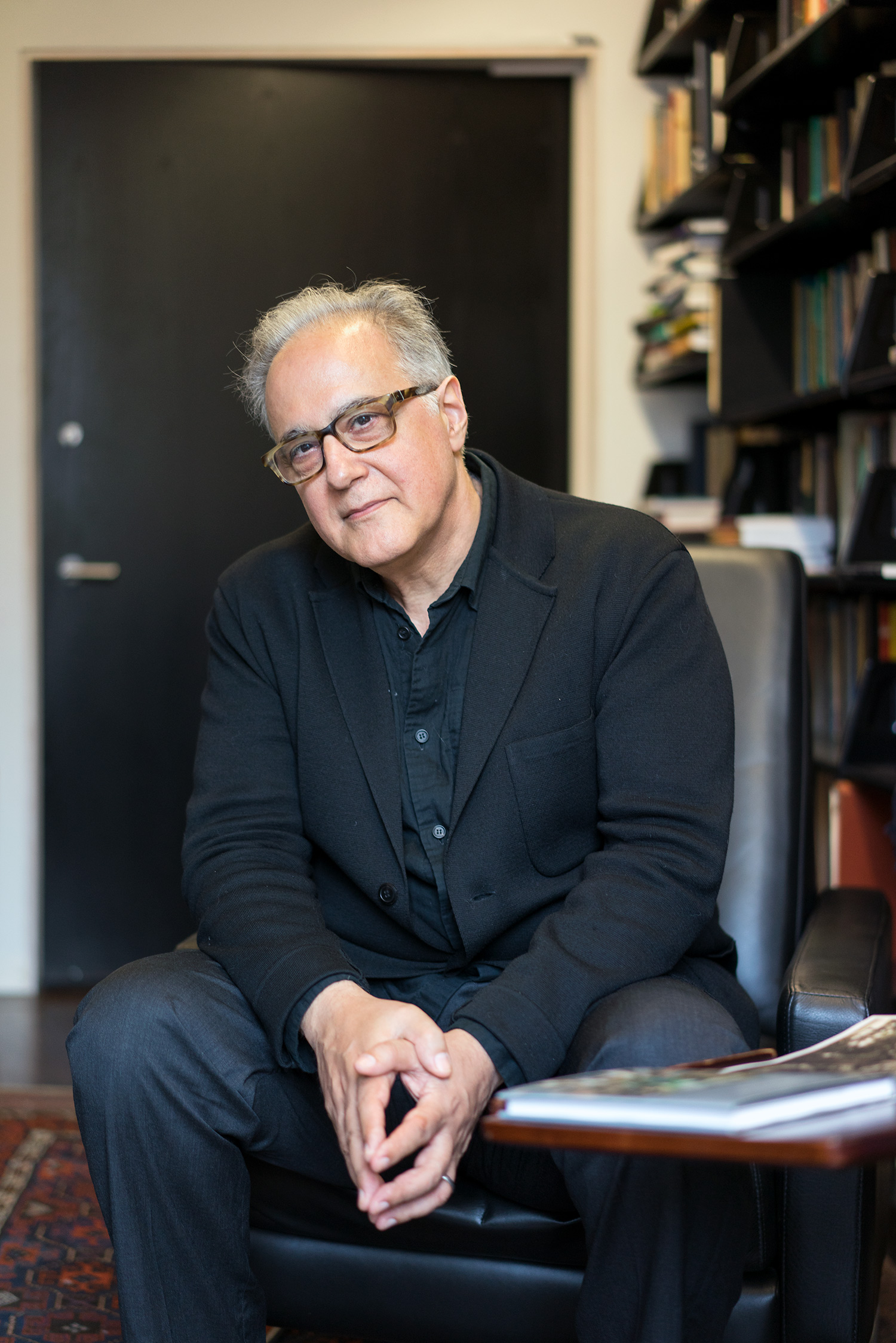
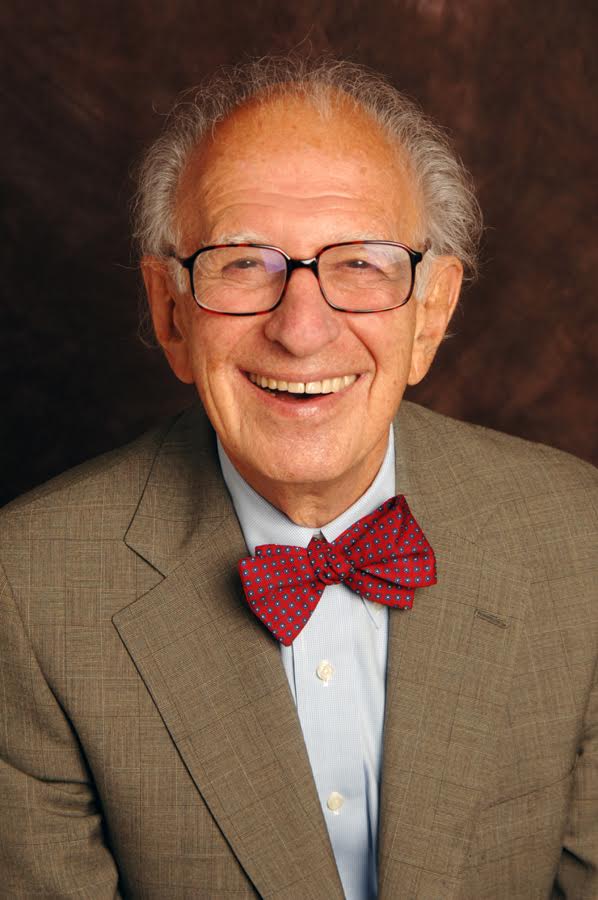
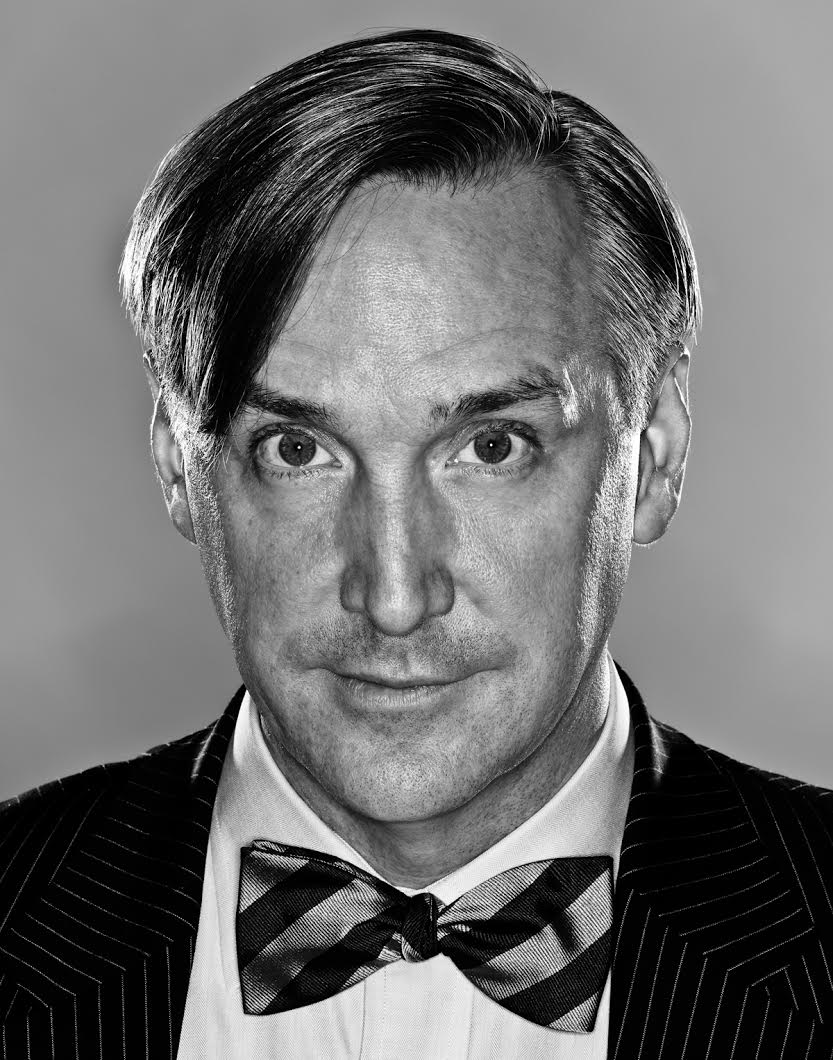
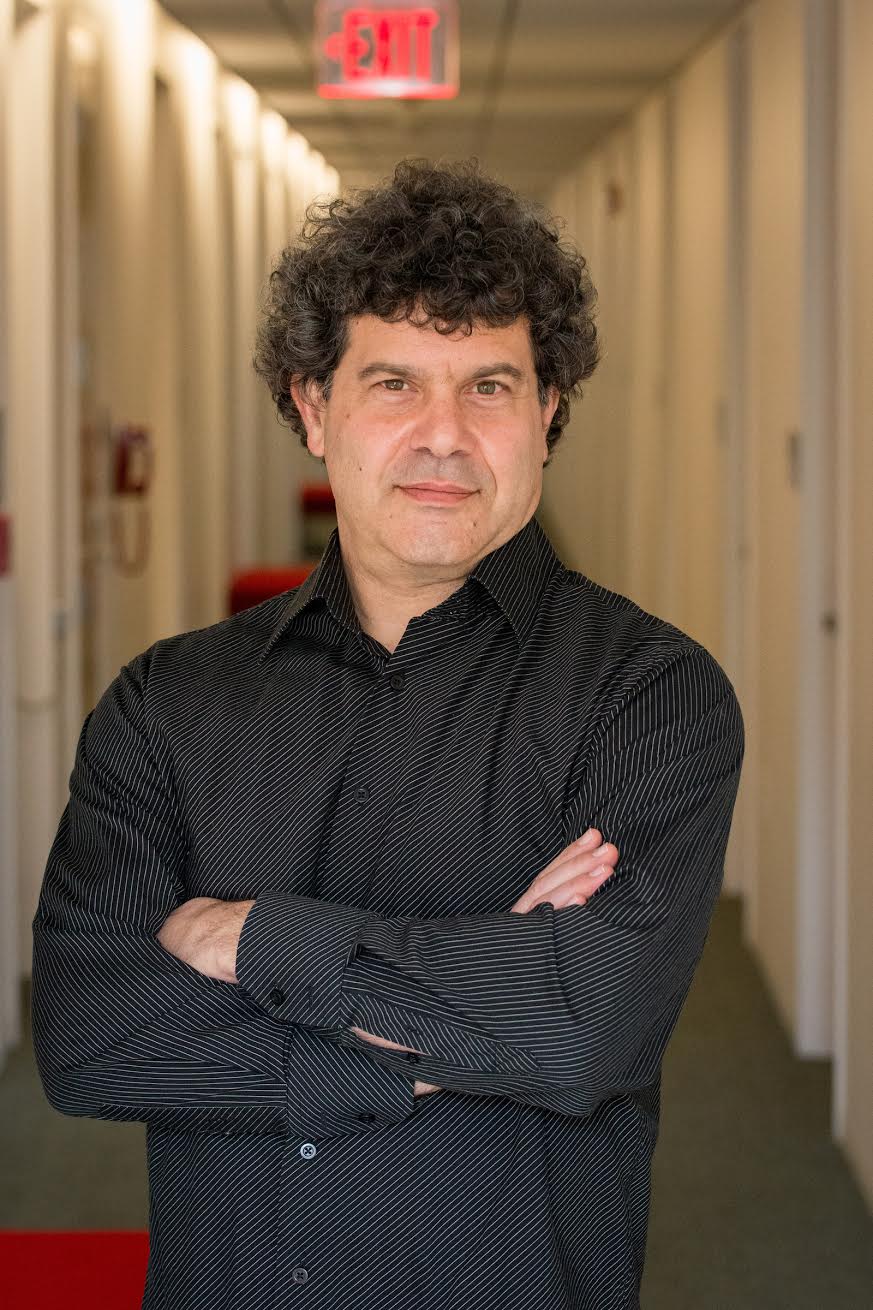
Speakers


Watch
Media
Related Roundtables


Transcript
This roundtable brings together an extraordinary panel including Nobel laureates Daniel Kahneman and Eric Kandel, philosopher Paul Boghossian, cognitive scientist Steven Sloman, psychologist Daphna Shohamy, and magician Apollo Robbins to explore why people believe they know more than they actually do. The conversation begins with Sloman presenting the thesis of his book The Knowledge Illusion: that people systematically overestimate their understanding because they confuse knowledge held by their community with knowledge they personally possess.
Kahneman pushes this further, arguing that people's stated reasons for their beliefs are typically post-hoc rationalizations rather than actual causes, and that this illusion of understanding is resistant to correction even when people are made aware of it. The philosopher Boghossian offers a more optimistic counterpoint, distinguishing between the onset and maintenance of beliefs and arguing that the reasons people give for current beliefs may indeed sustain those beliefs. The magician Robbins contributes a practitioner's perspective on how misdirection exploits gaps between what people think they perceive and what they actually process.
The discussion extends to politically charged topics including climate change denial, the erosion of trust in scientific expertise, and the role of community identity in shaping what people accept as knowledge. Panelists debate whether the solution lies in better science communication, stronger epistemological training, or deeper understanding of the social and emotional forces that drive belief formation.
Show discussion topics
- 00:00:21 Introduction of a distinguished panel including two Nobel laureates, philosophers, and cognitive scientists to discuss fake knowledge.
- 00:06:02 The knowledge illusion: people systematically overestimate their understanding of everyday objects and political policies.
- 00:08:36 The psychology of belief: why people confuse the reasons they give for beliefs with the actual causes of those beliefs.
- 00:12:19 Political beliefs and the Dunning-Kruger effect: those who feel most strongly about issues are often the most ignorant about them.
- 00:16:06 Different kinds of knowledge beyond the verbal and cognitive: physical, social, and embodied ways of knowing.
- 00:22:27 The relationship between religious faith, scientific evidence, and how people justify beliefs that go beyond reasonable doubt.
- 00:33:06 Methodological pluralism versus scientific method: whether alternative ways of knowing have legitimate epistemic standing.
- 00:53:26 Semantic deference and distributed cognition: how we use words we do not fully understand by relying on expert communities.
- 01:05:28 The peril of fractured expert communities and the erosion of public trust in science during an era of misinformation.
- 01:26:34 Climate change belief as a case study in how community identity rather than evidence drives acceptance or rejection of scientific consensus.
Show full transcript
00:00:21 [Music]
00:01:49 welcome to today's program I'm at their Center the director of the center before introducing the participants for today's program on fake knowledge knowing and the illusion of knowing I'd like to announce the next programs under 18 we have a roundtable on American poetry today that was organized by Anne Marie Levine and the participants in that are Patricia Karlin Selby day Amy Holman
00:02:22 Powell Xavier and Stefan massamilla then the first weekend of December December 1 2 3 we have a weekend of programs on the subject of art and science the two cultures converging and the roundtables they'll be also other programs during the three days including videos and
00:02:53 other performances this was the this particular program on the science and art is organized with another group the art and science centers psy arts so as far as the program today I'd like to introduce the various participants and I will do it on alphabetical order so you
00:03:24 may have to raise your hand so people know who you are Paul a Gaussian is the silver professor of philosophy at NYU director of its New York Institute and philosophy and member of the American Academy of Arts and Sciences I am going to make the BIOS very short if you want more information there on the website Daniel Kahneman professor emeritus of psychology and public affairs at Princeton he won the
00:03:57 Nobel Prize in 2002 and the Presidential Medal of Freedom in 2013 his work on decision-making and human judgement was done with participation of Amos Tversky Eric Kandel is professor of university professor at Columbia University and Kali professor and director of the Kali Institute for brain science he has received many many awards and you
00:04:29 received the Nobel Prize in psychology and or medicine mm not psychology is a magician and one of the most curious minds I've ever encountered his
00:05:00 specialty is physical misdirection Daphna Somani is professor of psychology at Columbia University's mind brain behavior Institute and Department of Psychology and she's also a member of the Kavli Institute for brain science and then Stephen Roman is professor of cognitive linguistic and psychological sciences at Brown University he is editor in chief
00:05:31 of the journal cognition and it's in reading his recent book with feel far back the knowledge illusioned why we never think alone that I developed the idea of doing this roundtable before they start I'd like to say that after the conversation there will be a period of question and answers I would very much appreciate if those who come up here come with a question and just focus on one question and get the answer to
00:06:02 that question thank you so the format is one of the participants will start the discussion and I think Steve wanted to get going I'm happy to start it's I'm probably not the right person to given this distinguished group but I didn't know that you brought us together by virtue
00:06:32 of having read our book and so I'm really pleased by that and let me spend two minutes describing what the books about the book has two ideas it's a it's about ignorant in the community of knowledge and the idea is that people think they know more than they do right so people are relatively ignorant which which is a claim I would defend although that's not really the point the point is that people think they understand simple
00:07:03 everyday objects as well as deep important ideas as well as political IPOP policies when in fact it turns out they don't understand them so well and so the second part of the book is an attempt to explain why that's the case why is it that we think we understand more than we do and the answer we offer is that people confuse what other people know with what they know right so we live in a community of knowledge
00:07:34 knowledge is something that exists across people most thinking does not occur inside the head but rather occurs within a community and not and that's sort of the storehouse of knowledge we outsource most of our thinking and and and thus we think we understand things because it's not so important to identify the source of knowledge right what's more important is to gain access to the knowledge so that's the main idea
00:08:04 I must say the scientists I know don't quite share that view most of us think we're quite ignorant and don't think we know more than we know I wonder whether this is your chef well you know that's that scientists and but I think that when you talk about the psychology of the public or people in general yes but well scientists when they are not acting a scientist then then the situation is completely different and people do believe people
00:08:36 do believe they know things that they have no idea about and when I find most striking and perhaps you explain it in in your book is that when you ask somebody why they believe something they always had something to say and they seem to think that what they have to say the reasons that come to their mind of a cause of their belief which is nonsense the the beliefs are the cause of what they say so the belief comes first and
00:09:09 reasons come to mind when asked when required and the striking thing to me that introspectively that's that's not available I was I was running the introspective exercise this morning I and it you know fake news did remind me of Donald Trump so we're not going to avoid Donald from completely but I was very struck by the fact that I can you know I can hear the arguments of Trump supporters and I
00:09:42 don't believe for a moment that that what they say is the reason that they believe what they believe and will they conclude and I try to convince myself that the same was true of me and I found it terribly difficult found that you know I believe what I believe because it's true they believe see direct access to the truth absolutely but every one of us has direct access to the truth because the
00:10:14 experience of truth is you know what we have in perception we see the world as it is and we suppress alternatives as we go and the experience of truth is simply that you can't imagine an alternative to what it is that you see or you think that's what's true so that's you know we're blessed with true for all the time I mean two things about that one of them is we hold beliefs with different levels of confidence so perceptual things things that are right in front of our
00:10:45 eyes we're very confident about but other things we infer on the basis of the evidence and they're the inference maybe shake here and we are aware of that I think even ordinary people are aware that their prediction about who will win the Super Bowl you know even if they believe something about that this is a shake here than saying that there is a table in front of us but the important point you were making about the difference between the proffered reason the reason that we give for believing something versus the actual cause of the belief it's an important
00:11:16 distinction however you know it has to be united with the fact that there is a distinction between the onset of a belief and the maintenance of the belief so we believe something we come to believe something at a given time and then let's maintain now when I ask you right now why you believe that I don't Battle of Hastings was 1016 now there may have been a cause for that a long time ago but the reason you offer now maybe the reason for which you maintain that belief so in fact I don't believe there's necessarily a huge gap between
00:11:48 what maintains the belief right now and what your reason is it's clear that you are much more of an optimist I like to do ya know I'm my daddy son on this one I mean let me bring some data to bear on the issue it turns out there are beliefs and then their beliefs and then their beliefs right I'm not sure we're all talking about the same kind of belief but when it comes to political beliefs it turns out the people who feel the most strongly about things turn out to be the most ignorant about those
00:12:19 things right I'd like to say it took me decades to learn how little I know well that's a further issue because they're ignorant but questions of truth has to do with the reliability of the belief and so one of the things that really is very important to do is to distinguish between the truth of what you believe and the evidence or the reasons that you have for believing that I thought he was making a point about the reasons the justification that we have for believing something you know at the end of the day especially when it comes to complicated beliefs beliefs that are not about perceptual things in the environment the
00:12:51 most important thing you can aim for is not truth itself but reasonable belief what you want to do is make sure that you believe things that are as close to the evidence that's available to you as you can make them and if you're lucky that will also lead to true belief about sort of two perspectives because it really sort of highlights the difference between philosophers optimistic perspective and a psychological empirical perspective that says yes maybe we can and should be bringing
00:13:21 these things closer together but de-facto people have false confidence that is separate from the reliability or the truth I think it's that discrepancy that's that you're highlighting it's so fascinating and that we can't and even knowing about that discrepancy doesn't make us any less vulnerable to it that's because we can't imagine alternatives very easily so
00:14:02 use the my cat I'm not sure that you know that but people are always sure of ideas because they came up with them I don't think often it's the other way around you know that that truly ideas come out of doubt but but when we're talking as we you know the title invited
00:14:33 us to talk about fake knowledge and they illusion of knowing then we're in a difference we're in a different territory and when could admit that you know what you're presenting is is an idea of how the reasonable man or woman no human should should believe and should think and what we're presenting here is sort of the more empirical of our set of facts about you know how people how people play play now of
00:15:05 course is a completely different thing from how they know but completely agreed and and there is of course a facet and it's an empirical question you know philosophers we're very good at sitting in our armchairs in the dark but but we are very well aware of what the boundaries are of what you can get from the answer if you're interested as you say in the psychology of the error-prone as' of people in general then that's highly empirical work and it needs to be it's actually very hard to do I would think people do it the base of these
00:15:35 surveys which I find to be quite bad science a lot of the time but the key thing is to bring enough distinctions to bear when you're doing that empirical study so that you know truth is not being run with reasonable opinion cause if a belief is not being run with how it's maintained and so on and so forth I might offer not cheap magic tricks as a way to think about both from a practical standpoint namely one thing I hear people doing is conflating and basically taking all knowledge and conflating it into its measurable and
00:16:06 verbal right so then but the moment you say that chances are you're already in a cognitive context and you've already dismissed physical information and the way that a practitioner goes about crafting wood or riding a bicycle or or sharing knowledge in a spiritual community or in a psychological you know health self-help group so so basically whether you won't call it mind body and spirit which is very out of vogue or you know cognitive you know sensory motor and social certainly we have to account
00:16:40 for different kinds of ways of knowing in these different kinds of information and I'm not including autonomic you know autonomic and automatic information the you know we can have the best idea in the world but if suddenly we have to go to the bathroom we might not be able to express it to the group you know so there's all these different kinds of information and it's important to think about how we we have those ideas and verify and confirm those ideas so so one important distinction I think is between
00:17:11 knowledge that's justified by understanding the consequences of that knowledge as opposed to knowledge that's based on basic values protected values or sacred values so the the motivating experiment for the study was one before the book was when done by a Frank Kyle in which he asked people how well they understood basic common objects like ballpoint pens and people felt they had a sense how they work so he said okay how do they work
00:17:41 explain in detail and actually people couldn't generate anything I mean people had no idea how they were okay but those experiments were done with drawing and was there any did they were they able to isolate the problem of 2d to 3d transfer actually there's a person sitting very close to us who's an expert in this about the way that the mind is able to take three-dimensional information so a friend of mine who's an art teacher he said it's counterintuitive but it's much easier for people to sculpt the to draw because there's less of a
00:18:12 transfer going on so and then also in those bicycle experiments when they have to draw bikes they might not even known where the handlebars are in relationship to the pedals but you could have also tested them by for instance just a practical problem of you know are they able to fix a bike are they able to win a bike race or when when the chains off can they put it back on or not I mean in other words there's other ways that it and also if other people are if they're on a bike race with other people that would give me at the social so I went through the physical and then socially you know if other people's bikes are
00:18:42 breaking down do they care you know so so you can go into the same territory but look at very different issues and if it's only being you know represented in a like a 1 2 7 scale you know which is also kind of an abstract compared to people who work with their hands and do something practical I like to consider a specific case in which a perspective was held with strong support and overpoured of time weakened so when I was a house
00:19:13 officer at the mass mental health center in 1960 you couldn't get a job as chairman of Department of Psychiatry unless you a psychoanalyst this was the standard particularly in the East Coast in the West Coast there were some places in between they were still skeptical in psychoanalysis was the dominant mode you know at Harvard their general feeling was that the reason we were not treating hypertension asthma successfully a lot
00:19:47 of the diseases for which there was no treatment at the time was that these people needed analysis these were all psychosomatic illnesses and psychoanalysis was the rage in the United States it was the Chris Hartman Lowenstein generation at that time you look at the same universe now and no one talks about this you can't become a chairman of a Department of Psychiatry feel psychoanalyst you gotta be a geneticist or something like that and justifiably so opposite and yet it's amazing how this has lost the
00:20:19 imagination of the scientific community so I think there is something like you know empirical knowledge which is important in order to support the growth of a discipline and psychoanalysis lacked it sufficiently to continue to capture people's imaginations caused by some difficulty you have in your
00:20:51 relationship with your mother he believed that yeah he knows he may question it more but if the idea occurs to him it seems to have more of a power I mean that's interesting because I would have I would have thought it's almost backward that you believe in things because you believe in the people you trust and love the people who believe in the same thing so I I don't
00:21:23 think that you invented psychoanalysis for yourself I mean you you gotta trim somewhere and he's got it from people you trust this is true at Harvard greater beeping had a tremendous influence on people in academic medicine and she would have tea for them once a week on Fridays and she would come over and she'd convince them that but most of the patients that you're treating that don't respond to the therapies available have her psychosomatic illnesses of
00:21:54 various kinds and they would respond to cycle house and the internists sent their patients into analysis and ten years later this so nothing happened and boom the reputation of psychoanalysis dropped spectacularly so there is an interaction between empirical data and theoretical speculation but I sunny beliefs do not disappear that but I must tell you in my academic life this is amazing the change yeah I just want to
00:22:27 report an experience I had yesterday driving from Princeton there is a big sign that says Jesus lives beyond reasonable doubt is that true so I so I agree that you know we we rely enormous Li on what we call testimony through instruction by others you know so much
00:22:59 of what we believe we believe because and I agree with Danny that you know often there's a if you if you're reading somebody listening to somebody very credential to reading something really credentialed and they say something you might have much greater confidence in that then if you came up with that on your own you didn't have the supporting evidence so but there is an interesting question here but where things bottomed out and there is the suggestion and I think this seems to be part of the theme for your book that I haven't read it that somehow things bottomed out in
00:23:29 something called collective knowledge rather than individual knowledge so that's a very important and interesting issue yeah it has to be well-defined but so far the fact that we rely upon people the fact that we rely for 90% of what we know on people other people doesn't mean that things don't bottom out in some individual decision about who is trustworthy and who isn't okay at the end of the day you have a lot of people clamoring for your attention okay and there are a lot of them are posing
00:23:59 as experts you have to make a decision about who you are going to trust now of course there is the actual role of empirical evidence which can come and smash up even the most ethical evidence that's very important but to the extent to which you are relying on people in your community there is a sense in which the fundamental contribution is still made by an individual judgment about who is to be trusted I have a question for Steve really about this which is you know we know we know empirically that we
00:24:33 entertains false memories or connected memories in our own mind that have nothing to do with other people like seeing Eric here I saw Eric last week I'm going to associate those event and create a rich kind of network of memories without relying on anybody else's knowledge do you think that that mechanism that that process that happens in an individual's experience is is is the basis and the same kind of process that happens when it's other people or do you really think that cuz the collective knowledge socially is a
00:25:03 completely different kind of Beast so so Danny wrote a book about two kinds of thinking and I actually think that you're pointing to exactly the difference between those two kinds of thinking right so on one hand we have these intuitions which come very quickly and naturally and and our brain clearly produces those I mean those are internal those are properties of our heads when I say we think as a community I'm
00:25:35 referring to a deliberative process right I love the word deliberation because it has these two meanings one meaning is that we're thinking things through slowly but the more common meaning is the sense of a jury deliberating right a group of people so I would argue that right now there are thoughts that are being produced by this group of people collaboratively that no individual brain would be able to produce and even in the domain of memory right our memories are shaped by our schema as any good cognitive
00:26:06 psychologist knows and those schema are social entities I think to alert I'm struck with the fact that in this context you know the New York psychoanalytic Institute 1940 the highest of the high we're having this kind of discussion seems to me the more appropriate discussion for analytic Institute is why didn't we try to base this on an empirical level why did we go to the trouble as in fact the American psychoanalysts before the European
00:26:38 invasion of Harper and christen Lowenstein were about to do Larry Cuba etc to try to test some of these ideas how come psychoanalysis had been so ineffective and try to test this ideas in a more rigorous way why isn't an imaging facility associate with every analytic Institute why is never full-time research program associate with each Institute here a great Institute like the new excitonic Institute doesn't have a full-time research effort going on I spoke here
00:27:08 about ten years ago when I made a comment like this and he said you must realize every person who's trained here must spend at least two hours a week learning about imaging but you know what they can learn in two hours a week about imaging but I know about Greek philosophy even less knowledge in the concrete context as the way knew of
00:27:44 psychoanalytic would do but I would say that 30 years ago nobody would have invited you to give the talk there was a conviction that what we thought and how we saw our theory explained everything or at least explained the problems we were typed in for a moment 30 years ago think so who didn't I didn't know I'm sure you like my painting so psychoanalyst II so when I was training
00:28:17 here there was no question that what the teachers told us and then we developed or connected ideas about that that we had a lot of answers and that's how we work with the patients I think the question for psychoanalysis that is relevant is if some of that knowledge some of that those findings from Freud on and you know a lot of what Freud said came from his head there was no possible right so if that wasn't right or if that
00:28:51 now is proven to not fit the data how come our patients are doing well psychoanalysis has helped a lot of patients so what is it that makes it and that's a question I have for myself is what is the therapeutic action of what we do it's not don't know that no you don't know it is related to interpretation you don't know whether it's just being present with the person I mean there's so many variables that are involved here no but it's not marrying Rudolph Goldberg was telling me
00:29:23 recently she's trying out a situation which in an analytic situation rather than sitting behind the patient she's sitting in front of the patient finds it in some circumstances works better there's so many things that haven't been looked at it's a surprisingly [Music] unquestioning field aren't you flogging a dead horse here aren't you flogging a dead horse I mean haven't we but I think we learned a great deal by seeing why did people turn away from
00:29:55 that why did they do what was clear to so many of us and that is to ask them direct questions I think Eric there is a certain arrogance of scientists that the scientific way to know is the only way there is evidence and then you know the truth I happen to be a scientist so I share that we should know that the concept of knowing is contested there
00:30:25 are many people who know you know that Jesus lives beyond a reasonable doubt and so there are just other ways there is revelation and transmission and and many other ways of knowing and science is when religion I happen to to be part of it but we should really not we should but don't you think one of our functions more is to help people see under what circumstances science might be helpful to moving them first I mean certainly the site so you I mean I'm sailing along
00:30:59 and saying I've discovered cognitive behavior therapy it's so much more useful on the bees in these circumstances why not do a systematic study to see under what circumstances cognitive baby I mean you're not asking me because of course I agree with you [Laughter] that's it that's it it's not because most people know things differently and they do they know functions as academics
00:31:32 easy to help people you know what is the better way to go what I'm suggesting actually is that if the function of academics is to is to convince people value of science and to help them see the value of science then it would be a good idea to have some empathy for what people think they know now in this room okay we have to start from an attempt to understand and to empathize other ways of knowing okay I think what you're
00:32:04 saying if I'm understanding correctly isn't is hey have empathy for that but also have a scientific understanding of what gives us less objective feeling and how to help people move from their current position to another one though this is a topic close to my heart I wrote a book some ten years ago called fear of knowledge which discusses what fear of knowledge knowledge which was precisely that so you know you just said
00:32:36 something you did actually a classic maneuver which is you said something extremely radical and then you backpedal to something much more invisible to everybody could accept and Stanley fish by the way that's exactly the same thing I wouldn't have thought you would be in that company but the the radical remark if science is just one religion among many ok this is an amazing thing ok it's not even a coherent view because if you
00:33:06 say well you know I happen to be a scientist you know that's my favorite method but other people have other methods for instance they use tea leaves or they use alleged divine revelation and so forth to find out what's true that's of course perfectly fine that's their method I mean via dice that's what you say there's nothing science is one religion among many yes I did say that the great let me that you know the way the way we treat religions
00:33:36 is because we don't treat them necessarily as a source of truth as we say people are entitled to their faiths or their religious beliefs okay I okay the innocuous remark is no look of course this is a privileged way of figuring out what's true but in order to understand other people around you have to have empathy you have to understand what their what shoes they're walking in you have to see you have to see something essential which is that from the point of view of somebody who
00:34:06 doesn't believe in science and that's at least 30% of Americans if not if not more from their point of view science is just another religion and and it's useful to understand that when we are talking to people who do not share our basic beliefs about what is true and how to acquire truth we'd better try to understand who we are talking to empathy is no question but leveling it all out by saying is just one religion I mean I wasn't leveling it all out I was really
00:34:37 trying to tell you that there is another perspective in science by definition it's a system of beliefs there are different systems of belief expecting you to ask them to explain this but you
00:35:11 know humans aren't the only species that have false confidence and false knowledge right so we have to also take into account that much of this is probably emerging from basic biological mechanisms we see you can get animals to have false confidence and false beliefs as well I don't know how much is known about sort of the social sharing of knowledge but certainly there are studies showing these sort of phenomena emerge nonhumans as well that's a really important aspect in terms of understanding but I think what probably what you were referring to us or the
00:35:41 physical and biological manifestations and mechanisms and there's a big danger there if you take the the rational context of I have rational information so I'm going to understand that the the the most beautiful way I ever heard this expressed I spent a lot of time talking to Gerald Adelman about selective systems in nature and we believe it or not we compared he would talk about he first talked about his mind theory but I said can we go back to something empirical can we go to your work on
00:36:12 immune response because he had found the structure of the antibody and and so we had these great talks about comparing a magician and his audience in doing tricks that could adapt not staged tricks but tricks where you're adapting very quickly like almost like three-card Monte on the street so there's a there's a very feedback and feed-forward response so I was trying to explain this concept of selective processes in nature and at a mind science foundation conference and and there's a philosopher and a cognitive psychologist and it
00:36:43 wasn't happening and then a wonderful woman the secretary of the mind science foundation she came by and Anna and I said well let's put it in terms of nightclubs and and so this is getting to how does this information get specific right so if you're thinking about does it have to be rational so I said well let's think about nightclubs because at the time I was working at a big nightclub in New York and and I said so if you walked into a nightclub she was in their 20s and I said if you walked in a nightclub you'd ignore me and she said no I'd find out if you were an owner or a friend of the owner and if
00:37:13 you weren't then I'd ignore you so I said okay this is the level of you know reality I want to address so then so then I try to explain this idea of selection the selection processes in nature and she said it's so obvious what he's saying and and the other people I go what are you talking about because they kept on trying to fit it into a rational construct and she said listen when I go to a nightclub at the beginning of the night I know exactly who I'm looking for I'm looking for mr. right but by the end of the night when it's closing time I'm
00:37:44 looking for mr. right now and all he's and all he's saying is that nature can never choose it can't deliberate it can only select in terms of natural selection she didn't say that a minute a minute the mr. right now so once we shift from these areas of cognitive constructs of cognitive information and go to this animal stuff it's good to think about ourselves in different contexts where we can appreciate selective processes in nature a little more easily yeah no I'm sure
00:38:15 that's right but I I do think that there's a special status given to certain kinds of constructs that only humans are capable of Yuval Harari has this great thought experiment right he he asks you to imagine 50,000 chimpanzees sitting in the stadium watching a soccer match pure chaos right complete chaos you'd have animals jumping all over each other there's something that humans are capable of there's a way that humans can interact with other humans that no other
00:38:48 I'd I'll go this far that no other cognitive mechanism is capable of mic joke like quick responses they say we've come into a point in society where we really believe that mr. Spock must run the enterprise and and and right because in other words the sense of reason must lead you know and then we forget the reason why a morality play called Star Trek was written to show the importance of our humanity so all I'm saying is it's really it's I was not saying that
00:39:18 we are led by reason yeah I was saying that we are able to collaborate as as as a community in a way that no other no other cognitive systems can that's the claim so one thing we can do is share each other's intentionality and and Mike Tomasello has great arguments showing that no other animal no other machine is capable of sharing intentionality with other absolutely and that is the hawk Captain Kirk point right cities you can build a collective group that can do
00:39:50 things beyond individual capacity even I have a question when you wrote your book I'm sure before Trump's election yes this the idea of a community could there be two communities that do not communicate with each other I mean would you be writing the same book today oh well I'd have a lot more examples if I were writing it today but but yes the ideas would be the same so
00:40:20 one of our ideas is this notion of contagious understanding right we run experiments showing that when other people feel they understands then you feel you understand more right understandings a bit like a disease it's sort of it's contagious and as a result of that you can have a biological communities where individuals think they understand because the people around them understand but everybody else understands because the people around them understand and there's no actual understanding so when you have that kind
00:40:53 of dynamic you can certainly have multiple different ideological communities arising right absolutely I mean there are a lot of questions about what forms your community and presumably we're all members of multiple communities and there's a nesting call them communities of knowledge yeah you don't like that I like it a lot that you know that you're using the word knowledge in a very different way then it's being used by others easily those are community that's one thing worth
00:41:23 mentioning just in order to calibrate the terminology so you know typically we use words like knowing understanding in fact 'iv senses so that when you know what you know has to be true and when you understand what you understand you really understand the principles by which the thing works I think you just identify the difference between philosophers in a second you know this really ought not to because this is terminology unless you get you just agree on the terminology we'll just end
00:41:55 up confusing one so this is me you're talking about sewing and we psychologists are talking about feeling that you know that's it so you see batteries his little speech just now I don't mean to be the semantics police here but in the speech there was constant sliding between feeling you understand and understanding so is understanding contagious or is the feeling of understanding contagious there what you showed is the feeling of understandings contagious clearly then wanted to say there was no real understanding that's true I think this explains why biologists so often take a reductionist
00:42:27 approach why so much of the genetic code was worked out on simple animals because I could do the experiment today show you the results and you can replicate it tomorrow so there is a level of science in certain areas in which we can show each other exactly what we do the procedure is straightforward and anyone else can do it and get very much the same result so that has to be distinguished from the kinds of philosophical speculations we're talking about which you can have your belief and I have my belief and we don't
00:42:58 necessarily have to have coincidence of that but there is hard science that is a prototype of what ultimately one tries to accomplish in a number of different areas but I think Steve's book for example is based on that sort of hard science about humans subjective sense of knowing mm-hmm series of studies replicated it's not it's not molecular science its behavioral science they replicate the same it's probably the same you know same the same things working for it and it seems like I've heard you say in
00:43:30 other meetings that this book is especially important for cognitive psychologists that can get in information like I'm thinking the historical note of when organizer was trying to reframe cognitive psychology and kind of misunderstood but he specifically brought up this kind of physical information as as described by the Gibson's and social schemata as as described by Frederick Bartlett yeah and and it seems like you go in a similar territory and remind people that you need to open it up from just the pure cognitive so one
00:44:02 of the ideas is that as human beings were foragers for knowledge and we don't retain a lot of it in our brains we retain some of it in our bodies we use the world all the time right like I don't know exactly where that bottle of water is I fight I can look and see and reach for it on but more than anything we use other people and these days of course we use Google which is a great source of knowledge so so this notion of embodiment which I think you're referring to right that we use our
00:44:32 bodies as part of the process of thought we're sort of trying to generalize that to say we use other people as part of the process of thought as well let me let me make this a little bit more concrete we have these gifted people all around here I'm gonna give you a task if we want to put psychoanalysis psychoanalytic theory on an empirical basis how would we proceed what would you suggest - the first steps
00:45:03 [Laughter] [Laughter] [Music] people are trying right I mean there all sorts of studies looking at the effectiveness of psychoanalytic theory of psychoanalysis there are relatively few when you consider how long the theory has been around that they've been
00:45:35 competing theories they've been surprisingly few okay do you have an idea of what like like step by step like the next ten years I think you gotta have to think it through but just for example under what circumstances is cognitive behavior therapy more advantageous compared to analytic therapy that's something that's easily do i wouldn't easily stupid moon that should be possible so it has been studied not extensively not in a minute enough to show that one is far superior
00:46:05 to the other I'd like to say something that perhaps is completely obvious here right which is that and several of you have said in many contexts before but might be worth reminding ourselves which is and it really comes from the perspective of us thinking about you know as everybody does but my own work on memory and how we have to use memories to guide our behavior all the time we have to make fast decisions all the time and so that sense of confidence
00:46:37 the subjective sense of knowing that we know something regardless of how that's influenced by other people we couldn't act without that right this is it's not like it's in our way and just leading us to make mistakes and then really you know in the in the spirit of Danny and Amos is where this is a fundamental necessity for survival is that subjective sense of belief and without too much deliberation right so if you know and many in many ways it's framed here as sort of something that's an illusion but it's it's an illusion
00:47:08 that serves us very well the illusion of knowledge that we don't we can't possibly always know in depth everything we think we need to know to act I mean a fundamental psychological result I think is that the experience of knowing is the same whether your knowledge is true or not so and you know what we are concerned with here in the experience of knowledge of knowing and it's a powerful experience associated with a powerful
00:47:40 sense of confidence and and and the fact that it doesn't necessarily correlate with truth is a very very important fact but then we are taking out the fact don't you so I don't think there is terminological confusion I think we're really arguing about knowing as a state of mind which you know can be and reality something else and it can be connected or disconnected from reality well I'm offending we we can agree on
00:48:15 the terminology is easy to agree on I mean put it this way we usually think is knowing consists in part of the subjective aspect which is believing with confidence and backed up top probably by some reasons and then the truth component which is something we is not in our head and either obtains or doesn't obtain so from a psychological point of view now this is contested in some Porter's but we can surely agree on this what matters for the explanation of behavior
00:48:45 is the strongly held belief the belief held with confidence that's it whether it actually has the real dyadic relational aspect the truth or not won't matter to how you behave and so that's but we can reserve the term knowing for something that has the truth component and reserve the term reasonable or strongly held belief for the for the state of mind yeah what you're at a restaurant in ordering from a menu you're not going to say I'll have the spaghetti because I have some reasonably
00:49:17 recent reasonable suspicion that that may be better right usually you'll respond quickly and you'll place your preference rather than a belief I mean it's a beef it's a belief about the outcome of the choice what you could what is going to satisfy me at this moment and then you make a selection based on that so that's based on reason that's a belief about your own what will make you happy yes right but I think it's very it's very similar in many ways in the sense that you're making a prediction about the future based on something you're feeling but you feel strongly about it
00:49:48 even though it's almost by definition I don't see any dispute here okay I tell you what is interesting is there's something that oh well let me just quickly make a point that may be obvious you know if I'm at a restaurant I thought what I do is ask the waitress or the waiter you know would you would you take the spaghetti and if they say yes then I'll go with it and and and in general in general I think many are many
00:50:19 of our decisions are made out of habit and many of our decisions are made because no I was at a faculty meeting recently and we were deciding whether to promote someone and this colleague of mine said you know I didn't think this person should be promoted I was right on the knife's edge so i sat there on wait to see how other people voted and I just went with the majority and I actually think people do that all the time right is this the norm is this what people do in this situation that's the question we
00:50:50 often ask ourselves and we don't have reasons our reason is this is what this is what the community is doing big difference with your colleague is that your colleague knew they didn't know and what right in many ways it's true one of the most interesting phenomena is when people think they know and don't write as now encoding you to use and implicit in what you are saying I think is trust in the community but you know I can't
00:51:20 help looking around and there are communities that are not talking to each other and they're at equal level of self confidence but communication is broken down so there is no community of knowledge and and there is science is not universally accepted and we're all living in communities of knowledge it's just that there's more than one of them right I look around I look to scientists and experts and people in this room and
00:51:52 there are other people in America who look elsewhere it's actually an interesting question where they look because it's not at all obvious you've got another point you wanted to make I wanted to draw you out on this idea that what exactly what the dependence is on the community in knowing or thinking because you again there is one fairly and familiar description of that that we
00:52:23 started out with where we rely on other people's knowledge we accept what they say we accept what they say it's an interesting question on what basis but but in an ideal situation you would have some reason for trusting that source and Trust it for that reason you accept what they have to say but you wanted something that's more a sexier thesis that somehow the thinking itself is distributed the thinking process is communally distributed did I understand
00:52:55 you correctly you know the reasoning is distributed now that's a very where the picture I described we're individuals we're reasoning for ourselves sometimes we outsource because we don't know everything and we want to rely on other people's thinking but that thinking itself is conceived of as an individualistic thing which may have been borrowed from others but what is this idea of a distributed thinking so that the idea comes essentially from from a colleague of yours Hilary Putnam the philosopher who talked about this in the domain of language right and he
00:53:26 pointed out often we use words even though we have we don't know what they mean right so I might say something like I hope one day to see a piece of molybdenum and that's a perfectly good sentence right even though I have no idea what molybdenum is I just I just believe there are experts in the community who can identify this and and I think we use words like that all the time you know organic what is it this Apple is organic what does that really mean it means that we think that people
00:53:57 have to you know identify some lack of something so this works yeah but that's that seems to fit with the with the the less sexy model you see because that's a case where what I am doing is I am deferring to a bunch of experts who really have criteria for identifying molybdenum or organic or something else and according to him the way the attribution of concepts works in the community is yes provided you are willing to defer to these experts we
00:54:29 attribute to you the full concept that they have not a full understanding of that concept but the concept itself so but that looks like it's not as though my reasoning is distributed over theirs but rather I get to say I men lived in them by molybdenum because I defer yeah but you wanted something else look I'm happy with that it's not sexy but I do think that there's a division of cognitive labor right so whenever we do almost anything including crossing the
00:55:01 street there are there are different jobs that are associated with different people and our perspective in our knowledge base is tiny and yet things get done right we build communities like psychoanalytic communities and we build iPhones and we get to the moon because there's a lot of different expertise that's brought to bear on all the things that we do so that's really the idea then it would be useful to think about people like craftspeople in addition to people that work on ideas and groups
00:55:32 like even you know specific laboratory techniques or specific music techniques or because you know slow I spent five years with a great master and the physical misdirection and there was no way to learn those ideas quickly and now what's really strange is because of YouTube people assume that they can learn that kind of physical stuff faster and it actually did take five years of rigorous training let end and then another you know several years just contemplating that so there's different it seems like there's different levels
00:56:03 of that those communities of knowledge and and it seems like you could you know find as you did in the book but but there's also you could find more extremes like one of my favorite examples is a guy George Misaka who's been on previous panels who as a master panel conservator at the Met and he did a 12 year apprenticeship under very interesting circumstances and and the knowledge that he has is just extraordinary because since the whole sense of time has changed I'm dying to
00:56:34 see an example we could one quick example oh yes all right good all right that's what we have a little paper bags here so so the idea is how do we confirm ideas that when we're talking together we talk just like we're talking right now we confirm or not confirm ideas that we're sharing but when we're in a physical space we actually start oh for the few that's right uh-huh so I just want to teach you a quick magic
00:57:05 trick so that you can feel these different ways of confirming so and specifically I'll be focusing on not the ideas as we're confirming and not confirming here but just a simple physical exercise so the simple idea this will look strange from sunny certain certain angles but we're so I'm going to explain it and then I'd love you to try it via the idea so in any magic trick there's basically a causal
00:57:36 pattern that we want the audience to see and a causal pattern we don't want the audience to see and they might be a parent they might be real that may be and because they're not all real that means we can shift time in very interesting ways so this is such a little experiment and I'm going to expose this trick completely it's a great clown trick and it's every you can all do for your friends and relatives you you snap if you can snap it's easier I can show you a method without that and and just wait one second so we're gonna
00:58:06 do is take a ball throw it into the air and catch the ball so the whole idea is that we throw it up let us stand up quickly so you can I just try to get that right so just try
00:58:40 it just try that for about 30 seconds and try to catch the invisible ball in the bag so that it looks and feels right [Laughter]
00:59:10 [Music] okay so that's that's the first step and did anybody have the feeling that they didn't do that so well okay so and this is an amazing thing when we mover in the physical world we have different ways of confirming so we have ideas about what
00:59:42 it should look like and you can all feel that it might not even be verbal you might not be able to put all the details into a drawing for a researcher but when it's right how many of you got when you'd nailed it a couple times did you get that feeling out that felt good that felt right and we're like machines we have these incredible powers of making it like I'd love to see you work in the lab on the aplasia of like back when you're like digging in because when we get into that physical space we're actually in a different part of ourselves it's really
01:00:14 hard to remember in these conversations so then we're gonna do one more step and then go back to the the other kind of confirmation but now I want you to confirm socially so turn to the person next to you and then throw a ball to them and then have them thrown in what the ball back to you share a ball an invisible ball with your Nayla okay
01:01:04 [Applause] no that's just that's an example of different kinds that we learn is what we
01:01:34 will we engage physically and socially it's really fun I was just at Columbia and walking down the street and there's a new game store where you go in and people are playing games it's electric you go in and you just see what we just all felt when we play together we bond and we have this kind of collective knowledge and it's almost instant it's it's amazing we don't have to instantiate this in all kinds of verbal description but you can feel it almost immediately that's I would like your
01:02:41 comments on pluralistic ignorance I think it's relevant here if you want me to read a definition I can okay it's in social psychology pluralistic ignorance is a situation where a majority of group members privately reject a norm but incorrectly assume that most others accept it and therefore go along with it it's also described as no one believes but everyone thinks that everyone believes in short it's a bias about the social group held by a social group
01:03:17 it is relevant and and it's a powerful phenomenon especially these days and I really believe that it falls right out of the kind of analysis I was proposing earlier where people sense of understanding comes from the sense of understanding that others have and so if there's this norm that says you know we as a group believe X then even if most of the group doesn't believe X you're gonna have this sense of understanding
01:03:48 that X is true and people that there's right so the only way to know about it is to sort of have a vote is to have a public open discussion about whether people do in fact accept X so and and that's why you know Demick the liberabit of forums are so important right to bring this kind of knowledge to make it public absolutely I couldn't agree more
01:04:22 yeah why did people evolve this way with the seemingly there a problem system and what does the panel think of the argument of theory of reasoning that says that the reason we read this way is that reasoning wasn't developed to be right but was to win arguments so you're referring to the Hyuga Mercier and Dan's Ferber theory of argumentation I mean I
01:04:58 think it makes a lot of sense you know we'll we evolved in groups right then there's always been a division of cognitive labor we you know we have our own little specialties and and we take positions and by virtue of having group discussion you're going to have multiple positions put forward you know I think the one thing that that theory gets wrong is the notion that we spend a lot of time arguing yeah I think philosophers the time arguing but I think and most
01:05:28 people spend their time telling stories I think we live in a really perilous time where we have these communities of experts that are Riven and we're not speaking to each other and to some extent I wonder to what extent you believe that the sort of postmodern and concept of truth that we all study it in college I certainly did but everything is socially constructed and that that that that there's no way to get between language and its object
01:06:00 and that in essence truth is malleable has contributed to the world we're living in today which we can call post truth where there is no reality testing that's a very important observation and question you know one of the things I keep telling some of my journalist friends is I'd really like them to study where Kali and Conway went to school and what courses she took because I find it
01:06:31 very hard to believe that somebody could get on national TV and used the notion of an alternative fact without this having been validated for her by various post modernist professors coming down the line now this thing is F to understand this idea that there is no such thing as the truth with the truth it is only perspectival and so there can be alternate truths and alternate facts this is something before it was championed by the by the extreme right was championed by the left and it's been
01:07:02 watered oxy in universities and social sciences and the humanities for the last 40 years and there is no doubt that this has had a follow-on effect because these kids go they graduate they go into civil service they go into government and suddenly you're seeing them use it in in you know in some of the most dangerous possible ways to rebut climate change science to rebut even size of an inauguration crowd by simply appealing
01:07:32 to the idea that well everybody has their own truth so um I completely agree with you I think this has been the root of a lot of evil and it originated with the left and is migrated to the right for obvious reasons and that is that relativism about truth is symmetric if it can be used by the left as it were to insulate people from criticisms from the right it can also be turned around and used the other way psychiatrists with a particular interest
01:08:02 in the science of spirituality and I wanted to ask you today we're talking about cognitive illusions and how by virtue of being human we often fall prey to these cognitive illusions and I wanted your thoughts in particular on the idea of consciousness because there's a paradigm shift happening very slowly from the materials point of view where the brain creates consciousness to a point of view where consciousness creates the brain where consciousness is a primary and I'm curious what the points of view are on that all of us
01:08:39 just don't accept your premise that's you know that things are developing that way people people like status after Hana I was trying to study now under what circumstances material becomes conscious and you can easily imagine experiments they were lying explore that if I take an image of you and show it to Daphne
01:09:13 very transiently she will perceive it on some level but she won't be consciously aware of it if I show the same image for a longer period of time she will be aware of it if you now do imaging experiments under those two circumstances you see with the brief exposure only the temporal lobe is activated and that with a longer exposure the information propagates the other areas of the brain is utilized effectively by it so one component of
01:09:43 moving from unconscious of consciousness is the information becomes available to large areas of the brain they can then use it effectively but this is a very early primitive understanding of a component of consciousness simple example and I also think the thinking more clearly about selectional processes in nature is helpful so that it doesn't fit into this either-or category and and I also really love some of the experiments like Olaf Blanca at EPFL where in terms of social consciousness approach that you might
01:10:14 like one of the really interesting things has been you know around since Freud and Ernst Chris was very much interest that is to what degree that is easy communication between unconscious and conscious processes you know Chris's idea of regression in the service of the ego that is part of creativity is having easy access to one's unconscious processes and to some degree I don't know whether you that this is what you were talking about before you go home and you think about something and boom all of a sudden it comes to you in a moment of relaxation so that may involve
01:10:45 something like that it would be very interesting to understand exactly how that occurs distinction between what we believe and what we know and if there is then what is it any you know it really depends whether you're a psychologist or
01:11:15 a philosopher I mean but you ask I know you know we use the word knowledge for a belief that happens to be true you know that's that's the condition for the use of the word if you want to be precise about the term in our country the belief itself as we seem to be agreeing around the table the belief is the subjective state is actually the same and and the question that separates belief from
01:11:47 Norwich is whether it's true or not in that yeah I mean I would also add the component of of justification so you know you can have a belief that's based on a punch guess which may or may not be true so but we wouldn't call that knowledge you know suppose do you think I'm gonna win the lottery you know and then you blow a bill you do win the lottery but you had zero reason to believe that it's not like it was rigged in your favor we wouldn't say he knew that he was going to win the lottery you know or if you do
01:12:19 as sometimes we do so it subscript it you know all of this is just it really is terminology that is we can we know how to make the distinctions between the notions that we think are important and then we use the words to make sure that we express our sir so there's belief there is justified belief belief that is really based on some good evidence that you're aware of and then there is justified belief that have also true we reserve the term knowledge for the thing that has all three properties so I can believe that there may be extraterrestrial beings but
01:12:53 I can't say that I know that there are right you can't because there may be but you say because you don't have evidence that's right I said so okay thank you so so let me that is clearly how philosophers make the distinction let me hypothesize that psychologists use a more sort of ordinary language while making the distinction which is really just a degree of consensus right so if there are very few people who who also have value and then we call it a
01:13:25 belief whereas if everybody agrees then we call it knowledge you know the most there is this is that's known as the notion of a widely accepted claim okay widely accepted within the community and in fact most people they not only conflate that with knowledge they conflate it with truth so you know people say you know so that's why you know even in journalism yes this is a crucial this is a crucial error this is why you get in in journalists for
01:13:55 instance they say is evolution a fact or is it just a theory now that's a very weird question for a philosopher but it's not if you think by fact you mean widely-accepted playing so you're asking is this a widely accepted claim or is it just an opinion that some people have that makes sense but there are very strong reasons for not conflating widely accepted claim with truth and widely accepted claim with knowledge okay I can give you the reasons but as I say at the end of the
01:14:26 day this is merely keeping the terminology clear we know the distinctions the word intuition is interesting in this context because the word intuition is frequently defined as knowing without knowing why you know right you know that's the standard definition of intuition that you find and I you know I find that very difficult to accept and I suppose this is true for everybody around the table but but it is a very widely accepted
01:14:57 notion that you can know without knowing what you know and that and that it's there is a subjective state of knowing without knowing what you know and this is very common in everyday language and it's quite powerful and and in part when psychologists use you know the terminology that that you were objecting to I think when we use that terminology it's it's influenced by that that knowing is really subjective slate and
01:15:31 so I hope my question would be a good follow-up on this because the thing I think you didn't really mention is that I've been fascinates me if the humans capacity to actually sort between what you I mean what you describe as like concrete empirical knowledge and that other domain of knowledge where you extrapolate project trust others I find it fascinating for instance that the member of a tribe who knows that there are spirits behind any leaf or tree or a
01:16:03 river when they want to make a boat they know they have to carve a tree a particular way so that it floats they don't confuse the two domains why those who built the Cathedral who believed that angel were holding the world they knew the equation so that the walls of the cathedral would stand and even today the people who think that you know the Trump supporters who think that a wall is going to stop Mexican rapists to enter the United States they know when they're come that car breaks that they have to operate on
01:16:35 a different mode so so behind those two domains of knowing that seems to be pretty universal don't you think there is a human capacity to actually in most cases orient ourselves in a pretty accurate way but one thing if you're in the physical world and you make a boat that doesn't float you find out really quickly it doesn't flow I mean what your
01:17:06 point what you're pointing out and again this will be controversial among the psychologists is that there is a much greater use of Reason operative guiding people then you know sometimes they're given credit with and this shows up in these small ways you know it shows up in countless ways in which we navigate the world including you know reaching for the bottle in the right way because that's part of knowledge it's part of perceptual knowledge and then of course you're about example is a more
01:17:37 sophisticated example of the same thing so you're absolutely right there are huge domains of behavior that's simply taken for granted where people operate in completely rational ways and then they sort of quarantine that off from areas which are less constrained by evidence where they believe what they wish to believe rather than what is justified was do you think there was a psychological function like I'm like really talking science there oh I guess
01:18:07 it's its sense to me that psychological functions obvious as I say you drown if you build the boat the wrong way so so III understand your last question differently I thought you were asking whether it's possible to be accurate whether you can always know whether your theories about what's going on are right or wrong in this two domains there is a there is a surprising wisdom behind where people know actually when they can
01:18:39 afford one domain of knowledge and so can I just make a quick observation about that George Bernard Shaw wrote in the preface to his play st. John in 1924 he argued that the people who follow Joan of Arc because of her ability to speak to Archangels and prophets that those people were no less rational and no less correct in their behavior than the soldiers who followed the generals
01:19:09 in World War one because in both cases people were operating based on faith right faith that the people who were leading them knew what they were doing that the weapons that they had constructed were gonna work right that there was there was at the time and even more so today a science that we can't possibly understand right so when people are pressing buttons to shoot people or drop bombs today they don't understand the technology very few people
01:19:40 understand the technology so invariably we have to rely on faith right and invariably I think therefore there's going to be a kind of uncertain this is very dangerous this is very dangerous well I don't know if it's dangerous I think it's accurate I mean I interpreted the question and yet a slightly different way speaks to the nature of consensus and knowledge about different ways of knowing and that they can coexist and very simply from the
01:20:14 neuroscience perspective cognitive neuroscience perspective on this that's true we know scientifically that we know things in a lot of different ways and our assumption from our discipline is that the reeve the reason for it if there is one is that you need to know things in many different ways and that ultimately an action will be driven you know by one system or presentation rather than another but that it would be that that's important because you don't know in the moment what kind of knowledge will be
01:20:45 the most useful but what that does create as a system of sort of parallel slightly misaligned kinds of ways of knowing that make you know that might add robustness and resilience but of course add complication as well definitely maybe you can elaborate on on the separation between cognitive knowledge and motor knowledge because that's such a good example of one of the one of the famous well-known examples in the brain are the different separate
01:21:15 circuits for remembering what Eric and I spoke about at our last meeting last week and there's a very separate way of knowing what remembering what let's say the content of the information and its flavor and a separate way of knowing how to open the door when someone comes to visit you and those are so separated out that you can have patience with damage to different parts of the brain and each of those different ways of knowing can either be independently impaired or intact right so these are kind of
01:21:46 everyday examples of this multiplicity of systems of knowledge my question has to do with before earlier when all of you are talking about kind of where we get our knowledge from how do we decide what can be trusted so I was wondering if any of you could
01:22:17 comment on kind of the trustworthiness of or how much trust can we put in empirical knowledge when so much of our empirical studies are so to speak weird so Western educated industrialized can't remember what the other one is but democratic and Oh wealthy well rich just a kind of
01:22:54 comment on the question and in in a sense I think they're there to I thought you were headed one place and then you ended up somewhere else I think they're both maybe relevant and one is first you know amongst us we assume that the empirical method of scientific inquiry is the way forward and it has to be done well and I think really the rest of your question was well how do we how do we know we're doing it well and that it's relevant for understanding humanity more broadly given the constraints of the of the the research people like us do is
01:23:25 that is that correct yeah well because you guys were just commenting on thinking you know and how do we get our in actual empirical evidence to truly reflect not just what we think we know and not just necessarily reconfirming what we already know but actually taking it a step further yeah so you know I don't think many others have something more interesting to say I think I can say we do that we do the best we can with with the science we do and we can be doing better and their efforts
01:23:55 towards that I don't know if Daniel I think there's not a consensus in the scientific community so you know one of us may come up with some idea somebody else in the field may have an opposite idea may challenge you so there challenges going on in the scientific community all the time they give you certain more confidence in certain ways of thinking than in others I have a recent experience that I think is relevant to the question I was I got an email from two scientists who wanted to
01:24:29 talk to me about climate change and how to educate people on the truth of climate change and we arranged for lunch and we met for lunch and one of them is a member of the National Academy another one with the head of the New York Academy of Sciences and their climate change deny which just never occurred to me and they want to find ways of educating people in the truth they can Trump and and what
01:25:01 would happen you know was that I was challenged it's actually quite interesting in terms of the science what you would advise people like those to do you know I I suggested that they published what we call an adversarial collaboration that they try to to have a conversation public conversation with with opponents but but I was challenged by is why do I believe in in climate change and of course I believe in climate change for exactly the same
01:25:31 reason that many other people don't believe in climate change because I believe in people who believe in climate change and that's there's really nothing beyond that I don't even you know the the sense that I understand climate change I know that I don't understand enough to win an argument with somebody who doesn't believe like those two scientists who were telling me that carbon dioxide is a beautiful thing is it really a circular is that you know that I believe in climate change because
01:26:03 I believe in people who believe in climate change no no I I hope that there are some people at the end of the chain who know what they're doing I understand I'm saying even in your own case is it quite as vacuous as that isn't it that these the people that you trust have other qualities that make you trust them more and therefore since they're trustworthy in general they're also trustworthy on this particular - that's completely circular I mean I I trust my PhDs and members of the National Academy
01:26:34 I believe basically in climate change if we ask ourselves because the National Academy of Sciences in its majority believes in climate change but that's and I believe in the National Academy of Sciences you know that this is not a very strong argument for believe in climate change that's I don't think that's right because those are it you know you can you can keep pushing the question further and further suppose somebody were a skeptic about admission to the National Academy and so on and so forth
01:27:05 suppose one were a skeptic about empirical method in general I agree once they've pushed it that far you may have trouble giving answers but the proximate reason why you believe in climate change or why you believe that smoking causes cancer why I believe any of these things that you yourself haven't done studies for is you have good reason to trust the people you trust and not nearly because of their views about that particular topic it's a much more general reason to be trusting of that particular body and that's true in coming up that's true in totalitarian
01:27:37 societies you know it's true in another ten races are everywhere whether it's believed that the end of the Train isn't true that's a very radical skepticism okay which means that if you keep pushing it back you will reach a point where your answers are circular but it does matter where they get to be circular I mean I take Paul to be saying that you believe that members of the National Academy of Science are telling the truth about climate change because they also were able to send people to the moon right
01:28:09 and they were also able to build incredible electronic equipment except so there's independent there's a network of knowledge that they accept and are part of and that's good reason to believe them even if you don't know anything about climate change yes and skepticism those two scientists for lunch and it didn't change my belief about climate change at all and you know it's not that I was shaken
01:28:39 because here are two reputable scientists who don't believe in climate change I stayed with my belief and and that I think is very common sure because we know 97% of scientists believe in climate change I think my question may follow hot on this one we are at the New York psychoanalytic Institute and Society and it would seem from the discussion so far that everybody is accepted the notion dr. candle its
01:29:11 psychoanalysis is simply passe and unscientific I don't know I've never been examined well I would like to challenge you on that ok if first of all my dissertation over fifty years ago was an empirical study using subliminal I'm a psychologist using subliminal perception and to kiss the scopes and we found results but it's not just from 50 some odd years ago if you google psychoanalytic empirical research you
01:29:43 will get over 500,000 hits not all of them of the same quality but the late Benjamin Blatt at Yale Howard Chevron at Michigan and others I can name have been doing long-term studies and at your own University there's studies going on that are empirical studies that seem to support the idea that I like you I'm a scientific person I believe in the
01:30:14 scientific values that have been discussed here at but not in the exclusion of psychoanalysis nor in the diminution of the empirical non clinical empirical research efforts that have supported it for over 50 years not in any way conclusively and showing many limitations but it's a science I guess that's more of a statement than a statement of faith I don't have a question per se that I in
01:30:55 terms of the use of religion religion is defined in the dictionary as belief in the transcendental or metaphysical being I think the way the word was thrown around here was inappropriate or or misused and I just wanted to make that comment the other thing about animal sentience there have been over 2,500 studies to date on the fact that many
01:31:27 animals from elephants at the high end to fish certainty at the low end if there is a low end have indeed oh I'm so sorry yeah that sentience is has been found unequivocally amongst human beings I'm a
01:32:04 general internist and I was thinking as as you were talking about how we know things about a case that I was confronted with and what I really wanted to ask about is how do we communicate between each other when knowledge when out when what we know is different and I saw a patient she was 19 and she had something called conversion disorder at least I think where she knew she couldn't move her arm and I can take
01:32:34 some pictures and look and I know at least I think that she can't move her arm and what I think we're all confronted with now and I think she can move her arm and she thinks she can't move her arm is well now whatever you do to how are we speak to each other how do we try to bridge that gap and I think that I wonder what the the the thoughts are of this group of how do we bridge that gap and talk to each other so can i probe you a little bit so
01:33:09 so did you engage with her and and try to use the scientific method so I did what I think many of us would do and I went to my mentor and I said you have more experience with this than I do and he told me he said and I guess maybe this is another type of religion it became one of my religion sort of who's to say just tell her you think it's gonna get better the different belief
01:33:39 systems that are causing this block between you and say I don't know why you can't move your arm exactly I can't see on a picture but I think it could get better and so that's what I did and it didn't get better so you didn't try showing her a video of herself moving her arm I did not or ass pick up a glass of water or this gets to a little bit of the point that was raised before that I'm trying to have empathy just say yes I understand that you're having this problem and I believe that you believe
01:34:12 that you can't move your arm and so maybe we can move beyond it and talk about something else I don't know but it wasn't solving the problem it certainly wasn't solving the problem you can tell a lot about a person by asking what's your favorite joke here's my favorite joke the rabbis City in the kitchen everything you disable is making
01:34:42 soup there's a knock at the door rabbi says come in two men come in they say we have a business dispute could you solve it rabbi says sit down first man gives his story the rabbi says you're right turns the second man second man gives his story you're right his wife throws down the soup spoon and says how can he be right and he'd be right rabbi says you're right too so so I've been doing analysis
01:35:18 for you know 45 years in this hallowed institution and when I was taught originally I was taught by people who did feel they had the revealed truth I think for the last 25 years what I have been teaching is different and here's an example of a case ten years ago a man came to see me he couldn't get a date he couldn't hold down a job and he was
01:35:52 really depressed about this ten years later he's married empirical fact I saw the birth the marriage certificate he's got two children empirical fact I've seen pictures of them and he's got a child because that's how we can pay me my exorbitant rate every month so what I know is that all those changes have
01:36:24 taken place what I do not know and confess to this ignorance is how did it happen is it because I thoroughly analyzed his oedipal complex which I did is it because I analyzed his masochism which I did is it because I've treated him in a respectful interested way for ten years which I did is it some
01:36:54 communication between our mutual unconsciousness --is that neither of us knows anything about so what I know is that the process works and I have for the instances like this what I don't know is how and why it works how I study there sir don't leave how would one
01:37:26 study that the process of therapy however one study why it works I think it would be really hard I think you can study that it works one of the reasons I think that cognitive behavioral therapy works is the quality of the relationship between the patient and the deposition because some people they can do it and it really works and other people it
01:37:58 falls flat on its space I know an instance where a little girl was sent to with CBT after having had a dynamic therapist and after about half a dozen sessions she turned to the therapist and said could we please talk about my family I think that's where the problem is I mean I'd like to draw one distinction between CBT and what you described if that CBT is based on
01:38:29 controlled trials and where you take patients and some of them get treatment and others don't get treatment and you look at the at the level of improvement after a while what you did not tell us what you did not examine where the possibility that the person's success in life and children and job and so on had nothing to do with you all the hypotheses that you mentioned were hypotheses about that assumed that your interaction caused the changes in that person's life and it's that assumption
01:39:02 that many people question hi I'm an undergrad studying neuroscience and philosophy at Combe University and my question concerns imagination so Einstein for example with
01:39:34 when he was coming up with his fear of relativity he had this assumption that that gravitational waves exist and this was only proven I mean we only detected gravitational waves a few years ago and there was this leap of faith involved and there was this imagination he pushed boundaries he pushed he questioned and challenged the scientific paradigms of his time and my question is what is the role imagination is knowledge because I'm sure he knew that that was the theory relativity was an was how the universe was worked or how the universe
01:40:06 was composed well first of all he tried to publish a paper proving that gravitational waves don't exist in the 1930s so it was a consequence of his theory that they exist but in fact they thought it was a bad consequences tried to try to had a fallacious argument for trying to show that it didn't follow but the real of the question you're asking I mean there are these incredible creative breakthroughs and creativity in general
01:40:37 is a very very difficult thing to understand because what we understand the way we understand things is to see what the principles are that operate and how when those principles are when when the mechanism is working correctly things follow from that but creative breakthroughs precisely are things that break the rules and so it it is I don't know if a theory the psychologist should tell us what the latest thinking is about creativity but as far as I know we're very much in the dark about that I
01:41:08 think this is an extreme example in many ways very beautiful one that I think of how we all do this all the time I think in many ways it's really kind of the essence of part of this conversation and very relevant which is both in the scientific realm but in generally here we are talking about doubts and suspicions and empirical data we all feel very strongly about some of our ideas right and we have to to get through the next grant cycle and study and all the obstacles we face as scientists we have to feel strongly and
01:41:40 have a lot of confidence in those ideas and yet simultaneously we have to know that that's a little bit of an illusion and and keep pushing forward and I think something that everybody has to do all the time to get up in the morning and to work hard at anything requires a strong sense of belief and confidence and yet to do it in a way that's intelligent and cautious requires at the same time knowing that we might be wrong and it really gets at this idea of sort of multiple representations happening you
01:42:11 have the feeling that you know this is work before this line of thought so it's likely to work again in the future if I run addition of control so you have a little historical background with it it gives you confidence in the fact that you're moving in the right direction but just one little historical correction you know the confirmation for general relativity didn't just come now with the discovery of gravitational waves it came 1917 with the observation and the bending of yeah so you know it's not as though you know we've had this confident
01:42:41 great confidence in general duty for 80 years and suddenly it's with some slight confirmation the confirmation came early on surely mother neurologist a few questions ago someone asked a question and several of you interpreted it differently question was the same so this would be because of genetics education environment how you interpreted the context and so on would
01:43:14 this not get down to organism as you suggested and is not the real grain of salt and what we're talking about today which is fake knowledge versus illusion of knowing having to do basically with the organist E in our brain the processes you're looking at the neuro one of the neuroscientists on the panel I mean there's that but I don't think anybody else would disagree even even the psychoanalyst right that's it's it all comes down to brain
01:43:47 mechanisms in the sense that it involves brain mechanisms not that that necessarily discuss it more because to me that was what was missing today this concrete information that's what I'm asking for well I mean I you know I could give I could say a lot about the brain I'm not sure my I know how to answer that and maybe Eric well I think one of the things that I think would benefit the field a great deal if there was more of a bridge between brain
01:44:17 science and psychoanalysis as they give you an example there's a woman called Helen Mae Berg who is a neurologist actually she's been interested in depression and she's been able to localize regions with imaging that involved in depression and then see to what degree there's a loss of those abnormalities when patients respond therapeutically and she has tried different therapies so there are beginnings in this direction so to take various kinds of psychiatric illnesses begin to identify it the
01:44:48 neuroanatomical it's a very difficult problem but to begin to do that to see which change which kind of therapeutic approaches is clearly the next step in our field for the next you know 15-20 years I think you know in addition to that there's certainly a good amount of evidence into kind of what's happening in the brain when you're creating some false memories for example so we actually know how that plays out and you know is only us from the outside who would call these things false memories
01:45:18 but connecting memories to each other and we know how more or less how the brain does that how the brain sort of creates associations and those are things as we mentioned earlier that are necessary for many aspects of behavior I think this is just sort of one several examples of extreme consequences but I think I think we actually know a fair amount about what happening in the brain and I think there's this very interesting disconnect between that level of understanding and really being able to explain these phenomena at the level of society and know what to do about them so that
01:45:49 there's cases in which one is beginning to do that in the last 10 years it's emerged that when people age in addition to being susceptible to Alzheimer's disease there is a milder form of memory disorder called euphemistically age-related memory loss which is quite different from Alzheimer's involves different regions of the brain and you can develop animal models of that as well and you can see where this occurs and actually find that there are certain
01:46:20 therapeutic approaches to it for example there is a hormone released from bone called osteocalcin and osteocalcin reverses age-related memory loss and you can show and then the experimental animal that as they have age-related memory loss if you now exercise the more if you have them work their bones more by walking more you can reverse that and that's related to the amount of osteocalcin spitters and this may contributes to why people who exercise a lot has continued access as is age tend
01:46:51 to do better in terms of their cognitive performance so we're beginning to get some clues from these combination of approaches that are useful ok sure one big so here we go how to do this I won't leave to those in your position you should do it no no no no no I just have in your hands and then and if you would
01:47:25 be so kind to just think of a card and then change your mind a couple times yeah see yeah if you were right so think of one card and then change your mind a couple times to get past all bias we'll see if this works and then say the card out loud so we can all hear it ace of spades is exactly what I thought serious I swear scientific accomplishment
01:48:10 reading your mind did you deal out cards right here and just could you spell Kahneman right it goes kay you know so put a cart down over there and spell Kay okay face down and make some more dramatic right okay that's K and then a H and E M a and my
01:48:55 oh that's good what just went in right this one oh that's really important okay so could you can you see in these parts the last one that you placed down on the table could you turn that card over and we can only hope [Laughter] a sustained
01:49:33 [Applause]
01:50:07 [Music] where he's also worked with mark [Music]
01:50:54 [Music]