
The roundtable investigates "the profound connection between music and human experience," examining its mathematical foundations, neurological impact, cultural significance, and emotional resonance. The organizers note that music represents both rhythm and melody -- from ancient Pythagoras discovering celestial mechanics to contemporary neuroscience exploring how the human brain responds to musical patterns. The discussion touches on music's roles in creating community, triggering emotion, and reflecting cultural identity.
Speakers


Watch
Media
Related Roundtables



Transcript
This roundtable explores the multifaceted relationship between music and the human mind, bringing together neurologists, musicians, poets, and researchers. The discussion covers how musical ability is processed in the brain, from initial cortical engagement through automatization to subcortical processing, and examines the remarkable persistence of musical memory even in neurodegenerative conditions like Alzheimer's disease. A poet's account of brain surgery provides a vivid personal window into the relationship between creativity and neural function.
The panelists examine music from multiple angles: the impact of recording technology on how we remember and relate to music, the motor and cognitive demands of improvisation, the social neuroscience of collective musical experience, and cross-cultural differences in rhythmic traditions. The conversation emphasizes that music is fundamentally embodied, involving not just auditory processing but motor systems, emotional circuits, and social coordination. The discussion of entrainment and bodily movement in response to music underscores that music engages the whole person, not just the ear.
Show discussion topics
- 00:00:00 Program introduction and upcoming Helix Center events, followed by panelist introductions including neurologists, musicians, and researchers.
- 00:11:37 A poet's experience of brain surgery and how the creative process relates to neural function, memory, and image-making.
- 00:17:27 Music and Alzheimer's disease, including how musical memory persists even as other cognitive functions deteriorate.
- 00:23:15 How musical skill becomes automatized through practice, moving from cortical to subcortical processing.
- 00:29:17 The impact of recording technology on musical memory and our relationship to repeated listening.
- 00:35:12 Motor organization in musical performance, improvisation, and the real-time attunement required in ensemble playing.
- 00:46:46 Social neuroscience of music: how brains interact during collective musical experiences and crowd dynamics.
- 00:52:34 Cross-cultural dimensions of rhythm, comparing Western musical traditions with West African drumming traditions.
- 01:04:09 How popular music becomes deeply encoded in memory, allowing fans to anticipate every note and lyric.
- 01:15:42 The overlooked role of bodily movement and dance in musical experience, and the concept of entrainment.
Show full transcript
00:00:00 okay I'm ad nesian director of the center uh I will just uh tell you our next two programs and then uh Dr haritz Who is the associate director will introduce the participants and then we get going so our next round table uh organized by the gentleman sitting there will be on meditation and the one after that will be on neurodiversity so one will be on April
00:00:33 19th and the other one would be on May 10th we may have a third one in June but right now I'm working on it Jerry good afternoon welcome everyone welcome uh I'm going to quickly read through these bios which are extensive and I invent invite you to look at them online there's a more there are more complete who was there as I mention your name please
00:01:04 raise your hand so the U audience knows who who I'm speaking about Joseph Leo is a professor of neural science at New York University his work which has spanned the topics of emotion memory and Consciousness and their interaction in the brain he is an elected member of the National Academy of Sciences and the American Academy of Arts and Sciences he has received numerous awards for his work and is the author author of several acclaimed books including the emotional brain synaptic self anxious the Deep
00:01:38 history of ourselves and the four Realms of existence he is also a lead singer and a songwriter in the rock band The amygdaloids his music has been the subject of a play map of your mind and was featured in runner herzog's 2024 film theater of thought a documentary on Amazon neuros science and emotions explores his work his life work and music Joanne Loy is the director of the Department of
00:02:09 music therapy and a professor at Icon school of medicine at Mount Sinai she is a founding member of the International Association for music and medicine and is a one of the principal investigators on two NIH funded studies on pain and music therapy in the stress measured by metabolic pathway ways of black pregnant women in addition to serving as editor-in chief of the international peer-review Journal music and Medicine
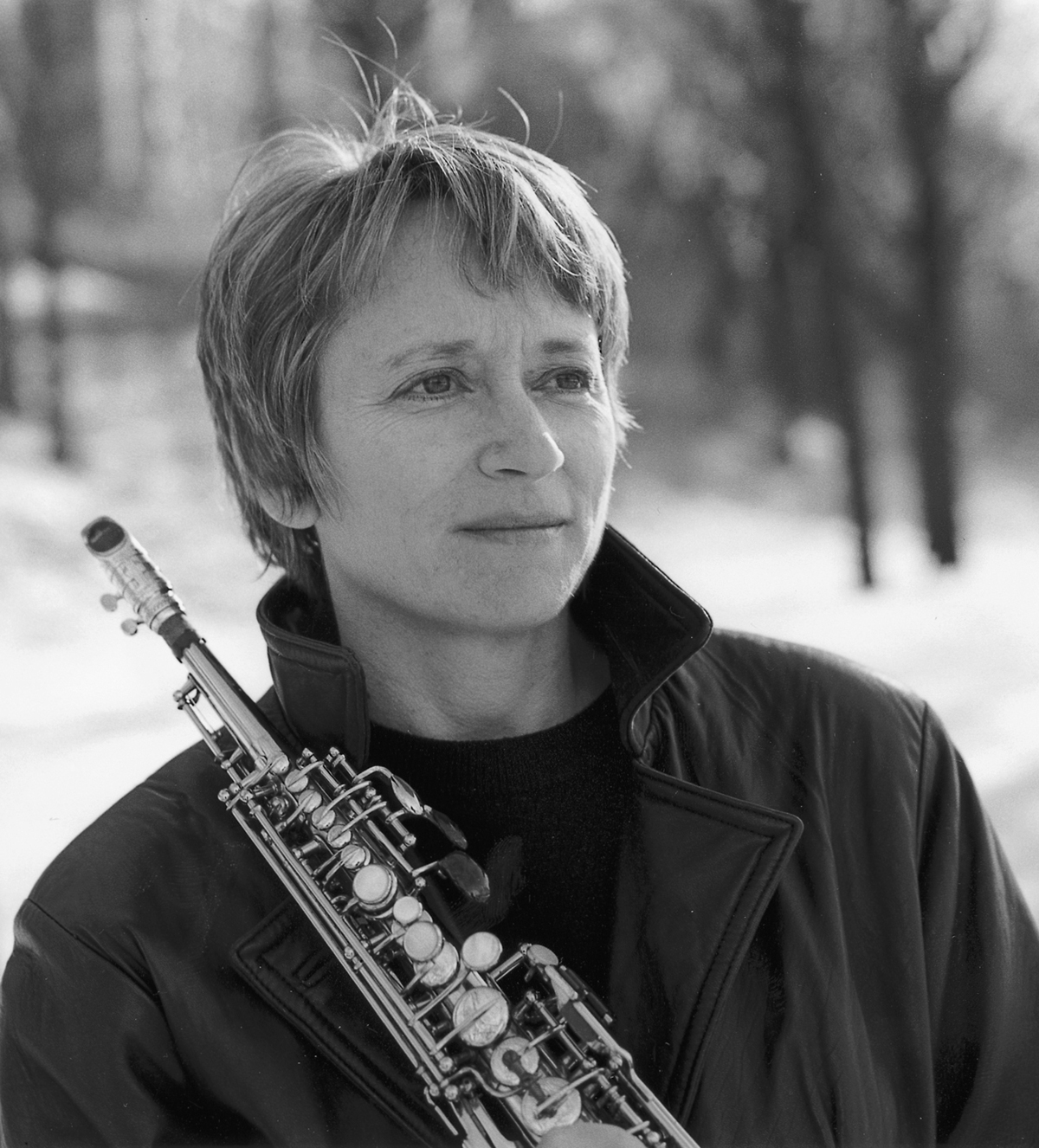
00:02:40 her clinical work has been featured in The New York Times and a research in numerous medical journals now for some reason the letters get smaller here so bear with me Jane Ira Bloom is a pioneering soprano saxophonist and composer with over 45 years of experience renowned for her Innovative use of live electronics and movement in jazz she has received numerous accolades including a Guggenheim Fellowship the downbeat
00:03:12 international critics poll the Jazz journalist Association award the Mary L Williams award for Lifetime service to Jazz and the Charlie Parker Fellowship for jazz Innovation Bloom was the first musician commissioned by the NASA art program and get this has an asteroid named after her yeah 6083 Jane Ira bloom in case you're looking it up her Trio album early
00:03:43 Americans won a Grammy award for best surround sound album while her recent Duo recording picturing the invisible inspired by Bernie's Abbott's photography earned a Grammy nomination for best immersive oce Blom has recorded 30 album since 1977 and will release her latest immersive project songs in space this year featuring Bobby previt Mark helas and Dominic ficaro Rosanne Cash is one of the most
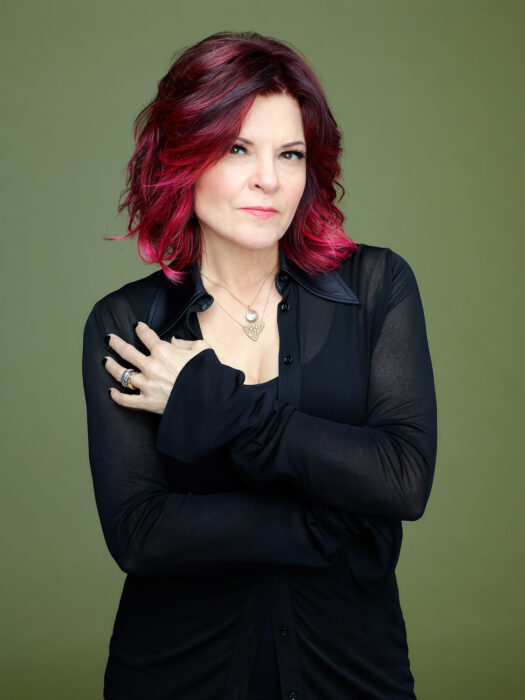
00:04:16 ambitious and literary songwriters of her generation according to Rolling Stone known for her poignant vocals and incisive storytelling a four-time Grammy winner with 12 additional nominations she received three Grammys for the river and the thread in 2014 and became the first women woman to win the Edward McDonald award McDow excuse me the Edward McDow award for music composition in 2021 her 2010 Memoir composed was
00:04:47 praised by the Chicago Tribune as one of the best accounts of an American Life you'll likely ever read in 2023 cash was elected as honorary American member of the American Academy of Arts and letters in 2023 cash and her husband John lenthal a six-time Grammy winner and producer and songwriter launched rumbl strip records to reissue Cash's early Columbia Sony work Lydia Gore is Fred and Fanny Mack
00:05:18 professor of humanities in the department of philosophy at Columbia University she is the author of the imaginary Museum of musical Works an essay in the philosophy of music the Quest for voice music politics and the limits of philosophy elective affinities musical essays on the history of aesthetic Theory Red Sea Red Square red thread a philosophical detective story and finally joining us uh remotely
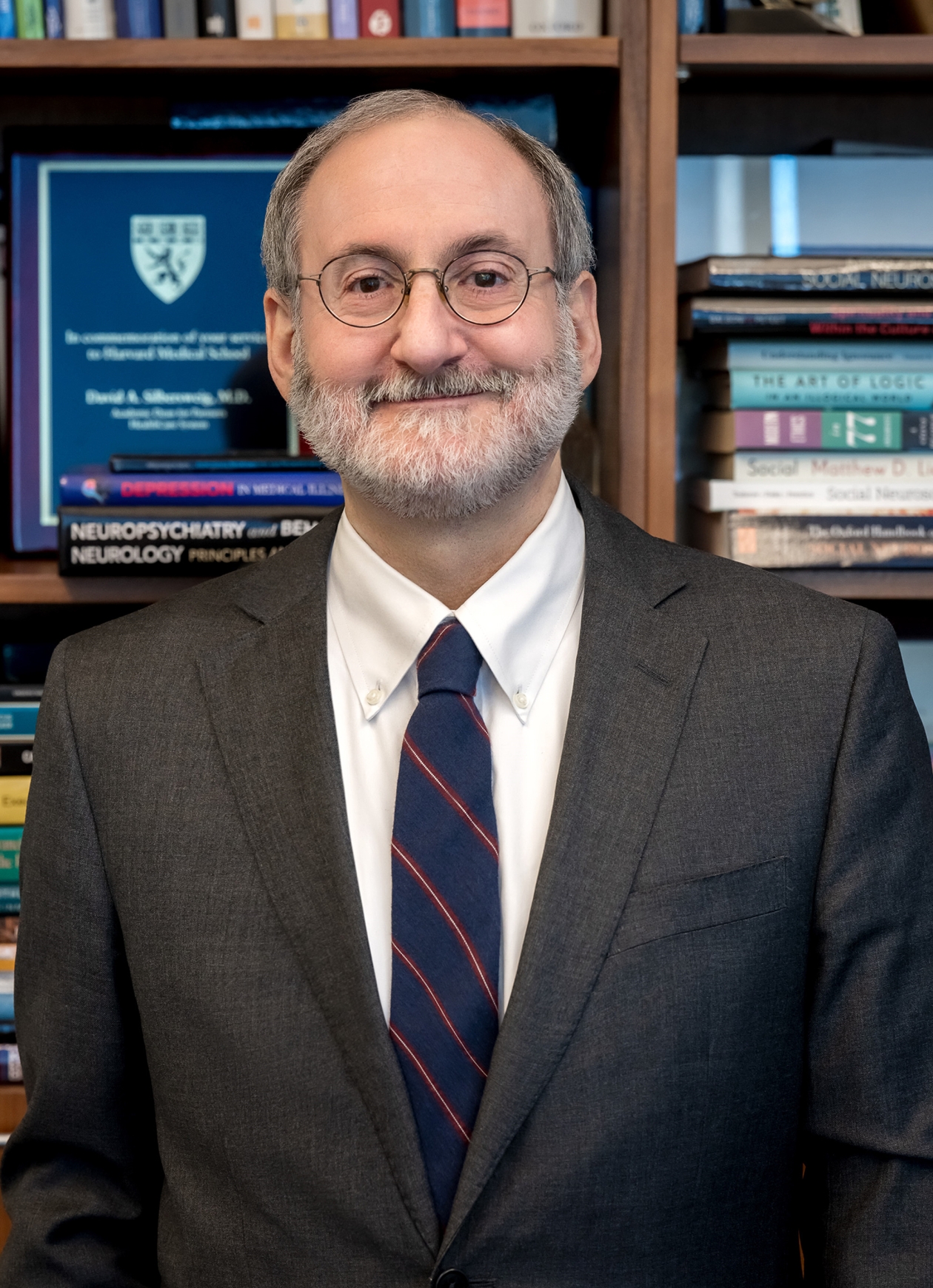
00:05:51 is Dr David silverv uh he is a neurologist and psychiatrist known for pioneering functional neuroimaging research in psychiatry a Dartmouth graduate in philosophy he earned his medical degree from Cornell University Medical College and trained in both Psychiatry and neurology at Cornell he completed his research training in functional brain Imaging at the medical research Council cyclotron unit in London before returning to Cornell where he co-founded the functional neuroimaging laboratory with
00:06:22 Dr Emily Stern became the founding director of both the division of neuros Psychiatry and the neurology Psych atry combined residency program Dr Silver swag was later recruited to Harvard where he served as chairman of the Department of Psychiatry at bringham and Women's Hospital chairman of bring Brigham and Women's Hospital Institute for the neurosciences and co-director of the center for the neurosciences okay I think that's quite a lot to absorb anyway with that we'll
00:06:54 get started with music in mind anybody can start I think the person who has an asteroid named after her should [Laughter] start than right right I'm G I'm gonna throw something out and I'm I'm sure from various points of you can you can address this uh I was thinking about it a little bit the difference uh I'm a
00:07:26 practitioner you know I'm a composer and a saxophon and Music Maker but uh a a something that happens to musicians uh when they study instrumental music and uh musicians when they are singer songwriters and deal in the word world of words in my world uh I often run into students who are studying instrumental music but when they hear a song with words they don't admit to this but they
00:07:58 do not hear the meaning they're just hearing tones I actually can relate to this when I was younger this was my experience too and it was only much later in my life that I learned to listen to the meaning of the word something else was going on in my music education or something um interesting story about a a student I had who had a girlfriend uh he was talking to and he there was this rap song he was listening to he was like crazy about this rap song and then his girlfriend comes out he say what are you
00:08:29 doing you listen to that thing aren't you listening to the misogynistic lyrics that are going on in this thing and he did he didn't even hear them so I just thought I'd throw this out here I'm sitting next to someone who's lives in the world of premere uh poetry in in song and a completely different relationship to words and tone and uh anyway let's let's throw it around words and music yeah as a Lyricist that troubles
00:09:00 me um because the the kind of environment I grew up in as a songwriter and the mentors I had they were ruthless as lyricists and every syllable had to count and um I had a mentor who said if you the best line of your song doesn't serve the rest of your song you have to throw it out um
00:09:31 and lyrics I always resented the idea of Music where lyrics were just to fill in the blanks of a melody or a beat um or that songwriting wasn't real writing you know that it was just something to fit into a backp so that's a different world than I come from I can understand it but I kind of resent it yeah so when when you write a song do
00:10:03 you um how often do you start with the lyrics versus the chords me most of the time most of the time um but mainly because I'm co-writing right now and he writes he doesn't write lyrics so he writes the music what about you um I find that it swings kind of both ways of sometimes I just start strumming the guitar and hope something comes out out um other times you know cuz I have I created this crazy genre
00:10:34 called heavy mental music about mind and brain which is related to my work I had an endless supply of songs or ideas that you take from some aspect for example theory of mind is very big in Psychology so uh the album that you sang backups on for one my songs um uh the uh lead song in that song in that album was do you have a theory of my mind so the idea is that you know in a relationship you have
00:11:05 to get into the other person's mind and it's a song went though if you have a theory of my mind why do you treat me so bad and you know on and on so most of these songs have been kind of love songs about mind and brain and mental disorders but probably most rock songs are about mind and brain and mental disorders and hook ups and breakup start with words that say is it the meter the meaning of the word also um so I know someone who says write
00:11:37 everything edit later so sometimes it's images overheard bits of conversation unformed feeling and then a meter comes in after that um but I was thinking about you know I had brain surgery which is really what qualifies me to be here I hope J can do it um but when I was recovering I couldn't bear to listen to lyrics I
00:12:08 could only listen to music with without lyrics it was so confusing you know so there is a space for Samuel bar yeah well I'm sorry please I come from a a different field um in many ways um I come from the field of classical music I'm a violinist by background and um training and um one of the things that occurs in my field of the philosophy of
00:12:38 music is in the history of 19th century song or in 19th century Opera well the whole history of Opera it was mostly the case that in performances people would listen to the Opera in a foreign language and it was only when subtitles came in in the Opera Halls that people actually knew what was going on in the plot I remember singer Vagner Opera at the Met uh the Meister Zinger and suddenly um there was a joke um in many
00:13:11 jokes in the text but there was one joke and the audience laughed and the singer stopped he was a German singer hon pry and he's he actually stopped in the middle because he'd never heard an American audience react to his piece of Comedy before because they'd never understood so I was actually um brought up in a um a background well all my family are musicians but um I was brought I'm yeah anyway but I was brought up in a context where um the
00:13:45 words were there as supplementary to the music always secondary and it's only with modern technologies that you actually know what's going on but I was going to say something about your people who have um Alzheimer's um my partner is an oppressing this is really annoying I can't be speaking such vibrant
00:14:19 words I uh may I say something I I I just I just wanted finish one sentence if I may um my partner who's a former opera singer um and has Alzheimer's now he also finds lyrics very distressing he used speak seven language had 90 liberti in his head and now he finds the lyrics upset his
00:14:49 musical memory and he can remember the songs um but not the words it's really interesting and it it maybe relates to that experience yeah so um in this context I'm a jazz trombone player and a drummer um but my day job is the sort of stuff that you that you heard about and um it is great to see Joe um and with whom I had the
00:15:20 privilege of working for a number of years and my greatly greatly respect uh for his neuroscience and of course his music what we're talking about really coming back to your original Point Jane and some of the points that have been made in in the interim um is from the point of view of the brain an issue a number it brings up a number of issues that are really interesting one is just attention and how we allocate attention to one thing
00:15:51 or another whether that is a different modality like words or the tonality and the the music and while both hemispheres of the brain are involved with both for sure um and it's an oversimplification uh language is more involved in the dominant Hemisphere and uh and music is more processed in the the non-dominant hemisphere although a lot of analytic and temporal processing
00:16:23 because it sound over time has to take place in in in the dominant Hemisphere and so there's the issue of allocation of attention when you were saying that that people pay attention to one or the other at least the the person you described and also perhaps of plasticity um when we learn an instrument or we engage in a certain kind of music those neurons in those um areas of the brain that represent the frequencies and tonalities of the music or that one is primarily engaged in uh become more
00:16:55 connected to one another and their processing is is enhanced and so um so that may be playing um a role in addition to to modulation of attention and then another is competition for resources sort of computing resources in the brain at the same time uh for both music for both lyrics and music although many of us grow up and and process both quite beautifully at the same time um
00:17:27 with regard to Alzheimer's disease um you know it's interesting you described that that your partner found it distressing uh although part of it was the interference with memories or you know multiple languages um and as people develop a Alzheimer's disease the or with certain kinds of stroke in the language areas the it they sort of resort to their primary languages and the the languages
00:17:58 that they've learned subsequently or which they're not as comfortable in uh sort of go by the wayside and so there may be some uh some difficulty that he's having that he's having there a lot of people with Alzheimer's respond beautifully to music and music therapy as as I'm sure um uh Joanne can tell us um and they can even lose language in their dominant hemisphere but they can sing happy birthday because the the the
00:18:31 memories that uh of those simple and old Tunes uh can um can really activate and co-activate with their emotional and motivational systems in a way that can be um both activating as well as uh as calming um so there are a lot of fascinating things about the brain both in terms of normal Pro healthy processing and when different diseases strike um and and the sorts of things that you all were describing I think are illustrative of some of
00:19:03 them Point Blank I think we have to distinguish between words just as words and lyrics Suzanne Langer talked about the difference between putting Melody to words then in the song it becomes lyrics but we learned Melodies way before we learn words from the moment we're born cry and
00:19:34 comfort zound our expressions of either soothing or distress and then if you look at language development we have different stages we go through of phon names and moving and I think it is important you're quite right to look at how people who can't speak we run a stroke choir where people can barely walk or make
00:20:06 words and they're singing with their caregivers songs from their past there's a music brain and as like a phenotype in the brain in Alzheimer's two Melodies have been imprinted in the neural pathway so that I mean we're talking about different kinds of memory um so like implicit memories like remembering maybe some lyrics or something uh but
00:20:37 also memory of how to play an instrument my mother for example I grew up in a Cajun family in Louisiana and she played accordion French accordion so when she got really severe Alzheimer's of course the explicit memories like her knowledge of who she was and who I was and so forth were all gone but she could pick up the accordin and still Play the myoo song so uh that's a you know it's important to keep those kinds of things separated explicit and implicit but David you know we worked together for 10
00:21:09 years and we never did get to play music together I know but we went to an Eric Clapton concert together so that was great M could I I just want to I have a counter example my mother had a major stroke and she lost the capacity to speak English which was her first language um but when she was 16 years old she had learned the rudiments of Hebrew because she intended to go to Israel um it's just after second world war and she hadn't Spen spoken Hebrew
00:21:42 her whole life she was now 89 years old she couldn't speak English but she started writing with one hand she had left in Hebrew um backwards so her second language came back um and she had second Lang Ag and Opera songs in her head that was the last thing she had but is that have you heard that can happen in you know with language it remains yeah the in in Strokes depending upon
00:22:13 exactly where in the language system uh there have been brain Imaging experiments that have shown that first and second languages for instance occupy similar but distinct nearby but distinct uh regions of some of some of these auditory linguistic and musical uh Pathways and uh in the case of language you can knock out either one depending upon which particular sub region of the
00:22:44 temporal parietal cortex for instance um that that goes out with with the stroke and to Joe's point about implicit versus procedural memory which is very important it it's also the issue of what becomes automatic versus having to pay conscious attention to it and so when one is First Learning an instrument you have to pay attention and it's effortful and it's conscious but then it gets uh and your frontal cortex is engaged in
00:23:15 other regions but as you as it becomes automatized it gets subc and um and that's why a professional musician or someone who's very skilled doesn't even have to think about um exactly where they're putting their fingers or whatever and then they can start to create art uh because they've subc
00:23:58 themselves with those more automated um algorithms if you will I I hate to add one more anecdote but maybe I don't hate to um but the most moving experience I ever had in performance was um year couple years ago um my friend Chris kristopherson who some of you know who he is he had severe dementia and uh but he could still remember his songs and um we were going to do a duet on this show it was Willie
00:24:31 Nelson's 90th birthday this big thing at Hollywood Bowl and so Chris was supposed to walk out halfway through the song and we would you know join and finish the the song and his wife Lisa said to me she goes once the song starts I don't know if I can hold him back I said just let whenever he comes out it's fine we'll just we'll figure it out so he came out and we sang the song together he remembered everything and not only did he remember
00:25:03 all the words but he remembered the spotlight and it was incredibly nourishing to him I could see him soaking up the spotlight and then the love of the audience finish the song we walk up stage we weren't even out of the Wings before he had forgotten it happened so is there a performance memory we see Lady Kaka and Tony Ben Benn and
00:25:35 it it could be more than the music but the Consciousness it becomes highlighted when perform me yeah I I have a musical memory of uh sitting onside the stage I think I just graduated from college and the Mercer Ellington Orchestra had come to Yale to to play with some of The Young and the young students were asked to participate and it was also uh they brought in elep Fitzgerald to sing with merone and I I grew up listening to El Fitzgerald and it was like oh it was like amazing and I
00:26:08 watched this was toward the end of her life where she was suffering both from glaucoma and all kinds of you know age aging difficulties but I watch what looked like an aged woman sitting by the side of the stage and you there are many stories like this in performers lives but I'll never forget the moment that Mercer Ellington called her name to come out and sing I forgot what song was she even uh she had a hel her helped her put herself together and when the spotlight hit she
00:26:39 was Ella and uh full of the voice that you all know and everything and it's muscle memory it's music memory it's Spotlight memory it's performers memory whatever that is that we take with us as musicians as we grow older and it's all there and then of course when it was over she was back to being that kind of older woman that I saw sitting by the side of the stage I remembered that moment very well it was something to
00:27:09 remember Joe I'm Joe I'd love to hear you tell folks uh about contextual memory uh whether it's emotional memory or memory and why what we just heard those two examples maybe the case in terms of uh contextual memory yes so I mean the brain has lots of different uh circuits that can store memories so if you're going to remember something um what's called episodic memory the the memories of the things
00:27:41 that happen to you in particular over the course of your life those require a part of the brain called the hippocampus but also some areas of the uh cortex that can the hippocampus and other areas will store those contextual memories and then when you're in a situation the um the sort of the episodic memories will be retrieved in that situation um so but you as part of that part of an episodic memory is not just you know uh uh you remember
00:28:14 that but you have to assemble it from three things what what was happening where where it was happening and when it happened so you have to have time and place and uh content and all of that allows you to have that full experience now there's a different kind of memory which is related it's like a lower level called semantic memory where you know all the facts of those situations but you don't have the what where and when that binds all the facts together so both of those are important so you you
00:28:45 don't want to have to consciously remember everything to get along in life sometimes it's good enough just to be able to retrieve those explicit um um uh those those explicit uh semantic memories but the semantic memories when combined in a certain way give you the whole context the whole kind of episodic flow is that what you're talking about David yeah that was beautiful yeah could I could I shift the topic just very slightly um I work a lot on the history
00:29:17 of music and film and many lots of always looking back um and I'm very interested in the impact of technology on music and memory and these kinds of things when recordings were first made um in the late 19th century uh people suddenly could access music as an art for the ear without being present at a performance and the ear sort of got cut off um from the other senses because you
00:29:50 could do it just with the ear all alone and um I I was wondering what sort of impact that has on the brain as such as science when um in the kind of work I do which is not about science but about politics and so on um we know that the uh impact of technology on the way we play and the way we listen and the way we think about music has completely altered musical practice but what
00:30:22 happens when the ear gets cut off from the eye we make music into a kind of non formative art not for you lot because you make the music but for most listeners so just listening with their ears well I think it goes back to to what Dave is talking about in terms of context if if you don't have the the auditory part it's going to be very different than just having the visual Port right it's got to all be integrated somehow in the brain but if if the integration is ruptured and there's a real sort of permanent break because
00:30:55 people get brought up listening some music on their iPads iids anything with an i um a p um it it must have an impact on the way that they process music and the way they think about it because they're not looking it it ever being made they don't see it I mean you know they do if they watch it but I mean the beauty of of listening to it is it's all there rather than having to be distracted by all the other sounds in the environment so it's definitely a
00:31:27 different way of uh bringing it in Joe I I thought that um many kinds of sensory input whether it's smell sight configuration of room actually solidify uh the the capability to retain memory like like example when my students are trying to memorize something I have them sit in different configurations in the room I read somewhere several years ago or something is this true or so there you know there are the circuits in the brain that take them stuff you you've got you know eyes
00:31:59 are going vision is going into the brain through the visual system sound through the auditory system smell taste each is going in through a different system so met sensory touch all of those are separate but then there are these things called convergent zones where you might get sights and sounds together or you might get uh taste and smell together and so it all gets integrated or you might get a Convergent Zone that has it all so that it becomes a whole complete experience that reaches your conscious mind and allows you to experience the
00:32:31 whole thing without all of the little Parts involved it becomes just a general experience and and you know building upon what Joe just said in addition to the individual modalities like sound vision and then the convergence zones where these things come together there are things called transmodal or heteromodal cortex that um that not only bring together different modalities like sound and and vision or touch but but then
00:33:03 even go out of modalities and get to things like Concepts or feelings uh and or and connect to the the Deep lyic areas that Joe has been a Pioneer in uh understanding in in terms of the connection between percepts and emotions for instance and so people brought up today maybe missing some of the um the multimodal experience but they still have deep um and and and sometimes as Joe said maybe because they're not allocating attention to multiple modalities it's even more
00:33:35 Focus but they still have the the connection to emotion and cognition um and memory and and and of course uh you know music can bring us back to a certain year of high school and uh immediately like a smell and place you place you there very specifically and can also evoke feelings or or certain Concepts so um so there's there there are these different modalities they can come together and then you have areas of
00:34:07 the brain that are go beyond any given modality and and then deal with emotion and and thought but wouldn't it make a difference if you'd never um made music for yourself you'd never had any kind of Performance training you'd never sung a song in fact you probably couldn't sing a song you you'd never played an instrument and yet you were a listener you only ever heard it as ready ready yeah so there are and I don't want
00:34:41 to cut anyone off I I can't really see or or hear as well but with regard to what you're saying there um there are uh there's a difference between perceiving music and reacting to it versus um playing music which has to do then with the Behavioral Systems of the brain and the motivational systems the premotor systems that plan and organize and then the motor that
00:35:12 organize the movement and then if you're in a band or if you're improvising you know in jazz or or whatever you have to finally uh attune yourself in real time uh and have this closed loop cycle of listening and playing that's very tightly organized and developed uh and and is fascinating as well so there are different but related systems that have to do with with listening to music and appreciating it versus playing it and
00:35:43 then having those two come together and then finally for people who are trained musicians or trained in music theory Studies have shown that they process music more in their left hemisphere more analytically because they can hear immediately that something is a diminished seventh chord or something whereas somebody who's a non-musician may just let the music wash over them in more gal way in their right hemisphere again in oversimplification uh but still with all the feeling and appreciation but they're
00:36:14 they're not they don't automatically take apart the uh the music theory part well thank you for talking about musical improvisation you're getting to something deeper than just playing eating singing and I wonder how technology influences the context for how our kids and integrate here and
00:36:47 improvise have a fun U suggestion for everyone I I've been writing a memoir and one of the things I kind of discovered in the process um Well I obviously I knew that music is a powerful trigger of memories right but and so to to do that in real time what I did was I printed out the billboard uh top 100 list of hits for each year starting in 1954 when I was 5 years old first really think about music and I'd
00:37:19 go through each list and as as soon as I would see a song title that grabbed my attention I would listen to the song and and it's amazing how how that just really each of those songs can take you way back to something so important in your life and allow you to retrieve all those what where and how memories and all of that into one big crazy memory see I mean try when you get home it's fun well I have a question for the scientist why is it that I could
00:37:50 remember the lyrics for a couple hundred songs easily wow but I have no idea what I ate for bre yesterday I I can let Joe answer that or I can give it a try either I'm sorry you know there's this is only slightly relevant to what you're saying but um uh Grill Marcus and I'm sure remember wrote um a lot of uh things
00:38:21 about pop music Dylan and a lot of other people but he had this one statement somewhere in of his writings saying that the music you listen to as an adolescent is the music you will always love the rest of your life okay that that's kind of a fact but why do why is that true and I did some exploration into this and um I think basically you know what's going on when you're a teenager of course you got these raging hormones and everyone assumes that raging hormones are a bad thing they're like uh things
00:38:52 that are going to get you in trouble but the fact is you have these stress hormones and sex hormones and the those kinds of hormones are not just about they don't make you stressful they're there to keep you from being less stressed but sometimes the stress gets so bad that it overflows uh and the same thing with with sex hormones they're not just there for sex for example estrogen plays a big part in memory in males and females so as a an adolescent you've got stress
00:39:22 you've got sex and you've got hormones that are just implanting those memories in a way that will never happen again because you're never going to have that kind of hormonal up you know upsurge again the rest of your life I had no this President yeah your next song should be like yeah and this is why if you go into a Memory Care Facility it'll be 1974 you know uh because that's the that's the the sort of uh age at which a
00:39:54 lot of the residents of the memory care facility came a page and so you'll be hearing that playlist um and to to the point that that Joanne I think made about improvisation yes that is a different thing yet again than just performing and it uh there have been studies that have shown that actually parts of your prefrontal cortex that are involved in this higher order conscious control actually get shut down and decrease in activity when you're improvising uh and then areas in the the
00:40:26 the very front the rostal right prefrontal cortex are involved with uh with creativity uh and and this shifting between these modes these resting modes of our brain uh that that come into a certain State a certain brain state where you have decreased uh conscious awareness and effortful control but you still have facility and and actually more flexibility in what you do within certain constraints of the uh the chord
00:40:59 progression for instance Etc in in musicians language I mean when you're improvising and you're in the zone the expression that we use is that the instrument disappears you know that's what you're describing and the the feeling U that when your improvisations are the most successful are when you throw it away throw it away but when you don't care whe whe whether through maturity or exhaustion on being on the road or what ever something takes away
00:41:29 the the the parameters of your you know of your brain or your mind that you know all those bad music teachers don't do this do that whatever it is all those voices when those voices start to disappear some of the best stuff happens okay you guys are both professional musicians so as an amateur musician I find that you know when the band is in the groove as soon as you realize you're in the groove you lose the groove you got guys probably can keep going but as a nonprofessional you get so surprised
00:42:01 you're in the groove in the first place that it goes away it's an ecstatic feeling you know yeah yeah I agree letting go just letting go into the moment beautiful the best I don't know if this is related kind of the best musician I I mean the best advice I ever got as a musician is to never put myself in the position of being the best musician in the
00:42:31 band I said there's absolutely no chance of that happening well your husband will never be why that's why going back to something you said lady um we're talking about how we in contextualize a lot of our own our own bi biographies song and what not I'm wondering if that's the outcome this connection from
00:43:04 heing and sing in a concert so we if we contextualize the music we hear as we grow up based on what we're doing not in sitting in a concert hall listening what we're doing maybe that's how we index that's how we index um these experiences so I know I could remember almost every if you name a song from my child I can tell you what year it took place because of that and I think it's because maybe there was a disconnection between my hearing and actually seeing it in a concert yeah I think there's another
00:43:34 element to all this that um pop music was kind of like an advice column for for kids you know because you would learn how to deal with breakups and learn how to go after this girl that it was like all of your life could be narrated through those songs especially I remember so many times that you know the girl leads me and I'm just brokenhearted and then there's a song like the circles uh song I'm just you're just another starfish in the sea but also the mystery like the songs
00:44:06 were that you didn't understand those were the songs that were really important to me too because I had a sense as a teenager like the whole world is before me the sense of expansion and longing and so many of these songs that were probably Beyond me intellectually or experience-wise touch that sense of longing and the the desire to expand so hearing those songs you know you touch back to that moment when your whole life was ahead of you
00:44:39 you know watching this now the options are limited detective show a couple of weeks ago and um the first second of the lyrics of this long song by Lenny Welch call since I fell for you is just when you and he just sing that when you just give love and get love but didn't have to get all the way I heard is when you and all of a sudden I was in the gym where this girl was that I was I thought was dating was you know kissing this
00:45:10 other guy but it's just it's that moment that it doesn't take much to really take you all the way back yeah I yeah and there's all also this wonderful and Powerful aspect and before we were talking about technology and its effect one of the effects is to let massive numbers of people hear something at the same time or or a whole stadium full of people hear things at at the same time and the notion of shared experience in the brain and the meaning
00:45:41 and meaningfulness of uh it being within a certain subculture or time in place and having that be a marker of belonging to a certain ingroup if you will or or or or crowd um and connecting emotionally with your peers um Andor with the the emotion as was just said you know that that the song writer and and singer are are uh are Port portraying is really is really important
00:46:14 and we are we are in society we a bunch of brains walking around you know organisms who interacting with each other and uh there're really neat studies now uh by colleagues of ours that are studying two people listening to this music at the same time and their brains synchronize um and also ways in which music and can Pace the brain and cause certain frequencies and oscillations to occur in time across certain areas and
00:46:46 so we're in an ER and now of social Neuroscience of how brains interact and the and the music involved with that and music processing and memory and emotion uh and and crowd mentality if you will um for good or for ill is is something that is amenable to study now and and is fascinating David did you did you see the study that showed that when they put the they wired up the musicians and they were rehearsing that it wasn't just that they
00:47:16 sunk they sink mentally something going on when they're playing the M their brains were synchronized yes before the downbeat yeah no it is off just the experience of social music something is bringing people together before they make a sound yeah before they even count it off the beat they were already synchronized anticipate fascinating I wanted to I come from such a different context I mean in so many respects
00:47:48 because um I was brought up in a family of not only classical musicians but avangard compos as students of shenberg and on from Europe and so the f I remember hearing Brams for the first time when I was about five and that was the first time I'd ever heard tonal music I mean so so talking really different context but I was brought up in a household where um the idea that
00:48:20 music was connected to emotions and feelings and enjoying it it just that wasn't part of my family I mean it was um music was not for emotions or moods it was really hard graph practice and and reading scores it was pretty bloody awful but but I WR I wrote my first book on the question from my childhood why do I have to sit still in a concert and be
00:48:51 absolutely motionless why can't I get up and dance and I thought lady Lydia stop moving stop Lydia and I was a very wild kid and I was always being told sh sh sh so I wrote a book why do I have to shut up in a concert and it was only when I was about 16 in London that I first heard popular music you know the Beatles and Genesis and zpp I used to go to all these concerts I was pretty wild then and discovered a whole different kind of
00:49:24 audience way and and so on but when I first started working in the philosophy of Music which was um when I was about 20 years old um a thousand years ago it feels like now um the question of emotion in music was a complete no no it was like if you weren't serious about music then you talked about emotions and moods and if you were serious about music you talked about anything except emotions and that really dominated my
00:49:56 discipline for the last 40 or 50 years and even when um a cognitive philosophers and psychologists working on music and emotions they have a very sort of set way of speaking about emotions not complex moods but I feel happy I feel sad as if anybody ever feels happy or sad with I mean it seems a bit simplistic um I'm more of a Freudian I
00:50:29 don't feel it in this um and so my question is what does the um what kind of experience do we have with music that is not about emotions and you said um how to put your notes together and so we've talked about memory but we've got memory we've got emotions is there anything else is there any kind of con conceptual
00:50:59 or any kind of knowledge it comes with it I mean I work in music and politics so this is really a key question for me but I'll so I have two things to say one is that um every experience is a combination of emotion and memory that's it the that's see that's it that's that's not it but that that is a fact and uh what was the other thing I forget emotion forgot the
00:51:31 memory what what you're talking about um Lydia is this intellectualization and these other excuse me that puts it down if you say it's intellect oh no no I don't I I meant that in the best sense of the word that essentially in addition to any emotional aspects or not um there there is a a a deep um taking apart of the
00:52:02 structure and um micr structure and the concepts behind uh and the the meaning behind the the composition Andor the the performance Etc and so just as was said there there's different kinds of music there's different context there's different mores or rules of in in times and places of listening to things they're called cultural aspects too the I I have a friend we played in a band together in high school um underage in
00:52:34 jazz clubs in New York City and he went on to be a professional musician he's a keyboard player but he's also a master African drummer West African drummer and in western music you know it is very complex potentially not pop music but um uh melodically and harmonically but a lot of times it's in 4 four or 34 and it's pretty simple rhythmically whereas it's the opposite in the the Western in in the western African drumming where
00:53:06 there's not as much melodic although each instrument or Bell or drum has its voice but it's incredibly poly rythmic with all sorts of weird we would think weird but natural time signatures very complex interacting uh and then of course a lot of movement and dance that goes along with that and so um in in different cultures there's uh and it's very Elemental and very uh felt uh and and so forth so so there are all these
00:53:37 different aspects whether it's intellectual whether it's Rhythm whether it's Melody Harmony Each of which can be dissociated but they can also come together in different ways or separate in different ways in different contexts I remembered what I forgot um what what year was that when you said that you couldn't like talk about emotion and music together roughly sorry when did that start what time was that in what year in my life yeah oh it's about three years no no I
00:54:10 mean so when I started it sorry when you were told not to combine emotion and music um no I mean that was my entire upbringing but it was um it when I first started working on the philosophy of music because the reason the reason I asked is because when I started in Neuroscience in 1970s uh and tried to get research to study emotion in the brain the review
00:54:41 was neuroscientists do not study emotion reject that's right it was the same thing but a little later and also in science one of the things we've been doing at the Louis Armstrong that C influenced by your work with the igala is looking at the effect of Music in depression we have um really devoted time and energy to
00:55:13 assessing the music experiences that can navigate depression because depression crosses so many different disease trajectory yeah and when we take the culture and we take the teenagers and we take children and we take the older adults who are mild cognitively impaired we see succinct
00:55:46 experiences that can help them deal with the different in music yeah um Joanne the if I may again I don't want to cut off anybody else if someone's going to say something so please you know I can lay back but I I do have something to comment upon there what you're saying go for it um so um Studies have shown that music can activate a region called the
00:56:16 ventral strium where nucleus accumbens which is a key reward or motivational or reinforcement learning um system or core node of a of a system an activating system in the brain and a big symptom of depression as you know is anhedonia which is lack of Interest or pleasure in usual activities and so the notion that music can be a neuromodulator which is something that we're exploring is absolutely the case
00:56:47 and it can be therapeutic the best prescription I ever wrote as a physician was one day when I was in the office at the Brigham and I got a call from one of the senior administrators at the Brigham and she said David who I knew and she said David can you help me with my niece she's terribly depressed and I said of course and she gave me her phone number and say said that she'd be willing to speak to me so I I called the her niece who was a high school student in a town
00:57:19 nearby outside of Boston and the first thing I did obviously always is make sure she's safe and she's not suicidal and nothing that needed to be done acutely but also then I needed to figure out was she depressed or not what's going on diagnostically and and who to refer to in my department and and I always like to ask a person's strengths and interests as well as symptoms and so forth so we go through talking and it turns out that she used to love music although not anymore and she's been mostly in her room um and crying and and
00:57:49 on and on so in addition to sort of setting her up in our department um what while I was on the phone with her I was Googling looking at the screen and to see what concerts were playing that night in Boston and it turns out that Dave Matthews Band was playing nearby and so uh which was a kind of music that I I guess from what she said that she would really enjoy it when if she were feeling well so I get off the phone with her and we arranged the follow-up clinically and I'm sorry to go
00:58:20 on I'm almost done with the story but uh and then I I called her aunt back and I said get her to tickets to Dave Matthews tonight um and surprise her and so she did and so it it was out of the blue she had no time to think about it it was a gift from her aunt it was a surprise and it was two tickets and she went with her sister at to the Dave Matthews concert that night and to this day I hear from the family that that that that was the
00:58:51 turning point for her in her depression before the first anti-depressant Pastor lips or any Psychotherapy uh that that that um going to that concert that night having no choice but to go to that which she otherwise wouldn't have done uh was a turning point so I'm sorry to spend a little time on the story in Europe that it's widely known that's called a social prescription in the US we're just cting what does the feel Joanne think
00:59:23 about uh the exper experience of whether a musician or non musician you experience and listen to music and it elevates you and you're in this you know wonderful exstatic place and then when the music is over and for many uh professionals I know it's a place of where people plunge when it's not happening yes can you talk about that we are trying to develop ways to figure out what happens in the brain
00:59:53 so that we can take the excitement of the music and make it last and make it last I have a question that the opposite which is that I know not many but I do know professional musicians who been doing it a really long time who don't want to hear or play music anymore they can't stand it anymore I mean I know a truly great musician who actually said I hate music
01:00:24 I can't I don't want to do it anymore more what happens to those people I would say they need music therapy because a good evaluation will lead us to exactly the context and situation of what made them ha it they triggers especi triggers that lead to being d
01:00:56 yeah is it the or is it the music business that well there's that but yeah all having done it with too much concentration for too long wanting to make a change in one's life I don't know I mean I would have to separate out the business of your performer the exhaustion from traveling all of that separate from the music I'm talking about the very few musician Ians I know
01:01:26 who actually say I can't stand it anymore I don't want to hear music that's fascinating has a false every night you go your music for you get it's a false sense of self well okay I'm still going one step further he stopped performing stopped playing himself he doesn't want to listen to anyone else's music either
01:01:58 wow he just wants silence just a break well this goes back a little bit to what David was mentioning about this term anhedonia yeah where anhedonia isn't just simply a lack of response to positive experiences but sometimes uh it's almost like the polarity changes you actually reject something that normally would be pleasant to you and it doesn't mean you can't try to override it and correct it but it is part of anadon is like it's like reverse polarity I just wrot a piece um essay on
01:02:32 noise um uh in a particular philosopher who couldn't stand noise and it turns out that many philosophers can't bear noise so not only I'm like that I can't I would never listen to music while I'm writing um I can't stand music as background if I've got music on I want to listen to it so so this idea that you have when it becomes a kind of background interference in some other brain process it might cause a lot of
01:03:04 anxiety well many musicians can't listen to music as background very yeah right yeah thousand are the music That's right The Space Between the notes do your music ever get in into your politics or vice versa most of the time all of it yeah I'm like we be an example oh I've done I'm feel so depressed today I'm part of Columbia University but we're not going to go there good no I've written about um the
01:03:38 use of music and concentration camps and that kind of stuff I'm really I really deal with shitty anything in the current mode so I'm not going to go to anywhere near that but I had another question which is for you wonderful uh scientists of Music um and scient of the mind is um uh the philosopher n pointed out that he could go and see AA the Opera by ver um 20 times and every time it would be as
01:04:09 though he were hearing it for the first time and when we listen to popular music we can not only sing it from the first note um if we know the way that the tune goes and then fans can listen to a popular song and know every word they can listen to it a thousand times and it never become boring and moreover it doesn't not only not become boring they are moved by it um in the same way so if you go and see pini's labo you know Mimi
01:04:43 is going to die at the end and there'll be these great Mimi cords at the end and still you burst into tears as though you didn't know she was going to die and that's a really um so want an account now of how music the emotion Works in repetition please I have a personal response to that which is that there are some songs
01:05:13 of mine that I've now been singing for 45 years and uh develop a relationship with the song So in the early years you know I'm just all of FL a glow with how much I love the song and so great so excited to sing it and then you know about year 15 to 30 I go I really don't want to sing this song anymore and then it's now like a song my daughter wrote there's a certain
01:05:45 sweetness to it and now getting to the towards the end of what I would think is the end of my touring life in the next few years I I think of and while I'm singing it this could be the last time that the person who wrote this song sings this song there's something really moving about that so I it helps me be present with that song in that moment so it changes over time like you said every time you hear you know she's going to
01:06:16 die at the end but still you know they say that about children that they'll watch this listen to the same song or TV show or something and they just want to hear it over and over and over again and Ed you got to chim in here in in childhood development why why is the child keeps listening and listening to the same thing over and loves it can't can't get enough of it it's the same with Alzheimer's pated by it and they just want all I know yeah and in autism in between like
01:06:48 Alzheimer's patients um they can watch the same film over and over again two or three times a day at and they were the first time they were seeing it which is yeah and we see the same thing in autism as well where someone with autism very frequently will um want to and get great joy from and react as if it's the first time so to speak uh from or in the context of of the same movie or the same
01:07:20 song uh Etc so this sort of repetition um and the joy in repetition or sometimes the repetition compulsion is is fascinating um the the you know a lot of what you all have been talking about in the past few minutes which is really terrific it has to do with and I I love this notion of relationship to to the music that that um that you were speaking about uh rosan
01:07:52 and how that changes with time uh because it it really is is the case and you know Joe is an expert in this there's um memories also can be similar over time Andor they can change and we used to think that every time you pull up a memory it's the same but it turns out that they're very lby when you pull them up and this is something that with Joe's leadership the field is trying to address in terms of you know treating PTSD to try to strip the the negative
01:08:23 emotion away from the the epis memory but uh but when you pull up each time or when you re-experience each time something it uh it is it is the same and it's not the same and those two can interact in very very interesting ways may may I say just say in terms of what we were talking about before of not being able to listen to music that that you were saying Roseanne um there's also issues of stress and burnout and PTSD
01:08:55 um that you know in terms of one's career and so forth I mean I uh for many years I I was in New York City for many years at Cornell Medical Center New York Presbyterian Hospital and did all my you know both residencies there and spent countless nights on call you know before the the laws changed uh uh to cut the hours that people had to do for training and there was a period of time where if I went back into the hos that hospital I had almost an aversion and a PTSD an Avers response which against again Joe
01:09:27 is an expert in so there are all these things and then finally on the positive side as was talked about before then the opiate system and dop minic system is involved and and the relationship between that and addiction and withdrawal is not just metaphorical um and so these are lot of fascinating crossover issues with with brain and music I have one just a a fourth or fifth or sixth notion of repetition to add to your list and that is um after 40
01:10:00 years not playing I took the violin up again so I'm now playing every day again as I did when I was very young and um so I'm very conscious of how I practice every day but I take a particular piece at the moment it's a Bram Sonata and I work on it every single day and I work on it in the same way every day but every day there are incremental differences and that's called Improvement I hope in my case it's very
01:10:31 slow but we practice and we practice and what amazes me is that say last week I couldn't do that and then I wake up one morning and I can and my fingers have suddenly can move in the right pattern to get it and from one day to the next it can completely change and that's another structuring of our repetitive memory work that works with the fingers and the hands and you do that in
01:11:02 songwriting to make your voice my partner is with his voice ever better ever smoother ever this ever that but these differences are incremental so there is repetition but these beautifully minute differences that occur each day that keep you going and I think that's another I find that you know I've played guitar since I was 13 years old and I haven't probably gotten any better but I still play um but that as I age my hands aren't the same right
01:11:34 because part of that dayto day is that your hands are not as good as they used to be Joe could you talk about memory consolidation including during sleep and that might also explain some of of what we've just heard I I don't know about sleep I mean that that's not really a topic I've explore but I can just briefly say what you were talking about in terms of memories being labbed and changed every time you use them um a researcher in my lab uh kind of this had been around for
01:12:06 a long time but uh this guy Kareem nater who was a brilliant uh post do um actually turned what we used to call consolidation as the you know you you learn it you store it and every time you remember it you remember the same thing and he came up with a way to that showed that in the brain you learn you store and every time you take it out it's different yeah and this there a good aspect of that right
01:12:36 because over time you um things do change and you add new information to what you know but on the other hand there's a negative aspect because the you know someone giving testimony in a trial will not necessarily give the information they saw on the day of the crime but what they read in the paper or saw online or something else or what they imagined or reth thought and just kind of scrambled it up so I mean the the whole judicial system is based on a very very friendly I I hope I'm never convicted of
01:13:09 a crime what about move music and movement so a couple couple of things I one just to add to what Joe was saying that in in sleep someone named Bob stick gold and others have done beautiful experiments to show that memories are are sort of solidified during sleep and that's why when you sleep on it so to speak uh or if you're working on a song uh Roseanne and you know you're trying to compose it and then you wake up and
01:13:39 all of a sudden it just pops in your head in a different way or uh as as you were saying Lydia um you know if you practice and then the next day it it's there and then some uh so the brain is very active during sleep and and can be involved in consolidation of of those uh sorts of things uh the question you just asked I'm sorry that dreaming plays a role though uh I'm sorry oh dreaming absolutely as well but before that you
01:14:11 you asked a question um motors motor oh the motor so what we see is that the that premotor areas get activated in the brain with music so it doesn't just the the notion that music gets you moving is not just a metaphor and and in fact maybe part of evolutionarily why we have music or or out of the the context out of which
01:14:41 music and Rhythm and movement um and communal things and remembering things societally in an oral tradition before there was the written word um you know developed and and so the music and movement is is linked in the brain and it's not just a perceptual thing your perceptual system is tightly linked in a loop to your motor system and um and so that is that's something that's that's
01:15:12 notable people move with music without really thinking about um there's a lot of uh writing I think comes out of France on embod music so embodied mind not just this mind studies but actually being embodied and I remember once going to a concert um of an African um uh singing and
01:15:42 drumming and the lecture was given on the music and about the you know all its complex harmonic structures and its Rhythm and so on but the one thing that was not commented on at all which seemed absolutely obvious was that all the Rhythm was going on in the feet and it was the most elaborate footwork I've ever seen in any perform way past ballet or dance it was incredible so I asked about this and the lecturer looked down
01:16:12 at the feet of these Africans said oh I never looked that far down it was all the the the to it was unbelievable what they like their toes were like on a piano it was incredible so um uh I think that um when we talk about music and mind we always have to talk about the body which we tend to forget a lot certainly in my field very few people ever talk about the body it's a sort of no no um you
01:16:43 know not serious part but um philosophers you know what can I say um but um the this sort of embodied work that goes on in practice that's why I was talking about the performative aspect the making of Music being so different from the reception of Music where we don't describe that as an embodied expensiveness you're dancing to it I mean but in a concert hall they say it's disembodied listening which is
01:17:14 really bizarre it's a really weird thing yeah well most classical musicians are getting away with that old notion of of standing like a sphinx when you play that's starting change in my world and in my own performance experience yeah you'll see people being much more expressive physically today it's usually terrible but the orchest the Orchestra musicians are really bad Condors have been doing it for a long time I know Orchestra musicians are really bad dancers in my experience that
01:17:44 you'd get them onto a disco floor they you know they're they they have rythm at all they're brilliant this in my world in the Jazz field yeah movement and dance and and where the music having come from the blues yeah feeling in the body is just as natural as can be and yet uh the instrumental tradition has tried to teach young musicians must be still you must not move and I always moved a lot when I played and it wasn't until I got much much older that I learned from working
01:18:14 with dancers and it's an interesting thing and just go with it you know why not when I started learning the violin again my my partner my opera singer said to me liia I really don't want to hear you emoting or your body expressing he said I want to hear your instrument doing it and you make your instrument sing as if your body was against your no no on the contrary he said so many violinists move oh but it doesn't get put into the instrument he said if you
01:18:47 think about the body as a breathing instrument then that's what he said that's what I want to hear in your violin I want it breathing and the music I know just what you mean they say that about I'm into professional figure skating say I want to see it in the in in your skates I want to see it in the blade right they do all these things with their hands but it's not related to what's coming up through the entire body he told me just to do the cor Caruso sort of raising of the chest to breathe he said it would go into my violin in a
01:19:19 way that was completely and so it's completely embodied but the violin becomes the the body the extension of the body yeah I thought to say David wants to add something oh I'm yeah I think Joanne would know that um you know in Parkinson's disease people can't move they're literally Frozen and they have something called shuffling gate where they lean over and they have trouble starting to move and and these are difficulties in areas of the brain
01:19:50 called the substantia and the basil ganglia Etc uh and do me and and motor systems and it turns out that a patient with Parkinson's if you play a March um they will actually be able to start moving uh because the their embodied movement and and the uh and another pathway through this uh basil ganglia and motor system gets activated and so someone who's literally Frozen it it seems quote miraculous um you play
01:20:22 something with a pace and a March and they will uh they'll start to move and they'll start to walk in time with the March and be able to initiate activity and get over that hump which they uh because of inhibition they in their nervous system they couldn't do before is it Rhythm Joan does prewired to ENT train with music no matter what are disability so it seems fascinating but
01:20:52 quite common that people will move to a beat a beat rhythm is primary and you see this in babies as well if you play music to babies they'll Sway and to animals uh sometimes they they will um they will move in concert with the music okay well I think that was absolutely wonderful I wonder if people from the audience anyone from the
01:21:22 audience want to come up and ask a question of our um thank you all so so very much this is really really engrossing uh Joan you mentioned entrainment um ad based in Rhythm which um I I will be referencing
01:21:54 at the next session with mindfulness meditation so um thank you for that uh but I also wanted to ask the panel about the pro-social behavior that's um cultivated in through music so uh the max plug Institute um the study of the 5-year-olds one group who has played a song and they sang together and the other group that did not have a music as a cohesive um sort of exercise before
01:22:26 they then went about a task of I think building a little Lego village or something comparable um and it turned out of course that the the group that had and sng sang music together uh were much more accomplished at coordinating and collaborating in the task that they had in front of them so I was wondering whether we could explore that a little bit it's been touched on but it'd be great to hear um some more opinions thank you so much I think of um horrible political
01:22:56 consequence of your question those those really musical Nations who who coordinate way too well right um so I I'm not going there I'm too depressed but we'll have a a nicer answer but those really you know those really musical cultures that marching time yeah it's not always good in bringing people together we'd rather they be kept apart
01:23:29 sometimes it has been shown that music increases oxytocin which is a pro-social you know sort of bonding um hormone in in the brain in in that experiment or study that you described one would wonder whether there was a control condition where they were doing a non-musical collective activity and if the music was any more effective than the non-musical collective activity in priming the you know the social cohesion and cooperation uh Etc but
01:24:00 certainly it can Tim I would say too that um you know we're in incredibly divisive times and that music is one place we create Community I mean I feel that in performance and concert too that you created a community in two hours you know and that can Ripple out into the rest of your life and into the world Rosanne and I are friends with Dan
01:24:31 Levon who's written some great books on music in the brain he has a new one out I advise you to check that out have you Che have you read it I haven't read it yet I have it but I haven't read it I didn't I did you have read it yeah yeah it was interesting any other question oh there's someone back here thank you that was wonderful my uh mom was a psych nurse so we had a lot of Darkness visible around my house the William styron book and he talked
01:25:02 about music helping him through depression specifically a piece of classical music but that's not why I'm here my father was a folk singer in the Pete Seager tradition and he often LED groups in song and rounds during the 60s and 70s in Buffalo where the Vietnam War was a particularly big issue because of our proximity to Canada and I felt as you just said there was a lot of ripple effect from these hoot nannies such as they were at the time the excitement of
01:25:34 people singing together and I'm wondering if that's not a thing anymore or I'm just too old to be part of it is that no longer really part of what happens in these devices divisive times and activist times thank you it's a thing and we need to make it happen as a music community that there's there's a reason
01:26:04 why music is so prevalent in religious settings as well which is not to similar you know with my experience with college age students I'm a professor at the new school and I teach improvisation and and I'm around a lot of young people who went through the pandemic who live a life you know on an iPhone and stuff and I have to say um there when we we demand of them you know an in-person in Ensemble experience whatever it is
01:26:35 instrumental or dance music where they're just you know phones down relating to each other um there's a kind of uh surprise you'd be so that you you wouldn't think that it would be surprising for for young people to they're having a great time you know relating to to one another as a band or as a as an ensemble as a dance group and they actually they're they're th it's almost like this fresh new it's like showing them something fresh and new
01:27:05 which you which everybody knows shouldn't be but for a particular generation it is and uh it's tremendously important and yet you can you can feel the response from from them this they're they're like ecstatic wow we got to have more of this and that that's like what you do in a concert you're creating an environment in two hours people get really high on the experience and they want more of it you know it's experiential it's visceral you know that's that's that's our contribution I guess and in the reverse
01:27:38 case I recently saw two groups competing in political protest competing over how loud they could scream their slogans in chant um to outs scream each other and It produced more divisiveness than we've ever seen before um and um yet I love the idea that people would come together in two hours as a community Through song
01:28:09 but at the moment we're seeing the use of chanting and shouting and screaming to create something I don't think we've seen most of us in our lifetimes I mean at least in this country yeah may may I say something the uh you know we've been talking about music in Social there's also music and espe and and we talked about technology before there's this solipsistic aspect as well um which can also be addicting in a sort of a way I I remember the
01:28:40 first time listening to Pandora where you give it thumbs up or thumbs down for given tune and then it zeros in on what you like it's almost like an electrode right into your nucleus succumbent your your reinforcement reward system and for me that was Chicago Blues electric guitar blues and uh and or Texas uh blues and so um but it was striking how much and how quickly it had zeroed in uh and people have their playlist now um
01:29:11 and particularly the younger generation and they're in their world with their ear pods and so forth and now we have ai which we haven't talked about uh potentially being able to you know uh quote compose songs uh Andor you know feed you things uh based upon algorithms in ways that again can be dystopian uh as well as beneficial so I think these are things we're going to have to think a lot about going forward I have a question um for
01:29:43 Rosanne um I remember seeing um videotapes of this the tours that Taylor Swift her most recent tours of and in which it seemed that everyone in the audience was singing along with her and I looked at that and I was horrified because I wanted to hear if I had been there I thought oh I wanted to hear her um can you tell me as a musician performer like that how you
01:30:14 react to the idea that everyone in the audience would be singing along um well I'm not Taylor Swift so I don't I can't imagine that happening with as many people as it happened with Taylor Swift but um yeah I think towards the end of a show if I'm just thinking about it when
01:30:46 people start singing a well-known song with you you know at the end of the show it's really fun but if they're singing something you're trying to deliver something something important you're really inside it and they start singing along that that would be disconcerting I've only ever had that happen like like I said at the end when you know it's a song everybody knows and it's closing sorry becomes energizing yeah it's energizing right but through the whole set that that would be
01:31:22 discouraging with one of my Sons um do you consider hip hop music yeah hotb yeah I do too as opposed to what no music I'm sorry I said as opposed to no music da think it's mus it is as opposed to what I said to no music there isn't anything called non- music non music is music
01:31:55 yeah I don't think you can Define what someone else considers music you know well that's music to my ears and and your laughter too um anyway I want to thank everyone here for an thank you thank you
01:32:26 bye bye nice to you nice to see one done