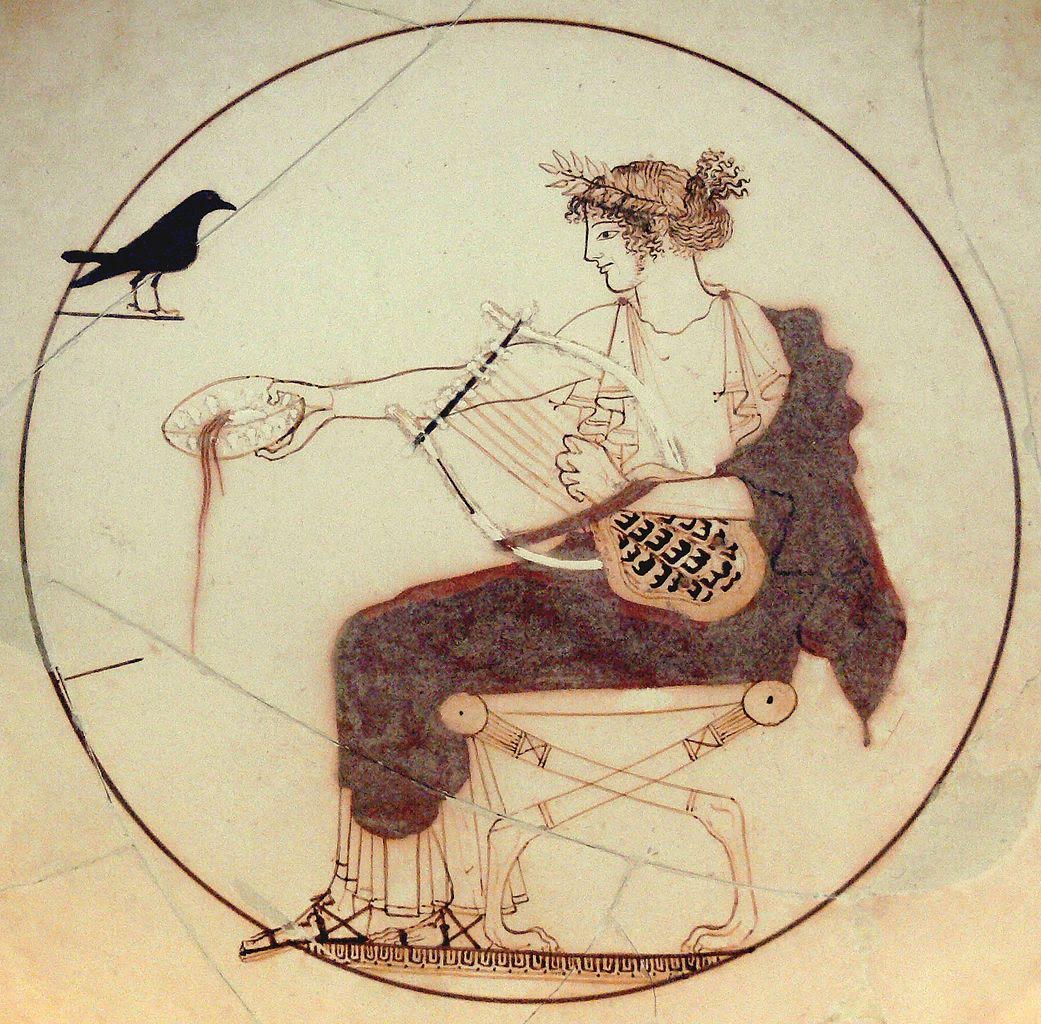
The roundtable explored therapeutic applications of melody and rhythm for cognitive and motor conditions including non-fluent aphasia, autism, Alzheimer's disease, and Parkinson's disease. It addressed how music alleviates pain and anxiety in preterm infants and surgical patients. Research indicates musically trained children show enhanced memory performance correlated with IQ, and musical training may slow cognitive decline in normal aging. The discussion examined "possible mechanisms of music's beneficial influence on the brain."
Speakers


Watch
Related Roundtables
Transcript
This third installment of the Music to Whose Ears series focuses specifically on music's healing and therapeutic applications. The panelists, including music therapists, neuroscientists, and clinicians, examine how music can be used as a clinical intervention for conditions ranging from stroke-related speech loss to emotional disorders. A central topic is melodic intonation therapy, which capitalizes on preserved musical brain function to help stroke patients who have lost speech regain communicative ability through singing.
The discussion explores the neurological basis for music's therapeutic power, including the distributed processing of music throughout the brain, the embodied connection between musical tempo and emotional states, and the role of motor responses in musical experience. Panelists debate the distinction between music therapy as a clinical discipline and the broader use of music as an intervention in controlled trials. The conversation also examines how music accesses emotions on a continuum that verbal language cannot reach, the importance of repetition in both musical structure and therapeutic practice, and the relationship between speech and song across languages. Practical case studies of stroke rehabilitation and work with infants demonstrate music's remarkable capacity to engage neural pathways that bypass damaged brain areas.
Show discussion topics
- 00:00:00 Program introduction and announcements, followed by framing of the roundtable on music's therapeutic and healing applications.
- 00:06:53 Debate about musical universals versus culturally specific responses, and auditory timing as a potential universal mechanism.
- 00:13:44 How music is processed throughout the brain, not just in one hemisphere, and how stroke patients can regain speech through melodic intonation therapy.
- 00:20:31 The embodied basis of musical emotion: how tempo and movement patterns mirror emotional states like sadness and joy.
- 00:27:19 Music's ability to access emotions on a continuum rather than as discrete packets, reaching nuances that words cannot.
- 00:34:02 Research challenges in studying real-time interactive music therapy versus controlled studies of isolated musical components.
- 00:40:45 The blurred line between speech and song in tonal languages like Mandarin and implications for music therapy across cultures.
- 00:47:31 How spontaneous musical play allows patients to access brain functions bypassing damaged areas, and music therapy with infants.
- 01:01:03 The hypothesis that fleeting muscle responses to melodic information explain music's universal accessibility and therapeutic power.
- 01:14:32 The fundamental role of repetition in music and its connection to early childhood development and learning.
- 01:21:22 Using breathing and melodic structure to help stutterers and stroke patients recover speech through bilateral motor exercises.
- 01:35:01 Case studies of stroke rehabilitation through bilateral exercises and music-based interventions restoring motor function.
Show full transcript
00:00:00 hi I'm Edward nercession I'm the director of the center before we get on with today's program I'd like to announce the next program which is on April 22nd and the subject the title of that program is a design in nature it is inspired by a quote from Leonardo da Vinci who said that though human Ingenuity may make various inventions it
00:00:32 will never devise any inventions more beautiful nor more simple no more to the purpose than nature does because in her inventions nothing is wanting and nothing is Superfluous a round table is called design in nature and Andre Bergeron who is a professor who has invented modern thermodynamics and the construction law of design and evolution in nature Robin Collins who is a philosopher
00:01:04 Caleb sharp who's been with us before who's a cosmologist and Mark Norrell who is a paleontologist and at the uh and at the Museum so but today music to whose ears music and healing this is the third one in the series music to whose ears and it's called music and healing it was suggested to us by Marina corsakova crime who's a professional
00:01:37 pianist and scholar in music perception and cognition as I call your name please indicate Who You Are Evelina fedorenko is assistant professor and director of The X Lab at Harvard Medical School Mass General Hospital Andrea Norton is senior research associate bet Israel Deaconess Medical Center Andrew Rossetti
00:02:09 clinical music psychotherapist research Mount Zion I bet Israel Medical Center John Shafer host and producer new sounds on WNYC and Concerta tomeno executive director and co-founder Institute for music and neurologic function thank you [Applause]
00:02:43 well who's getting us started Marina [Laughter] normally yeah um I think we should start the round table with questions to practitioners to people who practice music therapy
00:03:15 and they have two practitioners actually three practitioners Andrea Norton she does amazing studies with people who suffer Aphasia due to stroke she practices music melodic therapy and help people to restore their speech and then she works with elderly people and she's the she's an amazing researcher and thinker I have tremendous respect to hear our
00:03:46 things and her conversations and Mr Rossetti he works at the Mountain Hospital with various patients including previous so he has important experience to share with us so you want to start with the healing fast yes okay in my work I've been in the field of music therapy as a professional music therapist since the late 70s
00:04:16 and was introduced to the power of music to affect people especially in recovery of function or at least maintenance of function for people with neurologic diseases and it was obvious back then that there was something about music the way music could arouse and stimulate function and people who seem to have lost function in such a way that I I really felt needed to be studied and we know most people know how much music can help them individually and what we've
00:04:47 been interested in as as therapists is how can music be used specifically to really help people not only maintain function but to bring it back if they've lost it so people who've had strokes and can't speak or people who have Parkinson's disease and can't walk but they can do these things specifically with music because of the way the patterns of sound arouse and stimulate specific areas in the brain into function where that person can draw upon that by themselves that's really been the impetus for my work for the past
00:05:19 almost 40 years and Connie you were I mean when you started it was there really wasn't much no yeah the field of music therapy was established in the United States in the 1950s as a profession as an academic training program I started actually initially working with seniors in the nursing home with end-stage dementia but my background before that was as a pre-med biology student so although I was trained at NYU
00:05:49 and most of my training was in Psychotherapy and the psychotherapeutic aspects of music therapy when I saw people who supposedly well been able to recognize anything in the world around them people with end-stage dementia respond to a familiar song I had to ask the question how does that happen how does somebody who has no cognition or cognition that can't be measured by any other means recognize sound in the environment as music how that's their brain recognize that Melody
00:06:21 as an old familiar song so that was 1978 and it was in 1980 that I happened to come to bed Abraham where all of his ex was working and so for the past you know up until his passing we were together trying to ask those questions what is it about music that reaches us and helps us maintain function as much as possible but it's probably I know we've talked about this before and and for Andrew and Andrea as well it has to be targeted to the individual you can't just say music and and you
00:06:53 know I think Bach is great music but if I play it for you and you have no you know reason to respond to it you won't respond right well there's some universals in the sense that auditory timing be can be purely stimulated mode of response to Rhythm can be purely um produced by an auditory signal of a certain being most of us perceive Rhythm the same way no matter which country we're from or how we've developed some have developed more sensitivity to Rhythm and complex
00:07:25 Beats depending on their culture but when it comes to actual music melody and song there's really no Universal because how we all experience that Music In Our Lifetime then changes our emotional response in the associations to that so from the point of birth or even before birth why because there's musical some kind of rhythmic perception in utero um we start developing these very strong associations to music from the first time first breath we take and those then get encoded in neurologic
00:07:59 responses that we can either call upon or whatever but that's what really makes music unique to us in our own special way based on our life experience and associations can't follow up on this I know very little about music therapy I'm more on the basic um yeah science side so um given this point about huge variability across people and what kind of things might drive them or you know get them aroused or calmed so how does it work in practice so so do you is there some time so is is it a kind of
00:08:30 therapy where a patient plays a more active role so that they share information with you guys or you know is there like some period where you're trying to find out what it is that the patient might be most responsive to like how would a you know if I come to you with a particular problem like how would the whole process of therapy work so every patient that I that I work with that mostly in oncology excuse me the first thing we do is an assessment and an assessment of course has to do
00:09:01 with medical aspects also has to do with psychosocial aspects cultural aspects are always great for trauma things like what might be a person's song of kin significant music what it seems that what the research is pointing towards is that what might be most effective uh and I really don't think this is rocket science is that it needs to be music that people like so the eye
00:09:34 will effective in reaching clinical goals it depends on what population you're working with in music therapy for myself that means working mostly with cancer patients it also depends on what the goal Andrew's right and what the goals are for people who work in psychotherapeutically they could be a very active interaction with the client because you want to draw out some of the Hidden inhibitions they're hidden responses and so how they play music May reveal
00:10:05 something about what they're going through I work a lot with people with neurologic impairment and in that case it's actually knowing some of the structures of music and how music affects the brain and that could be very prescriptive at times whereas a certain Rhythm can drive mode a function than somebody with Parkinson's disease it doesn't matter whether they like the Rhythm or not it's gonna um cause this kind of mood or entrainment and the same thing with somebody who has a speech problem or Aphasia being able to use the melodic
00:10:35 Contour of sound and the rhythmic structure of of speech and music hopes um them therapeutically if that's used in a very directed way so the field of music therapy is quite broad depending on the background and the training just like medicine you know the field of medicine is as broad as a practitioner in their training and so the field of music therapy is there broad as well oh sorry but I just want to say if is there like a clear ontology of the kinds of things that they do is there like a clear set
00:11:06 of programs or is it just really heterogeneous no there's a there's a standard of practice by the American Music Therapy Association that talks about the different populations and the range of training within those populations so if somebody's working psychotherapeutically and maybe analytical music therapy and maybe another type of music therapy if somebody's working with people with neurologic diseases it may be neurologic music therapy which is more prescriptive and then there's more humanistic approaches too that's Dynamic and some
00:11:37 therapy is very passive it could be as simple as you know programming like music to help somebody relax but it's done with the music therapist analysis and carryover of their work that's a good point so I'm going to pick that up there um the thing about what sometimes is called receptive music therapy or passive listening things like that that's sort of the the lowest common denominator um but even so there there are situations where we cannot use live
00:12:09 music which is what I think most people would agree is seems to be most effective so using pre-recorded music is is an option for instance in radiation oncology I there isn't a way for me to provide live music therapy during during treatment but I can prescribe music for patients to listen to so um the first thing would be an assessment of what the patient's needs are so let's say you have someone who's very anxious well first they would
00:12:40 identify the type of music that they like to listen to um and then we would take music and music that they've identified and analyze it and then place it in a sequence to obtain a sedation effect sedation when you talk about therapy what are the the symptoms if you will that you're tackling
00:13:12 uh that's a huge question yeah it is so it's a good example and um Andrew you could speak to it too somebody who has a stroke for example and loses their speech there's still the potential of that person recovering some form of communication by stimulating other networks in the brain that are still intact that still help with word retrieval and and this porosity of speech but the dominant in music-centered areas so music is
00:13:44 processed throughout the brain it's not just a right left situation like the thought of in the past somebody who loses the ability to find words may have damage in a specific area in the left part of the brain but they still have the ability to use those words if it's in a certain structure and that structure tends to be musical in nature because that part of the brain is still intact and so people like Andrea who who do melodic insulation therapy treatments are using those structures in the in the musical way to help recover
00:14:15 speech so what we do is quite different from music therapy and that we're using music as an intervention in a clinical trial so everybody gets exactly the same intervention and the people that we work with have had severe Strokes many of them have lost as much as the entire left hemisphere of their brain and what's fascinating what fascinated me because I don't have a medical background or or a music therapy
00:14:45 background I'm a choral musician and conductor and singer myself that came to this through music education research and seeing how music affected children's learning and then made this leap to clinical research with music and the people that have these Strokes that are so massive if you ask them to speak the words of happy birthday they can't do it they can't get anything out at all and if you ask them to sing this song you
00:15:17 wouldn't know they'd had a stroke it's it's preserved function in their brain that Melody so melodic intonation therapy actually capitalizes on that preserved brain tissue and so what we're looking at in a neuroimaging study and with behavioral testing before during and after therapy is how does music change the brain over the course of treatment so the people that we work with are people who are chronic patients they've had a stroke at
00:15:49 least a year ago they've had lots of regular speech therapy but not music therapy and we find that they make huge improvements over the course of treatment now the treatment that we're able to give in this research setting is much more intensive than anybody's insurance will pay for so it's really a luxury on our end that we get to see this progression of no speech at all to whatever people end up with in the and
00:16:20 and not surprisingly what people put into it is often what they get out of it and those who practice more and use it more do better over time but there are all sorts of other factors that we see anecdotally things like family support and positive attitude that adds to this music effect so I think there are more studies to be done afterward that will tease this out but it's fascinating to watch people be able to take this simple
00:16:50 treatment which is no more than singing what you would speak it's not about singing a song or listening to a song or what's your favorite music it's about what you want to say so if I want to say Hello nice to meet you I'm so happy to be here today you use the same basic prosity that speech would have any syllable that would be accented in speech gets the higher note anything that's not scented gets the lower notes
00:17:21 so anybody can pick it up and it's a treatment that you can over time learn to do yourself so I can say more about that but that's just one that I think it is one small piece um sometimes those of us you know who work with patients who have chronic pain there's some good scientific research that shows how there's a top-down gating of the perception of pain if somebody's listening to music there's also um Isabelle Perez at Montreal is doing some research on that
00:17:53 so we can gate the perception of pain if somebody's listening to pleasurable music we can help with um for early child you know in childhood development for children to develop language children with autism you're doing some work with that too in the lab children who are pre-linguistic can learn the structures of communication through music even though they can't conceptualize what words all yet so an idea of a happy sound or a sad sound
00:18:25 they can stop acquiring the building blocks of emotional language even though their brain brain can put together what words are so all that comes through music I mean it's one of the reasons why music is such a I've never talk about as a powerful tool I don't mean that you know casually but it really is because it touches so much of it and a lot of it is neurologically based how our brains perceive sound and how we organize that perception you know it's there's there's this old saying of music is the universal
00:18:56 language which to me has always seemed like well each is a universal language as well doesn't mean that just because I can speak I can understand somebody from Mongolia you know there are different languages within speech and seems like that it's the same thing with music but um do you know Tom Fritz at the the Max Planck Institute in his studies with the mafa people where he went into the highlands of Cameroon um to a group of people who had really no contact with Western culture western music and just showed them three
00:19:29 pictures a happy face a sad face and a scared face and then played them in music and found that the mafa people who had never heard this music had never heard anything except their own Regional folkloric music we're consistently able to identify the happy pieces as happy the sad pieces is sad the scary pieces are scary by pointing at the appropriate face in front of them he then took their music back to Germany and did the same test there and
00:19:59 Germans who had never heard this music were able to consistently point to the happy face because it turned out all mafa music is Happy just the way it worked so I mean it seems like there's there's some kind of universality to music I'm not ready to say it's a universal language but there are there is some kind of elements of it that seem to be um
00:20:31 so a song that would sound depressing or melancholic would be very slow in Tempo because when we're sad we move slowly you know if we if it's very laborious in the way we move if we're very happy if you would play something very upbeat and fast rhythmically the person might say that music is very happy yeah and so a lot of our music is related to how we as humans move and relate to the world so that could be Universal but but because
00:21:02 uh some of us humans are also musicians and creatives like to subvert expectations you have you have things like Calypso which when Calypso formed is this bouncy happy music and the the message it was delivering was throw overthrow the white man get him off our Island you know you know Resurrection Revolution Insurrection you know that was the message of that was being delivered in this very kind of jaunty Carefree music so that's how they
00:21:34 got away with it different things going on here I think um what what we were talking about before um about associations associative processes with music all music is creates associations we could argue that music is metaphoric in nature um so I think part of what we're looking at is and why I think that music is likely more culturally dependent than not is because we we have our own set of cultural
00:22:04 metaphors for things that that might differ um so associative processes and metaphoric processes remind me of your last your last statement because I lost my my thread of thought here about the reggae I mean that the Calypso oh yeah yeah just the the the the tension between the message and the kind of the music that was delivering it right so the multiple layers of thanks for doing that so uh the other thing that I think comes up is how
00:22:36 when we listen to music and we're looking at the emotional content of Music there are two different processes going on one is how we perceive the music to be and the other is our our response to it so I can listen to a very sad piece of music and feel strangely uplifted right right so perceived versus how we identify it sure I think it's too late they're just for basic emotions according to the last classification but
00:23:09 aesthetic conversion that's such a complex thing and it just happens that music is able to talk to deliver information that no other means of communication are able to deliver the same certainty and precision and it's not my thought it's the thought by Susan Langer a wonderful American philosopher so she compared linguistic language with music and she wrote that music is more
00:23:39 precise basically it was your thought your thought and another very important idea about music that music delivers gives us the logic of emotion when you follow the flow of music recreate intuitively emotion inside us we live another life when they listen to music um and it's like they're abstract it's very
00:24:09 precise and same time very abstract because there is no objects there is no such precision as for example language has we can take any language and translate to other languages there is nothing to translate the music yes you can do it with pictures but still music is still sufficient language there is no cats hats houses it's something that goes directed to our system but how it goes directly we still don't understand perhaps some understanding of the very
00:24:40 fundamental things in music and it's fun to learn them because at least there's some tangibles but on the top of that why music makes us cry why we have Goosebumps how music delivers important ideas philosophical ideas sometimes we still don't understand it and but this is the most exciting thing about music how it happens do you think it's different uh whether it's instrumental music or music with
00:25:11 words because once you do add language to music now you've you've really muddied The Waters at that point but it's not just music it's already words and as my friend though sometimes better not to understand the words for some songs Melody is so beautiful challenge the claim that music is more precise I would challenge any musician to be able to express something like my husband thinks it's raining right there's a very limited set of messages that we can convey through music and
00:25:43 it's arguable how broad that range is but certainly it's not the kind of Rich communication system that we have through language which makes our species stand out for many other species in terms of the richness of meanings and the arbitrariness of meanings we can convey so I think it's I think the Precision scale is maybe not the right end to put language and music on but rather the kinds of information that they convey I absolutely agree because
00:26:13 uh linguistic language we have cognitive constants uh the certainty this is the absolute Precision of delivering uh information in the world because music has different precision and delivers to us the most difficult things who we are our psychological States our feelings that they're difficult to express in words says who I mean I I don't know that's a hypothesis right I mean it's some people
00:26:46 find it quite easy to express their feelings and words I mean I think that's that's that varies hugely across but we've seen many perhaps too many examples of people who use words in very precise ways and are still misunderstood that's certainly true and and there are there are musicians like uh Meredith monk the Great American composer and vocalist who despite being a singer almost never uses words because she feels like um music can can be very precise in
00:27:19 getting to emotions that are you know if you think of emotions not as little discrete packets of fear and joy and you know sorrow or whatever but as a spectrum as a Continuum that music can get to those gray areas that that we feel emotionally that we don't have names for like you know yeah the Brazilians talk about saldage yeah we don't really have a good American word for that uh Nostalgia doesn't really come close but Brazilians know it when they feel we know it when we feel
00:27:49 we just don't have an English word for it and music can can kind of emotionally Target those kind of areas that but music is certainly not the only thing right I mean so so language is one language is the system that we use to exchange thoughts with one another I mean that is our primary means of communication but sure you can express yourself through painting you can impress yourself through dance through music and one thing that um I've been very interested in whenever I've thought about
00:28:21 um all of these um strands of words that use music therapy is one what aspects of Music are driving what are the shared mechanisms that for example help you you know either recover speech or become less depressed or tolerate pain better and also how specific and it's a related question how specific is it to music right and so given that because understanding how specific effects are it's kind of key to understanding what the shared mechanisms might be and some people have tried to
00:28:51 kind of take different components of music therapy apart by for example controlling um with conditions like you know theater therapy right where you also engage with other people you find some alternative ways of maybe expressing yourself through body language or facial expressions or something like that so that's trying to you know control for one aspect of it but it sounds like the kinds of music therapy that people use are so so rich and there are just so many things that um go into that big bag and for people
00:29:22 who want to just help other people they may not care about taking it apart they just want something that will make someone better at you know whatever their problems are but it seems like ultimately would be really helpful to understand what drives these recovery effects so we can then maybe capitalize on the things that work really well or whatever components are most efficient yeah you brought up so many uh really interesting points to talk about on a mechanistic level that's still a huge gray area what you're saying about
00:29:54 the difficulties of research in music therapy that's just a reality I mean it's impossible to do a double blind yeah with uh with music therapy um you you brought up a point about uh specific mechanisms for clinical practice and Connie started talking about pain I think we could talk a little bit about that you started mentioning gating and things like that so what Connie was I think what she was
00:30:25 starting to talk about was melzak and cats gay control neural Matrix theories and so um following that there there are areas of the the pain response it is a multi-dimensional uh subjective response that has different domains some of those those domains are things that we can work with as therapists with the idea for example um there's an emotional content always to physical pain I'm not talking about
00:30:57 emotional pain and suffering so emotion is something that the music uh is it's what music is made of we could argue so using music to modulate an emotional response to pain is something that is very effective and relatively easy to do there are other domains there's a cognitive discriminative domain to it as well we can use music in a process with that as well I don't know because it's impossible for
00:31:28 everybody is somebody's going to know that music is happening does everybody know here what double blind studies are I mean I just know people's backgrounds explain it yeah well I mean it's just basically when neither the therapist nor the patient is aware of which treatment group they're in right so there's no biases on the side of the patient or on the side of them so it's impossible not to know somebody knows that somebody's getting music yeah I'm sorry I don't
00:31:58 know and another group who got music and then we found out which ones had felt less pain isn't that double blood no no because they know what they got yeah there's been studies with um both groups get headphones and one might get white noise and the other one gets music and then you could do really a double-blind study in that kind of situation the patient no the patient knows but then that's what they're going to hear yeah yeah so yeah we do a double blind study where we're doing
00:32:30 invasive brain stimuli relation in conjunction with melodic intonation therapy and the tdcs or transcranial direct current stimulation unit that we use the very small thing which is actually on a wire what's behind the the patient's back and being controlled by another researcher so you can give one of two kinds of stimulation or you can give sham stimulation so that the patient doesn't know whether or not they feel the same kind of ramp up as the
00:33:00 current is turned on in the Sham stimulation as they do in either of the other current modes and I as the person doing the melodic intonation therapy with them am unaware of what they're getting so that is a double-blind study it's not double blind with the music part of it but we do just to answer your question from earlier our study is looking at a specific control intervention that we designed to
00:33:31 take the music part away everything else is the same so we have melodic intonation therapy and speech repetition therapy so the stimuli are exactly the same the way it's administered is the same except for the the singing and the hand tapping which engaged that same year so another part to further talk about studying researching music I think one of the challenges is that when we talk about the Dynamics you know interpersonal dynamics of music therapy that's hard to
00:34:02 to study because it's real time interactive music making but a lot of the research that's been done has been on the components of music of of Rhythm and sound and arousal mechanisms and those can be studied on a neuroscience basis because they can be isolated but then you have to realize that music is so broad you know so we have the sound we have vibration that can have an impact on function but once it gets into song not
00:34:33 song meaning music compose music once it gets into an organized musical sound then we get into a different hierarchy of processing that becomes more difficult to study I think so when you do rhythmic entrainment for someone say with Parkinson's could that person could that person just be using a click track so when the when the first studies were done it was biorhythmic sort of metronomic type click track and that works fine
00:35:03 um what we did find out though is that if the person can if there's a Melody that they can hold on to so if that Melody has a rhythmic pattern to it they can self-entrain yeah because they're part of the brain of Imaging imagining that sound could also Drive the same motive it's interesting because in in Indian classical music uh the the place yeah they do that yep they have you know they have they can go and do their own solo performances for an hour or so but usually there's a very simple repeating
00:35:34 pattern that keeps it together a Melody played by another instrument and that instrument is simply accompanying you know the melody is just there to kind of keep the ear where it's supposed to be you know focused on them and and it's the it's the the Rhythm that that takes you someplace one of the interesting things I think about music at least when we you know study it in patients who've lost cognitive function is that the components of Music are process that subcon levels so when you look at the piece of
00:36:05 art or when you listen to language that's all high accordical processing not all not all okay some part of contributions as well yeah yeah but well maybe then maybe I'm wrong but that this components of our motor system and physiological system that can be driven purely by patterns of sound so even if somebody has severe cortical damage there's still ways of entraining them to sound that is impossible through verbal interaction and so many times
00:36:35 we'll work with people with severe brain injury to sort of jump start areas of the brain that still may be available to them and bring it into a higher level of action but tell me about what you were well I mean it's um I'm just saying that there's subcortical contributions too many many high-level cognitive functions but I think also one thing to keep in mind um when so when you were talking earlier you said that um music kind of engages the whole brain and in some ways it's certainly true because you know um if you're a musician
00:37:06 listening to music you're going to activate your motor cortex to some extent right because you're thinking about actually playing that piece and of course there's huge swaths of auditory cortex that are active and then musicalists all sorts of emotions and so the emotional centers are active and there may be some kind of you know thoughts that get generated by music like you know thinking about your loved ones and so your social system may be active and so on but I think it's really important to also keep in mind so I'm coming back to this question of specificity there are some parts of our brain that appear to be really really
00:37:37 specifically responding to music okay so there are some parts of the auditory cortex that respond very very robustly when we process music and all kinds of music including familiar and familiar different cultural music from different cultures but these same regions don't respond at all when we hear a speech when we hear animal noises when we hear all sorts of mechanical noises so it's a really really really specific response and there's nearby regions of course that respond to speech speech sounds and those regions are this is before we get into the
00:38:10 language domain these just respond to the Acoustics of speech they respond just as much to foreign speech as they do too familiar speech um anyway and but so um these are the kinds of regions that when damaged will lead to problems which are specific to music so you mentioned Isabel Perez is one of the kind of leaders in that field who has documented very interesting cases of patients who appear to have um really quite selective deficits with some aspects of Music following stroke
00:38:40 now you know you may have damage to some aspects of your motor cortex or emotional system and may lose some ability to either enjoy some aspects of music or process a mask with some music but um it's really these parts of the auditory cortex that are music selective that seem to be this one one-to-one relationship with musical abilities and ability to perceive music that said I think the place where music very useful interacts with the rest of the brain is through this very extensive bilateral system
00:39:11 which people call many many names in the literature which is never helpful but you know it's the the network is known as task positive never because it gets engaged in many many tasks where the cognitive control Network or the executive system Network or the attention Network the bottom line is it's a system that gets engaged in a broad broad range of goal-directed behaviors it seems to care about production in general so we predict the world all the time we try to predict you know what happens what you're going to say next or how you're going to move
00:39:42 next where if I'm listening to a piece of music you know what kind of structure might come up come next and so on and so forth and that system has been linked to things like fluid intelligence flexible behaviors kind of another real Hallmark of our species monkeys have equivalent like an equivalent system is just not quite as good some people argue it's qualitatively different in some ways but the evidence for that is a little scan but anyway so we have this huge huge system that allows us to engage in all sorts of goal directed behaviors and planning and that's a system that gets
00:40:13 engaged very robustly by music and rhythmic stimuli and it seems like that's where it may actually intersect with things like some aspects of language or some aspects of you know motor function or some aspects of kind of General emotion attention components but this there's another kind of uh sort of crossover kind of a gray area between speech and language and Andrea working with people with Aphasia I mean it's always struck me that people who grow up speaking tonal languages
00:40:45 like Mandarin that that line that that differentiation that we make between speech and song is less clear when your language when when every word in your language can have three different meanings depending on whether it's pitched high medium or low so that's not quite at the level of language though still it's at the level of speech perception so there's indeed very interesting words suggesting for example that tone deafness is a lot less common in Mandarin speakers for example
00:41:16 um and again there's work suggesting that in the auditory cortex there is some shared bit that responds to pitch across domain so there it doesn't matter if it comes from a you know train horn or music or speech but it's this it's this very very sensitive to pitch modulation region and that's potentially where some of these interactions may happen along with potentially brain stem areas which also have been implicated but that's again kind of before you get into the realm of um mapping thoughts onto linguistic
00:41:46 forms which is kind of what the kind of high level language is right it's once you're past with the acoustic signal and at that level it seems like there is really really very clear separation between the regions that support language and the regions that support music modulo this very very domain General system the front of parietal system I mentioned where every kind of engaging task will overlap but in terms of um the processing mechanisms we use for language and music those appear to be quite distinct and there's there's been
00:42:18 a lot of confusion in the literature because many people have argued that there is something like an abstract hierarchical processor of structure and language and music and some people have also added math into the same bag but the evidence for those kinds of claims all came from studies where the paradigms would be something like you're listening to a piece of music and then you have something that doesn't fit with the preceding context right like violating exactly exactly and so it's similarly in language you would get a
00:42:49 sentence and then something will disagree in gender or number or whatever language you're using they'll be basically a grammatical error right and as you can imagine when you're processing a familiar stimulus and you get something that doesn't fit with the context a lot of things happen in your brain you're like wow you know this is an error something is wrong I'm going to try to fix it did they mean this right and so um some of the work that we've done has shown that this kind of overlap it does happen but it doesn't happen in some abstract hierarchical processor it happens in this very domain General
00:43:20 system that just reacts to basically unexpected events in the world and it will respond just as much to you know a sequence of blue circles and then a red circle as it would to a violation of hierarchical structure and music or grammatical structure and language yeah I just want to follow that language is to my understanding it's kind of intellectual Endeavor while in music you don't invest intellectual efforts to to Steve music this is why it's
00:43:52 available to people with a timer to autistic children to people with tremendous cognitive problems we are dealing with a very special way of communication and this special ways to explain the power of music therapy because as concerto wrote that music is dealing with different Pathways to accessing our memories or whatever it's like let's say that music gives something like a temporary
00:44:24 winter winter of Sanity to people with Alzheimer when they suddenly recognize their relatives they could not recognize for months already or they suddenly have these flashes from their memory or they suddenly start citing the words of the songs then you in their youth very special phenomenon and which is very accessible yes it's auditory information of course
00:44:54 and it goes through all the processing delays and we know there's some difference like uh in in sense of which hemisphere brain hemisphere is more responsible for speech and more for music there's a lot of shared mechanisms but all together in music we are dealing with very simple way of encoding complex information and decoding complex information and this Simplicity the planes this kind of generosity of communication
00:45:25 through music you don't need to have special training to get very complex messages of Music this is my point training to get messages from language either and in fact people with severe mental disability like some individuals with Down Syndrome who would you know score very poorly on a lot of IQ tasks they nevertheless can understand language and produce language but they need to learn words of course you need to learn words dogs can learn I mean you know of course you need to learn words to communicate you know it's interesting some of our patients who had severe Aphasia
00:45:58 um we forget how much our facial expression informs communication exactly exactly um and so you'll see people who stop mimicking the you know the lip movements of somebody if they're trying to understand what's being said so I think as a as a as a language species we tend to really depend on verbal communication to understand each other but when we lose the ability to express ourselves first we'll get creative we get creative and there's a lot of nuance that we use both through movement through facial
00:46:30 expression even through you know visual exchanges and feelings and gut responses that are path of communication and the way of sharing and I think music informs some of that I think that's why people who have severe brain damage can still appreciate and respond emotionally because some of those contextual elements can be accessed in lower parts of the brain you know the other thing sorry the other thing that's interesting is when somebody you were talking about the executive
00:47:00 functioning and being able to plan ahead but some of the work that Charles Lim is doing now with improvisation talks about when somebody's in this super creative process the frontal part of their brain isn't as active they're not self-monitoring anymore and I think what happens in a lot of our music therapy sessions where we have improvisational music making people who can't plan because they've had a trauma you know that affects the frontal cortex or can't think through steps of doing things in
00:47:31 the moment of play and spontaneous interaction they are able to access function because this part of the brain isn't needed anymore they're working on some other aspect so there's so much there's so much going opposing exactly yeah executive system has kind of its you know Arch Enemy which is this system which people kind of say is aimed at um kind of introspecting and recalling things and um thinking about others minds and it's kind of known as the default mode some people link it to
00:48:03 social functions so they would talk about the system as a social function because a lot of what we do when we are not actively pursuing a task is think about other people because we're very social species and uh anyway so how those two systems trade off in complex cognition is very interesting question and and the interplay between the two systems has been implicated and a lot of psychiatric disorders actually the various disbalances and yeah it's interesting to think of you know complex music making where that prefrontal area is kind of needs to step out of the
00:48:35 world that's right to make it there's there's a musical technique called hocketing which is um you hear it in some of the music of Duke Ellington you hear it in Indonesian gamelon music you hear it in the music of Steve Reich where uh nobody plays the whole Melody you know you play the first note I play the second you play the third then you play the fourth I play the fifth you play the sixth and I've I've you know I've asked many musicians who employ this technique what it's like to do it and universally the answer is you just stop you stop
00:49:07 thinking and you just and after a while you don't remember who's doing what it's just you know it becomes its own sort of closed system and of course it takes takes training you know you have to you have to internalize the the the the individual Parts but the idea is to get to that point where the front of the brain shuts down and you just go on instinct I think it's very important uh to concentrate don't you think thought that with language we are dealing with high
00:49:37 processing basically yeah there are some other layers but still it's high processing what about music what this higher processing and music I mean musicians do it all the time where we listened we we on WE process with the Sounders with the key is with with instruments of playing um with the harmonic structures so that's very high and in fact the more exposed we are to music the more we're able to appreciate complex music whereas a novice musician may find some abstract
00:50:10 music very disconcerting whereas an expert musician I see the excitement in you know stock housing or doing something but I don't think that the expertise and so on so important because people what level yeah because people basically don't need to it's like language I mean we could use five or six words to pretty much get around I mean no nobody I'm saying because you don't like saying that there's some universals there's there's certain basic things sure that we get at the music and we get that of language that we could
00:50:42 survive with that's right yeah but to really be creative and spontaneous and be able to engage at a higher level we need all those other elements available to us but so yeah I'm rooting for something different you see music therapy can help Primus it can help autistic children and sometimes digital children can be kind of very much on the limits of the spectrum like non-linguistic kids it can help people with various cognitive problems like Parkinson's when
00:51:14 it's already cognitive problems and of course so there is some channel in music that kind of not necessarily reaches the highest levels but uses some precognitive mechanisms to deliver important informations by going to the memories and going to motor Behavior going to the feeling of well-being and and I think this is very important
00:51:45 theme in the discussion about music therapy this precognitive mechanisms yeah I mean there's certainly a lot of support I think one of the things is again the hierarchy of Music development and how it gets paired or how it's parallel to other aspects of function so something like the structure of language is also parallel to the structure of music so when somebody loses the ability to verbally communicate the structure of
00:52:15 that sound can inform some of the linguistic elements and I mean this there's so many same thing like the Moda system has parallel Pathways to our processing of Rhythm so the mode the system works on an on off signaling system right and so those pad Pat those shared pathways are very robust and shared by music as well as other kinds of function different from other kinds of Arts because yeah these are fundamental structures
00:52:45 but I think music arose or was developed out of the fundamental structures that we as an animal species already had available to us so again movement as representative of activity and feeling and sound as relative to feeling and emotion so I think music came out of our internal system let's talk about neonates yeah so so pre-verbal you can't be any more
00:53:17 favorable than that neonates while fetuses uh can distinguish Rhythm at about 16 weeks long before they can distinguish moms boys or anything like that um we have a study that was done uh in 11 different nicues that looked at entrainment which was something that you bought it before in stabilizing and reducing O2 saturation
00:53:48 heart rate and respiratory rate and so these are they couldn't be any more pre-verbal there's no such thing as music Psychotherapy with a neonate at least not verbally right um but through through entrainment not not mechanical entrainment um we were able to stabilize and actually lower our heart rate and respiratory rate and stabilize and uh oxygen you're saying no these are neonates
00:54:19 uh 32 weeks maybe do we know if that kind of um an approach would work with animals non-human animals at least Prime either primates I've never worked with animal babies no I mean that would be useful there aren't too many in the hospital sorry I mean that would be useful to know it still wouldn't quite tell us about um uh species specificity because the in utero experiences might have differential exposures to music although you can control this with weird monkeys of course but I mean it's just it would be useful to understand whether it's a
00:54:51 very kind of low level physiological thing that would work on any you know mammal or at least primate right you know dragons and where it's yeah this is talking about periodicity yeah for yeah I have a kind of uh hypothesis about these differences between language and music that most likely they both uh came from the same road which is the book of production so it was first signaling system
00:55:21 in animals its expression of well-being expression of danger it's the vocal production so gradually it was development into two like deforcation so one branch became language with Precision of communication and here we come with Richard neurons that mirony Arts were involved in creation of language okay so I'm just a little skeptical of
00:55:51 the marriages but anyway anyway so anyway somehow we came to those cognitive constants on the other on the other side we get emotional component of first signaling system going into music when it was discovered that sounds have certain relationships the hierarchy of those relationships that allows that eventually to develop melodic thinking so we have rhythmic things which are working for movement for language and
00:56:22 for music but we have something very special that works only for music it's the relationship between musical sounds tonal relationships that allow us to create melodies and those relationships are very primitive so but it doesn't matter what religion a simple melody or complex uh piece played by a symphony it's the same very simple principle of Donald relationships that could be explained as a interplay between dissonance sounds and consonant
00:56:54 sounds so we have difference in Pitch and there are not a lot of them we have very few elements in music the parsimony of musical matter is fantastic just basic Seven Elements the atomic scale plus five chromatic scales and they repeat it again the game cyclically but the relationship this is what's interesting they they work like phenomenal pills of gravity we have very stable tone and they have all other tones the different speech that has different level of attraction to the
00:57:26 stone and this is how we travel internal space and we don't need to be trained together so there is no words and music we don't need to learn that this is Mao or court or sha or cat we just know okay this is something is going on and be tuned to that and they're just relationship between different musical sounds and it happens I I guess on a very simple level we don't need to be trained to understand concern answers so this
00:57:56 analysis because we can see on different responses brain responses in newborn focus and answer circumstances and we can have studies and we already had studies with two months old you play for them concerned answer this analysis and they recognize that but at that point they've had two months plus you know a few months in utero experiences with Western tunnel music right and that's why recent work on the chimani in Bolivia this is led by Josh
00:58:27 McDermott at MIT is suggesting that the at least the valence aspect of consonants and this does not seem to be culturally Universal and even though um you know people living right nearby in Bolivia who have had exposure to Tunnel music do have a preference albeit it's still not quite as strong as it is and you know MIT undergrads or whatever his control group is in the US the chimani who have very different kind of music they just don't they can tell the difference and they can do control tasks
00:58:59 like they will judge you know crying as sad and laughing as happy but they don't have the preference for consonants sounding as kind of happy and pleasant and the dissonance sounding yeah absolutely it's just interesting recently we had a pilot study with adults so people looking into variability of heartbeat and they play different music so one of the pieces which was loved everybody was um second movement from Mozart concerto
00:59:31 yeah I think 20th 23rd and everybody was just happy listen to that as a contrast I took a pirola there by Schoenberg which is quite dissonant could you imagine one of the participants was particularly attached to this piece and I was thinking how it happened it's possible that those idioms from autonomous music they kind of went into popular culture through films like suspension something interesting needs
01:00:02 to happen and people like it so it's not necessarily balance it's just different because this perception of this and answers the consonances body responses perceived tension and they were studies starting from ages they demonstrated that this perceptional tension actually translates into physical tension this is why I like so much your thoughts about enrollment of motor system because I believe that when we listen to music
01:00:33 it's not just Rhythm that involves let's say our like basil ganglia but it's built built into a system of muscle responses fleeting response system music and this is how people memorize Melody perhaps it's not that they remember just auditory information
01:01:03 possible it's just a hypothesis it's possible it's our body remember so fleeting muscle responses to melodic information and this is why music is so available because multi-responses they are the simplest ones with feeling of tension is primeval it's something not right the attense is everything is okay we are relaxed and this is what music exploits yet again you know it's
01:01:35 also like I mean it is you are saying it's just okay but if you look at individuals for example who were either born paralyzed or are lacking limbs they can certainly experience music you know in arguably as richly so it's not the case that the motor system is a core part of experiencing or enjoying I mean it's just something to keep in mind I'm thinking about the studies that Sandra treehub had done about um language development in newborns and how their ability to process arrange really
01:02:06 close sounds at Birth are all similar no matter which part of the world they come from and then as they get exposed to their mother tongue through you know work just being in the environment with other adults that window of change happens pretty rapidly so they stop perceiving these nuances of microtones between pitch and actually start going to whatever is the most constant in their native tongue yeah yeah I think
01:02:36 all children when they're born have a broad range of perception as long as there's no damage you know to the auditory cortex so it's cultural how this these other nuances even the visceral response I'm thinking we were just talking about Joe Ledoux work in in memory and Trauma they um a newborn who doesn't have the ability to understand the word around them is only developing visceral memory from birth right because they can't put things into contextual meaning because
01:03:07 it's all experience and so a lot of trauma that becomes really deep-seated are these visual memories that become part of our makeup that we don't know about until somebody helps us process where they're coming from so a lot of our early early development is on the visceral system for sure because we don't have the cognitive constructs to make sense of it yet you know it's interesting hearing you talk about like how the brain is a very efficient mechanism and it will pair down those
01:03:37 Pathways that it doesn't need anymore and um who for many years was at Tufts and and then at the new school grew up playing both Western and Indian classical music and did an interesting presentation at a world Science Festival panel that we did some years ago where he just kind of Drew all of these like connecting lines between you know it was just like a schematic diagram of neurons and how you know if you'd grown up in
01:04:08 one set or another all of these lines would have disappeared and you would have these 12 but growing up in two different Traditions simultaneously he had all these neural connections and for him the idea of the kind of the flatted sixth and seventh of certain Raga scales was as natural as the perfect fifth and you know the the major third which by the way if you hold a major third for a long time it is crushingly dissonant our
01:04:41 major third is the Western major third is off by a tiny fraction that when held over a long period of time becomes increasingly clear to the whereas if you're if you're you know because we our our Western sense of Harmony is a human creation of this beautiful overtone serious based skin third is it should be a ratio of four to three but our third is the 12th root of two because we can learn an
01:05:13 irrational non-repeating well it makes sense we think when you know when I was talking to people um at Yamaha when they developing the digital keyboards um one of their challenges was to make the acoustic experience Rich enough because when when the well-tempered clavier was developed you know Beethoven was composing for the string instruments or Bach sorry but but composers at that time um and I'm thinking about Beethoven only because certain
01:05:43 um pieces that were done with violin and piano were done in certain keys because of the acoustic response of like an E flat in the key of E flat with the violin and the piano as opposed to if you were playing by harpsichord you know or something else you know where it wouldn't been as close yeah the temperate scale was actually
01:06:13 discovered mathematically in China for completely different reasons uh and then Europeans knew about that at the end of 16th century and they did not want to apply it purely till beginning of 20th century they tried to dance around that so if you look on historical tuning they're all trying to sound how to salvage the naturally sounded skill and will tempered clever it was one of the variants of temperament back like that
01:06:44 and the well-temporated you you have Technologies with with you know modest key signature check closer to Natural scale than penalties with extended key signature like five six they really sound bad yeah but most likely he used that well but even Bach you know when he sat down and composed he had to First decide am I using verkmeister 3 or kernberger two I mean he had all these things available
01:07:14 to him and they all had different effects and that was the point there was a famous Treatise called the affected right the the doctrine of Effects by Johann Matheson probably in the in the 18th century that and Pythagoras did this you know 2000 years earlier where he went through all of the keys and said you know the emotional impact this is the emotion this is the uh this is the effect of E-flat which is why Mozart saved E-flat for certain things in G
01:07:46 minor for certain other things C major you know for the coronation Mass you know that because they felt those differences and there was a whole kind of scientific quote-unquote you know scientific as they were in the in the 18th century trying to figure out what each scale did to us into US emotional so so our the way we perceive dissonance is actually evolving because absolutely oh yeah because E7 sharp 9 is not an ending chord until
01:08:17 you listen to Jimi Hendrix right that's right and it's it's evolving not just as we go along you know as as a culture but it's it evolves in each of us individually because you know I if I as a kid I would have heard Mahler and just thought what's what's that what's that noise you know you have to grow into it you know you have to evolve your own sense of hearing otherwise I mean this kind of brings us right back to where we started because if it doesn't mean something to you you
01:08:47 can't use it and that's why there's no uni in in music therapy why it's such a process because we don't know what that person's life experiences with music and we don't know how we can use that music to really reach the elements or to achieve the goals that we want to achieve or they want to achieve we want to help them so it is this detective work you need to find out who they were what was their life experience how does their body responses sound how did they mentally respond to sound whether the associations and feelings they have to
01:09:19 sound so all of that comes into play I mean it's it's like being the good doctor too I mean somebody comes in with all these symptoms you have a sort of a checklist of things it's not you know and then you try to figure out and hone in where it's coming from you can you can see therapy is sort of uh pulling on a thread seeing what comes along with it do you remember in the 1980s you know at the height of the new age music movement there were all these records coming out that made claims of being quote unquote healing music yeah personally I found
01:09:51 the stuff to be like itching I know yes what does it heal I mean this is a therapist one of my pet peeves is the this idea of the healing power of music well as far as I know uh there's no empirical evidence that music heals anything at all but it can certainly be used in a healing process could I stir something up here yes we
01:10:21 still did not not mention very important system the biological reward system activate it was found that extremely pleasurable music activates nuclear second which is a star of our biological reward system so maybe what is one of the explanation to uh diminishing sense of pain that kind of distracted and I don't know if it's explanation for people who have better recovery from
01:10:52 stroke when they listen to music as compared to listen to books or white notes um any anybody wants to talk about the pleasure and do you think what they did find in effect you're talking about the Finnish study that it was studied by zatoran block 2001 this was the child's one yeah it's also a one that yeah that was with passive listening and basal gangliamo this system so there's
01:11:23 sound effects all these different systems in our body and each one of them has a different Effect music yeah but it takes really strange why what what is it in this language it's you know the biological reward system is also activated by food sex drugs money tangible what is it about music that it sadly enters the same company you know when the blood and blood and Robert tutorial study um each they studied 15 musicians I think it was 15 professional musicians and
01:11:54 each one had to come in with their piece of music they gave them the chills and their very specific measure in the piece of the music so they could do the Imaging right but what they use as a control was each other's piece of music and so you know the the person who responded to the Argentinian tango music didn't respond to the Coltrane piece right the same way so again it shows us that our emotional responses to music are really life based on life experience not so much the what's the system is developed based on
01:12:25 our personal experience with the music well maybe it drives that emotional system first and that's why we gravitate toward it aesthetically think about the motion it's such a difficult presence of beauty it's a cultural construct you grew up your personal memories and your psychological makeup it's all just confirmed so that's not Universal that's that's subjective that's very simple yeah very individual very individual this also goes back to something else
01:12:56 that you were talking about before which is the the kind of the predictive I mean what music does is it plays with which is why we like repetition in music the brain is very happy to be able to predict what comes up you know I I hear a one four five chord progression I'm I'm betting it's going back to the one and when it does it's like the brain goes ah I knew it but but the brain also likes the the surprise when you when people talk about the money note in a song it's like usually
01:13:27 when you hit the note that you expect to hear in the melody but the harmony underneath it has modulated and and suddenly it's like wow what was that you know it's so it's not like the cell phone in interrupting the symphony but it is it's it's it's a very fine balance between being able to predict and the element of surprise that's absolutely right I just want to also mention that there is um some beautiful work in um uh in the developmental literature suggesting that
01:13:59 um inference at various various points in each have some optimal amount of information that they like so if the signal is and you can imagine doing something very very simple like showing them sequences of you know familiar objects and they get really bored if they get shown the same thing over and over and again and they also get bored if they're shown completely unpredictable sequences but there is some optimal amount of kind of predictability and surprise then they'll pay attention for longer and longer and then of course that also changes the amount of information we can handle changes as we um uh develop but it's
01:14:32 certainly the case that there may be something really fundamental about repetition and music and that's why maybe at a very young age we get so interested I mean you know those of you who have kids you know the kids like repetition right they'll have the same book right over to them like so many times in a row and it's like there's clearly not much in your information but they like the fact that you know they know what's going to happen in the store and they can kind of you know participate in this and so there now the question of why we came up with a system like music that uses that repetition I mean that's a very interesting question that goes back to the evolutionary question but for the evolution I just
01:15:03 want to mention one thing so so indeed there is a hypothesis that music and language somehow co-evolved through vocal communication but there's also a strong alternative which is actually now perhaps the dominant hypothesis for the language Evolution which has nothing to do with vocal communication but instead has to do with gesture and and the the a lot of the observations basically come from the fact that in primates and vocal signals are very very constrained and very context dependent so they'll you know have a very particular signal for this kind of Predator kind of a predator and um a system like gesture is much
01:15:37 more tied to the kind of social cognitive mechanisms that are you know evolving over the course of um you know the last few million years where um you know something like trying to get someone's attention by you know manipulating an object and trying to see if you get like shared eye contact on something that I'm trying to draw your attention to or something like that so um a few theorists have now argued that actually language may have come about through the motor system through gestural and potentially no body but I think this is basically that it's allergies and uh
01:16:11 his group ideas that it's gesture it's a moment of gesture uh well it's a full gesture a lot of people have made those arguments if you read like if you actually read the way that rizalade talks about it it's very very vague and underspecified it's true it's very hand wavy I mean so if that's satisfying you know yeah it's in the beginning this is the beginning yeah like in everything else it's a beginning yeah I don't know I'm not sure if you want to begin with vague things always but anyway it's intubatable but I do believe that music
01:16:41 is basically an emotional component of focal communication well Stephen finker you know famously just well considered it a kind of a an offshoot a byproduct a beautiful one but just an accidental cheesecake auditory cheesecake and then you have someone like Gary Livingston at Yale who who posits that the two grew up in you know on Parallel tracks from a similar kind of measures urge to express oneself
01:17:12 person thing so you have to come up here [Music] I would like to hear a response to a certain bias or or some assumptions that
01:17:43 I've heard here and I think we generally we generally have not only in this discussion um first is the assumption that music is about sound but there are a lot of other aspects to it I mean there's a social aspect I mean it's been it's been mentioned a visual aspect right which uh I think are uh you know they're a Sonic
01:18:14 elements but I don't think they're less important than than the Sonic aspect and the other one is the notion that music therapy is beneficial well you know strong medicines sometimes have undesirable side effects and I'd like to hear if there is something uh like that in other words I think we need that something like that to fill out a picture of of what the
01:18:46 boundaries of this phenomenon are well I could definitely speak to the negative effects of music so when people talk about or music um can be therapeutically beneficial with some of the dangers because of the things we spoke about are the negative effects of music and people I mean people who have epileptic seizures for example can be prone to seizures if a rhythmic pattern is too strong of the the volume or the frequency of the sound
01:19:17 is too much or if they've had emotional memories associated with certain types of music playing that music for that person could be very traumatic so similar to Medicine where you have trials and you see what works and doesn't work you have to be really careful to not just say music is very therapeutic for everybody because each person is going to have a different response so I'll speak to that piece and you guys could speak to that right to say something about what your first question about or your comment about other benefits of Music one of the
01:19:48 things that we use in our enhancement of melodic intonation therapy is the injection or interjection I should say of musical thinking and so one of the ways that we empower the patient to take on the therapy themselves is by training them to create their own targets so people with severe non-fluent Aphasia can't get started when they want to say something they know what they want to say it's infuriatingly frustrating for them
01:20:20 because they have exactly what they want to say in mind and no way to get it out so the way that the therapy actually works is a therapist would hum first what the phrase is going to sound like and give the target phrase and once they're trained to do this they learn how to sing on the inside before they open their mouth because the mouth takes them down a motor path that they can't get off they get stuck in this Loop and they keep saying the same thing over and over and over what they don't mean to say so so if they think first and hear
01:20:52 it inside and then do this in a rehearsal as a musician would if you're going to practice something on your own then they begin to learn how to not only make their own Target but to begin to self-assess and troubleshoot as they go and if you stretch these sounds out and the beauty of the singing is the connected speech because non-fluentive phasic can get out of burst and a burst and a burst and maybe it's just the
01:21:22 initial consonant and they keep on repeating that like a stutterer but if you breathe first and you make this breathing part of your inner target setting and your inner rehearsal you breathe and then you put it out in one piece they don't lose it in the middle they're able to keep their whole thought together they're able to keep that whole piece of whatever it doesn't really matter what the music part sounds like it's about that thinking and that when they walk out the door they're not stuck
01:21:52 with a set of 20 phrases to practice they've got their own thoughts which they can then get out by using musical thinking and a musical process without the music really being the important part so that's just one example what Connie said about the dangers of indiscriminate use of music and therapy um let's say I'm I'm uh in radiation oncology in the waiting room and uh I I really like Stairway to Heaven I think
01:22:23 that's a nice song We're Knocking on Heaven's Door something I really like to listen to right um you get it yeah um another thing uh neonates it is it is very easy to over stimulate a neonate with pre-recorded music that's just left on even somebody Post in the coma too much arousal could be detrimental in the early stages you know of a somebody who's in the coma uh you know vegetative state they could still have a level of arousal but too
01:22:54 much sensory stimulation can actually be adverse so really being careful about what's so there are there are real real issues with the use of music I'm just curious if there have been any attempts so I'm actually very interested in those the social component because um and it seems like in even in the kind of therapy that you guys do it's like very well I don't want to say easy but it's it may be one of the easier things to try to pull apart and see you know what's the presence of you sitting there playing a guitar versus you sitting there and talking versus hearing a
01:23:25 recording of you but maybe having a curtain right so that they can't actually see the person and just kind of try to pull it apart and figure out which which bit of it is because you know I would really enjoy you know having you and play guitar like having you sit here and play guitar for me that's lovely right I mean who wouldn't like that but the question is you know what is it that's particularly helpful is it the social bit well yeah music therapy is that practices music Psychotherapy it's about relationship with patient it's about the space that's created between two people and music can be um the motor or the the uh the context
01:23:59 for that for for forwarding that relationship you know we we did a study once I don't want to take away from your questions but we did a study once where we did try the control for the social aspect sure and so we were looking at people homebound adults who had depression and who had medically complex issues and so we had the music therapist make go and visit with them and make engage them in active music making but then we had a social work a recreation type person who would be the social visit would have that one-to-one contact
01:24:31 with them and play games maybe chess or cards or something like that right yeah yeah um what was interesting is that the psychiatrist that was the psychologist who was doing the testing was blinded to who was in which treatment and there was one group that just had the traditional Psychotherapy treatment or medication treatment that they had so the person who just had the traditional treatment actually the depression went up increased the person both both the social the social one and the music
01:25:03 therapy situation both had to decrease but the music therapy intervention was decreased by half so I think that goes to your social aspect of music there's a there's a communal aspect of a shared experience there is is more than just the person but it adds to the person so something therapeutic about people moving and being together but the music adds another level today
01:25:38 actually what I was thinking of was a particular piece of music uh which is I forget the title but you know the John Cage you know the silence the silent piece 433 yes 433 right and uh you know you know I think we you know that's a music without any kind of sound which is prescribed uh and and certainly it has very big uh social aspects that no recording uh can
01:26:13 come even close to which brings us to the challenges of of Music Experience because all those other nuances of the experience itself adds to the perception of music there is a recording of the first performance 433. that's that's true it took place in uh an open-air shed Upstate New York it is utterly beautiful there's no there's no quote-unquote music but it was gently raining and the birds it's you know
01:26:44 they're in the walls so you hear the birds I mean it's a beautiful way to spend four minutes and 33 seconds the piano was never touched The Pianist turns the page at the end of the first movement turns the page at the end of the second movement and the rest is the music of the world around yes first of all this is fascinating so thank you for this um I wanted to ask well first I wanted to just talk when you were talking about The Evolution of
01:27:16 Music and language I've often heard it theorize like the babies hearing the heartbeat for weeks at a time and so the the rhythm is just entrained you know I don't know how you would ever actually prove that also um Evolution like in the early days like uh the importance of timing and Rhythm as far as like uh hunting and surviving but um my question is sorry let me just kill me bro my question is um
01:27:46 we're talking about with music therapy often uh I don't know what diseases but when there there's some sign of recognition to music I'm just curious why there wouldn't be also maybe like a hint of recognition from like a relative's voice or like I'm curious what is it that why why um you've not found language to help Paris one of the rationales for why music is is more resilient than just simple voice is because of the other
01:28:18 Dynamic elements involved in music then the voice although it has tone is very linear or not as dimensional as music whereas music has Rhythm Harmony about speechless too the emotional aspect a lot of the recognition you would think that somebody's voice would have the same emotional response or arousal um but it seems that the complexity of
01:28:49 music is teaches a lot more or recruits so many more networks in the brain than the actual sounds some smells have also this very powerful right ability to bring dementia but with dementia and some diseases like Parkinson's the olfactory cortex I mean that sense of smell is one of the first signs that there's a problem yeah that that diminishes early on
01:29:19 fascinating uh now you know you're talking primarily about the most complex organ and progress and understanding it has been very very slow uh I've been watching some of it but not all of it um Nancy kenweiser was at Rockefeller yesterday and outlined some of the research the recent research we've got new tools MRI pet scanning transcranial stimulation how do you see
01:29:51 the research in this area going forward can I answer that um I'll tell you last month I was at NIH with 20 20 neuroscientists music therapists state music therapists and 12 neuroscientists at the invitation of Francis Collins um because there's been great interest in how the brain works and understanding complex systems and with I'm trying to understand is there a therapeutic
01:30:21 is there a measurable therapeutic aspect to music and can we study that in a very conservative way and so they they've made uh they've made a commitment to start funding music brain research the initial partnership is with the Kennedy Center and NIH and there's actually a big conference on June 3rd where they present some of the present research but this is Francis Collins says they're going to dedicate effort to this because
01:30:52 it really speaks to the complexity of our brain and how systems integrate on very fundamental levels as well as very complex levels so it's not so much study music for the aesthetic aspect of music but actually studying it to really understand how complex systems operate that's the best news out of Washington [Laughter] thank you
01:31:24 I was interested if there were any big cases from musicians or people who've had interactions with music that were driving the research forward I had two possible there was a jazz guitarist named Pat Martino who had Amnesia and then he I believe he taught himself to play guitar by only listening to his own records and then there was a Edwin Collins who was a Scottish singer who I I saw him he
01:31:57 had a massive aneurysm and I saw him perform after and he had to walk with a cane to get to his place on the stage and his speech was very difficult to understand as he was introducing his songs until he started singing and it was like the record [Music] you know there was overlapping mechanisms that remained despite injury so with Pat Martino he had
01:32:28 my memory meeting him he was at one of our conferences he had a stroke and actually had a play learn to play the guitar again but once he did that move the memory came back and he was another person was Ruth Brown the this R B singer who lost his speech totally after stroke and actually got his speech back by listening to her own Meek weddings and singing along well I don't know if they're uh big cases but uh we have a stroke choir
01:33:00 um at the yeah Louis Armstrong Center for music and medicine that takes place every Monday afternoon five o'clock and uh it is related to an IRB study which we're conducting and we do have some stroke patients who are musicians who are in that and uh I what I can say I I don't have access to the data yet because the study's been finished but uh there there is a very uh easily
01:33:30 observable change in in getting getting back some of the skills that they had as as well as as well as speech are they able to recover things that through music that maybe non-musicians might not be able to recover uh you'd want a group that's matched for IQ and all sorts of other socioeconomics there's some there's some interest right now in fact some of the scientists who presented um a couple of weeks ago we're
01:34:01 talking about um the type of enhanced networks that get developed with music I'm thinking of Nina Krause and some of her work at Northwestern about um for example a good example is a person no matter how many music lessons you had when you were a child when you're older even if you haven't played the musical instrument you can actually discern sound to noise better than a person who is a non-musician or had never had musical training so the idea that you can process complex sound or
01:34:31 separate meaningful sound in a noisy environment is enhanced through purely having music lessons as a child we had a patient who was a percussionist who had a stroke and they had a right side paralysis hemiparesis and traditional Rehab Therapy is to really focus on the good side and and really allow that site to sort of take over function but because he was a percussionist he already had bilateral representation of the Moda system so he already had another representation of his right hand
01:35:01 to work on even though he had lost that motorability after the stroke so what they started doing is having them do bilateral exercises where he actually gained the right side back hi everyone my name is Ann and else I want to just thank you so much for being here I have a background in jazz as a jazz musician and I also just recently finished my Master's in Speech Pathology
01:35:32 at The Bu and we got to I got to be a co-founder of the Aphasia community choir up there I'm sorry I'm so excited this whole talk and everything I've learned in the past three years has me excited to to tears and I just am so happy to now you know bring this back into my practice and my question is very practical I'm living out in New Jersey now and you know getting ready to go into practice
01:36:03 and even though we all Embrace these benefits and and we also want to be very careful about how we talk about the research and be very balanced and there's a lot of clinics and places uh you know even in this area in this day and age that are still surprised to hear oh my gosh a stroke patient could sing and he couldn't talk and it's a very New Concept and I want to be able to talk about bringing my experience and my
01:36:35 clinic practice into these facilities whether it's a sniff or a private Clinic and I I'm having a hard time starting the conversation when people kind of have this idea that oh isn't that nice a music therapy in the speech Clinic room isn't that nice it's a nice quality of life thing but is it really clinically like some of the other questions have been asked clinically valid and how to get that conversation going and maintain it and keep it going I would love to
01:37:07 hear your discussion about that that challenge has been going on for a very long time yeah I think the challenge and we talk about this in the field of music therapy all the time is that music is so much a part of our experience everybody's experience that we sort of devalue the therapeutic aspects of it and so um you think of music as an art form you don't think of as as a treatment you know and I think that's both the American Music Therapy Association and other organizations have been doing a lot of advocacy at the
01:37:39 state level and at the federal level to inform people about the therapeutic you know the real research one of the uh my Institute The Institute for music and neurologic function was was founded back in the 20 something years ago to really Bridge the field of emerging neuroscience at that time and clinical music therapy so both could inform each other in advance practice I think doctors and and people in the medical profession no longer just say that's really nice and and sweet because they
01:38:11 understand that there's other mechanisms at work in recovery and and it's not just one treatment fits for all and because we're starting to understand the complexity of neurologic function that we can sort of appreciate what music does and so I think people are more receptive what's going to drive it I think is um I won't say money because that's not going to help but but somebody had made the comment if you could if you can make money off of this there'd be a lot more people behind it um and you know like the pharmacy local
01:38:42 to something like that so I think the other thing is that if if consumers if there was enough consumer experience that they demanded it the the census for alternative medicine at NIH were formed because consumers started asking for certain kind of alternative medicines and the government was challenged with the um the needs to research it nine billion dollars out of pocket in right two thousand and that's what was happening so I think what if as parents of kids
01:39:13 with autism or people who've had Strokes who are learning to recover speech as they learn and hear about what music therapy can do they're going to start asking for it and the more people are informed it's like we have to do this major PR marketing campaign and educate the general public but there's good research now there's good scientific research because we can understand and see these brain make that we couldn't see you know Oliver Dr sax and I back in the 80s something early 80s actually met with a group of neuroscientists and say
01:39:43 can you help us study music in the brain and they said no you can't study music look how complex it is it's you know so many different things but now we are now we're able to you know peace peace apart different elements one thing that again I I don't have a sense of how big the field of music therapy is but and then realize that there's a many different kinds of disorders but one thing that I would find helpful is um as a basic scientist and I'm sure patients would find that helpful it's obviously have like a unified website that would have links to all of the Goodreads because I mean there's such a wealth there's a
01:40:14 couple and it's often really hard to evaluate the qualities maybe like some kind of studies that at least have been maybe replicated ones or some kind of there's actually some white papers there's a couple of white papers on the American music therapy so music therapy.org and if you go to conditions there's actually pieces on on PTSD and early childhood development it would be nice to have it like all in one place like climate change people now I have like websites with like a lot and to have been categorized exactly so that's a good idea so some of the places where
01:40:44 you can have people look are clinicaltrials.gov so anything that's ongoing now or has been finished that they can then look up the research um that's a good place for people to look and the other thing is one of the things that I find or we have found over the years is people are concerned I'm not a singer they'll say I can't do that I'm not a singer and the important thing to let people know is it's not about being a singer it's about being a person who has this preserved area in their
01:41:16 brain if it's a stroke person or somebody that's had a traumatic brain injury they've got a part of their brain that works and there's a very nicer couple of very nice apps I don't know if you know about these brain apps that you can show a 3D brain to people you can turn it around and show them this is a part of your brain that's not working the way it used to we're going to train this part over here and so they feel like I have this healthy thing that I can work with now you know and you can assure people that this part of your brain is just fine and that's the part
01:41:47 we're going to use to help you get better so I think to allay people's fears about the singing not matter not mattering at all I've actually worked with several people who are tone deaf and it's not so much as I as I said before about this it's more about the musical thinking than it is about the way it sounds when it comes out it's really not that important how it sounds it's about getting out your thought just a final question if I may regarding um basically inversion to what extent we
01:42:18 can turn our attention to doctors as musicians themselves and what distinctions you might notice between colleagues who approach the medical application of music from a training of musical either professionalism musical Theory Etc and then how would you characterize that kind of training as a fusion of music and medicine or as a bridge between the two and in particular even though I realize the panel isn't approaching this from the perspective of
01:42:49 the musical industry itself if you can offer any Reflections on doctors as practicing musicians or doctors entering musical performance Okay so the question uh doctors as as uh using music and Medicine in a clinical context all the doctors that I work with see many patients every day I don't see them being really enthusiastic about
01:43:20 providing therapy with music or or any other or any other sort um music and medicine is is a very interesting topic it is a growing field as well I'm trying to think of how many doctors I work with or musicians actually quite a few but they they haven't ever expressed a need to participate in the music therapy sessions but they they have been very enthusiastic about these in music
01:43:52 therapy with their patients one of one of the things I think and I don't know if this is also what you were asking um that the create a creative approach to problem solving maybe something that is more apt to happen with a musically trained doctor than someone who is purely scientifically trained and so I think in a lot of medical schools now they're actually encouraging but the physicians in as part of their medical school training to do the
01:44:22 Creative Arts in some way to really get into those non-verbal type also their own personal feelings in certain situations so they could be more empathetic and open to the nuances of where the patient presents them because nothing has ever really just clear-cut black or right so I think that way of creative thinking that's part of the music training is something that they're trying some medical schools around here actually trying to imbue I think while Cornell the icon school has it and icon has it yeah and the jazz pianist Fred Hersch oh yeah put out put out that
01:44:53 record a couple of years ago about his experience of you know almost dying and you know the medical profession and and you know this this kind of coming together of musical practice as part of the training of these doctors who were able to kind of help him you know that's that's the the substance of what his album of I guess three years ago was about there's a very Vibrant Community of medical professionals in Boston that um Symphony Orchestra actually which is all
01:45:24 medical professionals and every concert they do is actually benefiting some area of research that needs to be done so they're trying to raise awareness in that way and perhaps what you suggest will come next I don't know or maybe you know of something like that or even even something like like listening you know being able to listen to a patient and the nuances of their their ex verbal expression is something that a musician is more apt to be able to do so some doctors actually encouraged to
01:45:55 listen to music as a way of understanding the nuances of speech when the patient comes to them okay thank you thank you [Applause]