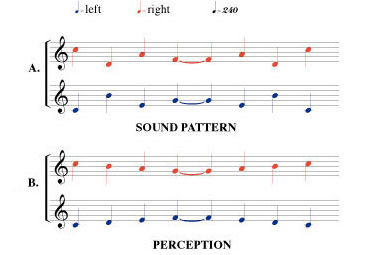
This follow-up to a 2013 roundtable explores the body's role in musical experience, its perception and cognition, building on previous discussions connecting music and emotion. The event brought together artists and scientists for interdisciplinary dialogue.
Speakers


Watch
Media
Related Roundtables
Transcript
This roundtable, the second in the Music to Whose Ears series, focuses on embodied cognition and music. The panelists, including musicians, composers, neuroscientists, and philosophers, explore how musical experience is fundamentally rooted in the body rather than being a purely abstract or intellectual phenomenon. The discussion examines how spatial properties of sound, physical environments, and bodily responses all shape our experience of music in ways that purely cognitive or formalist accounts miss.
Key themes include the evolutionary origins of our responsiveness to sound, the neuroscience of improvisation and flow states where executive control is relaxed and bodily knowledge takes over, and the social dimensions of music-making that require real-time coordination between performers. The panelists debate whether music's meaning can be captured in formal analysis or whether it necessarily involves embodied, emotional, and spatial dimensions. The conversation also explores how tuning systems and temperament reveal that slight physical imperfections contribute to musical richness, and concludes with reflections on how music dissolves individual boundaries and may support cognitive health through its deep engagement of embodied neural systems.
Show discussion topics
- 00:00:06 Welcome and announcements of upcoming Helix Center programs, followed by introduction of panelists studying embodied musical cognition.
- 00:07:22 Introduction of Tristan Perich's one-bit electronic compositions and discussion of how minimal sound structures create powerful musical experiences.
- 00:14:44 How perception of music relates to perception of visual art and nature, and understanding music as a bodily experience.
- 00:22:04 The spatial dimension of sound and how the physical environment shapes emotional responses to music.
- 00:29:22 Roger Scruton's aesthetic philosophy of music and debates about whether music's meaning is purely formal or deeply embodied.
- 00:36:43 Music as something received rather than self-generated, and the phenomenology of listening versus performing.
- 00:43:55 Evolutionary perspectives on sound, alertness, and the primordial relationship between humans and their sonic environment.
- 00:58:27 Music as a fundamentally social activity involving group synchronization, and the Gestalt psychology of musical grouping.
- 01:13:02 Tuning systems, temperament, and how slight imperfections in pitch create the richness of musical experience.
- 01:20:17 The neuroscience of improvisation, flow states, and how relaxing executive control enables peak musical performance.
- 01:42:13 Music's capacity to dissolve individual boundaries and create awareness of non-singularity, plus implications for cognitive health.
Show full transcript
00:00:06 is this on welcome everybody I'm Rob penzer I'm the associate director of the Helix Center and uh thank you for for being here today I want to make a few announcements before I introduce our participants today on Saturday February 7th the sublime experience we'll have Amir axel mathematician and author of The celebrated format's Last Theorem Paul fry the William Lamson professor of English at yel Alan Richardson professor
00:00:39 of English at Boston College and Sandra shap associate professor of philosophy at Indiana and Bloomington then on Saturday February 21st Particle Fever The Quest it will be uh both a morning and afternoon program we'll be screening uh the film Particle Fever mark levenson award-winning 2013 documentary for which Helix Center executive committee member Carla Solomon was a producer and it tells the remarkable story of the Monumental
00:01:10 search for the higs bosen the elementary Force particle that was predicted by the standard model of particle physics following the uh morning screening in its entirety we will have uh at least one round table were working on the possibility of two but among uh the participants U producers Carla Solomon and Andrea Miller will be joined uh by Alberto mangel Canada's most distinguished man of letters Lisa Randall Harvard theoretical particle physicist and cosmologist and Jean
00:01:41 Strauss the Acclaim biographer of Morgan and others and director of the New York Public Libraries Coleman Center for Scholars and writers then on Saturday March 7th we have apprehending Consciousness among the participants are David Chalmer Professor philosophy and co-director of the center for mind brain and Consciousness at NYU and Pete Hut professor of astrophysics and head of the program for interdisciplinary studies at The Institute for advanced study and then Saturday March 14th we'll have a program on curiosity at which
00:02:12 Alberto mango will again distinguish Our Round Table so watch for further announcements about those now on to today's program one of our participants uh is coming from upstate and had to dig out of the uh the snowfall so he'll be joining us um shortly we understand but as I say your name if you can raise your hand so uh the audience members uh uh recognize you nacho Armani Armani is a master ethnic percussionist multi-instrumentalist and composer
00:02:43 currently based in New York City his music career began at age six as a classical piano student and singer with the Spanish National choir and Orchestra and he now works as a producer performer therapeutic musician and educator Beyond his early classical training nacho has studied traditional rhythms from from around the world specializing in North African and flamco rhythms he has a degree in pedagogy and philosophy from the Universidad comp plut de Madrid he has taught classes at many conservatories and universities and is a
00:03:13 faculty member at the New York open Cent Sound and Music Institute he's developed drumming programs for incarcerated women and juveniles Rhythm and Tempo based groups for children with pervasive developmental disorders as well as adapted live percussive sound for clinical use in pediatric Therapeutics his Innovative technique of Elemental sounds and rhythms is based on natural patterns of growth that promote brain function and body alignment his critically acclaimed first album silence light in 2007 with the nacho aramani World Flamingo sex T was counted one of
00:03:45 the 10 top jazz albums of the Year by all about jazz he's performed and recorded with Lion Luke if I'm saying his name correctly Liz Wright and Angeli hijo among others he has composed produced and performed the 2014 end time a 9 CD rhythm-based music listening therapeutic method to improve brain function in collaboration with Sheila Allen and Advanced Brain Technologies Edgar Cheri is Professor of Applied Physics at the mechanical and aerospace engineering department of Princeton University and Associated
00:04:16 faculty in the department of astrophysical Sciences program and plasma physics he's also director of Princeton University's engineering physics program and chief scientist at the University's electric propulsion and plasma Dynamics lab for advanced spacecraft propulsion he's the president of the electric rocket propulsion Society and also director of Princeton's 3D audio and applied Acoustics lab the profile of Edgar by Adam gnik appeared in the January 2013 January 28th 2013 New Yorker music to your ears the Quest for 3D recording and other mysteries of
00:04:48 sound in which he was described as quote a distinctly modern type engineer aete unquote VJ a a Grammy nominated composer pianist who was described by pitchfork as quote one of the most interesting and vital young pianists in jazz today by the Los Angeles weekly as a boundless and deeply important young star and by Minnesota Public Radio as an American treasure he was recently named downbeat Magazine's 2014 pianist of the year a 2013 MacArthur fellow and a 2012 darus
00:05:19 Duke Performing Artist the New York Times observes there's probably no frame wide enough to Encompass the creative output of The Pianist VJ a he's released 20 recordings most recently for the ecn label these latest include mutations featuring his compositions for piano string quartet and electronics r r am I saying that correctly brother uh writs of Holly a silent film by prashan barava uh with his uh score performed by International contemporary Ensemble and
00:05:49 the forthcoming Break Stuff featuring The VJ a trio held by pop matters as quote the best band in jazz quote in 1999 uh 1998 VJ received an interdisciplinary PhD in the cognitive science of music from the University of California Berkeley his dissertation subsequent research and creative work are focused on embodied music cognition he's published articles in numerous journals and anthologies and in the forthcoming Oxford Handbook of critical improvisation studies he is the Franklin D and Florence rosenblat professor of
00:06:20 the Arts in the department of Music at Harvard University VJ Trio's new album Break Stuff is out February 10th Mar Ina carova cran is a professional pianist and scholar in music cognition her research is focused on emotional responses to music and on the perception of melodic transformation currently Marina teaches music cognition at turo college and she performs regularly as a member of Union City Chamber players and is the author of books and scientific papers um her
00:06:51 latest book being music as magical journey the story of tonal gravity melodic objects and motion in tonal space which makes a friendly introduction to the science of Music Tristan Parish who is on his way is a composer and sound artist whose work is inspired by the aesthetic Simplicity of math physics and code Wire magazine described his compositions as an austere meeting of electronic and organic one bit music his 2004 release was the first album ever released as a microchip programmed to synthesize his electronic
00:07:22 composition live his latest circuit album one bit Symphony has received critical Acclaim the New York Press calling it Sublime and the Wall Street Journal saying its oscillations have an intense hypnotic force and a surprising emotional depth his award-winning work coupling one bit Electronics with traditional forms in both music such as his work active field and observations and visual art in his machine drawings and microtonal wall has been presented around the world from sonar and rs Electronica to the Museum of Modern Art
00:07:54 and bit forms galleries without further Ado our panel [Applause] well I'll ask a what sounds like a stupid question but um I would be interested to hear what my fellow
00:08:27 panelists would say if I asked what is music because I don't really know if there is a stable definition of it there is no uh this is the most amazing art and for me uh and I'm a professional musician and scholar in music cognition music is a sorcery it's a magical thing we can learn about the foundations of music about the elements of Music the sources
00:08:59 of music but why music affects us so deeply and what ways music is able to deliver not just emotions and they're not basic emotions they're complex emotions and even General ideas this is still um it's a magic uh and the most amazing thing about music is it's accessibility everybody understands what music is and music is able to reach everybody it's a
00:09:32 truly universal language that has no uh barriers it affects everybody uh people with no music education people with no musical training people of different cultures are able to understand the heart of Music even when they listen to Exotic music and my own research shows that people with no Musical training not only know and feel with great Precision the
00:10:04 most important elements of music but they also are able to recognize musical styles some esoteric knowledge from music U musicologist um if I was asked to give a definition what is music kind of VRA definition I would say music is a distribution of per perceived tonal tension along the era of time Artful
00:10:35 distribution you said perceived tonal tension yes uh because perceived tonal tension it's the main morphological principle of music and it's so primitive that it it's exactly this primitive nature of Music communication that makes music available for everybody um and we we feel tonal tension on the
00:11:06 level of muscle responses it's they visceral responses they subconscious they intuitive responses we don't need to be trained we just need to be born into human society and have normal hearing we don't need special training to understand the language of music and the foundations of uh um melodic elements of music that in the physics of sound this is another important thing
00:11:37 that we are dealing with just direct inter intersection of the physics of sound and uh human neurobiology and of course it's a cultural construct available only to people just just to we started with DJ's question what is music uhhuh sorry I'm good um hi everybody um are we kind of all offering
00:12:08 our answers um gosh well I'll give it a shot um um I mean I guess if we take for granted the perception of pitch then we're talking about higher level things like the organization of sound over time and rhythm and these things that probably we all respond to in a variety of different ways I think that our perception of music comes from
00:12:38 a lot of different interacting things some are social some are physical some are um um more cognitive I'm sure and some are just purely aesthetic whatever maybe it's that's something that's what I took of from the last part of what you're talking about but I might be misinterpreting it um but one of the ways that at least I interact with music a lot and and and where the music that I write comes from is finding this intersection between um
00:13:11 simple patterns things that we can understand on a um on a very basic cognitive level um things like repeating structures um simple rhythms simple Melodies that build up into forms that are more complex than those parts but they're are nonetheless based on these very simple ideas that we can understand and and part of that for me is that that is a is Taps into the part of our experience
00:13:41 of the world where we are attracted to things that we can understand and so an example of that is like if you learn about biology then you can understand how the animal form can grow from some simple biological rules or if you understand physics then you can understand you know um um the sort of more basic ways that the building blocks of of of nature form
00:14:12 complex things and and we find beauty in that Simplicity I think we can connect on a sort of profound way and clearly I'm just jumping in because I just ran up from the car but um I think we can connect to these these these things that we can understand in a different way than just a something that's more aesthetic or more resonant I think that like when when we can understand something when it gives us something to latch on to then we can find some sort of Beauty in that um and that that is true in a lot of different
00:14:44 art forms and how we see nature but also true in the perception of music I would think I think I just brought up too many different points there but well for me um I see and I understand music like a multi-dimensional experience for me music is an experience which is really really hard to to record we do that right but we know unless we develop threedimensional or IM immersive sound that music engages so
00:15:16 many different levels of the human being right and the most important thing as I'm saying is it's an experience really hard to to reproduce again engage in different parts of the of the brain different parts of the body with resonance the brain with entrainment just to these two simple basic principles of music right resonance like vibration that isn't really engaging the body in every cell of the body and ENT training entrainment engaging uh the the
00:15:47 brain right so these two elements for me are the most important thing if would talk about more like principles of sound resonance and and entrainment but For Me Above All music is a tool for transformation is is a tool is pure technology that has been used for thousands of years in different communities of the world as service to the community for for challenges for really really go
00:16:18 through daily life why because all these principles right but music is been in in cultures through the very very first thing sound basic before music is what I want to talk about is is is the source of Life Sounds promotes movement sounds really creates vibration and we are vibration we were discussing in at lunch is like our Fair relationship with the with the world when we were nine months in the womb of the mother our relationship with the
00:16:50 world is through sound is through vibration so that's how we codify emotions that's how we codify language and information and it's really interesting because if you pay attention when we were in the womb our ears are PL so how we perceive sound we perceive sound through vibration through bone conduction sound and then I'm going to do a little experiment with you if you can I do it sure okay so does anybody can hear
00:17:26 this can you listen can I do something with you do you mind if I put this on your head all right are you sure okay so let's do this now anybody can hear this all right can you give us the [Music] tone how is that
00:17:57 possible because because sound moves through our bones and through vibration sound and through our bones connects directly to our inner ear which is you know what the ca is one of the first first first things that is developed in uterus to to to get information through through life through sound so this is we are vibrational beings and through vibration We call we codify life so just just to remark these
00:18:27 principles but remind this remind also this cultural effect of sound for communities How Sound and Rhythm has been always there as a tool for the communities to transform and go through daily life processes that why how I understand music uh I should confess that I don't have the faintest idea what music is um on a fundamental level and um I have even a
00:18:58 problem a line between perception of sound which is you were describing was primordial uh activity and music itself and that line seems to me very culturally conditioned what what is a a simple tone for you could be music to somebody else what is a coral tone singer in Arabia could make somebody run out of the room that could charm somebody else so so uh these are all I find uh the line shifts so so much that
00:19:30 from a scientific level I can give a definition which is almost benile that uh music is a sound that gives someone pleasure to some extent moves you and that's really not very pregnant doesn't tell you much but uh only then I can have a definition anything beyond that is so culturally conditioned so complex so beautiful and so powerful and that um it it it kind evades pointing as a definition I'm
00:20:01 particularly um Enchanted or terribly interested in how humans interact with the spatial aspect of the sound and it's interesting because we experience sound on a daily basis not just as pitch uh Rhythm Melody extent in time repetition so on tber we experience it as loc uh it's localized in space somewhere or moving in space somewhere yet it doesn't as in music because we
00:20:31 have limitation in performance we cannot make violin fly around the room so this seems to be a limited uh extent to which space specialization has been used in composition to give you an example of what I think why I think um spatial aspect is terribly important in music and one component that now with technology can be for the first time really used as part of the plat of the musician imagine imagine waking up in the morning nicely to the sound of a bird song right
00:21:02 outside your your window very nicely we all love bird songs and composers wrote great music based based on bird songs so that's one day now imagine the same exact experience the same bird the same Melody and the same uh Ling wake up that you go through except this time the bird is inside the room with you and it would be very unnerving cuz first your mind tells you from the Reverb from
00:21:34 the Acoustics of the room you know right away your brain knows that way there's a bird trapped in the room so there's an anxiety being trapped with a wild animal is not something even even a bird can be threatening so on one one day the experience is that of M musical experience that's Ling that's very um comforting on the next day with that the bird trapped in the room the spatial um aspect of the sound which is the only thing that has changed can be
00:22:04 terrifying can can create anxiety you have a bird trapped in your room so I'm I'm very interested in how spatial aspect of the sound can tremendously color your your uh um connection or or your experience of of the musicality of the sound and I'm very interested I'm not a musician um I'm a scientist I'm I I study the interaction of humans with with the how humans perceive sound especially how humans perceive the localization of sound and I'm very interested from sitting among musicians
00:22:36 to hear how if I give you today a a technique where you can uh project sound anywhere in space and play it back for your listeners anywhere in space um which we can do almost right now for the first time using Advanced Computers and and Technologies how would you use it as a musician so that's the next question I want to put around the table um as musicians how would you use such a pette such a such a tool imagine the entire space is now your canvas so you're not limited to
00:23:07 just pitch Rhythm um you know Melody and so on but now you can say I want a violin to come from Infinity come whisper in my ear fly off and then I want somebody to uh to whisper my other ear a song as opposed to sing always from a speaker in front of you it's funny at least for me um that's something that I'm specific specifically not trying I'm trying to do the opposite of that in my own work I'm trying to make us very aware of the Sound Source as a point in space coming from a
00:23:37 physical material so that if you play a note on a a pitch on a violin that we are as listeners very aware of this bow this string vibrating in space as bowed by this hair of this bow with a little bit of friction and the Resonance of the the body of the violin amplifying that sound and spreading outwards from a location over there coming towards us and but there is specialization in this home right but it's it's it's it's um it's one that's
00:24:08 extremely explicit and very direct and very much tied into our experience of sound like you like you said about that we typically think about sound as coming from points or when it's from the ocean we kind of think of it as a spatial thing but still very much delineated in space and and um for whatever reason and this is just me and I'm I'm I'm not meaning to close off your inquiry at all but um I'm interested in this sort of um
00:24:41 separation almost a separation that just makes us more aware of what we're experiencing this kind of um I guess it's the idea that like um the piece of music for me is and this is why I think live sound is so important as opposed to recording in for instance is that the um the piece of music is an experience that's unfolding by the means of physics and space with us as the listeners and our our um experience of of that music is very much
00:25:12 tied to the sound production in space would it be fair to say that in in a sense you're um your one bit uh music sort of underscores the um the aspects of the embodied music cognition by disembodying it in a certain sense well um yeah I should say I work actually a lot with electronics even though I'm interested
00:25:44 in acoustic instruments but the way I work with electronics is very lowlevel I use this like one bit wave forms which are just on and off pulses of electricity that make the speaker membrane move in and out like this and cre sound and it's a very very primitive approach to electronic sound and um a lot of that is to make us aware of the speaker as an instrument and I would call that embodied and I'd even maybe go step forward to make to
00:26:15 say that it's trying to make us aware of how the electronics are even working that um the more we can see that system as something very mechanical and physical the less magic it has and the more we can kind of be connected to it experientially um but that's that's really just just my Approach which is this very kind of concrete approach um but but in in experiencing the sound
00:26:45 um The Listener is uh listening the sound that has been reflected off surfaces around him or her reaching their ear so the the Reverb is part of the experience right but that's what I'm referring to this being able to control that or use it as part of your plette I know actively you not when you compose the one bit music but AR um to what extent you you feel that the uh entire spatial aspect of the reproduction is important to the listener yeah well very it's very
00:27:16 important but for me that's an aspect of the performance of a piece of music in a space space and like us in this room hearing our our voices that's very important for acoustic music reproduction is to reproduce the Reverb of a room and when you have a 3D audio technique to do that uh you can then create the illusion that you are in real space or actually produce a real space right which for the first time now can be done well it's really inter interesting because uh um my approach to music is always from Traditions
00:27:46 traditional music but always Music and Sound happens in space always always yeah I I want to tell something about the space and music um so on one hand we are dealing with Acoustics and acoustic is about vibration in some medium it could be air or water it could go through metal through bone and this is the basically space of Acoustics of the physic of itself but when we are talking about
00:28:18 music as we all understand so this is a which means something which is made of Melodies and harmonies we discuss very different space it's a space of tonal relationships and it's it's kind of very very separated from acustics because you can take the same Melody let's say Mary had a little lamp somebody could start playing it on violin and other person would finish it singing so the uh Timber
00:28:49 is different uh it viin could be on a radio and somebody would finish it on the street so physical space is different but but the melody is the same it has it's an object it's a melodic shape which can be divided between different players and it can be produced in different spaces but still we feel it as something United because this melody exists in tonal space and um not long time ago there was a uh very
00:29:22 interesting uh book written by um very interes in person by conservative philosopher Roger scrutin who um the book has named the athetic so music Roger Scruton he is not only author of U more than 40 books mostly on philosophy he's a Conan philosopher uh but he's also a composer of two operas uh stage in prag so in this book he uh reminded about so-call uh a cosmatic
00:29:54 space this word came from ancient Greece aticus uh that was the name for the students of pagas pagas used to uh lecture from behind the screen so not to um uh uh distract their attention so they were listeners who listen to them so when we listen to music we listen to shapes to ideas we go into this special space which transcends
00:30:27 acoustics it's not just uh sound production it's not just sound events those sound events that they came together into Melodies and harmonic sequences thanks to Special Forces forces of tonal attraction and what is amazing about music it's it's actually a fantastic thing about music that in music we are dealing with phenomenal space of tones or phenomenal
00:30:57 gravity because the main thing about tonal system of reference which is just musical scale that the tones differ in uh in their frequencies and this is acoustical uh characteristics but they differ in psychophysics they differ in the degree of attraction to tonal center it's very easy to [Music] um uh to illustrate may I have have a go to the
00:31:28 piano just one second to make it everybody [Music] clear didn't know there was [Music] is this is unable [Music]
00:31:59 this is in we have just seven basic elements 2 3 4 5 6 7 eight just seven basic elements all the incredible wealth of music that we know today is made just of seven basic elements and they I repeated again and again because space of music is organized cyclically it's the same seven names this is how we got 88 keys on the so playing with just seven um notes
00:32:32 basic elements we are able to create incredible compositions incredible structures and we feel Motion in music because we have stable tones and unstable tones this is unstable this is [Music] stable so all we have in music it's a plain with tonal attraction we are within the
00:33:03 field of tonal gravity it's gravitational forces and this is so simple to perceive that music is available for everybody already uh newborn have different pattern of brain activation for dissonant and consonant already two months old recognize that this is Pleasant to the air and this is not we are born with
00:33:35 musical expertise and when we listen to music it's tal space I guess I find this particular um construction uh to be pretty specific to Western culture and uh even the uh you know the idea that music comes from only the interaction of tones uh and tension and release in that
00:34:07 particular way is very much a product of Western culture and Western thought and um I think you would probably agree and perhaps you would too that uh uh there are a lot of other ways of putting music together and also a lot of ways of experiencing music um I think uh what you're calling dissonant um it was to Hidden um it was less dissonant to mozar and even less
00:34:37 dissonant to Brams and certainly not really dissonant at all to someone like sherberg and there's also the possibility of incorporating a certain amount of um tension into what you might call a sound that produces pleasure which is how you just Define music um so uh in the same way that with food we can accommodate a certain amount of bitterness in the
00:35:10 course of a meal like if I you know if I had a shot of espresso which I just did I mean I had um even though I'm not acting like I did but I did um uh you know it uh that can be measurable too uh this thing that we might perceive as tense is actually useful at moments uh and I think also stability is relative I mean if you listen to
00:35:40 Blues it has dominant chords as stable entities you know um and if you listen to someone like felonius monk he uh will incorporate roughness that like the auditory experience of tones rubbing against each other as part of the aesthetic you know and that can be um we can tolerate a certain amount of roughness and in fact even enjoy it uh in the course of musical experience um I guess I've been you know
00:36:12 I still am thinking back to my first my opening question because um I've been trying to see if there's a way that we're all talking about the same thing and I'm not actually sure that we are yet um uh it's not we don't even have to exactly but um uh but my I suppose in in particular we've been talking about music as something that happens to us or that we perceive or
00:36:43 receive which means that generally it seems that we think of music as not our own doing but somehow coming from somebody else um and so I guess I just think back to um well a friend of mine uh Gary Tomlinson he's a professor at Yale and he has a book about to come out I think it comes out in a week or so called musicing the first million
00:37:13 years and as you know we as a species are only a tenth of that in terms of our own you know the amount of time that we've been on this planet as Homo sapiens so what could he possibly be talking about um and uh this these are the kinds of questions that I I'm interested in because if we're going to start making assertions about the cognitive universals of music like that everybody in the world hears something as dissonant or something like that we have
00:37:43 to make sure that um we're really talking about everybody in the world and for me it makes more sense to start from the opposite end which is um what must it have been like to be not yet human for example but find yourself walking um early hominids you know every when when you go to the Museum of Natural History the sort of canonical scene of early hominids or it's a little
00:38:14 nuclear family walking through the woods or something like that right so just imagine that experience and imagine that you start hearing each other walking and sink like you hear the foot steps starting to synchronize and then um could that be the beginning of what we're calling music in other words is music actually come from not just sound of anything but sound of us because that to me is what makes the
00:38:44 most sense if we're going to talk we're going to even use this word which is a very fuzzy word and uh I mean for me the biggest problem is I don't know where Music Stops you know if we um um say it starts in a certain place like it starts with sound or it starts with um tonal gravity or it starts with rhythm where does it end what's the other side like is is there a is there is there uh a an is there an experience that is
00:39:15 not music and that is actually there's no answer to that because it's entirely a cultural decision about what the boundary of this thing that we call music is in fact it's bound up with our name for it you know we say this is this is music but the other thing it's bound up with is that we in the last 100 years have gotten used to receiving music without seeing it so basically we have it in our midst like in everyday life the equivalent of
00:39:46 acousmatic Music which is what we call recorded music you know and that's only been around for 100 years and if you think about musicing for the last million years the last even 100,000 years that human have been here 100 years doesn't make doesn't have any significance evolutionarily speaking so we evolved to something that we were before we had recorded music which was to hear each other making sound right not just to hear sound in general but to
00:40:16 hear each other that's what we're really good at doing I mean we've evolved to be really good at hearing each other we can hear footsteps if I hear footsteps I can tell if it's a man or a woman most most of the time I mean that's statistically true that most of the time you can tell and in fact that's so true that um when people audition for the symphony they also audition behind a curtain and not only that but they put a carpet down so that they can't hear your footsteps because um it was found that um people
00:40:48 who you know uh decide who's the best in these auditions where somehow being implicitly sexist uh so they actually conceal gender in order to get the best players so that's how good we are at hearing each other that we can hear properties of somebody's body just by hearing them walking for example and we're also really good at hearing our environments U of um my
00:41:18 um graduate adviser W had a moment in the early 70s where he got to hang out with Stevie Wonder and uh at the time time Stevie Wonder was making inter Visions or a talking book or one of those albums and uh so my my friend got to go with Stevie Wonder To The Head of what was at the time Columbia Records which was at the top of the Sony building and they rode an elevator up to the top floor and you exit the elevator into
00:41:50 this pyramid shaped Atrium so Stevie Wonder comes out of the elevator and he says he just stood there for a second he said there's something up this room it's like the walls are triangular or something like that so that's how good we are at hearing space you know hearing um the space around us but that's partly because we've evolved to uh perceive each other I want to touch on many
00:42:22 things I feel strongly about and mostly agree very much what you said one thing you mentioned early on when uh commenting on Marina's little experiment U is the fact that what we perceive as something like say unstable or atonal can evolve taste-wise can evolve across even the same cultural temp going from hi to shenberg but also can as I said earlier can evolve cross culturally it could be something dissonant and and nice but there are it turns out According to some recent research um
00:42:53 some very very Universal uh feelings we get from some sounds which are almost common to all of us what have to do with our Evolution for example it's been shown by recently with research on how we interact with re ration dat Reflections that if uh if I take if I give you headphones or if I can simulate simulate 3D sound from speakers and simulate the sound of very early Reflections in other words I make a click and make you s make it sound as if it's coming to you very uh early from
00:43:25 U the reflections come to you here very early you would be very anxious all of us would be very anxious almost almost 100% of subjects feel anxiety of some sort because that simulates the sound of what happens if you trapped in a corner and your brain knows that this is as as a humans have to evolve uh and getting away from danger that we are trapped now uh if I take you into anic chamber um and I have one in my lab or if you go ano chamber or or similar if you stay in the wild in the in the open there are no
00:43:55 Reflections and there almost all humans have a sent of um sense of um uh enhanced alertness or you know intense alertness it has to do with the fact that we are exposed to Danger we don't get any Reflections that means we totally open so Halls are designed to have just the right amount of Reverb um what I'm what I'm getting to is something you touched on is that where is the limit of what what music is if I Define music as b as uh simply simplistically as I designed it earlier which is a sound that gives us some kind
00:44:26 of feeling in or emotions or pleasure then it seems to me the limit is almost nowhere it's it's almost to the point where even Reverb by itself can can just the Reverb of this click in the room or in the open can give us anxiety all of us or give us can give us pleasure and I found that tremendous that we have these fundamental mechanism probably have to do with the fact that we have to survive worry about Predators coming at us and feeling trapped or not trapped absolutely we react to auditory stimuli that's that's true art just I think we
00:44:58 are discussing what music is and uh there are different directions for example there was music byas which was very popular to recently and uh he used random numbers to create something really interesting and some of his Creations are very beautiful but this is not exactly what we would tell name music because still today we understand music something which is made of Melodies and harmonies something you
00:45:28 would sing to your child or recognize it familiar Melody and music really gives people pleasure by the way music activates biological reward pleasure um uh nuclear cumbus which also react to sex and food even sad music because it gives us pleasure even zakus uh he used yeah random numb stas no I'm asking you does zakus give us pleasure uh I found it interesting but
00:45:58 that's not what I'm asking you I'm asking you just made I don't know nobody still did research I think I think what happened because I was beaten by a um a scientific bug so I'm looking for precise data so when uh when we're talking about melodic universals and when I say the the universals I it's not just conjecture it means that people around the world recognize otive which is which is the first overtone of harmonic series and an artive till just
00:46:28 thousand years ago uh was sometimes substituted with fifth Quinta which is the next Overton my point is that melodic elements are defined by the physics of sound if you have two harmonic series two different tones which have the beginning of the harmonic series overlapped the strongest overtones overlapped they perceiv as dissonant most likely it's related to the neuronal cost of processing it's easy to process it makes this uh event
00:47:00 Salient and also another thing can I just add um when you ask someone do you perceive this as dissonant even in a scientific setting there's already culture around them that figure out what that even means yeah but active is not culture active is active around the world even for Australians that do not have Melodies I mean abous I don't want to be obnoxious it's just they don't have Melodies and harmonies that European
00:47:31 music has but they do recognize active my my my point is that melodic elements they are not ordered by somebody it's a discovery of human mind Discovery through our visceral reactions and as far as tonal tension and release um we know about music by uh shanberg and his students ber and BN who worked with 12 tone music basically they try to escape the tonal the dictat of tonal tension and in the music they used
00:48:04 Noble technique of pony they would take create a Melody made of old chromatic tones never repeating any of the tones So to avoid any tonal uh attraction any preference any hierarchy and they would work with this series they would invert it they use it in different um Timbers they would even collapse it nobody thinks those Melodies it's interesting music but when we talk about Blues it's still tension and release if you start to play for us we would immediately
00:48:34 recognize that this sounds less tense than this but Marina um yes if we if we if we go more than 500 years ago we don't have we we will not even talk about music about this in these terms yeah we will not talk in at any at any term we just first we just do it and that will be enough but what do you mean 100 years ago that uh what you're talking about is basic on a on um agreement of 100 years ago of western
00:49:06 music I don't think it's an agreement I think it's a discovery and let me because I'm I want to talk about the results of the studies it's my personal study in perception of tonal modulation which is discovery of European tradition it's it's quite sophisticated thing for music theories and it's nothing what people with Know music education what I found that people from different countries from around the world they listen to harmonic progressions that modulate to different degrees and they perfectly recognize there is no
00:49:37 modulation and in many many cultures and musical cultures yeah but my point is that a European tradition it's not an agreement it's a discovery that became accepted but okay that's great but it's European tradition but we have other continents in the world that create music and probably European tradition is based on all this music that has been done for 100,000 years ago let's say 50,000 years ago up today this is the the conservative estimate that music exists at least for 50,000 years so
00:50:08 perfect so then we have 15,000 years of music of doing it of sharing it of being in circles like this we have to pay attention how music was performed and for me this is the key because music was a part of the community perform probably always Circle for certain certain certain objectives to promote in to promote to the individual and to the community so first of all the music production and recording things is 100 years ago the stage in music for me is
00:50:39 the most unnatural thing for music stage and people you're not alone Glen did not like to perform on stage Rich did not want to be seen when he was performing so what what I think you you you you promote a great question what is music and this I agree we have to speak the same language because if not we are lost in Concepts and for me music is not even a concept we are trying to really it's a living tradition describe something that is that that has been existing before us
00:51:09 maybe sound has been before us and we just jump into this poles of Life of this vibrational field that then we as humans we start to pick up some elements from that and we just start creating music for what for me the question is We Do music for what but the key is that we do music for 15,000 years ago till now with just like a with that with that just one tone I can demonstrate here you know to really
00:51:40 complex harmonies because the human the human existence evolve as and then music evolve with it but we cannot just explain music as the as the last 100 years ago because because music is something that comes from Human Nature and I think really interesting what you're talking about is like what is about PS what is the what is this there is no Harmony here there's no
00:52:11 tonal progression this is pul this is rhythm we can discuss if this is part of music or not I think it's one of the elements of music but what is true is that in many Traditions ago this is a gour they were doing music with elements with each Community what do we have we have a stone we start creating PSE for what because maybe we have a pulse we can be together in a space and that will promote something in us maybe a sense of security maybe to dance because if we attend each
00:52:41 tradition has Rhythm for what is the Rhythm I wonder he um to almost go back to actually what you were talking about in terms of our our Pace our walking our steps and stuff I thought was so interesting because um it's something I've thought about before in terms of mathematics actually is that our experience in the world like as human beings is based how can I say this like walking is very intrinsic to us it's a dis it's
00:53:12 ordering time into these discrete steps whether they're even or uneven or whatever they're sort of Step Zero step one something might be like 10 steps away um and we also have our our breathing that's this discret like unit-based activity which is very different for instance than when you have like a bird soaring through the sky from One Tree to the next which is not sub in the same way we just subdivide our entire experience of the world which to me connects to Rhythm but then I was also
00:53:43 thinking about how maybe we can connect Rhythm and pitch in terms of just multiplying mult like multiplications of some event like if um if a fundamental tone is a certain frequency how we find multiples of that you know the overtone series or mathematical ratios of that to be pleasing or displeasing Etc um like this the the simple ratio is more pleasing more stable Etc that there's something true also about Rhythm that
00:54:15 the Rhythm you played for instance was very regular that was based on some sort of unit and that had these kind of like you know like U yeah meter it fell into meter that changed but like still like this kind of like grouping into some certain some number of elements or something and I think that that in both of these worlds like I think the evolutionarily clearly it's tapping into things that we that we relate to um and I think a lot of it
00:54:46 comes from our need to understand where sound comes from and to understand the the voice of your family um which is based on pitch and we need to know pitch I'm sure there's many so many evolutionary reasons for us being like attracted and to understanding certain sound um I don't remember where I was going with that um but I mean that starts to finally get to um the title of this this conversation right because let's talk i' be very interested to know from both scientists and musicians about
00:55:19 the you know the mind in bodily action I mean because you're describing something about the movement of of the body there's the the the sensory elements that you're receiving and what what about those aspects of of your experience of Music well you know I I go back often to um this quote by one of my favorite pianists his name is Cecil Taylor uh there was a film called imagine the
00:55:50 sound that came out in the early 80s and it opens with this line it's a you in an interview with Mr Taylor he says well to me what music is is everything that you do so he grounds it in it not everything you hear uh but everything you do so he grounds it in action um and of course our actions are you could say constrained in the
00:56:20 sense that there are only certain things that we can do with our bodies like there's only so fast you can walk you know you we don't walk at 10 Hertz we walk closer to one or two Hertz right per you know in terms of cycles per second right um we don't breathe uh at 10 Hertz we breathe at you know one or less than one you know half a Hertz or more like a tenth of a Hertz if you're meditating so these kind of
00:56:52 create these natural natural constraints on action which are temporal and uh and then grouping those actions like you say in ways that are either regular or not but that we can synchronize because you know I guess for me if it's about everything that you do um who's the you first of all it's all of us right so it's everything that we do together as well which means like
00:57:23 our ability to synchronize our actions which is so fundamental to music making and music listening is that well um the fact that we can actually generate a pulse and then have everybody clap that pulse together for example and then that we can sing in unison and these kinds of things I saw um this one paper this scientific paper about you know there's a lot of speculative Origins about music like why
00:57:53 are we even able to do this and one idea was that if I Clap by myself it's only as loud as I can clap but if we're able to clap in unison then it's suddenly twice as loud which means it reaches twice the distance which is four times the area which is four times as many people so suddenly it's this massive communicative leap because we can do things together we can reach more people and we can synchronize more um so that to me seems like it's so ground and us
00:58:27 doing things together that that uh I don't see how we can talk about music without thinking about it in Social terms it's really interesting when we were talking about also about grouping the PS which for me is eternal the PS is always there we just can open to listen to the PS but we are PS I mean our heart is pulsating but also there is something pulsating then how we organize the polls is the key for for starting to talk about which have the Cycles because that pulse is eternal K but then depending in
00:59:00 how we organize that pulse into Cycles then we're going to be able to breathe and and walk and through the breathe then for me Melody start to happens so for me this is like the the key of music is like this pose that is eternal that is always accessible and if it's if it's steady we can just create anything but then that cycle that we decide is going to generate the breath and from the breath the melody and that's it so then when we all stump
00:59:31 together you know you want to do guys like little experiment maybe doing something so let's just do this right so this is just like an like pause that is always right there right so as he said we just start for example like doing [Music] okay now we is how what is the cycle right so this is just you see how how
01:00:03 how fast we get into it without not even thinking about it you know but then if we start adding the melody just will be the way that we breath and I like to understand that each each country the difference about music is different ways of breathing is different we breathe you know and rhythms is each culture has a different Rhythm you know but I believe that also there is like a underneath the roots it is a common Rhythm and a common pulse that we can really all get together and really
01:00:33 communicate so maybe a better title for this would have been embodied cognition and embedded cognition in the sense that it's not only about the sensory motor of the individual but the social connection I believe that is a social absolutely cognition is embedded also in the interaction social it's a social it's a very interesting part of the social uh uh you know social um communication between humans that does not involve ideas actually One Thing music is miserable at doing which I find remarkable is communicating ideas
01:01:05 Stravinsky said m music is incapable of communicating ideas by ideas I mean something not like feeling or emotion for example let's take an idea um let's say child labor is AB Bor I can write a poem portray that no problem I can write a make a painting showing child labor some where in bowels of some Factory in in India and make you make you Revolt in in your feeling of Injustice I can make a movie I can make a but try to make a
01:01:37 symphony that portrays this the sentence child labor is abor is very hard let me ask you and I find that spectacular it it it it points to the visceral power of music what you are talking about you talk about none of us mention ideas by the way which I think is natural we don't think of music as a a little paragraph in the New York Times can portray more ideas than all of Beethoven's Ninth Symphony yet we all think you know not they are incredibly
01:02:08 powerful um you said something using your voice in Rhythm and with pitch and you then said that that wasn't music and so that is also that involves you having drawn a line about this is outside music me saying something is not music so you're saying that speech is not music and that to me is not so clear a distinction you're making a distinction uh about sonorous Human Action I'm using my early very
01:02:38 simplistic definition of music as as sounds which interact with us of course once you put speech in the middle then that line this is why I started saying I really have no clue what music is from the beginning and I I I divested myself from any any really good knowledge of the whole business especially in front of musicians but I I once you start putting um speech and tonality of course I'm making I'm using these but I'm talking can you imagine just using pure sounds how you can probably portray ideas especially if there's a cultural context but it's not the most efficient way of all of all forms I think that's
01:03:11 one I'm good middle ground is more code which is like using Rhythm specifically to encode information and I mean I think on a working level you're I I I do agree that there I don't want to get too caught up in this part of the conversation but I do think that there is um sort of like the absolute truth of what is music and I cannot argue with the op entirely open-endedness of that
01:03:41 um but I do think that um culturally in 2015 or whatever um on the upper e side yeah we can like probably there's a consensus about what music is and and written You Know spoken word does not necessarily fall into that which basically or at the very least we can talk about music that includes language or something that specifically has identifiable meaning and music that doesn't maybe we could at least not say that it's that's the only kind of music and at least for me as a
01:04:12 composer I am really not interested in communic communicable narrative through text and language I'm much more interested in abstract forms and stuff so my music falls to the nonverbal side of things um and that's one of the reasons I think I can even do like music at all is that um I'm really I really don't have much to say for the narrative side of thing but I think that's actually definition of music it's a nonrepresentational way of communication
01:04:44 this is why we even cannot compare it with morza because morza still gives you letters in music we have no recognizable images we have no words to translate we have nothing tangible we just have a flow of sounds organized inal relationships or it's Rhythm uh because uh in music like in conventional music we are talking about two Dimensions most important Dimension
01:05:15 it's time Dimension error of time it's Rhythm meter and Rhythm and tonal relationships and music can be without tonal relationships uh and it could be very effective as um uh natur uh demonstrates you can use different rhythms to influence people in different psychological State and produce different results and it's really spectacular well do do you do you think that music can get away from any kind of metap metaphorical representation I mean when you have
01:05:46 alterations in time and space or tone it almost seems that it it implies a certain metaphoric interpretation on some level and that how can you really get away it's it's not the same as using words but you know one tone might be higher than the other and this is going to create certain spatial metaphors in but it also maps onto something of again getting back to embodied cognition it Maps back onto bodily experience and
01:06:20 experiences in time and space yeah basically but this is what I tried to find in myud is when I measured people responses to different tonal tension to different tonal distances and the responses tonal distances were expressed in in a in a sense of perceived tension but also in sense of perceived brightness and perceived warm the thing Marina that's it's um I I I did not finish yet I did not finish so basically when we listen to music uh when we when we perceive
01:06:51 this world we either very comfortable and very relaxed or we we can be frightened we can be tense and we it's it's physical tension and so we can think about our life in general as sequences of tension and release uh like it's a very simplified terribly simplified explanation of music that music captures this particular aspect of living and basically gives us sequences of T tension and release that somehow
01:07:22 recreates emotion recreates our our living when we listen to music we live through music it's always in time it's tightly controlled in time we experience psychological state in time it's developing through those tension and releases through those synesthetic reactions warmth and brightness some music does something to us that makes us
01:07:52 live life in parallel it's a sorcery I I just like like I told you I was as an applied philosopher I looked into the V foundational music and I'm trying to give something tangible some explanation this is what I found with data yes um again chairman with him I think this cultural what is warmth and what is what is cold that is cultural because if we if we do an experiment with you know tapping into different cultures maybe we can agree on that but my perception for
01:08:23 example for me is a a seven a cycle in seven super stable nobody will say that a cycle in five for me is really stable and also for the brain but let me finish so brightness warmth tension Harmony those Concepts I don't think that really even Define music they do not they Define only melodic elements this is very important I'm not talking about global music perception I'm talking about where it begins like a single cell doesn't Define human
01:08:55 organism but we need to study human cell how it functions in order to understand how the organisms uh functions and as far as uh cultural constructs yes music is cultural construct but the same study the replic of it of my study was drawn in India with people who never had this experience of moving on different tonal distances modulations and the the results were the same I'm talking about subconscious precognitive perception
01:09:26 yes there is European tradition there are different Traditions but the studies show again and again that people capture the heart of musical message even this musical message comes from different cultures music is the universal language all other languages if if I start talking in French or Russian only a few people would understand me music falls into that category too I think there's a lot probably most of the kinds of music in the world are not
01:09:56 necessarily music to everybody at first listen um I for one listen to a lot of noise music that's built specifically on like um a richness of of harmonic overtone and and and spectrum that wouldn't collapse nicely into ratio into clean ratios at all and um you mean uh the folk music or invented music um I guess I I'm coming at it from Noise
01:10:28 music particularly maybe an electronic sound or about F music I only talk only only about living tradition something which was developed by people through real musical practice not the invention what happens in music and this is really fascinating uh yes there are all experimentations and the experimentations are wonderful because they give impetus for development of a new expressive means but there's also such things as Craftsman ship when you looked into if you look into the creations of yogan
01:10:59 Sebastian bah even his sons called him Oldwick like you know old-fashioned but if you look carefully in his compositions you would find polytonality you would have you would find hone scale you would find some amazing thing which we already seated and then developed as avanguard I am very much for avangard uh experimentations because this is what gives New Life to music what do you think about the sort of inherent um
01:11:29 problem in in Pitch between pure intonation like just intonation and equal temperament it's a fantastic theme it's Fant I I remember I was torturing well so just um I was yeah it's about right there are two approaches the tuning the sort of um natural one which maybe we often sing in which is frequencies being clean multiples and ratios of frequency to one another um but then in western music in particular
01:12:01 um uh for instance with the invention of the piano I don't know my music history so well but equal temperament is a way of um sort of pushing this clean mathematical representation of pitch into something that is more regular and that can be for instance transposed and um you got this idea of keys and stuff like that but um it it mostly lines up but it doesn't quite line up so it's a fantastic theme yeah it's let me give some foundation
01:12:31 for what we're talking about I don't know if you were finished with your remark well I was just there's there's this kind of inherent um divide between them you can either go one way towards this sort of pure world of sound which happens to actually be like what we natively sing in um and it has there's sort of so many things to say about it I'm not sure where to start exactly but um it's always built off of a fundamental frequency which is kind of like your your unit of time um whereas in equal temperament which is for
01:13:02 instance where the piano example came from um uh everything is slightly Out Of Tune so as to make it work but and they're pretty close so it mostly works for mostly works but but there is kind of like this fundamental problem actually want I actually want to change the I just want to shift a little bit speciically important just one minute just we you know we can always get back to it during the the question and answer period but you know we haven't had a chance to hear a little bit more about your acoustical research and I thought it was a very important Dimension to
01:13:32 bring in talk about my my parochial interest but but I think there is there is a a despite the you know the chatter so speak there there is a common I think we can all agree that it's a whole Spectrum U um from all the way from very culturally conditioned um perception of sound that we call music we can change across time as you as you said across culture and but there's also some I think also um U I think what you're saying has I agree with good part of it there's some
01:14:03 fundamental uh buil-in perception of music that has to do with our Evolution most likely so the whole Spectrum I don't find that shocking at all um I I I do think there are uh taken out of context many music can be abor can can really uh if you take a popular music of One culture put it in another even today despite the inter it can you know elicit uh you know at least boredom if not Revolt in some cases not so that it's definitely uh but I don't think I
01:14:35 don't see anything shocking about it also I added the fact that it's not particularly good at um communicating ideas that doesn't mean it cannot communicate ideas Stravinsky went to extreme said it can't it's incapable but I don't think it's the best way if you want to write an OP ad to write it in a Sonata form it's better to write it you know so so I think we all despite I think we all covering different same ground at the end but I'd like to ask another question that maybe changed the perception of the discussion a little bit in your own realm as
01:15:07 musicians uh what you find uh lacking in terms of uh um tools so to speak not tools I'm talking about but what is it that you would like to be able to do that you can do now I mean is there anything you reach I mean of course you all accomplished musicians and I've actually this morning I sat in bed and listen to to all of you and it was remarkable the the variety and tremendous Spectrum but um as musicians do you do you feel that there is a an
01:15:38 exploratory part of what you do aside from performance that you're reaching for something that hasn't been done or you want to do and if if it is so what what is it uh well I can say as an improviser um that we're always you know kind of make it our business to reach for the unknown I mean that's like the name of the game
01:16:10 um uh you know you can or in other words um what really transforms and what really communicates is um in that that moment in the in the improvisa of moment is somebody um or a group of people um on the edge of what they know um on the edge of what they're Masters at where you find it maybe
01:16:41 almost breaking apart to this space where you're not even sure if it's music anymore or you're right on that boundary and that to me that vulnerable place is the most rewarding aspect of Music um I mean I experienced it last night uh I really didn't know what was happening but I knew that we were all experiencing it together I mean everybody in the room and that is to me um so I guess I'm not really saying
01:17:12 like what don't I have because I am very fortunate to get to say I had that experience last night what you reaching for so you're reaching that moment improvisation Where You Are almost untethered from everything you've heard before and you're experiencing something new well for me it's terrifying to be a Pianist like you I mean for me if I if I was P like you sitting on piano I'm thinking of thonus Monk I'm thinking of you know every great jazz pianist before me and I'll be terrified that what am I
01:17:42 going when am I going to go from there except every good musician performance without this fear and you you said you do so by pushing yourself to an edge and and and I'm trying to to get a feeling to what that edge is about so what happens there when when you get to that point you know um the thing is that we've all been we've all been there I mean we're all improvisers I mean in the same way that we can debate until the cows come home if they ever do I don't know if people say that anymore about what music is we
01:18:14 can also have a similar conversation about what improvisation is and the more you examine that concept it also kind of melts away in the sense that well every everything we do is improvised except the things that aren't and that stuff we know like well oh they all did the same thing at the same time so they probably weren't improvising like they must have how do they know how to do that you know or you know but even that is an illusion that can be um you know like dancers use this
01:18:45 uh they do this there's a improvisational dance technique called flocking where you know if if you just follow the person in front of you and I started doing this then we all started doing this and suddenly it looks choreographed you know so that that kind of thing of like the fact that we can um just in the spare of the moment do something in sync or in Unis resonance res so uh uh you know um so another what I was going to say is that improvisation
01:19:15 is something we're born doing in the sense that we're uh you know it's how we explore the world it's how we come to learn learn about our environments just how we learn to do everything it's how we learn to talk how we learn to eat you know I mean very B how we learn to walk is by a lot of stumbling around and eventually finding a path you know and that's really um to me we're always doing that um so that's a very Primal experience
01:19:46 and so experiencing that in the course of performance where you know you you develop all this Mastery at these different instruments and stuff but then you also take yourself to this point where um this uh the the um the sort of uh ideas side or the kind of intellectual side or the um uh deliberate side of you like the stuff that plan the the part of you that
01:20:17 plans what to do next and when to do it and how to do it that seems to become relaxed it's almost like being Dr drunk actually when you Bally make a lot of bad bad decisions but uh um it's sort of like having no um well Charles limb you may you guys may know about his work he uh did MRIs fmis of people improvising which is a very strange thing I mean they were lying down on their backs with a keyboard strapped to them and he had
01:20:48 the one controll condition where they played a memorized piece and another controlled another condition that they the the test trial where they were asked to improvise on a blues or something like that on a keyboard um so then he found that certain um uh cognitive functions are um relaxed like the um the uh self-guiding kind of um the the self-consciousness is basically relaxed and then you find
01:21:18 yourself just acting um so when there's a sort of unity of thought and action I guess that's sort of the thing that to me is kind of like I guess it's also been described as a flow State and that kind of thing I wonder if um if that that pursuit of that moment and improvisation that sort of threshold to me I see that as the pursuit of the live experience like the total liveness like being in the moment where the
01:21:50 future is in the future and the past is in the past and you're sort of like right there between them and I 100% agree with you in the improvisational context but I think that that actually is part of all of our experience even if we're playing a piece of music that we've rehearsed a thousand times like there's still no certainty that the next moment will be what was planned or will be something different and that is a fundamental difference between the live experience and the recorded
01:22:21 experience and going to the back to that the word body in the title I think that the sort of live experience is the presence of our body in this space you know listening to someone play music and not necessarily knowing what's next which is so fundamentally different than listening to a recording and it's true your CD player might die the next moment or you know things might interrupt the listening experience but the the um the expectation the sort of like state of
01:22:52 listening to a recording is one of listening to something that's already been like set in a record in a recorded form and like a archived form and that doesn't afford this uncertainty right but still it can give pleasure of course yes um I mean I recently found on YouTube um a little solo of U Johnny hajes playing all of me and I played it 25 times in a row and then I found somebody who crazier that than I am on YouTube who actually
01:23:23 reproduced solo on guitar note perote gando but is exactly the same so even something I think I know her you know he or she I think jackob turver is the name of the guitar but the point is um even something as oied or as Frozen as a recording done in 1934 1954 in Switzerland which was the case can be incredible source of pleasure and but I'm curious to ask this question on the other end of improvisation which is when something is superscripted even to the point of taking human out now John K
01:23:55 tried exactly to do that he took the I chain and tried to use take the human completely out and even the duration of the notes the pitch of the notes everything was prescribed by Dice and he obtain a composition of course when you play it you have all these uncertainties that you're talking about but how how can you then explain is the opposite end of the spectrum from from your improvisation for me that's really how do you explain uh the musicality of such a such a thing um as a musician because there is an intention M before doing it m there is an
01:24:27 intention of what why I'm doing this and what is my internal setting and that's going to affect completely the music but most of all the tone and the Resonance of what I'm doing so sometimes you can have the tone and we have the same toone on the same or the same solo but what is going to make that experience being different for you that are listening and for me that I'm playing that the intention of the player that's going to shift everything mhm so doesn't matter if it's improvisation yeah of is like abstract music what is
01:24:58 is for me sound is a container or music is a container a veicle so you put your intention there and then sounds travel and it's going to hit you and what is going to hit you is not even the sound it's going to hit you the intention which is information so maybe that's the language you were referring before well information not ideas I mean information exactly ideas or emotions you know uh yeah I mean you know a lot of contemporary composition in uh in the um I guess people who call them I mean I
01:25:28 I'm also a composer so I'll put myself in this category but people who call themselves composers um you know they're in the business of scripting actions for for musicians for for performers to then perform and become the sort of vessel for the composer's intention or will or something like that but what I find is um uh so a friend of mine Steve schik the first time I met him was about 20 years ago he was performing this piece called bone alphabet do you know this piece by global car vinco Global car
01:26:00 it's like what you were talking about but it's worse in the sense that it's uh he it's extremely intricate poly rhythms you know 7 over 11 over 13 stuff like that every bar is different he said he had to learn one measure a day for about five weeks that was all he did was uh put himself through this thing and it was like in the end though when I saw him perform it it wasn't about the composer it was actually about him it's
01:26:30 sort of like you're saying in the sense that he so fully embodied this piece to the point that it he owned it I mean it was his and the way he described it was that when he um is really uh popping when it's really popping like when it's really together there's this flow that he described as like yoga uh which is um and what yoga means is I mean the L the word literally means yoke in the sense of tie together and it
01:27:03 means tying together the mind and the body that's basically what the the meaning of that is so basically what he meant is that uh he feels connected you know this is really yeah about the body this is really interesting because I know about the title of the of the discussion about embod con condition so what I want to to what I what is lacking of what I want is to be United with Joga that's the the meaning of Joga to be United in body and mind I mean I my experience as a performer is like how I
01:27:33 can achieve my best performer performance and also in sync and jump into the unknown with certainty that I'm going to be safe is relying on the body it's really really is really getting out of my mind of what should be play now what is the next bar how this should sound it's like my intention is to jump and to jump with you and meet you there and I don't know what is going to happen but you know what happen when the performers even in a composition we create from that place the audience jump
01:28:04 with you because they really experience that there is a jump in the head jumping into the unknown and when that synchronicity some happens with with with with the members of The Ensemble is this this amazing like feeling of Unison and unity with something else that aligns your body and your mind and aligns the body in the mind of of all the performance and what happened next for me is the important thing because what I want to achieve is after that moment is
01:28:35 silence so what I want to promote you know with the music is silence because silence is a Stillness after all this movement that that sound and music has has provoked you for you to organize and change in your molecular level your psychology but the silence is that stay when we can really finally be different and reinvented and create it again and on that note we're going to open things up to the audience members I
01:29:07 would encourage you to uh state your name and uh please uh put your comments in the form of a question for uh the participants you can line up and use the microphone there don't be shy [Laughter]
01:29:40 thank you is this on yes yes thank you so much for your comments and all of this I just like to I've been tangling with these same questions for a lifetime and it finally occurred to me reading here and there that music fundamentally you know is emotion experienced and expressed in a different way a safe way and when you hear that I'm just wondering how you respond and people like Alice Miller the drama the gifted child for your own good she said emotion attaches meaning to experience you can't take anything you've learned studied or read it will not make sense unless you
01:30:11 attach an emotion to it and so music on two levels I just like to say real fast Orphus when he played his loot 2500 years ago Prometheus stopped having his liver torn out tanelus got of the the river and sto with the low hanging fruit and sisf his son and his his St his Stone and all the the spirits in Hades just sto their torment and torture and world all curring to hearing it how many thousands of young people have died hearing the drum and the trumpets in
01:30:41 military expressions for thousands of years so this whole thing about emotion being expressed safely through music but very little understanding and in India they say res an produces light we live in an in I'm I'm I would just love to hear any of your reactions to the connection between emotion learning and music thank you you know there's a uh French um Economist named jacqu atali did you ever read his book noise it's
01:31:14 from the 70s it's called noise the political economy of music it's really a landmark book um and he you know he basically he talks about the history of western music but as as an economist so it's actually about like um more social questions basically about why this sort of thing might have uh come about and one thing he said was that uh in the beginning at Le when Society started to organize in ways that
01:31:44 were that had music um that it represented a um RIT it was a ritual of control to combat the prevailing sense of Chaos in the in the world around us you know the sense of completely complete unpredictability here's a way where we can you know control ourselves control each other uh and uh work together do something that
01:32:15 is organized it may have been the first organized thing that humans ever did you know and it's a way of uh stay off that basically the fear of the unknown the fear of death the fear of you know Predators or the fear of whatever might befall Us in the next moment so it becomes this ritual of safety you know yeah I think especially the fear of unknown because if you're historically music we didn't touch on religion but um
01:32:49 historically until until now to a large extent uh music was in find in religion uh the secular aspect of music was a until recently was was a minority so to speak was was a relative Rarity so uh the fear of the unknown which is to my opinion as a non-religious person who respects religions is is is Central to religion and I think uh in that same vein I explain um the centrality of of music as an experience it's it's a
01:33:20 spiritual way of dealing with the unknown and this is and the best way to express religion religious thought uh one of the best an Central Way of expressing religious thought has been through music yeah and emotional component of Music uh both speech and music came from uh vocal production when we talk we always give emotional color if you start talking without emotional uh input the the speech would become very boring mechanistic so at some point in human
01:33:53 evolution the first signal in system the expression of pleasure of of Fred beated on symbolic representation language and music then melodic component of First Signal and system became used for emotional expressiveness um yeah and um uh in the uh in the model of trun brain by po Paul mle which it's the
01:34:24 model which was developed by Yak PAB uh the first layer it's our reflexive reactions to the world the next layer it's our emotional and understanding of our reactions to the world and next level is thinking about thought and it's clear today that there is no clinically healthy thinking without emotional impact so this is what music carries on its emotional
01:34:57 communication and it does it in a very simple way available for everybody but still is able to to uh deliver stunningly complex messages I'm also saying difference between life and death there there's always if we if we I think if we we see rituals around the world there's always music and why because music supports supports that processes in funerals you know in for example in in India in the
01:35:27 nursing homes you know the during the process of dying you want to be surprised because about culture you know which kind of music they put for when people are dying they're not using hard Melodies there a lot of percussive percussive sound really intense do you maybe believe that we here we will see that emotionally we want this kind of harp Angelic sounds they use a lot of percussion maybe because Rhythm carries the believe that rhym carries the soul and can go there you know and also you
01:35:57 know what being in Mexico also in in some rituals and funerary rituals when music is not just for the soul that is traveling it's also for the for the family that is around to be able to handle pain music we can we can rely on that structure that is provided through Rhythm basically and sometimes through Melody to really release and and balance our emotions you know and of and of course if we if we go around the world all the
01:36:28 prayers which is to connect to the unknown to really communicate are based with Melodies as always always just the voice praying you know so for me it's really really important that we just why if we look a little bit back back look to for traditions and rituals and see how they've been used in music because it's really basic melodies for me has been the prayers how the internal being the psychology or the of the spirit communicates with the Trans something transcendental and Rhythm promotes dance
01:36:58 and dance of the community and that's how with that tools we can really balance our emotions and go through daily life being able to go through the challenges because there are challenges and now in our Comm in our in our in our ages for me sometimes tension is really good because because tension matches the tension of the Soul so if I'm tense I don't want to listen like really like light music I want I love to listen a lot of jazz and when I compose a lot of tension because that is going to match my emotion and you know what music does
01:37:30 when you match that emotion without judgment and you are with that naturally with that tension what music does is going to come to a flow to a New Balance which maybe is release but sometimes balance is tension well these ideas are also very consonant with the uh the experience of the infant in the kind of call response with the mother voice that the mother's rhythmic touching and the intonations of the mother's voice also helps control organize and provide a
01:38:02 sense of safety for the infant to organize the infant's in coate experiences so it's all very I think resonant with the earliest experiences of of individual another question I'm Christina cotus I'm an English PhD student at cuni and thank thank you so much for this amazing um talk and in the interest of call and response I'm really interested in music as a conversation and when you had mentioned silence I got really excited
01:38:34 because I'm interested in this idea of regulation of breath and how in a conversation there's this desire intention for a response and um this like holding of breath to listen to the other side and this difference between listening and hearing and spirit and Bre bre have an eological history and I was wondering if you could talk since you're talking about time how um spirituality transcendentalism religion affects music
01:39:06 for example the difference between someone who believes in an afterlife and someone who doesn't whose time operates differently if time is a construct and music is social or socially constituted then how does our perception of time affect music I mean really this is really interest interesting is like when we when we create a cycle a measure that is going to affect completely the
01:39:37 breath so that is going to complete affect you the experience of the of the of the of the music so for example if I have a BS I used to compose rhythm with my fingers so it's really different imagine if I count in five 1 2 3 4 5 1 2 three four 5 one 2 3
01:40:07 4 I'm creating a cycle and you start breathing with me but if I do six one two three four five six now five you see that it's completely different and everything relates in how I'm I'm with cycle I'm I'm creating and that is going to completely guide you into into into a breath and that breath into a melody or
01:40:38 or a harmonic Rhythm if you are creating church that Mak sense uh I guess I'm going to um my experience in uh performance uh you know playing rooms full of people you know where we can all hear each other um and in particular we can hear each other breathing I mean as we actually can hear if we really listen and you know what I've found
01:41:09 is um my best sense of whether you know I make it U as a performer um my job to make sure I somehow reach everybody in the room you know um and if I don't do that I can tell like I can tell when that's not happening and I can hear it you know uh and there are moments that I've experienced where you actually hear everybody breathe together like really
01:41:42 everybody takes a breath at the same moment because music brought them to that it's a magic moment because it's uh somehow it's helping us synchronize our internal actions to that point you know uh so that to me is I mean um when we talk about spirituality it seems like we're starting from experiences like that like this sort of sense of the self kind of expanding to
01:42:13 Encompass others you know and suddenly we have this awareness of non Singularity and uh that to me is um anyway that's how I'll answer you say um I think that time and I'm not sure how I'm going to put this all together but time and spirituality are related in the sense of either being contained or being
01:42:46 open-ended and that is maybe grounded in our experience or grounded outside of our experience and I work a lot with electronics in my music and I program these very basic microchips to synthesize sound and they play alongside an ensemble um and so there's a communication thing there but um in one piece of mine I have the music eventually settle into a chord and it's
01:43:17 sort of a musical event you get to this chord but slower and slower and then that chord is progr pred to play Forever of course things like the battery run out or maybe you know it gets destroyed or something so you know laws of entropy prevent it from being from playing forever but nonetheless the gesture is towards infinity and that's I think more like a mathematical gesture and I think comp I'm bringing maybe too many ideas here but computation is sort of this embodiment
01:43:48 of mathematics it's sort of like mathematics in the real world and through computation or even a simple instruction like play this note forever you kind of gesture towards the infinite whether or not you can actually attain it and I think that that gesture is a gesture towards something larger than us in fact it's the gesture towards something larger than the universe probably we don't know um and to me that's maybe as close as it comes yeah
01:44:21 yeah you're pointing out the metaphorical power of music which I think is a we haven't touched on um you mentioned something about silence um in some music tradition sinus is very important in some other for example in Arabic and traditional Arabic music traditional Japanese music sinus can be integral part of a piece while like in gaic music if you listen to Scottish back pipe there's a drone going on all the time never going to stop it show you that there's a flow both operate have metaphorical I think arrows so to speak
01:44:53 that point to breath maybe to um salvation to to security and um they operate on maybe on a very mechanistic level but we find him very aesthetically pleasing if you listen to a drone going on same thing with the Contin in Baro music it has a function of giving you sustenance while a note that stops can give you you know Eerie feeling there if you go to crack out there is a um the a bell tower and everyone want hour there's a trumpet that plays and plays
01:45:25 this haunting beautiful trumpet theme and suddenly it stops every hour of the day forever since since the since the guy who played it was one time during the uh uh during the uh the um uh Invasion at some point in 14th century I think of Poland he was shot by an arrow and in the middle of his tone so to commemorate that act there is that tone every day for 1 hour and doesn't matter how many times you hear it the sudden stop of that tone
01:45:57 invokes you know loss so the metaphorical Arrow towards loss that plays on a fundamental level I think it's very powerful part of Music Ian I'm GNA give you the last question and before you get to it I'm going to ask maybe nacho there are some things you haven't used yet but we'll do that after the question I thought it would be a nice way to end the Round Table to maybe invoke a kind of communal experience with invoking him um maybe appropriate
01:46:31 in the setting to recall that Sigman Freud was famously non-musical and this is attributed to various things including particularly perhaps that he couldn't stand the sound of his younger sister practicing on the piano what I what I think this may illustrate for us is that music obviously is culturally determined but also psychologically determined determined by individual and group
01:47:03 psychology and I think perhaps it ties in what with what number of speakers have said that crucial aspect of music is the conveying of meaning by sound has to do with meaning so I'd be interested in the views of the panel on that um it seems that the music is the most um effective uh instrument of transfer of
01:47:34 very complex information in a very simple way because of the main morphological principle perceive tension and it's so primitive so simple uh this is how music reaches uh children with autism uh uh people with very bad Alzheimer basically gives them some kind of Sanity for a for a period of time helps somehow people with Parkinson to
01:48:05 to uh restore coordinated movement for a while and somehow also music helps to restore PE um speech in people with Brokers of fasia melodic ination therapy um it it's a very strange way of communication very very powerful that's true um and it's it also seems a very powerful way of prophylactics for the brain cognitive prophylactics we know
01:48:37 that children who are trained in music they gain few IQ point they B they basically related to short-term memory which shows on verbal on uh uh recall uh verbal included on numbers recall U it but now recent studies show that uh music training helped people in their 60s 70s even 80s even they if even if people start uh musical training a you
01:49:11 at the mature age studying musical instrument gives them cognitive Advantage create age compensatory mechanisms and it happens most likely because of multisensory integration when people look into notation and find right notes and listen and predict me melodic future it activates different parts of the brain and this multisensory integration basically helps brain to stay in better
01:49:41 cognitive health for a longer time I I'll take this opportunity being in a house of psycho analysis to and appropo of Freud to suggest that uh uh EMB cognitive science is really rediscovering and expanding Freud's initial insights and when he said that the first ego is the body ego that as as analysts we're always listening for the metaphorical representations of the body in earliest experience and how this this Maps
01:50:12 emotional uh connections to objects so yes and you see when we respond to music it's not intellectual response we also can have intellectual response for example if you listen to some incredible some fug by B and if you know it very well you can follow each voice and enjoy melodic transformation but in general what music gives us it's a visceral pleasure and music affects our breathing our heartbeat our hormonal system electr
01:50:43 conductivity of skin gives us P reaction the the Shivers so it affects us so directly and it gives us the sense of living through life again in aesthetic way so naturo if uh have something else to demonstrate Happ to to create some sound with you to create some sound we're talking two hours I was really thank you for giving me the opportunity may just say nacha gives tonight a concert well just like a little
01:51:15 flamco sh it is yeah so I want let's have a little experience uh why I want I want to welcome you if you want just to you want to close your eyes and just put your hands like that exactly and just try just to proceive with your hands
01:51:48 [Music]
01:52:20 oh oh [Music] m [Music] n no
01:53:05 [Music] n now w
01:53:49 I'm no my [Music] [Music]
01:54:36 my [Music] oh no M money you m y m
01:55:16 y beautiful thanks to all of our participants today thank you all okay thank you everybody wonderful I felt we needed something to bring us all together that
01:55:49 Beau is at the singing B you know