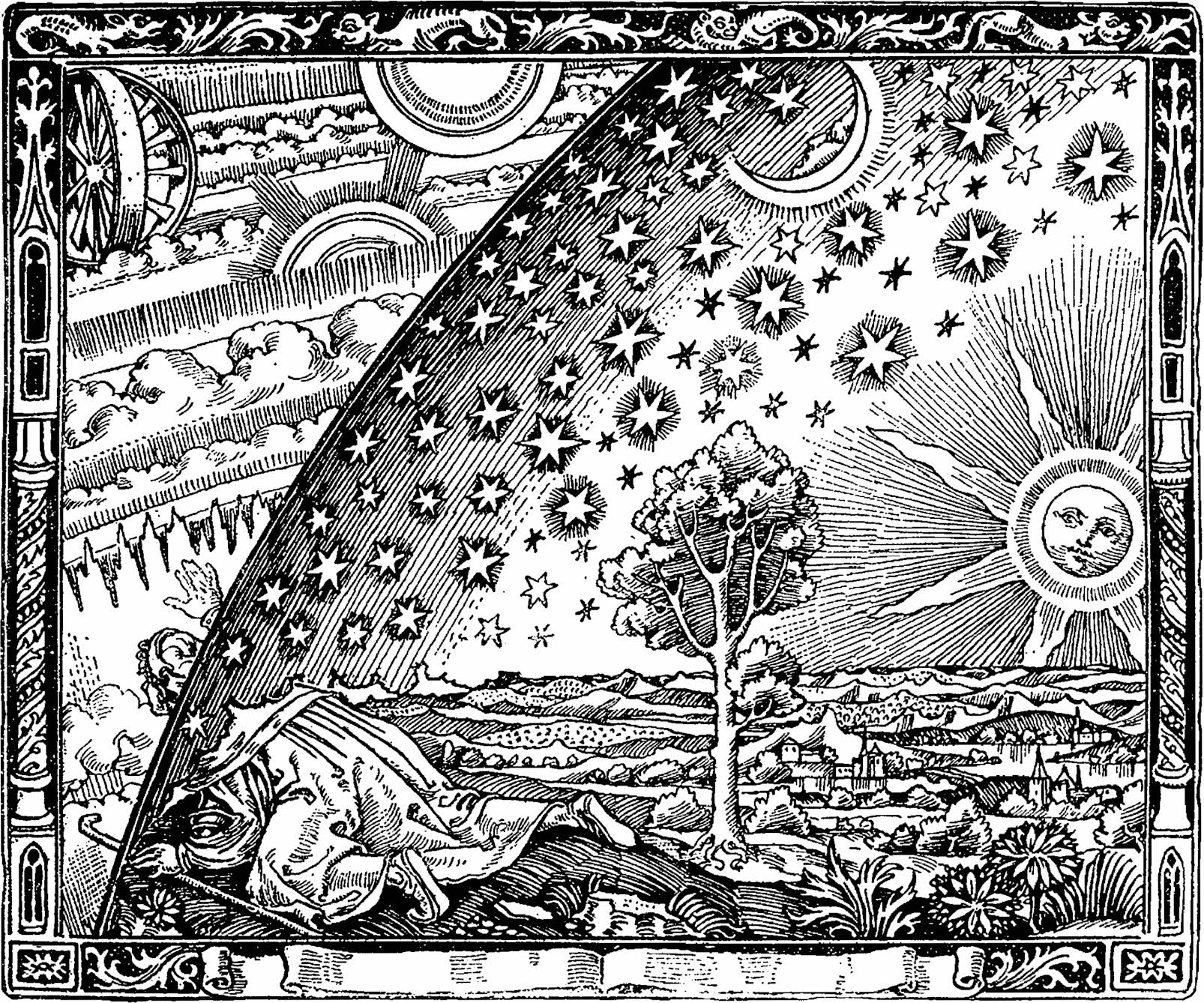
The roundtable explores "what principles of order underlie the ascent of complexity, from the simplest particles of physics heralding the birth of the universe, through biological forms, to the achievements of civilization." It investigates whether "combination and integration led to multiple fundamental levels from quarks to culture" and examines the creative processes underlying cosmic order and human consciousness.
Speakers
Watch
Media
Related Roundtables

Transcript
This roundtable examines the principles underlying the ascent of complexity in the universe, from fundamental particles through biological forms to human civilization. Tyler Volk frames the discussion around nested hierarchical levels in nature, while Ilya Temkin provides a nuanced biological perspective on the dual hierarchy of replicators and interactors in evolutionary systems. Tim Maudlin raises the philosophical puzzle of why microphysical laws give rise to interesting, predictable macro-level structures at all.
A central theme is energy flow as the driver of complexity. The panelists discuss Eric Chaisson's work on energy density rates, noting that a mammalian body processes energy at 10,000 times the rate of the sun per unit mass, and that human civilization has dramatically amplified this through agriculture and fossil fuels. William Grassie introduces the triple pattern of propagation, variation, and selection as a universal process operating not just in biology but also in cultural and scientific evolution, though Tim Maudlin cautions against overstretching this analogy.
The conversation broadens to encompass moral evolution, the challenge of sustainability in a species that has escaped natural ecosystem constraints, and whether the emergence of a global collective intelligence through science and communications technology represents a new level in the hierarchy of complexity. David Grinspoon argues that humanity is at a pivotal transition point, needing to develop planetary-scale consciousness to survive the environmental consequences of its own success.
Show discussion topics
- 00:00:00 Introductions and each panelist describes their interest in complexity, emergence, and cosmic order from astrobiology, philosophy, pedagogy, and evolutionary biology.
- 00:07:22 Tyler Volk introduces the concept of nested hierarchical levels in nature, from atoms to molecules to cells to organisms to social systems.
- 00:11:03 Ilya Temkin discusses the ontological structure of biological hierarchies, distinguishing between replicator and interactor hierarchies in evolution.
- 00:15:42 Debate about how to measure complexity across different scientific disciplines, including scales of time, size, energy density, and information.
- 00:24:04 Discussion of energy flows, homeostasis, and how the import of matter and energy into living systems drives competition and the emergence of new dynamics.
- 00:37:15 Complexity science and the distinction between complex and merely complicated systems, using traffic jams and biological examples.
- 00:39:20 The triple processes of propagation, variation, and selection as a universal pattern operating across biology, culture, and scientific discovery.
- 00:57:30 How hunter-gatherer brains built a complex global civilization through cultural evolution, collective intelligence, and the question of whether humanity can achieve sustainability.
- 01:08:01 Discussion of moral evolution, whether there are objective moral standards, and parallels between increasing complexity and increasing moral awareness across history.
- 01:26:19 Audience questions on energy, information, and cultural development, including the relationship between biological evolution and cultural knowledge transmission.
Show full transcript
00:00:00 I'm Edna sessom director of the real example and before I introduce the participants I'd like to say a few things about upcoming programs we're going to have a weekend on around December first second third devoted to the relationship between science and art so we will have scientists artists working together and we will also
00:00:30 discuss what is called steam education so that's in December prior to that some of the roundtables we are working on our illusion of knowledge sleep and memory some roundtable on emotions mind hours and others and a few other things that we are working on and we will put it up on our website and send you emails about it as we haven't planned today's
00:01:05 roundtable complexity and emergence to visions of cosmic order from particles to people was proposed to us by Tyler Bach who is a professor of biology and environmental sciences at NYU the other participants next to Tyler is William grassy he is an interdisciplinary scholar academic entrepreneur and social activist and authors
00:01:36 next to him is Tim maudlin who's been here a couple times before who is a professor of philosophy at NYU and next to him is David Grinspoon astrobiology senior scientist at the Planetary Science Institute and on the other side is in the attempt confessor of biology at Nova and researchers associated and M&H thank you
00:02:08 well we're supposed to each say a few words about our interest so I don't need to begin over here maybe David Lee sure yeah um so as this mentioned on an astrobiologist astrobiology is inherently a multidisciplinary endeavor as the name implies astronomy and biology and now many other disciplines
00:02:38 as well trying to understand really the potential of the universe to produce life and what what environments that may occur in and how we might search for it and my own on trains that is as a planetary scientist I actually do climate modeling of other planets using similar to those of what we used to try to model the the future climate on earth and a part of that the search for
00:03:09 extraterrestrial intelligence is not connected interesting ways with astrobiology and recently I just completed a book that's been about a four year project which is looking at the Anthropocene epoch which is the name that some geologists and other people have proposed for our current time of Earth history which is characterized by humans as a geological force looking at that through the lens of astrobiology in
00:03:41 other words for someone who thinks about planetary transitions and the relationship between life and planets what does this moment in Earth history when this species this arguably new kind of phenomena on the planet has become a major factor in planetary evolution so that's that's what I've been focusing on recently and it dovetails an interesting ways with this sort of whole story of cosmic evolution what is happening on
00:04:11 this planet now and what are what do human beings really represent as a factor in planetary evolution that's my entree to this subject Australia we go around yes so I guess I'm sort of on a different my specialty is foundations of physics so I mostly have been working at trying to understand fundamental physical theories so the connection I guess to this particular topic would be
00:04:44 in the connection between the base level physical laws and emergent laws in the sense of patterns fairly predictable patterns that appear at higher levels that are predictable without knowing all the details of the micro physics the insofar as I have as much to contribute it's that it's kind of I mean just to appreciate what a mystery it is why that should even happen there's no particular
00:05:14 reason why laws govern micro physics should give rise to any interesting macro physical structures that have complexity both complexity and predictability so there's a kind of we take it for granted because we live in a world like that but we don't appreciate how curious it is that we do live in such a world so maybe I can contribute something there so I got interested in the subject thirty years ago way in a dissertation in a religion department on
00:05:45 what it would mean to treat the modern scientific cosmology is a myth of poetic creation story and I sort of fell into this rabbit hole at that point yeah so I sort of been doing what what we call then the African evolution or the new cosmology what people today often call big history so I'm involved in the exegesis of the history what does it mean and how do we interpret it and their play with lots of different interpretations at different levels and
00:06:17 of course part of that is to figure out you know the big questions but also I'm really interested in big history the pedagogical endeavor because we've learned so much about the universe and say the last 50 years and about ourselves and in origin and our psychology and and of course all that has also fueled a tremendous change in the way we live the in prophesying as
00:06:48 you mentioned so for me putting it all together both it's a sort of metaphysical question but also as a pedagogical endeavor is what's inspired my work over the years so I most of my bread-and-butter work has involved the global carbon cycle and climate over the years energy systems but the work of the global carbon cycle took me from the macro planet down into molecular levels and I also had a strong interest in in
00:07:22 patterns Tim referred to patterns patterns at different scales and how pattern at one scale can influence another scale and how sometimes similar patterns can reappear such as binary systems or certain shapes such as spheres and I was is this began because Edie invited me to a panel in April which I could not go to but I said I had this new book called quarks to culture and and said that
00:07:54 would seems like a good topic for panel on complexity and emergence in May so let's set that up and what I dismissed didn't you have a handout in case some things get referred to that everybody could could talk to because I think tonight physics is going to come up in biology is going to come up in culture culture is going to come up and and these figures are from our figures are from my book and what the basic idea is that you go down into the body into
00:08:28 cells and into molecules one can be going down back in time in terms of the origin of the types of these things so the cell had to come into existence before you can have a multicellular body such as an animal and a molecule has to come into existence before you can have a cell that's made of molecules now not the cells of our body or not the molecules of our body but as a type of system there had to be a buildup from something small to large or there was a
00:08:59 Billiken it doesn't have to be but science has not discovered this I build up from small to large as I said oh I wonder if one could count fundin wonderful one could use the idea of merge of combination into new systems from small things one could use that sequential sequentially as a number of steps and distinguish fundamental levels of of who we are and not just up to our
00:09:30 body but then we are part of the social system too so I'm just wondering can one do that and then that led me into these twelve levels that I talked about that each have the next question beat each must have had something special that came in to resistance or emerged in order for the next level to happen that could not have happened at a prior level so there's must been something about the molecule that was different from what
00:10:02 the atom was that that the molecules required to form a cell a living cell that the atoms by themselves could not have directly gone there and the same with the fundamental particles of the standard model of physics the there's some paper and science years ago that somebody said you don't model bulldozers with quarks if there's these intervening levels so that's been well known that there's been physicists talk about the
00:10:32 the onion layers of the onion and the biologists have had their major transitions with evolution and what I was merely doing was saying oh I we could one could actually see them as part of a way to do big history in terms of certain levels and it relates to things like emergence that that's that's the topic of the panel I'll just leave it at that I'm an evolutionary biologist and primarily interested in the general mechanisms that lead to the formation of the
00:11:03 patterns we see reflected in the history of life it is clear that evolutionary processes occur at multiple levels of biological organization from a molecular to all the way to ecosystem because aesthetic levels and the patterns observed in nature they are the outcomes of the synergetic effect of different events that occurred all the different levels so to me prior to even attempting to address the question of how the how these processes resolved in the patterns that observe and described as
00:11:34 evolutionary biologists we need to be very clear about the ontology of the structure of the organic world and that's where to me the question of the hierarchy and the level structure of the organic world comes in and it's not a surprise that it by itself the level structure has been long recognized every single textbook in biology begins with the description of the hierarchy of the of the living world starting with molecules leading to the formation of sub cellular structures that then make
00:12:05 cell cells make up tissues and so on until you get to the organiz organisms make up populations that interact with each other in an economic way and in the context of ecosystems communities and so on up to the all encompassing bias here however if you look very carefully at this stereotypical structure that everybody is familiar with you begin to recognize that this hierarchy of scale where you simply order biological entities in the order smallest of the
00:12:37 largest it's probably sufficient way to maybe describe many different types of biological entities but it doesn't provide an explanatory power to explain the processes because at the same level there are entities that cannot be encompassed in a single uniform hierarchy missionary biologists like myself the who look try to look more seriously at this question is recognize that there are two types of biological individuals they fundamentally differ in their
00:13:07 nature some of which we refer to systems where the relationship between entities that comprise the system is based on the energy and matter relationships and an example of that would be for instance and a cell where different organelles interact with one another in some kind economic way to make the largest system know they may see the part of the whole system on the other side of the spectrum there is a system of information
00:13:37 transfer which were recognized as a replicating entities whether your relationships to them or the the mode of one car incorporating into the larger entities is not the energy and matter relationships but the matter of include inclusions based on the ancestry is the genealogical entities which are better described not as systems but as historical lineages and the evolution occurs as the interplay of between these two separate however overlapping
00:14:09 hierarchies so an example of that would be so within even our bodies there's this duality of interactor and replicator systems so our body is composed of two fundamentally different units is a soma and the germline the whole purpose of sort of the germline or our cells responsible for reproduction is only to transmit the information from one generation to the next you one can be perfectly happy organism living without leaving any offspring behind so if a perfectly functioning as assistant
00:14:40 in the canonic way without ever reproducing so it's just the second aspect of our nature as well as any other biological system at every level to be able to replicate in a proliferative way so that process is like selection of sorting can take place where the evolution results from so to me this is the most fundamental question but then evolutionary biologists to see how you can understand the processes that in fact systems the hierarchy of systems at one level so the so called ecological
00:15:11 sandbanks economic hierarchy of life and how that reflects in a synergetic effect at the different levels in the historical geological hierarchy that we perceive as what we described in systematics and economy in the Tree of Life and the patterns that have been loved that well the tree that are shaped throughout the history of life so one of the problems we're going to have talking about complexity let alone an emergence
00:15:42 is that we're dealing with all these different scientific disciplines and there's no there's no no there's no numeric measurement of complexity it's not just the size of something it's how diverse it is perhaps or or a focus later perhaps on how much energy it consumes how much free energy flows through the system but but I think it's really important a lot of people don't understand I know be curious we I I talked about the great matrix we're talking about hierarchies or scales and
00:16:14 we do have some interesting scales we have a scale of time chronology we have a scale of size we have measurable scales of free energy flow through a system of the electromagnetic spectrum is an amazing scale which is very important in our level of reality and sound is a different type of scale interestingly humans are have a much broader many words of magnitude auditory
00:16:44 capacity than we actually perceive visual light is very small range and I think then we can go to inductive or if scales or let's say there's a scale of information in ingenuity or the you know there's a scale of sentience and consciousness or when of course the scale that we're talking about is emergence of complexity so so that those are those are maybe there are others I don't know but those are kind of ways of
00:17:15 orienting us to all phenomena that science described so work we have I think some interesting it's not just anything goes there's a lot of restrictions about what what science can can understand or feel I call it the great matrix we buy that you mean the system composed of all these different scales no I think everything we can do everything generate matrix so
00:17:47 the great matrix times main energy electromagnetism sound light and those and so would you but some of those seem like subsets of others they are for sure electromagnetism is a form of energy for sure though so it sound some might need an opinion and that we live in this amazing little thermodynamic Eddy Eddy in the universe where complexity runs uphill and and so we have we have this
00:18:20 you know if it weren't for that thermodynamic edit Eddie where the Goldilocks conditions were just right you wouldn't be here talking about it and so how do you see that so so the thermodynamics one up tail meaning you can have local reduction in entropy and increase complexity as long as there's a global increase in entropy and anytime energy flows through matter it creates order creates information and so that's what the weather is right it's
00:18:53 a way of dissipating energy that's what a hurricane is or a tornado and when it passes through solid matter they can also have memory and it can also compute and can make reproduce itself and so the weather the gas molecules as soon as the energy flow stops I just dissipate but you know life has achieved this internal Telos to you know survive reproduce and create life more abundant and
00:19:23 extravagant so so for me that the fundamental physics of the universe is as long as there is energy flowing through matter we have a possibility of increasing complexity so I so that right so I think that's key the possibility of increasing complexity but it might not be an inevitability absolutely not and says nothing about how that complexity is going to going to evolve or what it's going to be but the possibility because
00:19:54 so that's kind of fundamental level and and most people don't get it's very counterintuitive but Eric chase on at Harvard and Tufts non-residence really interesting sort of back of the envelope calculations about how much energy flows through a system let me just put it out there really quickly take the son of the unit of course it's really big and it's really put on an enormous amount but but a photosynthesizing microorganism is about 500 times the energy density flow
00:20:25 of the sun when you normalize for the mass and the Sun the time frame a mammalian body is about 10,000 times the energy density some of the Sun our brains are about 75,000 times the energy density flow the Sun and by the way our brains only work on about 20-25 watts with energy right so our body is working about a hundred watts of energy and if you take all the energy that we use outside of our bodies as a result of first first fire mastery than
00:20:57 agriculture then fossil fuels were were you know millions of times the people in this room are consuming the energy millions of times that that of the Sun so it's very counted again when normalized for the mass of the system so energy part part of the story of complexity and most people focus on the information side of it it's informational II driven but you don't you don't get the information without the energy flowing through matter so that's a sort of fundamental physics
00:21:28 pointment Tim I want to say more about that yeah I'm not sure I let me try and make a point about information in terms of entropy maybe and then maybe I can ask because I'm not quite sure you have in mind buy energy for them so one way to see the complexity this is an example I guess as Sean Carroll's but it makes the point complexity is a really hard concept to get a good grip on and people often try
00:22:00 and equate it with a concept you have a better grip on like entropy or something like that but if you think about the there's a standard example of increase of entropy where you take coffee and cream and start them out where they're creams just on top of the coffee and then you wait and it slowly diffuses and or you stir it right which would be introducing energy and video if you don't introduce any energy integral slowly diffuse if you stir it it goes
00:22:32 through a phase where you have this tremendous complexity you have the ten goals of cream that have interesting shapes that are intermixed with the coffee but then as time goes on it eventually becomes bland again right it just becomes mocha brown uniform mix that's the that's the maximal entropy state right it's not the maximal complexity state so you started from a very fun complex system and you go to a sort of complexity maximum and then it
00:23:02 tails off as con goes on into a again a very uncomplimentary is going up so the conditions for there even to be complexity or how you quantify it or what you mean by it I think are very difficult I'm not sure why you would need energy flow to get complexity I mean I'm not sure what you think of the connection there between energy flow and compact and increasing complexity is like what the one thing about biology so
00:23:33 I so and I'm not interesting I'm not comfortable about with the information let me understand that's a whole discussion I I tend to take a very almost architectural approach but one thing about the origin of life is is that oh and I'd be curious the transition from the physics and chemistry to the - - once you have living cells the way I see it you now have systems that require
00:24:04 the import of matter and energy into them and export of wastes which you do not have with an atom you do not have with a molecule they can be relatively static structures and so you so to have life you do you do need a field of either molecules that contain chemical energy in the environment or radiative energy but photosynthesis and so it does have to slow that does have to flow that
00:24:37 was something course your understanding I know you know that but that was something what you're asking then what that transition meant but I I'm sorry because once once you have a system that requires inputs of matter and energy and exports ways it seems to me then that in biological evolution almost follows logically from that because since these creatures are replicating themselves they can't just grow forever they split and they form two cells now they're they have to be there now they're in
00:25:07 competition inherently because if one is importing a nutrient that's depleting the nutrient in the environment so there's the depletion of the energy from the environment if we talk about matter containing energy but living things also could need matter as matter they need the carbon atom just to structure other molecules so it's not just energy they actually need certain kinds of material building blocks and once you but once you have something that needs imports and exports you get biological evolution
00:25:37 because now there's the deep depletion in the environment from the nutrient import and there's putting out toxins as waste because the waste these creatures are getting rid of it so they are causing detrimental changes to the environment setting up a competitive so to speak field you can also cooperation and there among organisms of course which is important for the evolution of the eukaryotic cell but assets of this feel now so I do have this overriding question that's in a way a different kind of
00:26:10 dynamics that have been born from the physical chemical dynamics now it didn't it it's not just coming out of you know the sky coming down but it seems like it's a fun it seems like it's different enough with biological evolution is different enough for us to really think about what that means and now you can have combination of biological structures I don't David your natural ending I think the unimportant another
00:26:41 important concept here is homeostasis because it's not just enough to have those energy flows and as you say that flows of matter that maintain them I think Eric Jason's observation that energy density seems to conform to this sort of hierarchy beaten to be a characteristic of this hierarchy is very interesting the hierarchy that that you've kind of named in the in your introductory statement doesn't seem to
00:27:13 carry with it this also hierarchy of energy density but I don't think Eric has answered the question why that necessarily needs to be it's sort of an observation when you name this hierarchy that IRA has very well described and then you look at the characteristics of these different entities one thing you can observe is this energy flow density is really markedly increased at every higher level but I'll eventually yeah free signatory exactly but but it's also a characteristics some of
00:27:44 that energy some of what it needs to do some of the point of that is to create a homeostasis so that the flows of matter and energy that allow that structure can 10% disequilibrium homeostasis yes so it's not a causal it's not a it's not a causal factor necessary and again an energy flowing from through gas spontaneously creates or yeah complexity identity maybe try to make one step back
00:28:17 because we have discussed so many concepts that and if the relationship between which is not always clear with are with no such complexity right now what did it maybe get back to that a little bit discussing a little bit greater greater detail wouldn't be let's just for try to simplify things a little bit so let's pretend it we're just looking at a system at one particular into system at the same organizational levels it's made from comparable parts so we have a very good mathematical language to describe structures in the
00:28:51 form of dynamic networks that interact with one another and where different parts interact with one another in some non-trivial way we have we can describe a topology the strength of the relationships define its modularity the overall topology and by doing that we can compare two system in terms of when there's some numerical ways of assessing complexity at level the difficulty comes in when you start looking at hierarchical systems where an element of a system is a is in itself a complex
00:29:23 system of a different level then you would again you can argue that the system is more complexly more hierarchical levels you have because what you yet I think it boils it clarify when you say hierarchical do you mean you're going any nested I mean that nested complex in which a lot of times people use hierarchical to mean like a tree structure yes or not priority of control no I'm a certificate II physically mentally a steward in like a DMX Chasez cuz I know McShea talk to you exactly one way if one
00:29:55 former complexity is is numbers of layers of nested this yes right and I saw that he has a paper in your new book yes the other examples but that's what you're talking about yes a higher but pacifically about one particular type of hierarchy when you have nested nests because I think that's different in scales and be referred to early on regarding that the scale is important skill is important because it discontinuity in the scale as what creates the discreteness of levels is why we can talk about the levels as ontological ii sound real thing rather
00:30:26 than just purely our conception of some things being a little smaller something being a little larger because i think nobody would argue that when two individuals interact it would back to humans would interact it would be correct to say that cells of one interact with an individual person of another because these are not comparable entities with regard to this scale because the rates of processes at different levels are completely different so you cannot really so that's why when we look at the dynamic system it can be only composed of the elements
00:30:58 of the same hierarchical level because they are if you engage in the energy matter relationship it can be only among entities that are within the same structure totally into better than these these entities at these different scales have certain kinds of relationships that are capable of you know like so we are capable of using light and sound of using remote remote sensing which sells biological cells they can be responsive to light but they're not actually as far as we know you know communicating
00:31:28 through like a linguistic modulation on light and sound so the way I see it is that it's it's not only the birth which key is not only the birth of these new scales of size but these these entities or systems have new kinds of abilities to relate and I think what you're saying is that they tend to relate to entities on that same level yes yeah and no you that I referred to with your approach of different against this level these are the fundamental jumps in this level so
00:32:00 for games is something that is well sometimes referred to the major transitions major transitions and looking at biologist yeah it's not about how the system wants it's already emerged how it starts working with this having multiple level structure but you are focusing to be on the emergence of these levels in the first place right right so which is a different story especially you have to have these levels emerging first prior because now we're looking at we're faced with the already existing system of this level that have massive emerge sometimes through history but it's a different question of how
00:32:31 this levels have appeared in the first place which is very lucky girl just not sure I understand I understand the notion of level I can make sense of the notion of levels I think I don't see why you would think that only things at the same level interact so suppose I'm a biologist and I'm looking at I don't know otters and otters are able I think to pick up rocks or somebody is able to pick up rocks and smash so the rock is
00:33:03 at a really low level complexity right it interacts with this biological organism really important so you know I it would be a nice world if if as a where the levels just go to you know in themselves out and only interact there there's the only kind of entry level anorexia this is a really one boy and it was really important particles and atoms interact with communication but it's a different kind of interaction maybe there's a certain kind of constructive or engage again engagement that only happens at the same level obviously we you know we get hit by you know high
00:33:35 energy protons and you know they're damaged ourselves but that's different from communicating with another organizers to give the rock to maintain its homeostasis or I don't think a rock and it's an otter they are at a different level yeah in terms of their roles may be complex difficult position yes there as a different level but I'm not putting with different levels because of their complexity the axial because they're at the same level of interactions they belong to the same level because it's the same that this
00:34:05 will fly as an organism at the level of an organism it will interact with a human this human is an organist they at the same level of an organism but obviously you can argue that the fly maybe is more simpler than any human that doesn't make them but in regular ISO I would take them as multi-cellular or Korean every to level level level Larry yes local area but but you're wrong to say that an otter interacts with an ecosystem unique a system that some a level of encompasses not in all of us all of the are ideal so
00:34:36 it's audible interact with other a biotic and biotic elements in its own environment it's not with ecosystem a section or in fact that human being is a multicellular organism but now we know with the microbiome that we're not only interacting with unicellular organisms but that in fact we are nature is integrally composed of unicellular organisms which are themselves in early composed of things that smaller levels so I guess complicated doesn't yeah
00:35:09 that's what get complicated with with the question of what leads to the origin of levels because if you look at acts a human organs composed of multiple cells if you try to look at an individual cell as an independent organism which it is not because it usually does not live under natural conditions devote of being part of a of a body it would not be but it will be early origin of multicellularity that was the mode of emergence of that multi order is
00:35:39 no level of problem it with you can talk more about this with the emergence of multicellular G I think it has to be a fundamental step where there was the next level emerged but I think with regard to interaction with human with its microbiome we're at the same level as this organs the way they organize a multi-cell may be multiple in unit cell organs they still interact they can eat each other it's maybe not maybe not multi cell unit cell or group it's much too cell everyone but but it's organismal level its complexity and
00:36:12 level and not necessarily can be equated I think you can only compare the complexity of entities that are at the same level if you can compare between levels and you were to make how many remain compared to be might compare when you said you can only compare two entities at the same level what do you mean by what do you don't use particle physics to do economics all okay so I mean you know going to have the discourse definite I mean you know just question is you know like you're out this the scientific relationships but I
00:36:45 think it's important to note that the adjacent levels often do have things that same free to each other and there's a there's a difference between complicated and complex so the example I like to use the cars are really complicated settings but we sort of know how to build it and how all the pieces work together but a traffic jam on the morning commute where where everybody's driving along and little variations in somebody's speed starts replicating all of a sudden it stop go stop go that's a
00:37:15 complex phenomena and complex complexity is a whole science of its own and in and all the most interesting things in the universe are complex adaptive systems weather lots of different racking parts and there's some freedom or possibility of things happening differently so complexity has a term of science it's really different than complicated and a lot of uh sciences is trying to make
00:37:47 things that look complex turn into complicated problems but now there's a whole bunch of of phenomena that we study some of them very simple like flocks of birds and which some can be described mathematically some not that are complex and I think that's an important but what we just described as the relationship between the complexity of a car structure and the traffic which cannot be decomposed and it can be explained in terms of the car parts
00:38:17 that's the exact I think example of comparison between different levels I mean in some ways the traffic channel is simply because it can be mathematical method as a sized you know by as little units and people write equations for it do modeling of it where car yes it can be understood but it's it to me the multiple levels of a car of course the car jam is made of cars so that's why it's a late yeah but I think what you just said is going to be much more true
00:38:48 in 10 years about traffic jams when there are no more remember that's when their human drivers are no longer a part of the equation where now you know that there's there's a complex neurological sensory reactive component to that where it's interesting to note that soon they'll be traffic jams that are probably just as complex so if they're here's me have you really so we haven't gotten into culture yet I'd be really curious about how with you what how you think about this idea how you all think
00:39:20 about it from different angles and particularly from the general principle so lots of people for years I've been talking about cultural evolution which is like biological evolution not by having a genome and not by having a phenotype genotype but by having properties of propagation variation and selection so the automobile manufacturer can make more cars that's a propagate is propagating they're not self-propagating yet but they then they put out variants
00:39:50 scientific theories can do the same thing put up variants and then it's selected in a field either in one's mind or in in society now there's there certain push back against that from some of the social scientists no no you don't want to make the comparison too rigid but but there's a there's really a sort of a tidal wave of literature happening in this in in culture evolutions studies the digits were simply saying that there's been a way I would put it sort
00:40:23 of a rediscovery of these triple processes of propagation variation and selection of pattern that occurred at the beginning of the origin of life at the prokaryotic cell and occurred again at some point in human evolution I'll take it to be definitely by the thing I think like stools you know we think language and I think there's also similarity between the amino acids 20 amino acids build being a little the complexity of proteins
00:40:54 was in infinite complexity of proteins and human phonemes a few units of speech being able to build almost an infinite number of words I think there's kind of a parallel between this sort of element going to complex being within the cell as the genetic and the amino acid system and simple elements being complex in the human language system corresponding to the beginning of propagation variation
00:41:24 selection process in biology with a propagation selection process in culture so I'm curious then if there's been a rediscovery as as these levels of organization have built up if suddenly the prokaryotic cell which is using biological evolution so is the eukaryotic cell so the multicellular organism and so is the animal social group and then with the human with the anthropologist called the medic groups where groups can be not visible to each other on different sides of the mountain
00:41:54 but they're still linked in a culture if that began a propagation variation and selection process again that means there was a discovery or rediscovery the similar pattern kind of a principal so there's a difference and between biological evolution and cultural evolution and that's that's get because we learn yes yes and we pack on what we learn more or less for the next
00:42:25 generation yes yes yes and that becomes a exponentially growing process so yes individual you know we're not all that smart we have a person by limitation if you will about how much we can know and how much we can knowledge and know how we can contain but you put us together in this quorum court super organism and and we're just faster over on this thing I actually don't don't run as individuals down too much
00:42:57 well not you no no I'm not saying that I mean I do want to mark a difference here because I think the analogy the the wonderful thing about the theory of evolution the original biological theory illusion wasn't just that it was replicators with variation and selection but that it was random variation that you didn't need to Kyoya logical you didn't need a purpose you didn't need an aim or a design and this could all just be happening randomly now hopefully wanted to get people involved there honestly not the chef's really aren't
00:43:28 just randomly throwing stuff in and seeing what happens right they come to have some understanding of what they're aiming at and you get intentional behavior they want you know to come back to the restaurant yeah which is going to make the whole thing much more efficient you hope and much faster and much more powerful so I would be a little leery oh it seems to it seems to be but which would you put leery of stretching the analogy too much but I would like to say it's more than an analogy at some deep level it's the rediscovery of some of
00:44:00 these triple principles but how they're manifest because even even the chef can't determine whether those people are going to like ya the yester Surma use the term intentional behavior I think that's an important term as far as this difference you're trying to describe but then we can also ask what do we really mean by that and where does intentional behavior come from and one idea and I don't think anybody really knows but one idea I've heard about that for and you know this
00:44:30 is above my paygrade know some of you guys might know more about this but for how the mind works and how ideas emerge and how intention whatever that is comes out of this is that there is some sort of potential sort of Darwinian type process or at least process that sort of analogous to that going on inside the brain where different associations and ideas are kind of competing and emerging from some sort of a process and so it
00:45:01 may be that some of these qualities that you're describing as this sort of universal pattern emerging our pattern emergence are going on and contributing to this but that it's really going on as far as idea formation and indeed deformation of intentionality however that works inside our brains well most of my brain is pre-empting when I was born and of course it went through a prolonged period of childhood dependency grew three times so right you know that's
00:45:32 about how big the brain grows in childhood and so I everything that fills our brains is largely including our language is largely acquired through the social and environmental network and so for me the brains really interesting thing but it does nothing without opposition sums and environment right and a social social environment and particularly so but a little is I hate Tomatoes what the real miracle how does this stuff how does the environment and
00:46:03 printed cells into our brains and how do we because you know you could talk about all kinds of different emergencies there's a evolutionary emergence there's a developmental emergence from a single cell to an adult body or there there's a functional emergence like all the cells are working at the same time so physics right on what is it like 40 trillion cells in our body half of them another as many bacteria and and then you could even talk about
00:46:34 intelligence emergence and that can happen to an individual can happen to a species and I think we happen to apply it can happen well you know so that's that's the question that's the Tay Hardy and PRK Hart de chardin the Jesuit priest one of the one of the patron saints of religion and science and I took continua to go back to David and Hittite and do you what you said is that yes we're born with these your baby brains and we suck up a lot from the
00:47:06 environment and one of the things we we pull up is is the ability to be intentional or at least or at least use that language to people oh I thought that through and I now decide this that's that's in a way a propagation variation in selection well there's a let me again make a kind of analogy here in terms of even so it's certainly true that you speed things up by as it were virtual processes in the brain that make selections out of different I I'm deciding what to do and
00:47:37 I think about five different possibilities and I try and project out what will happen and make my choice on they know that I don't like the ones you're consciously aware of right but you do need a I think you right you need a distinction and think about chess-playing computers right so originally really the chess-playing computers were sort of blind variation I mean they just did massive searches of all possible move sequences which because of convinced Oriole explosion they could had a horizon but in some sense and sometimes they considered
00:48:08 hundreds of millions of possible sequences of moves and if you ask a expert chess player he'll say I considered for you know I said before and I said maybe it's this one maybe it's just going to maybe it's that one and and and then they focus down right there it's a different it's really a different way they could not have any very consciously we think they could not have done hundreds of millions that's right because they don't know their consciousness right so you know is it I mean there we have that ability to it's
00:48:41 true there's a kind of variation there at least they're looking at a variety of possibilities and selecting among them but there's also a lot of interesting things going on that they can look at such a small variety of things and apply their cognitive resources to but also to be really true to biology the variation is also really not also four miles we know it's not entirely random also we know that some parts of the genome can move muted more readily than others it's it's predictable we know that some of
00:49:13 these are filtrated to the level of the phenotype not also through some random manifestation but there are some constraints by the organ is eleven so it's not all so entire end but I think in general the metaphor of relating cultural evolution to to biological evolution it's I think it both a useful analogy and there is some truth to it any very general sense because if you define evolution and they simply even even just basically very interesting and Darwin didn't use the word evolution at first you just use
00:49:43 descent with modification which simply in my language you can translate it as as a fate of information so in that sense evolution can occur in any system whether information transfer from one generation to the next as long as we have some sort of replicating system so human culture what it adds to it just as do the new mechanisms of information transferring modification which is through our culture because that method is quite radically different we can transfer information only to the next
00:50:14 generation but then laterally almost like bacteria do with their lateral gene transfer you can recover a lot of information from the path and there all sorts of ways I can French can be transferred in ways that are not found in biological systems it certainly lends to some novelty and intentionality is part of it as well and creative intent of individuals so we should not discount those as well but at a higher level of maybe so higher social structures within human society there is some element of maybe not necessarily selection because I don't want to draw analogy to a
00:50:44 fitness in biological systems I think it will be too maybe untrue but there is some sort of sorting you have variants and there being by some either random function or maybe not they being sorted and distributed the boy some persist some do not in that sense it does hold it really is like there's some kind of stiffness you know maybe about your bottle or everything that we design that you don't you're uncomfortable with using the word fitness I deliver come from because you want to put the biology
00:51:16 because these about these mechanistic meaning is the ability to replicate yourself more maybe having a better form in China element of human design shape it might not necessarily translate into higher rate of its reproduction all right but some when a service manufacturer right so though the better way of having the typewriter in terms of ergonomics did not was not the way the typewriter
00:51:46 work I just don't know no that that I can't be generalized maybe it is true but but I mean and yes I'm actually one of the few people in the world who uses a direct simplified keyboard which was designed in the 1930s by an efficiency expert based on the frequency of the letters and the tooling three letter combinations to to minimize finger motion and we're all locked into the QWERTY keyboard which was designed to make us type slowly because the machines
00:52:17 would jam and if you integral has a lovely I said about this about you know the evolution it doesn't have to be optimal it just has to work and then it gets fixed and stuck and so every time you look at your computer you should think my god this is an icon of how brilliant we are and how stupid we are because the keyboard is literally pretty stupid in biology they talk about the idea they talk about the not optimizing but satisfy cells on a bigger so anyway
00:52:49 that's the business problem very true to color as well things that versus might persist for reasons other than being the best serving the needs so for instance of some years ago I embarked on the project trying to apply biological methods may be very namely trying to reconstruct a phylogeny coalition a tree of musical instruments we discover very unusual interesting patterns of us have to do with looking at coordinates from the late 19th century and up to mix for the middle of the 20th century it turns out for example a cornet for the mick
00:53:21 trumpet related musical instrument and it turns out that some of the transit the farms had to do not specifically with a better design of vowels and and the way horn is structured overall but there were some purely economic kind of like reasons for developing the industry in some ways because some people have patented certain ways of making it preventing other people from doing there were other social forces had nothing to do with optimizing a particular particular item human
00:53:51 obviously humanely designed in a very creative way item it was very consciously designed but it could only go in certain ways because high-level social structures like a patent agencies and maybe even some some individual players and jazz players that use no resistance they preferred our key designs purely for aesthetic and historical reasons they didn't really care about maybe a better playability in that way so they're many more I think aspects pmu two ways of variations being
00:54:22 sorted in human culture that's why I didn't want to define it as a specific sickness function because it's like only to one thing this is an interesting thing to bring into it I mean because as you say you know there are obviously some important and interesting analogies between cultural evolution biological evolution you've name several of them but well yeah we start talking about Fitness I mean it's very easy to say when you're talking about Darwinian evolution and even sort of neodo or any evolution what the what the sort of sort of goal is you don't really need a goal
00:54:54 it's just the those entities that do a better job propagating themselves they win they're fit but when we get the cultural evolution then you do have to start saying well what is the goal what do we want it's not necessarily true that the goal is for each of us to have as many offspring as we want in fact we're starting to realize that there's a whole other level of planetary fitness in which that's actually bad so you know you can't help but but start to say okay so so what really is the goal but the when you get to aesthetics it's very
00:55:25 interesting because you could say well this is something that isn't really a part of biological evolution except it is because you get into sexual selection and you get these ridiculous structures that are among the most useless and the most beautiful parts of nature which are simply which have a whole other goal as well but it's still the same goal but it's attracting a mate not anything that it's more quite useful for and they agree with you there because especially they mentioned earlier that it all comes down there to just avoid a human brain functions to which I open don't have as
00:55:56 much experience to just but latest Ross has one interesting comment when critiquing the purely biological transfer of the notions of its evolution to the culture music what about the X done reproduce doesn't make another X so it happens to in the mind of its creator conceiving the idea that what happens to these ideas how they manifested in the object so you can't necessarily can even look at those coordinates and say well that's how they evolved now they'd just be maybe just
00:56:27 maybe imperfect reflection of the processes that occur in the human brain and there was at that level so I think just looking at the cultural artifacts as such and divorce from the workings of the human mind I don't think it's a very legitimate pursuit in that way to view culture illusion like that it's certain can just looking at organism all features can allow you to reconstruct Melanie maybe in a within quite a precise way but it's not telling you the
00:56:59 mechanism of how evolutions will occur through speciation variation so in that way you can tell something about the way human culture works by looking at some patterns of similarities between artifacts and different aspects of human culture but do you really understand that you really need to look at the function of tomorrow me I've been doing a lot of reading and research right now for a book I'm writing on how this applies to finance and economics and investing and and what one of the things
00:57:30 that's you know is that we all have these hunter-gatherer brains and you know we live in this incredibly advanced civilization but we're still on the psychological level we have a lot in common with with you know humans done ten twenty thirty thousand years ago for a hundred thousand years ago and and so our thinking is fast and slow we're predictably irrational and and you know we're driven by all kinds of variable hormones in our body and so there's a
00:58:04 another questions how how did a complex global scientific civilization possibly emerge from such stupid primates some of them our President of the United States recently well I I wonder do you really think that we live in an incredibly advanced civilization I think we have the potential to form one but but I would say that you know as a basic prerequisite to define an advanced civilization you would have to have the
00:58:34 ability to to be imagine that we're sort of a part of the sustainable civilization and I'm not sure we're actually there yet I want any there's the normative moral side of it and then there's just the fact of it and I'm just talking about the fact of it that our world is so different than when people lived in a hundred years ago or a thousand years ago I agree with that but I also think that uh it's possible that I mean trying to describe Manhattan to
00:59:08 say one of the hunter-gatherers who lived at a pinnacle point 190,000 years ago which may who may have been among the first Homo sapiens sapiens in southern tip of Africa would be very difficult humans have an amazing ability capacity for reinvention they were probably genetically pretty similar to us but mainly live our stuff now yeah but maybe that difficulty of them imagining our world is as difficult it is for us to imagine what an advanced civilization
00:59:40 would be like and so so yeah but do you think that how long before we get there I'd like to know I want to see it well no one is it when I hear the talk about take it up and saying when I hear you talk about these big levels their atoms simple cells complex of the multicellular one question that I can't help but wondering it okay what's next yes the next level yes hi I read something recently actually when I was just starting to write my book that I
01:00:11 just finished by Isaac Asimov written in the in the 70s just a little short essay where he talked about this hierarchy of you know of atoms two molecules two viruses to full-blown cells to multicellular and then he talks about them the multi organismic and there are some examples of sort of full-blown super organisms like you know insect colonies and so forth and then he talked about we humans we have leanings towards that super organism we have some identity with the tribal group but we're
01:00:42 not quite there you're still through and to me that is really powerful I thought and I say has a role or character yeah well then in a certain way we're stuck between the individual and the super organism and in a way that's one way of encapsulating our predicament here as human beings trying to have a sustainable society because there are ways in which we need to function as a super organism that we're not inherently good at that so I found that powerful because it's just one way of trying to
01:01:13 place our current cultural difficulties in the context of what we're talking about there you know where do we fit and what's next in that I'm really scared of the analogy I'm not hard I don't want to people in here so you know cell unicellular organisms we're looking out for themselves and in multicellular organisms the individual cells are easily expendable right they they can be sacrificed to you
01:01:43 know quite regularly for the good of the of the and I don't want to live in that in a society that's going to throw a bunch of us away I don't think that's what we're I don't think that's going to be progress right for there's going to be progress when every person nobody was in poverty when no individual you know when people have the resources are more or less spread much more equally than they are and everybody has taken any and everybody has access to decent things that doesn't look like a super organism to me it looks like a rationally
01:02:16 designed system also again rationality it's kind of important when rationality gets in the game the rationality just isn't in the game of evolution and we're aiming for something else we're aiming for something we've thought through and that has moral principles underneath it and so on maybe I mean it will get maybe I don't argue about semantics here what we mean by superorganism I certainly agree with what you just described as a it's important goal yeah it's an interesting question are are the bacteria within us
01:02:47 that are you know the basically are organelles within us that are pretty much the same bacteria have found some way to live in harmony in infinite organism that we identify as ourselves are they unhappy do they know that they're not bacteria and maybe the secret socks to go from organism to healthy planetary super organism is exactly some of what you said maybe eliminating poverty Alex I mean this is
01:03:18 why it's not about it's not strictly a biological set or if they're to go to super organism before going to get into intentionality and rationality maybe that's what's missing to to bring us to that next step and evolution is just not predictive there's nothing strange about evolution reading a system into its complete disaster but as you were saying cultural revolution is different because we we have these scenarios in our mind and I I think we're not thinking about the future enough as a yes making people
01:03:48 smarter would be a really good idea so what one other thing that is one of the things that this little discussion brings out is that we have all these values like human rights and they're not written into nature they're invented by humans or the the traditional religious worldview is that they're dictated by you know a creator so each human has a neat value and so the scientific and post-enlightenment
01:04:19 world is trying to figure out how to ground concepts like human rights which is you know with great invention but it's a fiction just like money time fiction is not really real there's no no other species exchanges matter energy and ingenuity based on along the yellow excess numbers ie right symbolic cities are indented so so one of the ways to ground our sorry it's our intuitive sense of the
01:04:50 innate value of the Union Human Rights is is in is in what White had thought about Alfred North Whitehead about the idea that emerging complexity creates so at every stage greater freedom greater possibility and that there is a kind of there are kind of thresholds and that the human is a particularly intense threshold in which the complexity of the cells in our body the social networks
01:05:21 were kind of a nexus of a lot of freedom a lot of choice a lot of possibility I don't think morality is really an issue for I'm other primates so well but it is for us do you think that the planetary scale that could be to overcome our fears that of being subsumed and being less free could be more free so that your persona I hope or you can get it even in this or Whitehead in metaphysics
01:05:53 there is a Telos to the universe and that Telos is is a greater complexity greater freedom greater creativity right and greater beauties I am beauty of the aesthetics is a really important point so so I think you can it's not it's not it's not fully worked out but I think you can you can start to define things but you know there is a real difference between killing bacteria versus killing humans and there's a qualitative and
01:06:25 quantitative difference and you can't measure it but it's it's not just a self-serving bias the area of on my part but otherwise human rights is you know the you have definite ideas about what they should be of course evolution doesn't care at all about you know our future in that and that level no a biologically yeah biological evolution has no moral I mean I would just like to register my objection to this fictional I I think
01:06:58 their standards of objective standards of morality that has to do with equity and fairness and so on that by thinking hard you can figure out at least some of them I'm not saying that there's a rational resolution to every moral dilemma but I think there are some moral principles you know that cattle slavery is just objectively wrong but religion wouldn't it wasn't for most of you know it was wrong all three human history people were doing objective objectively morally horrible things through most of you and we're still doing objectively
01:07:30 morally horrible human things I don't think these are inventions I think they're discoveries I think we've we've made moral progress by discovering or registering the fact that slavery was wrong that discrimination was wrong the discrimination against women was wrong I mean there's a it was just unacceptable morally it wasn't right back when people thought it was okay it's not they're thinking one thing or another that makes it okay I'd like to agree with you actually but I don't I wish I wish I could agree with
01:08:01 you know so you are saying that is a moral evolution yes I think there is there is some moral immoral evolution there but I think it's directed I think our moral behavior has gotten in many ways better because because it's through the recognition get me through moral suasion you think about the civil rights movement here was a matter of getting people the majority of people to care about a minority on purely moral grounds on saying look this is just this system is just wrong maybe I'm benefiting from
01:08:32 it so how do you want that might play out in the future as we have tendencies which you brought up that are frightening tendencies maybe for for this absorption of the individual into the into the super organism and yo you know anthill I mean do you see that this is that we are going to need to either invent or discover or I still have to be doing that like there's more to come well like look I think there are a lot of Justice people could win in a society with chattel slavery and
01:09:06 somehow avert their gaze and avert their mind from it even though they knew I mean Jefferson knew these people knew they were doing something wrong at a deep level but but we have a lots of self rationalization a lot of blocking psychological blocking mechanisms to keep us from recognizing how terrible certain things we are doing I know hopefully as time goes on we will you know people will start to see you know they look back at our society and say you were so primitive because they will have actually put into practice things that if we think about them in a
01:09:38 calm way will say yeah we're really our society I mean I think we live in a society where there's such a thing as the working poor but if someone can be employed 40 hours a week and still work hard and still people that there's just no moral principle that should allow that in any society I mean if if you're socialist you think people shouldn't even have to work to have a you know to live and you can make that argument that's going to be a harder argument around here but even now on both sides
01:10:09 of the political spectrum how could anybody say yes somebody can be out there working 40 hours a week and still not be above the poverty line so I just want to point out again that that that animals and trees and plants don't have moral choices but we have moral choices so now we need to talk about how did morality emerge in human evolution and and again we have higher we need a putter gatherer brains we're all tribal creatures we you know we we harmlessly
01:10:41 divert that into sports or other things we let so harmlessly divert that into we're you know ideologies and nationalism and ethnic chauvinism and so on and so forth but and and so there's two ways to approach our our moral one is what's functional what's best for the individual for the group and the other is principled and and and so you're taking a principled position and there's reasons why that's good too we certainly both agree that there's moral evolution
01:11:12 but you almost sound like you you'd like the God there with the Ten Commandments said somehow imprinting in our biology of wolves and slavery and infanticide and looks like ideology like are you merging the two things go if there was an old art isn't that you know if you go back to Plato in the Euthyphro he gave the right argument about this creating
01:11:42 morality isn't something even God could do God God make if you think God make made made of morality then you're saying all right I'll have Ten Commandments show thee thou shalt kill or thou shalt not kill well King pretty much six of one and a half a dozen or the other right because there's no moral principle right then you think that of a coin it's just an arbitrary choice right then then it wouldn't be a moral principle but what about the fact that those societies that chose that she'll kill which funny did I made it especially Outsiders and
01:12:13 they didn't survive as well I mean there's kind of a selection process in historical cultures I got such an event that the world evolved in ways the reality of our situation involved in ways that fundamentally changed the moral landscape there are march of moral challenges we have now that people didn't have a couple hundred years ago there's a historian an environmental historian named mahjongg Francois Muja
01:12:44 French guy who wrote an essay called Thomas Thomas Jefferson and me a couple years ago we talked about Thomas Jefferson and slavery and how as you say he knew that it was wrong but he said that projection and his contemporaries lived with what he called a moral deficit because even though they knew slavery was wrong they could not imagine how they could live without it and so they lived doing something anything that was wrong and and and he goes further that slavery was a big part of how they got the energy to power
01:13:16 their society the way we get energy to power our society now yeah we know is wrong and it's harming future generations not something we had to confront a couple years ago or a couple thousand years ago certainly one week when the world was functionally infinite now the world is no longer functionally infinite for us and we are confronted with new moral challenges and it's very complicated because it's not enough to just say well we have to change how we live if you rode your bicycle here you're fine I'm going to what I bought it to look I
01:13:46 took the train out here looking do that but but the but it's a global problem that we have to address globally it's not enough to change our energy distribution because these issues of inequity you were raising people in developing countries deserve a more high energy lifestyle than they have now because the you know rural rural electrification being able to cook their meals without having to gather wood and gum that's going to cause them respiratory harm there's a basic way in which they deserve and need more energy
01:14:18 and yet we all live in the same axe curse so it's our moral obligation not just to change the way we live but to help them change the way they say this is an entirely new kind of moral conundrum that humanity has never had to face before so there may be moral I agree with you actually that there are moral absolutes that we can at least search for but certainly the landscape has changed so that there are moral conundrums we face now that people have not had faced before and that may well teach you again in the future the landscape shift sir
01:14:49 so if you're sort of what that might mean for the individuals is the individual psychology well again to me as part of this trying to learn how to become a larger entity than ourselves work together in groups in a functional and sustainable way you may not like the language of superorganism and that's fine with me you know because it's really more of a metaphor than anything else but but certainly I think we can agree that you know guided by compassion
01:15:20 and principles of equity and some of these principles we agree on that we have to learn where we're faced now with a need to move into a mode where we can function well together in larger groups than we've had to before and to me that this kind of hierarchy that you've described in an interesting way but even without departing from even the traditional biological hierarchy human speed unique in a way that it's the only
01:15:50 species that cheated the natural boundaries of its own ecosystem we don't live within constraints of a given ecosystem so for us do you do to large extent to our capacity of culture cultural exchange we occupying the entire globe so our because the entire planet and then it come entirely agree with you that because of that that's the unique challenge none of the species any other levels have that maybe it's a moral obligation but the kind of a global role in forming and the future of its own
01:16:23 environment and that way is certainly unique even irrespective of culture and the cultures probably is what is responsible for the global status of our species well there Finch species of course in the past who have changed the planet and suffer the consequences of that going back to our famous our friends the cyanobacteria who poisoned the whole world we must not say that's right prove nothing so that was there sitting there clean organisms in the past and I think you can find examples of single species that have done major
01:16:53 things to the globe but any rate in that sense it's not a new conundrum but but yet it is a different owner but what's new about it that were aware of it we feel the sense of responsibility we are whether you want to call it evolving or changing whatever where you want to use moving into the future as a changing entity through new mechanisms and obviously we're not just doing that in some vacuum space we're doing it against the backdrop of a planet the evolution of which we have somehow suddenly found
01:17:26 ourselves integral to and so these are now and this is you know my sort of fascination and really subjective book I've just written that where we're not just talking about a change in biological evolution we're talking about a change in planetary evolution that is coming about through this new level of if we can call it evolution cultural change there's one thing that intrigues me about that then the world is so yes cyanobacteria or what I like to call biochemical gills have changed the world but then it's now in our mind so we out
01:17:57 the carbon dioxide levels about 400 parts per billion is in well not everybody's mind yet but hopefully it will because it's in the air and it's it's kind of out and also the world our my playing off that problem our minds have kind that caused the problem so now that our they're starting to appreciate sonic strangely Jack between our our minds and the planet what wasn't my mind and it wasn't your mind I didn't even muscle fuel consumption I hadn't been
01:18:27 computers it was this distributed mind and we're already involved in this larger collective whatever you call it and and and and there I think economic markets are kind of interesting in that respect because most economists and investors would agree that you know it's got a mind of its own and if they could understand it and predict it they'd be filthy rich until everybody else adapted right and so so we're already involved
01:18:58 in culture and economics and and discovery and this whole economy of knowledge and know-how and and language and everything else and and we're like we're like the bacteria in our stomach trying to understand what is this thing I live in I was noticed and I know nothing about economics and I'm really glad you're addressing this on this level I can't wait to read your book because but I always protection we promote is oh yeah what are you doing here kilometer by state I always notice
01:19:30 when I enter to the business pages which occasionally I do is that the way the language that we use to describe the market it has a motion that has intentions we talk about the market is spooked or the market became afraid of this or the market was worried about this or the market was bullied or get happy because of this and then the Margaret might have bipolar disorder metaphor and easy way to describe something are we actually describing some sort of it we just we talk about it like a conscious entity and yet
01:20:01 obviously some manifestation of our own individual choices and that's where my knowledge of this end is this sort of big thing with what befuddled by that is it's the emergence part of it but III think I'm sorry I mean I would I would be a little cautious about this emergence talk and we're and making it all sound so mysterious because it seems to me we're missing for in the case of fossil fuels there is just the blind
01:20:31 greed of certain people who wanted to make a lot of money and didn't care just like the cigarette manufacturers and so on they were doing something that foreseeably was going to be horrible they didn't care now you can talk about the emergence of this and you know but that's the problem right on I don't like it so what you know but it's not the whole industry is is making our money and I want to continue to I'm sorry no benefit from fossil fuels from the people who make
01:21:02 money on it you get no benefit no why but I didn't say I didn't say that I'm saying I think there's there's a conscious attempt which is succeeded to make people disbelieve scientific results right to question the entire scientific enterprise to think this whole thing is a hoax and that's having terrible political making it impossible to address this politically which is the only way we can do it whether I had have benefited from fossil fuels or not and at what point it became clear the damage
01:21:34 of course in the beginning that I can imagine people saying no matter what humans do were to CUNY right are the stuff coming out of my tailpipe can't possibly mean that you know there's going to be human greenhouse effect was not even understood you know so there was it there was time it took time to figure that out in a rational situation once you figured it out there would be steps taken to ameliorate it so there being a lot by that and it's not it's not mysterious why we're being blocked by it right I think what you're
01:22:05 describing is absolutely true but it's not the whole story I feel like this global mind we're talking about which is actually kind of dumb and slow in figuring it out and fossil fuels have been this wonderful thing they they are a wonderful thing I mean we we discovered through that vibe they replace their food yeah they replaced our slaves they replaced whale oil which seems great for a while and then we realized that we did that a little too long and did some damage that we wish we hadn't done 200
01:22:36 years from now that's how we look at fossil fuels we did that a little bit too long and we did damage that we wish had been done there's been an amazing source of energy and if you look at we choose the level of poverty over the last 200 years has gone down down down down down there's been amazing progress human infant mortality is half what it was 30 years ago there are a lot of ways in which this is the best time to be a human being alive and a lot of that has to do with fossil fuels now it's
01:23:07 absolutely true that we need to change what we're doing and a big part of the reason we're not fast enough has to do with air damage you talked about but read and people denying that and delaying it for so I completely agree with you but the long story is one of we did this thing it seemed great it was great and now we're realizing that we need to stop doing it as quickly as we can and part of the reason we're having trouble realizing that we that global human mind is because of this fact that we're not all on the same page and in fact some people
01:23:37 are profiting by keeping us all on the same page so I just want to say that the people who work in ExxonMobil or wherever do not think of themselves as evil I'm sure they don't they don't and they have everything people do they have like that okay we really started at the doctor going so beautiful so no market we will probably will stop here and go to the audience for the questions okay you have to go to the microphone if you have a
01:24:09 question if we're also talking at once he says okay again to ground ethnic this is scary you have a question yeah I am Jill I'm a neuroscientist by training and I stopped doing that because of my new passion for psychosexual development so emergent in culture is really the thing that wakes me up in the morning and I was really enjoying this really a rich conversation I have one question
01:24:45 essentially about cultural development and you said something really interesting about but I didn't get before about that if you add energy to matter you create complexity right is a gathering like that and it's kind of interesting this when you bounce back something that was said before about cultural level and I said there is a big
01:25:15 difference and it's learning we learn and I was sort of like wondering if you could make a parallel between matter and a flow of energy creating complexity as healing emergence and complexity in in the biological physical world and having mental structures that of course not we did we can get it and talk about that but they are mental structures and they change and this flow of information
01:25:47 which is really learning which is the information that's available and that a particular individual we also be sensitive to able to read would actually feel emerging I mean with complexity creativity and the emergence of new mental structure I was wondering if you could if you had like any ideas about what is actually happening when we talk about cultural development or consciousness
01:26:19 development the complicated kind of yeah I think I can talk I mean that so I think culture requires energy just like all biological things and for this you know great acceleration that we've been through in the last century from you know three times as many people practically in my lifetime much more consumption of fossil fuels so on and so forth I think that all requires energy
01:26:51 to happen but I think I want to also say two things one in Jason's work Eric JSON you know he talks about optimal energy flows and so if all the energy that we use outside of our bodies was going through our bodies we'd all be burnt toast so there there are different ranges of optimal energy they often in big history developing use which are Goldilocks kilometers and and sometimes
01:27:21 they're elites or shifts from prokaryotes to eukaryotes or whatever but but in it's all the same process whether it's single cells or human brains it's its energy matter and ingenuity or information information that contains ingenuity and and so DNA is a way of coding information and what's more important than the information is it's information that does something and so our brains are
01:27:54 also good at coding information and and the stuff we remember information that does something useful and so and then that information is exchanged between brains and across generations and that's what bacteria do is by lateral genes transfer but when you get into eukaryotic evolution and sexual reproduction and distinct lineages then you have a different type of selection process a more Darwinian and it's not
01:28:26 the Darwinian selection doesn't operate on our genes it does but we have this other way of evolving through through collective learning through symbolic language and and maybe the most important thing we and then our fictions like money or human rights or or or or religions or cities so the that I don't know if that answers your question but there my question was like don't you think that there is a correlation or at
01:28:56 least like a like a mirror image between flow of energy in matter fueling biological and physical evolution and flow of information within mental structures flowing the creativity and complexity in the emergence of new mental structures so you could talk about information density flow yes exactly it would be at the terms of the term that I use information density plus or humans are particularly amazing and
01:29:27 now of course we're we're we're creating new information we're drowning in data so one of the really interesting thing is to look at their trajectory of digital information and and plot it out against the amount of energy required to store that information so I think right now about 10 percent of the electric grid in the United States is devoted to to maintaining computers and and computer data banks and super data
01:29:59 centers and that you know it's like if the banking system goes to blockchain that was that will require a new leap if you look at the amount of genetic information that is generated or the amount of information that they generate it's CERN so we're on this exponential leap of information but it's not it what matters is information that does something that has some ingenuity to it and that's that may be lost in the fore-end the jungle is it working okay
01:30:30 with this question just in terms of we we feed so to speak mentally on patterns of light and sound and to some degree smell but mostly untouched so there is we are requiring these inputs not just for the raw energy of the light coming in I mean it's not really helping my body it's way too little that's coming from your you're asking that question as I'm getting patterns of light and sound so I'm in a very literal sense of his his question I do see that there's an
01:31:04 analogy there and then what we do with that of course is it's not just its inherent that we have to do something it's not inherent we have to do something with what he he spoke in English to us so we're already receptive to the element one why not like the analogy I had just one last response and then we move to the next question and one more consciousness more immediate action I'm not a cultural anthropologist to really provide a full answer but as far as understand the part of the
01:31:35 development of the human brain was imparted fueled by the change of human feeding patterns and diets especially with regard to cooking which led to the extremely much realization that for any other organism consumption of energy and probably the level of individual organism the even before you start talking about some communal responses to the collective consciousness so for at the level of individual with the development of the brain that belongs with leads to the greater capacity of
01:32:08 thinking processes there was a deafening influx of energy from the change of through biological structures so they had to do with feeding strategies change in the feeding apparatus the ability to cook and related to that titillations tools so it's um so I think it's directly oh ok next question how there are marks that sir it's been a
01:32:40 very interesting discussion but one particularly in terms of the question of energy and and the ecology and so forth but nobody mentioned an experiment that took place about seventy-five years ago which was a an experiment conducted by a rather small group maybe a thousand of 2,000 physicists who produced an atom bomb and the history of the science of
01:33:11 this really goes back to Einstein and Bohr and Islam so it was a long process and they were very conscious of the ethical and moral possibilities about this about this event we don't have to go into all of the discussions took place among the scientists there were differences of opinion with the generally those won the argument
01:33:43 who said that knowledge and and information is more important than a decision about what the results or the consequences of this would be of course they were under the pressure of feeling that the Nazis were developing another bomb as well as we were and that Nazis if they got got one would be more horrible and if we exploded and they also thought that this would have a
01:34:14 great effect on the expense expensiveness and availability of energy because they thought atomic energy is could we know about this what significance was that this wasn't discussed and one of the reasons why I suppose it wasn't discussed is that they didn't know what the effects would be in the long run they thought they knew what the effects would be in the short run but not in the long run and I still and
01:34:44 we don't know whether this comic development what the effects in the longer-run are going to be and so I think that nobody has been discussing how how we can find some way to be able to predict the future better not only in the stock market which will make one of us our richest or not because I think that's the real problem we can't predict the future we don't know what's going to happen and we are still living in the
01:35:18 eye on anyway in the belief because the more we know and the more we understand about nature our own natures and the nature around us the better off we'll be but that hasn't been proven yet ok thank you well the erased some excellent points the the Manhattan Project scientists many of them were aware of what was going to result and were and were terrified of it but as you said they were more terrified of what would happen
01:35:49 if they didn't do this and and the Nazis did it as far as I know there was nobody involved in Manhattan Project none of the scientists who said we shouldn't do this let's stop because of what we're unleashing there were there were there were a lot of them that immediately afterwards became leaders in the disarmament movement people like Philip Morrison and for the rest of their lives many of them this was what they devoted themselves to was nuclear disarmament because they realized immediately that
01:36:22 they had helped create something that was not really a weapon in a meaningful way but was a global suicide machine which it remains and there was even they were even faced with the knowledge the possibility that when they did the Trinity test they might destroy the world they there were some there was a mom with dreary calculation they weren't sure it depending on the cross-sections
01:36:52 of some of these reactions that they might fuse the entire atmosphere and at that moment destroy all life on earth they thought it was very unlike this and they decided to go ahead with it so I mean I think they were aware of these moral contradictions they were choosing what they thought was the lesser of Evil's and then a lot of them spent the rest of their lives working to put the genie back in the bottle that they had helped unleash and we still live under that threat in a way that I think people under estimate for reasons
01:37:24 that have to do with your profession probably took more than mindless thinking about dressing their psychiatrist but but as far as predicting the future let me just say one more thing I part about what I did I was at the Library of Congress for a year a couple years ago as the chair of astrobiology and one of the projects I did that I thought I wrote up as a part of this book earth and human hands was called a short history of the future where I looked at predictions of the future through a large swath of history and predict and particular predictions
01:37:55 of now that were written 100 years ago 200 years ago and one thing you realize when you do this exercise is that nobody can predict the future well even really smart people HCL's you know sage people who regarded sages who predicted certain aspects of it really well but nobody gets the game-changers and i think that that will always be true and that I'm not even sure being able to predict the future well in total should be our goal
01:38:26 but there are certainly aspects of that that have now become essential as far as those those levers that we're pulling on the earth obviously climate modeling is important because that's a lever that we're pulling so you know we'll never be able to to really predict the future well but we'll be able to increase our ability to break that down into some tangible goals such as predicting the double the effect on the climate of the
01:38:56 doubling of co2 things like that we'll get better at but as far as I mean the problem your ear addressing really has to do with with managing ourselves and our behavior collective behavior as we as we get more powerful tools and that I'm not sure is even really a problem of science so much as it is of a spirituality and other realms we haven't entirely addressed yet in this conversation time to say word about the predictability problem this actually at the very
01:39:27 beginning I said well here's an interesting thing that it's amazing that above the micro physical level where we think there are these strict laws that there's anything predictable at higher levels right they should form enough structure that and have enough stability and predictability in the case of say atoms you put a bunch of atoms together and you get the ideal gas laws which are very simple right and very very predicted and it's really
01:39:57 important for that that all the atoms are the same or they interact in very much the same ways the climate is more or less the same thing but you get because it's close it's a chaotic system and so it's more complicated but the kinds of predictions are worried about what's happening to do with human beings that's a whole different ballgame because every single one of us is different and every single one of us will respond differently to our environment and differently to inputs and you can have a statistical
01:40:27 mechanical theory that's going to predict human behavior why you never will have because there's too much idiosyncrasy in each individual brain so there's not the kind of uniformity that's going to allow for such a thing so I think if you wanted to prove you know who predicted the last election correctly and this is something that it's not far in the future right we were all living in this society it had to do with collective psychology it had to do with all sorts of things that I think are just not ever going to be amenable
01:40:58 to strict prediction in any way so I'm sorry to give you that story but I'm like that's what yeah haha next question I want to propose a major breakthrough in making progress in
01:41:30 the way human beings think together by sorting our different ways of being human our different ways of thinking by different ways of making sense and what I've devoted my last 50 years to is applying Freud's emphasis on early experiences to that single most important item in all of life I tease people can you name me one most important item in all of life and the answer is I believe pretty clearly the
01:42:02 Sun and applying Freud to the Sun I would make this proposition that the flow of solar energy to us here let's say in the middle third of the upper half of the planet goes as a curve one curve a year it's something like 200 calories per square centimeter at the low end Christmas time for the whole day to eight hundred six months later so we
01:42:32 have a solar energy flow that is sort of sinusoidal shape at the point is this your birthday turns out to be the phase with respect to that sine curve a fundamental dimension and so we can make progress if we get rescue birthday away from astrology and it's nonsensical premises and approach it more in the Floridian way we're talking about light and dark hot and cold and we can sort
01:43:06 humanity usefully so that we can learn how to think together and make progress in the democracy we can even solve the riddle of justice that it turns out this is going to be too heavy turns out that in the Old Testament and I'm an atheist but in the Old Testament there is a useful dividing of humanity by 12 and the 12 brothers 12 sons of Jacob and in the father's goodbye to his
01:43:40 twelve sons he identifies a lot of traits that I think are important the kids who were born when it's cold and dark and it gets colder and darker he said you guys have too much murder in your heart but in particular one of the sons the son I believe it was born midwinter he said you guys are the ones who have the talent for being judges and only make you guys the judges will have justice Allah so can you imagine approaching the puzzlement that we're
01:44:12 facing here the confounding variety of ways of being human if we could usefully sort them if birthdays indeed was a legitimate basis for profound differences in human nature could you imagine that as a basis for some progress yes when I hear that I think of like ant castes or something like that you know the twelve the twelve castes of humans based on when they were bored I mean I've wondered like what I was born in November whether like okay I got like a month of going down to the
01:44:42 dark again started coming around soon I didn't get very far in my own head about that I I guess I don't I don't think I think there was something in nature years ago about astrological sorting I know you're not saying it's the planets but I think it was pretty much debunked I'm not saying that the light doesn't have some effect on people but so does perform birth order parent personality siblings what electronics you're using a complex and complicated it's complex and complicated so okay nice question the
01:45:16 point that you made about the Manhattan Project in hell these really smart people came to the conclusion that they needed to be tribal because the Germans would do it if they didn't do it is an example of even which we have really smart people they're still going to end up being tribal so is there any end um example in nature where there are people or organisms evolved from being tribal to be not tribal or so so there's
01:45:52 a scaling that happens all through human history from small hunter-gatherer groups Robin Dunbar thinks there's actually a neurological correlation that probably the largest group the humans would feel comfortable in based on our brain and the complexity of social relations is about a hundred and fifty people and then at that point it would split and there are they're all there's also sort of archetypal teens like the archetypal team the band of brothers
01:46:23 it's like the football team it's 12 or 10 or eight or you know but never never 20 never thirty right so they're you know they're the business unit so they're there's there's a kind of a inherited natural scale to human sociality and one of the great mysteries is how do we scale it up to millions of people right you know chimpanzees could could not you know this many chimpanzees could not sit in the same room together I guarantee all hell would break out right especially dangerous yeah right so
01:46:54 soon so you know ha ha we're not like a big herd animal we're intensely concerned about our social relationships and if they get too complicated our brains can't deal with it that's Dunbar's quote unquote number so one of the ways what part of the I study which is religion and you know that's one of the ways that we scale up society right and we go from pretty adèle egalitarian hunter-gatherer troops to to
01:47:24 hierarchical groups where there's a minority that that steals the surplus production to sustain the you know different hierarchies or whatever and and and what what are the competitive drives once agriculture comes into play is that agriculture is not a high growing productivity economic activity it gets established and then it's pretty stationary so if you want to get rich quick the logic is you go invade your neighbors
01:47:54 you steal their livestock their animal you kill the kill the men steal the women make them slaves increase your labor increase your land and so within agricultural civilization not only do you get things like patriarchy and and and you also get a an economic incentive to militarization and that militarization that competition then drives the spread of all these ideas all around the world and for good and for
01:48:25 bad so anyway it's a it's a mystery that seven billion of us are on this planet right now it's a mystery and that we're that we are I think the pinnacle of cooperation in in evolution that's how I would frame it rather than the pinnacle of competition but both have played an important role and in any human district and and to answer your strict question biologically there are examples there's there's this whole counterpoint to you
01:48:56 know sort of competition and survival of the fittest there's there's a whole field of biology social social biology where there is cooperation at different levels that group selection has led to remarkable examples of self-sacrifice in nature for the good of the whole then does come down in some level to profit propagating genes yeah having the insects are the stars at this but there's there other samples as well so there are biological factors that have pushed in that direction but as just
01:49:27 mentioned the human biological capacity does seem to have a limit fortunately we are not limited to our genetic skills so one thing that in addition to being you know a uniquely perhaps cooperative species were also uniquely adaptable and reinvented species and you know the world is changing in some ways that one can imagine increase our capacity to to
01:49:59 overcome tribal differences global communications right we're at a moment of possible fragmentation and trying to struggle with some of the effects of connectivity and but that may just be a moment but it seems as though the trend is for global connection and that combined with our innate sociality maybe may sort of come to our rescue Tyler do you want to respond all to my love I'm fine with it but it okay yep and the week as well and
01:50:31 I would also mention science as something that is a global cooperative and in fact almost anything where people come together to seek some goal that's bigger than themselves I've been a part of some space craft teams you know and and very close to people for instance on this New Horizons mission that just made it to Pluto and that's a team of hundreds of people who genuinely I mean yes they fall prey to all the petty competitive you know motivations that we all do but there's also this level of self-sacrifice that we're all in this together that we're all seeking this
01:51:03 common goal and humans do have an amazing ability you know unfortunately a lot of times it's like our army against their army which is what unites us but there's that capacity that you know faced with the challenges of the really the existential challenges that we're starting to become aware of that the that will require some level of global cooperation that one can imagine those capacities being employed on a global level to face those challenges you know I'm glad you're brought up science because you could look at the history of
01:51:34 science and the Scientific Revolution as being a very much cooperativity among these scientists that were in different nations that they they just transcended that for the most part we have very little time so please make the questions brief and their responses bro okay a lot of part of your conversation was interesting and made me think of a book like wizard Frank to be human against all odds on the ability or the ability of mankind and transcend its reptilian
01:52:06 brain which one has to wonder when you look at the incredible cruelty throughout the world that man still you know perpetrates and I'm not just talking about areas of constant we can just look right here at home we don't have to go that far but the other thing that was interesting as you mentioned post-enlightenment in all morality but maybe we need to look at other societies if we look at the First Nations and their fight against the Dakota access pipeline and having another view of the world which
01:52:36 is not post enlightenment but is much more humane and is considerate of its fellow human beings and it was a principle that we don't inherit society our earth sorry from our elders but that we borrow it from our children so maybe you know white man's post enlightenment isn't so so enlightened hopefully is one of the white men here on the panel is
01:53:08 area where we discussed last question I probably should have brought this up when mental structures were mentioned being from the Arts and Humanities there's a big crisis in the arts in humanity because of the increase of knowledge and the changing of mental structures and this has a tremendous effect on the nature of art and the nature of literature and the nature of humanities there are a few artists now who are trying something called design Quinn's Varick which is an old term
01:53:39 about trying to unite science and all the disciplines in an art form and it has its advantages but only a very few can really unite all the complexity of science and the humanities and I think it's something to begin to think of we can quite go back to the same mental structures in the works of art are our world is too complex at the same time individualism is extremely important and must never be forgotten because a work of art does come from a single individual so I just want to remind you all of this complexity is very
01:54:10 interesting more of the artist should be listening at the same time it doesn't mean that it's going to have a simple solution and we are in a crisis now in terms of the nature and production of the arts great comment to stay cook all right thank you very much [Applause]