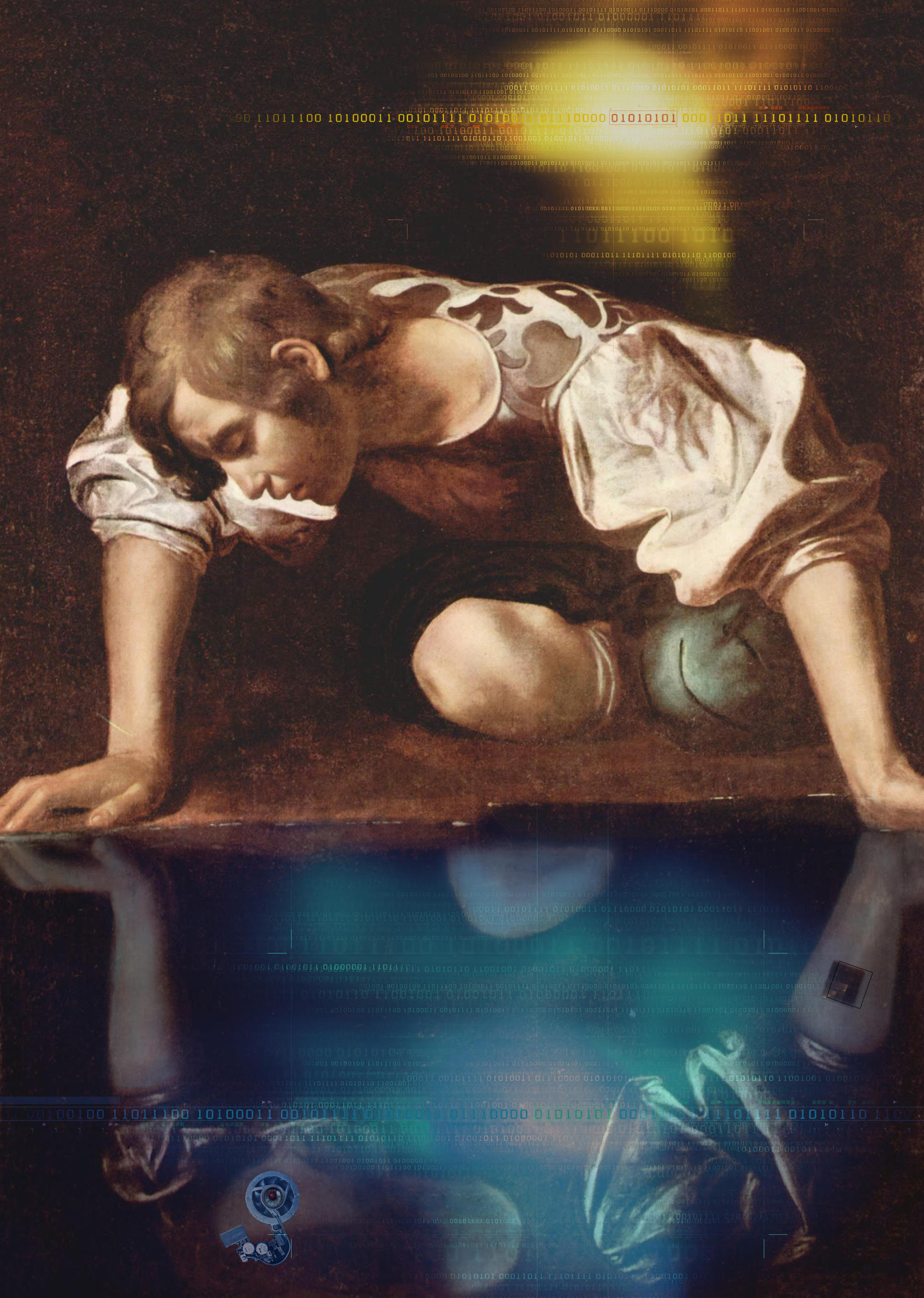
The rapid development of technology in the modern era has inspired a movement known as transhumanism. Envisioned is a near future in which human bodies and minds will be transformed and enhanced through genomics, pharmaceuticals, nanotechnology, robotics, artificial intelligence, and any number of prosthetic devices inside and outside our bodies. Advocates also hold out the possibilities of radical life extension through rejuvenation technologies or alternately reincarnating individuals inside of computers. The proponents of transhumanism argue that the exponential growth in scientific knowledge and know-how is leading humanity to a "Singularity" sometime in the mid 21st century. In that Singularity, our technologies will cross a threshold. We will become post- or trans-humans. Required is a transdisciplinary conversation to explore the scientific possibilities and the cultural implications of this brave new world.
Speakers

Watch
Media
Related Roundtables

Transcript
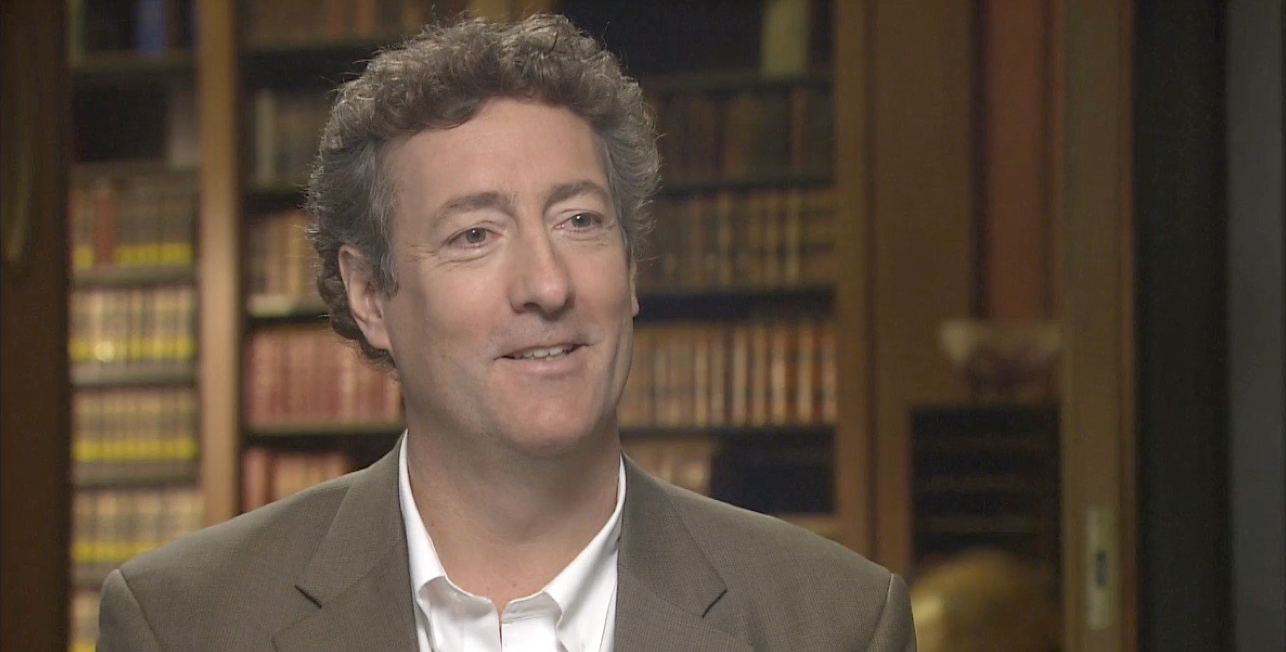
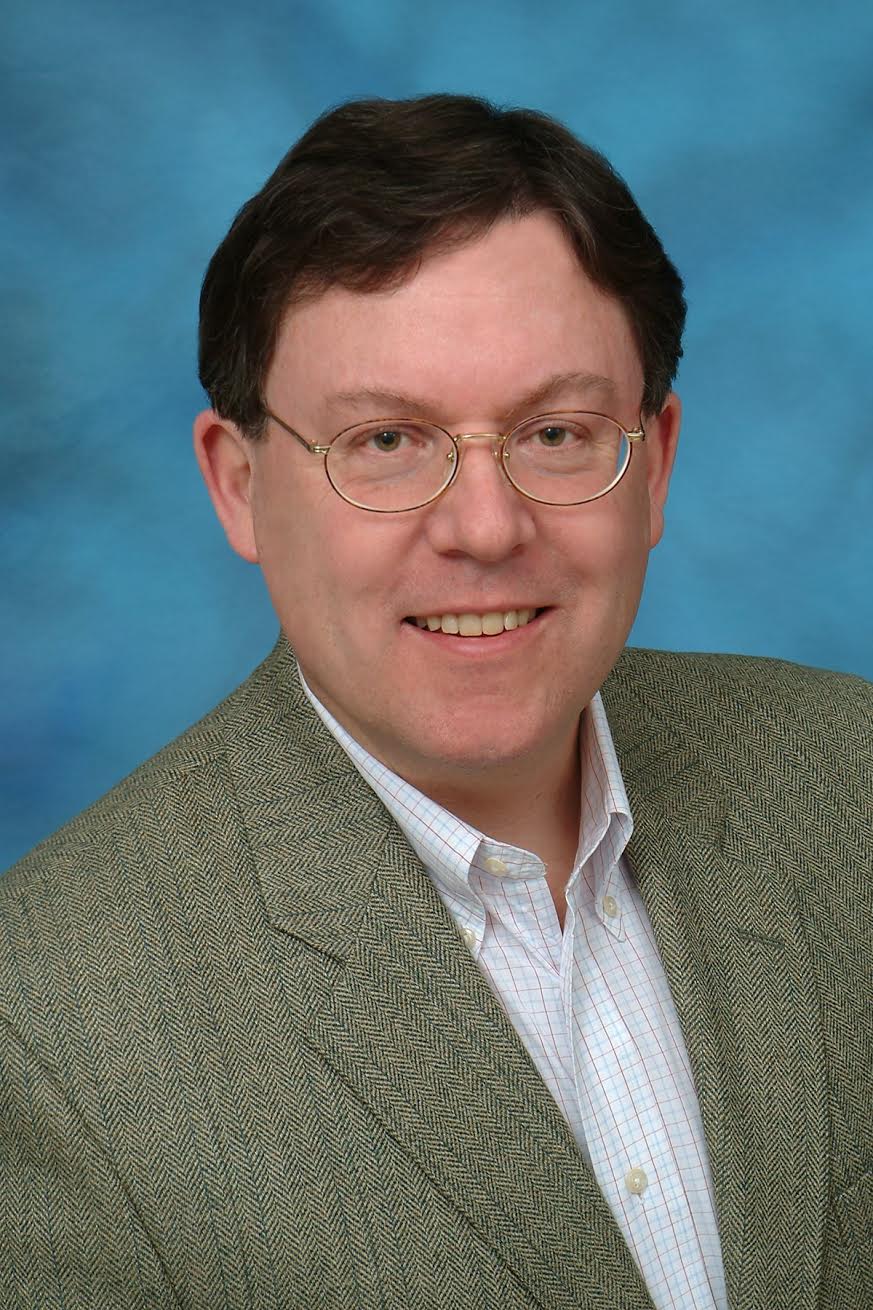
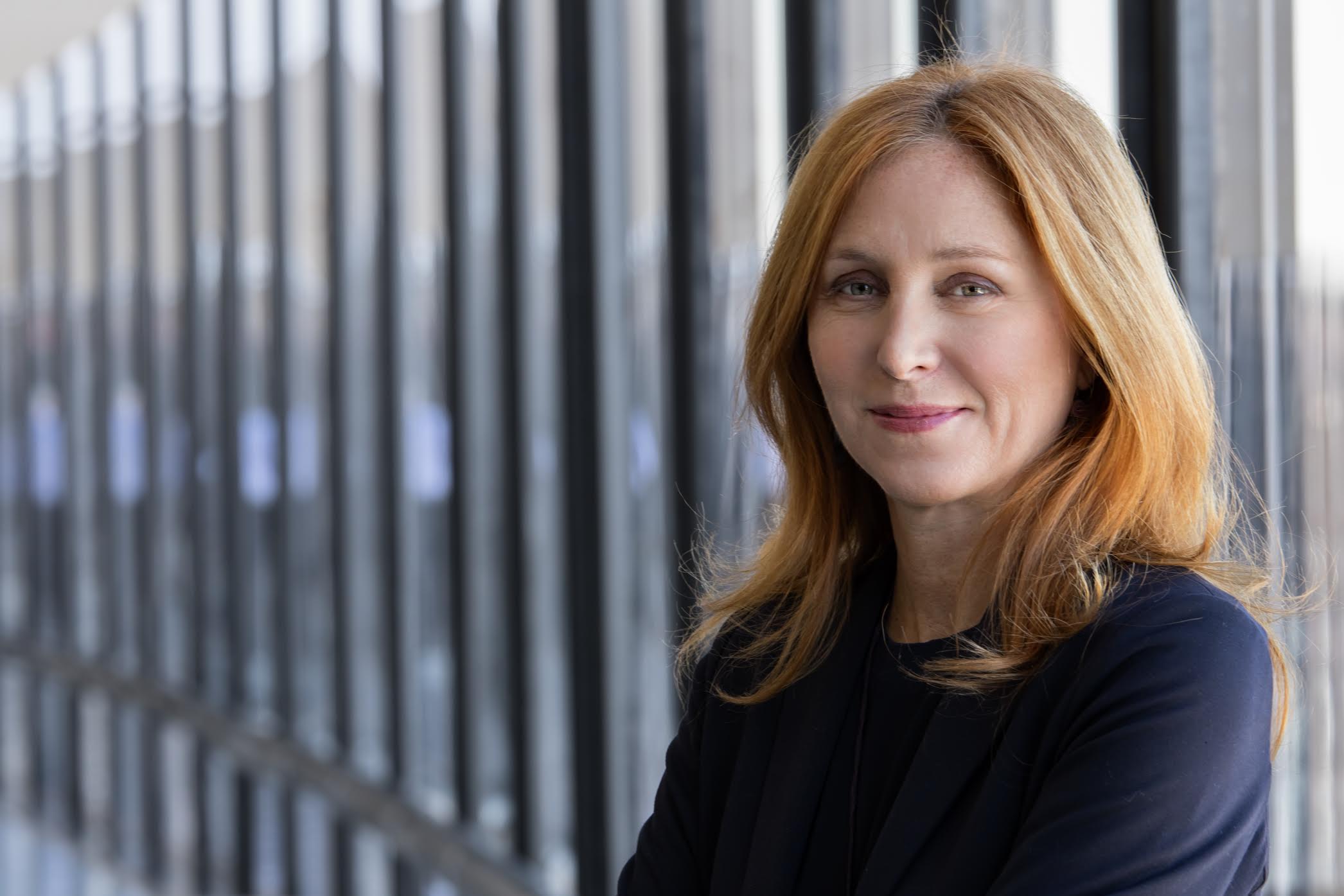
This roundtable on transhumanism brings together comparative religion scholar William Grassie, molecular biologist Lee Silver, philosopher of religion Hava Tirosh-Samuelson, AI researcher Francesca Rossi, and bioethicist Stephen Post. The discussion centers on whether the transhumanist vision of radically enhancing human capabilities through technology is desirable, feasible, and compatible with human flourishing. Tirosh-Samuelson provides the most sustained critique, arguing that transhumanism reduces humans to patterns and algorithms while ignoring embodiment, gender, emotional development, and environmental sustainability.
Lee Silver grounds the discussion in scientific reality, explaining how genome editing and embryo screening actually work and distinguishing incremental therapeutic advances from the grandiose claims of transhumanist prophets like Aubrey de Grey and Ray Kurzweil. Francesca Rossi offers an optimistic view of AI as augmenting rather than replacing human intelligence, while acknowledging the field has historically neglected ethical dimensions and is only now beginning to engage humanists in its development. Stephen Post raises concerns about the erosion of empathy, dignity, and embodied experience in screen-dominated culture.
The panel finds some common ground in supporting incremental medical advances like anti-aging research and disease prevention through genetic screening, while expressing deep skepticism about radical visions of uploading consciousness or achieving immortality. A key tension runs throughout between those who see technological enhancement as continuous with humanity's evolutionary trajectory and those who argue that certain aspects of the human condition, including vulnerability, mortality, and intergenerational bonds, are essential to what makes life meaningful. The discussion concludes with calls for multidisciplinary collaboration that brings humanistic perspectives into technological development from the beginning rather than as an afterthought.
Show discussion topics
- 00:00:00 Introduction of panelists and William Grassie's overview of how he became involved in studying transhumanism over the past 15 years.
- 00:06:56 Discussion of current technologies driving radical life extension, including genome editing, telomere research, and the distinction between extending lifespan and eliminating aging.
- 00:10:38 Hava Tirosh-Samuelson critiques transhumanism's purpose and ideology, arguing it raises fundamental questions about what it means to be human and whether enhancement is truly desirable.
- 00:18:38 Debate over the distinction between transhumanism as process of enhancement and posthumanism as the endpoint of merging with machines, with concerns about embodiment and gender.
- 00:27:12 Discussion of AI augmentation versus replacement, with Francesca Rossi advocating for AI that enhances human intelligence while Tirosh-Samuelson warns about reduction of humans to patterns.
- 00:34:29 Lee Silver and Francesca Rossi explain how deep learning and genetic engineering actually work, countering exaggerated claims with technical reality.
- 00:42:59 Debate over the disability critique of genetic screening and the difference between preventing disease and pursuing perfection in designer babies.
- 00:49:18 Stephen Post shares concerns about screen-based culture eroding dignity and empathy, questioning whether transhumanist enhancement addresses what truly matters about being human.
- 01:06:15 Discussion of evolution, reproduction, and empathy, with arguments that the turning over of generations is essential for developing human moral capacities.
- 01:14:41 Audience questions and closing discussion on CRISPR ethics, the profit motive in technology, cellular aging, and whether AI can enhance human wellbeing rather than just efficiency.
Show full transcript
00:00:00 at nurses in the director of the center today's roundtable on transhumanism was proposed by being Grassi who will whom I will introduce and then he will introduce the rest of the participants just two words about future programs we have a program on boredom on April 22nd I believe and you'll get the notice from from our mailing list and then in on May
00:00:32 12th we have a program on the completeness of physics thank you we're interested in this topic of transhumanism for me it started in 2000 when I was involved in a conference at the University of Pennsylvania on life extension technology and then I started meeting all these people some you know the science itself is really interesting but the proponents of it are also very interesting and the whole question of who we are as humans is something that
00:01:05 engages me philosophically and otherwise and this question of how we're changing raises all kinds of really important questions so that's that's how I got into it my formal training is in comparative religion religious studies but and of course that death is a big issue in that as well but these days I call myself more a big historian or so I'm really interested in the big story
00:01:35 that science is telling and what how we understand it and interpret it today how about you Lee silver the silver Besser Princeton my training is in biophysics molecular biology and in the 1990s I wrote a book called remaking Eden which talks about the technological advances that allow genetic engineering and the potential
00:02:05 that genetic engineering could be used on humans in the future the biggest negative response I got was from other scientists who said what you're talking about it's never gonna happen twenty years later in fact the technologies going ahead faster than even I had predicted so it's gonna happen we'll talk more I work on three areas one is
00:02:37 the relationship between philosophy and mysticism within the Jewish tradition another one is religion and ecology and the third is religion science and technology so my interesting transhumanism is through that angle I actually got to know Billy Grassi through my work with the Templeton Foundation so I've been in that conversation I would say since 2:03 but seriously since 206 and I've been
00:03:08 writing as a critic of transhumanism so you're gonna hear from me some of the criticism to the views that you're going to espouse hi everybody I'm Francesca Rossi I work at the IBM Research Center I also have a I'm a professor of computer science at the University of Padua in Italy and I've been working in AI artificial intelligence for many years I think that my first conference was 30 years ago so I've seen a lot of
00:03:41 ups and downs in this technology now is a very hype point and for various reasons and and these also led me to being interested in to the impact of this technology not on society and individuals or making us think of what we really want these technology to achieve by itself in autonomy or also together with us so I think that that's what led me to being
00:04:13 interested in the topic of this panel because I think that I am optimistic that by understanding better how we want to shape the future of AI will also make us understand better what we have ourselves and how we want to relate to that technology but having said that I'm here I think much less expert than the other ones on the topic of the panel I'm here mostly to live like everybody else I think my name is Steven post I direct
00:04:48 the Center for medical humanities compassionate care and bioethics at Stony Brook University Medicine I've been there 10 years having migrated across route 80 from Cleveland Ohio and case med I've been interested in pretty much all the great themes related to transhumanism in the 1990s I was publishing a lot with Peter white house who had the patent on the cholinesterase
00:05:20 inhibitors in the treatment of Alzheimer's disease and we were writing about cognitive enhancement and using medications not therapeutically but actually to elevate certain kinds of fundamental capacities I also went to that conference that liyan and and Billy were at in 2000 at the University of Pennsylvania and we published a book called the Fountain of Youth which had every kind of scientific and philosophical and world religious and
00:05:51 psychological perspective on the benefits and difficulties of anti-aging technologies and that certainly just rocketed now way beyond whatever we thought might be possible I've written a book why good things happen to good people which is essentially a treatise on happiness and thinking about whether certain forms of happiness can be technologically sustained hedonic flow happiness you'd a
00:06:25 monistic happiness and so forth very interested in genetics and the perfect child over the many years and bioethics of course so all of these aspects of transhumanism come together and they challenge us to think about how we want to recreate human nature going forward what do you think can we live forever I
00:06:56 don't know it seems preposterous but some of Italy you you're the biologist here what what are the technologies that are pushing us to the possibility of radical life extension when we say we I assume you're talking about something the human species and into the future so I I wrote a book that's you know twenty years ago talking about how technologies could be used to to do everything
00:07:29 basically that we could engineer DNA is not called genome editing because that sounds better than genetic engineering and we could put in characteristics that would allow humans to avoid disease live longer and be healthier and what I've seen over the last 20 years in the field is that these technologies are happening faster than then even anybody expected it's going to happen so I would say I
00:08:00 don't know and I don't believe in infinity but will people be able to will you be able to have children who live longer absolutely I mean we already know how you could do that can you do it to yourself it's not not quite as easy I don't have a response on that so we're all familiar reycarts Wells book The Singularity it's what now five six seven years old he argues that there's all these
00:08:30 exponential trends and we're moving towards this place where by 2045 we will pass a threshold in which we're going to be able to you know replenish the telomeres and our chromosomes replace our organs with you know genetically cultivated organs out of pigs or other animals or and you know it's it's it it I guess the natural human maximum human
00:09:03 lifespan is 125 something around there so Cameron team and Gino pardon for the current genome right there are some species that live a really long time it's it's you know it's it's that's only one aspect of the transhumanist project there's also the enhancement issues that are going on something it a little bit too much radical life extension is just
00:09:35 one aspect I would like to suggest that there's a difference between living longer and living forever but over the gray another proponents of radical life extension want it's basically the postponement of death the perpetual postponement of death so the first task on your the burden of proof is on you in this case to show us that this is a dual feasible and B is desirable I would argue that it's definitely not desirable I'm not a scientist I cannot say if it's
00:10:06 doable but that's that's where the science should come in so we can talk about radical life extension but it's really one element inference humanism that requires a lot more conversation and unpacking why is it not desirable okay so the option is object options object not desirable to who okay fair enough so let's talk about radical life extension why is it a good idea and why
00:10:38 is it not a good idea so arguments as the title of the book suggests we all want to be young I would first begin with a question do we really do I really want to be 20 years old I definitely don't but I want to be a healthy person in my current stage I'm in my late 60s yes I do but between that and radical life extension there's a big difference so let's figure out what over the gray and other people who push for that agenda really want they won't over
00:11:10 easy everybody knows the name over operate the gray no you should know his work he's a major proponent of radical operate the grey radical life extension he's a major profit of that what does he want you want us to be really living forever through perpetual remaking of the human body the main metaphor is the car yeah well-built car are we really is that a very good metaphor for human not sure I would argue there but so but you
00:11:42 didn't say I think or I didn't hear why it's not as audible I mean nobody wants to go back to being an experience you know like when we were 80 you know so I'm moving forward with more experience more so does that so can we avoid the degrade of our bodies so that not not I mean it so that you know we can and what's wrong with aging with some some kind of use some some capacity yes indeed what's wrong with being able to
00:12:15 do that even though I don't know it's nothing wrong we will have a healthier the healthier we are the better it is but that's not what Oprah is all about and all the radical life extension project as well as cryonics don't forget that that's also part of the story what this is about is really immortality now I would question the logic and the wisdom of this idea of immortality as they understand it in a very materialistic and especially machine based kind of approach to immortality that's why people do if they live to be
00:12:54 500 years alone continuously and with the world as we know this planet a very vulnerable planet can support all those billions of people who are going to live here forever we can be told a planetary so then we going to space the colonization so space colonization is the extension of radical life extension that's exactly this this debate you know
00:13:25 is ancient of course and when Francis Bacon Roche to do Atlantis there were the waters of paradise basically a Fountain of Youth honor two years later when Jonathan Swift wrote Gulliver's Travels Gulliver comes among a people called the look Navy ins and unusually occasionally lebesgue Ian's are born who were called struldbrugs that is to say immortals and at first Gulliver is excited about this
00:13:55 but then the chief of the McMahons tells him that they become forgetful deeply forgetful in their eighth eighth decade of life and can no longer remember the words that were said immediately prior to the moment and eventually everyone hates them because they're incapable of communication so he says to Gulliver take a few of these immortals back to your own people and tell them not to fear death so there's always been the utopian and the dystopian aspect of this and you bring it right up to the 20th
00:14:26 century you have JBS Haldane and then reaction of tokine whose elves were immortal unless they were killed by a physical blow or in war but there is a kind of malaise a kind of listlessness about them a kind of lack of intensity and purpose again mortality being the mother of creativity if you will and so so this this debate is good according to that the way just back well so there so that's what for Toki and for CS Lewis
00:14:58 for many others mortality is is a virtue and in Irwin who is the great figure gives up her immortality to marry Aragorn because she has a vision of a son and she realizes that she can live a more fulfilled you'd a monistic life by embracing a son as a mother than being an eternal elf so it seems to me that this notion of mortality is good well we
00:15:28 were at this confidence in 2000 Leon Katz and there was another philosopher the pro-death can support I called them and they were arguing it I would say it's a pro life it's not true this it's life and death at these sides of the sink and so I mean I think there's a religious component to this it was you know until the twentieth century there was nothing we could do to expand like you know make life longer and it goes along the same lines with with disease there was nothing we could do to
00:15:59 prevent most diseases and so the religious response was well it's good to suffer a sort of you know improves your soul and someone and I think that's I mean I don't believe that nonsense but I also think there's a difference between immortality versus life expansion you know in units you know okay so the human right some people live to 120 I think that's probably the maximum right now
00:16:29 and it goes up to 150 200 I don't see the problem I mean the populations not a problem Japan which was the longest life span is going down in population I mean they're very very worried they're not community Palast because the women aren't having babies but of their hundred of their a hundred and twenty million people fourteen percent of them have probable Alzheimer's disease because age is the main predictor so the whole thing of of
00:17:01 life extension to me I don't have an issue with it life span life extent I mean it's life the lifespan is the longest than any single representative of a species is known to have lived life expectancy is the average life length of life in a given population in time Japanese have an eighty eight year life expectancy huge problems with now you if you were to get to a point where we have people living longer and I actually don't object to it terribly because I think
00:17:31 aging is a disease at least it's a syndrome okay or cluster symptoms it doesn't feel good to me but you you you have to include in that the compression of morbidity so no one then if you if you didn't have the compression of morbidity for example the eradication of these chronic diseases of old age then you would have Swift's worst case scenario which is that you know extended life but incredible dysfunction for the
00:18:07 purpose of what that's the main issue that we need to put on the table what's the purpose of being a human being what do you want to accomplish so tell us more transhumanism gives us a purpose Telos the Telos is post humanism so how do they envision the purpose of the whole operation ultimately it's really the mechanization of the human it's the total immersion and infusion and it's more than interface between the human and the machine so if we ask what is it all about why are we to live longer it's
00:18:38 ultimately in order to become a super intelligent machine so that's the difference between transhumanism and post humanism transhumanism is the process of enhancement of all the things that we are doing right already we are any sense in the transhumanist position already all status already but that's not where we want to end but it's all about its posthumanism but total fusion between humans and computers are you for that I'm definitely not for that so with
00:19:12 technology and science and I mean we are already our capabilities are already extended by many technological things and we also have the responsibility to critique what's happening there's no doubt that transhumanism has has impacted each and every aspect of human life to dead no doubt about that that's why I think it needs to be taken very seriously and not dismissed it just a foolhardy thing is some people have done in the beginning of the conversation
00:19:43 when I started working on these 15 years ago people said why are you spending some of that it's all nonsense and said no it's not nonsense this is where we're going we've got to critique it we've got to look at it carefully actually you know back in the late eighties the really unique thinker with donna haraway wrote a famous essay called cyborg manifesto and i thought wow that's kind of cool and it's true and in some sense
00:20:13 we need to think about our technology as part of who we are and it changes who we are and it's not just the glasses or the computers you know cars our cars are part of nature have a very complicated sex life that uses us as symbionts and their replication I'm saying in the sense that rather than think of our identity ending with our epidermis and
00:20:45 sometimes it's inside our epidermis too and we have you know transplants and so on and so forth but I don't even think of it that way I think we should think of all these prosthetic devices as things that change who we are and so whether you call us cyborgs or whether you call us and feminist or you have a different understanding of posthumanist I think we're already a radically changed species and-and-and we don't experience them so much partly as individuals but
00:21:16 but it's primarily a collective expression of who we are as a species and how we how were evolving and and if you say alright so we're already post homing were already transhumanists that sort of takes away some of the utopic and dystopic dimensions of it it's just it's just a big muddle and you know it's it's good things and bad things are both happening at the same time I think it's great if we can improve health I think it's great if we can improve longevity I
00:21:46 think it's very unlikely we're gonna cure death and I'll come back to that I think it's unlikely that we're gonna have the the runaway artificial intelligence which is going to take over the human species is already happening that they I will augment all outcome abilities that's more likely than immortality before we turn over to you I
00:22:21 just want to point out that there are there are people Leon musk I mean for instance who thinks that the greatest danger that humanity faces is runaway artificial intelligence that's going to take over the planet and find us this boat dispensable and I just want to point that out and then do you think that's a realistic scenario or something to worry about some people worry about yes whether I think it's a realistic
00:22:54 scenario it's usually it's a question that I don't work on a lot because I think that whether that's going to be realistic or not I can be better prepared for whatever and whenever that moment will be if I think about more current issues in augmenting our humanity with AI right now there are issues to be considered right now and there are very powerful algorithms
00:23:27 and techniques even right now even if we don't have general artificial intelligence or very narrow one for specific tasks but still it is super intelligent on that task so there are issues to be considered right now to work on to find solutions to guide these intelligent intelligent augmentation via technology in a way that we can welcome this yes I would like to welcome that but not that you're asking if I welcome
00:24:01 this fusion if it's a fusion without even thinking about the implications without thinking about the issues without working on that maybe not but if it's a fusion that is done day by day improving and thinking about the issues and finding collective solutions and dining it then yes I do welcome it and you didn't tell me why I should not welcome it okay so what I find problematic about the whole AI operation
00:24:31 we are obviously not talking the same language because you're talking about something very specific in them in the practice of artificial intelligence I'm talking about transhumanism as basically as the way it should be understood which is a social imaginary it's a story it's a story about humanity about the destiny of humanity and what we need to do and I critique it on that level I can retake it from a point of view of a political thinker and intellectually story and so forth okay you see the difference so we are not
00:25:01 really talking the same language later that's all definitely related so my problem is yes we are gonna live we are living with machine next to machines but I don't want to become a machine I want them to understand I want people like Nick Bostrom the ideologues of transhumanism I want them to understand why becoming a super intelligent machine is a problematic idea I'll give you these three arguments number one I'm first and foremost a body I'm not just a pattern that is gonna be
00:25:33 instantiated in silicon I'm an embodied person and this embodied entity has mental cognitive as well as physical emotional and all the rest and I want to keep that integrity intact but if you're going to upload me onto a computer I'm not gonna be the embodied thing that I am right now I would call it an organism I will use the organist ik elements once I become instantiated in a computer okay
00:26:03 that's point number one point number two the embodied asset is very crucial because it has something to do with sex and with gender the one thing that gets us this entire conversation is the gender dimension as if it doesn't exist as if there is no sexuality there's no reproduction there's none of that exists why because all this business was created by men excuse me they're all AI operation but anyway this I I would like to protect embodiment okay so that's a very important thing also the
00:26:33 environmental dimension is very important to me I don't think that what's going to happen with this AI taking over is good for the planet from environmental perspective unless you prove otherwise right let them prove otherwise right now I think that the workplace is not good for the planet for example extracting all those all those metals that you need in order to do what you're doing has anybody talked about what happens where do you get all this material from it comes from the earth and some have more efficient than human beings energy human body consumes
00:27:12 about 100 watts the Europeans proposed some years ago to build a computer simulation of a brain it was going to take a nuclear power plant if you take out these uploading of whatever so that the disappearance of the embodiment which we're not something that I'm considering at all but I mean
00:27:42 if the real thing that bugs me is the reduction of the human to a pattern you're dealing with patterns right to augment our capabilities what your research is and what's going on in IBM
00:28:13 Watson yeah I mean IBM I mean many people in a yeah that think that you know the purpose of AI is to augment are intelligent one accord so that's why I be I'm at some point they didn't want to use artificial intelligence because it was kind of misleading as if you were creating another thing by itself so at some point they call the AI but it was augmented in four let's call it AI artificially touchy about what we mean
00:28:45 is AG mending human intelligence so we have our own form of intelligence which brings intuition asking the right questions judgment you know and the AI has other things that you can do much better than us so this complementarity can bring the things together but with the goal of not making us a machine but the using the machines to help us being better humans whatever we want we can
00:29:16 define that we're not going to disappear we are going to be enhanced so I have this optimistic view of course you have to be careful in doing this thing in the eye and humans you have to be careful in the issue that can come out you have to be careful in making the machines understand what humans want and not vice versa you have to be carefully making the machines speak the language that we speak and not the opposite and so it really has to be an enhancement of ourselves and not us
00:29:47 having to you know attempt solutions desire things they want things you think if you I mean well that's a good question thought Eva we know what we know that natural selection is a natural process so this sounds very science fictiony and I wouldn't have thought I mean ten years ago I would love to still roll nonsense but machines that can learn how to replicate themselves or be
00:30:17 not some machines as much as the algorithm the programs if they can learn how to replicate themselves in the world then natural selection looks over Kevin Kelly one of the founders of Wired magazine wrote a book what technology wants and it's the old adage you know if all you have is a hammer then every problem looks like a nail and so there is a there is a way that you know the machines in our lives whether it's a car
00:30:49 or whether it's a computer or you know [Music] somewhat direct our behavior well that's the autonomous technology thesis and it's certainly the case in medicine the machinery becomes more elaborate it takes a lot of effort but it can be done to get a control over the utilization of those machines I think we keep talking about we as if that means something
00:31:21 because I don't know much well but we're all individuals right there's a lot of individuals I'm not going to you know leave my body and go into a machine I'm not gonna let somebody else make me into a machine and if people think that way then who is the we that's gonna do it so that's right so now we're on the same page here I'm saying and I seem to agree with that that we need to look at those proposals and be critical of them we shouldn't just add on this kind of
00:31:52 buying into it without any critical analysis we remind all of us that when nick bostrom started the whole conversation at least 15 years ago nobody spoke about the dangers of AI in his most recent book 2015 super intelligence machines only there even he begins to doubt or begins to admit that there may be some things that we don't want to happen with artificial intelligence but 15 years ago he did not even entertain the
00:32:23 possibility that there may be some malicious stay i so now they're busy doing friendly AI if you read the New York Times just a few days ago there is an essay precisely on that topic I have it here and just where is it yes how to make a human friendly so problem is why didn't they listen to the critics 15 years ago because 15 years ago I was not
00:32:53 so pervasive but was not so impactful on our life and society 15 years ago we didn't have enough computing power and enough data to make AI learn and be aware of the environmental be used in the uncertainty of the world so there was no say I was not really giving it was only used in very controlled environments now is that this difference so that's why people think about these issues how are we too late in which I
00:33:25 said artificial intelligence that could drive a car across town and park it in a parking lot would pass the Turing test that would be that would be for me proof of its intelligence and the way that you know even more than the traditional turning test of course now that's that's doable so one of the things that interests me is the limits and I've written about this as well the limits of computation and the possible limits of
00:33:58 the genetic engineering as well that these are complex systems and the more complex the system gets the more you start pushing against you know nonlinear dynamics and unpredictability and the genome I understand to be a bureaucracy not as not a bunch of alcohol swishes and and within within computer science I'm not an expert in this there are problems that can't be solved there are problems that because you can't write an
00:34:29 algorithm for it and there are other problems that are just too hard to solve and I just wonder whether whether in these two domains we might be running up against complexity horizon these two domains have our joining and the brain is what I would say is also another potentially yes and those three domains are joining forces I mean deep learning now nobody knows how these algorithms work well that's not exactly true I mean there's a bit of a black box but somebody had to
00:35:01 set up the black box to work but if you asked why you did something why you made certain decision is still a bit opaque I mean in some cases you can go back to the kind of training data that allowed to make that decision but you know it's still a bit opaque much more opaque than traditional logic based AI systems which however which were much less accurate
00:35:33 reproducibility problem I mean first of all if you're talking about deep learning there's many many hidden layers in the process of the machine learning how to recognize things you've given a lot of data and you give it some algorithms and I mean I mean not in the
00:36:04 details of the algorithm but it's very very simple so if you want an algorithm that can recognize whether in a picture that is tart or doc okay so you give it a picture and you want this algorithm to say whether it's a tap or a dog so what you do you start with an algorithm that is behaving very randomly okay it doesn't know anything and you start giving a lot of examples what are what is one example an example is one
00:36:35 picture and the information that I give toward the algorithm that I say whether in that picture there is a cat or a dog okay so I say this is a picture this cut is a picture this is a dog this is a picture this cut and even lot of these examples and then the algorithm by looking at one example after the other one in sequence at the beginning this kind of random and then starts tuning its parameters in a way that it learns this relationship between teachers and whether it's there is a cat or a dog there at the end of these that we call
00:37:08 the training phase you have an algorithm that has some parameters tuned in a certain way that hopefully has learned the relationship between pictures and these two animals and the ten people is able to generalize it to picture that he has never seen before so now you give it another picture you don't tell if it's a capital and possibly the algorithm will be able to recognize whether there is a cat or a dog and usually with disability if you give it enough data but not just enough data if you give it data which is
00:37:38 diverse enough inclusive enough of all the possible situation then the algorithm is able to generalize many deep learning approaches to for example automatic visual not like recognizing what is in a picture right now a very small percentage of error can error is always there but the percentage rather is very very small so they are very very good at generalizing but you need a lot of data for training these examples and you need a lot of computing power because of this amount of data that you
00:38:09 have to tell this so the idea is very simple you learn by example which by the way is something that AI people are trying to move forward from that because if you learn only from examples they eat the relationship between input and output then if you give it another task which is very similar to that but not exactly the same you have to start this whole process from scratch because the augury is actually not lamb general idea what is a kata what is a dog but it's just learned this interpolation which is
00:38:41 still stupid of course the two-year-old could do that so what's the utility and why should we be worried that that's going to take over the world so I mean basically this is analogous to the genome the genome each of us came from a single cell and that single cell had information equivalent to six billion bits of
00:39:14 digital data that's it and somehow that cell with six billion bits of in bits of information you know grew into each human being can you change some of those bits and become a mouse a lot of human being or you know that and that's now rhythm we and we don't know how that works evolution created this thing in a sense machine learning you know the process it's it's there are lots of hidden
00:39:45 layers that not telling mission catalyst it's just learning from what you're giving it and what's happening with the genome I won't need to happen is using using the computational tools to be able to see perturbations in the genome affect the output feeds the final how many human genetic diseases have been identified these are not a good
00:40:18 categorization I mean they're it's you know you can yeah I mean there there are hundreds of thousands of mutations that can cause various diseases leaves started a company called genes peak extinct Peaks that does pre pregnancy screening to identify you know would be a good match how how reliable I mean how many traits are you screening
00:40:50 for and how reliably so you know this is used extensively in Hasidic Orthodox Jewish communities for for certain recessive diseases but where this is leading the technology has exploded so just a couple of years ago you could look at you know 20 diseases first 100 we now look at 7,000 and we look at we
00:41:24 create we take them presumptive mother and people want to be a mother in the father to take their DNA it's digital information then we create virtual babies virtual genomes you know who's contributing the genes it's 5050 well we create lots of virtual babies from a couple and one of the virtual babies look like okay are there any limits I'm
00:41:57 talking primarily about the ethical limits to this kind of screening so in my view people should be able to do what they want with their own data the goal of this analogy so you take two people the DNA of two people you understand what are and if they want they can use that information to avoid disease by being an embryo applicant embryo that doesn't have the genes causing disease
00:42:29 those in vitro fertilization they start with a bunch of embryos so you generate these which these offsprings not just virtually not just on a computer saying this is the DNA that can come out but as embryos that's for them to decide we give them the information so they can do that okay how do you encounter this in hospitals today Stephen
00:42:59 clearly there is a counter cultural critique of the perfect baby notion which is subjectively defined and that's really the disability model so people like Adrienne ash for example but many others have claimed that with our constant urge to enhance the lives and
00:43:31 the lifespans that we bring into the world that we we we eliminate the the virtue of tolerance of inclusion of a common or shared humanity and we begin as a culture to select certain traits which become definitive of a human being having any kind of moral consider ability it becomes if you will sort of
00:44:05 neo eugenic well now that may not be the case that's the disability critique is that we benefit when we have quote/unquote imperfection in the world because it teaches us to be more inclusive and to be understanding that in fact there are deeper things in community than hyper cognitive values hyper cognitive achievements and so forth the first thing I think it's very important to point out is that the perfect baby is fiction there is there's
00:44:36 no such thing as a perfect baby people are doing right now what we're trying to do is you know prevent a disease or you know provide resistance to a disease that's not perfection and I think it's really I think people who are against the technology they use this and it's a red herring I mean it's not what we're doing and there never will perfect baby so can I climb it
00:45:07 understood so I actually agree with what you just said because in my view I don't really engage in the transhumanist conversation at high philosophical levels to me it's all incremental so we're going to have successful anti-aging I was looking at a remarkable piece of work going on now as of well 2016 at the Mayo Clinic and it's Scripps where they're using an agent which
00:45:37 combines chemotherapy and a plant dye believe it or not and they're actually eliminating senile cells from the kidneys of individuals with failing kidneys they've been incredibly successful in mice now this is therapeutic where we're doing things therapeutically but then we'll look pretty good as generalized enhancements right we'll all want to keep our organs from becoming senile if you will and
00:46:10 similarly at the National Institute on Aging is devoting 55 percent right now its budget strictly to the science of anti-aging now that's why because they've given up frankly on finding solutions to many of the chronic illnesses the main precipitating or risk factor for which is age itself I mean a hundred years ago you know people got dementia because of syphilis right now
00:46:40 that they're living into their 70s and 80s then you know the it's age itself which and of course Alzheimer himself wasn't sure if he discovered it as easy actually thought that he discovered a natural part of human senile aging so so we because we we've gotten to this kind of midway point where we're all living longer on average we're so much more subject to these many diseases of old age including cancer and so forth that maybe
00:47:12 the solution so the niña thinks is to actually figure out you know tell them miracle II and in other ways what the process of senescence is and if we can turn that around okay maybe we will be living to be on average 112 years old or maybe a hundred and ten depending on me to talk with you know people discuss these things but if we can compress morbidity that we can get rid of these chronic illnesses that would become an enhancement but a valuable enhancement so in many of these areas genetics
00:47:45 anti-aging even psychiatry and so forth I think that we start trying with with the attempt to address a therapeutic need and then it just spills over because it's a good thing I don't know if that makes any sense no it makes between therapy and enhancement is very blurred and it's very fluid it is you're saying that it's kind of a natural growth that once we figure out the therapeutic stuff it becomes enhancement I don't think that
00:48:15 that's where it turns to it tends to well maybe but a lot of time it's this enhancement I would call it an ideology this ideological thrust it's kind of we've got to be enhance if you are not enhance there's something wrong with you and don't you dare stand in the process I'm quoting actually you go the Gary's those trillion transhumanist you say don't you stand in the middle of this process of becoming perfect so then use the contrast the concept of perfection that's what they want it says they're
00:48:47 just I mean all free to create you know by the way it's not even a scientist he's just a guy who hangs out in coffee shops in Cambridge he's never I mean I I won't say anything more about about RV I mean I don't know them - I've encounter them in number of times I think these people are sort of you know what should I say they're like adolescents in a in a
00:49:18 science class at age 14 and some crazy idea comes along and they think oh my god that's it and and they have no connection with the narrative of the the human experience to be able to think critically about it which is your point so just just to develop this conversation one more bit here I wrote the other day to a friend of mine Francisco Cardinal coments de Matos who's the world's leading South he's a linguist he's incredibly well known and
00:49:49 and I asked him to reflect on transhumanism and here's what he wrote back in an email this is from Recife Brazil human health enhancing questionmark human dignity elevating question mark human mind expanding question mark you know job slept on my floor dree college and he never let his kids play with computers growing up human spirituality probing question mark human creativity amplifying question
00:50:21 mark you know should take a look at a Dulaney Ruston's great video screen agers the movie about how we're struggling with creativity and and and somatic learning and memory and knowledge and so forth it's very interesting human peaceful nature strengthening human interaction facilitating human sciences integrating so those are just reflections from someone down you're asking you know that
00:50:56 we need to think carefully about about these wanting us to question them yeah the question is does transhumanism he's raising many doubts about the transhumanist ideology because he doesn't think that it's attending necessarily and now I'm not ruling it out but he's saying his his sense is
00:51:28 that it's not attending to the most important elements of shall we say human enhancement in human if you will perfect ability which has to do with character traits dignity empathy you know I have a close friend intelligence right well let me just say that I have a close friend who's 90 years old that she was my dorm mother at a high school in New Hampshire and she lives in Martha's Vineyard she's got one
00:51:59 grandson grandsons 12 years old he was literally raised on screens okay unfortunately and she took her daughter and her grandson to the Swiss Alps for a vacation and she came back and she called me just this December and she was in tears because she said her grandson has absolutely no empathic qualities cannot interact cannot even make eye contact and she was so frustrated she said it was the worst nightmare of her
00:52:29 entire life so that's what that's what we're asking is whatever it is is it dignity enhancing us some of these things you know by the way some of the genetic ideas are not contrary to human dignity by any means I don't want to say they are but these are the the deeper questions that you need to be asking I think the discussion is at many levels and I'm not clear because we talk about increasing lifespan which is one thing creating immortality it's another thing
00:53:02 becoming all of us just computers and algorithms is yet another thing but the thing that you are talking about Francesca has to do more with AI and the dangers of AI to enhance our own traits and all those things with the prescient marks I would say yes we can do that if you are careful enough we can do all of
00:53:32 those they should be welcome because with you with our creativity enhance our trades and and so we can do much more scientific discoveries we can discover cure for money more disease but what you were saying also I thought was that we need to be aware of the potential problems and dangers in order to not end up in a place we don't want to end up the fact is that the grandson
00:54:04 of your friend right has already ended up there so there was no way to prevent it and part of the issue seems to me in trying to say we can in fact figure out what the problems would be is we may not be able to figure out just as we didn't know what the effect of social media on us would be what the effect that of the iPhone or the telephone would be on us so only after the fact we are saying so
00:54:35 it's retrospective and now you know people are saying well maybe we shouldn't buy into the macarthur ideology of doing away with the teachers in the grade schools and just having people on iPads maybe we should be more thoughtful about it the American Journal of Pediatrics had an entire volume devoted in December to the problem of raising children and getting them into basic social skills and so we so now that the suggestion is well maybe we should hold off until they're 10 or 11 let's look at this now we are going to
00:55:07 have driverless cars yeah it seems to be from everything I hear around the corner so what are going to be the consequences of having driverless cars what is going to be the consequence on our ability to drive or on our ability to do other physical things what is going to be the consequence in terms of traffic situations what is going to be the
00:55:38 consequence economically what's going to be the consequence in terms of insurance companies you know and some of these things you can think ahead right but it seems to me the reports of it you cannot think until if you're dealing with it all resolutely the whole conversation has various themes or strains in it and it's very hard to really differentiate between
00:56:08 them and it's very hard also to debate with transhumanists because when I asked you know I attack them on one he should say oh no I didn't say hey I actually believe in bees ok you go to bits oh I don't believe in me I believe in C so it's kind of a moving target it's very very hard to pin down what's going on in other words they don't really take ownership of the consequences that will come about if their dream if that's social imaginary will come to be real I don't know I mean there is this book I
00:56:39 was talking to and I mentioned to you and I was talking to Francesca but by max tegmark it's focused on how we can prevent life 3.0 yeah how we can prevent some of the complications so I mean there is an effort to think about it and I think there is more of a focus people now think a lot about these issues and how to resolve them because there are pin issues that have been shown in some examples so it was like a trial and you know and and you were right maybe maybe
00:57:12 one should have thought that at the beginning but it was impossible to predict or very very difficult so we saw some issues and I was like oh okay so let's rethink from scratch you know how we're going to develop a higher are we going to design the AI and impact in the design itself not just at the end and check how it behaves and yeah but then bad since the designs phase this issue that it should not be pious that should we fear they should be explainable that
00:57:44 it should all these things that you want the AI to have in order to not have these collateral negative aspects but remember the people who raised those critiques yeah we're dismissed is bio conservatives way by at least fifteen years ago you were bio conservatives how can you raise those problems all the people's vote the perils of Technology dismissed off hand now it turns out that they were closer to the truth probably than they it's a tough balance because you don't
00:58:15 wanna say okay no more technology no more advancement we are happy the weather is let's stay here on the other end there are things that are constant improvements what you were talking about and what they're doing not for example in psychiatry where somebody gives blood and you can tell from the blood what medications will be working properly or better than others what they would metabolize better than others so that these are useful but there is however
00:58:46 the issue that I think you were alluding to is are there other things that could be dangerous and is it possible to prevent those and I think some may be so and some now we are in a better position than 50 years ago because 15 years ago the silos of different disciplines were much more well defined you know technologies to one side sociologists on the other side economies on the other
00:59:16 side and they were rarely talking to each other now I regularly work and organize events with all these people i people together with psychologists sociologists you know and and how many human is to you including the interdisciplinary shows maybe we should have more so what I'm saying that I really see a change in that and that what makes me optimistic that we can solve because I people can find maybe technical solutions to issues
00:59:47 but the definition and the understanding and the identification of the issues should be done together without ok so if you bring the humanist perspective into and I'm very very happy to hear what you just said but if you bring the humanist perspective the humanist scholar into this conversation into the mix and the units would say you know what there is a dimension which is non measurable non allegory scible non read non reduction of all or non-reducible what do you do with that are you saying to this guy you know what this is
01:00:18 nonsense are you saying let me figure out how the non-observable the non-reducible how do I fit it into my analysis that's a job tell us what you think that is called that by whatever names I'm happy to talk about a soul is an emergent phenomena I don't know how you call it you can call it
01:00:49 soul cycle you can call it also two things which will be problematic for the people who are doing the this kind of work and all I'm saying that I would like to see these people at least admit the possibility of the non-reducible dimension but non materialistic the normal agura's eyeballs and non-muslim you cannot mathematics eyes that everything why are you saying none because there is because I do believe that not everything can become into an algorithm but that's different from now
01:01:27 if you read this book by George Tucker Ducky's it's about AI and his argument is actually do you see that there's no kadai so this particular book he's arguing that the AI project has been mistaken because it was basically based on mind-body dualism and what he's telling us that we need to go back from a platonic position which undergirded the entire project to nursed italian position that takes the body into into
01:01:58 account from the very beginning in other words they a I their artificial intelligence has to think through the body or like the body thinks not like the mind thinks as we think the mind thinks but as the body thinks it's a very interesting argument but if that's the case it goes against what transhumanism is trying to accomplish two things I want to say first is that what AI was conceived of 30 or 40 years ago the AI project as you call it I think it's different than what signed
01:02:31 I mean scientists are just basically it doesn't matter if the artificial intelligence algorithms match what actually happens in the brain it's you know whatever works and to be able to solve problem its problem something that's a physical analogy that is at the beginning of every textbook is that planes fly but they don't fly like birds fly you know they don't sound fair you know but still they do fly so so it what is it's not
01:03:02 necessary to have some form of intelligence or to be able to help ourselves to be monitored that they have to replicate our way of you know do I think there's just I mean I think the point is what we we use AI now we're not trying to replicate and I'll just run solve problems the second thing I wanted to come back to this the transhumanism and just the the notion of what Billy said that we're always transitioning
01:03:33 human wise I mean hundred thousand years ago people don't have writing yet they didn't have the brains that were able to you know produce novels or anything like that I mean didn't wear clothes until 70 or 80 thousand years ago and you know this evolution took place and so humans have been transitioning yeah difference is the transhumanism is for what they call and it's a directed evolution there
01:04:06 are not evolutions directed evolution it's controlled evolution it's actually accelerated evolution directing it so I have a question Ted sure read the books like that shoe if you know Ted shoes work but this goal is to create us what he calls Kobe's Kobe's art it's really critical to ask the question say it's directed evolution is that being directed by a society like in that you know it's directed by those who take
01:04:39 control of the process of engineering it's the engineer those who are near the process they will be in the position of Director I want to take a big big history perspective on this the Sun is gonna be a reliable partner on for complexing on earth for about two billion years and that's a really big future and there's no reason based along we know about the past to think that our species unchanged will be here forever I
01:05:09 mean we might be here for it so that our descendants might be here for two billion years they have a possibility of living on this planet without without science fiction traveling light years with technology that we don't have and they never have so the planet is a pretty amazing place and it's already had a really amazing journey and our species is about its problems but what I mean isn't it just take it for granted that we're gonna evolve into something different and and and and they may or
01:05:42 may not call themselves humans they I mean we're already a domesticated species compared to one hundred thousand years ago and how it happens even if it's a quote-unquote engineered it still has to work it has to have it has to be selected it has to have function and a certain amount of dysfunction will be in there too for sure and there'll be unintended consequences but so I don't I don't have a I don't I don't want to see
01:06:15 it through the lens of utopia or dystopia because I think those are are dangerous truths to get into of course we're going to evolve differently the process it's a very slow process it's a process that nobody nobody knows really what's going on but they claim that they can control the process I don't want them to control the process
01:06:47 is based on reproduction who controls reproduction the women will reproduce right as long as the women have the freedom to this would be for self the engineers I mean I'm in this field right I know it's women controlling if they want to give their child a gene which prevents disease or they want to avoid it means the women are doing it now that's one way right so you know directed evolution could be each individual woman culture has been directly human mating for a long time on
01:07:24 this point I mean just because this is breakers immediate segue and then please go on but but that's where Leon Kass and Hans Jonas come in because they would tell you that I mean Leon cast wrote an interesting book I don't agree I was his ta for a while but it's called toward a more natural science and his argument is that all of the things we really think matter in the quality of our human experience at the family and at the level of community all of it somehow has
01:07:57 to do with the evolution of empathy as Aldous Huxley said at the end of his life when someone asked him for some advice for the younger generation he said well it's a little embarrassing because I've written so many books but I would say try to be a little kinder kindness compassion empathy attentive listening all these kinds of virtues are really critical and where do they emerge from well evolutionary biologists and
01:08:27 evolutionary psychologists will spin this a little differently but fundamentally from the fact that we are reproductive species that humans invest greatly in their offspring who were dependent for very protracted periods of time compared to any other species and so so a lot of these things that we view you know al to ISM and so forth all the noble aspects of the human endeavor really
01:08:57 really emerged from this kind of turning over of the generations so if you move he would say toward something that is strongly anti-aging for example in Japan by the way that I mean they are living really long but they're not reproducing much she said that's why the populations that's that's right well parental investment well I'm also I want I would that's not quite the question I mean the the issue
01:09:28 is that that was so much it this is what Tolkien pointed out this is why you know era when he separates herself from from the immortality of the elves so that she can experience the love of a child and so forth so that's really important that's a natural evolutionary dimension it's not an end forecasts and for Hans Jonas that dimension is something that is imperiled by anti-aging technologies
01:10:00 which would be humanly directed now you know I'm not but understand I'm so concerned about these chronic illnesses associated with old age but I can actually tolerate a little transhumanism let's go back to the I put it very bluntly it's to make the human biological species obsolete that's what it's about it's about the planned obsolescence of the human species that's
01:10:32 what it is for Ted Shu for Julia Prisco for Nick Bostrom for all the people who write in that genre you can say okay they don't really matter because they don't really do the science they just popularize a certain kind of I don't read those people you think humans as currently defined
01:11:04 why do you think it's so essential that we stay the way okay yeah but what is the species here is I guess it depends kind of where you come from right so I come from the Jewish tradition in the Jewish tradition we as well as in the Islamic and the Christian traditions we do talk about creation in the image of God so one argument you can dismiss it you can say who cares about what religions say but if you do care about what religions say you can say well
01:11:34 there's something really precious about being human and being human comes with all those vulnerabilities and limitations and kind of warts and all we are not perfect it's not about well people thank God we are not gonna be perfect we should aspire for that kind of perfection you should aspire more to perfection along the lines that Steve proposed which is the traditional Italian and religious tradition talk about virtue talk about character talk about morality talk in that sense yes religion has always been against the kind of progress
01:12:06 that we know that's absolutely not true not in the Middle Ages for sure me most I will have to take issue with yo here in actually many of the people who were doing the forefront of science in the thirteen and fourteenth century were all religious people the same thing maimonides the same thing so it's not the case that the religious person was
01:12:37 always kind of dismissed by a hundred thousand years ago the human species was different than it is today I mean that didn't come and that notion did not come to exist what I was saying by the way it doesn't have much to do with religion you know I remember looking back now thirty years when my wife and I had our first child and
01:13:09 we went home and my wife my sister my older sister observed me for a while and a couple of days into this she said you know Stevie I never really liked you and truly became a father which is a great compliment but what she saw what she saw that that somehow my being had expanded in in in the care of a child and and there was a growth now I don't think that's everybody's journey by any means don't get me wrong but but but simply stated many of the key assets
01:13:40 that we feel make a human life meaningful and not narcissistic not I it but i thou are related to the natural evolutionary the trajectory now when you get an Aldous Huxley talking about a brave new world where you sort of engineered that it's dystopian out of out of the picture then what what do you have left and that repels so so so again but but this I don't want to go any further with it but I do think it's it doesn't hang on a religious argument
01:14:11 let's take some questions from the audience and I'll go around you're on this side ask you to be brief if you're gonna make a comment make it short if you're gonna make a question and then I'm sorry Stuart Van Brunt just brief background free research fellow at artificial general intelligence society research fellow at brain machine interface consortium do work with
01:14:41 autonomous systems I Triple E ridiculously into disciplinarian and I also focus well on ethics so it's a kind of basic question really at cuz I don't we don't have time to go into the technical details but if for example Ahava you had a young person in your family or someone who was still in utero and it was known that they were going to express with let's say a fatal heart
01:15:15 condition but crispr cast nine could be used to prevent that would that be something you'd be comfortable with yeah actually I'm going to speak pretty sure okay so now how is that different when writ large of the transhumanism discussion we're having yeah because that's already been done a paper about two months ago in utero child had a genetic anomaly that was going to express as with heart failure at some
01:15:45 point in his or her I forget the sex of the of the fetus young life yeah so why is that not extensible to the major objections that you've been raising in this discussion that goes back to the issue the separation or at least they raising the awareness there is a different spooning therapy and enhancements oh by the way from the Jewish perspective this perspective is very pro biotechnology very Pro CRISPR
01:16:16 including the very Orthodox and even also ultra-orthodox they're very much for using gene editing or genome editing in order to serve that particular kind of of a problem I think there is still a difference between back and enhancement the way that Nick Bostrom and the rest of them speak about let me ask so I so what there must be a threshold I mean because otherwise if you say oh we are humans also because our golden abilities are limited so then you would not even cure any disease because it's part of
01:16:48 you so there must be a threshold that where do you put that threshold so here's the album the problem is that you know taking off of this CRISPR it may be possible to change the genes of the human being such that a child to be born with a heart that was stronger and longer lasting than a normal human heart same thing with every other organ now that's enhancement right so that's I agree with you that it's tricky here and
01:17:19 I grew that I don't have a clear thing but I don't like is the narrative they James McNair ative the myth that we've been said by those shall we say prophets of transhumanism as if that would be the solution to all the problems that's all trial and error and much more one one at a time here's an example of something that is the position would be positive yeah but
01:18:01 but you know it possible is to say let's try to stop stability we have six or seven hands up to and keep moving my name is Todd I'm a psychoanalyst here in the city and I really appreciated the comments about incrementalism and making things work and I want to bring up an issue of the fact that every enhancement always has a downside it's impossible to have a technological advance that doesn't have the loss as well as a game
01:18:32 and that one of the front lines for seeing the losses of technologies are our practices and for example I see many people who are using adderall for enhancement purposes and their careers and relationships are being destroyed like your grandson we see many people who are having their communications kind of enhanced by communications technology and their capacity for intimacy is being destroyed so I'd like the people who are kind of involved on the technological front lines to comment on how we can
01:19:04 better communicate with you you so much of what medical ethics has been about you know there was a time when it was a horrible idea to think that someone didn't have to die with the tube in every orifice natural and unnatural and now 70% of people in hospitals die after treatment has been tried and withdrawn and so we make progress and we
01:19:36 have committees and we do case consultations and and so you begin to get a handle through experience I'm through experience and know you you nobody can anticipate all of these possibilities coming on down the truck the track but but as you as you deal with them as an active agent you can make successes but certainly I mean I really recommend Delaney Ruston's movie screen agers which has been all over the country just helping families begin to deal process wise and psychologically
01:20:09 with the struggle of getting the getting some control over the kids screen time you know which I guess was a problem when I was a boy because we wanted to watch TV all the time the profit that drives it is designed to appeal to like our brain stem our hunter-gatherer brain it's it's meant to be addictive intentionally and so it's it's partly in
01:20:40 the design yeah and the profit motive of Google or Facebook or whatever to make these devices and their utility is that scans done at Brookhaven you wanted to finish up yeah medical area there are mmm conferences and processes are built in I'm not so sure those processes are currently built into AI development into genetics development and so the question is how can those processes be built in were those of us in the front lines seeing the downside of technology be
01:21:12 part of your creative process yeah so yeah I agree that you know in all these multidisciplinary initiative that I'm involved I didn't see much presence of those like you that see the effect may see some effects of the technology so definitely I think that that should being more present and like we for example we put together a something which is called the partnership on AI they started from six companies but now
01:21:42 has more than 60 partners of which only 30% are companies and then everybody else you know from various disciplines but I don't think there is any initiative or entity or organization that has adopts psychoanalysis and the effect of the technology so that definitely something that should be there and the goal is to build together best practices in designing and developing a I saw that you know these negative effects I'm not there and drawing the right boundaries boundary
01:22:14 creation is key you know I mean the reason why physicians have the highest suicide rate of any profession per capita in the in the country right now and why 50% of them respond from coast to coast to surveys about satisfaction saying they quit if they had if they could afford to I mean this is serious stuff you know a lot of it is because you know let's take email just take email let alone electronic medical records they're not connecting empathically with their patients so they lose meaning it becomes
01:22:46 depersonalized and also they can't get away from it their the email is a machine that's a machine they're a human being they need time away they need to balance but they can't get it and so in that in that sense boundary drawing in all these different areas is what's really important and we're not very good at it sometimes I'm surprised that I didn't get into is the coming deep integration
01:23:17 of DNA from among different organisms which is already happening you know chimera organisms already here but we're now getting to the point where we're going to have deeper integration of human DNA with that of other you know not just pigs in order to grow kidneys which Bob Langer is doing up at MIT but also we're gonna get to the creation of new beings the integration of human DNA with that of other nonhumans and we will begin to see things that haven't existed
01:23:48 before that have various characteristics good and bad so sort of curious and goes back to their environmental argument that I made right so some environmentalists are really really against that kind of that's a whole debate about GMOs right so well environmental perspective it's nice it's a I would go against it so I mean I think there there's there's a species reference there I mean if you look
01:24:18 actually look at chimpanzee DNA most genes are identical to human genes they're not keeping DNA what some pansies this in the genes less than 0.1% difference and you're saying is we're gonna take information I mean every every organ is every living species is connected to other so these are already shows that there's something wrong with
01:24:50 a completely geneticists bottom-up approach because we're not we're significantly different than Jim pansies but you know I mean if you go back to the New Atlantis which is the whole the the definitive initial statement of the biological revolution right I mean bacon or argued not only for fountains of youth waters of youth but he argued for chimeras and it's all there it's all
01:25:20 part of the vision and and I don't know that you can get I I think it's inevitable that we'll move in that direction personally I think we're already incrementally halfway there don't you know if it if it seems to be benefiting human beings then mothers will do it it was August and it's great
01:25:51 conversation thank you very much probably one of the best here I just would like to point I recently read an article about ageing physics make makes aging inevitable not biology it's in now till as you can read that was published in in February nanoscale thermal physics grantees our decline no matter how many diseases the cure it's
01:26:24 not my opinion other article in Scientific American about freak surgeries they clear they make people's and tell them they put for example a stent in the heart and these actually make them as good as people withstands with real state stats so even surgeries could fail placebo
01:26:57 effect and and so how integrations with machines also very questionable in this matter and even hip replacement also exercises and weight loss in many experiments had much more effect imagine that effect there's hip replacements and yes and about AI and about our integration my question about it don't
01:27:29 we don't discuss problem with phantom pain for example when people that lose legs then still have pain or do you understand when we are we it's question about embodiment then we without our voyage uploaded some machine and we want to eat we want to have sex or you want no just something to see don't you think that it will be the perfect reason when
01:27:59 we can't upload someone there and thoughts leave them forever there are some cognitive capabilities that we don't have so if you surround somebody with an incredible amount of data our brain cannot handle that our brain as we said is very efficient you know but cannot handle that so if you have to make a decision and you have a lot of data available to you but you
01:28:31 cannot handle it you're going to make a decision with just a very small subset of of information and so that you're going to make a decision but probably will not be as good or whatever good means in that context as if you could find patterns and information and knowledge from all that information so that's something that is not placebo I think it's something that cannot be the place but by something that we can do by ourselves neuroscientist by training of
01:29:14 the evolution of Technology and the evolution of our species which i think is a fact I do see a major problem with the transhumanist movement which is that overall it is rooted in low complexity thinking and by low complexity thinking I'm saying two things first it is reducing human reality to its biological component and its cognitive
01:29:45 component ignoring everything else which is really considering very little about what we are the second also is like it's really classically offering simple causalities and it's having a really bad time to understand every every single action in a much more complex environment which means that in the end we have always disliked conversation about what are the consequences of the thing you you think is so great and and the thing is that
01:30:18 it's completely ignoring the own emotional development of human beings and if you have you know average human beings all they want its to be stronger to have a body that's going to attract more mates to have a bigger penis bigger boobs we know human beings right we know what the kind of things we like when we want to be enhanced no transhumanist
01:30:54 movement took you 15 years to understand which is that you cannot and I'm really not taking it personally right I don't know that any improvement at that scale is gonna have negative impact so let's put together a transdisciplinary
01:31:25 approach where we have like philosophers and psychologists and everything but okay so maybe you're gonna say yeah it's a good idea but do you think there is a real commitment in the world friends not just like a good intention in this room I mean there is commitment because there are initiative like one like the partnership oh yeah it's one but there are many initiative and they're in the last two years I think I've seen I don't know at least 10 or 20 Institute centers that are multidisciplinary and they
01:31:56 study exactly this you know the fact that they I Can Has this call you say of enhancing just our cognitive abilities and our physical abilities I mean that's that's I mean we you are you are speaking as if AI is what has been done for the last 50 years and now done it's not done it's a continuously evolving technology after all is only 50
01:32:29 years old and it's really evolving and trying to understand how better and better and with considering the consequences as well can help us so I'm not it could be that the emphasis right until now was into enhancing physical and cognitive capabilities but I don't think that that's that that I people would say oh we only want to help that
01:33:00 you know that that's more more and the more you are multidisciplinary the more you understand these other dimensions and then the AI people can also understand how to you know relate to those other dimensions I think so would somebody like you engage been hurt so one of the major transhumanist AI who works as they do with anybody yes with Nick Bostrom Toto events all the time
01:33:31 and I speak with him all the time so let's so get him yeah move in your direction and we'll be in better shape so I would just have a real quick response in terms of actual transhumanism in terms of our species evolving it's it seems to me that we can't we can't stop it or let it go we have no idea where it's gonna go I mean I disagree with this notion of directed evolution no but nobody's going to direct the evolution of the human
01:34:02 species it's just going to happen on our hands I mean I'm into that but just tell this to Julia Prisco say you have no power to consider death there they're like utilitarian somewhere right they'd say you know Frank recreating some sort of idea that does not apply to reality in a democratic society I'm sorry that's exactly what we're running out of time I'm going to ask that the last show
01:34:32 of hands one two three sorry and I'm gonna just ask you each to make it really quick and you guys hold your holders so you can write notes or whatever put it out there and then we'll give you one last chance to respond so very quickly please my name is bernard star I'm the recovering academic several months ago I published an article titled on the verge
01:35:04 of immortality or are we stuck with death based on a I'd say a four hour interview with a cellular biologist Leonard hayflick you know I'm sure many of you know known for the hayflick limit who set lifespan at about a hundred and twenty years and he has a radically different position he's more or less than they say or on the prospects of extensive life expect ban
01:35:34 and it's a position that I haven't heard discussed here today he believes that more than believes he asserts that we know virtually zero about cellular aging and that most of the gains in longevity aside from public health measures that were introduced at the turn of the last century are based primarily on the cure of diseases and he says while that's
01:36:05 welcome and most of the funding is in that direction because that's what people demand and that's what the NIH and other funding agencies tend to fund that virtually nothing is spent on cellular aging at all and that although we talk about diseases of old age nobody really seriously addresses the question of why do cells age and that he believes that there's a common factor at
01:36:37 the cellular level that would lead to a cure of all the diseases all your comments we're gonna get all the questions out there please my name is ma che I'm a psychologist I'm trying to build on the probably the point that Jill mentioned about the idea of artificial intelligence technology and basically happiness it's hard to imagine
01:37:08 you know we're just the beginning of of that technology and expansion if it's cyber technology inside outside and realizing how much you know the people around us because of Technology become addicted anxiety you know exposed to that and so on and so for all the problems and it has a spirit in itself paid by the way that's so hard to control and to imagine what's gonna be especially with the oldest turret of a singularity or just curse to know about your perspective about that future that
01:37:39 it's almost has a spirit in itself that how is that going to impact us if it's at all impossible to predict about our own happiness or maybe spirituality what there is a artificial intelligence program that detected an exoplanet and the way it worked was that this exoplanet had been missed by humans but
01:38:14 but we had lots of examples of planets that had been detected by humans and so the the program was taught to recognize the planet and it recognized the planet better than humans could so obviously that's a good thing but how can we defend against artificial intelligence when it might encroach on our privacy and be able to you know find let's say
01:38:44 it's some kind of disability say somebody has a disability that isn't really something that is you know we should hold against them and yet this artificial intelligence would be able to detect them how do we defend against that my name is da Mesa continue I'm from Brazil and I'd like to have a few questions of some comment on torah hurt
01:39:18 really understand that it's plausible and really admirable endeavor that so to have you know looking for artificial intelligence and no question about it something desirable but the question is is there anything other than these that we should look for we have from play to
01:39:52 a very important saying nor show you yourself get to lower yourself nor cetacean do we know ourselves enough we know you're made from about 70 billions atoms in our body is anything he has said about the importance of these extraordinary element in our life everything that moves everything that's visible everything that's around here is
01:40:22 made and composed by atoms where are these Cirillo little ants little lines in ourselves bicycles tensions substantial they substantial opportunities made us here to be what we are they taught us everything we are how to walk how to talk how to speak when we
01:40:57 trying to improve ourself improve humanity do you have to look for somebody else anyplace else other than those who are suppose for oxy Sooners and then if you do that sister the Greek the rate of aromas will say could we bowl who is going to benefit our oldest first human being this street star is going to benefit from artificial intelligence primarily it's up to us to answer that
01:41:27 question however I was saying before every 1000 miles I learned how to run a hundred miles if you want to try to get artificial intelligence I will ask you do you know how to deal with the case do you know how to steamship fire that every instance thousand eight thousand
01:41:59 mile visibility like the states across the army do not think about how about the storm I like to respond to the a flick effect and that idea that there was a limit to the number of cell
01:42:30 divisions and so there was a limit and you know themselves couldn't go beyond the living they and they they died and that that the consequence is that it would mean that there's a limit to human life sorry right now the the several problems with that that was all done before the realization of what genetic engineering could do and genetic engineering can make cells and you don't
01:43:01 even need to check them staring just cancer cancer cells they go dividing and dividing and dividing forever we understand how telomeres are lengthened the important thing to think about is that if you look at my cells goes back in the continuous line back for four billion years I mean so you know it's the organisms have figured out how to have a maintain continuity of life even
01:43:33 if the individual organism dies and I think that I mean I think hayflick is just you know he's a of the generation prior to genetic engineering and he didn't know the the the power that was actually possible with that I tend to agree with that assessment but I think that's well the second law of thermodynamics doesn't work because I
01:44:05 mean there's there's a energy input right I mean a second law of thermodynamics everything's gonna be great if there's no energy input for next two billion years there's plenty of energy input and okay so there are lots of questions about the yeah so maybe I'll try to respond to some of them so I remember okay the last one was about you know who is going to benefit for yeah you know if the people in the
01:44:35 street are going to benefit and so and I think that actually you know the we can make for example health care is one obvious and current sector where AI is being used or trying to be used to and to help doctors to find better cures diagnosis therapies and so on and of course this will improve the quality of health care in our first world country world but you know the main impact will
01:45:08 be in developing countries where doctors do not see as many cases that do not have you know the same education and kind of experience so that's really what the impact is being done actually and more generally from that I mean again the multi-disc realized it important because hey I people and people in that note the problems that our planet has like for example the UN are regularly getting together and starting our I can
01:45:41 help to worst 17 sustainable development goals for each one of them what are the issues what are the problems how they can be framed and solved by the I in part or totally or whatever so really the reason emphasis on underrepresented communities developing countries you know and what I can do for that and not just for our you know first world war world the second one is about happiness and well-being
01:46:11 again I think that there are efforts in that direction you know to understand how to use AI not just to make us more efficient but also to improve our well-being so one example is that I Triple E which is the worldwide Association for engineers has put together a very interesting document more than 200 pages on it's called ethically aligned design
01:46:42 which is about you know all the issues ethical issues can come up in when you are developing and deploying ayaah into the real world and for each one of them possible solutions and if one chapter of this big book is about well-being so that's something to go another thing is that I for example discussing with people that know about well-being and maybe they don't know about a yeah to
01:47:15 understand really what it means for AI to help improve our well-being but there is an individual or a collective well-being and so on so you for example there is a person the venerable Tenzin priyadarshan that I work with he is at MIT is the director of the ethics Institute at MIT and these next but our well-being empathy and these topics and is interested in really working to understand how technology and
01:47:46 the eye specifically can make us not less profitable less efficient but more you know and enhancing our well-being and hem potti and these traits that are typical than we might want to maintain and even enhance so I see a lot of things going on and but you have to understand the things are not I mean we are not at the point that you know everything is concluded and then you can judge AI right now you know things are
01:48:18 evolving people are understanding more and more and by talking to each other especially in a place like this with people that have different point of view different experience you know and then these brings along you know better understanding of what to do up smacked by how much things have changed in our lifetime we should just be blown I mean
01:48:50 we live day to day and we get used to this stuff very quickly but these little devices here and the way we live today they were flying around the world and now we should all this sort of take a moment and take a deep breath and say my how things have changed in a very short period of time and and remember that they could they could stop changing or could Plateau or it could continue and if it continues at the pace that that it has been that I think will be a much transformed species
01:49:21 on a very transformed planet for better and frail that's how I would frame it so I think that sounds good I would also say that little device in front of you a certain point 20 years ago very few people had them right now everybody does and so every technological development begins with a certain kind of if you will an imbalance or an injustice and if we took that is our sole determinant then we would have no technological
01:49:52 development whatsoever so I will try to the last word by saying that as long as we keep the perspective on those developments and not take them is inevitable and it's necessary and it's determined then we're in good shape but if we buy into the transhumanist myth that it has to happen the way which well let's say it tells us it's gonna happen then we have a problem