
The roundtable examined how economics intersects with contemporary crises. The organizers noted that "The Dismal Science seems to analyze and involve most aspects of our lives," expanding from traditional macroeconomics into behavioral economics and allied disciplines. The discussion focused on three critical challenges: climate change, mass refugee migration, and pandemic-related supply chain disruptions, analyzing their effects on inflation, unemployment, family structure, healthcare, education, and productivity.
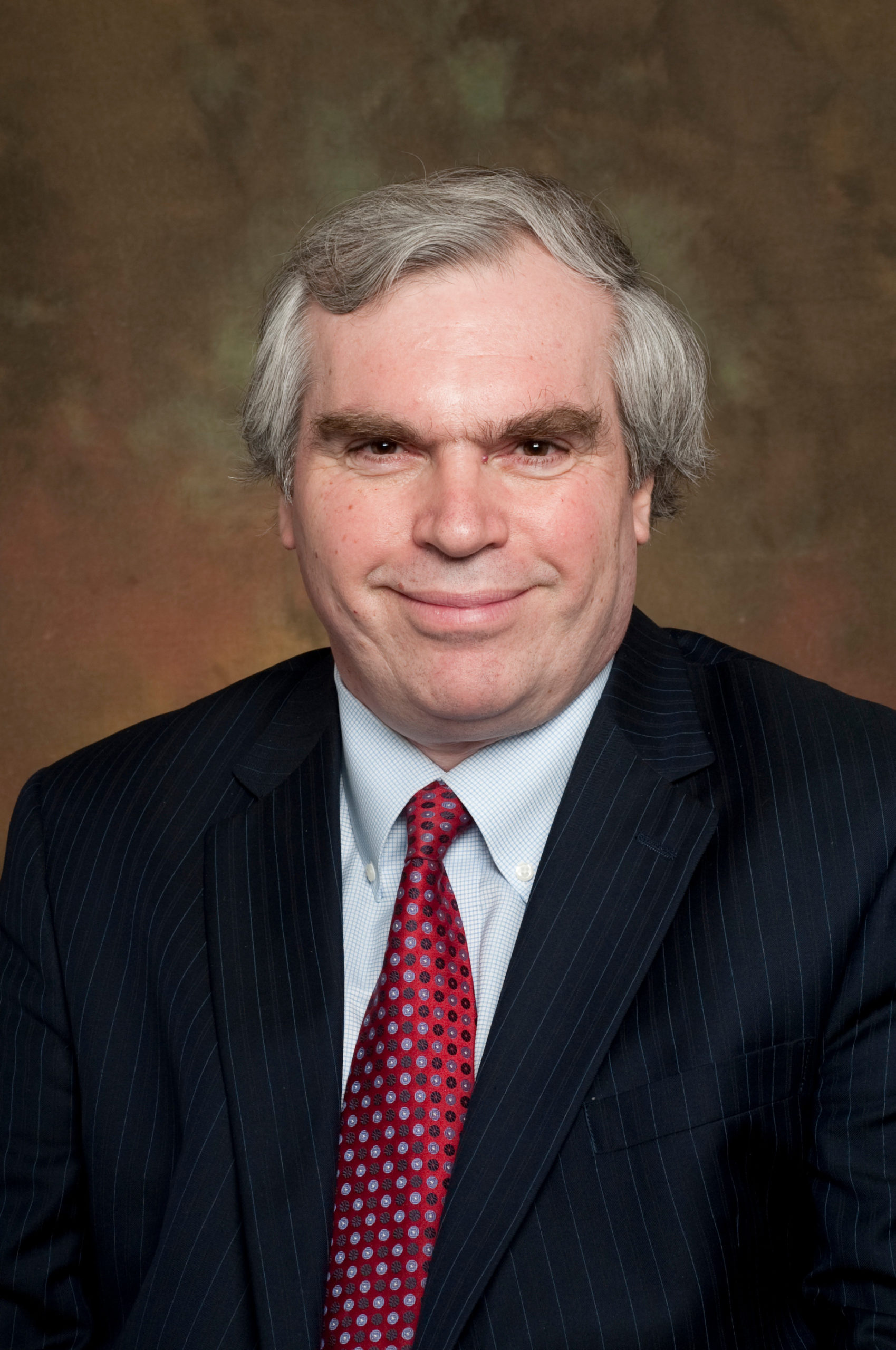
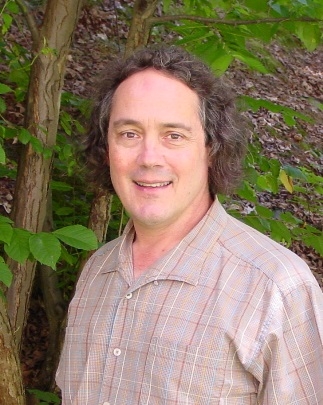
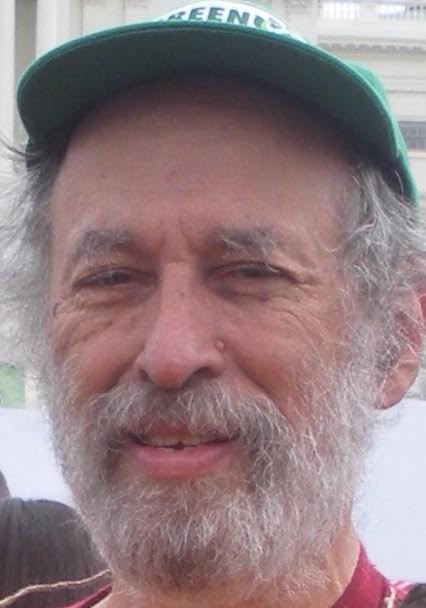
Speakers


Watch
Media
Related Roundtables


Transcript
This roundtable brings together economists and policy thinkers to discuss how economics must evolve in response to intersecting global crises. Climate change is examined as a fundamental market failure that existing economic frameworks are poorly equipped to address, while rising inequality is traced to specific policy choices and the dynamics of globalization. Panelists debate whether incentive-based mechanisms like carbon pricing or direct regulation offer better paths forward, and discuss the critical but often underappreciated role of government investment in driving innovation and infrastructure.
The conversation interrogates GDP as a measure of societal well-being, exploring alternatives that incorporate sustainability, happiness, and distributional equity. The Ukraine crisis serves as a contemporary case study in how geopolitics, energy dependence, and economic interdependence create vulnerabilities that standard economic models fail to anticipate. The session concludes with reflections on the future of economics as a discipline, calling for greater humility about its predictive power, deeper engagement with complexity science and other fields, and more attention to the institutional and political conditions that shape economic outcomes.
Show discussion topics
- 00:00:12 Introduction of panelists and framing of economics in the context of contemporary global crises.
- 00:10:00 Climate change as an economic challenge: market failures, externalities, and the inadequacy of current economic models.
- 00:24:30 Rising inequality within and between nations, its causes in globalization and policy choices, and its destabilizing effects.
- 00:38:00 The debate between incentive-based approaches and direct regulation for addressing economic and environmental problems.
- 00:50:30 The role of government investment in innovation, infrastructure, and industrial policy as engines of economic progress.
- 01:04:00 Alternatives to GDP as a measure of economic well-being, including happiness indices and sustainability metrics.
- 01:18:00 The Ukraine crisis as a case study in the intersection of geopolitics, energy economics, and global economic interdependence.
- 01:32:00 The future of economics as a discipline: rethinking assumptions, incorporating complexity, and engaging with other fields.
- 01:44:00 Audience questions on practical policy interventions, the role of central banks, and prospects for economic reform.
Show full transcript
00:00:12 well good afternoon everyone um this is uh the helix center round table the date today is february 26 2022 and i'm pleased to uh present to you our esteemed panel for today i'll make a few brief comments first i'm jerry horowitz i'm the associate director at helix center and um we're continuing this zoom and youtube format for the meantime and we're not sure about our next i
00:00:44 think we're going to be in zoom next time also and that date for our next talk is march 12th yes sorry i think i think september october will be when we would be live we'll be in person good so uh march 12th will be our next round table and the topic there will be psychedelics it might not matter to you whether it's march 12th if you're taking psychedelics but anyway that's the date of it uh and it should be really interesting really interesting talk and we are targeting april 30th as
00:01:16 the date for our last talk of the spring season which will be on metaphysics today we are pleased to be presenting a panel with the main theme of economics in the present and the near future um but we're we have some non-economists and economists and i'd like to take a moment now and describe to you some of their bios so first nicholas economides is a professor of economics at the stern
00:01:46 school of business at nyu and founder and executive director of the net institute he has taught previously at columbia university stanford and university of california berkeley he is an internationally recognized academic authority on network economics anti-trust in public policy his fields of specialization and research include antitrust the economics of platforms and networks telecommunications and the internet computers and information the economics of technical compatibility and
00:02:18 standardization of industrial organization he is advised or is currently advising the u.s federal trade commission to govern governments of canada greece ireland new zealand and portugal um that's nicholas economies jennifer jacquet is an associate professor in the department of environmental studies and director of xe experimental humanities and social engagement at nyu she's also deputy
00:02:49 director of nyu's center for environmental and animal protection and affiliated faculty in the stern school of business in the center for data science her research focuses on animals in the environment magnetology and and attribution responsibility in the anthropocene she also uh is the author of is shame necessary about the evolution function and future of the use of social disapproval in a globalized digitized
00:03:20 world and of the playbook how to deny science sell lives and make a killing in the corporate world another book which is forthcoming in june of this year a work of epistolary non-fiction that makes the business case for scientific denial she is the recipient of the 2015 alfred p sloan research fellowship and a 2016 pew fellowship in marine conservation next is david w schwartzman professor
00:03:51 emeritus at howard university um in geochemistry oh it has a phd from geochemistry from brown university in 1999 um he published life temperature and the earth in addition to many papers in capitalism nature socialism and other journals his most recent books are the earth is not for sale and his older son peter and the global with his ultrasound peter excuse me and the global solar commons from 2021 david
00:04:24 serves on the advisory board of capitalism nature's socialism and the editorial board of science and society he's an active member of the dc statehood green party uh of the united states robert h frank is the h.j lewis professor of management and professor of economics emeritus at cornell's johnson school of management his economic view column that's the name of it has appeared in
00:04:54 the new york times since 20 since 2005. he received his bs in mathematics from georgia tech then taught math and science for two years at the peace corps volunteers in rural nepal he holds an m.a in statistics and a phd in economics both from the university of california berkeley his books include his books which include choosing the right pond passions within reason microeconomics and behavior principles of economics with bernat with ben bernanke luxury
00:05:25 fever what price tomorrow high ground and several others um new york times oh and it was forgive me yeah the winner take all society which was co-authored with philip cook received the critics choice award was named notable book of the year by the new york times and was included in business week's list of the 10 best books of 1995. and richard power
00:05:55 is an environmental and ecological economist who studied the interplay between economic analysis and the ecological moral and social dimensions of environmental governance his topical interests focus on the valuation and management of ecosystem services theories of discounting intergenerational justice climate stabilization policy the ethical foundation of voluntary pro-environmental behaviors and the relationship between economic growth environmental quality and human
00:06:26 well-being is mediated by endogenous social norms professor howarth graduated summa out from the biology and society program at cornell university and holds an ms in land resources from the university of wisconsin-madison he received his phd from the energy and resource group at the university of california at berkeley in 1990 where he collaborated with richard b norgaard on the economics of natural resources and sustainable development so that's a short short as i could make it
00:06:57 uh introduction to our steam panel i wanted to just start off by uh quoting uh charles kindelberger the economics historian who mentioned just very tersely that how history is particular in economics is general and i mentioned to some of our panelists in advance of our talk how much i found it interesting that economics is being pressed into dealing with a lot of rapid change and instability in the world which we're facing now which
00:07:27 includes of course climate change mass migrations supply chain disruptions etc etc now we know of course of this dreadful tragedy going on in the ukraine which is going to almost certainly impact all of these different domains so i want to open the floor to whoever wants to take um a quick stab at introducing the conversation getting enrolling and then we'll we'll take it from there well if i may i
00:08:00 think uh that the present um reality after the invasion of ukraine uh reminds us that we should be humbler and more humble in terms of making predictions i mean we are talking about the long run i thought that's what was our topic today and unfortunately even in the short run we see instability we didn't um anticipate so from my point of view the that means
00:08:30 that it's crucial to think of what really works in in human behavior and what economists think really works and think of that and which is going to remain there no matter what no matter what happens in world politics and world affairs and i would underline the issue of incentives that incentives work um people being paid more uh are going to work harder um
00:09:03 the taxation so lower taxation on investment can make a huge difference to drive economic growth and the crucial aspect of education that education persistent excellence in education has driven innovation in the united states and other countries of the world where education was underlined and as an academic i have to express my concerns
00:09:33 for the cheapening of education making exams easier uh making um uh allowing people to to perform uh well when they're not performing well you know showing them as if they're performing well so these are kind of the the long-run issues that uh come up to mind as we think of what might survive the the upheaval that we're seeing in the world uh this day so let me start from from there
00:10:03 and let other people have a chance to say more thank you um i don't want to preempt the woman on the panel and generally in tombs you know i respect that i don't know if i'm the oldest one here probably not but nevertheless uh i'll say a few things to try to provoke the conversation because i think i'm probably the most left-wing person on
00:10:35 the panel and so i'll try to live up to that my motto is be as radical as reality itself and uh taking radical as a good thing being going to the root so uh i come uh let me read a quick quotation from my latest book the global solar commons this is from the financial editorial board of the financial times
00:11:07 right at the beginning of the pandemic and it said radical reforms are required to forge a society that will work for all governments will have to accept the more active role in the economy they must see public services as investments rather than liabilities and look for ways to make labor markets less insecure
00:11:38 redistribution will again be on the agenda policies until recently considered eccentric such as wealth taxes will have to be in the mix so again i come from a physical natural science background that's my expertise i'm not an economist but i am most concerned on how the physical economy will need to be developed that is
00:12:09 compatible with preventing catastrophic climate change and protecting biodiversity and that again has really deep implications to the political economy which as an ecosocialist i find fossil capitalism to be obsolete and a profound barrier to preventing catastrophic climate change so i'll conclude by saying again as for provocation that a militarized fossil capital that
00:12:42 we now see in play with this war that's going on uh is the main obstacle to forging a world where you have cooperation necessary to prevent climate catastrophe so i hope that's not too provocative i hope it's more provocative thank you that's perfectly provocative anyone want to take a uh response to that i was going to say that i think you're
00:13:14 trying to combine some of these first two comments uh i'm on the one side talking about being as radical as the as the world is on the other side sort of re reinforcing our interest in competence education and confidence um it was interesting to note the performance of the cdc in the face of the pandemic and of course it did have also economic implications that were quite strong and not something the cdc probably normally welcomes as a
00:13:45 challenge but here you had a an institution that was really felt to be rather competent and um by some folks reckoning it struggled a lot anyway and i think in part struggle because of the rapidity of onset of the particular stresses we were facing so i wonder if people want to comment on that at all may i comment on the previous speaker's ideas i i think that it's very very
00:14:17 important to keep in place incentives for investment and growth uh and i think that people who under distribution have to take that into consideration the idea that suddenly there is this gold mine there in which we can all tap and redistribute to the poor without taking into account what effect this will have on investment and growth is just foolish i'm sorry it could be a
00:14:47 great radical idea but it's just foolish i mean we need to be able to invest in in growth and that works through incentives and incentives um of the government provides uh tax incentives for for growth so we shouldn't really eliminate them and that's serious i mean it's not trivial to to just put it under the carpet no matter what kind of other objectives we have we have to make sure that this happens
00:15:17 and in particular the united states is facing a huge challenge not from russia but from china on on this issue uh china is about to overtake the united states economically in a few years if we focus on redistribution without thinking of investment and growth this will happen very quickly the overtaking of the united states by by china and being second or being third is
00:15:51 is really not good uh people haven't lived it in virginia in their in our lifetime the united states was always first and therefore the issue didn't really come up but if we are second or third in the next five or ten years that will hurt us and that's very very important so without putting down in any way david's radicals ideas i think it's very important it's i think it's very important to keep
00:16:21 the the investment incentives and the excellence in education uh investment especially in investment in them in education especially for the top institutions the top academic institutions because this has driven uh innovation with all kinds of positive effects externalities in the in the united states very briefly respond and then i'll be quiet for quite a while if you don't mind i i agree with you nicholas we do
00:16:53 need a sentence right now the incentives uh uh the imf estimates that the subsidies for fossil fuel direct and indirect total nearly six trillion dollars a year that's certainly an incentive powerful incentive for the continuation of the burning of fossil fuel globally and so those incentives should be shifted to green capital
00:17:25 absolutely uh we need green growth not to say that green capital doesn't have its own problems but certainly in terms of uh curbing fossil fuel consumption as fast as possible which is necessary for any chance of meeting one and a half degree warming limit we need to promote green capital defeat fossil capital and
00:17:58 form a global alliance with green capital so i agree with you there are incentives that are necessary we probably agree more than you think and i'll be quiet now well i'll jump in and i'll say that from this angle i see a set of intersecting interlocking global crises that all are linked to the history of the last 30 years in globalization 1.0 and we deregulated financial markets we decided not to move
00:18:29 away from oil and gas in the united states at least we decided that in europe the approach to russia was about market liberalization the idea that interdependence would turn russia into a liberal democracy and just on that last and then and then germany in particular and europe became very dependent on natural gas reasons that are complex um but in some ways you could ask whether that that focus on on market liberalization is that boomeranged back
00:19:01 in ways that have contributed to the uh the current crisis in ukraine i'm not sure that that's right but that's a question that's on my mind that i'll put out there can i add a little bit on incentives as well uh of course incentives are important uh the reason we're in the mess we're in right now is precisely because we've been sending people the wrong incentives you you discharge co2 into the air that has costs on everybody
00:19:31 uh nobody pays an extra fee for the right to do that we we could do it without charge now we nev never should have allowed that incentive to remain in place uh we need to make massive public investment now in order to achieve climate stability and there's very little time left uh to to meet the objective of avoiding temperature increases greater than 1.5 degrees celsius which uh read david wallace wells's book if you
00:20:02 haven't there are grim fates in store for for us in every country if we let temperatures rise more than that so we've got to act quickly and i i think the investments we need to make many of them can come in the private sector we can we can guide them with uh as we have in the past with uh subsidies for renewable energy investments and the like uh there is now a very exciting new technology uh
00:20:33 developed by uh klim works in in switzerland uh to suck carbon out of the air and turn it into a carbon-based slurry that you pump deep underground and it's very expensive now but we're on a track to have the cost of that come down rapidly enough to where it it too could make a difference but all this is going to require an enormous amount of money uh we've got an enormous amount of money uh that's not the problem the problem is to
00:21:04 persuade people to part with what they're using the money for now and to use it instead for these other things that if we don't use it for them there's not going to be a future for us and so i think that means if you want to be practical looking to the top of the income pyramid there's there's enormous resources there we've we've been hearing about wealth taxes and how how small the bite they need to take in order to generate enormous pools of resources to to invest
00:21:36 in these public projects that need to happen uh i'm not worried about people lacking incentives to to grow wealthy if if they have to pay a little bit more in tax there's a huge literature on the determinants of human flourishing it's it's contentious people argue about many of the findings in it the one thing they don't argue about the one really secure finding that's held up in every study is that beyond a certain point and it's one we've long since passed and most
00:22:07 countries in the west have do further increases in consumption serve only to raise the bar that we think of as adequate so if if all the mansions get 10 percent bigger the people living in them aren't any happier any healthier than they were before if the cars get bigger people aren't only not happier they're at more at risk of death and injury we burn up more fossil fuels all of these things could be changed if
00:22:39 we changed people's incentives and we've got simple tax levers that can do that so yes incentives are important uh and we've we've been steering people with the wrong incentives thus far that's why we're in the mess that we're in i guess i should jump in to just ask you know a kind of meta question about economics or the field of economics which is something i grapple with is how much is the field of economics itself
00:23:10 responsible for those misaligned incentives and so i'm one of the people here who did major in economics as an undergrad than a masters in economics and realized i did not want to get a phd in economics i know rich you and bob have have survived the field and i'm sort of curious you know when when nicholas says like what really works how much should we look to economists for what really works i feel like we've been gravely misled by
00:23:42 some of the assumptions and ideologies of the field and also some serious levers for human behavior have been overlooked including reputation of course and reputation being the primary mechanism to enforce the paris agreement and it's something economists don't i think address very well and i've been very disturbed more recently by the fact that you know the student divestment movement around fossil fuels the pushback within academia has come primarily from
00:24:14 economics professors and this strikes me again as as an area of tension where we have this kind of hubris about what really works um in an era of mass unpredictability and a kind of lack of humility i would say on the part of economists in general not of course specifically to anyone in this in this round table but um about you know asking what what really works when psychologists start winning the nobel prize in economics you should
00:24:46 start doubting you know the the tenets of your discipline well i mean if we're going to be serious about it you cannot attack a field of study i mean seriously i mean that would be just dumb i mean there is diversity among people people have right using the same quantitative tools with different assumptions and they're all different conclusions that's the way i see economics like people who do that
00:25:16 in physics or in psychology or in other fields it's a science you know not everybody agrees but i think practically everybody agrees that incentives work and i think that robert's ideas about how to change incentives are in my opinion very important and society as a whole has to think seriously what possibilities there are there i i think there is a conflict between uh trying to
00:25:48 um take away the wealth of whoever is the wealthy individual diesels or whatever whoever that is and trying to create the right incentives even for the objectives that you are talking about of green growth for example i mean there could be a lot of different ways to achieve that green growth without screwing up the incentives of the society for investment because after all you know when we're talking about wealthy individuals with
00:26:19 multi-billion dollar wealth when we take away let's say a billion dollars or 10 billion dollars from them we're not changing consumption because these people cannot possibly consume that amount of money we're taking it away from investment so that would have to be you know truthful about it we're taking it away from investment so the real question is uh is the government good in doing investments and everybody knows that it's not true you know that's
00:26:49 not true the government if you give it 10 billion dollars it's going to be wasted to a very large extent and we all agree on that uh so we have to think of ways in which the incentives are set up so that the private sector produces what we want the green growth that we we all agree we want so we need to think of that and this is a serious issue i mean it's not trivial and we need to to work on it i mean how can i put it i
00:27:20 mean just general declarations let's take the portal that that that business has i mean that doesn't will not get us anywhere uh we need to think of incentives for the private sector to invest in this in these areas that we're interested to invest thank you yeah and luxury fever that was in 1999 came out and you had the graduated conception text and that's a really good idea because we live in a society that is galbraith back in the 50s is characterized by what um
00:27:53 private splendor and public squalor and we're arguably because of because of status sexualities and and positional goods we've constructed a society where we have excessive levels of private consumption and we under invest in public goods and in public infrastructure and i think i'd agree with robert frank that most of or many of the investments that now are most important the public sector has to be in the lead on that and it has to be done
00:28:23 at a global level and so what works i think is something that looks more like social democracy then um then like laser fear capitalism and maybe we need to look back at what worked in in the new deal era in the 50s and 60s there are some problems there but maybe we need to go back towards a better balance between the public and private sector and it should be incentive based and it should be investment focused uh nick you said we we all agree that
00:28:54 when government invests they do a bad job of it i don't think we all agree about that at least i don't agree with it uh they do a bad job in some cases but in other cases there are investments that the private sector simply doesn't have any incentive to make so that even if the government did a poor job with them it would be better than not seeing them happen at all but there are plenty of examples where the government's done a splendidly good job with public investment i mean there are massive public works
00:29:27 programs all over the world that do an enormous amount of good for the citizens of their countries why do we insist that the government's not any good at things like that i may i mean i would say the reason why the government might not be as good as you think on on that is because there is the government is run by politicians and politicians need to be re-elected so on top of their minds is how they're going to please the public
00:29:59 and one way to please the public is to take this money that they have under their control and dole it out give it to the public rather than invest it even though you're absolutely right robert that investing it in some public goods is is in fact an excellent idea there are there are of course uh aspects of the economy where the incentives for the private sector are not big enough i mean that's for sure and but the problem
00:30:30 is that there is a conflict at the government level because uh they pull we're human beings we're run by politicians whose top priority is to get reelected and there's no doubt about that the top priority is not to make the united states great their top priority is to get reelected and to do that they're going to distribute the money to the voters and that's in that problem is going to be there uh no matter what government we have
00:31:01 as long as we have an elected government it's going to be there and therefore we need to take it into account and say well do we really want to give huge amounts of money to the pride to the from the private sector to the public sector or we know it has less productivity are we do we need to do that except for a very essential stuff like like national defense for example which we don't want to to go to give it to the to the private sector so it's important to think about it and and
00:31:32 um not not jump to conclusions and say oh yeah great i mean that just because uh the the the government is is doing some good job in some investments let's give them a huge project which is the the green project uh to them but rather try to find ways to do it in the private sector i would challenge that nicholas because that that analysis because how do politicians get elected
00:32:03 uh arguably we now have less of a democracy and more of a plutocracy and uh knowing the amount of money from the big corporate sector that goes into campaign funds so that has distorted our democracy and many people have pointed that out so therefore the politicians that are elected tend to
00:32:33 serve the interests of their big campaign contributors this is not rocket science i would add in terms of what i would call trickle-down economics or neo-liberal economics which basically that's what i'm hearing from you uh with all respect i am and and let me give give a case study from my community in dc uh we have an elected city uh local
00:33:04 government of course we are basic we don't have statehood we're fighting for it and actually the big prime instrument of fossil capital senator mansion is blocking that among a few others to actually have self-determination but our own economic policies and social policies in our dc have been dominated by trickle-down economics and what has this resulted in
00:33:34 d.c now has the biggest life expectancy gap in the country compared to 50 states between black and white residents it actually has grown in the last 20 years it's it's shockingly high and this is a reflection of where the priorities of public spending uh and the fact that our politicians that are in power in our local government are basically beholden to the
00:34:07 big developer class which has gentrify dc which has forced residents out long-term residents and so i'm going by our own experience in our local government our local community uh in terms of the these impacts of these policies and we also have seen in the pandemic how the billionaire class has grown even richer and
00:34:37 income inequality has grown and finally what does that mean to health uh if we look at the life expectancy of in the united states compared to its cohort of wealthy countries we're ranked about 40 in the world a matter of fact cuba and the u.s have about the same life expectancy now i wonder if i i think i'm sorry uh david so jennifer i think you also had something
00:35:08 to add at that point uh well i'm gonna you i would just say um that uh of course you can attack an entire field i mean we have many times in the past we attack the field of eugenics right now critical race theory is under attack you can most certainly attack a whole field um and i think it's worth questioning you know especially with the premise of this roundtable was about the the sort of role of the dismal science of of economics which is not of course in fact
00:35:39 a science economics uses scientific tools it uses empiricism but if you know anything about the epistemology of science terms like good and necessary growth or trickle down economics these are all normative assumptions they're all values that we bring rich i see you nodding i'm sure ecological economics has these kind of arguments all the time about the values that are that are baked into the research and so i think what i what i'm
00:36:09 interested in is the way in which especially members of this panel have grappled with some of those assumptions in the field of economics and are trying to modernize or or make them relevant to the 21st century make them less uh glaringly insufficient as they were i think in the 20th i mean that's a that's a good question and i mean i would also say that the government democracy isn't working
00:36:39 well in america what is working well is the ability of corporations to get politicians elected who pursue corporate interests and so we've been through 30 or 40 years of that we have an economy now that is built around rent capture and rent seeking and a lot of what we call investment is about the financialization of the economy but as the as our economy has become more financialized then innovation has gone down not up and what we've seen then is a capture of wealth by capital at the expense of labor where workers um to use
00:37:12 that germ because capital isn't an entity capital is a factor of production but but what we have seen as an economy because of the financialization and the emphasis on rent seeking and rent capture we have an economy that is less fair it's less productive we're not able to solve some of the crucial problems that i mentioned earlier with globalization 1.0 so that's in a way giving uh support to nick's arguments about not wanting to give the government more resources
00:37:44 because they're they're in the the pocket of corporate interests of course they're not going to spend the resources we give them in the public interest i think it's important that is a problem i i totally am quick to acknowledge that that's a serious problem but it's not an insurmountable problem as we know from the surveys done every year by an organization headquartered in berlin it's called transparency international they they interview people in countries all around
00:38:14 the world the the kinds of questions they ask are of of the sort uh how do you feel about your government do you feel you get uh good value for your tax payments do you feel the the people in charge of your government are honest in general free of corruption there are uh seven or eight or nine or ten depending on how you count countries that end up at the top of that survey each and every year uh the scandinavian countries are there new
00:38:45 zealand is there singapore interestingly uh is there these citizens feel like yes our government's really delivering good value for the the money we pay in and taxes the united states doesn't do very well in that survey uh and i think really if we if we maintain a a a narrative where government is evil and government is wasteful we it becomes harder to attract talented people to serve in government why would you want to be a
00:39:16 bureaucrat if everybody thinks you're just wasting their money you've got to work hard to build a good government government we we had a woman elected here in ithaca to be the tompkins county clerk uh she happens to be in charge of the department of motor vehicles the the favorite whipping boy of all government agencies oh you don't want the whole gov government uh to be run like the dmv don't send them any money she she said no we're gonna we're gonna turn this agency around she she had the
00:39:47 staff trained in [Music] she got permission from all the streamlined the payment system that they used uh and and now it's a pleasure to go to the dmv here i i sold a car recently uh to a guy in rochester he he said oh i'd come and pick it up there but i need i don't have plates to drive it i said come res register at an rdmv said no it's going to be an awful experience no he did it and he walked away dumbfounded you just
00:40:17 couldn't believe what an easy and helpful experience he just had so so you want a good government you know you have every reason to want one you got to work in it i you know i mentioned earlier the the cdc in in this context because i thought it was an interesting uh case study for an institution that had high a high reputation to start with and ran into some troubles i mean it still gets i think fairly good grades but it's been eroded to some degree and the question is
00:40:49 obviously competence is one important maybe the most important factor in maintaining a public uh faith in an institution but there may be other issues too at play and i wonder about incentivizing somehow the restitution of our belief in the system you know because i think if you look at those other countries where people do think their government does good work part of it is because their neighbors think their government does good work and of course the government may do good work but the question is there's sort of a ground swell of public opinion how do
00:41:20 we foster that because that's part of what makes our government work i think i think you don't agree the cdc went downhill because it was in the service of trump's agenda uh during his term i mean he had had people in charge there who were doing his bidding not the mission of the public health agency uh that's improved markedly in the meantime but still you can see they they don't have a good sense of what's required of them as an
00:41:51 agency they recently postponed the approval of vaccines covered vaccines for kids under five demanding months of additional study there were absolutely no red flags in the field showing that the vaccines were dangerous there had been some indications that there were was a very low incidence of myocarditis in teenage males from from the vaccine they weren't even sure that that was true but in no in no instance was anybody hospitalized on that account
00:42:24 nobody died of it certainly and they they made kids under five ineligible for the vaccines for for more than a half a year longer than necessary just out of some odd uh desire not to be criticized if if anything possibly could have gone wrong well if we know things are going to go wrong if you don't approve it because kids were getting the the virus and dying from it after sars in 2004 i think it was the global health community pointed out
00:42:55 that it wasn't a question of whether but when there would be a major pandemic um i recalled row harlem brooklyn giving a talk at dartmouth i think maybe in 2009 when she was running the world health organization and she made the case that the global community was lawfully under prepared for what needed to be done to prevent an event like we are now we are now living through it i mean see it turned out to be right about that if you read the scientific journals then people in epidemiology and public health have been making that argument for a
00:43:26 long time there's been some successes like controlling um ebola and africa you know my partner is also about the nexus between the environment and people's livelihoods and pandemic risks have a lot to do with the with you know how agriculture and resource extraction is carried out in biodiversity uh hot spots where people are poor and don't necessarily have viable livelihood opportunities and at solving a problem like that heading off the next pandemic requires global
00:43:57 institutions that point in the direction of sustainable development instead of more wars and more financial market crashes i would add to that i just looked up the death rates by country of cobit at the johns hopkins uh website today uh the death rate for pup that is by population uh the u.s the ratio of the u.s to cuba death rate is four times
00:44:30 and why why is that uh i'll be cuba has a robust public health system international observers have recognized that uh uh obviously the united states doesn't and the defunding of our public health has certainly contributed to this along with what has already been pointed out what robert pointed out the insidious influence of the
00:45:01 anti-vaxx anti-man propaganda that comes mainly from the far right not only the united states but globally and by the way there's a convergence with climate denialism as well uh andrea's mom and his associates wrote a very good book documenting this called a white skin black fuel that i recommend verso press uh and so by the way the ratio for the
00:45:33 u.s to china death rate by population 800. the death rate in the united states is 800 times the death rate of china uh so i would just conclude cuba did this even though biden during the campaign said he would want to normalize relations with cuba like obama did but he did the opposite he basically imposed new
00:46:05 sanctions against cuba and in spite of that cuba has vaccinated virtually all its population and has been sharing it with with people all over the world so uh let's let's respect public health and investment in public health as several of you pointed out oh you're you're muted nicholas yeah and are we ready to accept the social regime
00:46:36 in china in cuba [Music] are we are we ready to live under the conditions that the chinese government imposes on its population are you ready i'm asking yourself openly i mean you call me names neoliberal this and that but what about freedom isn't freedom important to you i think it is it's very important to you i'm sure it's important to everybody in the panel so we should really take that more seriously before looking at the just the
00:47:06 statistics at least that's my point of view but talk i wanted to come back though to the issue of inequality because i think that's a very important issue um that was brought up by jennifer um the issue of um inequality and especially also maybe somebody else said that too that the rich got richer during the the pandemic i actually think inequality is a result of the fourth industrial revolution that we have been living in
00:47:38 for a long time actually and now we see the big fruits of it because that industrial revolution meant that we use more machines we use more software we use more robots and because they are they have become more productive over time and the way that things work in a corporation or in any business this productivity is attributed to capital
00:48:08 and not to to labor and it's therefore paid to capital and therefore it shows up in profits so if a laborer is changed and replaced by by a machine then the amount of that goes to labor decreases and the amount that goes to capital and profits increases so that almost automatically creates inequality it's inequality at the corporate level at the level of the
00:48:39 business but if you think that the owners of the capital are not the workers then automatically it creates an inequality between the owners of the capital and the workers and that's something that is there i mean we should really see for sure that way and at least in my opinion the way to fix it is to make sure that the workers have a part of the business they have they have shares they have a way to to get to to have
00:49:11 an avenue of access to the profits of the corporation it won't fix inequality across the board uh but it will fix this particular inequality to some extent that comes from the fourth industrial revolution it comes from the importance of the product the increase in the productivity of machines and and and software and i think that we should take it at least from my point of view we should think of ways for this to to actually uh happen which we might be able to implement at the at the corporate level
00:49:44 and fix a significant part of this inequality i i think one of the objections that you hear most often when there's any proposal to do anything to reduce inequality is that you don't want to kill the geese who lay the golden eggs it's the it's the people at the top who are doing the the real work in the economy and if we if we were to tax them more heavily they would either not try as hard as they're trying now or or if it were in a local
00:50:16 jurisdiction we tried that then they would move somewhere else that's that's been actually put to the test many times i think uh in in the most vivid recent experiment in california the legislature there raised the top marginal tax rate uh from nine percent to thirteen and a half percent that's a fifty percent increase it came in in two births uh not far apart and the predictions were dire the predictions were uniform
00:50:47 that the the the movers and the shakers the people that made california the wealthiest state uh in in the country were going to move to oregon they were going to move to nevada they were going to flee the state in droves it's been studied now stanford published a very detailed study uh in in the wake of those increases uh they tracked every percentile in the income distribution among california residents the 99th percentile the people
00:51:17 who are uh wealthier than 99 of of the state's residents left the state at the lowest rate by far of any other spot on the income level so you know people have lives they they're they're thriving in their local areas the the states in budget surplus now the the state university system which you you know nick was the best in the world uh from your own experience there uh it was in crisis it's no longer in crisis it's now being much better funded the roads are
00:51:50 are better repaired now things are still uh struggling in some ways in california but i think the the revenue from from those hikes has enabled people to leave better lives on balance they may as you say that they weren't going to spend at all anyway uh and there's been a lot of public investment with the funds that were raised so so so all in all a good trade it's it seems to me yeah i just wanted to i mean i i see what you're saying robert but my proposal wasn't to tax the
00:52:22 the rich my proposal is to find ways in which the workers would get a part of the company they would get shares and that's how they would participate in the wealth that was being created so that's quite different it's not really changing the taxation system at all it's just a way to provide uh wealth to the workers through ownership personal ownership so let me suggest that we urge uh capital owners
00:52:55 to give some of their ownership to the workers uh and then imagine that they say no we'd rather not do that and then we counter with a proposer well we're going to tax you and buy shares that will deposit in an account for them well one way to do it one way to do it would be to provide incentives to the rich i i see this negative point of view here let's tax them let's beat them up why why that what what happened to positive incentives is that how we run the world
00:53:25 our corporations is this how we run our universities we by beating people up i mean what you who create them instead give them incentives unfortunately i can't share it right on the screen data from 1948 to 2018 productivity has increased to uh 253 percent hourly compensation for workers
00:53:57 increased 115 okay where did that gap go it went to corporations in the top one percent okay so the other thing i find um very i find very funny is you um nicholas rightly started off with the crisis of education and the idea that we didn't want to give students things they didn't earn and as you know incentives and disincentives are two sides of the same coin and this is one thing i've really
00:54:28 discovered in the work on shame and honor and to to tack on to bob's point about california california also has an issue with delinquent taxpayers and it turns out of course that the rich when they're not paying their their income taxes have a greater effect on the tax deficit than the poor that's the nature of taxes and rather than introduce a policy where they decided to expose everyone who hadn't paid their taxes which felt potentially
00:55:00 well i guess unjust and also maybe wouldn't use attention in the best way they introduced a policy where they only shamed the top they threatened to shame the top 500 tax delinquents in the state they initially thought they might make the money back on the policy it costs about 180 000 a year to employ people to um to manage these lists and to and to send out the letters and to potentially publish the names online and they've gotten hundreds of millions
00:55:30 of dollars in back taxes through a a threat of a disincentive which is to just expose your name it's just reputation and it costs very little and you ask well why only why disincentives what happened to the incentive well what we're going to honor people who pay their taxes it all depends on the on the norm right we're going to honor people who write the best album of the year or make the best movie of the year but when
00:56:00 you're dealing with uh not delinquent taxpayers disincentives are really the only option in the system there's not an incentive mirror in in that kind of social problem the thing is that no one's given nicholas an opportunity to express how there might be a positive incentive in this scenario of providing equity to workers i just wonder what you thought about that sure i mean the the standard the way in which the government provides incentives
00:56:32 is through uh taxation so if for example it went to amazon and said well we'll tax you a bit less or for this particular shares that you're going to transfer to workers or potentially transfer to workers offer them to workers uh besides their regular compensation uh that would work right i mean you know that could create an incentive for any corporation to say look i mean now from now on from 2022 we're going to
00:57:04 hire people and not just pay them 20 an hour but we're going to also give them some percentage of the corporation so they will have in the future some percentage of the profits you can even give it inside in a different way in which you can loan them with the share so they can get some percentage of the profits there are ways to do these things but they're not clobbering the rich this is a way to figure out a way so that self-driven interest of these guys who manage these companies would create
00:57:34 a more just society in in the future and through using positive incentives i think that's important i think that's a in my experience in life maybe not yours but in my experience in life people respond much more positive much more easily and positive to positive incentives or the negative incentives i mean let me just jump in one more time i want i wondered though nicholas if you think that clobbering the rich um isn't a good idea because it's too
00:58:06 severe punishment or it's too negative for them to tolerate or or whether it just provides the public with a negative view of uh capital well i mean i won't go into the sociology kind of issues of why why these things might be bad for uh psychologically or or or socially but i want to say it from more only purely economic point of view if you take 20 billion dollars away from
00:58:36 bezos you are not taking it away from his consumption right you're you're not you're not restricting them for buying a great house or a great uh yacht or whatever you are taking it away from investment okay that money was going to investment and now it's going to the government and we will see if the government actually invests it or let's say invest 30 of it and gives away to the the voters the remaining part so
00:59:07 that's important because that says that we are changing the investment to consumption ratio in the country and we need investment that's why i said you should be careful about taking away this money because the way politicians have presented it it's as if it's just free there is no bad consequences of it i mean how can it be bad to take 20 billion dollars from business and i have nothing to do with
00:59:38 business and amazon by the way just i'm not i'm not i'm not in any way concerned but how can it be bad people don't even think about it but it has significant negative consequences at least in my opinion so we can think of other ways in which we can if we need money to finance um ourselves i mean you know we can create more investment we can think about it in my opinion it would make more sense to give money to the private sector to do investments rather than the public sector because traditionally the
01:00:10 public sector doesn't produce good results as is the private sector and i think that is in general understood in the united states i mean we don't try it we don't see the united states try to make its own fighter planes they don't they just try to to give to give the contracts to to the private sector and in many many many other other dimensions so you know we in other countries yeah it's possible in cuba things happen differently it's possible in in in china
01:00:41 things happen differently it's possible in russia things happen definitely but not in the united states so given the environment we live in we should think of ways to tweak it in the right direction uh rather than in the wrong direction i mean my students are usually shocked when i tell them that in the 1970s the top marginal tax rate was 70 and somehow that didn't prevent the economy from being productive and and efficient and it didn't force all growth and i look at buildback better which is
01:01:12 now stalled in the in the senate and build that better isn't about massive tax increases it's about spending what maybe one or two percent of national income to address some critical problems relating to education and social justice and also decarbonization and markets aren't going to get that those jobs done aren't working on their own market failures have caused those problems and a male distribution of wealth has contributed to those problems including
01:01:43 so i look at public schools and i'm very concerned about the inequality that we see in education between um you know people in privileged communities like the town that i live in in hanover new hampshire and then i look at poor black and brown communities because they don't have good schools and they don't have good public services and we need to invest in those people not just for the sake or less communities not just for the sake of social justice but also because that's human capital and that's where you know that's where our nation's future lies
01:02:16 richard um you could mention also that and build back better the final version that was you know blocked by uh two senators uh it also what they gutted out provision to tax rich because of a few uh you know wall street inclined democrats that got that removed and not only remember under eisenhower the top marginal rate was over 90 percent that's
01:02:48 true yeah and matter of fact the latest issue of the nation has a proposal to bring that marginal rate back uh nevertheless even with that marginal rate and i i've looked into tax issues in dc but even with that marginal high marginal rate the effective uh tax rate that the very wealthy were paying was like 40 percent you know because of uh loopholes and so on we need to address that but
01:03:18 my question to nicholas is why should we why should we trust the billionaires that own these companies to make the right decisions about investment where should it go why shouldn't that decision be socially determined rather than by billionaires and i would take a lesson from the movie don't look up okay to me as a climate scientist that message was
01:03:51 uh that obviously it was about the threat of climate catastrophe not really about an asteroid and secondly the message was if we trust the billionaire solution we'll be doomed that was if you watch the movie that's what it ended up and i i think that was a very good prescription about uh what we should do actually because uh i believe the world
01:04:21 is overpopulated uh even one billionaire is one too many i wondered because just before nicholas takes a shot at that i mean the term this term the term neoliberal was used earlier and i wondered if anyone wants to offer a kind of a definition of what that what that means and maybe yeah but what we tell our students is that it needs to transition from more public provisioning and a public
01:04:51 you know having a mixed economy with the government and markets and it means the focus on market liberalization and then a transfer also political power from um from the people from the public you know from the public to an entanglement between corporate interests and the political interests now that's that's contentious i i teach in a department where i'm i'm an economist but my colleagues are human geographers i think what i just said is what roughly what they would say um
01:05:25 i was wondering if i mean if you want me to reply i mean i i don't want to reply about the names i mean people call names curses all the time i'm not going to get pigeonholed to a particular name i'm telling people acquisitions i'm telling you i'm trying to argue seriously about what i think it needs to be done if you want to argue seriously too you can find a way to talk about the reasons why this is not right or this is right just saying oh we have too many billionaires let's execute them and so on i mean
01:05:56 that's just childish come on i mean seriously we need you i think that there is a serious issue very serious and we have opened at least three or four that we need to argue on to talk about them i mean and i don't think that characterizations make any any difference in my opinion i mean i don't want to talk about them i i think would be useful though to not view proposals to raise the progressivity of the taxes as somehow
01:06:27 a moral indictment of the rich or a statement that we're out to get them uh you know my effective tax rate uh i learned from my accountant is over 30 percent uh jeff bezos pays next to nothing in tax i think when he thinks about investment if he were taxed more heavily uh the way we teach investment is that if the rate of return on an investment is six percent and you can borrow money at
01:06:57 five percent then you ought to do it you you you invest if the rate of return is greater than your cost of capital we don't in any part of that module teach them look at your your wealth balance and decide whether to invest maybe that would influence your attitude toward risk but i can't imagine that's going to be a factor for for bezos so taxing his wealth will will not change the projects he finds it profitable to invest in that's not not one of the things that's on the table
01:07:28 maybe if he had a little less wealth he wouldn't be as quick to spend money on a rocket ship to take a thrill ride into space that's that's possible it's easier for me to imagine that response than that he would back away from an otherwise profitable investment but let's go back to the issue what am i saying why am i saying that he will invest less because the government will take away this money okay for sure and that's the money that are being presently invested in whatever way i mean i'm not even going to argue
01:07:59 that they're ordered that they're he's investing them in the right way but he's invested somewhere maybe it's invested in whatever activities amazon does okay so this this money is invested now the government is going to take it but the government has mixed incentives i said it before a government uh you know has uh is run by politicians who want to be re-elected and that creates an incentive not to invest whatever 20 billion they got from visas okay but to use a significant part of it
01:08:32 in giving it to the voters giving it to the people who are going to get you reelected or in your theories some of you said or giving it to the corporations that will get you reelected you said it not me okay but either way the incentives are not okay anymore the money is taken away from the u.s economy and is given to consumption or is some significant part of it given to consumption and that's about that i would say that with buildback better a
01:09:03 lot of the investment is in kits and it's in here and it's in schools and those are investments in human capital and human capital is a productive asset that we need more on and those are investments that have high returns i mean we know that they have really high returns the other thing that um to bring it back to climate change i think is to to think a little bit about the investments that have been made over the last three or four decades in renewable energy and one thing that is upsetting to me is that
01:09:35 the people analyzing what you know sort of what this effect has had on the economy and certainly on the energy system and on the climate system are sociologists not economists um they don't seem too compelled to to dig into these these data but the data show of course that um it is not a one-to-one substitution that in fact there's more fossil fuel being used this is in some ways complementary and not a substitute to um to the existing fossil fuel use which
01:10:07 suggests that the economic theory that oh you know you build it they will come it will substitute whether or not it's and we see this across so many other products too right in in aquaculture something else i study it's been complementary to capture fisheries it has not been a substitution for it renewable energy and fossil fuels and it's sort of endless the way in which again the foundational economic theory has been undermined by the empirics but it speaks again to this idea of
01:10:37 incentives versus disincentives and the and the point i brought up very early in the conversation about divestment that investment sometimes has to be coupled with divestment and divestment being a voyage as well to a kind of stigmatization of fossil fuels not just an economic lever and understanding there's a reputation even to the product itself and it's something again that i feel economists do not want to engage on
01:11:09 they want to talk about the market they don't want to talk about the reputation even of of the product even though they're perfectly willing to talk about the reputation of brands as you know bob we're gonna we're gonna soon i'm sorry open up and i'm not cutting the conversation off yet but i wanted to ask you know in any kind of negotiation when there's different viewpoints and parties there's this first effort to say well what do we share in common like what can we all agree would be reasonable and i have to think that he's giving away the conversations go on the question might be posed
01:11:41 what what are the things that via incentives the government which will come from the government the government should be involved in trying to affect the economy what what what are legitimate goals that the government can get involved with with incentives whether or not their taxes or subsidies or whatever they may be following up on what jerry said i i think it will be good if we could move also a little bit and look at the future what you see happening
01:12:11 and what you think is possible to happen as we look at the future and the next 10 20 years in terms of climate change and so on let me add a couple of cents on that one because i think uh we need to not only promote a green new deal in the us but a global green new deal and uh and there have been many proposals out there uh i think bernie sanders green new deal
01:12:42 was probably the best that's been put out in the you know mainstream uh uh and because it also includes a cut in a military budget a rather modest cut in the military budget but uh that was a robust screener deal that would really have an impact on uh what jennifer's referring to to curb fossil fuel consumption while renewable energy is being built
01:13:13 robustly and of course the global south needs the most investment there in terms of renewable energy which is def related to the energy the fact that most of humanity suffers from energy poverty okay which is uh because most people in the world don't have enough energy consumption in their nation to live to the highest life expectancy
01:13:44 you can find out more in our book the earth is not for sale on that issue but uh the global green new deal for it to be a success will require demilitarization of the global economy because that's another area where we have huge waste of two trillion dollars a year in expenditures so in addition to the five six trillion going to fossil fuel
01:14:15 subsidies direct and indirect we have that too and so that would be uh what i see as the hope for any chance of meeting the one and a half degree warming limit of the ipcc and and creating a better life for everyone in the world at the same time so uh that will be my final intervention can i uh say something about a point
01:14:47 that uh jacqueline made uh i think some economists are sympathetic to what you do certainly uh the the message of much of what you've written about uh i take to be this uh which is that public policy levers that we have the traditional ones that we've uh been talking about for the two centuries that there's even been a field called economics are are actually much much more powerful than we even imagined them
01:15:19 to be and i think the the example that really drive that that point home for me was the taxes we started imposing on smoking we didn't do that really at a at any significant degree until we saw studies coming out of japan showing that secondhand smoke exposure caused illnesses in others uh those those links are are actually fairly weak you don't harm others very much with your second-hand smoke but
01:15:49 that was the excuse we felt we needed to start discouraging people from smoking we didn't want to say we want to protect you from yourself we want to say it's legitimate to tax you because you're harming others it turns out that the real harm you cause to others when you smoke is not from your second hand smoke it's by making others in your circle more likely to smoke we we take our cues to a much greater degree than than i think most of us realize by what
01:16:20 people around us do i started smoking when i was 14 because most of my my friends smoked i i'm grateful to have quit a few years later most people don't manage to quit they're stuck for the rest of their lives and a friend who had been a smoker and also a heroin user told me that it was much harder for him to quit smoking than it was for him to quit heroin so but it's perhaps the most addictive substance we know of and the reason the taxes worked they
01:16:50 didn't work very well at first if you're a smoker you're going to keep on smoking you'll just buy less of something else when they tax your cigarettes the reason it worked is that some people quit and others didn't start maybe the ones with the the least money in the first place didn't start that meant each and every peer group had fewer smokers in it that meant everyone else in those groups were less likely to start or remain smoking and over time there's just no other way
01:17:22 to account for how we went from a smoking rate among adults of over half to what it is today 13 percent nobody says oh that's horrible we shouldn't have done that everybody says thank goodness we we took that step and there are steps like that to be taken in domain after domain many of them in the in the climate we could change energy use patterns uh in a dramatic way just by some some gentle shifting of incentives and let people influence one another to carry
01:17:52 the ball the rest of the way home jennifer richard nick anybody else if there are things we agree on i agree strongly in incentives and i rely i i think it's important though it's elizabeth markets markets with rules and i think what i would say is that many of the problems that we have have have to do with having written rules that were by that were pursued by rent seekers that that have facilitated rent
01:18:25 capture at the expense of investment in innovation um and so it's i'm not if i um billionaire i'm not anti-market i think we need to work on making markets work more efficiently in making our economy more innovative again and that means balancing i mean some of the most important investments clearly have to be done by the public sector because they're public goods yeah i i would say that it's it's
01:18:55 very it will be very useful to to create uh positive incentives to reduce consumption uh so and different types of consumption of energy at home consumption of energy in the cars and so on um and additionally at least in my opinion it's it's important for whatever major investment it's going to happen in production
01:19:26 uh to to also um give incentives to to individuals and companies to to go in that direction uh i don't think i can agree with the idea that the major investment should happen by the government as i said before the government has terrible results in terms of productivity compared to the to the public sector and we shouldn't really go with major investments in that direction if we can
01:19:56 actually do them uh in the in the in the private sector by tweaking the uh the incentives so at least that's my approach uh i don't i'm not saying that there are areas in which um um the public uh the government shouldn't be involved uh i'm i'm saying that the you know the lion's shares of the investment should be geared towards um the private effect of doing them and we can fix the right incentives and i
01:20:28 don't think we have disagreements among ourselves that there is a way to fix incentives so that money pours in the direction we want them to we want them to pour yeah that's i agree with that in part i'll just say schools are an investment i think hospitals and public i think healthcare is an investment and we spend 17 of us national income on the health care sector and that's about twice as much as other industrialized countries and we have worse life expectancy and that's an example where we're spending more than we should be to get
01:21:00 an outcome that we don't like very much and that's the product of a whole bunch of misaligned incentives that were structured to facilitate red capture however we focus hard on getting the rent capture and monopoly power out of the economy um i think that's a that's and that would help with the political problems that we have and i think another thing that would help is really to challenge what economists tell us are the variables that we have to pay attention
01:21:31 to we have to pay attention to parts per million we have to pay attention to the extinction rates of species we have to pay attention to flourishing as bob said these are not captured by productivity or gdp or return on investment or any of these variables that economists want to constantly bring us back to as the fundamentals to the economy and that is why i think it's hard to be someone like rich where you are an economist
01:22:02 with broad sleeping values because you're kind of stuck and it's why i left economics to go to a department of environmental studies where i felt like i could set the terms of the kind of future i wanted without being hemmed into the ideology which is not a science of the foundations of economics yeah i'll accept that i'll say that i'm professor of environmental studies and i my work is at the interfaces between economics governance
01:22:33 um political ecology the environmental sciences so i'm sitting in a very interdisciplinary space and trying to figure out how this discipline of economics can con we need to get that part of that right all right hold on everybody we're not over hold on nick nicholas please hold on yeah yeah go ahead it's pretty funny yeah i think that on this issue of uh what economists pays attention to i mean i think that there is economics is a pretty wide set of tools and
01:23:04 if there was a way and if there is a way to take into account all the stuff that gender that jennifer says some young assistant professor would write a great paper and get it published and get tenured based on that so i don't think that it's um you you should preclude the idea that of that in the whole field as wide as this uh as economics is with the collection of tools and then using some assumptions and getting certain conclusions that you know somehow
01:23:34 the uh the the majority of economists oppresses the rest of the economies so they cannot really write something really interesting in that dimension i mean that's that's i cannot believe that i mean i've seen people in my lifetime uh in the economics world and write some very radical stuff and get tenured based on that so it's not um i wouldn't i agree that we we are you know that not so open
01:24:06 i'm not talking about getting tenure i'm talking about controlling the public conversation i'm talking about being in the white house i'm talking about having power and those people can get tenure but they have or have not been the right hand man for the president look i mean economists don't run the world that's for sure i mean they like like harry truman said economists come to me and say on the one hand this and on the other hand this that's why i hate economists the politicians around the world not us okay so if you want to take
01:24:37 political change you can make political change but it's not up to the economist to make the political change i think i think it's up to you and me as citizens to make requests all right so now i want to i do want to step in here finally this is wonderful i think actually this conversation we have some questions i know from our viewing audience and alex uh will sign in here and give us some of those questions that you could you could all take a shot at responding to yeah so i guess to everyone watching on zooming on youtube um please write your
01:25:08 questions and respect the spots and all i'll get to them so let's click okay um let's see i'll start with uh risa mandel wrote this really early on um and so they they wrote i guess thank you for the question risa they wrote does innovation have to implement growth um which they believe is a fetish and driver of ecological degradation i'll take a quick
01:25:39 go ahead i i just wanted to clarify the questions is innovation i guess yeah does innovation have to implicate growth i guess like you have to imply growth or involve involved you have very innovative energy policies that decarbonize the economy but i will say one thing is that being having been trained as an energy economist we knew in the early 1980s or the early 1990s we could decarbonize the economy with a bet by paying about one or two
01:26:10 percent of gdp for some decades and that they wouldn't have very much impact on the rate of growth and so this idea that environment that growth and environmental um conservation are incompatible i i don't think that works empirically i mean there are people that do think that that works empirically but and one or two percent of gdp you don't pay that unless you're going to get a return on that investment in climate capital um so that's not that's not those resources are real but i don't think there's a trade-off really between growth in the environment like they go
01:26:41 hand in hand and actually to say one more thing the us spends about three percent of national income on environmental compliance um mostly because of the clean air act and clean water act and the benefits to society are much greater than three percent yeah i'd go one uh step further richard there are a lot of people in the environmental movement who say we've got to somehow accept the idea that growth is a bad thing and that and that we've got to be prepared to live without growth
01:27:11 uh i think that's wrongheaded because it's growth in certain kinds of things that are harmful there are lots of things that we can have more of with not only no harm to anyone else but with benefits you know if we plant ornamental trees around our house that that doesn't harm the environment it gives pleasure to neighbors walking by i mean there my wife takes piano lessons there's no environmental harm from that there's all sorts of things that we spend our income
01:27:42 on that those don't cause any harm to anyone else and often create external benefits for other people and what we know and and there's there's good work on this is that when we we don't grow when the economy grows slowly we're much less likely to make important public investments we're much less likely to take steps to increase social justice of various kinds we we start reigning in and becoming much more stingy in in the public sphere when there's a low growth rate so i think i
01:28:14 think gross is a positive point to your point to point rob that uh the gdp or gnp uh has been critiqued by degrowthis and i shared on my on the chat my critique of great degrowth because it doesn't this could this uh gdp as uh many have already written about for the common good daily and cobb that
01:28:47 uh you need to look at what the components of growth are as you just pointed out so there's bad growth and good growth i would i would submit that the growth of the military-industrial complex and the defense budget is bad growth the growth of renewable energy and affordable housing and ecological agriculture would be good growth so we need to deconstruct what the growth is
01:29:17 and they're there therefore i am i am i recognize the contribution of degr the d growth uh discourse that uh is has positive uh implications but many of them fail to uh do this deconstruction of what the what growth is and uh so that's my two cents next question
01:29:50 okay um uh reese i think wanted to hear um nicholas's viewpoint given i guess the perceived uh perspective that he's a neoliberal so apologies but um if he wants anything to add to that just in case if nami could go on to the next question if there wasn't anything that wilson said that he wants to add if not it's okay go on the next question i was just noting what risa wanted to say was directed towards nick i i would say it's it's best not to try
01:30:21 to pitch on whole people and just argue on the specifics of the arguments that's all i'm going to say i'm not going to talk about it okay okay oh you rebuked it alex yeah sorry i made it myself all right um next we have uh linda martin thank you linda linda wrote what fact do you know about narcissism and how do you think it impacts income inequality capitalism government are you familiar with research that has been done on the destructive impact of
01:30:52 narcissists on corporations and then they also add also on even your own fields or the impact on business or government in general i'm concerned that in america that we've we've landed on a blame culture and we to attribute problems in society to someone else or out group rather than looking at what we ourselves in our in group can do to affect positive change
01:31:23 that's narcissistic but i mean it's there's attempt there's a difference between taking ownership and responsibility and in the scam of group politics which i think is very corrosive i'm not sure if that's a is that a non-sequitur i mean it's to me that's related to the narcissism in a way the only paper i'm sure bob you've read more but um because you study luxury markets but um on narcissism i read took murray gel man the physicist as its prime example so i i don't feel
01:31:54 comfortable representing those views completely because they were very unfamiliar to me i mean to the extent that you associate narcissism with luxury consumption then the the main consequence of it is that it's simply wasteful that if if you need uh a diamond three times as big to express a given level of commitment that's not really doing anybody any good
01:32:24 compared to a regime when all were spending less and expressed the same amount of commitment as before alex next question okay next one this is from um mel m thank you mel they wrote what are the chances of ray dalio's worry that inequality between the wealthy and the poor could lead to a bloody revolution is the current rise in populism on the left and the right a sign this has already started
01:33:00 i'll i'll say i'm going to obliquely say that i think that our political divide in the united states is at least in part a class of mine and that that healing the class divide i think is going to require fresh sneaking and some kind of realignment and i would like to i mean this is a political statement but i would like to see the democrats think a little more about the demos and about creating an inclusive um in an america that's inclusive of all people um and and
01:33:31 that probably means i'm focusing on rebuilding um rebuilding the working and middle class uh interesting that was exactly bernie sanders advice in an interview on the guardian so he made the same point you read that i do read the guardian but yeah yeah can i can i ask that question i mean why do you think that the political divide is a class divide when we see some of the wealthiest people in
01:34:01 the united states uh supporting very left-wing points of view well what they're what they support that's what's that's left-wing are our cultural values not not it's not about how we organize the economy and so if we shifted from a debate over economics in class to a coded debate that's about quote unquote traditional values versus um you know what what terms should i use here i mean the
01:34:32 the other side of the culture wars and i i don't want to put a label on that because labels we need to be very careful about as you said but i i do think that it's become you know it's there's a there's it's also about not not just income but it's about education and it's so what really marks this divide is about educational status or educational attainment that's at least partly what i read in the guardian and other lists well i'm not sure i mean i i i in the general statement about political divide being a class divide we have seen
01:35:03 bill gates warren buffett come out and say we really want to be taxed more okay right i mean and these are some of the wealthiest people in the united states correct yes so that's yeah that's that's her i'm not calling for a class four i mean i but i do think that we need an economy that's more inclusive and i look at the that the rust builds from milwaukee all the way over to rochester new york maybe even detroit new york and i see a part of the country that has just struggled for the last 40 years
01:35:34 since the uh since the paul volcker interest rate hike and then when manufacturing went downhill and for that country for that part of the country to do better it seems that we need some form of regional economic development and industrial policy and you know i'm not an expert on that but that's that's i'm inclined to think that that would help our politics i um am adding to the chat a great book on um that i read last year on billionaires in
01:36:05 stealth politics because part of this also is about reputation so bill gates gets a lot of attention for that soros gets a lot of attention but the vast majority of billionaire wealth actually is going to support republican candidates and this was a great empirical uh treatise on that point i also want to read the next question yes i'll go on the next one um i'm trying to i'm trying to make sure i got
01:36:35 everyone there was one in the chat okay okay so let's see i have two more for now so this one's from gregory burke from youtube they wrote why do we obsess about gdp when it does not include health education or general well-being i think it was a point jennifer made her a little bit earlier you started to talk to that okay
01:37:06 how can we get the chat record because uh can you give us a copy of the chat because there's some very uh interesting posts there like jennifer's post and uh no i i'm collecting i'm collecting the urls and i could post it as a content on the website uh later so i could get i could do that yes so is there is there anything more you'd like to add to that i could go on to work you wanted the next question if you feel hasn't been if you feel it's
01:37:37 been well just what matters as well being and then the production of market goods and services plus government services i mean we measure that we call that gdp but there are other things that contribute importantly to gdp and we also know that in affluent countries that that gdp growth doesn't really increase average well-being very much and so we should stop using gdp as a as a as a metric of of the good society but what i i would agree though with the
01:38:07 marquis stan and probably with with with nicholas that economic growth is a means if we use the means of growth to support the right ends maybe bob wants to talk about nepal's um view of gdp gross national happiness yeah yeah it's actually bhutan that is taking place on that they have what they call the gross national happiness index and they measure their
01:38:38 progress according to movements in it rather than movements and gdp and i think there's a there's a case to be made for that uh certainly focusing only on the dollar value of the stuff we can buy leaves out a whole laundry list of things we know we care about and so uh i mean even even just counting the fact that we're depleting resources uh to produce this gdp gdp we don't take any account of that which seems like an odd thing to leave out
01:39:08 if you burn up uh billions of dollars of resources producing uh an annual gdp and it's barely more than that you're not really uh adding much to the picture if you're doing that and and the there's a long list of things that we know that matter to people's well-being that aren't included at all in gdp i mean if you have time to do exercise every day that makes people happier and healthier there's good evidence on that if people
01:39:39 had six weeks of vacation a year instead of one or two weeks they would be happier and healthier their their hard data on that so the fact is we don't measure those things we could and we ought to we would be more likely to pay attention to them if we met you just just put it in the comments for two things what is the
01:40:10 that was the report to the french government yes yes and that's outstanding and that's two nobel laureate economists and so if we think that the interim economics is all of one voice about gdp then that's an exception and i'm also an admirer of kate rayworth's concept of the donut economy which has the planetary boundaries living within planetary limits but also the social floor which means meeting people's basic needs and focusing on flourishing or thriving rather than
01:40:41 the opulence per se is the goal on the point of the happiness index it should be uh i actually discussed this in my last book the global solar commons and the people of bhutan don't live for really that long actually so people can be happy with the assumed constraints which may be unconscious of what of their society you can you
01:41:13 know you could be happy oh well i'm not gonna you know my parents didn't live more than 70 years so that's my expectation and you could be happy under those conditions so i think there there's limits to the happiness index if you want to apply this globally you know to what is really possible to for quality of life of people in the world i wouldn't go by the happiness index
01:41:47 alex i think we have to just think about wrapping up is there one more question we want to pose um yeah i think wait sorry i was like it was lost in the in the chat well okay so i mean there's a few people talking about stock buybacks we had mel m again and then also anthony loeber they're talking about stock buybacks i guess um is there any comments he wants to make related to like incentives to discourage stock buybacks or like what role stuck buybacks could play i guess in a relatively ethical
01:42:18 manner or a moral manner that fits in line with what everyone's been talking about today because that seems to be what people are sort of grasping at in their comments about stock buybacks i mean maybe i'll say something about stock buybacks i don't i first of all i don't see it as a crucial issue but i would be concerned as an economist about the about companies that
01:42:49 are doing widespread stock buybacks because essentially what uh what they're saying is that we don't we don't want to give this money to us dividends to to shareholders but we want to just invest in in ourselves more i mean i'm not sure that's the best strategy but at the same time i i don't really see as a this is a big deal i mean this is uh we talked about a whole bunch of other problems today i don't think that's a crucial one
01:43:22 as we are coming to ending i just want everybody to know that if they want to go on our website there may be more comments and if you want to respond to them on the website you're welcome great all right well look i want to really uh alex uh would i be able to ask one question or if you want to close out i'm fine with that too i don't want to wait up anyway oh yeah so i guess um i guess going back to the definition of neoliberalism it seems more oriented
01:43:52 towards the market liberalization side but do you think that overlooks that government spending has gone up a lot in a bipartisan manner since about you know reagan given the fact that usually when people talk about neoliberalism they talk about sort of the change in economic policy from reagan and thatcher on because i mean i'm looking you know the u.s on a per capita basis does spend more on health insurance and education compared to the uh in the oecd index so
01:44:23 like do you think if we like in the critiques of neoliberalism by mostly staying at supply side we tend to overlook some of the more keynesian issues that have come with neoliberalism because when i hear red sinking behavior and the chronic capitalistic complaints people make that seems to be more of an issue of the um where like the points where government and private industry mix together so yeah what do you have to say about those comments on the question of our spending more on
01:44:55 health insurance it's true we spend twice what the oecd countries spend on health insurance and we get way worse outcomes and you can hold i think a variety of of discussable views about whether government is more efficient or the private sector is more efficient but i think there are certain uh structures of markets uh under which we know that pure private market incentives lead to bad outcomes and i think health markets are exactly a
01:45:27 case in point of that the adverse selection problem you you know people hated the mandate in the obamacare bill they they were all in favor of the idea that we require insurance companies to sell us insurance and affordable rates even if we had pre-existing conditions but they hated the mandate and i could never have a a conversation that went anywhere with those people until quite by accident one day i asked the question what do you
01:45:57 think would happen if the government required home insurance companies to sell fire insurance at affordable rates to people after their houses had already burned down and and thinking about that question everybody got it right away well the insurance companies would go bankrupt of course well the health insurance companies go bankrupt if they have to sell health insurance at affordable rates even if you have a pre-existing condition you're that's the guy whose house is already burned down they can't
01:46:29 insure you unless everybody's in the pool every other government just puts everybody in the pool and they don't argue about it that you know it's paid for out of tax revenues uh you're you're insured you're covered we don't do that here we've taken a small step toward doing it but the history of how we've done it in the past under relying strictly on private incentives thinking that the private sector is always more efficient it just has led us to this absolutely horrible outcome and relying on relying on employer
01:47:01 employer paid insurance can be a burden on working people because of the very high um very high benefits costs which gives companies an incentive not to hire working and middle class employees and you can't leave your job if that's how you get your insurance and that does not feel like freedom yeah well that's freedom freedom to die uh sooner than our cohorts wealthier
01:47:31 cohorts that provide uh you know guaranteed uh health insurance for everyone i think 40 years i think 40th in the world in life expectancy now in the united states but i think on the issues of of the health system they're very very serious issues of globalization of certain sectors and i would also say that i think that there are very serious issues of monopolization in provision of broadband
01:48:02 for example we pay much more on broadband than people trade let's say in france and these are very serious issues and well unfortunately we didn't talk about them in most of our out our talk today because we couldn't possibly talk about everything there are issues and uh alex in terms of the question that's being asked that it's very important to also to a significant extent beef up to the antitrust enforcement in the united states so that we deal with the monopolization issues
01:48:33 now of course on the issue of insurance uh robert is absolutely right there is the problem of adverse election and has to be dealt with very specifically on on that uh but anyway i wanted to to to end that a good note i i appreciate uh being invited and talk about every every with everybody and uh i i am uh humbled by all the good opinions that i hear today and i thank you very much
01:49:04 thank you everybody this is wonderful a challenge for us uh we appreciate that well that [Music] i want to thank everybody uh for a wonderful and very lively uh conversation today and look forward to having a reason to be in touch with you again in the future sometime thank you okay ciao bye-bye
01:50:34 you