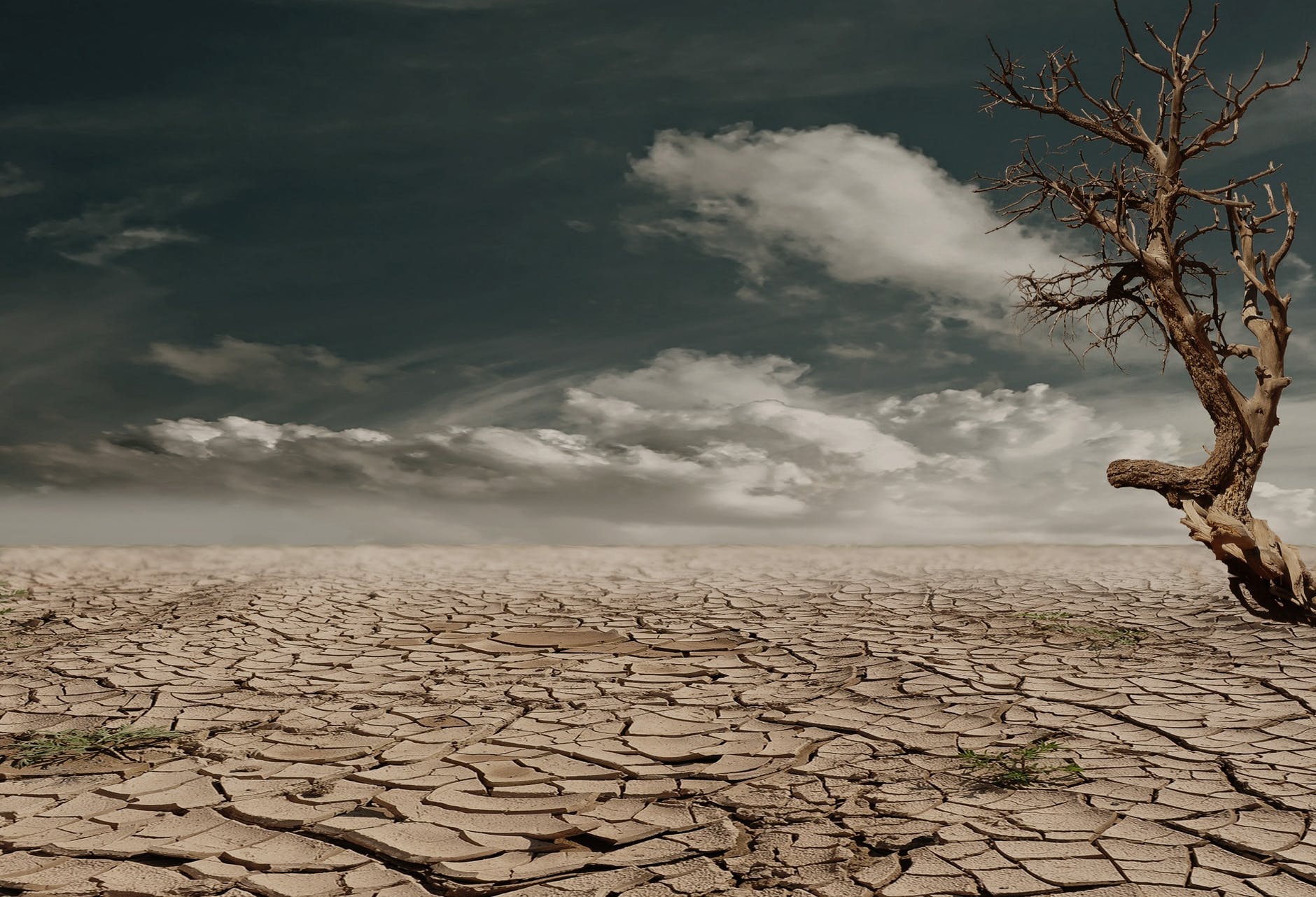
The roundtable explores conceptual questions about characterizing our planet's current era, examining distinctions between "human subjects and the non-human realm, between nature and artifice, between agency and objectivity." Panelists approach these topics through literary, philosophical, scientific, and psychological perspectives to consider how such reflection might enhance human agency during an ongoing crisis.
Speakers


Watch
Media
Related Roundtables

Transcript
This roundtable explores the conceptual and practical implications of living in the Anthropocene, the proposed geological epoch defined by human impact on planetary systems. The discussion begins with a scientific overview of the Great Acceleration beginning in the mid-1950s, when human impacts on climate, biodiversity, nitrogen cycling, and other earth systems began to skyrocket.
Panelists examine the philosophical dimensions of the Anthropocene, particularly how it challenges longstanding distinctions between nature and culture, human subjects and the non-human world. The conversation addresses whether the term itself is misleading, since environmental destruction has been driven primarily by specific economic and political systems rather than humanity as a whole. Colonial legacies and capitalist structures are discussed as key drivers of ecological crisis.
The roundtable also considers how art, literature, and philosophy from different cultural traditions can offer alternative ways of understanding human relationships with the Earth, moving beyond Western frameworks that have historically positioned nature as something to be dominated or managed.
Show discussion topics
- 00:00:00 Introduction to the Anthropocene concept and the panelists who proposed the roundtable topic.
- 00:04:25 Scientific framing of the Anthropocene, including the Great Acceleration of the mid-1950s and the radical destabilization of planetary systems.
- 00:06:26 The relationship between humans and the non-human world in South Asian literature and philosophy, questioning the nature-culture divide.
- 00:11:35 Philosophical examination of the distinction between human subjects and the non-human realm, and whether the Anthropocene collapses these categories.
- 00:18:00 Discussion of colonial and capitalist dimensions of environmental destruction, questioning whether the term Anthropocene unfairly implicates all of humanity.
- 00:27:00 Biodiversity loss, ecosystem destabilization, and the cascading effects of human activity on planetary functioning.
- 00:38:00 Debate over political responses to environmental crisis, including indigenous perspectives and alternative frameworks to Western environmentalism.
- 00:50:00 Discussion of how art, literature, and philosophy can help reconceptualize human relationships with the Earth in the Anthropocene.
- 01:02:00 Audience engagement and closing reflections on responsibility, agency, and the future of human-Earth relations.
Show full transcript
00:00:00 okay I'm Edna session I'm director of the helix Center today's today's program is on living in the Anthropocene that was suggested to us by her me Sheikh who is sitting there and I think she had conversations about it with Don Moss and I killed bill Romney we before I tell you something about the participants we have two more
00:00:31 programs before the summer on May 18 we have a program on shame and on June 8 we have a program on status I'm going to be super brief on the BIOS the more extensive ones are available on our website Akhil biryani is the Sidney
00:01:01 Morgan has morgan Besser professor of philosophy at columbia university on it of gosh is the author of the great arrangement climate change and the unthinkable and of course many other day Jameson his professor of environmental studies and philosophy at New York University w John cress is distinguished scientist and Kotori of botany at Smithsonian National Museum of Natural
00:01:32 History Donald Moss is a psychoanalyst program chair of the American Psychiatric Association and founding member of the green gang nermeen Shaikh co-hosts a news producer of democracy now she will take over as you know we don't do moderating on these programs but she will get things going thank you thank you very much so just so everyone knows what the format is there's roughly no
00:02:05 format we'll just begin talking and it'll be a kind of free conversation and after we've spoken for then we'll open it up to the audience for questions so I'd like to begin by asking John kress who's an environmental scientist to just lay out the scene what is the Anthropocene when did it begin and you know what are the most salient features of this period it's
00:02:44 appropriate to start with the scientific basis of where we're at in the year 2019 in terms of environmental change and this is not just climate change although we think of this as primarily a climate change in a global warming issue there's a lot of alteration planets that are going on right now that make this broader than just pumping co2 into the atmosphere about 10,000 first I should say the earth 4.6 billion years old has been fluctuating in terms of the climate
00:03:15 the temperature the amount of co2 in the atmosphere as well as the as well as life on the planet we started out with single-celled organisms and now we're primarily dominated in terms of physical presence and weight by multicellular animals mammals birds plants so there's this this dynamic aspect of the earth has been going on for a long time but about 10,000 years ago maybe 12,000 the end of the last major period of ice ages
00:03:48 on the planet Homo sapiens humans were around at that point at about 10,000 12,000 years ago suddenly the climate began to stabilize and we don't exactly know what caused that stabilization but but the amount of co2 in the atmosphere stabilized the temperature stabilized and that was the period when actually humans began to develop our own civilization our own cultures agriculture began domestication of animals began so it was this long period
00:04:19 of stasis that I attribute and maybe some of my colleagues that attribute to how one species on the planet namely Homo sapiens humans began or became the dominant species controlling many of the aspects of how the planet functioned that stability of that climate particularly the amount of co2 in the atmosphere and the temperature has now come to an end all climate scientists agree that this period of stability is now moving into a period of
00:04:52 great fluctuation co2 is increased in the atmosphere because primarily of the burning of fossil fuels that has led to an increase in temperature because of the greenhouse effect as many of you I'm sure are aware the rampant use and abuse of resources around the planet whether it's wood resources whether it's fossil fuels whether it's fresh water all of those abuses of Natural Resources has also radically begin to change in the
00:05:23 last few years and as nermeen said we're not quite agreed upon when we reached a point where change was such that we could maybe call this a new epoch on of the planet which used to be called the Holocene but most scientists agree now that it was about the mid 1950s where we reached what was called the great acceleration when all of these aspects of the environment reached a point where they all skyrocketed so over that period of time since the mid 50s we have now
00:05:54 reached a period in the age of the planet where many of the aspects of stability are radically changing and I think that's what we want to address today what does that period of change how is that going to affect first of all us as a species but also how the rest of the planet functions whether its biodiversity whether it's cycling water or cycling of nitrogen whatever all those things are changing and I think probably a lot of you are here because you you are as concerned as we are about
00:06:26 this period of rapid change so I hope that's kind of what you wanted me to address in terms of setting the stage of the rat I mean that what about you've written this very powerfully about the meant about forests about human beings in relation to the earth today if you pick up you know going to a bookshop with South Asian literature it's really all urban stuff it's all a lot of it is
00:07:01 political in the sense of being about politics or it's about identity but this this other thing this this great reality that is outside us hardly seems to impinge you know on people's sensibilities and that is I think means it's the big question I mean you know after all Hurricane sandy happened here in New York it has a larger concentration of writers than almost any other place but the curious thing is can you think of the great hurricane sandy
00:07:32 novel there are not about New York you know drowning in the future many several but there's not a single book about New York actual droning but also as you say in the book so I'm after this I'm not going to ask any more questions because I'm not supposed to but in the book you also point out that when literature explicitly deals with these issues it's almost always relegated to the realm of science fiction yes absolutely you know
00:08:03 you look at all the you look at all the big reviews and so on I mean it's quite rare to see you know novels that deal with these issues ever being regarded as literary fiction as so you know we subscribe to a notion of Beauvoir seriousness which by definition excludes these unlikely things except that they're not so unlikely anymore but I must say that in 2018 there was one book which I feel made a huge difference and that's Richard powers his book / story
00:08:34 which was actually on the shortlist for the Man Booker Prize and I think in May I mean you know it's it's I I can't go into all of it right now but I think this book is a very significant event in literary history really all usually it's a it's a very interesting thing that even progressive when left-leaning writers thinkers
00:09:06 pretty much to twenty years ago at most never really touch very much about nature but never thought about future generations novelist binding nadzam called love and the Anthropocene and we're on various public radio shows and so on and I come from the world of philosophy and environmental science not the world of literature although writing fiction was fun and I remember this phrase idea fiction being used in a derogatory way
00:09:40 not but I mean it wasn't that this is didactic no it was just the very idea that the fiction somehow carried an idea already seemed to be a strike against it I think that's I mean so there's something there I think in the world of literature I mean the other thing is it's extremely difficult I think to write about the Anthropocene especially when we understand it in the way that the excellent explanation was given it I
00:10:12 mean we're really talking about the disruption of all these cycles not just the carbon cycle and and all this is happening at the same time that technology is increasing radically the globalization is speeding up incredibly and when we tend to focus on one thing I mean I want to tell you about a climate change world I want to tell you about a technologically advanced world we tend to focus on that thing and then tell the story is sort of as if everything else
00:10:43 gets held constant in this thing changes but that's not the future that's not next week that's not next month it's a matter of and what was it about it was about the destruction of the sacred cedar forest by Gilgamesh and Inca do so the earliest literature we've ever had was about power but was also about the relationship between man our humans and nature and about the destruction nature
00:11:13 so that history of literature goes way back and what's happened last 30 years is one perspective but what's happened the last that was 5000 years is in different but it's also that you know much like writing about war is not about all wars or the conditions that give rise globally to wars but rather a particular war as a backdrop so similarly with the Anthropocene I would imagine that any kind of literary writing would take one what's come to be
00:11:44 known as an extreme weather event or and situate the story within that context at least that's the way that I understand it but but Don you gave a very interesting paper in Iceland which I had the pleasure to hear on slow violence and the slow violence of climate change or climate catastrophe as you made the argument in fact that it should not be just called change because that's too benign a word so why don't you say a
00:12:16 little about that before saying anything about that I wanted to say something about what psychoanalysts have been working on for not quite entirely well yes for 120 years or so and I think that one of the things one would conclude from looking at psychoanalytic literature is that it's a deep lack of interest in the future that is the
00:12:49 entire the entire discipline is organized for it at the famous phrase that neurotic people suffer from reminiscences and insane so the notion would be that people like us who are interested in neurotic people would be focusing on the pathogenic consequences of reminiscences and essentially be thinking of people
00:13:19 the labor of becoming a person would essentially be the the labor of liberating completed and I think that it seems to me I just wanted to say one other thing about that sort of about that I was John inaudible coming up here together and I was maybe many of us we watched these Discovery Channel things and we watch
00:13:50 threatened mammals and see how they do and what they're doing and I was watching one recently and I saw all these threatened mammals and what they do is do their best to adapt to the threat so if there isn't sufficient eyes they try to make do with the ice that they find if there isn't sufficient ice in spot a they try to move to spot B if
00:14:22 it's too cold here or too warm here they move up the mountain but the task is is is an immediate one you don't have a sense that any of these animals and I think it would include a huge percentage of humans that our task always feels either immediate to escape the immediate threat or to escape the regressive pull of the past and so few of us and maybe
00:14:56 none of our whatever we call them primates and earlier in the chart have any notion of the future at all the one thing I would add about progressive literature it seems to me Marx is an exception that at least the mark said I loved was always written with the future in mind that is the whole notion was
00:15:27 future-oriented that the entire notion of of what the human task would be Hegel interpreted the world our task is to change it so it's so there you have this contribution that was future-oriented and in that sense from just that okay can I ask you every type spoke about the lack of consciousness and literary
00:16:00 writing about these issues and and done trying to diagnose psychoanalysis but isn't it also true that geology until it became geosciences was also very focused on on the lithosphere I mean they focused on the solid rock and the lithosphere saw the drugs or molten rock
00:16:30 you know the surface or sedimentary phenomena but it wasn't focused on the hydrosphere or the atmosphere or the biosphere in it and all that's now become part of an understanding of what the sciences should be doing but that I assume it's because of this very narrow focus that they didn't they didn't look at the data correctly or something well I think that's what they had to look at they had fossils and they had a hard part of the planet to actually study but
00:17:03 now that we're also interested in how the atmosphere and how the hydrosphere and the biosphere is changing I think scientists not just geologist but environmental scientist such as myself are trying to go back and look and use data that we can find to look at these other parts of the sphere so ice cores and such where we can actually interpret what scope what went on in the atmosphere five thousand ten thousand 50 thousand years ago so it's it's very interesting you bring up I mean I think
00:17:34 of paleontologists when you talk about geologists and all my paleontologists at the Smithsonian my paleontologist colleagues who are always looking back Don as you say they all when I bring up the Anthropocene they all say don't worry John relax don't worry the earth is 4.6 billion years old life has been around for 3.2 billion if you're worried about the future of life don't because life will go on well one species things will radically
00:18:05 change if you're worried about your grandchildren you should do you should be really wary or are you worried about your great-grandchildren so I think that what's your logic sorry I don't understand that means you should worry about the species or you shouldn't or you shouldn't shouldn't worry about their long time you should only worry about it immediately right that it's our are the future generations of humans that are going to suffer the most it's not in life on the planet even though we are now responsible for a thousand times greater rate of extinction than happened
00:18:38 200 you see what I'm curious about is that really before the loss the time scale being so huge you know I do do you just see the the short-term trends as noise and dismiss them what what was the no it wasn't dismissed at all I think it was made more relevant by what's happening on the planet today so suddenly that was academic understanding of changes in atmosphere and hydrosphere now with the changes that are happening
00:19:09 in the world today that data collected that's what I mean yes so earlier did the dismiss what would we now see attracting trends in didn't they just didn't I mean there's two different issues I want to go back and pick up on something an adaptation but on this issue I mean there's really interesting issues in epistemology in the history of science here so I mean so if you take someone like a Rania's for example in
00:19:39 1903 I mean essentially those calculations that he made on long cold boring Swedish nights in the back of an envelope have basically turned out more or less to be right although we have a very different understanding of the mechanisms that actually make that change possible I mean I think there's two things in response to your question to kill it should be noted and maybe in some ways they're kind of boring I don't know book one thing had to do with the development of supercomputers the
00:20:11 development of supercomputers data which allow you to do all kinds of things in terms of simulating futures yes that could simply not been done before I mean I was around the National Center for Atmospheric Research or example the first time that people were able to link ocean models without Monsieur models for example that sounds like an obvious thing to do but it's something you actually could not do until the early 1980s when you had the computing power to do it at the same time I think you're
00:20:43 also on to kind of a sociological fact which is that the kind of science that we grew up on was a kind of science that without stating this explicitly sort of assumed that nature seeks equilibria and that divergence from equilibrium states are someway driven by something sort of weird and exogenous to the system the kind of interest or early biology for example that you know sort of talks about climax ecosystems and so
00:21:15 on is of that mode we're now in an era where we tend to see disequilibrium and chaos if you will as more than natural state of things now that isn't a purely scientific discovery that has something to do with the changes in political and social climate in the kind of cultural you know settings in terms of how we look at the data so it's so it's epistemological but yet driven by these things and and I was just wondering to
00:21:47 what extent just looking at the time scale and very not large terms just makes us dismiss these things as always but it's interesting the equilibrium that's a sort of theoretical pre-commitment which would drive one to it - yeah if I can just say one thing in response to your comment about kind of how science has changed over the last thirty years when I was a graduate student studying tropical ecology my job is to go out and find a pristine habitat
00:22:17 in nature and study the biology study the interactions between the organisms and try to find out how nature works that is no longer the paradigm anymore the paradigm is to go out and find out how humans are affecting those systems it's totally changed you can't find a single graduate student in environmental sciences that is going out to look at a pristine system because they do not exist anymore I wonder whether there are any like if
00:22:51 you think about the Anthropocene as a kind of I mean it says so they were to use but let's say pathology accountable for mr. Word a catastrophic change in what had been a stable a stable form of life let's say and then there's this pathogenic series of events that we're talking about so
00:23:23 are there are there any in medicine in in any Zone in in all the humanities our if there any zone in which contemporary pathologies are being addressed in a serious way with the future in mind or our hour is all serious address of pathologies organized around eliminating
00:23:58 the pathology at which point the aim would would be accomplished are there and are there pathologies being addressed with a serious focus on generations to come you know what what the nomenclature of Anthropocene is intended to to capture better be much more open-ended right and
00:24:31 not thought of in these terms anyway something to to what get other people to what do you mean by open-ended but it's it isn't as if there is something off switch you know I have some messianic end yeah it's that it's it's something uncertainty you mean yeah uncertainty and and therefore keeping a very wide
00:25:01 range of options open yes that's true what might be done about it of both by way of constraint and and and death and actually a preparedness to be reactionary to say let's just go back the future might be a better the might be better outcomes in the future if we for her against morality yeah or against just you know it's even
00:25:35 that should be a possible option so that's what I mean by oh yes Wilding the notion of wild and there would be something yeah so be more conservative and not only radical in the sense of you know thinking we can change anything that are real etcetera but isn't going back isn't that change which is change but but it's not the kind of thing that he that Hegel Marx and other figures expected thought are brought in the
00:26:07 future in the way that you had noticed I mean we we tend to have these two orientations towards the future one is utopianism which is largely disastrous in terms of human history in my opinion and the other is muddling through and the amazing thing which is what we actually do most of the time and the amazing thing about muddling through is not that it actually works it's that it seems to work and it seems to work in
00:26:39 part because of this incredible power of adaptation that humans have both to adapt to changing circumstances but also to adapt their preferences and desires about things and so when people talk about the Anthropocene and how terrible if the 21st century is going to be and so on and so forth it's a very delicate thing to talk about there's lots of things I want people to do in response to this but look back at the 20th
00:27:09 century unbelievable disaster millions and millions and millions of people killed vast parts of the planet destroyed and despoiled a decade after after Rome was in rubble and people were eating cats it was Ladell chavita I mean with with with with very little sense of how close people were to those events and I think one mistake that we make about thinking about the future is when we imagine the
00:27:42 world in 2021 you know things are really getting going 2030 or 2040 we imagine ourselves into that future with the baselines from where we come in the preferences we have and the desires we have but the people are going to be born into that in into that world are not going to mourn the same things that we would mourn were we to be born into that world and that makes it even more difficult I think to think about the future from where we are
00:28:15 now on these long timescales well we've got actually one of the things in your book which was very striking is you cite the example of Gandhi of course it was one of the early figures prominent figures to understand that modernity in its present form and one can only say that it's accelerated since then to recognize that the form of life that that was giving rise to would simply not be possible
00:28:46 he was taking us to disaster the Chartists knew it the Luddites knew it you know around the world wherever this thing went people tried to resist I mean are just today I was reading about how in the 19th century the Bonaparte Estate was trying to impose certain forestry regulations on Italy and how how strongly the Alpine peasants resisted because actually they held land in common you know there was no tragedy of the Commons they had land in common and they regulated it you know so I think we
00:29:17 forget sometimes how new this this regime of property is we also forget that you know before the 18th century really people everywhere are around the world understood you know that are there are certain units you have to act in certain ways you have to act for the future as they did in Japan during the 17th century really but a view to the future in this sense of shrinking resources and the possibly injurious
00:29:48 effects of consumption acquisition this was the I mean of the examples that you're cited but it was just a more community oriented it was that but it was also that people recognized so I'm certainly with a keel I think at this point you know I think I think we have to understand really is that this disaster has been brought upon us by a by essentially the 19th and 20th centuries what we call education would we call rationality and I would say that
00:30:18 in this psychoanalysis plays a very large part you know I say this is someone who that you know love to read Freud but you can see in retrospect that in a way it's a part of a whole constellation of things that has brought us you know to this disaster and really the task ahead of us is to try and unlearn just today I was reading such an interesting interesting book it's on art and the Anthropocene you know so in the Little Ice Age as it was
00:30:49 advancing you know the last great sort of atmospheric fluctuation was in the 17th century so in India for example the Emperor Akbar very early on he responds to this in an artistic sense you know the droughts and the terrible atmospheric disturbances the Commission you know a lot of art around this but also the Commission you know all sorts of waterworks all kinds so it entered their minds in a way that this doesn't enter our mind now and why is that it's
00:31:21 because we've we've been educated analysis so those four words put in a cluster I think what you're getting at is the kind of emergence of of what could be called what we say the kind of fetishized individual and that the educated individual is a fetishized is a
00:31:54 is a feather sized individual and a fetishizing individual that is who turns his or her individuality into a magical talisman which represents success and returns other individuals into talisman also so I so I think you hold psychoanalysis at least in part responsible for that but well I I mean
00:32:28 you say I'm not I'm not just inferring that well you just said it and I agree with you it's hard to say responsible because I think it's actually hard to locate responsibility anywhere when you think about a historical trend modernity well can one name the responsible agents for modernity it wouldn't be easy to do and nor would it be easy to hold one
00:33:01 responsible for wanting to become a modern person it's hard to locate responsibility in there true it's hard to attributed to that form of agency but that one could make helpful diagnostic attempts by noticing so if you if you take some of the concepts that that tail and amitabh that surfaced in in things they said so
00:33:35 if you take the tragedy of the Commons [Music] the tragedies supposed to arise because commoners supposed to ask since enriched this nurse rationality whether it's fresher comments or nostril I agree culture comments so these things are I didn't what what agents but their outlooks there were emerged in pretty
00:34:06 much since the mid 17th century just say something that I think we have to remember that guy Gavin who came up who wrote a paper on the tragedy of the Commons he was a white supremacist he was a eugenicist a fascist really and his idea of the Commons comes from exactly what you're saying which is this idea that people who think of themselves as maximizing individuals if allowed upon the Commons will destroy the Commons
00:34:38 in North American Europe right now yeah that's the thing it's not America I mean this it's the it's essentially that kind of you know this cornucopia an idea that you have once once English settlers come to America that the land will always provide you know and each one for himself and it also I mean that also raises the question of agency right when we speak of these like can you fault someone for wanting to be a modern individual the question could also be
00:35:11 asked does one leave people with a choice to be anything but a modern individual it's not as though I mean now you see it in all of these movements indigenous peoples in in Latin America peasants and large parts of South Asia they are being forced by various systems I mean capitalism obviously one of the
00:35:41 most egregious to adopt adapt and adopt ways of life because simply the way of life that they've had is no longer tenable and it's no longer tenable because of these larger system structures that are propelling them outside a form where for them there is no other outside that's absolutely wrong I mean but you know I don't think there's any response that one can make
00:36:15 once one acknowledges what your quad radley pointing out except to say that even where we are shaped by the structures that you describe we go in and out of being cooperative and non cooperative you know in some frames of thinking we are it will dream of us to ask what if I cooperated and others didn't are not gonna cooperate the many many contexts Canadian contexts you know
00:36:47 where one is completely it the question of - one to ask that deeply alienated question you know which which I'm saying is shaped by structures of modern society and yet in many public context that's precisely how you think you know in this in this way of modern rationality and so on so so really I think it's a very important task of politics to to try and see how we can scale up the context in which we are not
00:37:20 you know not driven by those ideals of rationality scale them up so that we they yield the conceptual resource for us to criticize the other frame in which we think you know I mean that's that should be a very central goal of politics one is climate change is a
00:37:52 problem that exists today it wasn't the subject that people talked about 50 years ago they didn't talk about that you said when I was at the university we didn't worry about climate change so that since it has now become a problem we can look back and say well we did all these things wrong we are today now we didn't do it completely right but we didn't know how to do it completely right so that's why
00:38:23 we are here and we should try to fix it the other thing that was that occurred to me is that in a way you know Freud came up and criticism of Freud came up but the fact is when religion dominated everything then you assumed that God would take care of everything there wasn't this idea that we are so powerful that we are going to fix things that God isn't going to take care of we just have
00:38:55 to be good go to confession and eventually things will work out so it's more of a concern become more of a concern now where there's a diminution of religion there's less effect of God on everybody's thinking and so it's become a major concern devastating effect on people's lives those are just random thoughts that I was thinking as you were talking so what
00:39:29 so just two things one is without really disagreeing with the historical story we shouldn't lose sight of the fact that for example climate change was mentioned by President Johnson in a message to Congress in 1965 there has really been something like a concerted attempt to obscure the continuous history of the knowledge of this they say that it was
00:40:04 already in Congress in the seventies it absolutely was right right so I mean I mean so that's a whole other issue but but what's tended to happen is that about every 10 years people wake up and look around and say what's this climate change stuff nobody ever told me about this and then become tsunami alert again you know until until the next upsurge but I I want to go back to this agency issue because I really think that that this is key you know it's not just
00:40:34 indigenous peoples who who've viewed themselves as being involved in coercive systems it's also people you know who live in the suburbs who want to take their kids to school and would like not to burn gasoline but don't absolutely feel that there's there's any other way of doing this and I think so I mean one of the things that I think is really central to sort of the meaning of the Anthropocene is that the kind of coercive structures that humanity used
00:41:06 to feel imposed on itself by nature are now imposed on us by our social political and economic systems and if anything this vise of coercion feels to people I think across nations and societies as rigid perhaps even more rigid and inescapable as the vice of nature once felt to people why so do you so but would you say that the word coercion it's interesting idea
00:41:40 but the word coercion in order to feel coerced you have to be imagining non coercion you have to have an image a realistic image of something that feels real to you oh it could be otherwise we would need that in order to feel coerced today so but if the source of coercion is nature our people imagining
00:42:14 an alternative nature such that see I'm just trying to distinguish between coercion and necessity so a nature might in induce necessity at least as I would think where as capital induces coercion yeah I mean I suppose it depends on how you experience this from nature so if you experience this through a God for example and particularly a wrathful an
00:42:46 arbitrary God maybe that stands somewhere between the necessity of nature in the right in the coercion something that looks like capital I I don't know and I'm not so invested in the comparison anyway I mean what I think is really important is is again this this kind of weird paradox where it's humanity who's remaking the planet it's not nature in the nonhuman sense it's not aliens you know from somewhere else it's us that are doing it but yet there is this this sense of
00:43:18 powerlessness organizing yes or the coercion but constraints and restraint and yeah earlier nature wasn't a constraint because nature when we when Europeans landed in North America it was an endless garden even though there were a lot of other people here already taking care of that garden so nature seemed not constrain us we've reached a point where we realize that resources are finite now for our population use and we get argue
00:43:50 when those finite resources will run out or when they won't run out but we realize that the planet is a certain size and we also realize that there's more of us on the planet using those resources and so I think we're beginning to feel that constraint being ourselves rather than the nature before to the fault line was earlier when we actually acquaintance began to create nature with natural resources but it's it's fine too
00:44:23 I mean it's true what you say that you know resources would run out but that's still a very anthropocentric way of seeing the problem it's it does seem to me that we we at some point transformed the concept of nature into the concept of natural resources and that transformation was was a fault line in in lending us in the midden that we are in for Humanity returns nature into
00:44:54 quantity that's what you know as is you see this goes back to what ed is asking which is if you desexualize the our nature at some point nature first got equated with without remainder exhaustively equated with the idea of what the Natural Sciences studying right so nature contained no properties that the Natural Sciences they don't study or
00:45:28 can't study right now I think that's a superstition of modernity yes it's it's it's you know many people who I know and admire who have a great concern for climate change like my friend Peter Singer and your friend too that's how he would see nature as that which the Natural Sciences study and try and recover such environmental anxieties that he has
00:46:02 developed them within that assumption but I think the assumption is wrong III as a natural scientist I believe that nature exists outside what natural scientists can study it has no that I mean there will be nature on the planet long after natural scientists are gone no that's true that's that but that's a slightly different point and I think that's perfectly correct but what I'm
00:46:33 suggesting is some kind of baby was thrown away via Fiat water yeah which is that value properties have got evacuated as well from a nature and and I'm saying there's there's you can be an atheist and insists that nature contains value properties which should constrain our behavior towards nature and and I'm saying that a lot of scientists yes not
00:47:05 doing science but doing philosophy in their own time yes have equated nature with what the Natural Sciences study so when Dawkins says things like that he's not talking as a scientist he's talking about as a public intellectual or philosopher and as Witkin Sean said you know only a philosopher could say something as absurd as that no I have one thing I thought about what you're saying having to do with something I think is quite potentially useful about psychoanalysis in this regard and it's a
00:47:38 Melanie Klein notion of set of resources and let's say that the infant is in that sense a natural scientist in relation to its mother so conceived and then comes this fateful moment so says Cline in which the nature of the position has changed and the nature of the change is toward a depressive position with the implication
00:48:10 of a kind of melancholy acceptance of the mother's limitation of the limitation in her cup in her resource capacity but at the same time a huge expansion of her status as I don't know with as something other than resource so losing her as a source of unlimited
00:48:41 resource that's the cost the the gain is a vision of her as an entity that needs protection no less than I do and in that sense there's something how can I say there's something theorized in psychoanalysis that I think is kind of
00:49:12 the response Bruins with what you're saying yeah you see what I mean is yeah but it's obviously not the aspects of psychoanalysis that know that I'm it obvious no no no no no can I ask the two of you to talk a little bit about that if he starts I was just following I mean as you said yeah I mean it's it's a it
00:49:43 individualizes there comes to be reliance upon individual history upon the past but you know I think the important thing that we can't forget here well two things I must say from me now I find young thinking much more interesting in relation to the Anthropocene the other thing is that I think we can't forget here that really you know one of the major scientists writing the IPCC said the other day you
00:50:13 know that climate change is not a natural phenomenon it's actually the ongoing effect of inequality and especially those of us who are from India or China or Indonesia or wherever you know this is the thing I mean the solving or the addressing of climate change is no longer in Western hands it's really going to be decided in Asia because Asia has the weight of numbers and the reason why nobody can can go to an Asian population and say cut back
00:50:44 your your emissions is because they say well we we just want what they have mm-hmm you know it's just that I mean that's really the fundamental dynamic that drives it but I think that well I just like to follow up on your point we haven't really talked about economic systems yet and the impact of economic systems on climate change and some of you may know there's ecological economics now which is beginning to rise
00:51:16 as an alternative to capitalistic economics and neoliberalism and such things it seems to me my reading of the literature which is that economics is not immune to natural laws is not immune to science is not immune to social interactions but really depends on that in a way and we have to change our system and psychoanalysis does have to yeah but but part wrote about future of an illusion and yes and civilization and insertion
00:51:48 as discontents where he addressed that but you dressed out in a very scientistic way yes exactly he just thought of these as counter drives to the drives of the edge yes so he open up the for some questions thank you all it was a very interesting talk my question would be for all of you anybody who'd like to answer it I'm
00:52:19 going to make a couple quick generalizations so I can formulate it into a question so the idea of the tragedy of the Commons was that if everybody was selfish and after it individually it would be a tragedy and on the other side of the argument Elinor Ostrom got a Nobel Prize by saying people don't do that in in ordinary life to act as communities and they see holistically and they work it out whose ghoster Elinor Ostrom
00:52:50 okay so there's these two alternative possibilities now again to oversimplify second ask the question when civilizations are characterized it's simplified by saying all civilizations have put the community before the individual Western civilization is the first civilization where the individual was put on a pedestal before the
00:53:21 community and despair I just want to I depressed you and be here I wouldn't add as a sort of maybe your Carlo and your question that I haven't heard today here among the panelists any sort of solutions that don't seem to touch on some form coercion of some you know of some type that either through guilt through a sense of guilt or through regulation
00:53:53 there's such a different thing absolutely necessary it's just not sufficient so it so this isn't an answer to your question I'll leave other people to confess how they manage their inner lives but but there's there's two things that always really strike me about this question which I which I get a lot the first is we we are we are I'm doomed
00:54:23 we are doomed we're all gonna die as individuals I mean what what whatever people figure out or don't figure out about life in the 23rd century and I think there's something for psychoanalysts here about why it is we're so concerned about collective doom and somehow so much in denial on an everyday basis about the probability of one about individual about my individual doom so that's just well so I mean
00:54:55 that's just one question the other the other thing is is that when it comes to these civilizations that we've built and what threatens to most as someone who's worked on climate change for decades I can tell you from at least with complete confidence in my part that its nuclear weapons that it's it's nuclear weapons that will really put an end to anything like the civilizations that we all know and treasure climate change may do that
00:55:26 it certainly will cause enormous amounts of death and suffering if you survives in a recognizable form it's it's not going to be very recognizable to us but nuclear weapons this is certain destruction and the probability of this happening it's very great on relatively short time horizons so I just find it kind of puzzling the the kind of freaked out the the level of people's freaked out about climate change compared to our complacency about nuclear weapons and our denial about
00:55:57 this death that awaits me in the not-too-distant future if I could kind of respond to that I think those are just two examples of the possibilities you brought up geoengineering that's in response to climate change but that's another attempt by Homo sapiens to control things I think we will see many more of those if we continue on as a natural history scientist you know I don't really care about news to tell you the truth I care about the 10 million species on the planet that are being
00:56:28 disproportionately affected by what one species does there's no other species on the planet that makes other species go extinct there's one and they're all sitting in this room Oscar cousin suits somebody sent me an article recently on on the disappearing insect species and apart from pollution the other major cause is apparently
00:57:02 agriculture agriculture now can I just ask you know on the one hand in the last several decades this increasing urbanization and fearful people are actually living off agriculture making their living agriculture even in a country like India which was 80 percent is now 49 percent agriculture and it's just where everywhere everything is headed right and so I'm sort of not
00:57:33 getting it is it is it is it some notion of agricultural what I mean is that some are the inputs so much more productive that it's is that it matters to things uh-huh that there is not less agriculture now there is more efficient agriculture through mechanization such as the damn tractor which has really changed things so fewer people were needed is they decided to productivity and its influence yes and the second is
00:58:04 the Green Revolution which required a lot more fossil fuels and a lot more pesticides and it's those pesticides that are in monocultures and well monoculture which is a result of that which require more so there's more of us so there has to be actually more yeah agriculture to be feeding us so you know there there's sort of being pushed into destitution and yet Agriculture's being intensified in these ways that through these more efficient
00:58:35 in inputs to to give rise to you'll obviously know but it's also they st. I mean meat consumption of meat all over the world that agricultural land is being used more and more all over the part of the Amazon that now is devoted to growing soybeans is for feeding the cat not for feeding okay I think you have another question I mean because it's a particularly this is hugely important because we talked about developing world and they want to be like us and all this but it's but the
00:59:07 real time bomb and it is increasing meat consumption in poor countries and interestingly India has some values to dampen that down and the Chinese government is actually has a policy in place to try to reduce meat consumption rather than having to have it grow and I think these I think that are not well enough appreciated in the West can I just say something in response who's the gentleman you ask the question right sorry we don't mean to disregard it I understand that the point the question you have about teaching and you know the
00:59:39 questions that you get from some of your I work at democracy now it's an independent television news show here in New York and after our broadcasts often we have groups of students who come to watch the live broadcast and then we go and we speak to them and of course as you know young people they all want to know you know and obviously democracy now people have said you know you should rename and depress me now it's just relentlessly awful so you know after you watch an hour of democracy now obviously you just think okay which cliff can I go throw myself off of but you know I think
01:00:11 that I mean there are a couple of things I mean one I think that I mean I don't know how much of a Solace it is is the space is not between hope and despair right I mean it's where the option is not between hope and despair I mean I think being you know the way that I mean forgive me for saying this but in the u.s. in particular there's a massive emphasis on optimism and you know feeling good and I'm great and terrific in this kind of thing I mean this is
01:00:41 just a it's a very shallow level which has very little meaning or or duration so that's not I mean I don't think that's the the alternative to to despair I think you know in also in light of what you know people here have been talking about is the question of solidarity right a solidarity in the sense of feeling mutually both implicated bound
01:01:11 and responsible now whether that induces more despair or more hope I don't know but it it subverts or I don't know somehow looks at the problem of individual despair through a different lens respond to that - sorry at the Smithsonian we've been struggling with this for a long time because we don't as a public museum or a series of museums hate the idea of telling the public that
01:01:42 were pessimistic I mean it's just not a way the best way to engage so we have started something called earth optimism Derry where it's it's more the solidarity exactly what you're saying it's to present cases where we have succeeded in changing things but at the same time point out all the issues that one has to realistically understand to achieve those optimistic successes so there's a way to do it I have a hard time doing that a little on the
01:02:13 pessimistic side but but I think we are getting towards that was reported that substantial majority of Americans in the survey said they were prepared to pay 15% small for energy bills and have the money spent on on in energy programs so that's a sign of I mean some time to be oh yeah I just have to say that these surveys go back decades and the problem
01:02:43 is people people are always willing to pay more if the money goes for some shiny new thing the real reason to make people pay more for energy is so little function is of pigouvian tax and get them to consume less that is what's an excessive yeah this is what they always say I could pay more but not so much more that they have to use less of it oh no not that but that's the whole point of the tax London will see this with congestion pricing this is another place I thought I were just there that neither hope nor this there is a strategy with leadership in
01:03:16 action what we need but to my question you know this is not the first time in our history that we've faced a crisis like this perhaps not this brand but ultimately it boils down to a political crisis a more more often than not in history scapegoating has been used rather than trying to find a solution to the crisis and you know the 20th century
01:03:46 is replete with that and now we find you know that climate change is a Chinese hoax he hasn't said that in a long time but he probably well if he needs to but does anyone have I mean now that we've discussed the the problem does anybody have any suggestions for political action that we could take as individuals or collectively um ben shapiro the the
01:04:19 right-wing ideologue he recently tweeted that the way to solve the climate crisis is to bomb india and China's coal-fired power plants and you know it's a curious thing I think if we in the first thing is I mean I think there's so much about the way we misconceived this issue and one is climate change is not a problem
01:04:50 climate change is out of the box that essentially all of these Anthropocene forcers which are fundamentally about destabilization of natural systems are simply going to condition and affect life on the planet for the next few centuries unless we do something even crazier like geoengineering for example right so so those destabilization of natural systems grow up and produce a wide range of of real problems like sea-level rise for example droughts
01:05:23 extreme events that people going to have to respond to but there's not a solution to climate change now the there there was at a time there could have been an energy transition at a time before we got committed to one point eight degrees centigrade and probably are going to go to three or four or five before this thing turns around so the way we have to think about this issue is no longer in the problem solution space when it comes to the obvious things sure
01:05:53 we have to get the idiots out of office you know but it's not you know but look we're living in it who was it Madison or somebody once said a long time ago that the fundament window the framers of that the fundamental weakness of the American political system is that the people cannot be impeached and and and and that's essentially what we're dealing with in this so typical of us individuals will when something happens
01:06:25 to blame the people rather than the institutions and you know Jameson Fred Jameson said it's easier to imagine the end of the world then just imagine the end of capitalism and and I don't know if there's any solution whatever solutions there is to climate change problem it probably involves such constraints on capital that it brings about a terminus of capitalism and and then James's thought is should we just
01:06:58 don't have the conception revered or in our political zeitgeist to even so much as but we do have to take look this was a throwaway line about impeaching the populace but but we do have to take seriously that there is no sis no system of governance that has ever been created automatically believe in democracy and despise the electors this is counter-intuitive I just I'm not on board with that well
01:07:29 if I were to complete my sentence what I would have said there is no system of governance that's been created that there's a including democracy whatever that is exactly and and and and wherever one might find it being practiced which is certainly nowhere where I live for example but wherever that may be there's no reason to believe that any of these systems of governance that this species has developed are adequate to the challenges that we face now I don't say that in celebration or to dance on the grave of
01:07:59 liberalism or anything like that it's it's just to talk about the seriousness of the issues that we face and our lack of experience as a species in dealing with things of the scale Singapore the Netherlands of they're responding very very quickly and with general sort of social consensus and that's interesting because there are two such different political systems it's very small scale one last question so I don't quite know where to start but first I wanted to say
01:08:31 something about we're all involved in political economies and I just wanted to point out that I'm the fifth guy coming to ask questions and a panel that's mostly guys and I'm sort of curious about that reality and that that so if someone if a woman would like to speak now I'm willing to step down I'll have to work late strange twitching in my breasts when somebody mentioned that women were the
01:09:02 feeders and I want I want a clarification on that point from you guys know I it was in response to well Akhil was saying about nature and the
01:09:33 notion the nature could be reduced to a notion of resource and what I was saying is that in Melanie Klein's theory of infant development that we start off in relation to mothers whom we experience as resources and whom we experience as resources without limit and this
01:10:03 momentous momentously this mode of experience undergoes a transformation at which point this once limitless resource becomes limited and is recognized as something more and other than a source of than a resource and that transformation of of it into
01:10:33 her seems to me seem to me and seems now to me to be congruent what with what Akhil was saying about a transformation what that went in the other direction from her to it from nature as something like a living being something like her beyond the reach of the study of her resources and that that vision of nature or not
01:11:07 vision but I don't know what to say sense of nature might have been lost when changed into that which natural science can study and that which we can from which we can extract that's how that came up yeah thanks for the clarification and in fact nature is often referred to as a woman because of the unpredictability of it hurricanes
01:11:39 which are now in mccain's or whatever we're now having masculine names for that and I think it is time i'mso prep I was so proud I'm watching my sister here feeling a sense of comradery and I I do encourage more women to be here and participating slipover go on the subway deal with it and just be here I'm talking to the people in outer space who are watching us thank you one interesting thing about
01:12:11 what you're saying is that you know having sort of imbibe massively of climate change discourse it is very striking that it's an overwhelmingly Eurocentric Western and male discourse even though there are you know Naomi Klein Naomi Oreskes there are these great figures but it is strange how that discourse is I mean considering as you say that you know it's Asians we're going to go going to be hit and Africans and so on how few Asian and African
01:12:42 voices participate in this discourse well I have to say that's not completely fair I mean I mean I mean just some extent that's true it's less true than it used to be but for example the IPCC works very very hard adding an inclusiveness and and I think that should at least be acknowledged but you know exactly why Madonna's and the Latin Americans walked out of copán high well I think it was over determined on a
01:13:16 slight way so I have another kind of statement and question so I don't know if other people in the room feel this as well but I felt that there was a certain lack of Ford looking kind of part of element in this in this discussion that I'd love to invite you for whatever the time we have left you do that a little bit with the preface that I think I mean have you're talking about part of the prop covered problem the dating back to
01:13:47 the 17th century I want to suggest that it might go back to 10,000 years but definitely it goes back to the petrichenko and like the invention of perspective and those kind of precursors to science to the invention of science which objectified nature allows allow us to manipulate it so there's a deep involvement with of science and industrialization together as a kind of immediate cause of climate change in which individualism is also tied and to kind of counterbalance that I think
01:14:19 there we're at a moment where there's also a possible opportunity in this tragedy and that is there's a moment of realization that we are part of a larger collective and I think it's apparent in the Disciplinary space where people are warned we're trying to work across disciplines and in the cultural space and in the fact that we are trying to we are acknowledging that we are many cultures and that we're polyphonic and that the solutions will be polyphonic of course there's you know there's
01:14:50 political forces that go against that but so just to give you a little context I'm an artist I work with scientists are on this project called the ocean memory project where we look at memory not as a real looking process but as a forward-looking process and that that's that's integral to nature or to go to the ocean and that so I'm sort of curious about you know you as intelligence in the room and our larger group thinking about our ability to look
01:15:22 forward not necessarily with hope or with a positive outlook but but just to see what is what is existent in the moment to to take advantage of I feel like like if climate change is forcing us to to face some of our own demons in ways that we wouldn't have we wouldn't need to if it weren't there and that's an amazing opportunity so I'm just curious like if you were to now okay
01:15:52 you've had your rear looking analysis if for two minutes you were to look forward you know hopeful or not a hopeful way in terms of what does this up but this moment what are the opportunities in the present to be better to be worse yeah I don't know but like if you were to go for it from now John you wanted to say well does climate change force us to do
01:16:22 something that was the premise of the question and I'm interested in this word force and I think it intersects with what you were saying earlier about regulation that is under what conditions are human for our humans forced to do something how does that happen what what is the force that forces us and it seems to me it's it's extremely elusive most
01:16:58 of us are not forced at all that seems to me the problem whatever we mean by individualism we include the individual's capacity to evade forces and and not only that to celebrate that evasion as power I am powerful to the extent that I am free from the influence of forces so
01:17:28 endlessly deep questionnaire chicken minutes so that it's well theories it's almost it's intractable but but you know one of the things to think about in any in responding to it no doubt very much on the surface is that sometimes after the Australia we we really began to think that human beings can be made
01:17:58 better by making them over into citizens and go so well alas and alack and we might have to say it didn't work and that's really you know one symptom of how hard that question is it I mean you can't understand the Enlightenment and all its codes and constitutions without seeing that aspiration as underlying it
01:18:29 that you can make human beings better what's bad in us can be made better by making our servants citizens it just hasn't worked but by citizens I mean forcing us through laws and constitutions to be different which is really what you're what you're seeking so that's once one level at which just didn't work do we have it do we have a Singapore in the Netherlands
01:19:02 do we have it it's painful to be in on this conversation and to hear that question and not be able to jump forward I have to say that I really disagree with the premise of that question in the sense that I think this whole business of hope as the me pointed out earlier is something that arises out of this whole sort of bourgeois society which creates the problem in the first place
01:19:37 societies humans always intensely aware of their precariousness you know that didn't make them hopeless but it made them very aware that they were always in danger that is what we want people to wake up two years you're in danger this is what it is life is not the smiling liberal paradise interesting because sometimes it makes philosophers we stops talking about what
01:20:09 it would be to cope with you know we started saying what would it take for us to flourish I just want to go for long walks and listen to music and I see this
01:20:40 as a moral challenge a moral imperative and we talk about morality you are talking you are alluding to subjectivity it's the more problem is not something it involves to a collective action but all times it is a subjective experience so the person is not what compels us which it is a practical question the question I think that that precedes that is what impels you notice what impels you start there and then examine the
01:21:11 real the organic evolution of that question if that makes sense I would complete the no sir well I'm afraid that what I have to say is very simple literal and flat-footed in relation to what I just requested to be so and it's just really to make a couple points one is there's some obvious things that are going to be different most parts I mean let's just take the United States most parts of the United States that where the landmass was
01:21:42 created by filling in which includes parts of New York are not going to exist by the end of the century there are ways of eating and ways of life it's much harder to be quite specific about that that we know that by the end of the century are no longer going going to exist and as we go out further it's going to you know it's going to become a little more less certain which that those things are but some we can identify now now this is the interesting psychological point to me
01:22:13 that much that we do under constraint or however we want to characterize this we don't think of as doing under constraint I joyfully get on the internet every day even though if I were not on the internet I would be unable to do my job but there's a sense in which I sort of compelled to be on the Internet people who got telephones in my parents generation saw this in some way as a positive choice I suppose but from
01:22:45 another point of view they were socially coerced actually to have a telephone in order to take part in a life that made livelihood possible people too many people who smoked of the last in the last generation didn't feel that they might have felt that taking up cigarettes was a positive choice but the power of social conformity was incredibly strong and now the same thing is true on the other side so one of the kind of weirdness is here in terms of lining up the subjectivity with the objectivity is that we often don't see
01:23:19 the social facts that condition and constrain and even coerce us as being independent of our preferences and choices just just one final thing to build on that I think I think that the solutions are social we know how to do it scientifically we know how what needs to be done in many ways in terms of changing things physical but now we're
01:23:50 grasping and that's what part of this discussion is is how do we find this so a way to make this happen personally I think that's going to be a really hard task [Music] [Applause]