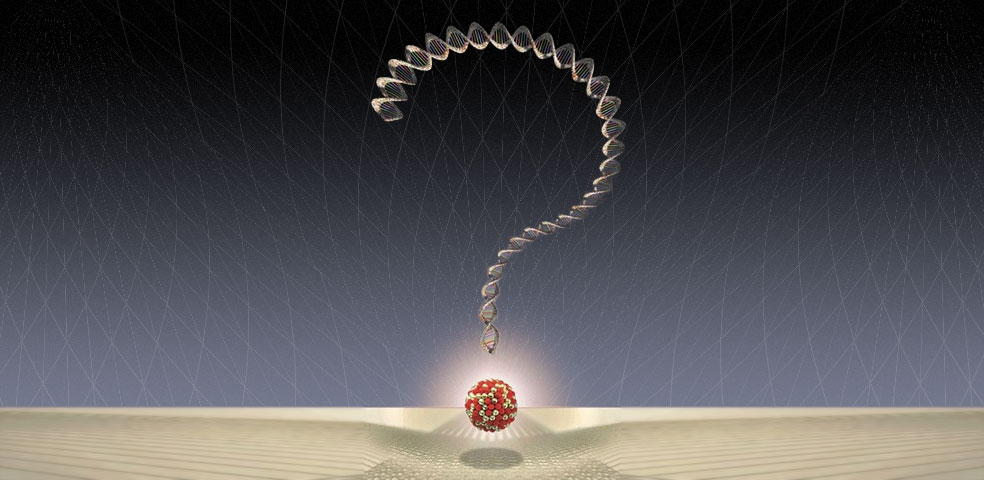
Physics Nobel laureate David Gross asserts that "the most important product of science is ignorance." The event explores how science pursues better questions alongside knowledge, with curiosity serving as its driving force. Topics include: understanding what we don't know, the nature of curiosity as a mental process, and applications to education, research, and policy.
Speakers




Watch
Media
Related Roundtables


Transcript
This roundtable explores the relationship between ignorance, curiosity, and the scientific enterprise, beginning with a tribute to geneticist Francois Jacob whose obituary emphasized that questions matter more than answers. The panelists, including neuroscientist Heather Berlin, astronomer Alan Hirshfeld, developmental psychologist Susan Engel, and science writer Stuart Firestein, examine how ignorance drives discovery and why curiosity, though natural in children, is so difficult to sustain through formal education.
A major thread concerns the failure of educational systems to nurture curiosity. Hirshfeld describes transforming his astronomy course from fact delivery to having students recreate historical discoveries, finding that students' dormant curiosity returned when given authentic problems to solve. Susan Engel argues that curiosity requires both time and the progressive skill of asking more penetrating questions, neither of which standardized testing rewards. The panel discusses the Finnish educational system as a counter-model, the destructive effects of teaching mathematics through rote formula memorization, and how the Prussian military origins of modern schooling continue to shape its priorities.
Heather Berlin contributes neuroscience perspectives showing that the prefrontal cortex, which develops through adolescence, progressively inhibits the spontaneous exploration characteristic of childhood, and that creative states in jazz musicians and freestyle rappers involve decreased activation of self-critical brain regions. The discussion also addresses the role of anxiety as both inhibitor and potential motivator of curiosity, the importance of family conversation in developing question-asking habits, and the fundamental tension between education as cultivation of curiosity and education as preparation for economic productivity.
Show discussion topics
- 00:00:00 Introduction and tribute to Francois Jacob, whose obituary emphasized that questions matter more than answers, setting the theme for the discussion of ignorance as a driver of scientific inquiry.
- 00:06:43 Panel discusses the value of sitting with uncertainty, referencing Keats' negative capability, and how the history of astronomy reveals a long tradition of productive failure in science.
- 00:10:56 Heather Berlin explains the neuroscience of curiosity and closure-seeking, noting that the brain naturally wants answers and that the prefrontal cortex development with age tends to suppress childlike inquisitiveness.
- 00:14:04 Discussion of the paradox that children are naturally curious but curiosity must be maintained against institutional and developmental pressures, with debate about whether scientists truly have a monopoly on productive ignorance.
- 00:20:53 Panel examines how education systems kill curiosity through rote memorization and testing, with Alan Hirshfeld sharing how he transformed his astronomy course to have students recreate historical discoveries rather than memorize facts.
- 00:28:43 Discussion of how great scientists maintained curiosity through attention to what does not work, Galileo's experimental ingenuity, and the role of family conversation in nurturing children's question-asking.
- 00:37:04 Debate about mathematics education as a case study in how teaching methods can destroy natural curiosity, and whether curiosity diminishes naturally once a question is answered.
- 00:44:21 Susan Engel discusses how curiosity requires both time and the skill of asking increasingly penetrating questions, and the tension between efficiency-driven schooling and the open-ended pursuit of knowledge.
- 00:54:17 Discussion of educational models including apprenticeship, one-on-one mentoring, and the Finnish system, with debate about whether education should specialize earlier or maintain broad cultivation.
- 01:02:07 Heather Berlin discusses neuroscience of creativity, showing that creative states involve decreased activation of the self-critical dorsolateral prefrontal cortex, allowing freer idea generation.
- 01:13:04 Panel reflects on the colonial origins of formal education systems, anxiety as both inhibitor and motivator of curiosity, and whether the purpose of education is to cultivate curiosity or produce role-filling citizens.
Show full transcript
00:00:00 nessian director of the center welcome to today's program on ignorance and curiosity before we get going I'd like to make couple of announcements uh on May 11th the program is going to be on synthetic and systemic biology which has to do you can't hear me I'll try it this way
00:00:31 so on May 11th the program is going to be on systemic and and synthetic biology which has to do with genes and disease and all sorts of other interesting things and then on June 88th we have a program on altruism and empathy in October uh we'll have something in in September but but in October we have a weekend program in collaboration with the aalmo foundation of
00:01:01 Geneva and that's called it's going to be called on Art psychoanalysis and Neuroscience or science in general and it's going to take off from some of the ideas of the uh the well-known cultural historian uh Abby warberg uh that program will involve probably three to four round taes and the rap hop and the night before it there will be a rock concert by the neuroscientist Joe
00:01:31 Leo Joe Leo is also going to do a program here on May 6th uh on May 16th uh which is a Saturday evening again it will be a musical program interspersed with talk on Neuroscience uh I think that that covers it uh tonight today's uh I'm going to do a very brief introduction of the participants today who all have very long resumes as you can imagine and I
00:02:03 will start with Heather Berlin who is sitting right there she's a cognitive neuroscientist and assistant professor of Psychiatry and Neuroscience at Mount Sinai uh she works on the complex interactions of the human brain and mind and is interested also in the neural basis of Consciousness and dynamic unconscious processes Susan angel who is sitting there is a senior lecturer in Psychology
00:02:34 and founding director of the program in teaching at Williams College her research include children's narratives play the development of curiosity and more generally teaching and learning Stuart firestein who's sitting right here is the chair of Columbia University's Department of biological sciences where he studies the vertebrate all factory system he he has a book out called curiosity and no what am I saying
00:03:05 it's the other one next uh it's on ignorance and how ignorance drives science which is connected to our organizing thinking about and organizing today's Round Table Paul Harris is a developmental psychologist with interest in the development of cognition emotion and Imagination he's uh held a number of position at various uh universities from Amsterdam to London to Oxford and he's
00:03:36 currently the Victor s Thomas professor professor of education at hardare University and Alan hershfield who sitting there is a professor of physics at University of Massachusetts Dartmouth and an associate of the Harvard College Observatory there are books from the participants that are out there and I'm sure they will sign it for for you at the end of today's meeting if you decide to purchase them uh so with that we will start
00:04:07 today's round table thank you well all right I'm I'm going to just kick it off quickly because I have a current event to kick it off if that's all right Ed yes so I'm uh I'm an inveterate obituary reader um I I I love biographies but I don't think I have the time to read biography so I read the abstracts which melt to the obituaries I guess in any case um yesterday morning I opened the
00:04:38 paper to find that uh the notice of the passing of franois jaob famous French geneticist who discovered um regulatory genes he was the one who understood for the first time that there's two kinds of genes two kinds of Gene products one is the one product of genes is the stuff we're made of and the other kind of product or proteins that go on to regulate other genes to turn them on or turn them off and thus making a liver cell a liver cell and a heart cell a heart cell anyway he and his uh
00:05:09 collaborator um jacqu mono won the Nobel Prize for this work and so forth and anyway he passed away last week actually but the notice was in The Times yesterday and AR propo of ignorance and the way I think science Works based on ignorance and many things work based really on ignorance even more than knowledge is this quote from from uh jaob that he wrote I believe in his book I'm not quite sure what I think it's from his book um possibility uh the actual and the possible this is what he
00:05:40 said What mattered more than the answers were the questions and how they were formulated for in the best of cases the answer led to more questions it was a system for concocting expectation a machine for making the future I think that's a fabulous phrase by the way for me this world of questions and the provisional this chased this chase after an answer that was always put off to the next day all that was euphoric I lived in the future I that's a that's a good way to
00:06:12 live so um so I think that's interesting this idea that that somebody you know John Keats in a famous letter to his brother po John Keats in a famous letter to his brother 100 years or so ago whenever Keats lived concocted this idea of negative capability this idea of living among Mysteries and obscurities and questions without without being too irritable about it I mean without um without it driving you crazy but really being a way to um to be comfortable with ignorance to be comfortable with the
00:06:43 unknown to be comfortable with uncertainty which I would say is where all the good ideas come from I mean that's where the frontier is it's what we agree on is not so important it's what we disagree on what we agree on just goes you know nobody talks about that so we only just talk about what disagree on and that's where the interesting stuff is it seems to me I mean I think we would all agree that that's so so an interesting case I'll ask you this is actually an interesting case is the higs bosan right so this discovery of the higs bosan which
00:07:13 everybody's thrilled about but there are a lot of physicists I think of Steven Weinberg in particular has this interesting quote saying well it's great that we discover this thing and it's everything we'd hoped it would be but uh actually it's not giving us any new ideas and there's a certain kind of worry in the community more anxiety over knowledge than there is over ignorance it seems yeah anxiety perhaps excitement I mean it uh it to answer the question even a long POS question is often quite a let down unless it leads to further
00:07:46 questions so in physics in my field of astronomy that is the regular way of occurrence I've looked into the history of astronomy since the time of the ancient Greeks and of course in retrospect the ignorance just stands out so clearly and yet at the time uh it wasn't seen uh so I think scientists like Weinberg like all scientists today and like all Explorers
00:08:18 of nature ever since at least the time of the ancient Greeks were quite comfortable with the idea that there is going to be a lot of failure along the way and that what appears to be certain in terms of our conceptions about the universe can be overthrown and have been overthrown on regular occasions so I I don't know if this particularly answers your question but
00:08:48 I've always found this consistent long running record of failure in science to be the most inspiring aspect of what scientists do that H we're not just looking at individuals but globally the entire field of science much of it is L lack of success until there is an advanced Discovery and what we tend to get from um the the
00:09:22 textbooks are the successes all of the failures all of the hard work by the anonymous people for every one Einstein there are who knows a thousand others whose names we well there a thousand einsteinian failures too I mean Einstein failed regularly you know right and in a big way at the end of his his career yeah yeah but uh so the I I like thinking about sort of the global aspect of ignorance curiosity
00:09:53 scientific study and how as as a species we we accept that science is a risky Venture and you're not always going to make it to an answer in your generation or the Next Generation or even in in centuries hence so I think we're sort of at that point in terms of higs Bon and dark energy and all these mysterious entities and force fields that we apply labels
00:10:24 too but that that's temporary we don't really know what they what they are the great thing in science is that revision is a victory it's one of the few places where revision is a victory not some old about to spin this another way now you know but I think I think the way that scientists think is more the is an exception to the norm I mean the brain doesn't like ambiguity and it tends to want to fill these gaps and you know there's all sorts of psychological studies that show that you know there's a missing part of a a shape and the mind
00:10:56 will fill it in it wants closure and there's a sense of satisfaction when there is an answer so the brain will take you know ambiguous situations and and and create one solid percept and that's the way it likes to function and most people want answers to questions so I think the way that a scientist's mind works that it's driven by the what's unanswerable and that's what keeps it going is quite unique actually because most people that causes a great deal of anxiety particularly people on the more
00:11:26 anxious side of the spectrum you know I work with patients with OCD obsessive compulsive disorder and they want answers and if they don't have closure it can be very frustrating so I think that this drive for the unknown is a unique is a unique uh characteristic and it's not in everybody I'm not sure I agree so I mean the discussion so far is focused on science and the extent to which it's special but if you look at young children they ask thousands of questions I don't see them driven to to
00:11:59 neurotic anxiety by the fact that sometimes they don't get a full answer so I would go even further back and say actually that science has to be humble and see itself as part of a much broader human capacity actually to ask questions both of ourselves and of of one another it's not something you see in other species but if you notice that I think it has to do with brain development as well a lot of what closes us off to things like being more creative and spontaneous um is activation of certain
00:12:30 prefrontal cortex areas that the older you get the more developed the prefrontal cortex is and it tells you kind of quiets down that inquisitive um uh sort of um person that wants to go out and explore the childlike person because you get these rules based on society like no that's not acceptable or that's irrational now we know that during certain States like daydreaming or um in certain states of hypnosis or even in during REM sleep and dream those parts of the prefrontal cortex are are are deactivated they're quieted down and it allows for this more creative
00:13:02 spontaneous mind to to take over which is more of a childlike mind because the prefrontal cortex isn't fully developed until about the age of 25 and that's when people start becoming more and more closed off I think I would put it a little differently because I would suggest that it's not only is there not a strong dis an absolute distinction between scientists and everybody else after all that's an Institutional sort of construction with all kinds of practice practices that have been built up and praised and rewarded and so it's
00:13:33 got all kinds of other things going on but even within um non-scientists there's a Continuum so while I agree that almost all children almost all are incredibly inquisitive it's a slow and complicated process by which some people become less inquisitive and other people do not you don't have to be a scientist to be a curious grownup um and the process by which that happens I think there are a lot of forces that are at work and sort of winnowing down what
00:14:04 seems pervasive and robust in infancy and early I think paradoxical things and I I would like to just say this because I think it touches on on on your ideas about ignorance that the kind of ignorance you are talking about is an ignorance that comes from having a lot of knowledge yes in other words you first learned a lot now you sit back as a big professor and say you know it's great to be ignorant but the fact is you so there is a there
00:14:34 is an issue there in the sense that the child doesn't have much knowledge so for a child to be curious It's Easy for us to be curious is harder and then it takes even further than that a certain development because before we can say well I'm so curious that now I've decided from my curiosity that I'm in fact ignorant so yes I think I think you're right clearly you read my book Thank
00:15:06 you and and and it's certainly true that scientists don't have the corner on ignorance and as well they shouldn't I mean there's a little bit of a worry actually that maybe ignorance too easy too easily belongs to sort of the elite scientist the person who has the degree who has the knowledge and now gets to claim that they can have ignorance which should not be the case I mean so so the worry is that that only I think what what Heather said is that in science versus in this kind of science versus the the rest of the public you see a
00:15:36 more relief than you do anywhere else but there really is a Continuum so I'm ashamed to say I haven't read your book yet I just bought it um you bought it and uh well that makes to I got mine for he's rich now um but I am curious about the term ignorance because I think of it a little differently and maybe I'm wrong um because most people are ignorant actually if you look not people R God knows but and most people aren't even
00:16:09 uncomfortable with their ignorance so to me one of the issues is who is who is motivated by their lack of knowledge by their relative lack of knowledge just to add to that I wanted to say that the just as a sort of caveat it's not that only scientists are are motivated by curiosity but I think certain personality types are d driven by wanting to understand more and those types of people will probably be drawn to Fields like science and you know going to experimental kinds of um careers because of that that drive but I
00:16:39 think it has to do with also personality historians or they I agree academics people who are curious but not everybody has that drive you know I've spoke to people said what keeps you going why do you keep you know going after this you know it doesn't pay a lot it doesn't but there's some intrinsic drive that wants to understand more there might be personality differences as well that yeah I follow up on that yeah there's a whether it's History Science the Arts
00:17:10 there is a certain pleasure in the doing in the action of whatever Endeavor it is without so much uh attention paid to the ultimate goal of course many scientists want to achieve a discovery but in my historical research of uh astronomers in the 1800s many of them are pursuing merely fine fine measurement with no hope whatsoever ever discovering another
00:17:42 planet or what galaxies are anything of that sort but in when you read of their work tedious tedious work freezing themselves outside in the north of England uh in the middle of of winter it's very cold there right it's very cold it's very damp and the joy the joy that they express in their notes at just adding a decimal point to some arbitrary seeming number which decades later may
00:18:15 turn out to be quite crucial you I just I'm just going to be the pain in the neck because there are also plenty of scientists who aren't that curious and who are motivated by a wish for success or another publication or they get stuck just trying to prove that they're right about something um so I I think to the extent that that science or scholarly Pursuits celebrates and rewards curiosity and institutionalizes it that's interesting
00:18:45 and significant and maybe there's a higher proportion of curious people in Academia certainly life is made up of practices so if you're in an environment where you're rewarded and for your curiosity and you practice ractice it regularly it it it gets stronger it gets more um robust but it's not I would say that while there may be a greater proportion of curious people in Academia there are plenty of really curious people who are not in Academia and who express it in all kinds of non-scholarly
00:19:17 ways and like I said there are plenty of people in Academia who are not all that curious so I would just be nervous about us elevating you know Academia unwarrantedly well the the people I'm talking about are not academics they are backyard amateur astronomers who of course happen to be independently wealthy so they could pursue these kinds well but I mean you can take somebody like I I kind of agree with you in this area that that sometimes that's the way science goes to I mean Kepler you a famous astronomer from many years ago
00:19:49 spent what like eight years or six years fighting with 8 minutes of Arc In The Sky which is about a quarter of your thumbnail when you hold it out but Newton's well uh um the cernic predictions were off by about 8 minutes of Arc and you know Kepler just wouldn't let it go and that's because everybody was involved in circular orbits the tyan of Plato's Circle or whatever and Kepler showed that they were elliptical the only way you could explain it was that orbits were elliptical that not happened it's not clear that Newton would have figured out the laws of force and so
00:20:21 forth so but Kepler was just happy to keep fighting with you know these six little minutes of Arc over for eight years or eight minutes of art for six years I forget which it was I get them confused but but so that often happens so I have a question maybe sort of for the two you because you're both in education don't you think to some extent this notion of curiosity and and this idea that Heather has also that that that the eventually the frontal cortex kind of takes over and maybe dampens it a bit is this reflected in a terrible way in the way
00:20:53 we educate kids I mean in the second grade all the kids are interested in science or something like it so something that can do it they're all curious they're all inquisitive they like to screw around with things you know they like to see what happens and how to blow up or whatever and all that stuff but by 11th grade you know we pretty much drained all the interest in science and things like that right out of them I we have this amazingly efficient educational system for draining all the interest and curiosity inquisitiveness and science out of them in favor of what a colleague of mine
00:21:23 calls the Bic method of Education you know which is to jam a whole bunch of facts down there Thro here let them puke it up on an exam over here then everybody goes home with no appreciable gain right I so this is a terrific question and Susan is writing a book about the answer okay that's your answer yes that's my answer turning to you oh boy well I am still in the middle of writing the book so I don't have the answer um but I I do think that our educational system works against um
00:21:55 curiosity I think one interesting question is why some kids remain curious in spite of school um it's sad that that's the way you'd have to phrase it and I have some thoughts I mean look there are a lot of reasons why schools sort of push against discouraged curiosity and and some are almost inevitable and others are not I mean I don't want to take up too much time but there are some ways in which just being in a group and learning things that everybody thinks you should learn pushes
00:22:27 against being able to pursue what interests you and spend hours fiddling around with something um or or stay with one line of inquiry and it goes back you know to your original sort of the way you framed it which is that in general School rewards what you know not what you don't know and that's not terrible it's just complicated I mean we do want people to know things and as you said it's very different to be to embrace some amount of ignorance when you know a lot and you want to know more than to
00:22:58 Embrace ignorance and and just not want to know anything more um and so we want to encourage people to know things and schools push people to know things and the trick is how to push for that and still encourage or nurture a sense of of inquiry in h and I do have thoughts about that but that's another I was going to ask you is what's the trick oh it's not a trick it would it's would require a big rethinking about what what schools do and how they're structured
00:23:30 well let me throw an example at that because I teach intro introductory astronomy to nonscience students have been doing that for 35 years uh about first 28 of those I did it in the way that everybody has always done it and it was extremely extremely boring for me for the students and tests indicated nobody learned anything but this this of time this was the I'm I'm very slow thinker but I
00:24:02 eventually did realize that I was not in any way enabling their curiosity if if we consider that every child is has an innate curiosity up to a certain age I would see these these high the college students just appear to have no interest in what was going on other than what is going to be on the test so I I changed the entire course uh out of desperation
00:24:34 because I I just I couldn't go on with the lie and so what the students are doing now is they are um essentially recreating at least in a symbolic sense all of the astronomical advances that have been made since the time of the ancient Greeks up to the discovery of the expansion Universe they work in groups the entire class is working together it is somewhat
00:25:06 mathematical which freaks out quite a number of the students uh and I get a lot of opposition in the beginning but after a while after they see that their entire Social Circle in that classroom is doing the same thing and struggling together after they get a bit more familiar with the mathematics and they see that I'm not throwing calculus at them or anything like that I sort of see that spark of
00:25:37 curiosity coming back they ask questions of me of the teaching assistant to try and get to the answer and what happened to them in the interim before I got them I don't I don't know I I'll tell you a story that'll explain it so um I was in a fourth grade class science classroom watching a group of kids do a very cool Hands-On activity um and they had to do with sort of
00:26:08 inventing for themselves or or seeing how Egyptians had invented wheels and they had ramps and they had wheels and they had a little string and they had a worksheet and they were supposed to come upon this great discovery in the same way that the Egyptians had and they were supposed to sort of answer some questions on the worksheet and were working in groups so everything looked good you know Hands-On Lively groups and one group got distracted by trying some things that were not on the worksheet with the equipment and they started to
00:26:39 hang in the bar up and down and swing it and try stacking things and um and the teacher came over and saw them getting sort of off off topic and she said kids kids I'll give you time to experiment at recess this is time for Science and she was a really really nice teacher and they were having a great time but what they weren't doing was that she saw that as a waste of time instead of thinking how can I teach these kids to ask a series of good questions and then pursue
00:27:10 the answer because it's not enough you see the motivation just sort of drain well it's not just motivation the school has to add something um and what it can add is teaching kids how to I think I don't know what you think about this how to ask questions at a slightly different way than they would have on their own well I still have to teach them well I was wanting to pursue Alan's curriculum a little bit more so is it the case that you in some sense present them with the history of the subject and they
00:27:40 ReDiscover it and to what extent is it that they they struggled to make certain observations that were previously made and were difficult to make and to what extent is it that you also in addition once they've arrived at a certain point invite them to say what is the next question because that seems to me what is the next question seems to be a much more delicate pedagogic art to nurture students ability to pose the next question in light of what they've established is something which I think
00:28:11 schools don't do very successfully I mean to be fair to teachers that few of them are research scientists I think also an important point is to just keep in mind that it's not a one- size fits all so there there are many individual differences and I think different learning a different training styles are going to be better for different types of people um and I think we're all born into this world you know we don't know how we got here why we're here and people are very curious in the beginning and ask lots of questions and then you go through the educational system and a lot of that is
00:28:43 beaten out of you so you're taught to learn things by rope memory and regurgitate it but some people maintain that Curiosity throughout and it continues and it can be re invigorated by things like what you're doing but not everybody does not everybody continues to ask questions and I know for me you know I was educated in the American system here and it was a lot of the memorization and just do well in the exams and then when I went to graduate school at Oxford where you spent a lot of time it was a whole another system and for me it was so refreshing they gave us all this Freedom there was no exams and it was you were
00:29:15 allowed to just go wherever your curiosity took you and for me I really you know thrived but I had other um you know colleagues of mine they really struggled in that system because they didn't know how to navigate it and I'm sure you you've been there for many years there are people who spend years and years and years doing their PHD because they have no structure and they need the structure so I think that kind of op system where you're free to ask questions it it works for some types of minds but not all of them and it's important to keep that in mind not everybody is going to thrive in the same kind of
00:29:46 structure yeah I guess I would say in addition to our wanting to emphasize the fact that you know you have to maintain curiosity as a as a motivational Factor beyond the motivational Factor I do think there's an intellectual art in in framing the next question and of course the next question is is framed in the light of actually very often not ignorance but a deep knowledge of where the subject is at and what would be tractable next and I mean I I would I
00:30:20 guess I would venture to say that we some of us I'm sure do that try to do that as advisers of doctoral students but I think it would be nice if we sometimes did it as teachers of 11 year olds or teachers of four year old so so I guess I see some sort of a blend here perhaps because I don't think you can get to having students um sophisticated enough to ask the next question to think to the next question simply by laying out here's a soul slew of facts now you know these facts you should be able to figure
00:30:52 out the next question because in point of fact many great scientists have and I mean there's no reason whatsoever by Darwin could not have figured out the gene he had all the knowledge that was that was needed to figure out the Gene and never did it I mean he did something pretty good but he was never able you know he was never able to get to that next step the gene was just never somehow or another available to his intellect or or his particular line of questioning what I do think you can do though would you say that he didn't actually pose the question oh no he did he did pose the question so in he was
00:31:22 asking the right question well he was asking the wrong question as it turned out or or pursuing sort of yes and I mean maybe there was no shortcut and maybe it was just an unconsidered to say recreate the ignorance of a particular moment of Discovery I mean one of the great tragedies in science it seems to me for scientists at least is that the more the bigger the discovery you make the more quickly it just becomes part of the mainstream and it's forgotten has been
00:31:55 as having been some big deal Discovery you know because that's what we do we make it in the mainstream but but if you can go back to that kind of moment of ignorance before the discovery was made then I think you develop in students not only the knowledge now they're going to get this knowledge so I mean there's you know Galileo's formula for acceleration gravity and all that has a time thing and it's one of my favorite examples has a unit of time and a Time squared in fact right so you can say this is you can give them the equation and you can tell them about the balls dropping and the inclined planes if you can keep them
00:32:26 awake that long right or you can say well here's the thing though Galileo didn't have a watch or a timer the best he could do was a su dial the best he could do was an hour but takes doesn't take balls an hour to drop you know so how did he time that out now you can begin to ceas and think about how you would solve a problem at a level and I think if you get them to solve those problems coming up then with and they first of all they'll remember the equation and secondly they'll begin to develop a sense that you oh you find things out by solving problems you find
00:32:57 things out by asking asking questions and then you get more knowledge you ask more questions naturally just as a matter of curiosity yeah because this is you see this is the proc I have a question so is it the case that Galileo solved the measurement Problem by transposing it from a vertical drop to an incline plane or is that a that was two ways one was he used his pulse as a timer he realized he could use his pulse and then a pendulum swing as well but finally even that wasn't fast enough and so the problem was like to say to
00:33:28 students he had to slow gravity down well how do you slow gravity down well an inclined plane is where where you can drop a ball from here to there or you can send it down that same vertical but much more slowly by sending it down a long plane and then you could measure that but it more than just curiosity it's creativity I mean these are creative minds and and you need to be able to think outside the box and and also not to poooo the fact that learning the facts is very important I mean just wrote learning facts you know is is important to get to that point so we
00:33:58 have to find a system that that also encourages that because you can't just start out with nothing but once you know all these facts the people who make the great discoveries it's a lot of it is these flashes of insight and I think a lot of that you consciously take in all the information and then the unconscious kind of Ms it over and it has a much larger capacity than conscious thought and it can make irrational connections between things that the conscious mind won't allow that's why they say take in the information and then sleep on it and then usually you can wake up with an answer so I think it's a combination of Minds that have done all the hard work
00:34:29 and taken in all the information and then allowed the unconscious to kind of mull it over and then come up with Creative Solutions that not everybody can come up with that's why we point to these examples as being so extraordinary because they're so unique um to come up with these Solutions way outside the box and that you from the teacher perspective it's a lot easier to teach a body of proven facts than to say conduct an experiment a series of experiments with the students certainly at the element school or Middle School uh age
00:35:01 because often the experiments don't work they don't come out right the care that the well the galileos put into assuring that there are no effects that are mucking up the results but I would suggest something a slightly different emphasis going back to your answer to Paul's question which is that part of what everybody's describing is the pleasure of thinking um of working through a problem because it's not just
00:35:32 the question right it's it's then using what you've learned to ask to think about building the next question and partly we have the problem of figuring out how to get kids to do that in more and more sophisticated knowledgeable ways as they get older but partly it has to do with in helping children sort of who might not otherwise discover the pleasure of that so if you grow up in any any one of your households you're going to be around parents who encourage that kind of thinking out loud and who
00:36:03 model the pleasure of thinking out loud or pursuing a problem but many kids don't grow up in families like that and so then the teacher has another problem which is to make his or her classroom a place where thinking is pleasurable and in order for that to work the teacher has to feel that thinking is pleasurable so then you're you're trying to figure out how I mean and that's a worthwhile task for anybody who wants to take it on there seems to be this balance problem right that we all worry about at some
00:36:33 point you have to transmit some facts to people right I mean they have to learn some things I mean scientists have to know a lot of stuff so do lawyers so do engineers so of doctors and accountants and all but you know knowing a pile of stuff doesn't really make you a scientist lawyer or makes you a geek basically you know what so so there has to be something additional to it and I think there's a there's a relative well there's a very important question as to what are the relevant facts to teach why why have we chosen the ones we've chosen
00:37:04 I I mean I there's a fellow named Paul Lockard who wrote this wonderful little Book pamphlet almost called the mathematicians lamented I recommend very highly to everybody it's a bit of a rant but it's a great rant and I mean he asked a very simple question why do we teach algebra who in this room uses algebra you use algebra anymore I mean a few people all right but but that's a small but it's a small number of people actually you use algebra and the I mean he gives this a great example he say you know the reason they tell you that
00:37:35 algebra so great is because we able to figure out problems like Marcy is two years older than she was when she was twice her age how old is Marcy well I mean who would have access to that kind of information and not just be able to say Marcy how old are you you know I it's ridiculous of course but but there's but the reason I bring this up is that mathematics is an area where you can just think and come up with things there can be little problems and you can kind of think and try things at relatively little cost I mean you don't have to have a lot of experimental
00:38:05 equipment you going have a pencil and paper and draw some things or this or that and say well how come it works out this way or you know why is it that the you know squares of every odd and the odd numbers make squares of all these sorts of funny numerical things and they're just thought problems they won't help you balance a checkbook but who does that anymore either you know I mean and so who needs Al albra if you want algebra great it ought to be there and available to you if that's where your thinking takes you but I don't think we teach math and any I mean math is the
00:38:36 worst of the subjects we just kill people everybody hates math and they're taught to hate math for no reason at all it can be rant against the the rant um I algebra trigonometry arithmetic it doesn't I don't see the particular area of mathematics as being significant uh so you're never going to use algebra well why do people exercise they go running they're never going to chase down uh
00:39:06 prey for for anymore I well it might be running away from what what what I do see again in my own students and what I suspect is true is if you do a lot of mathematical quantitative thinking I think it's good exercise for the brain so I I agree with that it's just a question of should we just be teaching the rules of algebra or should we get to them hopefully not I hope you know that's how it's and then you you figure out some way to make it
00:39:39 compelling I I think there's no question that education can be improved and there are so many now methods of teaching math that are making it so that the students have more curiosity but isn't there at some level a certain degree of contradiction between curiosity and knowledge in the sense that if I want to know how to go to Third Avenue I'm going
00:40:09 to be curious about how I'm going to leave this building and go to Third Avenue the moment I know how to go to Third Avenue I'm no longer curious about going to Third Avenue so little kids they have very little knowledge and so they have curiosity about a lot of things as they get more and more knowledge some of that Curiosity inevitably whether it's the prefrontal or whether it's just the way getting more knowledge diminishes so the issue seems to me to be how to
00:40:39 maintain nevertheless despite that natural diminution a certain amount of question asking and curiosity and that in a way requires some evidence so so the developmental EV evidence is roughly as follows but let me just step back a moment and sketch one educational philosophy which I think um in some sense relied on children's questions so if you look at Progressive education both in this country and in the United Kingdom the
00:41:11 idea was that young children are indeed spontaneously curious so they would come to you with questions but rather than answer them you would provide them with the raw material so that they could go off and answer them whether it was dissecting a dead rat or playing with matches so that they can figure out what burns and what doesn't and so forth trickier these days in safety driven preschools at any rate I actually don't think that is the ideal way to
00:41:43 nurture children's curiosity so what is well if you look at the data it looks as if children do indeed vary in the number of questions they ask and it turns out that children who ask questions often don't um show satisfaction with the answer it triggers more questions so if anything I think the way to nurture children's questions is indeed to answer them to enter into a dialogue with them and you we see that you know if we look at people's family background and this
00:42:14 Echoes the point that Susan was making I think those families where conversation is seen as a as a vehicle for exploration rather than as a as a regulatory activity telling the child what not to do and what to do as long as it's seen as an ex a vehicle for exploration then I think you don't actually dampen children's curiosity by giving them an answer because as we know as scientists no sooner have you got the one answer
00:42:45 than it provokes further questions so I think in that sense there are deep continuities between CH the way that children function intellectually and the way that scientists function I guess where we're stuck though is in asking well how do we transpose what some children are lucky enough to enjoy at the family dinner table to what goes on in school and there I think we meet some of the challenges that uh Susan was talking about and and I guess one challenge especially in this country to
00:43:16 be honest it's true in the UK as well is that we've set up educational achievement in terms of testable knowledge and my own children have complained about the fact that their teacher is so Keen to move on with the curriculum that when one of them asks a quirky question the teacher is inclined to say I'm sorry we don't have time for that because you know we have the End cast to deal with or or whatever so I think that's really true and actually listening to you talk about scientific Endeavors what struck me was the amount
00:43:49 of time they take both time from one scientist to the next as we inherit the good questions and data of previous scientists and also within our own bodies of work and the great enemy of of sort of of scientific achievement but also of education is uh efficiency and we have an Inc a school system that's driven by efficiency and you can hear it echoed in the things that teachers say like I don't have time for that and you can see it in the way that schools are structured and so one you'd have to
00:44:21 change your thinking about efficiency about what needs to be done in those 12 years years of schooling because it's not efficient to pursue a line of in I'd ask a more fundamental I've asked this question and you'll never find an answer as far as I know why does school last 12 years I mean I've never found an educator that can tell you why it last 12 years there's no educational answer I mean it's an it's an economic answer yes but but but the economics have changed since the since we started school lasting 12 years I mean the economics
00:44:53 are completely different it's actually you could go much longer to school school because there's no job out there for you anyway stay in school a little longer I mean you know we don't have to rush our way through it it's not I've asked University people out them how come it takes four years to get a an undergraduate degree are you thinking it should take less or more I don't care I just want I just want us to think about it instead of instead of just keep doing what we've been doing I mean it seems to nobody's ever thought about it or whoever did think about it is gone and
00:45:25 they let leave anything behind I always wish that I could get like five phds you know like life is the time constraint really right because I want to know you know I had all these interests you know as I got older and went through education I had to cut things out so you know I started out I was acting and painting and playing the violin and Science and psychology and then I had to gradually first the violin went you know and then the theater went and then the painting went because I had to sort of fine tune and get become an expert in something and um but I wish I can go and get a master of Fine Art now
00:45:57 and do this and do that but life constrains you but the the so there is that natural time constraint but my biggest question is as time goes on information keeps getting information keeps increasing so the real problem is how do you um and history keeps increasing I was thinking about you know more and more events so you have to kind of curtail a lot of information and just pick out the most relevant bits and how do you fit that all into to 12 years then the other thing I well then as the internet grew you know I us have to look up things in the encyclopedia but now you can get information very quickly so
00:46:27 although information is increasing we have greater access to it and a lot of people are teaching them things themselves at home the information so then what's the job of the teacher I mean why go to school anymore when the lectures are posted online you can just read it online what does the teacher do and and and does it help you know organize the information in a meaningful way and these are just questions that I've you know been asked of myself lately why you all looking at me I don't know but I think you're right I mean in the age of Google and Wikipedia the business plan of the
00:46:58 university for sure isn't going to hold up anymore I we just can't sell the facts at these outrageous prices anymore they're available for free we have to be adding something else to all this so it's not of any use I mean I would say that what we have to add is to instill in students a taste for what's beyond the facts for if you will ignorance for questions for getting past the facts I think that there I I would object to the idea that there's either facts or a taste for more as the two options because I I think what we're saying and
00:47:30 I think this is very clear if you look at kid young kids I think this is what Paul was saying is that there's a process to asking questions and actually I don't think anyone would want us to go on having the mind of the three-year-old so there's some good development that takes place and you ask questions in a different way and you seek answers in a different way one would think as you get older so and I'm sure everybody everybody here teaches that no one thinks that they're I don't think any of us either give a taste for more or give
00:48:00 facts there's also the skill of asking more penetrating questions of attending to finer distinctions we haven't talked about that at all but the more you know about something you you don't know you know you don't know where Third Avenue is and then you know it but by then by the time you know it you could be attuned to other unexpected true you know what's along the street and why is that person doing what they're doing at the corner and so forth and so on so those kinds of those sort of pieces of
00:48:32 how one pursues knowledge I think can be taught and do need to be taught and that's not simply inspiring children nor is it sort of filling them with facts it's guiding them in how to ask questions and then how to seek answers I agree with you actually I think the so I have this argument with students all the time I teach Neuroscience teach cellular Neuroscience cellular molecular Neuroscience I mean that sounds terrifying right terrifies me a little bit and and but I argue I always have arguments with these students you know
00:49:03 they say well why do we have to know these all these details why can't we look those up don't don't you think you should be teaching us the big concept you know that to cover these and I argue with I say absolutely not I big Concepts you should flee from they're just a bunch of propaganda this is just somebody's idea about how to organize these facts but maybe there's a better way to organize them I think what you need to know is is a synaptic CLE 22 or two or 20 microns you know in size because if you know that then you can think about the kind of questions that
00:49:34 are appropriate to something that size and that that leads other things you don't the concepts are a bad idea I hate teaching Concepts I think it's the worst thing you can do I really I think they're propaganda you know they just hold you back so in that sense fact Factor very freeing I agree they permit you to ask questions as long as you present them that way but it sounds to me like it or not you're also offering them a an intellectual model to emulate right you're being somewhat iconoclastic about the field that within which you
00:50:06 operate and students also learn to be question asking and curiosity driven by virtue of that kind of Osmosis I mean so there's a sense in which while we're asking this question how do we nurture curiosity how do we answer how do we get children to ask questions how do we get students to ask questions I think there are lots of intangibles about how you do it you partly you you try your best to embody it yes there a Wonder of a little story that a very famous neurobiologist named Alan hodkin at Cambridge for many
00:50:38 years discovered how the action potential Works in brain anyway he's electrophysiologist and and I knew a postto who was in his lab he's now dead many years but but who was in his lab he said the thing about Allan was he would come in every morning and he would walk around from one experimental setup to the other each student had some experimental setup and it had and showed him some results and the experiment worked he go very good very good keep on until he ran into somebody whose experiments weren't working and then he would take off his jacket sit down light his pipe cuz in those days you could smoke in the lab you know and sit with
00:51:10 this dude for an hour he was only interested in stuff that didn't work M that's where the cool stuff that's where the interesting stuff was so you know it worked yeah you know made a I think enrio FY used to tell the students if you do a do an experiment it proves the hypothesis you made a measurement if you do an experiment and it doesn't prove the hypothesis you've made a discovery and that's so in the end that's what you want to do and and you're right I mean you have to pay more attention to the struggle than to the one to the student who just pops off the answers because
00:51:41 they're particularly good at memorizing I think the other piece of that though which is really interesting if you look at one really interesting model of early development is the children Apprentice themselves or that adults sort of pull children into an apprentice ship relationship and that doesn't just happen in this country in fact it particularly happens all over the world where there's nonformal schooling so kids learn alongside of a grown-up who's doing the thing the kid is supposed to learn and of course that involves
00:52:11 watching someone do the thing that you're supposed to learn how to do and the thing you're doing becomes explicit it's sort of displayed um we haven't used that model very well in our formal systems of schooling so we we learn all the stuff we figure out the experiment ahead of time not in college but in k12 and then kids get some very digested version of it and teachers dread even at College often is the question they don't know the answer to but it you could argue that what kids at any age can
00:52:43 learn most from is watching the grownup solve the problem think out loud answer a question or confess ignorance or confess ignorance and then think and say out loud I mean the best professors I ever had were the ones who said let me think about that if I think this if I do this if I if I were to draw on that piece of information so there it's not only what you're encouraging in the student it's what you're willing to display or make explicit in an educational setting is the outcome of these other systems known you know was
00:53:14 this well we know that in large number of places where there's in non-formal schooling kids get good at the things that they're learning by apprenticeship the question is so you could get good in certain communities in Mexico at weaving if you weave alongside the expert Weavers or in other cultures at drumming or whatever it is um the question I think that we're asking is can is that a good model for something a little less concrete and finite like
00:53:46 scientific knowledge or being curious art or yeah I think that's a question but it's also there's just fiscal constraints so I think of course the best type of learning is going to be one-onone on mentorship and but you know when you're stuck with you know at these big universities there's one Professor teaching to 300 students in an introductory course it's very difficult to get that really important one-on-one you know kind of mentorship whereas as I said when I when I switched over to to the Oxford model where they have this tutorial system which is amazing you know you read this essay you go and you
00:54:17 meet with your professor oneon-one and you discuss it and the ideas is I mean but that's just not F fiscally possible I mean if there's Sarah Lawrence College which is here tries to maintain that Dawn system where everybody has one mentor and they can learn from but but it's very very expensive to maintain so I think the question is how do you how do you get some of the good aspects of that kind of mentorship relationship in these situations where you have classes that are hundreds I think you can use other kids to do it so I think that's one of the Great Tricks I mean I'm not the first person to say this I think but
00:54:47 I think one of the mistakes we make actually in our educational system now is that we educate kids all at the same age all the way through school you go through school with kids all same age I mean that's also who decided on that exactly so we could take Stuart's point and say that children will no longer have 12 years of education they'll just have one year but it's going to be very very intense if we look at if we look at the entire educational Arc from kindergarten on if the end point is going to be a of
00:55:19 cellular neurobiologist I mean in kindergarten I guess you have the broadest possible education with great flexibility and there's some sort of to use a geometric analogy there's some sort of narrowing and specialization until you wind up with one of you but what thing there was a great deal about almost nothing what what if the end point is a a blacksmith um I don't
00:55:50 know if these converging uh educational models how can it serve both at the same time I think there's a great model of what should be taught and how it should be taught and when the specialization should occur to accommodate every single person's ultimate career aspiration well in that sense I think the European system is a little bit better because so in in in the American system you know it's just kind of like um allamerican but sort of
00:56:21 the road scholar model where you should have be good in a whole variety of different things and so you first come into school you don't even have to declare a major you can take all these classes and eventually you Whittle down and but you actually don't get as much expertise as in some of the European system where you go into school knowing what you're going to be studying and you just taking classes in that area you can take some classes outside of that but you get these really highly specialized people not just academics but in you know if you go to the mechanic in Germany they know everything they they went they have these specialty schools
00:56:52 so not everybody has to go there's this model in America everybody needs to go to to these colleges and get this degree and be all multifaceted but but that might not necessarily be the best model it might be better to have these really high highly specialized people know a lot about their particular Fields not everybody needs to know about you know ancient Greek history to be an educated person I guess we still have vocational yeah but they're not as you I mean I know in Europe for they're they're much more common and more and they're prestigious too I mean it's it's a they're the the vocational schools and
00:57:24 and you know you go to like some top owner and they really know and they care about all the stuff you know that that it is whatever they might be selling um which is different here it's well I would argue though that um we wouldn't I wouldn't want an educational system that only cultivated or mentored or embodied curiosity for the people who are going to go on and get a graduate degree so I would say that whether you're going to become um there's a beautiful piece by Rebecca me in the New Yorker from about a year ago
00:57:55 that talks about college education and says this much better than I could um that a society would benefit from everyone having this cultivated and by cultivated I mean modeled and taught and guided uh K12 no matter what your what your job is going to be you you know and a blacksmith could be curious too and um are there any blacksmiths around anymore there are but I I mean I'm not saying
00:58:26 curiosity I'm of course you know K through2 and and but I think when you go on to the higher education why not um specialize in things rather than still keeping it oh it's open and I'll decide maybe when I'm a senior if I'm going to Major and whatever you know I mean I'm not saying call curiosity but maybe have specialization slightly earlier on do you want to take questions do we take questions yeah if you if you are ready we can
00:58:58 I guess if you're okay okay with me Michael Sachs I guess one thing that that came across seemingly was a about the recognition of a need of desire to acquire basic knowledge and obviously that's the way our school system our educational system has been structured and then we have curiosity as something else but could it be and it it really ties into the issue of efficiency of the
00:59:30 educational system that part of the Cure lies in how that basic knowledge is presented from K to 12 which is to say and even some of the language that you used it was as if the knowledge is here and it's very very specific be it's science be it history but the thing that would be perhaps stimulating would be the way that was presented in a way that it's presented in a context whether or not it's history
01:00:02 rather than just looking learning dates battles kings queens to understand what they would have so the question is simply can things be changed by addressing the way the basic knowledge is presented or would that lead to Too Much discussion and there go against the concept of needing to educate people
01:00:33 sus um yeah I I actually don't think that children learn facts and then learn to think well about them or ask questions about them I think that you and if you think about how kids get expert at the first things they get expert at in early life they learn a little then they do a little with it then they learn a little more I mean in all domains of life you know uh and so it's not I would dispense with the whole idea that first anybody learns the body of facts and then learns to be curious
01:01:04 about it or use those facts to ask questions let be clear that I'm what I'm really saying it's the way it's Tau yes we agree way it's can you can you please not interfere let me do it it's also I would say quickly it's it's also the way it's evaluated so if you have an evaluation system which assesses children's ability to supply answers you will not be interested in children's ability to answer qu ask questions
01:01:35 exactly hi um I'm hoping to redirect the conversation just a little bit away from children in the educational system to a comment that you made very early on which I found fascinating um use the microphone please sorry um I'm hoping to redirect away from children in the educational system to um a comment that you a fascinating comment that you made early on which was uh the difference among adults uh as far as level of curiosity and you had said um that is a function of age um there's a more active
01:02:07 prefrontal cortex which results in less curiosity and less creativity but I'm wondering if there are any other thoughts in terms of what would make the difference between people who are naturally more Curious whether they're scientists or artists whatever um versus those were not um so for that I mean I can tell a little bit of what I've been looking at recently is the neural basis of spontaneous creativity so people who are really good at for example like jazz improv or um you know theater improv or
01:02:38 freestyle rappers even compared to the sitting down and thinking about something writing out a poem for example and what what studies have found using things like fmri is that during those moments of spontaneous creativity where people almost say they're in a flow and it feels like things are coming from someplace else or outside of them and you might say that's related also to people of these moments of insight where things just kind of emerge what what was found is that there's increased activation of this part of the prefrontal cortex called the ventral medial prefrontal cortex which is sort of right here and there's actually
01:03:09 decreased activation of What's called the dorsal lateral prefrontal cortex which is normally turned on and so normally you have these sort of thoughts that are coming from um a bit outside of awareness so they're they're self-generated their stimulus independent so internally generated thoughts that are then kind of um that are activated by medial prefrontal cortex that are then kind of modulated or Modified by activation of the dorsal lateral prefrontal cortex which is kind of like um you can think of it almost like a super ego or something if you
01:03:40 want to put it in psycho analytic terms so you have these sort of ID drives and impulses coming up and you have the super ego saying wait no that doesn't conform to to um rational thought or to societal rules and you kind of C down people so they become less and less um eager to perhaps Express these um uh unconventional thoughts but when they're in these states of flow or or creativity that sort of self-critical part of the brain has turned down and it allows this free flow of thoughts to come out which can lead to things like um um insights or creativity so I think
01:04:12 that there are individual differences perhaps in the capability of turning down certain self-critical parts of the brain that will that will um kind of put a damper on curiosity and you know brains are different personalities are different so but but I do think there is an age difference that when you get to a point where that prefrontal cortex is fully formed there it becomes more difficult to allow that that spontaneous freedom and a lot of people say it's good to get into a childlike mode if you want to become creative and kind of Turn Down The prefrontal cortex and allow
01:04:42 yourself to kind of free things up a bit I thought I can I quickly read this other line from this from my favorite obituary of this week he's talking about how we got this idea Dr Co said he had been watching a dull movie with his wife lisan in 1958 when he began daydreaming and was struck with an idea of how genes might function quote I think I've just thought up something important he told okay next next
01:05:14 person yeah the Myers Briggs uh pipe indicator reports to measure virtually every person precisely on the scales we've been talking about here on the intuitive versus sensing scale it's I think a preference for Concepts versus very concrete facts and on the thinking on the uh perceiving versus judging it's a indic a uh propensity to be curious and want more information constantly want more information and the judger wants
01:05:45 that certainty wants closure so rather than talking about uh whether the school system should go one way or the other shouldn't we really be talking about how the schoolst system adapts to the different traits each person has and best develops their propensity whatever wherever they they tend to be on those FS yeah I mean that's what I was saying before is that the there are individual differences in certain educational models are going to be better for certain personality types versus others
01:06:15 and even the other the Big Five personality traits you know people who are higher on open-mindedness are going to want different are going to thrive in different types of Environ um educational environments than people who are low on open-mindedness and and you know perhaps high on neuroticism they just want to know the facts and they want to know where am I going to get a good grade and that will give them their their they'll learn best in that model so I think it's but it's hard you can't tailor an education system to individual differences unless you start separating people out do you have any ideas about I I guess I'm slightly nervous about this
01:06:46 because the history of educational research is replete with schemes for individual differences whether we're talking about how are gardeners multi intelligences or visual thinking versus analytic thinking so I guess at the very least I would want a school which which was rather flexible in what it offered for particular children rather than being too sure of itself in identifying what type of child this particular child
01:07:17 is because I think that way can also close off conceptions of what children are capable of yeah next please um I'm currently a student of undergraduate psychology at the D Institute of AD Dela University so this is coming more out of my own personal experience and observations and is the actual Empirical research um what I've noticed is that the Continuum between people who just want the memorization and to get a grade versus people who really want to learn
01:07:49 is has really become very disproportionate and in my obs you mean sort of going into two camps or or uh it's yeah it's it's really it's and what I've seen is you see more people who are more interested in the grid and less interested in learning when the professor will thrust the PowerPoint out in front of the students and I guess my question really is is the PowerPoint killing creativity and curiosity in
01:08:20 universities throughout the United States and the world thank you seriously I was almost brought to Tears by this by this um this talk because it literally speaks to everything the educ the educational system is uh deficient in well I never use [Laughter] PowerPoint I go off and give a lecture on it but I never teach with PowerPoint I never use it in teaching I I prefer the board and I think it's I don't know
01:08:53 there I feel like I have a better connection with students when they see it develop on the board and I misspell words and I get chalk all over me and I'm a wreck and I think that's useful for the PowerPoint just lets you kind of go right yeah I think it depends how you use PowerPoint and if you basically project your lecture notes on the screen that's certainly not a wise use of PowerPoint but it lent itself to some animation some level of entertainment that I think students are more used to
01:09:24 um I wish that we could sort of have a Hollywood set with special effects and all of that kind of stuff I mean to to immerse students I feel like that the standards are very very high in terms of what students are expecting expecting for an educational presentation I've got a solution to this what I do is is to invite this the students they work in pairs and each week they do the presentation typically
01:09:54 a PowerPoint but they're so much more skilled than me that it works fine that's very good okay I'm going to move away from the microphone now there's a reason my professors limit me to three questions per class uh just real quick to share I've been studying education for like 35 40 years the father of compulsory education was actually French General Napoleon who used the military training system for no other purpose than to create soldiers from little kids that
01:10:25 Germans copy him we copy the Germans so it's if the standing at attention drills and all of that feels like it's the Army it is because it is the Army and had no other purpose than to do that and just real fast again no academic I have ever talked to has known the origin of the word that' been studying for a lifetime which is intelligence the emology real fast intell means between the other half of the word is leer which means to choose intelligence means to choose
01:10:57 between but the point that the question I'd like to ask and I'm going to challenge you on this because I've developed a a DVD based curriculum that's go into a major distribution called eye openers or mind openers to help kids that have a variet attention learning problems because as you move your eyes sometimes it's called eyi yoga you build up attention and focus like a muscle of your body and with this whole thing that you've been talking about with the brain that in a normal state of nature you can't see without moving your eyes
01:11:29 but we lock up our eyes on static letters and we actually atrophy our natural awareness because in a state of nature when your eyes are Ral vision is open the old days they used to call it Samurai Vision a human being is naturally capable of being aware of seven streams of awareness simultaneously now in the work that you do could you just imagine by doing Simple eye movements and exercises that go back in India for 3,000 years I normal human being could expand their creative imagination by
01:12:00 700% which is our normal natural ability now in the work that you do would you like to know about that would you think it would be meaningful to expand your creative imagination by 700% that has nothing to do with studying or reading it's just the way we were born uh any answers [Music] let me uh I think I think I hesitate to answer
01:12:31 the the final somewhat rhetorical question but let me just step back and say a word about your first point I do think the way in which education you you started us off has spread from Western Europe imported into America and it as you say it's it's a rather regimented um activity and For Better or For Worse the way W has now exported it throughout the world and so we see increasingly in India in Indonesia and
01:13:04 so on and so forth cultures which had different Notions of how knowledge is transmitted borrowing this Western model where you sit peers in classrooms with a single teacher and you examine them at the end of the year and then you have certificates at the end of it and there's a sense in which um it's very difficult to know how to stop this machine but it is an enormously powerful machine and and um I think part of what we've talked about today you know reflects the the good and
01:13:37 the bad aspects of that machine i' just add something to that actually going back to something Heather said which is formal education for everybody is a very new idea and uh we may not be very good at it but we haven't been trying for very long um and you know Ted cizer was a a really incredible educational thinker used to say he started the Coalition schools and when people would criticize him because they weren't doing as well as he had first thought he'd say look we haven't cured cancer yet but we
01:14:07 haven't stopped trying and the same is true of the educational model that we're trying to use it's fairly new to try to educate everybody to a certain standard and in our society in particular we're try everybody includes a lot of different kinds of people um and so I just I mean part of this is not we shouldn't be too down on Educators or educational institutions we're just starting actually okay but essentially you did not answer my question sorry you avoided
01:14:39 that I said the Natural Way neurologists here our brains are put together that a human brain can be aware of seven streams of awareness the answer to your if the if your question is are people interested in learning more about that as a curious group of Scholars were always interested in learning more about everything okay let me go to the next question I I just have a little video up on YouTube called no there is no there is no such behind where 5y- old kids speak about life with more understanding than
01:15:10 pleas don't do any self-promoting it's not for me it's for the kids nobody gives a fly about children next question pleas next question next question mentioning you were me is this thing on yeah you were mentioning about algebra and why we need it in the eth grade they taught me the quadratic equation which was very boring I understood it but it was very
01:15:41 uninteresting so I asked my math teacher what is the purpose of this and he said well if you want to launch a missile to the Moon you need to know this so there you go now I've I've lived quite a few years since then and I've never had a chance to use it as a matter of fact if I constructed a missile to shoot To The Moon I'd probably become a guest in Guantanamo
01:16:11 Bay so the reason you see is that we're you see the first 12 grade years of education the education you get like medical school or whatever that's for a particular profession but the first 12 years of Education we're told it's to educate the kids but that's just a byproduct that's not the purpose of the first 12 years of education the first 12 years of education is to assign status and it's a lot easier to to grade an algebra test than a history test or a
01:16:44 test on how you deal with people or or how you what your philosophy is so how would you do you have any idea how to address that well no and I hope I'm not going to promote any videos I have no no no but but I think you have you have hit on what I what I consider probably to be what's really the problem to solve in education which is not so much what we should be teaching what we shouldn't be teaching we go back and forth that but it's the evaluation issue and that's what we haven't figured out we don't we don't have a good way of evaluating what
01:17:17 we're doing and so we take the simplest things to evaluate like you know teach from the test and or teach from the text and and then give to a te give a test because th those are the things that are the easiest to evaluate but they're actually also the most useless and I agree with you much of what we actually evaluate I wouldn't call evaluating I would say it's weeding yeah we're weeding people out for this or the other thing that's what these tests do I would say actually going back to your point that we uh we don't even really know or
01:17:49 have a shared understanding of what the purpose of education is anymore I told you it was always to establish what your well okay I was waiting to find out today maybe when they first had school they they gave you school I think two or three years you learned how to do arithmetic how to read how to write that's it you're gone but now can I can I stick up for algebra for a second though because I think algebra is getting a bad name now I you know you don't know what is going to spark your curiosity until you're
01:18:20 exposed to it I for one love math I think it's the language of the universe and I was really excited and inspired by it and even though everybody said oh you know I hate math you're going to hate that class I'm glad we had it and I think that people don't know what's going to inspire them unless they're exposed to it and learning those equations it's a mind it's a mental exercise I mean and you seem like such a nice lady and we have the next question you might not use lot people waiting online you might not use it but it doesn't mean that it's not important I would say that in high school I was asking why do I have to read Shakespeare I don't
01:18:51 understand anything that he's saying here but I came later to well understand more at least and appreciate it more could be could be that whatever is gained from algebra is later appreciated uh back to the topic of ignorance and uh I I was very struck at uh how quickly the conversation focused on education um to I I actually worked in Academia after being trained to be a
01:19:23 musician um and I don't have a degree but I've worked for people who do and um I'll tell you a secret part of my life I chose to stop doing science even though it made me very excited and the reason what made me stop is because the scientific method is an illusion if you really think about it
01:19:54 you have a protocol which could be a creative protocol that nobody else has thought of but you need controls so let's say you come across a phenomenon during your study that doesn't fit the protocol or it cannot be proven through controls positive or negative well what happens is it's labeled artifact then the scientific Community decides collectively okay this is artifact so it means it's meaningless so so I just bring this up
01:20:26 to bring to mind you know and I please forgive me all you academics my father was an academic and he was very upset when I chose music but I I bring this to this point to sort of shock you that it's never too late to open your eyes it's never too late to realize that you have a sixth sense there might be no sign of the other five but that's a joke seriously
01:21:00 you we have been endowed with a tremendous power and that power you bring up education that power is we're born with that power and I feel that education should be based on happiness do what makes you happy you know if you want well will be drug addicts I think the only sensible thing to do in my op I I disagree because I so I I just
01:21:32 like to say I I don't know personally any scientist that use the scientific method basically we just fart around and do our best and see what comes up I mean that's really the method that we use I would say and I would quote Rich to some reason Richard fan on this Richard Fan's idea about science was the purpose of science is to keep you from fooling yourself and you are the easiest person to fool and that's really all that's required of it so you use control experiments where they're valuable so you don't fool yourself always being
01:22:04 incredibly suspicious of yourself knowing you'll be fooled just like that in a minute but otherwise I don't think any I don't know any scientists at least uh who stick to the scientific method first of all none of us will live long enough who has the time to do a control and another back to the control and test all the variables you know take for forever uh I'm a painter and art historian and um I went to a progressive school when I was in high school and um
01:22:36 so I have a lot of interest in two problems which I mentioned here which can possibly cover it in depth but just I'm bringing them up and maybe it'll be a question maybe it won't um one of them is again I don't really think we yet understand uh we don't really understand yet the individual ability comprehension uh the individual structure of brains uh how certain individuals understand a problem how others understand a problem and a lot of learning problems come from different time lengths so it's very hard again to
01:23:08 have a collective way of approaching students but we have such large classes today there's a mass culture so it's harder and harder now to get into the intricacies of how we find out things and how we slowly learn things uh an example is I studied art history and it was taught in a very dry way in my years and then later I was reading Merlo ponti about the body and the mind and the eye and it become it becomes much more
01:23:38 comprehensible some people have already brought up this point that we learn in so many aspects of our being it's such a Unity of the Mind the heart the the physical being and this is one of the most complex things to inculcate with various students and the other issue I want to bring up is the interdisciplinary um in the Golden Ages of the past the great ages there was always a connection between the sciences and the Arts of course knowledge was less than it is today but I still think
01:24:10 we have a very important task to introduce um different fields that a student should study different fields I once taught acrost class called 1912 and I invited every discipline to talk about the year 19 192 and the most amazing things came out from scientists to poets to composers about what was happening in that year and I still think we need more of a comprehension of the the interesses and connectivity of the what knowledge
01:24:40 we have in this present time so these are just two issues that you know if anyone wants to make any comments about them it's yeah they're extremely good points I'm not sure I could comment any further on them I agree with you you're both correct Hi how are you um okay that's a lot of pressure so my question starts right from the
01:25:11 beginning how do we make more of this but how do we do this for people my age I mean one of the biggest benefits of sitting here is that as far as I know none of this was scripted and one of the things that you probably yourselves enjoyed was the fact that you could connect ideas and thoughts that you weren't necessarily thinking about and you created almost like a web of ideas and knowledge right and this is a web that captures the people in the audience we all like it because we get stuck to this information but you can't just teach the facts right that's that's something that doesn't necessarily work for me when you mentioned that you don't like teaching Concepts it was for me the
01:25:42 first thing that came to mind was KL Marx that's kind of not really a a fact thing that's more for me it was uh when I did it it was more like philosophical exercise of the mind you know it's just uh ideas and and talking about it and saying what can we do to understand this so how do we create that sort of environment where you aren't necessarily diminishing the importance of the facts but you're creating an environment where the facts they don't tell the whole story right that's what this was sort of about you sort of just had an ongoing
01:26:14 conversation but as far as I know I'm younger than all of you so I'm not sure how i' fit into that do you mean in the classroom anywhere anywhere I mean this is I don't know I strugg not from New York originally but it seems like everybody here is kind of blocked off and I have to look for events like this just so that I can stimulate my own mind or spend hours in front of TED Talks trying to figure out what's going on in the world so how do we how do we create an environment where yeah information is readily available but conversation isn't trying to share these ideas and play off
01:26:45 with them and have that intellectual exercise that builds curiosity that builds creativity and you don't have that you have the tests like he was saying you have the the people who go in and they think if I get my degree in four years and I walk out of here with a degree in finance or whatever then well I'm going to make a lot of money and okay cool now what that's your life I think that you've brought up a really important really interesting issue which is the role of conversation in uh certainly some of us here have been very interested in that and early development
01:27:16 the role of conversation in early intellectual development so some kids hear a lot of conversation at home and all most kids at least as far as the data show I think you'd say this was right hear more are participate don't just hear but participate in more conversations at home than they do when they get to school so one of the problems is how you said it is how to create conversations that people can either watch or better yet participate in as they continue on in life and
01:27:46 that's a very that's a beautiful I think very interesting way of framing an educational problem which is how do we build conversations in to K12 education Andor into college I I used to say oh I used to say I used to say oh I got I got my education you know um despite my education right so I thought you know a lot of what I learned in college and through school was like things that I went off and did on my own and it was a lot of self motivation um but that being said I think having an education is a privilege I mean people in other countries who don't have access to this
01:28:16 I mean they would do anything to get access even to books right so I mean I appreciate what's available but within the system I think there's a lot of room for individuals to go out and seek and find you know find a mentor the things I remember most from college are my are my mentors are the professors who kind of you know took me under their wing and and going to conferences outside of school and learning things you know outside of the formal but but I still needed that structure to gain access to those other things so I think it's within being within the system and then being creative and exploiting it in a
01:28:47 way and I think it takes a self motivation to do that but people who are really curious will will do that and and I think professors Educators should make themselves available for students who really are wanting more than just the formalized class system are you old enough to [Music] drink well I mean I recommend the local pub to tell you the truth no seriously I I I think that's at one time what the purpose of a pub was and you know not not one with loud music
01:29:18 but one where you can go and and talk and have a conversation there are some certainly in UK maybe here too where there's a philosophy topic and you Converge on the pub and you discuss philosophy topic I mean I I went through college and one of the things I did realize was that a lot of the things that involved social interaction it's almost like a requirement for that alcohol to be there personally I'd rather go a block over and get a cup of tea but um one of the things that another thing they mentioned about conversation was that the idea that when
01:29:49 a professor is instructing sometimes the presentation also focuses too much on the end of the line they're giving that this is where we are in the information Spectrum in this field right know it this is what we got to and if a professor were speaking of the ideas as though they're re-exploring them as they're presenting them that gives the individual not just the end of the line but that Journey there and if you can think that's why I'm so interested in the history of science I think that's
01:30:20 the story and you're right I mean if you just say this is what we know about the moon and the Galaxy and the sun now you have no sense of where that came from or how long it took to acire tries focused on storytelling I don't know why it's also true though that I think maybe you wouldn't do this but I know that some students when they get the opportunity to evaluate a professor at the end of the semester they're not necessarily so enthusiastic when it's been exploratory and uncertain so there are many students who do actually look
01:30:51 for closure so you may be not one of those but I I know they exist my evalu my student evaluations went down because the students had to work harder to achieve the grade hello I'm not going to use the mic hold on um gosh I had a whole thing I was worked out that I was going to ask and then um this conversation about drugs made me want to ask a totally other thing
01:31:24 I feel like there yeah too much to talk about um but I'm going to go with the original thing which was uh you were talking about the nature of creativity and where it originates in the brain and this idea of the vental medial prefontal cortex good getting into a childlike mode and the dorsal lateral prontal cortex as being the thing that uh kind of mediates that or makes you more aware of what's Happening that was what I understood that was basically right well that's the turning down of the dorsal lateral prefrontal cortex and the turning up of the medial inhibition more
01:31:54 creativity essentially yeah yeah um so I'm a this is I'm just going to speak from my own experience here um as a a musician a lifelong musician and a um um sorry a lifelong musician and a cook uh so I do a lot of things that involve creativity but also require a certain level of theoretical knowledge to be able to execute them and to be able to see through various ideas um but um I was confused what's struck me about what you said was the idea that uh creativity
01:32:26 is stimulus independent um I'm just going to go ahead and say what I'm thinking about that because through my own experience I would say that there's nothing that stimulous independent um yeah it's not that you're not interacting with the with the world outside and responding to it but the that that moment of when you're sort of in this this this Flow State a lot of what's what's coming up or let's say you're you're a jazz musician and you're
01:32:58 having to come up with a new note structure so but it has to be it has to still conform to certain rules it has to be within a certain key or you have to know where the notes are and so you are interacting with the environment but but coming up with that novel note structure is internally generated so it's coming from a place when I say stimulus independent you can just think of that it's it's it's internal generation of of new of creating a new thought or an idea or you know um you know these freestyle rappers they have to come off the cuff it has to rhyme it has to go the words have to make sense it's not random words
01:33:29 coming up or random notes but they're still internally generated and then at the end there's the structure put onto it but there's not it's not stimulus independent in the sense that you're not interacting with the world okay well then if you are to look at like in terms of what uh like what is qualified as creative like uh you know you may say that freestyle rappers that have to rhyme or Jazz musicians that have to play within a designated key structure are being creative but the fact is they are being creative within a particular set of constraints maybe that's dorsal
01:34:00 cortex or whatever but like uh you know there's a decided rule to the setting that's being created within parameters but so an interesting thing to look at and this is where my experience uh lies I mean I've learned a lot of jazz Theory I've I've learned and read a good amount about uh you know food science whatever um where creativity for me has always like it's free jazz is really hard that's what I'm trying to say um it requires a certain degree of uh of
01:34:32 creativity that is not just about reacting to stimuli and it's not just about generating um internal like internally generating content it's about um basically yeah like when you're in flow for me it's about um yeah listening to that constant uh that Voice or whatever that Insight but then like say I'm playing saxophone by myself then you hear your own externalizations and you respond to
01:35:04 those so it's essentially a feedback loop that's being created by your own perception and and expression of your thoughts so even though it's reacting to stimuli the stimuli are self-generated yeah and so it's like uh and then they're modified with what the output is so if realize you made you can do revision so you made a bad mistake or you said a bad word or you did a bad note you can you you you you modify that you know you're so you're constantly monitoring your own output and it's structured but it is
01:35:35 internally generated if what you're I think what you're sort of saying if I could distill it to a couple of words but is that is that you you need a certain amount of discipline to experience real Freedom no that's actually the opposite not what you're saying okay and here we go this and this is where it comes back to the original question about education so one thing that I've been just consistently frustrated with in my own education is what you were talking about which is the idea of like what come like
01:36:06 what should come first facts or curiosity right like kids need to be imaginary and creative when they're young if they're not leted to do that then they become repressed and they like drugs and they do drugs they do drugs they turn to music and bad kids you know whatever but like the point is like I think that school I've always felt that school should follow that same model like it should be about playtime first and then saying and here's how other people have done it check it out and continue to ask yourself if there are
01:36:37 other ways to do it because there are Myriad ways there are a million ways to get to Third Avenue okay so we will stop there and go to the next question that's a million I don't know um one I just want to make a comment which that everybody knows but obviously none of this could be talked about without talking about the economic structure that makes our schools or either you know wouldn't don't want to say makes our schools what they are but certainly it's a very powerful force not
01:37:07 only in schools but what we do to the whole notion of curiosity especially if we look at America and and we can go on about that but certainly even the whole mission of the university is it a place to help people think become citizens of America citizens of the world or is it a place to fill a cog in the corporation and buil you know I think those are really different philosophies of education and certainly very powerful in in American System the second thing I want to say is very different I'm an A psychoanalyst and I sort of want to hear more psychoanalytically we should know a lot about ignorance and curiosity of a
01:37:39 very different kind at an individual level where at least in my experience so obviously anxiety um works against curiosity in both consciously and unconsciously in tremendous ways and I think that you see that at the level of the individual and at the level of society when everyone you know is terrified is there a job out there it's very hard to say I just want to follow my Bliss and be a history major and do this and that I think that adds to the individual pressure when there's
01:38:09 that kind of anxiety as well as unconscious anxiety that I also think um at a starting from a very young age can uh get in the way of the capacity to learn and be curious and there are many different ideas about this but one of them also brings me back to what has been touched on in many ways here but is the whole idea of learning about curiosity within a relationship and not in a concrete sense of but about being in a relationship whether it's my relationship with a
01:38:39 patient and knowing that some of their fears my belief and capacity to engage them is going to be part of what is going to allow the two of us to work together and to be able to begin to look at the anxiety and look at what make it makes it so frightening to learn in that case about oneself which can also I might add open up one's capacity to want to learn many other things that in that that learning of self- curiosity now I'm not saying that obviously everybody isn't going to be an analysis to say the
01:39:10 least but the idea of what comes out of the as has been mentioned the parent child relationship the enthusiasm belief of the teacher with the students sitting in a are the conversation this opportunity for conversation of sort of what is going on in our in our brains and our minds together that may facilitate greater openness creativity curiosity that um you know obviously got somehow that that was alive in each of
01:39:41 you here so I would say two things maybe there's no need to say anything actually shouldn't really ask a question well I I do think at least your first point is a there's a good point there which is we maybe have not completely decided what it is we expect out of an educational system and so we've heard that well somehow or another comes to us through these sort of military systems and that there's still some of that I've heard it suggested that a lot of it comes us through the English system when England
01:40:12 was an Empire and England had this Empire to run stretched all the way around the world but you know they didn't have telephones they didn't have an internet they didn't have email all that stuff how do you get that done how do you get that done efficiently well you get a Cadre of people who all know how to read and write and spell and and do math in exactly the same way and then you send them off to do those jobs and you don't have to worry about them they are literally cogs in a Machinery we have largely that sort of an educational system today where we have very distinct things we expect you to know by second
01:40:42 grade by third grade by fourth grade whatever and that's because we're turning out some sort of a you know a role filling person that's not I think what we want but as the geneticists say you you always get what you select for you know they mean they mean that as a warning of course I was I was going to actually say something a little different which now I'll say it um I'm very interested actually and curious about what more clinically informed people have to say about anxiety because my understanding of this developmentally
01:41:13 there are two opposing things you could say about the role of anxiety one is I think there is some evidence and I'm trying to write about it we'll see if I'm successful that a certain level of security secure attachment in toddlerhood promotes exploration we know that already that's well established but I'm trying to make a link to sort of curiosity on the other hand the old the classical definitions of curiosity in the developmental literature suggest that curiosity is the urge to resolve uncertainty or explain the unexpected those are two of the well-known
01:41:44 definitions of curiosity which suggest that a a certain amount of anxiety makes you try to get an answer and so so if you're talking about very anxious people where it's a broad sort of description of their all their experience I I can understand why if you're too anxious you sort of shut down and you don't you don't seek the unexpected or the unknown on the other hand having a little bit of anxiety is what is is one way to explain curiosity
01:42:16 is that it's a response to a little bit of anxiety I guess I would wonder if curiosity is more a a response to something vital Vitality or some curiosity usually I mean I correct me if I'm wrong other people but usually there's something you don't know and you want to know it and so you have to find an answer to it well you know historically in psychoanalysis at least my personal experience was that
01:42:48 it was the other way the idea in psychoanalysis was that you sit behind the patient you asked the patient to say whatever came to their mind and then you made an interpretation meaning you then said something to the patient that the patient himself did not know that so in essence that method of doing the work to me at least blocked the analyst's Curiosity because the analyst had the answers and fit whatever the
01:43:19 patient said within a schemo that he had studied and made so some years ago I in fact wrote a paper about this and encouraged that the analyst should focus more on making themselves curious and making the patient curious about himself but not in the way that Heather described before in terms of what she called the super ego namely self-critical way because as long as you are self-critical you learn nothing about yourself the only way you
01:43:49 learn about yourself is by being curious in terms of understanding why you did something you felt something you behaved in a certain way if you do that without criticism inevitably you get more control over anxiety and you get more knowledge about yourself for a child to pursue their curiosity in a school environment can be a very risky social action yes uh I mean there are very few students who are
01:44:21 willing to ask the questions and make a fuss and uh Badger the teacher whatever I think most students uh I'm an astronomer what do I know but in my experience most students probably want to fit in I think that's one of the more important social agendas of of middle school and high school unless I'm mistaken and I think that that may cover a large large fraction of students so we have three more questions and then we
01:44:51 stop please make them brief cuz we are running out of time on our I have a general question for all of you and a very short specific question for one of you um how can we deal with societal anxiety I mean if we all agree that or general tendency to agree that um there's a balance in education between um facts and difficult work of interpretation which is hard to evaluate
01:45:21 which is even and any evaluation effective evaluation requires some subjectivity so you're worried that the teacher may be being fraudulent trying to claim that her or his students are doing better and Society is afraid of being defrauded Society is anxious about that is there I mean if you can come up with a way with a better way of measuring um critical thinking that's great if you can't is there any way either on this issue or on others to
01:45:52 address the degree that societ that societal fear um forces a dumbing down um the very specific question to you sir is were you being uh intentionally self-contradictory in order to provoke or is there some way that I'm missing if you're at if if you want students to know that a structure is2 microns rather than two microns because they want to
01:46:22 know which questions they should be asking about that structure is not the idea that some some questions um are more appropriate for different size structures is that not itself a general concept which is what you were saying you shouldn't be focusing on excuse me you better answer the first part first so uh I I went to a very interesting talk in the course of this week given by a Finnish educator about the Finnish educational system it's
01:46:54 worth thinking about the Finnish educational system because if you look at International comparisons it's typically number one or two lack of poverty but pardon you said lack of lack of once you normalize for poverty it's still good but but the difference becomes much less and the difference between the Us and other developed Nations becomes much less okay we could discuss exactly what the causes are um and I agree with you that this their their success is lined up with a lot of other social indicators but I think what
01:47:28 struck me most about this particular spokesperson was his emphasis not on pursuing more and more refined tests even more sophisticated ones for critical thinking he emphasized the extent to which in Finland there's deep trust in the professionalism and integrity of teachers and sadly in this country and in the UK I fear to say we've moved away from that trust so you talk it's interesting that you use the word we might be we might be subject to
01:48:01 fraud or or how can we get a truly valid test well you can also say we should calm down a little bit and and reinvest trust back in in the classroom one last point he made which I thought was absolutely fascinating he talked and I I took it to heart as an early childhood educator so to speak he said a lot of psychologists and Educators in the United States are concerned about how you make children's School ready you measure School Readiness as if in some
01:48:34 sense it was the child who had to be measured and tailor made for the school whereas of course you could turn it around the other way you forgot I was hoping that would happen want be I I I'm no no sorry go on I'm not sure what the qu what exactly the question was but I I don't think there was a I mean there was a little inconsistency I'm always a little inconsistent because
01:49:05 I just talk but um um no I I don't think that I don't think that's a concept except to say that if you think a concept is the size of things the scale of things matters in the way you think about them that's a concept but everything's some of a concept as as a chest PL the concept is you got a general rule and you want to know under what circumstances and to what degree it's applicable then I don't think that that then then no I don't think that's what I meant I don't think I hope you can answer my my anxiety and that is a what
01:49:39 would you want the purpose of public education to be and how would you evaluate it sit down well let let me give us slightly light-hearted answer but I think maybe it's in the spirit of this afternoon one of the things I think we would want and of course we never evaluate it is that pupils emerge with the ability to enter into a lively conversation and
01:50:10 injia I I have to say the best thing I've ever heard said about this was by the woman who's the president of Barnard whose name just went right out of my head not the current president the last president she said the reason you'd like to get an education is to make the inside of your head an interesting place to spend the rest of your life that's pretty great but again I just want to reiterate that the um like the education the reason why when I went over to England and it was a different model why it was so stimulating for me was it was all the
01:50:41 things that I had access to outside of the of the university all of the people that were there collected in this amazing place that I had conversations with at pubs and you know and somebody had said to me you know you you come into o as a boy and then you leave as a gentleman you learn how to become a better person just by having these interactions with the people so I think the other thing about the education is it gives you access to a whole group of like-minded people that you can have discussions with outside of the classroom and that's just a a large part of the education as is the formalized education in the classroom and I'm sure
01:51:14 Stuart knows you also learn how to drink which is critical the least of I hate ignorant drinkers the one place I will not Brook ignorant with his drinking you also you also find girls and girls find boys yeah we better get to the next question so this this fraction of people who have a I'm temp L it won't record oh you're recording okay um so
01:51:45 there okay fraction of people who seem to thrive off of not knowing moved around ch to find out and no sooner do you find out something that you got something else that you're questioning and so forth there's this fraction and there's this curiosity in terms of what goes into or what accounts for this particular tendency which tends to be different from where most folks are at and some kind of desire to expand the
01:52:17 fraction or pull more people into this process of of wanting uh to seek questions you know to thrive off of our ignorance right but I'm questioning aside from you just having a curiosity around why that is what it is why do this okay for what purpose other than your own curiosity chances are whatever new
01:52:50 developments new capabilities are generated from anybody who becomes so expanded by your quest to expand their capacity to seek right that in all likelihood the results of what gets generated will be utilized by folks who don't necessarily have that particular set of motivations but have a whole lot of practice or knowledge around how to
01:53:20 utilize people who have those kinds of motivations in order to accomplish their particular AG their particular agendas so I'm raising the question why do this out a short answer I mean as an astronomer everything that I do and my colleagues do has virtu has no practical value I mean I it which um you know we we readily
01:53:54 admit at least some of us do the ones who are honest uh the the ones that I have talked to and myself included I don't know uh it's not a complete answer but we can't help it I mean it it is somehow just deeply ingrained that we want we want to I seek more knowledge or be in this kind of activity of Investigation I'm clear that there's this fraction that can't help you just [Laughter]
01:54:25 [Music] driven what I'm posing is the question of why are you interested if you are interested in expanding the the numbers of people who might engage in this if you don't already have some clearer purpose as to what that would be for other than just doing you know for the sake of doing it because the well yeah let me answer I
01:54:57 mean in fact uh part of my job as a professor and my colleagues is to decrease the number of people who join our ranks I mean we have in the physics department about onethird I guess of our students drop out before they graduate to or or they just pursue you know other other activities they like better so um it's not I don't think it's like we're trying to gather everybody to do what we
01:55:29 do we certainly are interested in letting them know what but the conversation today the part that touched education had to do with the notion of how to make people be more Curious more creative right but not necessarily scientist I'd like to give an answer from Benjamin Franklin one of our founding fathers Franklin as it turns out was in Paris at the time he spent a lot of time in Paris you know um and he witnessed the first time the first human flight now it wasn't fixed wi aircraft it was hot air balloons nonetheless was
01:56:00 the first time human beings lifted themselves off the face of the planet and this is by the way a well documented story not just some cooky anecdote that I'm making up um it's in his biography and all that sort of thing and he's standing next to some Frenchmen who asked him at the time well this is a lot of fun this looks interesting and it's cool but really what good is this what good is this likely to be and Franklin's answer was what good is a newborn baby what use is a newborn baby I mean frankly they're not very useful they're a pain in the ass but a few of them turn
01:56:32 out and thankfully they do and we have all this to thank them for and so and you'll never know just looking at a newborn baby so you can I just add one thing though since I don't think you're answering the question if I may say so that's okay it's still a good story wasn't it so on the way here from from Boston I was reading a a book that I recommend to everybody it's called um don't sleep there there are snakes and it's it's my it's embarrassing it's my
01:57:04 wife okay say hi just just gets me in the mood to talk with so anyway this particular book was this particular book is written by somebody who started off as a missionary went to a South American Amazonian tribe called the bin who had been very difficult to contact and whose language was very very difficult to understand and transcribe anyway in the course of his stay among
01:57:35 the pade he loses his Christian faith but he becomes fascinated by this culture and one of the things he describes in a very um fascinating way is actually the fact that they live and he analyzes this both with respect to their cultural practices but also the language that they use they live very much in the moment they do not think about the past they do not really think about the distant future their memory goes back as much as can be offered by
01:58:07 by living eyewitnesses so they have no myths no fiction no history no no religion other than a kind of very Here and Now belief in the existence of certain Spirits which they claim to actually see anyway what struck me was that in the course of living among these people for about 30 years um Everett the the linguist um comes to Value their way of life which in a way undercuts everything
01:58:39 we believe in in the west and so to that extent they might well say what is the use of a newborn baby where they might say in some sense it's the celebration of life here and now and that's all that we need but we we we we academics for whatever reason are stuck thinking about the next question and how it could be different and how we should analyze it can I say something more hopeful a little bit but I think people have said to me you know
01:59:10 what are you doing it's they call it mental masturbation right it's just for your own self stimulation and um what are you doing this it has no practical you know because I my passion is trying to understand the neural basis of Consciousness and people like that has no practical value at all and I go into the formalized system now I mean I'm in a medical school and I want to do research in this area and people say well you can't it's not practical it has to be you know ni funded it has to have practical applications to treat psychiatric illness and that's just trying to pursue knowledge for the sake of knowledge is is is a waste of time and and my response to that is that I
01:59:43 think that that as I said in the beginning just bring it back the norm is not to go and really be exploratory and ask all these big questions a lot of that get sort of beaten out of you over time and we're taught to just do what's practical and the reason why we should encourage people to be more Curious and exploratory is that that's where the big discoveries are made the people who think outside of the box the people that go against the grain and um do things that are not practical that's where these unconventional things and that that can actually eventually help people and and big um advances in science are
02:00:14 done by people who are thinking outside of the box and are being curious so so as you said for maybe there's no use for babies in the beginning but every so often one of them might be really special so we might as well invest the resources in them because that one might have a large impact okay thank you very much thank [Music] [Applause]
02:00:45 you than you