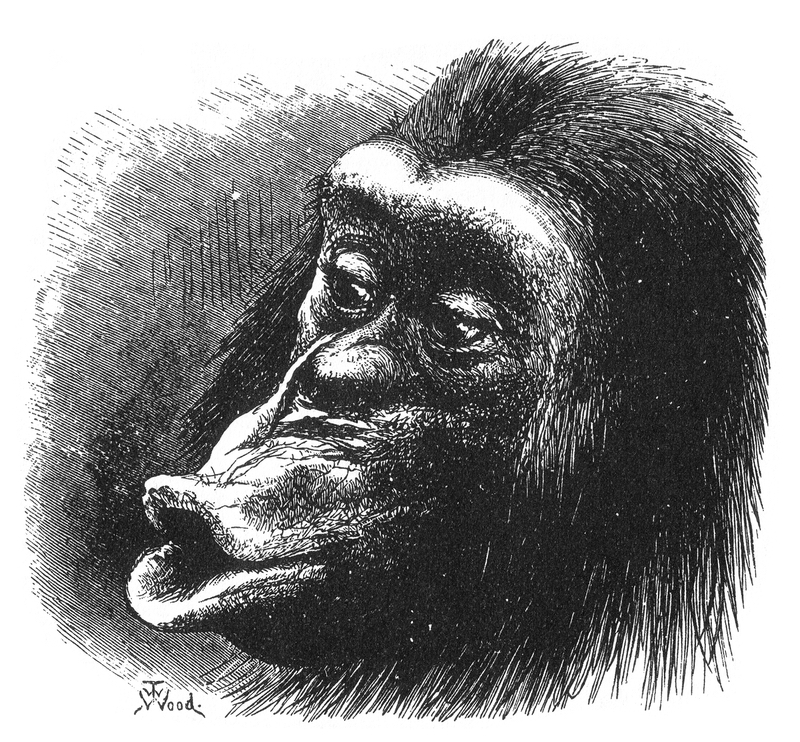
The event examined animal cognition following Darwin's 1872 work on emotions. The subsequent prodigious scientific study of animal cognition and behavior has answered this question with an emphatic "yes!" The central question evolved from whether animals think to determining the degree and nature of their cognition.
Speakers




Watch
Media
Related Roundtables


Transcript
This roundtable brings together researchers studying dog cognition, dolphin intelligence, parrot communication, and human movement to examine continuities and discontinuities between human and nonhuman minds. The discussion begins by challenging Descartes' dismissal of animal minds and quickly moves into concrete examples of sophisticated animal cognition, from elephants solving problems with their trunks rather than the sticks experimenters expected them to use, to parrots demonstrating zero-like concepts and delayed gratification, to dolphins turning behavioral training techniques back on their human handlers.
A central tension runs through the conversation between those who emphasize continuity across species and those who argue for qualitative human distinctiveness. Theodore Dimon argues that fully upright posture, mindfulness, and a scientific frame of mind represent genuine discontinuities that set humans apart, while Diana Reiss, Alexandra Horowitz, and Irene Pepperberg push back, noting that evolution is a bush rather than a pyramid, that we are only beginning to understand the complexity of animal communication systems, and that comparing animals to human benchmarks reflects anthropocentric bias rather than genuine scientific inquiry.
The discussion also addresses practical challenges in comparative cognition research, including how experimental design can inadvertently mask animal abilities, how our projections onto domestic animals shape what we see, and how the question of theory of mind may be as problematic for understanding human behavior as it is for animals. The session closes with a discussion of Alfred Russel Wallace's argument that human mental capacities seem to exceed what natural selection alone could produce.
Show discussion topics
- 00:00:02 Welcome and introduction of panelists Alexandra Horowitz, Diana Reiss, Theodore Dimon, and Irene Pepperberg, specialists in dog cognition, dolphin intelligence, human movement, and parrot communication respectively.
- 00:04:55 Opening discussion of Descartes' view that animals lack minds, the difficulty of defining instinctive versus learned behavior, and how chicken pecking behavior once thought innate is actually learned in the egg.
- 00:10:07 Examples of sophisticated animal cognition including cleaner fish strategic behavior, parrot performance on cognitive tasks, and the challenges of designing fair cross-species intelligence comparisons.
- 00:12:41 Diana Reiss describes insight experiments with elephants at the Smithsonian Zoo, showing elephants solve problems using their trunks rather than sticks, revealing how experimental design can mask true cognitive abilities.
- 00:18:25 Theodore Dimon raises the question of whether animal intelligence can evolve further or is constrained by body design, sparking debate about the relationship between upright posture and consciousness.
- 00:26:24 Irene Pepperberg shares examples of parrot Griffin passing the marshmallow test and parrot Alex using zero-like concepts and manipulating researchers, demonstrating sophisticated cognitive and social abilities.
- 00:34:07 Diana Reiss tells the story of a dolphin who turned a timeout punishment back on her trainer, illustrating animal capacity for social manipulation and functional communication.
- 00:40:21 Debate about whether human intelligence represents a qualitative discontinuity from animal intelligence, with Dimon arguing for a unique modern scientific mind and others pushing back against hierarchical thinking about evolution.
- 00:53:24 Discussion of whether natural selection alone explains the full range of cognitive evolution, with Dimon arguing that life itself pushes toward organization beyond what selection can account for.
- 01:11:05 Panel explores the relationship between animal behavior research and understanding human psychology, including dolphin sociosexual development, dog guilt responses, and the role of projection in human-animal relationships.
- 01:39:43 Audience discussion including cultural transmission in animal societies, the timeline of human cognitive evolution, and Alfred Russel Wallace's argument that human mental capacities exceed what natural selection alone could produce.
Show full transcript
00:00:02 okay we're gonna get started welcome everyone uh I'm Rob penser I'm the associate director of the Helix Center thank you for coming out today for what promises to be a fascinating program on human and non-human Minds before uh we get to the introductions of today's participants uh just have a few announcements this is the last of our round tables for the Academic Year and I want to just give you a little bit
00:00:33 of a Taste of some of the round tables in the fall we're going to start out in September on the subject of interdisciplinary investigations uh our John Templeton Foundation roundtables continue in October outstanding genius followed by jeans in November will be addressing epigenetics we have a new Arts and Humanities program and the topic toward the end of
00:01:05 November will be on translation then we're going to have a three-day Symposium in December of Freudian perspective on what ails the world today and that will be an international event with the participants from from Europe and and the and the states then uh in mid December uh Capital with an a Notions the future of the American economy then we continue again with the Templeton Foundation sponsored uh
00:01:36 Roundtable on memory followed by the meditative State and then the realm of mystery I also wanted to mention that uh we had a very successful fundraiser on on May 8th and nothing breeds success like success so I hope it might Inspire uh some of you to consider donating to uh to our non-profit organization so that we can continue to provide you with such programs and as as always they are free and open to the
00:02:09 public so now on to today's participants to my right is Alexandra Horowitz professor of psychology at Barnard College whose dog cognition lab conducts research on a wide range of topics including dog olfaction interspecies play behavior and attributions of secondary emotions to dogs among her books are inside of a dog what we smell and know and onlooking 11 walks with Expert Eyes
00:02:40 to her right is Diana Reese professor of psychology at Hunter College and professor of biopsychology and behavioral neuroscience at The Graduate Center of CUNY whose research focuses on satishian cognition communication comparative animal cognition and the evolution of intelligence she's the author of Secrets of the Dolphins and the book the dolphin in the mirror exploring dolphin mines dolphin lives to her right is Theodore Diamond director of The Diamond instant
00:03:11 assistant professor at Columbia Teachers College covers the study of the human mental and physical system as a holistic entity among his books are the body in motion its Evolution and design and neurodynamics the Art of mindfulness in action to his right Stuart feierstein is the former chair of department of biological sciences at Columbia University where he studies the vertebrate olfactory system and he's the author of The book's ignorance how it drives science and failure why science is so successful
00:03:44 and to his right Pittsburgh research associate and lecturer at Harvard University and author of the Alex studies describing over 20 years of peer-reviewed experiments on the cognitive and communicative abilities of gray parrots and me her Memoir of a 30-year collaboration out to our Round Table no you're going to start it [Laughter]
00:04:22 this is Edna sassian the director but I think most of you know we it's so typical that we can't get a round table on [Laughter] Diana you start yes so I think what we're hoping to do today is talk about as we advertise the continuities and discontinuities between human and non-human animal minds and um
00:04:55 it's it's wonderful to be here together to do this with you all of us and we're going to we obviously encourage discussion not just us but you as well um I think some of some of the ways we might start this is from a perspective of uh darwinian the continuity of uh Evolution emotion thinking from a darwinian perspective as contrasted by Descartes view that humans had a body
00:05:25 that they also had this ghost in the machine a thinking substance a mind and the and again the view that Descartes had was that other animals only had the body they were devoid of this thinking substance and I guess I just want to kick in a first idea here to get us going that for for there's been this like this running debate as to whether other animals think or not of course I'll just mention this because that you know there were arguments that
00:05:56 well parrots certainly are vocal they're using words but it's just devoid of thought okay and their their thought were dismissed um and I I know Irene's gonna have a lot to say about that um and then you know is that you know other animals are doing behavior that looks complex but it's not complex it's that I think we can just start talking about what some of the things that we're learning so
00:06:28 so and I mean that only partly is a joke actually because I think one of the difficult issues is in fact defining what we mean first of all by the idea of continuity and discontinuity look for it and and how to identify what we consider to be conscious or cognitive behavior whether there's anything there is a difference between um I guess what you would call uh programs Behavior or or things like that or instinctive behavior and more
00:06:59 cognitive behavior I mean I don't I I think we know okay that's intuitive whatever the dog does something that all dogs do and that looks intuitive and then some definitive but it just looks that way and it's very difficult to actually can I tell a quick story actually about this it has nothing to do with cognition but it does have to do with behavior and the idea of um Instinct so so when a bird when a pit not a pigeon a chicken is Born the very first thing it does when it gets out of the egg is it begins pecking the ground
00:07:30 for food appears to be an instinctive behavior for years it was considered an instinctive Behavior so Japanese scientist whose name now eludes me but anyway Japanese scientists few this is a weird thing to do I know but if you spread vaseline on an egg and hold it up to eat it slightly and hold of the light it becomes transparent and you can see through it with a light behind it I don't know how he discovered that that's a whole other story I suspect run anyway so this enabled him to take chicken eggs put them in an incubator and then he
00:08:02 Vaseline and watch the chicken develop and that develops it turns out that the chicken develops in the egg with its head bent over this way and it's bent directly over the region that becomes the heart and at some point about four days before the thing cracks up begins beating actually I think it's sooner than that but it's been and you watch the head of the chicken go up and down and up and down with the beat of the heart and when it comes out of the egg it just keeps on going up and down and then it kind of binds up picking up some food and well there you go right so it's not instinctive at all
00:08:34 it's a behavior that's learned in fact in some way or another so so I just think that's a problem that that's worth discussing how we how we make this discriminate we say discontinuity versus continent I don't really know where to draw the lines here story with Jack Hammond studies on the gulls I mean people know that goals parental goals have a little red spot on their beak and supposedly the chicks come out instead that red dot it turns out what is instinctual is something like what you're describing a
00:09:05 response to some states and they happen to hit the Red Dot at one point and Mom and Dad barf up some food and you know there you go but it's it but it's these things of people many of these things people thought were instinctual turns out to have a learning component to have different aspects behavioral intuition plus these other aspects so much of what we do in our lab now to look at the effects of context and
00:09:35 that's another issue where we're studying these so many different types of behavior patterns that are exquisitely sensitive to the context in which you study them and we did a study where um some people were looking at fish Behavior there's a fish that lives in a reef that a cleaner fish and the other fish that live in the reef come over and get them all the parasites taken off but every once in a while another fish comes by and these
00:10:07 cleaner fish will jump out grab those fish because the local residents they're going to just sit there they're going to come back but you can opt you know you can basically optimize your your food intake by jumping out to these other fish so it's too complicated to explain the whole study but based on that people were comparing chimpanzees and these fish and it turned regular task the fish outperform the chimpanzees okay so we looked at this I worked with parrots and I said wait a minute my birds can do this really easily and so we did the
00:10:38 task in the parrots outperformed everybody but it was the way we set up the in what we call the initial conditions and when you compare exactly how experiment you're going to find in so many ways different it's just based on how you set up the experiment so this is another thing that people are not sensitive to when they say well you know this animal does this and this animal can't do this in blah blah blah so much of it depends on exactly how you set up the experiment I mean I think the Highlight is that we're still
00:11:09 trapped in a working for us right the instinctive or learning or reflexive versus cognitive and um the science that drove an interest in non-human animals which is a psychological science really but they wind up being categories that now we're stuck we're trying to fit our Behavior into one or the other and it would be the ideal ization of most of the behavior that we're seeing I mean context the importance of context seems to me to rise above that a little bit but
00:11:40 somebody will still want you to say well is it instinctive or is it learned which might not be easy to all sorts of other issues I think as scientists that we face and some of them are you know we're stuck looking through this human lens that other animal behavior and intelligence and you know the I word intelligence how do you measure that is the intelligence of a dolphin the same thing as the intelligence of a chimpanzee I mean morphologically they're different very different environments they've been separated by 95 million years of
00:12:11 separate Evolution we might expect that they'll do very different things and you know that to me that's one of the most challenges of it how do you even think about intelligence in an animal and even know that you're not missing most of it because simply they're using different using different kinds of you know ways of thinking they have perspectives their environment we can't imagine I'll tell you one story that was very telling to me a couple of years ago my one of the doctoral students in my lab Preston furter and I did a study at the
00:12:41 smithsonian's National Zoo with elephants I joke about saying that I study big gray brains and big gray mammals elephants and dolphins and so we worked with elephants this time not dolphins and I don't know how many of you are familiar with this study that was done many years ago by Wolfgang curler with showing the first evidence for insightful problem solving in chimpanzees so insightful problem solving's been defined as having being faced with a novel problem or situation and without trial and error thing you
00:13:14 come up with you have sort of this aha moment and you see the solution suddenly a sudden you know solution a reorganization of your thinking so you can solve this problem so what pimps is he uh hung bananas high above their reach and he placed variety of objects in their environment this was done at a zoo in Tenerife and he gave them there were some sticks and there were some boxes and you know the chimps one of them's name was Sultan you know and I forget the names of the others were
00:13:44 looking up obviously couldn't reach it and finally one of The Chimps without trial and error apparently stacked the boxes took a couple boxes stacked them up and and then took a stick and was able to reach the banana and that was sort of the first evidence that a non-human species showed this aha moment they sort of got it and we were really interested because there had been a lot of discussion about elephants being elephants are Big Tool users they're one of the biggest tool users but somehow they weren't showing
00:14:16 this kind of insightful problem solving when people gave them sticks to solve problems so we went to smithsonian's National Zoo and we simulated or replicated this curler experiment we didn't hang bananas above their reach but we strung up a sort of a clothesline out of wire and shot out um tree limbs baited with tasty fruit that they would eat what we did was we put boxes that they could that they could stack and sticks and and wrong well what we saw was that this elephant never picked up a stick
00:14:47 again didn't bother he with his trunk and for it he never did it but what was he went for the block and he which was much more effort there's much more effort involved in this he pushed the block right under got up on the Block and got his trunk where the fruit was and it was interesting and he continued he gave him repeated trials where we hid the block we moved the block he had a search for the block once he got it he got it he could solve the problem but if we had
00:15:19 only given him sticks he may never have shown that well let's think about this so an elephant's trunk is a really cool sensory organ first of all they they their optimal Vision their best visual Acuity is at the end of the trunk they have two little points that we call fingers that can pick up something it's a dime so they can see touch smell with this great it's not a tool because it's part of their body and what they needed to do perhaps is get this cool sensory organ up where the food was and
00:15:49 the stick would have shut off their ability to touch the food smell the object and perhaps their visual Acuity again it was these past experiments where we only gave them sticks and they they do so again I think there's a lesson to be learned in some of that maybe an elephant if we can if we're going to test them but I mean we saw that with the pulling so this is a study this was developed by um Baron Heinrich for work with crows and ravens what you do is you
00:16:20 have a perch and you put a really long string with a tasty treat on the bottom and he showed this to the Ravens and the Ravens sort of flew over and looked at it and flew back and flew over and looked at it and then again without any trial and error reach down grabbed this the string with his beak pulled it up clumped his foot on it and basically reeled it in Crows weren't so good at this so we thought hey we got these brilliant parrots let's try this well it turned out that the parrots in our lab that had not yet learned to speak
00:16:51 did extremely well on this I mean looked at it it took them you know 10 seconds or so they figured it out ones that did speak Alex and Griffin looked at it looked at us and went go pick up nut [Laughter] now now that's language is a tool but had we done it only with our older more intelligent parrots we would have said they can't figure out how to do the task but it wasn't that they couldn't it was like that's not you know we don't do
00:17:23 physical work you know we know how to manipulate you to do it helped me a lot of the comparison between wolves and dogs because on a string pulling task where a string uh the researchers create this convoluted apparatus where there's essentially a bubbles um meat and everything which can open the door um and wolves and dogs will learn to pull the string to open the door they both will use their mouth but then they the researchers make it an impossible task in other words they Jimmy it so that it won't open if you
00:17:54 pull the string and wolves will go out this task you know until they wreck the cage you know they'll go at it until they're from their gums dogs start to pull at it it's not opening they pull at it and they stop and look at the Handler or the person we're sort of the tool who solves the problem for the dogs and the question is which is more intelligent the wolves with their persistence that's useful in their environment or the dogs with their using us who have hands and brains which
00:18:25 can solve that problem [Laughter] here's a question my question is this if the dog if the if the elephant has a certain kind of intelligence if the dog has a certain kind of intelligence humans are they all limited and why why is it that the human intelligence seems unlimited why has it grown to the point it's grown so I have my own views on this which I'm I'll say a tiny bit about but why is
00:18:57 that is the intelligence that we see in elephants not going to go beyond where it is I it's interesting your example Diana because it's almost like the example with the elephant and the trunk is is sort of an example of embodied cognition we're applying the stick to an elephant but it doesn't it doesn't deal with sticks whereas chimpanzees like sticks you know um where they don't have to smell and get to them but they in this case it
00:19:28 wouldn't necessarily facilitate it but what I want to know is why is it that the the elephant intelligence doesn't go beyond that and what happened that somehow LED Beyond I believe it's related to physical design I believe that the upright design was sort of the kind of like a breakthrough design that allowed um human intelligence to evolve in a completely different way and lead to an expansion of the brain a whole set of
00:19:58 different behaviors but I wonder if the if if the elephant design doesn't allow further development in that direction unfortunately I'd like to Twitch it in different way like representation is one of the critical issues here because we've we've done some studies with our Birds evidence and by giving them I mean they don't the way you and I have language I couldn't have put Alex on the table here and we
00:20:30 couldn't have had the conversation we're having okay but he had symbolic representation my other birds do too and they can do numerical tasks that animals without symbolic representation cannot do at all all right and this seems to be an incredible different and of course we've given these birds a symbolic representation they whatever symbolic representation they have in the wild seems to be much more limited okay but it's that's to me seems to be an incredible difference and
00:21:03 to me it seems to be that that for humans we've kind of ratcheted things up by using you know symbolics and then thinking things using the symbols to think things through and then getting more complicated symbols etc etc the question is when when does a difference in quantity become a difference in quality and or does that ever happen so um I mean these I don't think anybody would deny that human intelligence is in some ways further developed than virtually
00:21:35 any other Intelligence on the planet maybe more close to or it's near the top or whatever way you want to put it um but but is it different does it fundamentally different in some way in this discontinuous way or we're just looking at a kind of a Quantum Leap a gap I mean I'm I'm a I'm personally philosophically against the idea of a discontinuity because that magic sauce of some sort or another Special Sauce that that I mean assuming we all believe that that mentality of
00:22:07 All Sorts is basically physically embodied in this thing called the brain and the rest of the nervous system then if you think human intelligence is different than other animals intelligence then it has to be because we have some special sauce which I don't think is the case so I'm a kind of a no Miracles kind of person in that sense so it so it can't be totally discontinuous and yet you're absolutely right that you can't fool yourself into believing that it's perfectly continuous either in some just tiny incremental way
00:22:37 so it's an interesting question I mean where are the differences and I think there are differences not only between say elephants and humans or chimps and humans or dolphins and humans whatever you want to consider the next best thing to us or something like that in some scale but there are differences all the way through the animal kingdom where there are these jumps that may look discontinuous but are not they're just using the same stuff for different purposes for new purposes perhaps oh okay so I guess the difference is it
00:23:15 what you are saying is uh that human intelligence evolves but that animal intelligence doesn't evolve am I a question correct that humans are more intelligent today than they were 5 000 years ago but the elephant is the same well that's hard to say pushing them five thousand years ago but there's something that happened in the human design that led to such so many different faculties so many different faculties arose with hominids now you
00:23:47 could say that that's part just a circum you have an animal that's upright capable of you in a way that you know they're four limbs in a way that no other animal can and all of a sudden because of that they were you know they were capable of new behaviors and one of them is simply eating differently maybe that alone could account for the change in the size of the brain and yet the question I asked myself just studying Anatomy is an area that I'm interested in I've been interested in for a long time what is why is it that
00:24:18 it seems that just being upright is associated with being more conscious to me there's some so almost like a like a qualitative uh connection I mean you know Jane Goodall used to say that she felt that chimpanzees were capable of awe certain pretty unusual emotions she said she believed that we I'm not sure that's but she believed that a chimpanzee seen a new uh beautiful setting that they could look and and experience some kind of emotion
00:24:49 it seems to me that in primates something happened where going this the mere fact of being upright seems to decouple thinking from motor function not in the sense of Stuart and I were Stewart was mentioning how function is the basis of so much complexity in cognition I agree that motor function separation functionally but it's as if in the human motor system cognition begins to find a
00:25:22 separate a way of operating separately from motor action so that as far as I know and it could be I I don't I'm not an expert in animal uh you know cognition but as far as I know animals almost all I I could be I could stand corrected just from what you said Diana but so many animals when you see them thinking their thinking is linked with movement so a dog that sees prey it may stop and look at the prey and lose interest and walk
00:25:54 away but even when it stopped it's either loses interest or it's calculating how to get the prey it never seems to move independently of the action it's like it's one one operating system but a human being could do something in my view That's Unique whereas a human which is a human being can sit and look at a piece of food and deliberate whether they want the food and say oh I'm not even sure you think okay you're going to say a bird can do it
00:26:24 Griffin passed the marshmallow test well I want to hear it a test um you know Waits 15 minutes we can give him he has a nut in front of him we show him if you wait for the net weight you'll get a Skittle which he loves much more and they'll sit there for 15 minutes and he does the same behavior patterns as the kids do he pushes the nut away he turns around he starts preening so he doesn't have to look at it he tries to fall asleep I mean he starts talking to himself and muttering things to himself and things
00:26:55 it's a dog I actually video our dog does it we haven't share a dog um and we did I put a treat down there and I said just stay in the sense of training and what the videos you showed me I mean we didn't do a whole system big Newfoundland and he's looking at it and he looks at me and he looks at the thing he looks away it's like he looks finally he just he's like real buying
00:27:27 every finally leaves and then he comes back and he you know similar kinds of things we interesting similar these similarities in patterns I think animals you know I think the constraint we have I do think they're thinking we've had situations where okay so this is this is my public study so he was trained to use the word none for the absence of similarity so you can take any two things out of your pocket and say what's saying what's different he'd say color shape matter or none if nothing were
00:27:57 same or different so we're now doing a number comprehension study he's already at the point where you can put a tray out with red and blue balls and blocks so you've got four sets of things mixed in you know how many blue blocks and he'll tell you so now we got to do comprehension so there's three four and six things on the tray and we've already had like a dozen trials where you say you know what and he says blue and because the block there are six blue blocks on the tray so now I come in with the three with you know this set of things and I say Alex what color three
00:28:28 and he looks at me and he goes five there's no five things on the tray now usually when he doesn't want to work he takes his Beacon whacks everything off on the floor or turns around and starts but he's giving me a number or he gives me all the wrong colors so if the colors on the tray are red blue and green he says purple orange and you know yellow and stuff so but now he's giving me this number so what color three five finally I go okay smarty we'll color five and he looks at me goes none
00:28:59 so not only did he you know use none as a zero-like concept which we in the west didn't do till the 1600s but he figured out how to manipulate me into asking the question he wanted to answer but it's usually languages in that case it seems like he's using language in a meaningful way are you training this bird to be a synasty
00:29:30 no I'm just I just wanted to follow up with something because I mean you you also talked told me this some anecdotes I mean a lot of what happens to us is we see it something happen once replicated yeah experiment yeah but you told me a series of things similar to this where you were where you with Alex when he chewed up your paper and you yelled at him and then can you talk to because this says a lot it's similar to what you just thought he had actually had gone out of the room and he had dropped a I think
00:30:00 this is the sorry one okay so he had managed to climb off his perch and he smashed a coffee cup and I come back into the room and there is this bird in this midst of shattered Crockery and like I have to say I was really careful not to anthropomorphize and to to try to be a scientist but I come in and it's this Instinct of going you know the danger thing if you came into the room and you saw your child on the floor with shattered Crockery saying how could you
00:30:31 do that oh you know and then all of a sudden you realize you know this is not useful so I and I realized he's you're and not just I'm trying to do bird he's scared because this thing has been made a huge noise and there's all the stuff around here and he's looking at me and I pick him I said I'm sorry I'm so sorry I'm so sorry you know and then he learned to use this there was no Contrition necessarily but he figured out that if he said if he was being yelled at for something and he said I'm sorry in this little pathetic voice it
00:31:04 completely you know took down our anger levels so it was again a way of learning how to manipulate us ing speech he may not know what it means but how many of you and others who you know say I'm sorry all the time and there's no Contrition so you know I mean you know actually I wanted to kind of attach to that a little bit which was the study I did on dogs and whether they have
00:31:34 or while they do have a guilty look but whether it indicates that they experience guilt but to me it highlights an interesting kind of tension that is this is coming up here which is do they have some emotional experience which indicates that they have the complexity of mind that we do and are maybe ruminating on what's been about to happen or did happen or are they just an instinctive actor or is there some manipulation going on like and so in this study that I did I just looked
00:32:05 whether this guilty look the dog show which is you know you might you have a dog right if with a head down and the tail under maybe moving away from you actually indicates that they're experiencing something like guilt or whether it arises from some prompt and so I asked um I went to owner's homes which is a really nice thing about dealing with dogs instead of um elephants and uh I asked the owners involved in the study and they
00:32:35 put a lip treat in front of their dog told their dog not to eat it left the room um and we just sort of saw what happened next um if they ate the treat I called the owners back in the room and said they ate it and they were asked to scold their dogs if they didn't eat the treat I called the owners back in the room and I said they were obedient and they just greet their dogs happily like you do when you come back from the other room but of course it's a psychology I misled the owners in half the trials so sometimes when the dog was obedient I said actually they ate the treat and so
00:33:06 they'd be scolded it was very deceptive and sometimes when the dog was disobedient sometimes when the dog was disobedient and they got away with it I said they didn't eat the treat and so they were greeted and then I just you know taped how much what the dog was in each of these conditions and what was clear clear is that they showed guilty look you know a little bit of guilty look all the time but they showed most guilty look not when they were actually guilty of having disobeyed their owner and eating their treat it was when the owner
00:33:37 scolded them you could say a lot of things about that you could say dogs don't feel guilt I don't think I can say that based on that but certainly when we think based on that look that we're getting some access into their minds that seems to be a disconnect on the other hand what is that reaction it's probably a reaction to the unlearned Behavior kind of like I'm sorry I'm sorry I'm sorry to avoid punishment by the owner so is that kind of more intelligent is it more clever is it it certainly is it less like us I
00:34:07 don't know we're manipulative as well right you have the you know the tail head okay I'll tell the fish story this is like the big fish story so um I was I was as graduate student I was doing my PhD and I was working with this young dolphin who I was asked I was asked to teach her to station which means the dolphin stays in front of you as long as you have a bucket on the side of a pool you've been caught from in the wild which I I'm saying this publicly we shouldn't be taking dolphins and whales from the wild okay this was a long time
00:34:39 ago when people still did it and she was a young dolphin and I had to teach her to station so I'm I handed these big macros to mackerel fish which are like this big the Dolphins head's this big and I cut the fish up into three sections heads middles and Tails it would be easier for her to eat and it would give me more fish to work with and she ate the heads she ate the middle sections she spit out every tail I gave her so I looked at it I thought well maybe it's the fins that are you know she doesn't like so I cut the fins off
00:35:10 I fed her the fish and she ate everything so I I make the joke who trained who here you know she's now trained me to prepare her fish anyway smart dolphin and she had learned to station within a day or so and I'm feeding her and everything's fine but in the course of me training her to station if she didn't stay with me I would use a correction procedure cool 10 to 15 feet and I just stand there and stare at her and she'd watch me that was my way of letting her know she did the wrong thing it was breaking social contact and she couldn't get I'd
00:35:42 come back it seemed to work and she learned to stay if she didn't want me to back up everything's going fine it's two or three or four days down the line and by this time now I throw her she's stationing perfectly one day I threw her and steak she looks up at me she spits the fish out and she makes a beeline for the other side of the pool and takes a horizontal position and just stands there right and I'm thinking can can this possibly be very much like what you talked about with Alex and I'm thinking
00:36:14 is she really using this time out back on me was a timeout I forgot to tell you that so now this is an anecdote and you're not going to write this one up in a paper and I was working on my doctoral thesis at the time and I so I thought but wait a minute maybe I can make this into an experiment so what I did was I was really careful over the next couple of sessions to cut all the fish right and she stayed with me the whole time but then a couple days later on purpose I gave her another uncut tail to see and don't you know it boom across the side of the pool she does the time out again
00:36:46 and she did this on three other occasions over the course of the next weeks I love this story because first of all meant the dolphin gave me she was a complete collaborator on this and it just goes to show you to me what's the essence of communication and how it develops and as a graduate student that was my field bioacoustics and communication is when children learn when we're ex when we're interacts at home or animals that we're working with in in Labs or the field there's this Mutual synthesis of behavior synchrony of behavior we don't
00:37:17 know what the other is what what's in the head of another you open any communication textbook there the meaning is not in the message it's in our interpretation and what true Communication in my mind is about is how we synchronize our Behavior patterns how it functions I'll give you one more example um Gregory Bates and many of you have heard of Gregory Bateson a Communications theorist he talked about the fact that his son and his wife and he I think was Margaret Mead he was married to at the time traveled to South America his child didn't know any
00:37:47 Spanish and they were unpacking their luggage and his child went out onto the street and he and his wife look out on the street they're amazed to see their kid playing kickball or football in the street and every so often they hear him yelling akiyaki and the ball gets thrown to the child and you know he's using it and the kid comes back up into the the hotel room and Bates and says learn that so fast how did you learn what a key man he goes I don't know what it meant I just saw how it worked when anybody yelled a key they got the ball and I think that's very much what Cersei did
00:38:18 she learned the function and I think that is really how we start to communicate and I think Alex I mean when you've probably talked to people about their dogs and ask how many of you think they're communicating they say yeah we communicate with our pets because we do they're learning our patterns we're learning their patterns it may not mean the same thing but there's some organization and pattern behavior that develops so I just wanted to go back if it's okay for a moment to the question that Ed asked of you and and you and your idea that that you've been somehow or another
00:38:49 have developed a different some kind of a more advanced kind of intelligence and whether or not we would think that was true of humans 5 000 years ago whether they were smarter and I I'd like to suggest that actually if Alex is the parrot if Alex has children or or their children smarter than other parents another little bird in the lab he was so
00:39:20 aggressive that I ate this little bird and interrupt all of his sessions you know Griffin learned some things from Alex but Alex did not want to teach him it was only towards the end of his life that we figured out how to like see that he would get a lot more attention if he helped teach Griffin but that was the end of his life but um you know the I mean I'm sorry but it's an interesting question and the funny thing is that we now have a little
00:39:51 female so there's no aggression and that was one of the reasons we got a female to see if Griffin's going to teach her but your question I think if we look across other animal societies like elephants Dolphins dogs I'm sure as well many animals dolphin we see that there is what we think is evident growing evidence for cultural transmission and yeah but learning through observation what are you doing I'm actually this is sort of in spite of cultural transmission I mean I think
00:40:21 Ted I think if you were here five thousand years ago you would have the same low opinion of humans that you have of elephants because for five thousand years I freaking did nothing frankly I mean the Bronze Age went on for 2 000 years 50 Generations were born grew up and died in precisely the same technology it's not like it is today today is different I agree since the enlightenment something has changed but that can't clearly be Evolution because there's not enough time I mean now if you go away for a holiday for two weeks you come back and your operating system's out of date I don't know
00:40:53 everything is wrong you're not like part of it anymore you know you're hopelessly behind but I mean there were long long stretches of time while we were upright and had this very same brain we had now when kind of nothing much happened when we didn't really develop anything of any particular value and just kept beating the crap out of each other and little truck we still do in fact so dance but it is an interesting issue is Why Us Why Us with technology What stopped yeah such a discontinuity I
00:41:23 agree but it's not an one or a physical one or maybe even one of cognition I mean it's a discontinuity of I don't know it's a certain kind of thinking that may have been quite accidental it's not as though science a bunch of times and then petered out the Greeks had science but then it kind of stopped after all the Arabs had a very you know flourishing science and it kind of didn't continue in a way so so far we have one that continues and I think that's in many ways what we refer to when we I
00:41:54 mean not just science physics and all that but a scientific frame of mind is what we refer to as a kind of a modern mind and to me that is different than that's what gives us I think the impression that we're different than so many other animals or co-inhabitants when we think about the fossil record for certain other species I'm only going to talk about dolphins it's the only one I really feel comfortable talking about that I know anything about but you know there's evidence that over time their brains got larger and the bodies remained somewhat smaller so brain size
00:42:25 has increased so there's always the cons dolphins cetaceans dolphins and whales there's always the constraint of with mammals they have to be able to pass through a pelvic bone but the brains are large and complex and they've increased in size over time so that's interesting again they can those those brains you know the overall bodies of these guys are pretty big and they're in an aquatic environment so perhaps they're less constraints that way and then also you have arguments that depending on the um that animals have for example elephants
00:42:57 and dolphins have been and humans are considered by men show the highest levels of there's some papers that have come out recently and some of that's really been attributed to uh in these groups and things like that so there are all sorts of different ways of thinking about intelligence and how we measure it and I'm I'm sorry Ed go ahead on the fact that I I don't maybe I just disagree with everyone else here that we that there is just like a linear progression that man is that humans are at the Acme I just I actually
00:43:29 don't believe that I mean I don't I mean as opposed I don't necessarily mean there have to be multiple intelligences I don't I'm not sure that I love the word intelligence to describe what any animal is doing including the human animal but I I'm I guess I'm more ethologically driven I'm interested in how the animal is fitting into its environment and if the question is maybe it's about success you know I mean are humans gonna survive for I don't know if we're going to survive for another 150 years but there might be plenty of animals who do so are
00:44:01 they then the Acme of biological you know of of neural neurally founded organisms to me I'm I feel like it's a very sometimes your squirrels you know get through the bird feeder that you've tried every single conceivable way of you know different type of thing then we see other animals doing so there are things which we seem to do alone that that I absolutely Ascend to but I find the kind
00:44:31 of complexities of other animals Behavior to be as radical and the fact that we can't go into their minds and say what they're doing in those moments when they seem to be doing nothing doesn't mean to me that they're doing nothing it seems to me that we don't know what they're doing which is a fault of our mind not theirs kind of I'm just trying to understand I thought you I thought a moment didn't agree with that you felt that there was a discontinuity now now it sounds like I'm not clearing I think it's an odd way to
00:45:02 pose the whole structure that that there either has to be a continuing Continuum or not because we're at the top of it right like that there's some progression of sophistication of cognition and then the question you seem to be asking is how very top of that what is it through some radical thing that happened or is it sort of through small changes and I'm saying I don't think we're up at the top at all like I think it's sort of Messier because that's the wrong I mean that's
00:45:32 also we now know that's the completely wrong way to think of evolution I mean evolution is not a pyramid it's a bush it's a tree and there's a plurality and every every creature that currently exists is at the top of the evolutionary branch yeah and so but it's only I think you're absolutely right it's only when it comes to mentality or cognition that we insist on this more linear idea that continuity no longer means a tree which is also I mean we believe in evolutionary continuity but it no longer means a
00:46:03 plurality of continuities it means a single one a single line here's the dumbest thing and we're the smartest thing and then everybody has some place along the line which I think is completely wrong all of the stuff that we do I mean you know what did you say 90 million years for the dolphin human split 95 okay 280 million for the parrots versus you know our last common ancestor the dinosaurs 280 million years ago I mean yeah you know I've got this bird that's doing the same thing a five-year-old can do
00:46:34 okay I mean you know and again we don't know things that there why do you have to get it to the five-year-old can do and it didn't develop itself the ability to do what a five-year-old can do because I gave it I gave it a symbolic representation which is what you give your five-year-old to I mean let's just don't you know you don't put the five-year-olds in a cage and say here's some food and treats and I'll come back in five years and see what you've done um you know I mean we give it a symbolic representation
00:47:06 representations on parrots didn't well we don't you know the interesting thing is with all of these animals is that we are just beginning to understand their communication systems and that's a whole nother totally another game plan here is that I mean we've been you know for bird song we've been studying bird songs since the 60s and we're just now because we got so much better equipment okay being able to start to teach just really start to tea support what they're doing when they're
00:47:38 sitting out there you know it sounds like just pretty song to us but we're beginning to learn that there's so much more complexity each song has a different I don't want to say exactly meaning because then you think of it as as meaning like a like our language but each song has a different effect on the recipient and the recipient responds in a different way depending on which song it's heard I mean they're used to call it Martian poker okay because the bird would each bird has
00:48:09 like 50 songs and they have them in different orders and the birds know not only their 50 songs orders but their neighbors 50 songs orders and they'll match them and raise them one okay so you know you you've seen your 47 and I'll go I'm gonna sing you're 48 but that's my 32 but I know it's your 48 so I'm going to match you and raise you one to tell you that I want you know your your elbow is getting too close into my territory here I mean these are things we're just beginning to learn so I'm I'm never going to argue that their communication
00:48:40 systems are as rich and as varied as ours I'm at this point it's not clear that they can sit there and tell you what they did yesterday okay yeah right depends on us too but um but but the issue is that it is it is more complicated than we thought and I don't think the one thing I'm sure of is that I couldn't have mapped whatever English I did onto his abilities if there wasn't some basic cognitive architecture there I mean if
00:49:12 he didn't have some kind of innate innate quote unquote sense of same indifferent I couldn't have mapped English terms of same indifferent onto it I sort of saying you know again we're pretty blind and deaf to what they can do we can't decode we don't have that magic decoder ING with these guys yeah right I mean we have the set our scent system compared to a dogs there's like we're such primitive idiots I mean so I mean the problem is under one of us it's
00:49:43 sort of a something that we would all claim that we're against but which we're all participating in if we're not careful which is a kind of an anthropocentrism right anthropocentrism doesn't doesn't give other creatures human-like qualities it's just the opposite it uses humans as the only way to measure anything right instead of looking at a plurality of cognitive abilities a plurality of cognition is a plurality of Consciousness all the things brain tissue can do in whatever vehicle that happens to be running in that seems to
00:50:16 me to be a much more interesting kind of pursuit than worrying about how to classify this stuff in on a scale in which humans you know sort of denote the top level because I don't the reason why apart from the question of what's actually true about what happens in human evolution I've had the experience very often when I let's say give it on
00:50:47 Anatomy when I someone speaks up in a group and says you know um we're really we're really not I've had people say this to me in a group in a in a seminar we're really not like monkeys you know we really have no connection to monkeys and it turns out that they have very religious creationist kind of view people will often side with Darwin say and and very you know sort of come up to me later on and say you know wow we don't believe in that we're
00:51:18 than animals we're part of the animal kingdom but I've also had the experience on the flip side that if I say to a group of people you don't really think that the law of natural selection explains what's happened with the emergence of complex life forms particularly the human life form which by the way I have no trouble at all is unique for that and I think the way that we don't understand Birds I don't think we understand all the human faculties either but when I say that flip side of it people will often say
00:51:49 you're right I don't believe it and I found that to be the same the same group will go both ways in other words our our lived beliefs often don't reflect our intellectual beliefs our intellectual belief in natural selection is often not people's live belief and I want to know why because the fact is that we all why is it that yes I agree birds can do things we didn't dream of a hundred years ago but why is it that that a six-year-old can often outstrip what any
00:52:21 bird can do why what happened in humans to make them so smart well I'm not I'm not when I say this I don't know six and birds can do things that six-year-olds yeah I don't need to say that when I say this I don't mean to say that humans are better in every respect than animals I'm not that's not my point of view I mean there I mean Darwin remarked that the the instincts of bees were as wonderful as you've been intelligent that comment he's saying he was Darwin loved the animal kingdom he he he sort of almost worshiped it I
00:52:54 agree with that I think cats we have three cats and I think they're unbelievable and they are they're far more sensitive in my home in many ways so I'm not saying humans are just somehow better in every respect but with respect to the question of decoupled cognitive something has happened in humans that hasn't happened with any other species and my question is why doesn't explain it I think it only explains a part of it
00:53:24 it can't explain all of it and one of the reasons why natural selection can't explain all of it is because natural selection is a proposition already presupposes life and a proposition that includes something like in this case life as part of the proposition can't explain something presupposed of the problem natural selection sounds like an abstract principle but it isn't it's a principle that says hey if they're if they're a mating pair of birds that create that create you know four Birds
00:53:55 every year and the population of birds in a given area assuming there are no incoming and outgoing Birds Remains the Same that means every year two out of four of the birds are dying why it's just a simple Randomness principle that you know the ones that are let for their environment die and the ones that are slightly more it's a Randomness principle but it presupposes life and life is already moving toward a higher organization the question is why completely wrong well
00:54:25 so I'm sorry so one of the things that Evolution and natural selection okay okay so I would just say that I think one of the one of the common errors about Evolution and natural selection is that it's an optimization procedure that it's optimizing everything that the this is the best that there is and will continue to improve that that it's an improvement program and that's just simply not the case that's why 99.9 of the species that have
00:54:57 ever existed on the planet are currently extinct so it's not very good at optimizing at all there's an old joke about this which is a science joke so it's not going to be funny so don't don't plan on laughing or anything but two scientists are out camping One Night in the Woods you know and it's late at night and all of a sudden a bear begins to sort of attack the tent and rattle the tent all that day both jump up and one of them starts putting his sneakers on Tiny sneakers and the other one says what do you turn your sneakers over you can outrun a bear he says I just have to outrun you so you know right so evolution is only
00:55:28 optimized to outrun each other so the other guy is the meal not the Eater of them of the person so yeah this is a better joke than I thought um I didn't make it up so um so so I think that so I think you will I I just think you have to be careful not to get on there so I in some ways agree with you I didn't say evolution is optimizing anything no in fact we might even have a better species than humans that doesn't get selected next year I mean
00:56:00 theoretically because natural selection doesn't allow a natural selection as a principle isn't operating I'm saying it doesn't explain the whole question of how life I I agree with you because it's not an optimization thing has nothing to do with optimization I mean the fact that we're able to have this round table and smart enough to talk and all the rest of this kind of stuff it could just be some probably likely is for sure some huge accident it's a good one so far I mean we don't really know how well it's going to work or I mean surely will be
00:56:31 extinct one day everything else is why wouldn't we be so I'm just suggesting in some ways I'm actually supporting what you're saying I wouldn't use Evolution to explain a scale of intelligence I wouldn't use it actually to explain a scale of anything so in that sense I agree with you I just so what's the purpose of that Arrow direction oh there is there is no Arrow of Direction so I'm saying it's a sort of a strong man argument that's all I'm I'm my only point I don't believe Evolution has an arrow either but I
00:57:02 believe life itself pushes toward organization and I know that's controversial but the fact is that when you allow people to say well you know it does kind of appeal it this isn't species don't disappear would there have been other there there seems to have been a species an upright hominid that had a larger brain than us that didn't make it so it's not as if some animal is meant to appear I'm not even suggesting that it doesn't everything we've talked whatever is based on vertebrates I mean
00:57:34 most of our discussion and why is it that vertebrates go go to no I know I'm not cephalopods are amazing but cephalopods are are not going to go past the design template that that's allowed them I think some cephalopods appear to be incredibly smart in ways that we I don't think we should eat an octopus I think they seem to me to be too smart and I don't like to eat animals that are that smart um but I there but they have a design that's does isn't gonna is isn't gonna
00:58:06 go past what their design allows in the same way I think that a bird design can't go past what a bird designs yeah well because it's not it as far as I can tell I'm an expert on an octopus but as far as I know uh a design can't it can't morph it can't somehow get bones we haven't seen an octopus appear didn't we come out of the water basically well no what do we look like in the water no but
00:58:36 an octopus is gone in a particular line of evolution it can't go backwards and pick up bones I'm just saying no but I don't I don't I disagree I don't think that's the case I mean it's certainly it's been for quite a period of time but there's nothing that foundationally biologically is against it it evolving into something slightly different that are there that you know there's a there's a pile of sits around and will only get EX you know expressed under certain conditions
00:59:08 I mean it's the it's the it's the the Darwin's finches things where you start switching things around and then they'll change octopi that actually walk sometimes on two of their you know legs arms and you could see where bipedal and you could see under certain circumstances that could be selected for there might be advantages and things I mean I I think we have to be really careful about saying where animals can't how they can and cannot change and the epigenetic thing what it looks like in the case of human
00:59:38 cognition or human mental abilities is there's something something has gone faster than you could explain by Evolution something has developed that you can't simply use an evolution for because I've been enough time in a way and I mean I agree with you my only concern is I feel like it's a strong man argument yeah I also but so I was a little concerned so what do you mean by life tries to get better or so what did you say exactly what did you say exactly
01:00:11 about living matter does something you it sounds nice when you're using this when we speak when we talk the language of science it sounds you know we have a sort of seem to have a preference for sort of arguments about Randomness or and we tend to get cynical and say well human beings at 30 everything deteriorates uh you know we're not really meant to be here uh we're we're sort of meant to die off and we keep our elders alive because it seems more
01:00:42 civilized and sort of the cynical language I don't think that's really what what's going on with humans I think with vertebrates are what they are and intelligence has developed because they express a level of complexity that you don't find in other animals I mean an animal with a with an external skeleton can't uh I I'm again I'm no expert on insects but an animal with an exoskeleton sort of is a dead end in terms of design but the vertebrate
01:01:12 design was so with the internal skeleton the internal skeleton the musculature on the outside going on to land such a flexible design that it allowed a whole you know like a book of Marvels it allowed all these different animals to emerge which we're looking at and we're one of them um and that is based on the complex multi-celled uh design that we have how does life push in that direction why does it push in that direction it's got organization life we haven't
01:01:44 understood what makes life what it is and one of the properties seems to me is that it it is self-organizing and it puts different ways of organizing itself and I know scientists don't like that but I can't really understand as a as a useful expert well it's I I just can't understand it as a useful explanation it looks that way yeah but you don't defy the second law of Thermodynamics I don't care who you are I don't care how you how great you think we are
01:02:15 the second law of Thermodynamics I'm sorry what's remarkable about us is that we figured out there's a second law of Thermodynamics that I will admit to you that's one of the most remarkable implementation I can ever imagine but but you don't get away with it that's like biblical Second Law thermodynamics you know you don't mess with that I just don't think there's any indication that we ever get away with it why if if life is if there's only entropy if things are only how is it that we're all sitting here and can maintain our organized life
01:02:46 forms in such a high level even we're using up the planet to do it that's how we do it we use up the planet which is fine I'm not even against that necessarily but you know well I mean within reason I suppose but but in point of that that's how we do it you know over the course of our life and the species itself could fall apart I mean we're just we're just a snapshot I feel like we're very focused in our we're very provincial in our looking I mean of course we're going to be anthropocentric we're at throws like that's so I think
01:03:17 the only thing we can do is be but also the temporal provinciality like we here and we see you know we know what's happening right then and maybe what happened yesterday I mean actually that is very narrow and what is actually happening the species it was actually the case with our species I think it's very hard to say I don't I don't want to say it you know I think we are probably I'm more of a believer in physics than biology there we're falling apart
01:03:52 the organization I see some people nodding and when I say there's disorganization some people interesting sort of um area of psychology which I don't know that much about but it really is again dependent thing which means the way you phrase a particular question affects the kind of answer you get and I'm wondering if we're dancing around that a little bit too so that there are certain ways you say
01:04:23 well you know would you it's a study about it says you know there's a certain amount of for doing something you probably know this better than I and it's like you can say it is that 50 of the people will get this disease or you could say so many people out of a certain number will get this disease and if you freeze it one way it's much more positive than the other you probably can but this whole it's an entire subset of psychology that basically what do you
01:04:55 think in Madison Avenue certainly takes advantage of it um so that there are there are ways of phrasing certain types of questions and you have to be very careful about that too well yes I mean I I think the the danger I think of what Alexandra is saying is that that we have we are trapped if we're not very careful in a fairly parochial view of things that's very local and it's very hard I mean this is why pseudoscience is so it gets purchased so easily because it's very
01:05:26 hard not to look I mean there's a great story by uh Wittgenstein who apparently at some point was walking with a friend and said it's always people so long to figure out that the Earth is rotating and the Sun is standing still and his friend said well but Ludwig you know it looks that way doesn't it and we can see because what would it look like if the Earth were rotating and the sun we're standing still it looks like what it is you know but it does just look that way and indeed it's still very hard to
01:05:56 figure out why it is the Earth is spinning at a thousand miles an hour and the birds and the clouds aren't being left behind I mean really most people could not tell you how that is I'm not so sure I could in a way that you would believe me so so but it's very easy to have these I mean we still all live in a pre-copernican world we're real smart folks sitting in this room and we say what time is the sun setting well the sun's not setting and it's not you know but that's the and and that's the way it goes you know we live in a Newtonian
01:06:27 world and that's not true either really but it serves our purposes but but you can have these parochial views and believe there's a lot of Truth in them and I think that's a potential danger you have to be covered you do have to try and expand it a bit as much as you possibly can it seems to me and talk about our subject and one of the things that we do who's who were who were studying animals is give examples of animals doing something which seems to us who is evidence of a kind of
01:06:59 cognition um and then maybe somebody will give a counter example of a person doing something like that and I and that's also a way of defining our terms I mean we're trying to just get traction and to get any funding or anybody take you seriously when you're dealing with the non-human animals that's part of it but also what if we all just talked about the mistakes that we see animals make or the mistakes that humans make and had that be defining of what the species were you know we would look very different as people as opposed to
01:07:29 looking at our high achievements and being so impressed by our high achievements I'm thinking about all the mistakes I've recently made you know or at that is would that be defining of who of of me as a human being as a member of the species would that be any more indicative maybe of what the human is Sues and we talk about well you know no animal is you know a Picasso or a Beethoven or an Einstein but there's only been a Picasso and you know I mean the thing is we look at at these
01:08:00 exceptional individuals and we say well humans are capable of this because one or two of these you know individuals have done this but the average person on the street I mean you know I can't can barely carry a tune much less you know do what Beethoven did um so again we also have to think about it in those ways that we we put ourselves on this Pinnacle and also being in Academia you know there's even a stronger chance of this because we hang out with all these Elites and and
01:08:31 stuff so this is another thing that we have to think about too I mean even the psych studies we talk about now that these students being weird you know upper educated Intel you know I mean it's like we're all the studies we do on in Psychology they're all on you know college sophomores okay and we try to claim that this is representative of the human race I mean this is insane I think I think one of the themes I think that's emerging or it's this conversation from the idea of plurality and different ways of thinking is you know again we're the ones talking
01:09:02 about it a really broad look and you look at insect societies you look at all I can't remember Dolphins just because I study them these are societies and they're in in every every way and you look at a dolphin Society they they have not altered their environment much they hate it but their bodies have changed morphologically they've got they've radically streamed erratically streamlined to adapt to their environment and beautifully continue to change obviously as we've seen and they find ways to coordinate their behavior
01:09:32 they they show Exquisite complex complexity and they're not destroying their environment so you know again this sort of gets back to you big brains taking care of their cooperating helping others I mean that's pretty cool in some in my book about what uh what is sort of evolved and it just hasn't been has involved in our way we have we've taken another route and we're facing a lot of problems now Dolphins may be facing other problems we're unaware of but um again I think we have
01:10:03 who's a entomologist a specialist and have you ever had him at one of these things you should have Mark Moffett yeah well I'll get I'll get him to come over he's busy with his aunts all the time but but Mark points out that there are really only two species on the planet that live in societies that number into the millions and that are willing to live in a society in which they don't pretty much know within one or two degrees of separation at least everybody in the society they don't live with strangers so chimp troops and things like that all number under a hundred the
01:10:34 only two species that are willing to live in vast numbers with strangers all around them I mean it's bizarre we're sitting in a room like full of strangers here right so and it's just us and ants and only certain we live in these huge colonies where they just there's no way they know everybody but they do it they're fine with it and US weird I don't know it makes you feel creepied the reasons why I originally
01:11:05 brought this subject up with Diana and then you Stuart and and I think um I think you were also there when we first discussed this was I was looking at it the other way around we focused on what animals can do and animals or intelligence and their ability to learn and so on I was also
01:11:37 interested the other because with my background in psychoanalysis so my focus has always been the mind it has not been on in what ways a lot of things dispute motivation to or really biologically determined just as they are in animals and so a lot of things we do say similar to what you said a newborn
01:12:10 turns towards the mother's breast and socks on the breast and in psychoanalysis there is an idea that from Freud that this is of is the beginning of psychosexual development and there's pleasure attached to it and so on and so animals do it too so my question is and I wonder if you can say something a little bit about more about that this excessive focus on the mind in understanding people's behavior is
01:12:42 incomplete and how would understanding animals Behavior more help us understand more human behavior if I raise my hand Le that this is something I find really interesting particularly when we get in in the area of social sexual behavior in humans and other animals obviously we're a lot more tolerant in our society now than we were before you look at it you look at other animals like bonobos which are very sophisticated primates and dolphins and you look at the development
01:13:14 of sexual behavior you look at the development of what we call sociosexual Behavior so I'll give you the shortest possible story here so we had we had studied two mothers on their calves in a facility what you see is that what looks to be the adult sexual behavior pattern and much of social behavior develops in the with mothers and infants they are stimulating their babies they're nursing their babies of the ventrum solicits a baby there may be some we don't know where the baby
01:13:45 looks it starts nursing when creases the mother tends to direct it then the mother is also stimulating the big genital area of the bit with her beak the genital area that again and then you see these chases that ensue the baby Sprints off from the mother the mother's chasing the baby and as I was watching this I I was looking I'm saying I'm seeing this the the courtship Behavior pattern in adults in the mother pattern and I found it fascinating because again when you think about the roots of sociality and sexuality it may come from these very early interactions
01:14:17 and then we saw these two young had shown these interactions with their mothers now in their first months that's how they start interacting that's what they know solicits and you see this in the wild it's not just in a captive situation we obviously want to keep looking but I think there's a great deal that can be learned about the nature of what again the sociosexual behavior so here so you look at male dolphins and people who don't know about dolphins say oh they're uh they're gay or they're you know they're homosexual they're not
01:14:48 they're interacting socially that is their behavior when female estrus and start soliciting they it becomes reproductive behavior and I think it sort of broadens our view of these big brained animals and I think in our own species sort of take away you know the the biblical underpinnings of what we should be doing and what we shouldn't I think that may be much more natural state we see with bonobos Society it's a great deal of behavior with penguins I mean there it's we see much more socio-sexual
01:15:18 behavior in the Animal World um and humans are part of the animal world so an eye-opener deciding to act in a certain way or do certain things are in fact biologically so it's not like beside that you're not meeting no no but it's a different panel you're on the wrong panel no but what I'm trying to say is that they're certain uh that
01:15:49 we assume we are an agenting that we really are simply repeating what yeah I'm guessing about 98 of the things we do or not but that yes France devolves going to be speaking next week at the American Museum and doing a great talk on empathy you know I'd also say there's another view as to how this kind of thing can tell us about human behavior which is actually I think Alexandra's point of view which is we can learn about our own behavior by the
01:16:19 things we project onto a dog so when it comes to domestic animals of course we're in a selection seat and with domestic animals so we select for things that appeal to us probably or food wise maybe our taste buds but in the case of dogs we don't eat we're clearly selecting for traits that we find appealing so this must tell us something about uh and I mean I know you're work enough to know that we make all sorts of mistakes about what because we projected on them right right many of
01:16:51 our projections could probably I mean but some but most of them really are reflections on ourselves it seems to me um and but as to the and as to that question of kind of what Aunt looking at animal behavior could tell us about human behavior I think because we are don't have on human mind we do that we just attribute and as scientists we say okay don't attribute instead just look at Behavior but so we're kind of we're given to there's too much richness in the human we have we think access to
01:17:21 each other's minds or at least a way we feel like it's going to be roughly analogous to my mind right um and so we don't even really look at behaviors so much I mean those who look at Behavior like an ethologist a human behavior I think of those same types of patterns that Diane is talking about with the dolphins right and and we recapine the kind of um Behavior action patterns we have in our early life later on again and the ones that work to you know get the mate or get the friendship
01:17:52 or get the job we keep those ones and we we do away with the other ones but it's the same type of thing it's just that we talk about it at a higher level right and all of those cognitive the words we talk I mean this is what is so interesting about you know imperative psychologists all of us who are looking then at non-human mind is our words are human words for human development when do we get a theory of mind when do we have self-awareness when do we develop empathy or the or secondary emotions and so forth but with all of those we could say well do we
01:18:23 really have it you know theory of mind is one of those great ones where the theory of mine is thinking the thing that all humans develop that we're thinking at about age three or four what other people know or believe that's different from ourselves you know before age three children aren't really doing that right they're classically egocentric and they think everybody knows what we know but at age four they realize they have to wait until their mother's out of the room a cookie right and then they can deceive her because she doesn't know about that well but you could also look at a lot of human
01:18:53 behavior and say are we really acting with a theory of mind I mean is what I'm doing now in my attempt to communicate taking into account what everybody maybe it's implied everybody else is bringing to the subject so that we are best communicating certainly not I'm just talking you know and I'm hoping that some of it hits right and I have a general I'd make a general guess as to what other people's understanding interest and how they came to their about the words they're using but I certainly I might marry of mind at that
01:19:26 level and so the better way would really be I mean that's I am totally a mythologist but to look at just say how do I how do I change my behavior to best suit situations and and that would explain to me huge amounts of you know what Freud also tries to explain using the mind so Ed so I let me let me give an alternative you could you could I I sort of am a human ethologist because I T as some of
01:19:56 you know I teach the Alexander technique and my own and my own ideas on this so I I sort of daily observe people and I teach people performing actions and one thing that I've I observed early on as a teacher and I as well is that even a simple so-called voluntary movement in a human being is not nearly as voluntary as it appears and you could demonstrate this with someone you could ask them not to perform an action and they'll agree with you that they will not that they do not intend to and will not and then you
01:20:27 could actually vicariously perform the movement for them and they will perform it against their will very often and you're in my view by the way you're demonstrating mind I mean you're demonstrating that they've there's no way to account except to say that they actually you know borrowing from William James who described this kind of thing years ago so in even the simplest action you could describe uh in humans you could you can observe something very mechanical
01:20:59 and uh determined sort of and in that respect not very different from other animals the problem is that humans unlike any other animal are capable of observing that and actually raising the process of how they do things to a more conscious level and that's one thing that I study I study I use the word mindfulness but I study kind of mindfulness as a psychophysical process not just attentional and my question is if all if all of
01:21:30 human behavior can be reduced or 98 not if it can be reduced to what we see in animals why is it that we're capable of being mindfulness all the time bias that they were capable of actually observing or let's say selfish motives and saying I don't want to behave that way I actually see that something I want to say is pretty much a need to speak so I'm not going to say that this quality this capacity in humans to me it separates humans from all the other animals and it
01:22:02 separates our behavior from any animal behavior mindfulness alone and I it and what worries me is that people will go to a Buddhist you know seminar he doesn't say this is great and then the next week they'll go to a scientific seminar and they said and now we're basically animals well which is it I mean let's just get that we are okay okay saying that no other animals can show constrain or conscious thought about self or control here I'll Stand My
01:22:34 Ground no animal is capable of being mindful of practicing conscious attention oh wait what does that mean yeah let's get let's get into a definition here yeah the final I don't know what you mean either can you tell us exactly what well a very a very a very simple you know sort of in the moment description of my mindfulness is simply doing something and being you do it being consciously aware while you do it
01:23:05 yes well wait a minute let me talk about this but this is only a very friend of what humans are capable of okay I mean we're capable I really don't understand that either go further um the problem with when we describe when
01:23:36 we try to explain human behavior by looking at animal behavior is that we segregate the aspects of human behavior that are clearly in my view clearly different and then when you and then when you say hey this is what I think is clearly different people say well is that even there well I I you know mindfulness is not an easy an easy discipline to learn but we know it can be learned I mean there's no there's just no question about this we know that martial artists practice it
01:24:07 people in meditation practice it so I so the ques trying to explain what that is may not be so easy I believe that there are a number of faculties like that similar to that that aren't not just mindfulness but anyway so you're trying to argue is that a parent sitting on a purge would not could not be mindful how would we
01:24:37 know well I I must studying in Paris well I mean any you know I studied children I studied children and I study children you know from a fairly young age so in my view kids cannot even remotely approach what mindfulness is clearly not uh till they're in their teens and and generally speaking later after their teens cannot even begin to approach it so to me it's a cognitive skill and so because I see it
01:25:09 in see it how difficult it is you can't even speak of a toddler being mindful it's just not possible and that's why I sort of am willing to make the transition to animals from what I understand of mindfulness and it's not something the idea of sort of monitoring your own feelings and thoughts and becoming more aware of your motivations and your your overall surrounding it's an expanded awareness of you and yeah one aspect of that okay oh it could also be being aware
01:25:40 proprioceptively let's say you're sitting here and you're aware uh not just having kinesthetic or proprioceptive input about your body but monitoring it constantly so that it's something that's always in your background awareness it could be there are various ways or you could be focused on someone as I am let's say to you but I also may be aware of my peripheral field and I'm aware so that it's something that if I were a martial artist that so that even when I'm attending selectively someone
01:26:11 could enter the room and I would see them enter the room this is no I know but yeah but I'll make a distinction cats cats and dogs I mean again I know cats and some cats and dogs pretty well cats are very very Alert in in various ways but they are I think this is going to elicit a lot of controversy they are subconsciously alert they can't be consciously alert by definition oh wait a minute yeah
01:26:43 perhaps but I'm I'm gonna make it and I've written a whole book on this subject so well having read up having written a book on the subject actually doesn't make it any less unfounded okay you know the fact that we don't have that's just that lovely thing which we do with each other when we don't know something about a topic like the mind of a bird that we just assume there's nothing in there or that it's just going to be some variation of ours I get that
01:27:14 but it's now it's as if now I get that but it's that is the core of your question you're saying like the difference is and I could be wrong so please correct me but you're saying the difference is that animals might be alert and yet something that's happening the periphery sort of that mindful Mo in the moment thing but the difference we are conscious and animals are not conscious however I can't know that I'm right about saying that animals are not conscious but that doesn't matter let me uh I'll tell you why I think
01:27:46 there's a just a an uh the distinction to me is is I don't think I'm making an unwarranted assumption I'll say why because we all know we've all I assume everyone here has handled infants and so as sees how an infant so very often of let's say a four or five month old infant is highly alert do you think that the infant has a sense of self my in my experience itself in the way that we do the Consciousness that we that we ascribe to human to adult humans in general I would
01:28:18 not ascribe that to a four-month-old I don't I don't know if an animal If the child has a sense of self at that age now the way we Define it it seems because we're using specific experiment at the with the five-year-old one could they don't pass certain tests that's fair coming up that suggests that these kids at four to six months old and I wish I I skimmed just the abstract of this paper I wish I had read it before coming here but there was something to
01:28:48 to do with you know attributing something or other and they were showing this in a six month old through a looking task the surprise about something or other what what's it's not just but since somebody else was doing this where they were checking the they can't be kidding an EKG type thing and the brain was triggering in the way that it would only trigger If the child was very much aware of what it thought the other person was going to do it's like the okay it was
01:29:18 something like the person was looking at a there was a box and the person and you put a ball into the box the cover went over it and the thing was either surreptitious taken off or taken off in view or something and the child was either surprised or not at whether the person was going to go for the ball because they should or should not think the ball was there I'm doing this in a very sloppy way but I'm trying to give you a feeling for this experiment the point was that the child's brain responded the same way an adult's brain would respond in that situation based on
01:29:51 an attribution of what they thought this you know this other person would expect to find in the Box okay which when I read that I went I want to see the read the whole paper because you have the motor skills and the cognitive wherewithal to express it I mean comprehension precedes production in terms of language they're stuck I mean when we work with animals we're like looking at pre-verbal babies we you know we are going in a different direction which has to do with the issue of Consciousness but since it's four o'clock we will stop here
01:30:24 so please here make your comments brief don't make three different comments just one otherwise um
01:30:54 the mic's not on well it's not something into a physical understanding of geological time yeah is that oh yeah okay so I'll just so that uh what it's easy to think that
01:31:25 a forum is in a non-changeable or final state if we don't consider it evolutionary time over hundreds of millions of years we can use those numbers but we have no macroscopic or cognitive experience of those time frames um quick story to illustrate this there's a group of people called the baju uh live on houseboats they only come to land for to trade fish for are there boats their children are spend so much time underwater that they
01:31:57 see more clearly underwater and than they do up in Out of Water they have fish Hunters that can do things without weights without any apparatus that allow them to go down to 80 feet slow their heartbeat to 30 beats a minute and stay to eight minutes and if one runs that out over thousands or more of a year you see physiological changes in what appears to be an end state of design so that's just the comment um
01:32:28 and then the other is that about the specialty is a few months ago I'll send the paper to anyone who hasn't seen it or wants it apparently it looks pretty pretty this kind of that a single a mutation in a single Gene gave rise to our neocortical complexity over time and that develops at a rate roughly 300 percent faster than the rest of our physiology so that accounts for some of the things you were talking about that said here's the question it's an ethical question
01:33:00 because we didn't we didn't and this is Sandra um uh Diana and Irene if we got to the point of being able using epigenetics and other biosynthetic techniques to modify that corresponding Gene if it exists or in non-human species such that we could artificially accelerate the development of their neocortex this would be of course vertebrates with encephalization
01:33:32 would that be something that any of you would consider doing and if not why not well if it was a pill I'd take [Laughter] for the speed study the most uh dogs I I mean again I am a little can be a little parochial intentionally cognizantly in my response but I think
01:34:05 that part of what works for them is actually not um uh being self-sufficient I mean there it is their dependency on and therefore giving them something which kind of promoted their ability to evolve Beyond us would not be useful for that species that's my feeling I wanted to just link that to the the difference the one difference between us and everything and the other species is that we have this remarkably complex abstract language and then we that we can then categorize and
01:34:36 refer to of the world even if the correspondence with what we've modeled is not reliable but that complexity of our linguistic capability is really what sets us apart as far as we can tell because no one else is giving no parents are yet giving talks at Columbia okay I'd love to be able to talk that way and also but I really wouldn't they
01:35:07 very much hearing about the tests that you ran measuring the intellectual intelligence of other species I'm wondering if anyone's I wonder if anyone is doing any work measuring the emotional intelligence and other species it's extremely difficult and I'll say it because when we would if we tried to do that we would be even worse at imposing
01:35:38 our patterns on them so for example I can work with the bird and I'll say stop doing that you're going to get bitten and the student says how do you know that and I said look at the body language okay the feathers are ruffled the eyes are slitted the you know the head of the the parent versus the back of that I mean I'm reading his body language now is he angry is he bored you know I don't know why he's what when emotional unders pinning is going on but I can read the behavior and
01:36:10 I I kind of joke about it that even as humans we're really rotten about understanding what somebody else is doing and interpreting it appropriately I mean you'll go to your significant other and say you know why did you say that and you well I didn't mean to say it that way I didn't remember that and stuff so so it's really hard to do this emotional thing because we're so bad at it with our as humans with one another to impose it on animals I find is just harder I mean we can read the behavior we know what what behavioral actions are
01:36:40 going to lead to other actions but that underlying emotional I think next time you have to bring your significant other S I no longer have a human one there's a reason for that I agree with Irene although I think that um as a scientist what we try to do is increase our powers of observation and our ability to sort of bring together a lot of maybe anecdotal information and look at it more systematically so for example with dolphins or and elephants
01:37:11 um in our field we can watch responses to the death of a con specific and other of their own group and again we don't know what it means but what you'll see often is things that look very much like grieving in humans if it's an example is you have eight dolphins in a facility two are bonded Spock and Shiloh I'll just give goofy names Spock dies Shiloh is the one in the group that stops eating starts sulking and takes a week to start eating and getting with the other uh animals again and you know when we look at it in human terms it looks
01:37:42 like grief what it is to an animal baby there may be physiological disturbances all sorts of stressors but that's sort of where we are so we try to look more systematically at that we can look at signs for what we would say our empathy or caregiving or perspective taking in dolphins and elephants and bonobos other animals and dogs you'll see Behavior where an animal is injured or ill and the others will give caregiving will hold them up at the surface they don't all do what they don't always do
01:38:12 it it's very flexible it's often to the ones they're closest with they'll often need to provide care so when we look at those kinds of things or look at a paper came out last year by plotnik and Duvall where they looked at one elephant showing conciliatory Behavior to another that was distressed they put their trunk around the animal and they look at how that happens again we don't know what's going on in the emotional in the emotional world of those animals but what we do know is they many animals have this from rats to elephants to
01:38:43 dolphins have similar subcortical areas in their brain that respond emotionally in different ways to fear to to caring with for young and other things so there's some interesting you know similarities whether it's the same kind of emotion but maybe that doesn't make a difference if it's the same because we would never know if it's the same how do you know if it's ever going to be the same you know my question that I asked before you just touched on it that uh you said when the other dolphin is
01:39:13 not eating and so on you said it may not we don't know what the emotion is but it may be some physiological response but that's also true with humans right yeah in that sense we don't know identical but we secondarily may have explanations for what we are doing right and also animals many animals show ulcers understands and for us it can come from different things bacterial or yeah approach this from another angle because I'm coming from another field I'm a
01:39:43 painter and art historian and I'm interested in painters often say I'm only a link in a chain I'm an individual but I'm carrying on things that have happened in the past and the history of others so carrying within one is the history of other actions other developments on the mind is not just accepted it's an entity a depository of history of all kinds and therefore that creates form of evolution or Development A
01:40:15 different kind of form but it's a form that we are building constantly on others lives who have gone through a conscious life and I wonder how you can relate that to the Animal Kingdom this Syrian culture in which an individual life is beyond their life because they have they have imbibed other lives other consciousness good question bird song dialects I mean there's the birds will learn their area it's a cultural tradition
01:40:48 tweak it a little bit for individual differences that's their little take on it but it's a cultural tradition and you can see them the changes over time you can see the evolution of these things based on you know what's happening the in the world I mean if you know if the area that they're living in gets more more um more tree-like they'll have to shift frequencies a little bit and things like that I mean that's one one version of it I went to graduate school with a number of people who believed and espoused that
01:41:20 the unit of Interest was really not the cognition in the brain but a distributed cognition of a group and that's how they studied how do people work together in a group it's not one person who's solving the problems I as a human am a tool user take most of the tools which I use and let somebody else make them and so is this so it makes more sense to talk about the cognition of a group and you can Define the group variously and I think in some ways lots of different animal societies could also be described that way and that is a kind of historical cognition in other words the
01:41:52 group operates because lots of different members have been have different roles or understandings such that as an entire group they have a cognitive ability I think that might be one way to recast the type of thing you're talking about such that it it might be relevant for humans and non-humans I think idea of also matriarchs the older females there's data coming out showing that an elephant societies and in cetacean societies that these female matriarchs seem to carry the knowledge
01:42:24 and that's passed down there's increasing evidence for cultural Within These societies but this matriarch the non-reproductive no longer reproductive female leads the group in Africa to the right places based on seasons and things and when those animals from poaching or whatever it has detrimental effects on the groups taking out males that are that are male elephants by poachers have effects on the um acculturation and control of the
01:42:55 younger males so these key roles are important but carrying the knowledge having a real effect on behavior of others around you I think it's a great point thanks thank you you're not going to say anything about this well is it I mean the so there are there's little bits of evidence here and there of of this kind of cultural transmission but you don't really find it find it in humans until you get to pretty modern humans I mean I think you you have you could Trump me
01:43:25 here on this but I think much like technology in the Bronze Age I think art in the Bronze Age or through thousands of years remained relatively similar people made artifacts and you know for thousands of years the artifacts all look sort of the same but now we have you know I mean now all the Arts are changing all the time I mean they move in a much more rapid pace and that's not that has nothing to do with Evolution that is a cultural thing that humans do
01:43:59 evolve through time has also changed things in that way so that an individual feels that within themselves a da Vinci or even earlier than that can add a whole new dimension that this giving that aren't part of the Canon of an age but I think there's always been change I don't think the Bronze Age was I think it was a slower Evolution but it was there I don't believe there's any stagnant period ever I don't believe in vacuums but the concept of the individual individual life did change
01:44:30 that yes foreign I hope I won't be too unpopular if I start out by correcting two things that grated on my ears like fingernails on one being that there could be some evolution of human intelligence in the last five thousand years which five thousand years is nothing in human evolution uh we're we're talking about the emergence of a kind of mentality
01:45:02 between a hundred thousand but so you don't get huh we change it to 50 million you don't get upset no no now you're way up no now you're way on the other side but we did when you said just the opposite I just want to be clear we said just the opposite it couldn't possibly be evolution in 5 000 years all right they were building pyramids they were quite as intelligent as as the same exact brain we have now I absolutely agree with nothing all right we won't quibble over the time but the the paintings
01:45:33 scale paintings and the and the Chauvet paintings were between thirty thousand and four years ago uh neanderthals were still what we've just discovered some some new kinds of tools and possibly art in the rudiments of Neanderthals that died out uh 40 000 years ago I leave that topic now second thing that bothered me was the idea of uh being upright somehow facilitates the kind of intelligence that we have I need that we
01:46:07 had at least 17 different kinds of hominins wandering around the world that were all more or less upright and only Homo sapiens came up with what we think we have these these were creatures like artipithicus ramidus and Australopithecus all of these creatures could walk they had good hands in fact it's generally understood by
01:46:37 anthropology now that walking upright was not correlated with intelligence at all the intelligence came way after there were all of these upright hominids walking around look at Bono for instance and that's a whole story in itself they often walk upright they're very bright they don't do art they don't do life so it cannot be there but they're not upright so I'm not sure why you they're not actually the upright so why do you mention oh they're
01:47:08 very often up right no I mean no I mean they're not a fully upright I thought I thought you were referring to a fully it's fully I mean you know [Laughter] you don't have a grasp of the range of
01:47:40 upright creatures that did not I don't understand you're talking about bipedalism we are the only fully upright species that's I mean there's no debate on this in the in in among uh among scientists we're the only fully upright species well there is debate about it but I want to drop it now what is your question I want to drop it now you can read my book and maybe my book is totally wrong too Paul Darwin's universe what I really want to bring up is this because I've been fortunate for the last
01:48:12 three years to be the director of a a project on Alfred Russell for the temple and Foundation now you may not know him some of you may know he was Darwin's junior he was the man that came up with the idea of evolution by natural selection uh to shorten the story same time Darwin did they published it together they they share Code Credit uh they had a very interesting
01:48:43 to him and that difference of opinion was that Wallace who was a great naturalist out in the field for many years observed many animals he drew what I call a white picket fence around human mentality around human Consciousness around human cognition he thought that natural selection could not account the kind of consciousness about
01:49:16 and Darwin said what what do you mean everything goes by gradual steps was no great leaps and Wallace I said you don't understand natural selection well I've said I'm the inventor of it along with you I understand natural selection and what natural selection says is that a trait has to have a utility to an organism in order to be now if you have an ape said Wallace wandering around because I'm eating lizards and like a quickly while surviving and having a
01:49:46 social group and having all kinds of behavior why would he need to epiphanies why would he need to have math why would he indeed even need to have the sophistication of language Beyond a very very basic uh thing and and uh he said you can't uh an animal cannot develop something in advance of its needs
01:50:16 and Darwin wrote him a famous letter in 18. said I hope you have not murdered too completely your own and my child meaning natural selection Wallace wrote many books on this later the place of man in nature of the world of life and so on in which he continued this theme and you talk Special Sauce Wallace thought there was Special Sauce Wallace thought there was an infusion of spirit from an unseen Universe of spirit
01:50:48 a cosmic intelligence he never used the word God he did not like organized religion but he thought there was some kind of intelligence in nature guiding Evolution and responsible for infusing and injecting in humans this what some called emergent quality that was more than the sum of its parts this is not a question and I don't want to hog the floor I've said my pieces
01:51:20 okay any questions been stopped here very good thank you [Music] that's interesting that was interesting and fun I think those were mostly malarial hallucinations what do you think