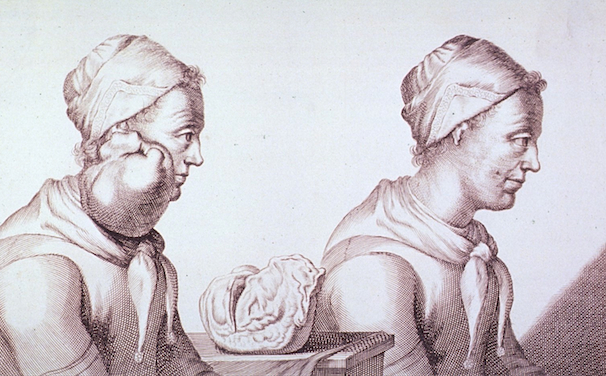
The roundtable explores cancer through biological and psychological lenses. It addresses historical misconceptions about cancer, referencing Susan Sontag's Illness as Metaphor (1978), which critiqued false psychological-disease connections. The discussion examines modern cellular and molecular biology advances alongside emerging psychoneuroimmunology research revealing mind-body influences on cancer development and immunity.
Speakers

Watch
Media
Related Roundtables

Transcript
This roundtable examined cancer through both biological and psychological lenses, bringing together molecular biologists, an immunologist, and a psychoneuroimmunology researcher. The discussion began by addressing Susan Sontag's critique of false psychological-disease connections while acknowledging that modern research has revealed genuine pathways by which stress hormones influence tumor microenvironments and immune surveillance. Panelists described how norepinephrine and other stress mediators can promote angiogenesis and suppress cellular immune function in cancer patients.
The biological complexity of cancer dominated much of the conversation. Panelists explained cancer as a multi-step mutational process involving master regulator proteins, emphasizing that cancer cells are nearly identical to normal tissue, making them fundamentally harder to target than infectious pathogens. The discussion covered advances in immunotherapy, particularly checkpoint inhibitors like pembrolizumab, and the emerging tools of personalized genomic medicine.
The panel also explored the clinical realities of cancer psychology, including how depression and loss of appetite contribute to cachexia, a major cause of cancer mortality. Audience questions raised important issues about cancer stigma, the adequacy of doctor-patient communication, and the anxiety of living with cancer risk factors. The panelists emphasized the importance of both continued research funding and more humane approaches to patient care.
Show discussion topics
- 00:00:00 Welcome and introductions, framing the discussion around the relationship between cancer, the immune system, and psychological stress.
- 00:05:11 Advances in immunotherapy including pembrolizumab (Keytruda), and the distinction between stress as a cancer initiator versus promoter.
- 00:10:27 Psychoneuroimmunology research showing how stress hormones like norepinephrine affect tumor microenvironment and immune function.
- 00:18:21 Cellular biology of cancer: the balance between cell proliferation and differentiation, and how disruptions lead to malignancy.
- 00:28:46 Genomic complexity of cancer, master regulator proteins, and why cancer is fundamentally difficult to cure compared to infectious diseases.
- 00:39:13 Cancer as a disease of self versus external pathogens, early life stress effects on immune development, and the challenge of targeting cells nearly identical to normal tissue.
- 00:49:39 The psychology of cancer: depression, appetite, cachexia, and the will to live as factors in patient outcomes.
- 00:57:29 Cancer as a multi-step mutational process, the spectrum from genetic predisposition to lifestyle factors, and personalized medicine approaches.
- 01:07:56 The role of biotechnology tools, research funding challenges, and the promise of stem cell therapies and precision oncology.
- 01:18:36 Audience questions on cancer stigma, doctor-patient communication, screening for at-risk populations, and living with cancer anxiety.
Show full transcript
00:00:00 I'm Ed nessian director of the center welcome to uh this meeting on uh uh cancer and body and mind uh before I introduce the participants I'd like to tell you a few things about future programming uh on October 25th we have span of Infinity on November 15 complexity and emergence on no November 22nd we are
00:00:31 going to show the movie Particle Fever and after that we are going to have a round table and on December 6 we are going to have a program called French surrealist poetry a sampler that an Marie LaVine has organized and on December 13th we will have search for immortality uh today's uh program came about uh during a conversation I had with Andrea
00:01:02 califano uh where he was telling me that cancer is always in your body and he can correct me if I'm saying it wrong cuz we had a few glasses of wine and I may not remember things right but uh essentially that cancer is in your body and what makes the difference or one of the things that makes the difference is your immune system and that one of the factors that affects the immune system is stress and one of the things that that can be stressful is being depressed
00:01:32 so that's what gave us the idea of uh discussing the latest U findings on cancer but then also talking about the role of the Mind in some uh effects on the immune system uh so today's participants are Andrea califano who has been here before and who is the Clyde and Helen professor of chemical and systems biology at Colombia
00:02:03 in the Departments of biochemistry and molecular biophysics and of biomedical informatics he is currently the founding director and chair of the Colombia Initiative for systems biology he also serves as associate director of a bioinformatics in the Herbert Irving Comprehensive Cancer Center I'm not going to read everything but uh just to give you an idea um the next to him is Selena Chen
00:02:35 Kang who is Professor of pathology and professor of immunology and microbial pathogenesis at Wild Cornell uh her focus is to convert conceptual breakthroughs breakthroughs into novel cancer therapist she pioneered the concept that controlling the cell cycle in cancer cells can reprogram them for a Clin killing by a partner agent she has implemented this novel strategy in several hypothesis-driven clinical
00:03:06 trials of combination therapy in human cancers such as lymphoma uh Susan lendorf is professor at the department of psychology Obstetrics and Gynecology and Urology and member of the Holden Comprehensive Cancer Center at the University of Iowa her current work funded by the National Cancer Institute examines how factors such as stress depression social support are linked to biological processes
00:03:37 involved in angiogenesis inflammation and recurr recurrence in uh ovarian cancer patients and Hans gido Wendel is the principal investigator at the Cancer genetics laboratory at Memorial SLO cing uh he works to identify new cancer th is based on the genetic origins of the disease he comes from Germany and trained in medicine in akan and then was
00:04:08 at Edinburgh and is currently associate member of the SLO cing Institute so that's it and uh you can start so uh just going back to our discussion um I think it was prompted by the fact that over the last uh three four years there's been a tremendous
00:04:39 trans transformation of the cancer field due to an increased success of immunotherapies based approaches and you know it started a long time ago with some of the work that Rosenfeld has done but more recently Carl June many others have started to really harness how we can remove the veil that hides the cancer from the immune system and therefore U have success in some cases where um from a point of view of either surgery or conventional chemotherapy or
00:05:11 even targeted therapy there was really no hope left um and just a couple of weeks ago a new drug called pemro has been uh approved by the FDA on an accelerated path um and this drug essentially reestablishes uh immune function in the context of cancer uh and has been tremendously successful for instance in melanomas uh and now he been also tested on gastric cancers that are positive for the liand of this particular protein
00:05:43 called pdl1 um so so based on on on these uh unexpected and may maybe maybe long expected but not yet delivered suddenly becoming available successes um we we thought that maybe there was going going to be an increasing focus on the immune system even in terms of how immunos supression contributes in some ways to uh the development and progression of cancer um and certainly there are now even Concepts at the NCI
00:06:15 that are focusing around the notion of stress and how stress can potentially be one of the triggers uh and when we were saying that we have cancer every day what we mean is that we have you know so billion cells in our body and and uh uh the probability that one of those cells has mutations that would make it tumorogenic are very high and so something has to be taken care of that on a continuous basis and that's what our immune system does it basically immediately targets any kind of lesions
00:06:46 there are also other mechanisms that are built in the cell like cence and it's called apoptosis but the immune system does a great job of getting rid of initial uh uh sort of starts um of of these disease um so that that was the context in which this discussion came out and I think uh um it would be great to hear for from Susan whether uh there have been more uh so at the molecular level connection between stress and uh anxiety and and
00:07:16 cancer okay so um in in the work that we do um we we look at two areas related to cancer cancer ini initiation and cancer progression and initiation is the development of cancer in people who don't have cancer already and progression is once people have cancer does the question is does stress help cancer progress so so looking at the
00:07:49 initiation side there's there the evidence is really pretty equivocal people think that stress can cause cancer it's out there in the popular literature I've had people come up to me in the clinic and say my sister says I'm such a positive person I don't understand why I've got cancer you know and and so so the role of what stress can do is limited um because it it's interacting with Biology one of the
00:08:20 things we know in the field of psychon neuroimmunology is that there is a very um there's a very well-characterized Rel relationship between stress and the immune system and it seems to affect both the cellular immune system and the humoral immune system um acute stress tends to stimulate the immune system and it's really chronic stress that we think about in the context of cancer so what's
00:08:51 chronic stress it's um people have looked at it in terms of chronic loneliness care taking um medical students studying for boards nobody's looked at people studying for Grant people preparing grants but you probably get stress well unless you're doing grant after Grant after Grant today caring gr is chronic stress right because it's one after the other um but but chronic stress
00:09:24 particularly where the person has a feeling of helplessness or this is going to go on and on um can affect the immune system because on B cells on T cells on MK cells on macras there are beta adrenergic receptors there are glucocorticoid receptors and those basically a change the functioning of those cells so what what we've seen in the context of cancer is people started
00:09:57 looking in the area of do um in people who have cancer is are is natural killer cell functioning depressed is maccrage functioning changed is te- cell functioning changed and basically there's good evidence that in people with chronic stress and people with depression in people with who are lonely
00:10:27 that very I aspects of cellular immune function is downregulated in people who have cancer um and that's where we started out in in our research and and we people had looked basically at peripheral blood and we asked the question what about in the tumor itself and we found that indeed not only in circulating blood but in the area of the tumor there was depression
00:10:58 of natural killer cell activity then we started looking more directly and saying well if there is an effect on host cells on immune cells which are supposed to be um doing surveillance against tumor cells or attacking tumor cells would we see Direct effects of stress on tumor cells and that started a line of research which I've been involved in with um a
00:11:30 colleague Anil sud from MD Anderson and supported by the National Cancer Institute looking at Direct effects on tumor cells and so what we see is that in in correlational studies and clinical studies that patients with either higher levels of loneliness or higher levels of tumor norepinephrine which is a stress hor hormone have
00:12:01 higher um higher rates of angiogenesis they have their tumor cells are more aggressive they're more invasive they're less likely to die when they're circulating through the body so there seem to be all these relationships um and conversely with people who are more positive um who have a more um an outlook on life that is looking
00:12:31 more for benefits rather than fear based they tend to have a stronger immune system and less of these effects so that's sort of the overall picture that we're seeing that that stress or negative psychosocial functioning not only can make the tumor more aggressive but also depletes the body's resistance against the tumor can can I ask one because I this is very
00:13:03 interesting you talk about a direct effect on the cancer cell but is it mediated by the immune system or you think that is actually immune system independent so if you did this in a in a nude M Mouse that's no immune system would you still see an effect of stress directly on the tumor cells you do you do okay um and so so I'll give you some thoughts on mediation so so if you're looking at how does stress affect tumor cells you you have Direct effects
00:13:33 through beta adrenergic receptors on tumor cells um and through nerves that are innervating the the tumor Mass itself you also have indirect effects for example through the macras that so that stress can so so should we put cancer patients on beta blockers well there's there's been a lot of um interest in that and there have been some pilot studies
00:14:04 looking at that because does it make a difference does does it make a difference does it I'm not aware of the study there there have been both positive and negative findings it seems to depend on the cancer and it it seems to depend um on uh on the particular receptors on the cancer but there have been some there was a metaanalysis done recently and there have been some pretty successful um studies of and and at this
00:14:35 point most of the studies are retrospective there hasn't been a really solid multicenter clinical trial looking at putting patients on beta blockers you I think in terms of stress the two areas are probably quite important one is the cyto kind these are the small molecule and often stress at the molecular level some of is understood is induced inflammatory cyto kindes and that has a huge consequence in terms of every cell
00:15:06 in the immune system how they receive the cyto kind and how in turn generate cyto kindes right I think this is a loop that's extremely important and one of the consequence about this Loop is there are two things one of this Loop is increasing cell number by cell division so you cannot have can cancer unless the cell division is misregulated you need to have the one of the basis for cancer is the cells are not controlled as
00:15:40 programm and stop dividing they keep on dividing that's one thing the other is is as if a train fail to get to the station they stop somewhere in the middle and that's lack of differentiation but even that we won't have cancer the other part is the cells fail to die so you need all these parts and actually all these are very much affected by cyto kindes yes yeah because actually in immune system
00:16:13 te- cells B cells all these cells the student talk about are cells in the immune system NK represent natural killer cells B cells are the cells make antibody and tea cells there are two kinds one is a tea cell that help B cell to make antibody the other is the kind of te cell that itself can kill cell and the macras is the PowerHouse of making inflammatory cyto kindes so I think that is actually and that's both systemic as
00:16:48 well as in a tumor and a lot of tumor cells not supposed to make these things but because they become tumors they themselves make them I think that's the issue right I think that's the issue there's probably more here though right so at the moment we're sort of discussing how does your psychology affect your immune system and we all know that right you're stressed and your herp is flares up I mean obviously there is a there's a connection here you can probably turn it around as well and you can you can say well people have different abilities to deal with stress
00:17:18 have different abilities to deal with the stress of a cancer diagnosis cancer treatment cancer going to the hospital back and forth themselves and that may affect well it may affect the outcome it may effect the way they can handle it I'm talking about something that I have no clue of because I'm not a psychologist um but I I I would imagine for patients who are diagnosed to have cancer um their their own ability to deal with the the stress the the you know the the having friends having their
00:17:48 Network having whatever helps you to deal with or your own predisposition to deal with stress affects um the way that the the cancer in turn affects them I don't know if that is measurable in outcome in survival and and so on but it it probably is a big factor for for patients and a big difference if you look in a hospital you on any Ward with 30 40 patients you're going to have a spectrum of people who respond to it by saying well you know it is what it is and I'll deal with it and you'll have people who respond very differently and
00:18:21 and you know so I think that we've now discussed the the sort of how does your psychology affect your immune system system and cyto kindes and macrofagos but the the mind and cancer problem you can probably turn it around and it's not that I have anything one of the things that that turns out to be consistently really important in terms of coping um is social support and one of the things and and the kind of social
00:18:51 support is also really important so for example in ovarian cancer patients which is mostly what I study we've seen that it's the kind of social support where people feel emotionally connected with people where they feel like they can talk to somebody there's somebody at their back as opposed to there's somebody that can bring them chicken soup that they can buy money from borrow money from Etc so it's this emotional connection that we see related to um
00:19:22 survival in ovarian cancer patients we see it related to tumor norepinephrine and we see it related to um actually the gene expression at the time of diagnosis that that there are there there's really a different signature in people who have high social support versus low social support um so am I understanding that what you are talking about you were talking more about
00:19:54 patients the stress coming from having the cancer having the diagnosis resources of dealing with it right but after after having the disease right it's two different that's what I'm talking about too so nobody is then talking about or it's not relevant the issue of uh social support stress and so on prior to the diagnosis I think that's where Susan was saying that the waters are much murkier
00:20:26 because I think after you get cancer there's is a clear function of the immune system um and the question is whether because the number of cells that a cancer cell is huge once you have once cancer is detectable huge number once you you know when you start and you essentially start to get cancer the number of cell is are small that potentially even maybe a minimal function of the immune system is already sufficient to keep it in check so I think that's that may be what you know what what I see I'm again also like gido I'm not a psychiatrist or psychologist
00:20:58 uh but I work in basic sciences and one thing that we see that is very interesting is that in tissues there's always this balance you know essentially you have processes that compete um a typical process two processes that compete in uh in tumors are something called apoptosis which is programmed cell death and proliferation and literally you can in in lymphoma for instance you know which is want to feel that we have eminent expert here um it was long thought that there was a process for instance by abrogating the
00:21:29 function of p-53 uh that you would essentially block apoptosis but actually in the lbcl for diffus lyoma there is a significant Fair bit of apoptosis going on it's just that the proliferation is higher than the apoptosis and the tumor grows if you can bring down either increase eposis a little bit or bring down proliferation then the tumor shrink and so it's it's really a balance between two things and one thing that we've observed and this came out from some research results that we have not even published yet is that can seem to be really divided in two groups there's
00:22:00 a group where proliferation pathway seems to have a really marked uh sort of signature and there's a group where immunosuppressive pathway seems to have a significant signature and the on that are immunosuppressive are much less proliferative so for for instance neuroendocrine tumors completely non proliferated tumors they can be indolent for for years U but they're totally immunosuppressive they have like they they eliminate uh they Mas themselves behind the veil of of a shroud of secret and the immune system cannot detect them and there's work by or Weissman that I
00:22:32 think has been really seminal in the area of specific receptors uh called cd47 that actually are called the don't eat me signal basically they're used by stem cell that still have an immature self uh image uh that would otherwise be attacked by the immune system to basically tell your own immune system don't eat me as I go and do you know generate the tissue that I need to go and generate it turns out that vast majority of T of tumors actually Express the cd47 receptor and Irv has been having some pretty substantial success and it's now running some large clinical
00:23:03 studies um with Inhibitors of the cd47 receptor just to see whether we can uh so that's an example where it would be very difficult for your own immune system to play a role because it's really there's nothing there's nothing to attack you know essentially the tumor is invisible so it doesn't matter whether you immune system is suppressed or not just tumor is like will you know thin air um but if the tumor becomes visible where you essentially for instance in proliferative tumors where you have less imuno supression then it
00:23:34 may be possible that what Susan was saying may play a big role so in fact I think many people wonder uh whether the nutritions plays a role in cancer and that's another aspect I think that of eating healthily and and sort of you know also for other reasons of gluc metabolis definitely a good reason is that one clearly recognized fact is the metabolism of a tumor cell is very different from a normal cell and because
00:24:04 the tumor cells you would think that they are more powerful but actually if you remove these tumor cells and take it out they die very quickly they're much more dependent on certain type of metabolism so one of the ways now thinking about attacking tumor and spare the normal cell is actually attack in the cancer metabolism we are not there yet but there's a direction the reason I want to bring this up again is the fact
00:24:37 that all the things that you've mentioned and you mentioned about cell cycle because we study that at some point this actually integrated at the metabolism is like a real stat because that's the the central sort of business wheel of a cell it give you energy it give you uh resources to generate membran so a mother cancer cell can divide into two daughter cell without
00:25:08 this the cancer cell will die and this is very important thing and I think what is also important is a way that if unless a patient is not treated otherwise when patients treated often times the dose is too high the drug and that high dose itself induces stress and I think that's a direction that we are actually designing clinical trial
00:25:38 beginning to think about this because sometimes the consequence of those high do is worse than the benefit of it and one major thing is interfer with metabolism tremendously in a bad way and the others induce the stress I think this is a very I think this stress and immune system are not separable these two things are almost integrated yeah there's another reason actually that starting to come out just
00:26:10 now of why for instance using drugs know in in in ways that sort of overwhelm maybe negatives that are positive is that drug is essentially a a pressure on on the cancer system and as a pressure typical evolutionary system it promotes essentially survival of certain clones you know essentially some cells that have specific characteristics and kills the ones that don't have those characteristics sometimes the ones that have the survival characteristic are much worse cells than the one that get
00:26:40 killed and so you're basically you're creating an environment where the absolute wor cells that that would be uh that would then give you very aggressive tumor are now given total empty space to to to survive and to proliferate so what happens very frequently for instance is that you see that these t tumors are initially shrink uh you know significantly after you get a particular treatment but then the tumor that comes up after that becomes extremely aggressive and actually kills the patient very very very rapidly so this is things that we're just starting to to
00:27:11 understand in fact that I think almost invariably anyone who unfortunately got diagnosed the initial treatment always work a little bit and sometimes work very well the time that that it's very difficult and very challenging sometimes it's hopeless is a relapse so I think what we really have to understand is how the progression leads to that relapse and all these
00:27:42 factors whether it's stress whether it's nutrition whether it's support because I think support is not only for cancer anyone who has childbirth would like to have support all these factors are Universal they're not just for cancer alone it's the entire wellbeing of an individual and I think for cancer I think probably the most important thing is to really understand and everybody's different I'm sure you know this too we do genomic sequencing if you take the
00:28:13 normal cell from a cancer patient we do this all the time and you ask how many mutations in our normal cells I bet you will have a million and I have a million you have over a million but you're okay and what is different is what's the difference between your two more selves and normal C so I think ultimately to really get very deeply we sort of have to recognize the individual every person is different and to really understand that deeper in order to integrate all this information
00:28:46 and get to it otherwise we're going around the circle because until today Cancer in most cases not curable because we're going around the circle and I think it's pretty important but we have the tools now right we have a lot of tools incredible tools it's also a lot of Promise because I would say five years ago we don't have all this targeted age and we have no ability to deal with small number of cancer cells but I think we do we have a lot of
00:29:17 systems biology everything to help us deal with that yeah I think it's a very interesting point right now because um I'm actually quite skeptical towards tar agents that go after specific enogen simply because you know typical example is B right so every one of our therapy is ultimately needed exactly but but also I think we need to hit right now we're concentrating on the enogen I think we need to find very much like your work we have to find the non- ancoin that are that are the Achilles
00:29:49 heel of the tumor and for instance typical example you were mentioning about the fact that we have cells normal cells that have all sort of mut mutation well the most famous one is B which is a mutation in melanoma it's basically over 50% of melanomas have this mutation in this Gene in a very specific just point of of of the of the BFF protein um but all our nevi have BFF mutation and but they're not tumors they are just normal cells so so clearly it can be just be alone and so when you look at the tumor
00:30:21 the big problem is that every single cell of the tumor is different why because the very first event that goes wrong in a tumor T is is called loss of a tumor suppressor which means that your tumor starts accumulating mutations much faster than your normal cells and when you do that you essentially every tumor cell accumulates different mutation so I think one of the major difficulties and when you talked about relapse being the major problem is that what what drugs do they hit the part of the tumor they can hit and whatever is left out that doesn't respond to the drug emerges and
00:30:53 no longer sensitive to the drug so so I think what we need to figure out and you know actually published paper two days ago in cell showing that there are these sort of bottlenecks in in in the regulatory system of the tumors where all these mutations that you could try to hit with individual drugs are actually all converging and they have to go to just a small number of proteins and we think very strongly that those are the proteins you want to you want to hit for instance in prostate cancer doesn't matter which which genes you have mutated in order to have the
00:31:23 aggressive form prostate cancer that will actually kill the patient become Androgen independent dep and become metastatic you have to have coactivation of two proteins one called foxm1 and one called cmpf if you don't have those two protein activated you will not get the aggressive prostate cancer if you have them activated you will get Pro aggressive prostate cancer so instead of hitting the enogen Upstream where of which many can be differently mutated in in different cancer cells within the same tumor if you hit those two proteins you're going to be in a much better better shape but I think this are concept that just starting to be
00:31:54 developed and it will be a long time before we I think if every Cancer there is a parallel in this type of understanding then we can begin to elevate our total understanding I think that's very necessary unfortunately uh we do have tools much better tools than we did before in the last five years things really really move so that's the hope I think we we
00:32:26 can say that that yeah and it's very exciting but the the part that I do feel is important is anyone who is really trying to understand the cancer do have to consider what a normal cell does because otherwise we don't have the differential between tumor and normal I think that's very important after all at the end we are wanting to preserve is a normal and not the cancer so what do you think what
00:32:58 do I think um yeah so I mean the topic here is what's the topic mind and cancer right and and my my view of how cancer arises it's uh it's a population of cells that sit in your bone marrow or wherever in your lung that escape all the normal control mechanisms so cells that are in your bone marrow and that make blood cells they're tightly controlled by cyto kindes and factors in the environment their metabolism is controlled everything is tightly regulated and
00:33:30 maybe your psychology even affects their ability to do things and cancer cells lose all of that control they bypass it step by step they become independent of growth factors they survive cell stress that a normal cell can't survive their metabolism becomes completely disconnected from any outside stimulus or even the availability of of nutrients they they just become they become like yeast on a petri dish and and so I think
00:34:01 an important point for for me in the discussion here is the um when we discuss how does the Mind affect cancer and vice versa cancers are sort of population of cells that tries to escape from any outside influence they become Rogue they become terrorists who say you know we are out of your reach don't don't talk to us they escape the immune system by losing genes or proteins the immune system may be able to recognize they throw them away so there's a very
00:34:33 strong selection for losing any kind of control and becoming Rogue cells and uh so you know they they escape these control mechanisms physiological immunological maybe psychological I don't know um and with therapies I think now our discussion is sort of going to the genes inside the cancer and how we may be able to Target them and I think that reflects the fact that these cancers use these mechanisms to become independent and that we have some tools
00:35:05 to to Target and to try to restore some dependence on on outside factors right B last night you were saying something where you implied that you were more pessimistic about an outside treatment no you asked me a very pointed question whether we can ER radicate cancer which is uh sort of it's a question like can we overcome
00:35:35 death right I mean in a way that's one way you can understand the question you can ask can a given patient survive cancer and we have great drugs can do can we eradicate cancer can we no but why do you compare cancer to that why don't we eradicate for example small pox so you immediately equate we can't eradicate cancer because we can't eradicate deaths why do you make that
00:36:05 connection um cancer is part of our biology it's it's built in that's what I was asking you to it's yeah it's it's built into into our biology there is uh we just by breathing oxygen you are going to accumulate mutations oxygen is very toxic in fact but you can't live without it right yeah we need it I I think that so you accumulate these mutations and they have an advantage without accumulating
00:36:36 mutations we would still be single cell organisms somewhere in in a little puddle of the coast of who knows where right we would not come off the trees so Evolution and and requires some versatility some flexibility there has to be a way that you can mutagenize genes that you can change things in the germ line and by extension also and somatic tissues and so um so that that versatility I think comes at a at a
00:37:08 price so whatever is the evolution of a species is also the evolution of cells and cancer is evolution of cells gone Rogue evolution of cells that decided we don't need the rest of you and didn't fact following that point is that uh to have mutation accumulate again you need those mutated cell to divide otherwise you not increase the
00:37:38 population and for cells in the immune system they are different from other cells in a way that they have this continuous ability to rearrange their DNA and as a result the frequency of making mistake is a lot higher so this is obviously is the division and the selection there is a parallel between uh selection for the Fitts and
00:38:09 the cancer that's for sure but I just want to point out that in terms of eradicating cancer correct we are not anywhere near eradicating all the cancers but some cancers are cured compared with what it was 20 years ago that is is correct so I think we have to look at different cancer in different ways for examp pancreatic cancer is extremely challenging but childhood leukemia you can treat it and the Cure
00:38:40 rate is very high so I think we have to look as spec we cannot draw a yeah I think your question of can we eradicate cancer is it would be translated into can we eradicate infectious diseases now can we eradicate small pox because small pox is just one type of infectious disease if you look look at testicular cancer corion cancer basically 100% close to 100% of patient are cured so you have eradicated those but it's still it's just like saying yeah small pox we have eradicated but well but the idea I think that I found uh very interesting
00:39:13 in the way gido was talking about it was that as he said it again today that unlike an infectious disease where there is an outside agent that causes the infection that the problem with cancer is that it's essentially inherent in your biology even in designing therapies I mean Selena just talked about different therapies we all start from a fertilized egg this egg divide specialize and in the process every
00:39:45 division it gives a possibility to mutate sure and the best C survive usually those not fit will be eliminated but they would be times all of a sudden you have a mutation that has a survival advantage and those are the ones and Al some of the cancer for example one cancer called multiple Myoma it's a it's found in the bone and often the average age of occurrence is very late but now
00:40:17 we understand that there is a period of time and it's called um mgas means monoclonal gathy of undetermined significance why because you could actually detect a tiny tiny bit of something and that could take 20 30 years to to develop and that's an example you have something already goes wrong very early on but there's no General symptom and I can imagine during
00:40:49 that process 20 30 years the nutrition the stress the mind the everything would definitely influence its progression so I want to take off from there and and go back to something that you were asking about Ed when you were talking about cancer initiation and what do we know about how stress affects cancer initiation um because it takes place during that 20 30 years or whatever um that's one of the reasons why it's so hard to study because you can get 10,000
00:41:21 20,000 people and you know a a small group of them have gotten cancer but one of the areas that people are starting to study which you might be interested in as a psycho analyst is ear what we call early life adversity which is you know going back to how is a person initially set up when their physiological systems are very mutable in a way and and there's been a lot of
00:41:52 work looking at um when when people have in adequate mothering when they have when they're neglected when they're abused the endocrine systems don't develop normally the immune system doesn't develop normally and so you get a a sort of a vulnerability towards later uh later insults um one of the things that people have started studying in in the context
00:42:22 of cancer is what happens when you have an early vulner ability like that and then you get stress later in life and there's a group at Ohio State um that has looked at people who with skin cancers and they've looked at the skin lesions of people with early life stress with early with no early life stress but later life stress and with both and the the lesions of the people who have had
00:42:53 both and so it's sort of like two psychological hits are were the most um aggressive and showed in in terms of the functioning of the immune cells showed the most vulnerability in the immune cells so so that's sort of thinking about early life plus later life what's happening along that transition I think this goes back also to this notion that I think we had
00:43:24 mentioned before of sort of a an endogenous versus exogenous nature of cancer you know is is it the cancer the nature of cancer inside the cell or is it outside the cell and we know that it's both in fact I think the first discovery of enogen has been viral enogen you know that's where you know the Nobel Prize was awarded to to vas and um and the the notion that you can actually transfer a gene from the outside environment but it turns out that Viral enogen is in fact something that's been integrated in your own cells in your genome but if you ask about
00:43:56 something like small poox or take HIV or something none of the HIV proteins exist anywhere else in your cells you can safely hit them you can Target them you can block them you can take a cocktail of Inhibitors against every HIV enzyme you can find it's not going to affect your own cells at least if the drugs are as good as they should be with cancer is different I mean all of us spend most of our time figuring out what's the difference between the cancer and the normal tissue is there anything that we can hit in cancer that's not going to
00:44:28 destroy your normal tissue and that's just really hard I mean you end up with a few mutations and a few differences and a few Concepts um but compared to you know small box that's where so the environmental factors stress is one but let's say cigarette smoking pollution there are those things that are considered to um if not cause certainly contribute to development of cancer so
00:44:58 smoking causes causes right but but smoking breaks the DNA inside your own cells so it actually induces mutation but the other signal for instance if you look at estrogen estrogen does not induce mutations but it's like putting fuel on on the cell and inducing for the tumor cell gr fter and faster so so women were are exposed to estrogen for a longer period of Life are much more at risk of breast cancer than women are not and it's not because of mutations it's because of again going back to the fact
00:45:30 that it's the controlling of how many divisions and that is Central integrating whether it's a signal coming from estrogen from your and we all work on cancer we all recognize the important of location location location the environment because environment gives you such give cancer self such support if you cut out the environment that will be one way to remove the cells and no matter which signal it comes at the end
00:46:01 of the day it really centralized in three issues one is how many cell times is this tumor cell able to divide and second is after division would they normally die as they are supposed to or they lose that control and keep on dividing a third thing is they move migration and that's the cause of metastasis so it goes from one place to the other to the other and these are
00:46:33 really the three major component we all recognize that but it's very difficult and if you say controlling that the how your well-being is definitely a very important control for that no doubt whatever reason that that leads to the well-being is a good thing so actually the environment I think is probably the number one reason why we we can't cure cancer as much as we would like to because right now the way pharmaceutical companies have gone and fact scientists have gone trying to cure cancer for a long time is to screen compounds again
00:47:05 cells that are taken out of the body and put in a Petri dish and they find a lot of compounds that kill those cells unfortunately when you when those cells are in the body that they don't get killed or you have to you have to achieve toxicity that kills normal cells at the same rate so and this is because in fact Mina Bol did some very seminal experiments uh you know couple about 20 years ago where she show that if you take a cell with the exact same mutation and you put them in one part of the body or other part of the body you generate cancer or not and so it is completely dependent on the signals that the cell
00:47:37 gets in addition to the endogenous sort of disruption of the DNA everything right and that's why Ian most thinking is that cancer cells are tough they overtake you but in many ways they're also vulnerable it depends on their environment and when you talk about environment there are multiple factors you know I think wouldn't you say that someone who
00:48:08 has a very kind of cheerful personality many times tend to be able to control a lot of things in life and healthier too I think these this psychology is two way it's not one way isn't it well I'm related to that Andrea asked me a very interesting question last night which was if Will to how you can measure will to live and if
00:48:38 will to live be because anecdotally Physicians report that if patients with strong will to live may may live longer um and I've been thinking about that um because we have not found um a gene signature for example of will to live it would be very nice there's there's actually somebody who has done genan signatures of um
00:49:08 happiness of of a happiness that has like a sense of meaning to it versus a happiness of I'm going to go out and drink tonight and and those look differently and they look differently in terms of for example inflammatory profiles and you know in inflammation being one of the things that adds fuel to the fire of cancer will to live would be very very nice if we could characterize and um maybe that's something that you can do with your
00:49:39 systemic uh looking at things um maybe just to throw it completely as you you talk about the will to live and the psychology just an idea that again I know nothing about but just a completely different track of thought here um cancer cells affect you in a lot of ways right cancer patients lose weight because these cancers make hormones and Cancers change your physiology right um I don't know if anyone is looking at how does a cancer
00:50:10 cancer cells how do they affect your mood your psychology do they have a direct measurable biochemical influence on on your mental state on your will to live with if you there's actually a whole emerging area of research in in that area because and um and and there's a a number of people around the country who are working on that um if you think of cancer cells in addition to you know they they want to grow Etc they're also
00:50:43 like inflammatory factories and they're producing um IL six they're producing and on all these neuroendocrine cancers that make all these peptide hormones right I'm sure so what happens when those inflammatory cyto kindes go through the bloodstream there there is a well characterized syndrome that happens when inflammatory cyto kindes hit the brain and if if you think of how you feel when you have the flu which is basically
00:51:14 inflammation you know people don't want to eat they lay down they don't want to talk to people um this uh it's hard to concentrate this this sort of lassitude and it essentially mimics the vegetative symptoms of depression um this this sort of fatigue and difficulty concentrating and so there's there's an area of research looking at to what extent is
00:51:44 the depression that is um uh that may be experienced by cancer patients not only secondary to a person looking at themsel and saying have cancer this is awful but secondary to this physiologic what what's called sickness um for many cancer I think that's the main complaint of treatment and of cancer is this feeling of depression and tiredness and well and let's forget that CIA prance which is basically your to loss of body
00:52:15 mass and is one of the fundamental reason why cancer patient dies so if you can actually if you're depressed and you don't want to eat that's the worst possible thing you can do to your body and you know like so in some way the immune system is one aspect of the connection with stress and depression but the other one is a more of the metabolic you know and just keeping your your organism fed to the point that we can survive the disease so is there any work on why some people don't get cancer if it's in our system and the cells are
00:52:46 mutating all the time and it's an ongoing process so why the why is it that some people get it and some people this is actually some really interesting study right now for the there's several Labs that are studying why some very heavy smokers don't get cancer um and there are very likely some highly protective genes that help you by cancer uh I can engineer a mouse in the lab that's not going to get cancer you can what I can engineer a mouse in the
00:53:16 lab that will not get cancer put an extra copy of P10 or p53 in it they will be perfect it's a it's a major cancer a tumor suppressor Gene like it's called p-53 um it it's one of the major roadblocks that gets mutated almost every Cancer we have two copies of it if you make an animal with three copies I'm perfectly happy they won't get cancer Evolution didn't give us the third copy didn't think it was necessary
00:53:49 you gave a third copy to human how you going to do it a lot of things where will you do it well how soon do you do it where do you do it in the zygard yeah you engineer right I mean there a whole opening a big box here right immune system will not work actually in a lab animal you can do it and you terminal you can do that notc yeah it's published the the
00:54:21 but but I think downside the can okay it not develop those cancer you have tested they might be others we don't know yet and also p53 it does many many things I certainly would not want the third copy for myself I wouldn't I'm not advertising it but I'm saying people people have have made and they have engineered the these mice and they are protected from cancer and are there people that have a third copy of 53 I
00:54:53 don't think so I I mean is the opposite there are families that have mutated one of those genes it's called lefran syndrome and they are very high risk of cancer so well there's another U there are two famous genes called tumor supress gen the other is called RB and that was discovered when children have retinal blastoma they every single one of them lose this Gene and now we know the
00:55:26 difference I think is different from p-53 in the sense that we have studied this for many years and follow the patient and what we found was both genes at the beginning of the cancer you lose one copy or perhaps have mutation and during relapse the p-53 is always mutated or lost and not functioning but RB somehow often is preserved at least one of the copy there are times both
00:55:56 copy loss so that means that perhaps even that Gene that is a tumor suppressor Gene that actually a cancer cell still needed to develop the cancer so things are not completely black and white it really depends on the context so as you do more studies of people's genetic makeup are you you think going to be able to detect what is causing some people to develop canc answer and some
00:56:27 people no we don't we we now know at least in our study in one case we know exactly in one type of lymphoma treated with a very recent a salary FDA approved drug what is causing the relap that we know because we follow the patient before treatment after treatment and until it's relap and ask what happened then we put take take that Gene away
00:56:57 from a normal not a normal uh tumor cell and this tumor no longer respond to the drug and everything so that can be done as far as what differentiate initiation I don't think anybody has an answer no but also I think you're asking a very important question because I think this is right now in my opinion a little bit the failure of the current way of of thinking about cancer um if you go in database right now there are thousands of cancer patient that have been sequenced so we actually know the
00:57:29 mutation that you have across 20 25 types of cancer even more um we know also because of work work that B vogelstein did you know about couple decades back that cancer is not a single hit with very few exception and even those are probably also not single hit but you know you need six seven eight different mutation to accumulate before you actually get cancer if you go into those databases and you look for the gen that we know today uh there's only maybe
00:58:00 20 or 30% of the patient that have more than one mutation among those under genes the remaining ones either have just one hit or they have nothing which means that where are the six or seven other hits um they they are mutations that are probably what we call Private mutations that is mutation in genes that are somewhere Upstream of the genes that induce cancer uh but you can't find them because you don't find two patients that have the same exact pattern mutation so if you if you do a very simple math um you will find that there are more cancer
00:58:31 genotypes that is more more possible ways in which you could get cancer than there are cells on the planet and so what we're seeing right now in patients is just a very very small sample of the all the possible ways in which you could get cancer which means that you can't just use statistics to figure out how it works because you're not going to be able to find enough patients that have that particular group of three mutation or four mutation that give you can canc with that particular response to a drug for instance and so the only way to do it you know we at least that's what we're advocating is you have to
00:59:02 understand how cancer works that is how cancer literally works as a microprocessor that has had some uh pieces disconnected or rewired and now you have to figure out why it's working in the wrong way think that going after individual mutation is going to be a long way coming before you can get the very Dynamic yeah very very dynamic of course there are Cancers that are easier than others and and actually BL hematological malignancies are particularly good class of cancer to
00:59:32 study because they tend to have fewer mutations than the other but if you take if you take a melanoma compared to a a childhood leukemia it's like having your DNA put through a blender in melanoma versus having your DNA with a couple of hits here and there and that that is where we can understand sort of Leukemia and we treat them much better than we can treat right now melan well that part of the reason reason is that for the cancer in the blood you are in a position to Define
01:00:04 which state and it's normal counterpart because you can take the cells for other type of cancer like ovarian or breast it's called solid tumor it's you take the tumor it's not every cell in that mass is a cancer cell you have normal cell you have everything they talk to each other and it's it's very difficult to entangle that but if you take leukemia you could just take study pure leukemic cells and then you also have by
01:00:37 the signature you also know what the normal cell that's the normal counterpart and what a normal shelf does so that help you understand something but some of the things we learned in the blood cancer is applicable to solid but not everything not everything again it gets to the point of location and environment because they not the same so if you sequenc genes of uh 50,000 people who've
01:01:07 reached the a of 80 age of 80 with no cancer and compared it to people who have had cancer you wouldn't be able to it would be difficult because as I said that we take our the normal normal cells we often get from patients from the cheek swap okay so you take mine take Andreas Takeo take Susan take yours I bet our mutations are not the same normal so it's a very difficult one I
01:01:39 but I I do sometimes think about what you are saying I mean they were there are people who live to over a 100 and they have no cancer what if we look at them their jeans what would happen it be that hard these days it's very difficult because for instance you know people have actually done these studies for what we call complex uh diseases like diabetes obesity you know all the all the major ones and uh you know even autism um and what they find is that
01:02:11 when you look at each individual Gene in isolation you find thousands of genes each one with a tiny tiny tiny contribution and so it is impossible to put together the actual pattern because if you have something that says oh if you have this Gene uh alter it's not alteration but it's a germine variant if you have this variant um you will live longer but your ability to live longer is the probability you live longer is 1.2% more than somebody who doesn't have it what do you do with that you know it's just really not an actionable number right but that's the tail end of
01:02:43 the curve right so at the other end you talk about gwa studies basically right at the other end of there is no at the other end of the spectrum you do have things like braa braa mutations and breast cancer you have it it has a consequence you need a surgeon I mean you really need to have a discussion AB right so there is this curve of things that are really important and it goes all the way down and the more you look the more you'll find things of course that are you know really do we need to do something about this no we're talking about two
01:03:13 different things so for risk of cancer absolutely agree with you you know braa one braa 2 Etc what he's talking about is protective alals protective alals I don't know there's any protective Al that has been discovered so far with eye penetrant um the and as I said in like in in more complex diseases so breaking breaking the vas it's it's easy uh fixing it's a lot harder and you it's much more polygenic uh so you need the contribution of many many different Gene and that's where you get into this situation where you may have of the 100 patients that that defeat cancers they
01:03:45 may do it in 100 different ways but it's just the flip side of the same question right if you can Define the risk leals then the absence of the risk is the protection yeah but active a Leos are much harder to find than because you can't design that study you cannot have a population of 100,000 people who will not get cancer but it's hard to to design that study it's easy to design a study where you say here I have 5,000 patients with breast cancer and 5,000 patients who don't have it and I can compare them we're actually going at
01:04:16 that kind of question but from a different sort of angle on part of a uh Consortium development project that's looking at long-term ovarian cancer survivors so these are stage three and four ovarian cancer patients who you know may have a a predicted lifespan of like three and four years and these are people who have lived past 10 years and we're looking at the their molecular um fun the we're looking at
01:04:47 the tumors molecularly and we're also looking at their psychological factors and we're we're interviewing them about what do you think your has led to your long-term survival and we're also looking at what's mutated what's not mutated Etc so I don't have results for you yet but that's a potential approach to look at who who survives that you wouldn't expect to so so you don't have the result for the gene part but for the
01:05:18 interview part what have you found we we haven't looked at them yet I see we're just collecting data you're looking at their immune system no we're looking at their tumors we're not at this point we're not looking at their immune system but but but also I think I think that these kind of studies not been done maybe in cancer with the with the right controls but they have been done for instance in cardiomyopathies and other type of you know in diabetes they've looked at huge
01:05:49 population 30,000 individuals you know and and that have profiled using snip ships um and I think traditionally it's been much harder to find anything protective than to find something theous theer are Le they're few but they're a little bit easier to find protective alals I think is a much more complicated story I think it's the same thing with stress you can point at stress and you can say that that's bad you know psychologically and what's the biology of stress but it's harder to Define the biology of what's good what's
01:06:22 good I wanted to point to another aspect of cancer in mind which we haven't touched upon which I think it's very important which is that to to defeat cancer or you say um what what was the word that you used before just eradicate eradicate word but I may have used it last time you you you need great scientific minds and you need and and I think that this is a major threat right now uh because right at a time where uh
01:06:55 biologist has come has been empowered by extraordinary tools uh both in terms of availability of small molecules but also in terms of the ability to now literally look at every single molecular aspect of a cell um or image of a cell um we are we are seeing a dramatic decrease in inflation on on on the ability to do science and I think this has been a dramatic uh setback uh that I think should be brought out more uh often and more more forcefully to the public
01:07:26 attention because we are close to make some real amazing breakthroughs and in fact just to give you an example what's happening um until three years ago or two years ago actually uh the number of approved FDA approved Cancer drugs had declined steadily over the years and then the last two years have seen a dramatic increase in the number of of therapeutic agents that have been approved um that's an indication in my opinion that something is starting to work uh and
01:07:56 it's starting to work in a very major way and I think this is to a large extent due to the fact that we now are empowered by the tools of of biotechnology that we didn't have before um it is to me uh dramatic and uh overbearing that right at the time where you have these technologies that can and and we have now figured out cancer a little bit as a as a as a mechanistic story uh that we don't you know essentially we see a decrease in the number of students postdoc and faculties that we can actually work because the
01:08:28 decrease in resources resources yes and actually this is kind of sad because it's at a time we're embarrassed by too many riches we have the tool we have the reagent and we need the mind to integrate all this information and that's we need resources and it's everything and it's actually kind of discouraging to the Next Generation ation because they see the future is so
01:08:59 kind of not promising what is the reason I told you yesterday when I when I teach my introductory class at Colombia what I tell my students is you should be you should continue in this Direction only if this is the only thing you can do if there's any other thing you can do go do it don't do it I I say the same thing I say the same thing because I think to do what you do is not a job it's a passion yeah and unless you have it you're not going to be able to contribute or you have less people will
01:09:31 more pass an example the typical the average the average lifespan of a post do today before they could get six to seven8 years okay that's insane because those are the most productive year of a scientist right after their PHD so it used to be that people were getting hired even out of the PHD we were at the time when we were post Out 3 years later you become a Professor now to post out is standard and that's six years they they're
01:10:02 discouraged from position and lack of funding in the sciences that we're losing a generation of we are we definitely are and that's very unfortunate because it is not an entertainment of your intellectual need is actually a time that things can really get integrated to really make a difference and so is it based on federal funding is that the issue or right well it's a it's a domino effect because the
01:10:34 federal funding is the biggest funding agency so the federal funding drops then they are smaller foundations then it's ripple effect then everybody goes to those foundations and all of a sudden those foundations and also the Don those Foundation depend on donation and donation is not as robust as it was before because I'm on the board on a couple of them I know that it's a very difficult time very
01:11:04 difficult no I agree you know more money is always better than less money right there there's another side to it though I think there's an interesting article in Lancet or something maybe last year or so about uh waste waste in resource in in research um I read it and I thought there's a truth to this and and part of it is the nature of it you don't know where you're going so of course you get lost and you take the the wrong direction you know it's easier when you
01:11:35 have a direct threat and it's probably less wasteful so that's the nature of our our what we do right I mean it's it's not predictable so you you I think it's it's there is there is also a lot of a lot of waste in the system which you look at and you go to some of these meetings and you look at What's happen I think I think it's a vicious cycle because I remember I remember when I was a graduate student postop you have certain Liberty to exercise your creativity and you don't
01:12:08 have to justify what you do tomorrow but now the pressure is so high that everyone is under the pressure you need to produce you need to produce that's part of the reason that things it people be very conservative in repeating things that we all no over and over taking tiny little steps and um I think that's and it often you just look at it and you think really did we did we need to do that experiment again it really um is
01:12:39 not or Paradigm shifts yeah it risky you will not get money from the NIH for something risky right no or in Paradigm shifting no I mean yeah well as we said yesterday there two types of experiments that you do for a grant the ones that you've already done and the ones that you will never do right so all right we'll stop here and open up for question can I ask question please go to the
01:13:23 micro test test [Music] I have h two questions one of them is sort of Science Fiction and the other is a little more addressed to the idea of cancer and the mind the science fiction one arises from what you said about the p53 Jean why can't we have them why why
01:13:53 when the baby is born or when the woman is I mean can you get that's the science fictional can I buy one somewhere seriously I mean is there any okay I think being a scientist you get more and more humbled and modest every day because we know so little about how nature designed us so p-53 is a gene if you lose it if you consider a self has to go around the
01:14:25 clock to divide p53 kind of the gatekeeper at two points and it cut a sense if the cell should go on or not go on okay this is a tum supressing but it does many other things as well you can imagine if you have more than two copies three copies what if yourself just won't be able to move you're in trouble you probably would never but there's one function actually that is very important which is the way you develop immunity right is because your cells when they see the
01:14:59 the the the antigen in in the virus they divide they no they actually mutate their own DNA okay and to do that you have to suppress the activity of p-53 because otherwise the p53 would kill the cell the moment you sees the mutation so basically if you now have three copies of b53 as soon as he trying to develop the signature for the virus the cell dies so you would have probably your very vulnerable I'll make an inducible one I I'll I'll put an inducible you know you can make jeans in such a way
01:15:29 that they're not active and then you give a drug like tetracycline and it switches the gene on you can do this in animals and you you would put a gene that kills cancer cells in there that has selectivity sounds good you activate it and you leave it on for 24 hours or 48 hours or 2 weeks whatever you want and yeah GE I don't know it's Shing better it's not that science fiction but certainly it doesn't really apply to well so it doesn't apply to human medicine in the broad sense it does
01:16:00 maybe with some exception so some exception for example are stem cell therapies um like we can make stem cells from scratch and we can make tissues from these stem cells and for example if you're a diabetic we can make from those stem cells insulin producing cells there's a risk that these cells at some point give rise to a cancer now while we make these cells we can put genes like that in there we can engineer these cells to have such a fail safe mechanism that we can then switch on right so
01:16:32 that's something that you can you can in that setting I do have diabetes so I'll talk to you afterward um the second question is a little more serious um and less science fictioning which is I've come to a lot of these and nypsi I've never before and I could be wrong I don't know about a a meeting like this about the sort of mind and the disease the diabetes is a good example I don't know if you all have ever had a meeting
01:17:03 about diabetes and the mind or malaria and the mind or anything so why does cancer get one of these meetings what is it about the illness that generates this sort of psychological interest whereas others don't or as far as I know at least not on East 82nd Street thank you that Susan has to answer this I should say that there are plenty of people doing
01:17:34 research on stress and diabetes stress and cardiovascular disease stress and you name the disease so maybe this is just the first and a long line of uh I think programs this was serendipitous because it came out of a just a you know dinner table conversation that I had with Ed about the about the immune system increased role in fighting cancer and so we decided to kind of bring this up but it may be one of a serious there ISAT well it's more
01:18:05 lifethreatening at theat more lifethreatening no I don't think so I don't think that's true so but patients react differently if you tell them you have cancer you have two years to live or you tell them you have empyema you have two years to live there is a different psychological connotation to cancer than to equally deadly diseases that are not cancer well when I was a medical student your comment reminds me one of our professors said whatever you do don't say to a patient he has cancer
01:18:36 because because that's I think it's true I think it's still true that's the reaction most people the disease comes with a different taboo uh first of all an observation and then a question the observation is as you may have noticed science this week has the covers Story Of humanized Mice uh so they can't psychoanalyze the mice yet but almost everything else is going to be possible to do with these mice uh when I started
01:19:06 Medical School 64 years ago they were curing cancer every day just as we do today of course the surgeons can cure cancer now they cured cancer then if it was found at a certain stage and could be surgically removed you were good and the thing that always surprised me was that for instance you could have a lung cancer removed and my impression was well if this was a four pack a year smoke a day
01:19:37 smoker it the cancer will recur in the rest of the remaining lung interestingly enough many of these survivors do not develop a second cancer in the same bed that they developed their first one now the question is and Atul gan was here this week talking to us about um being mortal uh and I know you're not clinicians but I'm sure you come across friends and people who ask you in this
01:20:10 complex era when when metastatic disease is not the death sentence that it was 64 years ago in this complex environment when the times this week had an article about the patient ptients who respond who are the rare responders a clinical trial that has a 15% response rate we used to say well that's Placebo whatever now we look at the people who are in that 15% and we see that they are
01:20:40 different than the people in the 85% who don't respond from the clinical point of view from the P you said we're not there yet and C that's certainly true incidentally about the ro1 GR grants the average ro1 recipient now is aged 50 20 years ago they were aged 38 that's the most depressing thing I'm going to say this afternoon if you do seven-year postdocs that's the result what what do you say to a patient now who comes in
01:21:14 and says and incidentally gandi was at Harvard now there are beginning to teach medical students and residents how to sit down with a patient and really discuss with the patient where he is and what he wants to do about it or she what do you say to people in this turbulent era when when different cancers are being addressed in different ways uh in terms of getting their care because they need it this
01:21:45 year so we just open up a Columbia a protocol uh for treating 260 patients uh in a completely different way these are going to be across six different rare tumors um and we're going to treat each one of them individually but not based on their genetics because we know that many of these tumors actually have no genetic lesions that are directly tractable um but really by understanding their vulnerability what are the entry point and we use very sophisticated computational models there in fact an
01:22:15 entire basement one of the largest supercomputer in the United States just dedicated to solving this problem and then basically going into a model of the patients that's going to be put put in a in a mouse and just testing what the conclusions from that model are we already have some very uh exciting results that are coming from this type of approach so I think that this is not to say that in the future we're going to treat each patient on an individual basis but I think what we're discovering with the exceptional responder uh uh initiative where we're discovering with this kind of n of one studies what we're
01:22:46 discovering with this new initiative called basket studies where you know instead of studying one drug for one tumor you study an entire repertoire drug drugs each one with its own biomarker what we discovering is that we need to First deal with tumor heterogen we have to understand what makes tumors different once you have that you know key uh to be be able to interpret the data then you'll be able to just collect all the different ways in which you treat a subset of tumors in the same way and you know in the past we used to think of a tumor say bladder cancer
01:23:17 fundamentally different from breast cancer today if you actually put together side by side in terms of the actual vulner abilities what are their Achilles heels you know the the basil subtype of breast cancer the basil time of the bladder cancer and the luminal of of the two are actually much more similar than a basil breast and luminal breast so um so I think we're starting to look at cancer very much from a molecular perspective and even though we may learn just there's only a small number of responders when you go across all the tumors that ends up being a
01:23:49 pretty large number okay hi um I've actually been walking around with a source of stress for 10 years now and I've not been given a good answer and I hope you can help me uh my son who's now 12 uh his lymphatic system didn't form properly and he developed tumors but they were not cancerous tumors and at age one he had a bra a brain CAT scan at age two he had a chest and neck CAT scan again at age six he
01:24:22 had another chest and neck cat scan and I am really worried about the effects of the radiation um he's had probably a dozen x-rays in the chest up until now he's 12 and um he's athletic I worry about him getting hurt needing more x-rays uh one of the tumors was not able to be removed from the center of his neck so there's a possibility that could grow in the future and he would need another CAT scan so I've been walking around very nervous and paranoid is it my paranoia that I have nothing to worry
01:24:52 about or is there something proactive that can be done before you know he turns 20 and then God forbid something happens they like oh you have cancer because I feel like he's had quite a bit of radiation um is there anything that could be done ahead of time be check wor about the the adverse effect of radiation yes well there is some concerns about that but is is it proven that all these normal um I mean not normal this routines skin I think the
01:25:25 radiation of an x-ray at the moment is the same as a flight across the Atlantic so you know right many of us fly back and forth across the Atlantic I think it's so even though he was yeah so even though I think the advantages of having a scan to have early detection of lesion far outweighs the potential negative effects so I think that right now you're doing absolutely the right thing and and and even if something should happen you
01:25:56 should not feel is your responsibility because you doing the right thing well that's why I'm stressed I don't want to just wait and think what was there a blood test or a non-ra radiation body scan that could have been done you know because I've been think Andrea just point out the fact that the advantage outweigh the concern because you want to follow whatever that might be developing and I'm pretty sure it's reassuring if you see nothing is developing right well
01:26:27 after that's what I'm saying the doctors just say well if something hurts bring them in but isn't it too late once you feel something and something hurts is there you know the underlying condition has there been a genetic testing for what your son has yes he had cyras cavernous and fumas there were tumors inside of his body but did they find the actual genetics of that no I didn't no not so maybe that's one thing there there are several institution right now and and the NIH that look at at diagnosing at the genetic level some
01:26:59 of these uh very rare uh diseases and there in some cases there're first of all that lets you know exactly what it is and so you can deal with it better but but also in some cases you may even find that there are potential approaches that could be taken to either prevent or delay or so I think this is something where you may want to consider one of these uh sort of you know we Columbia we just recruited for instance uh David Goldstein who's going to head our Institute for for genomics and he's done
01:27:31 some terrific studies at Duke u but other institutes uh I know Mount siai many other places in the uh in the country do these kind of studies I think Wendy Chang also look specifically at children with rare uh potentially genetic disease okay all right well thanks you know you you point out the difference between science and medical care because in science it's perfectly all right to say I don't know we haven't done those experiments we
01:28:02 don't we haven't studied this in clinical medicine when a patient comes in and looks at you you can't just say I don't know that's right that's why I went into signs I know nothing you have to be able to that saying I don't know but I know how we can proceed that's right and that's what what you heard in other words you have to accept the fact that there's still an awful lot we don't know but you also have to recognize that there are people who are interested in
01:28:33 pursuing this and who will keep pursuing it because otherwise you will die by Google any other questions no okay thank you