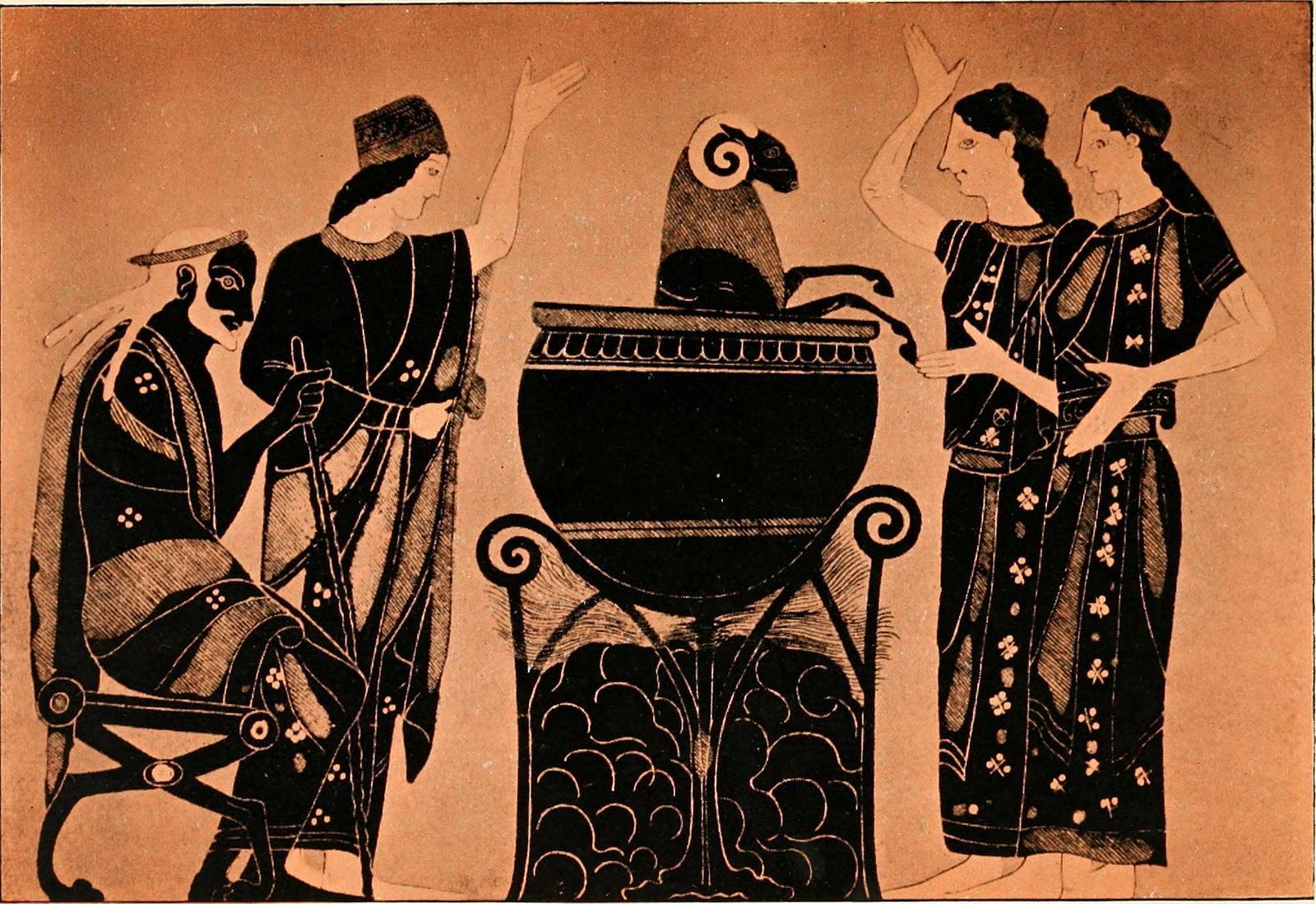
The roundtable explores how placebos "work" for medical conditions despite being inert substances. It examines the mind-body connection, asking: "what is the work they do?" The discussion covers how beliefs about medications can affect biology similarly to active drugs, the inverse nocebo effect (where negative expectations produce symptoms), and the mechanisms linking thought to physical health outcomes. Historical context traces placebo effects to shamanic practices, while raising ethical questions about modern clinical applications.
Speakers

Watch
Media
Related Roundtables



Transcript
This roundtable investigates the neurobiology, clinical significance, and ethical dimensions of placebo and nocebo effects. Panelists present evidence that placebo responses involve real neurobiological mechanisms, including endogenous opioid release and dopamine pathway activation, and discuss research into the genetics of placebo responsiveness suggesting that some individuals may be biologically predisposed to stronger effects. A particularly striking finding is that open-label placebos, where patients know they are receiving an inert substance, can still produce measurable clinical improvements.
The discussion also examines the nocebo effect, in which negative expectations and clinical warnings produce genuine adverse outcomes, raising important questions about how medical information is communicated. Panelists address the ethics of placebo use, including tensions between therapeutic benefit and patient autonomy, and explore how conditioning, ritual, and the quality of the therapeutic relationship amplify both placebo and nocebo responses. Cultural variation in placebo responsiveness is discussed, and the session concludes with reflections on how understanding these effects could reshape clinical trial design and everyday medical practice.
Show discussion topics
- 00:00:10 Introduction of panelists and framing of placebo and nocebo effects as central issues in modern medicine.
- 00:09:30 The neurobiology of placebo: brain mechanisms, endogenous opioids, and dopamine pathways underlying placebo responses.
- 00:22:00 Genetics of placebo responsiveness and whether some individuals are biologically predisposed to stronger placebo effects.
- 00:34:15 Open-label placebos: clinical evidence that placebos can work even when patients know they are receiving an inert treatment.
- 00:46:00 Nocebo effects: how negative expectations, warnings, and framing produce measurable adverse outcomes.
- 00:58:30 Ethical dimensions of placebo use in clinical practice, including deception, informed consent, and patient autonomy.
- 01:10:00 The role of conditioning, ritual, and the therapeutic relationship in generating placebo and nocebo responses.
- 01:24:00 Cultural and cross-cultural factors affecting placebo responsiveness and variability across medical traditions.
- 01:35:00 Audience questions on integrating placebo understanding into evidence-based medicine and clinical trial design.
Show full transcript
00:00:10 [Music] okay [Music] i'm edna session director of the helix center before we begin today's program i would like to thank our program coordinator alex herves for his hard work in putting our programs together and for making sure they run smoothly especially during the pandemic this has required much work and alex has been up to the challenge i would also like to thank miguel nogueira of multi-mind
00:00:40 who has made it possible for us to continue our programs on zoom and to reach a broader audience by posting them on youtube and our website today's program on placebo nocebo was proposed and implemented by beverly zabriskie a member of the helix executive committee and she will be moderating the discussion for those of you who may recall there was a program at the philotedy center years ago on this very same topic and it will be interesting to find
00:01:12 out how the thinking has evolved on this subject before turning the discussion over to beverly i would like to let you know about our upcoming programs in april we will be picking up the topic of stress and sometime in may we hope to organize a discussion on poetry tentatively focused on early 14th century expressions of this art form and now beverly will introduce the parties thank you
00:01:44 good afternoon everyone and welcome to the zoom iteration of the helix round tables we are in little rectangular squares rather than in a circle but the sensibility of the program will follow that wonderful circular exchange among persons from many different backgrounds on a specific topic we will we are missing we will be four today rather than
00:02:14 five as one of the speakers was unable to attend phoebe frisson and it's my pleasure to introduce these people some of them know each other for some it's a blind date and i congratulate you on your courage to negotiate such a situation i'm only going to read the titles of and you know just the major posts of each of the participants and then ask each one to reintroduce themselves
00:02:45 and tell us what their work has been what led them to it and what their focus is right now so luwana kaloka born in italy we just found out and she's on the faculty at the university of maryland in baltimore she has a master's degree in bioethics and a phd in neuroscience and completed a post-doc training in stockholm
00:03:15 and she's going to be telling us what she's what she is now delving into catherine hall is the feminine spirit trees of this program i heard catherine in june of 2019 at a science of consciousness conference in interlaken and i was so impressed that among the 750 participants at that conference i swore that i would find a way to bring her to helix so catherine i so appreciate your
00:03:47 willingness to participate in this and she's director of basic and translational research at the osher center for integrative medicine an assistant professor of medicine in the division of preventive medicine at brigham's and women's hospital and harvard medical school she received her phd in microbiology and molecular genetics from harvard university where she spent 10 years in the biotech industry
00:04:17 tackling problems in drug discovery and development and then she became an associate director of drug development at millennium pharmaceumicals now takeda and she will tell you what else she has done in her very full life gerald horowitz is a fellow member of the helix executive committee he's assistant professor of clinical psychiatry and on the faculty at columbia university college of physicians and surgeons
00:04:50 he practices the psychopharmacology and neuropsychiatry and he's a founder and chief medical officer at m3 information an information technology company that focuses on mental health and integration into primary care and robert klitzman is another man who is an inspiration and again i'm very grateful he agreed to join today
00:05:21 he's a professor of psychiatry at the college of physicians and surgeons in the mailman school of public health and the director of the online and in-person bio ethics masters and certificate program at columbia university he's written over 150 scientific journals and concentrated on the psychiatry doctor patient relationship in other areas and his some of his many books are listed on the website
00:05:52 and he's also received numerous awards so um i i knew a bit about placebos from myth and opera and drama love potions and all that but when i looked it up just to get a little bit more intelligent notions to express here i was really surprised to find out the placebo comes from the opening line of the catholic church vespers and
00:06:24 on the one hand it means i shall be pleasing and on the other hand it means i shall please the lord in the land of the living from the vespers for the dead i had no idea of that link and also of the different ways in the different centuries the idea of placebos went from sham to an essential aspect of cure and so i'm hoping you know that this discussion and i know it will
00:06:55 address this notion of placebo in many various ways so luanna could you tell us more about your work thank you very much beverly and everyone for the opportunity to talk about placebo my lab at university of maryland is funded by the national institutes of health to study the neurobiology and phenotypes of placebo responders the goal is to understand the neurobiology of placebo
00:07:26 and it is fascinating to learn how many patients experience benefits because of placebo effects and our goal is to try to understand behind the cultural aspects that is fascinating the anthropological component how our brain can trigger changes in a cascade of neurobiological substances to produce reduction of pain reduction of anxiety reduction of mood so the goal is really to trigger the
00:07:59 mechanistic aspects of blessed be fats and a little bit i got into this area of research because as soon as i finish my degree in medicine and i decided to start a phd neuroscience in this switch from medicine to neuroscience always i want to reconcile the medical approach with the neurobiological approach and try to go back and translate and bring it back harness what we learned to the bed designs how can we improve
00:08:30 patient health catherine would you tell us about your background and work sure so um as you said i'm at brigham and women's hospital in the osher center for integrative medicine at harvard medical school in brigham and women's hospital and my focus is on understanding the genetics of the
00:09:00 placebo response or i should say the genomics of the placebo response we became really interested in that when we were trying to figure out um if firstly if there were actually genes that were associated with placebo response but very soon after we found several genes that we think are associated with placebo response we rapidly became aware of a very interesting interaction that seems to be happening with the genes and the drugs um as if the drugs are perturbing
00:09:33 placebo responses in um in a subset of patients depending on their genotype so a very complex kind of web of interactions and so i my background is as a geneticist um and i as you said spent um i think a total of 15 years in a pharmaceutical industry manufacturing um drugs and the certainly the placebo response is the bane of the um pharmaceutical
00:10:06 drug developer in particular in in neurobiology in psychology psychological conditions developing drugs for you know pain depression schizophrenia irritable bowel syndrome we're often have to deal with these high placebo responses and really understanding why has been an interest of mine as luana knows i've spent some time over the last year writing a book on placebos called the placebo paradox
00:10:37 and i have been amazed at what i've learned taking a deep dive as you kind of mentioned into the history of placebos and all the way to the current times to understand why and how they're influencing us in clinical medicine and in clinical trials and drug development today maybe i can join in i i thought i would say something about my perspective which is from being a
00:11:07 clinician uh treating patients mostly through a biological treatment form psychopharmacology although i'm always mindful that patients experience and the phenomenology of their experience is important to them of course and plays a role in their getting well or not it's interesting i've often confronted this comment by some of my patients who will say [Music] oh this is a chemical depression or i can tell this is not a chemical
00:11:38 depression and i'm sorry i have like a little bit of a smug sense of uh i have to chuckle about that because i thought i don't know how one could tell such a thing but in any case i often come back with the following i'll say you know um everything that you think and feel is reflected in your brain there's some biological aspect of it the question is is it relevant in trying to get you better to take a hold of your problem from a biological sort of end of things or from a talk psychological end of things of course sometimes you need both
00:12:11 but it's interesting to think that when we think of the placebo effect it seems to maybe even the term itself placebo effect suggests almost like a bile well anyway and for most of us now in modern times and kind of a biological limb we're we're thinking well how does it impact the brain and so but every interaction that's not strictly speaking [Music] pharmacological impacts the brain physically also i mean our thinking and our talking does that so i was wondering as
00:12:41 i came into this really fascinating topic to what degree is the placebo effect just like thinking and talking anyway how much properties do they share because our thinking and talking affects our biology right i found one saying about it which was cure occasionally relieve always console often i thought there's a description of what the placebo does robert
00:13:12 tell us about your work and the ethical implications of this yes thank you for the invitation to be here and what a wonderful panel and uh center you have and i'm really pleased to to meet some of you and be part of it i thought i'd talk about how i got interested in a number of areas i work on which is closely related to placebo and that is when i was in college i was deciding what i wanted to do when i grew up as many of us do when i was interested in the brain but also the mind and the
00:13:43 humanities and didn't know what to do so i got a job at the nih at the center laboratory for central nervous system studies uh for a man named carlton gaidashek who just won the nobel prize for studying diseases in stone age tribes around the world and finding a number of them particularly one called kuru in papua new guinea that ended up being the same as mad cow disease and so when i graduated college he sent me to live with a stone age tribe for a year in papua new guinea studying kuru which is caused by we now know a prion
00:14:14 and uh the disease had wiped out uh two-thirds of the tribe and so i would meet shamans who said that they could cure the disease it was spread by cannibalistic rituals when someone died their loved ones would eat the person uh this the people would say to me as well always a part of my mother inside of me uh and uh it's a long story i just wrote a book about it called the trembling mountain a personal account of cool cannibals and mad cow disease but when i met the shaman he claimed that he had cured many many people the disease
00:14:46 and i said uh what's the treatment at this point the cannibalism had stopped the fear about 20 years before but anyone who had a headache thought they had the disease and he said uh i have a treatment what is it i asked him we had not had any treatment for this in the u.s and the west he said it's very simple i um tell people that for two weeks they're not allowed to drink water or have salt or touch remember the opposite sex i give them some herbs and i cast a spell on them and i said well who have you cured me said all these people here and he
00:15:17 pointed to 20 30 people who were around me and he said he cured them and i said well have you not cured anyone he said yes that one person over there who was the one person i had diagnosed with the disease and i said well how come he didn't get better he said very simple he didn't follow the treatment uh but what struck me is how there was no treatment available and so people out of desperation strongly believed that this disease was caused by sorcery could be cured by sorcery
00:15:47 i should say one other anecdote on this uh the uh uh people believe that a sorcerer would take something that belonged to you and wrap it around a stone bury it people would hide their belongings and so it was said that sorcerers could even just take food scraps and wrap it around from your wrap around a stone and they dig up stones and say see this stone here this is the stone that killed my mother and i'd say no coup is caused by a little thing like an insect and they said show it to us and i said it's too small to see new to special machines
00:16:17 and they'd say well what does it look like and i'd say we don't know we hadn't identified they said well if you've seen it i'd say no and they'd say that's just magic it's a stone that killed my mother so i got very interested in how do we understand what is a disease how do we understand what is a treatment how do we define these things and how desperation can lead to us to think that things may or may not get better certainly relieve anxiety the disease had wiped out as i said two-thirds of the tribe uh and from that i
00:16:48 ended up getting interested in ethics in a number of ways i can very briefly my first day as an intern in the hospital i was given a list of patients i was told go take care of them i met the first one a woman cutting her grapefruit complaining the grapefruit wasn't fresh i went out in the hall and my resident said what have you done so far i said i spoke to mrs so-and-so he said she's dead don't waste your time with the dead i said what do you mean she's dead i just spoke with her he said she's dead and in her mind she was dnr do not resuscitate and therefore uh don't waste your time
00:17:20 with her just ignore her and my heart froze uh and i thought gee how are we defining who we spend time with and who we don't how are we defining what is life what's death who's going to live who's going to die who am i to be making these decisions so that got me interested in ethics and since then i've done a lot of work i wrote a book called am i my genes confronting fate and family secrets and the age of genetic testing understanding how do we understand genes and the roles in our lives etc but so i would say overall i take some might
00:17:52 say anthropological perspective to try to understand how patients and doctors understand what is treatment what its effects are etc and i've looked at in various contexts uh and uh look forward to the discussion today so please feel free just to start to engage with each other and what your thoughts and after thoughts are and i'm sure this is going to be very fertile gerald i was curious to know what you
00:18:24 understand from your patients when they tell you they have a chemical it's that their depression is chemical like what does that mean well there's a there's a you know there it's interesting there are a wide range of people who will use that phrase um i can usually size up from the very first consultation with someone whether they prefer the notion that all of their emotional troubles derive from some you know quote-unquote chemical imbalance whether or not it's so it's different from saying whether they prefer that to be the case
00:18:55 some people really prefer that to be the case and uh they'll identify their troubles as deriving from this underlying biology again to some degrees it's very legitimate inference in other cases maybe not as much so um the problem would be in the case where there's something in between where people reflect some combination of some biological instability we'll call it and some aspect of their uh the way their brains interface with their
00:19:26 life and their experience and we call that their psychology right and uh i think let's say it's a little bit of a way some these folks are motivated to suppress some of the psychological uh components of psychological inputs to their distress um and and i'll and i'll i'll say one other thing about this i think for me because i don't administer i don't say to someone here's a placebo or i don't give out a medicine that is that i know to be a placebo but i
00:19:57 certainly know a lot of what i provide patients is a placebo effect i i like to think that the medications i give have a particular mechanism of action and they'll come into effect and cure what i'm trying to help them with but in many instances i know having a positive feeling about the drug may work well or the patient might have a miraculous recovery in sort of too short a time interval you think well that's not that can't be the pharmacological factor so that's one thing yeah you're raising different aspects related
00:20:27 to the placebo phenomena anyway we like to think that placebos component are part of any treatment any active treatment if you take an antidepressant together with the action of the antidepressant there is a psychosocial component that is the shamanic component eventually the only patient who didn't respond was because he had the prion disease or because of some genetic asset like
00:20:58 we will learn from catherine that some patients do not respond to the placebo component of active treatments do not respond to placebos so when i started to study the neurobiology of placebo i was working with parkinson's patients we were in a very special setting implantation of dp brain stimulation to study patients with parkinson's who do not respond to the typical cocktail of anti-depressants and parkinson's drugs and the goal was
00:21:30 to try to understand if during the surgical procedure we can study the changes occurring at the level of neurons when a patient expects to receive dopamine in particular we were using apomorphin that is a dopamine nabonist so the goal was to try to understand if giving a placebo in a surgical room can produce a change at the level of neurons and in a blind
00:22:01 counterbalance way patients receiving a subcutaneous part of their arm an injection of the placebo and we were recording from the other part of the setting without even seeing the time of injection the neuronal changes occurring you know together with injection of this placebo and as a neurophysiologist together with the surgeons and colleagues that were neuro neurologists we were
00:22:33 recording hundreds of cells changing the spike so when you see something changing in the brain because a patient receives an injection of a placebo you understand the power of the mind so there is something that is not merely you know philosophy or you know something that we read in a narrative book it's really a link between the neurobiology our ability to change the response
00:23:04 to a treatment and the what we call the neurobiology of blessing defense importantly we don't need necessarily a placebo to study placebo effects today we know that there are many different treatments that we have been using in clinical setting to explore how this power of the mind can somehow either amplify the response to a treatment for example a rene fentanyl an opioid or another drug
00:23:35 like ketamine and we observe either an increase of the benefit like people experience larger analgesic effects larger antidepressant or reduction of anxiety but some other patients respond in a paradoxical way like catherine may mention in her book where we see a worsening of the symptoms so then you understand that studying the placebo
00:24:06 phenomenon can be quite complex so we have patients that receive a placebo and they respond they benefit the patients who receive an active treatment like an opioid and they respond as if it was a super drug magic patient we use the same treatment a placebo or you know pain therapeutic or antidepressant no matter what we do they don't respond so that is a little bit to what make me interested in you know
00:24:36 leading my team at the university of maryland and exploring these phenotypes of placebo threats so we are less clinicians physicians their psychotherapists we know that there is something relevant about this interaction with our patients that trigger this sort of a you know interesting phenomenon for which patients improve but what what are these kind of things and why eventually they occur and
00:25:08 and the big question is why some patients do respond and some other patients respond minimally or no at all with a sort of reverse effects or worsening so one just to follow up on that and for a question for you and for catherine uh it seems to me that you on the one hand it might be that there are patients who respond in patients who don't on the other hand i can imagine a lot of factors are involved in that so for instance how severe the symptoms are how much as gerald was saying they think
00:25:38 that somehow they are in control of these symptoms or they're sort of external to one that that's not something they have control over what's said to them about uh you know what kind of expectations are set up uh how much of a placebo response for how long for which things so is it generalizable are there their patients either do or don't respond or i can imagine there being sort of um a variety of phenotypes of uh you know how much based on what factors etc
00:26:10 i mean i think it's so complicated because there's so many factors that drive placebo response for years we've focused on learning conditioning and expectation as the key drivers and certainly they are um but now we know several genes that uh modify response to placebo treatment not necessarily a placebo effect these genes might be associated with just the natural history of the condition so for instance one of the genes we study
00:26:40 um is a gene that breaks down dopamine um and so we hypothesize that people with high dopamine um because their enzyme that the gene codes for doesn't work as well that the people who had more dopamine would be placebo responders and we did indeed find that but is that person always a placebo responder can i tell them that you know they're a placebo responder and change their placebo response can i tell them something not harmfully negative but something like
00:27:10 oh this doesn't work very well and can i get from them a more powerful negative response which would call a nocebo response so are they just labile um suggestible people or is this in the context of the condition that we studied in that case it was ibs that in the context of ibs these people are placebo responder one question that we like to think about is if i do a clinical trial in depression and i find this set of people with um
00:27:42 responders to placebo and depression if i put them and many people have comorbidities so this is not you know an unlikely scenario if i put them in a hypertensive trial for an anti-hypertension drug would they be placebo responders there and so i think there's so many questions and it's such a rich and fascinating field that i think we're only beginning to scratch the surface indeed and to stand started to address these questions what we are doing katherine myself and many
00:28:14 other in this era of research bring these questions back to the lab and we somehow try to study each component so we use script randomize we create the largest so far a database of patients with temporomandibular disorder funded by the national institute of dental craniofacial research level data set of over 800 patients that come and came to the lab to try to
00:28:45 understand is severity of pain related to placebo do sex interfere and sex and race interfere with placebo responsiveness how long a placebo response can last and for example what we publish recently is that severity of pain number of years of temperament ebola pain that is a chronic disease emerging affecting many young people and with
00:29:15 many other pain comorbidities ibs low back pain fibromyalgia this patient responded to placebo no matter of how many years they had the tmd a matter of how severe is their pain and sometimes responsible to vc to placebo is huge like 8 out of 100 on a scale from 0 to 100 for penn severity but also we observe that sex make a difference women tend to
00:29:46 be characterized by larger placebo effects and this is another fascinating topic where the neuroscience neurobiology of sex difference is contributing to understand why eventually women show larger placebo effects which are the mechanism and another aspect that we are focusing and we publish already race racial differences make a difference again we are in a special city baltimore that allow us to study you
00:30:18 know a diverse population we have other 35 percentage of patients who are afro-americans so we have pulsations and white people when we compare afro-americans with white again we see that afro-americans have less placebo responses we are diving into that now to try to understand it's this related to genes is this related to the severity of a pain that somehow
00:30:48 is larger than white is because we have less access to better income and health care so it is fascinating to see that we think about placebo as a difficult topic because as all this uh complexity but at the same time we can study part by part of the placement responsibilities so i would just add cultural factors also so there's a large literature shows that people's response to pain and their expression of pain
00:31:19 and what they feel is how much you can talk about how much pain you have are shaped by culture so for instance studies that show that this is a number of years ago you know italians had lower quote lower pain thresholds that given the same amount of pain to people of different ethnicities italians would report higher levels of pain for instance and some other groups and other groups less i think scandinavians less et cetera uh and so it i i think the feeling was it was more uh you know not you know how stoical one
00:31:50 wants to be in or the culture encourages one to be versus how expressive or how expressive people feel they're able to be factors like that so i haven't looked at that literature number of years but i think those may be factors as well and that may play a role in some of this well we had a contribution of daniel moorman an anthropologist from university of michigan who was the first to learn to say hey guys here the anthropological part cultural part is so relevant european and americans may fear in the response to a tablet versus injections
00:32:23 and that is fascinating and again in this large court of patients that we are studying and they are very kind because we invite them several times to the lab and lawyers to our studies we start to explore how a cultural background if they were um you know somehow italians asians chinese or americans how this may change possibly effects i can't say too much because we are working and we didn't publish that but the results show that there are
00:32:54 strong cultural components that modulate placebo effects again well i was in zurich for four years excuse me catherine i'll just add to that and of course in switzerland you have the french swiss the german swiss um the italian swiss and the romanish and in the doctors at the in the delivery department they could tell you who was from which part of switzerland and they were all swiss
00:33:26 by the amount of expressiveness and the arias and the laments that were coming from the different rooms so i wonder if it's really pain thresholds or really the cultural permission to to express it and sing it all but what's felt to be appropriate yeah well but then also it's part of the complexity there's that affective response let's call it a primary response of the patient in the face of their symptom and then that fits into the
00:33:56 ecology of their relationship with their doctors because their affective expression influences their doctor's responsiveness and may create a certain uh acceptance of the doctor's advice or not you can imagine all sorts of variations let's bring it back to this catherine because for pain threshold and pain tolerance we know that genes play a role afro-americans again have lower interest and we know that this difference is linked to several genetic variants and differences so
00:34:26 certainly and you do see differences in the distribution of some of those variants in um different populations by race and ethnicity um but you know i just was reading a paper um uh there are many many studies now that are trying to predict who the placebo responder is right um the the obviously they want to do it because um in clinical trials you can either take out your placebo responders or analyze your data a little bit differently and so many clinical trials
00:34:58 are failing so it's a big problem but what's really fascinating is um if you look across all the studies and there have been several i'm starting with just looking at personality alone looking in the big five um for you know whether extraversion or openness or agreeableness are associated with placebo response um the data is all over the place i think you could probably argue that you often see extraversion and openness associated with placebo response but it was clear that that was too blunt an instrument to really understand who a
00:35:30 placebo responder was and um then you have the neuro imagers who did really elegant work and found you know either i'd say the right mid middle frontal gyrus was associated with placebo response in you know in chronic knee pain but there wasn't a lot of crossover across all these different studies and you would have thought that despite the heterogeneity in all these studies if there was a placebo response signature that it would you know emerge um fast forward to the last you know
00:36:02 five years machine learning has allowed us to put the kitchen sink in and to ask you know like if we combine demographic um psychological measures neuroimaging measures genetics what emerges and what's amazing is you get different things in different conditions and different you know types of cohorts as
00:36:35 eventually this will be the direction to create consortium where we yeah i'm sorry for interrupting what so what was the outcome of it well the one that blew me away was for depression that the level of education was the only thing that robustly predicted your placebo response and i wonder if you can guess which way it went innocent more educated [Music] effects exactly in fact in fact the more
00:37:08 educated you were your placebo response was so strong that it was greater than your um antidepressant response yeah you will be protected this makes me i want to go back to this idea about dopamine and dopamine metabolism and expectation because of course those two are often linked together anticipation expectation and dopamine and i'm wondering uh because i i feel strongly that
00:37:39 those those um mechanisms play a large role in human consciousness and maybe distinguishes humans from other uh organisms i'm wondering i have to think you're going to tell me what i expect here my expectation is there's not a great animal model for a placebo response it's not true i mean ah i know that's why i asked i'm happy to hear i'm wrong there are studies of placebo in rodents and how can we create a placebo response in
00:38:10 mice or rats or other animals well we use conditioning we expose animals to uh medication that can be for example uh rapid action antidepressant like ketamine and we expose mice to ketamine for uh is three weeks two weeks apart and ketamine inducing mice uh
00:38:41 reduction of anedonia they starts to move more the starts to be more active after we use of course the sense of reduction of the modern animals and when we replace ketamine together with my colleagues from psychiatry here in the mouse model with a placebo we observe a ketamine like responsive mice suggesting that this open up a new area of research where we can start doing optogenetics molecular basis of a you know placebo responsiveness and
00:39:12 when we engage more people to study animal models for placebo i think we then can really understand more and more about this phenomenon the beauty is that animal responded to placebo and of course we can't tell them this drug is powerful you will feel less pain just because we don't know their language is our limitation [Music] so but definitely we can use learning mechanism and conditioning to create condition at the
00:39:43 responsibility effects it has been also showing pain with both acute pain and neuropathic pain and we had someone in my lab who recently finisher phd who study fentanyl in rats with a model of trigeminal pain again to explore a placebo effect in rats so it is and catherine in in the studies that you were mentioning do you tell the patients that they're
00:40:15 receiving a placebo and i'm interested in what what the ethic is of whether you tell a patient or not and robert you must have put a great deal of thought into this so could you give us a sense of that yeah there's a whole new field or of course nothing's new if you go back in the literature you'll see it pretty early on where um it's called open label placebo therapy where you tell the patient that it's a placebo and um strikingly and i think about 10
00:40:47 studies now they're small studies we've seen pretty impressive effects where people actually get better but the key thing here is think about it right firstly um the the assumption that if you're on the active therapy that you're going to get better is what creates the bias is what creates the expectation is what creates the placebo effect so if you change the script so you tell the patient what i call the truth about placebos which is that placebos work sometimes and 33 of people
00:41:18 that some people who have taken placebos have gotten better and they've gotten better for quite a long time let's try the placebo in you and let's see how you respond that's a very different thing from saying you know i'm really sorry but you might get randomized to drug or you might get randomized to placebo you know so it's creating a realistic but positive expectation about placebo can actually influence the outcome and we've seen now in ibs and depression in chronic low back pain um yeah in several
00:41:49 conditions that are you know functional pain syndromes um you can see this enhanced placebo response with open-label placebo what's interesting is you don't see it in wound healing and you don't see it in places where you wouldn't expect to see it you know placebos don't work to um fight covet placebos don't work to fight cancer i mean they might reduce your stress um or they might help you feel better but they're not going to stop the um the cells from from spreading so i would say ethically and there's a
00:42:20 number of interesting ethical questions here that come up so uh the physicians i think should not knowingly deceive patients right patients have a right to know what they're getting what's involved etc that being said obviously patients may benefit simply from quote the placebo effect of you know here's something that might help you i think uh and studies have shown that about half of doctors say that they give placebos interestingly uh there are variations
00:42:51 also by geographic reach in the united states so doctors in the south are 50 more likely to say they give placebos to their patients than doctors in the northeast or the midwest etc but i think what happens is my own view is that a lot of holistic medicine uh draws on the placebo effect reflects a placebo effect vitamins for instance for the average american i think uh are largely i would argue in part the placebo effect at least for many many people why do you argue that robert i'm just curious and i hate to cut you off but i
00:43:22 really just think i wanna i wanna ask you to explain the basis of thinking that vitamins are placebos well let me first finish the point then i'll answer your question if i can uh so um my overall point on that is that their over-the-counter holistic remedies that are sold that i think work people say they work and i think a lot of that for many many people is by placebo effect uh and so i think what doctors can do ethically and answer your question beverly is rather than saying i'm going to
00:43:54 deceive you and give a placebo effect and say it's a real something i think doctors can say things like you know many patients benefit from over-the-counter remedies from vitamins etc and answer your question katherine data show that the percent of people who actually have vitamin deficiencies is very very low so not more than a handful of percent of americans actually have vitamin deficiencies and so the date as i understand it on uh use of many men now i want to say i
00:44:24 should say a few things one is there are placebos and placebos and we mean different things by placebos right so that's the whole discussion what we mean by placebos over-the-counter holistic medicine we need many many things certainly there are some people who have vitamin deficiencies but the average person who takes a multivite my understanding of the data shows that they don't have a vitamin deficiency uh and just if you look statistically or certainly a huge percent of people who take a multivite vitamin c for instance my understanding is the data shows that
00:44:55 except for the placebo effect vitamin c probably does not have an effect on the common cold but we like the placebo effect obviously there is you know you know people of anemia etc may have folate other you know b12 deficiencies etc uh but i think for a lot of vitamins out there you know vitamin c a lot of things and certainly you know if you look on their various tv shows you know drink raspberry juice this is going to help cure your cancer there's a lot of over-the-counter remedies for which i think there are uh there's i would say it's basically a
00:45:25 placebo effect for people who feel that it's helpful obviously you know st john's worth there you know acupuncture i think there's studies that show that it may have some effectiveness etc but there's a lot of holistic treatments out there that uh um where the placebo effect is is what's going on and i think that those are things that a lot of doctors can have their patients take that or encourage that might be helpful for instance something we are talking about two separate respects about 10 years ago we all realized that
00:45:58 many physicians prescribe vitamins antibiotics and antidepressants and this is documented in the literature as a tool to evoke placebo responses and that is you know from a professional and ethical point of view of course not right so we realized that many treatments are merely suggested or prescribed to make public separation
00:46:28 or to make patients respond because of the power of possible effects on the other end we are talking about open label placebo that is a sort of new trend i would say where patients are you know deliberately informed you are receiving placebo there is a battle with a label placebo and they are told many patients respond to placebo you can try to use placebo and the reason why we started this line of research and capture from many other
00:47:00 people although was initiated in 1963 by parsk and other people at johns hopkins was to challenge the idea that we need deceptive framework deception to induce a classified response in a sort of you know challenging the way as a scientist we will sit and go you know around the table and say what if we tell patients that is a placebo and we tell them please take placebo for two months there is no deception there are no
00:47:30 technical problems because we are not even going to an antibiotics vitamin in place of you know to elicit a placebo response the only was to try to understand the pain depression rhinitis adhd low back pain can improve when patients are taught and that's specific connected to what luanna said but more with what katherine said are you
00:48:01 saying that the etiology of the disease has something to do with whether there is a placebo response or not in other words you said for covido for cancer there will be very unlikely placebo response whereas for depression for example and you said ibs also there will be yes i think do we have you want to distinguish between a placebo response and a placebo the effect of the having a placebo response so you can't
00:48:32 necessarily control the response a patient will have the question is whether or not that response will be effective to minimize or treat the disease that you have so from what we know placebos can you know dial down the areas of your brain that are activated in pain for instance and dial up the areas um that are associated with expectation that can kind of downward regulate the pain coming up and
00:49:02 basically tell you you're feeling less pain so that i mean i think a lot of what we're learning about placebos um are is very focused in the in the brain number one and number two um along the lines of what um moana just said with um conditioning you can condition ketamine you can immunosuppress condition people to be immunosuppressed you can condition them um to have several biological functions that you wouldn't think of are related to the to the brain um so in that way you could
00:49:34 modify disease with conditioning and placebo but for the large part we don't really think that a placebo response what whether it's autonomic whether it's immunologic whether it's endocrine or whether it's you know in the brain is going to stop a virus from you know replicating in your body and and in doing what viruses do so i think from that perspective we don't think that placebos are effective treatments and we certainly saw in what we what transpired in the last year and a
00:50:06 half that no matter how much we wanted some you know drugs no matter how much we believed say that chloroquine might be effective and effective treatment for for quantity you know people with high expectation might have thought like that would drive the effect of of chloroquine but it you know it just couldn't um fight the effect of the the virus and i would say too i think that those conditions conditions in which for instance stress uh or pain or it might be seen as sort of
00:50:36 somewhat more subjective symptoms uh are involved i think may have more placebo response also but that extends to i would argue even things like cancer for instance uh placebos can have an effect i think because we know that you know anxiety and depression right you're affected by placebos can in fact also exacerbate uh you know harm one's immune system and peron's immune system and exacerbate things like cancer so it may be that there are even you know
00:51:06 quote more medical diseases may also be affected through those kinds of mechanisms i i think aspects if we think about awareness of symptoms so if we think about pain unless we have a genetic disease for which you can't experience pain you know what pain can be or good mood or allergic reaction or itching or fatigue from a cancer any symptom that we can perceive consciously and we have an awareness of we can
00:51:39 modify with verbal suggestions and expectations but if i tell you your cortisol is going to increase you don't know what is cortisol increase or if i tell you your interlocking 6 is increasing and you have inflammation what il 6 increase means to us so we can't change things that we can't access consciously with verbal suggestion with the power of our beliefs but if we do a conditioning like the
00:52:11 mouse model that i mentioned before we can change the release of il-6 interferon and many other substances in the body i was about to say that the the um it seemed to me that the nervous system on one hand and then the the immune system on the other which are both very complex probably the two most complex components of our biologies are the sorts of areas where placebo effects can
00:52:41 [Music] make a difference and it's interesting that they do process more let's say than maybe the lining of your stomach might let's say they do process i mean of course the lining in your stomach also processes information in some sense but you know not in a way that i think uh information immune system does is speaking of the stomach and interleukins there was a really fascinating article out of nature about two weeks ago talking about ibs and this problem of the patient who develops a lot of pain
00:53:12 after almost every meal and uh it's interesting because i think it ties into a lot of both nocebo and placebo issues and namely a lot of these folks who suffer from chronic pain from meals go through the trouble of trying to isolate what it is in their diet that might be causing the problem they'll remove gluten or they'll remove meats or they'll you know and a lot of these folks end up in this the article reflected this some of them end up chasing their tail because they just simply don't seem to be able to identify what it is that's causing their trouble you know
00:53:42 they'll rotate diets and so forth very carefully and come up with nothing and in this study with which was in rats they found a mast cell release uh that was unique in the in the rats who had their that model of sort of postprandial after meal pain disorders and so then along with that the release of these interleukin the inflammatory cytokines and uh they found that blocking that effect reduced it and so but what what happened in the fact is that speaking of the stomach having
00:54:14 its own information processing that somehow the release of the mast cells was in response to it it was tagged almost any meal they happen to just have so it's almost like the mast cell started to associate itself with with the meal of the day let's say and created created a response that they could they could block with the appropriate agents this is interesting conditioning kind of going back to what luana was saying you could imagine that um there could
00:54:46 have been an incidental coupling between something somebody ate and pain something somebody in it in pain and now you get this generalized effect and so it's almost as if you know cognitive behavioral therapy or some other you know non-chemical intervention is what is this call for well i wanted to ask one more thing about if i understand correctly in the classical placebo experiment the classical way placebo is used the
00:55:17 person doesn't know that there he or she is taking placebo in the open label they know they're taking placebo the second one becomes very close to suggestion and becomes close to you know what they used to do in the old days hypnotic suggestion and just suggestion whereas the first one the person is not really getting any suggestion of any kind they think they're just taking the medication unless they consider the medication itself a suggestion
00:55:48 so i wondered what the thought is about that well i think the first case also has suggestion if i say this is a medication i'm going to give you for your fill in the blank depression or parkinson's or something else you're thinking it's going to help me and ethically there's there's a literature about a concept called therapeutic misconception which is it turns out that uh even when uh when in research we tell people look you may be on placebo uh a coin is slipped you know or
00:56:19 whatever uh will you ask people how is it that it was decided that you're gonna get this drug that you're now getting this this pill you're taking they'll say well the doctor said that's what's best for me so i think for most people when they see someone in a white coat in a hospital give them something even if they know it's 50 chance it's placebo they will think it's being chosen uh to make themselves better so i think those kinds of expectations uh get set absolutely are different kind of expectations i
00:56:51 mean in the context of randomized clinical trials we know that we introduce this concept of therapeutic misconception to account for the desire to get better the desire to contribute to advanced science and the open label placebo is something intriguing because we tell patient is a placebo and we think that merely taking uphill a may contribute to a sort of condition and the response where
00:57:22 patients although they don't have specific beliefs or i may get fifty percent suggestions that i am in the active arm for this trial you know we set the expectation to zero percentage of getting an active drug you just receive placebo and probably the action of taking appeal may trigger a condition at the response again because we know what is the action of a therapeutic and subconsciously but i'm very careful
00:57:55 in using this term which may trigger body responses that we learn through our life i bet if we provide the open placebo to children that didn't have yet the experience of being treated it may have a different meaning unless we say last kindness you know so again there is the complexity of our cognitive functions in interacting with our body response and this
00:58:26 connection you know at the level of autonomic system brain system and immune system that can help to understand the variety of possibilities although i would just i would just add to that quickly that i think some of it may also be due to the ecology people of feeling helpless and going to a doctor's office even if they're told this is a placebo you know i went and saw the doctor he said i'm not dying of cancer you know he seemed or she seemed hopeful
00:58:56 i think those kind of interactions may be part of why an open label placebo may work is uh you know the doctor listened to me there was a connection he likes me or she likes me is a relationship i mean i think those elements perhaps might play a role i also wanted to see that and um sorry quickly in in in capturing in in both of the recent studies or not one is not so recent on ibs where um people on the waitlist so you're not getting any placebo at all
00:59:27 um had a 30 improvement um compared to people who got sham acupuncture who had like a you know 40 improvement and people who got the sham acupuncture because the plus the warm caring interaction got 62 percent of them had had an improvement so just you know signing up to be asked questions and given and give blood um can be very therapeutic i know that i'm sorry just one last thing um i i wanted to um experience being a clinical trial as a
00:59:59 patient myself so i signed up for a trial for insomnia and i was so excited about it i was driving to work and i thought well when i get more sleep i'm gonna call my brother more i'm gonna call my sister more i'm gonna be such i'm going to be such a better person and i'm thinking all this and then i'm like driving you know i'm in traffic and i said well i could i'm just going to call my brother right now that's great so i called him and he was like why are you calling me i'm like oh wow i haven't even gotten into
01:00:29 trouble yet i already have dealt with my insomnia and ironically i never got in the trial because i i was you know i had i met i had too many exclusion criteria but um you got cured tell us please you're sleeping better i'm sleeping much better i you know what you started to say catherine was a great segway when you jumped in just a second ahead of me but i was thinking about something i think is related [Music] this is when you mentioned that people on the wait list do better 30 of them do better what i find in my
01:01:01 practice because i see a lot of treatment refractory patients they've been on a gazillion antidepressants typically and sometimes other meds but they've been on a gazillion enterprises one after the other after the other and they come to me and they're a wreck and um i typically try to in a careful way do a little bit of a washout you know take them off the meds as best i can and that often really helps a lot not always sometimes you have to build it back up but my point is that i think some holistic treatments and i wonder where this actually occurs even in some
01:01:32 placebo uh the placebo arm of some studies you know just removing people from treatments that may have been having pernicious effects because people a lot of them are they're they're looking for research help because they're they're refractory right so i wonder in how many cases you've removed this i know firsthand a case that i saw of a woman with very severe depression like i just described on lots of antidepressants for a couple of years just doing miserably and she went away to some sort of holistic spa-like place
01:02:04 and they withdrew her from her meds and she did really nicely and she thought it was all of the treatments they provided to her including a lot of holistic treatments and such and that may be that they helped i'm i'm not that much of a skeptic about it but i formed the idea that had to do with withdrawing her from the medicines sure enough she had a recurrence of her depression and she went back and she didn't do very well this time she went back taking nomeds and arrived in a depressed state and she came to me and i said look i think what happened was you got better largely because you weren't taking the
01:02:35 treatment and they rid you of all those negative effects and now you've had a recurrence and we have to you know get to work on it in in a more active way and it worked it ended up working but so i wonder how much removing those you know pain medicines for example when they don't work especially for chronic pain and they typically don't very well they cause a wide range of horrible side effects that really reduce a person's body of life so i wondered about that i was going to ask by the way catherine your book the pain the placebo paradox luanne's
01:03:08 i can imagine several paradoxes we've been talking about uh one is the but luanna mentioned one early on in her initial remarks about that some people placebo actually hurts them or something but is that was i was wondering what is what is the paradox is that the paradox you're focusing on or others or all of these there's so many what's the plural beverly you might know the plural of paradox is it paradox fireboxes paradoxes yeah yeah um there's so many for instance there is actually a thing called the
01:03:40 um the placebo i think it's actually the um the the placebo paradox where people like if you do the math on the difference between drug and placebo um it it it it's supposed to be additive drugs and placebos are supposed to be additive but um several people who don't respond to psychiatric meds um and who do respond to placebo basically mess up that math and so there's a like a formal term called placebo paradox but i think
01:04:12 the paradigm there's so many paradoxes there is this paradox um of people who don't respond when we think they should respond there's the paradox of it should be additive um and and i apologize for jumping on you with the vitamins but that's kind of my um i'm passionate about vitamins and it's interesting i want to say why because i think of vitamins as drugs vitamins are drugs that we were unable to demonstrate that they were better than placebo in clinical trials um but there's still many um natural
01:04:44 substances that when we um purify them like you know willow bark from the tree that from bark from a willow tree is where we get aspirin for instance statins are extracted from the mold like the green mold on your bread um is is where we get satin so there's so many of these natural products that are actually drugs when we purify them um and then we can demonstrate or actually a lot of them are grandfathered
01:05:15 in but when you really try and test you know vitamin e vitamin maybe not so much vitamin d vitamin c we can't see a difference between drug and placebo but my work has shown that genetically there are subsets of people who respond to vitamin e for instance in another subset that are harmed or i should say do worse with vitamin e and then this subset that responds to vitamin e does worse on placebo and the subset
01:05:47 that responds to that does worse on vitamin e um uh does worse on drugs so basically placebo basically they cancel each other is what i'm saying and so you never see this difference between these vitamins and these drugs and i would argue that there's so many drugs now that if we took them back through a modern day placebo trial they would probably fail um and so you know i think that this is this is an inherent paradox in
01:06:18 how we understand and how we project onto what we think is real medicine and what is actually um you know holistic um or is a vitamin um or what we see is effective i think they're they're paradoxes everywhere um if i could just respond to that great point thank you so much um so clearly there are strong pharmacological properties in many natural substances right so you know lithium's assault and as you mentioned
01:06:50 you know there's poisonous plants out there too and and beneficial plants etc um that being said you know the uh the uh the holistic medicine industry is a multi-billion dollar industry in this country if it's 10 or 20 billion dollars and i think that for most people and you see you know natural vitamin stores etc etc i think for certainly for a lot i would hypothesize for most but not for all patients who go in there what they're coming out with is going to be more
01:07:21 placebo effect or i would hypothesize would be a lot of placebo effect not from whatever they're buying in the gmc vitamin store the natural you know uh holistic medicine store that that actually it's a physiological effect but i think the work you're doing it's to to tease these out is extremely important and i look forward to seeing the results um i wanted to ask also your opinion about the time a specifically timely thing which is over my practice for the last
01:07:54 couple of months the major thing that people talk about in relation to their bodies is the effect of the vaccine on their bodies some have absolutely no side effects some have very violent side effects do you think there is an expectation factor in that or do you think it's an immune system issue they may not be separate though remember yeah exactly
01:08:29 effects to the vaccine and also people who may not want the vaccine there is the huge case in europe of australia just now so definitely the immune response and the way we responded to the same trigger in particular the vaccine justify different experience of side's effects some people may be extremely fearful anxious and this can amplify the perception of besides defects
01:09:01 but also some people may have the covet and they may have an amplified response to the vaccine because there is a memory immunological memory to a you know the sarc cop2 so it is quite complex but definitely we need to uh you know be conscious to say well this is just in your mind you know many people are experienced severe side effects for uh this kind of vaccine and you know the difference in immune
01:09:34 system genetics and prior exposure to the virus through the disease justify a different amount of side effects yeah there's also a very complex statin related nocebo effect that's happening in popular culture right now there's a belief certainly out there that statins cause muscle pain and several other side effects and unfortunately um i think that the the
01:10:06 press certainly has picked this up but also um there there are what what what are called statin denialists and if you google statin side effects you get 10 million hits 10 million hits now there more recently people have done researchers have done clinical trials where people who could never take a stand they took a stagnant three weeks they had to come off of it because they had such terrible pain
01:10:36 they've randomized them so they're blinded they don't know they're taking a statin um and they've actually there's a type of trial design called nf1 trial where you kind of you spend a month on a stand you spend a month on a placebo and a month with no pills but you don't know what order you're getting or what you're getting obviously you know when you're not when you're taking no pills but you don't know when you're taking a stat and when you're taking a placebo and what they found was half of the people who went to the end of the study um were able to go back to taking a stand and when they looked at
01:11:08 the distribution of side effects there was no difference between when people had negative side effects with placebo versus when they had with them with sense so there's obviously you know there are people who have muscle pain with statins there's no question but there are a lot of people who have probably side effects that are more nocebos and are induced by expectation and it's so hard to control back in the day you could kind of say you the physician could tell the patient what to expect but now the world wide web tells us what
01:11:40 to expect and you know it really depends what rabbit hole you go down and lord knows when you go down one of these rabbit holes you get more and more you know the holes kind of proliferate and you get further down and you get stuck and i think this is a tremendous harm to so many people and very unfortunate i hope something some pain you know some people who experience pain stop to move stop to exercise talk to have a social life and this mechanism of fear and anxiety becomes so
01:12:10 dangerous and the same can be probably applied to the statin model and no symbol responses where people respond with terrible muscle pain and again pain and stop to take statins without considering that they expose themselves to the risk of heart attack and strokes so yes definitely no sibo experience of you know side effects like pain anxiety can become a sort of trigger to more negative
01:12:42 expectation and no symbol i was hoping i would like to say this one thing because i think it's implied by almost everything that we've said today but i think it bears emphasis i mean i know again as a clinician when i hear and i hear a lot of complaints about a lot of symptoms and some of them even seem a little bit hard for me to account for but i oh i i never think of it as being like quote unquote in someone's mind i always think there's some mechanism that's a physical mechanism that's accounting for this whether or not it's
01:13:13 based on their body's reaction to expectation or to some in some incidental property of the drug that triggers a nocebo effect for example i'm i'd never think this is some sort of mentalistic something in some mental realm alone i think of it as being something that's triggered tonight and it's important to try to figure out why why why is this happening to this person so the important thing is that when we observe this negative behaviors negative expectation negative
01:13:43 outcomes it is much more difficult to erase and remove this kind of responses than a placebo response positive outcome and we study in the lab why this happen which part of the brain is involved so probably from an evolutionary point of view we as human beings tend to respond in a more aggressive way to negative events and this somehow help us to
01:14:14 prevent you know dangerous situations but when this become chronic of course it become part of the disease that we have difficulty to handle at least from a symptomatological point of view yeah there's a large literature on that of course on sort of you know daniel kahneman uh you know won the nobel prize for discussing sort of uh you know biases when they have uh i just want to mention two things just i first i also see there's a few questions coming from the audience you may want to
01:14:44 answer a bit um but but one thing i just want to come back to the notion uh something catherine said earlier about rcps and uh the interest ethically to sort of not have people respond up we'll see whoever placebo responders in clinical trials and i think that raises some ethical concerns uh so the reason i think what you mentioned is and i think you're speaking about other drug companies out there that are doing this uh there's a concern you know a lot of rcts aren't working as you're saying i would contend a lot of rcts aren't
01:15:16 working now but more did in the past not because there's more placebo response in the world now that's not you're suggesting i know but because there aren't as good drugs perhaps right and so um probably eliminate just if i can just finish for a second the problem with eliminating placebo responses in the study is that in the world when the drug is unapproved there are in fact placebo responders so you do in fact want to know how good a drug is if i say this is my new drug against placebo because in the world that's what's going to
01:15:47 happen out there so i just think that raises a few questions in my mind just to put it out there i think this has a bearing it's not straight on subject but there was just a report from cambridge university study that lsd micro dosing is thought to have a large placebo effect do you have any opinion or knowledge about this answer you're smiling i think after that we should go to the audience yes we will yeah briefly in the
01:16:18 literature there is evidence that placebo responses in randomized clinical trials are larger compared to what we observe 15 20 25 years ago and one of the reason is our marketing we invest much more in marketing we are good in you know social media in coloring our drugs so i would be still optimistic on the drug development we do develop new drugs we do well as physicians and
01:16:49 scientists the problem of placebo responses becoming larger and larger is also because we do better with engaging in this therapeutic doctor-patient relationship and another thing that we don't do so well yet bring in the mechanism and the knowledge of placebo effects into the randomized clinical trial methodology why do we use still as gold standard the additive model that catherine mentioned a little ago we have better tools we
01:17:20 have better designs and from harvard we have colleagues like fav and some other people who suggest let's change the design of clinical trials the comparison between the placebo versus active drug cannot be enough cannot be just you know the solution to say this drug works or not so we needed to think in a more creative you know smarter way how we design a clinical trial
01:17:51 for this disease because if we study the immune system it's different than studying schizophrenia so and we still apply the same clinical trial design to any disease no matter which is the ideology what would you suggest well we should go ahead but yeah i want to say about spain that is my area of interest i mean we know that there is a huge influence of expectations and still we don't measure expectation when we do clinical trials we know that sex race influence the therapist race and sex
01:18:22 or trialists make an if difference we know that genetic assets change so if we know all these things why would we start with a collection of saliva for dna with you know powerful assessment of social democratic prior experience of unsexual pain therapeutics and do a better job in design a clinical trial and account for all the variables that at least
01:18:52 we know you don't think that yeah yeah i think it's i mean going back to the ethics and also um to build on moana it it's a very complex and troubling problem i think that we are stuck on the double-blind randomized placebo control trial and we do need to rethink it but in looking at what people have proposed even father's new methodology has hit problems with demonstrating efficacy
01:19:22 being more effective than the the typical randomized clinical trial so it's not a simple problem to solve and i do think the ethics that that robert kind of raises is super important because think about it what are we going to give the placebo responders are we not going to give them drugs are we going to say like are we going to give them placebos and i think this is mostly um disconcerting and troubling for instance in the area of surgery recently there have been a number of clinical trials in surgery where they've actually usually surgery
01:19:53 surgeons for i mean i don't even know how long you know decades um scores of decades have been um they they haven't had to do randomized trials but now you know whether it's it's vertebroplasty or renal denervation or um you know or arthroscopic surgery like all these are having problems demonstrating efficacy beyond placebo but here's the problem if we say yeah if we say that that
01:20:24 this procedure that we've been doing for you know decades does not be placebo so we're not going to do it are we going to give people a sham surgery i mean i don't think it's it's such a complex problem i think that we really need to think through the whole thing from whether or not exile to building yeah ethics of surgical procedure and clinical trial with some surgery ethics or open label placebo
01:20:54 ethics of randomized clinical trials i would just say there the problem with sham surgery especially people put under anesthesia and general anesthesia is there's risk yeah so ideally just to put it out there to brainstorm if there's some way to give a placebo that had no risk and so obviously there are some things to decide are there placebo responders who've just responded to surgery because of the placebo effect in which case could there be something that's risk-free etc just as a thought let's try something more simple why don't we explain
01:21:25 patients there is no evidence that this treatment is better than sham do you still want to go through this channel do you want to go to edward and he will explain you more about the placebo effect that's a great moment i i just want to say one thing i'm not i recently had rotator cuff surgery and that was a certain one of the surgeries that they had this you know big uproar about it was the most painful experience i've ever had and i would probably pick the surgery and
01:21:55 that's surprising to me but it's true i don't know i think my shoulder works really well now and you know i think somehow i don't know if i could have gotten there with physical therapy because i don't know if i have i would have had the discipline without the surgery to do the physical therapy but you know we're all complex beings yep and on that note i want to thank you for your incredible exchange here and let the audience in there have been several questions that have come up
01:22:27 and alex will you uh moderate that part um yeah okay so excuse me uh first question is from dr diane garland thank you diane uh so she was wanted to why don't you guys reflect on the popularity of hydroxychloroquine and ivormectin in treatment of cova despite lack of scientific evidence i know you brushed on it slightly so if there's anything more you want to add on to that topic i would just say that when people feel helpless
01:22:58 they grasp at straws and want something that's going to make them feel better people don't like the sense of being helpless being depressed despair etc and so people will gravitate to something one and secondly we haven't talked about is you touch a little bit is how politics and political biases affect perceptions of these issues which i think is a factor absolutely and initially the drug was
01:23:28 introduced anecdotally without having ground clinical trials so somehow we randomized people to the active drug and placebo to come to a deal with evidence that there was no indication for this treatment the governed 19 pandemic was a very difficult situation to handle and you know there was an attempt to try different therapeutic solutions now today we have better answers after one year and the therapeutic protocols for coding
01:24:01 in change as a result of clinical trials with placebo arm i think there's also there's also a a pernicious sort of anti-medicine narrative out there that goes something like this doctors don't really want to look at certain evidence because that's not the way they're trained and they are biased against certain approaches that's sort of a little bit of this that storyline came a little bit into our previous president's narrative about
01:24:32 hydrochloroquine you know that doctors didn't really you know weren't taking these anecdotal reports seriously and sure they sure should why are they being so um pigheaded about it that was a sort of part of the narrative i would say that reporters in situations like this have also a responsibility to educate lay language people you know to remember basis and solid knowledge instead of a models and a
01:25:03 media spread example that can convey force information okay come on in the next one okay um so this is a question i have the formula for this commenter on youtube and i'm only speaking with this um level of disrespect towards him because he showed no respect to any of you and so i think he brings up some points but i just want to point out that to listen to this for an hour or so and to then come to the conclusion that none of the
01:25:33 people here know what they're talking about and that they have no model that satisfies you i think is um i think shows more about you this is you're a professional medical you know your medical professional dr kenneth garcia i did more work looking into you than you've done it to any of these people and some of the forms question for you because you seem unwilling and unable to do this and i think also to use buzzwords in either no context or even with the context you provide that shows that your model is just as simple or even stupid i think um i i'm only saying this because of
01:26:05 what he wrote and i think it's it you're a grown person you write a question out without resorting to these insults and so that being said um we'll move on well look let's just try to bring in some of the concepts he brought up because maybe you can reflect on it in a way that with the proper context so he was curious about the effects of complex social theory on the placebo effect and then he talked about cns hierarchy central nervous system hierarchy and non-linear processing and with
01:26:36 regards to effects and placebo so do you guys have any comments to give there so you could satiate is obviously complex model that exceeds our human experience you know go ahead complex social theory yeah luana do you want to talk about i mean i think there are very there are some very sophisticated models that are emerging and are very interesting um one of them is the bayesian brain or predictive error processing and um
01:27:09 uh some of this work um is basically building on work that's being done in neurobiology not only in placebo research that is about our brain tending to predict before predict what it's going to see or experience and then taking the information from the experience and basically integrating or averaging that um information to create the experience that we actually experience
01:27:41 and so some of this predictive the bayesian brain theories have been applied to placebos um in particular for instance into open to open label placebo to say that um that you know we have a preconceived notion of what to expect when we get a pill um the new information that's coming in to say like this pill is a placebo but you might want to try it and then there's this kind of synthesis of these two in which the person might re reinterpret
01:28:14 an experience of feeling better because you know our symptoms are going are basically fluctuating over time so for instance if in a moment that i take the pill i'm like oh i'm actually feeling better then i might revise my prior and have a new hypothesis of hum feeling and that might get revised continually to the point where i'm having a quote unquote placebo response that's ameliorative or positive and loana is a much more of a neurobiologist than me and might want to comment on this you know these theories that are in the
01:28:46 field now again i like to refer to animal models the reason why we can study a placebo responses in animals is because we somehow can simplify the placebo effect to our prediction of future events so if we are receiving a treatment and we try we i mean in this case our brain as a great machine to make predictions we may predict based on our experience like this person is offensive
01:29:17 because doesn't know this topic to the extent that we know we are predicting a behavior or we can predict a reduction of the pain if we experience positive analgesic effects in our life so it is complex when we apply vision modeling in general to symptoms but there is an enforced by different labs to a use of the prior experience
01:29:47 current experience and expectation to predict classical effects and the different kinds of modeling not just division can be used to a anticipate if a person eventually based on different elements that i mentioned can be a placebo responder or not to uh amplify a little bit on what luana and catherine just said in terms of uh in terms of the brains organization or reorganization this actually dovetails a little bit into
01:30:18 beverly's question that none of us took a whack at yet i'm ready to talking about lsd micro dosing but um there's this notion that the brain of course and this again follows up on catherine's comment there it has a as a property of reorganizing itself i mean in the old days i think this was what motivated in my mind anyway motivated early uh late uh 19th century german gestalt psychology research where
01:30:49 the brain tended to create holes you know holes um that the brain and our bodies do create these sort of self-organized states and uh the bayesian model says okay right through a series of iterations our brains reorganize and occasionally it might incorporate a medication that pushes the biology of the brain in that direction it might involve thinking and expectation that does that the idea behind
01:31:19 psilocybin lsd treatment is that uh when it it is supposed to work in as much as it helps to reorganize the way the brain has sort of wrapped itself around the world around reality and by giving it a shake and sort of a reboot your brain can reorganize and you can be happy and not want to use drugs anymore or not have other sorts of um psychological symptoms the study out of it was the imperial college of london found that in the micro dosing uh of
01:31:50 in a meta-analysis the micro dosing of lsd uh seemed to be uh pretty much matched with the placebo response in the same studies but uh it remains to be seen of course the dosing could be changed it might need maybe it shouldn't be micro dosing uh i i'm a little bit of a skeptic of it but i think it's an interesting a theory that does touch on this notion of the reorganization of the brain okay and i apologize i meant to say complex systems
01:32:21 theory anyway but i only did this because i gave him a chance and i thought it would still try to get to these topics because i think they could add something um anyway uh so the next question is from dr ralph wharton thank you ralph and they were curious about um the con like uh hypnosis so you know about they they quote that 30 of all patients are easily hypnotizable so how do you think hypnotism and placebo relate to one another
01:32:54 there are studies comparing uh the brain imaging responses to hypnosis and placebo and it looks like the two works through different mechanisms again when we explore the brain responses we may see different mechanisms for things that from a symptomatological or behavioral point of view looks like something similar
01:33:26 so eye hypnosis is strongly related to this adjustability how much people can be suggestible and there are studies that somehow show that placebo responders tend to be also more suggestible however when we look at the brain how things can change under you know hypnosis versus placebo responses the two seems to work through different mechanism at least when we talk about pain dr wharton will be a discussant
01:33:58 in our stress round table in april so thank you for the question um so okay go on to the next one so this is sort of two birds with one stone because uh sharon gold and jocelyn diaz ask questions in a similar vein but i think put them together they can be quite interesting so sharon asks is religion belief that god will make it it being you know fill in the blank uh better the ultimate placebo and then jocelyn in a similar vein
01:34:29 asks do you believe that spirituality plays a part in one's illness and care and that do you believe that one can receive miraculous cures through dreams i think there's a few questions there so i think there's no doubt that um data shows that uh quote religiosity that uh spirituality can uh help reduce stress and can assist coping uh with many conditions and there's been some data and my colleagues on the call may know it better than i do
01:35:00 that it can help with uh um healing etc um i think one difference is that for many people religion and spirituality involve social supports also so people will uh if traditionally people go to a church or a temple there are other people and that's i think some of that may work by having social support people who care for you knowing that people care for you etc uh so uh those are some initial thoughts there's also mirna weissman's group at
01:35:32 yale i i that wasn't yo now she's at columbia for a number of years um shows that there's actually differences in the the um the cortex among people in uh resiliency to depression uh those who are uh uh quote have some religiosity it could just be spirituality without religion per se uh there's actually differences in the cortex associated with that that may be involved somehow we can compare again sorry for my
01:36:02 a approach that is very you know neurobiological based if we exercise eventually we have the ability to increase structural the area for example related to the hippocampus if we meditate we also do an exercise of our mind and something in the brain changes a matter of doing this daily exercise spirituality is somehow different than placebo effects we are talking about two different things placebo effects is
01:36:34 somehow our expectation about receiving a treatment and perceiving an outcome improvement spirituality is more related to our beliefs or faith how much you believe in something that is independent than the process that we would describe as placebo effects today i think one thing that does is it gives people a sense of meaning and hope also so i think the notion of hope may
01:37:06 be a common denominator potentially and it also addresses the emotions with music and ritual and sort of costume and celebration so that that that you know stimulates some kind of sense of hat really having experience which is what many people mean when they say something meaningful am i really having an experience i do think that there are ritualistic
01:37:38 elements of you know the clinical encounter the the physician is wearing a white coat um they're they're wearing a you know might have a stethoscope they do you know they there's you know there's the opening line how are you doing what brings you here today there's a very um ritualized um aspect to it so um i haven't studied this luana so i don't know like you know your brain on spirituality versus your brain on placebo what the differences are but i do think that there are you know even the
01:38:08 the kind of the host in in communion you know is this kind of disc that you get handed and you put on your tongue i mean there's a there's a lot of of of of the format of a religious experience that i think is kind of replicated in in a clinical setting and i don't think this is unusual i mean you know our brains are economical organs and it's not making a new pathway for every single different experience it's kind of funneling experiences generally
01:38:39 into into these set pathways so um i wouldn't be surprised if there was more you know overlap um but obviously very difficult to study in the kind of acute setting that we study um placebos in thank you um how many more questions are we feeling [Music] um i think we should go another five minutes if that's all right okay so yeah so there's because there's one more question from someone who hasn't asked yet and then the rest are
01:39:10 sort of second question so i'll at least do that and we'll see where we are um from there so this is from darwin a google garayus apologies if i bungled your last name uh this was from youtube he wrote um is there a comprehensive list of quote unquote domains that are placebo responsive or open label placebo responsive um there are several papers we try to summarize what has been published so far in our
01:39:40 review and we described the methodological challenges and direction of open-label studies or whether all these studies have been with an anode that is quite limited to try to start to address questions of phenotypes or people who responded to open label placebo we will need the larger studies and before we draw any conclusion about who are the people who may respond to a
01:40:11 non-deceptive open liberal placebo so we made some comments earlier about whether or at least i did about how whether uh immune and cns diseases may be um at least among the things where there's more of a response but not exclusively and i also know that within psycho within the realm of sort of psychotropic meds um there are there's a lower placebo
01:40:44 response to ocd as far as i know in most studies and also to psychosis um and it's not complete but there's a lesser response that's been pretty consistent but i would say overall also i mean the uh diseases conditions for which there are placebo responses uh i think within mental health disorders there's a disproportionate number and i think part was luanna's comments earlier that it's when one mind telling you to find that is aware of the symptoms uh there may be more of an effect
01:41:19 well this has been a wonderfully rich exchange i really thank you all for participating and i hope that your communal experience here is having more than a positive placebo effect but if it's only a placebo effect of talking to others with the same interests i'm happy that we could provide some of it and how much you provided for us so thank you very much thank you for having us oh yes thank you very much wonderful thanks everybody thank you
01:43:02 you