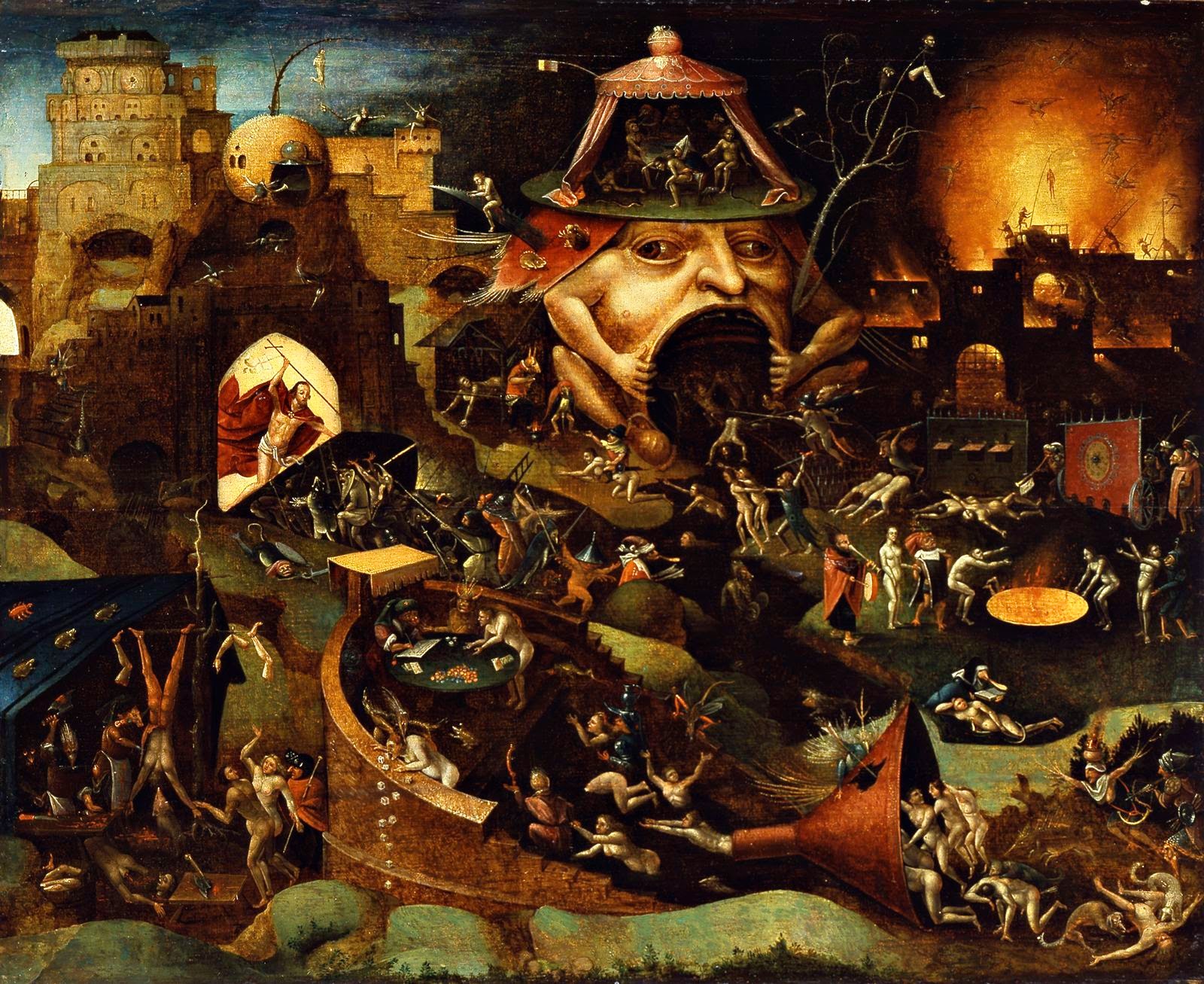
The roundtable addressed contemporary crises including pandemic impacts on life expectancy (particularly affecting Black and Hispanic Americans), increased homelessness, climate change, racist aggression, mass shootings, domestic political violence, and the Ukraine war. Organizers noted widespread societal division and psychological distress, citing commentary from journalists about global sadness and societal fear.
Speakers


Watch
Media
Related Roundtables



Transcript
This roundtable brings together scholars from AI, literature, psychoanalysis, technology history, and cultural studies to examine what it means to live through the overlapping crises of the early 2020s. The moderator frames the discussion with headlines about declining U.S. life expectancy, rising homelessness, mass shootings, climate change, the war in Ukraine, and pervasive societal anxiety.
The panelists explore these difficulties from multiple angles. A psychoanalytic perspective emphasizes how humans tend to respond to immediate threats rather than planning for the future, drawing parallels with animal behavior. The discussion considers how technology, particularly social media and AI, both amplifies anxiety and offers new tools for understanding and addressing crises. Historical comparisons are drawn to previous difficult periods, questioning whether the current moment is truly unprecedented or part of recurring human patterns.
The conversation ultimately grapples with questions of resilience, adaptation, and the role of progressive and utopian thinking in motivating collective action. Panelists reflect on the tension between individual psychological responses to crisis and the need for systemic, forward-looking solutions.
Show discussion topics
- 00:00:02 Introduction and overview of contemporary crises including pandemic impacts on life expectancy, homelessness, climate change, and political violence.
- 00:04:19 Panelist introductions covering expertise in AI, literature, philosophy, technology history, psychoanalysis, and cultural studies.
- 00:07:47 Discussion of how technology and AI are reshaping the experience of living in difficult times, including social media amplification of anxiety.
- 00:12:49 Psychoanalytic perspectives on suffering, reminiscence, and the human tendency to focus on immediate threats rather than future planning.
- 00:18:38 The role of progressive literature and utopian thinking in imagining futures beyond current crises, referencing Marx and speculative fiction.
- 00:25:06 Historical comparisons of difficult periods and whether contemporary challenges are uniquely severe or part of recurring patterns.
- 00:32:47 Deeper examination of unconscious processes, human adaptation to adversity, and the relationship between humans and the natural world.
- 00:45:00 Discussion of resilience, community responses, and potential pathways forward through collective action and interdisciplinary thinking.
- 01:05:00 Audience questions and closing reflections on maintaining hope and agency during unprecedented global challenges.
Show full transcript
00:00:02 [Music] welcome to the Helix round table I'm a nursesian the director of the Center we met this okay [Music] can you hear me now yeah okay I'm Ed Nur session the director of the Helix centers
00:00:38 as soon as I finish it he's not connected I can start we met today in our executive committee board and discussed the programs for next year and essentially selected a number of them
00:01:10 that we will be organizing and so as soon as we have polished it and completed it I will make sure that they're on the web on our website so that ahead of time you know what are the programs that we will be having for the year we will not have all the participants yet but you'll certainly know the subject matter today's Roundtable was proposed by a member of our executive board Alan Gilbert who is a librarian and a
00:01:42 journalist and she will introduce the participants and then make sure that the round table runs smoothly thank you foreign thank you Ed and welcome everybody thank you for coming the topic this afternoon is living in difficult times and I almost thought that we would have to cancel the whole thing because the first thing that I brought up on my
00:02:13 email this morning was an announcement for The Economist they have a special edition on the world ahead 2023 eight ways the world will change in 2023. so there you have it in the meantime the daily headlines were startling and scary from the start U.S life expectancy plunged in 2020 especially for Black and Hispanic
00:02:44 Americans reported the New York Times quote the pandemic has made homelessness more visible in many American cities unquote noted The Economist while the guardian told us that quote the latest U.N report is clear climate change is here it is a crisis and it's caused by fossil fuels unquote the pandemic violence against people of color mass shootings in public schools
00:03:16 and the war in Ukraine have all made for a dispiriting time in our lives almost three years later our heightened state of anxiety shows no signs of abating on one recent Day New York Times columnist Maureen Dowd suggested that quote the world is too scary politics is true creepy unquote and quote horror is too real unquote while her colleague
00:03:47 David Brooks wrote about quote the rising tide of global sadness unquote in that same issue the announcement of Elon musk's 44 billion dollar deal to buy Twitter surely engendered its own kind of unease about the way we live now this round table discussion will consider the ways in which people in science Politics the Arts and everyday life have
00:04:19 rallied individually and in groups to meet the challenges of this particularly difficult time we have a remarkable group of panelists this afternoon I'll introduce them in alphabetical order with brief descriptions of their work there is much much more to say about each of them of course their complete biographies are available online please raise your hand so we can recognize you
00:04:50 John Chun is the founding co-director of kdh Lab at Kenyon College where he has created the world's first human-centered AI curriculum and has mentored hundreds of projects he is currently writing on explainable AI for a special issue of the international Journal of digital humanities professor of humanities and comparative literature Catherine Elkins is director of the integrated program in
00:05:22 Humane studies at Kenyon College she writes about the age-old conversation between philosophy and literature and the more recent conversation between Ai and the humanities Farzad mahutyan Who is clinical associate professor of global liberal studies at New York university has an interdisciplinary background with degrees in both philosophy and chemistry his research focuses on interactions
00:05:52 between philosophy science and Society Edward Tanner is an independent writer and speaker at the intersection of science design and culture a founding advisor of the smithsonian's lemelson center for the study of invention and Innovation he is now affiliated with the national museum of American history as distinguished scholar and is also a visiting scholar in the Rutgers University his Department of History
00:06:24 Stephen wein has served at the New York psychoanalytic Institute as a supervising Child and Adolescent analyst training and supervising analyst and Associate Dean for child analysis he is a member of the center for advanced psychoanalytic studies and a life fellow of the American Psychiatric association and the American Academy of Child and Adolescent psychiatry John Williams is an associate professor
00:06:55 of English film and media at Yale University his academic work has focused on International histories of Buddhism technological innovation and the perceived difference of racial and cultural otherness some questions to help guide the conversation what are the issues and what are the underlying or less apparent issues we should be considering how are they being addressed and how
00:07:27 should they be addressed talk about the role of media is this time different from the past is there a role for public intellectual intellectuals finally the philosopher Walter Kaufman described existentialism as a philosophy about quote dread despair death and dauntlessness unquote the basic idea he believed is to
00:07:57 recognize how treacherous and unknowable your path is and then to continue on anyway so where do we go from here I'll start on
00:08:31 foreign issues and so this is going to be just from one one perspective on that um and to encapsulate the whole thing I'd call it the black hole with capitalism and by that I mean that whatever Innovations are introduced into the world say Green Green Technology
00:09:03 that's a good one um it can help but get set into the the big machine of capitalism namely the that it will be taken advantage of as an opportunity to create a profit and that pretty much goes through everything that's very simple line on what capitalism has to do with the steel frog and scorpion thing I'm a scorpion I have to do this and so it's things the Frog that's helping
00:09:33 across the river and they both think so then being the case I keep trying to think of is there an alternative social mode or is there an alternative economy that could co-exist with capitalism and I just can't see that it could capitalism kind of feels like a living organism that has evolved and it's very happy with the environment and how it can use the environment and so it will just absorb anything that comes along
00:10:04 if that's the case then we should not be handing over the framing of these big problems like climate to the very same people and very same ways of thinking I should say that generated the problem so if we are unwilling to hand over the framing of the problem to the people to the ways of thought that created the problem then what is the alternative and I'll just stand on this point the alternative would have to be something like
00:10:35 non-scientific thinking non-technological thinking uh non-economic based thinking that leaves it pretty open these are all non-words but what we could think about it's not that those things won't have roles but they should not be the guiding feature in how to frame the problem so that leaves it to Humanities for example to public intellectuals for example to really human beings who want to deeply engage
00:11:07 uh with the the problem so it sort of reminds me of that famous quote by Frederick Jameson that it's become easier to imagine the end of the world than it is to imagine a modest change in capitalist production in the way that we manage the economy and I there's something about the black hole image that generates a kind of Singularity to our future logical speculation that if if that's the case
00:11:38 that we can only imagine a future that is in some sense over determined by global capitalism then I think that that does limit somewhat the options that we're willing to to take on um I like that the program asks us to think about living in difficult times times is a plurality it implies the possibility of multiple Futures that might emerge and there's a problem with multiple Futures because the idea historically of thinking about multiple
00:12:09 multiple Futures is coincident with the rise of global capitalism but in some ways global capitalism and particularly the forces generating the climate crisis want to for us to think of multiple Futures as being possible because the climate crisis is also a singularity it's something that it's a computational model that implies there is a future coming and it's hot and it's fiery and so I want to formulate the question is saying how can
00:12:41 we imagine multiple futures outside the black hole of capitalism because in a sense that's where people used to think in the 60s it wasn't over determined and and thought of as a final solution that capitalism would necessarily be a black hole and the only way to think of things what is interesting we were just uh two weeks ago showing our students an alternative model so we did an agent model where each agent was altruistic uh
00:13:13 you had different agents in an environment every time an agent encountered another agent who would give it a dollar if it had it and even under these circumstances what happens is you get this emergent power law inequality distribution so if you we we do this because we teach a lot of humanity students that the Baseline condition is not equality even if every agent is acting altruistically so a lot of our students feel disempowered they feel hapless they feel like there's no future for them and so I think what we have to do it starts Upstream it starts with
00:13:44 education it starts educating the Next Generation to realize that you know there was a natural condition there's a natural Baseline there's an aspirational Society we would like to build and if you leave capitalism to its own ends we will wind up evolving a very nasty brutish type Society so I do agree it's funny there was no capitalism in the program and yeah I think independently all three of us from film chemistry philosophy Nai have evolved and realized we're all embedded
00:14:14 in this Matrix of capitalism that has this irresistible Force I'd like to undermine what you said and say some things that are really going to upset people a little um just got an email from the American Academy of Child and Adolescent Psychiatry a few days ago um there was a huge and now I can't find it of course there was a huge study in the state of Illinois over the last few years
00:14:46 um from something like 2015 to 2019 pre-coveted there was a 59 increase in emergency room visits by kids for suicidal ideation that's before coverage since covered there have been further spikes and there's an article in the Washington Post from a few days ago that said that at Yale there has been a 90 percent increase in demands for mental health services by students since 2015. so if you want to know how this is affecting people one is that a lot of
00:15:17 people don't think that they have a future and don't think that they can cope and I um it's a much more and there's it's also the Academy of child psychiatry and the American Academy of Pediatrics issued a joint statement that there is a crisis in mental health now one can think of all of this medically that they need services but I think we all understand that this is coming from something but it's very serious I'm curious
00:15:47 what are drivers of that I mean certainly teaching kids at this age we're seeing it every day but what would be some of your ideas about describing that you know it's hard to know from seeing patients because they talk about their personal individual situations and so when people ask me do you see any changes because of covid my reaction is no it's just that everybody's worse and everybody's more anxious and maybe it's because of climate because a number of kids have said to me very
00:16:18 matter-of-factly Humanity won't exist in a few decades and they're not so sure there is a future for them I don't know that they think about this all day long I think all day long they think about whether or not they're popular and whether or not they're you know they're going to be rejected by someone they want to go out with but there's an underlying feeling that pins are bad I also think that covet has been devastating because of the social for isolation the people underwent I heard from a high school
00:16:48 student that at his school when students write it Anonymous feedback to the teachers about their classes there is a nastiness to her reports that never existed before and I think if you think about what it's like to go to school in your pajamas in bed watching your teacher on television you forget that you're writing about a human being who might be hurt by these statements and lastly I think we talk about capitalism
00:17:18 I don't remember 39 years ago kids talking a lot about wanting to make money or being afraid that they wouldn't and it comes up all the time now one kid said I want to have vast wealth I said why do you have to have vast wealth but this kind of thing a much greater awareness of the disparities between rich and poor in a in a privileged population and a lot of anxiety that they're not going to be able to make it so I don't think it's one thing um but it's certainly the temperature is
00:17:51 way up and it's very hard to make a referral to a child therapist these days nobody has time one thing that they're living with that we didn't is the acceleration of social media and the sort of technological extension of themselves and there's so many potential you know harmful mentally challenging situations um I even think that that is partly a symptom of why class evaluations have become so aggressive is that they no longer think of them as reports to our
00:18:21 supervisors but as reports to each other their Amazon reviews they're speaking to each other about well this professor was this way and that that's been the tone that I the shift that I've seen in just in my career as well but when I think about social media I wonder about the [Music] so much power that I'm evoking here the um no right yeah the accelerating power of it to bring everything into the moment right Douglas
00:18:53 rushkov wrote a book called present shock which was kind of a riff on Alvin toffler's old book Future Shock and the idea that real-time media Facebook feeds everything is an attempt to compress everything into an absolute presentism that makes everything feel like now everything is now but what's curious about that is that in terms of mental health one of the proposed panaceas is mindfulness is to live in the now to be in the present
00:19:23 moment right to Simply occupy the present moment and and exist sit with one's thoughts and watch them and not allow the future or historical events to to to influence one's Mental Health um and I find that a really curious dilemma that particularly kids today have to deal with is that they're told um technology allows you to be in a kind of condensed absolute present and that's what's causing so much anxiety and yet
00:19:54 at the same time mindfulness practitioners will tell them just be here now just be in the moment when I think in fact what really might actually alter the the conditions of it is to think historically to think future logically to be able to imagine a future that's not so terrifying right well on the on the subject by the way you know the feedback actually reminds me of one of the features of our age which is that there is there is constant
00:20:25 negative feedback and it's something I've been studying in the media not only in the social media but in mainstream media I recently reviewed a book on the use of metrics in newspapers both tabloids and the New York Times and one of the very interesting things about uh the measurement of a rear you know participation is that the way I phrase it uh
00:20:55 enragement is engagement that is there is a bias toward getting people angry and you know that thus I think promoting anxiety and the angrier they get the more they participate and the more they participate than other angry people chime in and so that does become a a feedback loop and this is especially true in in social media now I have to say that I am I am maybe one of the few uh qualified pro-capitalists in the room so so uh you
00:21:27 can cancel me if you like but I have to say that I have to say that straight out and one of the reasons for that is to see what happened uh to the Socialist regimes in large countries in the 20th and 21st centuries how the Soviet Union for example treated the environment how they treated human rights what's happening in in China now so uh I I'm I'm not I'm not a total defender of capitalism quite the contrary but but I think there is a need
00:21:58 for uh for balance so the the social media though really are exploiting that and they're also they're also promoting um the the addiction of children which I I think is is a is a really uh really terrible thing and this this also extends for example to um to uh online casinos which are not geared toward people under under 18 but are certainly exploiting young adults who are not yet really mature uh mature
00:22:31 judges so I think that one of the things that we we've gone through a lot of things some of which um you know might not be easily addressed but I think one of the one of the interesting things is what can be done to break this feedback circuit I love that that's great going for the breaking of the feedback circuit is um that really works in Dynamic systems that's what that's the point of uh manipulation that you can bring to bear
00:23:03 um going back one step to what you said it reminded me I kept writing notes to myself to add the word consumer capitalism to capitalism which really intensifies uh and Alters capitalism so just as I said science technology these things have to be involved in the next steps uh so does capitalism I believe because it is like I said a sort of a natural
00:23:33 it's a naturally evolved um dynamism in in the human world and it's very good at surviving it Alters the environment for its own uh Advantage like organisms do in groups of organisms do so it's going to be around so it certainly has a place consumer capitalism has this more malignant thing like you were talking about the uh the uh promoting addiction addictive behavior in children and doing that in a
00:24:04 variety of ways whether it's acquiring things or just acquiring points and the problem with that or the beauty of it too if you're into I'm going too fast here generative gan's I keep a generated this area adversary yes generative adversarial networks these are self-learning systems and AI all of these things and the children the consumer capitalist approach to Children is reward structures so a lot of AI just functions
00:24:36 on getting rewards all video games function on getting rewards and uh that really Slants everything um hitting that somewhere I'm not sure where would would uh alter things it's such a natural thing though to seek rewards and get them that's a really good example at one point when I was writing my uh my most recent book I was uh I was interested in debunking the uh GPS program ways and so
00:25:09 I joined Waze and then you get points for like every mile you drive and so forth and I found myself really determined to become royalty wager there was no money in it you know there was there was no no publicity value I couldn't list that on my CV but it was somehow something that I still you know it's still hard for me to like pass a you know passive service station without like you know punching in the the pricing yes and so I was able to see I
00:25:41 was able to experience myself knowing how absurd it is I was still able to experience the power of gamification so I can only imagine what it is like for uh for kids and and you know for young adults I just wanted to make a disclaimer I'm a full believer in capitalism I did startups in Silicon Valley I was part of that utopian kind of where we're changing the world we're building the future and but as I matured and as a technology like escaped from the lab and
00:26:11 for example AI in the last 10 years has become like it's escaped the gravity gravitational pull of being dependent on federal and academic loans and it's out there in the world making decisions who gets hired who gets killed who gets you know the loan who gets uh sentence advisory it began began to Dawn on us that you know capitalism is a very beautiful powerful thing but uncontrolled unrestrained it's the perfect psychopath because people don't realize that Monopoly was designed in the Great Depression as an
00:26:42 anti-capitalist and the lesson to learn was that in the end one person owned all the properties and everybody else owned nothing and so it's why we have regulation that's why we have food safety rules it's why we have all of these things to kind of restrain cap and I think our Future Leaders you know people were teaching today have to be educated with a with a technological framework that goes deeper to understand kind of where the pressure points are and where is the Justice where is the wisdom and Humanities our lived experience how can we inject that put that into our social media put that into
00:27:13 our algorithms put them into our news feeds but I'll say one of the problems is um they're extremely pessimistic uh they feel that these problems are so complex that actually doing anything to affect these complex systems is made from possible um as a teacher of this next Generation it worries me that they look at us as the ones who have really messed it up and so there's a kind of skepticism that we might which I think is somewhat just
00:27:44 that we could possibly help them figure out this mess and we've also had some of them say I'm sick and tired of being told don't worry you guys will figure this out like your generation is going to take care of us um so I think you know part of what we're dealing with are complex systems that are very hard to figure out how to uh intervene in in ways that will actually affect change complex systems in which they feel they may only see a small piece they're very idealistic and
00:28:15 yet they feel they do not have the tools to make a difference I also would just say you know a little bit what John is saying looking at for longer you I do think there is something new in the past few centuries about our rhetoric about uh we keep the kid out of the house they'll make your life we decide exactly who you are you can be whoever you want good luck right and if you think of most of human history we have evolved to be a
00:28:46 part of a tribe to know our place to know what our life could look like and we talk about all the opportunities of making themselves and finding one's way but as someone who is a scholar of 19th century literature we see young people in novels by flobert and Dickens coming to the city and making their way and I just want to remind people that many of those stories are extremely dark right those stories are not all happy stories about how great it is right um you know
00:29:16 um so we have stories in our past about um uh stories gone awry of people trying to find the red and finding that they don't find their way of lost Illusions we know already that this is difficult and then we couple that with a Young Generation who may not be able to afford to live in urban areas where they want to live who have to take jobs to make money to kind of even be able to live in these areas I just think the pressures
00:29:47 are enormous and you know we're teaching students who in previous generations might have been able to contribute in ways that would have really benefited Society but now feel the need to make money to pay rent in New York or wherever they want to go well if you graduate from college and you want to live in New York forget it you either live with Mom and Dad which brings you right back to somebody else doing your laundry or you move out with 25 roommates deep in the outer Burrows and you know
00:30:20 certainly when I was in college we were told to find your passion and find a way to live make a make a living doing what you most love and what happens if you don't have a passion and I think most people don't have affection they just sort of want to get by and then they're totally lost especially as you say because people are saying go find yourself because I don't know go find yourself in the context of a society that seems to have evolved to a point where we can't imagine something
00:30:50 beyond what we're hurtling towards and I even want to suggest that some of the language we've been using I feel is a little bit almost verges on a religion of capitalism when we talk about it being an organism that's something that is just natural to the systems of human growth that it escapes from the lab that it's like something that has sort of necessarily evolved from the cosmos in a way where at least rhetorically giving in to the idea that capitalism is this
00:31:20 natural force of the universe and I think that that's a religious idea it's not something that has always accompanied human history right global capitalism is a fair in terms of you know human evolution a fairly recent Innovation it's a new religion it's a new religion exactly and if we talk about it in those terms then I think we're we're contributing to this this fatalism that people feel when they're coming into adulthood and they're told to follow your passion but it's within these very over discernment structures
00:31:52 that's if you believe in the religion then you have trouble who doesn't though everyone is sort of yeah but what if you don't believe in the religion that's what the power is I mean it's I don't actually don't understand what you mean because it's not a matter of belief it's a matter of where the opportunities are religiosity is a system of structures and rights and behaviors it isn't necessarily something that One Believes necessarily it's a it's a whole ideological system maybe I understand
00:32:22 what you're saying is that there's a choice we can shape our Destinies but we can be passive agents being molded like clay or we can actively make choices about schools all of these things are Distortion of capitalism right schools fire departments to police departments public roads you know all of these and we make these compromises in order to have a civil society one where humans can Thrive and survive and it seems increasingly I think maybe I'm interpreting here when I see religiosity I do see like this is unquestioned now
00:32:53 that needs to be questions because we have to realize we live in a society that's constructed of many different choices of religions and cultures and value systems so that's one thing we try to tell our students is don't use so passive you know it's part of the hopelessness I think comes from this I'm hapless I have no agency yeah and I'm alone and I'm alone that's the other part but if you think about it from a game theory kind of perspective we're in this game and there's certain
00:33:23 and it's uh not always easy just to say I'm not going to play the game right and so uh we see it not just students who are trying to apply to visiting colleges and they're playing all these games to get to college and then they're in the next ocean round of the game right I mean you can say you don't believe in it and you don't want to play that game but figuring out you would almost need a large number of people talked out uh you really can't opt out of the game as an individual very easily it's very difficult and it's the individualism in some ways that gets us here Follow Your
00:33:55 Passion be an individual these are forms of neoliberal subjectivity that allow us to or that Force us to approach a social situation and say it's up to me to find a way to live with this I'm not part of a collective that is you know learning to shape Society I have to develop the forms of self-help and self-improvement and refining my my soul and subjectivity in a way to succeed in this high stakes you know difficult time and I think that's that's
00:34:26 part of the problem is that we're sort of structuring success and subjectivity according to like it's up to you individually to change it's how well do you recycle that's how well will save the planet whereas these are actually massive systemic problems that we're dealing with that would require that requires structural change right and I think you know one of my dreams I would hope to see by the end of my life is capitalism is an amazing engine I don't think Humanity has ever created
00:34:57 such a system that can just Galvanize and and mobilize Humanity to solve things um at such scale but we have to take reins of that it's it's can't be let loose and I would hope that there's some sort of people coming together not being so atomized by technology or social media or political uh affiliations or whatever it is that's dividing us we have to come together and kind of Cooperative because it will be a struggle it's you know it's this balance between hopelessness and awareness of
00:35:27 how the system is rigged and how we how we write it and when I say great I don't mean like there's some people twisting their beards and smoke-filled backrooms it's the Invisible Hand of capitalism doesn't require a conspiracy it does it's just a natural force like gravity it's very powerful but we're um we're in the middle of a of a crisis you raise the word neoliberalism which fascinates me because neoliberalism is the only movement that dare not speak its name that that liberals conservative socialists Communists fascists they all
00:36:00 uh tend to describe themselves with the with the words that others use but neoliberals really hate the word neoliberal and even though conservatives will acknowledge of being you know conservatives and I think that's that's part of a crisis uh I wouldn't say it's it's a crisis of capitalism as such because when you look at the Metamorphoses of capitalism and the Metamorphoses into the corporatist world of today it's really been a a change in a changed online degree but in time if
00:36:32 you for example consider the idea of difficult times now in the in nineteen 14 there was a strike in in Colorado of the of minors and the vine was owned by The Rockefellers and the Rockefellers you know sent in essentially armed troops to engage uh with the uh with the strikers and and you know many Strikers were killed then so you this was capitalism in the early 19th century and
00:37:03 this is what one of this is one of the reasons for the Rockefellers establishing a foundation so you didn't have a commemoration of the Ludlow strike you had all kinds of news of the wonderful philanthropic Rockefellers and not that today's Rockefellers can be blamed for the the the Ludlow strike but there was I I think the the turmoil that period was the beginning of a metamorphosis of capitalism and to something like uh today's corporate life and what you're talking about the way
00:37:34 people are are thinking about their future is really the way that that that car corporations think including including universities that there's a there's a very strong parallel in the structure of universities University departments what it takes to get ahead uh with with the structure in in for-profit corporations um and I can say this as an outsider as somebody who went independent 30 years ago and uh has even been called a public
00:38:04 intellectual that isn't that isn't a phrase I like because I'm really a private intellectual I don't get any salary from any age or anything like that so I'm I'm like I'm a private intellectual but um but but I think that that what we've been talking about is really a a a loss of legitimacy of a set of Institutions that that seem to be doing very very well through the Reagan Era through the Clinton era through the bush and Obama administrations and now
00:38:37 there is a almost universe personal sense of disillusionment without as you were noting you know any sense of what could what could supplant it because if you look for example at European social democracies you know the swedes are letting Ultra right-wing parties into their government so Sweden was the you know Sweden was one of the the what he pointed to enlightened social democracy who always thought of Sweden and now Sweden is suffering from the same kinds of stresses that that we are and I don't
00:39:08 have a solution but but I I think you know to me that's where that's the form of capitalism in the form of of corporate life and of course the reaction against against higher education is also part of that and the fact that so much of Donald Trump's support was based in in the in among people who did who did not have college educations and that proved to be the best predictor of votes which is why the polls were wrong so when we have a we
00:39:40 have a broad institutional crisis now and yet there's also the sense that only institutions can deal with climate change and and uh the and and mental illness and all of the other all of the other disturbing Trends we've been talking about and so uh um I I remember I remember the definition uh that a friend uh gave me long ago at uh in uh in at Harvard he said he gave me the definition that an
00:40:11 intellectual is somebody who believes that one the world is run by fools and two I could do no better [Laughter] foreign
00:40:56 sorry should I start again we're talking about Albert hirschman and possibilism I love that word and he believed that whatever plans we make that there should be a hopefulness in them um and a possibility and and a sense that that things can change so we have another great phrase by the way that the The Hiding hand as a parallel
00:41:27 to Adam Smith's invisible hand and the hiding hand I'm sure you're familiar with it the hiding hand is the idea that we start things without knowing how difficult they're going to be if we'd known in advance we wouldn't have started this but once we're committed to them we find ways to to get them done and I can tell you is like as an independent writer that I knew her you know and and uh and that that kind of buoyed me up as I was uh as I was when I
00:41:58 was early in the process that speaks to the power of vision though of imagining something that like you're right if you had anticipated all of the trials and tribulations of a given Endeavor you may have never decided to do it but because you had that imagination you thought I can see something that I could accomplish here and you undertake it and in the process it's terrible but you do it right and I think that's part of what's possibilism is so interesting is that you can you have to be able to imagine some kind of
00:42:30 thing even if you can't find a historical precedent for it Colorado in the 20s I guess not but if you can just imagine something that seems to be the powerful path to get onto and it's okay to make mistakes right I think in order to imagine that you have to have the experience of succeeding at something and um having done something hard and gotten through it and it can be something very small and individual or I think we're talking in a much larger context of society
00:43:00 but once you've done something right you can believe that you could do it again you know and I think we have to think about that in terms of how kids are raised and how they're educated they have to be they have to experience struggle and success well I think recently everyone's experienced a lot of struggle whether it's internal psychologically or external or the pandemic or the news of the shootings yeah and all of the
00:43:30 targeting of different um Catholic groups there's huge amount of struggle uh then I think well certainly all the statistics you cited uh young people are not able to deal with that they feel with it they they face it in some ways but um it it makes me want to go to that that next set of problems the the the polarization the polarity in our culture today you know well around the world
00:44:01 actually um it comes from well let's just look at this this country we have this this huge uh uh right-wing left-wing thing going on and uh the rise of ultra right wing um uh white supremacy that kind of thing um looking at it sympathetically which I tried to do a bunch of times it's kind
00:44:31 of like you have to get over a little pump and then there's no obviously now I can see where they're going uh it's based on a tremendous fear which does have an actual basis in reality um which is basically that you know braces mix and you know that's basically the fear that's been expressed in every epic going back thousands of years of religious history um forget that for now but right now I think the thing that everyone has in common is that fear so it's the fear of
00:45:04 facing the other and if we just put it in that in those terms dealing with the other the non-self the non-me is at the core of a lot of these social problems that we're having not the technical it's like this is aside from Whole capitalism discussion but but that's something that has a lot of psychological bearing and social barring and it also is the product of a lot of interesting therefore a lot of interesting illusion making and
00:45:35 believing um but also it seems like with some of the interesting psychological tricks that people here in the audience in this group probably know they can be dismantled by some skillful means of novels imagination fiction and um and some evidence over and just for fun um so that that sort of finding the Common Core which is this fear about future this fear about
00:46:06 this other group how they're going to just totally mess things up and a number of other things could be a good uh starting point for uh for a discussion at least how institutions come into that I agree that between talking about how we're back to this sort of it's all on you it's an individual quest uh the hero's Quest on the other hand we know how institutions can it's a systemic issue so it's not an individual problem but we're kind of bouncing back forth between those two things not across the
00:46:37 institutions being too scared as individuals anyway somewhere in there there's uh there's some work that could be done in that uh in that nugget of fear that we share with the other side whoever the other side is I'd like to offer a Counterpoint because uh this happens this is recapitulating what happens in our course when we talk about Sin bio and biotech weapons and AI is that there is hope I mean I I would recalibrate back to when I was a child the Cold War was hanging over all our
00:47:08 heads we thought we would all be emulated it was only destroying a nuclear Holocaust and that Humanity has collectively been able to avert that gives me great hope um the fact that for example I grew up in the Dubuque Iowa and they had cross burnings as recently as you know the 90s 80s 90s I've been back there in the integration it's there was it's much more integrated it's much more accepting as bad as it is today it was much worse when I was in a small Rust Belt town in the 70s growing up and so I think you
00:47:42 have to give Humanity credit I mean it's the only thing that gets you up in the morning right that there is hope and I think sometimes we have to kind of balance out our because that pessimism that that weights of all the world and how bad things are going can lead to passivity inaction and resignation and that's something we have to fight mightily against I think I would speak to this polarization issue as well which I think is extremely important right now and part of the reason why it's difficult to be optimistic about things is just how
00:48:13 siled people are in their media theoretical bubbles right we used to think that the internet and all the sort of the rise of blogs and all of these ways of disseminating more and more information would make information free we would all be able to access the same thing and we do but the algorithms that generate the anger are the ones that keep us in these feedback loops where the anger accelerates and accelerates and one of the things that I've noticed that's so dangerous about for example Fox News
00:48:46 is that they've perfected the art of what in rhetoric is called the prolapsis the prolapsis is that part of an argument where you anticipate in advance objections that will come from the other side and part of their rhetoric is to sort of prepare Their audience for potential evidence or objections or things that they'll know they know that Their audience will encounter so that when someone who watches religiously a show like that can come and to speak with someone and as they're speaking they're
00:49:16 not really listening they're preparing in advance the thing that they're going to say next and so whatever logic or evidence or very good arguments you might have they're prepared already with something which means they're not listening and what I've found is the only way to actually disarm that rhetorical radioactive core is to listen to stop and to listen to you know the Thanksgiving dinner next week you just hit the uncle you just listen because if you come prepared with arguments they will have been as part of their and it's
00:49:48 not just Fox News it's it's the Facebook algorithms and Instagram and all of the things that circulate their own views back to them at higher and higher volumes that allows them to stop listening and so the only way I've discovered is sort of like let's stop this is to just really like let them let the steam blow off and listen and listen and then you can begin to like have these kinds of conversations but it's difficult to listen sometimes I wonder if we've talked about
00:50:20 institutions I wonder if any of you have anything to say about small groups that the power of small groups there have been several books recently fall back on this book about how how small groups can elaborate and rally and and really have an impact um foreign
00:50:52 just reminds me of um of uh God I'm trying to I'm struggling for the term but basically the idea is that science strives for universal laws and Universal techniques and and so forth however um with more attention being paid to say micro climates and micro this and that um basically an awareness of complex systems we see that local uh local Dynamics or local situations
00:51:24 are very specific and the scientific thing to do is to just come up with something that works there um studying everything we can about it rather than trying to impose some general way to do every neighborhood each neighborhood is different so I think that's becoming acknowledged as a way of doing science for the last at least 30 years and here and there and in personal medicine personalized medicine is one version of that um so that comes to mind as like uh
00:51:57 um definitely a cogent way to do things conceptually speaking not actually carrying that out implementing that um I I know nothing there I'm I'm all yours for that I mean certainly we have Network Theory where we can model how ideas spread and many times it's counter-intuitive out of certain small groups can spread these ideas and um you know having students learn to model these and figure out how to spread
00:52:28 ideas is great I mean when you're on social media you know you talk about the role of intellectuals there are intellectuals who have all the followers and have who have these massive networks and it can seem kind of like those are the people with the megaphone on the other hand I kind of wonder how you can be on social media all day and still have time safety please I'm not quite sure they manage it somehow but it does seem um like it really won't work
00:52:59 um but you know one of the things that's been interesting that we do with students working on social media is you'll see these people who seem to have a lot of power but in fact they're following a very small Network and you're not really looking at those main megaphones you're looking at the small Network so for example right now our students are looking at the very few numbers of people that AOC and uh yeah Green Taylor are following and in fact there are a few people that they both follow and there's this kind of network behind them right and so what
00:53:31 are these smaller networks doing and how could we maybe be watching these smaller networks that are joining people who are really different so I think that there are we're beginning to develop ways to look at these smaller networks but it's really kind of in an infancy and understand how smaller networks might spread ideas or have some kind of impact but you live in a smaller Network and I think that's one example you know if you think about the way the world is the comment The Divide between the college
00:54:01 educated world and the non-college educated world that we've seen in these elections the college educated world are going to wonderful colleges and wonderful private schools and wonderful magnet schools where off of these Progressive ideas are just part of life you know certainly when I hear kids talk about their friends I have no way of knowing if they're friends what race their friends are whether their friends have two moms Two Dads one mom and a an Asian kid it's just not interesting to these kids and certain
00:54:33 kinds of ideas of racial tolerance and religious tolerance they don't believe in tolerance because they don't think there's anything to tolerate they're just people I think this is a fantastic change that's happened in the course of all of our lifetimes where it's unimaginable that it wouldn't be at least worthy of mentioned not not discrimination but just Dimension I think the same thing is true with um the environmental attitudes with all sorts of things the world coupled with scientific advances in medicine and
00:55:04 Technology the world is a fantastically wonderful place in very small privileged groups such as you know an elite tiny college that you guys live in and I think that's where a lot of Change Is Possible the problem is it's not spreading out and in we have this going on at the same time that there's this fantastic tilt to the right and to really reactionary very primitive ideas I I think that's
00:55:34 part of the challenge there are also some other elements you know so we're in a county that is red that voted Trump um and are part of a network there as well that's very different and it's very interesting to watch that environment because there are plenty of people who live their local lives who've never got on an airplane who choose to take less prestigious jobs to have time to raise their children to spend time every Sunday for family dinner and then you have this other value system which is work 80 hours a week be successful on an
00:56:06 international scale and you know it's also easy to see this other culture and it actually reminds me very much of my experience working in Prague under the Czech in Slovak military right after the Revolution and yes there were problems with Communism I also worked with soldiers who'd been kicked out because they had spoken out against the Velvet Revolution but on the other hand people emphasized family all these things now that we know are really important for happiness right hate spending time in the country hiking very
00:56:37 little money right but friends connections family some of these things that our vision of success has kind of thrown away as being important um so somehow we have to figure out how to have a life that has all of these values right there's a there's an article there was some statistics floating around about 20 30 years ago the average college male had about three five friends and now they have one zero
00:57:08 friends so and I think part of it is technology uh has atomized us the opportunities when you jump to a different city to get a promotion you Lisa leave everyone behind and so your idea about uh organizing on a smaller scale for as agents have changed not as hapless individuals who can't move the needle in any possible way and not as a broad-based overly ambitious kind of we'll change it on a national level a top down but a small small organizations and you asked about an example I would
00:57:39 say again this is the power of capitalism when you get energized people in a startup that all are on the same page it's incredible what they can accomplish I mean what they can invent how much how productive they can be and you can see that on small Medical Teams or you could see it in Silicon Valley you could see it you know people starting uh we you know starting a a newspaper anything they put their minds to the problem is is how do you trans how do you scale that up so it starts to affect the wider culture and not just the immediate vicinity around them there
00:58:11 was a uh you remarked about the Czech Republic reminded me of my visit to Moscow in 1988 in the waning well in the last years of the Soviet Union when perestroika made it possible to to meet with people and one of the things that I noticed was that the still oppressive nature of Soviet reality really create created a very vibrant culture of personal friendship in small groups it was it was really you know the way I
00:58:42 expressed the the time was that that whereas in in in the west uh in the west communism in the west the the market economy had destroyed the bourgeoisie Bourgeois values whereas those those values of the Bourgeois utopians around 1900 had been kind of encapsulated uh by the Soviet state and what you were left with you couldn't really be an entrepreneur you couldn't organize
00:59:12 politically you couldn't dissent there weren't even Tolkien opposition parties as there were in in the former German Democratic Republic but what you could do is meet with your friends where you could pursue photography you could pursue art you could discuss philosophy in that sense the the private life of the Soviet and until again see it was it was a weird sort of utopia and that that impression really stayed with me on visiting people in their Apartments
00:59:46 great so we we know what our future yeah yeah one of the difficulties of this is that I mean in all of the things that we just imagined about the power of startups and the energy of like what what these what small groups of people can do is that quite often we're talking about the sort of elite powers that that sort of generate you know the startup in Silicon Valley is a very good example you know it's like a
01:00:17 lot of energy a lot of excitement we have this idea we're going to implement it and I'm sure that that's almost like a like a spiritual experience for many of those people it's very powerful it feels like the cosmos is is working through them but you know for the 18 year old factory worker in China who's actually going to work to implement those particular ideas that's the excitement just isn't there you know like it's just not like but but that's actually the same thing we're talking about the same thing right so I think there's actually a pretty good direct
01:00:47 relation between the college-educated voters and the non-college educated voters and the kind of work that those people are engaged in and the fears about work disappearing in the United States because of offshoring the fears about multiculturalism because of what it does to jobs for white you know American working class voters the power of work as something that we all require as of work that allows us to flourish and to to feel uh like we're a
01:01:17 person a soul like that that's work is so important to that it's as important as whatever Hobbies or you know and arts or things that one pursues I think and that's one of our dilemmas here is that work in the United States has become either rarified and uh sort of information work or it's dehumanizing humiliating work or it's been directed offshore that's also has only for a long time has been a big difference between a European and
01:01:50 American society that the French are really don't know what to make of Americans kind of announcing what they what they do for a living when they're when they're introduced and in in in Europe in Europe that's not what really defines you what defines you as your you know your your interests your your hobbies your you know your reading it's it's really your whole personality and and your your job is something it just lets you make a living foreign
01:02:21 ER on this that we do assume that work will fulfill some kind of spiritual role and you know I wonder how really possible that is for most of the young people and when you talk about students and say find your passion I feel like we're kind of insisting to them that they find a job that will fulfill this spiritual function and it might be better to create a quality of life that doesn't depend on work to provide so much of that for the vast majority of people
01:02:53 seems to me there is also this issue of using fear in order to get something done that uh parents use fear with their kids to have them behave the right way and it seems to me the media and so on use fear to get us to do the right thing so they make us be afraid of covet so we get vaccinated and they feel that the more they make us afraid the more they give
01:03:25 us the number of people who have died the number of people in icu's how we gotta go to get all the military boats around New York city so that we have enough hospital beds then we will do the right thing stay home put the mask and the same is true for example with climate change that if we don't do it the end is there we are all going to but why isn't it possible to also look at it differently and say science has always been able to make progress and we will also make progress
01:03:58 in terms of understanding climate change and we will institute the things that have to be instituted in order not to have climate change we have had epidemics before in the world we've had pandemics before in the world we have survived it and we will survive these two important that you do this or this or that but rather than using anything positive and reassuring it seems that the conviction is that getting people frightened gets you to your goal much
01:04:31 better than feeling but then reassuring them but there's also the fact that when people have tried Publications that do this that that present the the most hopeful possible news that they're not commercially successful [Music] I mean it made me think of what you were telling us a bit earlier uh that some of these programs that kids go on Tick Tock and so on that they're designed to
01:05:03 create this stress because distress makes you stay on the site longer therefore they can have more ads and therefore they can have better Revenue than if they didn't make you distressed yeah yeah so what they did is they constantly do a b tested they'll expose this demographic to this particular variation and the same kind of property there's this one and they'll say oh this creates more engagements taking us more Revenue so and what they find is that when you elicit negative emotions like
01:05:34 anger jealousy hatred they will stay and they will generate more revenue for Facebook or Twitter or whatever and if you make them happy they'll go out and play with their dogs so it's all over their economic and this is again there's no evil doing this it's just the algorithm optimizing for revenue and where were the people trained who who devised these algorithms and and they they come they come from the they come from the universities they they are part of this expansion of
01:06:04 natural science and social science in fact one of the most interesting things about uh conservatives about reaganism was that that Ronald Reagan originally did not really care that much about what was happening at Berkeley but this campaign backers uh signed a contract with some you know social psychologists in the Cal State system and they did surveys and they revealed that California working class voters were really upset that these students were were shutting down this great University
01:06:35 that they paid their taxes for So Reagan made that a pillar of his campaign was elected governor and and you know the rest so here was here was my specialty is unintended consequence so here was this this unintendent and the consequence of 1950s and 1960s liberalism expanding this wonderful University system uh kind of it was it was really like like it it created its own its own Nemesis uh indirectly
01:07:06 oh hey where are you yes exactly exactly exactly yes this is the uh this is the thing that interdisciplinarity is really great we should Humanities scientists what that would do would be to more quickly make a ruthless or more effective game to you know you could do this from everything more psychological insight then we can really go after this it's being done already it was it was you know it's it was done by the Cambridge analytica it was all done by
01:07:37 all those companies so then let's go back to my first point we can't hand over oh my God the framing of this issue how to approach it to the same people who can Harvest it so well and so who else is there I mean what else is there uh what is that the artist is right and of course they can be sort of like sucked into the machine as well after they get you know popular
01:08:07 is there anyone left anyway that's my that's where I was is there any other modality to think about things um I'll quote Isabelle stanger's here it was a it's a great intellectual she basically sort of wants to bring back Gaia and say Gaia is an intrusion the way the old Greek gods were before they could before they became judges for good and evil this is just a force of Nature and it's not after you it doesn't want to hurt you it's not into Vengeance
01:08:38 but it's there and that's real there's going to be no profit from trying to do the best you can while the crisis goes down because Gaia doesn't care guy is just going to do that thing that it's going to do when things get out of balance and in temperate the way we're going so it's a different frame of thinking it's kind of mythological but it's also uh terribly effective and convincing and
01:09:09 finally because it's holistic it doesn't uh Advocate going for the parts first the way we usually do as soon as you go for the parts you've kind of shrunk it into something different than what it was you can make those parts very effective because we know how to do that but then you've lost the whole so coming in with Gaia and staying with the whole as a lead concept of framing becomes one way to to begin talking about the alternative I think one order one reason for the delay in
01:09:42 addressing climate change was that in the 1960s and 70s people saw it coming but there was also this idea of the Earth as a homily static system and so the the Earth would find a way to uh to kind of neutralize that and so we didn't have to worry everything is everything is is going to kind of work itself out through this through this balancing system and you know that turned out to be wrong but no it turned out to be true it's just that the way the Earth's taken care of it is eradicating Humanity like
01:10:13 the Earth will return to that we're going to be the Earth will be here for another how many billion years it will return to it yet also also the utopian socialism uh believe that that climate change was going to happen as a result of human activity and it was going to be great it was we're going to live in a new a new world where uh Not only would the lion you know lie down with the lamb but there would be an anti-lion that would that would not eat like that would be totally totally vegan
01:10:45 or something I mean he really he thought you know he he thought of climate change as something really really benign and and moderating the you know all this cold weather that he'd been uh he'd been experiencing in France well unfortunately we know otherwise how about some questions from our audience if you'll just line up here at the microphone
01:11:17 yeah can you hear me yeah so yeah I like these on so I like the point that you mentioned about capitalism and I think I'm I'm proponent of that but obviously I do believe that it's supposed to be constrained and directed and obviously I'm in capitalism with human nature it could be a very unrestricted could be that combination you know greed Fame power so on and so forth but I think another point that I wanted to maybe
01:11:47 share and maybe ask we're talking about small groups but everything is about for the politicians it's about really leadership and as we can see today you know in order for us to create change well we have the power of small groups I mean you have to have power and let's go to direct you know this kind of like power of change and unfortunately you see what happens to capitalism and power who are today in power rich people are truly going to to
01:12:21 be in that in that in that area and unfortunately it's not it's not so optimistic in that regards I mean I wish there would be some kind of like International Outsider body or philosopher a lawyers a psychologists and really wise people that sit together that really think what is the the right direction that that the company need to go I mean the company the global things but again if there is no money or there is no
01:12:53 leadership that really gonna say okay let's have that what's happened yeah I think there's two solutions that hope that they give me help one is I do believe a global Awakening to this I mean this whole human Center is an example of a small group coming together as agents of change I think those are absolutely necessary there's also this Broad and we see this across all social economical education levels our students who realize that the system is not functioning well and it's continually degrading and there's no future in this and at some point you know
01:13:26 Romania they'll be like an Awakening where people will stop clapping for the guy on the balcony on the other hand of that not to get too revolutionary he has economic self-enlightenment so there are billionaires who have Doomsday Bunkers in New Zealand and all these other places and I hope even if it's nothing other than enlightened self-interest they'll realize that's not a world worth living in even if I have billions and I have shock collars on all my guards to control them that's not a world I want to live in and so again I have to you
01:13:56 have to kind of maybe draw from the humanities rather than a mathematical model to have a hope and inspiration that humans will overcome this somehow I really hope so but you know at the same time I mean we are in totally different age the technology is so powerful even on individual basis I find myself visiting sitting at home and feel addicted like you know all these examples that really captures us so much and I really hope that it's not going to be too late I'm optimistic in by nature
01:14:26 but you know you can see the power that exists that really driving us yeah I mean if I were a betting man I would I would uh see the choke point the Fermi Paradox why there are no Advanced civilizations because any organically evolved uh organism will self-extinguish because their technologies will outpace their morality or their ability to control their own impulse space impulse but again we're humans and I mean you look at Art you look at the great things humans have done and how we've survived
01:14:58 in the nuclear age to this point so uh you have to kind of be an optimist in the face of you know even from the Tree of knowledge anyway thank you well I have a terrible trick question and I'm a kind of a nerdy magician so I have a trick question for all of you and I really mean this like so how many of you on the panel know what the highlands group or the highlands forum is just by a show of hands
01:15:29 okay so it's one I think you told me about it all right right no but this is why I brought it I bring it up right in discussions like this especially even related to your question it just says your question before John um and the second question how many of you know what I mean by the letters b-i-s foreign no it's called the bank of international settlements okay yeah so and and
01:16:00 um so my point is is that we discuss things like communism and capitalism outside I mean the biggest lesson I can treat teach you from Magic is that if one trick has ever fooled anyone ever it means that you can be defu you can be fools you can be deceived and so context is as important as anything we discuss so if you're so the highlands group or the highlands forum is basically leads it's a very loose kind of organization formed in the 90s that leads private
01:16:32 Public Partnerships in the areas of the military-industrial complex the big International settlements was formed by a treaty in 1930 which organized the payment of the the settlements of the Treaty of Versailles the the war Guild Clause article 231. so so they're both kind of essential they've been running the dollar since 1971 with a thing called the Basel Accords I'm just saying these are very basic things so if you're going to talk about communism and capitalism and you don't know what's running the world then we're in trouble
01:17:03 and and I just think it's just a wake-up call that we all need and if things are not going to be run by governments anymore if they're going to be run by private Public Partnerships and we don't study those then our discussions don't have a Rudder and we're all in trouble uh by the way I am a member of the Highlands Forum oh good uh okay good I think they would be very happy to learn that they're they're running the world no I don't mean by that but you know what I mean no no I know a lot I know that people I I you know I I know what
01:17:34 kind of an organization is I know the I know the founder I've spoken at a number of their Mr O'Neill and and you know I I don't know all the other things that that they are or members of it of it do but I can say I you know I I'm on there I'm on their listserv and and I've contributed items to their to their reading lists and so I think that I I think that that there could be a lot that I don't that I don't know but all I'm saying is that that it's important
01:18:07 to to um you know to have a an act I don't know the bank of international settlements either so for all I know they could be they could be running the world but but I'm just saying that that the uh the the founder of the Highlands forum who is a friend and who is not well now I think he would it would be distressing to him to to have the Forum characterized as as uh I'm not saying bringing the world what I'm seeing is if you're having this discussion and you're not talking about those groups because
01:18:38 as you know it's the violence form is organized in a very interesting way with groups of 25 to 30 people all in different areas right so and and you know Mr O'Neill did an amazing thing it's an amazingly insightful thing and it does gear up the military industrial complex for the future but I'm just saying if we're going to have these discussions and and not understand these basic organizational you know groups and organizations that it's very hard to affect change it goes back to
01:19:09 um Christian Enterprise of knowledge of knowledge and also with your students feeling empowered or not so if all of their professors and all the people talking about communism and um and uh socialism conservativism and all those things don't know about basic banking structures in the world and how the New York fed interacts with the bank International settlements and vice versa then I'd suggest that's misguided and at least it's not going to be able to
01:19:39 affect any kind of change and and with the Hans Warren group but it's just is that you know if if you don't know that like Lockheed Martin through Lido's organizes the uh the National Institute off the NIH then it's kind of important to know how Lockheed Martin but what is the relationship with leaders Biologicals when you flew here today you've probably worked through walk through a Leader's gate so these things are very practical it's just good to know where we live what's the context
01:20:11 that's what I'm saying and so it'd be great maybe we should do an informal session afterwards for 30 minutes on what you think the highlands forum is and what Mr Leo was trying to do I think that would affect more change than just discussions where that are not grounded in the actual uh world that we're in Mark is a magician of course and I'll just say one thing about this aspect of what is that I think what fascinates Mark here and what I think of is sort of
01:20:41 a sub current of what we've been describing as attention the importance of attention in our society that you know magicians thrive on misdirection of attention on selective change blindness and what we're not seeing and of course the attention economy is what drives you know fear anger the things that keep eyeballs on a given the algorithms are what generate that kind of attention so it's I think whatever we do if it's going to be through small groups is probably a good way of like beginning to
01:21:12 diversify attention on a larger scale uh I just want to say two quick things that uh capitalism uh corporations is a legal system that works for if you want to be in business if you're a small entrepreneur and you want to go about and you're not Incorporated you can a person can come into your building trip and sue you for everything you have you're forced to be in that capitalist corporate system if you want to survive
01:21:45 and deal with these situations which is what I think you were talking about the other element I want to say is that mindfulness is extremely important especially if you do not want to be subjected to the chatter of the left side of your brain there's a right side of the brain it's the creative side until that left brain chatter is understood you'll never access your childlike mindfulness
01:22:16 qualities that are from the right side of your brain that's all I want to say in a slightly streamlined way or fear makes people stupid [Music] [Music]
01:22:48 good results you have to keep scaring them too like you know it's true like if you you give someone if you motivate someone by fear into going to do something if you don't keep scaring them that'll wear off at a certain point it isn't lasting change to sort of motivate through fear I think right and you know well exactly by the way the last last question I raised a very interesting point about about capitalism
01:23:20 and the the how technology changes capitalism there was an article I read recently about how independent uh service stations can't afford the instruments that they need to uh to repair the the newest high-tech cars so everybody's you know really forced to go to a dealer and you know Tesla or of course Elon Musk is the is like the kind of prime example of everything we've been talking about Tesla does not even allow any kind of repairs by by
01:23:52 Independence so it's it's a form of capitalism of of concentration and corporatization so I no I understood a lot of what motivated the conversation today was what we're going through these days you know the pandemic a political turmoil uh the war in Ukraine um and of course we can't blame all those things on capitalism uh it plays a role with it as Duval elaborated really
01:24:23 very well but I think we know that the world's gone through phases where it seems everything's falling apart you mentioned 1914 you talked about the Ludlow incident World War II the other pandemics uh we know there's this other economic idea of creative destruction that Trumpeter mentioned and I thought it was interesting that didn't come up as part of the conversation I wonder whether if there is creative destruction people respond to these periods of chaos and catastrophe and then so bill would
01:24:53 like to think we build a better world from it are these small units the small units that we're talking about that might play a role in creatively solving some of our problems are they struggling to do so now because of social media and other things are there things that are impeding our ability to be resilient and build a better world all right yes I I think they're like uh several one thing is the what we're talking
01:25:24 about the escalating costs the you can't get off the right track or you'll be penalized and so I think in the the generation of our students they're less going to take a risk the less willing to just get on a plane and go to Europe or Asia do something offbeat or start a company or try to become a musician they all want to work for Goldman Sachs go to Wall Street that's one thing the other thing I would say is that creative destruction requires a certain fluidity and so when you have an entrenched monolith a
01:25:57 monopolistic power that basically sucks up all the space it makes it a Fool's errand too so I remember at the time Microsoft was dominating the valley and the talk was like oh well what's your mic what's your Microsoft strategy what are you gonna do if Microsoft does this and so it's like it's stifles Innovation and so when you have an incumbent and it doesn't have to be another private sector it could be the government or some this you know government agency that has just you know legal uh governmental political cover that you can never Pierce you know and it's a
01:26:27 regulatory uh access so you know there's certain things that uh require that greater structure of Destruction to occur they are saying with all the sorry uh with all the layoffs in Tech however but this may be at a start of a new round of amazing new companies right because there's so few of these large or it could make people so afraid that they want to join a big company and pay their lives in the college the college tuition really at that point reminded me of how
01:26:57 in a way the Depression was actually a more hopeful time and one of the reasons for the creative destruction was that for example Edwin Wilson and his friends were able to rent a townhouse in the East 50s for fifty dollars a month so New York was actually a very attractive place for a young Bohemian at the time and that was partly a result of the of the destruction of real estate values in the in the
01:27:28 depression and there were there are economists at the University of Maryland who calculated they looked at at the the Decades of the most important inventions economically and they found that the 1930s were the most fruitful time for invention there were lots of young people who had ideas for solving the problems that had been created and so it was a great time for entrepreneurship and the reason we don't recognize it as such is that many of those for example uh Xerox uh you know the Xerox copying
01:28:02 would really not developed commercially until after the second world war but if you look at their Origins if you look at the origins of classic designs like the aviator sunglasses that our our president wears or the the snail dispenser of Scotch tape the so many of these Classics really date from the depression when a lot of people especially younger people were seizing the opportunity that the destruction caused to plan a new future
01:28:34 I think that's a great note to end on it means that there's hope I thank you all very much thank you [Applause] design doesn't cost money I gotta figure out