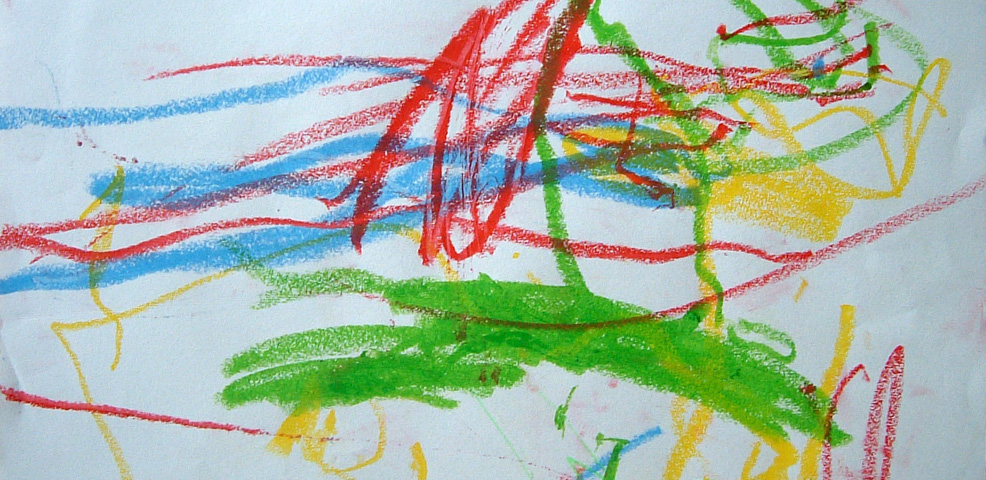
A study by Nathan Szajnberg featured Ethiopian/Israeli six-year-old children's drawings depicting their lives, fantasies, fears, hopes, and wishes. Roundtable participants applied art historical, linguistic, and psychoanalytic perspectives to examine representation, developmental transitions from visual to narrative expression, and universal versus culture-specific dimensions of human experience.
Speakers


Watch
Media
Related Roundtables


Transcript
This roundtable examines what children's drawings and accompanying stories reveal about their inner emotional lives, centering on Nathan Szajnberg's three-year study of Ethiopian-Israeli six-year-old children. Szajnberg describes how he used drawing tasks and story-telling prompts to access the psychological worlds of children from families who immigrated to Israel through Operation Solomon in 1991, many of whom came from impoverished rural backgrounds and experienced cultural dislocation. The drawings reveal rich emotional content including idealization of Israeli culture, complex family dynamics, and sophisticated abstract thinking that belies the apparent simplicity of the figures.
Theodore Shapiro provides a developmental psychology perspective, explaining the biological and maturational basis for how children represent the human figure, from early tadpole forms to fully articulated drawings, and how face recognition is hardwired in the brain. Ellen Handler Spitz raises important questions about the relationship between the drawing process and narrative, the tension between universal developmental patterns and culturally specific content, and warns against interpreting children's drawings with the same analytical framework used for complex adult art.
The discussion extends to therapeutic applications of children's art, including cases of children whose parents attempted suicide, and concludes with a powerful presentation of drawings made by children at the Theresienstadt concentration camp under the guidance of Bauhaus-trained artist Friedl Dicker-Brandeis, whose art classes gave children a means to express their longing for normalcy, family life, and freedom amid unimaginable circumstances.
Show discussion topics
- 00:00:00 Introduction of panelists Nathan Szajnberg, Theodore Shapiro, and Ellen Handler Spitz and overview of the roundtable topic on Ethiopian children's drawings and inner lives.
- 00:04:37 Nathan Szajnberg presents his three-year study of Ethiopian-Israeli six-year-old children, describing the population's background including Operation Solomon and the immigration experience.
- 00:09:20 Analysis of specific children's drawings and stories, demonstrating how drawings and narratives reveal children's emotional lives, idealized self-images, and cultural identity.
- 00:25:49 Theodore Shapiro discusses the developmental psychology of children's drawings, including the biological basis of face recognition, the progression from primitive to articulated human figure representation, and the case of an autistic child.
- 00:36:48 Ellen Handler Spitz raises questions about the relationship between drawing and narrative, the process of drawing versus the product, and schools of thought on children's motivation to draw.
- 00:49:58 Discussion of how the drawing process itself reveals psychological dynamics, including a child's kinetic family drawing and the dangers of over-interpreting children's art as if it were complex adult artwork.
- 00:55:11 Case studies of drawings by children of suicidal parents and a clinical consultation using drawing techniques, illustrating therapeutic applications of children's art.
- 01:03:37 Audience questions and panel discussion on creativity versus developmental skill in children's drawings, the role of education and artistic freedom, and the importance of materials and environment.
- 01:30:18 Ellen Handler Spitz presents drawings by children at Theresienstadt (Terezin) concentration camp, taught by Friedl Dicker-Brandeis, showing how children's art expressed longing, wish, and memory amid the Holocaust.
Show full transcript
00:00:00 pens are on the associate director of the Helix Center and welcome to today's Roundtable entitled from children's ins from children's sites to our insights Ethiopian children's drawings stories and inner lives but before I introduce today's Roundtable participants I'd like to update you on the activities of the Helix Center please visit our revamped website www.helixcenter.org expertly revised by our web wizard Eric O'Hanlon you can register there for
00:00:30 notifications of upcoming events and to participate in our online discussion board we're very pleased to announce receipt of a Templeton Grant for the coming year in support of a series of 14 roundtables to be held over this and the following year entitled science and the big questions Roundtable series on the physical and spiritual world the brain mind connection and human development and genetics our next round table is on Saturday February 22nd
00:01:01 for the biology of Mind although it's on both biology and artificial mind and John krakauer professor of Neurology and Neuroscience from Johns Hopkins Gary Marcus professor of psychology at NYU Ken Miller professor of neuroscience at Columbia and David Rosenthal professor of philosophy at CUNY we'll be discussing this so on today's today's program I'd like to introduce our participants sitting in the middle is Theodore
00:01:32 Shapiro he's professor emeritus at the wild Cornell Medical College and a practicing psychoanalyst and adult Child and Adolescent psychiatrist he's a co-principal investigator on a study of psychodynamic Psychotherapy for children and adolescents with anxiety disorders he has more than 200 scholarly and research Publications is author of seven books and was editor of the Journal of the American psychoanalytic Association from 1983 to 1994. he has received the Rado Brill Hartman and Philip Wilson Awards and is a training supervising
00:02:03 Analyst at New York psychoanalytics society and Institute to his right is Ellen Handler Spitz honors college professor of Visual Arts at the University of Maryland who writes teaches teaches and lectures on the visual literary and Performing Arts and psychology and on the aesthetic lives of children her background includes four years as a research candidate at the Columbia University for psychoanalytic training and research and in 2008 she was the air scholar at Austin Riggs she has an addition held residential fellowships at the Getty Center in
00:02:34 California the Radcliffe Institute at Harvard the Clark Institute the center for advanced study and Behavioral Sciences at Stanford the Camargo foundation in France and the Rutgers Center for Children and childhood studies she is a fellow of the New York Institute for the Humanities and the author of many articles chapters and books including art and psyche Imogen Insight museums of the mind inside picture books the brightening glance Illuminating childhood and Freud and Forbidden Knowledge which she
00:03:05 co-edited she has reviewed children's books for the New York Times and the new Republic and contributes regularly to Art critical her work has been translated into Italian Japanese and Serbian and her most recent research focuses on art as illustration and on children's aesthetic lives Nathan Schoenberg today's moderator is the wallerstein research fellow in psychoanalysis of the San Francisco Center for psychoanalysis on the faculty here at New York psychoanalytic and formerly Freud professor of psychoanalysis at the Hebrew University
00:03:35 he's the author editor of four books and one Novella educating the emotions on Bruno bettelheim's ideas lives across time with Henry Massey reluctant Warriors the maturation and inner lives of elite Israeli soldiers and sheba and Solomon's return Ethiopian children in Israel the foundational study for today's Roundtable he studied at the University of Chicago both undergraduate and medical school where his teachers included Bruno bettelheim and Saul Bellow he graduated from the St Louis
00:04:05 psychoanalytic Institute and is training analyst of the Israeli psychoanalytic society and IPA Nathan thank you first thank you to Helix Rob and for arranging this when I was asked to do this can you all hear they put the mic on me so um one of the attractions was to have Ted and Ellen be involved so that I could hear from them too so this is I've been looking forward to this for some time the beginning of this project
00:04:37 came from when I was working on Sheba and Solomon's return which was a study a three-year study of six-year-old children Ethiopian children and their families in a small town near Gaza in Israel while I was at the Hebrew University I would drive down twice a week to work and play and do research there and the book is a description of what I learned about the children's inner lives
00:05:09 nature of their attachment ties their parents attachment ties and their parents backgrounds to give you a sense of the population all of the mothers and fathers were born in rural subsistence agricultural villages in Ethiopia in a pre-literate society very few of the parents almost none of them others went to school and a few of the fathers were sent to two or three grades of school but that was a big sacrifice for them to do and most of the kids the
00:05:40 parents I'm speaking of were doing some sort of economically meaningful activity by the age of eight so the boys were had their own goats or sheep they were shepherds or one boy's job was to be both a shepherd and to keep the Hama driest baboons out of his house because they would raid for food and the girls would help out with the mother in cooking and most of the fathers were involved in growing fava beans little plots of land with a cow
00:06:13 in a very lovely sort of setting small trees in a river nearby many of the villages they came from were half Jewish half not Jewish or all Jewish only one of the 46 mothers came from Addis Ababa that is from a major city and all of these Jews removed I won't describe the details but in a rather heroic um evacuation during the turmoil in
00:06:44 Ethiopia when I think 1.3 million people were killed by the Ethiopians they were bought from the Ethiopians by the Israeli government and I met the daughter of the ambassador to in Ethiopia at the time from Israel who did the deal and what the generals wanted for the Jews was guns and they said well I can't get you guns they said okay money he said fine so how much and they said so many million Works about twelve thousand dollars a person he said yes then he called his government and said I need so many
00:07:15 million they said we don't have it they said call the American Jews so so he got the money from some New York donors and in a 72-hour window uh cargo planes which were completely emptied out were flown in and flown out and the the reason for the 72-hour window as some of you may know is that Ethiopian government didn't want the Arab countries to know that they were exporting Jews to Israel so it had to be done secretly and in
00:07:45 that period of time so the population that I lived and worked with most of them were from that immigration in 91. however us a new immigration or of the falash Mora of the philosophy Jews are those who were the Ethiopian Jewish Jews the falashimura were Force converted to Christianity under threat of death in the 1890s by the then Emperor of Ethiopia and they they called themselves a penumbra
00:08:18 penumbra population because they lived in the shadow of the Christian Community and in the shadow of the Jewish community and felt didn't belong to either be hard to marry off your daughter because the Christians thought you weren't really Christian and the Jews thought you aren't really Jewish so there was this sort of Shadow equality to this community and they are currently coming and that was a new immigration into my town where I was working and that population actually looks quite different I can describe that if we have time but the fundamental question for
00:08:49 today was when I'm meeting with kids I spent three years with them and I was in the special after school program that was funded by the Wiesel family most of the kids were within walking distance of home so I would walk home with them spend time on the playground all the kids invited me to their home so I could do formal Assessments in the home and do attachment interviews and so on the question is how do you how does one learn from a kid what what do you think what do you feel
00:09:20 what do you like who are you if those are our questions tell me about yourself will be the short version if we spoke with an adult perhaps so for those of us with who work with children we learn other ways to ask that question usually not asking that question but watching them play or playing with them watching them play on the playground with others friends sibs and so on or playing with them or asking to draw pictures and there we have and I I think both Ted
00:09:53 and Ellen will talk about this a limit developmentally may I have a limit because I just can't draw very well but these kids you know if you ask a four-year-old to draw a picture or a four and a half or a five-year-old or a six or seven year old you have different developmental capacities and they're apparently gender differences in capacities so that the acute angle that you need to draw an A or a v or a w according to gazelle girls learn that sooner than boys in classroom so there are variations on
00:10:25 that um but once the child draws something one can look at it but how does one learn as much as one can about what's in the picture and that's the second part which is to ask a child tell me a story about the picture and to put down exactly what the child does so that's what I did and I'll show you a few examples of this and I use these pictures there are other ways I use to assess the children including an attachment or academic performance using the child behavior checklist there are
00:10:55 many other ways that I won't approach here that I read in the book but I use these to design a liquor type instrument to compare emotional life and a brief look at their developmental capacity from their picture drawing and their stories so I'll give you some examples I have about 300 pictures of the 40 from the 46 children I picked a few to show you and I think I'll just show you that tell you some of the stories and then I'd like to hand it over to Tad and to Alan to talk
00:11:26 about the question of how do we learn about inner lives what's the nature of visual representation what's the nature of narrative representation the both so here's an example I'm going to show you first the three pictures in the book I had to limit the number of pictures significantly I'll show you three pictures from the same channel one of our healthiest kids and she draws a picture and as in the original the kids could pick colors she did it as in pencil and she calls this girl ruti she says
00:11:58 she's going to a dancing party she's finished with the party had a great time and wanted to go next week she has a job she's a piano and music teacher five days a week she's a teacher and then she's at a party if she'll be invited by the Headmaster in her office she's 18 years old has blonde hair and a pony haircut now in Israel Pony haircut is bangs I found out the haircut covers her eyebrows and she has blue eyes and I asked her at some point I said blue eyes
00:12:29 she says stop she's wearing colored lenses so it's you you hear you have both the picture the if you just read the narrative but I tried to read it the way she told the story with that tongue the next picture all children are six years old I'm sorry then there's some are six and a half and there are some are six none are younger than six okay there was one who's seven for instance but the all
00:12:59 the kids are six years old so I'm asking this is what's called the house tree person I asked to draw a person she draws Roti then she draws I say drop now draw a boy and she says this is rooty's Headmaster he's also 18. everything is similar to routine blue eyes white skin and so does routine his name is Gill his job is to be a Headmaster in a high school and he invites ruti to be a teacher and come to party as well he's your friend and they like each other a lot and he likes dancing too Rudy teaches them piano
00:13:31 music she is talented and he looks like Rudy's brother and Rudy loves her three-year-old baby brother Gil is the prime minister's son and he puts glass lenses colored uh lenses so that he'll have blue eyes ruti is his aunt no his cousin they met at kindergarten up to fourth grade and were in high school together and they would very much like to be together in 11th grade and then one more picture from this girl just to give you a sense of the arc
00:14:03 of what happens with stories with one child I can't do this for all the children but it gives you a sense I say draw a picture of a family doing something kinetic family drawing and she tells she draws this very detailed very careful and then she tells the following story which I'll read through a little more quickly than I should yes a baby in bed a mother and a girl the
00:14:34 baby is eight months and the family everybody has blue eyes and the daughter Dina always goes to parties because she's a dancing teacher Dina has blonde hair with orange stripes and a pony haircut and I ask orange stripes she says she dies it side they both have heart-shaped earrings and the mother has the same hair color and they have round earrings like adults have their house is a palace now I ask the word she uses in Hebrew is Palace I said tell me what a palace is and she
00:15:05 explained it's any house with a separate entrance and steps go inside all these kids live in looks like soviet-style apartment buildings with peeling stucco just to give you a sense this is imagination you're here and almost every one of the kids what we would be we would consider and even in Israel was considered impoverished that one family that was what we would consider upper working class so these were quite
00:15:37 poor families they work in the factory Mom and Dad they have the same job they get a lot of money when the parents are always working the kids feel all right they have brown eyes the parents the real color of their eyes is blue the baby has blonde hair like his father and the mother is the baby is mothers when the baby's asleep he gets a pacifier and a doll and the mother returns she gives him materna a baby bottle later he goes back to the doll and sleeps with it and he doesn't go to the daycare in the morning because her mother has prepared him a surprise
00:16:10 you have to keep quiet so he doesn't wake up he can fall from his playpen and hit his head that can be prevented with a playpen that has a fence and the family brought the baby pen with a fence that can go up and down end of story let me turn to an extreme in the other end of a child that we thought was quite troubled and I'll just show you one picture and one story here's his picture same age and his first picture looks like it and
00:16:41 he describes it as a girl this is a boy his first picture is a girl and the story is this it's raining and then comes the sun and then she the girl needs to bring her coach she goes for a trip she wants to still be on the trip because she has no home kids broke into her home with fire it's better for her on the trip because she has no home she's alone on the trip other children have homes to go back to and she doesn't so she doesn't feel good she wanted to burn down her house too
00:17:15 she did it because she wanted to go on a trip for a long time no she did it by mistake she can't go inside the house because it burned down she made her own colors in her hair because she wanted long hair it's a real girl her name is Hannah I know her she's having fun now just this is a child on our scale we rated the first girl someplace close to five a very high score this boy would be closer to one and a half a child who we thought needed imminent treatment
00:17:50 just to just to do you mind just to see the difference in the way that these children draw the figure I want everyone to notice that that the high functioning child draws the figure very how many people in these children's daily life actually have blonde hair and blue eyes
00:18:23 so that's very interesting it's Israel it's right I want to make that I'd like everyone to be aware of that that's a very important thing this child is focusing on the blonde hair and the blue eyes although the child has no actual experience of seeing people who look that way so I think it's important to note is that although one of my students from the University pointed out that I have the closest thing to blue eyes that they've seen there do they have access to the larger culture culture absolutely so they know they're comparing themselves this is an
00:18:54 idealized yes okay absolutely and one of the fathers complained to me that he doesn't raise his children Israel culture raises his children okay uh just a parenthetically for those of you who may not know testimony during Brown versus the Board of Education from Kenneth Clark a psychologist uh uh War witness to the fact that black little girls preferred white baby dolls to Black showing that
00:19:25 separate but equal is not equal so it is an interesting historical counterpart to uh idealizing the other rather than it's very important the child is so young this child is six years old and this is nothing that this is nothing that was told to her by her parents it was nothing that anybody tried to teach her but it's something that she learned so profoundly that it's in her spontaneous story
00:19:58 we're getting at the difference in the form of the figures the figure here is is highly articulated and the proportions of the figure are different and the child is making an effort to give you some sense of the costume maybe Nathan could you show the second one to the family did I bring your mic up for one second you want this one yes I think that's because I think that it's very
00:20:29 um important to see how how carefully the child has made an effort to draw these these figures with necks with with arms with hands with belts distinguishing the different sex sections of the body um and the sizes of the figures are articulated and now if we go to the next child's drawing same age
00:21:05 it's very primitive let me show you the next one to show you to give you a sense of that I mean one of the things that sure well I I think it's better that we hold the questions from the audience okay but don't forget your question don't forget your questions but but a way to begin to address what Ellen and I think Ted are pointing out in Ted will talk more about our hope is to I used as a rough measure of looking
00:21:37 at the form of the child gazelle score for the human figure those are rough measures here's a six-year-old boy drawing persons and you see yes I'll tell you the story in a moment but just looking at it Alan this is even more primitive than the previous this is actually this is very interesting what you show here because we know it's fascinating we know that cross-culturally the first image that a child if you give
00:22:11 the child the problem draw a person what happens is this it's one um closed form which represents some kind of Confluence of head and body the head is not distinguished from the body it's one oval or a circle or shape inside of which we find two eyes sometimes but usually eyes more than mouth and the limbs protrude from that
00:22:42 one shape and the child will draw legs first only later will the child draw arms but so the most primitive earliest representation of the human form is this shape and what's so incredibly fascinating is that the very child who draws this is the same child who if you say to that child what is this the child will say ear you say what is this the child will say nose the child has the cognitive
00:23:14 capacity to name all the parts of the body or many but when the child draws the child will draw this so we'll get into that later I don't want to interrupt your presentation a few minutes I'll show you the sequence of how it happens and so forth these these little primitive head feet things some people call them tadpoles uh the Germans call them first captions little little footed heads but just so I
00:23:45 you know I can tell you the story it's written up there but just to so you know that picture has um one girl or two possibly and the rest are all boys the boys have all legs no arms the girl who has the crown around her do you see her has arms and the story about this there's one other girl that's two persons over to the right you see that with a little bit of a crown around her so the only want figures with arms in there are women girls
00:24:16 and all the boys and the story he tells so just the pictures alone we can read something from but then listen to this boy's story and as you know those of you who work with children know this is like a snapshot of the final product if you watch the actual drawing of it and get a videotape you see he's telling the story and he's drawing and drawing and drawing as he's doing it and he says this is a monster chasing him that one with the girl with the arms it's a kid a girl but she's a monster a
00:24:47 bad monster she wants to devour someone she eats boys and girls too these are the roots of the monster the stuff around the hair the head she has big teeth she's angry because she hasn't eaten anything and I asked what happened to the boy because he's going to draw a boy oh he ran and then a good monster came and drove her the bad monster away later another kid came and then another kid and then ran away another kid another he keeps going he's pulling on his tongue he's licking his hand and he stops
00:25:17 answering my questions and he's drawing pictures later at the very bottom a big kid came and spooked the monster and she ran away he's 27. he has courage and later they carry him upwards he licks his hand and he draws a lot of kids carrying the big kid because he killed the monster that's his draw person story I'm thinking maybe I could just I prefer
00:25:49 to pause here and then um and hear Ted and Alan take it from here is that okay with you if I sure why don't you go to my yeah I think uh I just want to uh tell you a bit about some studies that I did earlier on which have the developmental implications that we're talking about uh Nathan already mentioned the fact that we uh
00:26:19 okay uh that we use drawings with children because sometimes it's easier to talk to them that way and you can talk about the drawings we we dare not take the drawings for being all there is because we want the inquiry about the drawings we can tell from the form some things but we can't tell what the content means it's a little bit like Freud's idea about dreams having Manifest content and then latent content so you dare not use the drawing itself as the end all it can tell you is
00:26:51 something about the developmental process and what they're uh pulling it from okay go to the first one okay so we we use all these techniques to to get around talking directly to kids and this is the sequence that Ellen was talking about upper top is eyes in the circle then the little footed heads and then as you can see the arms even come off from the head and it's only later that maybe something else goes on Now One
00:27:22 that from the standpoint of why is this the case why if this is a projection and people suggest that the most important part of the the head of uh for an infant is the mouth why aren't the mouths there first first of all we don't we don't we didn't know I didn't did a study next next slide Which derived from the good enough scoring method the good enough scoring method says it by three years of age you ought to be able any of everybody's
00:27:52 psychologists here can know if you count give a child 36 months and you count the number of features that it has you can add them all up and what three months for each uh uh uh item and then you add them up and you put them over there chronological age you get a rough estimate of IQ from this so it does have developmental salience it it and it works up until about 12 years of age you can get an approximation just from the form uh you
00:28:25 don't have to trust it but it correlates usually with something else next one please now along the way I and we do these little other figures that they're supposed to be able to do from two to seven a youngster who came from a very a Hasidic family he was he was somewhat challenged intellectually and so forth and I asked him to do a figure drawing I wish I had the original there and he did the figure drawing which suggested that his mental age was not very good but
00:28:55 notice what's on his head so now how does that fit into the developmental sequence and we have to add to all of the developmental propensities that salience in regard to the culture and what's there is also going to be added according to how much exposure they've had which would be interestingly related to some of the things that he's telling you about this I actually did a systematic study to see if indeed young children Drew eyes and not mouths and sure enough uh it seemed
00:29:29 to be true and we had good statistical findings go on no don't bother these are just the files okay okay now why eyes and a head from a biological Vantage Point what is going on here one of the things that Spitz showed us is developmentally at six weeks you get what they call a social smile all you need to get a social smile is a full face and movement
00:30:00 you can pare that down by putting eyes on a balloon together and movement and you'll get the social smile you mix those eyes up in different places so what we have is a biological readiness for face recognition and social relatedness which is always struck me as being a wonderful common uh factor in regard to three-year-olds so three-year-olds are not projecting themselves they're projecting the image of the other if you will at that moment
00:30:30 and it's only later that you begin to get the projective ideas that are are being talked about here curiously on a biological level the representations are there are two areas of the brain which light up with face recognition by the way human beings are face experts by the way across racially we're not very good because we don't have enough experience with it but within racial groups you know that comes to the the notion that people say well people of other races all look alike to them
00:31:01 that's not Prejudice it may indeed be something that is going on uh that we so we're face experts there's an area in the base of the brain called the fusiform area where this expertise is uh registered even at a biological level with that if you don't look at the eyes and the face as autistic children for example do not they tend to look elsewhere you realize this area is no longer used in the modular way that it was meant to
00:31:33 for faces for face recognition if you get one of these kids who has obsessions as he that one of these uh Harry Clin at Yale did he studied a child who had a Pokemon craze when he put Pokemon figures up there that area lit up in the brain so whatever if you're if you're a car nut that's the area you're gonna light up so these are expertise differential areas
00:32:05 that the brain subsumes in regard to this now on top of this we have all kinds of cultural issues of course once the child grows further and we talked about the uh uh uh the Clark study for the Brown versus uh uh the the Board of Education go on next one please now here's another area where salience becomes terribly important
00:32:38 uh this comes from a study that I did many years ago when I was at Bellevue NYU I was asking an autistic boy who was probably eight years of age at that point to copy Square he copied and he put those things and then he does these the fact is in his day-to-day activity he was obsessed by Wheels and spinning next one as he developed he then incorporated into his human
00:33:09 figure drawings those are arms those are legs in the same way so he didn't lose it he kept it going because for him that was the essence of what he wanted to uh portray even in incorporating it into his new figure drawings next one created oh oh there's a creative process that goes in it's the kind of integration which goes on always here it is again now he's a little more mature those look like pretty good stick figures and there's the circle but notice the
00:33:41 circles at the top very much mimic what we saw before at his at the during the next year when his maturation was at his best and his language was beginning to get better next slide this is what I got now these are pretty Dynamic drawings if you look at it this kid's this he's doing a wheelie on his motorcycle and so forth all right I just want to bring these to your attention that even though kids may be developmentally disabled or what have you their capacity to represent themselves or others is a
00:34:13 uniquely human situation but gets curtailed and modulated by the experiences that the child is capable of having because of some biological disability or because of some social disability people who've studied figure drawings across Nations and across cultures if you don't have access to drawing materials figure drawings are not a good thing to use because it isn't trained into uh the they're doing in fact what
00:34:44 many parents do who have disordered kids and they realize that they're doing developmental testing on them so they train them up to the task just like kids do SAT via uh studies and so forth which is unfortunate because that's not what this is all about I just want to just highlight the idea of form versus function and salience in regard to content analysis in terms of what the meanings of these things may be and here the meaning doesn't have a kind of
00:35:15 psychodynamic but much more a developmental uh persistence preservativeness from early on which still exists yeah just add there's so much pleasure in this drawings you can you can imagine the child enjoying making that okay and that's I mean the functions list is so great in the drawing so that's another element I think we have to factor in as we go on I will show you some other stuff that I got from a use of drawings
00:35:45 uh two studies one was a single consultation using what wenticott called the squiggle game when you have non-verbal children and how complex it could get in regard to intra-psychic variables and then later on another study that we did a great traumatologist Bob heinous was a resident that uh Bellevue at Cornell at the time and we did a study of uh we learned that
00:36:18 children of suicidal patients in the hospital were not really ever told the facts about their parent suicide for fear of exposure but the kids knew it and want to show you some drawings from that so I just want to keep that in advance okay okay well um I I was told that we were supposed to be speaking spontaneously and not to prepare um to prepare a text
00:36:48 um so I I really haven't but I do want to say a couple of things first of all in regard to your work I first of all I'm just thrilled to be here in this on this distinguished panel and I want to say for those of you who don't know Dr Shapiro he has made major contributions to this field and if I I would be a very rich lady if I had a dollar for every time in the past decades I don't know how many decades I have recommended his paper on
00:37:21 the child age plus or minus seven what is the example no seven plus seven seven seven plus or minus one H seven plus or minus one it is if you don't know this paper it's absolutely marvelous and I recommend it not just to students but to teachers parents everyone so I'm very thrilled to be here um I know just to go back to to um to Nathan's um presentation um it's very interesting what you did
00:37:53 that you had the child do the drawing and then you asked the child to tell the story after doing the drawing and the focus was very much on the story now um how different is it we might ask ourselves for the child to do a drawing herself or himself and tell his story about the drawing that he or she has just made and tell a story about a drawing that
00:38:24 somebody else has made how is that different from telling a child a story and asking your child to illustrate a story that the child has heard or to ask a child to tell a story and then do a picture related to the story now those questions that I'm asking I'm asking them with malice a forethought because I think that after the drawing is made the drawing stimulates
00:38:56 ideas in the child that were not there when the child made the drawing therefore it's that has to be it seems to me a part of the research it's very different the the temporal sequence here is I think is important I also think it's extremely important how the context in which a child draws Heidegger has a very famous paper sprung the origin of the work of art in which
00:39:26 he conceives of the work not as a drawing but as the work of the drawing the process of the drawing and I myself in my work I'm very interested in that in the process by which the child draws if you give a child drawing implements and you know in Darfur when there were all of the horrible genocide going on in Darfur the human rights workers were interviewing
00:39:57 the parents the children were there and just to keep the children busy and quiet The Phantom of the French workers gave the children some drawing materials children began to drop they weren't told to do a drawing they just drew the drawings are stunning because the children drew the atrocities that were going on uninhibited uninhibitedly they drew blood and death and they even developed an iconography for it so when you had a
00:40:29 human being turned upside down that was a dead person in the iconography that these children spontaneously evolved but the children did the drawings without being told to do anything we saw guns we saw I gave a lecture on this at The spurtis Institute in Chicago shortly after this I got I got hold of this drawing if you tell children draw a boy or draw a girl draw a human being
00:41:00 you are giving a task to the child and part of what the child will will do I think is to want to please the adult in the same way that we have this problem with every kind of questionnaire that's given where the person answering wants to please or do something appropriate or something acceptable but I think that's very different from the child who gets a something and then we want to ask why when you give a child
00:41:32 drawing materials and the child starts to draw why is the child drawing what is the impetus for that so in the literature there are two schools of thought about that the schools of thought are matching and marking so you have Scholars who say there's just a desire to make a mark you know killer I was here you know Make Your Mark and then there's a school of thought that the idea is to represent something
00:42:05 draw something that looks like something that represents something as we see for example in let's go in the cave paintings and there's a division about which of these impulses is primary in the psychoanalytic literature there's a brilliant paper by Ernst Chris who is a great not only a great psychoanalytic writer but he was a artist joined at the Quince distortions Museum in Vienna it has this amazing paper it's not in his
00:42:35 book psychoanalytic Explorations in art it's not it's in the psychoanalytic study of a child I think and in this paper he describes a little boy at the easel I think it's it's a boy I think but it doesn't it could make absolutely no difference be a girl just as easily and the child is taking paint and brush and making wonderful uh marks and just the pleasure of putting the paint on this paper is the impetus impetus and Chris describes it and then at a certain point
00:43:08 the child looks at what's there and the child take the color and put something on the page in response to what is actually there and in that moment Chris suggests this is the moment when art is born this is the moment where you begin to have an artist because the artist isn't just enjoying the smearing and the fun of the materials the artist is
00:43:40 actually making what we're using ego functions of judgment and developing skill to try to make something that pleases him cognitively intellectually aesthetically so I don't think we have to choose but when we think about children's drawings I think we may want to ask ourselves about this these questions of marking and matching the second point I want to make which is another big huge conflict in the literature on
00:44:12 children's drawings it's the question which really Bears on these two both of your presentations the presentation um that you gave Nathan where we see these children who are exiled children coming to Israel from Ethiopia in a new land with all kinds of problems of immigration and so on attachment which is then the the perspective that you brought I'm
00:44:43 yeah I call you Ted um uh where you talked about the scientific the universal kinds of issues so there are certain Scholars who say the children children will draw because this is how it is this is this sort of this is the biological necessity to do certain things other people will say absolutely not that children are drawing is profoundly conditioned by the cultural
00:45:15 context in which the child draws you and I see these um two perspectives as there's a lot of sort of fighting in the literature about this but I don't think we have to fight about it I think we can simply see that it's a huge mistake to just take talk about what's lighting up in the brain without understanding the culture I have a parallel comment about that Maybe two you know that human beings whatever
00:45:46 culture they are whatever language is spoken speak a language and fairly confidently by three years of age is a human issue whether you speak English or German depends on what your mother took spoke to you so yeah you that's a parallel notion absolutely okay the capacity to do it is one thing what you do and what it's content that's very helpful but but it but it also doesn't solve but it also doesn't solve the
00:46:19 that the child takes so much longer to draw what the child can articulate describe and say and once again there's there are a lot of theories about this arnheim Rudolph the great Rudolph arnheim has a theory about this but we know that every child by three can name every toe and every finger and so on but the child will not draw that
00:46:49 that's probably a matter of maturation and biological integration that in fact one of the questions that I showed you the organism is highly put together in the beginning of Life and development goes from the head down cephalocoded and you the child doesn't even appreciate to stimuli for example if you touch a hand in the face they won't appreciate the hand until they're pushing towards uh uh six so so all of
00:47:22 these are newly integrated aspects of it they don't represent the middle of the body you notice but they they represent the hands and the toes which is just the way the brain is organized if you look at the sensory strip the thumb has a huge area of the BR of that brain compared to what the middle of the body if you use something as simple as two-point discrimination on your finger you can get it a millimeter away you'll get two points you do it on your back you can get three inches and they won't
00:47:53 feel two points so there is a maturational aspect of this I think which is involved in control of the pencil to do the thing which is different from how wonderful the language apparatus is remember the first year is non-verbal infancy means without speech and then all of a sudden between one year and three years of age you become a one-word person to a well-articulated seven-word sentence phrase
00:48:23 representational stuff so the language apparatus is much more naturally available to you than the representational thing by the way the only people who's the only creatures on Earth who not only speak and think in language of that sort but also write and represent themselves so that's that there is a brilliant kind of symbolism in these early drawings that
00:48:56 they are somehow um that they the child shows what's important in a way that you know Picasso famously said you know it's you know taken me years she learned to draw like a child there's a certain way in which the child gets down when the child is left to do it and not what did you say use a wonderful phrase trained up trained up for it when the child isn't trained up when the child is left the child has a
00:49:27 way of getting down in its simplest way what really matters that drawing was amazing that drawing with the this the scooter bicycle thing so um yeah so I think that's I think that's that's also a part of it that there's a certain um beautiful Simplicity with all the little details that we learn sort of shunted aside because they're not what matters Ellen as you were talking there was I was looking for one example that I don't
00:49:58 have here but uh you mentioned how as a child is drawing things happen change and influences what happens next so I wanted to give you an one example of that I the one I wanted wasn't here but I'll find it is again in asking their child to do a hot Street person family drawing we get to see picture picture so here for instance is one girl happens to be seven so she does a person we know she can draw a person it's not maybe very clear but there's a stick person with a fancy head then another person next to it she can
00:50:30 draw another person she can draw a tree she can draw a house and then I ask her to draw a picture of a family doing something and she does that thing up there on the right hand side do you see it yeah so and very careful in detail then I said tell me about this and she says um the two light purple balls which are six and nine o'clock and uh and they're two dark purple balls at 12
00:51:01 and three o'clock I think you can see the colors and differences and then she says the vertical yellow line connects the light and dark balls that says 12 and 6. and then there's this line drawing horizontally between three and nine o'clock she's going through this very carefully and then she explains that these lines keep the balls apart because if they get too close they explode so here you have something else that's crept into this girl can draw figures and this is her kinetic family drawing
00:51:33 and the answer is this is her kinetic family drawing all right family therapists talk about triangle and families this is a drawing of it but another more profound example was a boy who drew very tiny figures a boy really tiny in the middle of a big page only pencil no color and then and then he does a tiny Tree in a tiny house and then I say now and I'll draw a picture of a family doing something and he and he looks you're if
00:52:03 I'm you he's looking he's looking at me during the and the pencil is pointed poised in the air and then it goes like this looking up in the corner over there and my student from the university is sitting there ready to take notes and nothing's happening and I ask do you understand what I mean by a family doing something and the student says do you know what a family is and he goes and it goes like this so this voice says something in what he doesn't do that that is something about the family
00:52:35 for him let's say interferes with his what he can do which is to draw figures so important uh that's what I'm interested in it I'm very interested in that I'm interested interested in that in the child taking time not doing something and also what does the child draw first so you have a family which figure does the child draw first does the child draw the father first does the child draw himself first and where are these figures placed and
00:53:07 which ones are close which ones are far away from each other but I really think it's dangerous or not dangerous that's too strong a word but I think it's maybe irresponsible to put too much I think you you said this Ted to put too much weight on any um on anything of this kind it's only useful when it's in the context in a much larger context
00:53:40 um and what I think we really can't do is to treat a child's drawing as we would treat a complex work of art you know a statue by Bernini or a painting by Rembrandt we a child's drawing is um is something else it's um it's something which is um spontaneous it does have psychological content indubitably it does but I think that
00:54:10 it's um it needs a great deal of of of contacts before it can be said to have any kind of definitive does does that make sense to you or does that why one does a study as I did over three years with these families but that's also why you ask them to draw something and then you used it as a vehicle to then probe ideas that you might have asked directly because you know if you ask it directly you're not
00:54:40 going to get the same Rich experience that you got or the kind of creative aspects that we're talking about uh maybe it's let me show you two images push ahead uh more down further further further more more there we go okay go one more and then I'll go back to
00:55:11 this because okay this came from the study that I mentioned before of uh kids whose parents were hospitalized for suicide attempts uh and we used only drawings as a starting point we didn't ask them about anything and one of the things we became aware of is that the parents lied to them about what they were doing well everything was perfectly evident and many of the kids knew in fact even knew when the parents were doing this is a drawing of
00:55:43 a youngster who drew his father who was in the hospital who had slashed up his neck and his wrists and those are direct representations of his father's bandaged hands and his father straggly beard which was covering up everything else now they're the Manifest content is smashing in relation to its immediacy but the further inquiry was to realize
00:56:14 that there's more behind this we knew he realized it we knew it was there and so forth and so on no matter how many people lie to him at least we had some evidentiary base that this is his acknowledgment of it so there the Manifest content is useful to us but it's not didn't tell us what he was thinking feeling and what have you by the way one of the outcomes of this study which was then Advanced later on at other places above became a great student of of trauma he he interviewed a
00:56:48 lot of kids whose one parent killed the other right in the police station and and used these drawing techniques I just wanted to tell you about how useful it is go one back now okay let me tell you the background of this because I want to get to to this drawing is a little girl very shy very tiring five years of age her father a surgeon had brought it to see me many years ago and uh
00:57:20 the family had suffered a loss a relative of theirs had lost two children and a mother in a fire in a country home and she knew about it etc etc and was having uh wasn't sleeping very well her father brought her into the office after I had gotten some history and so forth from them separately and she was very shy she was hanging behind her father she wasn't going to talk and so forth and so on I so I'd let them both
00:57:51 come into the Consulting room together and uh I realized I wasn't going to get very far with her if I started peppering her with questions or doing anything so I took a stack of paper and I said I just read when it cut and winnicott has something called the squiggle game you make a little squiggle and they finish it and then you take another sheet of paper and they move further we must have had 15 squiggles in the midst of it I was brave enough to ask her father to go out and he goes out and she stayed with me and she loosened up and she began talking about things and when it got
00:58:21 talks about when things become pre-conscious at any rate along the way there's a lot of stuff until finally she gets to her being very fond of parties and parties which have this kind of Representative Snoopy parties and so forth and then her brother she said was having a party where there was a fireman theme so I picked up on that and I said I heard that there was a sad fire in the family and uh that uh
00:58:52 there was a sad fire in the family okay she says yes I felt so sad that they died so she spontaneously now tells me without my asking her about it you know the sister did get out so there's some repair in the fact that not everybody went I look at my daddy's surgery book now where did that come from so you pay attention to the associative path and so forth as to what's going on now she had made reference to her father
00:59:23 being a uh a surgeon and he put people to sleep with what did she calls sleepy air and by the way she remember she has a sleep disturbance okay okay surgery book and the pictures of them doing dog surgery my mother and Amy these are fictitious names had their appendixes out where where does this come from you sit there amazed as to where where what's
00:59:54 what's happening here okay I said your mother and Amy she said well they only had to take it out if it's infected and you cut a hole in a blanket and then you're asleep I saw my mother's scar so here she's going on I said maybe you'd like to draw it that's a picture okay and she says to me what if it comes out looking like a child I'll leave it up to you as we go along
01:00:25 to to make the inferences okay I said do it as you like to do it and she draws and says the oval part of the scar is what I'm going to show and she has a ponytail too I said you have one too because she had a long she looked at me disdainfully she said it's a braid not a ponytail and then she says my hair is as long no it's longer than my mother's and then we went on to something else
01:00:57 okay what has this got to do with the loss of those two kids or be not being able to go to sleep her father being a surgeon and whatever is going on with her about the Marvel that while someone sleeps his father makes holes in there buddy and then juxtaposed to that as a long ponytail to make up for it Oedipus medipus
01:01:30 five so she's to me the the most absolutely by the way you notice she has the flipper arms of the other uh child very common uh thing but she has five fingers on it that she that she snakes that remark the appendix something is going to come out suppose it looks like a child I mean that's absolutely stunning that is stunning and it's so it's so real I mean children that's exactly the kind of thing a child would would think would say would imagine
01:02:02 what could come out we know it comes out of mommy's oh my God and the drawing is it's interesting you know what what one thing interesting about the drawing when you look at it is that um you have to remember also aesthetically how do children learn to draw this is again going back to this remark about the culture look at the nose that little um upside down U is a convention for doing a nose that some children learn by looking at some picture books that have
01:02:33 that as a convention we've all seen that so certain certain mannerisms in the drawing when you're interpreting if you are interpreting it you you have to remember that children will develop mannerisms that come from the culture and that is definitely a mannerism we can't assume that the mother has a nose it looks anything like that that's simply probably every child every drawing will that will be the way that the nose this child will draw the nose another child
01:03:03 will draw the nose with a flat line or a straight line or a yuke that goes the other way um we have about 15 minutes remaining so I thought maybe it was time to open up for questions from others if anyone else wants to ask a question laughs
01:03:37 all right the in the beginning the blonde child how do you determine the ability of the person drawing the child drawing against his or her creativity or individuality then you've got another picture the the the artists show that the girls with arms
01:04:08 and boys without arms could this not be Imagination Running faster than the ability to draw to get it done the girls came first I I think no all right then I'm wrong about let's let that go but one thing that runs through what I have heard today is it seems to me you're making an assumption that drawing ability of all children of the same age
01:04:41 ought to be the same or is the same not at all well well that's what I think that's what Ted was laying out here but I in fact if you I didn't take all the time I I didn't want to take all the time I should but part of the study in the book is we looked at how very different developmental capacity for drawing was at the same age that's the advantage and that's why I chose to look only at six years of age but go ahead something else you wanted to ask or yeah just a couple of quick points because they all are surround the
01:05:12 same issue it's not what I heard by the way um read the audience autistic child with on the bicycle I don't know how many people in this room could draw that bicycle as stunningly as this autistic that child has artistic ability you know I mean I certainly couldn't do it um and then the idea of well you went into this which came first the drawing or the
01:05:44 um so the bike and the where was the family oh yes the abstract drawing of of you you told her to draw a family that apps with the dots a little yellow line and so on in this case what I see I'm not a professional but what I say is in the bike the artist the or the youngster has extraordinary drawing ability capacity even though he's artistic and as far as the child who did the
01:06:15 abstract family think of the abstract ability of that child far beyond her age far beyond her age to be able to contemplate such a representation of her family well anyway Professor I want to say could I could I respond to the first to your first point because I'm so glad you made that point I think that I I was sort of when you started I was I knew I kind of knew where you were going with
01:06:46 that because I think it's really important so you're you're what you're suggesting is that that image which I plead guilty to calling Primitives what could in fact be an amazingly creative expression on the part of a child who could have possibly drawn the figure in in other another in other ways and I think that's very very important to keep in mind and um the the the
01:07:17 cognitive ability the ability to draw something is something which you which you had is is trained up it is something that is trained up a child is and is rewarded the parent will say oh wow you know when the child does it you know correctly like coloring in the lines on the coloring book these are things that the culture is rewarding but a child who does it in that magical way like the the bicycle or the other way that child might not be rewarded and it might not
01:07:49 be right to call it primitive it might be right to call it something else so I really I appreciate that so much and I plead guilty and I stand corrected and I think that was a wonderful contribution thank you if I'm gonna add one thing I have a granddaughter who's going to be three but last with her she was a little over two and a half because they're in San Francisco anyway she loves to draw she can't draw to save her life she I mean you know she can't she just scribbles but give her stickies the stick-ons
01:08:19 and she will create a montage with um an honest Sensibility you know an equal number of horizontal followed by an equal number of vertical or circles and it has form so and we have about 10 minutes so to get an idea so that you all know how many questions there are um perhaps as Rob has suggested those who have questions if you would step up
01:08:51 and and lines so we know how many people have questions and you can keep that in mind when you ask your own question there should not be a war between the artists and the humanists here I mean this is not that uh I I'm not against creativity I just want to know what aspects of capacity with developmental uh achievement there are people who have very different abilities to be sure to be creative I'll tell you one point where you hit a lot of tension between those who wish for and and Foster
01:09:21 creativity and the kids in another camp if you get six and seven year olds you attended to Art School everybody wants them to be terrifically creative you know what a six and seven year old wants control of the medium so he can make it work for himself in the way in which he wants to all the wish so so there's a there's a tension between our encouraging you know the artistic yeah go ahead thank you so much for your uh for your good uh work in coming out today and uh
01:09:52 sometimes I've been a teaching artist early childhood education so first of all you might find it interesting anybody here that I have a video up on YouTube where five-year-old kindergarten kids from Inwood say no adults Left Behind they sit in their little kindergarten chairs and they ask each other questions about life what makes you happy sad why do people lie cheat and fight and the five-year-old spontaneously no adults in this have better answers than most adults so my question is going back to as Alice Miller who I greatly admire she's one of
01:10:22 her main ideas was emotion attaches meaning to experience if there's no emotion there's no way that anybody can create meaning and understanding and of Reading Writing experience there's got to be an emotion when it comes to education emotion is left out like it's the plague so for a five-year-old and I'm still like a recovering five-year-old in my own life it is like all the emotionality is that what if my mommy and daddy's scream yell and fight like some of these things with from Ethiopia
01:10:53 it must be because I'm a monster and that's like the emperor's new you know that the P under the 20 blankets of saying I am a horrible and my whole life is predicated I'm a monster but to use this because language hasn't evolved yet but when it comes to like primary and basic education institutionalized education rather than just somebody who has a psychiatric problem that you have lots of experience credentials that these
01:11:24 kinds of ideas to help a child emotionally Express the feelings that lead to meaning and understanding but in a way that is connected with the development of the brain that do you see positive things about how these things could be introduced into everyday education in the classroom rather than making a five-year-old be a grown-up adult when he's five you know I mean is it something you're
01:11:55 doing you're taking action on or you know how would that what you're doing this is why I'll finish up here complement you know the push to get a five-year-old to read and write okay I think you have articulated a a wonderful new topic for the healing Foundation but we couldn't possibly address it in this in this it's a huge problem in America today and not just in America but in China and India and everywhere it's a huge problem you're
01:12:26 addressing something in enormous sir left here for addressing it but I don't think we can answer it no it's I'm also motivating you all who have credentials who are greatly admired to maybe take the initiative that you can do something about this and make a difference in the lives of hundreds millions of children you can do it but it takes people like you to take the initiative and I greatly you know in the name of children you know okay thank you very much thank you
01:13:00 just just supplement to this the program that I worked and I chose very carefully in Israel in general the Ethiopian kids are integrated into all the public school systems but the public school systems in Israel the classrooms are 35 to 38 children I can't even begin to understand how they do that but the kids learn they're really smart and they do well academically um when the weasels were asked when they wanted to do something significant in Israel and uh used his Nobel prize money
01:13:31 to do this he specifically set up an after-school program for Ethiopian kids only in two communities Ash Colony the one that I was in in and uh and the focus on the program was on academics reading and writing these parents who are illiterate or pre-literate it's very important to them that their kids learn to read and write and to get ahead in Israel you need to read and write and the and the focus in the program really is helping them with their academics they do it in a remarkably warm way the classrooms are
01:14:02 18 children or 15 children or 17 children and I chose of all the classrooms I picked one where I thought there was a teacher who was really very connected with the kids and effective um so the teachers did say when I asked I took the kids out to draw I was the picture doctor they called me from Jerusalem they would sometimes be surprised at what the kids revealed first they didn't know that was going on in the family or
01:14:34 they might have known but they didn't know the details so they were surprised at what the kids could reveal with that so that can maybe supplement or complement what their work was but it was clearly important and I support what they were doing that the kids should learn their academics and the kids enjoyed it I had the pleasure of writing a Blog for Nathan's book one of the things that hasn't come out today and you ought to read it is that most of these families were traumatized and and whatever they were doing there
01:15:07 must have come through in some of these drawings here or there and so forth the women were forced into marriage when they were teenagers the second thing is is that they were immigrants from a a culture which was persecuting them and then they were here and they found this a place to to live and bring up their children so there's a lot that's not being told about this that you ought to learn somewhere else but I just want I think three or 17 plus or minus two short questions one has to do with the and I really
01:15:40 thought you'd talk was oh your discussion was very stimulating um one had to do with the relationship between the drawings and the writings the stories the stories seem to be as you enunciate them were very sophisticated they seemed like they were pretty they weren't in any way illiterate they were pretty sophisticated now so I was curious about the relationship that you perceived having to do with that the second question is somewhat related and it had to do with the extent to which these drawings or stories have a
01:16:11 therapeutic value in and of themselves right the third is a little bit more that's a question ferret is a little more uh of a comment and I was very impressed than I am with the international relation the global and and comparative cultural differences that exist and I think they're pretty significant because there are stick drawings that kids in Africa use because they haven't seen sort of they can use photographs as well or you know three-dimensional because they haven't seen them we haven't seen airplanes well
01:16:42 now they do maybe but they're more familiar with cartoon stick drawings anyway those are the two main questions were um the second one I'll start with the therapeutic quality and one of the things that comes out in our work and Ted refers to win a cat squiggle game is that it's hard as a doc to not try to do something that's helpful even if you're supposed to be diagnosing you know or I was trained in developmental assessment by Sally Province and Sally's uh you know
01:17:13 emphasis to us is to help the child do the best he or she can you want to get the best picture the kid can do not literal drawing so yes and but if I'd come in as a therapist many of the parents would have been skeptical of me in fact one of the conditions of my doing the research by the parents I could see the kids I could draw I could tell stories I could come to their homes I could do no testing no IQ no projective nothing like that because they were
01:17:43 specific about this they were worried that the Israeli government would get the information and would do something to their kids so that's a subversive quality um the the first question is a more complex one as I recall it and that is I had over 300 pictures that the kids did in stories and it varied the nature of the story versus the picture the richness the complexity depend on the kid and and so on um and I had kids who would start saying I
01:18:15 don't know how to draw a person and I said that's okay then they drew a person this stuns me when I see this happen you know so um it it's my I'm sort of ins unsatisfactory answer is it depends when it comes to the relationship between story and dry um let me think I think there are others can answer that I I want to think about
01:18:46 that Ellen I would like to relate to gentleman's question to this gentleman's question because I think those two questions really can be brought together the second your second question in your question I think there is inherent therapeutic value when a child is given a chance to express herself or himself this is an inherently in a in in a in a constructive kind of way with drawing
01:19:17 materials with singing with Dancing with writing a poem or with when a child has those experiences it is inherently therapeutic I was the Erickson scholar at Austin Riggs in Stockbridge and one of the most wonderful things that in that Community which is an inpatient Center is that there are all kinds of places for patients to do drama to do artwork to do all these things and the
01:19:48 person who is really responsible for that was Joan Erickson who was an art therapist but who was an art therapist who did not believe in interpreting the content of the drawing but who believed in something so amazing she said let's bring an artist a practicing artist a Sculptor for example in two Rigs and give this sculptor a studio and let let the sculpture work and let
01:20:19 patients come in and just be there with the sculptor and talk to him and interact with them and then they can have materials and they can do this work so your point about what's good in education for kids and your point about is it inherently therapeutic are very easy to bring together these are activities that we are not giving priority to and what you said Nathan is so true parents are so terrified the children won't make it in the world that
01:20:50 they won't be able to make it in this the tough world out there that we have to test them and prepare them and and and and and and and you know and give them what what what we think they should know and what's really what's really growing the whole person Jerome Bruner who is 97 no 98 years old now wrote an amazing book called the process of Education he believes that the child constructs the world as did Piaget and we need to
01:21:21 let the child construct the world and we need also to let the child take risks we're so ready to step in parents today are so ready to step in and not let the child take risks I just published a little paper on creativity in childhood and it's very important two I don't believe in not being safe but I believe that we should let a child figure out something even if it's a little bit risky sometimes because that's the only way in not just in art but in other areas too so I think those questions do come
01:21:52 together it's four o'clock oh and Rob said we could run over a bit 4 30. oh we have time okay we have time go ahead um um what I thanks for an interesting talk what I found fascinating what I was thinking about was in your experience have you work with kids who you know when you give them the pencil and paper or the crayon and paper you know if they you know draw outside of the boundaries of
01:22:23 the paper you know I found it fascinating that all the kids respected the medium so much that they stayed within the confines of the paper and I wonder if the paper was larger or if it was a circle instead of a square or a triangular paper how much it would influence what they would draw or feel that they could draw if you say draw a house but the paper was circular you know what would happen then um you know I can't recall I'm a child psychiatrist but I can't recall giving even a young child pencil and paper or
01:22:55 crayons and them drawing outside of the boundaries and I'm just wondering if you guys had that experience and you know what you think that means about that child well can I I can tell you I worked at the Edelson Center for Child research with schizophrenic children I'm a little boy that I was I wrote about this I wrote an essay about it but this little boy had no sense of boundaries he everything it went oh the paint went over onto the table it went over onto him it went into his mouth it went
01:23:25 everywhere and actually you know um he was so in the material and and it was in a way I mean it was it was okay because he really needed that and I think what you're getting is something which is again this is the control that we put where are the boundaries that we want to give to the child I mean I think big is good I think giving a children a wall or a huge having kids I've done this you know with kids because I've actually
01:23:56 done a lot of work with you know giving them paper on the floor and letting them draw something big I think big is important children need that they need the big to draw said everything so it's very constricting to draw small all the time big is good I think for many children children are afraid of that too it's good to get them out move them out of their comfort zone the comfort zone is to do what the grown-ups want but sometimes and the thing is the teacher has to not be afraid teachers are the
01:24:29 ones who are afraid the teachers are afraid of the children the teachers are afraid of what will come out of the child I wanted to show you I don't know if there's time but I wanted to show you the drawings of the children of terazine the concentration camp that the Nazis made in in near Prague um children the children did did drawings there um and the teacher was a Bauhaus artist she was her name was friedel Dicker Brandeis and the Bauhaus you know
01:24:59 it was at Universal Arts architecture Furniture Design fabric design drawing painting sculpture everybody studied there had to try everything and do everything and she worked with these kids who were separated from their parents living in separate houses I don't know how many of you are all of you familiar with what went on in terrorism I feel bad because my work I didn't only brought the probably just the ones that everybody knows but
01:25:29 um should I show them should I should I I don't know if I should do are you interested to see them no I I just have a few I have a few of the drawings but they're in we put them onto the they're gonna transfer how about if we do this Ted wants to show one picture response to this question of boundaries yeah and then we can transfer over I wanted to show you this because it may relate to your question I did a study once of kids conceptions of growth so I had them draw a ghost this was the most elaborated ghost I've ever seen most of
01:26:01 them are very uh uh slim and narrow and so but this kid I mean you know what do you put down on the page is an overflow of uh it has nothing to do with what a ghost looks like to him because later he drew a ghost for me it has to do the feeling aspects of it so yes this is the uh all of the unarticulated explosive aspects of his anxiety and fear and so forth so so if you want a representation of that
01:26:32 I do want to make one comment on education uh you know there have been I know in a group like this we're all very touchy-feely uh uh there have been movements in education which want to teach for the whole child and the creative and the sofa there's the Dewey movement there's the uh there's the Montessori movement there's the Rudolph Steiner movement and so forth what's happened in America is a backlash against that kind of
01:27:03 education which started with Sputnik in our competition with the fact that we weren't getting our our math is not as good as it is in in in China so we have a highly competitive learn the three R's and then we can go on to who's creative but not everybody's gonna make creators so that's that's that's an artifact of our culture not the aims of education so I just want you and then when I when I listened to Alan right my thought is and your question about boundary
01:27:34 um I worked in Israel the schools are not very rich for me to get clean white paper was a big deal I brought my own finally I brought my own crayons because it was too and I I know how to get crayons that don't break or or no seriously you can get this kind of I learned this from Sally Province this thickness crayons they don't break all sorts of little tricks like that so maybe this would be optimal in certain settings you know to have different shaped paper and
01:28:05 different sizes but for me to have each kid have a ream of clean white paper and crayons that weren't broken was a big deal and I still have I had several actually they're drawing pencils that they're like this thick and I sharpened them each time before I saw the kids and so on and I had a sharpener there in case they broke it I mean those are the little practical things but the other is I hear Ellen talking about helping a kid Express whatever spontaneously is coming to him and help and helping that as a
01:28:37 process to work it through that is an important part of the process my job was a different one which is to ask each child of 46 children tell me about yourself most of my kids also did spontaneous drawings which I some of which I include in the book but in order to compare one child to another I wanted to make sure that each kid drew the same picture so I did that I'm guilty of that saying draw person by the way most of the kids enjoyed doing that
01:29:07 very few objected to it so your questions are interesting ones and you could pursue that yourself and see how it comes out in terms of boundaries my experiences and it may be similar to what Alan is describing that it's my more Disturbed kids who go outside the boundaries of the paper most could stay inside it you could say some of the more Disturbed kids are very constricted and stay right in the middle but really Disturbed kids are the ones who went beyond the paper onto the table and none of these kids were that Disturbed
01:29:46 to the full screen by the way there's copies of Ellen's book and my book available afterwards for those who want to I don't know what it's doing one thing I'm really bad at is technology she's setting that up how did she do that she's good I just can't I'm trying to get to go
01:30:18 full screen bottom on the right this oh here a Bravo brilliant thank you my dear thank you so much okay I think we need to have some left Love Is there any way to get less light because it or I guess not let's go ahead Ellen because we'll spend so much time okay all right so um the Nazis the Nazis created a concentration camp um outside of Prague which had been a
01:30:50 fortress which held a relatively small number of people when the Germans began to import to bring Jews there and they took everybody out they brought huge numbers of Jewish check Jews there including a lot of children it was a place where there were a lot of artists a lot of writers musicians composers when you go to the archive you you're astonished by what went on in this Camp artistically but what happened was fetal
01:31:20 Dicker Brandeis who was a Bauhaus trained artist one of the very few women artists in the Bauhaus was eventually captured with her husband and brought to this Camp when she got to the camp she decided to separate it of course from her husband all the men and women were separated she decided to devote herself to the children she lived in one of the girls houses the girls in her house were 12 to 14 years
01:31:51 old she decided to teach them to help them draw to give them art because the Nazis had forbidden school so they couldn't do any formal learning but they could do music and art they didn't think that was very important so of course the children could could do that what did she do for materials she scrounged materials so whatever she could find she used or this is a child's drawing the Germans renamed the children they gave them these Czech names were
01:32:21 germanified when I looked at these looking at these drawings I just want to quickly tell you that what happened was she worked with these children for two years her husband was going to be deported to Auschwitz she heard about that she without with the some glimmer of hope decided to try to join him to go to both of them were killed in the gas Chambers but when she realized that she was leaving she took the drawings of the children we thought originally there were about 2 000 of them it turns out that they're
01:32:52 close to 4 000 of these drawings she crammed the drawings into two suitcases and hid the suitcases of these drawings hoping that they would be found and then she went off to die in Auschwitz after the war the suitcases of the drawings were found these drawings are now in the archive of the Jewish Museum in Prague I've spent time there on several occasions looking at the drawings and
01:33:22 they are amazing and one thing that they tell you which we didn't talk about today in the round table we didn't mention is the element of wish a dream Freud talks stunningly in the interpretation of dreams about how a dream is a wish can be seen as a wish and drawings can be wishes too and when you look at these drawings by these children you don't see atrocity almost none of the drawings show you
01:33:55 the horrible things that were going on around them what they show you is what the children missed what the children longed for what the children didn't have anymore what they remembered and sometimes you see what was going on so here's this is a picture of the barracks a terazine by one of the children this is the drawing by one of the artists in the camp an adult artist in the camp his name was Patrick fritta and he did this drawing of one of the deportations I'm not sure whether the people there
01:34:25 are leaving or coming but this is and these drugs were done clandestinely of course this is a picture of one of the children and here's another children's drawing this is the doorway of terrazine when you go there today if you visit the camp you see the yellow painted plaster and the wooden door this is an another child's drawing now the children in terezine range from eight to about 16. no one was younger
01:34:55 than eight none of them children whose drawings we have were younger than eight none of them was older than about 16 and when they're documented when we have documentation we have the birth of the child and the date of the deportation to Auschwitz which is the date of the death whose no child the child would always die in the year of deportation so you have those two dates and you can assume that the drawings were done within two years of the date of deportation so this is what the inside look like from a child's point of view
01:35:26 this is another child's drawing you have here the bunk beds everything was was numbered you know the numbers were put on the arms but everything was done according to number that this house that um Frida lived in was l-104 the the houses were also numbered the Nazis were very good at dehumanizing people in every possible way but giving somebody a number is a way of dehumanizing you here we this is I I with no information
01:36:00 no in so in my imagination I see the matron on the right as friedel herself she looked a little bit like that but of course probably wasn't she various you see the the suitcases under the bed of the of the children who were in terrazine 15 000 children passed through this Camp from 1942 to 1944 of the 15 000 children Jewish
01:36:33 children in that camp 100 children survived all the rest die so the drawings are by most of these drawings are by the children who died now this is Stitchery the children she scrounged me church you can see this is a ledger some a page torn out of some Ledger and she got some wool and you see the child doing flowers butterflies all the things that the children wanted the wishes but they couldn't didn't have
01:37:05 so this is the family gathered for the PESA seder which of course the children no longer could experience but they remembered I love the bows on the hair the big bows and the hats so carefully lovingly done and this is one of the most poignant ones very famous because of course the children had to leave their pets behind little Scotty dog
01:37:38 the One Survivor that I met there was a children's Opera performed written by a composer who was in the camp called burundibar and I actually wrote about this and I actually met one of the survivors who sang the role of the cat there were three animals in the Opera a dog a bird and a cat and this Elevation Burger who sang the role of the cat and the Opera told me I said what did you miss most and she said I I missed most I
01:38:08 wish I could say it exactly the way she said going between children and school by which she meant being able to sit in school and learn with other children so here you have the school and the little child in terrazine is drawing with children coming out of school with their lunch their lunch boxes I mean it's it could be it could be America today it's very um easy to ident it's so easy to go and look at these drawings and identify with this situation that occurred so
01:38:40 long ago um another drawing you see a butterfly here it's a watercolor the child is struggling with the medium watercolor is notoriously some of you probably do watercolors notoriously difficult medium the child is working with it and feel did all kinds of things her teaching was amazing um a couple of survivors wrote about her teaching I mean she would sometimes hear this is this is a this is a terrifying image it's one of the most terrifying images that have come out you see the
01:39:11 child is very frightened the door is black and the child is running away from something it's hard to see what it is the child is just very there's just fear it just seems to be an image of fear and then this notion of solidarity holding hands with children trying to make some kind of solidarity that could protect them this is one of the few images we have which shows a guard with a bully stick
01:39:44 and it's very interesting I don't know if you can say I don't have my little pointer that I usually use when I'm teaching by a little laser pointer but you see that the child graphically uses angular lines to you to do the the frightening guy but the sort of curving softer lines to show the other figure with the Jewish star and the curving lines are the softer
01:40:14 ones the more vulnerable ones and the angular ones are the lines of the one who's who has the power and the danger and you see the um the mug endeavored the stars of David there that the children were of course forced to wear and then this very very um sort of almost fairy tale-like image where you have a princess a dragon what looks like in the upper left can you see like in a magician type of figure and what I think about this is that sometimes Fredo would read stories to
01:40:46 the children and in in the opposite way from what you did Nathan would read a story and then the children would draw while she was reading sometimes she gave them still lives sometimes she showed them reproductions of famous artists we have we we had you couldn't see the child trying to do something in Imitation of she did all kinds of things to try to stimulate them and one of the things that was unique about her was that she she was a no-nonsense apparently woman she never had children herself she was not but she was not
01:41:17 afraid of anything that came out of a child nothing could frighten her she would she would let the child Express anything ah I missed the collage yo we also work with collage this means this is a a Puppet Theater the child is done um like a little you know Punch and Judy show type thing and this is a Puppet Theater but done with cut paper and a collage um this is a drawing by Otto Unger of
01:41:48 the composer Hans krasha who did the music for Brandy barniff I should go on and show a few more um so this the Nazis made a film uh for the Red Cross to try to show that to try to show the world because they were very worried that the world would find out what was going on and they made a film called einstadt some of you know I see people nodding the fear Hitler gives the Jews a city
01:42:20 and what they did was they took people out into the sun they put Rouge on their faces they tried to make them look okay and photograph them and then they had the children perform this Opera brundi bar which is a story of a of a it's like a Hansel and Gretel story two children a little boy and a little girl need to get milk for their sick mother and they don't know what to do they have no money but they notice that there's an organ grinder called burundibar who
01:42:51 grinds this organ and makes music and people throw money into his hat and they think ah we will sing and people will give us money but when they sing their voices are too soft and nobody hears them and then they go the organ grinder chasing them away and they go and they sleep you know how Hansel and Gretel has that moment in the in the Middle where the children fall asleep and the angels come and they had this very beautiful music at that point children fall asleep and the little animals come out the cat
01:43:23 the bird and the dog and they say to the children if you all join together with all the children your voice will be loud and people will give you the money for the milk for the mother so that's what they do and the children come out on stage and they sing together the song that they sing is heartbreaking it's a song the words are when my mother cradled me in the Cradle she never knew how I would grow up what my life would be like when I would grow up what I would be when I grew up and of course
01:43:54 it's heartbreaking because the children Never Grow Up and the people start to give money into the little to them and the organ grinder steals the money and then the people chase the organ grinder and in the end the children Prevail and this is the final scene of solidarity you see the little sign Scola school at the top and the children are singing together and this finale of burn Debarr was sun over and over again in the camp adults sang it children's sang and it
01:44:25 was sort of a a moment of and here's the hand-lettered program for it um showing that this is what they did they did these little and here you can see the set that's brandy bar the organ grinder the set designer was called zelenka wonderful artist and again the set and then I just had this to show you that one of this artist Fritter who did that transport picture had a three-year-old he died of of starvation
01:44:58 in Auschwitz but he made a picture book for his child and it's Exquisite and it it exists today so you see Tommy with his little boy's name is turning three he's looking out the window of terracine and there he has his birthday cake he's drawing he's scribbling and his father says will you grow up to be a painter like me he's praying
01:45:29 and then it says this this is the truth this is the truth there are places like this where the sun shines and there's you can play in the meadow run around naked and there'll be butterflies and birds there's really a place like this outside this camp and also this is also true that you can go buy food and and then this is the most heartbreaking thing for us as Americans to see the last page of the book I wish you for
01:46:01 your birthday in 1944 food peace sunshine and that you should come to the United States of America signed what we would call Daddy in Czech quite a difference in the discrepancies between on the one hand the creativity that the father shows the other hand uh the the tragedy that these children were
01:46:32 murdered and also discrepancy as I think I I'm fortunate to be able to work with kids who aren't getting murdered and who are in fact in a new country and are given a very good life that compared to what they were facing and their parents were facing in Ethiopia real difference this child lived the father died but the child actually did live yeah childish we have uh we have to be stopping shortly for those who are interested books are available we'll sign them thank you for
01:47:02 coming really
01:47:35 would you will you send me the um send me the link to your article I'd love to read it I would love to I would really love to read it foreign