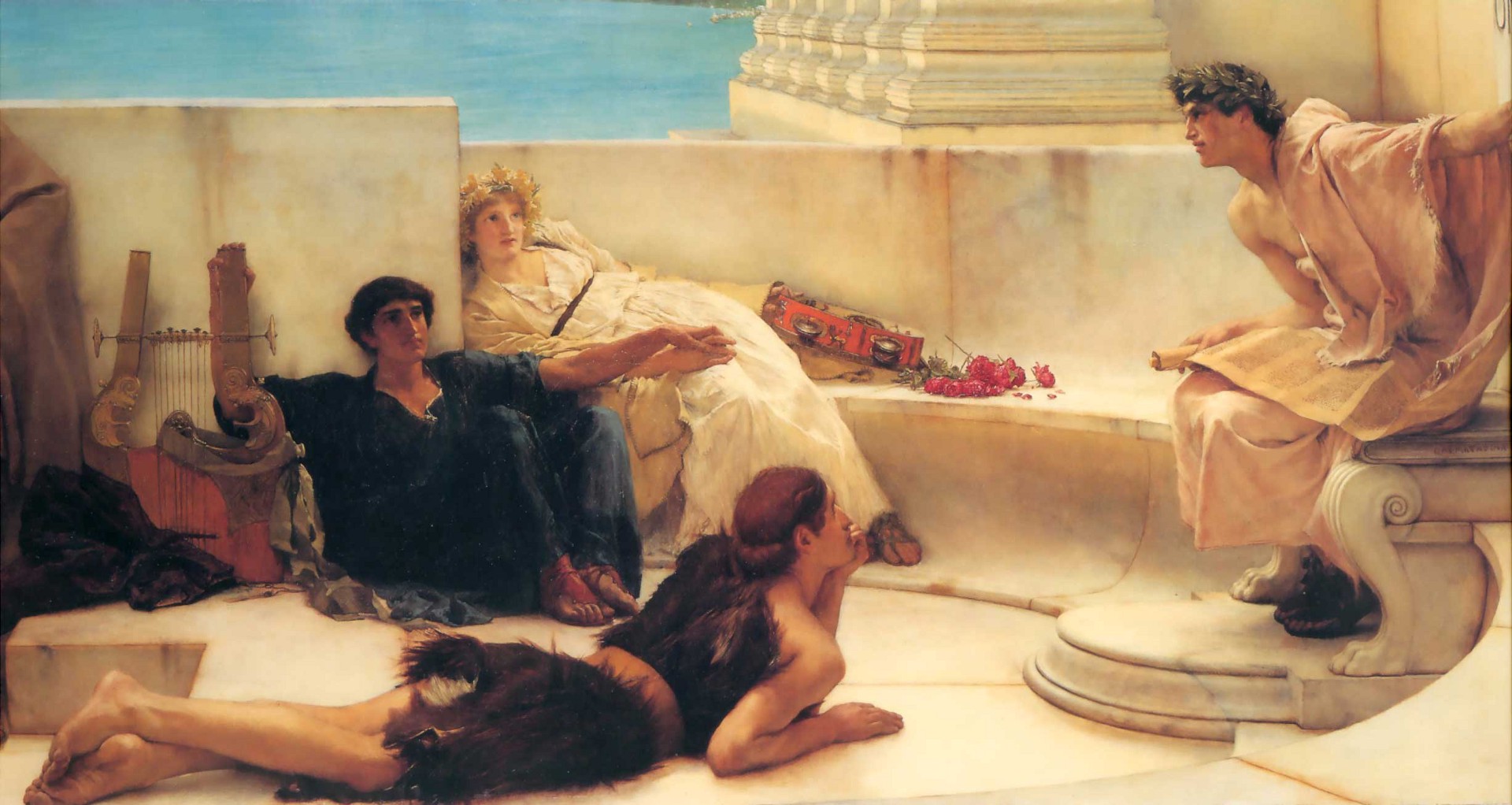
The humanities examine idea manipulation. Ideas can be encoded, metabolized, and drive cultural evolution. The session explores roles cultural memes -- facts, factoids, or fiction -- play in this process and whether fiction offers insights into cultural dynamics.
Speakers





Watch
Media
Related Roundtables

Transcript
This roundtable examined the intersection of coding, fiction, and cultural meaning-making. Panelists from literary studies, data science, architecture theory, and collective intelligence research explored whether computer code constitutes a form of language or literature, and what role cultural memes play in driving cultural evolution. The conversation ranged from the practical importance of computational literacy for democratic citizenship to philosophical questions about what distinguishes human-created literature from machine-generated text.
A central debate concerned whether aesthetic experience can be measured empirically. Some panelists advocated for tools like sentiment analysis and physiological measurements to study responses to art, while others argued that such approaches miss the developmental, contextual, and deeply personal nature of aesthetic judgment. The discussion examined AI-generated art exhibitions and whether audiences can distinguish human from machine creativity, with panelists noting a significant gap between what computers can produce and what qualifies as meaningful art.
The conversation concluded with reflections on the etymology of code from codex, the nature of rules in legal and computational contexts, and whether human free will and embodied experience create a fundamental divide between human and algorithmic creativity. The question of whether computer-generated content that mimics human authorship constitutes a form of misinformation emerged as a provocative closing theme.
Show discussion topics
- 00:00:07 Introduction of panelists and framing the session on coding, fiction, and cultural memes as drivers of cultural evolution.
- 00:05:19 Defining the relationship between coding and narrative: whether computer code constitutes a form of language or literature.
- 00:13:06 Code as notation systems, parallels with musical notation, and the importance of computational literacy for democratic citizenship.
- 00:20:56 Computational pedagogy, teaching code as a humanistic skill, and understanding systems of power embedded in technology.
- 00:31:19 What distinguishes literature from machine-generated text: trust, emotional engagement, aesthetic experience, and the haptic qualities of books.
- 00:41:41 AI-generated art and its reception, the Detroit Museum of Art exhibition, and debates over measuring aesthetic responses empirically.
- 00:52:19 Measuring aesthetic experience: fMRI studies, unconscious reactions, and the limits of empirical approaches to art appreciation.
- 01:05:40 The role of judgment and criteria in evaluating art, universal versus culturally specific aesthetic responses, and neuroaesthetics research.
- 01:18:35 Human free will and creativity versus algorithmic generation, and the fundamental difference between human and computer-created artifacts.
- 01:31:52 The etymology of code from codex, the nature of rules in both legal and computational contexts, and whether computer-generated text can constitute misinformation.
Show full transcript
00:00:07 foreign good afternoon everyone welcome again to the Helix Center I'm Gerald hurwitz the associate director at Helix um I want to invite every welcome everyone rather to our uh third round table of the day entitled coding fiction meta fiction the parcellation of what isn't isn't there and I'm going to take a moment just to describe the uh brief bios of our uh
00:00:40 wonderful cast of participants so first eunina Hoffman is an assistant professor of English at the U.S Merchant Marine Academy you need his research applies systems theory and phenomenology to 20th century literature and the Global Systems novel you need his first book the voices of David Foster Wallace used Concepts from narrative Theory rhetoric and phenomenology to examine the experiences of reading through novelistic progression and narrative
00:01:12 voices yonina's new book project ending the endless examines the way that contemporary system novels understand the globe next is Peter a glor who's a research scientist at the center for the collective intelligence at mit's Sloan School of Management where he leads a 20-year project exploring collaborative Innovation Networks he is also founder and chief creative officer of software company
00:01:42 galact Galaxy advisors and honorary professor at University of cologne and at Jillian University in Chan Chung China he also taught at Universidad catalica in Santiago de Chile Alto University Helsinki and a few other universities I have a difficult time pronouncing um uh University of applied sciences Northwestern Switzerland and the University of applied sciences in Luzerne earlier he was a partner with
00:02:14 Deloitte and PWC and a manager at UBS he got his PhD in computer science from the University of Zurich and was a postdoc at the MIT lab for computer science Mark Hansen is the David and hely Gurley Brown professor of Journalism and the director of The Brown Institute for media Innovation at Columbia University he's had over 20 years of collaborations with designers Architects and artists helping me work that has been exhibited
00:02:45 in the Museum of Modern Art in New York the Whitney Museum the Centro De art Rhino Sophia the London Science Museum the Cartier foundation in Paris and the lobbies of the New York Times building and the public theater in Manhattan Hanson holds a BS in applied math in the University of California Davis and PhD in MA in statistics from the University of California Berkeley Jonathan kramnik is Maynard Mack professor of English at Yale University his research and teaching is an 18th
00:03:17 century literature and philosophy philosophical approaches to literature and cognitive science and the Arts he's the author of three books his new book paper Minds literature and the Ecology of Consciousness asks what distinctive knowledge did literary disciplines and literary form can contribute to discussions of perceptual Consciousness created and natural environments and skilled engagement with the world portions have appeared in critical inquiry representations and elsewhere
00:03:47 before that action and actions and objects from Hobbes to Richardson's Stanford 2010 considered representations of mine and material objects along with theories of action during the long 18th century Dr Nicos a salagaros is Professor of mathematics and architecture at the University of Texas at San Antonio an internationally recognized architectural theorist and urbanist his Publications include the book's algorithmic sustainable design
00:04:17 anti-architecture and deconstruction a theory of architecture principles of urban structure and unified architectural Theory plus numerous scientific articles he co-authored the Michael with Michael mahafi the books designed for a living planet and a new pattern language for growing regions salengaros collaborated with the Visionary architect Christopher Alexander over more than 20 years in editing Alexander's Monumental four-volume book the nature of order I think I'll stop there there's more to
00:04:49 say about every one of these wonderful uh participants and we'll get started with our talk okay so this is a fairly broad topic I think and I am amazed by the wide range of uh expertise we've assembled here today so um who wants to begin a narrative about
00:05:19 The Narrative of this talk this evening foreign why are we here this is a a conference on coding is there someone who could make sense of that relative to it oh I have no idea what the topic is about but it's fascinating and the participants are Fascinating People with fascinating expertise so I was sort of waiting for a combustion effect of of
00:05:50 different ideas coming together I was I was attracted to attend because of the link between uh coding and memes and literature since I find many of the explanations I'm looking for in architectural design in literature especially this topic literature 1984 in A Brave New World I'll stop there all right I'll I'll add one more Point um I guess my thinking about the the subject heading was that um there's the
00:06:22 idea in uh encoding and writing programs about about narratives that it's fungible that you can take it from here to there it's all based on this code and you can insert it wherever you want to create whatever effect you want and it could be a literary effect it could become it could be for misinformation which was the subject of our last uh Roundtable well I could talk about coding because I was a coder at MIT 20 years ago and I used to dream in hyper talk which was a
00:06:53 programming language and I still think today when I look at AI that this is sort of the only field where people have their own language to communicate namely type these steps for AI and so I'm I'm not sure whether there is other fields I mean in a sense you have always like the language of mathematics and so on but for me in the software and in AI it's I'm at the center for collective intelligence and other level of
00:07:23 collective intelligence which is we have this language that people use to communicate you just call python or some other programming language and from my own experience if you're totally immersed now I'm useless as a code about 20 years ago that's what I was hired then you start dreaming and thinking in that programming language but you can't do it we're doing now in that programming language I assume this kind of communication um yeah I mean they are very introvert and we have a hard time looking each other into the eye that's one of the problems
00:07:55 when you are a cold well then I'm curious about the use of the word language here in the um you know in the in this relationship to narrative because what we're doing is a highly specialized human activity of uh communicating thoughts and meaning versus in spoken form which then takes it can take a kind of narrative shape and um um I'm just wondering I've always wondered like you know how much one can extend the meaning of a word language across
00:08:27 those two um different uses well in my small startup we are actually um you don't really need to have to talk um too much anymore but this other level of looking at each other and sharing the code seems to be enough sometimes so in that sense it's there's the collective intelligence seems to get to a higher level that's my perception
00:08:58 it could be possible to have a conversation in code it would just be a different kind of conversation because you would presumably have it's not like you have languages they sort of flow but rather you have the production of something that is encoded that's a little bit more entrenched the coded object and then you put the code object out there and then someone else looks at it and then they write their own which actually sounds a little bit to me like the historical model of what literature is like as well that there is an encoded object that
00:09:29 gets placed out there and then it does take a while it's not this but seems similar I was thinking that the idea of meta fiction where you will cite one work of literature in the within the body of a second work of literature Church you're sort of lifting it appropriating it commodifying it in some way and I think that coding is just Rich for that reason whether or not it's rich in a good way
00:09:59 or not is a different question but that the sort of I'm calling it The fungibility of those codes and the sort of narratives that can be taken out here and put over there reminds me of meta fiction I'm a little worried um with the transition from coding to language because coding is a language spoken only by people who know how to code whereas language should be under understandable by other people otherwise
00:10:30 you cannot communicate if you write something in a computer language and you give it to the ordinary person it's it's meaningless so I say to the entirely different uh Concepts here that um and I don't see how they can they can get mixed for something it'll be useful to society in his literature I think it has to have a language that's universally available and the language that is even translatable say from English into
00:11:00 Finnish but if you write something in uh in Python it cannot be translated into in a spoken language well that was my question I have the I have some of this similar reservations as using it goes around some of these questions about um how applicable it is across communities and then also about how helpful it is for our understanding of human cultures written and spoken and aesthetic artifacts to think of them uh
00:11:33 in terms of the language of that's taken from computer science which has you know a ton of like money and cultural power behind it but might not have as much explanatory force behind it um I think part of what yanini was suggesting is maybe thinking about it the other way around which is that there's something literary about the computer world but that would make it that notion of language and narrative more parasitic on what we're doing here and also the way in which
00:12:04 you know many other people live their lives and practice their communicative acts and also their spend time with works of art their aesthetic practices and acts as well three which is the biggest system available which basically allows you to describe in English what the software is supposed to do that means you get you can have your English story and then convert that into executable code but
00:12:35 what I'm have been thinking more recently is about the singularity which basically means AI taking over and that basically means that um we would have to somehow communicate and the question then is who who is in the driver's seat in the end of intelligence yes the person who can pull the plug is in the driver's seat that's the only thing that will save us from catastrophe
00:13:06 is something come between code I mean I think the idea that that coding itself may be a form of literature something but it reminds me that musical notation is also something that most people many people don't know how to read oh sorry yeah thanks sorry about that musical notation is something that most people don't know how to read but it does create a sort of some people refer to as a sort of universal language it's production it's execution creates a
00:13:37 kind of language and I think that's the sort of level at which maybe coding might apply and again I guess I would contribute two things to this one is that um uh in reading code right in picking up a piece of code and having a look at it and I know this is but anyway there can be moments of Beauty in it in the same way that there are moments of Beauty in reading a mathematical proof or something like that right that there there is an aesthetic sense that someone can look at it and go what you did here or look that little
00:14:09 trick that that's amazing right so there's there is a there is an aesthetic sense that comes along with it I think the second thing is that in my mind the previous discussion was a little bit upside down I think that um coded systems are creating organizing into systems of power in our world and part of the reason why they've gotten away with and that they are as powerful as they are is that there is this gap between the language that we are using to
00:14:40 communicate and encode right the fact that people don't understand how a computer works is a problem right the fact that they don't understand the basics of of you know a lot of Reverb and that makes me nervous like I'm saying something awful but the fact that people don't understand you know the the suggest then that that that um it's difficult to be let's say a responsible citizen right in our in our contemporary um uh political or cultural uh uh uh
00:15:14 setting because it um you need to understand the basics of how a computer works I think and and something of how code works right so I think that um uh not having that access to that language um is is uh is is leaving us open to a lot of difficulties that we've seen that's interesting proposition Mark I mean um um I mean one hears all the time that we need basic scientific literacy and I agree with that just as a you know
00:15:45 Article of Faith but it's a problem and we've seen all too clearly in the last couple years that it's a huge problem that uh when citizens lack kind of fundamental scientific literacy about you know the nature of things like what what's the difference between climate and whether you know how do pathogens work that sort of stuff um it seems however that like um how it is that code works and a computer work seems to be a different kind of thing and the way that I mean I don't know how a plane works I get in
00:16:16 the plane in to fly just flew you know across the country last week um tighten my iPhone and my computer I feel are sort of analogous to that in a way I'm curious to know what the argument is that there is something uh sort of threatening to democracy or wrong about not having a Citizens and not having a capacity for coding because it doesn't seem to me to be intuitive in the same way that say there's a real problem when people don't have a uh don't have access to science or don't understand the way that science works
00:16:48 I mean I feel first of all there's a there's a there's a uh increasing things in which science itself is computational and is inheriting this is driving me crazy um and it's inheriting um yeah um so I I think what I'm what I'm suggesting and I don't I don't think it's it it's uh it it's it's either earth-shattering or new the founder of python uh or the the gentleman who
00:17:18 created it um uh has a very long essay um uh talking I guess it was a DARPA proposal or something about about creating um uh a a programming language and the title of it was um programming for everyone and the idea what is simply that um we uh teach everyone to read and write even though we don't expect them to become poets or writers and by the same token we should teach everyone to code
00:17:48 in order to understand programming or the act of it because otherwise we are significantly removed from the technological systems that um that we rely on and I would say that um saying that this is a shiny box that we interact with and I don't really have to know how it works means that now I'm cut off from all the little things that it could do in terms of surveillance and other things I don't have the capacity to ask questions about what this is doing and my capacity the fact that I
00:18:18 don't have capacity to ask questions means that there are significant systems of power in our world that are just happily going alone doing their thing and with my position in a journalism school I feel like the one thing that I can offer them is access to um to the way these systems start to work the way power builds up in a technological system and and and some of that can start with something as modest as learning how to code that's my opinion I totally agree with what you say in the sense that if
00:18:49 computers or the phone were perfect and there would be no bad people on the world you wouldn't need to know how to code because they would trust and everything would work but unfortunately there is pitching and so on and right no I get that I mean I feel like I'm I have the you know uh the same suspicion about you know what my phone is doing and tracking and uh and the threats to democracy there and also just the general you know uh the modification of everything that happens there with and yet I don't know the
00:19:22 infrastructure of How It's encoded and I guess I'm wondering about the connection from the state is a bit far away from questions of narrative perhaps but still seems important to pursue like um what the how we move from the one level of implementation to another um and and would in fact knowing something about coding um uh give me an additional capacity for resisting the ways in which my phone may or may not be tracking what I'm doing you know
00:19:54 um uh and so forth sure great and because I mean really what are we what are we doing here we're asking in any object or in any phenomenon of human life what is encoded and why and in the phone there are some things that are encoded that allow us to use the phone for our purposes but there are some things that are encoded in the phone that allow counter purposes or silent surveillance type purposes but the same is true for a novel I mean there are certain things that are
00:20:24 encoded that are for the purposes of enjoyment and there are other things that are encoded ideologies for the purposes of something perhaps behind the scenes and so I mean yes we teach people to read and to write but do we teach at them very well to see the sort of broader context of power within what they are reading and writing maybe that is something that they also need to know oh for sure and thank you for putting it away and you know that's really perfect because like um it extends Mark's initial point about questions of
00:20:56 pedagogy and uh and the importance of sustaining not just or kind of basic level computational pedagogy as well as you know teaching and sort of fundamentals of science but also humanistic pedagogy um and uh what it means to understand our culture from uh from a more traditional humanistic perspective um for the for these kinds of reasons may I disagree with all that has been said up until now I don't think the solution
00:21:28 to our saving our civilization is for people to learn how to code and to actually be able to code the cell phone because I believe that that actually pushes them in the direction of being embraced by technology while technology is subjugating the free spirit and taking people away from Reading literature so that literature has a decreasing value because people are not reading people are looking at their cell phone all the time
00:21:59 so pushing them to learn the code of the cell phone is not going to to steer Society away from a total dependence and a Total Domination by the big tech companies that are taking over their lives taking them away from looking at art listening to music and Reading literature today's literature or the classical literature it's all going going going saying we should take away the self
00:22:29 parts of everybody you know anymore and put some world-class literature on their mother could be an effort to uh and I'm not so sure I think it will work because I don't want to say I'm advocating this but there's a there's a movement toward all right well we're going to take coding and have it write for stories and that's still in the future a little bit but one of our talks tomorrow on the general GPT four is it yeah
00:22:59 we'll talk about that in the ability of a computer program to write a story let's say now again I'm not advocating for it but it's happening or it's being developed there's an interesting I think Trope about that which is and this I think speaks to your criticism although it doesn't full invalidate it at all namely we find that a little creepy you know like I'm reading a story but there's really like a text beneath that that's the real story right and
00:23:31 that's that's a a little that's in a lot of horror stories about the HAL 9000 computer or right but that's a great Point why do you find it's creepy because you don't know what's going on actually if you and that's the same as with right though I want to get the vaccine because I don't trust the vaccine that it's not messing up my body because I don't know what's going on then you got back to the argument if you know how to code perhaps you know what's going on and then you don't think it's creepy if you get the phone so you can play in literature for what fostering
00:24:01 this Trope about the creepiness of uh it's hard not to be you know in the world that you Nina and I are in without you know agreeing with Nico's point you know just quite quickly which is you know um people should be reading works of literature and encountering works of art I think I I mean I think that's still compatible entirely with more people knowing more about how to code I mean it's uh which is just to say that people should know as much as they can about the world
00:24:31 um and I think from the pers from the perspective of the humanities um uh we often feel like our sector of the world which is as real and as important as anything else is just not drawing as much attention and it's uh and uh doesn't have the same kind of um purchase within the University are among the young or or getting have as much support from higher educational establishment as it used to so it's it's again it's hard not to feel like these
00:25:04 conversations are sometimes weighted against um uh a more sort of aesthetically oriented view of the world and the kind of capacities for flourishing in democracy that that they can bring um um and this speaks to the point that you just raised about um you know the future of computers writing works of literature which you know is an interesting thing to contemplate I've read some of the earliest stuff there just like I've seen some of the computer art that that's
00:25:35 been generated in the visual domain and it's all interesting and provocative there's nothing wrong with it as such what some what can be uh what can be sometimes troubling about it is when it's bundled together with into a kind of Reform picture or say higher education in a Democratic Society um in which it is you know deemed to be like the future um and then it just becomes you know to me at least and I think you know for reasons that are real just kind of ugly I'm not ugly as such there's nothing
00:26:06 wrong with computers writing stories that's again interesting um ugly in some of the directions that that's pushed and some of the kind of like wide-eyed sort of like belated Alvin tofflerism that it's sort of you know made to serve like the future is here it looks like computers writing stories we need to put all of our money there and we need to basically just you know starve the people who want to just sit around a table like this and talk about a book um and uh and that way lies I think you
00:26:37 know kind of disaster but I so so obviously the sort of the idea that we teach people to code is not just all right and we'll we'll teach them basic and we'll hear as a variable and we'll assign it to number five and we can add two to it and then we can to like that's when I when I describe or when I think about or when in my classes we talk about how computation Works um you know there's a there's a a a
00:27:07 well-defined notion of what what we're looking at or at least what I've tried to put across in terms of in terms of uh sort of computational literacy right the step one is that coding step like the functional literacy how does it work um then there's a critical literacy right the the the idea that um uh you can you have enough capacity to say why does this look the way it does right I mean to technology relentlessly tries to make itself look invisible right so it's not there and so
00:27:39 we want to have the capacity to say there's something here and and why does it look that way could it look some other way so there's functional literacy um there is critical literacy and then a rhetorical literacy right which is that all of these things are there is no you know optimal iPhone right it's it's a it's a thing and it comes from Human deliberation and it's a settling in some way um and it itself gives off a kind of has a rhetorical function right it again it makes us feel modern it makes us feel
00:28:10 connected or something like that so so you can deepen all of these Concepts and and they they depend in many ways on a sort of um Humanity style interpretation right I I I bring into my class people like Joanna Drucker or something who you know makes the point about about data versus capta what is given versus what is taken right like like that that these things make the teaching of code right a richer
00:28:40 Fuller um experience so that people do come away or presumably students do come away better understanding the systems of power that that circulate around um Technologies in one form or other and for for someone in a journalism school that's important because journalists are the explainers of Last Resort in our society and if they can't call Shenanigans on that's happening then I don't know who's going to do it I'm afraid journalists have been singularly unsuccessful in alerting the world to
00:29:12 to all the bad things and the manipulations that are occurring by extremely an extreme and extreme and I well extreme yeah sure okay I I want to to uh to answer to the challenge that Peter threw at me as in response to my early comment uh Peter you said that therefore we should make people um appreciate literature and art better
00:29:45 but nobody can make anybody do anything the only way you can make someone do something is by tricking them into thinking that they're getting an advantage by doing something so all the technologies that we have has tricked us by offering some utility for our lives that's why we have adopted it so becoming slaves to the technology it was a step-by-step process because it gave us the power increased power and we felt that so the only way to get someone
00:30:16 to to to to study literature today is to make it advantageous in an evolutionary sense if you do this then you get an advantage evolutionary advantage and not by the academic you have to take this course because it's required yes but I mean thank you very much for throwing the ball back to me um but I think you are neglecting one point and that's Beauty because what you were Ace is a very
00:30:47 cynical utilitarian View and that's unfortunately the main motivation particularly in capitalist societies but then there's this other aspect that I think it has been raised and if you look at pieces of world art and I'm not sure whether the computer will actually ever get there because gpt3 it can write something that sounds like Harry Potter or Lord of the Ring and so on but it will never be or even if you go to some um higher level literature um on the same level until now perhaps it will come at one
00:31:19 point but I'm not sure well is there something that you could say or can we itemize a number of things that we believe really distinguishes literature from anything that might be available through coding yes or yes or a weird itemize them that's different I mean I was about to pick up on that I wanted to respond to Peter's comment about we don't understand how it works and therefore we're afraid because I actually think that frequently I don't know how a piece of literature works but
00:31:50 that is the cause for Wonder and Delight rather than fear and that is because I think the distinguishing fact of a piece of literature from something that might be encoded for utilitarian purposes is that it's okay for something like literature to give us something we understand something that exceeds Us and something that is so saturated with meaning that it can't be reduced to a single purposive goal and that this kind of brings us back to a point that was coming up in earlier conversations the question of trust because the unique compact I think
00:32:22 rhetorically between reader and author is ideally one of trust whereby the question of trust is a very different issue when we look at code because we know that the person who's encoding something has perhaps more defined purposes than the literary author I just disagree about one thing for myself uh Finnegan's wake scares Daylights out of me that's because it shows you something about about granting this is a rather pedestrian response but
00:32:53 it for many people that I know especially younger people and people who have reading disorders for instance your phone is their Lifeline to literature because they're listening to books on tape they're listening to audio books and for someone who's been dyslexic all their lives it's like a whole world opens up to them and for many people who were very busy I mean I'm in the world of literature all the time if I'm walking in Central Park I'm listening to
00:33:24 a novel it's it's the only time I have to go into fiction rather than professional books and there's also about it and that's through this little device and uh there's a um among uh the Young Who spend most of their time on social media there's a lot of feedback between online activity and staring at your phone and then also reading which is a lot of active book talk on Tick Tock for example which is all about you know the analog object it's not about the small shiny thing
00:33:55 it's a and in fact features usually you know the kind of the the the haptic Aesthetics of books right you know what they look like how they feel in your hands and they'll show it I've been reading this et cetera Etc um so in fact like there's it's not just you know a kind of a dichotomous phenomena I mean there's a just a uh the digital world and the and the handheld world and the social media world has created you know you know A Renewed interest then literary artifacts and objects as it has in you know painted
00:34:26 and sculpted ones as well things that exist however off your phone not that you're listening to as you're walking through Central Park but as you're also just you know sitting and holding your hands and reading um and I think that that shows you I think that's first of all terrific I think it's an interesting cultural phenomenon in its own right but I also think it shows that you know the the viability and the perdurance of uh of you know of the aesthetic domain as something that has both a purchase on you know an appeal to human you know Humanity across the board um but also is
00:34:56 worth you know cultivating and spending time on time with and supporting ultimately yeah listen to something and then I will go by the book and what I mostly was converted by was Finnegan's wake listening to Finnegan's Quake is a true adventure all of that I want to return to you Nina's response was even though I made fun of Finnegan's wake and fear I like the idea that you mentioned trust I think that it's
00:35:26 interesting that when I asked the question all right well can we start to itemize differences between coding generated art not even just literature and and literature you said something about trust which I think is a wonderful sort of it's an emotion it's an emotion you're expressing an emotional thought every so far everyone else has made instrumental arguments about I as a psychiatrist I like hearing okay so what about how are you feeling about this and where does the feeling that is evoked by
00:35:58 art is that matchable can we match that because I think you're right you might be onto something trust it would be it would be hard to earn it if out of a machine so perhaps how does an author um because if you look at Lord of the Rings the original one it was huge success and then that sequel that Disney has been producing the reception was horrible because they were just applying all them from like things so that means they
00:36:29 didn't get the trust is that what you would say or do you mean the movie adaptation yes exactly oh I see so the movie adaptations to the sequels failed to earn trust because they were too formalized according to like the Cinematic industry is that yes but they were just applying some formulas and so that seems to be enough well an example of what you said but I'm just I'm not an expert in that field I would say that probably sounds right
00:37:00 because viewers of media are pretty Savvy to to tropes and yeah I remember seeing the Lord of the Rings the second movie and it's just Trope after Trope kind of piled on each other which feels like it falls short of the kind of meaning saturation That I Want from another from a single other human being I don't know if that answers your question I don't think your question also is we it was initially like would can we imagine uh
00:37:32 um a novel written entirely by a computer being as appealing as a novel written by a human being I you know I I think if you assume time and you know uh exponentially increasing Computing computer computer power I have no no difficulty really imagining that um and no strong feelings either either way well okay well then why would it be difficult let's say it would be a challenge what what what are they surmounting to meet that challenge right they're surrounding anything that
00:38:03 requires you know a human intelligence to create um and that's and what's Difficult about that you know I think is probably Peter's domain or maybe Mark more than mine um but I um I think it's you know it's maybe it would be an analogous problem to anything that requires again human intelligence to do whether or not that's right a novel or you know drive a car or make scrambled eggs for you in the morning um uh oh which have been you know really hard things to do I mean uh it seems to
00:38:34 me I mean the most powerful advances in in artificial intelligence these parts I know and that's very little um have been in you know kind of narrow but deep domains um uh chess for example is a paradigmatically so I suppose um anything has kind of that involves like as many factors as you would go into writing a novel or again you know making you scrambled eggs in the morning um is gonna is gonna be much harder to
00:39:06 do but not inconsistent so Magnus said Nielsen the the reigning awesome Carlson thank you um he walked out on this match because I think something about the first several moves and because of some previous report that his opponent May cheat for those of you something about his I think this is his opening movement that's it right now a human wouldn't do this I know you're cheap right so here you have no but that actually wasn't that intuitive that a
00:39:37 human would do it that like that no no I think he was using a shack a computer oh I actually recognized that I meant that humans were cheating he recognizes being generated by a robot yeah so it's interesting so here you have something that's gotten right to the Pinnacle of computer programming and beaten humans but it's missing something further from the perspective of human observers it's missing something right the the Carlson
00:40:08 was able to pick that up it seems when they'll go to chess for that that was so in the game of Go several years ago right because God became uh the the the uh the Deep Mind became the go Champion right but I'm saying there's still things that humans perceive about the difference between their opponent when it's a human versus whether it's a human versus computer and I'm wondering if that perception has something to do with what we would find deficient in a computer-generated work
00:40:39 of the literature yeah I'm not disagreeing with you maybe eat in the very far distant future even that difference would be taken away um in in the visual arts where I more have more experience being a painter in my youth in the visual arts AI can produce paintings today that are better than the professional visual artists I think we have reached that I cannot speak about AI generated literature come back to the
00:41:10 AI generated paintings depending a word text to image AI programs can generate very beautiful paintings because they they sum the opinions of individuals say 10 to the 10th number of individuals which is an extraordinary number so that they can generate a very beautiful painting when you go to a contemporary art galleries
00:41:41 mostly garbage so there's a huge disconnect between what the computers are generating and whether the uh so so-called artists are generating the Detroit Museum of Art as a new exhibition of Van Gogh and they they did it because they were the first American Museum to embrace Van Gogh and the reviewers in America the Armory Chef said this guy expense is terrible of course he's he's about the most popular artist Visual Arts now that's a trajectory that some human
00:42:13 artists have pursued and we would say well that's a form of imagination for a certain click to make enormous amounts of money by selling garbage and by promoting a talentless charlatans no no well what you are saying is totally out of date because it happened 100 years ago okay I don't agree with
00:42:44 your extrapolation that what happened to Van Gogh the same thing happened to the impressionist in Paris that could not be extrapolated to the garbage which he produced today and put in in art galleries and uh displacing beautiful works of art from our museums as our Museum's decommissioned wonderful pieces of of Art and sculpture and fill fill it with Contemporary Art is supposed to be an art but it's really garbage and there's a definition and here's where AI can judge whether it's garbage or
00:43:16 whether it's hard because AI has this attention to the tense a piece of data of of of human reactions does this create a a positive emotional reaction in the body and we have the sensors and the medical data to see if it creates distress then it's a piece of garbage If it creates a positive healing reaction according to only medical sensors that can be worried today instead of having to go to the laboratory wearable sensors
00:43:46 if it's positive then it's it's a valid piece of art because it helps you to cope with the structure so here's a wonderful example I suppose of where not knowing how a computer functions and not knowing how something works leads you to a kind of crazy conclusion and I'm assuming that what you were saying was meant ironically um because the AI like first of all Dali doesn't work by hooking up responses or anything like that but but suppose it
00:44:16 did the the idea that a set of measurements well what are we going to measure to to capture our aesthetic reaction what are we going to choose how are we going to choose to to measure that so we'll definitely put some hold on a second so so first of all first of all there's there are choices in what to choose to represent lived experience and to even ex to to stop and to think what that that there are choices right there are different ways of of expressing if you talk to someone before seeing something and then interview them afterwards it's a little more
00:44:47 qualitative but is that something like why do we reduce it to a kind of physiological response first of all and then secondly what Dolly does is is it's based on sort of collections of data where captions are matched with images and and the the obvious question around all almost all AI Pro uh uh uh processes now or like what are the data that they were trained on who are the people who even if they were hooked up in some way who are they what cultural references do
00:45:18 they have what what you know what are you showing them that's that's consistent or not and I think that that some of this discussion is what we're missing here is it's sort of not AI versus the artist it's sort of AI and the artist right if you've tried Dali you you can try something type something out and put some text in and get an image and go well that's that's not really what I'd like and so you alter a little bit and you alter a little bit and you alter a little bit and you start to start to work with it right that I think the the to go back to
00:45:50 the litter secret and then I'll shut up but to go to like the literacy question one more time that idea that you are typing something into Dolly to get an image and then typing something else and to get an image slowly Dali is training you to do what it expects so that you get the answer that you want in the exact same way that when you Google something right and if you don't get back the set of results that you want you don't say bad Google you say oh I did something wrong and in that moment Google is training you how to interact with it and if you don't recognize those training moments little by little right
00:46:23 that's how the systems of power work that's how things start to uh to to take to exercise control in a way sorry foreign
00:47:03 believe that you could actually like hook people up and unders and get a picture of what their responses to works of art are but yeah you could do it you could do you could get a set of you could get a set of correlations what they would tell you would is actually an entirely you know uh debatable phenomena or question like uh but yes of course you can record what's happening at various you know levels of you know your somatic reaction when you were presented with an art object or anything else whether that
00:47:34 tells you anything meaningful is another question um but uh so that's one thing even if you could I mean the assumption that for work of art to be beautiful what it does is make you feel calm and happy or whatever your phrase was um uh that's also seems to me to be like just you know wrong um uh uh and that you know what you called bad art would produce a somatic response of like irritation or something else uh and that that somehow indicates
00:48:04 the poor quality of the work also just seems to be wrong but there's a set of nested assumptions here about uh what kind of response artworks ought to have whether or producing you that I think are debatable about whether or not actually like you know whether to the where the Criterion of judgment ought to lie whether it should be in you know in just an immediate response by someone who has no relationship or education and and how to uh encounter and understand uh works of art
00:48:35 um or should be and you know some should be in among those who are you know have actually spent time with and are educated in um art and art history all those things are are actually to be discussed and debated um so uh um I mean and again provide an argument for it seems to me actually to return to our earlier discussion you know fundamental artistic and aesthetic literacy um because it's not the case that you can just simply like take someone you know uh and put them in a museum and
00:49:07 they will understand what it means to actually look at you know a van Gogh for example to use a painter that was mentioned earlier or the works of the French impressive Impressionists or let alone a more sort of difficult and challenging work in Contemporary Art all those things actually require you know discussion education learning you know experience which you know ought to be available to as many people as possible actually Jonathan you have exactly done
00:49:39 that experiment in Cologne indicate they call this Museum this year is one of the tools we developed at MIT it's the happy meter it measures my mood based on the happy sorry there's something so dystopian and frightening about yeah testing news okay it matches my happiness okay based on heart rate acceleration voice emotion and in the catechovies museum in Cologne we have given that to participants and to people and then we have measured which rooms
00:50:11 which paintings and which sort of watching style actually take the strongest emotionally the strongest emotional reaction and what is the result um the result is that it very much matters on the on the tour guide yeah which is to say which actually which is part of what I was saying earlier which actually it depends partly on how the work is presented exactly so like it's a stronger how you know each piece of art and will and also like you know how how even in just a very quick
00:50:43 way how the the other person viewing the work of art you know is led into it has led to understand it um the kind is it you know how that person has been taught so it's entire seems to me like obvious and arguably so that if someone is actually shown through a museum through by an educated you know articulate personable tour guide they will have they'll be happier on your happy meter because they will actually just be able to understand what they're seeing a bit more it makes another point of our context the context is always because if you look at the um
00:51:15 Mona Lisa the context is I have this right expectation and I see that sort of vaguely interesting face but because it is the Mona Lisa I must feel this is the biggest piece of art on the world so the context has already been said and I'm sure I have never done that with happy media but I would expect that I would get such a reactions I would like to clarify tremendous confusions here that have been thrown on the table I was referring to unconscious reaction of the
00:51:47 human body based on the happy meter exactly those wearable sensors but unconscious responses of the body without priming and they occur within the first one second or even few milliseconds whereas if you explain the the art you are conditioning the individual to like something and the second point is that when you are looking at the context of 100 people from the bondale of course you have to like it so you can control the
00:52:19 experiment has to be carried out with the individual measuring only the first the second or less of unconscious reactions but this but this again I just think that's a wrong understanding or a misguided understanding about what absolutely but there's a different point I think so we have a difference of opinion I just wanted to explore that difference because I think it's actually I think it's an interesting one which is that you know there is on the one hand a model which you know actually has you know some real history historical you know significance to it
00:52:49 that what aesthetic experience is all about is just like this you know Raw um unschooled you know immediate thing where you just start bringing someone in you show them I don't think that's really the way that art tends to work we're talking about something very very recent these measurements yes I know we're talking about a technology that's recent but we're also but he's talking about an understanding about of what art is that goes way back um and actually and we have one Millennials understanding World artists and we have contradictory opinions
00:53:20 during Millennia so that that doesn't settle anything what I'm proposing is that these this recent technology actually settles the issue because it measures positive body responses and here's what I disagree with you because you want to validate equally a work of art that creates negative and stressful about the responses I disagree with that I think that the purpose of our city to help in healing the human body because the human body experiences daily stresses just from the act of living
00:53:53 should yeah disturb the comfortable and comfort the Disturbed why can't we have both I like to be disturbed yes it will also be interesting and a lot of works of art but I I think what's been lost here and I was surprised because that you took the angle the direction you did given that the first point you seemed to make was coding and computers are negative and we should be immersing ourselves in literature and art and I actually was trying to point out that maybe there are things that coding cannot possibly
00:54:25 provide like for example whether or not they produce really beautiful paintings there may yet be something that it's missing I think it's wrong to conclude that when people say they don't mind being disturbed by art that the whole point of Art and the the end point of art is to be disturbed I mentioned Van Gogh because there was a point in history when he Disturbed some people and now most people I'm sure have happy meters going wild when you see him right and that trajectory that
00:54:55 development is a wonderful thing about human about humanism right and I don't see that in computers that's the thing the computers can take a huge sampling of people's reactions and look at different works of art that are considered Wonderful by experts or not and it could generate another Mona Lisa perhaps but when it comes to being equal to an artist who can create Innovation that may put us off kilter a little bit but then later we learn to love that's something I think I believe computers
00:55:25 are not going to be able to do for a long long time if at all why I don't know I was asking all of you you're the expert but I mean you said you believed but why well I got thrown into this Loop because Nico's started telling me why they could do that okay by the first humor yeah yeah you're hung up on hook who who according to the uh 70 you know 18th century sensibility of realism Disturbed some people but the colors are very beautiful and it's slightly disturbing but not as disturbing as a garbage we we have seen
00:55:57 later that to really create anxiety measurable by the happy meter okay without an explanation but our art schools have been teaching students that the goal of Contemporary Art for the last several decades is to disturb and create anxiety which I think is totally wrong and here is where here is where I think I would like to put two things together I mentioned earlier that healing comes to the body not by looking at code but by looking at Beauty
00:56:29 but if we go according to accepted contemporary standards of beauty we get disturb because it creates anxiety it's not beautiful it has switched the function of beauty and now only computers can tell you what's beautiful see I would I would prefer not to debate that particular Point further because it's a great topic and I'm not arguing I don't want to argue about I don't think we should be debating any longer because the real issue is the one I'm trying to direct us to which is let's imagine that
00:56:59 there's this wonderful facsimile and it may be superior to what the garbage that they're putting out of art schools now that's okay I'll accept that what is it that is it still the case that there is some is there some spirit in in human creativity that computers will or will not be able to produce and you think Jonathan that they will be able to eventually I produce that I I don't think I have any idea I mean I I wouldn't be I mean I wouldn't rule it out I guess what I would say I
00:57:30 mean like doesn't seem to be any it seems to be par for the course for any complicated human creative activity um and therefore it's a it's a problem for again like Peters and world to solve but it doesn't seem to me to be like intractable [Music] yes I think part of the thing I myself feel a little bit confused with parts of this discussion because we are talking about on the one hand what is today then we are talking about what AI is going to
00:58:01 do in the future and whether it's going to do that or not is AI going to be able to produce a work of literature or art that in any way is going to contain all of the emotions that are presently in a work of literature or in a work of art and all the personal experiences of the person who wrote it or who painted it is AI one they're going to be able to do that you may be uh have the answer to
00:58:34 that but as far as I know we don't know yet so there are people who write about all the things that AI is going to do in the next 25 50 years such as Max Tech Morgan and others but we'll have to wait and see but so I don't see how that directly connects with the biggest or more General subject which is coding coding is not only about creating literature or art is also about all the positives that
00:59:06 we have from being able to use the computer the iPhone and so on yes there are of course plenty of negatives uh one of our people who was here at in the audience a neuroscientists from Italy was telling me how his son doesn't want to read anything because he's looking at his computer since my grandson is that my grandson the same he doesn't want to read his constant as well yeah there are negatives but there are also plenty of positives in terms of people
00:59:37 being in contact with each other being in touch with each other so I'm a little bit uh confused if you will about the direction that we are taking and as far as art goes I think the example you gave of the was it encoding the experiment with the heart rate and so on um yeah so I think that already gives you an indication that wherever that research is is nowhere near reality if you are going to a museum and there
01:00:09 are five paintings one next to each other and you have somebody explain it to you what you are reacting to is not really that much the painting as what the person is telling you now to and that's why I I feel when I go to a museum a big part of it is a waste of time because I'm seeing so many things one after the other by the time I come out I don't know what I've really seen if I say in front of one art and I spent 10 minutes in front of it I begin to
01:00:41 appreciate and feel something that I can never feel walking through a museum so to to test me just because they think that oh you know this is a very exciting color if you put it here especially because he does this and that doesn't tell me anything about the art or the ability of that particular uh feeling machine to assess anything it's too too early for it so actually it's not too early and it's just
01:01:12 that I didn't get the idea and I have to thank me for giving me the idea of having people doing exactly exactly experiment you described by exposing them to different pieces of art to compare which one is the best yes but let me just say this because I want to say this clearly if you if your criteria for what is the best is a measurable response of Happiness you're going to get a lot of yes you know I mean like just a lot of
01:01:47 again I would just just disagree with the kind of basic premise um so you I hear a lot of laughs we will support this premise that you disagree with if they are unconscious responses unconscious or not I think it's just a big difference if it's unconscious it's the body using its evolved mechanism that help in its survival and if it identifies positively with the art then it's a positive
01:02:19 response that's good for the health if it has to be explained then in your conditioning uh no I'm not talking about I'm not talking about in fact I think probably most art that I would find interesting you have to have training to to uh to appreciate and understand and I think most art that produces that kind of evolved Health response you're talking about is going to be crap
01:02:52 I don't it feels like it feels too close to like a mood ring and I and I I don't wanna I just I don't know but but I I do there is a moment that we could pop this up and talk about narrative for a second right so so that you know think about what what the the ways in which we're taking physiological data whether we should be doing that or not or whether it's instantaneous or not the idea that the AI optimizes something the the idea The Narrative that comes
01:03:23 along with it that it is efficient there's an efficiency there in applying the AI there's an efficiency that that comes along with it that we can make better things that are that are you know soothing to us or pointed in different direction that's a very common AI um uh rationale very common um uh narrative that goes along with applying an AI system and and it makes it hard to unpack and to say well what are the problems here where are the disparities where like you know how to to say that it's it's more efficient
01:03:55 efficient to whom and to to you know are the are the physiological observations um sort of steady across um different race and gender uh characterizations and so on right um and so so the you have to kind of resist that narrative that says that AI is is optimizing something and the other thing I would I would say to to the gentleman with his grandson um we we say that um we say we say that pardon
01:04:37 and we say that means that they're real oh they're really good at computers because they're their phones all the time they're not good at computers they're good at learning other people's interfaces right they're good at learning the choices that other people have made and because they don't recognize anything of that surface as being a choice right that this means you know zoom in and this means zoom out right somebody made that choice and it wasn't the student working at it and and and we have to be able to question those choices right and I feel like an uh a a
01:05:09 citizenry that doesn't have access to the basic ways in which computer design works and computers work can't do that yeah no I agree entirely the the um the conversation that we were just having about you know measuring somatic responses uh and this connection to artificial intelligence reminds me of just like the The Fad 10 years ago the Victoria will remember very well of just of using fmri to settle all questions this lights up that lights up you know oh therefore you know this can explain
01:05:40 for us X or Y phenomena in politics or the world or whatever and that all the problems that you just identified Mark in that Victoria knows very well uh fmri experiments were a good pioneering step in the right direction because they did settle some questions of beauty the problem is that fmri is hugely inconvenient but we're talking about a new generation but it's a terrible sensors because you can have thousands the N fmri is very small because it's so expensive and here you can I mean I have
01:06:11 been measuring emotions for the last three years the face emotion voice emotion the last thing is that we have plans which are highly sensitive movement sensors and we take the electrostatic discharge and then we measure emotions of humans from the plant's response that's totally privacy respecting and well but okay so Nicos you use this idea that the the goal of art should be to be soothing or to help
01:06:41 inducive to human health okay physiological condition perfect to humans perfectly good okay now so I feel happier in front of a beautiful painting and I'm sure I do now however feeling happy on what time scale you know one of the whole points about mental health for example people who are troubled by their own mental health is that they need to oftentimes go into some form of treatment they get psychotherapy and they talk about their problems and they may sit with their
01:07:11 therapist and say oh I love this therapist what a great therapist they're going to make and I feel so happy when I'm with him and then a month later they think this person doesn't like me I don't understand and they keep going hopefully and keep going and talking and they work through that and it involves trust to go back to your comment Union there's a trust between two human beings and over time the feeling of happiness or contentment really evolves so I believe that can happen with works
01:07:42 of art as well that's the only reason I mentioned Van Gogh are these are other examples and I I don't really I don't think I would probably disagree with you but most whether I like the same one you you like or don't like I'm not so sure I would disagree in most cases but what I'm saying is that there's an evolution of feelings that you may not pick up in just a moment when you're looking at a work of art even if it's based on unconscious experience because there's a trajectory that has some bearing on what we think about the article and literature in the long term work our way through it there is a difference you are
01:08:12 making an unsupported conjecture which may or may not be true it could be true possibly in your field but in our there are no measurements so far measurements have to be done by apparatus exactly it's like the meters those experiments have not yet been done I would like to bring it back to their question of coding and point out that when we talk about code we are talking about mediation we're talking about something that is created and that the form of creation is not
01:08:45 um transparent and I think the problem here with this question is partly that we are only talking about visual art and visual art allows us to um persist in this very strange assumption that visual art is unmediated that visual art is not encoded I think your assumptions about our responses to visual art rely on an assumption about visual art that it is not encoded and that and that it lacks historicity but if we so what would you say for
01:09:16 instance if we had someone from I don't know 200 years ago or from a different country or from a different social position and they had the happy meter and they looked at a piece of visual art which is entirely encoded and they had the opposite reaction so I mean what you're basically assuming here is that the visual art lacks any Artistry as such and that our response to it is a purely one-to-one relationship between this
01:09:48 sort of non-mediated thing that it does to our body the Assumption also is that as you were saying earlier it's unconscious but not just unconscious uh somatically unconscious which leaves out the you know anything that might be cognitive or intellectual um the you know that art actually might teach us things or change the way that we think or that might that that there might be actually conscious responses to um uh or processes or or you know or
01:10:19 Dynamics involved in um encountering not only visual works of art but especially literary ones um and uh I mean again like that's one account of maybe what an artwork does but it's uh and is an ought to do but it's uh but it seems to me a kind of you know a pretty small one I have an answer I have an answer to this statement uh based on unconfirmed data there seems to be a majority of invariant response from all
01:10:51 people all Races all cultures roughly estimated the 80 percent and the other 20 is cultural and locally uh variant but those of us who work in the topic we claim based upon unconfirmed data that about 80 percent is invariant across all people and this is the type of response that's instantaneous did I ask you a question um in Neuroscience they're finding out more and more the placebo effect is
01:11:24 partly based on Placebo Readiness and receptivity in the individual is there any placebo effect in relationship to how people respond to these different codes and the the expression of the codes and the effect on the body in what you're describing well the honest answer is um I have not thought about this deeply about I think the answer is yes that's my suspicion because you are conditioned
01:11:54 and this goes back to them that we believe Google more than ourselves and so if the happy meter says I'm happy then I think I have to be happy and if I look at the painting like Mona Lisa which has been given the reputation of being the most beautiful painting in the world and I have to feel that and so the happy me to show me that and that sort of seems to me to confirm your yes you can go with the expectation that this is rewarding yes yeah okay I would like to go ahead
01:12:26 I'd swim another put in another pay in for computation and narrative the before you set up like one of the um uh one of the uh positives of trying to apply an AI system right is um comes from the uh or a set of them come from the the the work you have to do to to get there right so so that these questions we're asking about is it instantaneous response or not is it
01:12:57 something that you can measure from a watch is it might is it a mood ring right taking a little camera of my mood my mood ring right that that we that to to to to go along the path of we're going to optimize or we're going to make efficient the creation of a work of art or something like that means that we need to step back and break that down into pieces so first of all how are we going to decide that something is great or not is it is it our our the physiological response is it a survey that we give someone six months later are you still thinking about this has
01:13:27 this changed your opinion like like we can now sit and talk about what are the variables that might that might give rise to this and by talking about those setup variables we are doing a lot of actual will work to kind of understand and think about and theorize about the the ways in which we appreciate art and and that's coming from what's fundamentally a computational question in the first place yeah right you remind me I was I'm glad you mentioned that because I was about to again challenge Jonathan about his idea that eventually this will be something that will happen
01:13:57 I'll tell you what I mean I want to apply what Mark just said I know I was thinking in a way I you may be again lightly contradicting yourself so lightly I'm sure in this sense look if you say okay well the solution that Nicos has suggested you absolutely reject that couldn't possibly produce art of you know equal to a human or it's the wrong way to go about food so the question would be and I maybe Mark is beginning to provide an answer so what
01:14:28 do you think other than time what else might get us there I was saying it's the wrong way of judging yeah what would be a way that would allow to to allow machine learning to generate the sort of thing that we think would be equal to a human so-called genius I mean first of all I don't know because that's not what I do but the um but I of my gather the and again what I didn't say I wasn't predicting anything because I would have no grounds to make any predictions I just said I have no problem with the idea that
01:15:01 um that very that you know very powerful artificial intelligence might be able to write a novel that someone might actually read and not understand that it was written by a machine and not a person but that's because actually that that program has been fed you know a gazillion novels written by humans so it actually seems to me that the achievement there is not as huge and kind of world creating as uh as might be as others might claim right which is just that you know it's just a Computing uh uh step in computing power
01:15:32 um in the way that computers work with um uh I'll work with Lang you know linguistic objects that have been you know around and created by humans with right whose computational systems are you know you still seem to be unsure about what criteria you could apply to train the computer I mean the ones you you would say I guess you'd say so nicos's suggestion at least in general Arts would be too simplistic and it wouldn't he said that my suggestion is morally wrong okay but that's a
01:16:03 suggestion of judgment right yeah yeah you know so I think that the I think the question of like you know judgment uh is is going to be this there or the criteria of judgment will be the same whether or not you're reading a book that's written by a computer or whether or not you're reading a book by a human being I think maybe you know there's a kind of like touring test level in which it might be interesting to see if something could be you know picked up and read and mistaken yeah um I think that that tells you more again about the powers of the computer then it tells you about the nature of
01:16:33 um you know of uh literary fiction or literary art simply because what the computer is doing is trying to actually figure out a way of like you know it's re-engineering something by by amassing Massive examples right and trying to create something that's like them um so that seems to me again like the puzzle seems to me on the coding side rather than on the Judgment side and the Judgment that would be the same regarding whether you know who the author is machine or person yeah
01:17:03 um I think however like there's a kind of practical question there about for example this has come up in my world a bit like how do we um how do we work in a uh in a like pedagogical evaluative World especially with uh non-fiction writing when uh computers can actually like write papers for example so like there's you know there's plagiarism software which can detect whether or not a student has um copy the paper you can track down sometimes you know
01:17:33 whether or not another human being has written it for money but whether there will soon be uh programs available uh that will can have a machine write a paper for you if you just simply input what the topic is and what the sources are yeah this has been done yeah it can okay yes so that presents a real question of judgment I think actually like where again like it's where the question is like you know has the human written that has a Machine written that has a real you know kind of important practical uh Dimension to it and we are
01:18:03 actually doing what we just described not for literature world class literature but for marketing for simpler and tasks yeah and we are having humans there in our hardware and our tools and then checking whether they respond differently to human designed I write the business school so we use marketing concepts or from developing gpt3 and we don't answer it but in half a year I can tell you okay so no one's raised the possibility that because humans have free will yet I'm
01:18:35 just going to throw that out there yeah and computers don't wait wait let me finish the question that they do the humans are Free Will and we may have access to let's say an infinite realm including fictional worlds that don't exist yet that haven't been invented you're not going to have that you create a fictional world that hasn't been in literature so far the computer might be able to come close maybe but maybe not but don't no one seems to have taken that a possible plan yes I will take it humans have no free will assume that manipulated by the
01:19:06 media and by a certain uh Elite person I knew you're going to say that so getting the message that's why we have been conditioned to a support a day for garbage artworks and garbage Architects all the time because and then they're given prizes in order to keep the the reception going of course there's no free will because the Free Will means that throw this stuff in the trash at least that you just said at
01:19:37 the computer is soon smarter than I because he manipulates us into our feeling of having free will I think the result the Free Will seems to me maybe the the uh to be leading us down the wrong path I mean because you could I'm not sure it solves the question for us in the way that you might want it to but maybe just thinking about this as something about the imagination right so like I mean it seems like that's what you're trying to get at like that um uh humans have a kind of imaginative capacity to create something that has never existed before
01:20:09 um uh you know an entire world or just simply a community of of other humans and problems specific to them and uh and then is that something that if you give enough examples um like feed a computer like you know hundreds and thousands of novels um uh whether the computer could figure out uh what it means to create a world that has never existed before um based on a kind of you know imitation of uh of what it's what it is
01:20:40 read right um and whether I could do without lacking the without having the human imaginative capacity to do it on its own without having done all that reading um I think that's you know I mean that I guess is a kind of interesting question about like what gets added um uh to um um these kind of just acts of basic like imitation and slight adjustment and whether or not there's something special that goes into something that's special that would be detectable by a reader um in an artifact that's created by
01:21:11 human versus an artifact that's created by computer that's right man that's writing in the subtitle the persolation of what's not there yeah yeah because there are things that are not there yet and computers can take it right the questions can can they get so Advanced they can imagine something that humans can imagine and I I agree it seems plausible to me but it's an interesting question yeah I think we keep talking about computers as if they aren't human right they are they come from us like we made them we've made we're the ones who are programming
01:21:42 them we're the ones who put the metaphors forward through which certain things are easy to express or hard to express we're the ones who are collecting the data we're the ones who's setting up the the um the individual criteria upon which it's running and which it's trying to evaluate and we're the ones putting putting all that together it's us yeah right so it is a human thing I think that to say that yeah but we've invented hammers too and to do a hammer everything's a nail isn't that what they say yes
01:22:27 uh you know I teach computational journalism um and we spent some time with um with uh uh natural language processing which is sort of computers applied to apply to to creation of language to the analysis of language but have you um and you know we played with cpt3 uh off and on um and asked them what are the tasks that are are are uh you know what what kinds of What kinds of things could you could could you as a journalist imagine using the
01:22:58 Spore right um and there are certain like dated data chain things you can do like when um New York State started uh publishing uh statistics about monkey pots it was putting it out on the health Department website is a sentence you know last week there were five cases in New York City there were three cases in Suffolk County there were ng53 would would do you could ask it to dutifully take that number and put it into a those data put it into a table and it would happily do that for you you could also ask it write me a
01:23:29 something about uh you know a story about what's happening at the border now well problem is gpt3 has a is not uh is trained up to like was it 2014 something like that so so if you if you mentioned something about Ukraine it's not the Contemporary situation it's a past situation but I think that what I wanted to say is that the the way you interact with gbt 3 um it's looking to complete an idea right it's it's trained on um uh uh uh it's TR it's trained on a a
01:24:02 a bank of literature as you suggest but what the underlying prediction problem is trying to do is to say given that I'm this far in the sentence or this far into the paragraph or whatever it is what comes next right and it's always just like guessing sort of what comes next to generate so you can start and you can do what's called prompt programming and start it you know off in a Direction so easiest kind of prompt um uh you could say English colon hi uh French colon bonjour English colon skyscraper French colon and it'll give
01:24:33 you what the French translation of skyscraper is I don't know what the french is thank you and then you could ask it to you could start to ask it to to you know uh here's uh here's an example of a 5 Yelp reviews of a particular thing Identify two that have sort of racially biased whatever right like so you can start to sort of weave it in and and the there are various ways in which you might interact with a gbt3 through through Divine defining these
01:25:06 prompts um and you can chain them together and almost start to build programming ideas that I believe you could sort of teach the fundamentals of computational thinking through a gpt3 style interface because it's all just language at that point you're not you know do you know four high in one to something another do this right like you are you are pulling apart computational um computational questions by by giving instructions to a machine and seeing what comes back and there's always this
01:25:36 moment of oh I didn't expect that oh look at what happened there right and there's a little bit of delight and whatever that comes from interacting with these systems and I think I think again it comes down to to to to being open enough and having the exposure to to what these computational systems are all about to be able to ground that conversation and to say all right this is where it might be useful this is where it might be dangerous and we can start to make choices I think thank you I think we should open
01:26:07 the floor up to questions and please I'm going to put the microphone up there come on up here thank you so thank you so much for this Lively discussion I'm here since 10 and in the heating meter I think you scored the highest figures so far so thanks um I have a comment and and a question the comment is uh being having involved
01:26:40 in some Empirical research on Aesthetics um I think one is to distinguish the tools from the questions so with the same tools you can ask different questions you can be interested in spotting uh the place in the brain where Beauty sits which is a few millimeters away from where the sublime sits which is a legitimate question to be to be asked but it's not my cup of tea or you
01:27:11 can be more interested in the experience in front of some cultural artifacts and then starts the difficulty because uh our experience is always situated so you can do it in an easy experiment think about your favorite piece of music and listening to it while you're contemplating your favorite landscape with respect to when you are feeling your tax form so the physiology up to a certain point is clearly the same you
01:27:42 you activate the same auditory pathway blah blah blah but then in the end the experience is completely different so uh one of the greatest difficulty is to contextualize the experience within the individual in different time of this life so it's incredibly difficult the questions uh relates to the parallel between narrative and coding so if we can draw such a parallel and
01:28:13 entertain the idea that the narrative is a particular form of coding can we also push it to say uh to the point to entertain the idea that they are more similar than they might look at for a site because narrative in itself is the outcome of a specific cognitive technology there are people who are have been suggesting that the
01:28:44 first form of narrative stems from the syntax of movement for example who was one of the earliest proposal of such a theory so can can this be this idea how does it sound to you do you think it is legitimate or nice I don't think that I quite understand this the claim that narrative is is based on a syntax of movement I think at its fundamentals narrative is based on an expression of causation
01:29:16 and the root can be traced uh in a time of human evolution when the main activity was utilita so before getting to the uh symbol making uh a phase where you create object whose main purpose is uh not to serve a specific need but that the only purpose is to say something to someone else can we Trace
01:29:48 is there a Red Line a Continuum between the motor syntax that enables the production of tools for example with the motor syntax The Narrative syntax that enable you to produce another efficient but does it sound great yeah I mean I mean it's an interesting way of thinking I mean I'm not really sure how you would explore the phenomena
01:30:20 to be honest I mean like or or it seems like a good prompt for thinking um yeah it's kind of adjust those though yeah a little bit um um I think that I mean I share you Nina's intuition that there's a kind of you know deep deeply causal structure to most narratives if we want to get them to their simplest structure um then you know uh establishing connections between one event and another um
01:30:50 um the the um um on the side of response like why is it that we seem to you know have a kind of appetite again that's sort of that's just so sort of phrase but uh for want to have a better term like while we have an appetite for stories and narratives um presents it's you know is to come at it from the other side sort of more you know on the sort of level of like you know uh
01:31:21 um consumption rather than the production of stories or what stories are um and uh it could be there that some of the kind of some of the deep history you're talking about actually plays an important role um maybe I'll just stop there I think it's a very uh it's a complicated question I I think we're all having a little difficult time wrapping our minds around not not because it's crazy because you asked I wouldn't have used that adjective but you asked but yeah no no no I really mean that I don't
01:31:52 know I don't I think it's interesting to think you know the one criticism of some books is the some literature is like you know nothing happens in right and that doesn't mean that's a valid that's only one way you can look at it but more advanced forms literature there were there are more stories where it's more internal what goes on in the story and some people don't go for that because obviously Homer in Homer a lot of actions happening causation and act and movement are closely related I mean oh for sure we know it was based on the idea of one billion ball hits another
01:32:25 sort of a paradigm fertilization so if there's a connection too between your initial comment and your question which is that um and I agree entirely with the your the formulation that you gave of the of the situatedness of any aesthetic response which I think raises some real problems for the idea that you could just kind of connect it to something like a happiness meter which you know is you know intrinsically decontextualized it's just like attached to you um and uh and I think that that raises
01:32:56 questions around how you would um I mean uh most of the way that we think and talk about our artificial intelligence in the way that it composes stories is unsituated that is the program has no situation it's uh it's it's lifted out from the world um it uh and it's only access to the world is through what we feed it through other stories and through our writing of code that seems to me I mean the picture that you were giving which I know is one
01:33:28 that you hold closely is of a kind of much of a more embodied interaction with the world not embodied in the sense of you know the kind of unmoving physiology of someone who is just reading or looking at something and then attached to it to uh you know a meter but actually acting in the world moving around in it um and there I think uh you know I agree with you entirely anyone else
01:34:00 good to see you I have a couple of colleagues here I'm uh one of Jonathan's friends at Yale um I was struck by the conversation about code uh from the beginning in that it didn't seem that we could ever like there was ever really a consensus about what a code is that there's a lot of sort of implicit understanding about who like the difference between you know code switching and language and computer code and like so I you know while I was sitting there I Googled a little bit of etymological sort of I like to know the
01:34:30 history of where these words come from a code comes from codex it comes from the book of laws that were established that everyone kind of referenced as a kind of index of cultural Authority right that was the the sort of where we get the word code the idea of code as a a cipher or system of signals and the rules which govern their use isn't until 1808 and then you know in subsequent decades you get Morse code and things like that but the idea of it as a system of expressing
01:35:01 information and instructions in in the form usable by a computer is not until 1946 and 47 when it becomes a verb um so what I want to ask is do you understand code as being something that a computer is the sort of repository or archive of or is it something that the computer does or that we do to a computer and I ask because it strikes me as an interesting question about decoding
01:35:32 does the computer decode what we give it and my my assumption is no the computer doesn't understand what's encoded it just processes information but because it's described as code there's almost a way in which the machine is sort of like from its from the origin of the term takes on this sort of humanistic uh aura that it's it's this thing that can do what we do which is decode but in fact machines don't decode they just
01:36:02 they just churn right they they I mean I guess you could program something to decode something else but that's that's different than saying in the way that we would decipher a cipher right so tell me about code why is it uh why is why are we using this this term to describe what computers do well I would um actually just say it the other way around and I would say a computer is capable of um repeatably exactly in the same way as many times as
01:36:34 I wanted executing my code whereas if they have a codex and you have humans interpreting it then we have all this context and so it's not repeatable and you don't know because you have your um the mood of the day and many other influences and so I think in that sense the computer is far more consistent I think the all of the senses the etymological sense is that you um gave I think they're all fairly consistent and they do all come back to this sense of a
01:37:05 set of rules and whether that's a set of rules for um behavior in the case of when you give a computer certain lines of code those are then rules that don't that determine what it will do what it will produce or if it's a code say in narrative the fundamental set of rules that govern what a narrative is that all of those different senses of code seem to me like compatible with this idea of a set of
01:37:37 rules so I mean I guess if I were to say what is a code I'm comfortable with it's a set of fundamental principles or rules that govern the generation of something further anything else okay which is yes what you said is true but the asymmetric conditions of the creation of code is inseparable from the cryptographic history right so
01:38:07 understanding that because that's one thing that I I'm a magician and I track asymmetric information conditions and I interact with a lot of academics and one thing I find fascinating is that in these discussions the asymmetric information condition associated with codes and information systems in general is not so well tracked or brought up in these conversations so to his point I think there's something much more deep under what he's saying that's actually quite relevant these days to track how
01:38:39 this information what's the nature of information we know unique and interoperable data is incredibly valuable but it really takes a kind of cryptographer my father-in-law was a information well he was a a naval commander in Holland who worked at NATO command and then I have a lot of friends in mathematics at places like the institute for defense analysis and I think they'd have a lot to say about this conversation so and and I think those things are especially relevant
01:39:09 today so I I'm just backing up your point really well thank you thank you for another wonderful panel I want to make a question that's going to connect us with the previous panel is the publishing of let's say a computer generated novel misinformation if I don't disclose that
01:39:39 it's been generated by a computer to qualify as misinformation if I mislead people thinking that it may have been created by a human being while it's computer generated well sure I mean in some level if you define it as information the question of whether or not well I'm not sure because the computer has to be generated by humans there you go right it's a good answer I think I like in journalistic
01:40:09 applications when like when I when a story has been written uh it has been automated even if it's human edited the byline suggestions um it's been done by it by an AI Bank but we do we do attribute Middle March to George Eliot right even though it's she wasn't a man that's my point yeah what does it matter what doesn't matter yes the question I mean like I think the
01:40:40 the the from what I understand about the previous panel was that about misinformation with a you know which has a real kind of social effect um at our political effect and um in this case I mean I uh you know it might um that would depend upon the context in which the information mattered as such it's just you know it would be uh it would be either like in some literal sense misleading or withholding but I wouldn't necessarily that whether
01:41:10 or not it counts as misinformation um in the uh the kind of social meaning of that term today which is really quite important would depend entirely on the context that day I think it would be misinformation if you claimed that it was a work of non-fiction but it would not be misinformation if you gave it the label of fiction all right well everyone I want to thank you again for an amazing Roundtable um I'll want everyone to know that we're returning here tomorrow morning at 11 for the first round table is entitled
01:41:43 our natural language generators for real which is about gbt3 that we spoke of tonight and um and then we'll end the conference with is the universe a metaverse and that begins at 2 p.m so thank you again everyone it was wonderful absolutely
01:42:15 [Music]