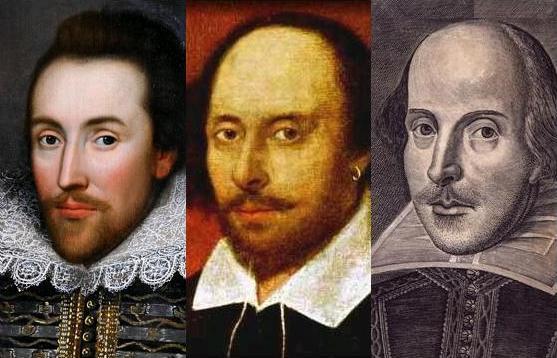
Schopenhauer's definition of genius contrasts with talent: "Talent hits a target others miss. Genius hits a target no one sees." The roundtable explored whether originality is essential to genius, examined Kant's distinction between aesthetic and scientific genius, explored different genius types, and questioned why child prodigies don't always become adult geniuses.
Speakers




Watch
Media
Related Roundtables




Transcript
This roundtable brings together a physicist, neuropsychologist, historian, child prodigy researcher, and creativity scholar to examine the nature of genius from multiple perspectives. The discussion covers the neuroscience of exceptional brains (including analyses of Einstein's brain), the limits of IQ testing as a predictor of genius, and the complex relationship between intelligence, creativity, openness to experience, and psychopathology.
Panelists debate whether genius is primarily genetic or environmentally shaped, drawing on Terman's longitudinal studies of gifted children, modern genomics research, and historical case studies. The conversation explores the historical evolution of the concept of genius from ancient notions of divine inspiration through Romantic-era individual exceptionalism to modern collaborative models of innovation. Significant attention is given to the relationship between genius and mental illness, gender biases in recognition of genius, and whether figures like Einstein were uniquely indispensable or whether their breakthroughs were historically inevitable.
Show discussion topics
- 00:00:00 Introduction of panelists and framing the question of what constitutes genius versus talent.
- 00:05:11 The historical construction of genius, including Einstein's collaborative early work and the role of social context.
- 00:10:28 Neuroscience of genius, examining Einstein's brain anatomy and what brain structure reveals about exceptional ability.
- 00:15:45 Terman's longitudinal study of gifted children, IQ testing, and the limits of standardized measures in identifying genius.
- 00:26:08 The multidimensional nature of genius beyond IQ, including openness to experience, personality traits, and the role of psychopathology.
- 00:35:31 The relationship between genius and madness, from Aristotle to Nash, and how blind variation can devolve into psychosis.
- 00:46:57 Unrecognized genius, gender disparities, and the social processes that determine who gets recognized as a genius.
- 00:57:23 The genetics of intelligence, gene-environment interaction, and how enriched environments maximize genetic potential.
- 01:07:47 The historical evolution of the concept of genius from divine inspiration to Romantic individualism to modern democratization.
- 01:28:23 Counterfactual questions about genius, whether Einstein's discoveries were inevitable, and the role of environment versus individual contribution.
Show full transcript
00:00:00 sorry that you have to have to do that but when is the you're doing the Oxford handbook as well right sort of the I'm lots of O okay we're gonna get started welcome everybody I'm Rob penzer I'm the associate director of the heix center just a reminder please um turn off your cell phones as we um are live streaming this event and uh active phones will interfere with uh with that uh a few announcements of up coming
00:00:30 round taes on Saturday October 24th we have the realm of mystery with Columbia University Professor philosophy Carol rovane University of Chicago professor of theoretical astrophysics Michael Turner University of California Ca barbar professor of Jewish studies Elliot Wolfson and Princeton professor of English Susan wolson then on Saturday November 7th our program is speak memory with NYU professor of Neuroscience Christina alberini UC Irvine professor
00:01:01 of philosophy Sven berer NYU professor of Neuroscience Tom Karu City University London professor of cognitive psychology Martin Conway and University of Manchester senior Lector of Neuroscience Penelope Lewis then on Saturday November 21st we have translation matters with Princeton Professor French and comparative literature David Bellos Sarah Lawrence professor of comparative literature Bella Brodsky UC Santa Barbara director of translation studies Suzanne gine author and Metropolitan
00:01:33 Museum of Art Director of Publications program Mark pooti and Sunni news associate professor of English Michelle Woods in collaboration with the French multidisciplinary Think Tank the association Des Ami de pasage Helix will be holding a three-day Symposium on December 4th 5th and 6th called a Freudian perspective on what ails the world today featuring an international roster of Scholars addressing issu of Education identity nationalism and
00:02:04 fundamentalism and now for today's program understanding genius when I announce your name please raise your hand just so the audience will recognize you Steve shu is vice president for research and professor of theoretical physics at Michigan State University Rex young assistant professor of neurosurgery at the University of New Mexico Darren McMahon Mary brims uh bmme Willock professor of history at Dartmouth College dean Keith simonon distinguished
00:02:34 professor of psychology at the University of California Davis unfortunately uh Joanne rats uh from Ohio State who uh was scheduled to be here um was unable to join us because of uh the inclement weather which uh canell her flight so we'll begin [Music] now how do we begin genius just emerges like
00:03:05 that well that is a a long running theory that uh that that genius is spontaneous um and I think that uh researchers here would probably argue that's not the case that uh genius often takes a lot of work that that Edison when he said that genius is 99% perspiration and 1% inspiration was uh uh more onto uh truth and yet it's interesting that we seem to like that idea the idea of the Apple falling and Newton just discovering the law of gravity like that even though we know he
00:03:35 worked 18 hours a day in fact when Newton was asked oh how do you come up with all these great ideas he just says I Ponder a lot and and it's not just the amount of work they put in thinking over and over and over again about whatever obsess obsesses them but they make a tremendous amount of mistakes along the way you know there's all these false starts course A lot of times you don't see it because um either it's not published or
00:04:07 if it's art it ends up in the basement in storage or you know some other kind of thing so it's it's it's filtered but the the the the number even in Albert Einstein who's like a prototype had all these horrendous heirs particularly in developing his unified yeah unified field Theory there was a good book that was out a couple years ago called Einstein's mistakes I reviewed uh and and it's about just this you know the the creative uh errors that one makes on the way to truth and you have to do it and he he even Justified it he
00:04:40 says um mistakes in science are okay as long as they're big enough don't tell your students that right I think it's worth clarifying that uh humans like narrative and simp stories and so often we attach uh achievement or results to an individual when in fact there are quite a few people who contributed so it's I think that is not to say that I don't believe that there are geniuses in the world
00:05:11 there certainly are but the true story is almost undoubtedly more complicated than the one that we're familiar with right and it's even true for someone like Albert Einstein at the very beginning uh when he was a nobody he used his first wife as kind of a sounding board for a lot of his ideas and some people even say that she probably contributed more in particular to the special Theory relativity than she got credit for um they made a deal when they got divorced that he would get the ward and she would get the
00:05:46 money and a lot people don't realize later on um he got in over his head mathematically and so had to take on mathematical collaborators he wouldn't have been able to develop his later theories and um later on when he was working on his JY relativity he got into a kind of a contest with a distinguished mathematician pun and um it was really kind of close for a while because he didn't have the mathematical ability to do what he needed to do so well can something be
00:06:19 said about the differentiation between collaboration and um inspiration and and the subsequent aspiration I'm thinking of you know Century Athens or Elizabeth in England or um Renaissance Florence where didn't necessarily have I mean there were some collaborations but the emergence of these Geniuses on on on multiple fronts uh you know that there's something also about the inspiration I I
00:06:50 think there are special moments in history where either the cultural uh background is particularly conducive to some kind of breakthrough or in the case of science what is often the case is you have theoreticians who have ideas but the experimental technology is not there to test those ideas so for example today we have a lot of people working on things like string theory which are to this moment actually completely untested by experiment and it may turn out when we look back a thousand years from now we may say hey these guys were Geniuses and they
00:07:21 developed a full theory of quantum gravity with no experimental input or it might be a thousand years from now people look back and have completely forgotten about string the um Einstein was lucky because his theories were tested very soon after he made them and they were both conceptually deep and Broad breakthroughs but they were also verified as true very soon afterward and that's why he has become such a singular history uh singular figure in the history of Genius verified and and publicized too and I think that's critical I mean it's when it's it's in
00:07:53 1917 you know 12 years after the the Anis marabous of 1905 he do I have any problem with this seems seems to me is be going on all [Music] right and the voice okay uh it's 12 years after he's done his major work and yet it's you know publicly uh uh announced and verified and it's then in 1917 when he becomes this kind of world
00:08:24 saint really U all over all over the world and he's the only genius that we really have access to his brain so that's not true well there's we start harvesting brains in the 19th century and there are all kinds of bits and pieces of geniuses bones even penises it's been studied very uh very deliberately I guess uh so we've had bits and pieces of Einstein's brain and people are very fascinated uh with we have Lennon's brain we have other other brains as well but it's been studied and and made
00:08:55 slowly accessible and people are fascinated uh by you know you know this brain what is in this head that makes this individual so uh remarkable and I was talking with a friend earlier when they looked into his brain it was rather unremarkable when they first looked at it it was somewhat smaller than uh the average uh human brain for person even for a person his age until people started remarking on it and finding these uh unusual bits and pieces that
00:09:25 were a bit different than other brains lateral exceptional lateral connectivity between left and right or is that just a is that apocryphal it's a bit apocryphal I mean they have the one of the first studies they looked at um his uh angular gyrus and they started looking at the the the number of GLE Cells versus neurons in his angular jarrison wion I believe found that there higher GLE ratio to to neuron ratio they had a bit of his frontal lobe his brain I don't
00:09:56 know if people know this but his brain was cut up into little cubes uh right soon after his death he died of a aorta aortal aneurysm so his brain was relatively preserved uh uh from his um untimely death and cut up his brain in little cubes and sent them around they had a piece of his frontal cortex and a piece of his parietal cortex and they took a look at it and they found that his frontal cortex wasn't particularly unusual in terms of neurot toal ratio but a part of his angular gyrus was uh was unusual um parts of his uh Corpus
00:10:28 colossum uh are unusual in terms of its connectivity people have looked at that uh his motor cortex has a knob on it uh which they have hypothesized is uh involved with his uh uh violin playing uh but uh does this have anything to do with genius at all you know it's worth I always like to point out that Einstein left explicit instructions uh in his will that that you no part of his body would be uh left behind and so it was taken without knowledge of that will but against his will by this a very amusing man who you
00:11:01 know kept the brain in a beer cooler for a while and drove it the back of his Pontiac around the country and uh um but you know that that kind of fascination with the body parts of Genius actually has a long history as I say or other Saints for that matter as you indic exactly and and that that in itself says something interesting that we want to put our fingers on on the genius part and and frankly I think this it's a little silly uh I mean you know I don't know about the brain science here but my understanding is that that you know the effort to locate uh Einstein's genius in
00:11:32 his brain is kind of just silly how you I'm sorry how you end this this thing like happened with the phrenologist because they were the some people even say that modern cognitive science is the Neo phology right you're trying to find where in the brain you know genius is located or inside is located or whatever and um way back in the early days of phenology they analy did the same kind of postmortem okay only it was easier you didn't have to have the brain tissue right you just had to have the skull and then you you know and um and this guy I
00:12:02 foret who it was an early phrenologist pointed out it might have actually been G I don't know pointed out that um the area of the of the cranium that is responsible for um mathematical ability in Dart was actually depressed instead of bumped out and so they argued on the base of that negative evidence that his mathematical ability must be tremendously overestimated it's not clear that what purports to be decart's skull is even his skull that's his return to France
00:12:34 retion but there is this there is this fascination of trying to understand I mean uh so your intelligence your creativity all of these things arise in your brain at least uh in part so trying to understand the complexity of that relationship between brain and behavior is certainly a worthy Endeavor but uh looking at you know the Corpus colum or the motor strip or the angular gyrus uh is going to be fraught with uh frenic types of underpinnings you you're not talking at all about
00:13:05 IQ so you are separating genius from IQ we could talk about IQ yeah well no I just I mean one would have thought you would say well somebody who has an IQ of 100 and something or other is considered the genius but you're not going there at all I'll talk about that we can all do it yeah we can all do it you go I I suspect we're using the term to mean someone who has achieved something great and so there are many people who have high IQs who do
00:13:36 not achieve great things however the the probability that someone will achieve something great I think is monotonically increasing with IQ and um if you test uh eminent scientists randomly selected eminent scientists you will find that they tend to have very high iq's but of course nothing in human life is deterministic so there are plenty of people who are 7 feet tall and are not going to play in the NBA but um the the fraction of seven-footers in the US who play in the NBA is exceptionally high can I just say one thing I think
00:14:07 the history of psychology and I have a little section on this it's really kind of upsetting to me what happened to the to the term genius because it was originally designed refer to outstanding achievement and then there was this guy at Stanford University named LS s Turman Lewis M terman who decided he was going to do this massive long tunal study of high IQ kids that's obviously these kids were little kids boys and girls so that you can't talk about outstanding achievement and um and foll all the way
00:14:39 through adulthood and he called this genetic studies of Genius genetic by way can also mean development not necessarily you know heredity and ter termites what ter termit it's termite yeah they're called termites and the thing is is that he had to pick an arbitrary selection um Criterion so he picked 140 and if you look at a lot of dictionaries like the American Heritage dictionary they say a genius is someone who has an IQ of 140 or above that was a totally arbitrary decision it could have been 136 or
00:15:13 1521 in fact none of the kids who passed the threshold of 140 won the Nobel Prize there were two physicists who just missed qualifying shley and lisis Alvarez who did win the Nobel Prize now there's some claim that the test that was used was primarily verbally loaded and these two were much stronger mathematically and probably would have qualified had to use slightly different kind of IQ test but but so a lot of people will use the fact that none of the termites won the Nobel Prize as evidence that IQ has nothing to do with achievement but that is completely wrong
00:15:45 actually it's also interesting that two the termites grew up and end up being professors at Stanford University and they took over this longitudinal study that was still Contin so they became subjects in their own stud refle well and terman uh study I mean it was it it was incredibly flawed he got involved with the with the children yeah he wrote letters of recommendation form so I mean it was it
00:16:16 was a horribly flawed study from um from that perspective as well it was incredibly biased experimental bias was there's a more modern variant of the term and study which is still ongoing called there's two variants of it s mpy and S vpy study of mathematically or verbally precocious Youth and probably some of the children of people in this room are in the study but if you score above a certain level by the age of 13 you're admitted to this study and the oldest people in the study now I think are in their 50s and so you can ask well
00:16:48 as the IQ gets higher and higher does the probability of some level of achievement increase and so you can for example show that someone who's at the 1 in 10,000 level of ability is is many times more likely to have a patent at age of 45 uh than someone who was only in the top 1% so there's no diminishing returns to intelligence even as you get to the 1 in 10,000 level of ability um probability of being tenured at a major research University also monotonically increasing so even within the what we
00:17:18 would consider already very high scores top 1% was you go from top 1% to top 1 in 10,000 there are significant differences in those populations and the Amor thing about that study un like what happened in the terman one is they actually got people who you would we would consider Geniuses for example they have Fields medalists I don't think they have teren tow is in it yeah good example of that um absolutely outstanding and also interesting because one of the issues that sometimes arises when you talk about genius is mad genius
00:17:49 and and Terence to just totally normal guy well if you if you met Terrence you you would say he clearly is not a he's a little bit on the Asbergers but for someone that smart he is very normal I I would put you know you said we're uh we're not talking about IQ but just to link up what we were talking about earlier brain studies cranial studies IQ when the IQ
00:18:19 exam is developed uh in the 1890s in in France by Man by the name of B and it's Lewis Turman who takes that uh research and then and and sort of instrumentalizes it V was actually very interested in cranial studies as well uh and I see the IQ exam as kind of growing out of this long 19th century uh attempt to locate genius uh and some of that research I think should give us real pause um it's not coincidental that that Turman was an anti-semite uh that um you
00:18:51 know he he had unsa reviews about uh race um he was a an acolyte of of Francis gton who is an important uh scientist the nephew of of Charles Darwin uh whose first book is entitled hereditary genius and who's very interested in how to identify genius and population pools but who's also the father of eugenics uh as as people in the room will know so it's sort of just you know worth pointing out those connections those long philal connections that's not to cast IQ out out of uh out of the discussion by any
00:19:21 means but uh there's a there's a dark history there too yeah yeah and even manifested in in that terman study because you mentioned Shockley he really resented that he didn't have an IQ high enough and he he spent the rest of his life you know resenting it and and he basically stealing the transistor idea from some colleagues you know I mean not completely I'm not sure he stole it but yeah I he took he took more credit than with his but he got he got got one up in the end CU he contributed to sperm to
00:19:53 the Nobel Prize sperm bank right so he'll have more uh I don't make this stuff up to say yeah and he ended up doing in line with the trti going back to gton you know start arguing about Superior and inferior races right well yeah but I would say to some extent we live in gton and turman's world today even though we don't think about it anymore so in long ago we would not have thought that we could use standardized tests to filter Talent OR to allow ex access to valuable educational resources
00:20:23 but this is exactly what we do in our society so if you want to get into MIT you have to do quite well in these standardized tests which are essentially IQ tests and so American society is quite ordered in some sense along achievement lines on these exams and if you go to places like Japan or China where admission to college is based on a single exam um again you have a society that's actually filtering based on brain power and then allowing those people who have above average ability uh more access to educational resources
00:20:55 M yeah it's going to lead us meritocracy well yeah and I mean it is interesting that that the United States adopted use uh the use of these con standardized exams uh very quickly and took to it uh much more aggressively than other countries um comp to Europe that say something about American society you say kind of LST meritocracy I don't disagree with you but if you look at how admission to a cold normal Superior or a cold poly technique in in France it's even more elitist than what we have here much more it's much more
00:21:25 elitist so so in fact it's not fair to Americans only with this brush in Japan and China and Korea same thing there is a GAA or high exam that you take when you leave high school and if you do well in it you go to Beijing University and if you don't then well China had as the Civil Service Thousand Years thousands of years I'm just talking about the the type of exam I mean to get into thear Superior um you do the Kane and you do a whole set of exams it's not a it's not a um exam that like IQ at all it's it's based on content and that's a different
00:21:57 method so that's another interesting thing that happened to IQ is that the original conception of intelligence when Benet was working on it was actually much broader yeah he was looking at mental retardation yeah exactly he yeah he actually started looking at the lower end for special we call special education um and also the items were much broader he was just looking at what are the kind of things that kids are able to do as they mature intellectually and who might need who might need additional help to succeed in an educational environment and then it got
00:22:28 kind of inverted it was actually term inverted because he went from studying people who are on the lower end to people on the upper end and part of that also was narrowed because of the emphasis on increased reliability of the test so what you do is you to increase the reliability you have to throw out the items that have lower correlations with the overall score and guess what when you throw out those items they have to do with things like creativity and moral decision making things that aren't part of intelligence obviously right I I think that's a important point so when
00:22:59 you're measuring analytic ability or some kind of very well-defined um intelligence then it can roughly crudely be measured by these IQ tests things like creativity uh ability to work well with other people ability to inspire other people those have never been things that we've been able to measure to operationalize in a reliable way in tests and therefore they get deemphasized in our I would disagree so um there they're getting better with uh measures of creativity creative achievement questionnaire is a reliable and valid to measure and personality is
00:23:30 getting much much better at measuring particular personality variables so not IQ is the gold standard that they can measure better than height in the doctor's office believe it or not um but uh it is an incredibly reliable and valid validated uh standard uh to shoot for but creativity measures and personality measures are getting better the problem with personality so if you it is very difficult to cheat on an IQ test because to cheat you'd actually have to be smart but you cheat on a personality test I can imagine my sociopathic friend and say I'll answer
00:24:02 the way he would answer or I'll answer proo ways so that I can get into I can get this job that I need yeah so that's the problem with personality test although I I agree they do have some they have validity and reliability as well in fact I tell you how to how to cheat right now right now the personality variable that correlates most strongly with uh creativity in a wide range of areas is the openness to experience okay so you already know how to answer all the questions and at times I ask you are you You' be interested in trying a new all these people in this room are
00:24:33 open to new experience because they're here by by definition right guarantee yeah want to go to poetry readings do I want to go see art do I want to yeah do I want to try new food that's the openness to experience and yeah it's easy to cheat on but but but just reinforce on he said I you IQ is a goal standard that I think will never be met because it has been homogenized into what is measured and it's interesting you know like Howard Gardner came up with it well initially seven intelligences but he's added some additional ones and he's sometimes been
00:25:05 criticized because he says some of those intelligences don't really have measures for them it's because their creativity and personality personal you know like like like uh interpersonal intelligence and intrapersonal intelligence and uh what it ktic kinesthetic kinesthetic intelligence right and they can't I mean what are you going do have someone do a up and and then give him a score I mean it it's it's there's no so is that really a criticism I think the criticism is US of
00:25:37 gardener is usually not that his constructs exist people agree that his constructs exist the question is can you operationalize it can you actually measure it in a reliable way and on that question the answer is no you can't and that's why you ended up going from kind of looking at it in in the general population to focusing on genius on Creative achievement like and creating Minds and then then there's no question so you started out with the question about uh intelligence and genius but do you think creativity and personality variables are critical to the manifestation of Genius
00:26:08 I I well yeah that's the whole point is is to me it's not a single Dimension I we can talk about um G you know in intelligence it's been well demonstrated it's very hard to get rid of it so intelligence is likely in necessary but not sufficient to achieve uh genius and that's why when you talk about you have a a monotonic line but there huge scatter around line exactly these are all noisy predictors and and the reason why there scatter is this person has high openness experience and this
00:26:39 person has low openness experience the person who has the highest recorded IQ she took the yeah the Stanford Benet when she was a little girl and got a perfect score and she writes uh Marilyn V she an advice I mean 226 is a really good IQ she end up in the book of record but what is she doing you know I I hope she's not here but it's a really it's a good
00:27:09 achievement that she she's doing very well she's writing a column for pray a Sunday supplement in which people ask dumb questions that she answered L that she answered I mean a lot of them are really dumb you're like why in Winter should you wear dark clothing and she gives a very intelligent answer you look up by Googling so that's to me she's sort of the prime example of you know having Supreme I she's basically a
00:27:41 specialist in taking IQ tests she's taking every IQ test you can possibly imagine including one for there's one for the four Sigma Society that's four standard deviations above the mean and I've seen some of the um questions and I'll admit it I couldn't understand what they were asking Dean don't feel bad I don't even look at those questions I know that you know it's like maybe that's the test if are you smart enough to realize these questions don't actually ask
00:28:12 any these questions are nonsense so genius requires intelligence but then there's something else and uh there's a secret sauce right the sort of X Factor and that's Cicero called it the quiddam D winum the the kind of divine something that somebody like soccer had Socrates thought he had a a damonian a little sort of spirit that followed him around and whispered into his ears in fact that's the Greek term dioni in the Dominion of diamond gives us our word demon but in Latin that's called Aus
00:28:42 which is just like the word genius and originally the idea was that you know that genius that extra something uh was breathed into you by a God or a muse uh or implanted in You by the gods but it was a Divine special uh something that ordinary human beings didn't have are you saying that's a genetic induced Talent I'm not saying anything about genetics so we we mentioned uh fascination with measuring the brains of these deceased Geniuses well I think the next step which will be realized as technology improves is of course measuring the genomes yeah uh genus yeah
00:29:15 it's happening as we speak so so I just I just hosted a meeting of the international Society for intelligence research and Robert oh you yes that's Robert Plowman was this Jame did you go to James Lee's talk I did yeah very very impressive talk and and so so they're searching for the genes of genius and or high intelligence anyway and uh having a hell of a time finding them a lot of them right I mean well yeah a lot of them and and multiplying uh dramatically so Robert pman has made uh his life mission finding uh this G uh Gene for
00:29:47 genius and uh turns out that there's not a gene and there's not 100 Gene and gen and there's not a thousand genes but there's probably uh thousands and thousands and they're kind of interchangeable so it's not like the same Gene's going to appear in every single and it's not for every single person it's really a complex story and the the the takeaway for me um was twofold um so you have this bell-shaped curve now we're all very interested at this high end of the curve because we're all smart people and we're here at this talk and we're talking about genius but
00:30:19 evolution is selecting for the middle of the curve that is where the sweet spot is for uh replication natural selection to OCC and that's where the action is at the gene so Robert pman is looking for booster genes when actually uh there's suppressor genes um and the lack of suppressor genes that decrease your intelligence is what is actually the big story and uh Dr Lee and Dr plom are finding these stories that the lack of these suppressor genes are really more interesting than these booster genes for high IQ there is one area where there's
00:30:52 been I think more success to look at the genetic basis of genius and that is not to focus on IQ but the focus on Personality yeah because we we know that most major personality traits have very strong genetic component usually about 50% on the average cril credability and what's also interesting about this research is that um it's helped us understand a little bit more a very important issue that that has gone goes all the way back to Plato and Aristotle the Mad genius issue what's the
00:31:23 relationship between genius and Madness I mean aist says that all Geniuses are even in politics he said you know suffer from Melancholy which is just his word for depression and depression okay and he was probably a depressed guy because he listed philosophy as as one of the characteristics and um and what's interesting to me is that it this there is evidence that there are shared there's a shared genetic basis between certain kinds of mental illness and
00:31:54 certain kinds of creative achievement it's not that highly creative people are mentally ill it's just that there's there's certain things that allow them to be creative that are shared with people who are mentally ill because they don't have whatever the moderating variables are for example reduce light inhibition I was going to say what do you think of those cognitive variables yeah the cognitive variables they just can't they they have less ability to filter out IR relevant information well guess what that actually is useful sometimes because
00:32:26 when you filter out something that's irrelevant it actually may be something that well like Serendipity all Serendipity by definition is irrelevant and so you got to spot it Dean that's do remains specific though right I mean in other words one can imagine a correlation uh between poetic genius uh and a form of mental instability because making metaphor is drawing you know connections between dissimilar things and you move that a little bit over and you got schizophrenia and you can see how that might be but but presumably in other domains it Ma well not tell
00:32:58 okay yeah well I mean this is obviously very complicated but if you look at um like scientific genius they their leanings are towards the autism spectrum right okay mathematics for example and so in a sense it's the opposite because they're so incredibly focused I mean when you figure out Albert Einstein um when he when he worked out his theories L people don't realize oh you just come up with equals MC square and then and you're done I'm afraid he had to do calculation
00:33:29 after calculation after calculation he um would often get those calculations wrong and would have to redo them uh he worked he published three papers on um on the size of a a molecule kind of a dumb thing that's what he did his doctor dissertation on he got avocado's number wrong he got wrong again and he finally only a third calculation he finally got a ride predicting it on the basis of his his observation of the theory so um you know it's you have to be very very
00:33:59 focused in science be obsessed yeah with that up and given domain I think you're absolutely right um but I I would make one observation which is that you know the enormous powers of concentration that are required if you want to do highle mathematics or theoretical physics those are developed so when I was a kid growing up my father who was an engineering Professor I always thought of him as absent-minded and I used to joke I used to joke with him and I used to say I'm and I was kind of a normal kid I thought at least I think and I used to say to my dad hey I'm never going to be as absent minded as
00:34:30 you dad I think I'm different than you and he said well you know just just wait because uh if you want to do the work that I do you have to think and when you're thinking people will think you're absent minded right and so what's actually happened is that now as a kid I could not hold some really complicated mathematical thing in my head and manipulate it but now I can't it's developed and so now my kids look at me and they I'm doing something but they don't realize I'm doing something they think I'm ignoring them or absent minded so it's a little bit more complicated than you think they be doing their work when they appear to be yeah I me
00:35:01 sometimes I mean Einstein would be talking with some guest and all of a sudden his his mind would be elsewhere he'd get up and go out of the room and what if there's and what if there's two main things that our brain does that's analogous to evolutionary processes blind variation and selective retention and so this is the the mechanism of evolutionary Pro processes and this is kind of what you're describing this variation process where you're thinking up lots of different ideas and you can do mental simulations but then you have to selectively retain
00:35:31 and you have to drill down and at one extreme and I wrote a paper on this that I think you reviewed as well wrote a paper on this that at one extreme blind variation can devolve into psychosis where everything is related to everything else at the other ex end of the Continuum with Selective retention things get so narrow that there's only one solution you become very rigid in your thinking and autism is at the end of the psychologic or psychopathological perspective and the brain is designed to be again in the middle of the the uh golden mean where blind variation and selective retention work hand in hand so
00:36:03 that you can be most adaptive for problems that are well known that you have to solve problems rapidly and accurately that's kind of an intelligence thing and problems are unknown where you have to come up with a new solution to a problem that seems like the sweet spot a good example of this is John Nash who recently died he he's the he was the subject of this book and movie A Beautiful Mind and uh he had a schizophrenic phase where he was really lost and there were periods of time when he would wander around Princeton and just fill blackboards with just nonsense and crazy things but then
00:36:34 when he regained his sanity a little bit people asked him what were you doing all those years John and he said well these arguments that uh God is acting with Joseph Stalin to do something with martians those ideas came to me from the same places that the mathematical ideas came from and so I I didn't them treated them the same way so it's very very uh I think it supports what your model uh and from a neurological perspective that's starting to appreciate with networks in the brain that are involved with this variation process the default mode Network and and networks that are
00:37:04 involved with the selection process cognitive control networks and how they have to work in tandem with each other it's not just a place in the brain but it's these networks working hand in hand that allows us to be uniquely human and successful as humans this is relevant to another issue I I I you know if you look over the program they have all these really interesting issues and um and some of them I I think we didn't touch upon because um we're missing a person who's an expert in that area but one of them is why not all child prodigies grow
00:37:35 up to become adult Geniuses and and there's and it's a very complex issue it has to do with Social Development a lot of other things but one of them is gets to this kind of blind verion selective retention thing um when when you see a lot of child prodigies they're usually in areas where you have to acquire incredible expertise incredible expertise in chess incredible expertise in mathematics incredible expertise in um music performance you know playing the violin or piano whatever and at the beginning it's
00:38:06 really helpful to just focus and focus and focus be very narrow and weed everything out um be towards the autistic end of the spectrum but as you mature that only works for certain kinds of things you can keep on doing that for chess you can keep on doing that for some kind of mathematics but there's other areas where all of a sudden you have to the the openness to experience you know you're still you're still composing music like most is a good example he was
00:38:36 a phenomenal child prodigy the greatest child prodigy music the world has ever seen he was actually studyed a lot of people don't know this there was there was actually a an article where they studied him the Royal Academy at the Royal Academy yeah and published in the transactions I just read that reread that recently it's a fascinating Artic I mean it's obviously not that he would go chase around a cat as yeah he was still that was used as a proof that he was he really was his age yeah he really was a child but what was interesting is that a lot of people don't realize but he was
00:39:06 actually slow to mature as a composer uh some of you may have heard this 10year rule it takes about 10 years it took him longer than 10 years he was composing at six and it wasn't until roughly he was 29 that he started composing his first masterpieces and and what and and what happened is all of this stuff beginning they really great music but it's just kind of music that everybody else was composing and and there's no there there he had to go
00:39:38 through his M death of his mother he had to go through um an unfortunate love affair and end up marrying the sister and and all these other kinds of things he he had experienced life and it broadened him so that all of a sudden he could put meaning into his music that he didn't have before he just had the technique and then when puts it there vies Society can understand it and uh you know he starts losing his contract and dies you know popper yeah he paid the consequence for it it became less popular yeah no no no please I I was
00:40:11 just going to say I you know Dean mentioned that this this Nexus between Madness and genius goes all the way back to Aristotle and Plato but in the 19th century there's quite a developed medical theory that genius is a sort of positive side effect of uh mental degeneration and you know a lot of literature on this but the story I love to tell is that the great French novelist Amil zolah um suspects that he's a genius uh but he's also uh an acolyte of this Theory so he knows he has to be somewhat mad so he has himself
00:40:42 sort of analyzed by a group of 12 French psychologists who who you know come to the conclusion that he's mildly neurotic just neurotic enough to be a genius but you know high functioning he's in a Sweet Spot there you go but when you um when you talk about Mozart or you could talk about matis or B Chell is IQ relevant there we don't know their IQ I suspect that if you took the greatest not suppose we in this room
00:41:13 made a list of our who we thought were the greatest novelists right and you gave them all IQ tests they would all score above average but I think very few of them would score really off the charts the way that you know an astrophysicist would score or something like that average the bell-shaped curve would center around 120 Wexler scales instead I think the issue here is is you have to and the same is true for the the madness thing the Psychopathology thing you have to break it down by domain and it's not even it's is it's you can't do these big
00:41:44 cuts even of like artists versus scientists because you got to break it down much more fine for example you look at arts and there's actually some research done on this for example where this guy compared um uh highly formal abstract Arts they're very logical you know like am monrean for example with highly expressive emotive Arts like uh Jackson Pollock for example or you know abstract expressionism in general and guess where all the Psychopathology is it's it's on
00:42:15 the the highly emotional expressive in the highly abstract form it's like mathematics you know it's it it doesn't require that kind of openness and craziness and but it's same for physics as you've shown too revolutionaries are more likely to show Psychopathology than our theoretical physicists versus so you really have to you know cut it fine and then again just like it is for intelligence there scatter around yeah you know so there's you don't have to be a crazy um Einstein maybe was a
00:42:46 little bit autistic but he himself wasn't crazy but he may have been carrying a gene for it because his son son was schizoph was a schizophrenic you know so one of still not clear are you saying that the correlation between intelligence and genius applies primarily to Fields like science mathematics uh or is that applicable across the board to everything whether it's painting music
00:43:19 yeah I I think if you use the word intelligence you have to be very careful of what you mean by that so because there is an operationalizable version of it called G or IQ that's the one we tend to focus on that one tends to be show a higher correlation with certain types of work symbolic manipulation mathematics things like that computer programming but writing a novel is I think and has so many other ingredients in it that the loading on that particular kind of intelligence is decreased right but not absent but not certainly not absent 120
00:43:51 or something like that certainly not absent these aren't dumb people no but they're spending more of their time thinking more concretely about things happen in life I think feelings but 120 is not is not the genius it's GI level 12 it's all relative it depends on who the 120 person is with so yeah I I think if you if you ask what is it that makes somebody a great novelist they have to be able to read and write but they have to think about humans and have insight into human psychology and life and and
00:44:24 those are things which are not measured by these tests so so someone may be very very offs scale in their insight into human uh human psychology they may be offs scale in their ability to write beautiful Pros but that's not measured by these little tests and so they may come out as 120 on the little test but they're one in a million in these other areas which we just are not very good at measuring right um so why why don't why isn't then the measurement made in terms of
00:44:56 the what new did the person bring that didn't exist before so uh let's say man in terms of painting brings something that's the measurement that Society gives in call in calling them the the the genius the one in the million Society then gives the acclamation or the the uh the collective uh approval that this person is has produced something so unusual that that
00:45:26 is the I would say I would say that's a much deeper way of classifying genius than just giving somebody a little test this is saying oh you did well on the test you're a genius as opposed to you did you contributed something really original because by definition you can't standardize it no I mean but if you're going to score them on how original they are then how do you standardize something like that but I but I would but I would say there is one problem this societal they're doing a whole set of genetic studies on it so they are trying to standardize it but are they standardizing it just for
00:45:56 scientist or are they standard no I all the genetic studies would use as the phenotype variable a score on a test typically like an intelligence test or a personality test or any trait that quantitative trait that you want to measure you can calculate for example the correlation between a particular Gene variant and that phenotype and that's what's being done but there is not a good phenotype as in uh made original contribution to society that's quite difficult to to standardize and measure I just want to say one thing though back to my the very first comment I made this evening
00:46:27 I think a lot of times we give someone credit for some huge original contribution to society but that's a manufactured story that person may actually not deserve the credit that uh we give them and so I think you have to be quite careful about that or the person didn't get it in their lifetime um later much later they get are dead yeah well most most people are dead too yeah and there's you know a huge number we can all name examples of you know like Emily Dickinson and and
00:46:57 right Fredo Carlo is sometimes mentioned but she was actually pretty famous you know during her lifetime during her lifetime she had one pille was Melville not uh I guess Mobi dick was not uh yeah I think he was underappreciated but I don't know if he was neglected you know got he got published and then there's the other example of somebody you know we think of uh Edison and the light bulb I mean the light bulb had have been vented many times right prior to that and he seizes the moment at the right time there's myth making any of our big you know whether it's Steve Jobs or you know people who are big figures today there's a tremendous amount of uh
00:47:29 determined um intentional mythmaking around all these people you have to be quite careful about that by the way I also have to say um a lot of neglected Geniuses are really honest to good neglected Geniuses that deserve to be neglected uh I had this weird experience I published a little tiny commentary in nature oh yeah and and I just raised this issue of whether or not genius is extinct now in the Natural Sciences I'm talking about physics and chemistry are
00:47:59 you still trouble for that that's become such you know so expertise driven and group oriented and you know big research teams and big grants all that and all of a sudden I found out that by the way they changed the title on me so they said is is is Einstein extinct which is much more dramatic and sells lots of copy but it wasn't what I intended and there's all these people came out of the woodwork you know and they started saying wait a second I'm alive and and and and I said what do you
00:48:31 do and he says I I've revolutionized theoretical physicist you should appreciate this they've actually proved that Einstein was wrong so I said can you like send me a PDF of anything well I haven't gotten accepted yet but I have a YouTube video can I can I comment on your article because uh oh you read it okay well I think it raises a very important point so in the of Einstein You didn't send him a YouTube did you I we have to clarify that
00:49:03 first in the era of Einstein the top mins were drawn from a relatively small population so if you think of the number of people today who have access to kind of First Rate University education it might be in India it might be in China and then access to First Rate graduate school it it's they're our talent pool is enormously larger than in the time of Einstein so there is no doubt that in some sense if you just measure IQ scores there are plenty of people around who are as smart as Einstein on that particular metric but it is much more
00:49:34 difficult to stand out today because every area of Science in particular say physics which I know well is uh being worked on by very very smart people competing against each other and being and pushing things forward a little bit at a time working in big teams so you just don't stand out if you took an NBA guard today and you had him play against NBA guards in 1950 he would embarrass those people maybe not Oscar Robinson whatever his name is but he would embarrass almost all the other yeah he would embarrass almost all the other players in 1950 because he would just be
00:50:04 off scale for the that era but today he plays every game he goes to he's evenly matched against some other player so you don't think of that guy as a basketball genius but he is a basketball T pool yeah the talent pool is just so tremendous now and the the the the set of Frontiers that are being pushed forward in science whether it's in biology or physics or chemistry is so vast that we have a lot of geniuses but they're un totally unre recogniz Geniuses like a super String Theory I mean you have to be a genius to contribute to that for example yeah for example really impressive people are doing the work in that area but no one's
00:50:36 really stood out and part of it is the problem that you said earlier you you can't verify which of these and this one assumes 15 dimensions and this one's 18 so which one do you pick well they both give the same prediction so you know yeah this one's more parsimonious I guess but but to your point I mean does that mean that there's uh but the there's still Geniuses out there um or well how do you define it so or because they're not achieving they're not able to achieve I mean are there Geniuses but they can't a there's not the opportunity
00:51:07 to make those achievements because there's just to the talent pools there's an issue of something we call lwh hanging fruit so uh how long have humans been doing science per se couple hundred years so there are a lot of pretty easy things that got done early and now there are a lot of things which are going to require teams of very very very smart people to filling in the details so yeah well it's not it's not just filling in the details so so you know we don't know how to unify quantum mechanics and gravity and maybe String Theory does that's not filling in the details that's
00:51:37 a very fundamental thing but it's going to take a thousand Einstein level people working on it to to thank goodness the brain is completely unknown and the Brain we know almost nothing we still know almost nothing about the brain right so yeah fantastic um K I think this was mentioned in the your little flyer as well um how's my favorite definition of genius and it kind of fits in here because he he puts the originality as the first requirement but the second requirement is that the idea be exemplary and what he means by that
00:52:10 is that it it forms a model for other people to follow and and imitate or emulate or whatever and I think that in the case of like Robert Einstein like you were saying in that period or you know in case of Neils bore or whatever these people would come up with these ideas that people would immediately have to pick up on I mean you couldn't do quantum physics and ignore Neils Bor and Heisenberg and the rest so they they reset the mark but it's hard to know who's doing that now you know where
00:52:41 everybody has to follow this guy or that guy it's impossible for even a really great scientist in area a to actually follow what's going on in area C or D or E so so you could think of each one as a little microcosm where some genius work is being done but it's so specialized now that uh it's very difficult for anybody to know what other other people are doing I want to ask you about what the thing you said about the basketball player so you are saying a basketball player
00:53:12 today is significantly Superior in his abilities to a basketball player from the 50s yes what does that say exactly it's just that the pool from which the talent is drawn is much larger so for examp many too the training and and the techniques but let me just say the pool so that then wouldn't apply to genius because in genius the idea is that there is something the person has a given that makes them so if you were a very very smart kid and you grew up in Kolkata in
00:53:44 the 1900s yeah or even 1920 your chances of getting a decent education would be quite low whereas today with the Indian Institutes of Technology they're quite good at filtering the top young kids in India and bringing them I mean they're not fully efficient but finding them early cultivating them making sure they one one could argue that in the time of Einstein the the actual population base from which the Geniuses were drawn is no more than 100 million people whereas now we're probably drawing from a pool of three or four Bill billion people now so
00:54:15 you but the idea is that if you were basing it on an IQ test and if IQ tests existed in 16th century that the numbers would be the same as the numbers are so you are uping so you are so you you are saying that the IQ let's say for the genius level is now higher than it was in the 16th century IQ has risen the Flyn effect the Flint effect
00:54:46 yeah 100 or 150 years ago in the richest countries in the world like the United States the average years of education for an adult male would be something like 6 years or seven years but IQ shouldn't have anything to do with education well it's no no I mean without unless you unless you have the unless you have some good environmental basis to build on you're not going to achieve your full IQ so actual raw scores on IQ test so for example the Swiss Army uh sorry the Swedish army there there various uh entities that have been
00:55:17 testing IQ for over a 100 years and uh so they have scores on the same problems that have been given over a long period of time and and so there's been a gradual increase in scores more people are getting them right over time so they have to make the tests harder so so the recruit that came off the farm and Sweden and they had four years of formal education they weren't going to do very well in these tests the average kid does much better um so in some sense the environment has gotten much better for development of intelligence for the
00:55:48 average person and we're not quite sure if it's a if it's combination or dietary factors Nutri people are are are reading and using their brain in a very complex way so literacy has increased over the last century uh Visos spatial uh development people are using their brains in very complex ways visual spatially this could be uh related but the secular increase in IQ is a real thing so when you go uh I think it's when you go to first grade or kindergart I think to kindergarten there is a test
00:56:19 they give kids yeah and uh that and then some of these kids also have IQ test so you would we just took naps in first grade when I but really changed over or here in New York it's different if I understand you when I went to Nursery School it was obligatory to take a 1 hour nap in the afternoon was but uh so are you saying that the IQ
00:56:52 of a 5-year-old or a six-year-old when those tests applicable to that age are taken has the potential of developing and becoming a higher number it has yeah it already has and that's why they have to rescale it yes it's like what happened with the math portion of the SAT people getting 800s and 800s and they try to rescale it and they still start getting 800 800 but you think of your your genes as kind of a variance that you can be within and you can either if you eat a lot of lead paint
00:57:23 and have a very restricted environment you'll end up at the low end of that genetic variance but if you have a very enriched environment and have parents that read to you and you have early education programs you'll end up at the high end of that variance and so the farmer the farmer in Sweden that never had an education will end up at the lower end of that variance and have a lower IQ versus the farmer that has educational opportunities and as you mentioned it's not just the education it's nutrition how many of those Farmers kids had had an orange right you know uh
00:57:53 at the turn of the century or had an orange during the winter understand what you are saying if you said to me it's in terms of that good parenting uh enriching environment good education uh Etc will contribute to a smarter kid and we a secular increase all if we are talking about genius we are adding something on top of that yes and are you saying that that something on top of it is moving higher and higher
00:58:24 not necessarily but I want to say the following so suppose you have many components that contribute to genius so one is your raw IQ one is your originality creativity those are all things that are distributed within populations and if I just give you a bigger pool of people to pick from the person who's maximal on all of those qualities or any particular sum of those qualities will just be better because you were able to choose from a bigger pool that's what's happening today good example say chess genius there was an interesting study of why why are so many chess Geniuses Russians or hungarians or
00:58:54 whatever Armenians what orian and you know it's a very simple answer because there's so many of them playing you know it's an enriched environment it's an enriched environment it's very competitive they have you know very beginning you know they have the chess clubs that are you know at very very high level they get their ELO rating in a very young age I mean it's it's you have this per capita kind of there is a base population that you're drawing the champion from and the bigger That Base population whatever the thing you're selecting for you're going to get
00:59:25 better champions and but one of the things you said is there's fewer problems to solve too so you have this incredible secular increase in intelligence but you don't have an increase ingenius because there might be fewer problems problem Sol are few problems that are SOL you didn't say that no I would say there are few problems that people readily identify as genius problems but let me let me just mention that one in a million problem let me just mention that this thing is a million times more powerful than the computers that we had 20 years ago now how did that happen so this thing called
00:59:56 Moors law is a doubling of our computering power computer power every couple years or so how does that happen the way it happens is there are thousands and thousands of electrical engineers and applied physicists who are not chop liver who are working on this problem constantly they're working on this problem constantly with billion dollar budgets and you not you're not aware of anything that they do are you but but are they Geniuses n because they you know I don't know why they're not Geniuses but you're not aware of them and of course another component of this as you've mentioned already is that genius is a is a cultural label that we
01:00:26 right uh and um that is historically specific people don't refer to individuals as Geniuses prior to the latter part of the 17th century The Cult of Genius emerges in the 18th century and the reasons for that I'm always the token historian at these gatherings but uh so I will I'll spare you a lecture but there are culturally specific reasons why the cult of Genius emerged in the 18th century and one of them has to do uh with the new emphasis that is placed on originality I like I like to point out that um if if you look up the word to invent uh or to discover
01:00:56 um if you look at those those roots right the German for invent is enden and it literally means to find to come apart and that's reflective of a cultural mindset same with the Discover You're uncovering Something of a cultural mindset that says you know every Truth uh in the world has already been discovered God knows everything what we do as artists as thinkers is recreate God's Perfection so in that world uh you don't produce anything original and there's a cultural impetus rather to imitate
01:01:28 imitate is not to do anything bad it's just to to recreate to perform mimesis which is the dominant kind of motive Aesthetics prior to prior to the 18th century well in the 18th century you start to get uh a new emphasis placed on originality both in the market and I think it's not actually uh un coincidental that that um that the cult of Genius emerges at the same time as as commercial society when there's a kind of emphasis on on bringing a new product to the market uh tweaking little bit you know on the neighbor product so that you
01:01:58 can get something new um copyright law merges at the same time an emphasis on the individual exactly exactly and so I that's all by by way of saying that I think uh our our need for geniuses uh has changed uh over the years and we don't need the kind of geniuses that we once needed um you know because the flip side of this is we have Geniuses all over the place now right you can learn how to be a genius you just go go to Amazon you get a self book on genius I'm not kidding hundreds of titles you know you too can think like Leonardo well do
01:02:28 you think do you think that secular change is is happening to bring us back to more of a democratization of genius and that so we don't need this why why don't why do you think this is happening that we don't need this individual genius and this kind democratization is happening again The Cult of Genius plays a religious role the genius has become kind of secular Saints and that's a a long story now all atheists well there's that but there's also at the heart of democracy is a kind of a discomfort with genius because genius are are are people who are naturally different and better
01:02:59 than others and we don't really like that we're not really comfortable with that right exactly and so I think that there's there's always been a discomfort uh and that that sort of dialectic has worked its way out over the centuries and we're at a place now where you know we live in Lake wagon we're all above average right I me that's why there's s such a hostility towards like gifted and education programs uh cuz they seem to be elitists H why spend money on on the these Elite people who don't need any help they've already got a leg up they
01:03:30 yeah they already got it made you know they already got the brain so let's focus the money where it's can be used useful you know like egalitarianism that's make everybody equal I I think that's exactly how Americans feel but I would say the the true secret of the world is technological and economic advancement are basically driven by some small percentage very small percentage of in terms of cognitive ability of our population so to give you an example uh quantum mechanics which was invented in the early part of the 20th century is
01:04:02 now in you know roughly 10% of our GDP so if you ask about telecommunications equipment or fancy chemicals Applied Materials all these things require some understanding of quantum mechanics to build and develop but maybe 0.1% of our population actually understands quantum mechanics uhhuh so and this is the other thing about the IQ thing because um I don't like the term IQ you uh general intelligence okay um and it relates to different areas of achievement there's some areas where the knowledge base has
01:04:35 become so complex that you need a very high IQ just to to master it I mean physicists have uh physicist with phds have an average IQ of about 140 which is the genius level according to the dictionary ter right so the a so that means the average physicist is a genius um psychologist uhoh I hate to tell you 12 uh it's much it's much lower than
01:05:09 that but they're so creative yeah but they're still creative right it's probably quite high for psychometricians though yeah but psychometricians yeah and so it takes a certain amount of G general intelligence to to master complex abstract knowledge based and physics you know if any of You' have taken physics courses that is definitely a complex ACTA knowledge base only took one Physics course yeah I mean just learning the math yeah to to be able to do physics so uh I guess as you know I I
01:05:41 guess my day job is as an administrator at a big university with 50,000 students and one can't really even speak those words uh in today's environment so we cannot say the Provost will look at me and say how come our students are having so much trouble with freshman chemistry or organic chemistry surely We There is a way that everybody on our campus can pass organic chemistry or second-year calculus or multivariable calcul smart
01:06:12 enough well you can't yeah so you cannot so so it's kind of amazing that we've been talking a little bit about this IQ construct and all this other but in higher ed you're not supposed to say those things you you it's the fault of the the chemists that they don't know how to teach their stuff because surely everybody can understand if they really want to and so I I think there's still this tension in American society between you know understanding that certain truths are true and you know uh living in some M world of magical thinking [Music]
01:06:46 right um I want to say something to what you said cuz I it's one thing to say that um the word genius as it's currently now we're discussing it as a relatively new thing but a lot of times different cultures and different times and places will have sort of semantic equivalence to to uh genius like uh for example in in Chinese civilization there's a certain poet Leo for example who is they had a term for is like a a
01:07:17 fallen angel oh Tensai what tanai well it means somebody who comes from Heaven oh yeah someone comes from heaven and we also see that in um it means genius basically translation be genius or Divine Michelangelo is what vasari called Michelangelo cuz it was just like where did this come from yeah you know it's just out of the blue literally out of the blue and and so that's like genius it's the case of I mean it is like genius and of course every culture has Heroes of the Mind U but the
01:07:47 Michelangelo case is interesting I mean visari uses in the first edition of the lives of the painters he calls Michelangelo Divine like 30 times and it's like 50 something times in the second edition the word doino right the Latin had prior to that point been almost used exclusively for religious figures and you get brunes get described as a Divine architect and so forth and that in itself is a kind of shift from thinking about religious figures as especially touched to secular artists right I mean Michael he's still of the
01:08:18 Angels right he's Angelic I mean he's the same thing he's and of course that is an old way of thinking about genius that goes all the way back to to PL with this idea of kind of divine Fury of Genius but it carries on I mean there's a whole sociology that develops uh in Austria and Germany in the early part of 20th century uh that that refers to the jion sort of religion of Genius the modern kind of cult of genius and this idea that Geniuses are specially touched yeah that they have a kind of uh religious uh you know Aura I you see
01:08:49 this in the cult of Einstein I mean Einstein can see into the heavens right he he he can read the mind of God he's called a Jewish Saint you know uh and and even the interest in his brain it's like he's different from everyone else it is like relics almost people are getting little bits of his fingers or something yeah you had that you have a quote from schopenhauer that illustrates that you know Talent hits a Target that no one else can hit genius hits a Target that no one else can see so just out of the blue again yeah yeah yeah and of course that has always existed right but it's it's the question
01:09:20 becomes for a historian why at certain moments does this this cult emerge and what does that say about the cult right so and how is it shifting back because it appears to be shifting back to a more secular conception of Genius yeah yeah by the way this this idea we we touched on earlier about you know the relationship of native ability you know native intelligence you know the genetic component and and you know we we didn't actually call it Flynn's law but we were talking about for a while the the the increase in intelligence over time one of my favorite examples there are there
01:09:52 are examples of cultures that that came out of a nation that was relatively nondescript and then in a very short time period became the center of creativity for the world okay and one of my favorite examples is Islamic civilization except for poetry um the Arabs in Arabia had very little that's very was very distinctive in their culture in terms of contributing to World Civilization they
01:10:22 are converted to a new world faith they launch a a campaign of conquest and they are all of a sudden forced to assimilate all these great ideas from India and Persia and uh Greece and um they not only assimilated it but they integrated it to a new culture a new civilization and all of a sudden they're making phenomenal contributions leaving in the dust all the rest of human civilization like
01:10:52 particular certain areas like mathematics for example and Medicine um just at been of the hospital because of that openness because they were phenomenally open because they were so naive you know they come out and and they have the Quran and and their their armies and and all of a sudden there're just all these books and and experts on things and there was a great uh uh calip who set up was called The House of Wisdom where he deliberately said there's a lot of things we don't know
01:11:22 and it's not in Arabic so we brought all these people in and they were not necessarily Muslims they're Christians they were manicans they were zans and says translate everything into Arabic so we don't miss out on anything and the ashkanazi Jews are a good example of this too the fact that you're getting out of your and you know being driven out of your home uh is another example you are forced to uh invent new ways of solving problems you're living in different through your exposure to
01:11:52 new cultures and new ideas well a lot of actual Empirical research on Multicultural experiences as conducive to creativity and osanzi Jews definitely had that as part of a way of life you're not advocating Warfare though and the same thing happened with the with the AL golden age of Islamic civilization it was horrendously Multicultural and by the way a lot of people don't realize this but even in the in the periods of Conquest most of the people in in Islamic countries under
01:12:23 the caliphate in particular were not Muslim they they belong to some other Faith usually Christian Christian or um in the case of Persia the zarrian and so forth so it was a very very Multicultural Society so I've been confused about something I was talking with a friend earlier you know we have this um explosion of human creativity around 30 or 40,000 years ago and why did this happen and one of the things you know you you start looking at the Shuan hand Act was the Pinnacle of uh of
01:12:53 modern hom had experience for 1.5 million years and it was so stable for so long and then 30 or 40,000 years ago boom you know you have agriculture you have written language you have culture you have buildings you have things that led to this and in in evolutionary time this 340,000 years is minuscule uh for this to happen so um one of the things that you read about is that uh people were coming out of Africa and people were going into uh you know glaciers
01:13:24 were retrea treating and and and encroaching on Northern Europe and uh environments were changing in South Africa I mean was this uh is this of a theme that we're starting to see that this massive expansion of territory uh through Warfare or through uh distribution of populations is the secret sauce of of human creativity and Innovation it's also possible that on relatively short time scales if selection pressures change just a little bit yeah you can have a secular increase
01:13:54 in average intelligence of you know early hominids dying off of the so for example we replace the anals very quickly actually and they they were around for about a million years and didn't really accomplish very much right um and so it's quite possible we incorporated some of their DNA also been an interesting addition I think as we get closer to the genetic basis for variations in human intelligence we'll be able to look back because we're getting quite good now at extracting DNA from dead uh creatures uh we'll be look
01:14:25 back at humans who lived 10,000 years ago 20,000 40 50 and actually see how smart they were yeah it's interesting that uh there I'm trying to remember who it was um I'm I'm having problems because I I know this guy primarily by reviewing manuscripts that he submitted for publication not a way to really know so and of course there it's it's Anonymous so by both ends you know double blind so um I can't draw in a blank but anyway who's who
01:14:56 argued that um general intelligence was actually you know a lot of people in COG psychology talk about modules you know there's a module for this and a module for that that that Evolution involved developing these various kind module for language and um mag for mathematics or at least arithmetic and um this person argued I think he's at the London School of Economics he argued that um general intelligence is a specialized module very interesting concept it's a
01:15:27 specialized module that appeared when human beings started exploiting new niches in the environment because it it wasi kazawa yeah that's it that's it you know thank you very much Eureka Eureka um and that's an interesting concept because H how do you adapt to totally new environments that that never been seen before well you have this module that's very plastic and it can absorb a lot of information a
01:15:57 lot of new information and form new adaptations and and so forth and so it's kind of it's something ironic twist to it that that generalized intelligence may be a specialized module for adapting to new new environments and he's done that interesting research where he shows that general intelligence is correlates with um a people's preference for novel behaviors like for one of the thing I find really interesting is that high intelligent people um are more likely to like
01:16:29 instrumental music whereas less intelligent people are more likely to like vocal music I think you better be careful treading into dangerous because instrumental music is for the D I actually like both you know so I don't know how I feel about it so kanazawa is is very controversial and um cosmes and tub talk about two different modules in the brain one that's a specialized problem solving and one's more General improvisation module and
01:17:01 this get is more analogous to my thinking that we have these two competing neural networks not competing but cooperating neural networks one designed to do this intelligent hypothesis testing which is uh rapid accurate problem solving in the environment and one to do hypothesis generation when we don't know what to do next and I think cosmes and tub were probably a little more uh accurate in in their conceptualization of these maybe not modules in the brain but networks in the brain that we're now coming to
01:17:32 appreciate and kazawa is misappropriating uh creative problem solving for intelligent problem solving but I don't by we can argue about this for one development that I think is really absolutely mindboggling for me and you kind of hinted it you know you talked about um like the Swedish things in in a lot of Scandinavian countries they're doing these studies that are the whole population they don't have samples they have the whole population I just reviewed a book uh it was on the uh
01:18:05 relationship between Psychopathology and and mental illness about kiaga and he's in Sweden and um his original study for his doctor dissertation he had something like 700,000 but now he's expand a sample to over a million it's uh it's not uncommon to have sample sizes of order Millions now for a lot of these studies so and so he can do these fine distinctions that turn that you
01:18:35 just can't do with small samples because he's he's he's breaking down um creativity for example in all these sub areas and different kinds of achievement you know are you in a creative profession or not you know in the Arts versus The Sciences and that kind of thing and then also breaking down the the gene side of it so what specific kinds of genetic disorders are associated with which kinds and and these are studies that with typical ends that most psychologists work with you couldn't do because you'd have one case
01:19:07 in each cell at the isir conference they started to you know uh brag about this by saying we're using scientific notations for our for our n 10 to the 5th uh oh is that new I didn't realize because psychologists it's like we had you know a samp or neuroimaging it's like we had a sample of 50 or 60 or maybe a 100 is a big sample but they they they kept uh going back and forth at this conference approaching 10 to the 6 yeah 10 to the 5th yeah 10 to the 5th
01:19:37 uh 7 to the so on guys the mine's bigger than yours my sample size the talk that you men at isir which just happened I guess it was a couple weeks ago uh this guy James Lee is and Plum and I and James Lee are all collaborators and Lee gave a very impressive talk so the talk that James Lee gave was uh the result of a big collaboration called social science gen genetic Association Consortium which is an international Consortium they're probably something like 50 or maybe even 100 universities involved and they have a pool of about
01:20:09 300,000 people for whom they have uh some kind of cognitive measure and then they have the genotype 30 to theth and uh they've reported at something called genomewide significance which is a statistical Criterion um about 80 hits on specific Gene variants that are associated with either slightly higher or slightly lower IQ and so probably the way this field is going to evolve is that um as we get bigger and bigger sample sizes we will eventually get to the point where we've identified the
01:20:41 probably of order 10,000 places in the genome which are directly associated with either slightly enhanced or slightly decreased cognitive ability and at that point we'll be able to make predictions so if you give me the genotype of a person sight unseen run it through the algorithm it will predict this person's IQ is you know 120 plus orus 10 we can already almost do that for height so we already almost understand the genetic architecture of height such that if you give me from say a crime scene the DNA from a person I
01:21:12 can say something about the height of that person I can say something very definitive about eye color uh skin color uh things like that but but these complex traits which are influenced by thousands of genetic variations are going to be the last ones to be cracked but they're going to be cracked probably in the next five years I would say which is scary to me because we might have well we already see this this Neo Eugenics movement right where you find out the genetics of your infant before it's even born and decide this person can't be an NBA basketball player or
01:21:42 this person can't be a scientist not quite what I want not quite what I want yeah and I think this is really you know it is worth thinking hard about because it's it's right around the corner and you know we we modific well exactly that's what I mean yeah and so you know we will say uh we're not going to do that in this country uh for moral reasons but somebody will uh and then people from New York with money will start flying to the places of the world they will so their children can have an IQ of 15 20 points higher than the rest uh it's and so I I you know
01:22:12 again I would say this is a time to study the history of this kind of stuff too because it could get dark uh for the for the million or so couples in the world each year that go through in vitro fertilization or IVF in almost every case they are producing multiple embryos and there is already a decision process that is made of which embryo should be implanted to become the child and which one should be frozen or disposed of now uh that decision process right now is quite primitive so the the the doctor
01:22:43 May eyeball the growing blast assist and say this one has good symmetry I bet it's healthy the next step is to actually take a cell from one of the blasys and sequence the DNA so you know the genotype and then you can exclude certain you know severe uh diseases you may be able to say certain things about phenotypes like height or IQ um so that's that's where we're heading and it's really all existing technology the the only last step is uh just the ability to actually with the algorithm predict the phenotype from the genotype
01:23:13 well in cost and Moors law is bringing down the cost it's inexpensive I mean if you if you're not in it's quite expensive in the US but if you go to Asia where the success rates are actually quite High a cycle of IVF is a few thousand it's not very expensive oh I was talking about genotyping the full oh the genotyping is yeah we still need to accumulate all that data getting closer to $1,000 yeah correct closer to $100 which will be so so my prediction actually is that uh if you Define genius as having a particular IQ score not having some outstanding unique contribution but just the IQ part of it
01:23:44 humans are going to be much they going to be many more Geniuses of that type on this planet 50 years from now than there are today because because I think there's going to be incredible increase in human intelligence an interesting place to live yeah we'll need them to fight the rise of the Machines well that that'll be the big fight I hope Schwarzenegger is still alive I'm sure this is on that note yeah and that this work I'm sure this has stimulated a lot of
01:24:15 interesting questions from the audience so we'd like to open it up to people if you would uh line up uh at the microphone and uh please uh you know speak in the form of a brief question might take away from what you said is in terms in terms of the title of the uh Round Table understanding genius is that we don't uh that there is no objective
01:24:47 reality of Genius that there very very many variants uh that high IQ alone is not good if you have a high IQ and sit in a room and don't achieve something you're not necessarily a genius so I I um I'm unclear about um what understanding genius does unless it's to ultimately scientifically manipulate
01:25:17 um whatever the criteria you want to use to call genius because a great author we've had authors that are genius but they're not capable of being reproduced uh uh or tested so that's what that's what my uh takeaway is am I being too narrow in my understanding of what you said I I I think your characterization is fair I mean this is you're talking about a very complex aspect of human achievement yes and it's not going to be
01:25:48 something we can just bottle and or Define very precisely in a few sentences so yeah we're studying we have a historic psychist I brought a thermos hoping that you could bottle you would take it back but I very much to get in here pardon me I hope you didn't pay to get I'm wants Mone I'm he I'm heing a genius scholarship so thank you I appreciate but I can't say that we're we're making progress in two areas identifying talents that can become
01:26:19 future Geniuses and then develop environments that encourage the development of that of those talents but have you defined it is there some objective so we're identifying genius how do you define it well talents I mean individual talents math ability the study mathematically precocious youth is is a very good example with uh benbo and and uin but it is a label that you put on after you think this is something that's a genius achievement worthy of labeling
01:26:50 genus but but don't don't be little labeling because a lot of the people become gen once they've been identified as a genius yeah and it's a particularly important label mathematically PR mathematic precocity and then now they're looking at visual spatial precocity some of these particular talents I think are very important for Life outcomes and whether they become Geniuses or not uh we need these we need this human capital which is another term that they use in in uh future Generations this this human capital whether it becomes genius or not
01:27:20 is incredibly important to cultivate that the variables the components of achievement are worthy yeah but the label genius two people could look at these variables and one say that's a genius and the other say that's Fane you know what they say about pornography right you know you know when you see it you know what the the Supreme Court says about it you know so I think we could make a list of 100 candidates for genius category and probably we'd agree on 90% of it there might be 10% that we wouldn't so so if that's enough to stop
01:27:51 you from wanting to proceed further then fine we can work further on the definition but I think we we have a kind of definition that I think is largely agreed upon here and you can talk about well is there an IQ threshold how do we identify these people early is there a way to measure their creativity when they're 14 those are all things that people work on quite a bit and um so I think there is progress but it's certainly not an answered there there are no concrete answers to all these things I heard well yeah you're I think you were accurate thank you yeah yes um I'm wondering how much of
01:28:23 what we attribute to to Geniuses is due to the time and the environment they live in as opposed to what they've actually done if Einstein wasn't around 100 years ago would somebody else have come up with the theory and also if Einstein lived now would he come up with a theory that explains what we can't do now there's a very interesting phenomenon which we haven't talked about uh in science called multiple SC Discovery and invention where two or more people come up with the same idea totally independently of one another and
01:28:53 that's often taken and I've actually done some research on that Empirical research on that and fit some mathematical models to explain it one of the things that's interesting about if you look at it very carefully though is that you can go ahead and say well yeah um both newon and lius came up with the calculus for example or both Wallace and Darwin came up with a theory of evolution by natural selection but if you look at the theories very carefully or the inventions very carefully they're not the same
01:29:24 Newton's calculus and L's calculus are are calculus is very very different not just notationally but in in the general philosophical orientation and in fact a number of historians of mathematics argued that the commitment of British mathematics to Newton's version of calculus set back mathematics in Britain relative to the continent where they were using laian form of it and you can see the same thing with um Darwin and and Wallace they actually had a different version
01:29:54 of evolutionary theory Darwin thought that human beings could be included in natural and sexual selection and wal did not so what that means is that you would have gotten a different history of mathematics or a different history of the evolu of evolutionary theory if one of those that died in the crib okay so because because each one has a kind of something unique that they're contributing but do you think we'd be in a different place now
01:30:25 um I think we would be I mean this is all hypothetical right we talk about multiple universes there may have another Universe out there there's a Wallace Universe yeah what we're in the Darwin Universe wall published first right right exactly my answer to your question is that these things are very contingent any great achievement is very contingent so if Einstein had been born at a different time different place he would probably be recognized as a very insightful smart guy but he certainly wouldn't almost certainly wouldn't have this reputation that he has in our world
01:30:55 um another point I'd like to make is that uh what was the other point I was going to make oh Einstein actually technically in terms of his mathematical ability was not that strong and so if he were today trying to do strength here I think he would have quite a difficult time yeah so you know the the great Harvard uh biologist Stephen J G had a line where he said you know I'm less interested in the uh the shape of Einstein's brain and more interested in the people of his skills who died you know uh working in rice fields or what have you and and that does point to the
01:31:26 the role that context plays uh and and you know we can all do this you can cluster genius for Century BC Athens 15th century Florence New York in the 1950s you know when you when you've got these these really highly creative minds all working around common problems that does something uh Silicon Valley in the 1980s by the way there's a really interesting example you mentioned I you know the Einstein example um when the Nazis took over Germany they started re writing the history of physics cuz they
01:31:56 didn't like the fact that there were too many high quality Jewish Jewish phys Jewish physics and so um it was actually one guy named Stark notorious Nazi theoretical physicist and so he wrote a book on famous physicist and it's very interesting because most of the names look very very familiar until you get to the 1930s and all of a sudden in where you would expect a biography of Einstein to be there's a biography of Hassen R how many you have heard of
01:32:28 henro I've heard of and the argument is is Hassen R actually came up with all the things in Einstein's theory that was important which means non-jewish you know the non Jewish portion of it and and then everything else of course could be dismissed and there were some things he did H world did work on um sort of the early stages of Relativity Theory and what have you but he wasn't an Einstein okay but it's an it's an illustration of how the cultural context of course fortunately that was a
01:32:59 temporary one but what if the Nazis had won there you go yeah then we wouldn't be talking about Einstein we'd be talking about hosal well I think even the history that we have is not reliable so I think if you if you looked carefully you would find gr grotesque distortions in some of our history exactly yeah is there any evidence that Geniuses are happy oh well I I think life satisfaction is actually correct me if I'm wrong somewhat positively correlated with IQ right so so in that vague sense um I I
01:33:33 don't know that Geniuses are necessarily tortured people I I knew Richard feeman uh he was quite happy Terry to seems quite happy so I that's anecdotal it's anecdotal well I gave you the statistical result which is pretty dry which is just there's this positive correlation but there there is a problem that again we have to go talk about different domains because one of the nice things about working in the Sciences you know mathematics is uh you know when you're doing good stuff you know you you can go ahead and work out the equations double check your your
01:34:03 math to make sure but if you get the answer you got the answer you know and and there's and I've I've done research too and showing that the consensus like for example in the in the heart Sciences they recognize upand cominging Stars very very quickly because they know they know what's good and what's not but if you're in the Arts you know that struggling artist in the Attic it often happens you're not immediately recognized so is it the recognition that makes them happy or is it the high well sometimes it it's a
01:34:35 it's a two-in sword you know you have someone like Truman capot yeah it's really great you know to get recognized very early but then all of a sudden there's more pressure on you for you're next novel you're the one hit wonder yeah yeah and you're just going to parties and getting drunk and and people were asking about your next novel right so I wrote a history of Happiness before I worked on genius so uh I thought about this a little bit and and the thing that I would say is that uh there's clearly a myth associated with uh with genius that correlates it with unhappiness with
01:35:06 mental instability and so forth so um um we talked about uh Aristotle's theory of that that people of eminent achievement have a super abundance of black bile of melon ochre in the Greek they have they they Melancholy right uh and that idea gets kind of reinvented in the Renaissance and then again in romanticism and you get this idea which I think is still part of our culture that that sadness is profound and happiness is sort of superficial right that to think and think deeply you know is is is like Walter Benjamin says you know every document of of Western
01:35:37 Civilization is document of barbarism right that truth is somehow dark uh now there may be something to that uh but uh I think it's also a kind of a stylization and a myth uh and that as you say you know Richard fan Einstein was was comparatively happy you know in Silicon Valley they're all really happy money does buy so this isn't exactly a question but sort of an observation so I think um what the public typically recognizes as genius uh finding hitting the Target
01:36:08 that no one even saw before so it's highly specialized in a particular Niche so if if you think about Mozart was Mozart also a great mathematician probably not so that in itself is some kind of a clue that it isn't a general brain mechanism just maybe you can comment on that right well um why wouldn't it be a general brain so you can have domain specificity and you can have but I think you know to again to have these modules of the brain there's a module for art and there's a module for Math and
01:36:39 there's a module for uh for basketball and there's a module for this I mean it it doesn't make it doesn't make sense right so there has to be some general characteristics of brain functioning that come to play and not a hard or or VI well I I don't know I think genius historically actually it the idea has been that that genius is a you're born with it it has to be original it can't be learned right Talent can be learned and acquired but not genius and it's applicable to
01:37:09 multiple domains right so that you know uh Mozart made a choice early on but he could have gone another way and then you get examples of people who have genius level capacity in multiple domains like Gerta right who's a kind of Gus in poetry and playwriting good scientist to boot and so forth but I I suspect that there's this General module wherever you went there's this General brain module or general Network that comes to play regardless of the individual domain that you practice what it might be that genius is more recognized in the sciences and in literature and and that
01:37:40 there are there are genius capabilities that go less recognized U but this this human capacity uh is is is a quite General capability I'd like to just uh toss out an approach to like intelligence that's kind of emerging now because until 50 years ago very few Educators even knew what a brain was like they CAU thought your brain was actually a storage place in your body for sperm I mean that's which
01:38:10 is true but I have a little video just to put what I'm going to say in context it's called not where I have 5-year-olds who talk about life with more than most adults and the 5-year-olds are from New York and they say no adults left behind but I've asked over 30 professors just to put this in context if they knew the etymology the word intelligence which has been brought up today none of them have known I'm just curious if any of you know the atmology of intelligence which you might have known in the second grade do any of you know okay if you
01:38:42 just cut the word in half intelli means between the other half of the word is legary which means to choose intelligence l means to choose between that you're not using your brain supposedly until you're making a CH Choice okay but the point where I'm coming from is that basically the way the brain works with the new research in in Brain Research Now basically the way your eyes work is the way your brain works that's why you say I see what you mean I use my imagination but ironically you cannot
01:39:13 see as you know without moving your eyes you have a phobia narrow point so you have you have to be moving your your eyes right so they say in a state of nature when a human being like so we all lived in the Amazon rainforest we'd be moving our eyes left right up down all the time and our brains evolv that way so in the state of nature a human brain evolved to be aware of seven streams of awareness simultaneously that's why seven is the sacred number when we lock up our eyes on static letters we read and write we actually atrophy the way
01:39:44 our brain operates and we go from Seven like to one so when you hear that a human brain is naturally and maybe these people in these genius Estates are more open that they're not locked in to just doing what they've been told and so they're moving their eyes they look their brain is open and they have access to that seven the natural sacred number and because they do they maybe have taken a stroll out of Plato's Cave with the Shadows or letters on the but what about you know when you hear about the
01:40:15 seven-point natural awareness and the craziness that we're going down we're dumbing ourselves down atrophying the way our brain works from 7 to one because we're locking up our eyes on letters and a letter and a name is actually just a name for an object or an image it's a sound that doesn't mean anything can you can you do me a favor and ask the question cuz you keep going around and we are a bit L it's the seven point awareness that is a natural part of us that's been covered up and now that it could be opened up and people
01:40:46 could have access to it and you say maybe genius comes from having access to that what do you think about that is the new research that's taking us in that direction I can address that that's bunk um so that's what bunk according to who me so so um you said so many things that I could disagree with but I don't want to spend a whole bunch of time so we know very little about how the brain actually functions as neuroscientists so a lot of the
01:41:17 assertions that you make are fundamentally flawed um I think I think that the the the basis of your question is that you're getting to a point where you think that people are using their brain in a different way that you think is flawed correct no it's not me it's like and just all of this stuff is coming out of Behavioral Optometry Vision training here's what I'd like to say about that people are using their brain in a different way and it's being optimized to their environment so that
01:41:48 that optimization to the environment just reflects a new environment it's a different environment but it's it's a new environment that that brain is being optimized for I think we should get to the next question okay thank you thank you uh hi good afternoon I came in towards the latter part but um I have a question regarding um inheritance of genetic Geniuses well so to speak um I don't know how you would put that factor
01:42:18 I'm one of a multiple birth of triplets um two boys and a girl and basically a lot of the factors that I noticed in the Geniuses in the family is that literally we can Master things at an early age since like 7 8 9 10 years old and what every this is from the' 60s and 7s I'm last of the Baby Boomers so yes you and me both yeah I'm 51 it it feels great but at the same it doesn't feel so great to me but I'm I'm doing yum I'm doing yum um the factor is that my brothers
01:42:51 I'm the only girl um um so the the two identical boys I'm wondering if this is a factor the first boy was born I had my own embryotic sack which I call my condo I came between the second I came as the second and then the third one the two aduno boys were separated I came between and I didn't understand if that was a factor of what happened to the oldest boy because um things started happening um to him psycholog ically and
01:43:24 I wonder if me coming between the two births of the two boys became you know only God knows but the family always said it was you you know you you came between the two adal boys you separated them and you know I know it's he said she said talk I think you answered your own question only God knows that yeah and and and trust me that's been my sanity um but the fact of my question is again is um they were Geniuses way before I cons considered myself a genius because where
01:43:56 they Master technology and on old school days there was always U motherboards hanging around the technology the big Zenith TV tubes um I'm seven years old everyone's sitting in the living room I know how to go on back and fix the Zenith tubes take the ones that's in the kitchen cabinet and fix the TV in the back and just sitp back down and look again at the TV and everybody's like what did she just do how how did she just do that there's a lot of things I've done in my life I could not never explain I'm 51 I still
01:44:27 can't explain but it can come to me with numbers even visions and I can Master it where it take someone to go to school for eight years even to get a master's degree so on that factor it it's kind of coming to me later now than earlier and I was trying to figure out the geniality of it of you know the inheritance and okay but yeah texts doctors lawyers Easy A like we can Master it I studied neurosurgery since 8th grade can I say
01:44:57 something you raised an issue that um we actually didn't talk about actually a couple issues that we didn't talk about oh okay I thought I missed it yeah I mean there's so many things you can talk about when in this topic okay um and one thing that is really interesting to me is there is some work on the intrauterine environment as a factor in um in the emergence of at least certain kinds of Genius and um like there's something called I mean it's not completely establish are
01:45:28 you from the good notion right that uh the inner U environment can influence brain growth at a very early age that has lifelong consequences uh particularly for developing certain kinds of exceptional abilities like in mathematics or music for example um and but we still don't understand it um but we do know I mean obviously brain chemistry is been influenced by that which ambio py you happen to be in right if it's a
01:45:59 different one than than others yeah we just another issue thanks to your prompt is is birth order um it was actually Francis gton who did the first study of birth order and um and of course you you have two brothers birth order interacts with um with gender as well I mean I did a study really interesting St well we researchers always think we do really interesting studies you may disagree you actually do interesting studies but I I did a I did
01:46:30 a study of of eminent women in Psychology eminent scientists in Psychology and um women and comparing them to um comparably eminent men looking at Birth order and I found that um there's a tendency for and this is significant a tendency for um not only for women to be firstborns firstborns are overrepresented among scientists okay but they're even more likely to be
01:47:00 firstborns than males are and they're even more likely to come from smaller families and they're extremely unlikely to have old brothers who just spoil things in terms development of talented female scientists so there's all these other factors you know it's a Whimsical thing like birth order yeah or you know chemistry of your interu environment can have let me just give you another arbitrary thing it's sort of like birth order but even more arbitrary than birth order there was a study done of um music
01:47:34 competitions you have you know these big things like the the cling competition people come in they play a piece of music and U they deliberately have a a piece of music that nobody knows including the judges to to equalize things so they're all doing doing the rock monov third or something and um what's interesting is that they find that the people are more likely to win the prize or the people who perform later in the competition because by then
01:48:05 everybody's more familiar with this new piece of music they've heard all the little glitches and it's by the way it's random assignment it's random assignment what order you perform okay inter just okay I mostly among creative people spend among creative people artists poets uh and um writers and I could say that um among artists it's very few really
01:48:39 intelligent [Music] people and better you said that better you said that than him Much More Much More among poets and more among writers and they try to suppress their intelligence with the legal drugs very often so my my um first question
01:49:09 about your how you can comment that people deliber deliberately try to suppress their intelligence with illegal drugs to be more creative and second uh question is uh it's several years ago I read about um um several women who took sperm from Noble laats and uh give birth to kids and then
01:49:41 when these kids um start to grow they encounter very big problems how to raise them and now they fighting for ability to learn who really were their parents and how they can connect with these kids because um um it was like manipulation of genetics yes and it seems like you have
01:50:13 at least to love the person who give birth to your child that understand what is going on because they just don't understand and they are autistic with problems and they don't is kids also suffering they don't know what to do so if we manipulate genetics of our kids we won't know how to deal with it okay so that's two questions IL legal drugs and
01:50:44 if we manipulate genetics would be recognizing and grow uh raise our kids mhm uh can I address the first question if I understood it correctly um about suppressing intelligence in a of artists in musicians since we're at the sa analytic Institute I I can I should bring in Freud at least somewhere okay because Freud actually addressed this issue in one of his essays he was dealing with the question of why is it
01:51:15 that critics aren't very creative mhm but they very but they're they know everything they know about films they know everything about novels everything about poetry and they can't create one themselves okay and he specifically and they know that right they know and it's because they're they're 100% secondary process they never allow the primary process any latitude the second the primary come process coming up with some kind of crazy idea it's mely Squatch by
01:51:47 the super ego now'll make a lousy movie you know I think Theory seems very plausible to me because I think if you want to be open to the creative process you maybe want to suspend judgment and the kind of thing we call intelligence is a kind of analytical judgment that maybe you're trying to suppress when you try to get new influences as far as your second question so I think there's been at least one book written about the Nobel Prize sperm bank and uh oftentimes when people review that book they because
01:52:17 because they don't think statistically they just think anecdotally they try to portray it as a huge failure or something but if you just made a prediction based on genetics of what would happen if you took sperm from a bunch of noble laurates and you gave it to a bunch of uh recipients you'd probably say that the kids will be somewhat higher in IQ on average because they're getting uh genes from a high IQ at least one of their parents is high IQ and probably the other one maybe as well secondly maybe some eccentricities like uh things like autism might be more prevalent in that population and I think that's roughly what was found so I don't
01:52:49 think it I think it more or less conforms with what just on the basis of genetic theory you would predict would have happened with this sperm bank now some people who wrote the books on this would say oh well it's awful that it didn't produce another Nobel Prize winner it should have definitely produced a Nobel Prize winner otherwise it's a failure but I think that that's going way too far yeah no I'm thinking about how to raise a child that you don't have any connection that's that's the problem you mean genetic connection or because they are half because no no it's it's just little kids and they
01:53:20 these women don't know how to raise them they have very big difficulties with these kids because they cannot connect with them at all I see yeah I the problem but is it different than the problem they say a parent of an autistic child would have similar maybe similar I don't know I'm not this woman you see I'm just saying about the problem that you have genetics from someone you don't know it all I don't know but there must be also
01:53:50 I would predict some similarities between the child and the mother and you would think the maternal love is still there and everything so I can't it it I I wouldn't expect it to be as quite as bad as you described it okay okay well I have some problems with the language you've been using and I have a problem with the concept of IQ test uh first of all um genius maybe the word is been overused maybe we should say
01:54:22 creativity because genius has so many problems connected to it um the other aspect of things the um the IQ test um well I I find it a very problematic thing and I always see the creative individual as having a mode of thinking uh maybe with different synapses different ways of approaching something and an IQ test is too standardized
01:54:53 and I remember taking one I was so bored that I decided uh I couldn't bother with it and I looked at my neighbor I said I'll just copy that and then they told me oh you you're wonderful you're an average person I said oh thank you I've been but uh I think uh I think we have to re find a different way to define intelligence and I think it's a very complex the way creative people think uh there it's it's some form of deviancy
01:55:23 even maybe they can't even deal with the normal situations of things sometimes I think of it as the Pearl that has an irritant and they have to find a way around a problem so I think the problem in the brain is not going to be very standardized it's going to be a very comp and I'm I'm an artist but it's a very complex uh aspect of how a diff different synapses connect different things and creativity lies in this strange way of organiz Ing and assimilating the world and we have so
01:55:55 much knowledge now that it's true one of the problems you brought up is for True creativity it's very difficult because there's so much more of a branch of knowledge than even Leonardo da Vinci had to have and I I know they're not questions but I can try huh what question you want question all right well the question is the structure of the brain uh can it be measured by an IQ test are we really speaking about the true measurements and the other thing is the conflict between
01:56:27 individual intelligence and collective intelligence where a group of individuals are working out a problem together and then we're in into another problem but I I'll just keep the structural problem of the brain uh do we really know what intelligence is or how it operates that's your question guy H so um we've correlated intelligence tests with the structure of the brain uh many researchers have done this and found the correlations to be low but uh
01:56:57 significant across studies so I wrote a paper in 2007 in uh uh behavioral and brain Sciences where I reviewed all the studies looking at the correlations between the structure of the brain and these various measures of intelligence and that's called the parietal frontal integration theory of intelligence so it it it summarizes kind of a network in the brain that underlies um the ability of humans anyway uh to express um intelligent Behavior as manifested on these particular kinds of tests so there
01:57:28 is uh non uh a significant uh correlate between the structure of the brain and performance on these tests as you would expect uh whether it's creativity uh personality intelligence uh just about anything our brain does motor behavior um there's going to be some uh corelates uh that are found uh in in in the brain and and certainly we found that with intelligence I would like to address the collective intelligence idea because I this gets back to we talked about earlier about collaboration being very important in in
01:58:00 certain Fields picking the sciences and one thing I think is fascinating is that there's there's a kind of isomorphism between how creativity operates in a group and how creativity operates within a single individual who's highly creative what I mean by that is I we mentioned earlier the H of people tend to score very high on openness to experience and they have Multicultural experiences they have lots of very wide
01:58:31 interests um you know they're just very very open to a lot of different possibilities they have a lot of different Hobbies um there's one interesting study for example that stratified scientists from the elite of Nobel Lait to only members of the National Academy of Sciences SC yeah and then people who didn't get that high and looked at their their avocational interest you know and it was beautiful you know more artistic interest as you go higher up um so that
01:59:04 diversity is really interesting that that complexity that heterogeneity of their minds their interests and their even their expertises like Einstein could play the piano I can also sell a book I don't know how much expertise is involved in that um if you look at groups one of the main predictors of creativity group is how heterogen heterogeneous the group membership is do they differ in their their training do they differ in gender do they differ in ethnicity it's it's it's this amazing
01:59:34 phenomenon that are really diverse group so in a sense what you do you're having is instead of having all that diversity in a single brain you're having sort of division of labor of diversity distributed within the group membership working on a problem becomes a neural net that solves neural yeah and you have to have lots of different abilities to be able to solve that problem well yeah right okay hi um doctor I have like two 5c questions you have time I just want
02:00:05 to resp two 5c questions are good in the forms of question yeah wow the first one is uh you know working hand in hand was mentioned and lateral conductivity um you know I was wondering if there's anything to left and right brain um balancing there brain balancing centers yeah I can I can answer that very quickly so this left brain right thing is considered to be neurom mythology uh at this point and and certainly you need all of your brain to do creative tasks as you do to need
02:00:35 to do intelligent tasks so um this comes from work by spir and gazan uh in the 1970s who uh did Corpus callosotomy on patients with epilepsy it's a long story but they found that the hemispheres uh function rather differently uh language tends to be in the left hemisphere and non-verbal stuff tends to be in the right hemisphere that's got taken up by the popular press like wildfire so one is intensely active the other one is not nearly as active is working on activating the other one with certain activities so during creative activity
02:01:08 the activation patter is moving around during in these different networks and there's probably suppression of different parts of the brain activation of other different parts of the brain but that moves around from place to place it's not isolated it's not isolated uh the other question question is any research on proactively cultivating EQ um and the correlation with arise in IQ as a result um this is an easy question because I don't know hardly anything about EQ um I uh would expect I
02:01:38 think you might know something a little bit about EQ that it is probably a little uh uh it it it is um emotional intelligence or emotional uh uh intelligence is going to be some positively related to intelligence because of the general factor of intelligence uh I would guess but uh I don't know anything beyond that the problem is that the psychometric properties yeah of emotional intelligence is not up the same level it turns out to be a very heterogeneous
02:02:10 construct um it's just sort of like creativity in comparison to general intelligence so it's a real mess even know what's going on there's no correlation study as far as oh you work hard on raising your kids EQ that would ra I I don't know of any I mean I there may be I wouldn't know but I would like to answer I don't know if this is valid not but I remember seeing some study where appro of this you know this mythology of you know R versus left hemisphere it was very interesting where they looked at was maybe it was hope or something like
02:02:42 that ho o p p do that hop yeah and it was something about um that they can't understand metaphors because they have to put things together from both sides of the brain like um you mean like a neurological study of patients and and yeah and one of the one of the experiments I thought was really brilliant is that you show people a film clip where there's a kid playing on a swing and then a ball goes out in the
02:03:15 street and the kid evidently runs out in the street and then all of a sudden you just see this empty swing yeah what happens next or what happened right what happened and people who are have normal intact Corpus figure that out and people have split brains can't figure out what happened oh it gets weirder than that you have patients that will be you know buttoning their shirt with one hand and unbuttoning it with the other the the two hemispheres function independently
02:03:46 right after the surgery so had girlfriends like that if you and and and and if the hemispheres can't com communicate from a neur I'm a neuropsychologist by training from a neuros pychological perspective it gets really interesting if you can show someone a key only in their right hemisphere uh for example and you can do this with tachistoscopic uh presentation on the retina and they can't access it they can feel it they can touch it but they can't name it they they don't have access to the language module they can't
02:04:17 name the key it's really fascinating uh to to see the modularity then of the of the brain functioning when you can split the Corpus so if you want to increase your creativity do not get a split brain no no you need both halves of your brain to be creative or intelligent for that matter last three questions uh first of all thank you for having this discussion and thank you for streaming it live my friend friend is watching it right now and he has the question can you comment on the current
02:04:48 state of research on enhancing fluid intelligence do we know of any methods just enhancing that enhancing oh yes um so uh Dr Yi um from California UC Irvine I believe she is at now uh did some working memory training uh to increase intelligence and the theory is that you can do this dual in back type of uh which is a very difficult task to do where you're keeping streams of information going yeah it's very
02:05:19 unpleasant actually if you want to yourself after you do this type of task which the best decision you can make so um but the the theory was that you did did this working memory task and because the working memory networks are parietal frontal distribution overlap the intelligence networks you could increase your intelligence so she uh uh published this in the proceedings of the National Academy of Science and um many people have uh attempted to replicate this in
02:05:50 different ways she's replicated it it and it it's very equivocal about whether this uh actually uh does and the and the research the best uh um digestion of the research that I can give you is that there's near transfer and far transfer and if you do a working memory task you are likely to increase working memory but the likelihood of increasing intelligence which is kind of far away is rather low if you do an attention task you're likely to increase attention if you do a Visos spatial task you're likely to increase Visos spatial ability
02:06:21 but to to have that transfer to other tasks is um not been well demonstrated through replication you know we used to have that belief that brain exercise is just good for you it's like it's like exercising your muscles it doesn't matter if you're lifting a a dumbbell or whatever uh you know lifting up is lifting up it doesn't seem to be that the the case you know so easy yeah so that you say learn Latin and and and makes you smarter well no
02:06:52 I'd rather do I'd rather do the Dual end back task right no thank you next question no we had three now you're going to be the fourth no I have two there and okay all right go ahead about 40 years ago I wrote a song called I used to think I am a genius I had great fun singing that to room fulls of Genius I just want to quote the last line I used to think I'm a genius please don't ask asked me why but now I know I'm not
02:07:23 a genius I'm just a wonderful guy all right next perfect I guess is there a corollary for genius being attached to ineptitude in other areas such that people like Einstein might not have been able to wash his clothes or set the table while he was you know uh fastnesses of psychic
02:07:54 uh physics and so forth but I have noticed very very intelligent people often don't manage without somebody to do their washes or clothing or set the table or something like that thank you yeah I think that's a very interesting question so there's a stereotype that we all know about right that the the great genius can't handle everyday things can't tie their shoes they're clumsy and I'm guessing that if you really careful carefully study this issue it's not true but I think that if you were intensely interested in your work and you just
02:08:25 wanted to achieve in that narrow sphere as much as possible it would be great if you could Outsource your daily tasks to someone else to help you free up um I I really I would love to see a study actually uh I I mean I if you just look at the sort of not focused on genius but just focused on sort of the broader population and sort of IQ you find that people who have IQs they tend to also be good at lots of things so they're not necessarily capable and Turman actually found this I think in his group that they were quite healthy um physically
02:08:58 strong healthy uh group of people and they didn't they didn't seem to have uh particular handicaps but you mentioned I mean I think what it is you do have these obviously strong cases conspicuous cases like Albert Einstein but even even him you have to be very careful because a lot of times he was very smart I mean yeah he's he's he's got his priorities and he wants to work so like uh yeah he didn't wear socks okay um but the reason he had a very good reason for not wearing the socks is because he always got holes in them and
02:09:28 he says it's ridiculous always said wear something that just you wear out so we stopped wearing socks he was once asked for his phone number and he said well okay let me just see if I can find it and he and he said you don't know your phone number and he says I can always look it up so I I I think that's actually smart he's got his priorities kind of organized in the right way and and correl with that is an outsize appetite I think goes with high intelligence such that I know Einstein was very um sexual
02:10:01 with many women uh many men are of course but um I think or would like to many women that's part of the openness to experience that's part of the that's part of the human experience but but I I I make a connection between an outside brain with an outside need for food uh perhaps sexual appetites as well as other inputs that feed the creativity and I don't I
02:10:31 don't think it's ridiculous to hypothesize that I mean Newton we never had a lover uh neither Emanuel Kant um but that that connection between sexuality and genius is a long history in fact the word genius that I mentioned before the Latin comes from the the Latin verb genogen which means to generate it gives us genes and genitals uh and there's there's an association drawn from very early on that productivity is you know somehow sexual if you've ever seen the famous uh statue uh by uh umod of Balzac that's in the
02:11:02 sixth hour M Paris you know he's he's in his he always wrote at night and he would wear these great overcoats and and there's a kind of conspicuous bulge there one part well in his Studio afterward they found there are all these studies of Rodan holding his phus and so this is this kind of myth of you know the the protean artist who is sexual but I think that's largely a myth um but nonetheless yeah well it also uh touches upon um perhaps something that we've um not quite talked about I mean it's been a very um cortical Centric
02:11:34 discussion but if somebody like PP is is correct in terms of you know the seven areas of the brainstem you know seeking rage lust play Etc that you know what contribution does this have you know to uh what what we consider to be you know high levels of creativity genius oh certainly yeah I mean it must be there somewhere these these very basic type of uh instinctual types of uh response are either have to be kept at Bay while
02:12:04 we're doing these higher uh meaningful things or Incorporated somehow uh so they're you know open area of research and we must understand uh how they play and they may play out in the sexual appetites uh they may play out in addictive appetites and other repetitive type of behavior in very important ways that we don't understand I think that's fascinating last question is [Music] there you have a question the last you discuss yours will be the last about
02:12:35 intelligence testing at thef stage before pre pre-implantation what whatever is possible right now how much would that cost and if there's a equivalent of a more law what we can what we can expect that to cost in 5 or 10 years years yeah so the main issue now is the availability of large amount of data so you can build the predictive model so we just don't have good predictive models for cognitive ability based on genotype now we do for things like height and other things but not for IQ yet um the
02:13:08 cost is actually not very high so the cost to do the genotyping is on the order of a few hundred actually uh for that embryo and so um I don't think the cost is the real barrier the barrier is just getting enough data uh so that you can build the predictive models would it be open source or would it be available I think that I think that these predictive models whether they are predictive of disease conditions disease susceptibility or physical proportion whatever it is they will be among the
02:13:39 most valuable pieces of intellectual property uh because they they basically deal with the internal blueprints of the human species and so whether they'll be open source uh I don't know okay last question um Edison einin Lenard D Vinci Steve Jobs Branson Newton they say they were dyslexic right and a lot of others is it is dyslexia really a
02:14:10 learning disability or is it something to do with the genius and also um the visual and verbal right A lot of these people had visual thoughts they didn't think verbally right so again is dyslexia really alerting disability or it's just a different way of thinking and we're being or and people with dyslexia are being dictated by the people in the bell curve in the middle their learning style well from a neuropsychological perspective dyslexia
02:14:41 reading is a relatively new human behavior that's rather unusual uh for the brain to do but the brain can do it and the brain of most people can do it but the brain of some some people cannot um so dyslexia is an interesting neuropsychological phenomenon and people who are dyslexic use their brains in different ways and so they um develop other strengths to compensate for this uh lack of reading ability and that may have something to do with their creative ability and you do see some I think some
02:15:12 studies support an over slight over representation of uh dyslexia and creative Endeavors but uh um I I think um there's something interesting there but like the the the Mad genius uh I think we the genius we wouldn't want to put too much in it there's something interesting there worth exploring but we wouldn't want to have an equivalence because you're dyslexic means that you're more uh uh uh likely to become a genius the fact that you have a really high you wouldn't say that it well the
02:15:42 fact that you have a really high IQ means that you're inevitably going to become a genius it makes things more interesting as these things coales and come together in the individual brain that you have a high IQ and that you might be dyslexic and that the conditions were right that um genius May emerge but uh we don't have the the the the recipe that gives you that that inevitable it may it may not even be a recipe because it could be that we have several alternative ways of attaining the same end yeah uh in fact I I uh had
02:16:14 worked with a graduate student and we published earlier this year a study we did at emminent African-Americans and uh to test this hypothesis uh and this hypothesis conerns something we call diversifying experiences that somehow we got to break a person away from the path of um conventional thinking conventional learning you know Towing align conforming to what everybody else believes if you're going to become a major innovator okay the thing is though there's no one way you need to do that
02:16:47 there are multiple ways you can do that so there's a large inventory of um childhood experiences and things like um both physical and cognitive disabilities are in that list that seem to have higher frequencies but they're not high enough to say well that's essential it's just one of several different options apparent dying is another yeah parent dying orphanhood is another another thing um you know some kind of
02:17:17 trauma in early childhood often is associated with with a later creative achievement but you can have too much we talk about a sweet spot so you have all these things you can D dyslexia can be one of those things you know and um and then you find a sweet spot and that sweet spot will vary according to other things so the reason why we the focus on African-Americans is they obviously have a lot of diversifying experiences beyond what majority culture Americans have to deal with and we actually looked at things like you know major episodes
02:17:47 discrimination and and things like that in their lives these are all very eminent people um one um like Maya Angelo was in the sample uh in fact we published the study just before she died but anyway um and what we found of course is that for African-Americans The Sweet Spot is lower so you can have too much of these diversifying experiences okay whereas if you're in the majority culture um you were the the threat of
02:18:18 just doing everything the way everybody else is doing it is much greater then you need a bigger push of these things but the point to get back to the original question is that all these things are involved and if you have too many of them then you're going to be over the sweet spot so you have dyslexia plus you lost your mom or whatever it happens to be that may be too much for you to handle and of course there's also a resiliency factor that may be your own Constitution some people have more resiliency than others as well
02:18:50 thank you all [Music] right may have gotten less of these traumatic experience because they came from more okay good
02:19:33 m