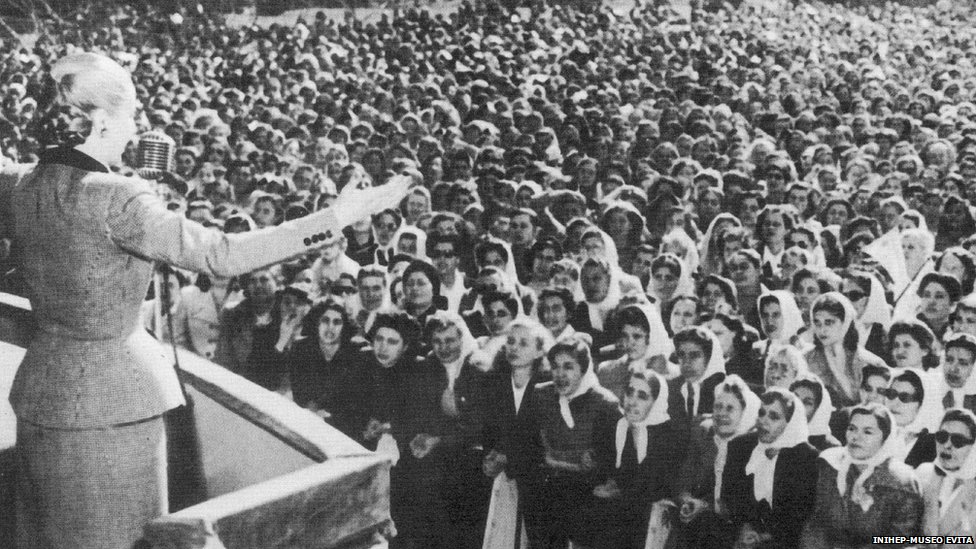
Populism involves "political mobilization of 'the people' against a perceived elite caste of professional politicians." The roundtable explores what triggers such mass movements, examining whether Federalist Paper safeguards remain effective. Discussion covers perceived ruling-class failures, right vs. left-wing populism, and factors like nationalism, classism, religion, xenophobia, and domestic oppression. The page also examines whether anomie, alienation, social humiliation, and social media catalyze these movements globally.
Speakers

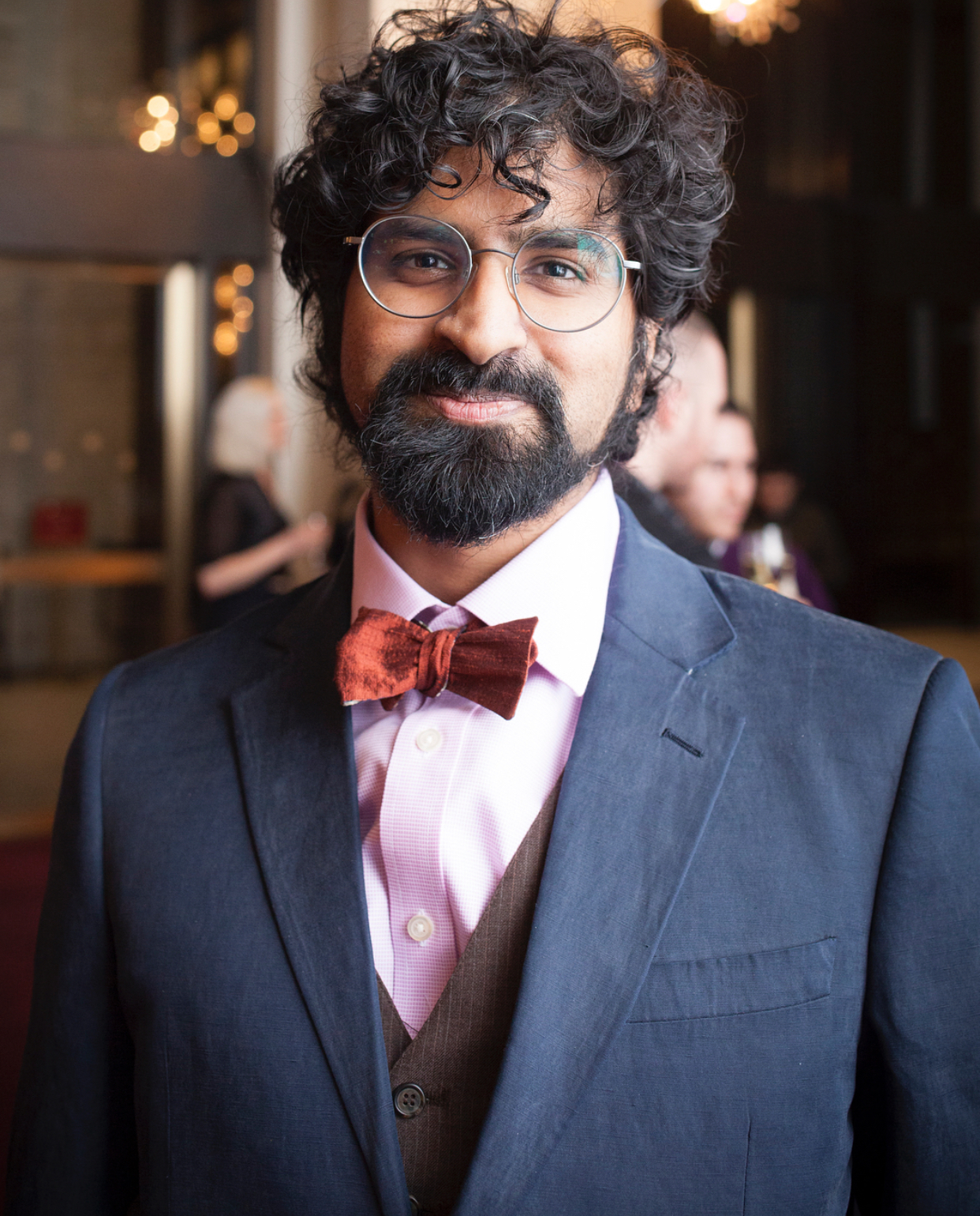
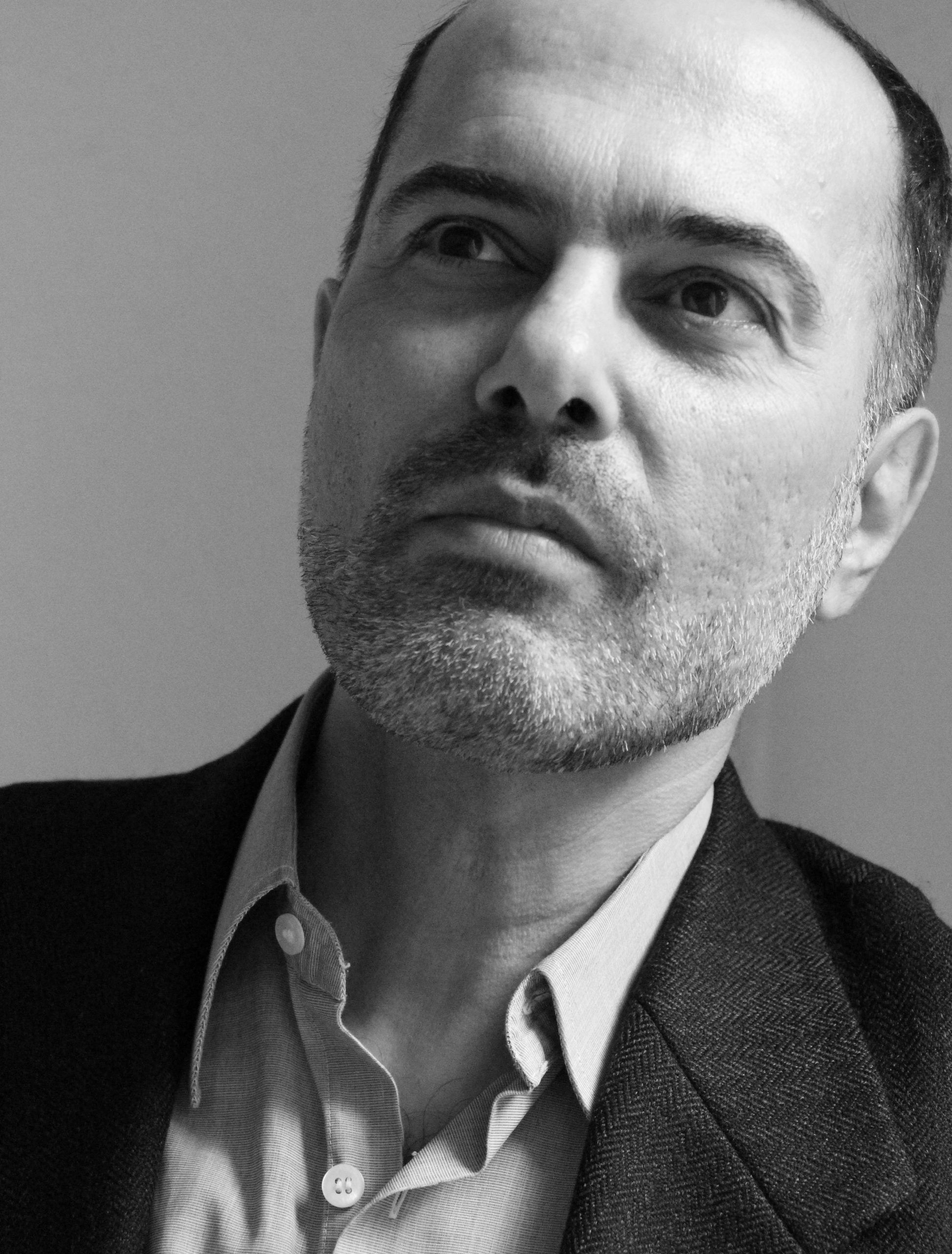

Watch
Media
Related Roundtables


Transcript
This roundtable grapples with defining populism and understanding its relationship to democratic governance. Panelists explore the tension between populism's democratic claims, rooted in appeals to the will of the people, and its frequently anti-democratic consequences, as populist leaders exploit electoral mechanisms while systematically undermining institutional checks, independent media, and the rule of law. The discussion distinguishes between liberal democracy, which protects minority rights and institutional constraints, and illiberal democracy, where majoritarian rhetoric becomes a vehicle for authoritarian consolidation.
Historical case studies range from the American People's Party to contemporary movements in Latin America, Europe, and the United States. Panelists analyze the structural differences between left and right populism, noting how each constructs its own version of the virtuous people and the corrupt elite. The role of moral rhetoric in populist discourse is examined, along with how social media has transformed the information landscape in ways that accelerate polarization and populist mobilization. The session concludes by debating whether populism can ever serve as a corrective force for democratic renewal or whether it is inherently corrosive, with panelists largely emphasizing the critical importance of defending independent institutions.
Show discussion topics
- 00:01:27 Introduction of panelists and the challenge of defining populism as a political concept.
- 00:10:00 Liberal democracy versus illiberal democracy: how populist movements exploit democratic mechanisms while undermining democratic norms.
- 00:23:30 Historical examples of populism from the American People's Party through Latin American and European movements.
- 00:36:00 Left populism versus right populism: differing constructions of 'the people' and 'the elite' across the political spectrum.
- 00:50:00 The role of virtue and morality in populist rhetoric, and the claim to represent the authentic will of the people.
- 01:03:00 Institutional erosion: how populist leaders weaken courts, media, and civil society to consolidate power.
- 01:18:00 Social media and the new information environment as accelerants of populist mobilization and polarization.
- 01:30:00 Whether populism can ever serve democratic renewal or is inherently corrosive to democratic governance.
- 01:40:00 Audience questions on resisting populist authoritarianism and the future of democratic institutions.
Show full transcript
00:01:27 well it being the noon hour here in new york city i want to welcome everyone and wish you a either a good morning good afternoon or good evening depending on where you're viewing this zoom round table this is i think our third helix center round table that we've for which we've relied on the zoom format and of course that's due to the covid uh pandemic we're trying to do the best we can and make the best of it i think
00:01:58 so far these zoom meetings have been quite lively and interesting so before i tell you about today's uh round table i want to make just two very brief announcements and those relate to our upcoming uh round tables uh scheduled for march 20th we will have a round table on placebo and the placebo and nocebo effects that should be very interesting and then uh either on april 17 or 24th
00:02:29 to be determined we're going to have a talk on stress and right now we're not stressing out about which date it is exactly but uh we'll we should be able to have that nailed down shortly today we have a really wonderful panel of discussions convened to discuss this topic of populism and before i get things underway i want to just say a word a brief word about each of our discussions
00:03:00 and in the interest of of equity i'm going to do this in alphabetical order um jeffrey alexander is the lillian chavinson satan professor of sociology at yale university founder and co-director of yale center for cultural sociology and co-editor of the american journal of cultural sociology a social theorist whose early work challenged the anti-cultural reductionism of classical
00:03:30 and modern sociology alexander has worked with generations of students and colleagues to create a quote strong program unquote in cultural sociology alexander's also developed the civil civil sphere theory a macro sociological model of democracy and the forces that can undermine it he is currently organizing a series of conferences and edit a book project the civil sphere in latin america the civil sphere in east asia
00:04:04 bridging the civil order radicalism and civil sphere don and jay jagannathan is a philosophy professor and also classical studies professor at columbia university his academic research centers on aristotle's ethics and political philosophy and contemporary virtue ethics he's also written about issues at the intersection of philosophy and literature including on tragedy and the novel at present he is completing a book manuscript
00:04:35 entitled aristotle's practical epistemology which seeks to accentuate aristotle's theory of practical wisdom within his views of knowledge and understanding and thereby to explain why aristotle thinks a practical wisdom as an extraordinary achievement as equivalent to political wisdom takas papas is a uh has a ph.d from yale in political science he's a greek author and researcher currently associated with the university of helsinki in
00:05:05 finland formerly a professor of comparative politics at the university of thessalonica in greece he's also held teaching and research appointments at the universities of strasbourg oslo freiburg luxembourg central europe university in budapest european university in florence yale and princeton among his books are making democracy i'm sorry making party democracy in greece the charismatic party and populism
00:05:35 and crisis politics in greece and lastly harry l watson he is the atlanta distinguished professor in southern culture in the history department of the university of north carolina at chapel hill a native of greensboro north carolina he received his bachelor's degree from brown university and his doctorate from northwestern before joining the unc history department in 1976. his teaching and research interests focus on american political history the
00:06:06 early american republic and the antebellum south he served as director of the unc center for the study of american south from 1999 until 2012 and an editor of its journal southern culture from 93 to 2019 is the author or editor of eight books including andrew jackson versus henry clay democracy and development antebellum america liberty and power the politics of jacksonian america
00:06:36 and building the american republic a narrative history to 1877. okay there with i'm going to open up our conversation by asking each of our discussants to make some comments about how they define populism and um i want to make it clear at the outset that i think everyone will agree that the term populism is not something that has a exact and precise
00:07:07 definition but is something that we all at some point seem to be wrapping our minds around and then especially recently with the developments in our modern history i think it's become a very hot topic so i throw it open um who wants to take a quick shot at just making a quick definition so we can get things underway well i don't mind sticking my neck out
00:07:38 if i if i may if everybody else is going to be shy first of all thank you very much uh for inviting me to participate this uh i look forward to this as being very interesting it seems to me that uh you're very right to stress that populism is a fuzzy category but it seems to me you almost always refer to a mass movement usually a mass political movement but not always of a large group of people who define
00:08:10 themselves as simply the people usually not subdivided further than that they usually have a grievance against elites whom they feel have deserved them and who ought not two who are there to serve the people but have not uh and uh the people are asked to uh replace overthrow displace these elites and and govern more directly themselves
00:08:41 sometimes the people also define themselves against a subordinate group whom they regard as as uh also undeserving and who perhaps are allies of elites who are working from both ends as it were against the people [Music] yeah i think i i can endorse quite a lot of that what i want to add is i think something that distinguishes um
00:09:12 a lot of populist movements is that it's not just that they want to define a group of people as the people but also that the people are kind of repository for certain kinds of qualities um that are under-appreciated by that elite that the people are defined in relation to so i think you know coming from a kind of classical perspective uh populist movements you might say appeal to the virtues that the masses possessed that are not commonly recognized and
00:09:43 that it's a reaction to a construal of the people as lacking those virtues and deserving only secondary forms of political or social participation i'd go with that can we begin talking like without yeah uh so i will go next and i beg to differ here because i do
00:10:14 not believe that populism is a fuzzy category and i think that we can arrive at exact and precise definitions uh of that but before that let me let me let me take a different approach here my concern is when we talk about populism is why do we care about populism and why do we care about it now and i think that there are we're talking about modern populists here of course there have been populist phenomena in history from you know from the greek demagogues for example to the
00:10:45 roma republican all the way down to our own days right but we're talking about modern populism now so what is very interesting about populism about our concern about populism is that first it is a novelty it is a new phenomenon that emerges in the aftermath of world war ii in the liberal democracies that developed after the end of world war ii secondly it is a geographically diffuse phenomenon we see that firstly in latin america
00:11:16 then it comes into europe in the late 70s and then it expands to the united states thirdly it is a very ambivalent phenomenon we have left-wing populism and right-wing populism and sometimes they come together very nicely and neatly like like it happened in my country a few years ago and finally the fourth factor that makes populism such an intriguing phenomenon is that it has a strong impulse for autocracy although populist leaders come into power
00:11:46 by the ballot box okay it has a very very strong impulse for authoritarians for autocracy we saw that in the united states quite recently now all of those four factors lead us to a very very simple definition if we put them together and my definition has two words it is the most minimal definition you can get around there's nothing more minimal than that so i define populism in my work i've been here in this area for many many years actually working on populism and democracy liberal democracy
00:12:17 so i define that as democratic liberalism so it is a system it is a political party or parties or as for a system or a leader if you like any kind of level of unit of analysis that abides by the rules of democracy but not by the rules of post-war liberal democracy it is a democratic illiberal kind of rule and i will leave it here for the moment liberal illiberal democracy then a liberal democracy a democracy that is
00:12:49 not liberal i think a lot of the a lot of the uh people wouldn't agree with orban's definition but i think i don't think there's anything to argue with any of these definitions but but and people who are listening this
00:13:20 podcast have to realize that this word is a fuzzy concept and anybody who says that it they have a precise definition is just taking a position in the field of discussion and that definition will stand for certain other associated positions i would like to argue i would like to add on to these i don't have any disagreement that with a few cautions
00:13:51 one populism isn't a post-war phenomenon that it goes back to certainly it's endemic to in fact it's endemic to a republican idea of democracy it's it's it's a theme it's a dimension and it's a strain why is it a strain because uh a democracy let's just call it uh alway always has a reference to the people it always
00:14:22 has a presupposition that there is a civil community regulated by law and that the people vote and and uh elect somebody so you're never going to have a democratic process even if it's a relatively elite elitist 18th century process or something more incorporative like the one we have now that doesn't have continuous references to the people the people should rule i'm
00:14:53 this movement is on behalf of the people etc obama who's not not a populist had populist dimensions uh he talked constantly about the people the other thing is i'd say that there's a continuum of populism therefore that moves from within the institutions of democracy to beyond to what i call radical populism which breaks
00:15:23 then the uh the institutions and results in one man or one woman rule on the left or the right yeah i think that know i i certainly agree with the idea that there's a kind of endemic feature that um especially in republican politics because you know lower case r republican politics has this internal tension and you can see populism as one kind of
00:15:54 way that that tension comes to the surface uh i think as one of the prompts for this for this panel we got this quote um from either madison or hamilton from the federalist papers about how even if every athenian citizen had been a socrates a group of them would still have been a mob this idea that when you you know for republican politics to work you need a suitable number of people who are fit to the task of governing but who in governing represent in some sense the will of the people and are accountable to them
00:16:25 but whom the people as a whole see as better than them and that particular intrinsically elite dimension of of republican forms of democracy is i think unpopular in the 20th century in the 21st century uh it's it's no longer seen as appropriate to regard the political elite as superior in virtue or in decision making or anything like that and as a result i think that that explains why why populist movements have emerged it's the kind of suspicion of this idea of a
00:16:55 of a governing elite who would you know are better at the job than than the rest of us um but you know we we can see other circumstances in which these kinds of suspicions have have broken forth in the past where elites have not done a good job of of maintaining the illusion let's say at least of of governing well or of representing the will of the people or remaining accountable to them so i do think it's kind of intrinsic to republican politics because it has this combination of popular a popular basis and
00:17:28 the establishment of a governing class i'd like to endorse that i think that's very well put and my perspective as a as an american historian um focuses my attention i guess so i'm less familiar with some of the um uh other examples but if we restrict populism to the post-world war two period it leaves out the biggest episode uh in american history that's been
00:18:00 labeled as populist ever since it happened and that was the uprising of the or the emergence of of the so-called people's party of the uh 1890s and i think going back uh there have been several um conspicuous occasions in uh american history again where uh movements have appeared that say um the people have uh inherently more virtue than the
00:18:31 uh elites uh and while it's true that virtue is essential to republican government we the people have more of it than those stuffed shirts at the top and uh we demand that they be displaced and replaced by people who are more authentic representatives of our will i think that was very much a characteristic of andrew jackson's political movement i think they're going back uh
00:19:02 into episodes like the the whiskey rebellion or the north carolina regulation even in colonial period at times uh there have been mass movements with populist features uh like that and i think that's one of the benefits of calling it a of using a fuzzy definition because you can legitimately talk about a movement with populist features without getting utterly bogged down into whether it fits this box exactly with that one
00:19:35 okay let me try to link some dots here if i may do we care about populist mass historians that would define of course and populism has been there out there in history since memorial times i mean all societies have been divided between elites and the people right if you go back to the roman republic for example you even find the party that is called the populares that was the party that went against the senate against the optimatis right and uh the the the tribe unions of
00:20:07 the plebs like tiberius who's for example and his brother gaius whose were populist leaders and this is why they were assassinated because they went against the senate against the elites of that time and if you go all the way up to today you find many many populist movements i mean no one doubts about that and when it comes to the united states michael kazan has written a marvelous book about about oculus in in the united states since the 19th century but and of course jackson was a populist leader i mean he was divisive he was the
00:20:38 one who relied on the spoils system and those are phenomena that we've seen in contemporary populism galore i mean polarization patronage politics etc but it's not the reason i mean we're not historians i mean i mean we care about populists because wait a minute yes you are you are yeah yeah i mean i mean i mean yes uh i mean we the people the ordinary people okay we're not historians like you know uh
00:21:10 like you now it affects our lives i mean this is why there is this this booming thing about uh since 2016 actually about populism because populist and populist governments affect our lives and this this stands on two puzzles this presents us with two puzzles first how how come that populism emerges in recent times in our liberal democracies we used to live in liberal
00:21:41 democracies now something is happening here we see one of those guys who are not liberal punto perio yeah what do we do with that how can we deal with that and secondly what would populism if successful as it sometimes is how does it do to liberal democracies how can people like uh chavez uh urban uh uh trump etc how what can they do to our lives for liberal democracies
00:22:13 so this is why i focus on the modern times because i'm not a historian first of all and secondly because i care about the future my future and my children's future can i respond to that you know one of the things that a historical perspective offers you is alternatives to liberal democracy i mean it i think it depends a little bit on how optimistic or pessimistic you are about the liberal project in the post-world war ii period
00:22:44 and if you feel that there are there are you know that the for instance the rise in economic inequality over the last 50 years is is a um you know it's a feature not a bug of the liberal order um it's a consequence of the concentration of certain kinds of power in the hands of some people then you might not be so optimistic about thinking well what we need to do is to get back to that i'm very suspicious of golden age thinking whether it's looking back to the 17th century or looking back to the 1950s and you know if there are vulnerabilities in in our form of
00:23:16 life or form of political life then looking to some of the alternatives and think thinking in historical terms can give you give you perspective and i think this this applies you know you even when you're thinking sort of cross-constitutionally uh i find it very illuminating to think about the grakie and the la and their land reforms when i'm trying to understand what narendra modi is up to you know you know how he came to power on the back of of the struggles of ordinary farmers in india and and the kind of land reforms that he's he's put into one monty is not the tribune of the plebs monday is the
00:23:47 prime minister so he's the senate yeah very easy to draw the analogy go ahead jeff i mean i think that most of the populism that people are afraid of most but not all is is populism of the extreme right today there are some exceptions like manuel lopez or in mexico but the
00:24:19 fear the ones that move to the right usually combine an anti-elitist uh movement on behalf of the people with with the deep personalism well that's that's part of populism on the left extreme left but also with bigotry and anti-semitism anti-islamism some kind of anti-civil discourse that targets not just an elite i think some one of
00:24:49 you referred to that earlier but another group uh that has a tremendous danger so that the country that they or the people that they want to set up our ethnically homogeneous group the left populist is not as concerned usually with that but thinks more in terms of the class so that there's a pure class that they will represent and they'll come to power and but they're also just it's dangerous because they will then possibly well eliminate
00:25:23 members of all the other classes that they the people don't represent i was um interested in this reference to virtue because um of course virtues also i don't you know i don't want to say it's i don't want to keep repeating that it's a fuzzy category but it's certainly not something easily defined or it could take tomes to define virtue uh and yet it seems to be an engine the issue of virtue and who has it seems to be an engine driving these
00:25:55 conflicts right and i think similarly there's the idea who are the elites because i think elitism also has been changing over time what exactly who are those people just a moment just a moment i mean populism comes into power quite often i mean it has happened in many many places not only with left-wing populists like in venezuela for example think about salves and maduro think about my little country greece we have had ourselves left populism uh for many many years under papandreou and
00:26:27 under cyprus more recently or under you know right-wing governments now what happens here is when they come into power they become the elites how do we deal with that i mean populists have been in power in several countries for many many years they are the elites it is it is very simple or simplistic to say that those are against the elites because they do become the elites think about trump think about urban he's been in power since 2010
00:26:58 11 years now first secondly if i may uh left let's think populism right right from populists i i i alluded to that earlier often come they form a tandem and they rule together this happened again in my country in 2015 until 2019 for four years full years a populist party syriza and a right-wing party extreme rightful party nativist party
00:27:29 independent greeks ruled together no problem there or think about peronism in argentina i mean perron was a right-winger and today the peronist party the justicialist party is a left-wing party under the kirchner madame killer father husband has died so it is not that you know simple so you're making it simple by by arguing that left and right are the same this is a common argument
00:28:00 of people who attack populism which is well you know there's no real difference between the left populism and the right in fact there's a great deal of difference i mean going back to what donald j said you know if there are vast structural inequalities in a country that has a democratic form of government there have to be in there there should be constant movements to overthrow the people who have privileges or to
00:28:31 restructure the society now as long as you have democratic institutions that's not going to end up in an anti-democratic form of power it will be metabolized in various ways but these populist threats i think throb through the history of all stratified societies that have democratic forms of government actually i want to say i want to say something that might be surprising given what i said earlier which is that i actually you know i think in our contemporary global context i i want to endorse what
00:29:02 taka said about the the contrast between populism and liberalism because i think that is the most that is the most illuminating uh pairing a phenomena um but i think you know one one way in which the i mean there are left liberals and right liberals and i think this helps us get some clarity on the differences in the origins of of fluffing and right populism and in particular i think there are different kinds of elites uh or or phenomena of elite capture that that drive populist movements
00:29:33 and this might be one of the reasons there's overlap between the left and the right because it's not all economic if it were just about economic elites and a corresponding sort of class critique then we would we would not expect left and right wing populism to overlap but in addition to economic elites or phenomena of economic inequality there's also i think political and cultural phenomena so i think this is especially true in the united united states context where um economic political and cultural capital come apart in very visible ways you can think about wall street
00:30:04 k street and hollywood that's kind of the totemic you know pit things to pin pin this on so you know as has been documented extensively especially in recent years we have this phenomenon stagnation of wages and rising economic inequality in this country but the government i think related to that but separate conceptually separate from it is the fact that our government institutions are increasingly responsive to certain kinds of private interests and people don't feel like they have the possibility of political accountability and that's for
00:30:35 a wide range of reasons including our campaigns our electoral system and our campaign finance system lots of other reasons those are the things that i care about the most but um and then there's a kind of phenomenon of cultural elitism where you know i think we've lost a kind of mass culture that we have had in in the past in various ways uh which helped to unite people across different kinds of social strata and um you know there's a kind of um there's a sort of pluralism a form of cultural pluralism
00:31:05 that has taken hold in elite institutions like universities and many of us are affiliated with the media certain other kinds of institutions that i would call a pluralism without aspiration it says that people are essentially different from each other and we don't have any common values around which to unite and you have to accept these essential differences and not try to and not try to make common cause with people across those differences um and i think that that particular cultural phenomenon has
00:31:36 has driven a kind of uh popular insurgency united states that crosses the left right wing distinction um whereas i think when it comes to the economic issues and i think to some extent the political issues that's been much more polarized and you know i think those things stand much more behind the success of someone like bernie sanders and democratic party politics um than it does explain the rise of donald trump but uh he famously was documented that in the 2016 election you know people who who actually were at the bottom of the
00:32:07 economic uh poll uh went for clinton over trump by some extent which put the lie to the idea that this was an economic uh populism that was really driving the trump phenomenon so you know i think i think because of this sort of plurality of forms of elite elitism or elites and the ways that these come apart you know i think you actually have over overlapping populist energies that can get sucked into different forms of populism across the political spectrum
00:32:37 um john rolls had written in law laws of people that liberal democracies had a um sort of i'd call it a homeostatic principle where uh liberal people educated in liberal democracies grew to value the democratic process so much so that they would not allow it to slip back into tyranny and i think latter day developments and developments in history sort of put the lie to that approach
00:33:08 that's perhaps overly optimistic well i i think if you've got democratic forms that uh have created results that are profoundly uh alienating disillusioning in grieving uh to uh those who define themselves as the people then they may decide that uh those democratic forms uh are the source of their their uh
00:33:38 deprivation and and may turn against those so uh i i think we all recognize that democracy is a lot more fragile than maybe uh professor rawls um appreciated at the time he was writing it i mean why don't we let tacos first because i think his his feed delay kind of got him behind the behind the eight ball go ahead doctors no i'm fine i mean
00:34:14 thinking about let us see how i mean let us see how it works how popular it works so what we have in the beginning that's the situation of nature we have a liberal democracy what is a liberal democracy right a liberal democracy is a system that acknowledges that there are many divisions in society class divisions cultural divisions so again i'm trying to link the dots uh regional divisions religious divisions you name it right now rolls comes and says hey guys let us
00:34:46 play moderately let them know what he calls over overlapping consensus he uses this phrase overlapping consensus how do we do that by applying the rule of law and protecting the rights of minorities now this is liberal democracy this is what we have now a guy comes okay and he says because it is always a he by the way but i don't want to get into that he says no no no no no democracies i mean our societies are not divided by so many
00:35:16 divisions we have one one over arctic division the people versus the elites therefore we cannot build bridges there will be polarization forget it yes adversity conflict we have to fight against each other how who is going to win we why because we are the majority we are the people okay forget rule of law forget the protection of minority rights etc etc and this is how you get trump and this is i i just i disagree with
00:35:48 that five million voters you have to realize that you know social movements that have that immersion i mean rawls is describing an idealized he's a political theorist he's a normative political theorist he's not a sociologist you can't or political empirical social scientist you can't convert walls as idea of into a
00:36:18 empirical description of how democracy actually works in a in a in a in an actual society so you can't criticize an actually existing society from the point of view of walls and say it doesn't work right no it what instead we have to think about how does it work and i think it's fascinating to me that despite the the most radical right-wing challenge in american history which was trump
00:36:52 because he took the presidency uh the the structural differentiation of the united states the op set of office obligations of many office holders the legal order other civil associations and the institution of journalism as a profession it contained this very dangerous populist movement and so we can't just broadly talk about populism taking over
00:37:23 countries we have to think of them as movements and then we need to think of institutions and other kinds of virtues i think it's it's you know it is a it's a it's sort of a populism as a stress test i think is an interesting way of thinking about it you know insofar as it's not just individuals who are singled out as the bad elites but actually uh institutions like the media like universities i mean i would say the united states has
00:37:53 passed the stress test a lot better than hungary currently is you know given given the state of uh sort of civil society institutions there and um and you know that might have to do with with the you know the particular forms of uh decentralization of power that are possible and and power thought of very broadly not just as political power but also as economic cultural power um you know how many people know each other in certain kinds of political circles and you know can can a political
00:38:24 party take over a media apparatus or not it those kinds of things depend on networks of affinity that are much harder to pull off in a country of 330 million people oh no i don't think that's exactly true i mean we have big countries like brazil and and turkey i think if you have a democracy for 200 years and you have a gradual institutionalization of professions i mean most of the weak the ill-liberal democracies
00:38:54 including greece including poland including hungary including brazil are very recently established they are very very fragile no it's not but it has it has a very unstable democracy it has had in the past your references to the right i mean it's uh great democracy is very stable i'm sorry i mean i mean i didn't say
00:39:25 now before it is almost 50 years in the scheme of things that's not very long i'm sorry i mean i i'm glad about it but yeah that's fine that's fine no problem no problem i don't take that personally don't worry but you know democracy is right i mean the thing is that when a populist party comes into power and this has happened in greece as i said earlier i mean i've lived
00:39:57 through this i mean this is the story of my life as a matter of fact uh they stop they they weaken the institutions and then another populist may come down the road and then another one and then you do not know what will happen to your democracy and this is what happened in republican rome by the way after tiberius krakus we mentioned earlier that 60 years down the road another guy came a general called marius and another one called sila and
00:40:28 then druzus and then the republic was gone this is what we get i mean i cannot see how hungary for example or poland can go back to even weak liberalism yes those are weak liberal democracies but liberals have been in the past this is what i'm saying and greece might go down that same road again i know what you mean i mean i didn't mean to to disagree with you but democracy has
00:41:01 been stable in greece for a number of years but the institutions are not that strong yes i know what you mean so i don't disagree with you at all but it is exactly those feeble institutions that charismatic leader because there is charisma there and there is agency they may win power over and over again and lead those democracies to some authoritarian direction that is the fear so this populism is a deep tendency in i would say all
00:41:34 societies and it's counteracted by what by deeply structured autonomous institutions committed to certain virtues that are run that are deeply professionalized by strong civic traditions um and but that won't stop the populist impulse right and the populist impulse can be very productive if you have these institutions it can
00:42:05 lead to reforms like like the working man's movement in the 19th century or socialism being transformed into social democracy in the and the big welfare state in western europe and these are very positive developments but then you can have something like uh you know the peasant movements in china and the workers in peasants movement in in russia that end up creating dictatorships that last for a long long long time
00:42:38 they don't have populism right one point i want to make and uh i challenge here is that i do not know in the modern world again any case in which anywhere in the liberal world meaning the americas europe canada australia etc japan any case in which populism has has had
00:43:09 positive outcomes that posed that population had been positive after being in power olivia well i i honestly think that's one of the advantages of a historical perspective because it gives you a lot more examples of uh populist movements that have been very beneficial and i think the working men's party in the united states is a good example i think the people's party the 1890s was a good example i think we can
00:43:42 all think of revolutionary movements that looked maybe pretty awful up close but had beneficial results over a longer duration so uh i let me uh put in a plug for um historical examples in a historical perspective because i think that gives us a much um more complicated and nuanced view of what the
00:44:12 possibilities are well would there be a relationship i mean i focus on modern popularity yeah yeah or would it be a way to distinguish i know this is not likely but you know good populist movements like what is it that may be in a good populist movement that leads to reform versus one that seems to be what we use the words divisive polarizing etc well i don't think polarization is necessarily bad i mean i i right i think i think i think
00:44:43 polarization the for the fracturing of civil society is bad and maybe that's that's a characteristic effect of long-term polarization but if we think about you know um corruption is is obviously one phenomenon we can identify you know uh it's it's possible for a mass movement to demand more accountability from political actors that would and economic actors for that matter that reduces corruption and that's something that's quite measurable um and you know that i would i would i would say that that's one phenomenon another you know the reason i brought up
00:45:14 bolivia is that um uh inequality has gone down and of course there are i mean under morales who has obviously had authoritarian tendencies uh which you know we should think are bad um to maintain power and to self-aggrandize in certain ways um but uh you know infrastructure spending is massively up the the welfare of of people in rural poverty is is massively up in bolivia over that time frame now you might think that's that's a happy accident of the resource
00:45:44 extraction economy and and you know sort of market prices and so on there's this agreement to be had but one interpretation of those events is that um that was a situation in which you know this is especially a problem in petrol states um or resource dependent states that that money gets tied up you know in the hands of a handful of people and does not get used to to bring people out of out of poverty um of course we can you know norway is a petrol state too and they seem to do a pretty good job of taking care of people there um and you know you can you can see how
00:46:17 resource extraction can be to the benefit of a welfare state into the to the to the welfare of the worst off people um and i think you know there are different trajectories that a populist movement can take and i think venezuela versus bolivia is an interesting contrast because of the relatively similar time frames i mean bolivia is a very unusual movement of a very unusual example of left populism radical i mean radical have populism staying within the tracks barely of democracy and
00:46:48 the recent elections a great example of a populist being being elected again after an interim liberal but i mean what i'd like to ask the panel like what about the surging of black people's movements in the united states from the 1960s that's a social movement and they call themselves the people acting on behalf of the people i mean if they have charismatic leaders how do you fit that in i mean there's this tendency to
00:47:20 look at the issue as elites dominating or populism but there's very positive social movements starting with the socialist or working people's movements in the 19th century that have so i'd like what do you deal with the mass movement against racial oppression in the how do you classify that in in these terms mass movements are part of you know and they fit very well
00:47:50 in the framework of a liberal democracy i mean those mass movements have to flourish they may flourish they may have their leaders as long and they may act and produce their results as long as they abide by the rules of liberal democracy by the institutions there's nothing problematic about those those movements by the way let me say that bolivia bolivia bolivia is not a good example because bolivia is the only country in latin america in which you have
00:48:21 the the the majority of the population is india's so if you don't take the racial issue you cannot make sense of bolivia and you cannot compare bolivia to any other country in latin america and the world actually because and this is what uh morales morales was in india right so he rallied the support of his uh of his people essentially and he became president of bolivia and then the end was not very happy it was a very unhappy end but that was i mean bolivia is not
00:48:51 comparable because of the racial composition of the country so let us leave bolivia out it's it's a bad case it sounds like it's a case that doesn't fit your priors and that's why it's a bad case i think it's a very interesting illuminati it's something very weird but anyway i want to i want to respond to the question about that i think i examine i mean i mean i think i answered by you know data i mean i'm giving you data and uh there is something that that distinguishes uh bolivia and this is arranged well let
00:49:24 me talk about race in america for a moment so i think i think i think the 1963 march on washington is a fantastic example of what the civil rights movement accomplished and what it didn't you know this is the march on washington for jobs and freedom and in the writing of american history the jobs part has dropped out the minimum wage that is being debated in our country now is roughly roughly corresponds to the minimum wage that was one of the main demands of that march a two dollar minimum wage in 1963 which works out to something like fifteen or sixteen
00:49:54 dollars i think today and and it didn't get passed and in general you know people remember the i have a dream and the content of the character and things like that and um and that's been written into sort of american history but not not the economic demands and and you know i think the profound failures of the labor movement um both through internal fracturing and through external pressures and the failure of the kind of regulatory apparatus on the government side that is that is one of the reasons for the continued massive gap in wealth
00:50:25 between black americans and other americans and um you know one way of looking at that is that the civil rights movement was a beginning you know obviously guaranteeing civil rights as in in legislation and constitutions is crucial uh but it was only seen as only one piece of a larger uh platform of changes to the material benefit of black people that have largely not been realized in the country and i think from that perspective it you know that that i think is a huge stain and i think um there will be
00:50:56 you know there's there's a continued opportunity in that front on that front for uh multi-racial coalitions of people within the labor movement and other in other venues in america and i think there will be a kind of uh resurgence of economic populism along those lines before too long because it looks like the basically center-left and center-right policies of the democratic and republican parties are not sufficient to address those kinds of problems um but what i was really asking is whether the black movements in the 20th century have don't they have
00:51:28 many of the elements of populism not whether they're incompatible with liberal democracy no no i think i think they absolutely did and i think their economic dimensions are underplayed so that's what i was suggesting is that actually seeing them as a i think seeing that seeing that that movement as an economic populist movement is really essential to understanding what it was yeah exactly and and they also critique the white even if you take the non-economic dimensions they were a movement in our movement against an elite they called the white elite and just as the women's movement
00:51:58 is has been very very anti-black uh male elites it's been a mass movement of attack on on on male power i mean the metoo movement these are massive uprisings of people in a quote-unquote class that i regard as a part of this populist impulse that nobody would call them populist though because they they like them too much or or you know many of the elites like them
00:52:30 too much harry well i would say there if i could interject just a moment um i think those are the the women's movement or the civil rights movement are good examples of movements with populist features but the the race-based civil rights movement cannot claim in the united states to represent the whole people because uh african-americans are what 20 percent of
00:53:00 the popularity 11 of the population in some counts we've seen in recent years a coalition uh building efforts so now you hear about black and brown people or uh a broader or uh uh blacks latins and and uh indigenous uh and so there's this coalition building but and nevertheless the civil rights movement doesn't claim to represent the whole people but it jeffrey's
00:53:31 absolutely right that it has very strong populist features women's movement the same way the women's movement can represent half the people but not um not the whole people so this i think is one of the benefits of fuzzy categories is you can say uh look at the populist features uh of civil rights look at the populist features of of anti-sexism and um make those kind of
00:54:02 productive comparisons uh without getting hung up on um just exactly how well they fit your prior definition are these are these um movements we're describing now to the degree they partake of populism as a as a driving force do they succeed to the degree that they um also partake of some they might they they they moderate this radical part of it i mean i think mlk is a good example of someone who sort of
00:54:33 promised to wipe folks that he was not a radical um and i think to some degree that was helpful i think abolitionists also a century earlier tried to make the case a win over the hearts of the rest of the country as a way to sort of spear and some of them of course were quite radical but um is it is that the case that the sort of moderating there uh to the radicalism effort but i would say that um populist movements
00:55:06 like minority populist movements if we can use that expression succeed to the degree to which they can build a majority coalition by persuading people outside their base that um hey i think that's just or i can see how our people would benefit from that also so the degree to which they can build coalitions um for radical measures or high radical measures but the the point is uh that they can um move towards
00:55:38 uh a majority uh in a democratic framework yeah i mean i'm at the law's past i think that's a good point i mean the idea of a civil sphere or republic has the idea that there's a vital center and if if a populist movement moves too far to the right or the left it says i don't care nope i think we have uh we lost jeff rose yeah yeah yeah
00:56:12 who else wants to jump in i mean i i want to i want to endorse that point i think i think the the kind of stability of the movement depends on coalition building in important ways and um this is this is one of the puzzles is that yes you set yourself up against the elite and you might complain about the domination of certain kinds of institutions by the elite but do you want to get rid of the institutions themselves or do you want to innervate them so fully that they can't function that's the point of which i think this starts to become sort of consumptive of the civil sphere or the republican
00:56:44 spheres i think everything jeffrey i think when i think you're freed up you want to finish your thought i'm not sure where where i was cut off it's hard to finish it when i didn't know i was saying that i mean if a movement on the right or the left moves away and says i give up on the bible center i'm going to establish uh a power simply on behalf of my own movement so in that sense black power in terms of black panther that was a populism and
00:57:15 they spoke to the people all the time by the way um you know so and trump you know as to the good point that harry mann i mean trump spoke on behalf of the people all the time but we know it was on behalf of only white people you know his people especially white people and he left out so this tension you know is always there of course let me let me go back to social movements if
00:57:46 if i may uh when i went to school we call them movements and the whole field was called contentious politics so there was there was back in the 80s 90s etcetera the whole gamut of earth around the time and they were asking power essentially and the most important of those movements was the green movement of course they created lots of parties in europe some of these parties formed coalition government some of
00:58:18 those are in power even today in a number of countries now those movements are the exist and the essence of liberal democracy we need those those movements because they do not go against the constitution they want to change how politics works they bring in new issues why do we call them populist the the world populist did not exist back then i mean we knew that perron was populist but no one understood what the term meant so those movements are
00:58:49 always there are a very essential part of democracy they're not populists they speak for particular uh uh electorates constituencies and that's that what about yeah i was going to say what about laying some claim and let me just do a particular kind of virtue some particular sort of virtue based on their who they are as a people that that is a
00:59:20 component of this these movements they are not there as as people they are there as carriers of particular interests they want more goals political goals aims they want a better you know a better climate green development feminist movement for example i mean they want to pursue the interests and the rights of the feminist movement for example
00:59:51 and then let me ask something the the whole panel because this is a very interesting question i mean this is the one of the elephants in the room there's a number of elephants uh when when it comes to populism what do we mean when we say the people i mean do we mean the nation like you know make america great again do we mean the underprivileged strata all over the place the poorer people the ordinary people do we mean the the the working class in which
01:00:23 case where the marxist domain for example do we mean race like in bolivia do we mean uh stages like in india in india for example who are the people in india define the people well according to modi it's hindus but it is an open question right i mean it's pretty straightforward in some cases what the what the relevant form of populism is trading on because i mean changing changing the laws on citizenship is a is a pretty clear move to define the people and if you want to look at a concrete
01:00:54 political action you know the 2009-19 uh citizenship act uh you know to to make it impossible for large numbers of muslims living in india to to remain or or become citizens you know that that kind of religious test is is a pretty clear you know attempt to define the boundaries so what you're saying is the people does not exist the people the people is made the people does not exist the people is made yep it is a construction right i mean bourdier talked about that
01:01:25 i mean the making of the class so you have a populist leader who makes his own people and then he has his own clients who are going to vote for him and he's going to stay there in power forever and that's that enjoy it's a it's a function of a language to a degree to label some group and it's interesting now and i wanted to open up the conversation to incorporate information the flow of information we talked about uh you know the free press and how that's important and it's it's attacked by populist
01:01:57 leaders demagogues anyway um is often a part of their game plan you know labeling any group with any label elite people you know uh is a language game in a way right um but i wonder how much you all think information the how it flows and who controls it has an effect on populism i mean i think this is one of the different the differences in in modern
01:02:27 populist movements is now the attempt to bypass traditional media and use social media um you know that that's that's one way of kind of doing and doing an end run i think that's that's been proven to be pretty pretty successful worldwide in various cases you know all movements depend on on filtering the reality for the people in the movement so that it it it recapitulates the the tenants of the movement but every social movement for the last 200
01:02:57 years has always had its own newspapers its own its own you know you didn't need social media to have hitler uh right and yet um grasping a new form of communication is has been effective for populist movements and not just in our lifetimes uh in a early republican society where communication was based on drawing room conversation it suddenly
01:03:28 introduced mass circulation newspapers and political rallies with hundreds of people that's that's a new form of political communication and it can be very effective often populists are very innovative in their political techniques and uh seizing new forms of political communication can be um you know part of the part of the winning strategy
01:03:59 well but obama was was a campaigner and president who introduced digital revolution first yeah and you can you can see how you know you can have these features of populism without maybe being a full-throated populist and of course populist leaders are very good at learning you know these kinds of techniques and adapting them and it takes time and i think you know the the common thread is a kind of attempted direct communication unmediated by the kinds of traditional institutional actors so instead of you know primary politics in america
01:04:30 have changed dramatically in the last 25 years it used to be that um you know it was a very it's a hyper local sort of phenomenon and you had to have the kind of grassroots organizing which meant that you had to get hold of people but going back to howard dean up to the present you know the internet has really changed that the flow of money is has changed the flow of information has changed there's been a kind of nationalization of party primaries and that's really changed the influence of political parties and their ability to keep certain kinds of radical people out of
01:05:00 you know presidential primaries in the us i think that's that's a fascinating change and lots of people are learning that lesson all across the political spectrum sort of all at once i would put that in a broader perspective because it is not only the the type of the medium the type of the how do they try to reach larger audiences and what do they do with the technique it is that leaders when they come into power they try to silence the practice that opposes the rule
01:05:33 so i would i would put that in the broader framework of institutions because what we see the the the playbook there the populist playbook is that when they take power they attack the institutions all of them press is one of them freedom of the press they attack the judiciary okay they go against the courts we saw that in america we saw that in all other cases of populist who okay they uh they try to violate the division of powers
01:06:05 they try to control education so they they militate against the institutions of liberal democracy hence my definition of democratic liberalism okay uh and this is very typical i mean there is not any case of populist rule that i happen to know that you do not see the same moves over and over again it's like you know a playbook and they do exactly the same thing i think the the fact that we know there are uh actors um china uh russia in particular
01:06:38 who have made an effort to uh redirect the conversation on or the ideas flowing through social media that that it's an important aspect of what we're seeing in modern uh modern times these are not important questions though i think we consider either china nor [Music] our democracies say that again i'm sorry but i was repeat that tacos you repeat that okay
01:07:14 for some reason i think he's oh sorry yeah no i didn't say anything okay all right um i think the idea is we will open up um the the uh some of the questions that have come from the audience and alex uh is here to help guide us through that yeah um so if anyone wants to write more it's only i only have one question so far well i guess two from susana black through the zoom so if anyone has any questions please write it in the q a part or on the chat and i'll relay it um but yeah so susannah black wrote
01:07:47 something i guess based on what jeffrey had asked which was are contemporary race and sex focused progressive movements populist or anti-populist can you speak to the distinction between class-based left populism of the 2016 bernie type and contemporary progressive politics which tend to center issues other than in class and may tend in certain cases to reinforce existing institutional power i.e the phenomenon of will capitalism and then they wrote alternatively how can we do a better job in creating a
01:08:18 common good politics that speaks to and includes all people in a polity as opposed to ontologizing the division or antagonism between the people and the elites is that possible or desirable i mean one thing that i was saying earlier i think responds to that which is that um you know there's different kinds of different forms of pluralist politics and and one of them is sort of concerned with say the rectification of of historical or present injustices
01:08:48 and attempts to you know point to places where um people cannot meet on an even footing in the public sphere as is desired by the principles of republican politics and i think you know we don't have a lot of talk about our republican form of government anymore very we spend very little time you know this attention is paid to the eroding of our institutions or to certain kind you know issues about um you know dark money in our politics
01:09:19 and so on we don't talk very much about things like well citizens need certain kinds of virtues for our system of government to survive the very things that you can see littered all over the federalist papers as i mentioned at the beginning and i think one result of that is that we get a kind of empty pluralist politics which says uh not taking into account whether people are subject to any form of injustice or meeting each other and even playing field that certain kinds of identities are more important uh than one's identity as a citizen uh
01:09:51 and uh need to be sort of celebrated or valued in certain ways and to some extent this is a kind of this is fine because it might be pushing back against a homogenizing impulse that's also an appropriate a large plural society but unless it's framed with a certain set of aspirations about what we want to do together in in civil society uh my fear is that it it it it tends to be more uh you know to contribute to certain kinds of fracturing that make it impossible to have uh broad coalition-based politics
01:10:24 um of a kind that um you know is is uh in defense of our of our common life so that that's that's sort of my my concern about what i call pluralism without aspiration or empty pluralism that i think maybe certain certain certain strands of of progressive politics point in this direction not all of them and i think it's very easy to sort of paint different political movements and dismiss them and i don't mean to be doing that but that's that's the sort of reservation that i have
01:10:55 i really like to endorse that uh diane jay because um you mentioned the federalist papers and the invocation of virtue over and over again in the federalist papers going past that word virtue um to think about what um people in that era meant by the word virtue when you were talking about public life they meant virtue to them was the ability to set
01:11:26 aside narrow personal self-interest and and to advocate for the common good however that might be defined and the pitfall there was that every pluralistic group tended to define the common good as their good and it sort of uh collapsed into brokerage liberalism but um if there were a way for us to recapture a vision of the common good or to advocate for
01:11:56 a vision of the common good that would embrace more than relatively small certainly minority sized slices of the population then i think we'd be um taking a step in the right direction one of the problems is that the word virtue is so hokey these days that anybody who stands up and tries to advocate for it cannon gets like i guess i guess we're supposed to say good character now or something like that
01:12:29 there's something like that i mean i i disagree with both of you guys i think that virtues are completely at the heart of all most of our public discourse today and that the idea that we need to go back to an earlier smaller form of republicanism based on you know the greeks or the founding fathers it is it's not right because virtues still are here for example when people say trump was
01:13:00 selfish and he only cared about himself and then his opponents argued we need somebody who cares about the whole society that's that's virtue talk once when somebody says people are dishonest when they say they're corrupt when they say that they're irrational or insane that they don't have common sense these are the this concern with virtue it permeates left right and center in in all
01:13:32 these democracies so i don't think that the way to get a good society is is to say that we need a new set of virtues i think that in fact there's an ideal of a good society in back of left right and center except for the extremes and that that ideal is going to be incorporated in a partisan way through ideology you will never have us all sharing this whole thing
01:14:02 but will have us talking about it all the time but i i want to push back on that because i think i think a lot of the a lot of the you know if you look at the polling people thought that trump was not a very honest or uh or a uh public-minded person when they voted for him and that's the scandal right the thought is and you it doesn't have to be trump in particular you can apply it to whoever else you like um the idea is that um virtue should be a criterion for high office and it should also be what we try to promote in society rather than factional interest
01:14:32 rather than monetary benefit um and this is true of of technocratic liberals on the left as well as the right that they want to measure the flourishing of the society based on how much money is in your pocketbook or how good you feel about things rather than rather than character and i think that that is the part of republican the republican ideal that that is lacking all of our moral talk is virtue talk of course i agree with that yes okay and so and trump you're taking a poll that says
01:15:03 polls are impossible to use as ways of judging how people think of of leaders but i'm sure that people thought that trump his supporters that he has the virtue of telling the truth and truthfulness is a virtue it's it's an important virtue well isn't virtue or pretend virtue what essentially ends up creating the groups yeah i mean but the thing is we can't
01:15:34 try to find what's the true virtue i mean not if we stand back and look at the discourse of a complex pluralistic society every group will claim that it has the right virtue right but that's what creates the group yeah i agree totally it is but i think the good society is what that's also what creates the aggression between the groups
01:16:04 because i think my virtue is better than your virtue and therefore you are wrong and so i can attack you yes but if you want to see what is an operational definition of a better society to me as a more uh incorporative one that allows more people the use of their full uh life forces that it and and i think that that's really what trump the right populists are a reaction against the expansion of
01:16:37 the civil sphere in the united states and so susan i would be so i wouldn't be so depressed about this i'm not i don't i think that these movements are reactions against progress and that we may be in store for another few years of a progressive movement not a populist one okay maybe we may take a different approach perhaps uh i like this discussion about
01:17:07 virtue of course we need that we we need tons of that but thinking about our lives and about the future and about what we're going to do in the future let's see what are the problems first of all i mean what are the problems we face as humanity public health epidemic next epidemic the other one the third one let's say [Music]
01:17:41 how unfortunate economic inequality i mean migration and multiculturalism fourth i think i mean what we do i mean with ethos who happen to live in the same insane neighborhood and finally the survival of democracy it is not evident that our democracies will survive forever now my question is this i i will make two points actually first i think that in all of those things technocracy technology
01:18:13 is very crucial in all of those things and i think that populists are very much inimical to technology and technocracy it is the elite after all okay we don't like the elites because we're populists but it so happens that among the elites most of the technocrats from bill gates to you know the universities where all of you teach in the united states
01:18:43 you are very fond of technocracy and technology and populists don't like that so we have to do something about it so populists do not play a positive role and my second point is that populists cannot solve any of those big problems apparently accept or theoretically accept inequality but do they have the means do they have the policies do they have the agenda to solve social or economic inequality inequality no so i will leave it here by saying
01:19:14 that liberal democracy is the only and better solution that we have and we have to improve the institutions of our liberal democracies and this is the stance i will take in this discussion maybe the panelists could respond to the fishman uh question that's on yeah yeah i'll read it out for you so the first one scott wrote thank you scott for writing these questions the first one he wrote was what do the panelists think about
01:19:46 the idea popular and communitarian thought and again after trump that the rise of right-wing populist movements in the united states is a result of a hollowing out of america's civil society and engagement in local politics is a big part of left and right wing populism some sort of illusion of national engagement in politics that replaces the vital role of engagement in community life in societies what about a second question uh and then
01:20:18 the second one excuse me it seems that all right when populism is immediately labeled fascism by the left media and all left-wing populism is immediately labeled socialism by the right-wing media and that ultimately this prevents any real engagement for the country with the very real problems that generate these movements and give demagogues like trump a platform how can we engage with people's outrage in a more constructive way than populism or labeling people's grievances as politically radical
01:20:48 and therefore invalid i think i'll just say briefly i really like that second point i think it's very it's really fascinating and important which is that populism tends to be a label of denigration often used to undermine the valid dimension of massive social movements we are right to be very worried about the anti-democratic dimensions as tarkis
01:21:22 has talked about throughout at the same time we i think we want to respond to trumpism by saying it reveals as uh don and jay's talk about the underlying displacement of masses of of americans economically so i think that's a good point that you know populism is is a label that is right to use in a sense to pollute the anti-democratic and
01:21:53 demagogued aspect but yet usually populism responds to deep fractures that need to be repaired in a society i mean i think you know one thing we can think about is sort of what is what is government for and what are the limits of what government can achieve and you know what what what what are political movements for and um when i think about economic issues or issues of distributive justice or even issues of access to certain kinds of institutions
01:22:23 those seem like places where you know uh government can do something and ought to do something but if the grievances are related to um there are too many brown people in my neighborhood i don't think that's something that government should be in the business of doing quite the opposite right um so you know politics of grievance can be politics legitimate grievance or illegitimate grievance and we have to hold the line on you know we have a multicultural plural society i'm an immigrant a legal immigrant and a naturalized citizen of this
01:22:53 country and i've also immigrated to other countries i i spent some years living in the uk and um and i think that that's been central to the kind of american experiment the american national ideology and politicians of all stripes should should agree with that but you know we can also say that these kinds of grievance politics are exacerbated by certain kinds of economic phenomena and you can you can you don't have to respond directly to people's feelings um but you can respond
01:23:25 to what their feelings might be driven by if you think that's a legitimate side for government intervention in a problem of distributive justice or a problem of of uh equality and rights and you know again going not to to sort of uh jump on the republican hobby horse too much but you know solidarity is also a word that's kind of dropped out of our politics the fraternity element of uh you know our republican imagination and uh i think there ought to be a bigger space for for solidarity
01:23:56 um not just you know solidarity among say the working class or anything like that but solid solidarity across class divisions across racial divisions and and this is really central and needs to be restored to our politics too and that's the you know insofar as we think of populism as a bad thing you know i think part of the appropriate response also has to be building a culture of solidarity well i would say that populism can be redeemed if you will it is not always bad
01:24:26 if it embraces a a coalition building ethos uh that says let's reach out to other aggrieved people who don't look exactly like us and let's uh build uh build a movement then populism can be a very good thing i i'd go so far as to say that populism created liberal democracy from the 18th century forward it's not
01:24:57 automatically an opposite force that um we have to choose either or uh instead we need we need desperately to have a populist element in liberal democracy and we needed to have a a coalition building ethos to it uh that's how you you get things done in a majority based political system and i well what about going back to tacos's first point about
01:25:28 illiberal democracy being a definition in that there are certain virtues associated associated with illiberalism they're actually what they call with these folks who promote it call their virtues and it's interesting well what are those and how might we neutralize them or engage them in a way that's more constructive can you be more specific about the virtues of the illiberal democracy well let's see so i could one
01:26:01 comes to mind uh if the elites are overly educated and they're eggheads they don't really know how the plain folk what they experience what they do um there's this uh there's this virtue which is we don't listen to experts right in fact listening to experts is considered a negative virtue right so that would be an example of what i mean also i think that there's such a thing as impartiality or that anyone might strive towards impartiality i was i made this comment several times that
01:26:32 you know trump made a comment about their their republican judges and their democratic judges and justice roberts said oh no no they're not and trump said well of course they are you know you're being a chump and uh he was willing to speak the truth on that occasion of course yeah but we have a we have a we have a lifetime appointment super legislature that runs that runs large parts of our our public life of course we do every single political scientist would tell you that right but wait but wait okay but yeah some people want to write and people have both seem to endorse that claim of trump's which i
01:27:05 would say is unfortunate in this sense that it's it's uh not prescriptive of the democratic spirit right because judges do think they're being impartial and we have ways of discerning people who tend to be impartial we're deliberative in their judgments and people who are not and i think everyone can recognize that or usually can and it's an important virtue that i don't hear trumpeted very much not to use uh a clang term but but just on the problem of indiv
01:27:37 of impartiality i mean one issue we haven't spoken about is nationalism versus cosmopolitanism that's a different version of but it's it's complementary to what you're saying and illiberal politics uh are usually highly nationalistic and explicitly anti-cosmopolitan which they associate cosmopolitanism with intellectuals jews uh and and you know other people like bankers etc just can i can i go back to
01:28:10 jerry's point about expertise because i think this is really interesting um i mean i i think listening to experts you framed it very carefully listening to experts is a good thing we might think because there are problems that arise in complex political societies that require expertise to address them but rule by experts is bad anti-democratic and inappropriate um you know and that there's a there's a there's a strain of anti-democracy on the technocratic left
01:28:40 just as there is on the uh you know the kind of um hyper nationalist or hyper populist right which wants to exclude people from voter rolls and things like that um and you know one way of being anti-democratic is being technocratic too technocratic and saying i think a great example of this is you know in the current pandemic we've we've had this kind of polarized response to public health guidance that either wants to say well public health experts are the right people to make these political decisions on our
01:29:11 behalf anthony fauci should decide whether we should shut down or not which fails to recognize that there's there are lots of goals uh political goals that we have in a public health crisis that have to be balanced against each other and i think this is this comes out most clearly in the conversation about school closures like even after it's been you know it seems like schools can be reopened pretty safely it's become a kind of principle in certain corners of the left uh in in our kind of current political system to say no the schools have to stay shut which ignores the massive inequality
01:29:41 that this drives when you think about the the radically higher effects of school closures on poorer and minority children and you know so i think i think you know think just realizing that there's no such thing as political expertise um that there's only political wisdom uh which is to say there's a sense of the different kinds of goals that we're trying to pursue uh on behalf of all of us and we have a set of imperfect people who are sufficiently different from each other who are going to deliberate and figure this out but they're not they're not experts in
01:30:12 anything they should listen to experts and so far as expert knowledge is is relevant and available and of course saying you never listen to experts is just as foolish as saying always listen to experts but i think there's actually there's a deeper truth that we can that is not a non-partisan truth about about the nature of politics that we can we can get to here just by careful reflection of what it is that we're doing when we're deliberating together i think one of the things that gives expertise a bad name is that experts claim their authority on universal characteristics they will
01:30:43 say we know the scientific truth and that's good for everybody and we sort of insist that it it go down when in fact uh they're advocating a set of policies that benefit a very narrow slice of the population so when experts claim to be to have universal validity but actually are being very selfish then that's a
01:31:14 perfect ticket for getting discredited uh on on the populist level so i think one of the reasons one of the things that sets off populist movements is that the elites really have failed the people and that means that if um information-based elites that is experts uh want to retain um the respect of the public
01:31:45 and they've got to kind of keep doing a gut check about whether their advice is um truly beneficial for people at large uh or only uh a fraction well last century in his uh public opinion walter littman had written about the use of stereotypes as a potent force in in driving public opinion how much they repressed ideas as much as they put
01:32:15 forward ideas which is an interestingly psychoanalytic way of looking at stereotypes um but i i would say that the issue about let's say experts and expertise is that in this information marketplace uh some of these stereotypes end up acting as tokens and the sort of subtleties that you just both of you just expressed about expertise which is wonderful and should be out there ends up being uh repressed pushed away because of the effect of these stereotypes
01:32:48 okay how many uh how many more questions are we feeling sorry just because there's one on youtube and i have one myself but i don't want to uh abuse my position as a q a moderator uh so if that if that's kosher so there's one on youtube and then i could give mine if that's okay with all of you otherwise i'll just do the one on youtube what's no no you can do that okay okay okay so um so the one on youtube is from robert price thank you robert so robert wrote what is the balance between identity versus issue
01:33:20 or virtue with regard to intensity of emotions are different orders of passion generated by identity and issues or virtues i mean just i just like to say that a lot of uh well let me let me try wait hold on tacos we got a little delay here good jeff why don't you go first and we'll take us i think that's a good question because a lot of the fear of populism is the fear of emotions in politics as
01:33:53 endangering supposedly the virtue of deliberative rationality and i i don't agree with that i think that sociologically mass movements are emotional and in that sense they all engage in stereotypes they engage in in passion and non-rational behavior that may that gives them if if you want to start from every the center yes it gives
01:34:26 them a dimension of populism but it doesn't make them anti-democratic tacos [Music] uh well more or less what jeffrey said but from a slightly different perspective i do not understand why mass movements are emotional i think they are rational to a very large extent but let us not argue about that uh i i think that again going trying to answer both
01:34:58 questions i was listening to you earlier guys i mean talking about perhaps populist might be a good thing and populist created liberalism and you know a critique to technocracy and i was thinking from my little place in europe because i'm in europe that if i remember well you had an election a few months ago in the united states and the whole society became very much polarized about those issues the role of emotions the role of technology what we do with you know covet 19
01:35:29 how do we face that and you know rationality uh technocracy etc etc so did you forget about that uh so populism was not a good thing and this is why the american people voted for you know a different administration a non-populist one because that was the issue i mean a liberalist versus liberalism now the interesting thing here is that emotions versus rationality populism is always about words about
01:36:01 ethos about uh emotions about resentment resentment vindictiveness those are crucial feelings behind the rise of populist movements on the other hand you have rationality problem solving making positive some games not zero-sum games how to build positive some games this is not the game of populism this is the game of liberalism okay so that is the
01:36:34 the thing that has the balance that has to be achieved in our societies i mean how much emotion how much rationality what we want how do we what do we prefer what do we choose when you know the chips go down like now with covet for example
01:37:04 because because populism was part of the collapse of the soviet union populism represent was uh throughout the arab spring that didn't work out as well as it should have but populism is part of the legacy of the american and french revolutions and that ultimately strengthens liberal democracy uh populism can can be um an enormously liberating thing in the proper context
01:37:36 and so that's why i'd like to keep a window open to the the positive aspects of populism uh because in the long in the historical long run there it has been very important to my to my way of thinking anyway that is fully legitimate i understand i i understand that of course but i don't forget that there was a populist president in
01:38:06 your country a few months ago yes yes so i think that's a perfect example i think our the the remarks you've made and the remarks i've made are good examples of the way that uh populism has it in effect uh a two-faced character it can uh be beneficial and it can be very harmful um and you know like like so many other things uh it it needs to be
01:38:38 deployed um properly alex you wanna fire away with your question yeah um so i kind of want to put the mirrors on to the populist leaders so what do you think about this statement uh pop the populism that we see especially amongst trump and the other leaders you mentioned is is a reflection of their own incompetence and sadism and incompetence being even emotional incompetence and so i've heard references to venezuela and then some of modi's uh failed policies in india like with the land
01:39:09 reform and i think the demonetization that was a complete catastrophe but i also thought of a funnier example i think it's also uh rather telling is the um mvp so the member of european parliament from hungary i can't i don't want to pronounce his name because i'm not going to get it right but he wrote the constitution of hungary that hungary currently has on his ipad he uh made gay marriage illegal and he was found in belgium uh at a orgy amongst like 20 other men during the lockdown with
01:39:40 uh ecstasy on him and so he's like oh that's not mine but point is like you know that's i the other reason i came up with this besides that funny story is that uh in hayek friedrich hayek's wrote the serfdom when he looks back on the collectivism amongst nazism italian fascism and uh ussr communism that you have these characters who really exact really brutal like this brutalism amongst the people and you really sort of wonder what would these people be doing if they didn't live in these societies in this way like would they have this political
01:40:10 power and then lastly to bring it more modern if you look at the distinction in immigration policy between trump and obama they did similar things obama deported i think more people than trump did and a lot of the pictures of kids in cages were also during obama i i think obama was better in general i'm not i'm just saying like what uh i guess yeah so what line do we draw between like this incompetence and satanism scene amongst these populist leaders versus i guess what we see with leaders that we're saying are normal or you know
01:40:40 fit the mold that are not populist i mean i think there's definitely a dimension to which some of these differences are about language about the kind of form of political communication and um i'm i'm always very interested in what the actual material impact of people's policies are uh rather than in the way they talk but you have to admit that you know the way that the politicians and leaders talk does have an effect on the limits of acceptable discourse on
01:41:11 uh the demonization of minorities in particular i mean i think um i think especially if you look at the um the corruption that has come hand-in-hand with with uh populist leaders all over the map you know the kind of patronage politics or cronyism that yeah those are those are very material impact so you can see like are contracts going to the friends of this charismatic leader or not uh so that those kinds of very concrete authoritarian tendencies uh i think are important to keep in mind
01:41:43 um incompetency that's interesting um i mean the tendency is for populist leaders to come in from the outside but not always right modi is a good example he was a sort of normal part of of uh bjp politics for a very long time before he came to power and it was only because he was stained from from the 2002 scandal in gujarat the sectarian violence there that he he had to wait his time uh before he could he could uh successfully run
01:42:13 for higher office and he did you know he was kind of forgiven by the elite in various ways for for his role in that and um you know i think some of some of his uh trade policies and and international development policies and infrastructure policies have have worked and some of them have been have been disastrous uh but you know the i think the lasting legacy is not going to be sort of the normal politics but rather the the demonization of muslims the reconstruction of india not as a secular but it is a hindu country and if you think about trump and his effect we we have a kind of
01:42:45 nationalist strain a xenophobic strain in our politics that has has not succeeded before post-world war ii i mean other people have had this strain uh you know think about pat buchanan and various other people who have been sort of openly nationalistic but you can just sort of say white nationalist things as a normal member of the republican party especially at the local level and that's seen as acceptable and that's a change from the top so i think i think that's the kind of that's that's the worrisome legacy outlasting any of the the incompetence or the competence of
01:43:15 particular economic or tax policy or whatever else you've got okay what do you mean by incompetent can i yeah well yeah because i yeah because you even sort of saw this with because yeah i i yeah just sorry just to clarify because you know with the with the people who stormed the michigan state house and then even the people who stormed the the capitol building on june january 6th
01:43:47 there was this idea that they were larping like their live-action role-playing and so this idea that they're enacting a fantasy and then in a way when people talk about even trump and some of the policies he did a lot of the time you're like what you know what like why why is he hiring these people who are obviously not good at their jobs like he's not good at his job to pick competent people so that's what i meant by i guess incompetence in that way and i guess even mentally or emotional incompetence would be with the with the you know talking about the guy from hungary obviously having maybe being closeted
01:44:17 and then enacting and then creating a constitution that doesn't allow uh you know civil rights to uh gay and lesbian couples so i guess that's it's yeah it's not the most concise definition of incompetence but that's sort of what i mean towards because i mean yeah i mean the hungarian guy i mean this happened here in my neighborhood by the way three weeks ago four weeks ago uh he was you know he was a creep i mean he went to that orgy and he was caught and he tried to
01:44:48 uh to escape the police he he was taken to the police station et cetera et cetera i mean that's that's that's okay he was a hypocrite anyways i mean he's one of the uh stooges of urban in budapest but that's not the point the point is that oculus leaders when they come to power they have proven their competence okay they're strong charismatic leaders in most of the cases they create from scratch their own parties like chavez like orban
01:45:20 himself by the way like berlusconi or they take over parties created by others like your trump for example right or peron he created his own party alberto fijimori in peru created his own party rafael korea in ecuador so those are important strong people with great you know blood ideas about the future and they apply radical uh policies
01:45:52 now they may be competent in implementing their policies i don't disagree with that of course but they are very charismatic leaders in all the cases there is not any case of charismatic leadership that i know again in power that has not had previously a charismatic leader so it is that's a fact yeah all right well i think um we should as much as i'd like to hear this go on this has been a
01:46:23 wonderful conversation i would say is incredible i am i think it's time to wrap up i want to again thank our our participants for such a lively uh conversation and our audience too for their their participation and their listening um again we're going to be reconvening uh on um uh what was the date i gave you uh march 20th for the um placebo roundtable and uh further information to follow on our website
01:46:53 thank you again gentlemen and have a great great day and good weekend thank you thank you very much thanks great bye everybody enjoyed it
01:47:39 you