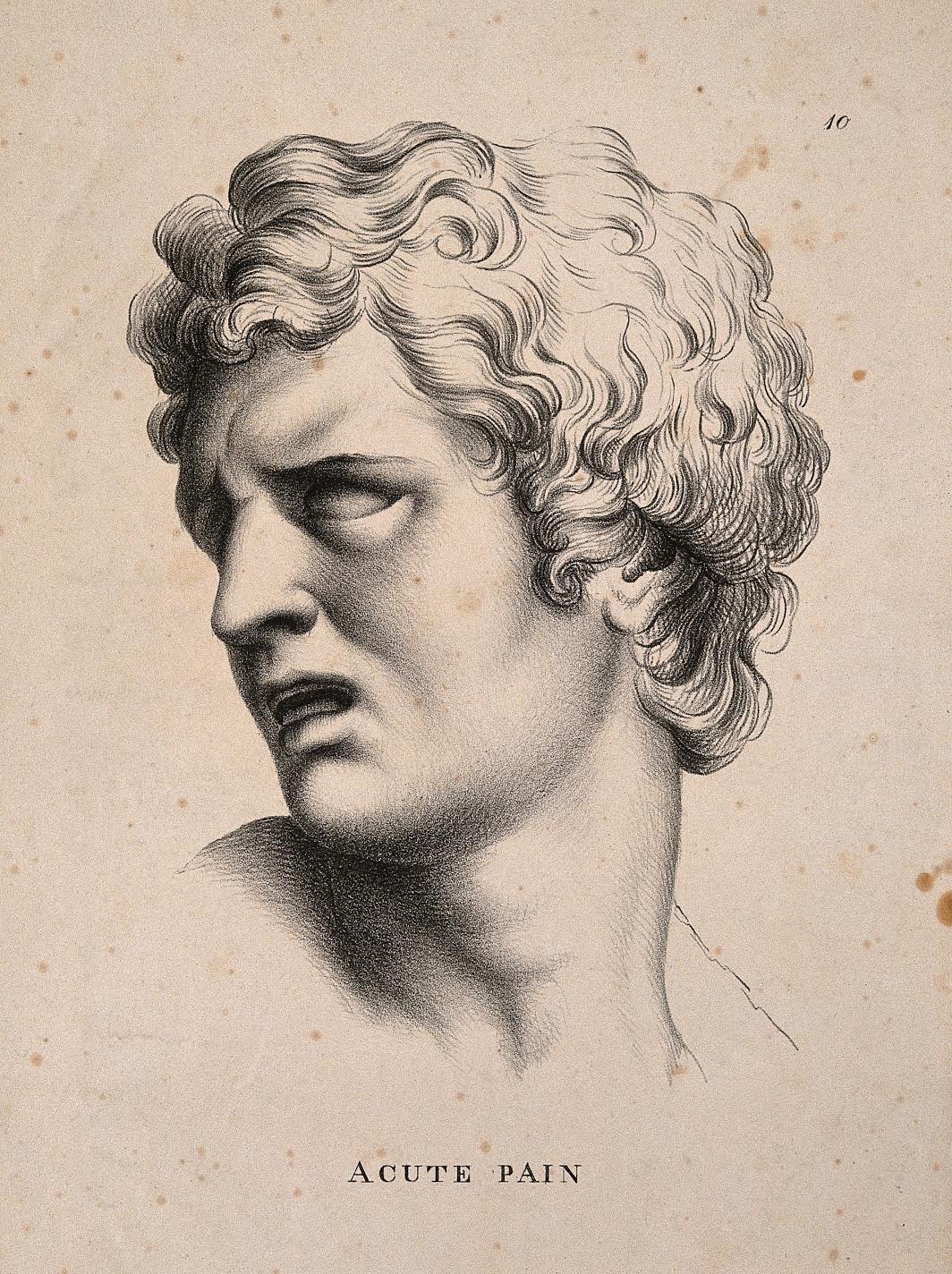
The roundtable explores pain as both a biological and subjective phenomenon. Opening with an Aeschylus quote about suffering and wisdom, it examines pain's role in homeostasis, current scientific understanding, pain management approaches, analgesics (particularly opioids), and ethical considerations in pain research involving humans and other species.
Speakers



Watch
Media
Related Roundtables


Transcript
This roundtable explores pain as both a biological signal and a deeply subjective experience. Panelists distinguish between nociception (the neural detection of tissue damage) and pain itself, emphasizing that the two frequently dissociate, as in cases of severe injury without pain or chronic pain without identifiable physical cause. Brain imaging research is discussed as a promising avenue for identifying neural signatures that predict who will develop chronic pain after an acute injury.
The discussion covers genetic variation in pain sensitivity, the catastrophic consequences of the opioid crisis driven by pharmaceutical marketing and the over-medicalization of pain, and the phenomenon of phantom limb pain, which reveals that pain is fundamentally a construction of the brain rather than a simple readout of bodily damage. Panelists examine psychological factors such as catastrophizing and the powerful role of context and meaning in shaping pain experience. The session concludes with a survey of emerging treatments, including non-pharmacological approaches, and acknowledges the ongoing challenge of measuring and treating a phenomenon that resists objective quantification.
Show discussion topics
- 00:00:00 Introduction of panelists and overview of pain as a multidimensional biological and subjective phenomenon.
- 00:08:15 The distinction between nociception and pain, and why tissue damage does not always correspond to pain experience.
- 00:20:30 Brain imaging and neural signatures that may predict the transition from acute to chronic pain.
- 00:33:00 Genetic factors in pain sensitivity and individual variation in pain perception across populations.
- 00:45:20 The opioid crisis: how the medicalization of pain and pharmaceutical marketing contributed to widespread addiction.
- 00:58:00 Phantom limb pain and what it reveals about the brain's construction of bodily experience.
- 01:10:45 Psychological and social dimensions of pain, including catastrophizing, context effects, and the role of meaning.
- 01:25:00 Current and emerging treatments for chronic pain, including non-pharmacological approaches and the limits of existing therapies.
- 01:35:00 Audience questions on pain management, subjective reporting, and the challenge of measuring pain objectively.
Show full transcript
00:00:00 foreign director of the Helix Center uh before I get we get going on the subject of pain which is today's subject I'd like to make a couple of announcements about future programs on February 25th we have a program on the displaced and the other this seems to be a popular subject the European Federation of psychoanalysis in fact have a yearly meeting and this year the
00:00:32 subject of their whole meeting is the notion of the other I think the refugee problem seems to have increased the interest in our reaction to other people and so that will be on February 25th and bevel is a risky we're sitting there is responsible and has done a lot of work to organize this then the on March 11 we have the third
00:01:06 in the series that we've been doing on music and this one is about music and healing and then on April 22nd we will have a program on design in nature today's participants are apgar of guardian who is Professor of physiology at Northwestern Northwestern University Feinberg School Feinberg School of Medicine in Belford whose health scientist
00:01:37 administrator project officer at the office of research on women's health on this this Arabic correct is the assistant clinical professor of anesthesiology and pain medicine at Columbia University Alan fine sitting here is the professor Department of Cell Biology University of Connecticut and Rebecca sale is assistant professor Department of
00:02:08 neurobiology and Auto laryngology and center of pain research at the University of Pittsburgh thank you to start speaking okay [Music]
00:02:38 well I could start okay um so I'll just tell you a little bit about myself so I'm in the department of neurobiology at the University of Pittsburgh and I'm part of the Pittsburgh pain center which is one of the few places around the country where there are a number of both clinicians and basic scientists that come together to interact about pain in the form of seminars and journal
00:03:10 clubs and that kind of thing and I really enjoyed being at Pittsburgh for that reason because my background actually isn't in pain it came into pain because I found out something through my research that I thought would have a huge impact on how we understand pain and so that's what I've been following in my lab and so most of my focus is on pain circuits and while we do have integration with
00:03:42 clinical people I'm really excited to be here today because any opportunity that I have to learn from other people clinicians Dr Karen who studies the brain I'm in the spinal cord mostly and Ena we were colleagues at Pittsburgh who studies the genetics of pain so I'm really excited to be here today to learn from them good uh I I'll start with an issue I
00:04:14 would let's discuss the subjectivity of pain it's a classic idea that's been thrown around since Aristotle probably and Plato and it's something we actually are doing some some studies on the subject and I and and the issue of even how to define pain is a is is the starting point right and the distinction between pain and nociception and subjectivity of pain and the
00:04:45 experience of pain is something that maybe we can begin with and uh okay to put some some context on this on the issue in a recent review article we have made the statement that for the most part all all of the research that's been done over the last some 50 or 100 years about pain has concentrated about pain mechanisms but not properly dissociating what is
00:05:17 nociception from what is pain and in fact there is this continuous mishmash of ideas of you know if you study the spinal cord you're studying pain no I don't think you're studying pain at all you're studying some neural phenomena that eventually gives your eyes to pain the pain is a subjective State that's the only the human person can report to me having the pain right and so that's one level
00:05:48 of the of the discussion the other half of the discussion is our recent psychophysical experience these are classic 18th century psychophysical studies where we in fact now look at the time evolution of humans reporting their painful thermal stimuli that we put on their skin and then from those reports we actually can generate psychophysical curves this is a stimulus response properties
00:06:19 but from those curves we can actually derive mathematical models which now can generalize the perception of pain to the population in general so yes pain is subjective but it can be objectified by precise mathematical rules so I'll throw that out I will take it from here because this is exactly what pain geneticists do so we take something that we call pain that is in
00:06:51 the middle from pleasure and suffering from both hands and we know that it is subjective we know that it can be somehow objective how you call it yes make it more objective and we want to go a little further and see do we have something that we born with that we can objectively evaluate and then predict the amount of pain after injury or surgery
00:07:22 the course of pain does it become chronic the response to analgesia the response to surgery if another surgery is needed so 15 years ago when we started the whole field the idea was it sounded a little crazy like how can you genetically approach something that's subjective and now 15 years later we have genetic testing the test that can objectively
00:07:54 evaluate subjective thing as pain so I say that it's all multidisciplinary interactive and both subjective objective that's that's just too elastic in a sense that's too easy to win go ahead I'm sorry to me it's the difference between sensation and perception okay when you talk about nociception like Dr seals study
00:08:25 you you're looking at um the sensation and how that sensation is transmitted up through the nervous system to the brain the perception which is has this emotional component is taking place up here in the cortical regions and so you can study the process as it goes into the nervous system and then you need other techniques when you start to talk about perception I mean I for me perfect example this my
00:08:58 grandson who thinks the music that I listen to is terrible he can't stand Opera I can't stand but he listens to we both presumably are hearing the same thing coming into our ears but each of us has a completely different perception of what that is and so I think the problem gets when you get up here and you get to the perception to the yeah the perception of pain yeah I would just like to defend the um
00:09:30 the idea that the spinal cord isn't important for pain in the sense that uh you know I like to think about the pain circuits as being something that's there to actually help us acute pain everybody knows is required in order to stay healthy and I even think some forms of persistent pain I mean a lot of people do are also there on purpose to help us heal and protect ourselves it's only when things become chronic uh I think you know is the problem and also there
00:10:02 are good medications for some acute forms of pain so I would like to argue that the neural circuits are there to sense pain and it's and it's a good thing the brain is there to modify that and to facilitate it so you can get a lot of changes in the way that these neural circuits are transmitting the pain through you know higher cortical function s oh yes yeah
00:10:34 and I disagree with this position and specifically you know that's why we're here to have fun with this discussion in a sense I think we have confused the two issues with each other there is no deception which is always present and those deception is how you protect the body from injury you don't protect your behind right now because you're feeling pain but you're protecting it because North
00:11:06 deception naturally evokes behaviors with which before feeling pain you don't injure your body we don't go around injuring our bodies to learn how to not injure our bodies so that concept is not correct instead we have no susceptive signals that intrinsically subconsciously are already protecting the body from injury so what is pain then pain is in fact not the protection but it's the failure
00:11:37 of protection so that's why it has a negative effective component it has a negative component because it's failed behavior and you have to modify Behavior to protect the body once the injury happens so that's there's a subtle difference and yes the classic idea mixes those things together and it it's not tenable it doesn't make sense you don't you know again very simple idea is that we go around in life most
00:12:09 of the time not having pain and yet our bodies are not injured okay so it's not pain that's protecting us it's the nociceptors that are protecting us so the pain in fact is a cognitive State we I think all agree on that right and in fact you can have pain without spinal cord you can have pain without the thalamus you can have pain without a hemisphere of your and you still have pain pain is a cognitive emotional psychological construct that needs
00:12:42 Consciousness does not necessarily priority depends it's not there's no one-to-one relationship between nociception and pain we should agree on that patients who have pain as symbolia they indicate that your argument is incorrect if you test these patients and they see they stick their hand out and you give them a painful stimulus they go oh that was painful they don't do this they you want can you do it again oh sure go ahead do it again
00:13:12 you want to do it again go ahead and do it again they know it's painful but there's no emotional component because the part of the brain that gives them their emotional response has been damaged due to a stroke well we don't know exactly what's been damaged first of all these estimates your patients are so few in the literature that that you know the exact ly no I mean it's an important issue what is the exact damage and what what and conceptually we know there's a painful stimulus but not responding to
00:13:44 it and not calling it pain in fact is not is simply a damage of the brain right the same response can never happen if the damage is in the spinal cord so it's not the most deceptive signal that's necessary for pain it's a brain system that can be disrupted of course with brain damage its properties will be disrupted and depending on the type of disruption you will get different types
00:14:16 of pain symbolia or pain abnormalities but then to link up with that how do you explain going from acute pain to Chronic or chronic pain was acute pain at some point so what happens there what happens with your non-susceptive Pathways when the pain is chronic but there is no there is no ongoing injury or or trauma or any kind of thing well you tell me exactly again the nose receptor is the one that's falling off your explanation cannot be due to the nose receptor the
00:14:47 nose receptor does not explain chronic pain in fact our research shows that chronic pain is fundamentally the risk factor of the brain not oftenose receptors and brain anatomy brain physiology predicts who's going to develop chronic pain which is not and in fact the limbic brain properties are what defines those risk factors and the reorganization in time is what creates a chronic pain State none of this is a
00:15:18 nociceptor explanation and this data is quite solid in a sense that we can explain a large amount of the variance of chronic pain with these parameters so if you go back to Inner then and how do we do the genetic testing and predict no absolutely we need Ena because all of this has genetic components the brain obviously is defined by genes right the genes and the brain go very much hand in hand and we definitely need the genetic
00:15:48 component underlying these and in fact we've done a little bit of those trying to link the brain risk factors to the gene factors and how there's a lot more to be done we're at the beginning of that of that game in a sense so basically what what Vania says that yes you have to have brain to to feel pain on the other hand there are there are basic mechanisms including genetic mechanisms that can predict explain and predispose to more
00:16:18 or less of the component inside this this experience of pain of course I mean you know the brain is at the end of the day has a big genetic component right and and it defines those properties how much of it is genetic how much of it is not we don't know we you know we haven't done the studies yet I mean everything is genetic but I mean in terms of pain what is it that you are
00:16:49 qualifying factors that contribute to pain in different conditions across the diseases and possibly this is what we call what you call misusception or what you call the the circuses and then there is disease or condition specific genetics and what is interesting with the chronic pain specifically now we we come to this
00:17:22 new era when you can have unbiased approach to study genetics and the more genetic factors you consider within the disease the more variability can be predicted or explained with genetics and one of the it's still unpublished data but one of the examples was this exercise that was done with the orificial pain in the patients with TMJ TMJ disorder
00:17:53 when the data was analyzed in the certain experiment with under 2000 people so this is not a huge genetic experience for the clinical trials it's huge for genetic studies it's modest size when when uh we got the genetic data and we had the the statistical value of specific genetic polymorphisms and we took 10 top genetic factors
00:18:24 almost nothing could be explained in terms of overall variability in pain within this under 2000 people with this the certain condition um if if besides genetic we consider only one non-genetic thing such as sex all of a sudden we can explain eight percent of variability in this particular condition in this particular sample eight percent but then we started adding more and more
00:18:57 genetic factors taking more and more polymorphisms with P values or significant levels not very impressive but still top all of the sudden we could explain more and more of this variability and the exercise stopped when three thousand individual polymorphisms from millions of other factors were considered all of the sudden the overall
00:19:27 variability was 42 from 8 with sex only to 42 where sex was considered with genetic factors do we know what does that mean not yet not yet this is only the the first step now we can go back and then we will need all your studies because then we need to go from the genetic polymorphism to the molecular to the pathway to the specific things that were different in this patient compared to other patients so so if I if I
00:20:00 understood correctly talking about genetic predisposition to have chronic pain chronic pain right and and that's just a pure genetic makeup is it genetic or versus epigenetic or how do you so how do you take it from from there not versus so the the beauty of the genetic pure genetic without AP component is that we we can evaluate it at any time point because we're born that and it doesn't change and if we have a big
00:20:32 sample we can do it instead of candidate genes we can do all genes together so the genetic studying genetic makeup of the condition using big samples of patients is is a great step forward but not the only step then we go to what was what was done in just in addition to the genetics and then we can take other stuff like epigenetic water
00:21:03 certain pollution was it a toxic environments we can study the the environment around those populations and those that can bring those changes that in the epigenome something that regulates expression of the genes besides the genetic makeup so the sequence of the DNA is the same the expression of the genes is different then we come to the lifestyle this is pure psychology
00:21:33 lifestyle and beliefs and cultural and religious and all other habits then we come to demographic and it's not only sex or gender it's also race and ethnic background it's also age and huge differences that come with age across the lifespan then we come to mass body mass index then we come to the smoking and alcoholism and all those factors and they're all on the border of
00:22:04 how much they were genetically predicted in this particular individual or how much it was already nurtured by the environment and I have one question for you which is how do you deal with and I'm sorry if you said this already but how do you deal with this chronic pain caused by different kinds of conditions that people may have experienced like chronic pain of different etiologies so the idea is that chronic pain itself is a disease
00:22:34 it can be triggered by different factors it can be triggered by different but this is the the disease this is the condition so the genetic makeup or epigenetic changes may be uniform across the conditions so you're assuming that it doesn't matter what kind of what caused the The Chronic let me let me actually give you a concrete study that we actually have done this is studying subjects we recruited about a hundred patients who had acute back pain and then we
00:23:07 followed these patients for three years until they become either chronic pain patients or they become they become healthy subjects and there is only one study of the sorts and we this was we spent about six seven years doing this study all of these patients were studied with brain Imaging from from weeks after they they develop an acute back pain and continue to study them for over three years and by Design they all entered the study
00:23:38 essentially with the same duration and the same intensity of pain and the same etiology they all have back pain the acute back pain essentially and by by luck a a year or three years later fifty percent of them continue to have exactly the same pain that they started with while the other 50 don't have pain they recovered they're healthy they're happy and then the question is what happens to these subjects well what we can see first of all is that their brain anatomy and their brain physiology only of the
00:24:11 people who persist in having pain is continuously changing moreover the brain anatomy and brain physiology at Time Zero just at the time when they enrolled into the study predicts viable somewhere between 60 to 90 percent correct who will develop chronic pain versus who will not one year or up to three years later and these are the limbic vein properties basically if we simply take the volume
00:24:44 of the hippocampus and the amygdala the connectivity of the hippocampus and the amygdala to the frontal cortex to the nucleus accumbens all of these parameters simply predict one year later who will have chronic pain and who will not so you are saying I understand you've been and I guess it's connected to your comments about nose reception that the The Chronic pain has no connection to any
00:25:15 ideologic factors no no I didn't say that but they all they all end up with some injury that provokes the condition but some people have are at risk or at risk to becoming chronic pain patients and others are not they all have the same injury approximately they all have the same duration and location and intensity of pain at time zero and yet half of them recover the other half
00:25:45 don't and that difference is a brain phenomenon and that brain phenomena also has to be a genetic phenomena at least in parts so if you were to examine the uh these patients who continue to have chronic pain yep and compare their MRIs with MRIs and patients who don't have chronic pain the MRIs are the same
00:26:18 not a year later a few years a they have changed the brain of the person who's developing chronic pain is continuously changing I'm not talking about the I'm not talking about the brain I'm talking about the back so bad you have yeah yeah and the back is going to be we haven't even bothered looking at the back the back the MRI of the back has been done for 50 years it explains one percent of the variance of chronic pain it has no explanatory value it has never worked that's what I was asking yeah what you
00:26:49 are saying is that the con the actual condition of the back has nothing to do well it has been done so far no one has been able to come up with any serious variance being explained by any of the millions of MRIs that have been done on the back they don't explain the condition and yet we keep doing it but that's another issue I guess surgery is not the the big the big factor in any chronic pain conditions
00:27:19 that after surgery we did experience with a little surgery such as hernia repair such a tiny thing and still there is hernia repair so you know it's not the major surgery but still you there there are certain like at least 10 to 20 percent who end up with chronic pain after this tanning surgery but also more uniform techniques in big soldiers such as breast surgery
00:27:51 where the protocols are well defined and the surgical the surgical experience is pretty much uniform and yet 47 percent of women have chronic pain after mastectomy at some degree at some kind or type and so the surgery itself this is something that we have but it's not explaining a big part of variability and cannot predict who is
00:28:21 going to develop what so as a as a doctor if I saw somebody who had hernia surgery uh and who continue to have pain I would be automatically assuming based on my ancient training of 50 years ago 40 years ago that there must be something locally present that is continuing to cause that pain the same thing would apply if I were talking about someone with back pain
00:28:52 I think what you are saying is that's not the case that's not the case let me weigh in a little bit on the clinical aspect it is and it's not the case from what I can tell you from what I've been observing they're known risk factors for pain after surgery and and apparently surgery can contribute 20 something percent as a cause of chronic pain and the top major but that number keeps decreasing rather than increasing not really it's been it's been it's been at least according to the studies they've been looking into the last 25
00:29:22 years or so it's been steady mastectomy hernia repair thoracic surgeries amputation surgeries those are like you know big offenders as opposed to like other surgeries so those are one of the risk factors the other big risk factor is how much pain somebody has right after surgery so it's the response to surgery and the acute surgical pain the worst surgical pain is or lasting longer there's a high risk factors for chronic pain having pain before surgeries another risk factor known risk factor at the
00:29:54 place of surgery or elsewhere somebody who has chronic headache severe chronic headache going into surgery is a high risk of having pain after surgeon is somebody who doesn't type of surgery it does contribute failback surgery syndrome is one of the main contributors to chronic pain after surgery has to do with the how many surgery somebody's had if somebody has five back surgeries they're high risk of having chronic pain then somebody who just had one surgery so so that those those factors are known
00:30:27 but those factors are in fact if you actually look how much they really contribute to the outcome then each one of them is a tiny amount of variants but how do you know that from the literature that's what I know that's really what the numbers show every one of these factors is a tiny amount what I'm saying is if I simply look at the volume of the amygdala I can explain 50 of the variance okay 50 that's a massive number that's not something to sort of ignore and say well
00:30:57 you know I have another two percent here and another I have five percent there and if I add them up maybe I can so yes I don't I of course no deception is part of pain perception I'm not gonna sit here and say there is no no deception of course no susceptive drive is part of the system but the critical part that at least what I believe nowadays is that that how that loss deception is transferred into Pain by the brain is
00:31:28 the critical transformation which changes the formula so the same nose receptor may be painful or May maybe not painful and that Difference by and large at least in our hands is driven by the brain that's all I'm saying it's interesting but you need to replicate that in a whole bunch of different Chronicles absolutely and in fact NIH has met multiple now studies ongoing to replicate those results so so then if somebody has a let's say brain predisposition to have chronic pain you
00:31:58 can remove all these other factors and they can still develop chronic pain more so than other folks absolutely we have not in fact we use all of those factors as compounds we take them away before we put create the model so we've in fact you know taken those variables out and then looking at what the brain is contributing to to the to the to these effects well that's a very good question
00:32:32 versus correlation so that's a that's a great question and and um causality the strongest answer to for for dissociating causality from correlation is being able to predict the future okay future is not a correlation future is causality so if I can if I can predict what you will do tomorrow I'm already coming up with a mechanism that has that
00:33:04 you have this our simplest concept of causality is predicting the future so that's why I'm discussing you know if I have parameters today that can tell me two years two years down the line how this subject will behave you have to give me a credit that I'm talking something having to do with causality it's not correlation anymore so uh now that brings out a whole other
00:33:35 bag of works that we can discuss like Free Will and and you know having determining your own destiny and who I am as a self but that's but the data in a sense is still yeah interesting to people to hear from you about I don't know I'm having trouble with this but thank you maybe it would be interesting for people to hear from you about the current thoughts on on you
00:34:08 know these brain signatures of pain that you're talking about I mean I won't argue that the pain that you know brain is important for the pain and you can't feel pain without the brain and and that kind of thing so I don't want to get you know I want people to get confused with my view here I'm just you know just to restate my point is that you know you take information in from the environment from internal organs that is no susceptive and it gets transferred into pain I consider that whole process to be pain I
00:34:40 mean just to be simple about it but in the brain let's be complex please in the brain all these regions that he's talking about that are involved in pain people have have considered this the pain Matrix and what it turns out is that you know that these I mean of course it's obvious many of these brain areas are used for for other things like you know anxiety and uh you know various
00:35:11 emotions and anyway maybe you could talk a little bit about you know when you're talking about signatures is that what maybe you could just explain when you're when you're talking about the amygdala and this and and how those are interacting and that gives you the ability to predict the future yeah so that that's that's fine so there is pure experimental observation which is I have a parameter that predicts outcome then the question is what is pain perception in the brain that's a
00:35:43 much more complex question I don't pretend to have answered that question what I'm saying is I can find mechanisms predicting of outcome I did not explain what perception of pain is the perception of pain is a complex brain state which we are all working on and there is a lot of excitement in the field and lots of people throwing mud at each other which is great which is how you make progress right but that fact
00:36:14 does not have any other very any bearing to the fact that if I simply measure the amygdala or the hippocampus volume and I use that as a risk factor it predicts the long-term outcome of their pain State I did not explain the Pain by this I this is simply a risk factor in a sense this circuitry are involved in the process of transition from acute to chronic pain and this is exactly what you know we and now multiple other groups are doing looking at the brain
00:36:47 circuitry reorganizing in time in animal models right now it's like in animal models following an injury the synaptic reorganization there is a cellular reorganization across many brain areas including the nuclear succumbers the medial prefrontal cortex the hippocampus the amygdala and the vertical segment layer so these are all brain areas that we now have animal data showing that there changing in time their synaptic properties the
00:37:18 information exchange across them within days after a peripheral injury and in a sense it would be very hard for me to say that all of these things are because of the nosyceptor that's the only thing I'm saying there is a whole brain reorganization that happens in the transition of chronic pain the details remain what causes well again the details we don't know the fact of course the injury is part of it right we have to have the injury and most receptive signal has to be in there
00:37:49 that I'm not denying that the nosyptic signal has to be there uh but that's it that's an initial drive but these regions by changing of in their properties they shift the organism into a different new state and I think that's the chronic pain State there are there are a number of European studies where they can actually go in and do experiments on patients and what they've shown is that a number of these patients with who are experiencing neuropathic
00:38:22 pain if they go in and they selectively anesthetize the nerves that would be sending signals say from the leg back to the brain they anesthetize those nerves the patient's pain goes away so the evidence is that there is an ongoing signal coming along from the nosyceptors up to the brain and these people are experiencing quantities of chronic pain patients for a number of different mechanisms for how they developed that chronic pain I
00:38:53 agree I don't have anything that but that signal is going on it's not that it came at the beginning and they became chronic pain they still have a signal coming so there's a signal coming to their brain and that's what's causing them to have the pain I don't know the last sentence is not necessary the causality that you created was not necessarily too so the sense that better test or causality is block the signal you block the signal with novocaine whatever they're using to
00:39:25 block the nerve from conducting Action potentials to the brain they stop conducting the pain goes away the patients are awake they ask them the pain goes away and then as the medication wears off the patient recovers and the pain comes back these experiments on live functioning human beings so and in a number of situations there are a number of chronic pain situations that are treated
00:39:57 by novocaine patches and they're probably working the exact same way they're blocking the nerve from sending a signal back to the brain and causing pain so there's a few theories for that and you know the theory is partially I believe clinically true um but the problem is if he can maintain this block for a long period of time perhaps we would be able to block the transition from acute to chronic pain but that's just practically not really feasible and why is that
00:40:28 because the healing process takes days takes a long long time and in any point during this healing process sensitization can occur and I'm talking about this concept of central sensitation which is responsible to some extent to development of chronic pain so which means we have an injury there's inflammatory processes going on the side of injury which triggers peripheral sensitization so the area is red it's swollen it hurts and whatnot
00:40:59 there's some signals going to the spinal cord into the brain but eventually the the brain and the organism kicks in and fights the uh the pain and inflammation process and eventually things calm down and the pain goes away that's part of the healing process but because of various risk factors maybe limbic system in the presupposition could be one of those or if there's an ongoing barrage of painful signals coming from the periphery we end up sensitizing the spinal cord and then there's a whole
00:41:30 bunch of other processes happening and this can happen a day after surgery two days after injury three four five ten days 15 days even and the reason why this is a hypothesis is that we can we can do these blocks we can apply local anesthetic blocks and keep the area numb for two three days and people can still develop chronic pain five months later so there's something else that we not quite catching there some moment of time could be 10 days perhaps after surgery
00:42:02 hence we have this concept of preventive analgesia where we try to cover from before the surgery or impact or injury to some period of time afterwards and see if he can capture the entire process of sensitization and then prevent this chronic pain from happening so so I mean I I take the points very seriously this is a time I mean it's not it's an issue that is due to my to my to my work and it's important question and I absolutely
00:42:33 believe that data that's been published and I know the people who have published the papers are they're good friends I trust the data that's not an issue the question is what is really happening and uh in a sense that you have a nociceptive signal and when you stop the nociceptive signal yes it looks like the pain goes away the question is well did the switch happen from that nociceptive signal being a transient
00:43:04 event to being a long-term event and the idea the simple idea that we have put forward is that the limbic brain is interpreting the most receptive signal right so that its properties are changing in a sense that a single action potential of no deceptive action potential which in a healthy subject you would simply ignore and not feel pain with it now is
00:43:34 interpreted as pain so yes the nose receptor is there it's the question is how is that most receptive signal being interpreted with its subconscious or is it conscious or how much of it has invaded by Consciousness is in a sense you know my hand waving interpretation of our data given the the role of nonsense they have to play Within it I don't know is that
00:44:04 I'm curious that's your work I mean that there's a whole slew of people Dr seal who was studying but they're not looking up here in the cortical Regions they're looking in the spinal cord for where this occurs and there's a lot of evidence that's that it occurs in the spinal cord well yes or no I mean yes there is evidence of course there's Central sensitization Max classic Clifford wolf has done it we have 30 years of data on the subject but Central sensitization happens with a sunburn no
00:44:36 one develops chronic pain from sunburn so and it's you know and in fact if you look at the nociceptive signal coming into the spinal cord recent data from Cheryl Stokke looking at arthritis models of pain in fact the nosyptic signal seems to go down after the injury while the animal is now exhibiting more pain so the correlation even the correlation between the Norse deceptive signal and chronic pain has remained mostly faith and it has the
00:45:09 evidence is not very clean although there is a huge amount of work on the subject yes please you know at this at this time at this point in time the way that I view it is you know what he's talking about essentially is you have an injury and then it goes through different stages like you guys were talking about where there's sensitization at the periphery sensitization in the spinal cord and then ultimately you know I think what is referred referring to is
00:45:39 in a chronic pain State you could end up with a situation where the pain is mainly you know the plasticity has happened in the brain and so I what I what I think he's talking about is and what we've been talking about is really the time course of the pain and how the pain moves so to speak through the system and so you know is this spinal cord important for pain becoming chronic
00:46:10 probably I mean it's hard to imagine that it wouldn't be it's you know the pathway that it takes uh but at some point does it become independent of that you know that's possible in some conditions I mean the other thing is not you know you can't really this is something that my lab is is really interested in that I was telling telling them before is you can't my belief is you can't equate different kinds of pain uh you know if you have a
00:46:40 diabetic neuropathy if you have you know post-surgical pain if you have cancer pain these are all you know an inflammatory pain like arthritis these are all different pains that manifest differently and have different neural circuits and need to be treated differently and whether they all end up in one place in the brain if they remain chronic I I can't actually speak to that but I know that in my in our studies we
00:47:12 don't see the same circuits involved in these different types of pain they're different circuits oh no and I agree with you and that comes to treatment and if you're going to get treated you need to be treated for the kind of pain that you have and I think a lot of people do take that into account but you know that's the direction that we're we're interested I mean we've publish a whole series of studies looking at brain activity for different chronic pain conditions and each one of them we show its own signature the signatures are unique well of course there's also a lot
00:47:44 of overlap between them and exactly what that shows us I'm not quite sure in a sense that you know behaviorally these patients have different behaviors you know an autoitis patient is not the same as a headache patient obviously even though daily behavior is different so living with these conditions will end up with a different unique brain signature to start with and yet also they have a lot of overlap between them too so I don't have I don't have the answer about the uniqueness versus the the
00:48:17 convergence of representation of perception I'm just we were just talking more about the risk factors of getting into that state and also there is really nice new data showing how many brain circuitry are reorganizing in these animal models which we did not know a few years ago so if I may just add a little bit to that to expand and and what we're talking about it's very interesting concept it's the concept
00:48:48 also of condition pain modulation so there's a setup in the brain to begin with that helps our body and our organism deal with pain and everybody has a different condition pain modulation that's how much you can tolerate pain and genetics can also I'm sure reveal that and what's the your threshold for pain what's your pain sensitivity sort of like that kind of ties in with the limbic system but it's certainly there's also change that happened after we expose to acute to chronic pain as
00:49:19 well but there is a predisposition from the get-go from the higher brain centers that regulate the response to pain through this condition pain modulation but I think that also involves the other all the other down Downstream ah Pathways because one of the mechanisms or one of the therapies that we use for chronic pain is spinal cord stimulation which is basically applying the electrical stimulation the spinal cord area triggering of the etiology of the pain
00:49:51 well there is some there's some differences I mean it's not really used for any chronic pain state but neuralgia chronic nerve type of pain or other types of more complex pain states have been managed with the spinal cord stimulation or even peripheral nerve stimulation but the theory is that you know we're activating certain Pathways in the spinal cord area which then travel to the brain and cause reorganization in the brain structures
00:50:21 based on serotonins and norepinephrine because as as we know depression anxiety catastrophizing those are risk factors for developing chronic pain and they have to to do with levels of neurotransmitters in the brain how much we can make and how much we can use them so there's definitely that aspect as well so I don't know how that ties into the limbic system from the get-go and then development of these changes yeah I mean we really don't know what spinal cord stimulation is really doing uh and
00:50:53 for many many years you know whether the evidence keeps accumulating for spinal cord stimulation for its efficacy I mean the other on the other hand its efficacy is amazingly uh counterbalanced with the lack of any new therapeutic drugs for example that we have not been able to develop from 50 years of studying peripheral nose receptors and spinal cord circuitry we know that circuitry probably better than any other circuitry
00:51:23 in the brain we know every neurotransmitter and every synapse in that spinal cord and yet we don't have a single drug that has come out of it successfully so there is a real Gap in that attitude in that approach that has not paid off so you know well just wait okay I'm waiting I've been waiting for him it's not quite true that they had the same thing they have developed drugs no and the problem is when you bring
00:51:54 those drugs to humans you discover that they have significant side effects and therefore they can't be used but that doesn't mean that they haven't from the basic science gone and developed drugs that are analgesic but they can't use them because they have significant side effects well I mean the example the classic example is tripv1 right that's that that's exactly one there there are numerous pharmaceutical companies that have developed drugs to to give analgesia those drugs work and in humans
00:52:26 they call it hyper only know that they cause hypothermia and that's a serious side effect and that's stopped them from being used clinically that's a perfect example there's there's there are there are drugs there are antibodies that are used for treating um chronic arthritis of the knee and those drugs work but they also cause significant side effects a significant fraction of the people getting them have to go out and have complete knee replacement well the anti-ngf looks like
00:52:57 it's going to be a successful drug which will be the first one but the thing in 50 years that's going to be the thing that keeps these drugs from from being used are the side effects but there's some recent data that suggests that you can get Synergy by combining some of the opioids like for the door Delta opioid receptor and new
00:53:27 opioid receptor so you can use like 100 fold less drug than you would have before and that seems promising and the other thing that's happening is people are starting to understand better when you take opiates you have these side effects like constipation or you know an obvious problem with drug addiction and people are starting to take apart these different let's say Pathways that the opioids when they activate the receptors there's the anti-nosusceptive aspect and then
00:53:58 there's you know these side effects and they're starting to be able to break that down so they can just Target you know one without getting the others so I think that's an exciting development yeah I don't know if it's validated or not that opioids over a period of time in fact increased pain is that that something like that would support your position uh no in fact we
00:54:30 have a very large Grant proposal that's sitting at NIH to specifically answer that question uh we will know the whether we will get funded in the next few months or so and then we have a five-year project along those lines so the data is not really there uh but uh in a sense the opiate circuitry is very much of course a limbic involvement right and so given that the limbic circuitry we now we know there's plenty
00:55:00 of data from many different Labs that it's within days after an injury starts reorganizing exactly how opiates are now acting within that circuitry and it's sub-components of the receptor types and all of that all it's all open we don't know the answer the science has not been done but do we know when opioid are helping pain what is the where are they acting on well the classic assumption is that it's the new opiates in the periquiductor gray and
00:55:32 descending modulation spinal cords that's the standard line but uh you know opiates act in the reward circuitry and the reward circuitry is the main is we think is a main risk factor for developing chronic pain so that circuitry is changing in time and we and these there are studies out there just beginning to happen but we don't we the data is still very young a couple of years ago with
00:56:02 genetics we found genetic mutation in you operate receptor that encodes a very different type of reception new orbit reception and it is structurally very different instead of seven transmembral it has only six trans membrane and at least in animals we we have a hope that this may explain why certain people develop this hypergesia or other side effects to the same opioids and the the variance of this
00:56:35 particular mutation is somewhat the same range as the proportion of people who have this atypical response to opioids so it is right now equal possibility that it may be explained by what one is talking about or it may be a structural differently structurally different receptor per se so everything is different in in response to Opus in those patients who are unfortunately to
00:57:05 having two copies of this this mutation so these are all very amazing Concepts but we also have to keep in mind there's different types of paint as we mentioned and up here it's only work on one type of pain there's pure nocicepted type of pain there's inflammatory opioids don't really tend to work great on inflammatory pain or neuropathic pain the opinions are not great medications for neuropathic pain visceral pain as well so what what you're talking about it's opinion use hyperalgesia it's a
00:57:35 phenomenon it's very interesting but we don't only have a good grasp of that you know kind of goes along with with tolerance and some some people that take opioids for a period of time develop tolerance to the effect of opioids which means they might require increasing those to have the same effect while people that have opinions hyperalgesia develop more pain and and adding more opioids actually makes the pain worse but the whole concept of what really triggers the hypergesia is you know it's
00:58:06 it's very interesting but it's really unknown but the good point is that opioids are just there part of the uh our pain fighting kind of therapies or or strategies that we have and they're really good for to some extent for acute pain but not so much for chronic pain because chronic pain is completely different ball game right imagine with anything chronic that there would be changes in the brain so is that you are saying something more
00:58:36 than that what I'm saying is there are changes and we think the changes in a sense the changes differentiate subjects who become who are healthy who become healthy where we don't see any changes so the so the unexpected result you would think that they're both diverging they would show similar or complementary results no the ones who recover and are normal don't show any changes only the ones who persist on becoming to
00:59:07 on persist with the pain first of all the whole brain gray matter volume decreases there's a whole brain volume decrease not and that volume decrease is specific to specific brain areas we can actually show three or four brain areas where the density of the cortical gray matter is decreasing in time and that decrease is in fact also directly related to the functional connectivity of those areas as well so
00:59:37 functional anatomical properties of the brain are changing in time and yes we Define that as creating the chronic pain brain in a sense whether how much of that is basically a consequence of living with the condition versus an actual causally it's hard to dissociate but we see the effects very early on So within six weeks after the first brain scan six weeks later they are already specific
01:00:08 brain changes and those continue to happen over in fact years to come and so that's in a sense we we think of it as the adaptation of the brain and creation of the brain of being its chronic state and basically the very simple idea that we that all of this that we have pushed forward is that the brain is becoming addicted to nociception
01:00:38 so yes those deception is important in fact the brain is exaggerating the interpretation of that noise deception into continuous pain as opposed to intermittent pain let's say so that's a simplistic idea I don't have the proof for it but that's a concept that we can sort of play with and the relevance of it is in terms of treatment treatment mechanisms and specific circuitry right and in in and along those lines we
01:01:09 actually have a clinical trial specifically on the on with this idea basically we also have in animal models we show that dopamine that has something to do with addiction in a sense right dopamine concentration in the brain drops by 50 within days after a peripheral nerve injury and if we give these animals dopamine back we show amazing pain relief so we actually have a clinical trial in humans trying to see if we can use this
01:01:41 concept to stop the transition from an initial injury to long-term chronic qualifications and it's an ongoing study I don't know the results just to go back to interesting you know what you're saying with these changes that happen with chronic pain but there's also studies looking into reversal of these changes with successful management um so it's it's a great concept too so it's sometimes it's not really irreversible uh irreversible changes that that uh that we don't know how much of it is reversible and so certainly
01:02:12 some of it is reversible there's no question about that which is which is nice but there's hope oh absolutely yes yeah yeah yeah no I think in fact I mean we are very excited I think in a sense all of a sudden there are many different directions with which we can actually you know try to come up with novel approaches to to therapy I mean uh brain regions that was never thought to be part of pain all of a sudden they're all part of the circuitry and so
01:02:42 they're all fair game in that sense I think the concept that brain is changing as a result of chronic pain it's interesting but it's also the the reversal is also interesting that if we can reverse those changes and then re-generate those changes back and that's absolutely possible because we do have new genes they're getting turned on in chronic pain States yeah they were not active before yeah so if there's a way to turn them on there's probably a way to turn it back off exactly or maybe
01:03:12 activate new genes that can deal with that too absolutely meditation for example apparently it's been shown that chronic pain meditation brain changes folks that do practice uh meditation sleep is another one or epigenetics or it's it because of that so epigenetics comes but things like meditation mild fullness therapy is a sleep manipulation mood manipulation all those and the the phenotypes that
01:03:42 you described with this condition payment relation that may be a surrogate to the brain events that Vani describes so you can because you know we know that MRI is not a very cheap technique so we can maybe avoid it by evaluating those phenotypes like with a with a quantitative sensory testing when we assess the ability of the whole system to
01:04:13 respond to nociception with endogenous inhibitory mechanisms and we can assess it without fmri with a very simple protocols and they may be reflecting those brain changes that are totally plastic and and we can manipulate those and are we on the same Grant doing this experiment and now I'm not not grants I'm not no you're not you're not you're right but to put this
01:04:44 in a clinical perspective why all of this is important besides being fascinating is if we can find a way to perhaps try to track down and find folks that might be at higher risk for developing chronic pain is there a way to kind of apply more therapies and more modalities so to try to prevent that from happening including your blocks whole idea of genetic testing is can we know a priority to the big
01:05:15 manipulation management surgery whatever who is at risk and we have to do something specific like additional blocks during the surgery to try to avoid these pathological circus that goes to vania's changes yes and and why is this important because not not everybody who's having surgery ends up developing chronic pain right some some people do but that we have all different sorts of analgesic and
01:05:47 aesthetic and other kind of options to deal with pain during surgery but not everybody needs those so if you can identify who is a higher risk and then we can apply perhaps more of something that's called multimodal you know covering different pain Pathways different non-susceptive Pathways perhaps a little bit better hoping that they won't end up developing pain as opposed to somebody who might have low risk for developing pain based on genetics or testing
01:06:17 sensory testing pin prick testing you know people have different sensitivity to different painful Sensations so I mean exactly along those lines so we actually have again I'm sorry I'm brain Centric and I I will end up going back to the brain but we actually have a model from our studies that calculates a risk for chronic pain and this clinical care that we're doing right now we don't treat people who are at low risk and we only treat the people who are at high risk in a sense this is a validation
01:06:49 step to just see whether our model generalizes to a new population and we don't know so but a third of the of the patients who entered the study are not given anything we say oh you just wait just wait we know we have to decide what to do with you but we're hoping that their pain will just go away spontaneously without having us to do anything based on our risk assessment on them so so but I thought there were there are no accepted ways of treating people to avoid chronic pain
01:07:19 well so again this is a novel drug combination that we are testing for the first time we've shown this dual combination to be effective in animal models we've published this recently and this is interesting bear with me for a second because we actually try we give these subjects both NSAIDs the standard line of treatment for patients who are in pain as well as dopamine and in at least in our annual model when we give the two together the animals
01:07:51 essentially for weeks don't show any pain behavior when we give either one of them by itself they have very little effect so the concept here is that we are trying to stop the brain from becoming addicted to the Pain by the dopamine that we give them at the same time decreasing the most receptive signal from the periphery and we don't know if it will work in humans or not but you know the study is blinded and it's ongoing but the whole idea is that you can't
01:08:21 apply the same approach to everyone because this this would when we talk about individualized personalized Precision it's all coming back from this general idea that you can't have the magic pill that will work exactly identically in in every uh patient with pain is just drawn and now we know why because of all those phenomena that we just described so we try to know who is going to respond better to what and
01:08:51 we're talking about type of of pain management those of the painkiller or whatever whatever it is so is this going to have an impact on anesthesia you're going to be able to tell ahead of time how much a person needs anesthesia before surgery well I think so well I mean not just that they should all get anesthesia before surgery I think right it's a good concept and also to to to link up on that I mean we will be doing
01:09:22 testing where we can get a genetic makeup of everyone and basically figure out if they have tolerance to certain medications or obsessivity side effects so typical example not everybody likes opioids and some people have different you know liking or different opioids um and and we as of now basically just go by whatever they tell us experience or trial and error but yeah I mean we will be able to tell how much somebody needs and and tailor it a little bit properly
01:09:53 medication wise and and the amount wise too I mean along those lines I mean I think there's data bought from our study and from the NIH ongoing study for pelvic pain population at least that there is good evidence that we should be able to identify for each chronic pain patient what is Maybe not today but down the line we have the tools to do it who will respond to which kind of treatment in a sense all the treatments that we have
01:10:24 are effective in one third of the population and they decrease one third of their pain on the other hand if we match them properly I think we would have a much better outcome because we randomly are giving them any drug that comes to the to the hand of the physician not having any information but we and multiple other Studies have now shown that there is specific subjects efficacy based on brain anatomy and brain function as to what treatment a
01:10:55 given subject will respond to before we stop I would like you just to say something because I hadn't heard of it before about Phantom breast pain and nipple pain following a mastectomy because I had not thought of the Phantom the only thought of phantom limb phantom pain is a mystery and a mystery phenomenon and this is like a perfect example how much brain is involved because phantom pain is literally everything happening in brain
01:11:28 only and uh so we were looking at the link between neurological diseases such as epilepsy and chronic pain disorders and we try to see the model aware the pain cannot be triggered from the periphery anymore and so we we wanted to see this phantom pain as an example of such such a pain and everybody knows that some people develop
01:12:00 phantom pain after amputation of their limp but apparently it's not just in the limp it's in any organ that is amputated and one of the most frequent cancer surgeries in United States female population is breast cancer and many of post-mastectomy women develop neuropathic painful conditions one of the types of these conditions is phantom phantom pain it could be Phantom breast or Phantom nipple and
01:12:33 it's also the great example of how pain may be part of the phenomena but not entirely so with Phantom nipple for example pain is not the major uh destructive thing it's all about other Sensations with Phantom breast pain is one of the major complaints and this is one of the most challenging conditions as any neuropathic pain condition for treatment where all alternative and
01:13:06 other multimodal approaches would be the first choice because mono model therapy just doesn't work and there are interesting techniques that our brain comes with and I was telling this morning that we had a patient who had a phantom limp and he said that pain itself he can live with that but there are things that drive him crazy one of them is that he has a feeling that one
01:13:39 finger on his missing foot going up another finger and that drives him crazy so he himself developed a technique to deal with this type of sensation by coming to the Mirror with his prosthetic leg and putting his um his fingers on the Phantom yes trying and looking in the mirror and his brain somehow accept
01:14:10 this manipulation and that would give gave him a relief from this so pain is a Mr thing it's all in brain and we can do interesting things manipulating this brain fighting suffering that is the part of this pain perception thank you let me give you one more are we done well we can we can retraining the brain retrain deal with the pain
01:14:42 hence regenerating same similar concept spinal cord injury or post-stroke injury we are retraining the body and the more we can retrain more we can reestablish the healthy circuits the better off folks might be that's the mirror therapy where you're trying to basically tell your brain it's okay till the brain is able on its own to to kind of uh assume that there's no issue going on there anymore smiling when you're depressed go and smile and somehow it manipulates the
01:15:12 brain and maybe with this particular but there is something also very specifically different about chronic pain and this is you know we have been looking at information sharing in the brain in these chronic pain patients and what is amazing is that if you look at how much information is shared in the brain you can come up with an approximate rule of how how that information is shared in healthy subjects when we look at chronic pain patients there is a massive decrease of
01:15:45 this information sharing and the amount of decrease seems to be proportional to the amount of pain that they have and that decrease is everywhere in the brain in a sense that the chronic pain affects information processing everywhere in the brain and it's only happen this we can only find this in the chronic pain patients but if we give them an acute painful stimulus of the same intensity nothing like this happens so there is an actual interference of conscious
01:16:18 processing that that subjects are doing that they are unable to process by Simply Having living with this massive negative state of weakness in a sense okay any questions what do we know about patients who who are either spontaneously uh improve or are cured of of the of
01:16:51 chronic pain I mean I'm thinking for example you mentioned retraining what about what are there stroke patients right who who improve for those who suffer a stroke after they have chronic pain and what about those patients where we we do not see an etiology uh you know with therapeutic uh ideology I don't know the clinician should answer
01:17:22 I don't know I I mean it's a very rare event and it's I don't see them uh but I'm not looking for them either right so I mean what I'm suggesting is that it may be worthwhile to to look at that yeah but how long do I wait until they get better I'm not suggesting that what you should do yeah yeah no I understand that it's it's that it's that it may be worthwhile the problem is that it's a great event right is the is the sad part of it I
01:17:52 think well it depends on the definition of chronicity of the pain and you know whether you go from from having it completely go away or disappear to you manage it so it's not really as as pan anymore it's it's part of living but it's not as debilitating those are different concepts too because chronic pain by definition is something that's chronically present kind of like arthritis which don't make arthritis go away it's either it's it's mild moderate
01:18:23 or severe and then we end up having a replacement surgery and might go away or to some extent but chronic by definition if it goes away that process is gone so it's an interesting concept but it depends really on on the situations I mean it could be there's there are cases of of people having chronic pain that goes away with effective treatment hernia repair surgery why is that so interesting because of the little small nerve
01:18:53 in that area that gets irritated at some point either from the mesh that's placed or from the changes in the body over time uh muscle versus fat versus other structures that kind of change over time and then basically cause a chronic irritation in the area and chronic irritation then becomes this chronic pain but there are some treatments nerve injections for example that can make this thing go away or removal of the mesh can make this chronic pain go away
01:19:24 you literally remove that ongoing signal and in this particular case maybe we didn't really get to the point where the their overwhelming changes in the brain and then now it's kind of almost impossible to read to reverse it yeah to some extent it is possible spinal cord stimulation peripheral nerve stimulation can also to some extent uh slow down or maybe even like stop some of the chronic pain States and I'm not really sure what the mechanism of that
01:19:54 is but does it I mean does the sparkle stimulation give you is is there enough subjects who say okay I'm done I don't have pain anymore and I can turn this thing off and go home when I'm happy yeah it's a matter of you know how many patients do you need to see so you can say that yes it definitely stops The Chronic pain but I've I've seen it I mean there's reports of it so it's possible yeah but it's definitely it's it's a it's a minority of patients I have to say it's more like a management
01:20:26 tool rather than cure too also stress this is something stress so sometimes patient has acute and very strong stress in some cases that can disturb pain and the pain gets better versus the chronic stress that that amplifies pain and stress maybe not only something like a stressful event it can be something that we we don't know
01:20:56 exactly what is it but it's it's other structures that involve brain structures that are involved in some cases it may stop pain in some cases it may amplify we don't know we can predict it at that point but I guess that in those chronic patients that all of a sudden they get better there was something that a good doctor can ask about something that happened to this particular patient for example I know myself a woman who had a breast breast
01:21:29 cancer after postmaster post mastectomy pain for years and then it happened that she was she just went to some yoga class with her friend and that helped do I I don't say that yoga helps to cure the pain now in this particular woman there was something else that happened and we don't know always a single event you're talking about or maybe ongoing full explanation
01:22:03 right yeah for pain going away right so that's good concept I mean the distraction helps too yeah but I mean you know we always want to put causality on you know things that they may not have anything to do with each other yes exactly right go ahead it's a fascinating uh discussion um I wanted to just add um that I didn't hear discuss anybody's thoughts that are interested you know as as human beings you know we seek to create meaning and um you know there's a dimension of the
01:22:33 pain experience and how one's culture and spirituality and religion in um their experience of pain and you know we're discussing I think more of the neuropathology physiology of managing pain but to ignore that dimension of pain you know may not clinically I work clinically with terminal pain um you know allow us to achieve um the best palliation we can
01:23:03 yeah absolutely yes in a sense I think at least in earlier societies pain was part of the punishment that God was giving you and it's and you had to live with it um so and our concepts of pain in this at least today is much more uh how how best to get rid of it right so those are very different concepts yeah
01:23:35 in some countries paying uh you know you have to Define your pain as a really critical pain to draw attention from the clinicians um and I know from my friends from China and my friends from Russia that uh you know whatever we have as a painful clinical painful condition here it's not it's not considered as pain there and and you know the like labor pain till
01:24:07 very recently was something that you have to deal with and it's part of the life and nobody thought about uh anesthesia during labor and now we're talking about anesthesia during the circumcision you know everything should be pain-free and this is very different concepts but interestingly that sometimes you think it is a different cultural thing when it is still something anatomical and
01:24:37 physiological and the example is um labor pain in different cultures for example um my friend who is OB an anesthetician she told me that um there was a perception during the clinicians that women from India they have more pain can compared to other women apparently it's not that they have more pain it's because of the anatomical differences
01:25:10 the course of Labor should be considered very differently in these women and so they the the whole management of Labor should be different and then there will be less pain so it's not completely religious cultural or ethnical things it's all together but of course at least in the monotheistic religions hell is basically pain right that's that's how we concept burning pain
01:25:41 flagellation suffering it's all it's all defined by pain so the expectation is very important oh yeah preparedness I mean those are very important mechanisms to to deal with pain and feel the pain and a lot of times from what I can see that folks they are prepared coming in to have surgery or something else that they're prepared to deal with pain expect to have some pain tend to perhaps deal with it better than other folks they're very surprised by
01:26:13 the notion that there's going to be pain it's going to be bad it's going to be painful so almost as though your defense mechanisms either go up or go down and which help you not help you to deal with pain Henry thank you for very interesting and very nuanced discussion of a very complex subject and I particularly want to refer back to the Social and temporal setting of of this and your remarks the different
01:26:45 kinds of pain are really very different and need to be thought of very differently while I was thinking about this last night there was an ad on television for painless Dentistry that was the first time I've seen the television ad for painless dentistry and of course pain can be lethal and it is 10 blocks from here a very prominent performer and actress died two years ago because she was under general anesthesia for a procedure that generally we would
01:27:18 not have put somebody under general anesthesia for she had an upper endoscopy and died of the anesthetic consequences of it she had a cardiac arrest uh it's estimated that uh 70 000 Americans die of opiate overdose or of fentanyl which slips into their illicit opioids uh would you say something about this epidemic of opioid misuse
01:27:48 well I mean that that's I think one of the main issues nowadays is the overused of opioids epidemic on opiates and problems that go along with opioids and the different ways to kind of explain it perhaps or try to explain it but it goes along with the concept of dealing with pain treating pain and opiates are very effective medications for acute pain but then if they use for extended periods of time there's all these other problems and issues that happened and that's that's
01:28:20 basically I think what happened is a we didn't quite put a solid stop on the use of opioids for years and and people expectations change and people expectations are different the way of dealing with pain also was was different and hence this resulted in this abundance of opioids being used around and abused around and causing problems and now we're going you know I'm old enough to remember the history of opiate
01:28:53 abuse coming to this country in a sense about 15 years ago there were a number of prominent papers published saying oh if you have chronic pain you don't get addicted by opiate use so let's give everybody who has chronic pain opiates and 10 years later this is where we are so I think it also stems from a change in the directive of a lot of hospitals right I mean that you were the pain wasn't being treated effectively in a lot of people and so that they started
01:29:24 this system to measure it with these Smiley or you know this 10 10 face system of how much pain you're in and and then it became pressure I think to prescribe these opioids and now actually it's because of this epidemic it's reversed and now the concern for a lot of people that need the drugs is that they're not going to get them so yeah but there was a real scientific sort of debate on this thing about 15 years ago and we all said
01:29:56 oh yes you know if you have chronic pain all your opiate receptors are upregulated they all need opiates to be bound and then your pain will go away and why aren't we giving these patients more morphine just a combination of yes things some of those papers I've been watching this for about 65 years okay 30 years ago we tried to get a hospice unit started at one of the major academic centers here in New York
01:30:27 Hospital yeah and we didn't succeed however there are now 5 000 hospices in the United States and they vary all the way from terrific to not so terrific huge it was addressing a different problem it was the addressing the under treatment of people in the last six months of cancer of metastatic cancer with the kind of chronic problems that we talk about now low back pain migraine so it really changed the
01:31:00 subject really changed and I think that's to the point that you made that different pain has to be thought of differently so we overreacted we started it part of the problem is it takes a lot less time to write an opiate prescription than to sit down and discuss some of these complex issues I have some some good news the good news coming from two different directions one is I spent two years out of the air that I Division and so at least now any new
01:31:32 formulation of opioid or any new orchid has to be abuse deterrent this is like the the new Mojo so it will be difficult to abuse at least so from this from the abuser action there is something that we can do and from other direction is now there is a number of labs and companies that that offer the genetic testing for opiate addiction so we're not talking about abuse abuse is difference behavioral all social but for
01:32:03 the addiction now we can predict those who have to be far away from Opus because they are going to develop addiction at some point so if we can predict we can come up with different plans strategical plans for pain management in those patients again not for everybody we're going narrow now for the for the addiction there is no no numbers because it depends it depends on many factors including the age and the
01:32:36 sex of the patient so it's it's more complex um seguing from opioids can anybody comment on the mechanism and efficacy of the use of CBD in combating or alleviating chronic pain CPD CBD all this behavioral cognitive behaviors um all right CBD and THC are both ingredients in marijuana th oh
01:33:07 it's cannabinoids is you know when they isolate it is the portion that can alleviate pain yeah I'm not I'm not supported I'm not supportive in other states where it's you know New York now so so I mean there is definitely some good science showing that in fact there are some variants of it have good efficacy at the at the peripheral level we have the most receptive level we've guided in chronic pain models in animals uh and it has not
01:33:41 shown any efficacy so so uh on the other hand there are some people obviously who who swear that it's very effective with them so oh yeah absolutely yes yes uh so I mean yes I mean they have it both in the periphery and it's throughout the vein so cannabinoid receptors are everywhere in the way every every neuron has cannabinoids on it which is part of the issue in a sense that it's not going to be a specific effect it will affect every synapse in the brain
01:34:13 okay from the clinical data so far we can say that there is no pure energetic effect of marijuana or any cannibalists there is some effect on you know and this is very close to get high so they have the patients may have better mood they they may deal better with with the condition but it's not analgesic and if we're talking about adversive effects they exist and More in women on the other hand it's probably just as good as a glass of wine so you know it's
01:34:46 so it's less than Wine yeah you mentioned meditation briefly any thoughts about hypnosis I know it's Stanford University for at least decades have been researching pain and hypnosis Hildegard did it back I think in the 50s 60s David Spielberg is there now and you mentioned brain retraining which seem that hypnosis and visualization would be a great way to retrain the brain the example you gave with the foot could have done that through visualization so any thoughts about that
01:35:17 there are there was there's a famous study where they took patients who were in pain and they hypnotized them and and they told them that the the unpleasantness of their pain would go down or the unpleasantness of their pain would go up and then they went and tested them and yes the unpleasantness would either go up or down depending on the hypnosis whereas the the sensory component and how painful it was that was unchanged right so yes you can I
01:35:50 mean that's again the part of the brain that's the that's involved in the unpleasantness The Suffering that's associated with pain that's the part that was being able to manipulate it through hypnosis I have one one thing to tell you about it's not about hypnosis per se but it's about virtual reality this is now a new phenomena to treat pain especially chronic especially acute pain in Pediatrics so this is a helmet with virtual reality and
01:36:21 um in by the end of March in Florence there will be a simple conference where we have a workshop on virtual reality and you can see how this particular thing works tremendously in distracting the attention and so the children with Burns and that they can't allow anybody to touch when they have this helmet you can do whatever you want
01:36:53 and and change everything and they don't they don't don't pay any attention so it's not hypnosis because it's all uh just very temp free when the child or the that is in the in the helmet but it works better and the other reason is not hypnosis is that might wind up being expensive with all the technology hypnosis would be inexpensive but you could teach everyone to do it so yeah you can do the same thing okay last question
01:37:26 this has been great and when I went in to practice I thought I was going to touch people and have an effect on their tissues and what I have found that I actually do in my practice is work with people around their anxiety about Sensations that they're having in their body and um what I try to do because I have the luxury of spending hours in a room with people is sort of develop a per help
01:37:56 them develop a personal epistemology of sensation in their body or at least start thinking about it that way um to me I feel like one of the really core issues that we have in this whole conversation is a real Poverty of language that we're talking about pain which can mean everything from you know stretching a muscle into a new area for the Golgi organs uh taking them to a new stretch or tearing a muscle
01:38:27 that's pain it's all pain um what I have the other thing that I have found is that I used to think about getting people to a pain-free state and now what I think about is getting to people getting people to a suffering free stage and the difference I think is you're never going to be pain-free if somebody's telling you that they're a charlatan um but you you can feel empowered about
01:38:59 the fact that the sensations in your body are they're organic they're normal we don't talk we don't we just I think culturally we just don't talk about it enough we don't we don't share the fact that you're going to have Sensations in your body all day every day for the rest of your life some of them will be they'll have they'll have different valences um but you don't have to be reactive to it that's great thank you no no and in a sense that's I love the story it's wonderful because
01:39:32 we have published the data that in patients in the same patients when they were had acute back pain their brain activity was in the sensory regions of the brain it looked like acute pain a year later the ones who are still having pain their weight in activity for the same pain that they describe the same way is all in emotional areas of the brain they're in the frontal cortex they're in the amygdala in the incumbents in these limbic regions so in fact the the concept of their pain has
01:40:03 shifted from being a sensory input to an emotional state that they're bearing that they're living with in a sense so that's the explanation we've made to the data of the brain activity and I said okay I thought what you said about the immediate reduction in dopamine right after injury yeah that's very interesting to me and it immediately made me think you know what if we just got in bed with a loved one right after they yeah yeah and just gave him a nice
01:40:34 massage is appealing to me that's good too [Laughter] well maybe two questions is one are there any other things which or there are some of the things that we we have some clues about affecting uh Court brain size including and maybe you make a little size I don't know enough about
01:41:05 it but meditation will sometimes make the brain larger uh physical exercise perhaps and it's interesting that people who are fibromyalgia get better with exercise and whether there is uh any documentation in chronic pain States like that of uh changes in amygdala size in the uh effect of uh of those things which may
01:41:37 cause brain enlargement upon chronic pain such as a physical exercise and meditation uh yeah I I don't know about the evidence of so next exercise does increase brain brain I don't know what size it exercises at least in animals is it improves uh adult neurogenesis in the hippocampus and in fact the same can be shown in
01:42:08 humans as well and we have data that neurogenesis in the hippocampus is in fact affected with chronic pain itself so there is that link in fibromyalgia there is brain local decreases again in Gray matter density again I don't know if there's any data about recovering from fibromyalgia to see if if those things give us or not so some of these data are consistent but
01:42:39 they're too too few and too little to really make a bigger grander theory in a sense about them okay thank you thank you [Applause] session thank you