
The roundtable explored how "evolution, coordination dynamics, sports, social interactions, and aesthetics help us understand movement and life." Key topics included distinguishing "movement and objects as distinctively different things to study," coordination dynamics, kinesthesia, evolution of social coordination, and "how, in the living company of others, we are both challenged and supported."
Speakers
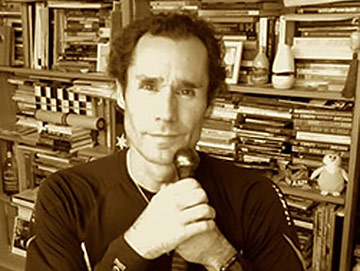
Watch
Media
Related Roundtables


Transcript
This roundtable explores the fundamental relationship between life and movement, led by philosopher Maxine Sheets-Johnstone with contributions from dynamicist Scott Kelso, philosopher Jesus Ilundain-Agurruza, and philosopher Albert Johnstone. Sheets-Johnstone opens with the provocative claim that all movement is born, arguing that understanding movement requires attention to dynamics rather than the static frameworks of embodied cognition, enactivism, or extended mind theories. She draws on Aristotle's claim that nature cannot be understood without motion and Husserl's insight that all cognitive capacities proceed from the foundational fact of self-movement.
Scott Kelso provides an empirical grounding through the baby mobile experiment, where infants discover agency through coupled dynamical systems as their spontaneous kicking becomes voluntary when linked to a mobile's movement. He introduces the concept of synergy as a functional grouping of elements temporarily constrained to act as a unit, illustrating with speech articulation how perturbation of one element produces immediate compensatory responses across the entire system. This framework connects spontaneity and intentionality, showing how understanding intrinsic dynamics is essential before attempting to modify any system.
The discussion ranges across the qualitative dimensions of movement in sports and dance, the dynamic congruency between emotions and bodily movement, the challenge of studying spontaneity scientifically, and the multiple simultaneous layers of automatic, voluntary, and reflective movement in everyday life. Audience contributions bring in questions about agency at different levels, infant reflexes, the embodied experience of musical performance, and personal accounts of injury and recovery that illuminate the inseparability of mind and body in movement.
Show discussion topics
- 00:00:01 Introduction of panelists Maxine Sheets-Johnstone, Jesus Ilundain-Agurruza, Scott Kelso, and Albert Johnstone, and framing of the roundtable on the relationship between life and movement.
- 00:07:16 Maxine Sheets-Johnstone opens with the thesis that all life begins in movement, citing philosophers Aristotle and Husserl, and argues that understanding movement requires attention to dynamics rather than static embodied cognition frameworks.
- 00:15:39 Scott Kelso describes the baby mobile experiment demonstrating how spontaneous kicking leads to discovery of agency through coupled dynamical systems, introducing the concept of synergy as a functional grouping of elements.
- 00:24:30 Jesus Ilundain-Agurruza discusses the qualitative dimension of movement, using examples from sports and everyday life to argue that competition and creative physical practices reveal the full range of human movement potential.
- 00:31:10 Maxine Sheets-Johnstone argues that consciousness and feeling are inseparable from human movement, distinguishing automatic responses from spontaneous voluntary action and emphasizing the dynamic congruency between emotions and movement.
- 00:39:10 Scott Kelso elaborates on synergies as functional units spanning multiple elements, using the example of speech articulation to show how perturbation of one element produces compensatory responses across the entire system.
- 00:47:30 Discussion of how habitual movement can obscure experiential reality, the challenge of studying spontaneity scientifically, and parallels between animal gait transitions and spontaneous pattern formation in physical systems.
- 01:00:28 Panel addresses the complexity of movement involving simultaneous automatic, voluntary, and reflective layers, and discusses coordination dynamics including synchrony, de-synchrony, and the tendency toward metastability.
- 01:04:44 Audience questions on quadriplegics and agency, free will, infant reflexes, and whether synergies exist before being manifested, with discussion of different levels of agency from involuntary to fully conscious.
- 01:31:23 Discussion of tactile-kinesthetic experience as the foundation of consciousness, Aristotle's concept of movement as a common sense, and personal accounts of injury, recovery, and the embodied nature of musical performance.
Show full transcript
00:00:01 i want to welcome you to this uh round table at the helix center i'm edna session the director of the center today's round table and tomorrow's on uh man man competition was proposed and organized by maxine johnson who is here just one announcement is that the program we have with the program tomorrow we end the october month and then in november we have a round table on
00:00:32 animal language so i will introduce maxine and then she will introduce the other participants maxine johnson is a philosopher whose first life was a dancer choreographer professor of dance and a dance scholar she has an ongoing courtesy professor appointment in the department of philosophy at the university of oregon and she has published numerous articles
00:01:03 and a number of books her books are the roots of thinking the roots of power animate form and gender gendered bodies the roots of morality the primacy of movement and the corporeal turn and interdisciplinary readers she received an m.a in dance and a phd in dance and philosophy from the university of wisconsin where she also studied evolutionary biology she was awarded a distinguished fellowship for her studies of xenophobia
00:01:34 by the institute of advanced study dharam university the united kingdom in its inaugural year the theme of which was the legacy of charles darwin maxine thank you and i'm going to just stand up for this part because i want to introduce uh all of you to everyone here but first i would like first uh to
00:02:05 thank ed narcissian and mary for their wonderful hospitality it's been quite extraordinary i want also to thank robert pencer for all of his work on the website i don't know who robert pencer is but pardon me could i the camera thank you
00:02:37 um yes uh for anyway the website and all of the emails that were sent out in terms of this this roundtable discussion also wanted to mention that i was delighted that the helix center had started again i think it's just a wonderful institution and i hope it thrives and continues because i think it's a great wonderful thing to do for the community and for
00:03:08 being open to the public as it is i think it's really quite a unique institution so i would like to just say yay for the helix center i also want to say that one of the participants cannot be here tonight linda carporial she has a very highly seriously injured hamstring and she could not make it from from rensselaer institute so she will
00:03:39 not be joining us jesus we have a somewhat actually i guess international an international at least duo of participants jesus is from spain and from the basque country is that all right yeah really strange doesn't it he is an associate professor of
00:04:11 philosophy he teaches very widely in the area of philosophy everything in epistemology to the kind of lowly subject of aesthetics in in philosophy and uh he was awarded various uh um he had various distinctions awarded to him from the from the university one of which i can't remember the name it's the samuel edge graf faculty achievement
00:04:42 award in 2008 and 9 and the allen and pat kelly faculty scholar award so he has been very active in promoting philosophy his main area of interest in terms of his life as well as his both academically and real life is sports and as he put down in his self-description it's his main interests
00:05:12 are in peddling and swimming i want also to introduce scott kelso who was founder and director for 20 years of the of the center for behavioral and brain sciences at florida atlantic university he has had a highly distinguished career uh is uh serves both in dublin in a newly derry
00:05:44 in in derry ireland this is in the north of ireland in ulster yeah he has a visiting professorship there as well as his continuing uh studies and work and supervisions at florida atlantic university he's well known for his book on dynamic patterns and his more recent book that he co-edited with somebody from denmark
00:06:14 on complementarity so i also want to introduce i have never had this pleasure before but i want to introduce my husband albert a johnstone who is going to fill in as needed for linda i'm sorry really that all of you weren't present present at the very lively discussion that we had over dinner because i thought that we should all meet beforehand and have some kind of
00:06:44 interchanges because no one knew each other really i knew them but they didn't know each other at all and we had a very wonderful lively conversation at dinnertime thinking about what we would talk about here so that said i hope i didn't leave anything out um so we were we're going to talk about life and movement and there are a few remarks that i just want to make just generally before we start and that is that to begin with we are
00:07:16 all movement born we are precisely not stillborn the second thing that i would like to say is that movement forms the eye that moves before the eye that moves forms movement the third thing i'd like to say is that infants aren't pre-linguistic language is post-kinetic i think those are major insights that can be empirically
00:07:48 demonstrated and empirically investigated and for the benefit of all i should also mention that just by way of in case i have any lapses or stumblings we are from the central oregon coast in a little village called yahats which is called the gem of the oregon coast and it took us 21 hours to get to new
00:08:19 york and we arrived at six o'clock this morning and we had four hours sleep so if i have lapses i hope you will please forgive me because it's just a matter of lack of fortitude and at 82 that can be quite telling but anyway um i wanted to mention too that the last chapter of the primacy of movement in this expanded edition that came out in 2011
00:08:49 that the last chapter which is part of the expanded edition starts out with the sentence that movement is coming to the fore though it's not yet called by its real name it's very often talked about in terms of embodiment embodied subjectivity embodied self embodied experience and lo and behold even embodied movement and that really you can find in the notable neuroscientists francisco varela
00:09:24 in a an article he co-wrote with natalie de praz who is a well-known french philosopher and you can find it as well in a book called embodied cognition which is written by a psychologist by the name of raymond gibbs so the term embodiment is bandied around a lot i call it a lexical band-aid because what it does is just you put it in front of something and it's supposed to make everything
00:09:54 okay because it comes from the body so you can talk about embodied language you can talk about embodied anything and it doesn't really elucidate what it is that you're you're focusing on in the way that with the amplitude that it can or should be something similar can be said in terms from my way of thinking in terms of the an inactive approach which also slides by the realities of movement because it ends up being not only
00:10:26 an active approach but in terms of inaction but then you have to embed the body and you have to extend the mind and you have to what is the other thing that they talk about well just embodied minds they talk about embodied minds which are embedded and then extended so anyway they're not really to my mind getting at the heart of movement which is dynamics and until you realize that movement is
00:10:58 about dynamics it seems to me that you don't really get to understanding movement at all and in terms of of the life and movement round table itself here tonight it's interesting that someone when it was mentioned that it was going to be about life and movement that that was the title someone said oh you're going to talk about animal communication life and movement has pardoned
00:11:29 that has to do with life and movement has to do with us as living moving beings so i think it's really important that we bring this topic up for discussion um then i just wanted to mention a few uh quotations one is one is from aristotle aristotle wrote that nature is a principle of motion and change we should therefore understand what we mean by
00:12:00 motion because otherwise nature would not be understood at all the second person that i'd like to just refer to as a philosopher by the name of edmund husserl who is the founder of phenomenology who said and wrote about the fact that i move precedes i do or i can do and but what he meant by i can do is not simply i can run and i can
00:12:30 jump and i can do these things but i can calculate i can judge i can do all these things but in the beginning everything proceeds from i move all of our repertoire of icanns is generated on the principle of i move and finally i would like to to cite darwin who wrote that experience shows that the mind cannot be understood by attacking the citadel itself
00:13:02 mind is a function of body we must therefore understand no we must therefore find and argue from some stable foundation from which a minute i got them except we must bring some stable foundation from which to argue we must bring and he underscored stable so that was um experience shows the problem of the mind
00:13:33 cannot be solved by attacking the citadel itself the mind is function of body we must bring some stable foundation to argue from now i wouldn't say that we need to argue from that but we need to show it and the problem is that what i mean if you say to somebody what study movement how can you study movement it won't stay still so with that we will start our discussion
00:14:05 and hope we can pin it down so i thought that we might start out with this question of life and movement with respect to i didn't finish introducing bert why i'm having one of my lapses from bert is a philosopher also a courtesy professor at the university of oregon he's currently writing a book called the pan culturality
00:14:35 of the on the pan cultural human and he's just published an article having to do with emotions uh which ties emotions to basic somatic responses which is a very interesting article and it's published in a journal called whosoever studies sorry so we're starting our session then on life and movement
00:15:05 and the first question that was generated was what what is the nature of life and movement and as i said i think that our clue comes in dynamic so do you want to start in scott just to follow up what maxine said not very it's a pleasure being here this evening that's very courageous of people on a friday evening to come and talk about this topic and discuss it just just to grind what maxine has been saying
00:15:39 i am an experimentalist in a way of matters of movement and uh i want to tell you about a little study that was done i think by um carol and rovi collier and just to just to make it clear what we're talking about here in terms of dynamics and coordination
00:16:11 little babies two months old spontaneously kick and when they're comfortable and fed they kick quite a lot well what kaye did was very clever she tied a string to the toe of the baby and connected it to a mobile and so when the baby kicked the mobile moved
00:16:41 and at a certain point in time about 13 or 14 weeks of age the baby realized this is me doing that right so now the baby sees what psychologists might say a connection between what they're doing and what they're seeing and in fact it's a very lawful relationship
00:17:12 you move the mobile moves the mobile moves you move it's a coupled dynamical system so when you hear about motion and dynamics you often think about physics but actually that's only part of the story the part of the story has to do with the dynamics of the coordination and in this case as a scientist you ask what are the relevant quantities that describe this coordination between
00:17:43 the organism in this case the baby and the lawful effects that the organism has on his or her world and vice versa so that when we talk about dynamics at least when i talk about dynamics i'm off often talking about coupled dynamical systems and the scientific questions are in terms of understanding what are the relevant quantities that wrap up or capture the coordination
00:18:14 and then what form did the dynamics take and that means that actually you would want to if you could formally write equations of motion for the relevant quantities let me just say a few further words about this um i often tell my students you know because when people think about motion they think about physics typically but that's not what we're talking here
00:18:45 about tonight we're talking as as maxine has written beautifully about we're talking about animated motion we're talking about agency here we're not just talking about movement as some disembodied state of affairs but rather we're talking about voluntary purposeful activity and often that's spontaneous and we can go on and talk about that so so the the key point then is how do we
00:19:18 understand uh purposeful animated movement and you might say well you know we have the physics of the inanimate actually we've got very beautiful descriptions of that but isn't it strange that we don't have a science of the animated movement and could it be actually that um this is something we just take for granted so much it's so much a part of us that we take it for granted
00:19:50 and so we don't see the mystery in it somehow we we've we've lost the the ability to look at something and see that this is a mysterious process how does it really work and this little example of the baby suddenly realized movement forms the eye that moves before the eye that moves forms movement and sheets johnson terms is exactly like that this is the origins of agency yeah and
00:20:20 the origins of agency in this case comes by virtue of a coupling between the organism and the environment and the quantities that capture that are what science wants to go after actually in in well-defined experimental conditions and so on so you might let me just say one or two further words about this because there is an issue here because movement is so much a part of all of us your facial gestures the way you speak the way you sit
00:20:51 you're shifting postures all of this as part of this you might say well you know i want to study the real thing you know uh i want to study it in the wild as it were and of course that's interesting to do that and people are doing that and there are fields for example in sports this might be a segway into jesus but
00:21:22 that they're studying that in real world settings but in science the progress has always been that there has to be an abstraction somehow see going back to newton didn't give you the laws of motion for a falling leaf the reason is that the falling leaf if you look around you today in new york city how do leaves fall well they tumble and they rotate and sometimes they go straight down depending on many many factors and the leaves are different and so on
00:21:52 so so the point is that the apocryphal story of the apple falling on newton's head was the abstraction that's the key thing he abstracted out of that the notion of a point mass he ignored friction for goodness sake which is something that we would find very difficult to do to ignore a natural property like that and he and that's how he got to the essence of the problem you see
00:22:22 or galileo rolling a ball down an inclined plane somehow now from there you go to the motions of the planets this is what one would say a science of movement could be about that's to say we we need to see what the abstractions are so that we can do the uh dynamics on those uh relevant variables yeah and so that in my own case the the inspiration for that came from a
00:22:56 very very strange place because when i was a graduate student in wisconsin uh people were talking about movements as uh strings of reflexes or as a consequence of cybernetic devices that have reference mechanisms and comparators and you compare feedback to those reference mechanisms and you adjust the program of movement and so on but none of this actually gives you much insight into the nature
00:23:28 of spontaneous movement behavior and actually for that one had to go to other places i think and ask in general how do patterns in nature form spontaneously in the first place and there you have to broaden the entire issue so perhaps that is enough i think the key point here is that uh agency is uh arises out of a coupling with the world and that uh
00:24:00 to do a science on that you have to find out what the relevant quantities are and their dynamics you cannot say this is a force this is an amplitude we don't know often what the relevant quantities are to to proceed and do scientific research and the third thing would be that let's not take the whole thing for granted because that's what we've done and the whole issue of agency is tied up with movement and we have to make the appropriate abstractions
00:24:30 do you want to respond to that jesus well i know someone said response and they elaborate that maybe um compliments what you're saying um scarlet's been talking about the abstractions and the calculations right that you go into movement and you abstract what's coming to it and you know how things coordinating systems and so on can you hear back there okay i'll talk a little bit louder but i guess one coming from as somebody who looks at philosophy and sport together i want to bring more of the
00:25:00 qualitative aspect of things instead of so much the quantity and look at in terms of formula which are very needed to understand things on one level i want to maybe capture what does it feel like to do something and where does this quality come from and maybe to bring it back to the issue of coordination just today or i was waiting for for dinner i went for a little walk and i saw this young lady with a little puppy and she wasn't walking the dog she was running the little dog they're riding
00:25:31 down the street she's laughing and they're both kind of like a little tag team she runs ahead it runs ahead you know and just looking at her and the puppy running he made me think well what is this about life and movement in this image right here and the way i look at it as it would be in terms of and maybe you can tell me what are the neural underpinnings and how this works you know at a deeper level but the way i look at it was in terms of well there's a certain exuberance to life an exploration of possibilities if you will
00:26:02 what's possible the puppy is trying to see how to move in the world he's running around and doing different explanatory movements is also an expansion of the possibilities of those movements that comes with that as well and as well there was a coordination they had to coordinate two of them so they couldn't tangle with each other so we look at coordination at a higher level charge well in a way they are collaborating and the way for example philosophical sport we look at this is quite often for a long time people looked at a movement in sports or in other aspects of life
00:26:33 interesting competition in in a kind of sum game someone has to prevail here and so on and there are new models that are coming out to try to explain more interests of collaboration or cooperation trying to say well the fact that there may be two athletes or two beings trying to be in the lead like the puppy and the young lady doesn't mean that they have to be a it has to be a winner a loser there could be a way of cooperating such that we both of us win but we have to come by with a different
00:27:03 framework and here comes the quality right to some extent in you pushing me and me pushing you we bring the best out of you the the best out of us ourselves in whatever activity we care about for example and i think something important about about movement the way we experience it as human beings is the fact that it's meaningful to us in a very very concrete manner when we're moving about there are some movements that speak to us if we're walking it could be a skating dancing swimming or something else there's a way to explore the richness of life in this
00:27:34 way i think um and i and i and it seems to me that by looking at this in different levels whether we're looking at it you know with mathematical equations or or trying to look at it um from a choreographer perspective as a choreographer as an athlete um there are ways to try to understand movement that pay attention to what it is like as a lived experience and to do that i would like to say that we also have to in addition to to doing laboratory experiments which i think are very needed to understand what happens
00:28:04 really at the inner workings so to speak um i think it's also important to to look at practices that show us maybe movement and different gradations and that's why interesting about sports for example you have the level from a novice to an expert i'm very interested in extreme extra movement people who do things to an extremely good level of things could be a dancer an olympic athlete a choreographer or could be maybe somebody who maybe makes uh source or cabinets but they have particular movements home
00:28:34 to perfection what does it tell us about what's possible for us to move like i think in a way they're also inspiring to us so the way i look at it also it's not so much in terms of dynamics but also in terms of high matters for our existence i find that it's coming very inspirational they show us different ways to move that we didn't think of otherwise well i never thought of moving that way maybe so the way that i'm interested in looking at movement and i think that um it's important and maybe coming to spontaneity later and so on is how um certain activities what i like to
00:29:07 call active pursuits that happen through movement help us to to nurture a way to excel as beings that you know you know we were put together to move in the world and i think life and movement there are only a way to settle the same kind life expresses itself through movement it can't be otherwise moment you have passivity you have death okay so i think by trying to explore these possibilities and exploring life also enriches our lives at different levels both as a scientist or
00:29:38 or a philosopher or a historian or so one there are different ways to look and tap into this something we cannot help do is this move and i think trying to explore it and understand it's very important to me i'm very interested in exploring possibilities because like ortega who was a spanish lover used to say and we come to life full of possibilities but life itself prunes them very quickly so the more you explore the more that's possible the more directly you're gonna reach and enjoy life to some extent and i think part of that involves and i'm gonna close with this is
00:30:08 being able to be creative and spontaneous okay sports what i find interesting is they they give very clear constraints they have rules you have to serve so in in basketball you cannot kick the ball into the hoop of course very difficult no you want to do it that way but or in soccer you can use your hands right so they give you constraints within which to be very creative if you will through these constraints we learn to use our imagination to solve practical artificial problems
00:30:40 we can also learn about movement in those constraints as to how we are creative and how to actually be spontaneous what is spontaneous movement or creative are they same or different so these are some of the questions that i can ask myself regard to movement and i think maybe that's a preamble for myself thanks uh i'd like to follow up on one thing but let me ask bird if he has any questions or comments if you're going to talk about movement it seems to me there are three other things you have to
00:31:10 bring in automatically i mean if you're talking about human movement and not the movement of a robot for example you have to bring in consciousness okay when i'm unconscious i don't do anything very interesting and i don't think i'm exceptional in that regard you have to be conscious and your awareness what you know comes into play and so forth you know your acquired skills or quiet knowledge
00:31:43 if you need consciousness you also need a feeling if you don't if a human doesn't feel it's not going to move if a form of animate life doesn't feel it's not going to move and well that gives you some kind of motive among other things for for the movement and then thirdly you have to have spontaneity i
00:32:13 mean you find that in your own movement that's the only sense in which i'm saying you have to have that that is if you look at human experience you will find that every time you move you're you're conscious you have some motivation and you're spontaneous i mean and spontaneity is a little bit puzzling as a phenomenon because you know what it is because you're there
00:32:44 you exist you exist you know um but when you're starting when you're doing science to to cover that i find it very puzzling how to do it you know and it's it's an essential ingredient if when you have a feeling of some kind suppose you feel cold
00:33:15 well you find that you you react automatically you do something you start closing off to keep warm presumably now that that's automatic and that can very well be explained through science but then you get some a further element that comes in i can realizing that i'm cold i can act appropriately i mean huddle more or uh
00:33:45 you know do whatever i feel is appropriate here but there i'm acting spontaneously if you like voluntarily and getting that into the scientific account is a bit difficult the same thing is true with any emotion you know emotion always starts involuntarily
00:34:17 something or other moves you you don't command your own feelings not not directly you can do various things to get a feeling going and whatnot but but you in general you don't start the feeling you you get on a train that's already moving something is going on already and what you generally do because it's the easiest thing to do is you go along with it and then you try to direct it here or there and so forth you can also not go
00:34:49 along with it at all but it takes a certain amount of training to to do that if you're beginning to feel angry at somebody well uh just to not do to get involved and start pushing your anger helping it out and so forth well it's not that easy at times but the spontaneity or the the voluntary
00:35:20 uh effort that you add to your feelings is an essential part of of emotion and just as it's an essential part of of any kind of action you undertake movement you do the the baby you were mentioning was a sheer he it kicks its foot and notices things moving up here
00:35:52 it kicks the thing moves it doesn't kick it doesn't move it takes twice the thing moves twice if so it makes that correlation between what it does spontaneity spontaneously and what that thing is doing and if it doesn't do it it doesn't do it you know the two go together right
00:36:24 well the way you said it are you saying feeling comes first movement comes later or it can be either way and the same about consciousness is it that that kind of recognized the kind of consciousness you are talking about which is
00:36:55 recognizing you said the me rather than just being conscious in your in your description of the baby with the kicking you said the baby says this is me so this is a recognition that goes beyond regular consciousness and so which comes first are you saying the kicking then makes the baby recognize his consciousness he's conscious of himself or the other way around and that also about the emotion
00:37:34 you know it's always it's some somewhat interesting the way we always like to see which comes first the card or the horse you see in this case that was at least the point i was trying to make that this is a coupled system so and bert is amplifying that i think very nicely that this the baby realizes that this is me i mean we don't know what the baby is experiencing this is an inference but nevertheless the fact that the baby then voluntarily kicks its leg from first of
00:38:07 all spontaneously kicking the leg to then voluntarily because actually the baby then increases its uh kicking and producing the nice effect in the world you see so um i i'm not convinced that the either or which comes first is the way to see things i i would like to make a comment here or two about what jesus said it's actually we can use this sort of
00:38:37 basic example um you see we're really asking the question what are the as it were what is the significant aspect of movement and this person sitting beside me has said the significant aspect of movement are meaningful animated synergies synergies and the synergy is a a checkered concept but i think it's
00:39:10 very very important in the following sense that a synergy actually is a working together and in fact this this coupling of the baby and the mobile is a synergy spanning the environment and the organism there are other kinds of synergies that people in evolutionary biology have talked about where they would have two oarsmen one each with an ore and they want to cross the river well unless
00:39:42 they cooperate with an effect here so the synergy always has an effect it's not just a working together but it's working together with a functional effect if one defects there i mean we've got game theory and all these things right uh repeated games and so on but defection is a one-off it's uh it's it matters right but if one defect still go in a circle okay everybody should get that so they have to cooperate for an effect that is a synergy
00:40:13 with a real effect now there are other synergies that we discovered for example when you speak just to pull out the properties here imagine you have to say the word baz as in the first syllable of a bad word baz and suddenly some uh experimental arrangement normally when you say the word baz just try it yourself you're not really aware of it but your your jaw raises uh with your tongue because the tongue
00:40:44 has to go to the roof of the mouth to produce a fricative signs now imagine somebody who never experienced this before suddenly gets a tug to the jaw then um how does the system compensate well the fact is that uh 30 milliseconds later the tongue is increasing its activity because you measure the genial glasses
00:41:15 muscles of the tongue which raise the tongue the tongue is already moving to get to the roof of the mouth in 30 thousandths of a second now to get the synergy idea here the jaw and the tongue are not mechanically linked they are not mechanically linked no more mechanically linked than the two people with the oars but they are if you like informationally linked they're coupled and in fact the the
00:41:46 uh the the synergy here is spanning the entire collection of elements that are necessary for the achievement of the goal the purpose uh you can easily change the context synergies are context beautifully exquisitely context dependent so just change the context and say bab instead of baz well the tongue doesn't do a darn thing then that's the upper lip and the upper lip is not mechanically coupled to the jaw so these are remote
00:42:17 compensatory effects happening in you know a physiologist might say reflexively but they have the creativity and the generativity required to produce an outcome and that is the functional synergy that is the combination bird i would say of spontaneity and agency together you have a goal you want to produce some little piece of environmental perturbation hits one of
00:42:47 the members of this putative assembly and other remote members will immediately compensate you see so this uh i i think it turns out to be quite important because you can then ask well how are synergies formed and how do they change and then you're really asking questions about uh how any pattern or any collective pattern of
00:43:19 behavior uh changes under what conditions and so on so spontaneity and intentionality are intimately linked in this way if i may i'm going to interject two things and it's backtracking a little bit but i want to go back to ed's question about emotion with respect to movement and that is that it seems to me that there's an overlooked dimension of movement of emotions and movement
00:43:52 in our everyday lives and that is that emotions move through the body and move us to move in particular ways emotions move through the body we don't trust moves through the body in ways different from fear joy moves through the body in ways different from sadness there are differences in the way emotions move through the body and the way in which they move through
00:44:22 the body moves us to move in certain ways and it seems to me that that relationship substantiates a dynamic congruency in form between emotions and movement which is why it's a formal congruency which is why we can both feign an emotion we can pretend oh how nice it is to meet you when we're really thinking oh god and we can also restrain an emotion instead of doing
00:44:53 such and such instead of slapping somebody in the face we restrain ourselves there's a dynamic congruency between emotions and movement which allows us to a formal dynamic congruency which allows us in fact to feign or restrain ourselves the other thing that i just want to mention it says i say the synergies are different in those cases if you actually look at that carefully yes i'm sure that they are yeah because this synergies of meaningful
00:45:24 movement that have to do with deeper aspects as well as the uh what's what's out there overtly the the other thing going back to jesus's point about excelling and also in relation to spontaneity it seems to me that one of the problems that we have in terms of taking movement for granted is precisely in terms of
00:45:56 of falling into habitual ways of doing things and overlooking the the realities of the experience itself if when we are in tune with the realities of the experience itself we can wash dishes you know like this or we can wash them and just kind of think around we there are all kinds of ways in which the qualitative dynamics of what we are doing can come to the fore to us and when we pay attention in that way we can
00:46:28 indeed enlarge on the possibilities and it seems to me that people who study there's nothing wrong with studying abnormal behavior but it seems to me that the those who excel in behavior not behavior excel in movement that was a great lapse sorry that we also need to study study on the other end those who excel not just the
00:46:59 abnormal but those who are at the extreme end on the other side what comes to me as a kind of insight in relation to this is when i was in my first life as dance i realized that there's a great difference between moving through a form and having the form move through you when the form moves through you you are actually experiencing the movement when you're moving through a form you're
00:47:30 doing something habitual the spontaneity it doesn't seem to me it's there precisely because it goes unrecognized as an experience it doesn't come forth in a in a real genuine way i don't know if that makes sense to any of you but those are two comments i would make if we if we could uh maybe pause and ask how we understand
00:48:00 uh spontaneity sorry how do we understand uh the the emergence of anything it's a spontaneity um it's a question of how you would actually study that because again it's it's rather difficult um one way would be uh for example that you could think of an animal a quadrupedal creature
00:48:31 walking that's actually a good trick how creatures walk and locomote every creature does but the laws of locomotion are not really that well understood uh but where the spontaneous spontaneity comes in is that animals a change gate that is they switch from walking to trotting and they switch from trotting to galloping it turns out that there's a lot of different gates that quadrupedal creatures have and so you
00:49:02 could you could start to think about well what analogies might you make between an animal changing gate as a spontaneous event it's a spontaneous event and other examples of spontaneous pattern formation and nature well it turns out by that i mean that under certain conditions you can take a system with very very many microscopic components like you like all of us
00:49:32 at at a great detailed level at a molecular level millions and millions and billions and all of that stuff right but somehow under certain conditions they form structures and patterns and the the the physics of that is very interesting that's called the physics of non-equilibrium phase transitions so from a methodological point of view how you go after spontaneity in this case is you say could there be an analogy between an animal changing gate which
00:50:05 means it's changing the ordering among its limbs and other phenomena in nature where you see the spontaneous emergence of pattern like in fluids or in cloud patterns or in material uh in different forms of matter magnetism and so on and the the uh very interesting aspect is that all the features of the the gate change the spontaneous change in coordination
00:50:36 all the signatures of that are seen in that kind of a system just as the same signatures are seen in other physical systems that are open to exchanges with energy and matter with their surrounds are non-equilibrium or non-linear because this is a non-linear abrupt change so the origins of spontaneity here come through these non-linear changes and once you know that then you can say well
00:51:07 how do i modify that and that means you have to bring in intentionality and learning and so on but without knowing this here's the key point without knowing how spontaneous patterns arise under certain conditions you don't really know what to modify i call that intrinsic dynamics you need to know the intrinsic spontaneous dynamics so that you can know what to modify it's kind of a kin in general if you think of it in generally uh
00:51:38 you don't go in and try to modify a system without knowing a lot about its spontaneous activities it's intrinsic dynamics if you get what i mean i mean you can take that to a lot of aspects of life actually in society don't don't start interfering because you don't know what you're doing it's only when you understand the spontaneous patterns that you can now say this is the space that i want to change things uh and modify modification
00:52:09 happens in that space you had a comment go ahead well i guess i was wondering it seems to me that um once you explain you know spontaneous in this way where you say you know well eventually you have to bring sp you know intentionality and so on but you have this you know non-literal changes but what makes the difference at our level is that we have to reflect which changes to accommodate and see there is something deliberate about it that's not accidental to some extent right so i'm wondering um is that part of the
00:52:40 spontaneity then our deliberation about how to work with this possibility repertoire of movements or or you know that that we have available so that you know we seem to pick the better ones i don't see for example a paramecium who's exploring with a little tentacle well you know a little cilia right trying to see what kind of movements are possible for me to get food but i don't know to what extent it's able to i mean conceptualize you know viewers through movement you know well these are the moves that work for me and not those
00:53:11 um what level do we bring maybe this ability to work with with this or does it happen you know automatically yes yeah so this gets technical fast because actually in the case of the bacterium or the paramecium your point is that they have multiple possibilities and so in fact that's the that's that's the essential that is an essential aspect of spontaneity so that you can you can choose as it were uh which one suits the current conditions and that's again
00:53:43 a quite general property and it's also a feature of uh uh the kinds of order order transitions that occur in a quadrupedal uh locomotion you see yeah so it that's a key point having many possibilities because often in science people like to study one thing so you study a monkey doing one thing but the monkey has a whole range of possibilities that are never explored and you don't know actually then what the neural underpinnings of that
00:54:13 are the system's highly what we say highly degenerate there are many ways to accomplish the same function at every known level molecular all the way up to social signaling so that's a key feature again yeah this reminds me of something that we discussed for a very little bit but to some degree at dinner and that is wouldn't you say that this is at at a living level connected with kinetic intelligence in other words with the knowledge that an animal
00:54:45 human or non-human brings to life itself on the basis of the bodies they are to go back to what darwin said about mind being a function of body to draw on that that we all have have a basic kinetic intelligence with respect to our icanns to draw also on who's role what we can do and how we can possibly enlarge our repertoire of icanns yes i think you see
00:55:18 we're very used to thinking of this word intelligence in terms for example of computation and uh kind of symbolic intelligence but going back to darwin of course darwin's worms proved to be enlightening and terribly intelligent and ants too and ants as we know and termites for example build beautiful structures under certain conditions put in some pheromone gradients put in a little positive feedback auto catalysis and they start
00:55:49 to create structures and pillars and arches so the ant you can say the ant is an architect well it doesn't make any sense you ask what are the necessary and sufficient conditions for this kind of architecture to emerge and it looks intelligent and we say it's intelligent but in fact it's as you say it's uh it's a natural intelligence as a in contrast perhaps to an artificial intelligence the way we think about intelligence and it can lie dormant in many in many uh
00:56:21 appreciated and underappreciated in humans i think because uh in part because many times when people think of movement and uh they think in terms of exercising and if you go through these exercises then you're going to be fit etc but that's really a matter of going through the motions rather than being attuned and listening to the actual experience of movement and listening to what's there dynamically
00:56:51 qualitatively in the movement that that you're involved in that that is that is moving through you yes it's highly uh creative and generative yeah i mean there are beautiful examples and sports of that as well i think uh there was a just a i don't know if anybody knows soccer but there was a great example of this where um in the before the last world cup a very
00:57:23 famous soccer player called thierry henry was playing for france and they happened to be playing against ireland so i had a vested interest in this but the ball came to him at uh somewhere between his knees and his shoulders and he couldn't couldn't control the ball with his knee and he couldn't get his head down to it so he just used his hand and it was called the hand of god you see no the
00:57:54 referee didn't see it but it was it was it was you know almost reflexive it's exactly like this very generative he'd never done it before it's against the rules but it accomplished the goal you see and that's what we're dealing with here and it was so uh so reflexive but then it's not reflexive in the case of some you know stimulus response kind
00:58:26 of thing it's never been done before i was interested in that example you think about it too is that there has to be a way in which i mean he used the hand because he knew his goal was to manipulate the ball to go to a particular place but their choice in a way but he's still under so to speak pretty reflectively perhaps but he knows the goal is to move the ball to a particular place yes so he has trained himself to act with a particular object in in a particular way so he has certain rules in hand in mind and he comes like you say he's supposed to use his hand
00:58:57 that's what comes out spontaneously while he's trying to he's still trying to play soccer yeah even when he knows that the hand's not allowed to be used it was the only thing that he could given the goal because controlling the ball and there the goal is primary to the means to how to achieve it but it shows you i think beautifully the context specificity the the generativity the creative aspect of this of skilled behavior and that was the question i guess i had going back
00:59:28 no this i'm just going to say that i do want to leave time to have questions and comments from all of you out there so we'll make this the last comment that's fine very quick that's fine um i guess i was just wondering going back to something that bird said with regard to spontaneity it's the role of maybe not simply bottom up let's try to explain um generation spontaneity from the from neurons and so on but maybe from the top down in terms of how maybe different
00:59:58 cultures might also help us to use this formal uh you know um way of dealing with emotions through you know these formalized movements right but it seems like at some level we do bring everyone to be deliberate that is a in in a very strong way by a cultural way uh um could be a practice like soccer was allowed was not allowed to be able to behave you know personal distance or how to express emotions and maybe to what level do those affect perhaps spontaneity or emotions or or does it trickle down as well i don't
01:00:28 know i'm just wondering do you want to go well i think it's quite a mess actually yeah that you get a lot you got a lot going on you get a kind of automatic response you get things you're used to doing you could call them habits i suppose but they too there was they're voluntary in the sense that you could stop them if you wanted you know and and they're even there there's their degrees of being able to stop i mean it's
01:00:59 and then there's a kind of voluntary adding on on without it being very reflective and and you can also reflect on the whole situation and decide you want to do you want to go ahead with this and so forth it's it's it's horribly i mean complicated i mean the degrees you get of these various factors coming in here i just i like this word a mess
01:01:32 i think freeman dyson wrote a little bit about you know when we talk about life life is dna you see well it's not just dna it's metabolism as well you have to have renewal processes not just i say the two r's reproduction and renewal you need both of those you need both metabolism and is it where some kind of uh informational basis it's actually the same with coordination
01:02:02 people like coordination they like to see the ordered coordination and it looks like synchrony and so on and there's an awful lot of work going on for example last week i was at the society for neuroscience and there were many symposia on synchronization in the brain and oscillations in the brain that are cognitively relevant and behaviorally relevant and even emotionally relevant actually or that seem to have some correlation to the states of creatures but actually it turns out that uh
01:02:35 synchronicity and oscillation is just one the ordered part and when you look more closely it's a much more subtle uh tendency to core synchronize and also a tendency for the parts to behave autonomously to do their own thing so you have this kind of duality of a tendency to cooperate and a tendency for the parts to do their own thing almost compete if you have this subtle cooperation competition integration segregation
01:03:06 this is a key characteristic of dynamics and coordination you see so that's the that's the beast that's the mess that we have to recognize that dna metabolism how that's worked out is really not still understood even though we've got the genome and all that stuff but now we come to coordination in the brain that is underlying everything that's going on here in a way and
01:03:37 that turns out again to be messier than the way we as scientists tend to think about it it's a mess in the sense that it's it's not as simple as you'd like exactly it's not it's not it's not too simple but it's not too complicated it's sort of in this nice place in between and that's where we have to look at things closely i think but i think dynamics are challenging precisely because they're messier to to understand and investigate than something solid and in place and that has spatial
01:04:10 clarity and exists here and you can really look at it and dynamics is fluctuating and changing yes so you i mean the dynamics literally is spatial temporal it's in space and in time and enforcement as a flow well there are underlying forces perhaps yes but in terms at least of the pattern dynamics it's more uh like this it's it's more uh uh spatial tempo
01:04:44 so any questions or comments yes um i'd like to throw a couple of things out and then you can deal with them you speak of importance almost the necessity of movement for life um at one point saying life and movement are one i think i heard specifically was
01:05:15 said what about a quadriplegic you know or someone in an iron lung that's the first thing as to emotional response uh whether or not you're responsible for it something inside you unconsciously reacts to something you hear and you respond consciously um it reminds me a little bit of of of sam
01:05:45 harris's uh explanation of free will if in fact there is free will your example of the baby and synergy doesn't have to include consciousness the synergy existed even as the baby was not conscious before the baby became conscious of the connection between his foot and the moving mobile and the last thing is deliberate against
01:06:17 spontaneous deliberate i i don't have a dictionary but deliberate i think is conscious spontaneous is not conscious unconscious so re-horses changing their gates i believe correct me if i'm mistaken that horse's gates start as deliberate because they're learned
01:06:48 and they become spontaneous so i leave you with with that let me suggest that you take or that we all take one because i would like to have other questions besides so which which one would you like to focus on well let me the the the the questions are all a little bit connected i think in a way
01:07:19 but i think this important question you raise about the synergy is there before it's manifest is it really how do you know that that i mean i don't know that that that that's true but it occurs to me that uh there's something i like about that idea um in the sense that we study for example the synergies between people in interpersonal coordination we study actually inter-brain coordination as it turns out
01:07:50 yeah and i think there's a very interesting question there about the relation between self and other in the case of the baby between the baby and the organism and the environment is the synergy there beforehand does it pre-exist the possibility i think coming to jesus's point exists but it doesn't exist until it's manifest in my opinion so
01:08:20 in the case of the self and the other i think there's this may be taking us off in different directions but i think for example the field of neuroscience has stressed the individual brain the you know chaperones i think therefore i am but another way would be to say i am because you are so there's a self other but the self other doesn't pre-exist it only exists in the relation of the two
01:08:53 and i think that's the same case of the baby the synergy doesn't really exist until the conditions are set up that it can be manifest that would be does that sound odd uh it's i i i think in some cases uh you see again again again again
01:09:30 yeah a synergy is a functional grouping of elements that are temporarily constrained to act as a single unit once more with feeling a synergy is a an assembly of elements temporarily constrained to function as a single unit the question of how it arises i mean we that we could talk about that but that would be the definition in in all the cases that we've been discussing in fact now whether that's
01:10:02 conscious or unconscious again uh is is the brain synchronized is it de-synchro you see we love to have this either or logic and i think where we're going to actually is more of a both and logic than an either or the the synergy could be both conscious and unconscious quite easily yeah that's a good complementarity point levels of that joint maybe it's complementary or could be
01:10:33 also by degrees maybe so there are different levels of achievement synergy doesn't have to be full on synergy or completely lacking that or full unconscious or unconscious it may also be swapping up around for example i think that let's speak about being in the zone or something like that flow or machine in martial arts right um and they say well that's when you're not thinking about it but i think that's really what's really happening you really pay attention what's going on they are both conscious and unconscious there are some things would you kind of um put in the background if you will
01:11:03 but there are so many things you are hyper alert so maybe you know there are degrees and ways of being synergic or conscious or something and you use them depending on what the goal is and the needs of the moment that's maybe a possibility to open up so it's not simply to have one or not and what are the conditions and it could be a scientific level it could be an experiential level and the one that made it matter to you when you're trying to solve a problem that you have in your face you know it could be very practical so that's i don't want to sleep on the eyes maybe and the more attention i pay to maybe the more tricky it's all around so i
01:11:34 think could be a combination maybe or this is a suggestion another question ed i'd like to hear a little more thought about agency which came up very early on but we didn't really return to it i think we've got elements of agency here spontaneity consciousness one thing was left out it seems like agency would require a sense that that movement produces an
01:12:07 effect in the environment that that i although not yet an ego uh in any formal or strict sense can make a difference by my movement to the configuration of a given environment that seems different from modes of movement that really may make no difference idle movement we could call them just moving so to speak uh producing no effect and not actually therefore uh tempting us to ascribe the
01:12:38 movement to an agent i don't mean a full-blown agent i don't mean a rational agent i don't even mean a conscious agent but i mean um some kind of being who uh by moving actually insinuates itself into the world in such a way that the world comes out a little bit different if only the mobile moving slightly so somehow in this series of terms that you've all been developing richly and and and i think um uh paying a due attention respecting
01:13:10 their deep ambiguity that's one thing i really enjoy no one's coming across with definitions that we need to adhere to you're actually exploring i think the penumbra of all these terms but but agency is i think still suspended in the air and i wonder if we could return to it briefly uh and now say what uh where is agency who is the agent and how is agency related to motion to movement and could you give an example of what you mean by
01:13:44 a less definitive agency when you said that there's no impact on the world well i don't want to have a cartesian agency or i don't want to have a you know a mind but i mean if i go like that yeah if i just go like that you know when i'm really doing it i would say like flapping my wings to no effect as we say in english right then i'm not sure that's agency it's movement is that what you mean well that's sort of what i was getting at yeah how do we
01:14:16 deal with that is that a lower level you see uh do we reach a level of non-agentive movement here maybe we call that involuntary although i actually suspect that the class that that class of non-agent-driven movement is sometimes voluntary and sometimes heads toward the barely voluntary but it's not really a matter of agency so i wonder if you folks could interesting comment on that puzzle
01:14:47 wait a second you have agency at all different levels unless you want to define agent to rule out some of the levels i mean um if i just if i'm doing that if i'm shaking my foot like that and and if i'm aware of the thing just well vaguely aware it's there in the background i'm still the agent i'm not the agent in the in the way in which if i scratch my
01:15:18 head for example there i'm you know i have an itch and i know what i'm doing and i direct my fingers accordingly i hear i don't know a little bit over here about and so forth you know but still that's an essential part of this thing going on i'm not unconscious and this is not a twitch this is something i'm doing um but my participation is minimal you know so
01:15:49 you you have agents if you like it at a lot of different levels and i don't know what to do with that it just seems to me that's the way the world is there's a comment from yes i have the advantage of having a stroke by the way in my movement center so my right side is different from my left i'm also the president of lavan institute of movement studies
01:16:20 so irony of all ironys now also a radio show i'm very interested in the movements of the sound of things so i've had a very interesting journey from no control of my trunk or my head to finally being able to move amazing and in the process i've had a lot of interaction say with honey my dear friend who both drives and does her thing and she also walks me what is the gate i was famous pardo
01:16:52 poor for the fact that i could look at the gate and say there is no gate everyone moves differently so laban was probably the first person to look at movement and say there is a language here there are symbols to be used there is continuity there are spheres there are movements that are not linear and very circular in nature and that they're as you said magazine the qualitative aspects interest me
01:17:25 very very much both recuperating from my stroke which i'm going to talk about nyu later in april but still fascinating to me was that there is no gate in my language there is no linear non-agent involved in movement there is only movement and its qualitative differences in all aspects of movement so when you have a sperm who cannot move like other sperms it
01:17:57 moves differently it meets an egg that moves differently how does it move differently and a zygote occurs that suddenly moves differently from all other zygotes you so what your phrase is instantaneously beyond that believing there are evidence who say well we actually know consciously there is an agent before we are quote born and conceived that we listened to what was said
01:18:29 there are people that have many different opinions and yes we are in a mess in terms of movement but where are you interested what is your particular take it's wonderful to hear everyone's different takes and my different take because of what i have experienced both socially and individually etc i'm very very interested in all of what you say maxine i'm most interested in hearing the qualitative differences as i said in
01:19:00 movement and i will once again say erm god chinese was my mentor but laban really gave me the opportunity crudely caveman level that lavan was at the opportunity to look at movement as something other than english words very important then english words like gate etc and it's very helpful just to make a side comment i've been
01:19:31 told many times by many people who do love on analysis that the phenomenology of movement that i gave in the phenomenology of dance coincides very in very complementary ways with lab on analysis yes thank you somebody had a question back there yes i just make a comment just before you start
01:20:03 i i like the idea of qualitative differences of course and i had early experiences with the lava notation as well um the um actually i think this i mean one needs to be careful about using words uh when i used the word gate i meant a pattern of coordination between the legs if i was looking at a person who had a stroke i would be looking at the pattern of connectivity in their brain and i've
01:20:34 done that as well so the qualitative effects come when the patterns change right not just smoothly and linearly as you elegantly say but qualitatively and in fact the the example of an animal changing gate if you pardon you know changing the ordering among its components is a qualitative change in the same sense as
01:21:05 a physical system like water changes from ice to liquid it's a qualitative change there's nothing wrong with the word qualitative and it turns out it has many quantitative consequences important concept quantitative consequences for uh for these kinds of changes so um that's really you know let's talk about qualitative effects
01:21:36 uh the key thing from a scientific point of view would be uh the differences on what dimensions you see yeah but yeah yeah that's that's precisely again here's another dichotomy qualitative versus quantitative please don't see those as a dichotomy see them as actually complementary and mutually related they
01:22:07 they are they are indeed actually uh it's quite beautiful they're mutually related there are quantitative consequences of qualitative change that can be picked up and used as signatures for predicting the upcoming change and so on and it is our our uh duty i was going to say to really try to fathom the way in which they are related to find the compliment and this is a term of scots to find the complementarity
01:22:38 between the two rather than to keep perseverating on these dual paths if i can just very briefly one very quick thing and we'll go to the right it was just you kind of connect your two issues you raised you raised at one point a paraplegic or people who are not able to move in an enabled way if you will right and somebody who has maybe a stroke right who finds not able to move the way you you would like to or like most people right and i think in order to explore the qualitative aspect of movement or quantitative as well is when we look at for example we like to think of disabled
01:23:08 people and and i think to some extent they move in different ways qualitatively they experience it differently but yet i think there are patterns of excellence as well among them i have in mind for example is somebody called kevin nichols who is a skier who doesn't have any lower body no legs nothing but he's got an advantage in the skill slopes because his level gravity is lower he can do things nobody can do somebody can follow him right so in a way i think this is a way we might discount well you look at him and people in the street he walks in in skateboard well he just goes like this
01:23:39 really fast and people do double takes right and he actually likes to take pictures of people looking at him because they are surprised so he's making the most of it but going back to to the two of you i think there are ways to look at um deficient movement if you will that's how we like to qualify right and we already gave it a negative label but i think there was to think of it in different categories where he said it's an alternate way alternative way to move that has its own qualities and actually soon as you can explain to your advantage okay so i think there are ways or rooms or spaces to open up in terms of exploration that i think
01:24:10 would enrich how we look at movement in meaningful ways well it's very it's it's sorry it's very very interesting a concept that hasn't come up here has to do with stability and and so again uh the stability we want to know the stability of what and so on but the very interesting thing about qualitative change is the qualitative changes are associated with what engineers don't like which is instabilities instabilities create new possibilities they create new patterns and that's a
01:24:42 key dynamic that's a key part of the dynamics yes that was a very elegant and interesting discussion and this is rather much more mundane but i'm curious to ask going back to the baby about infant reflexes which have an agency that is deeply buried in the organism for survival but is certainly not conscious because they're reflexes and in fact when they become conscious they that we have control over them and basically
01:25:13 um extinguish them so i'm wondering if you can talk about infant reflexes which are movements which have an as i said a deep intentionality that is not conscious for the survival of the creature and when they become conscious they actually become extinguished maybe you want to address that moral reflex talking reflex some reflexes i guess we retain fight flight but the basic infant reflexes
01:25:43 when they become these are used as signs of uh integrity therefore the survival of our very being so deeply within the body they are intentional but they're not conscious and when they become conscious we stop them that's when that's when they become integrated so i'm wondering if you guys can talk about that do you have any examples of the moral reflex i mean as far as i can tell it doesn't become extinct it it just
01:26:13 it uh it changes its solicitor if you like it it's uh it's a way of of responding and a baby responds if you take away support it responds like that but then i respond like that if somebody makes a big a loud noise behind me you know i go like that the integration of the reflexes is when they become conscious and we can we can control them consciously
01:26:44 their reflexes because we have no control over them when we're infants because they help us survive but then once they become integrated we do have the conscious control over them uh and we said we essentially then can can stop them from being reflexes so the the idea of agent there is slightly different and i was wondering if you could talk about it because it's not conscious conscious the agent of the body to survive is huge when you're in the state of the baby but it's not a conscient conscious agent
01:27:16 because it's the reflex i i would i would simply say that there's a it's a bit anecdotal but there's a beautiful study by a japanese investigator called fukuda where he shows all these sports examples where the primitive reflex the crossed extensor reflexes all these reflexes are in highly skilled sports like a baseball player going up for a fly ball so it looks as if these quotes
01:27:47 reflexes these basic patterns these primitive patterns are actually exploited for uh in highly skilled behavior the question of consciousness and so on i can't really speak to but nevertheless i think there's a point really with respect to what you say that these basic patterns are a foundation for all volitional movement and skilled behavior and that's been ignored i agree
01:28:17 as a postscript small postscript i would just say that neurologically the first systems to develop are the are kinesthesia which is a totally overlooked sense modality for for centuries and tactility tactility and kinesthesia and it seems to me since those are the very first neurological systems to develop that there has to be some kind of initial consciousness developing with
01:28:49 respect to them because fetuses both have a lot of different movements that they that they generate by themselves and there must be some if their neurological system is developing normally they have a sense of their own movement and touch so consciousness is is has its has its origin in tactile kinesthetic in what i call the tactile kinesthetic body quick follow-up to that to tie to the
01:29:20 issue of agency very quickly the example you gave of a striker who is with the hand that was a reflex for him he knows he doesn't support it with the hand but he wants somebody to score the hand goes there right otherwise he knows he's not going to count i mean he gets away with it it's lucky him but one thing is in terms of who is responsible well to some extent you could say he's to be blamed he goes by by the referee it doesn't count because you were the agent at the same time we say well the arm he could say yes did he just went i didn't meant to do it right so there is maybe in the same system the same agent there could be
01:29:51 maybe a soft level or a subconscious or unconscious and i think they tend to flip back and forth or compliment sometimes on what's required so i think there is a connection there i have a slightly different response to ed's question and that is that i would call a cooperativity that is you know obviously it involves coordination and cooperation among the muscles and the kinesthetic support and so on but a cooperativity with an effect like the
01:30:22 evolutionarily stable strategy of the two men each with an or uh and which you know the defection scenario that's cooperation with an effect and that's where i think the agency aspect is part of a functional synergy it's not a functional synergy if you just have a cooperativity it's only a functional synergy if you produce a consequence that is going to have evolutionary outcomes first of all thank you i'm completely
01:30:53 fascinated and really enjoying all of you i'm wondering when you talk about consciousness and the degrees of consciousness i'm thinking about agency excuse me awareness and awareness as the relationship of organism and environment and then consciousness as person world i wonder if you can say something about that the developing of consciousness from am i clear
01:31:23 well i would say to begin with and i hope that the others bolster me in this uh what i said to begin with is it just seems to me that the tactile kinesthetic body is basic to the beings we are in other words kinesthesia and tactility our basic senses and we recognize commonly five senses and disregard our own sense of movement which is kinesthesia
01:31:54 a long time ago aristotle looked upon movement as a sensu communist in other words it was a sense that is common to all the senses and he elaborated on this in very fine ways but he didn't ever speak of our sense of movement which has to do with precisely with the qualitative dynamics we know if we're going like this or if we're going like this or if we're going in we have a sense of the dynamics the qualitative dynamics of our own movement
01:32:26 and when gibson went on to talk about affordances and about a sense of communist in terms of vision and movement he completely obliterated to my mind any real adequate just minimally adequate sense of kinesthesia it was all about getting navigating in in the environment but not really delving into the basic kinesthetic awareness we have of our own
01:32:58 bodies in movement so anything that anyone wants to add to that tier 8 i guess i have a quick follow-up question what do you mean by the world and what do you have in mind you had in mind the environment or us connecting with the world okay i guess what i was thinking is just kind of working
01:33:29 and organism organism isn't um we've been talking about conscious and unconscious and levels of consciousness and reflexes and i wanted to share a personal experience i had when i was 13 i had an accident i was playing football and i was paralyzed in my right leg for three years and i was in a back
01:34:01 brace and i did i was in a back brace for three years as my uh my spine and tailbone had been pulled apart and a lot of ligaments were torn out and this leg didn't work so i remember when the doctor tapped me and there was no reflex response we knew we had a problem but i recovered and years later about 20 years later i was in a hypnosis class and we did some age regression and we went back and into my 20s and into my teens and i
01:34:34 talked about experiences from each of those periods and then when i hit 15 all of a sudden my leg was paralyzed again it went totally numb and and i couldn't move it even though i was in my 30s and the accident that happened in my teens i re-experienced that in a very compelling way and then they moved me and i was able to talk about it uh an adult part of my mind was able to
01:35:04 track it my response to this new relationship i was having to this previous injury but then they moved me into my um when i was 12 before the accident happened and my leg could move again so i'm just throwing this out there because it was a very fascinating experience for me um to be able to relive this experience so i before the accident my reflexes were working then the accident happened and there was this deconnect disconnect and the reflexes weren't there then i
01:35:36 was uh healed because i was young enough it was corrected by the back brace um so the reflexes were there again but then as an adult i could revisit imaginatively in a trance state not having that reflex response again and i'm wondering you know how fluid and malleable and dynamic the brain mind world is and another question i have this is just off the top of my head um how can my mind
01:36:06 be separate from anyone's body anyone else's body i think this is how could my mind be separate from your body i'm curious about that because it seems to me we talk about brain a lot as something separate from other brands um brain mind body world so i hope there's a question there i'm just throwing this out there so thank you very much for allowing me to share this experience well let me walk backwards from the point that you
01:36:38 were wasting how we connect with the world maybe on our minds or our bodies i think maybe trying to to already speak of brian my name and body separate our brain is part of the problem i think you know to some extent word each other's language through our bodies right and will respond to each other's behavior movements actions in particular ways so i think there's an extent where united come on in virtue we share a way of moving the world and and kind of a virtual space if you're right a human space or with other creatures that move as well and i think to some extent we
01:37:09 connect with that in in a very unconscious way you know very primitive way if you will until we start to explore it and i think part of exploring this one question we came up with over dinner but we have time to bring up is different methodologies disciplines to study movement and i think for example the the episode you relate i i can think from we have a scientific explanation we're going to have philosophical ones in phenomenology but i can think also for example psychoanalysis playing a role or even you know literature to explore different ways of how that's felt and i think you know when we try to
01:37:39 go through those experiences sometimes most of us are lacking in uh how to articulate exactly what is it that it means to me or or what's the quality of it and it's developing that those tools the linguistic abilities to speak about it and understand it after the fact if you will on the one side see there is movement and its richness at the same time i want to understand it not simply um as i move it i enjoy doing that but also articulate if you will different in different ways and i think different methodologies and patterns are needed to especially with complex things like like your experience
01:38:11 yes chill yeah i have a very minimal notion of what dance is but i've been involved in music since i was about nine playing the cello and i started taking lessons again recently with the 30-something expert and i never liked to play scales
01:38:44 but now i'm in control of the situation and he teaches what i ask him about and so he said okay let's let's do it i mean he thought i did it but i i had avoided it my whole life so he said all right start to start on d major so the first finger on the cello and then before you play the next note hear it
01:39:16 and go up the scale and no open strings that is play only notes that require pressure from a digit because open strings don't train the left hand at all there's no there's no left hand so i did it i was surprised how how in tune it was it was in tune and i did i hadn't practiced d major scale and he says when the top basketball player shoots for the three-pointer he visualizes the ball going through the net
01:39:48 and similarly the tennis player or the golfer who has to sink the cut visualizes the ball rolling into the hole what you're doing he says is you're suspending your mental interference and your body knows very well your body's done it a thousand a million times let your body do it so i i assume there's some overlap here very interesting comment very good
01:40:22 yeah well there's there's a lot of wisdom in your remarks about um how you come back to something that you haven't done in the past and i think you know if when we all leave this place i hope you don't think we're talking only about reflexes and stuff i mean we're really talking about uh generative creative movement and i think that's really important you
01:40:53 see what you're talking about in the case of producing an effect in the world in terms of sound actually infants when they develop to speak they are doing the same you're producing sounds and that is lawfully produced by the way your articulators move and and the way you sense your articulators where your tongue is and so on so there's an intimate connection and you would you see you you never really forget how to speak unless you've
01:41:23 had some severe insult and so on so i think it's like that that these become stabilized and how they destabilize then can be part of you know producing new sounds as if you would want to learn a new language for instance and there's quite a lot of work again on that that you're actually building on what you have and adjusting the dynamics of what you have and the acoustic consequence that those dynamics produce and that's
01:41:53 the key aspect i think i i would add to that that um i think that there is a lot just to be said for the imaginative consciousness i can describe that in terms of the imaginative consciousness of movement but what you're talking about it seems to me is on the imaginative consciousness of sound where what used to be called mental practice actually enhances your
01:42:25 performance because the body really does take over and you can this is an example from movement i can remember it from from movement classes i would imagine myself going through some kind of movement and i knew that this was wrong imaginatively no i had to do it this way i could actually correct myself imaginatively and improve what i whatever i was doing but i think what you're saying is that hearing
01:42:55 the the sound let letting yourself hear the sound is really going on your your um your bodily felt sense of the sound just like or the bodily felt sense of the movement and how it uh i don't know whether to use the term dynamics there but it has a certain kind of quality the sound has a certain kind of quality and your body knows that sound already and how to how to make it come come to the fore
01:43:26 how to create it sometimes speaking of visualizing is really misleading because we tend to think we simply imagine with our mind side by when i try to visualize different moves in my sports i actually feel it through my body yeah so so visualizing in a way throws us off a little bit and trying to think it's like an image and that's all it suffices so it could be oral it could be tactile kinesthetic you know when i'm trying to think in the pool how to use removes and i visualize it i do feel distinctly in my arms or this people really pay attention so i think there is a region of interconnection of our senses that that we have to pay
01:43:58 attention to yeah it's actually very sorry it's very interesting that if you do have a stroke for instance and you uh the person can only move the left hand say it's a right hemisphere stroke something like that and you say uh imagine moving your hands together the way we normally do and if you really work at that actually you can show that there's a degree of recovery of function and there's published research on that there's also a lot of published research
01:44:28 that when you imagine to move many of the same neural structures are activated and coordinated so these are this is not magic this is clearly articulated um my question is actually about what you had mentioned about uh emotions moving through the body so the movement of a feeling now perhaps emotion and feeling are not the same there that i'm wondering if
01:45:00 if that's true then what would be what is the feeling of the movement of a mixed feeling like ambivalence um or some other sort of maybe that's an emotion i i was thinking a lot about those sorts of situations because i can envision what you talk about and i think i've experienced that as well i know what it feels like for joy to move through my body or one of the ways and i know what it feels like for sadness to move through my body but i'm not quite sure
01:45:31 how it feels for bittersweetness or ambivalence or anything like that i don't know if that makes sense well you have to maybe engage in some phenomenological methodology and really not on a lazy sunday afternoon but really this goes into a phenomenological analysis but at least begin by introspecting
01:46:02 as to what your experience actually is i mean if when you feel ambivalent about something what are the tensions that run through your body what are the spatial inclinations that you feel to do or not to do what is the kind of of of maybe incipient movements and pauses that you feel uh inclined toward like you there are some kinds of temporal aspects
01:46:32 to it too also if you feel ambivalent there's a certain kind of is there an ambivalence in terms of or changing in terms of the that was more or less mentioned in terms of tension but also in terms of the way in which you feel impelled toward moving in a certain way spatially or feel more hesitant or in a slower kind of way so in other
01:47:03 words just begin at least by introspecting and seeing and actually in a union sense actually too you went in i'm not a union analyst at all but the whole idea of exploring something through artistic manifestations you could even begin by uh just finding out just starting moving i'm feeling ambivalent what do i feel like yesterday's only concrete i'm somebody
01:47:34 who's very undecisive okay so blue shirt white shirt blue shirt white shirt i don't know and i keep going back and forth or if i want to buy i have money for in one book and there are two books i really want okay and i'm in the computer screen i can go back and forth and it's just my body and i feel this inside of me you know physically you know this this is comfort that pulls me in different ways that's why we speak in that way right so pay attention to those feelings you know think next time you have to choose maybe a shirt to wear something like that okay or something else right you chose a great one for tonight but you know
01:48:05 so try to think well what's happening how do i feel right now in respect and there are different methodologies that they take you further it's immense phenomenologically more complicated but by paying attention to that at first i'm trying to see what is unique about this experience that's also common to somebody else who speaks of the same experience as being decisive this is what i feel do you feel this way what do you have in common maybe it's tried to extrapolate from there and as you explore this because i think there's this kind of either or a state which sometimes is great when they coincide with synergy sometimes it pulls you apart these two goals which one do i want right it's like boy dance donkey there
01:48:37 is hay on both sides and he does restarvation we don't know which one to eat so anyway are you with that thought there is there is something i think uh very nice about being in this in between place that we off you you see it as a negative in a way but i think there's also something very enlightened about being in the in between place so that you can see uh dispositions uh multiple dispositions at the same time and those are synergies
01:49:09 and those are challenges magazine one of the first times uh that we interacted was going back to these gates and actually i was at yale at the time we could only study finger movements and i discovered a kind of transition between anti-phase and in face switching one night sitting thinking about how can my fingers do the walking you see like out of an analogy again and then
01:49:40 turning that into a real experiment but uh maxine wrote once you know that that kind of gate transition that kind of phased it turned out that that was a phase transition a qualitative change and uh you analogized it with the idea itself ideation is a phase transition so you have new things come up and uh that can be uh actually taken advantage you've got coexisting states
01:50:11 and then you can create a new thing so it can be positive thank you all very much why
01:50:51 you